On the show
From 33 epsHosts
Recent guests
Recent episodes
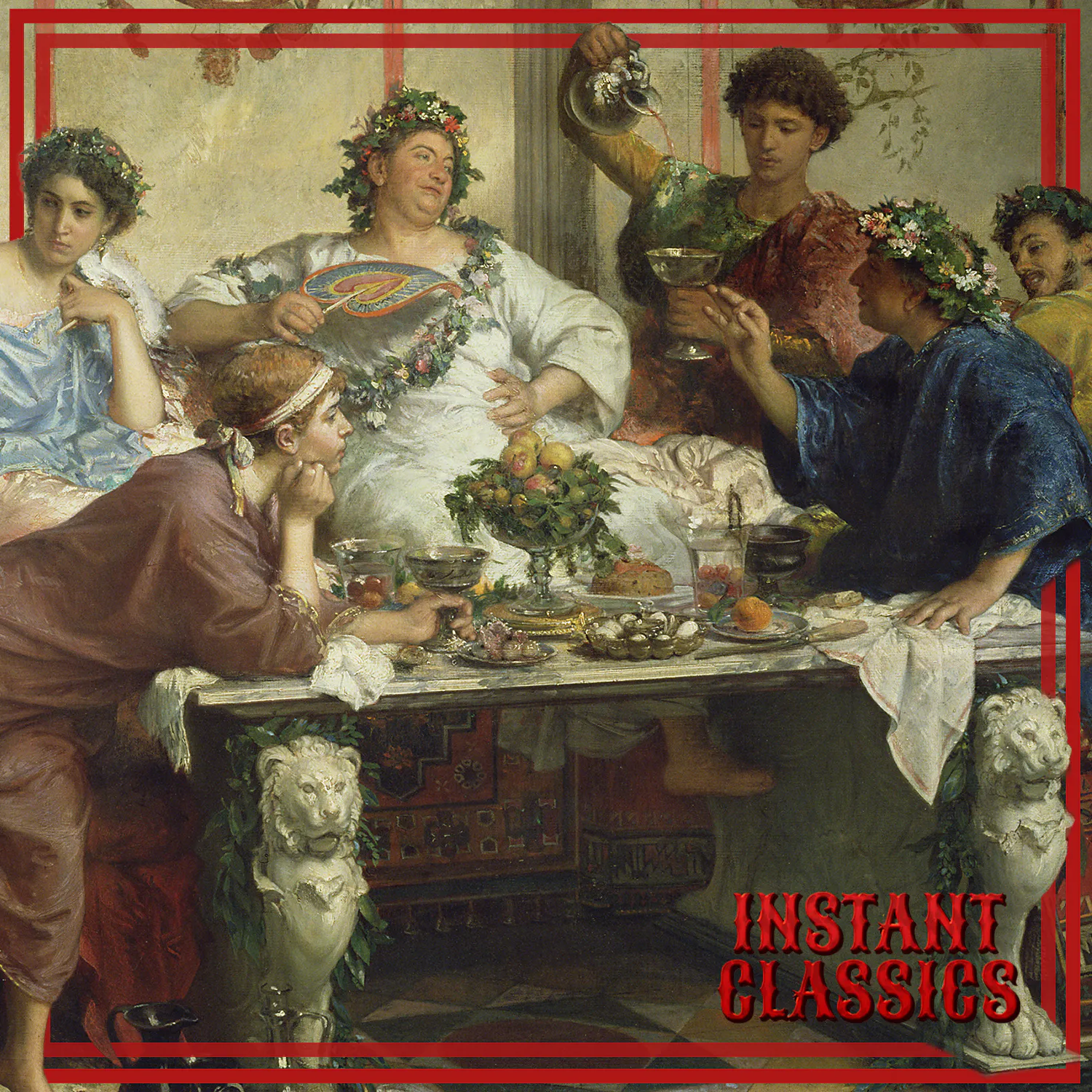
Roman Cancel Culture
Oct 15, 2026
52m 25s
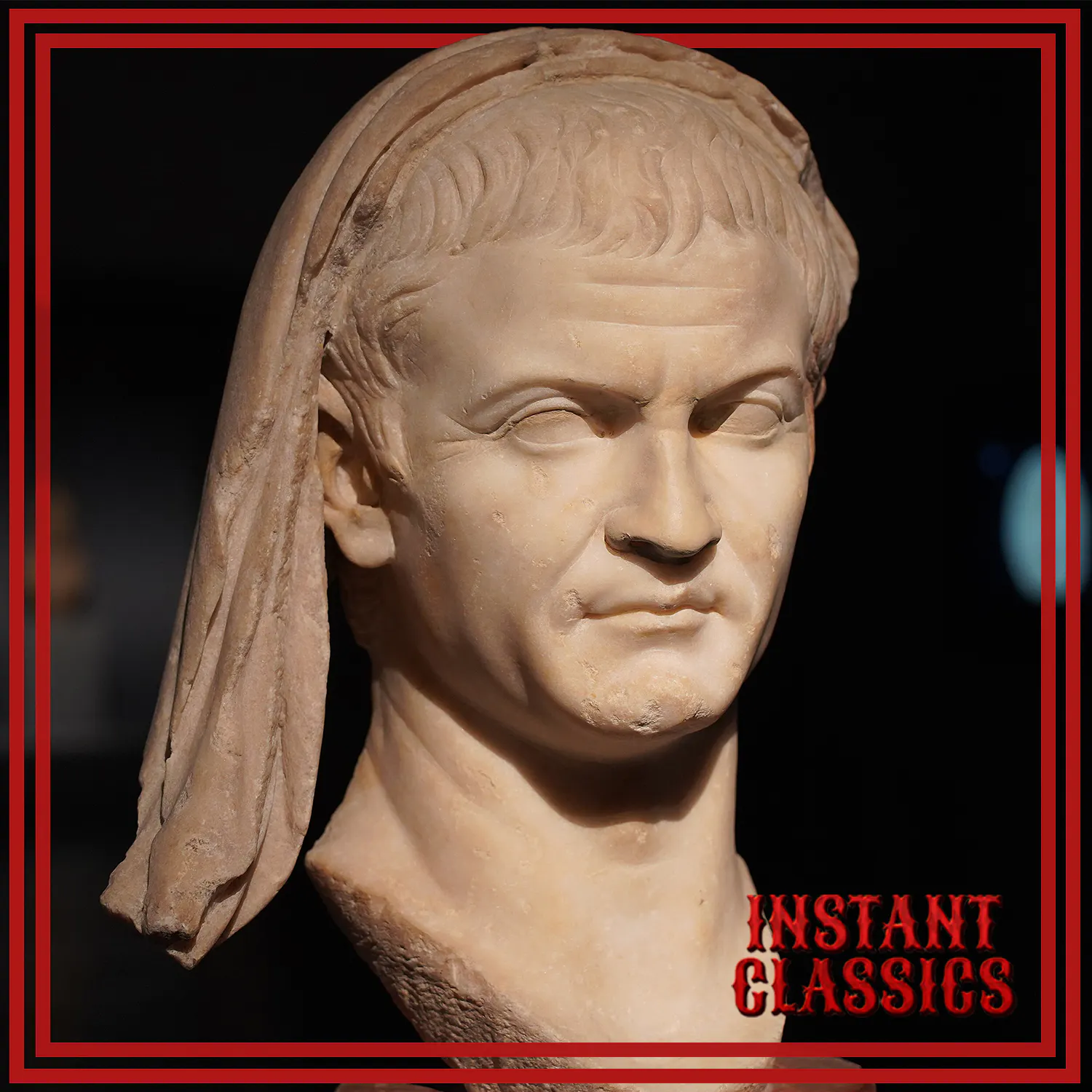
What did Roman emperors really look like?
Oct 8, 2026
58m 38s
The Bayeux Tapestry: Britain’s Lost Latin masterpiece
Oct 1, 2026
56m 06s
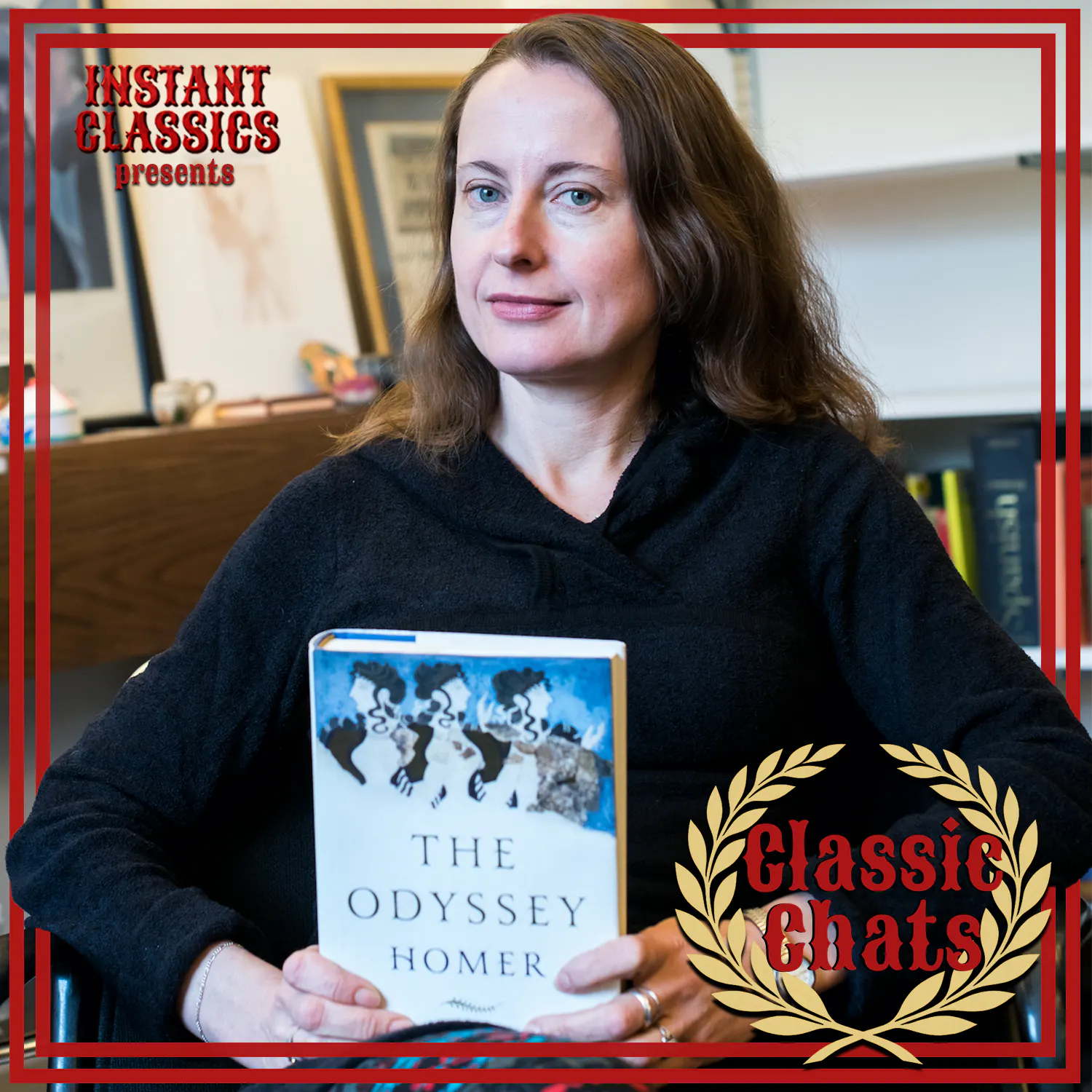
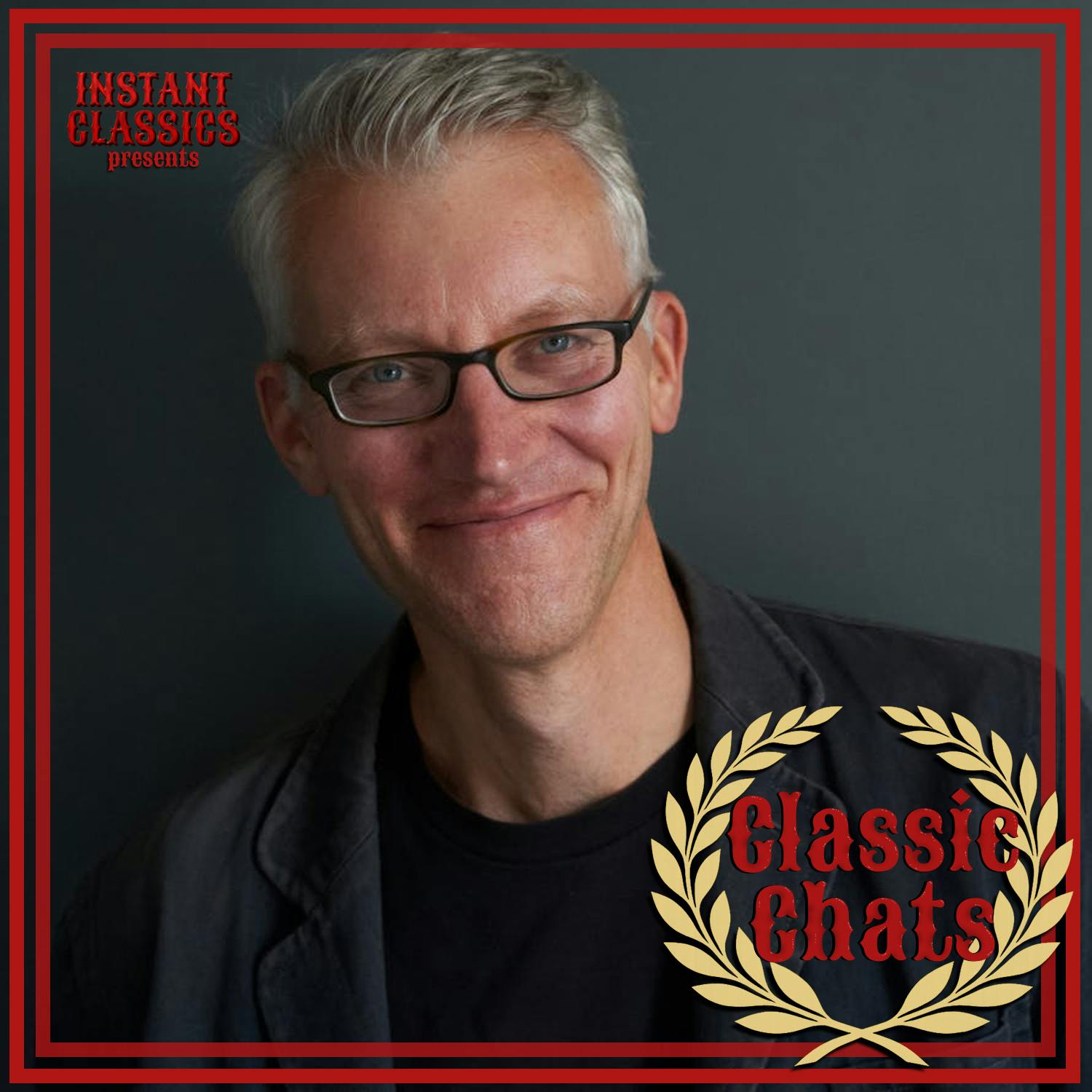
Classic Chats: Daniel Mendelsohn on translating the Odyssey
Sep 24, 2026
59m 48s
How Homer’s Odyssey Conquered the English-speaking World
Sep 17, 2026
59m 32s
Insights from recent episode analysis
Audience Interest
Podcast Focus
Publishing Consistency
Platform Reach
Insights are generated by CastFox AI using publicly available data, episode content, and proprietary models.
Most discussed topics
Brands & references
Total monthly reach
Based on 1 signal.
Built from
By chart position
- 🇬🇧United Kingdom · History#533.8K to 20K
- 🇫🇮FI · History#171.4K to 7.2K
- 🇦🇺Australia · History#78923 to 4.9K
- 🇵🇭PH · History#32849 to 4.5K
- 🇵🇹Portugal · History#47398 to 2.1K
- Per-Episode Audience
Est. listeners per new episode within ~30 days
9.9K to 52K🎙 ~2x weekly·61 episodes·Last published 5d ago - Monthly Reach
Unique listeners across all episodes (30 days)
20K to 105K🇺🇸71%🇬🇧11%🇫🇮4%+10 more - Active Followers
Loyal subscribers who consistently listen
11K to 58K
Market Insights
Platform Distribution
Reach across major podcast platforms, updated hourly
Total Followers
—
Total Plays
—
Total Reviews
—
* Data sourced directly from platform APIs and aggregated hourly across all major podcast directories.
Social Links & Contact
Official channels & resources
RSS Feed
Login
| Date | Episode | Topics | Guests | Brands | Places | Keywords | Sponsor | Length | |
|---|---|---|---|---|---|---|---|---|---|
| 10/15/26 |  Roman Cancel Culture | We think of cancel culture as a 21st-century phenomenon, but it’s been going on since the ancient Egyptians (if not earlier) and the Romans were enthusiastic adopters as a strategy for control. Mary and Charlotte discuss ‘damnatio memoriae’ (condemnation of memory) - the practice of erasing a person from public life and history, usually after their death. (Pedant alert: Romans didn’t use the term ‘damnatio memoriae’ - it was coined much later - and Mary and Charlotte admit straight up that to use the phrase ‘cancel culture’ is a cheeky, and inaccurate, anachronism.) Further reading: The classic study of this is Harriet Flower The Art of Forgetting (Univ of NCarolina Press, pb, 2011) The full text and translation of the senatorial decree on Cn. Piso is in A Cooley, The Senatus Consultum de Cn Pisone patre (Cambridge UP, 2023) On recarving, see E. R. Varner, From Caligula to Constantine (Uni of Washington Press, pb. 2000). Charlotte writes about Carausius and the Tullie House inscriptions in Under Another Sky: Journeys in Roman Britain (Vintage paperback 2014) We refer again to the Severan Tondo, now in Berlin: https://search.smb.museum/object/obj-681547 @instaclassicpod for Insta, TikTok and YouTube @insta_classics for X email: [email protected] Instant Classics handmade by Vespucci Producer: Jonty Claypole Video Editor: Jak Ford Theme music: Casey Gibson Learn more about your ad choices. Visit podcastchoices.com/adchoices | 52m 25s | ||||||
| 10/8/26 |  What did Roman emperors really look like? | There are thousands of surviving busts and sculptures of Roman emperors, but… do we actually know what they looked like? The problem is that the function of these statues was less to do with realistically representing the supreme ruler (if at all), and more about asserting his power over the empire. Mary and Charlotte delve into the complexities of representation in ancient Rome. People across the Roman Empire certainly had an image in mind when they thought about Augustus, because it’s estimated there were over 50,000 sculptures of him – and his profile was on millions of coins. But these idealised images are very different to Suetonius’ descriptions of an almost toothless, blotchy-faced man with various skin conditions. And, of course, Suetonius had his own agenda when it came to describing the emperors of the past. So where does the truth lie? The buff hero of sculpture, the dermatologically fascinating figure of Suetonius, somewhere in between, or none of the above? There are clues, from documents and other sources, which suggest some attempts at resemblance were made in official portraiture - for some emperors at least. And a remarkable surviving painting of Septimius Severus suggests he may have been black, despite the lack of any written commentary on this subject. But even here… the skin tone may have indicated patriarchal seniority rather than ethnicity. As ever, if we leave you more unsure of your history then when you started, we feel we’re doing our job! Further reading: Mary has written about Roman imperial portraiture in several places. Try her Emperor of Rome (Profile, pb. 2024), especially the chapter “Face to Face”; or The Twelve Caesars (Princeton UP, pb, 2023) (most of the book is concerned with modern images of emperors, but it starts with Roman versions of emperors) An important turning point in modern studies of Augustus’ portraits was P Zanker’s The Power of Images (UMichigan Press, pb, 1990) One useful discussion of Hadrian’s beard (and there are many others) is C. Vout’s “What's in a beard? Rethinking Hadrian's Hellenism” in S.Goldbill and R. Osborne, Rethinking Revolutions (Cambridge UP, pb, 2010) Lea Cline and Nathan Elkins (eds), The Oxford handbook of Roman imagery and iconography. (Oxford UP, pb., 2025) offers a series of more theoretical approaches. The Severan Tondo is in the Antikensammlung in Berlin. Here is the object webpage: https://search.smb.museum/en/object/obj-681547 @instaclassicpod for Insta, TikTok and YouTube @insta_classics for X email: [email protected] Instant Classics handmade by Vespucci Producer: Jonty Claypole Video Editor: Jak Ford Theme music: Casey Gibson Learn more about your ad choices. Visit podcastchoices.com/adchoices | 58m 38s | ||||||
| 10/1/26 |  The Bayeux Tapestry: Britain’s Lost Latin masterpiece | Mary and Charlotte delve into the stitching of the Bayeux Tapestry, a 224-foot long narrative embroidery charting William the Conqueror’s successful invasion of England in 1066. Little is certain about the creation of the textile, but it was likely commissioned by one of the Norman victors, Bishop Odo of Bayeux, who was granted lands in Kent by his half brother William the Conqueror, shortly after the conquest, and it is widely believed the actual labour was primarily done by women in Canterbury. An English story told by English craftspeople - no wonder England is so excited about its temporary visit to the British Museum. But what does the Bayeux Tapestry have to do with ancient Greece and Rome? Well, quite a lot actually. There are 338 Latin words on the tapestry, providing added context to the images. The words say things like ‘HIC HAROLD REX INTERFECTUS EST’ (Here King Harold was killed). Those words also give names to participants lower down the social scale, like Turold and Wadard, who were retainers of Bishop Odo and - who knows? - might have been the Laurel and Hardy of their day. The Latin words provide a vital piece of evidence to the ‘Made in England’ argument because the Latin is particular (and contains one or two telling inaccuracies). It includes some Norman variations, but also - and here’s the smoking gun - Anglo-Saxon variations too, suggesting that both Norman and Anglo-Saxon hands and minds were involved at various stages. Surely the greatest English-French collab until the Channel Tunnel? The Latin language is one classical presence in the tapestry, but so too is the narrative form. Scholars have identified several ways in which the tapestry seems to refer to and even verbally echo Virgil’s Aeneid. There are other resonances too, such as the presence of Halley’s Comet (not called Halley’s Comet at the time, of course), which passed close to Earth in 1066. The sighting of a comet early in the Aeneid is one of inciting incidents that sets Aeneas off on his long journey to Italy. Further reading: A fantastically detailed and well informed series of podcasts from History Extra brings together scholars to talk about the tapestry in 5 episodes - highly recommended if you are lucky enough to have bagged tickets for the British Museum exhibition https://podcasts.apple.com/gb/podcast/unravelling-the-bayeux-tapestry-ep1-when-where-and/id256580326?i=1000513237032 The Bayeux museum has a wonderful version of the complete tapestry online: https://www.bayeuxmuseum.com/en/the-bayeux-tapestry/discover-the-bayeux-tapestry/explore-online/ There is a vast bibliography on the tapestry itself. A major study has been produced by the BM to accompany the show, with more reading suggestions than any could need! The Bayeux Tapestry, edited by Sue Brunning et al (British Museum Press, 2026) The studies of the Latin itself are usually very technical. One of the more approachable is: Gale Owen-Crocker, "The embroidered word: text in the Bayeux Tapestry." , in Signs on the edge: space, text and margin in medieval manuscripts, edited by Sarah Keefer & Rolf Bremmer, (Rodopi, 2007). On the influence of Virgil in particular, there are two notable articles in journals: N. Rollason and M Lewis, “Harold-as-Aeneas”, Greece and Rome 2020. T. A Heslop, “Regarding the spectators of the Bayeux Tapestry”, Art History 2009 @instaclassicpod for Insta, TikTok and YouTube @insta_classics for X email: [email protected] Instant Classics handmade by Vespucci Producer: Jonty Claypole Video Editor: Jak Ford Theme music: Casey Gibson Learn more about your ad choices. Visit podcastchoices.com/adchoices | 56m 06s | ||||||
| 9/24/26 |  Classic Chats: Daniel Mendelsohn on translating the Odyssey | Mary and Charlotte talk to Daniel Mendelsohn, one of America’s most revered classicists, whose new translation of the Odyssey was published last year. Daniel’s decision to translate the Odyssey occurred rather unusually. In 2011, his 82-year-old father decided to attend his weekly Odyssey seminar at Bard College. In his memoir An Odyssey: A Father, A Son, and an Epic (2017), Daniel recounts how through his father’s eyes he came to see the Odyssey differently - as well as their own relationship. In the book, he translated short passages which led to a commission from University of Chicago Press to translate the entire poem. Daniel talks about the decisions he made in his translation - and, of course, how he tackled the word polytropos. He also talks about the response to his less than enthusiastic review of Nolan’s adaptation, why it’s nevertheless been a great moment for the Odyssey, and why literature is sometimes best when it’s NOT relatable. Further reading: Slightly confusingly, Mendelsohn’s Odyssey is published by University of Chicago Press in the USA and by Penguin Classics in the UK (adding to Penguin’s array of Odyssey translations). Daniel has his own website: https://www.danielmendelsohn.com/ with links to many of his great classical (and other) essays. Emily Wilson reviewed An Odyssey: A Father, A Son and and Epic in the Guardian: https://www.theguardian.com/books/2017/sep/13/an-odyssey-a-father-a-son-and-an-epic-by-daniel-mendelsohn-review @instaclassicpod for Insta, TikTok and YouTube @insta_classics for X email: [email protected] Instant Classics handmade by Vespucci Producer: Jonty Claypole Video Editor: Jak Ford Theme music: Casey Gibson Learn more about your ad choices. Visit podcastchoices.com/adchoices | 59m 48s | ||||||
| 9/17/26 |  How Homer’s Odyssey Conquered the English-speaking World | Last episode, Mary and Charlotte looked at how Homer’s Odyssey was reinterpreted in the Ancient World by writers like Euripides, Virgil and Ovid. In this episode, they show how it shaped English fiction - from Shakespeare through to Madeline Miller. They are joined by Jonty Claypole - Instant Classics producer and co-host of the Secret Life of Books podcast. One of the great turning points of English literature was George Chapman’s translations of Homer in the 1590s and 1600s which introduced a new generation to Homer’s writing - including Shakespeare who seems to respond to Chapman (and Homer) in plays like Troilus and Cressida and The Tempest. A hundred years later, the novel emerges with a series of books - Daniel Defoe’s Robinson Crusoe, Jonathan Swift’s Gulliver’s Travels and Henry Fielding’s Joseph Andrews - which are implicitly, and sometimes explicitly, responses to The Odyssey. Homer also inspired some of the greatest poems in the English language, including John Keats’ On First Looking Into Chapman’s Homer and Tennyson’s Ulysses. Finally, Mary, Charlotte and Jonty look at how The Odyssey continues to inspire revision and reinterpretation - whether Toni Morrison’s Song of Solomon, Derek Walcott’s Omeros, Margaret Atwood’s Penelopiad or Madeline Miller’s Circe. Further reading: Richard Holmes’ recent book The Boundless Deep: Young Tennyson, Science and the Crisis of Belief (Harper Collins, 2025) contains a brilliant description of Tennyson’s Ulysses and the circumstances behind its competition. Several modern versions of Homer are discussed by Henry Power in his Homer-Haunted: the many after-lives of an ancient poet (Bloomsbury, 2026) Edith Hall explores how the various themes of the Odyssey have been adapted by many modern authors in The Return of Ulysses: A cultural history of Homer’s Odyssey (free online). Jonty’s podcast is Secret Life of Books, which he co-hosts with Sophie Gee. Recent episodes go into more depth on some of the topics above - including whole episodes on Tennyson’s Ulysses and James Joyce’s Ulysses. There is a free online text of Chapman’s Homer here @instaclassicpod for Insta, TikTok and YouTube @insta_classics for X email: [email protected] Instant Classics handmade by Vespucci Producer: Jonty Claypole Video Editor: Jak Ford Theme music: Casey Gibson Learn more about your ad choices. Visit podcastchoices.com/adchoices | 59m 32s | ||||||
| 9/10/26 |  How Homer's Odyssey Conquered the Ancient World | Ever since the Odyssey was composed, people have retold the story, played with it or used it as a departure point for similar or related stories. In this episode, Mary and Charlotte look at what happened next. How the Odyssey inspired other writers long before Christopher Nolan thought of adapting it for the big screen. As now, the ancients were drawn to certain episodes more than others. One was the cyclops, who becomes the unlikely subject of a satyr play (think Benny Hill sex comedy) by the playwright Euripides in the 5th century BCE. two hundred years later, the poet Theocritus imagines the cyclops as an articulate, love-sick shepherd. Meanwhile, Apollonius of Rhodes responded to the epic scope of Homer’s story with the Argonautica - a famous story about Jason and his crew of Argonauts searching for the Golden Fleece. Roman authors were equally drawn to the Odyssey. Virgil used it as a template for a foundation myth for Rome - a Trojan prince leaves Troy, experiences various adventures, including a trip to the underworld, and ends by founding Rome. Ovid, who takes a rather less referential approach to the Odyssey in his Metamorphoses, has a brilliant scene where he retells the Circe story from the point of view of Odysseus’ men as they are turned into pigs. Further reading The Argonautica by Apollonius of Rhodes is available in World’s Classics and Penguin Classics English translations Plutarch’s Gryllus is available online in translation Theocritus’s Idylls are available in translation online - Idyll 11 is the Cyclops poem Ovid’s Metamorphoses can be found in many translations, and also a decent one online. Circe and her pigs appear in book 14 Virgil’s Aeneid – there are many recent translations including by Sarah Ruden from Yale and online. @instaclassicpod for Insta, TikTok and YouTube @insta_classics for X email: [email protected] Instant Classics handmade by Vespucci Producer: Jonty Claypole Video Editor: Jak Ford Theme music: Casey Gibson Learn more about your ad choices. Visit podcastchoices.com/adchoices | 53m 07s | ||||||
| 9/3/26 | Vestal Virginsancient Rome+4 | Charlotte | Temple of VestaDune | — | Vestal Virginsancient Rome+5 | — | 54m 06s | ||
| 8/27/26 | Ancient Romehistorical fiction+3 | Robert Harris | Hutchinson HeinemannAgrippa+5 | — | Robert HarrisAgrippa+3 | — | 54m 27s | ||
| 8/20/26 | Roman historyAugustus+3 | MaryCharlotte | Pantheon | Rome | Marcus AgrippaAugustus+5 | — | 54m 08s | ||
| 8/18/26 | translationThe Odyssey+3 | Emily Wilson | NortonProfile Books+1 | — | Emily WilsonThe Odyssey+5 | — | 49m 35s | ||
| 8/13/26 | Ukrainian cultureart in war+3 | Charlotte Higgins | Ukrainian Lessons: Art in a Time of WarThe Language of War+2 | UkraineRussia+3 | Ukraineart+5 | — | 1h 07m 36s | ||
| 8/10/26 | translations of the Odysseymodern literature+4 | — | W. W. Norton and coChicago UP and Penguin Classics+6 | — | Odysseytranslation+6 | — | 11m 29s | ||
| 8/6/26 | beach readsclassical literature+3 | — | Herodotus’ HistoriesOvid’s Heroides+6 | — | beach readsHerodotus+5 | — | 58m 42s | ||
| 8/3/26 | Clacton byelectionAncient Greece+5 | Count Binface | GuardianBBC Radio 4+1 | ClactonAthenian+2 | Count BinfaceAncient Greece+5 | — | 34m 58s | ||
| 7/30/26 | Pompeiiancient world+5 | Tom Hiddleston | Disney+National Geographic+4 | Cambridge | PompeiiTom Hiddleston+5 | — | 54m 51s | ||
| 7/23/26 | film adaptationHomer+4 | — | HomerChristopher Nolan’s Odyssey | — | Christopher NolanOdyssey+5 | — | 56m 31s | ||
| 7/15/26 | film reviewChristopher Nolan+4 | — | Instant ClassicsVespucci+4 | — | Christopher NolanThe Odyssey+6 | — | 51m 26s | ||
| 7/9/26 | Christopher NolanThe Odyssey+5 | — | W. W. NortonChicago UP+2 | — | The OdysseyChristopher Nolan+6 | — | 47m 42s | ||
| 7/2/26 | Ancient RomeHollywood+5 | Professor Maria Wyke | House Un-American Activities CommitteeRoutlege+3 | — | SpartacusGladiator+6 | — | 47m 55s | ||
| 6/25/26 | American architectureneoclassicism+4 | — | DC Commission of Fine ArtsFinancial Times+5 | Washington DCVirginia+1 | architectureneoclassicism+5 | — | 52m 56s | ||
| 6/18/26 | Ancient RomePresidential history+4 | Mary | SmithsonianWall Street Journal+1 | — | sarcophagusAndrew Jackson+6 | — | 50m 36s | ||
| 6/11/26 | American RevolutionAncient Rome+4 | Joy Connolly | ACLSCato+4 | USA | American RevolutionAncient Rome+6 | — | 51m 37s | ||
| 6/4/26 | Roman dreamsArtemidorus+4 | — | Oxford World’s ClassicsCambridge UP+2 | Ephesus | dream interpretationArtemidorus+6 | — | 55m 23s | ||
| 5/28/26 | Cleopatrafilm history+3 | Professor Maria Wyke | RoutledgeOUP+5 | 21st Century | Cleopatrafilm+5 | — | 1h 00m 47s | ||
| 5/21/26 | Cleopatrabiography+4 | Lucy Hughes-Hallett | Cleopatra: Histories, Dreams and DistortionsThe Death of Cleopatra | — | Cleopatrabiography+7 | — | 53m 41s | ||
| 5/17/26 | film adaptationtrailer analysis+3 | MaryCharlotte | Instant ClassicsChristopher Nolan+2 | — | trailerChristopher Nolan+5 | — | 7m 28s | ||
| 5/14/26 | CleopatraMark Antony+4 | — | AeneidOdes 1.37 | — | CleopatraMark Antony+7 | — | 48m 45s | ||
| 5/7/26 | CleopatraRoman history+5 | — | Plutarch’s Life of Mark AntonyAntony and Cleopatra+1 | — | CleopatraJulius Caesar+5 | — | 46m 16s | ||
| 4/30/26 | CleopatraPtolemy dynasty+4 | — | Oxford UPVirgin books+1 | — | CleopatraPtolemy+5 | — | 59m 19s | ||
| 4/23/26 | classical civilisationart+4 | Grayson Perry | King’s College LondonThe Tomb of the Unknown Craftsman+1 | — | Grayson Perryclassical civilisation+5 | — | 50m 12s | ||
| 4/16/26 | classical studieshistory+5 | Mary Beard | ProfilebooksTalking Classics+1 | — | Mary BeardTalking Classics+6 | — | 57m 22s | ||
| 4/9/26 | Christian martyrdomRoman Empire+3 | — | Oxford UPPerpetua’s diary | CarthageTunisia | PerpetuaChristianity+5 | — | 53m 18s | ||
| 4/2/26 | Greek tragedyfeminism+4 | — | Oxford UPAntigone+1 | — | AntigoneSophocles+6 | — | 52m 10s | ||
| 3/26/26 | Roman graffitidaily life+5 | — | The GuardianOxford UP+4 | PompeiiHerculaneum+1 | Roman graffitiPompeii+5 | — | 54m 28s | ||
| 3/19/26 | plagueAncient Athens+4 | MaryCharlotte | The American JournalHistory+1 | — | Great PlagueAthens+5 | — | 52m 59s | ||
| 3/12/26 | Roman foodancient diets+4 | — | — | PompeiiHerculaneum+1 | Roman foodPompeii+5 | — | 44m 24s | ||
| 3/5/26 | Roman foodposh food+3 | — | Apicius’ De re culinaria | — | Roman foodElagabalus+5 | — | 54m 32s | ||
| 2/26/26 | Ancient Romehistorical literature+4 | Tom Holland | Rest is HistoryRubicon: The Last Years of the Roman Republic+4 | — | Tom HollandAncient Rome+6 | — | 56m 26s | ||
| 2/19/26 | Roman festivalsLupercalia+3 | — | The Lupercalia | Ancient Rome | LupercaliaAncient Rome+3 | — | 47m 20s | ||










Showing 39 of 61
Pitch Fit is a Pro feature
See how bookable this show is for guests, which brands already advertise, the per-episode ad value, and the best-fit guest and sponsor profile. The numbers are blurred on the free plan.
How readily this show books outside guests like you.
How proven this show is for host-read sponsorships.
For Guests
ProFor Advertisers
ProUpgrade to Pro to unlock guest cadence, sponsor categories, fit scores, and per-episode ad value for this show.
Similar Audience Demographics
Podcasts that attract a similar listener profile




Chart history for Instant Classics
Peaked at #17 in Finland, currently #17 in Finland.
| Market | Genre | Peak | Current | Trend |
|---|---|---|---|---|
| Finland | — | #17 | #17 | — |
| PH | — | #32 | #32 | — |
| PT | — | #47 | #47 | — |
| United Kingdom | — | #53 | #53 | — |
| Ireland | — | #54 | #54 | — |
| VN | — | #62 | #62 | — |
| Australia | — | #78 | #78 | — |
| ID | — | #85 | #85 | — |
| South Korea | — | #99 | #99 | — |
| Sweden | — | #105 | #105 | — |
| CH | — | #107 | #107 | — |
| HK | — | #127 | #127 | — |
| South Africa | — | #129 | #129 | — |
| HU | — | #134 | #134 | — |
| CZ | — | #137 | #137 | — |
| New Zealand | — | #143 | #143 | — |
| Spain | — | #147 | #147 | — |
| IS | — | #147 | #147 | — |
| Norway | — | #151 | #151 | — |
| RO | — | #161 | #161 | — |
Chart Positions
24 placements across 24 markets.
Chart Positions
24 placements across 24 markets.