

Insights from recent episode analysis
Audience Interest
Podcast Focus
Publishing Consistency
Platform Reach
Insights are generated by CastFox AI using publicly available data, episode content, and proprietary models.
Most discussed topics
Brands & references
Total monthly reach
Estimated from 1 chart position in 1 market.
By chart position
- 🇯🇵JP · History#1651K to 10K
- Per-Episode Audience
Est. listeners per new episode within ~30 days
500 to 5K🎙 Weekly cadence·34 episodes·Last published 4w ago - Monthly Reach
Unique listeners across all episodes (30 days)
1K to 10K🇯🇵100% - Active Followers
Loyal subscribers who consistently listen
300 to 3K
Market Insights
Platform Distribution
Reach across major podcast platforms, updated hourly
Total Followers
—
Total Plays
—
Total Reviews
—
* Data sourced directly from platform APIs and aggregated hourly across all major podcast directories.
On the show
From 10 epsHosts
Recent guests
Recent episodes
Decomposing Historians (with Elise Garritzen)
May 29, 2026
1h 05m 02s
Plato’s Political Ideas: From Limited Rule to Tyranny (with Melissa Lane)
Mar 30, 2026
1h 15m 02s
Sketching Characters: from Ancient Moralists to the Mansplainer (with Katie Ebner-Landy)
Feb 10, 2026
1h 01m 06s
The Curious Case of Martin Crusius (with Richard Calis)
Dec 8, 2025
40m 03s
Mary Wollstonecraft: The Honest Educator (with Sylvana Tomaselli)
Oct 22, 2025
57m 09s
Social Links & Contact
Official channels & resources
Official Website
Login
RSS Feed
Login
| Date | Episode | Topics | Guests | Brands | Places | Keywords | Sponsor | Length | |
|---|---|---|---|---|---|---|---|---|---|
| 5/29/26 |  Decomposing Historians (with Elise Garritzen)✨ | Victorian historianshistorical works+3 | Elise Garritzen | Reimagining the Historian in Victorian England: Books, the Literary Marketplace, and the Scholarly Persona | — | Victorian historianshistorical books+3 | — | 1h 05m 02s | |
| 3/30/26 |  Plato’s Political Ideas: From Limited Rule to Tyranny (with Melissa Lane)✨ | Platopolitical thought+3 | Melissa Lane | Plato | — | Platopolitical ideas+3 | — | 1h 15m 02s | |
| 2/10/26 | 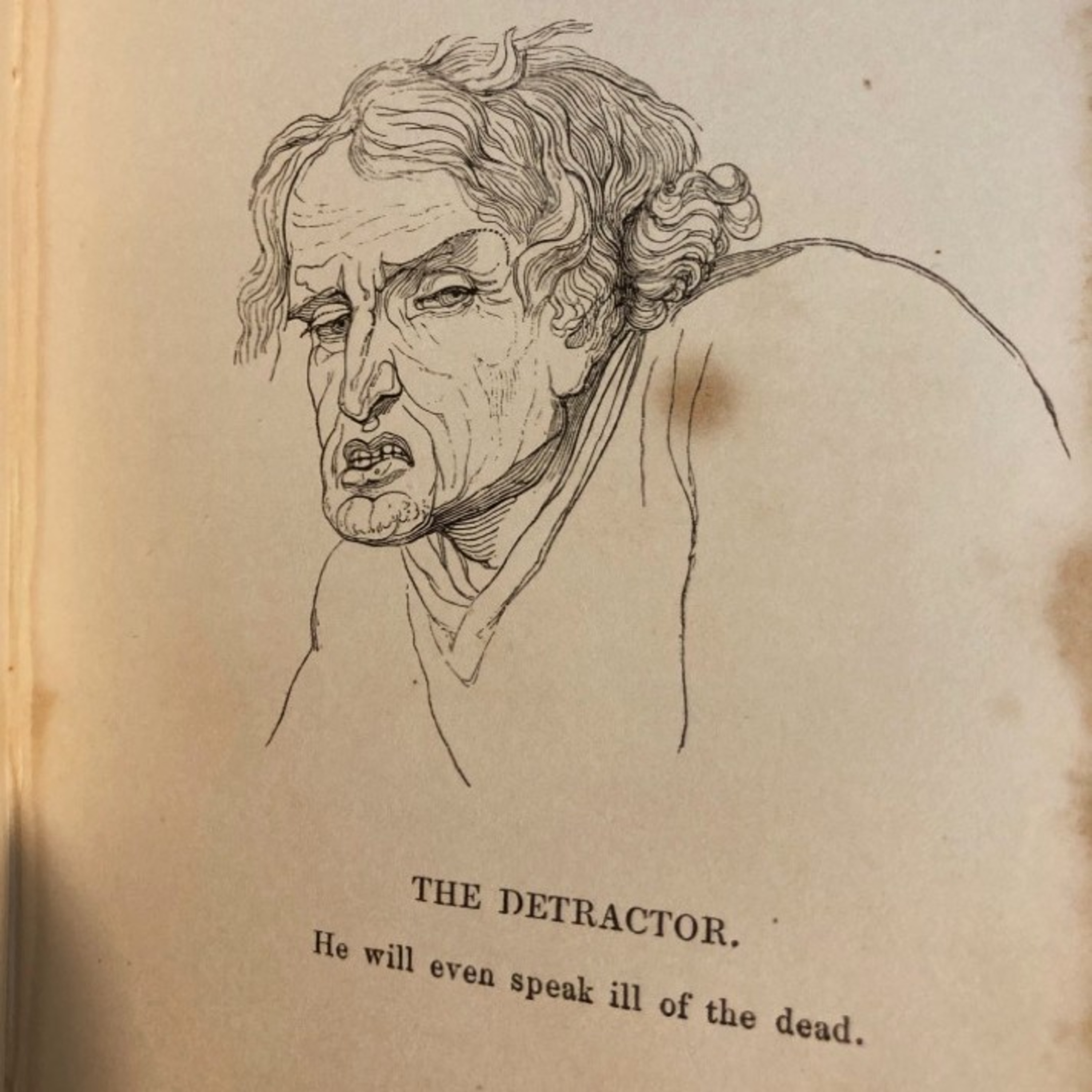 Sketching Characters: from Ancient Moralists to the Mansplainer (with Katie Ebner-Landy)✨ | moral philosophycharacter sketching+4 | Katie Ebner-Landy | Characters | — | Theophrastusmoral philosophy+4 | — | 1h 01m 06s | |
| 12/8/25 |  The Curious Case of Martin Crusius (with Richard Calis)✨ | Martin CrusiusOttoman Greece+4 | Richard Calis | LutheranOttoman | TübingenGreece | Martin CrusiusOttoman Greece+5 | — | 40m 03s | |
| 10/22/25 |  Mary Wollstonecraft: The Honest Educator (with Sylvana Tomaselli)✨ | Mary Wollstonecrafteducation+3 | Sylvana Tomaselli | Enlightenment political thought | — | Mary Wollstonecrafteducation+7 | — | 57m 09s | |
| 9/17/25 | 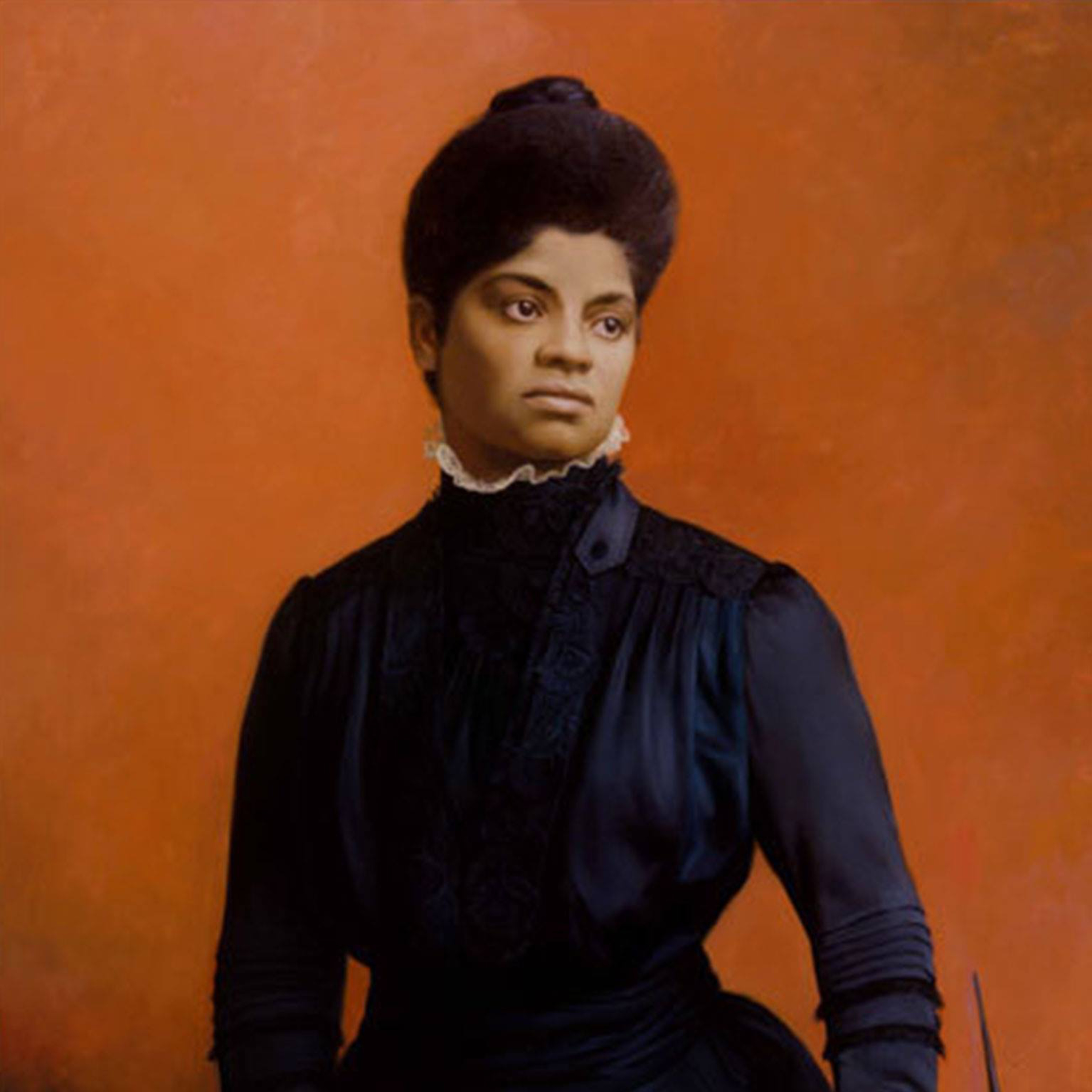 African-American Ideas about Race (with Mia Bay)✨ | African-American intellectual historyrace+4 | Mia Bay | — | — | African-Americanrace+6 | — | 1h 00m 06s | |
| 7/21/25 |  Liberty as Independence (with Quentin Skinner)✨ | libertyindependence+4 | Quentin Skinner | Declaration of Independence | England | libertyindependence+5 | — | 1h 00m 39s | |
| 6/9/25 | 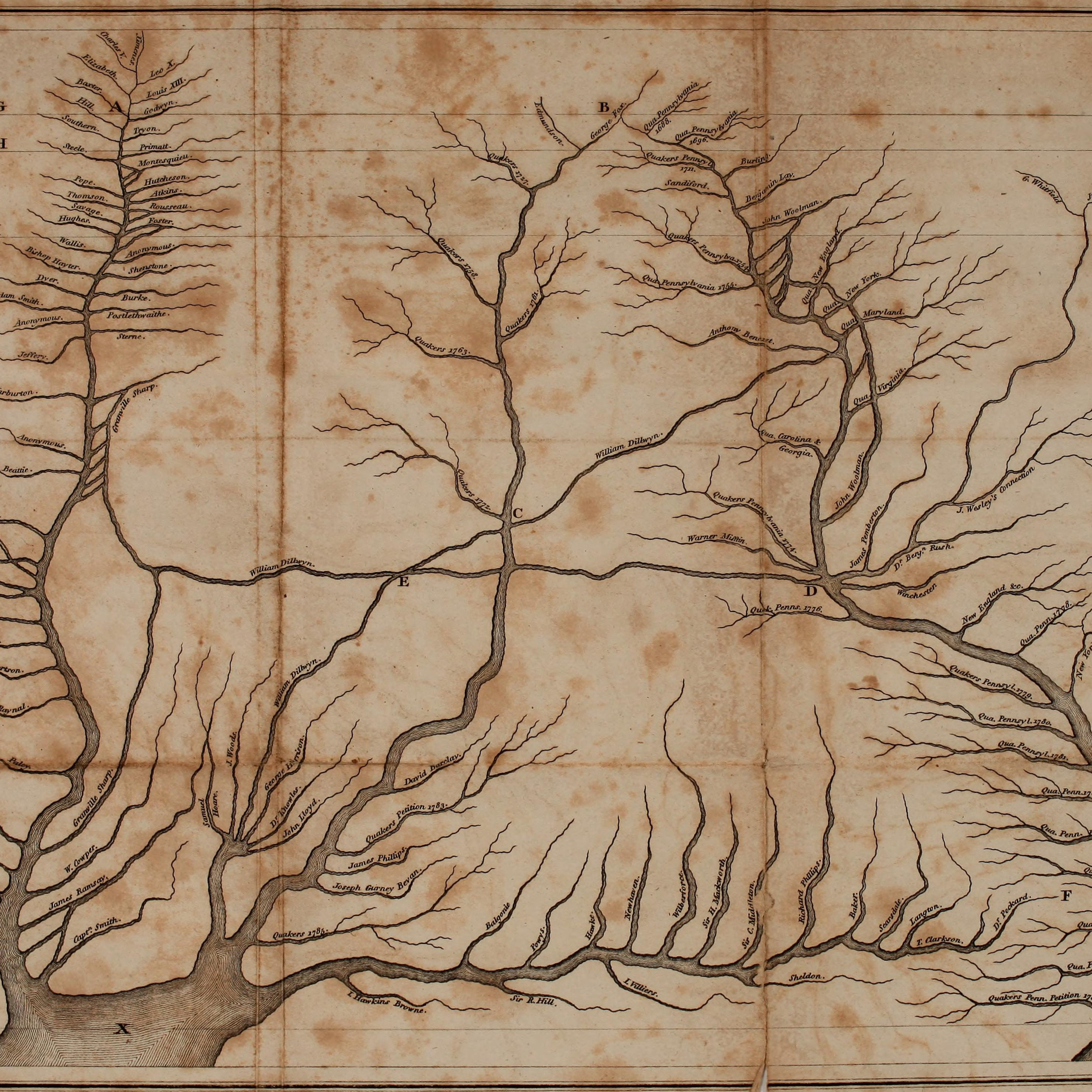 Abolitionist Ideas: Battling the Slave Trade in Britain✨ | abolitionismslave trade+4 | John Coffey | British Empire | Britain | abolitionist ideasslave trade+5 | — | 1h 10m 36s | |
| 4/27/25 |  Carl Schmitt: The Thoughtful Nazi (with Lars Vinx and Samuel Zeitlin)✨ | political theorytwentieth century history+4 | Lars VinxSamuel Zeitlin | — | — | Carl Schmittpolitical theory+5 | — | 1h 54m 03s | |
| 3/4/25 |  Indigenous Ideas: A Global Perspective (with Saliha Belmessous)✨ | indigenous ideascolonialism+5 | Saliha Belmessous | Native American declaration of independence | New ZealandNew Caledonia+2 | indigenous historycolonialism+8 | — | 59m 45s | |
Want analysis for the episodes below?Free for Pro Submit a request, we'll have your selected episodes analyzed within an hour. Free, at no cost to you, for Pro users. | |||||||||
| 2/4/25 |  Slavery, Empire, and John Locke (with Mark Goldie) | John Locke continues to excite controversy. For American liberals, he is an honorary Founding Father, one of the architects of modern democracy. In their view, as Allan Bloom put it, ‘the whole world is divided into two parts, one of which traces its intellectual lineage back to Locke and the other to Marx’. For his critics on the left, by contrast, he is an apologist for slavery and European imperialism, his thought a reminder that liberalism and empire were born twins. But is either of these views really true? Perhaps if we look at Locke’s practical engagement with English colonialism, a more complicated picture will emerge. Join Mark Goldie, one of the preeminent historians of seventeenth century political thought, as he sheds light on Locke’s involvement in the transatlantic slave trade, his relationship with England’s American colonies, and his views on empire and enslavement, asking how it was that the so-called father of liberalism could have accepted the absolute subjugation of other human beings. | — | ||||||
| 12/17/24 | Francis Bacon: A Lion under the Throne (with Richard Serjeantson) | According to some, Francis Bacon accomplished nothing less than a scientific revolution. Some even say he was the founder of modern science itself. Born into a world where natural magic, astrology, alchemy, and the wisdom of the Ancients were all accepted as authentic sciences, he left behind a body of work expressing a new and strange idea. In this radical vision, humanity was destined to free itself from its mundane misery by investigating nature and discovering its laws. It was a vision of collective action and incremental progress that sustains scientific practice to this day. Yet Bacon was also a deeply paradoxical figure. A lover of humanity and believer in progress, he was also a Machiavellian statesman committed to advancing the interests of the English state, as well as a self-seeking loner who married for money and disinherited his wife. Richard Serjeantson, Cambridge’s foremost authority on Bacon’s life and legacy, tells us the intellectually exhilarating story of the man who ushered in our modern age of science. This episode is hosted by Sam Tchorek-Bentall | — | ||||||
| 9/24/24 | Big States, Small States, and the End of Enlightenment (Prof. Richard Whatmore) | What lessons can we draw from eighteenth-century thought about the relationship of big and small states? What are the limits of intellectual history? How and why did the Enlightenment end? Richard Whatmore, Professor of Modern History at the University of St Andrews, joins us to discuss these questions and more. | — | ||||||
| 4/26/24 | Equality, Intellectual Traditions, and the Seventeenth Century (Prof. Teresa Bejan) | What can the seventeenth century teach us about equality? Why do philosophers construct intellectual traditions and how do we use them? In what ways is political theory an educative endeavour? These are some of the questions we asked Teresa Bejan, Professor of Political Theory at the University of Oxford. Publications mentioned in this episode include: First Among Equals: The Practice and Theory of Early Modern Equality. Under contract with Harvard University Press. Mere Civility: Disagreement and the Limits of Toleration (Harvard University Press, 2017) “The Historical Rawls,” Special Forum for Modern Intellectual History, co-edited with Sophie Smith and Annette Zimmermann (2021). “Rawls’s Teaching and the ‘Tradition’ of Political Philosophy,” Modern Intellectual History (2021). “‘Since all the World is Mad, Why should not I be so?’ Equality, Hierarchy, and Ambition in the Thought of Mary Astell.” Political Theory (online first May 2019). “The Two Clashing Meanings of Free Speech,” The Atlantic (2 Dec. 2017). “Teaching the Leviathan: Thomas Hobbes on Education,” Oxford Review of Education 36:5 (2010). | — | ||||||
| 2/13/24 | Hume, the History of Philosophy, and the Concept of the People (Prof. James Harris) | How can we understand thinkers in their own terms? Why is such an approach particularly fruitful to understanding Hume? What can philosophy and the history of political thought learn from one another? What can Hobbes's conception of the people teach us about populism? James Harris, professor of the history of philosophy at the University of St Andrews, joins us to discuss these questions and more in this episode. This episode's hosts: Zack Rauwald & Elena Yi-Jia Zeng. | — | ||||||
| 11/7/23 | Representation, Public Debt, and the Ends of History (Dr Michael Sonenscher) | What is the relationship between war and representation? Why can't we understand the French Revolution without thinking about the political management of public debt? And what does the future have to do with how we write history? These are some of the questions answered by Michael Sonenscher, Fellow of King's College, University of Cambridge. This episode's hosts: Michael Kretowicz & Charlotte Johann. | — | ||||||
| 2/11/20 | Spinoza, Feminism, and the History of Philosophy (Prof. Susan James) | What makes the seventeenth century such a fascinating period in the history of philosophy? In what ways does Spinoza speak to contemporary philosophical problems? And in what sense is philosophy an inherently historical discipline? These are some of the questions that we asked Susan James, Professor of Philosophy at Birkbeck College London. Some books and papers mentioned in this episode are: - Augustine of Hippo: A Biography by Peter Brown - The Blazing World by Siri Hustvedt - Spinoza on philosophy, religion, and politics: the Theologico-political treatise by Susan James - 'Responding Emotionally to Fiction: A Spinozist Approach' by Susan James - Early Modern French Thought by Michael Moriarty | — | ||||||
| 10/9/19 | Decolonisation, Freedom, and African Intellectual History (Prof. Emma Hunter) | What can decolonisation in twentieth century Africa tell us about the history of political thought? How might African intellectual history shed light on new methods and modes of inquiry? And what does it mean to ‘decolonise’ intellectual history? Emma Hunter, professor of global and African history at the University of Edinburgh and the 2018/19 Quentin Skinner Fellow, joins us to discuss these questions and more in this episode. | — | ||||||
| 8/23/19 | Weber, Liberty, and the Anthropocene (Prof. Duncan Kelly) | What can history contribute to the pursuits of contemporary political theory? What does the notion of the Anthropocene have to do with the history of political thought? And what exactly is the legacy of the political thought produced during the First World War? These are some of the questions discussed in this episode with Duncan Kelly, professor of political thought and intellectual history at the University of Cambridge, and the author of Politics and the Anthropocene (2019). | — | ||||||
| 8/12/19 | Law, History and Global Governance (Dr Megan Donaldson) | What is the place of history in the study of law? How do historians of international law conceive of emergent actors on the global stage? To what extent do legal histories shape the expectations and commitments of today’s international institutions? Dr Megan Donaldson, recently appointed to a lectureship in Public International Law at University College London, addresses these questions and shares her experience of a complex intersection between law, legal history and the history of political thought. #Globalgovernance #legalhistory #internationallaw #deliberativedemocracy #publicity #interwarperiod | — | ||||||
| 4/10/19 | Gender and Political Thought (Dr Anna Becker) | How does an attention to gender change our understanding of Renaissance political texts and the history of ideas more broadly? How can we challenge the traditional divide between the political public and the apolitical private spheres? And in what ways is re-evaluating the conceptual relationship between disadvantaged groups in the early modern period fruitful for our own times? We spoke to Anna Becker, from the Centre of Privacy Studies at the University of Copenhagen, to discuss these questions and more. #gender #Renaissance #household #Machiavelli #Bodin #power #sovereignty | — | ||||||
| 12/23/18 | Socialism, Poverty, and the Century of Marx (Prof. Gareth Stedman Jones) | How do we write the history of both the theory and the practice of socialism and welfarism? How do historians negotiate the relationship between their politics and their scholarship? And in what way is Karl Marx's political thinking relevant for us today? Gareth Stedman Jones, Professor of the History of Ideas at Queen Mary, University of London, talked to us about the history of poverty in nineteenth century Europe, his recent biography of Karl Marx, and what Dickens can teach us about writing history. #welfare state #poverty #socialism #nineteenth century #Marx #Marxism #New Left | — | ||||||
| 10/27/18 | Rome, Liberty, and Rhetoric (Dr Valentina Arena) | How does the world of ideas impact our understanding of political practice? What notions of freedom shaped the Roman republic? And how can Roman understandings of rhetoric empower our thinking in the twenty first century? These are some of the questions we discussed with Dr Valentina Arena, Reader in Roman History at University College London. | — | ||||||
| 10/27/18 | Intellectual History, Critical Theory, and Method (Prof. Martin Jay) | What's the relationship between ideas and life experiences, politics and scholarship? How does our methodological self-consciousness evolve? What is the interaction between different schools of intellectual history? Martin Jay reflects on his life and career as an intellectual historian. | — | ||||||
| 10/27/18 | Enlightenment, Science, and Political Authorship (Prof. Avi Lifschitz) | Where did Enlightenment take place in the eighteenth century? Why were Enlightenment thinkers interested in the origins of language and the workings of the human mind? And can political rulers also be philosophers? Avi Lifschitz talked to us about science, aesthetics, politics and philosophy in eighteenth century Europe, about scholarship then and now, and about the legacies of Enlightenment thinking for our own time. | — | ||||||
Showing 25 of 34
Pitch Fit is a Pro feature
See how bookable this show is for guests, which brands already advertise, the per-episode ad value, and the best-fit guest and sponsor profile. The numbers are blurred on the free plan.
How readily this show books outside guests like you.
How proven this show is for host-read sponsorships.
For Guests
ProFor Advertisers
ProUpgrade to Pro to unlock guest cadence, sponsor categories, fit scores, and per-episode ad value for this show.
Chart Positions
1 placement across 1 market.
Chart Positions
1 placement across 1 market.