🎙 Inventive Journey | Real Stories From the Startup Survival Club
by Devin @ Miller IP
Is this your podcast?Insights from recent episode analysis
Audience Interest
Podcast Focus
Publishing Consistency
Platform Reach
Insights are generated by CastFox AI using publicly available data, episode content, and proprietary models.
Most discussed topics
Brands & references
Total monthly reach
Estimated from 1 chart position in 1 market.
By chart position
- 🇵🇭PH · Entrepreneurship#116500 to 3K
- Per-Episode Audience
Est. listeners per new episode within ~30 days
250 to 1.5K🎙 Weekly cadence·751 episodes·Last published today - Monthly Reach
Unique listeners across all episodes (30 days)
500 to 3K🇵🇭100% - Active Followers
Loyal subscribers who consistently listen
150 to 900
Market Insights
Platform Distribution
Reach across major podcast platforms, updated hourly
Total Followers
—
Total Plays
—
Total Reviews
—
* Data sourced directly from platform APIs and aggregated hourly across all major podcast directories.
On the show
From 26 epsHosts
Recent guests
Recent episodes
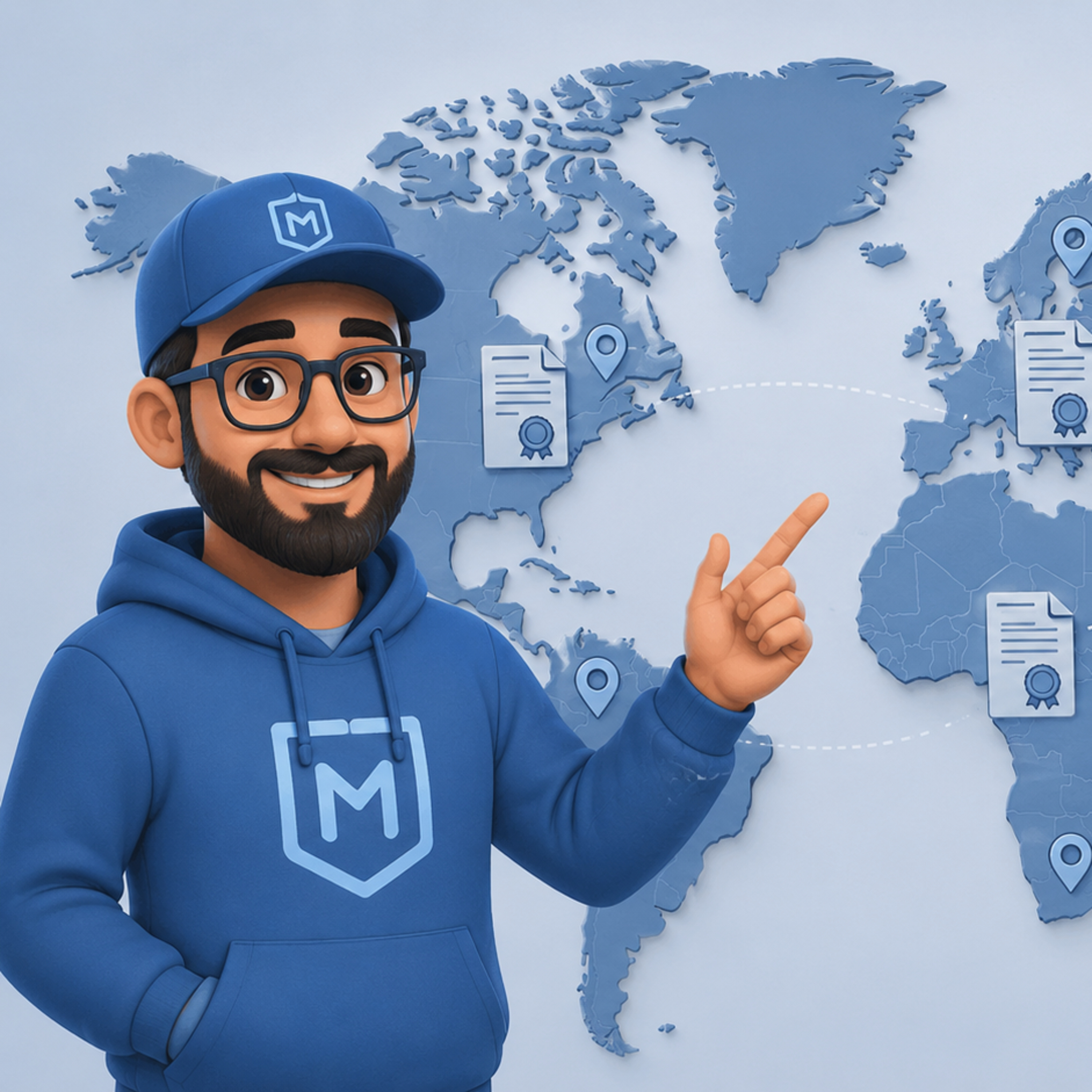
🌍 Does Your U.S. Trademark Protect You Internationally? Spoiler: Your Brand Needs a Passport
Jun 26, 2026
Unknown duration
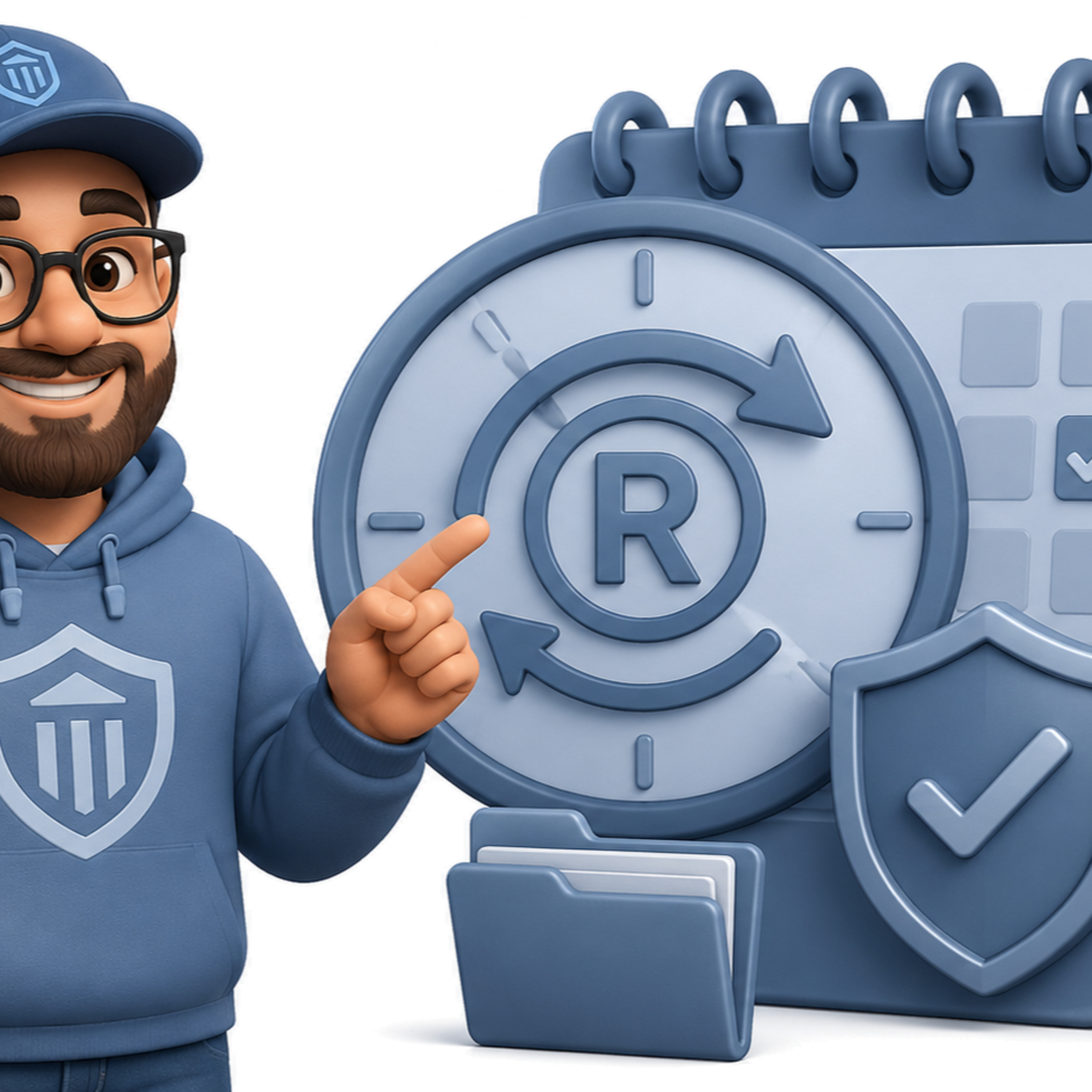
🛡️ Trademark Opposition Period: The 30-Day Window That Can Make or Break Your Brand
Jun 25, 2026
Unknown duration
🛢️ From Peanut Butter M&M’s to Diesel Innovation: Brian Livingston’s Inventive Journey
Jun 24, 2026
Unknown duration
🧠 Trademarked or Generic? Why “Just Do It” Wins and “Candy” Gets Sent Home
Jun 24, 2026
Unknown duration
🔧 The Double-Decker Go-Kart That Accidentally Built an Entrepreneur
Jun 12, 2026
31m 09s
Social Links & Contact
Official channels & resources
Official Website
Login
RSS Feed
Login
| Date | Episode | Topics | Guests | Brands | Places | Keywords | Sponsor | Length | |
|---|---|---|---|---|---|---|---|---|---|
| 6/26/26 | ![]() 🌍 Does Your U.S. Trademark Protect You Internationally? Spoiler: Your Brand Needs a Passport | A U.S. trademark is valuable, but it does not automatically protect your brand around the world. That is the big lesson in this article on international trademark protection, and it catches many founders and small business owners by surprise.In the United States, a federal trademark registration can support enforcement, licensing, investor diligence, marketplace complaints, and brand credibility. But trademark rights are generally territorial. Your U.S. registration usually protects you in the United States, while other countries and regions have their own trademark systems, rules, fees, deadlines, and enforcement standards.For a business planning to sell internationally, manufacture abroad, launch ecommerce campaigns, franchise, license, distribute products, or attract overseas customers, this matters quickly. A brand can become visible in another market long before the founder has thought through trademark protection there. Unfortunately, copycats, competitors, opportunistic distributors, and local filers may notice that visibility too.The article explains two common paths for protecting a trademark internationally. One path is filing directly in individual countries or regions. This can be useful when a company needs a customized local strategy, expects objections, or wants local counsel involved from the beginning.The second path is the Madrid Protocol, a centralized filing system that allows eligible trademark owners to seek protection in multiple member jurisdictions through one international application. It can be efficient, but it is not a single worldwide trademark. Each designated country can still examine the mark under its own laws and issue refusals, oppositions, or limitations.That distinction is important. Many business owners hear “international filing” and imagine one magical global certificate arriving with a tiny legal marching band. Reality is more practical. Madrid can simplify parts of the process, but it does not erase local trademark law.The article also walks through a step-by-step strategy. First, identify where the brand actually matters. Where are the customers? Where are products made? Where are distributors or licensees located? Where is expansion realistic? Filing everywhere can waste money, but filing nowhere can leave the business exposed.Third, conduct searches before entering new markets. Look for identical marks, similar marks, translations, phonetic equivalents, related goods and services, and local-language issues. A name that works beautifully in English might be unavailable, descriptive, confusing, or accidentally hilarious somewhere else.Fourth, choose the right filing route. Direct country filings and Madrid-based filings both have advantages. The right choice depends on budget, timing, geography, risk tolerance, and the company’s growth plans.The article also highlights practical business hazards. Foreign copycats may file first. Manufacturers or distributors may try to claim local rights. Translation issues can create unexpected problems. Madrid filings may still face refusals. Maintenance deadlines can be missed.The overall message is not that every company should immediately file in every country. That would be expensive, unnecessary, and a great way to make your legal budget do cardio. International trademark protection should match the business strategy.For founders and small business owners, the best first move is to prioritize. Focus on countries tied to revenue, manufacturing, distribution, franchising, licensing, investor expectations, or realistic expansion. Then decide whether direct filings, Madrid filings, or a mix of both makes sense.Your U.S. trademark is a strong start. But if your brand is crossing borders, your trademark strategy should cross borders too. Give the brand a passport before it gets stopped at customs by a competitor with better paperwork.To chat about this one-on-one, grab a free consult at strategymeeting.com | — | ||||||
| 6/25/26 | ![]() 🛡️ Trademark Opposition Period: The 30-Day Window That Can Make or Break Your Brand | In this episode-style breakdown, we unpack the trademark opposition period: the short window after a trademark application is published when another party can object before registration. It sounds like a tiny procedural detail. It is not. For founders, small business owners, creators, agencies, product companies, and growing brands, this window can affect launch timing, registration strategy, investor confidence, and whether your shiny new brand name survives contact with reality.In the United States, the trademark opposition period is generally 30 days after publication in the USPTO Trademark Official Gazette. That means a trademark being approved for publication is not the same as being registered. It means the examining attorney has cleared the application for public notice, and now third parties get a chance to speak up if they believe registration would damage them.We explain why that matters in normal business language, not “someone fell asleep in a law library” language. The most common reason for opposition is likelihood of confusion. Another business may claim that your mark is too similar to theirs because of the name, logo, sound, meaning, products, services, customers, or sales channels. The two marks do not have to be identical. Trademark law is perfectly capable of side-eyeing creative spelling.We also cover what opposition can do to a business. It can delay registration, trigger legal expenses, force negotiation, complicate fundraising, disrupt packaging decisions, or push a company toward rebranding. That does not mean every opposition is catastrophic. Some disputes settle. Some parties narrow goods and services. Some brands reach coexistence agreements. But ignoring the risk is a great way to turn a 30-day window into a 300-day headache.This discussion is especially useful if you are preparing to file a trademark, waiting for publication, monitoring competitors, expanding into new product lines, or building a brand you hope to license, franchise, sell, or scale. A trademark is not just a decorative business accessory. It is a piece of commercial infrastructure. Treating it casually is like building your checkout system on a napkin and optimism.You will learn why clearance searches matter before filing, why publication is not the finish line, why existing brand owners should monitor new applications, and why international timelines can differ. Canada generally has a two-month opposition period after advertisement. The European Union generally has a three-month opposition period after publication. Translation: global brand strategy needs more than one deadline and a prayer.We also talk about the practical side. What should you do before filing? Search broadly. Look for similar names, spellings, meanings, logos, goods, services, app names, marketplace listings, domains, and social handles. What should you do after publication? Track the date, monitor for extensions or oppositions, and respond quickly if a challenge appears. What should existing trademark owners do? Watch new applications that could create confusion before they become registered rights.The big takeaway: the trademark opposition period may be short, but it is not small. It is a final checkpoint before registration, and it deserves real attention from anyone serious about protecting brand value.By the end, you will have a clearer sense of when to celebrate, when to slow down, and when to call in help before a brand problem becomes a business problem. Because nothing says “startup adventure” quite like discovering your new product name has a legal speed bump right after the marketing team ordered hoodies. Watch the clock.To chat about this one-on-one, grab a free consult at strategymeeting.com | — | ||||||
| 6/24/26 | ![]() 🛢️ From Peanut Butter M&M’s to Diesel Innovation: Brian Livingston’s Inventive Journey | In this episode of Inventive Journey, Devin Miller sits down with engineer and entrepreneur Brian Livingston to explore a career path that somehow connects Peanut Butter M&M’s, billion-dollar industrial projects, Caterpillar, and diesel fuel innovation.Yes, really.Brian shares how his childhood obsession with taking things apart eventually evolved into a chemical engineering career that spanned General Foods, M&M Mars, NutraSweet, and Caterpillar. Along the way, he discovered that while engineering fascinated him, understanding people fascinated him even more.That insight ultimately shaped his leadership style and project management approach throughout his career.The conversation dives into Brian’s early internships, corporate growth, and experiences navigating office politics, layoffs, international engineering projects, and large-scale operational leadership. One standout story involves his role helping manage a major project in France involving Japanese, American, and French stakeholders — an experience that earned him the nickname “the James Baker of project management.”And then there’s the Peanut Butter M&M’s story.Brian explains how his team helped develop the production process for one of the world’s most recognizable candy products, instantly giving him one of the most entertaining engineering claims to fame imaginable.But the episode also explores much deeper entrepreneurial lessons.After nearly two decades at Caterpillar, Brian found himself unexpectedly transitioning into entrepreneurship during the COVID-era downsizing. Instead of fully retiring, he partnered with a former colleague to pursue a diesel fuel efficiency technology business focused on catalytic fuel processing systems that improve diesel combustion efficiency.Brian explains the science behind the technology, including how catalytic reactions help break longer diesel molecules into shorter chains that burn more efficiently. The result is improved fuel economy, lower emissions, and measurable operational savings for diesel-dependent industries.However, Brian quickly discovered that technical innovation alone is not enough.One of the biggest challenges became overcoming market skepticism. Many industrial buyers have encountered exaggerated fuel-saving claims in the past, forcing Brian to spend significant time educating prospects about the chemistry and physics behind the technology.The episode also includes candid discussions about startup mistakes and lessons learned.Brian openly shares how he lost approximately $45,000 early in the business by hiring an outsourced appointment-setting service that failed to deliver meaningful results. Rather than avoiding the topic, he uses the experience to emphasize the importance of learning your market personally before outsourcing critical growth functions.Throughout the discussion, Brian advocates becoming what he calls a “chicken entrepreneur” — someone who starts cautiously, validates demand, minimizes unnecessary risk, and avoids overextending financially during the early stages of business development.The conversation highlights the emotional transition from long-term corporate professional to entrepreneur, including the challenges of adapting to uncertainty, building credibility independently, and learning entirely new business skills later in life.This episode is packed with practical insights for engineers, inventors, startup founders, corporate professionals considering entrepreneurship, and anyone navigating major career transitions.You’ll hear lessons on leadership, innovation, resilience, sales skepticism, project management, startup growth, and why curiosity may still be one of the most valuable traits in business.And yes, you’ll probably crave Peanut Butter M&M’s afterward.To chat about this one-on-one, grab a free consult at strategymeeting.com | — | ||||||
| 6/24/26 | ![]() 🧠 Trademarked or Generic? Why “Just Do It” Wins and “Candy” Gets Sent Home | What makes one word a billion-dollar brand and another word legally useless for ownership? In this episode, we unpack the difference between trademarked and generic terms using familiar examples like “Just Do It,” “Post-it,” “Slurpee,” “Barbie,” “Jeep,” “Smartphone,” and “Candy.”The big lesson for founders and small business owners is simple: trademarks do not protect words just because someone likes them, registers a domain, or gets emotionally attached during a branding brainstorm. A trademark protects a source identifier. That means the word, phrase, logo, or slogan must help customers recognize where the product or service comes from.That is why “Just Do It” works as a Nike slogan, but “candy” cannot be locked up by one company for candy. One points to a brand. The other points to the snack category that ruins workplace wellness challenges by Wednesday.We also dig into why famous phrases and pop-culture references can be risky. A phrase may seem funny, nostalgic, or harmless, but if it points consumers toward another company, character, movie, product, or franchise, your clever name may become a legal headache wearing novelty sunglasses. Misspellings are not magic shields either. If people still recognize the famous brand behind your altered version, confusion can still be an issue.This episode also covers the naming spectrum every founder should understand: generic, descriptive, suggestive, arbitrary, and fanciful. Generic names usually cannot be protected for the goods or services they name. Descriptive names may explain what you do but can be harder to own. Suggestive, arbitrary, and fanciful marks often create stronger long-term brand value because they help customers connect a name with one commercial source.We talk about the common mistake of confusing domain availability with trademark clearance. Buying a domain does not mean the name is legally safe. A domain registrar will sell you a name without checking whether another company has superior rights. That is not trademark clearance. That is just a shopping cart with confidence issues.For business owners, the practical takeaway is to search early and think strategically. Look for exact matches, similar spellings, similar sounds, related goods and services, and marks that create a similar commercial impression. Consider whether the name can grow with the company, whether it can be defended, and whether it avoids borrowing too heavily from famous brands.We also cover the business hazards of weak naming. A generic name may be hard to protect. A name too close to a competitor may invite objections. A name tied to one narrow feature may box the company in later. And a name that leans on someone else’s fame may create licensing, platform, advertising, and investor problems right when the business needs momentum.The goal is not to scare founders away from creativity. The goal is to make creativity more useful. A good brand name should help customers remember you, give your marketing team something distinctive to build around, and give your legal strategy a stronger foundation. Your website copy can explain what you sell. Your trademark should help people remember who sells it.If you are naming a startup, product, course, app, podcast, community, or service package, do not wait until after the logo reveal to think about trademarks. Check early, before money, ego, and printed merchandise become emotionally attached. Rebranding before launch is annoying. Rebranding after customers know you is a business migraine with invoices.A good brand name should support marketing, search, customer memory, investor confidence, and legal protection. That is a lot of responsibility for a few words, but those words can become one of the most valuable assets your company owns.To chat about this one-on-one, grab a free consult at strategymeeting.com | — | ||||||
| 6/12/26 | ![]() 🔧 The Double-Decker Go-Kart That Accidentally Built an Entrepreneur✨ | entrepreneurshipinnovation+4 | Laurie Stach | MITBMW+4 | — | entrepreneurshipgo-kart+6 | — | 31m 09s | |
| 6/10/26 | ![]() 🧠 The Entrepreneur Who Failed 299 Times Before Cracking Online Marketing✨ | entrepreneurshiponline marketing+4 | Neil Twa | SprintIBM | AmazonShopify+1 | entrepreneurshipmarketing failure+4 | — | 38m 11s | |
| 6/10/26 | ![]() 🧠 Trademark Valuation: How to Figure Out What Your Brand Name Is Really Worth✨ | trademark valuationbrand value+3 | — | — | — | trademarkbrand name+5 | — | 0m 29s | |
| 6/9/26 | ![]() 🛡️ Word Mark Trademarks: How to Protect Your Brand Name Before Copycats Get Clever✨ | word mark trademarksbrand protection+4 | — | USPTO | — | trademarkbrand name+5 | — | 0m 30s | |
| 6/5/26 | ![]() ✈️ How Credit Card Points Turned Travis Cormier Into a Startup CEO✨ | entrepreneurshipcredit card points+3 | Travis Cormier | media company | — | startup CEOcredit card points+3 | — | 46m 07s | |
| 6/3/26 | ![]() 🚀 From Hot Dog Stands to AI Strategy: Scott Duffy’s Incredible Entrepreneurial Journey✨ | entrepreneurshippersonal growth+4 | Scott Duffy | AAA Student Painters | Los AngelesCentury City+2 | entrepreneurial journeyhot dog stands+7 | — | 34m 50s | |
| 5/29/26 | ![]() 🚀 How Michael Timmons Turned HOA Frustration Into an AI Startup Revolution✨ | AI startupentrepreneurship+4 | Michael Timmons | GoodFences.aiNASA+1 | Central TexasUniversity of Texas | AIstartup+6 | — | 25m 59s | |
| 5/27/26 | ![]() ⚓ The Counterintuitive Success Formula Liam Naden Learned After Losing It All✨ | successentrepreneurship+4 | Liam Naden | — | — | success formulaentrepreneurship+5 | — | 30m 49s | |
| 5/27/26 | ![]() 🧟 Bringing a Trademark Back from the Dead: Legal Risks, Opportunities & Costly Mistakes✨ | trademark lawreviving brands+3 | — | USPTO | — | trademarkabandoned brands+5 | — | 0m 30s | |
| 5/22/26 | ![]() 🧭 From Lost Abroad to Storytelling Pro: Kyle Gray’s Entrepreneurial Journey✨ | entrepreneurshipstorytelling+4 | Kyle Gray | University of Utah | ChileArgentina+3 | entrepreneurshipstorytelling+5 | — | 35m 07s | |
| 5/21/26 | ![]() ⚖️ How Companies Legally Get Around Patents Without Getting Sued✨ | patentsbusiness competition+5 | — | AppleSamsung+2 | — | patent protectiondesign modifications+5 | — | 0m 30s | |
| 5/21/26 | ![]() ⚖️ Can You Trademark an Idea? The Answer Most Entrepreneurs Still Get Wrong✨ | trademarkintellectual property+5 | — | — | — | trademarkintellectual property+8 | — | 0m 28s | |
| 5/20/26 | ![]() 🏔️ From Campfires to Comebacks: How Kevin Timm Rebuilt After a Brutal Business Split✨ | entrepreneurshipbusiness split+4 | Kevin Timm | Inventive Journeyoutdoor recreation industry | — | entrepreneurshipbusiness split+3 | — | 33m 17s | |
| 5/15/26 | ![]() 🚀 Why “Confident, Reliable, Nice” Is the Secret Weapon for Small Business Growth✨ | small business growthentrepreneurial journey+4 | Elizabath Eiss | Results ResourcingInventive Journey+4 | — | entrepreneurshipfreelancers+4 | — | 30m 01s | |
| 5/14/26 | ![]() 💰 How Much Is a Patent Really Worth? The Business Truth Behind IP Value✨ | patent valuationintellectual property+3 | — | — | — | patent valuelicensing+4 | — | 0m 32s | |
| 5/13/26 | ![]() 🔥 From Corporate Chaos to Coaching Leaders: How Christopher Salem Rebuilt His Life Through Emotional Intelligence✨ | emotional intelligenceentrepreneurship+3 | Christopher Salem | Sikorsky Aircraft | Arizona State University | emotional intelligenceentrepreneurship+3 | — | 41m 22s | |
| 5/6/26 | ![]() 🧽 How Adam Povlitz Turned a “Thankless” Industry into a Tech-Powered Empire✨ | cleaning industrytech-enabled business+3 | Adam Povlitz | Anago Cleaning SystemsIBM | — | cleaningfranchise+3 | — | 35m 09s | |
| 5/3/26 | ![]() 🌍 Your U.S. Patent Won’t Save You Abroad (Here’s What Actually Protects You)✨ | international patent protectionU.S. patent+4 | — | Patent Cooperation Treaty | U.S. | U.S. patentinternational patent+5 | — | 0m 29s | |
| 4/24/26 | ![]() 🎯 From Track Star to Transformation Coach: The Mindset Shift That Made Curtis McCullom Elite✨ | mindsettransformation+4 | Curtis McCullom | — | Mississippi | mindset shifttransformation coach+5 | — | 35m 09s | |
| 4/20/26 | ![]() 🚫 Stop That Trademark: The Step-by-Step Guide to Filing an Opposition (Without the Legal Headache)✨ | trademark oppositionbrand protection+3 | — | Miller IPTrademark+1 | — | trademark oppositionbrand protection+3 | — | 0m 29s | |
| 4/19/26 | ![]() ⚖️ How Close Is Too Close? Trademark Similarity & Legal Risk Explained✨ | trademark lawlikelihood of confusion+3 | — | — | — | trademarklegal trouble+5 | — | 0m 29s | |
Showing 25 of 582
Pitch Fit is a Pro feature
See how bookable this show is for guests, which brands already advertise, the per-episode ad value, and the best-fit guest and sponsor profile. The numbers are blurred on the free plan.
How readily this show books outside guests like you.
How proven this show is for host-read sponsorships.
For Guests
ProFor Advertisers
ProUpgrade to Pro to unlock guest cadence, sponsor categories, fit scores, and per-episode ad value for this show.
Chart Positions
1 placement across 1 market.
Chart Positions
1 placement across 1 market.