
Insights from recent episode analysis
Audience Interest
Podcast Focus
Publishing Consistency
Platform Reach
Insights are generated by CastFox AI using publicly available data, episode content, and proprietary models.
Total monthly reach
Estimated from 2 chart positions in 2 markets.
By chart position
- 🇦🇺AU · Business News#1775K to 30K
- 🇫🇮FI · Business News#140500 to 3K
- Per-Episode Audience
Est. listeners per new episode within ~30 days
2.8K to 17K🎙 ~2x weekly·31 episodes·Last published 4d ago - Monthly Reach
Unique listeners across all episodes (30 days)
5.5K to 33K🇦🇺91%🇫🇮9% - Active Followers
Loyal subscribers who consistently listen
2.2K to 13K
Market Insights
Platform Distribution
Reach across major podcast platforms, updated hourly
Total Followers
—
Total Plays
—
Total Reviews
—
* Data sourced directly from platform APIs and aggregated hourly across all major podcast directories.
On the show
Recent episodes
Weak IP Terminology and the Need to Restore Patent Infringement Injunctions
May 11, 2026
Unknown duration
IP Protections Essential to the Free Market and Startup Economy
Apr 9, 2026
Unknown duration
Strong IP Protections Are Critical to Ensuring Continued U.S. Innovation Leadership
Mar 17, 2026
Unknown duration
Foreign Price Controls Undermine IP Rights and Impede Innovation
Feb 19, 2026
Unknown duration
Exploring the Economic and Moral Benefits of IP Protection
Jan 9, 2026
Unknown duration
Social Links & Contact
Official channels & resources
Official Website
Login
RSS Feed
Login
| Date | Episode | Description | Length | ||||||
|---|---|---|---|---|---|---|---|---|---|
| 5/11/26 |  Weak IP Terminology and the Need to Restore Patent Infringement Injunctions | Kristen Jakobsen Osenga, Associate Dean for Academic Affairs at the University of Richmond School of Law, discusses patent eligibility and preliminary injunctions in patent litigation, how strong intellectual property protections drive innovation, and some of the terminology (i.e., “evergreening” and “patent thickets”) often used by advocates for weaker intellectual property protections. | — | ||||||
| 4/9/26 |  IP Protections Essential to the Free Market and Startup Economy | Mark Schultz, the Goodyear Tire and Rubber Company Chair in Intellectual Property and Director of the Intellectual Property and Technology Law Program at the University of Akron School of Law, discusses how strong intellectual property (IP) protections are essential to the free market and modern economy, and the need to return to a more effective and predictable IP system in the U.S. | — | ||||||
| 3/17/26 | 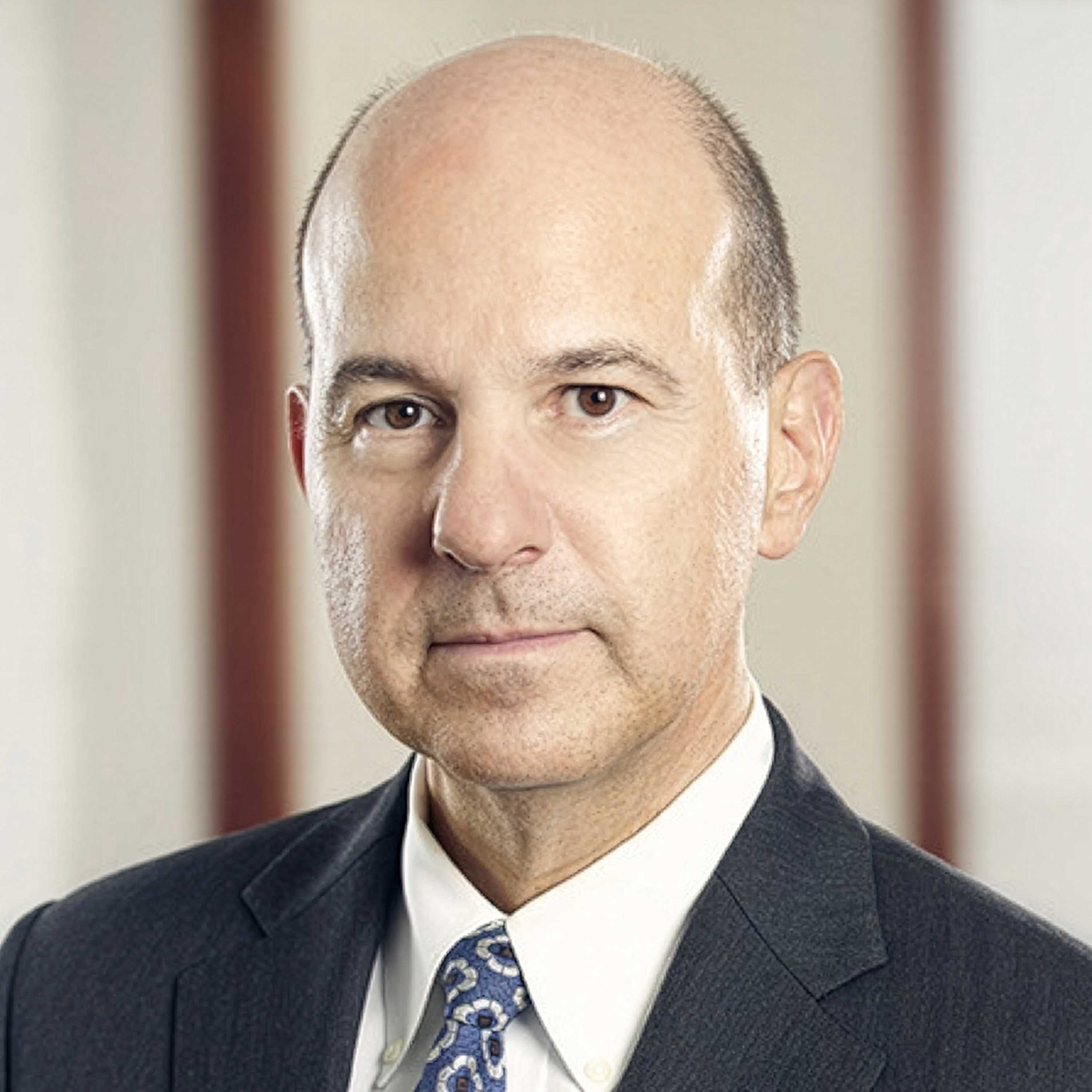 Strong IP Protections Are Critical to Ensuring Continued U.S. Innovation Leadership | David Kappos, Co-Chair of the Intellectual Property Practice at Cravath, Swaine & Moore LLP, and former Undersecretary of Commerce and Director of the U.S. Patent and Trademark Office, discusses how strong intellectual property (IP) protections are essential for the U.S. to continue to lead the world in innovation, the importance of IP protections to attract capital necessary to innovate, and the need for Congress to act to fix issues dealing with injunctive relief for patent infringement, patent eligibility, and the Patent Trial and Appeal Board (PTAB). | — | ||||||
| 2/19/26 |  Foreign Price Controls Undermine IP Rights and Impede Innovation | Sally Pipes, President, CEO and Thomas W. Smith Fellow in Healthcare Policy at the Pacific Research Institute, discusses how “Most Favored Nation” pricing schemes, which seek to import foreign price controls on prescription drugs, would harm innovation, undermine intellectual property rights and threaten America’s pharmaceutical supremacy, a better way to address foreign freeloading, the success of the Bayh-Dole Act, and more. | — | ||||||
| 1/9/26 |  Exploring the Economic and Moral Benefits of IP Protection | Joshua Kresh, Executive Director of the IP Policy Institute (IPPI) at the University of Akron School of Law, discusses IPPI’s work, how strong intellectual property (IP) protections drive innovation and the economic success of the nation, misleading terms like “patent thickets” and “evergreening,” and more. | — | ||||||
| 12/8/25 |  “Most Favored Nation” Drug Pricing’s Impact on IP and Innovation | Grover Norquist, President of Americans for Tax Reform, explains how “Most Favored Nation” drug pricing is effectively the importing of counterproductive foreign nation price controls, how the policy would raise the cost of new inventions, and how increased fees and/or taxes on patents run counter to the Trump administration’s pro-growth agenda. | — | ||||||
| 11/4/25 |  Value-Based Patent Fines Would Cripple American Innovation | John Manchester, Director of IP Policy at the U.S. Chamber of Commerce, discusses how a proposal to impose hefty fines in the form of “fees” on patent owners based on a government-assigned “valuation” of their patents would cripple America’s innovation ecosystem and harm the U.S. economy, jobs and national security. | — | ||||||
| 10/8/25 | 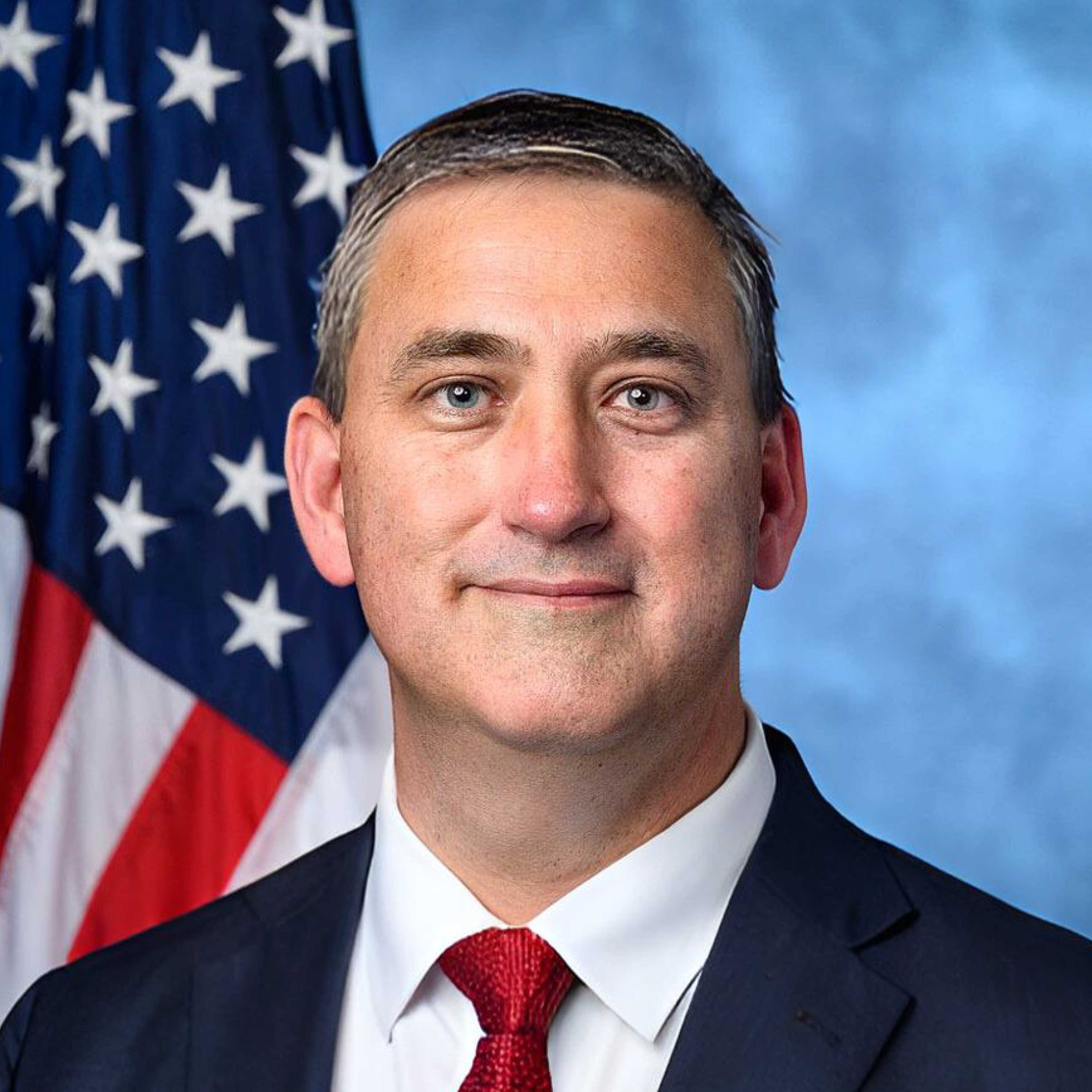 Strong IP Protections Are Vital for U.S. Economic and National Security | Congressman Nathaniel Moran (TX-01) discusses current legislative efforts to maintain and strengthen intellectual property protections in America and why strong IP rights are critical to U.S. national security. | — | ||||||
| 9/15/25 |  Time to Clean Up the Supreme Court’s Patent Eligibility Mess and Restore Balance at the PTAB | The Honorable Kathleen O'Malley, former judge on the U.S. Court of Appeals for the Federal Circuit and the U.S. District Court for the Northern District of Ohio, explains how strong intellectual property protections are critical to the U.S. economy, health and welfare, and national security, and discusses the need for Congress to fix the patent eligibility mess and restore balance at the Patent Trial and Appeal Board (PTAB). | — | ||||||
| 8/20/25 | 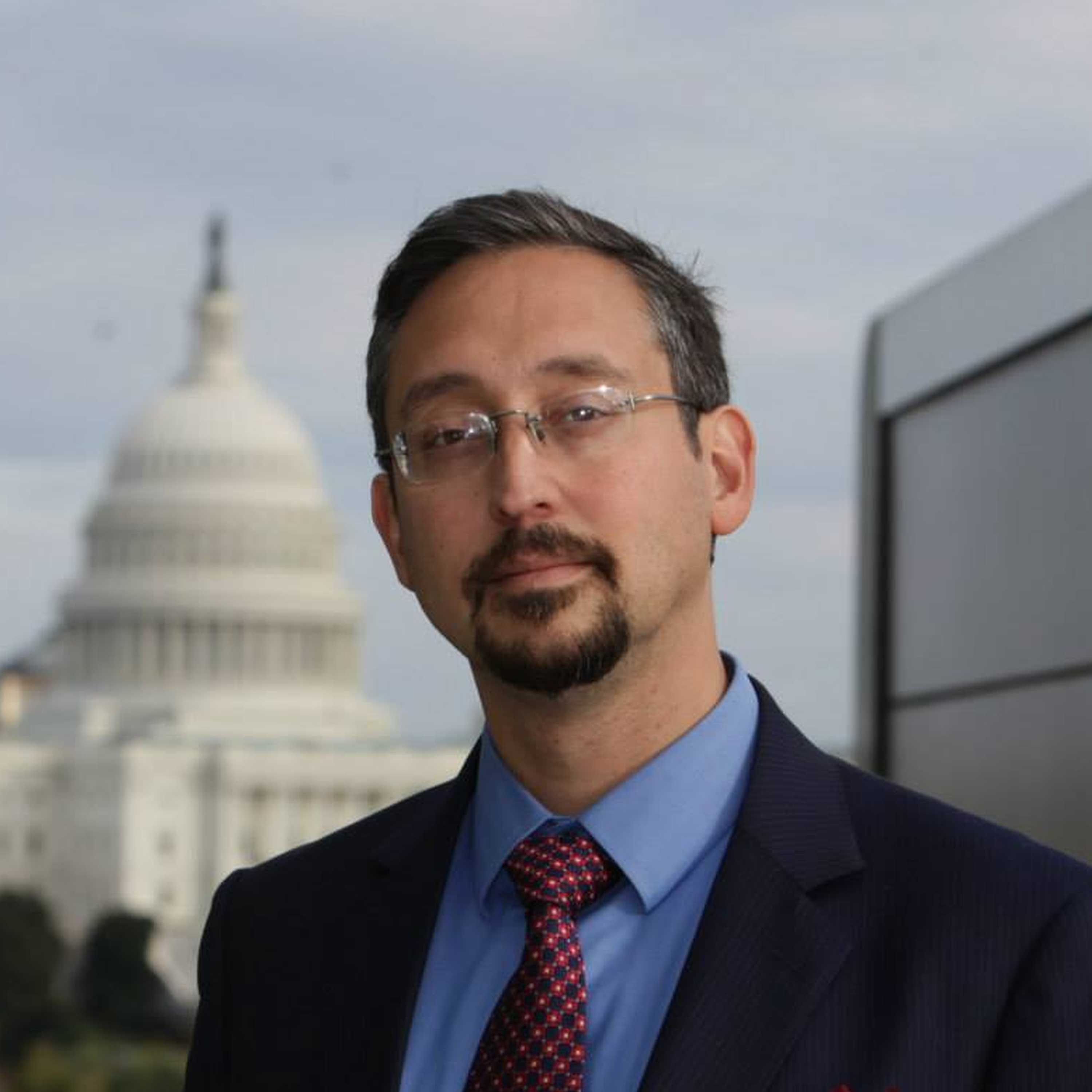 Combating Global Counterfeit Medicines | Shabbir Safdar, Executive Director of the Partnership for Safe Medicines, discusses the dangers of counterfeit medicines, the importance of supply chain security for American patients, how the reimbursement practices of pharmacy benefit managers (PBMs) and insurance companies impact whether or not consumers end up with counterfeits, and the importance of innovation and intellectual property policy in ensuring Americans continues to have access to new life-saving medicines. | — | ||||||
Want analysis for the episodes below?Free for Pro Submit a request, we'll have your selected episodes analyzed within an hour. Free, at no cost to you, for Pro users. | |||||||||
| 7/25/25 |  To Invent Is Divine: Creativity and Ownership | James Edwards, Jr., Founder and CEO of ELITE Strategic Services, LLC, and Founder and Executive Director of Conservatives for Property Rights, discusses his new book, “To Invent Is Divine: Creativity and Ownership,” which examines and explains how divine inspiration is behind creativity and ownership, and how policymakers need to restore protections for fundamental intellectual property rights that have been eroded over the last several decades. | — | ||||||
| 7/4/25 |  Restoring Balance to America’s Patent System | Michael Rosen, Nonresident Senior Fellow at American Enterprise Institute, discusses the balancing act of patent protection, how legal decisions and policy actions have titled that balance against patent holders in recent years, and efforts (e.g., passage of PERA and the PREVAIL Act) Congress can and should take to restore appropriate balance to America’s patent system. | — | ||||||
| 6/26/25 |  Reinvigorating the U.S. Innovation Economy Requires Strong Enforcement of IP Rights | Professor Jonathan Barnett, Contributor with the Forum for Intellectual Property at the Hudson Institute and Director of the Media, Entertainment and Technology Law Program at the Gould School of Law at the University of Southern California, discusses how the U.S. policy climate has been unsympathetic to intellectual property (IP) rights in recent years, three policy resets that will help reinvigorate U.S. innovation leadership, and adverse national security consequences of neglecting IP protections. | — | ||||||
| 6/2/25 |  Strong IP Protections Critical to Maintaining Robust Innovation Cycle | Henry Hadad, Senior Vice President and Deputy General Counsel at Bristol-Myers Squibb, discusses how intellectual property (IP) protection is very much a natural right that encourages - not discourages - innovation, the incremental erosion of IP protections over the last 20 years, how the AI revolution is going to have a significant impact on the biopharmaceutical industry, and the need to restore and maintain the right balance between access and innovation to avoid slowing down biopharma’s robust innovation cycle. | — | ||||||
| 5/5/25 |  USTR’s Special 301 Report: Monitoring the IP Protection Practices of U.S. Trading Partners | Karen Kerrigan, President and CEO of the Small Business and Entrepreneurship Council (SBE Council), discusses World IP Day 2025, and the substance and timeliness of the U.S. Trade Representative’s latest Special 301 Report – a Congressionally mandated annual report that monitors and reviews the intellectual property protection practices of U.S. trading partners. | — | ||||||
| 1/6/25 |  The Historical and Constitutional Foundations of Patent Protection | Adam Mossoff, Professor of Law at the Antonin Scalia Law School at George Mason University, discusses the historical and Constitutional foundations of intellectual property rights and the vital role IP rights play in our innovation economy. | — | ||||||
| 12/18/24 |  IP and the American Dream: Success Stories | Jaci McDole, Senior Director, Copyright and Creativity at the U.S. Chamber of Commerce’s Global Innovation Policy Center, explains how intellectual property protections are critical to the success of small businesses and the American dream, and discusses some inspiring, real-world case studies highlighting innovators and creators. | — | ||||||
| 11/22/24 |  IP, Innovation and the Cancer Moonshot | Wayne Winegarden, Ph.D., Senior Fellow in Business & Economics at Pacific Research Institute (PRI) and Director of PRI’s Center for Medical Economics and Innovation, discusses how price controls and other efforts to undermine and weaken intellectual property rights harm innovation and work contrary to President Biden’s Cancer Moonshot initiative. | — | ||||||
| 11/1/24 |  Choking Innovation: Why Policymakers Must Reject Compulsory Licensing, Price Fixing and Patent Confiscation Schemes | David Williams, President of Taxpayers Protection Alliance, discusses how compulsory licensing of intellectual property, price controls and patent confiscation policies like expanding government march-in powers under Bayh-Dole will reduce innovation and the availability of new life-saving drugs. | — | ||||||
| 10/27/24 |  Patent Evergreening: The Data Just Doesn’t Add Up | Dr. Kristina Acri, Senior Scholar at C-IP2 and John L. Knight Chair of Economics and Professor of Economics at Colorado College, explains how the data just doesn’t add up to support allegations of patent “evergreening” and accompanying policy proposals by advocates pushing to weaken patent protections, the ongoing consequences of the U.S. Supreme Court’s 2006 decision in eBay v. MercExchange, the problem of counterfeit drugs, and more. | — | ||||||
| 10/14/24 |  PTAB: The “Patent Death Squad” | Chris Israel, Executive Director of Alliance of U.S. Startups and Inventors for Jobs, discusses how the Patent Trial and Appeals Board (PTAB) has failed to accomplish its intended purpose, multiplying proceedings and costs for inventors and startups rather than curb unnecessary litigation, and several pieces of pending legislation in Congress – including the PREVAIL Act, PERA, and RESTORE Act – that would help restore some balance and fairness at PTAB and reestablish the presumption of injunctive relief to patent owners who are facing infringement. | — | ||||||
| 10/1/24 | IP and Small Businesses | Karen Kerrigan, President & CEO of the Small Business & Entrepreneurship Council, explains how strong intellectual property protections are critical for startups and small businesses, and how bad policy proposals like the push for expanded government “march-in” powers under the Bayh-Dole Act would disincentivize investment in medical advances and new technologies, the bulk of which are pursued by individual entrepreneurs and small businesses. | — | ||||||
| 9/23/24 |  Patently Uncertain: Patents and the Courts | Paul R. Michel, Former Judge on the U.S. Court of Appeals for the Federal Circuit, discusses how a series of U.S. Supreme Court decisions and other efforts have been deleterious to a strong patent system, how the U.S. is ceding our global leadership to China and other nations that are strengthening their IP systems instead of weakening them, and bipartisan legislation being championed by IP leaders in Congress that will help revive the American patent system as an engine of growth, global leadership and technological superiority. | — | ||||||
| 9/21/24 |  The U.S. Must Lead the World as a Champion for Strong IP Rights | Stephen Ezell, Vice President of Global Innovation Policy and Director of the Center for Life Sciences Innovation at the Information Technology and Innovation Foundation, discusses why the United States must reassert itself as a global champion for robust intellectual property (IP) rights through trade policy, building IP capabilities in developing countries, and more. | — | ||||||
| 9/11/24 |  Strong Intellectual Property Protections Produce Concrete Socio-Economic Benefits | Kelly Anderson, Executive Director of International Policy at the U.S. Chamber of Commerce’s Global Innovation Policy Center, discusses the 2024 International IP Index, the socio-economic benefits of strong intellectual property frameworks, and the need for the United States and European Union to renew their global leadership in support of strong IP protections. | — | ||||||
Showing 25 of 32
Sponsor Intelligence
Sign in to see which brands sponsor this podcast, their ad offers, and promo codes.
Chart Positions
2 placements across 2 markets.
Chart Positions
2 placements across 2 markets.