Insights from recent episode analysis
Audience Interest
Podcast Focus
Publishing Consistency
Platform Reach
Insights are generated by CastFox AI using publicly available data, episode content, and proprietary models.
Most discussed topics
Brands & references
Total monthly reach
Estimated from 17 chart positions in 17 markets.
By chart position
- 🇬🇧GB · History#36100K to 300K
- 🇦🇺AU · History#8230K to 100K
- 🇨🇦CA · History#1445K to 30K
- 🇺🇸US · History#1465K to 30K
- 🇰🇷KR · History#1471K to 10K
- Per-Episode Audience
Est. listeners per new episode within ~30 days
66K to 222K🎙 Daily cadence·457 episodes·Last published 1w ago - Monthly Reach
Unique listeners across all episodes (30 days)
221K to 741K🇬🇧40%🇦🇺13%🇮🇪13%+14 more - Active Followers
Loyal subscribers who consistently listen
66K to 222K
Market Insights
Platform Distribution
Reach across major podcast platforms, updated hourly
Total Followers
—
Total Plays
—
Total Reviews
—
* Data sourced directly from platform APIs and aggregated hourly across all major podcast directories.
On the show
From 24 epsHosts
Recent guests
Recent episodes
Why Did Nazi Germany Bomb an Irish Village in 1940?
Aug 26, 2026
Unknown duration
The Sinking of the Lusitania
Aug 19, 2026
Unknown duration
Ireland’s Shipwrecks: History from the Depths
Aug 12, 2026
Unknown duration
Broken Promises: Why Irish Independence Failed the Irish Language
Jul 29, 2026
Unknown duration
Progress at Any Cost? The Dark History Behind Ireland’s Electrification
Jul 22, 2026
Unknown duration
Social Links & Contact
Official channels & resources
Official Website
Login
RSS Feed
Login
| Date | Episode | Topics | Guests | Brands | Places | Keywords | Sponsor | Length | |
|---|---|---|---|---|---|---|---|---|---|
| 8/26/26 | 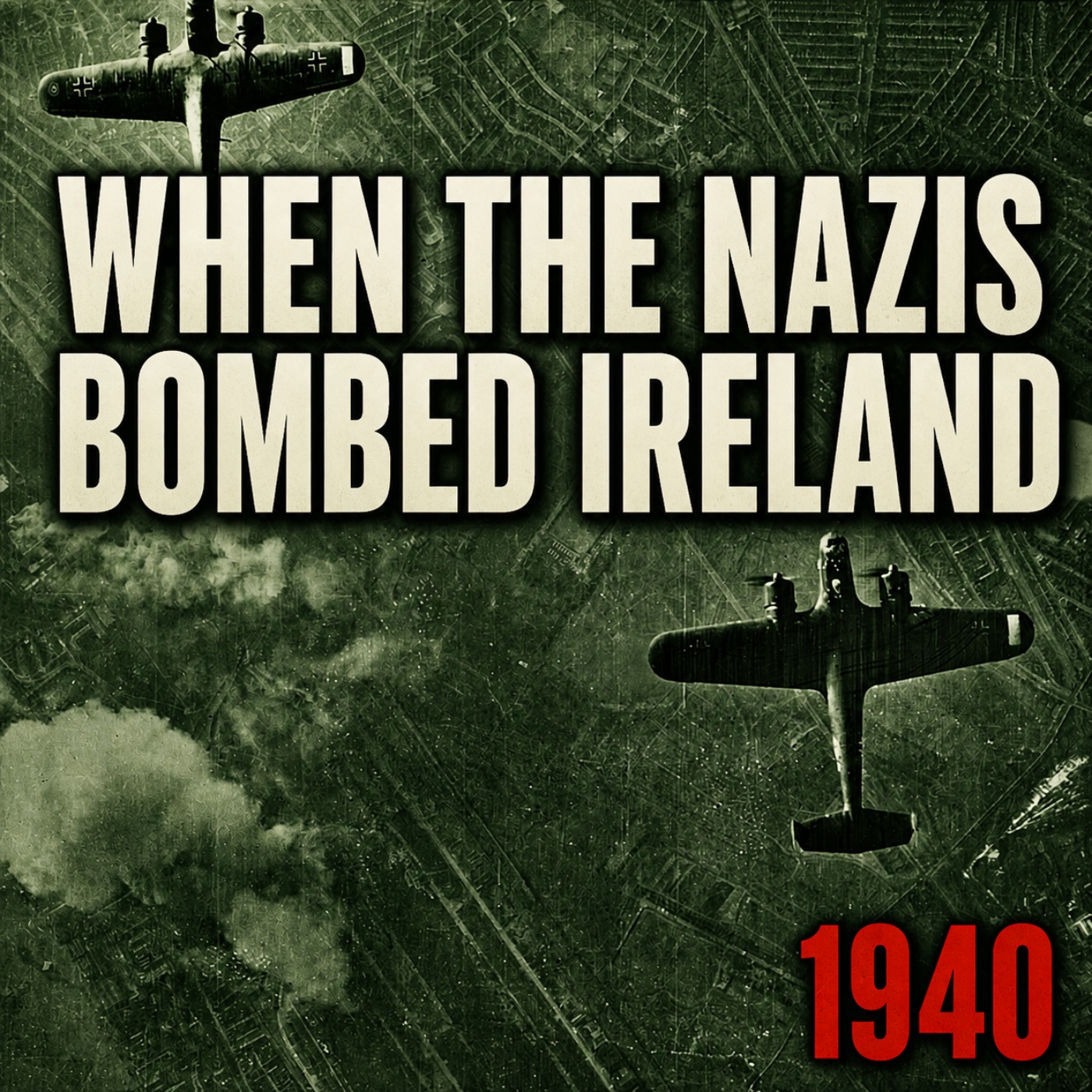 Why Did Nazi Germany Bomb an Irish Village in 1940? | Become a supporter at https://www.patreon.com/c/IrishpodcastOn 26 August 1940, two German aircraft crossed the coast of County Wexford and flew towards the small village of Campile. One aircraft dropped bombs near Ambrosetown, while the other attacked the tiny village of Campile a few miles further east. Three women, Mary Ellen Kent, Catherine Kent and Kathleen Hurley were killed. The bombing shattered the belief that Ireland’s neutrality could protect it from the Second World War. It also ignited a debate that has lasted for decades: Was the attack intentional or were the pilots lost? While politicians attempted to reduce tensions, investigations by An Garda Síochána and Irish Military Intelligence reached disturbing conclusions. They believed Campile had been deliberately targeted by the Nazis. In this episode I explore what happened. I also explore why Irish Military Intelligence were convinced the Nazis intentionally bombed this tiny Irish village at the height of the Battle of Britain and what it purpose it served. Written, researched and presented by: Fin DwyerSound: Kate DunleaAdditional narration: Aidan Crowe and Therese MurrayFurther Reading and Listening:The Campile Bombing, August 26th, 1940, Horeswood Historical Society. This detailed local history includes eyewitness accounts, photographs and primary material relating to the attack. Michael Kennedy, Guarding Neutral Ireland: The Coast Watching Service and Military Intelligence, 1939–1945. Hosted on Acast. See acast.com/privacy for more information. | — | ||||||
| 8/19/26 | 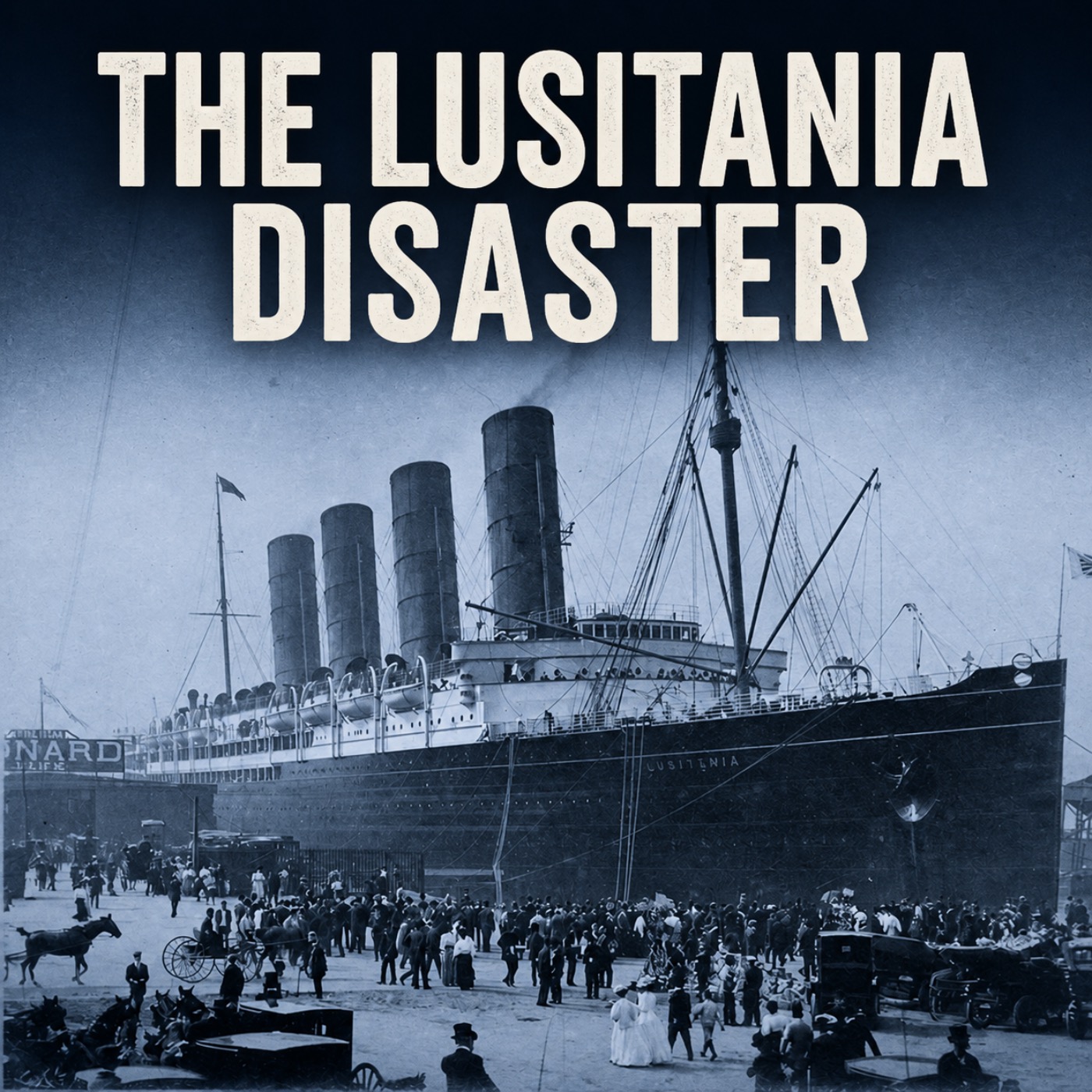 The Sinking of the Lusitania | On 7 May 1915, the passenger liner RMS Lusitania was torpedoed by the German submarine U-20 off the coast of County Cork. The enormous ship sank in just 18 minutes, killing over one thousands people.The sinking became one of the most controversial events of the First World War, provoking questions that remains the source of debate today. Why did the Lusitania sink so quickly? What caused the second explosion reported by survivors? How much ammunition and war material was the ship carrying? Did this cargo make the ship a legitimate military target or was the attack a crime against civilians?In this episode, I am joined by Shannon Forde, manager of the Lusitania Museum and Old Head Signal Tower in Kinsale. We discuss the history of the famous ocean liner, how it compared with the Titanic, the events of its final voyage and the experiences of those caught up in the disaster. We also examine the enduring controversies surrounding the sinking, from the Lusitania’s cargo to the actions of the German submarine and the British authorities.Support the Irish History Podcast at patreon.com/irishpodcastThe Lusitania Museum & Old Head Signal Tower is open 10am – 5pm 7 days a week from March to October. https://www.oldheadofkinsale.comI will have more detail on the supporters tour mentioned in the episode later in the week!Sound by Kate DunleaMy Guest is Shannon Forde. Shannon is a native of Kinsale, County Cork. She completed a MA in Irish History in Maynooth University, and has worked in Charles Fort, Kinsale and as a Heritage Specialist with Cork County Council. She researched and authored a local history book on the War of Independence in Kinsale. Shannon has been the Manager of the Lusitania Museum & Old Head Signal Tower since 2022 – which is a non profit community project at the Old Head of Kinsale. In 2025 she authored a book detailing the story of this community project from restoring a derelict Napoleonic signal tower to plans for a dedicated Lusitania Museum onsite. Hosted on Acast. See acast.com/privacy for more information. | — | ||||||
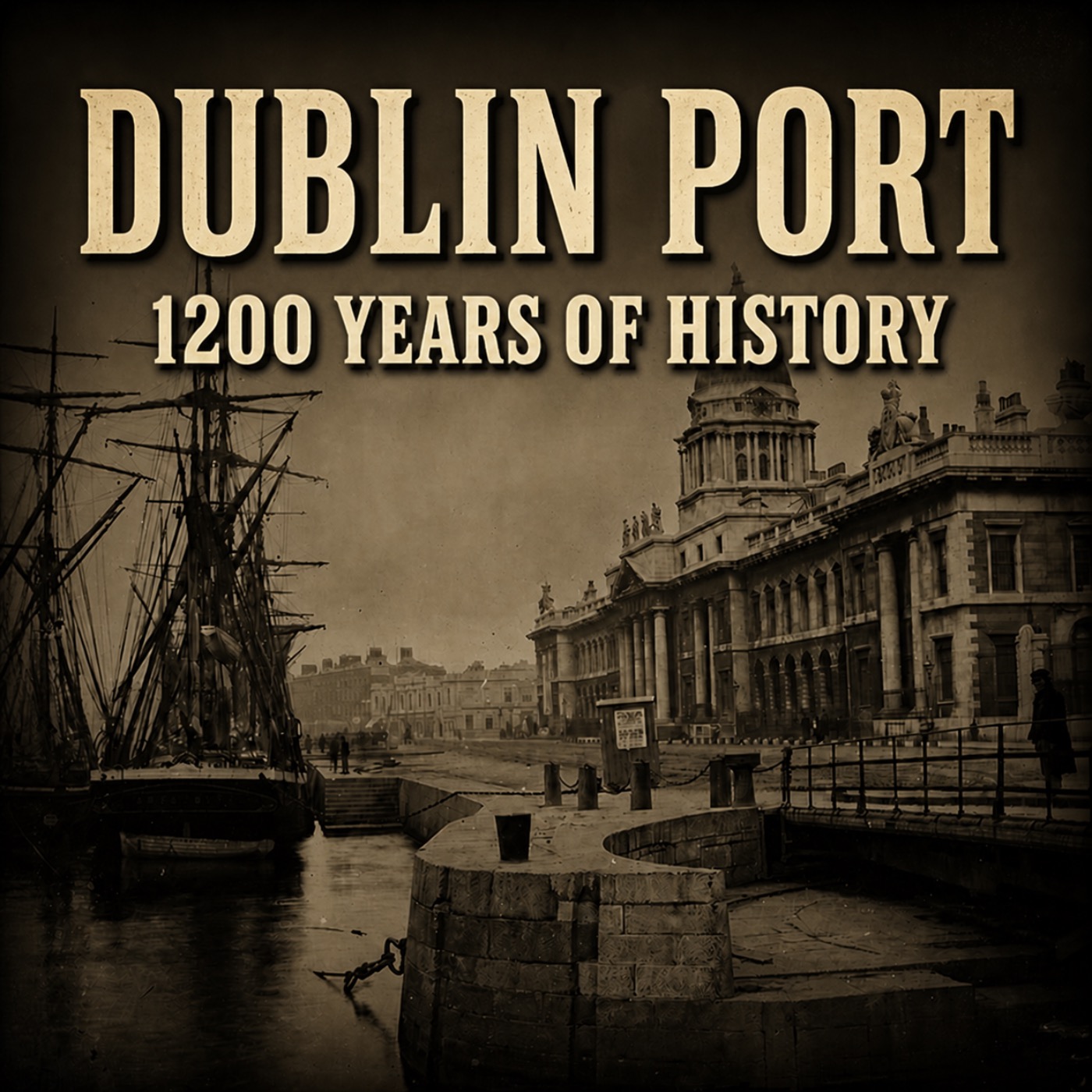
| 8/12/26 | 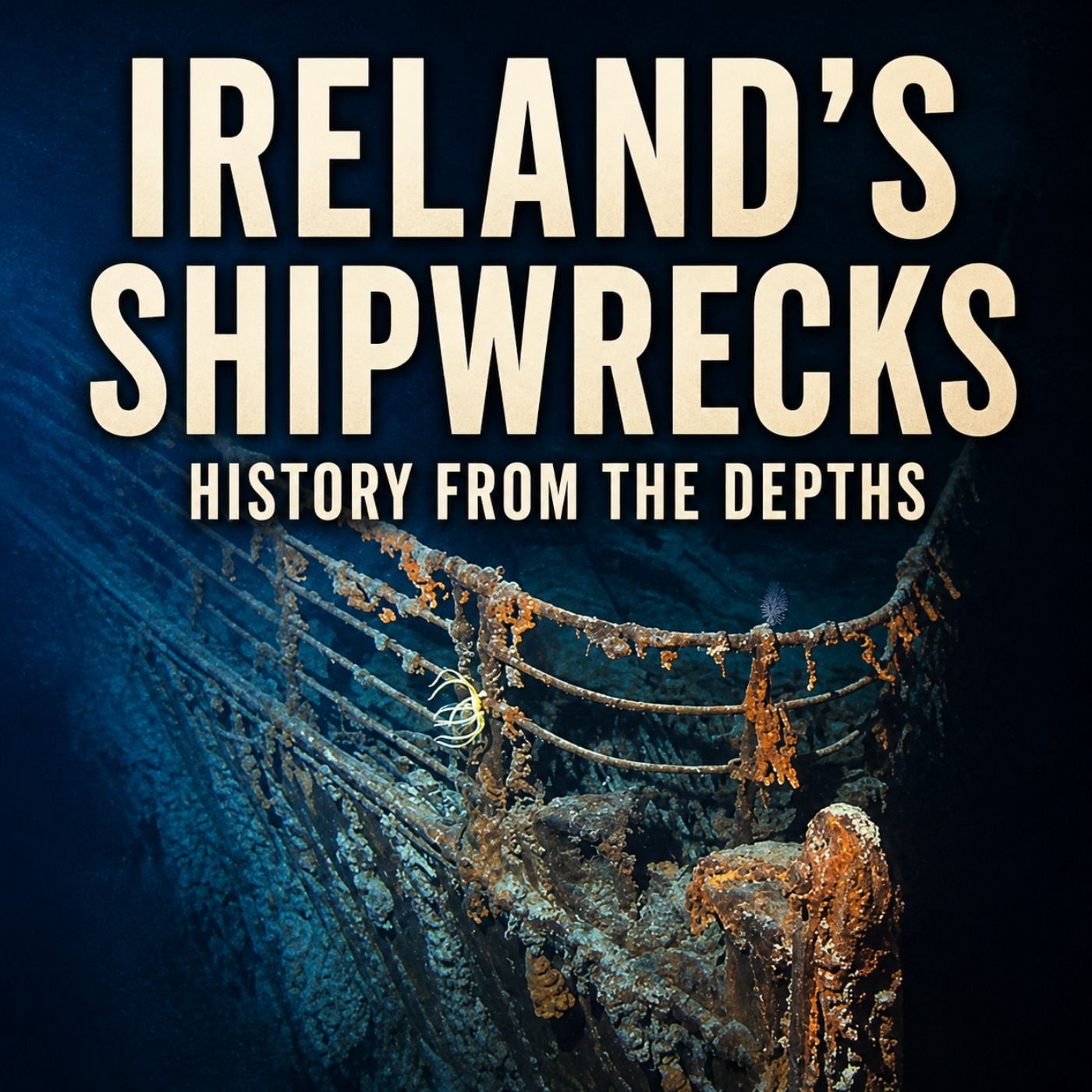 Ireland’s Shipwrecks: History from the Depths | Every year, fragments of long-lost ships wash ashore on Irish beaches. They are remnants of the thousands of shipwrecks scattered around our coast, dating from Prehistory to the Second World War. Each wreck has a fascinating story from how they went down to their rediscovery often centuries later. In this episode, I speak with Dublin Port Heritage Director Lar Joye at a new exhibition exploring the shipwrecks of Dublin Bay. Our conversation explores several disasters including the famous cases of the Leinster, the Dorset and the Tayleur.We discuss the stories behind these ships, why shipwrecks were so common in the past and why fragments of wrecks continue to wash ashore today. Visit the exhibition: https://www.dublinport.ie/shipwrecks-of-dubln-bay-exhibition-at-the-substation/ Upcoming events at the Substation:https://www.dublinport.ie/heritage-week/ My guest, Lar Joye, has served as Port Heritage Director at Dublin Port since 2017. He cares for the 300-year-old Port Archive and leads projects reconnecting the working port with the city through heritage, culture and public access. Before joining Dublin Port, Lar worked as a film archivist and as Curator of Irish Military History at the National Museum of Ireland. There he led the team behind the award-winning Soldiers & Chiefs exhibition which explores the history of Irish soldiers at home and abroad from 1550 to the present. Sound: Kate Dunlea Hosted on Acast. See acast.com/privacy for more information. | — | ||||||
| 7/29/26 | 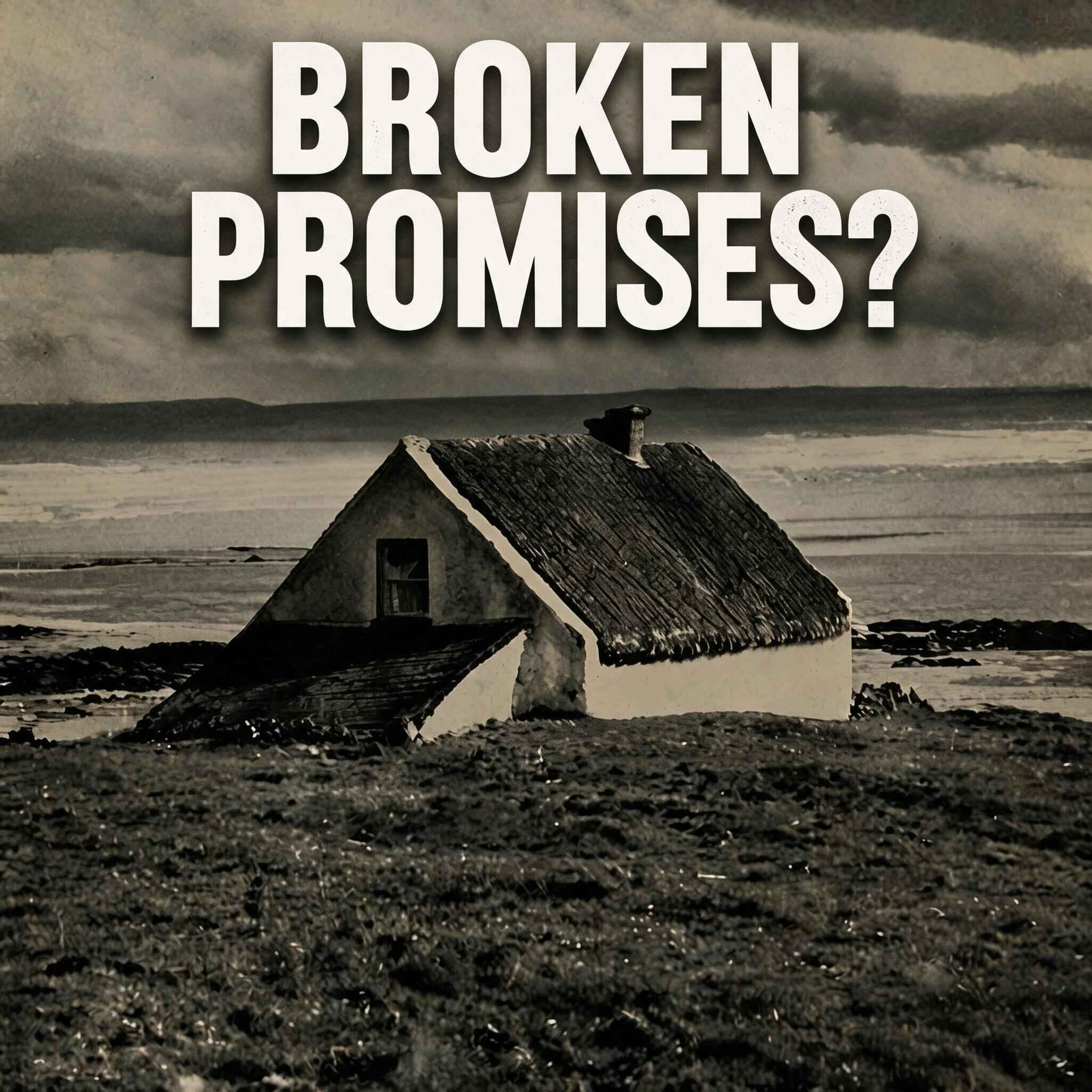 Broken Promises: Why Irish Independence Failed the Irish Language | In 1922, Ireland gained its independence. The new state promised to revive the Irish language. A century later, English still dominates daily life. What went wrong?In this episode, I speak to John Walsh of the University of Galway, author of One Hundred Years of Irish Language Policy, 1922–2022, about why a movement that had real momentum in the years before independence stalled in the decades that followed.John traces the high ambition and lofty ideals to the failed policies of successive Irish governments. He also reveals how at times outright hostility to the language within the political establishment emerged in the later 20th century with devastating consequences. The episode also looks at the very different experience of the language in the Northern State, where the unionist government treated Irish as a threat.Support the show at www.patreon.com/irishpodcastIf you want to find out moreFind out more about John and his work: https://research.universityofgalway.ie/en/persons/john-walsh/To find out more about this subject, check out John's book One Hundred Years of Irish Language Policy, 1922–2022 https://www.peterlang.com/document/1248601Check out this episode with Dr Nicholas Wolf on why the Irish language went into decline in the 18th and 19th century. https://shows.acast.com/irishhistory/episodes/the-irish-language-why-ireland-became-english-speakingJohn's forthcoming book Ar Lámh Shábhála? Coimisiún na Gaeltachta 1926 will be published by Cló Iar-Chonnacht this autumn https://cic.ie/Sound by Kate Dunlea. Hosted on Acast. See acast.com/privacy for more information. | — | ||||||
| 7/22/26 | 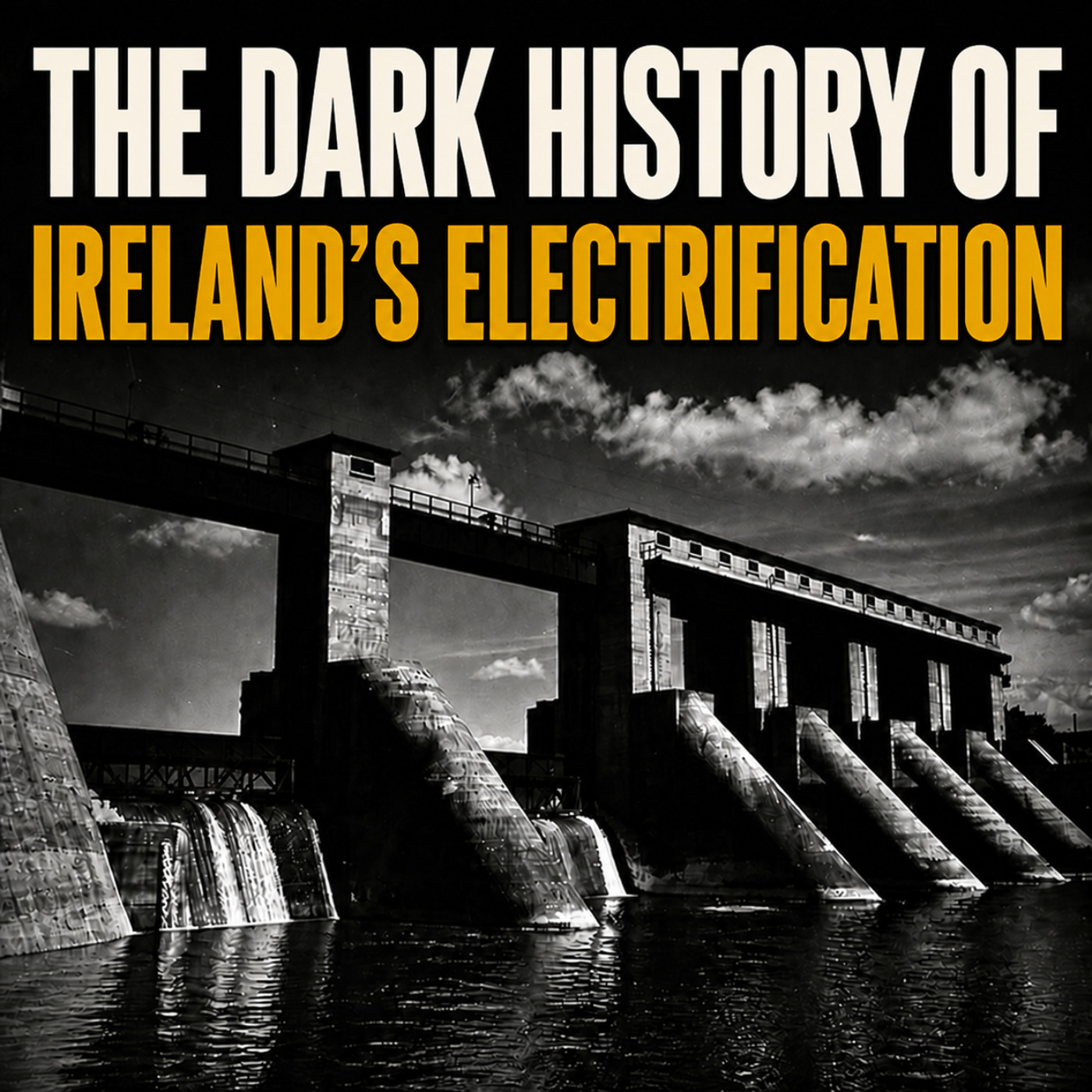 Progress at Any Cost? The Dark History Behind Ireland’s Electrification | In the 1920s, the newly established Irish Free State embarked on one of the most ambitious engineering projects in its history: the Shannon Scheme at Ardnacrusha.This was a state-of-the-art hydroelectric plant that paved the way for the electrification of Irish society. The scheme developed an almost mythic reputation, becoming a powerful symbol of independence, progress and modernisation.But behind the concrete and turbines was a darker story. Thousands of poorly paid labourers worked in brutal conditions, dozens were killed and hundreds suffered life-changing injuries. Many were left in poverty while Irish society celebrated their achievements. In this episode, I explore both sides of the Shannon Scheme: the remarkable project that helped transform Ireland, but also the terrible human cost that was largely written out of our history.Sound by Kate Dunlea.Support my work patreon.com/irishpodcast if you want to read more check out High Tension: Life on the Shannon Scheme https://www.abebooks.com/9781843510611/High-Tension-Life-Shannon-Scheme-1843510618/plpAndy Bielenberg's The Shannon Scheme and the Electrification of the Irish Free State is a good overview of the project. A Digital copy is also available on the E.S.B. Archives website for free https://esbarchives.ie/wp-content/uploads/2015/05/the-shannon-scheme.pdfMaurice Manning & More McDowell's History of the Electricity Supply Board is also a useful read and a digital copy is also available on the ESB Archive for free. https://esbarchives.ie/wp-content/uploads/2015/08/the-history-of-the-esb.pdf Hosted on Acast. See acast.com/privacy for more information. | — | ||||||
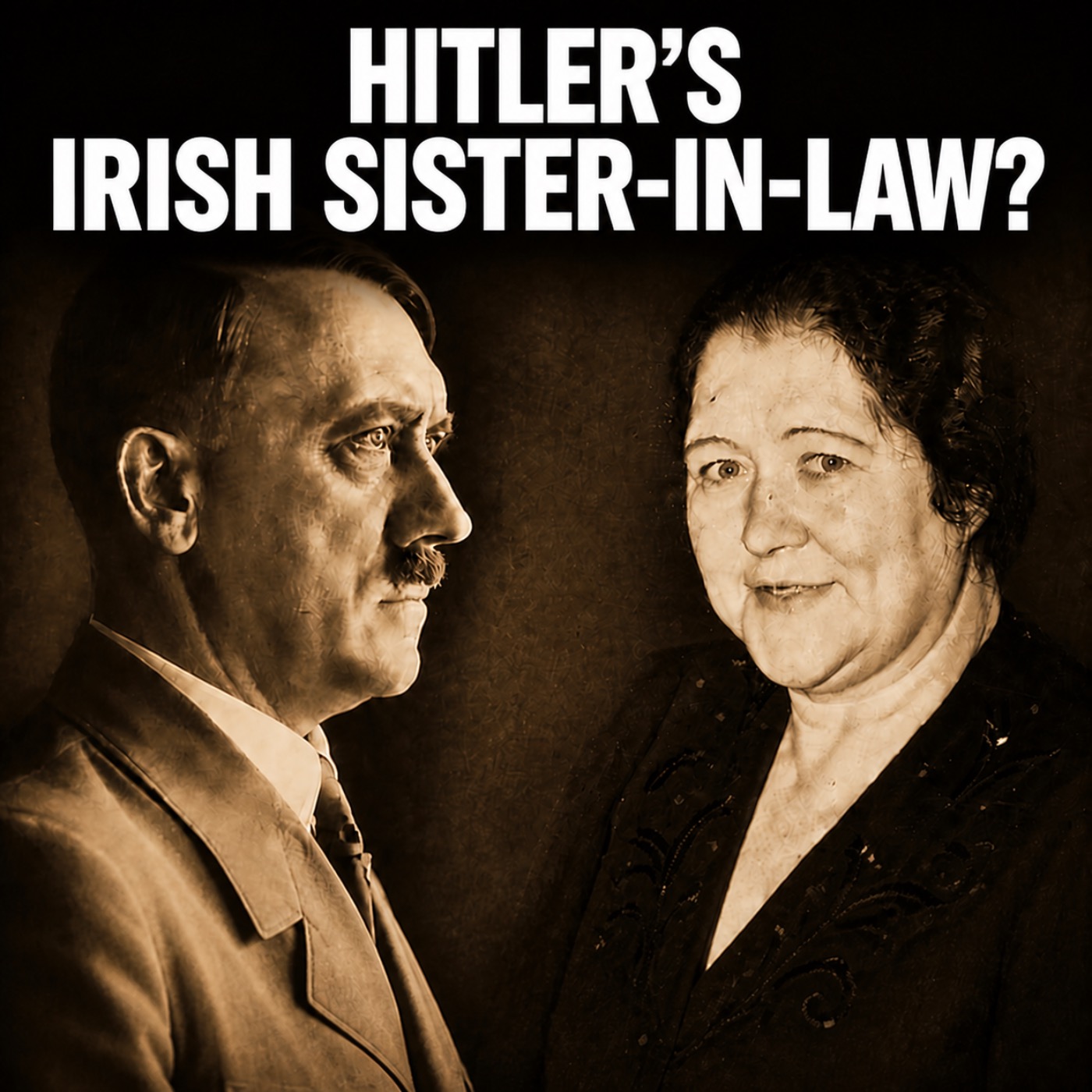
| 7/15/26 | Irish historyHitler family+4 | — | Apple PodcastsAcast+1 | — | Bridget HitlerAdolf Hitler+5 | — | 20m 23s | ||
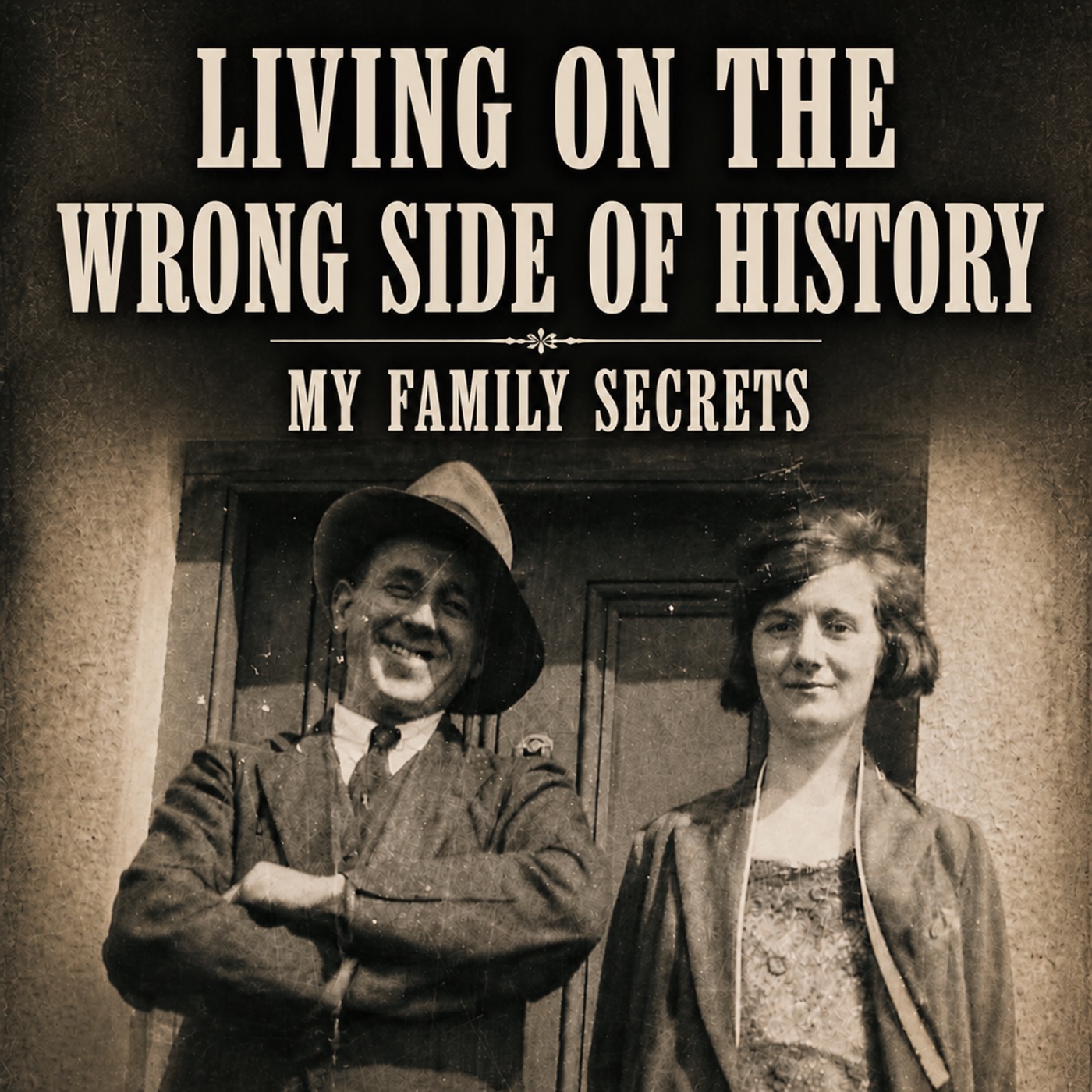
| 7/8/26 | family historyordinary people+4 | — | IRA | Ireland | family secretshistorical perspective+5 | — | 38m 26s | ||
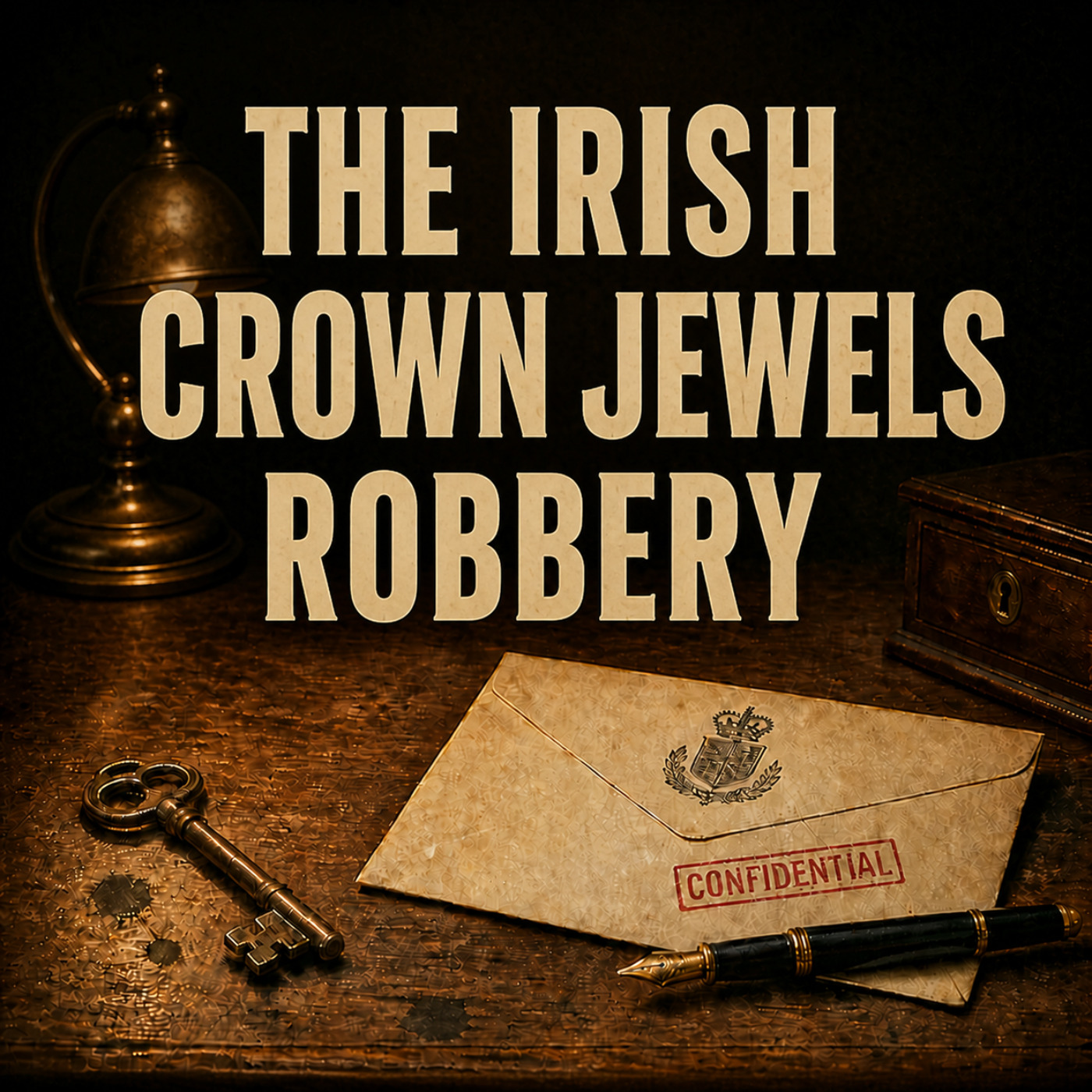
| 6/24/26 | Irish Crown Jewelstheft+5 | — | British authoritiesThe stealing of the Irish Crown Jewels: an unsolved crime+1 | — | Irish Crown Jewelstheft+5 | — | 47m 22s | ||
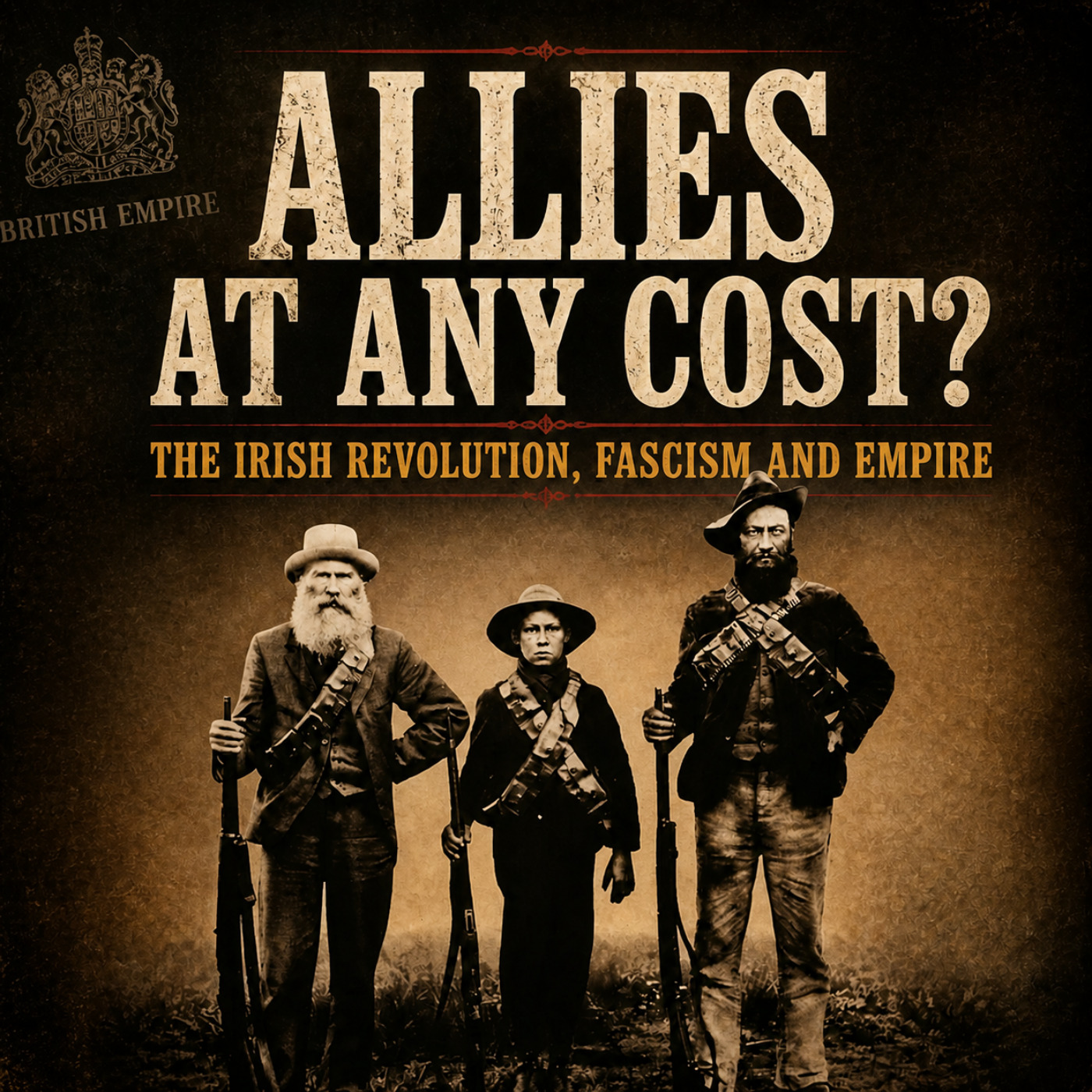
| 6/19/26 | Irish republicanismalliances+4 | Dr Brian Hanley | VaticanBrothers in Pain | AustraliaNew Zealand+4 | Irish republicansalliances+6 | — | 39m 23s | ||
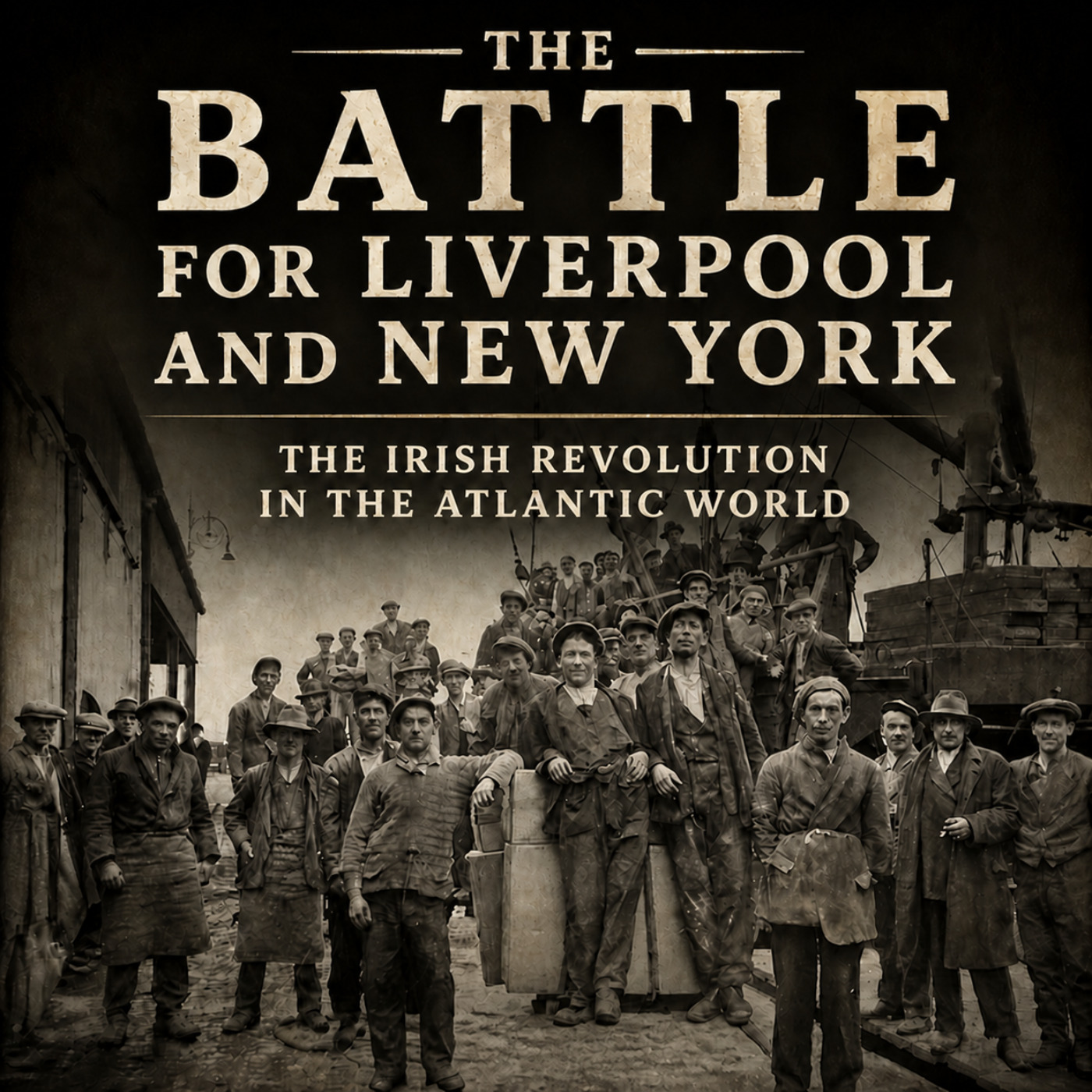
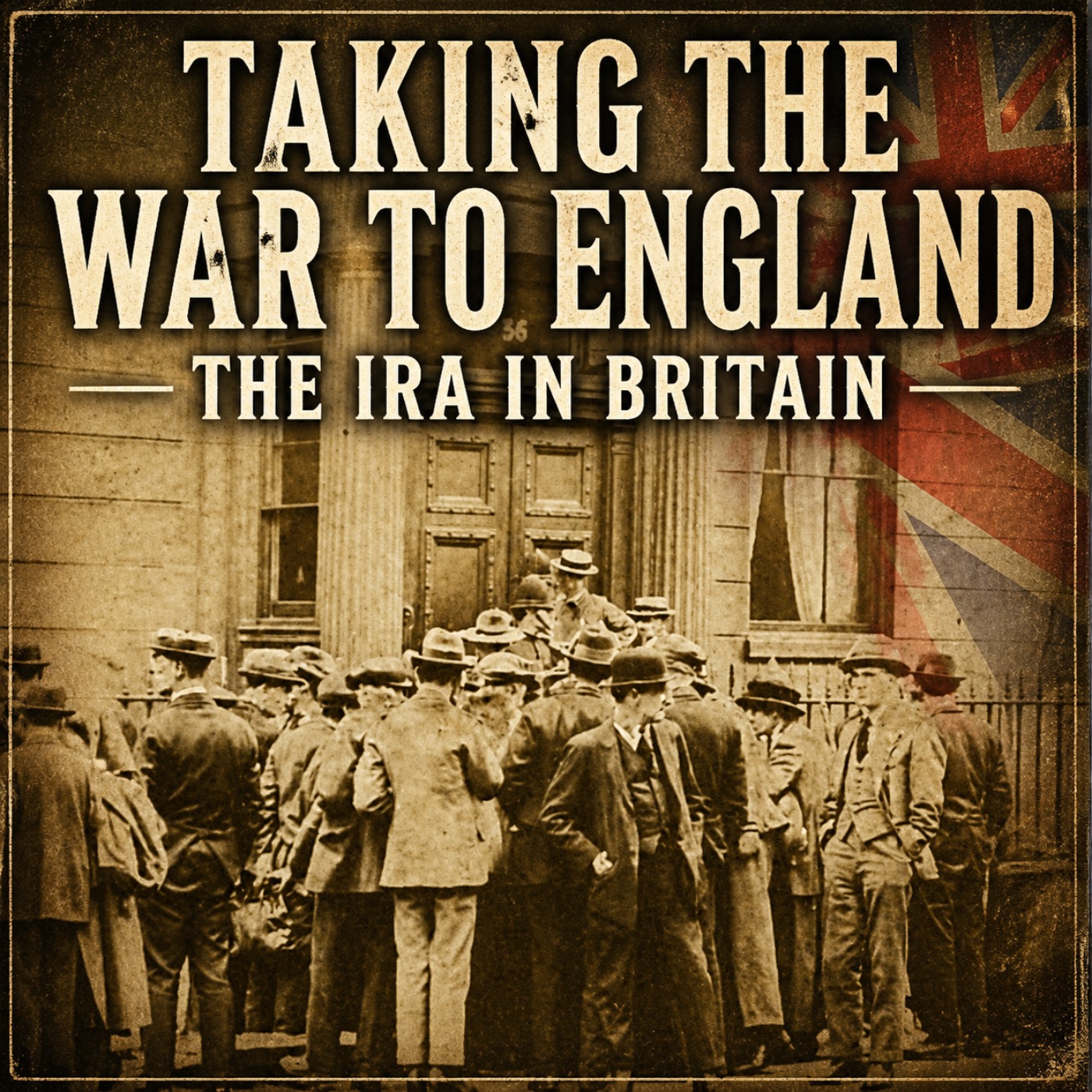
| 6/12/26 | Irish independenceIrish migration+4 | Dr Brian Hanley | — | LiverpoolNew York+1 | Irish RevolutionLiverpool+5 | — | 39m 00s | ||
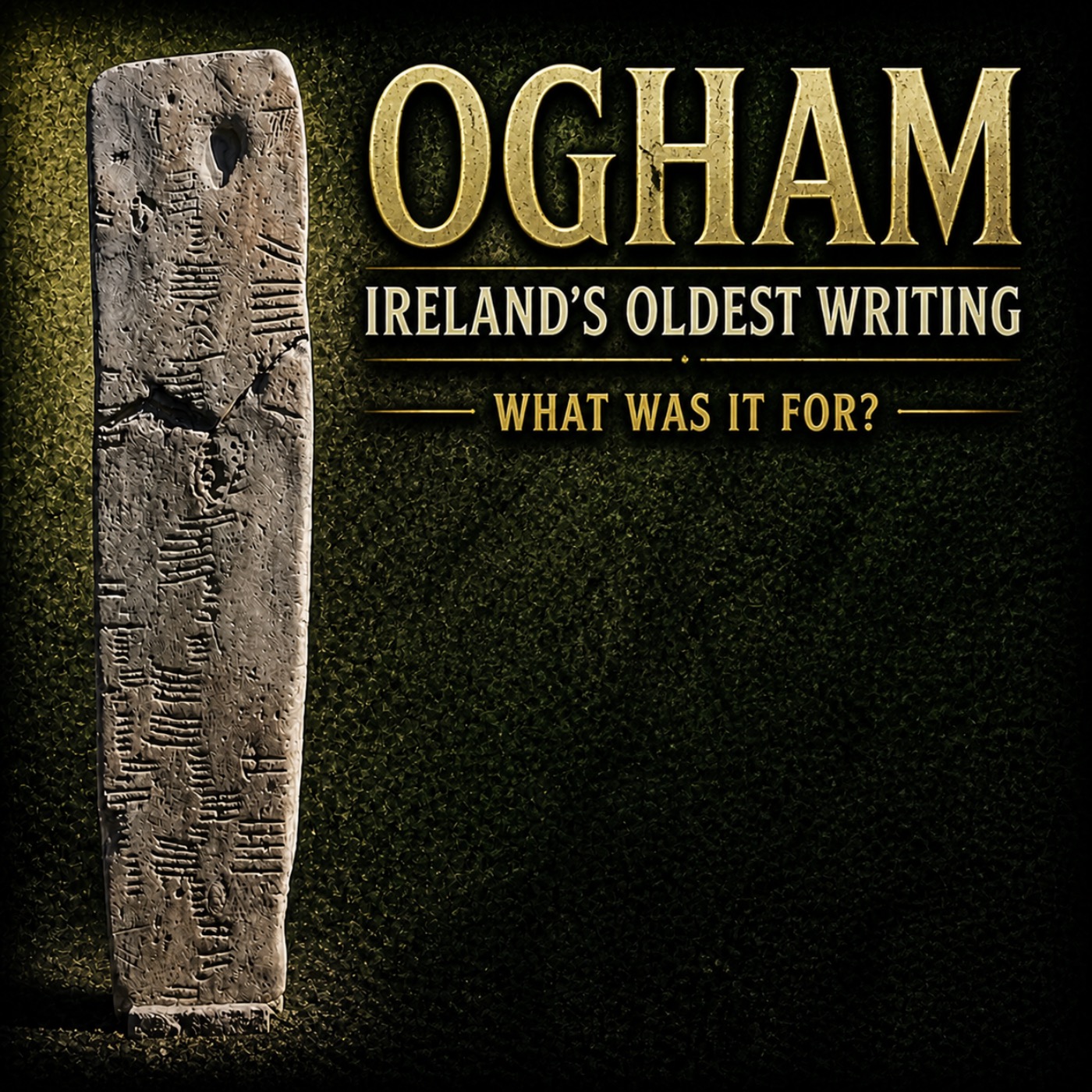
| 6/10/26 | Oghamancient writing+4 | Dr Nora White | Maynooth UniversityDublin Institute for Advanced Studies+2 | IrelandBritain | OghamIreland+6 | — | 36m 31s | ||
| 6/5/26 | Irish War of IndependenceIRA campaign+4 | Dr Brian Hanley | IRABritish | ManchesterLiverpool+2 | IRABritish politics+6 | — | 33m 57s | ||
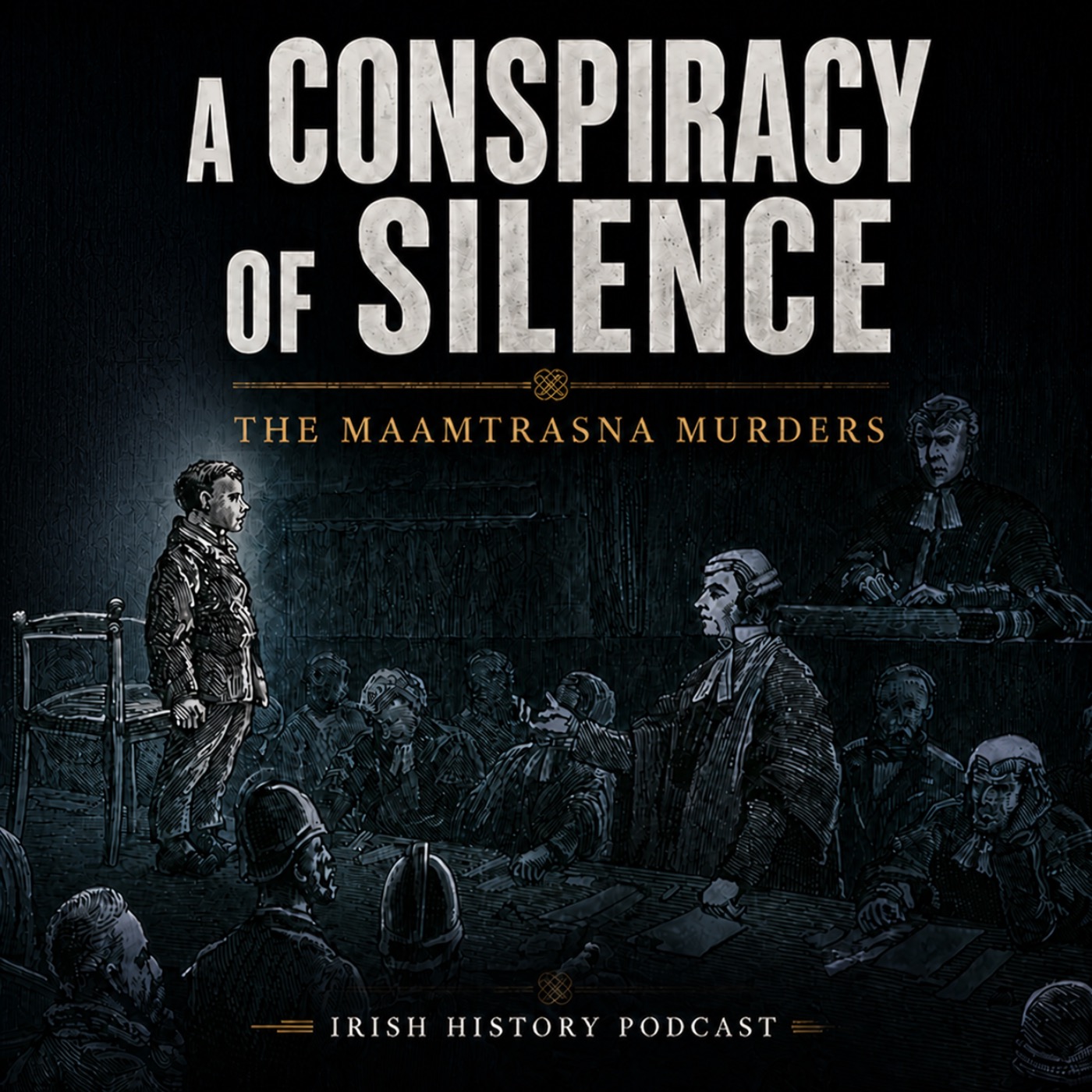
| 6/3/26 | Maamtrasna Murdersmiscarriage of justice+3 | Margaret Kelleher | The Maamtrasna Murders: Language, Life and Death in Nineteenth-Century Ireland | IrelandMaamtrasna | Maamtrasnamurders+5 | — | 1h 00m 09s | ||
| 5/27/26 | Middle Agesdaily life+3 | Prof. Eileen Murphy | Queen's University BelfastThe Forgotten Cemetery: Excavations at Ranelagh, Co. Roscommon | Co. Roscommon | Middle Agesdaily life+3 | — | 38m 49s | ||
| 5/20/26 | Dublin Port historyViking settlement+5 | Lar Joye | Dublin PortPort Archive | DublinLiffey | Dublin PortIrish history+6 | — | 45m 49s | ||
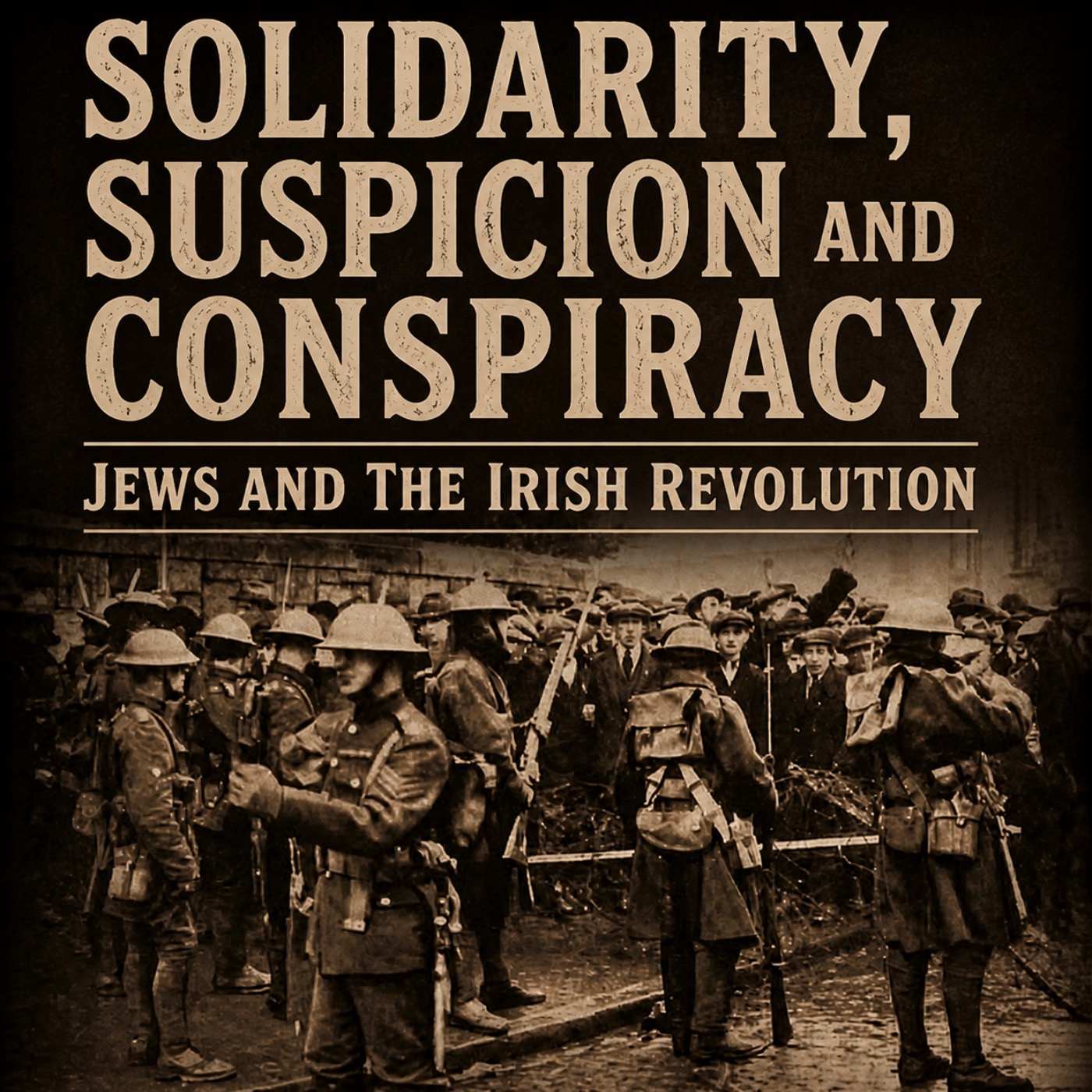
| 5/15/26 | Irish Revolutionantisemitism+4 | Dr Brian Hanley | Brothers in Pain | — | Irish Revolutionantisemitism+7 | — | 28m 36s | ||
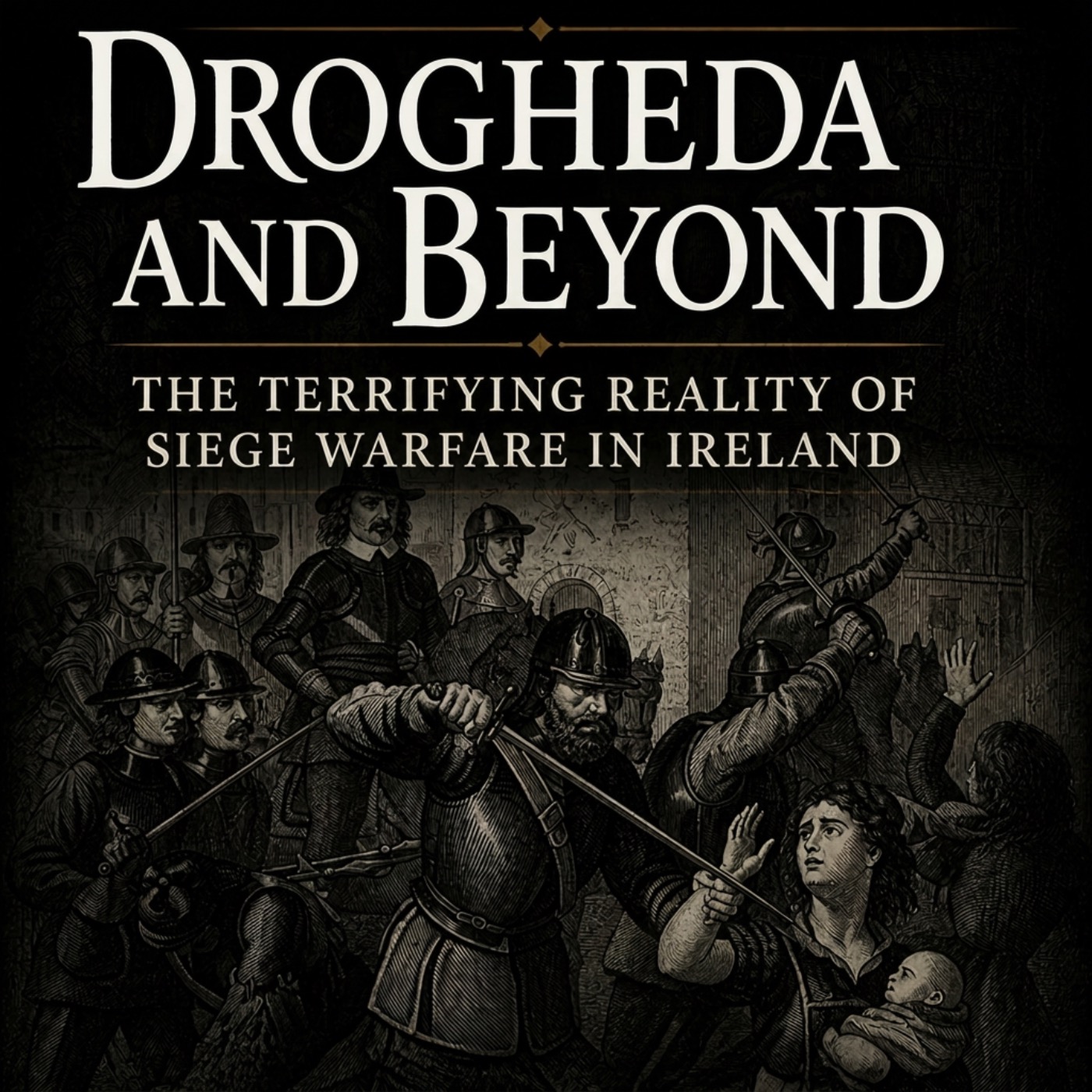
| 5/13/26 | siege warfare17th-century Ireland+4 | Padraig Lenihan | Siege Warfare in Ireland, 1641-1653 | IrelandBritain+1 | siege warfareDrogheda+6 | — | 44m 19s | ||
| 5/1/26 | Irish Revolutionanti-colonial struggles+5 | — | Trinity College Dublin | IrelandEgypt+2 | Irish RevolutionEgypt+5 | — | 32m 05s | ||
| 4/29/26 | World War IIIreland+4 | James Doherty | Irish Army | IrelandGermany+1 | Operation GreenPlan W+6 | — | 38m 48s | ||
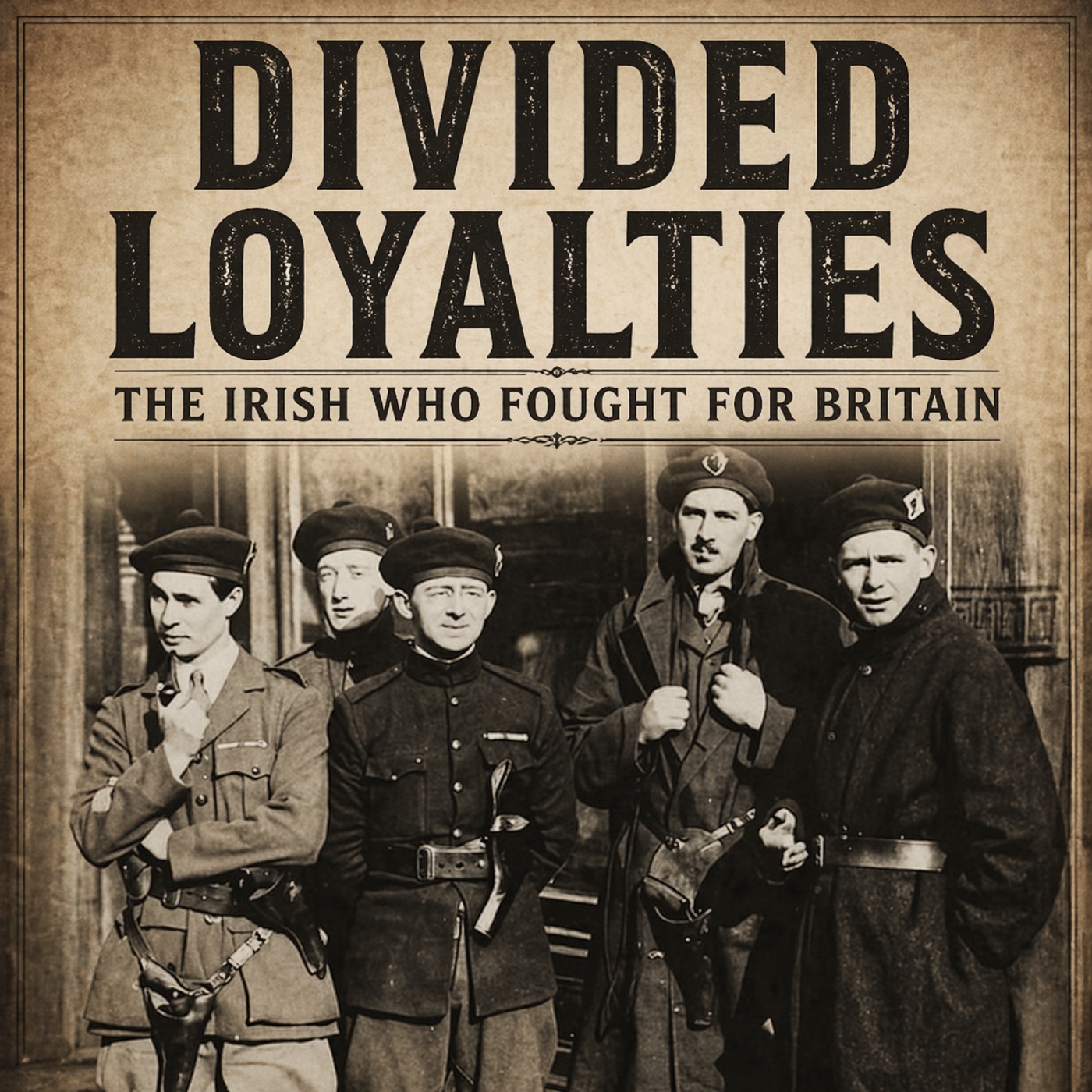
| 4/24/26 | Irish War of IndependenceIrish Revolution+5 | Dr Brian Hanley | Trinity College DublinRoyal Irish Constabulary+1 | — | Irish historyBritish Army+5 | — | 29m 31s | ||
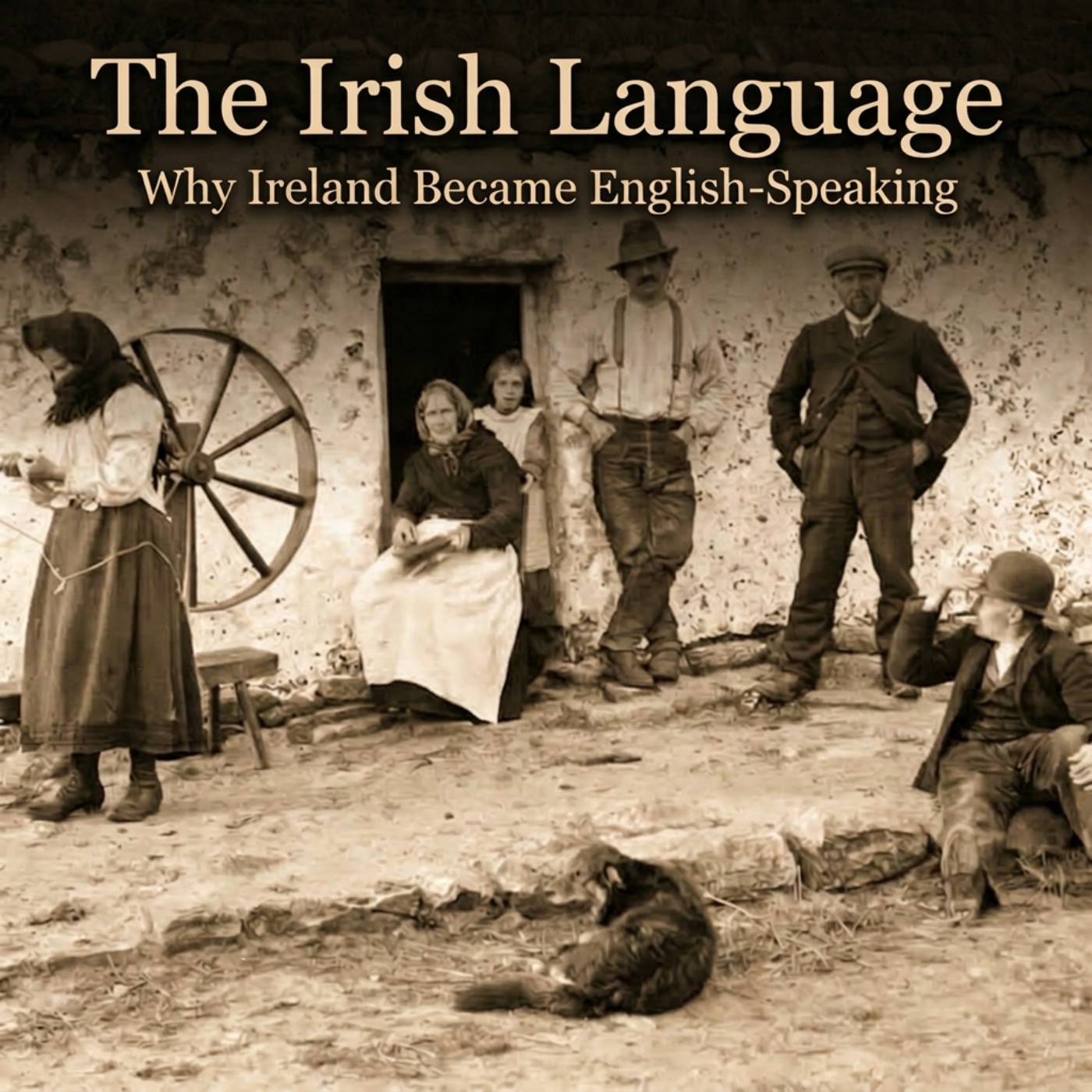
| 4/22/26 | Irish languagecolonialism+4 | Dr Nicholas Wolf | New York UniversityGlucksman Ireland House+5 | — | Irish languageEnglish-speaking+5 | — | 35m 49s | ||
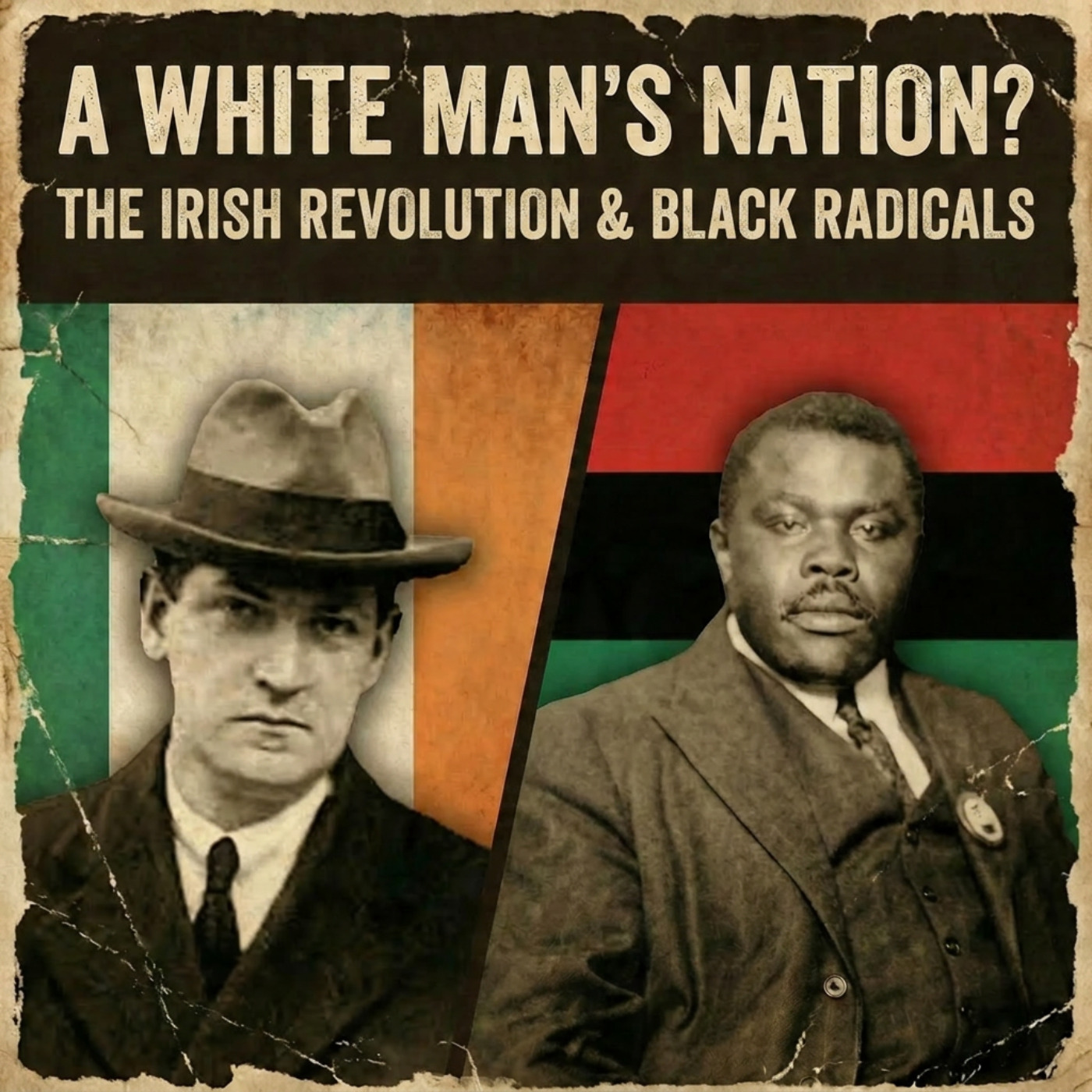
| 4/17/26 | Irish RevolutionBlack Radicals+4 | — | Irish History Podcast | IrelandUnited States | Irish War of IndependenceCyril Briggs+5 | — | 34m 27s | ||
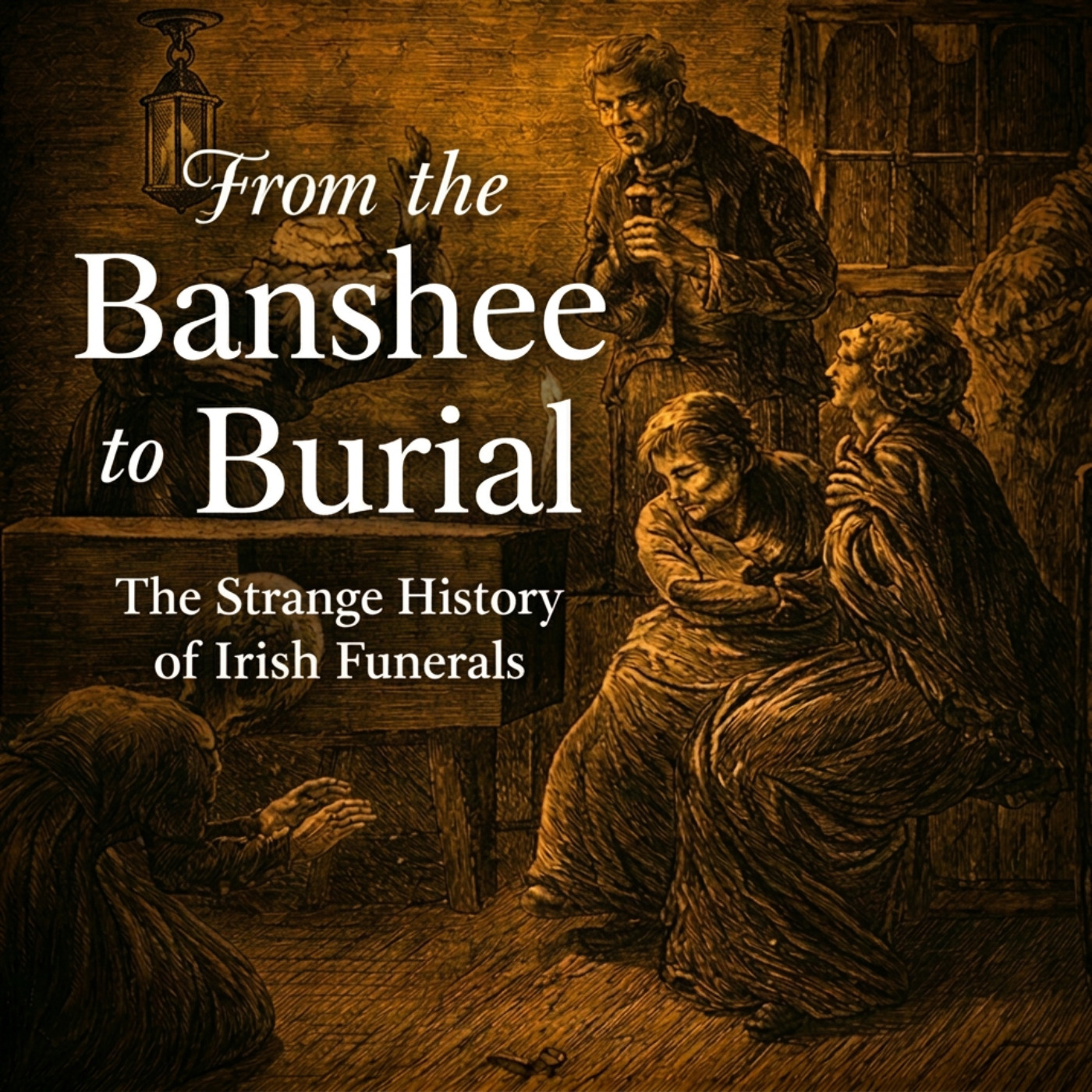
| 4/15/26 | Irish funeralsdeath customs+5 | — | Duchas.ieThe Banshee: The Irish Death-Messenger+1 | — | Irish funeralsbanshee+5 | — | 31m 07s | ||
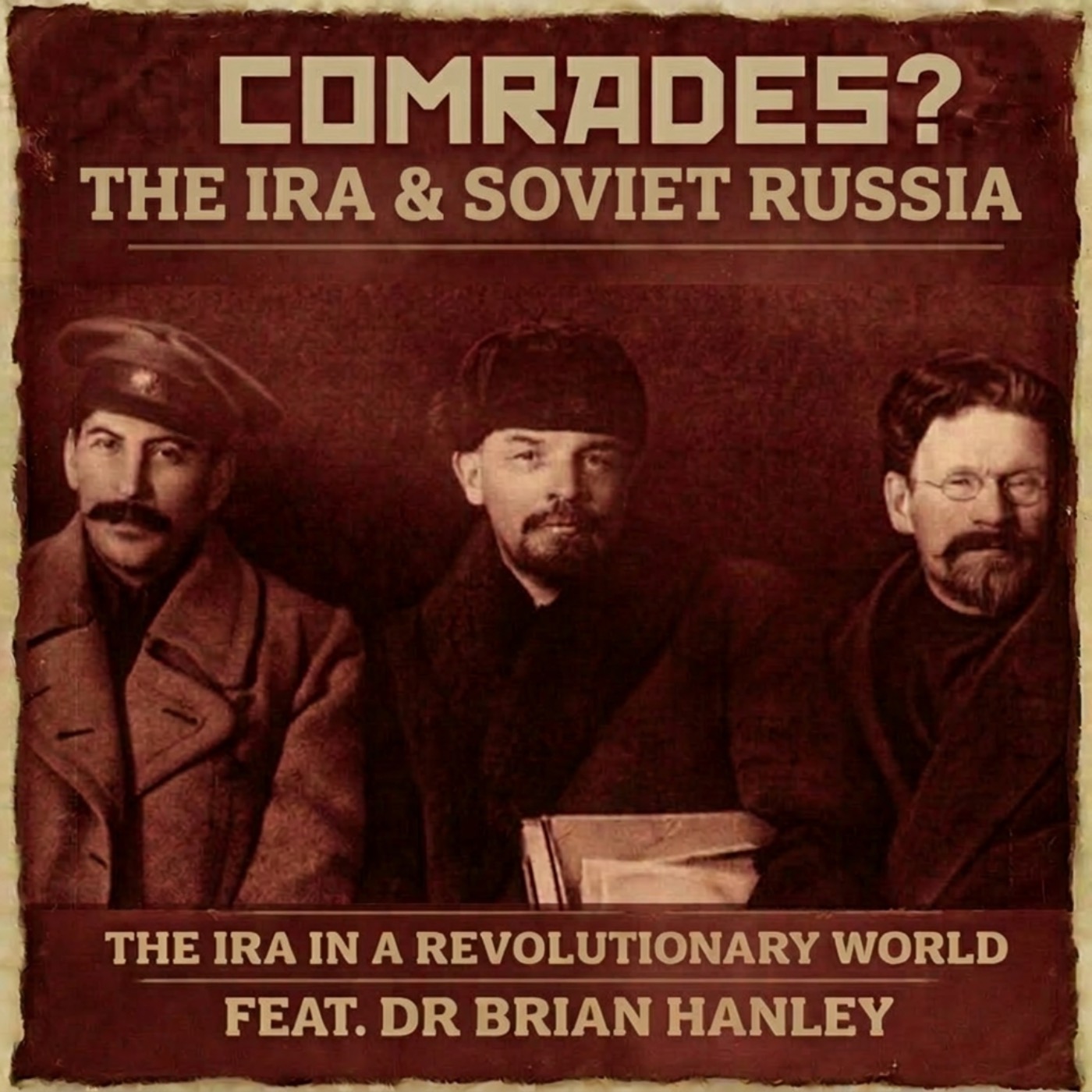
| 4/3/26 | IRASoviet Russia+4 | — | Sinn FéinBolshevism+1 | IrelandSoviet Union+2 | IRASoviet Union+5 | — | 27m 35s | ||
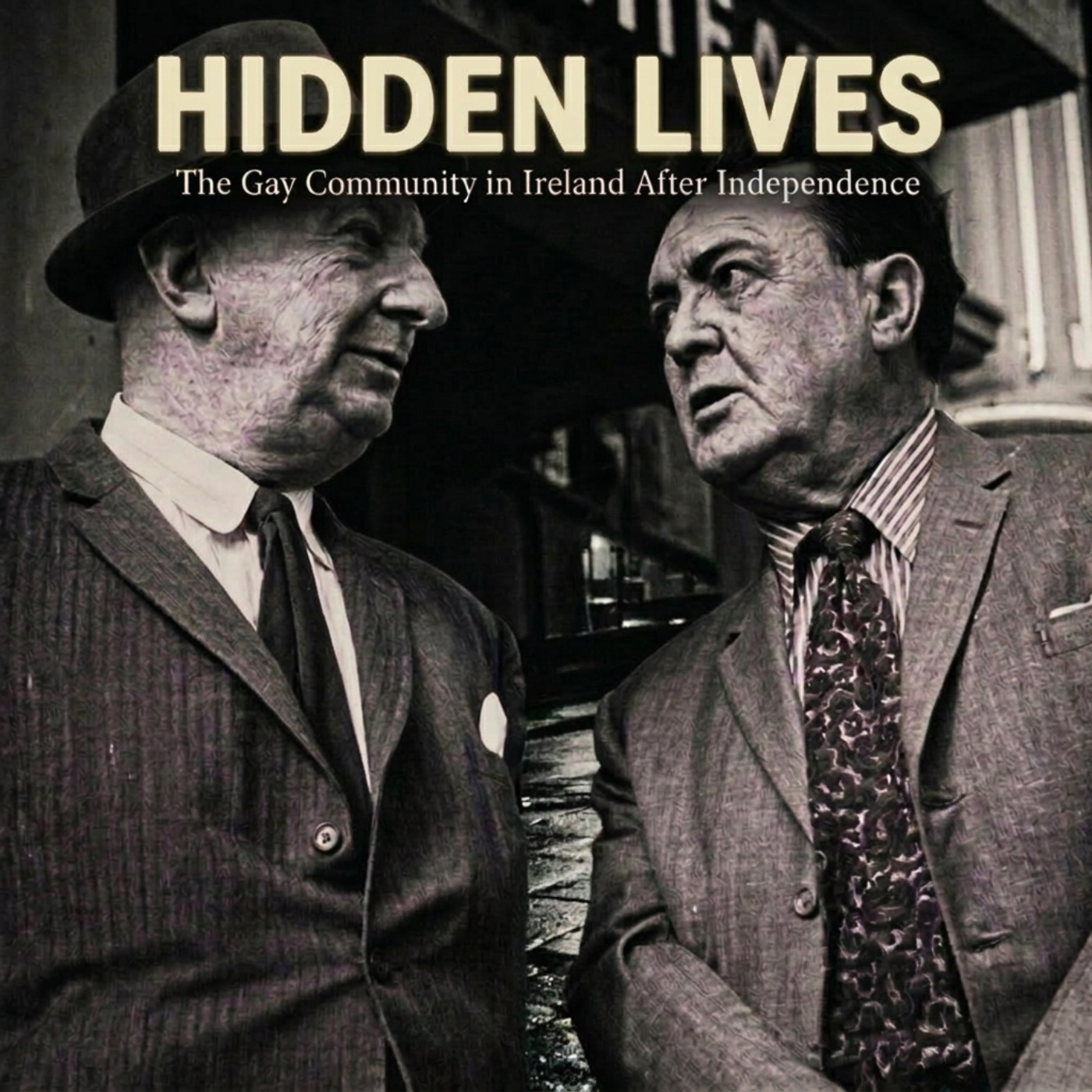
| 4/1/26 | gay communityIrish independence+4 | Averill Earls | St. Olaf CollegeDig: A History Podcast+2 | IrelandDublin | Irish Free StateLGBTQ+ Ireland+5 | — | 36m 31s | ||
![Daily Life in the Middle Ages: Worse Than You Think [Listener Favourite] episode artwork](https://assets.pippa.io/shows/619566332eacc3a360702518/1779786799066-1b0afddd-efbf-4677-a167-1b07dfe9ffc1.jpeg)
Showing 25 of 478
Pitch Fit is a Pro feature
See how bookable this show is for guests, which brands already advertise, the per-episode ad value, and the best-fit guest and sponsor profile. The numbers are blurred on the free plan.
How readily this show books outside guests like you.
How proven this show is for host-read sponsorships.
For Guests
ProFor Advertisers
ProUpgrade to Pro to unlock guest cadence, sponsor categories, fit scores, and per-episode ad value for this show.
Chart history for Irish History Podcast
Peaked at #8 in Ireland, top 10 in 1 of 17 tracked markets, currently #8 in Ireland.
| Market | Genre | Peak | Current | Trend |
|---|---|---|---|---|
| Ireland | — | #8 | #8 | — |
| HU | — | #13 | #13 | — |
| United Kingdom | — | #36 | #36 | — |
| Finland | — | #38 | #38 | — |
| MY | — | #55 | #55 | — |
| HK | — | #66 | #66 | — |
| Australia | — | #82 | #82 | — |
| TR | — | #105 | #105 | — |
| SA | — | #107 | #107 | — |
| IS | — | #129 | #129 | — |
| PT | — | #134 | #134 | — |
| Canada | — | #144 | #144 | — |
| United States | — | #146 | #146 | — |
| South Korea | — | #147 | #147 | — |
| South Africa | — | #154 | #154 | — |
| RO | — | #167 | #167 | — |
| VN | — | #196 | #196 | — |
Chart Positions
17 placements across 17 markets.
Chart Positions
17 placements across 17 markets.