It Was What It Was : The Football History Podcast
Welcome to The Overlap's football history podcast, It Was What It Was.Each week Jonathan Wilson and Rob Draper will be talking about the key episodes in football history that have shaped the footballing world.The show wi...
Insights from recent episode analysis
On the show
- Rob Draper4 eps
- Jonathan Northcroft2 eps
- Jan Fjørtoft1 ep
Also: Clyde Best, Professor Matthew Brown, Tim Vickery, Michael Grant, Jordi Cruyff, Jonathan, Rob, Jamie Carragher
Audience Interest
Podcast Focus
Publishing Consistency
Insights are generated by CastFox AI using publicly available data, episode content, and proprietary models.
Most discussed topics
Brands & references
Total monthly reach
Based on 1 signal.
Built from
By chart position
- 🇺🇸United States · SoccerHOME#7330K to 158K
- 🇧🇷Brazil · Soccer#269.1K to 48K
- 🇨🇦Canada · Soccer#276.4K to 34K
- 🇬🇧United Kingdom · Soccer#543.7K to 20K
- 🇹🇼TW · Soccer#103.4K to 18K
- Per-Episode Audience
Est. listeners per new episode within ~30 days
65K to 346K🎙 Weekly cadence·181 episodes·Last published 1w ago - Monthly Reach
Unique listeners across all episodes (30 days)
131K to 692K🇺🇸46%🇧🇷14%🇨🇦10%+13 more - Active Followers
Loyal subscribers who consistently listen
72K to 381K
Market Insights
Platform Distribution
Reach across major podcast platforms, updated hourly
Total Followers
—
Total Plays
—
Total Reviews
—
* Data sourced directly from platform APIs and aggregated hourly across all major podcast directories.
| Date | Episode | Topics | Guests | Brands | Places | Keywords | Sponsor | Length | |
|---|---|---|---|---|---|---|---|---|---|
| 10/13/26 | 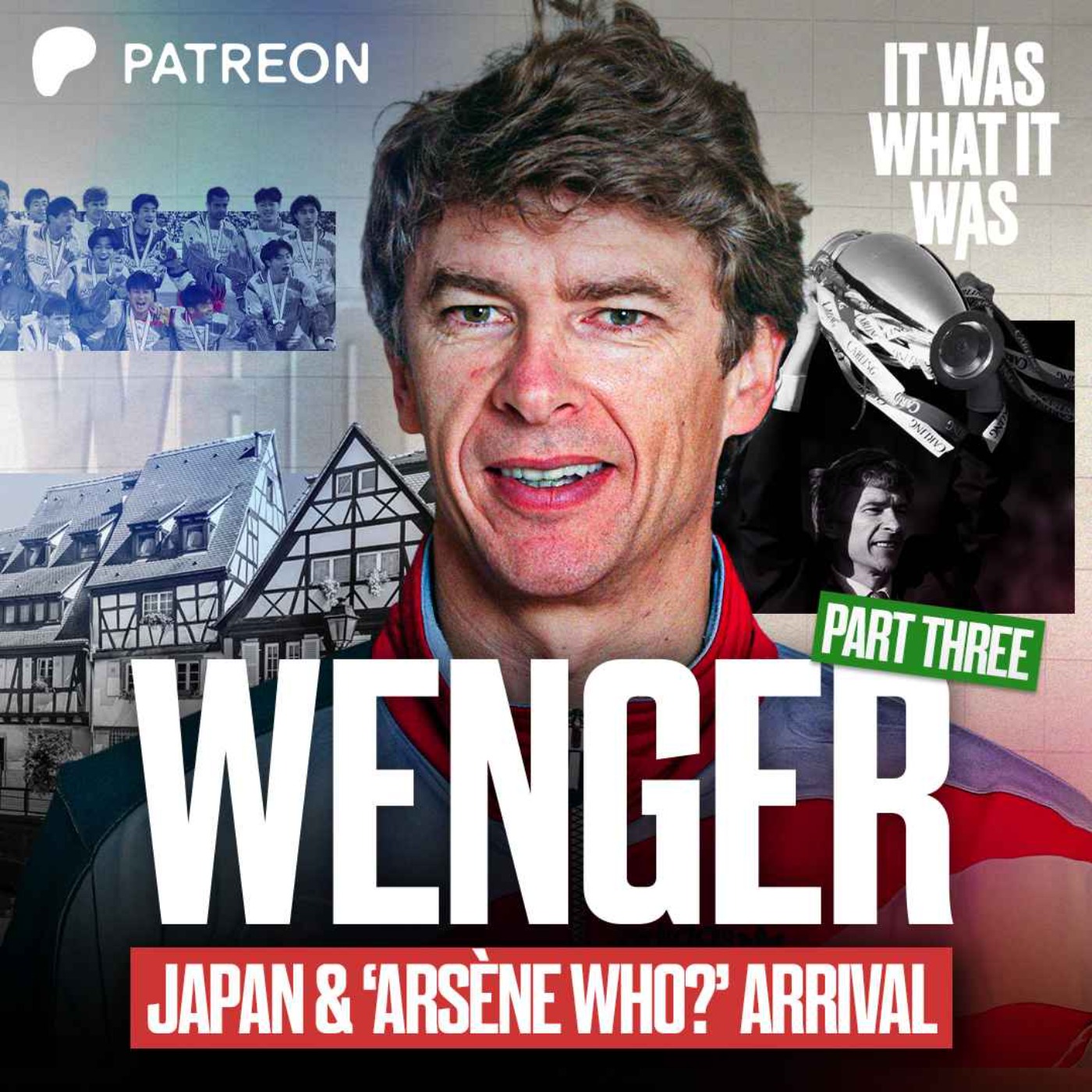 Arsène Wenger Part 3: Dein’s Dinner Party, Japan, and the ‘Arsène Who?’ Arrival | Jonathan Wilson and Rob Draper continue their Arsène Wenger series by tracing how David Dein first bonded with Wenger—via an improvised London dinner party and charades—before maintaining contact through Monaco, Antibes meetings, and mailed Arsenal VHS tapes and faxes. They cover Wenger’s post-Monaco move to Nagoya Grampus Eight, early struggles and a key interpreter change, then a turnaround to major success, which Wenger credits for reshaping his coaching and lifestyle ideas. The episode explains how Arsenal’s board eventually traveled to Japan in 1996 to recruit him amid post-Rioch chaos, public skepticism (“Arsène Who?”), and a club culture marked by drinking and addiction revelations. They discuss early dietary and training changes, Wenger retaining the famed back line, and his first signings—Vieira, Garde, and Anelka—plus the November 1996 rumour storm and Arsenal’s strong finish that set up the 1997-98 squad.00:00 Charades With Wenger00:34 Podcast Setup And Mystery Match02:40 Arsenal As Gentlemen Club05:09 Dinner Party First Impression10:29 Arsene For Arsenal Premonition11:35 Dein Keeps In Touch15:05 Bayern Offer And Sacking17:05 Japan Move And Early Struggles20:23 Interpreter Switch Turning Point23:27 Nagoya Success And Lessons25:18 Secret Japan Courtship26:20 Rioch Sacked Chaos28:05 Arsene Who Backlash33:09 Dressing Room Crisis36:31 Broccoli Diet Revolution41:42 Vieira Proves Them Wrong43:32 Rumors Tabloid Mob48:12 Anelka Arrival Momentum51:22 Cool Britannia Parallels55:05 Wrap Up Next Episode Hosted on Acast. See acast.com/privacy for more information. | 55m 49s | ||||||
| 10/6/26 | 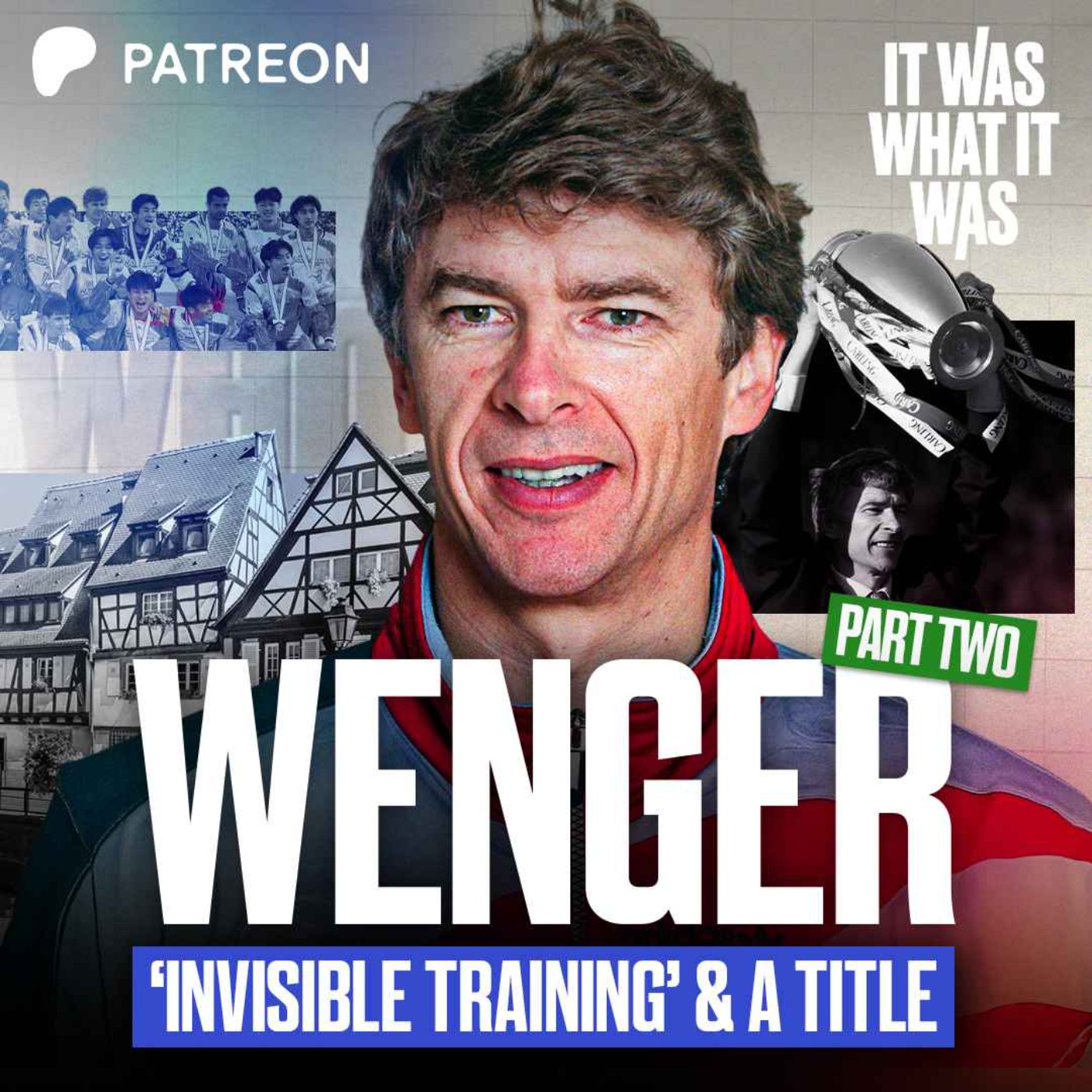 Arsène Wenger Part 2: Cannes, Nancy and Monaco; ‘Invisible Training’ and a Title | Jonathan Wilson and Rob Draper continue their Arsène Wenger series by tracing his leap from youth coaching at Strasbourg to assistant work under Jean-Marc Guillet at Cannes, where his scouting and relentless workload stood out, before taking his first major job at Nancy with Aldo Platini as director. They discuss Wenger’s early innovations—psychologists, stretching, diet, massage and “invisible training”—and his severity, detail-obsession and frugality, alongside the loneliness and intensity he describes after defeats. Despite Nancy’s limited means and eventual relegation, Wenger earned the Monaco job in 1987, where the glamorous setting contrasted with his ascetic focus. With signings like Glenn Hoddle and Mark Hateley, he introduced advanced recovery and professionalism, won Ligue 1 in 1988, and later built teams featuring Claude Puel, while developing talents such as George Weah, Lilian Thuram and Emmanuel Petit, amid disillusionment about French football’s corruption.00:00 Hoddle Meets Modern Training00:47 Wenger Series Returns01:37 Cannes Assistant Breakthrough02:50 Motorway Scouting Story04:08 Workaholic Coaching Routine05:27 First Team Taste of Power06:37 Nancy Job and Platini Link08:03 Invisible Training Revolution12:21 Youth Development and Frugality15:09 Severity and Dark Obsession19:49 Monaco Move and Glamour23:23 Royals and Monaco Memories25:46 Why Hoddle and Hateley Fit26:54 Hateley Meets Wenger27:46 Hoddle Hijacked From PSG30:17 Training Revolution In Monaco33:28 Beer Smoking And Culture Clash34:46 Tactics And Touchline Temper38:00 Monaco Glory And Marseille Shadow43:17 Annie And Private Life44:48 Weah Thuram Petit Talent Spotting49:03 Highbury Encounter With Dein52:31 Next Episode And Wrap Hosted on Acast. See acast.com/privacy for more information. | 52m 36s | ||||||
| 9/29/26 | 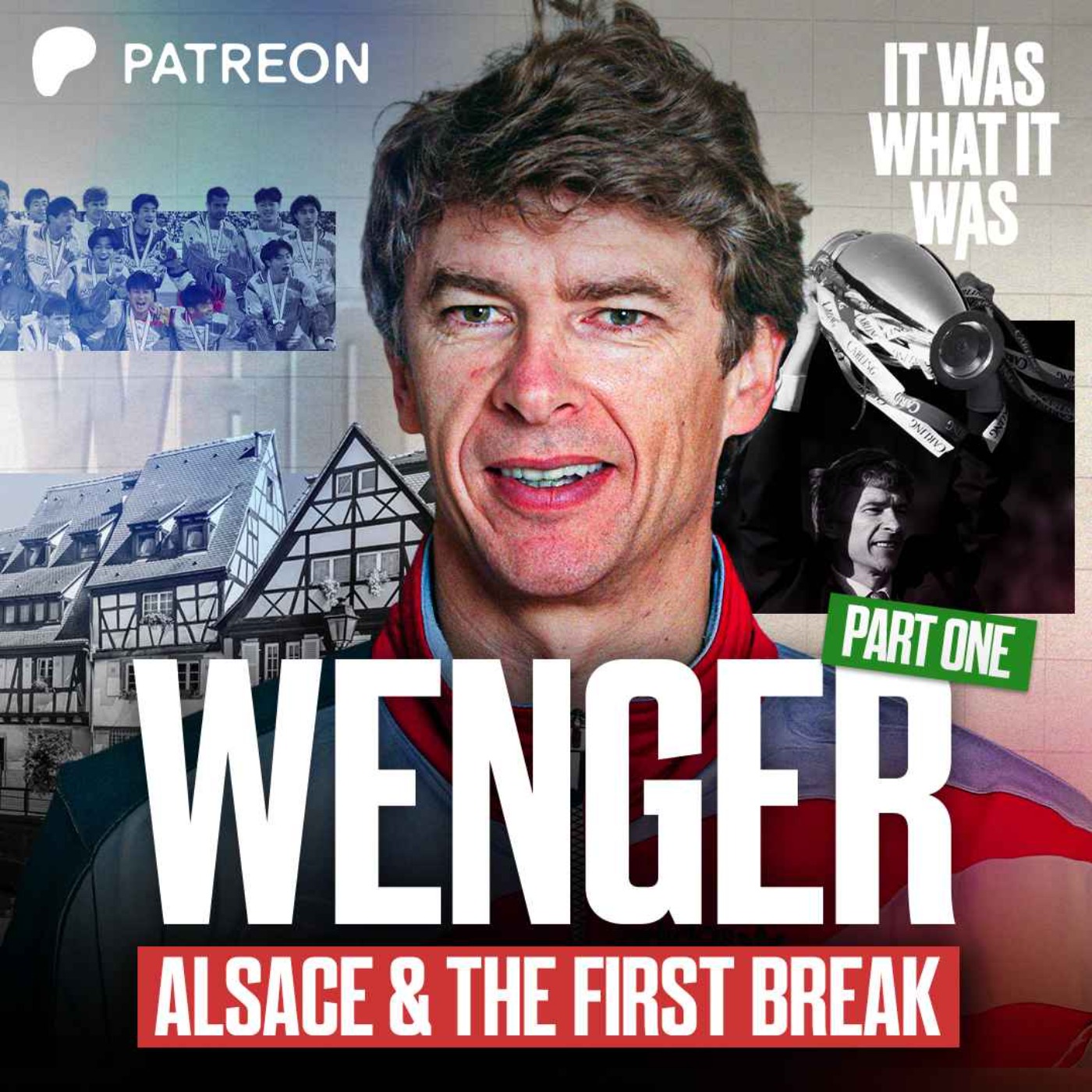 Arsene Wenger Part 1: Alsace Roots, Obsession & The First Break | Jonathan Wilson and Rob Draper begin a four-part series marking 30 years since Arsène Wenger’s arrival at Arsenal, framing him—alongside David Dein—as a key catalyst for the Premier League’s shift toward foreign managers, multicultural squads, and modern nutrition and sports science. They trace Wenger’s roots in rural, war-scarred Alsace on the French-German border: his parents’ hard-working life, his father’s forced Nazi conscription, the Catholic village culture, and Wenger’s intense, self-aware obsession with football. The episode explores how he learned the game through unsupervised street football and bistro conversations, a serious illness at 14, and his desire to escape village life. Wenger’s breakthrough came at 19 after being spotted in a heavy defeat and joining Mutzig, leading to university studies in Strasbourg, a stint learning English in Cambridge, a squad role in Strasbourg’s 1979 title win, and an early move into coaching—already using a psychiatrist with youth players.00:00 Wenger Obsession Intro01:23 Why Wenger Changed England03:41 Alsace War Shadow07:30 Village Roots and Work Ethic10:49 French Football Culture Explained16:18 Street Football and Brother Guy18:59 Faith Philosophy and Le Professor24:32 Illness Growth and Escape27:19 Bistro Lessons La Croix d'Or28:53 Wine and Bistro Roots29:37 Bar Talk and Escape30:09 Football Dreams in Dittlingen33:00 Mutzig Breakthrough34:13 Max Hild Mentor36:44 Dancing and Philosophy39:55 University and Class Divide42:10 Strasbourg Squad Years43:29 Cambridge English Leap46:47 Coaching Begins at Strasbourg47:31 Total Football Influences50:11 Holistic Coaching Mindset51:30 Wrap Up and Next Episode Hosted on Acast. See acast.com/privacy for more information. | 52m 21s | ||||||
| 9/22/26 | 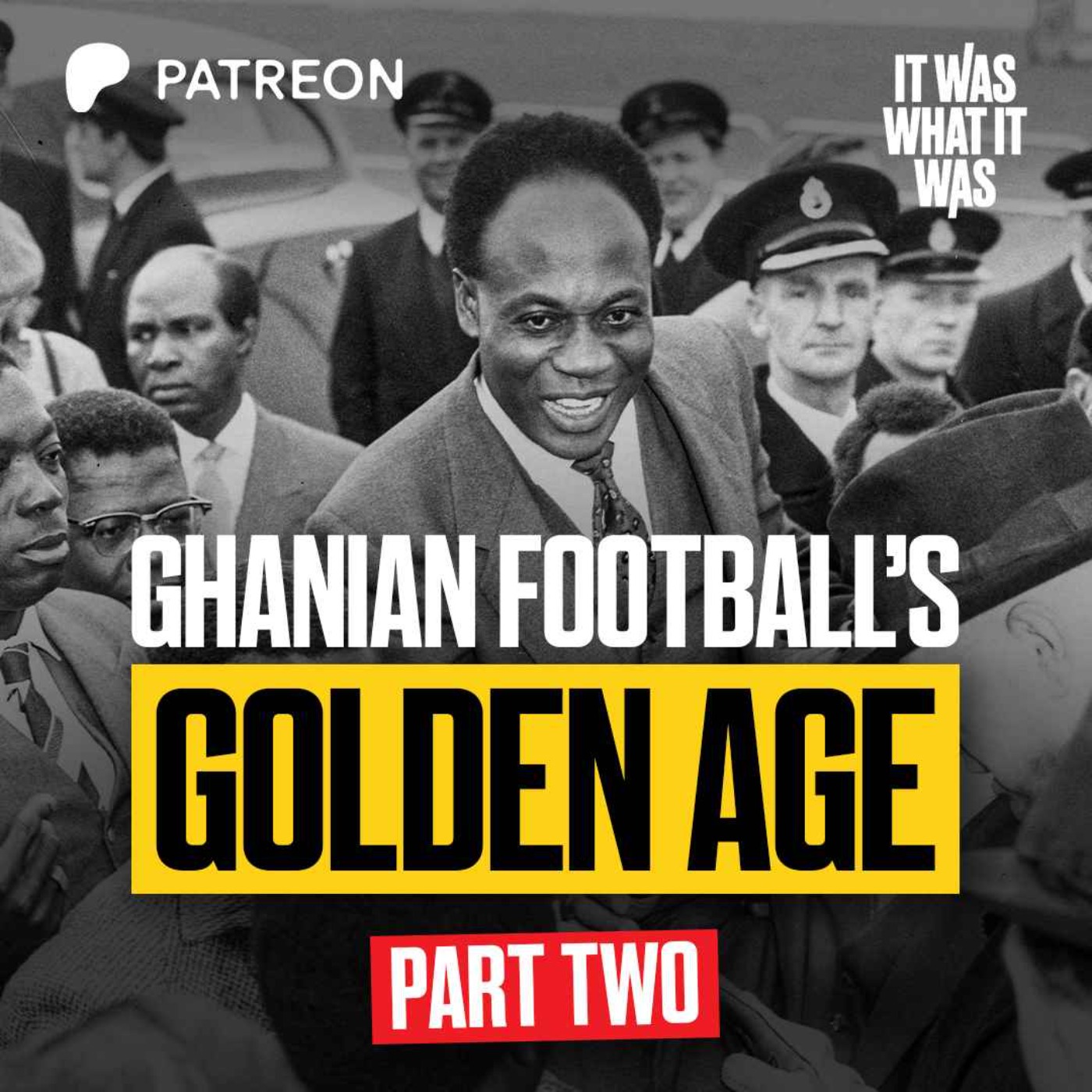 Ghanaian's Football Golden Age: Part Two | Rob Draper and Jonathan Wilson examine Kwame Nkrumah’s state-backed club Real Republicans and why it became widely unpopular despite winning trophies, after being created by taking top players from existing clubs without compensation and reinforcing regional and ethnic tensions, particularly in Ashanti. They track criticism in the Evening News and Ashanti Pioneer, Kotoko’s protests, and the club’s lack of public support even at its peak. The episode argues the project nonetheless helped the Black Stars by building cohesion, highlighted by a 3–3 draw with Real Madrid in 1962 and Ghana’s AFCON triumphs in 1963 and 1965 under C.K. Gyamfi, with key players drawn from Republicans. The discussion then links football to Nkrumah’s growing authoritarianism, economic strain from cocoa price swings, and his 1966 CIA-backed coup, after which Real Republicans were dissolved, while Ghana’s club and national successes continued briefly before declining with reduced state support.00:00 Why Fans Reject Republicans01:33 Nkrumah Builds a Model Club05:09 Player Raids Spark Backlash09:05 Trophies Without Love16:32 Politics and Regional Resentment21:34 Cocoa Prices and Ashanti Nationalism25:41 Break and Reset26:07 Golden Era for Black Stars26:55 Real Madrid Draw and FIFA Fight29:24 World Cup Qualifiers Reality Check30:12 FIFA Spots Ghana32:08 Real Republicans Core33:18 Baba Yara Tragedy34:00 1963 AFCON Triumph36:03 Ethiopia Tangent41:10 1965 AFCON Away Win43:38 Ghana Legacy Debate45:37 Nkrumah Turns Authoritarian50:27 Coup Ends Era51:37 Aftermath and Wrap Hosted on Acast. See acast.com/privacy for more information. | 57m 18s | ||||||
| 9/15/26 | 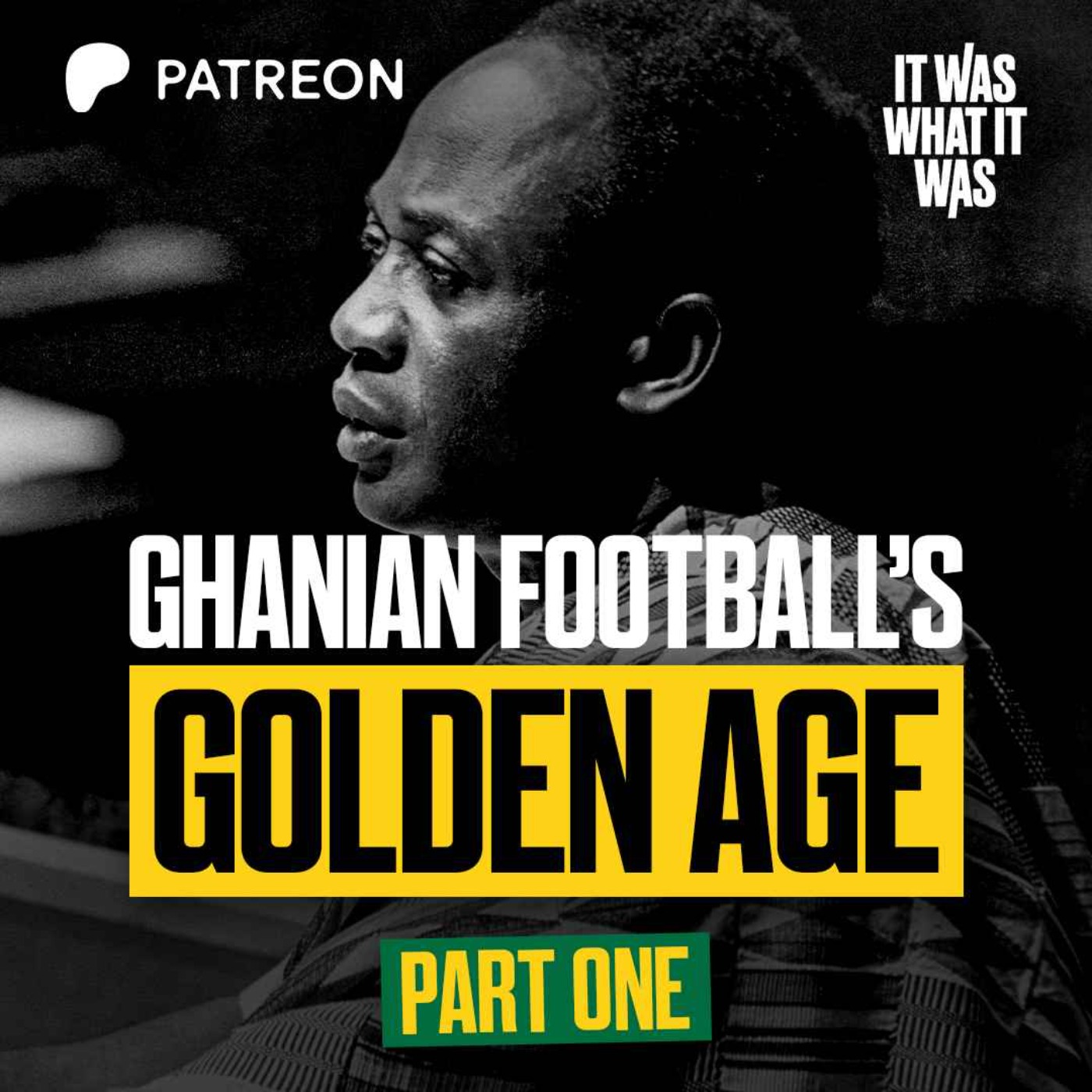 Ghanaian's Football Golden Age: Part One | Rob Draper and Jonathan Wilson discuss how Kwame Nkrumah used football to build Ghana’s national identity and promote Pan-African unity after independence (1957) and becoming a republic (1960). They trace Ghana’s colonial background as the Gold Coast, Nkrumah’s education and political radicalization in London and the US, his leadership of the CPP, and the push to independence amid postwar unrest and cocoa blight riots. Nkrumah backed football as a tool for unity, sponsoring the Nkrumah Gold Cup and founding the African Club Championships (Osagyefo Cup), a precursor to today’s African Champions League. The episode then profiles Ghana star C.K. Gyamfi (“Magic Feet”), his rise through local clubs, a 1951 UK tour, and a breakthrough spell at Fortuna Düsseldorf in 1960 before returning to play for Ghana.00:00 Nkrumah and Football Nationhood03:04 Ghana Under Empire04:53 Nkrumah Abroad and Ideas06:38 London Debates and Mentors12:33 Return and Rising Unrest15:15 CPP and Road to Independence18:43 Republic and Cult of Leader20:05 Sport as National Unity23:11 Pan African Tournaments Begin25:30 Gold Cup Wins and Wider Wave26:53 Osagyefo Cup Club Vision27:13 Osagyefo Cup Origins27:58 First African Club Final28:17 Unity Through Football30:01 Ghana Golden Era Focus31:07 Meet CK Gyamfi33:14 Early Life And Clubs35:00 Mysterious Dwarves Tangent38:41 Kotoko And UK Tour41:55 Germany With Fortuna48:06 Called Back To Ghana49:31 Part One Wrap Up Hosted on Acast. See acast.com/privacy for more information. | 50m 21s | ||||||
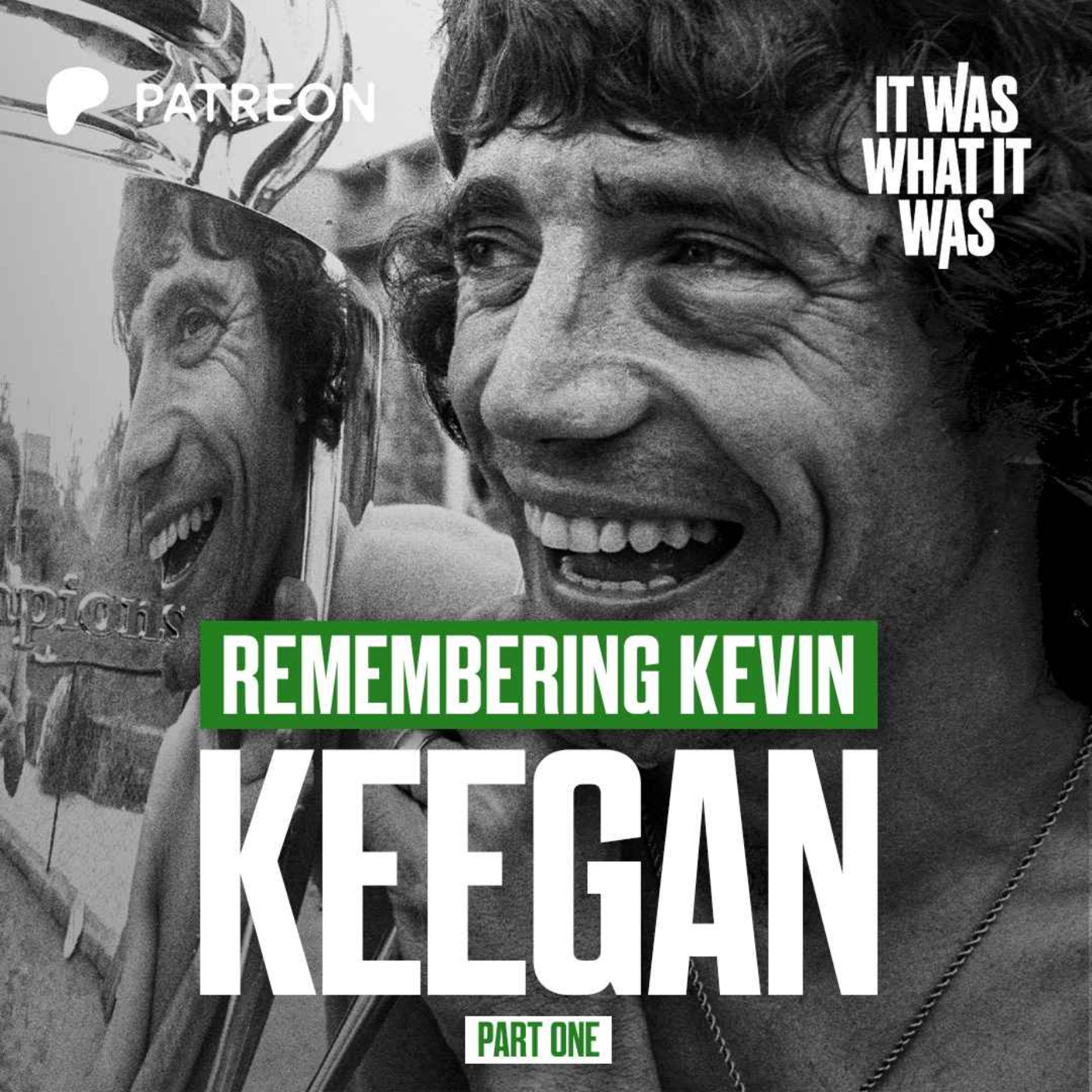
| 9/8/26 | Kevin Keeganmanagerial career+4 | Rob Draper | NewcastleFulham+3 | Marbella | Kevin KeeganNewcastle+4 | — | 1h 01m 19s | ||
| 9/1/26 | Kevin KeeganHamburg+4 | Rob Draper | LiverpoolHamburg+4 | EnglandBelfast+2 | Kevin KeeganHamburg+3 | — | 58m 05s | ||
| 8/25/26 | Kevin Keeganfootball history+5 | — | LiverpoolScunthorpe+2 | ArmthorpeDoncaster | Kevin KeeganLiverpool+7 | — | 59m 32s | ||
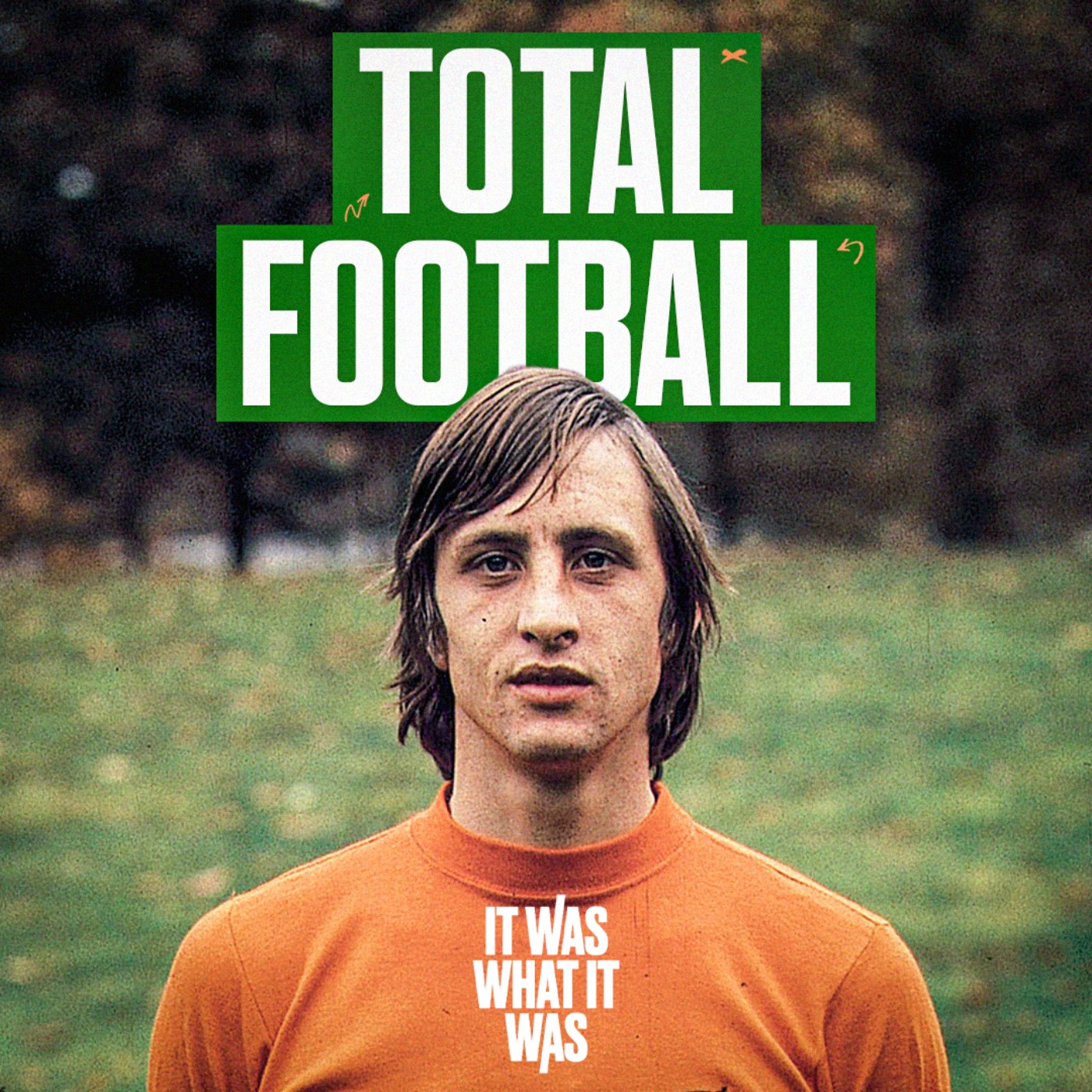
| 8/18/26 | Total Football1974 World Cup+4 | — | Ajax | NetherlandsWest Germany+3 | Total FootballAjax+6 | — | 52m 22s | ||
| 8/11/26 | Total FootballAjax+4 | Rob Draper | AjaxVic Buckingham+2 | — | Total FootballAjax+5 | — | 57m 02s | ||
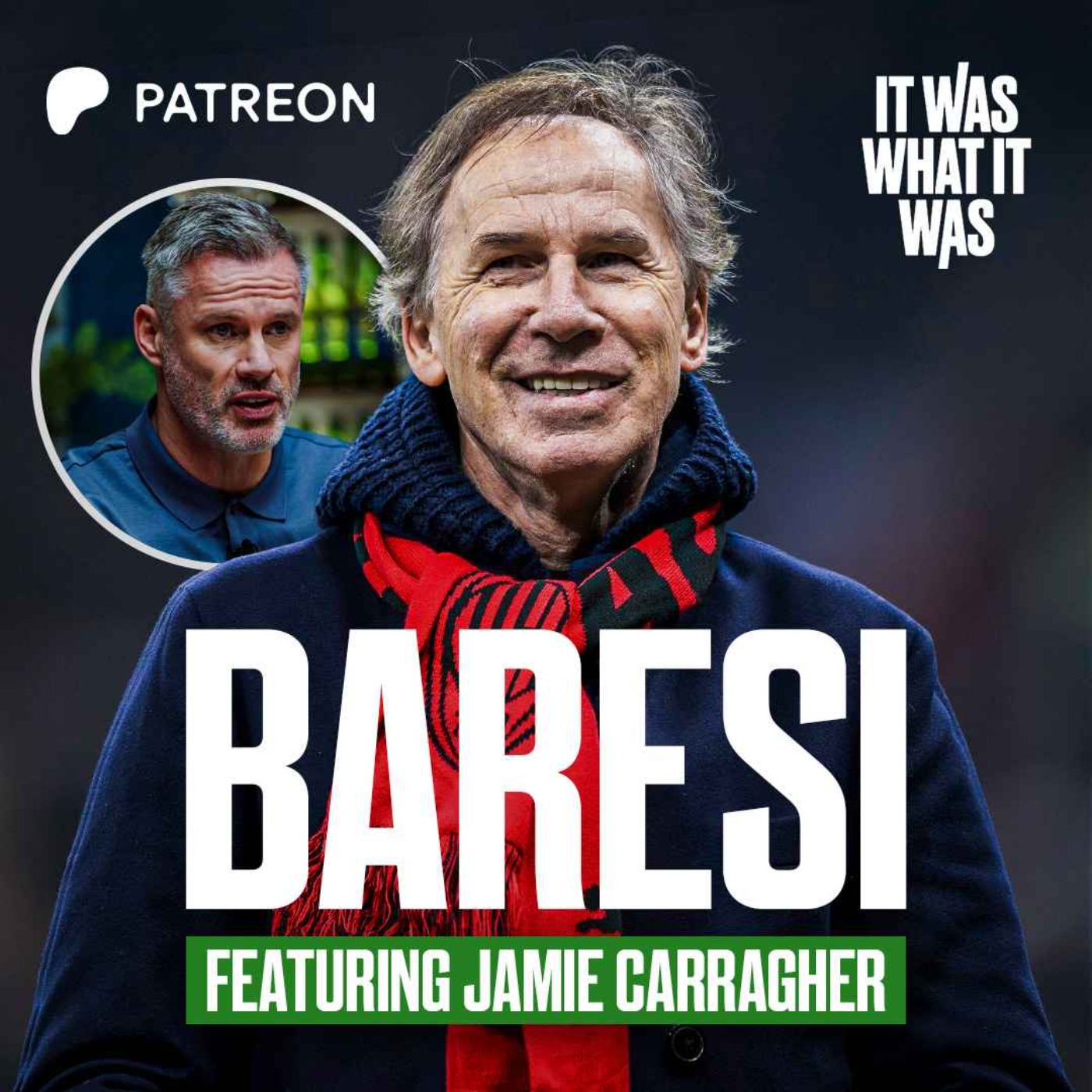
| 8/6/26 | Franco BaresiAC Milan+4 | Jamie Carragher | AC MilanGuardiola’s Barcelona+2 | — | Franco BaresiJamie Carragher+6 | — | 18m 02s | ||
| 8/4/26 | Total Footballtactical revolution+5 | — | FeyenoordAjax+1 | — | Total FootballFeyenoord+5 | — | 55m 29s | ||
| 7/28/26 | Total Footballfootball history+5 | — | AjaxDutch football | — | Total FootballVic Buckingham+6 | — | 53m 40s | ||
| 7/21/26 | Total FootballJohan Cruyff+5 | Jordi Cruyff | BarcelonaLa Masia+1 | — | Total FootballJohan Cruyff+6 | — | 48m 09s | ||
| 7/14/26 | World Cup historyfootball finals+4 | JonathanRob | — | UruguayArgentina+4 | World Cupfootball history+8 | — | 1h 02m 50s | ||
| 7/7/26 | World Cup historyfootball classics+5 | Rob Draper | North KoreaGermany+4 | — | EusébioMessi+8 | — | 1h 05m 56s | ||
| 7/3/26 | World CupQ&A+5 | — | — | EnglandDR Congo+1 | World CupEngland+5 | PatreonIWWIW | 20m 37s | ||
| 6/30/26 | 1966 World CupEngland football history+5 | — | Patreon | Swinging Londonpost-imperial Britain | 1966 World CupEngland football+8 | — | 58m 58s | ||
| 6/23/26 | 1966 World CupEngland vs Argentina+4 | — | FIFA | ArgentinaEngland+1 | 1966 World CupEngland+7 | — | 1h 05m 07s | ||
| 6/16/26 | 1966 World CupEngland football history+5 | — | FA | WembleySpain+4 | 1966 World CupAlf Ramsey+5 | — | 51m 11s | ||
| 6/9/26 | 1966 World CupAlf Ramsey+4 | — | FAIpswich Miracle Title | EnglandBrazil | 1966 World CupAlf Ramsey+5 | — | 55m 01s | ||
| 6/2/26 | Brazilian football historyWorld Cup+5 | Tim Vickery | Mundiales | Brazil | BrazilWorld Cup+5 | — | 55m 48s | ||
| 5/26/26 | Champions League FinalsEuropean football history+4 | — | Real MadridEintracht Frankfurt+9 | — | Champions LeagueEuropean Cup+5 | — | 1h 02m 59s | ||
| 5/22/26 | Gareth SouthgateEngland football+5 | Jonathan Northcroft | FA | Lympstone | SouthgateEngland DNA+6 | — | 16m 25s | ||
| 5/19/26 | Scottish football historyAlex Ferguson+5 | Michael Grant | The Times | AberdeenCeltic+2 | AberdeenOld Firm+7 | — | 58m 27s | ||
| 5/12/26 | Bert TrautmannFA Cup+4 | — | Manchester City | EnglandMaine Road+1 | Bert TrautmannManchester City+5 | — | 52m 52s | ||
| 5/5/26 | Premier LeagueManchester United+5 | — | Manchester UnitedNewcastle+3 | — | Manchester UnitedPremier League+5 | — | 56m 02s | ||
| 4/28/26 | Leicester CityPremier League+4 | Jonathan Northcroft | Leicester CityArsenal+6 | — | Leicester CityPremier League win+7 | — | 1h 05m 25s | ||
| 4/21/26 | Graham Taylor's EnglandNorway's Golden Generation+4 | — | NorwayThe Impossible Job+1 | RotterdamPoland+1 | Graham TaylorEngland football+6 | — | 54m 05s | ||
| 4/14/26 | Graham TaylorEngland football+5 | — | — | EnglandNorway+3 | Graham TaylorPaul Gascoigne+8 | — | 50m 28s | ||
| 4/7/26 | Graham TaylorEngland football history+5 | — | FA Cup | SwedenIreland+1 | Graham TaylorEngland manager+8 | — | 50m 32s | ||
| 3/31/26 | Norway football historyEngland football history+5 | Jan Fjørtoft | NorwayEngland | — | NorwayEngland+8 | — | 1h 02m 46s | ||
| 3/25/26 | 1966 FIFA World Cupfootball history+4 | — | — | EnglandWest Germany | 1966 World CupBobby Moore+5 | — | 17m 43s | ||
| 3/24/26 | Clyde BestEnglish football history+4 | Clyde Best | West HamTampa Bay+2 | BermudaEngland | Clyde BestWest Ham+6 | — | 52m 02s | ||
| 3/17/26 | Colombian football1994 World Cup+5 | — | El TiempoAC Milan | — | Colombian footballAndrés Escobar+7 | — | 55m 07s | ||
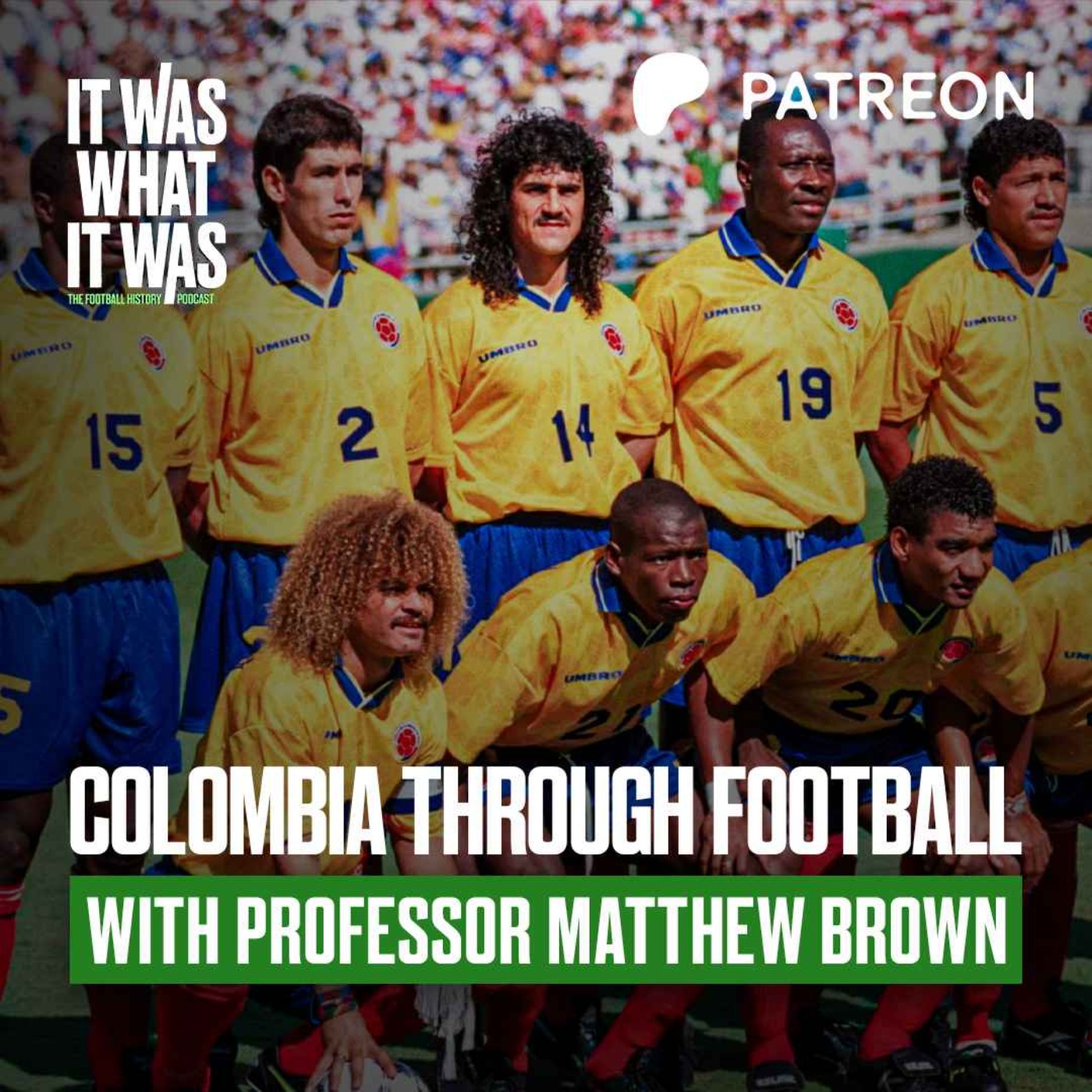
| 3/13/26 | Colombian football historypolitical violence+4 | Professor Matthew Brown | University of Bristol | ColombiaArgentina+1 | Colombiafootball+8 | — | 17m 53s | ||
| 3/10/26 | Colombian footballWorld Cup history+4 | — | — | ArgentinaColombia+1 | ColombiaArgentina+8 | — | 47m 23s | ||



Showing 37 of 181
Pitch Fit is a Pro feature
See how bookable this show is for guests, which brands already advertise, the per-episode ad value, and the best-fit guest and sponsor profile. The numbers are blurred on the free plan.
How readily this show books outside guests like you.
How proven this show is for host-read sponsorships.
For Guests
ProFor Advertisers
ProUpgrade to Pro to unlock guest cadence, sponsor categories, fit scores, and per-episode ad value for this show.
Chart history for It Was What It Was : The Football History Podcast
Peaked at #10 in TW, top 10 in 1 of 50 tracked markets, currently #10 in TW.
| Market | Genre | Peak | Current | Trend |
|---|---|---|---|---|
| TW | — | #10 | #10 | — |
| IS | — | #11 | #11 | — |
| Finland | — | #17 | #17 | — |
| Ireland | — | #19 | #19 | — |
| HU | — | #22 | #22 | — |
| Brazil | — | #26 | #26 | — |
| Canada | — | #27 | #27 | — |
| CO | — | #33 | #33 | — |
| PE | — | #36 | #36 | — |
| IS | — | #38 | #38 | — |
| New Zealand | — | #39 | #39 | — |
| Italy | — | #42 | #42 | — |
| GR | — | #45 | #45 | — |
| MY | — | #49 | #49 | — |
| CL | — | #50 | #50 | — |
| SG | — | #51 | #51 | — |
| Ireland | — | #52 | #52 | — |
| SA | — | #53 | #53 | — |
| United Kingdom | — | #54 | #54 | — |
| ID | — | #57 | #57 | — |
Chart Positions
50 placements across 38 markets.
Chart Positions
50 placements across 38 markets.