
Insights from recent episode analysis
Audience Interest
Podcast Focus
Publishing Consistency
Platform Reach
Insights are generated by CastFox AI using publicly available data, episode content, and proprietary models.
Most discussed topics
Brands & references
Total monthly reach
Estimated from 1 chart position in 1 market.
By chart position
- 🇧🇷BR · Entrepreneurship#1761K to 10K
- Per-Episode Audience
Est. listeners per new episode within ~30 days
300 to 3K🎙 Daily cadence·382 episodes·Last published 3d ago - Monthly Reach
Unique listeners across all episodes (30 days)
1K to 10K🇧🇷100% - Active Followers
Loyal subscribers who consistently listen
400 to 4K
Market Insights
Platform Distribution
Reach across major podcast platforms, updated hourly
Total Followers
—
Total Plays
—
Total Reviews
—
* Data sourced directly from platform APIs and aggregated hourly across all major podcast directories.
On the show
From 10 epsHosts
Not detected.
Recent guests
Recent episodes
Bucking The Trend In Baton Rouge
Jun 21, 2026
34m 20s
HR Pickleball
Jun 14, 2026
28m 05s
Down On The Fly Farm
Jun 7, 2026
28m 30s
Speed Food and Love
May 17, 2026
31m 44s
Bikes and Buses
May 10, 2026
27m 00s
Social Links & Contact
Official channels & resources
Official Website
Login
RSS Feed
Login
| Date | Episode | Topics | Guests | Brands | Places | Keywords | Sponsor | Length | |
|---|---|---|---|---|---|---|---|---|---|
| 6/21/26 | 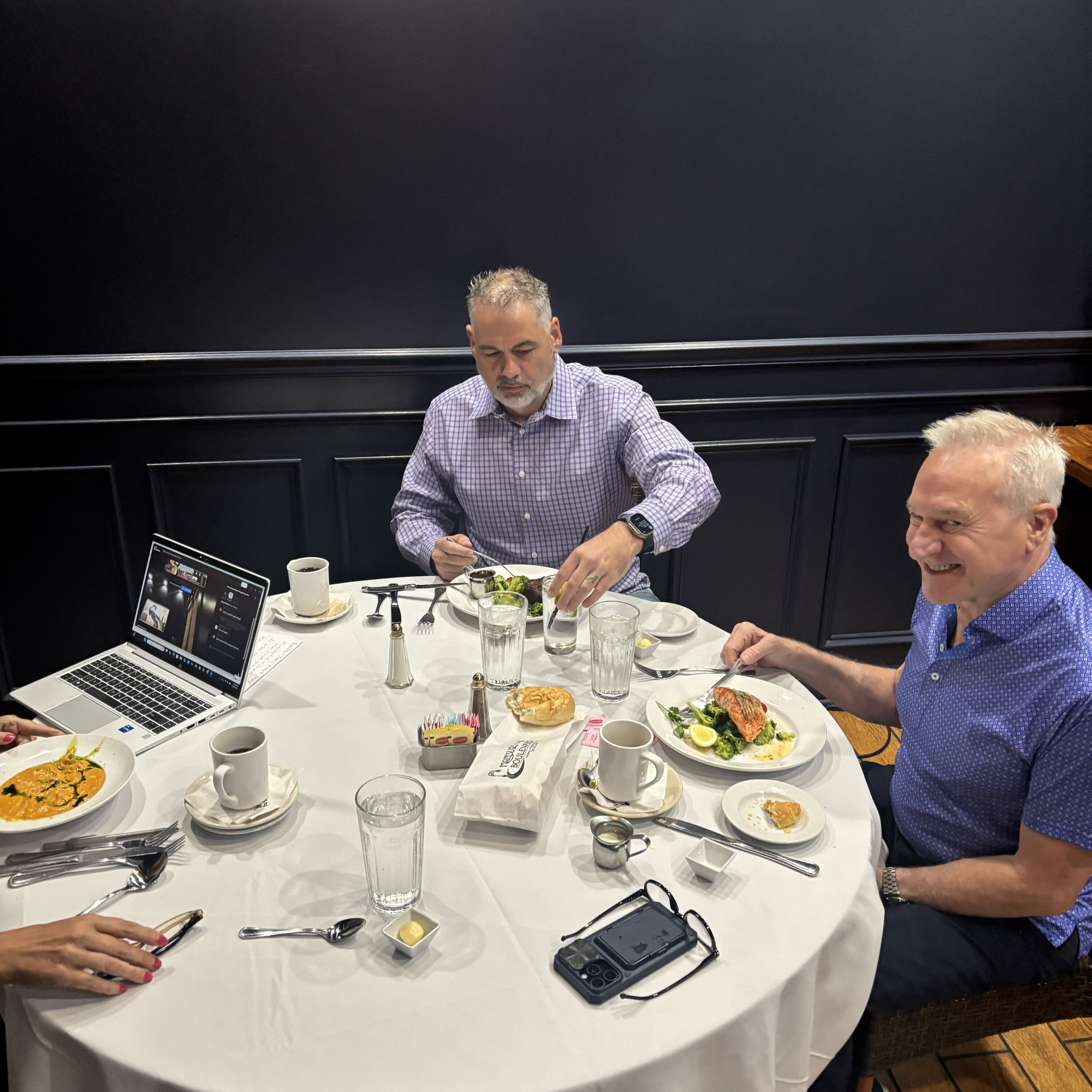 Bucking The Trend In Baton Rouge | The media industry is having a rough decade. Newspapers are closing and local TV stations are being consolidated by distant owners. The advertising dollars that used to fund local journalism have mostly migrated to platforms that have no particular interest in what’s happening in your neighborhood. But, along with a number of other trends you can probably name, Baton Rouge isn’t following the rules. Brandon Foreman is CEO of Family Resource Group, a Baton Rouge company that has been connecting families to this community for over 30 years with its “Parents Magazine.” Today Family Resource Group publishes nine brands across seven markets — from Baton Rouge and New Orleans to Denver, Cincinnati, Birmingham and beyond — and has expanded well beyond print into digital campaigns, podcasts, and technology tools for advertisers. Brandon came to FRG through a somewhat unlikely route. His background is in technology — he ran a software company, a broadband internet provider in New Orleans, and launched several other ventures before arriving at the helm of a media company. He and his wife Amy, who is a publisher, received the 2024 Spaht Scholar Award from the East Baton Rouge Parish Library for their work championing literacy and education. When Brandon’s not running around taking care of business, he’s probably in the air. He’s a licensed pilot, and says the skies are where he does some of his best thinking. André Moreau literally needs no introduction. He's a celebrity. A Baton Rouge native and LSU graduate, Andre started his career as a fundraiser at a university, decided at 27 that wasn’t the right fit, walked into television, and spent the next 40-plus years anchoring the news. Andre was the lead sports anchor at WAFB for years, then left for Columbus, Detroit, Los Angeles and San Diego before coming home to Baton Rouge in 2008. He co-anchored the top-rated newscasts at WAFB with Donna Britt, then spent years as anchor and managing editor at Louisiana Public Broadcasting. Andre has an Emmy, a Lifetime Achievement Award from the Louisiana Association of Broadcasters, and a Special Achievement Award for his coverage of Louisiana’s coastal crisis. He’s covered hurricanes, earthquakes, Stanley Cup parades, NBA championship parades, presidents, and yes, a pope. He retired from LPB in June 2023. By March 2025 he was back on the air at Louisiana First News. He says he missed being plugged in. He missed the scoop. Local media is under real pressure right now. Stations are being bought by companies that have never set foot in Louisiana. Print advertising keeps shrinking. The economic model that paid for local journalism for a century is still being worked out. Yet, here we are in Baton Rouge, bucking the trend. Brandon is betting that if you build media around a community rather than just broadcasting at it — events, partnerships, publications people actually want in their homes — the business will follow. And André continues his 40 years of believing that local news matters to a community. Out to Lunch is recorded live over lunch at Mansurs on the Boulevard. You can find photos from this show at itsbatonrouge.com.See omnystudio.com/listener for privacy information. | 34m 20s | ||||||
| 6/14/26 | 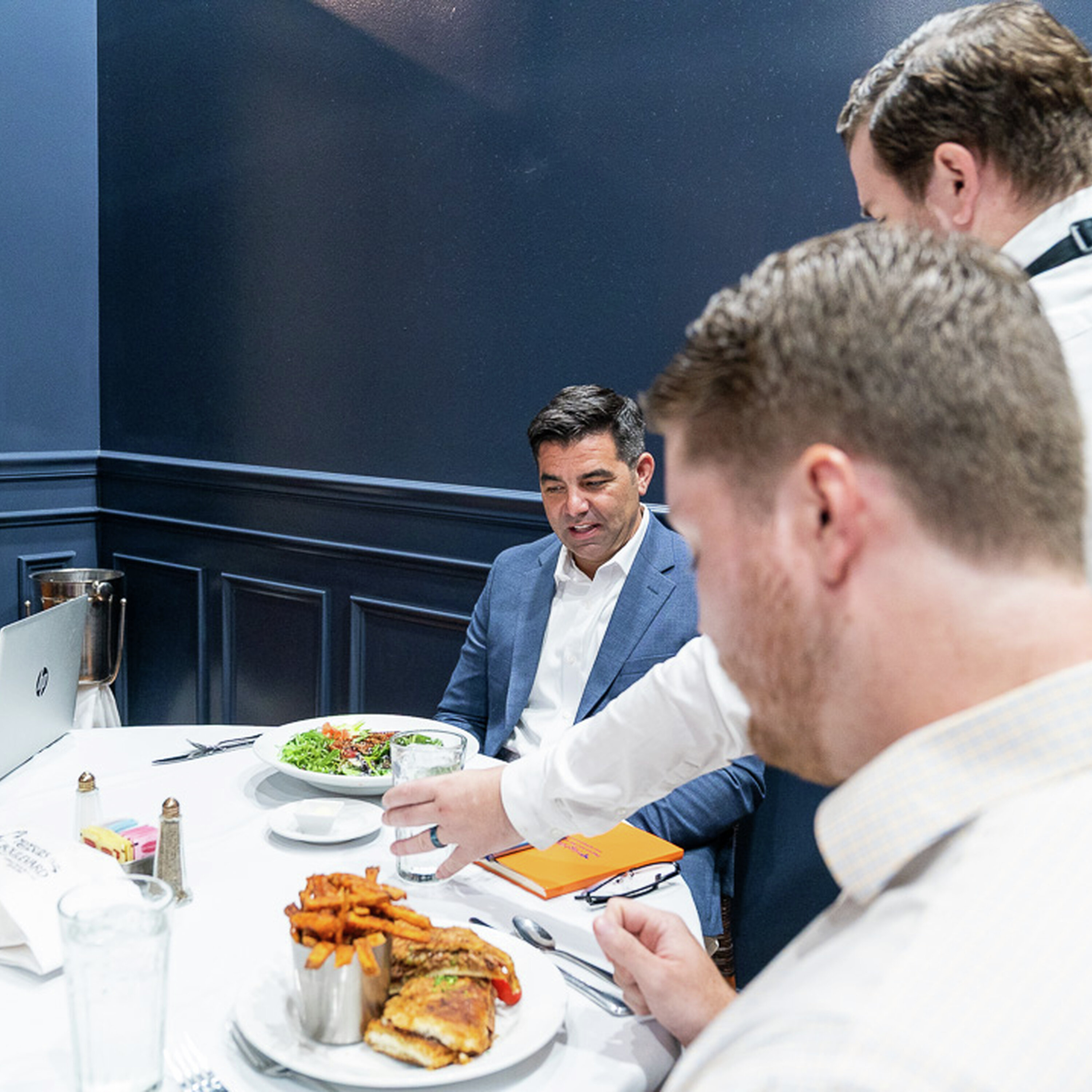 HR Pickleball | When was the last time you started a new job? Do you remember what the onboarding was like? The paperwork, the benefits forms, the direct deposit setup, the login credentials that didn’t work yet? Today there’s a whole industry built around making that whole process way less painful — and my first guest today runs one of those companies, right here in Baton Rouge. Craig Broome is a Baton Rouge native who thought he was going to law school. He got interested in employment law at LSU and ended up in human resources instead — landing an HR role at a chemical plant during his senior year. That turned into a career, which eventually led him to a Baton Rouge HR and payroll company called ESS. And then in 2016, he partnered with the Sternberg family to launch Highflyer HR. Along the way Craig served in the Marine Corps Reserve from 1994 to 2001 as a heavy machine gunner — which is not a detail you expect from someone who runs a payroll company, but there it is. Highflyer processes payroll for roughly 25,000 employees a week. It serves about 500 clients across 40 states, and has grown from Craig working alone to a 25-person team. The company works with businesses from five employees to over 5,000 — their range includes everything from restaurants and retailers to fire departments and industrial operations. Craig says the goal was never to just sell payroll software. It was to figure out where a business’s people systems were breaking down and fix theme. Another way people connect and gather is over their love of sports. I'm thinking of pickleball. If you haven’t played it yet, you probably know someone who can’t stop talking about it. Xander Triay is the Founder of Baton Rouge’s only pickleball facility - it’s called Electric Pickle. Electric Pickle opened in late 2025 with six outdoor pickleball courts. Open play sessions regularly draw 30 to 40 people. The venue welcomes about a thousand visitors a month. The restaurant and bar menu is built around a few signature items, including a roast beef po-boy based on a family recipe and, yes, house-made pickles. Xander grew up on the Northshore, near Fontainebleau State Park, and spent almost ten years with Chick-fil-A — in leadership roles, working on corporate initiatives, traveling the country to help open new locations. His plan was to eventually run his own store. But that path required a lot of travel, and Xander wanted to stay closer to family. His sister is in Baton Rouge, and when developer Dyke Nelson reached out about a new concept coming to Electric Depot in Mid City, Xander was in. Xander will tell you he’s not really a pickleball person — he’s an operations person. But he’s pretty clear about what Electric Pickle is actually for: it’s a neighborhood place that happens to have courts, not a sports facility that happens to have a bar. Out to Lunch is recorded live over lunch at Mansurs on the Boulevard. You can find photos from this show by Ian Ledo and Miranda Albarez at itsbatonrouge.com.See omnystudio.com/listener for privacy information. | 28m 05s | ||||||
| 6/7/26 | 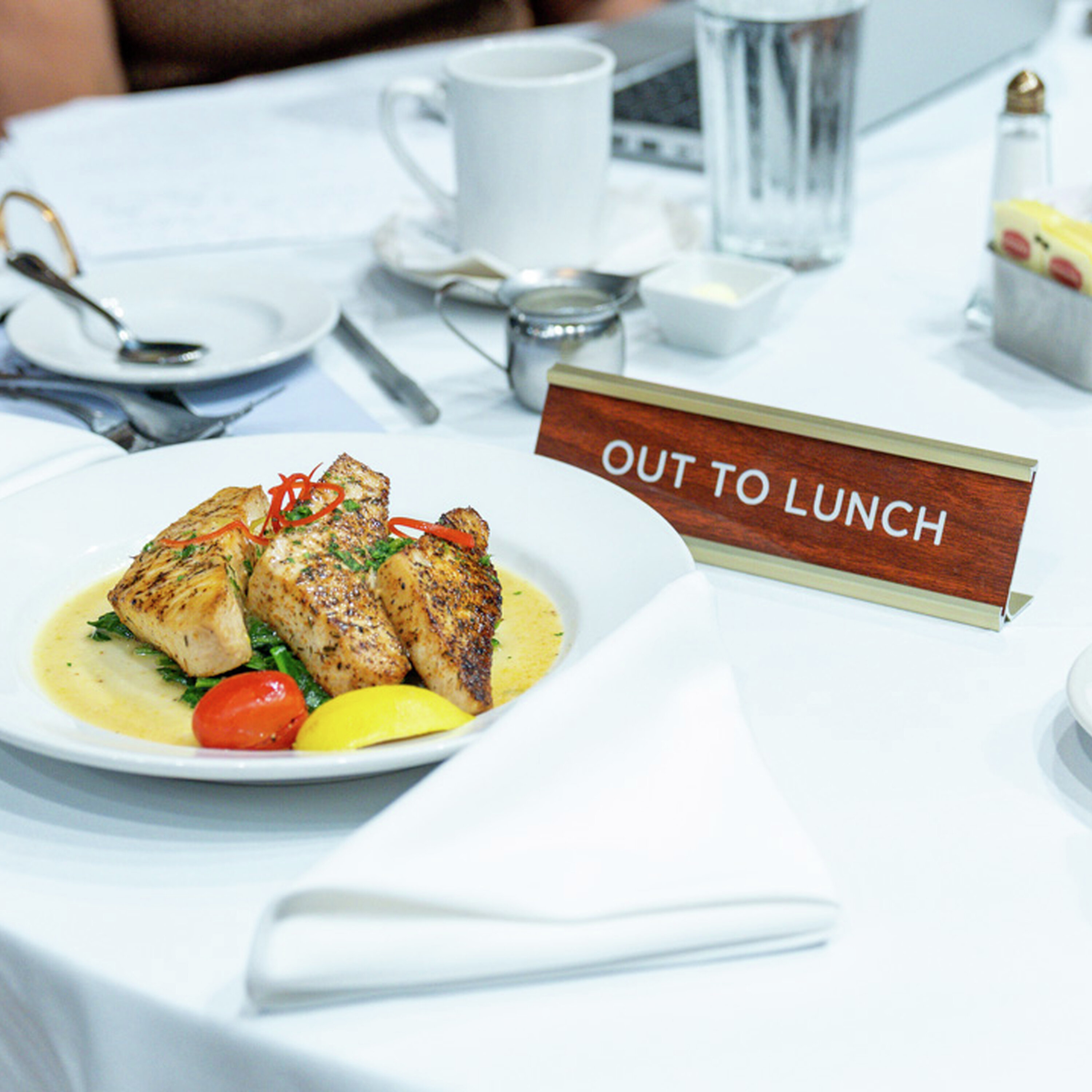 Down On The Fly Farm | Here’s a number that I keep coming back to. American restaurants throw away somewhere between 22 and 33 billion pounds of food every year. To put a price tag on it, that’s about $162 billion in food costs that just disappear. That’s before the restaurant makes a single dime. I’ve been thinking about that number since I started putting today’s show together, because both of my guests have something to say about it — just from very different places. My first guest is Kristen Smith. She and her husband Tre started a food truck in the middle of a pandemic, and they’ve been figuring out the food business ever since. Kristen runs the operations side — the compliance, the systems, the strategy. She’s not someone who wastes much. Resources or time. Kristen was born right here in Baton Rouge, grew up partly in Illinois when her dad’s job took the family north for a stretch, and came back to Louisiana through Teach For America in 2014, working in East Feliciana Parish schools. Her husband Tre was in the kitchen — working as executive chef at Little Village Downtown. When the pandemic hit, Tre got laid off. Around that same time, family came through with $20,000 to help them take a shot at the thing they’d always talked about. They drove up to Ohio, bought a food truck, and came home and launched Tre’s Street Kitchen in late 2020. Two weeks in, state restrictions changed again and they had to pivot almost immediately. For months they worked out of grocery store parking lots. Things have changed a lot since then. Tre was actually a guest on this show in 2023 — so much has happened since, we thought it was worth having Kristen come in and bring us up to date. They’ve done concessions at LSU, a Garth Brooks concert, a sauce line that went from their website to airport retail. And they’re now working toward a brick-and-mortar restaurant and grocery distribution by the end of the year. David Fluker grew up in the insect business — his family runs Fluker Farms in Port Allen, which has been supplying live insects to the reptile and research markets for decades. So he’s not someone who needed to be talked into bugs. What he needed was the right idea. That came from a friend who showed him fish waste being broken down by black soldier flies. The concept stuck with him for years while he kept working. Eventually, with researchers at Texas A&M and a grad student from South Africa, he launched Soldier Fly Technologies in 2015. The company processes organic waste — manure, produce scraps, feed mill byproducts — using black soldier fly larvae that turn all that material into animal feed and agricultural products. What David learned — and a lot of his competitors didn’t — is that growing insects at scale is really an operations problem as much as a biology problem. So Soldier Fly Technologies built its own breeding systems and production software, and now licenses all of that internationally. He has active projects in Mexico, Panama, El Salvador and California. He also helped start the North American Coalition for Insect Agriculture, which works with regulators as the industry gets sorted out. Out to Lunch is recorded live over lunch at Mansurs on the Boulevard. You can find photos from this show by Ian Ledo and Miranda Albarez at itsbatonrouge.com.See omnystudio.com/listener for privacy information. | 28m 30s | ||||||
| 5/17/26 | 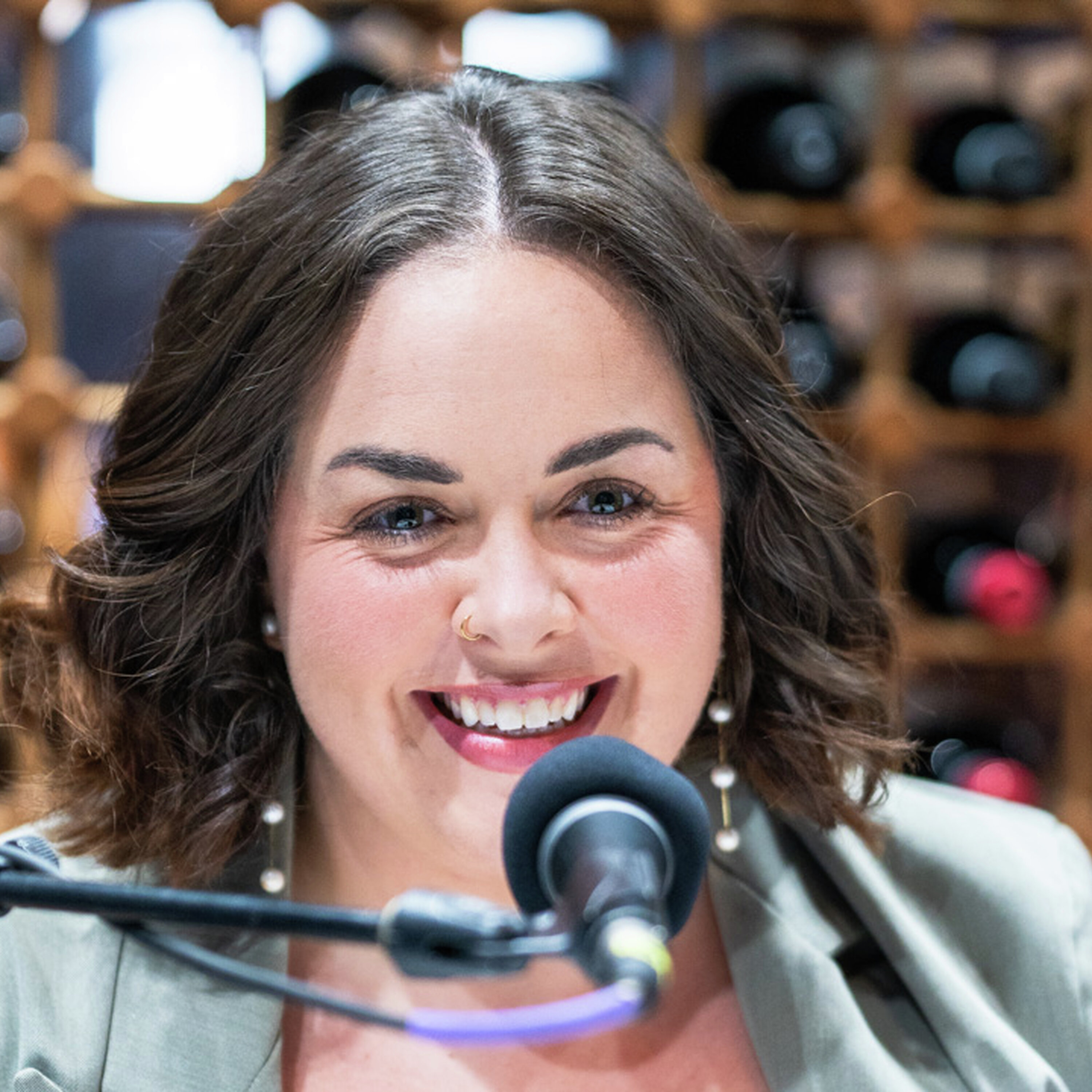 Speed Food and Love | Miranda Albarez hosts this edition of Out to Lunch. If there’s one thing that has consistently evolved as society has progressed over the millennia, it’s the speed we do things. Every year, people’s patience grows thinner and attention spans, smaller. And with the invention of these tiny computers that we keep in our pockets 24/7, we no longer take in life without first viewing it through the screen. Most of us have probably heard the phrases “phone eats first” or “Hold on, I need a video of this before you mess it up”. As a byproduct of “progress” for increased production, we have lost much of what many consider makes for a “full” life. We’re always sharing, always needing the scoop, always moving. But are we truly living? At the end of the day, no matter what speed humanity moves, we still have basic needs to meet whether or not we feel like we have the time. And that’s where my two lunch guests today come in. While many entrepreneurs and businesses would find a way to encourage people to slow down, my guests are finding ways to catch up with people in their daily lives and run alongside them. Speed Bancroft has been chasing startup ideas for years, but Speedy Eats may just be the one that stuck. Originally from Monroe, Speed came to Baton Rouge after years in Jackson, Mississippi, drawn by what he saw as a stronger ecosystem for entrepreneurs. He launched Speedy Eats in 2017, but the concept began a year earlier in his living room, where he started building an automated hamburger vending prototype. That idea eventually evolved into an automated pizza concept, and in 2019 the company raised capital to develop its first-generation system. The original model was built around automated pizza stores, but after an unsuccessful crowdfunding campaign in 2022 and ongoing capital challenges, Speed made a major pivot. Instead of building full restaurant-style automated stores, he focused on what he thought was a more scalable model: automated outdoor walk-up and drive-thru food vending units. That pivot—he says—may have saved the company. Now, these aren’t your everyday vending machines. There are two major concepts: A 10-foot by 3-foot walk-up store and a larger 30-foot by 8-foot automated drive-thru. The vision focuses on serving hot, homestyle meals in areas where other traditional restaurants can’t go. Unlike traditional restaurants, the units don’t require water or sewer infrastructure, allowing them to operate in places most food businesses can’t— think industrial corridors, rural highways and underserved roadside locations. Speed sees that as a major opportunity. There is still traffic where there’s no food, and Speedy Eats can go where others can’t. The company has locations planned at Ole Miss, in Iowa, and near the Meta data center construction site in Holly Ridge, Louisiana. Hannah Wilson is founder of Red Stick Speed Dating. Originally from the Chicago area, Hannah came south for LSU, fell in love with Baton Rouge and began working remotely while living in New Orleans. As a content creator and she was documenting her dating life online through her Mimosas and Lipstick social channels and talking openly about frustrations with dating apps. One experience, in particular—a “Hey girl” message alerting her that a man she was seeing was also dating someone else—became a turning point. She started asking a simple question: If the apps aren’t working, where do people actually meet? That led her to launch Speed Dating NOLA in April 2024, and later expand into Baton Rouge in October of 2025. Hannah has now produced over 20 speed dating events in the Baton Rouge area and hosts two to four per month. Typical events include: 15 to 20 participants with men’s and women’s groups balanced as evenly as possible. She organizes events for different age brackets, anywhere from 20s to 60s, as well as heterosexual and LGBTQ-focused events. Hannah is a one-woman show—from venue coordination and check-in to event facilitation and match follow-up. Every event is adjusted based on the venue, age group and crowd dynamic. Red Stick Speed Dating also isn’t just about selling romance as much as creating structured social opportunity. Even when participants don’t meet a romantic match, many leave having made a friend or simply feeling more confident after trying something new. Out to Lunch is recorded live over lunch at Mansurs on the Boulevard. You can find photos from this show by Ian Ledo and Miranda Albarez at itsbatonrouge.com.See omnystudio.com/listener for privacy information. | 31m 44s | ||||||
| 5/10/26 | 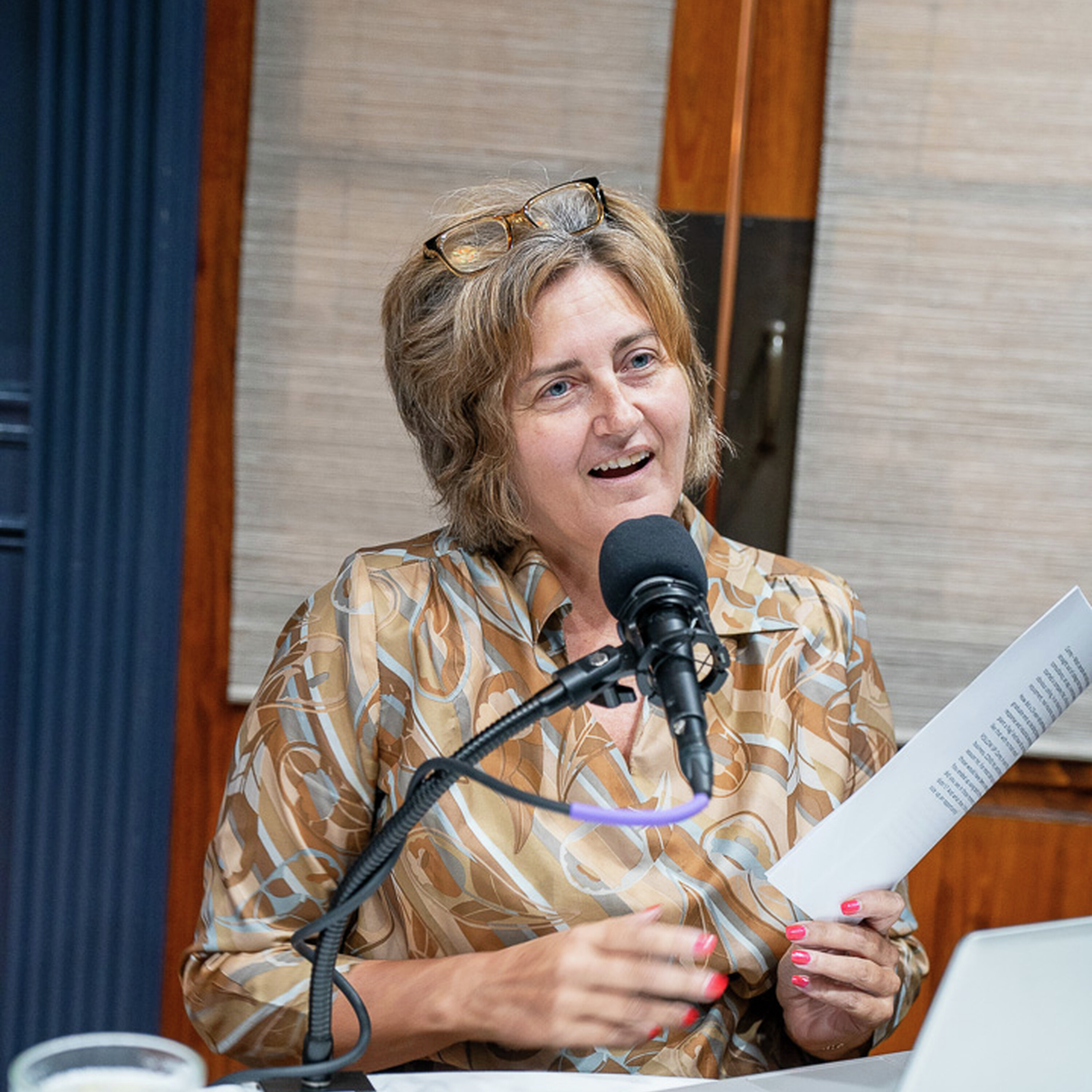 Bikes and Buses | There’s a particular kind of business story that you can really only tell about Louisiana. It usually starts with somebody who barely had two nickels to rub together, an idea that almost nobody else took seriously, and a lot of stubbornness. It almost never starts in a glass tower in a major metropolis. It starts in places like a front yard near LSU. Or in a small office somewhere on the way to the oil patch. Both of my lunch guests today are Louisiana people who built something out of, more or less, nothing. One of them runs a national company that has 400 vehicles, 25 offices around the country, and was a Super Bowl LIX vendor. He started it the year after he graduated from LSU. The other one runs a nonprofit in Mid City Baton Rouge that began with one neighborhood kid showing up at his front door asking him to fix a bike. Today it has worked on more than 10,000 bikes, and is the centerpiece of a $2 million renovation of a former church and rug shop on Government Street. Both of these guys are in their thirties. Both went to LSU. And both of them have grown their organizations far faster, and far further, than anybody would have predicted when they started. Corey Rosales is a New Orleans native who came to Baton Rouge for college and then stayed long enough to start a company. He graduated from LSU with a degree in petroleum engineering in 2018. A year later, in 2019, he founded American Safety. American Safety started out as an environmental response and industrial services company. Then COVID happened, and a record-breaking hurricane season happened, and Corey kept saying yes to opportunities. Today American Safety is a multi-division operation – industrial services, environmental response, disaster relief, and transportation. They have 25 offices, more than 400 vehicles, and somewhere between 300 and 500 employees, depending on the time of year. They were a vendor at Super Bowl LIX in New Orleans, where they moved more than 10,000 people during the event. They’re now the official transportation partner of the New Orleans Saints and the Pelicans. And, as part of their expansion, they recently acquired Baton Rouge–based Dixieland Tours. The President and CEO of American Safety is Corey Rosales. In 2010, Dustin LaFont was a recent LSU graduate, an AmeriCorps alum, and a middle school history teacher in East Baton Rouge Parish. He had grown up biking to school in Houma, and he commuted by bike at LSU to save money on gas and parking. In his spare time he’d sit in his front yard fixing up old bikes. One day a kid from the neighborhood came up to him and asked if he could fix his bike. Then more kids showed up. Then more. The neighbors started calling it “the front yard bike shop.” Dustin made it a nonprofit. After two years of running it on top of teaching, he quit his teaching job to do it full time. That nonprofit is called Front Yard Bikes. It’s now the largest community bike shop in Louisiana. Kids ages 6 to 18 earn credits by learning bike mechanics, welding, gardening, cooking, and cycling safety, and they apply those credits toward a bike of their own. Older kids can move into paid internships and earn job certifications in mechanics. In 2022, CNN named Dustin a CNN Hero. In 2023, City Year gave him their national Alumni Leadership Award. And right now, on Government Street in Mid City, Dustin and three other Baton Rouge nonprofits are in the middle of a $2 million build-out of a place called Youth City Lab – a former church and rug shop they’re turning into a bike shop, a performance stage, a barber shop and library, and a community gathering place for young people. The Founder and Executive Director of Front Yard Bikes is Dustin LaFont. There’s a tendency, when we talk about Baton Rouge business, to look toward the big oil and gas companies, the chemical plants, the institutions on the river. And those are real, and they matter. But the story of Baton Rouge is also Corey Rosales – a kid from New Orleans who came here for college and ended up running a transportation and disaster response company that helped move 10,000 people through Super Bowl LIX. And it’s also Dustin LaFont – a kid from Houma who came here for college and ended up creating a youth workforce development program in his front yard that now occupies an entire renovated block on Government Street. Both of these entrepreneuras are doing what Louisiana, at its best, has always done – they saw a need, they said yes, and then figured out the rest as they went. Out to Lunch is recorded live over lunch at Mansurs on the Boulevard. You can find photos from this show by Ian Ledo and Miranda Albarez at itsbatonrouge.com.See omnystudio.com/listener for privacy information. | 27m 00s | ||||||
| 4/19/26 | 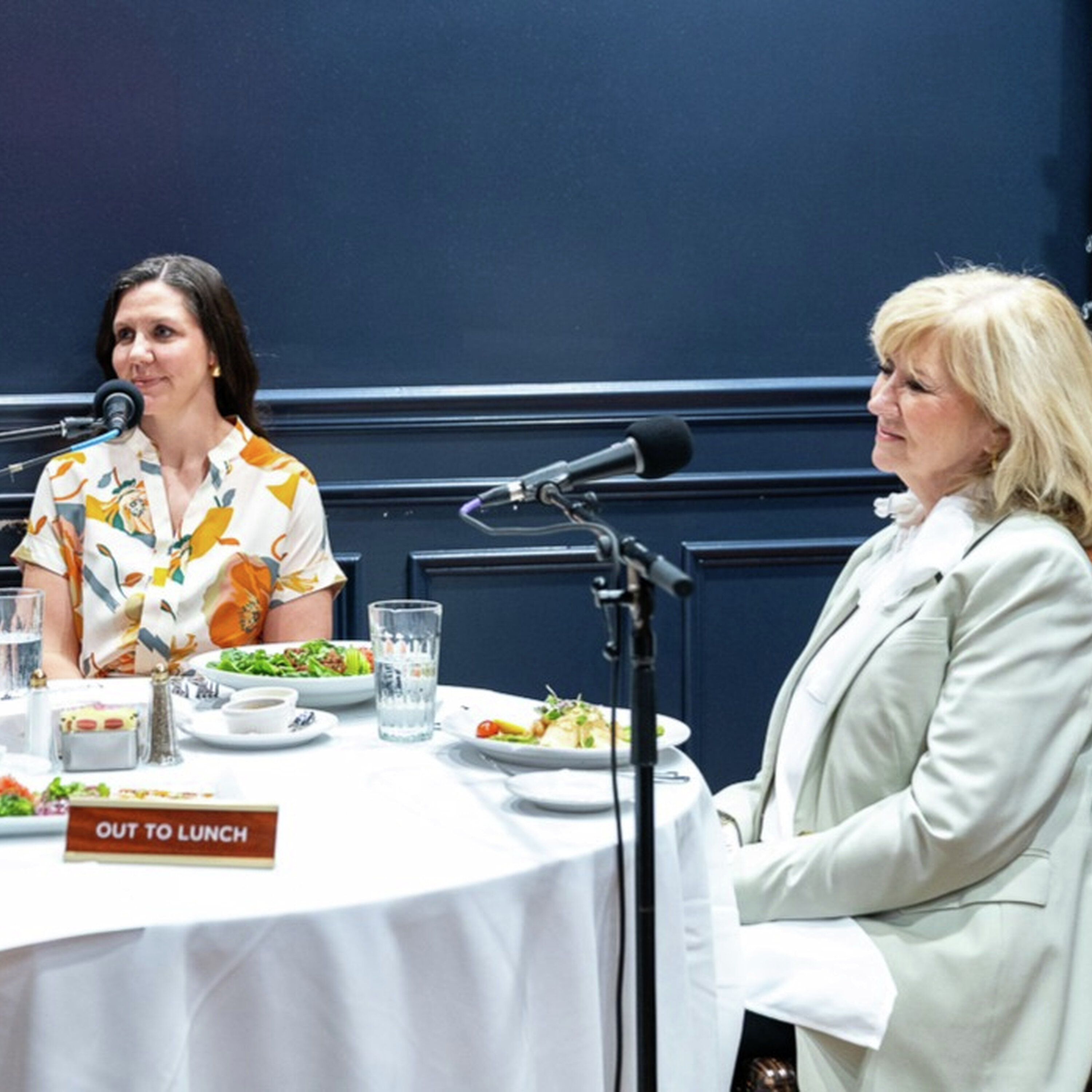 Home Sweet Homes✨ | homebuildingconstruction industry+2 | Karen ProfitaSara Landry West | South Coast OrganizersHome Sweet Homes+7 | Louisiana | Home Builders Association of Greater Baton Rougeresidential construction+1 | — | 28m 30s | |
| 4/12/26 | 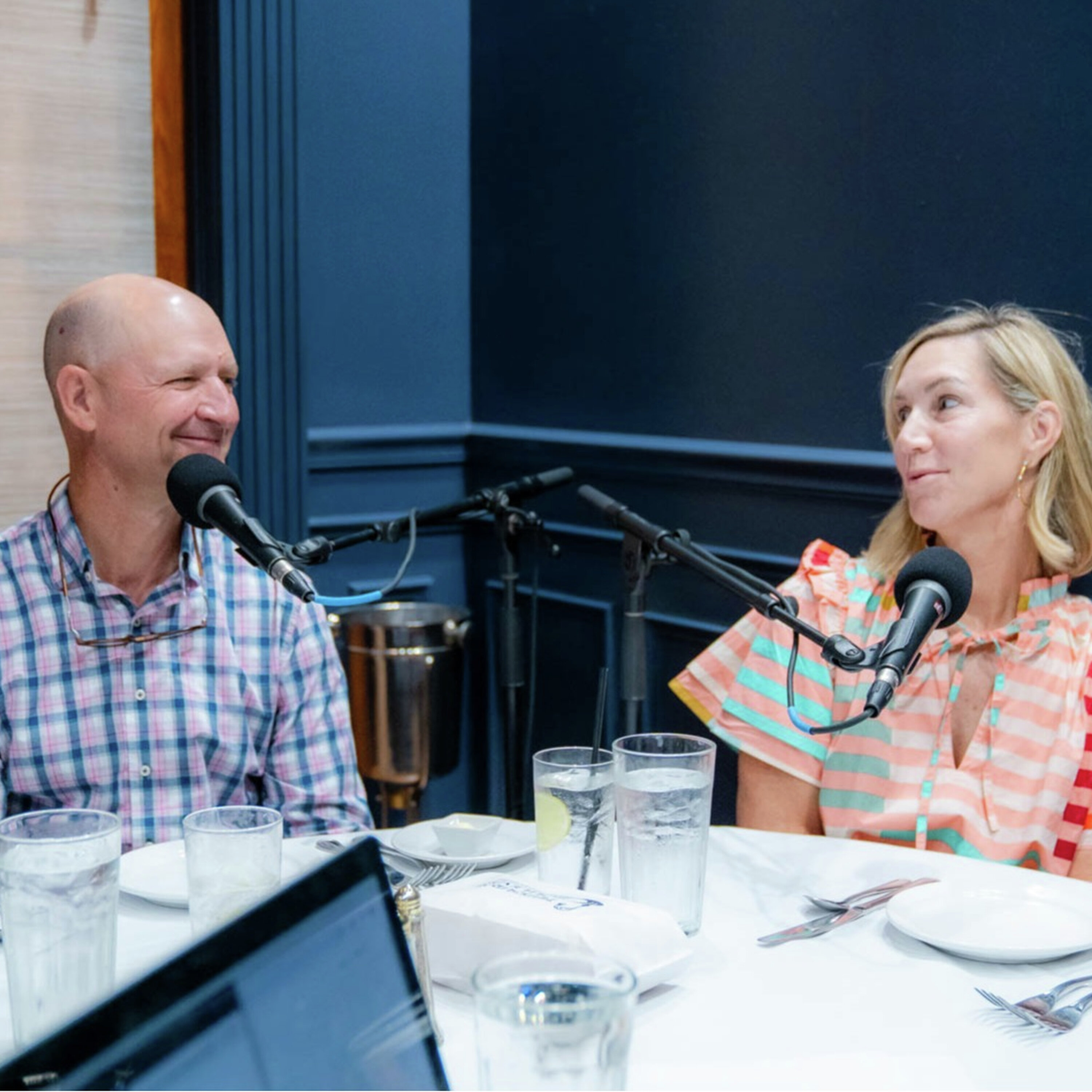 The Don & Susan Show✨ | power coupleshome decor+2 | Susan CharletDon Charlet | home decorfurniture+12 | HollywoodZachary+2 | HollywoodGolden Age of film+3 | — | 28m 00s | |
| 4/5/26 | 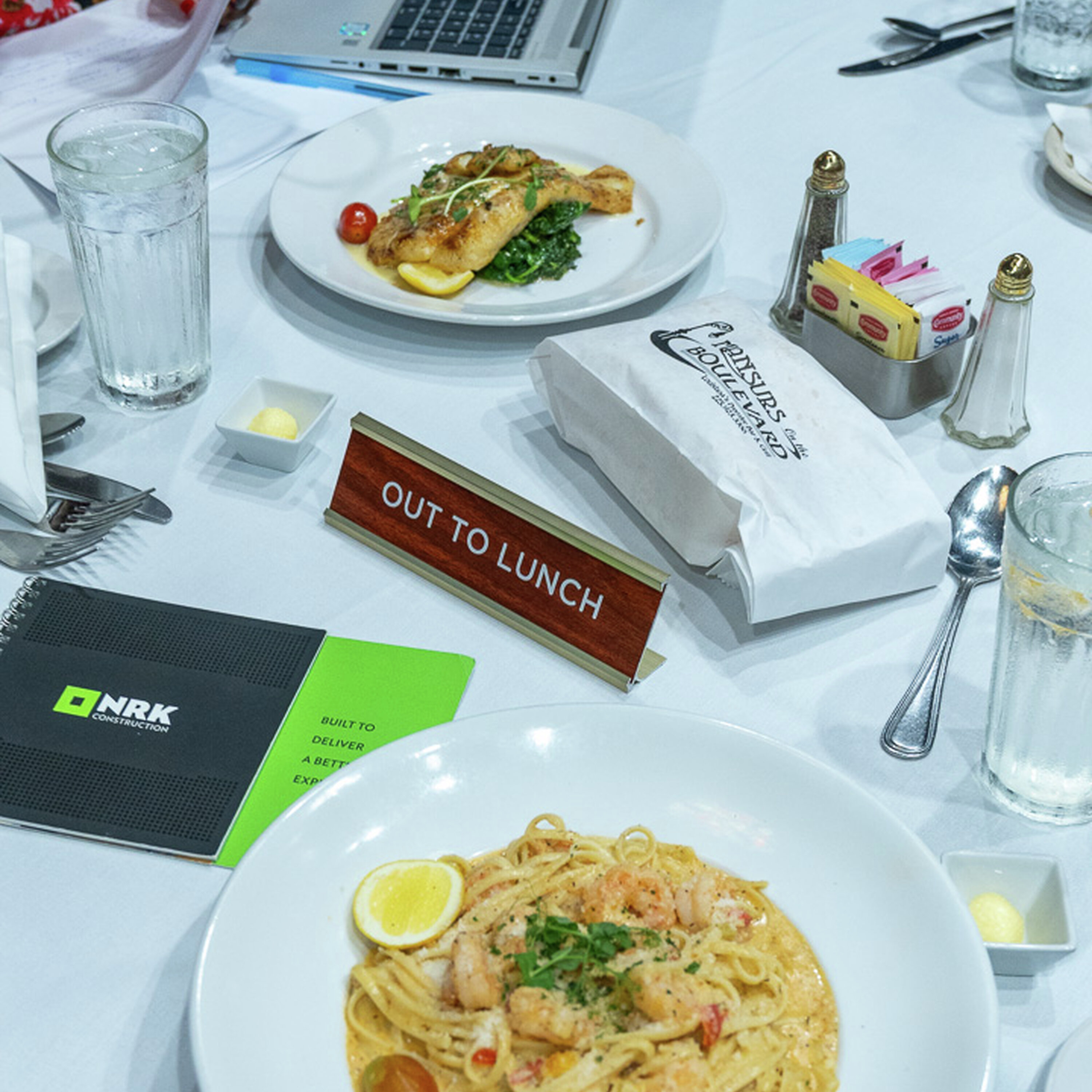 My Original Plan Was...✨ | small businesscommercial construction+2 | Norisha Kirts Glover | EpicNRK Construction+7 | Baton RougeWashington+7 | Baton RougeNRK Construction+2 | — | 29m 10s | |
| 3/22/26 | 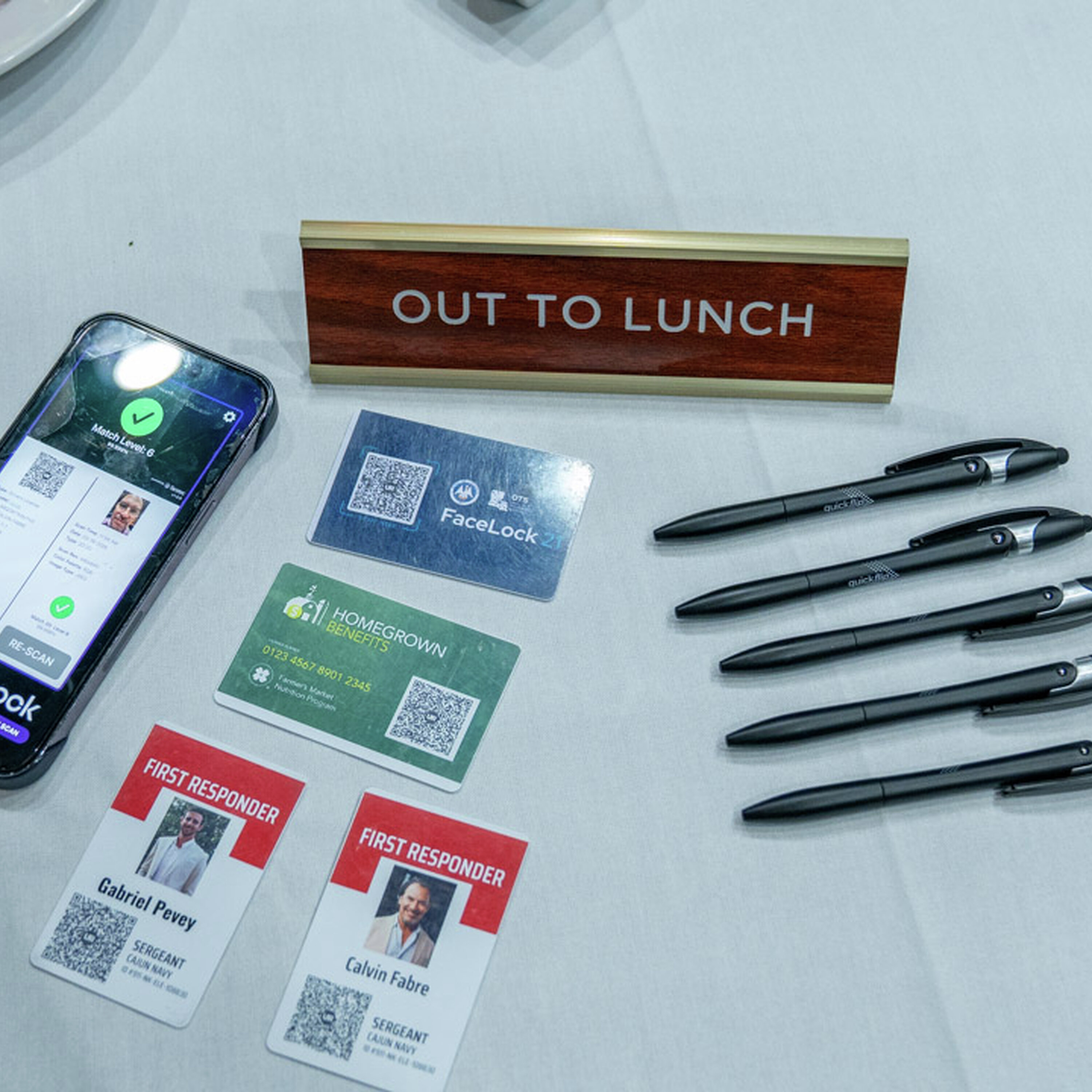 Tech Never Sleeps✨ | digital identitytechnology+2 | Calvin Fabre | an Atari 800LA Wallet+10 | LouisianaBaton Rouge+3 | EnvocLA Wallet+2 | — | 29m 55s | |
| 3/14/26 |  Apps Born In Baton Rouge✨ | educationsoftware engineering+2 | Nash Mahmoud | Professor IndexOfficerApps+6 | Baton Rougethe United States+2 | collegereviews+1 | — | 28m 10s | |
Want analysis for the episodes below?Free for Pro Submit a request, we'll have your selected episodes analyzed within an hour. Free, at no cost to you, for Pro users. | |||||||||
| 3/8/26 |  The Art of Camping✨ | campingcommunity+2 | — | New Orleans KOAKOA+4 | the French QuarterMaryland+5 | New OrleansKOA+2 | — | 29m 40s | |
| 3/1/26 | 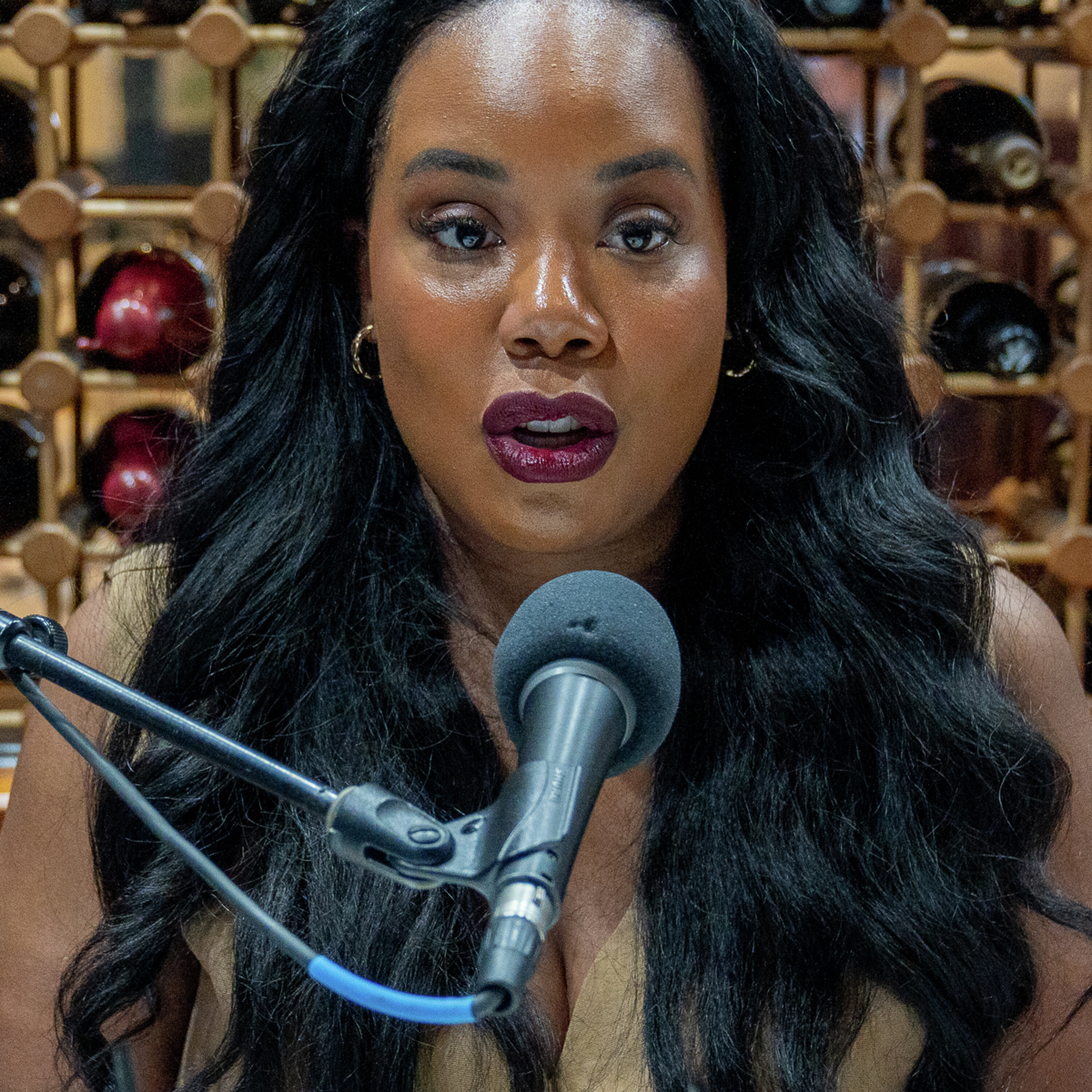 Fake Video & The Real Thing✨ | virtual realityaugmented reality+3 | Cody Louviere | King Crow StudiosOut to Lunch+10 | Baton RougeLouisiana+5 | Baton RougeKing Crow Studios+2 | — | 30m 10s | |
| 2/15/26 | 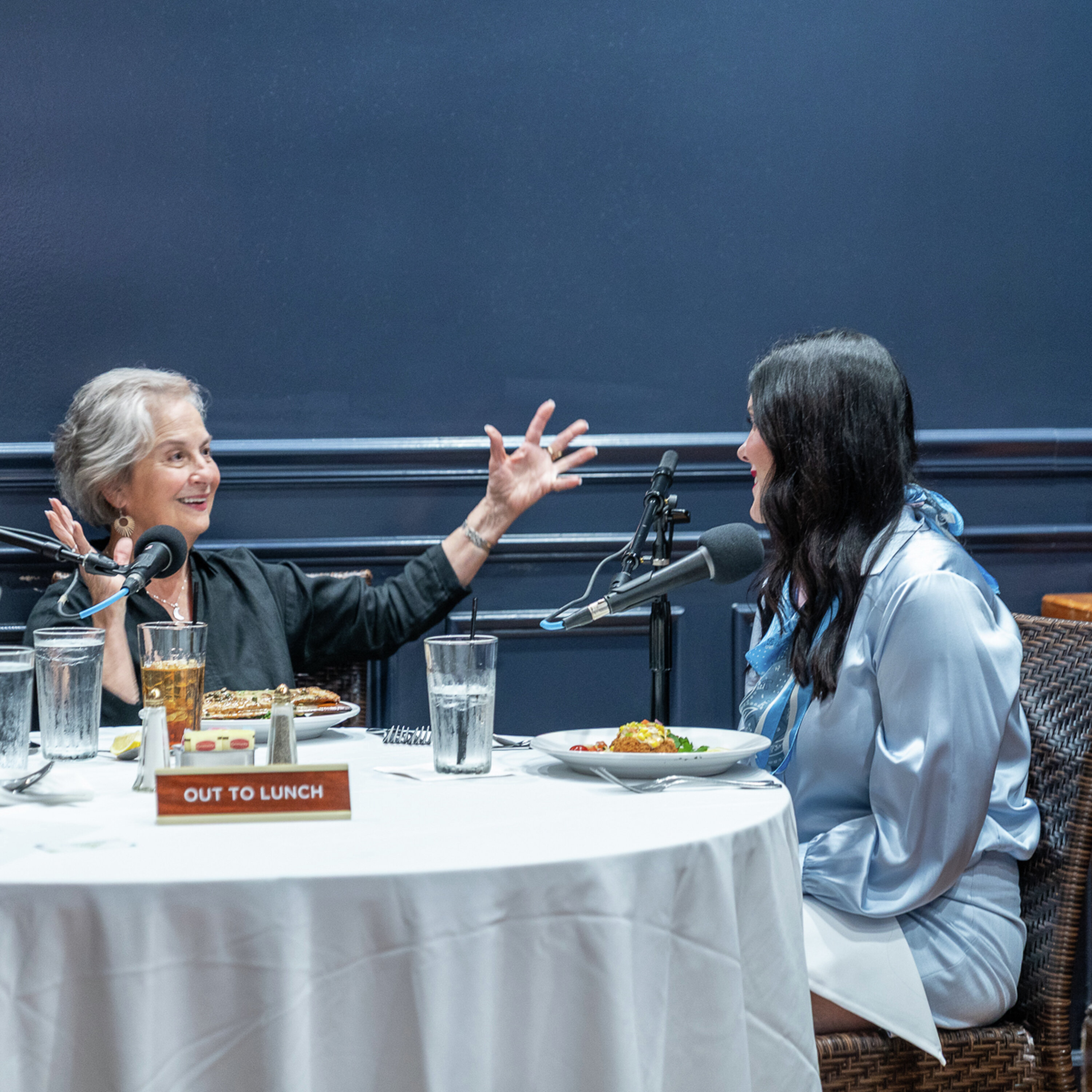 Beauty Guru✨ | women in businesshistory+1 | — | BeautyFindrLSU+6 | the United StatesU.S.+4 | Rosie the RiveterWorld War II+2 | — | 27m 20s | |
| 2/8/26 | 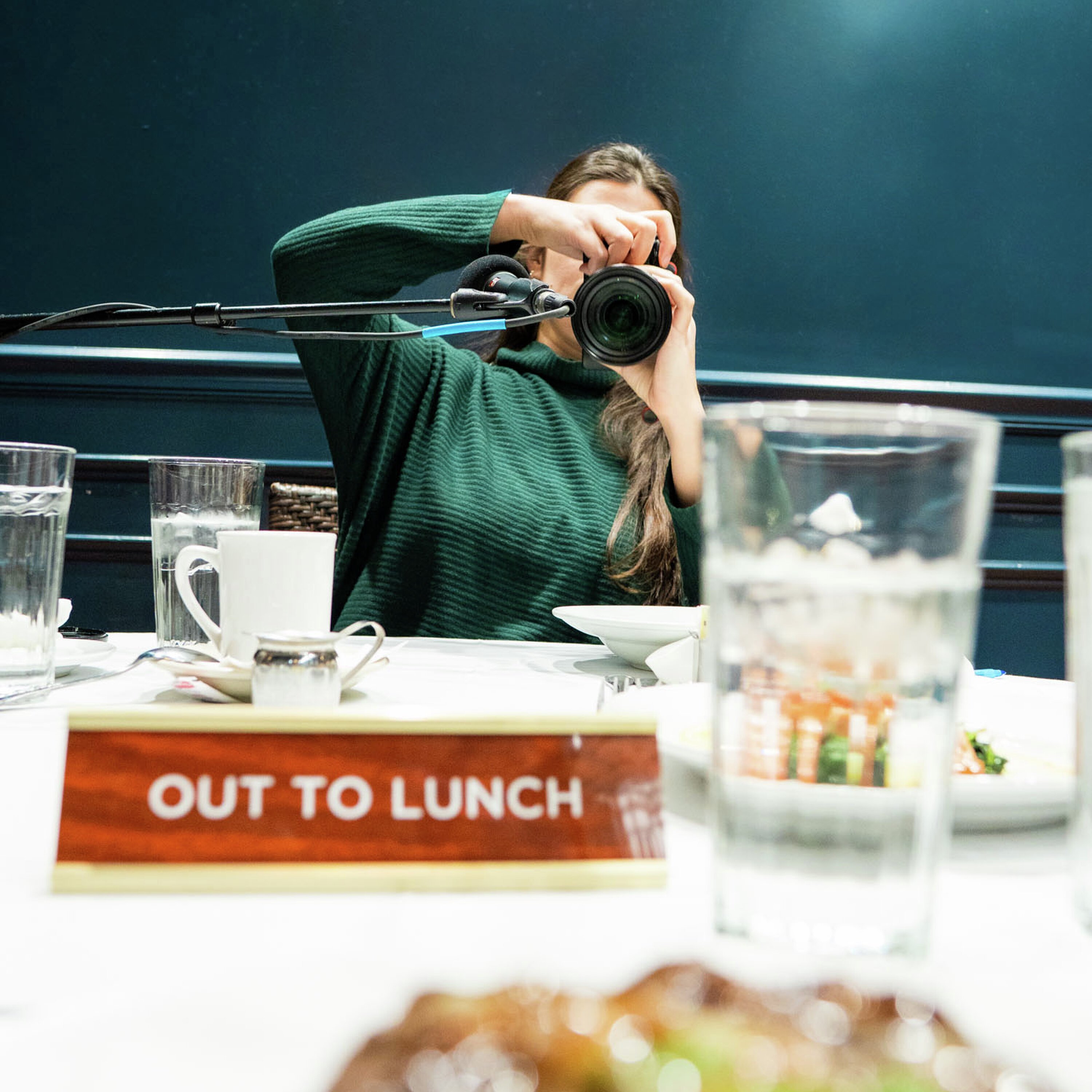 O'Neal Audio Meets Albaledo Media✨ | audio engineeringphotography+1 | Ian LedoMiranda Albarez+1 | audio engineering equipmentphotography tools+14 | — | audio engineerphotographer+1 | — | 28m 40s | |
| 1/24/26 | 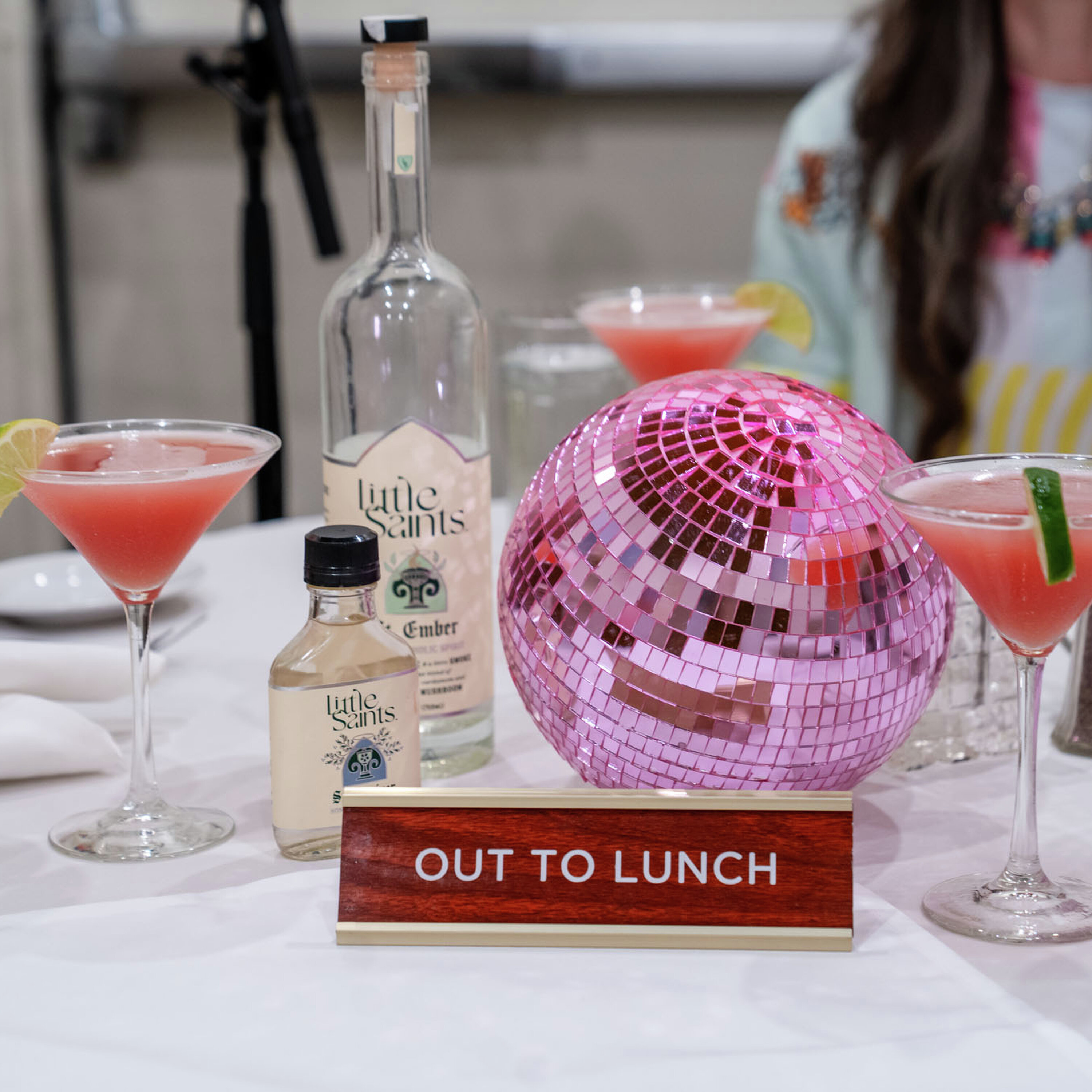 Disco Dinosaur✨ | discodance+3 | Alyssa Lundy | 5 to 9 Dance Clubthe Bee Gees+10 | MiamiEarth+4 | Saturday Night FeverBee Gees+2 | — | 29m 40s | |
| 1/18/26 | 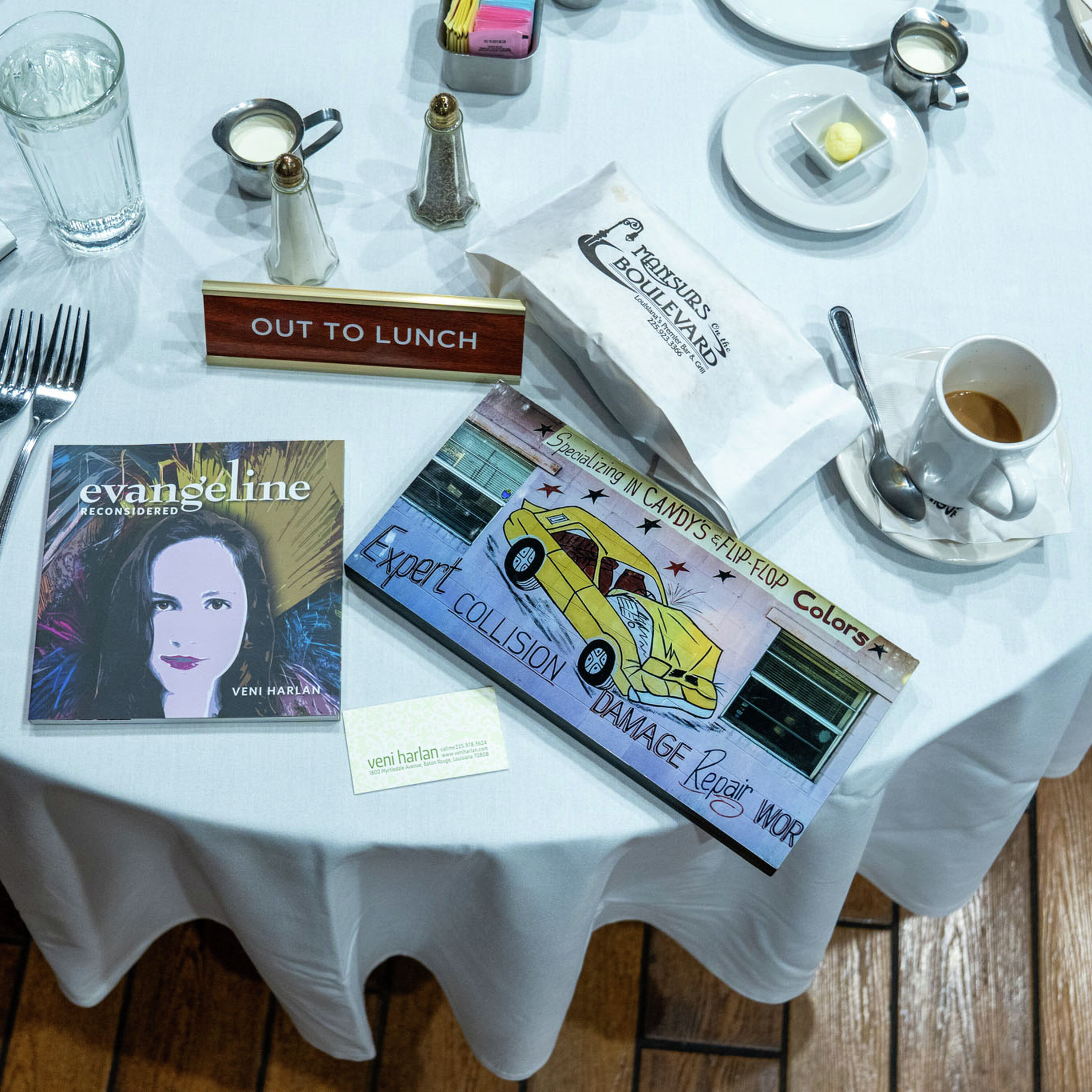 More Than A Haircut | Louisiana cuisine is famous for its bold, flavorful dishes like gumbo, jambalaya, and crawfish étouffée. Stemming from rich French, Spanish, African, and Native American influences, our world famous fare is illuminated primarily through Cajun and Creole traditions, using local seafood, smoked meats, rice, and spices for iconic meals. Take my favorite Louisiana dish, gumbo, for instance. There are certain ingredients, flavors, and texture to be expected in every delicious spoonful of gumbo. Yet, everyone’s idea of a perfect gumbo is different, depending often on family recipes and traditions for making gumbo. Here, at the award-winning Mansurs on the Boulevard, gumbo is made with chicken, duck, and andouille sausage, making for a rich and flavorful stew. Arguably, it's both the ingredients and care that go into making gumbo that makes it special. Most Louisianans would argue that making gumbo is an art. Much like a chef making gumbo, my lunch guests, Veni Harlan and Madeline Johnson, are creative entrepreneurs combining and utilizing multiple disciplines to build thriving businesses in the Baton Rouge community. A multidisciplinary creative, Veni Harlan of Veni Harlan Creative, has enjoyed a varied career as a graphic designer, photographer, art director, and writer. As a communications specialist, Veni uses these creative disciplines to solve communication problems for clients—everything from bank reports and toys to packaging, billboards, food shoots and location work. Veni’s work often intersects with Louisiana culture and environment, for instance when she helped brand the Louisiana Shrimp Coalition, rebranded the Louisiana Black Bear Coalition, or co-founded Marsh Dog, a nutria-based dog treat company, as a way to address coastal erosion and combat invasive nutria, while building a business. Madeline Johnson, owner of Miss Madeline’s, holds two licenses that rarely go together: speech-language pathologist and licensed barber. Like a contestant on the reality shows Cooked or Guy’s Grocery Games, Madeline has taken two seemingly unrelated professions to start a business that provides an essential but overlooked service for people with special needs. During and after the pandemic, Madeline began a barber apprenticeship while working in speech therapy at Our Lady of the Lake Children’s Hospital. She passed the barber board just weeks after finishing her master’s degree. In January 2025, Madeline decided to combine her two fields and launched Miss Madeline’s, an atypical hair salon that looks and feels more like a therapy room. Unlike other salons, Miss Madeline’s offers minimal decor in neutral tones and sensory tools like Pop-Its, a weighted lion, and textured toys. The hour-long hair appointments take into consideration the full sensory system — visual, auditory, tactile, smell and movement — because a typical salon experience can be overstimulating for Madeline’s roster of 150 clients, all of whom are kids or adults with sensory differences. Out to Lunch is recorded live over lunch at Mansurs on the Boulevard. You can find photos from this show by Ian Ledo and Miranda Albarez at itsbatonrouge.com.See omnystudio.com/listener for privacy information. | 27m 35s | ||||||
| 1/11/26 | 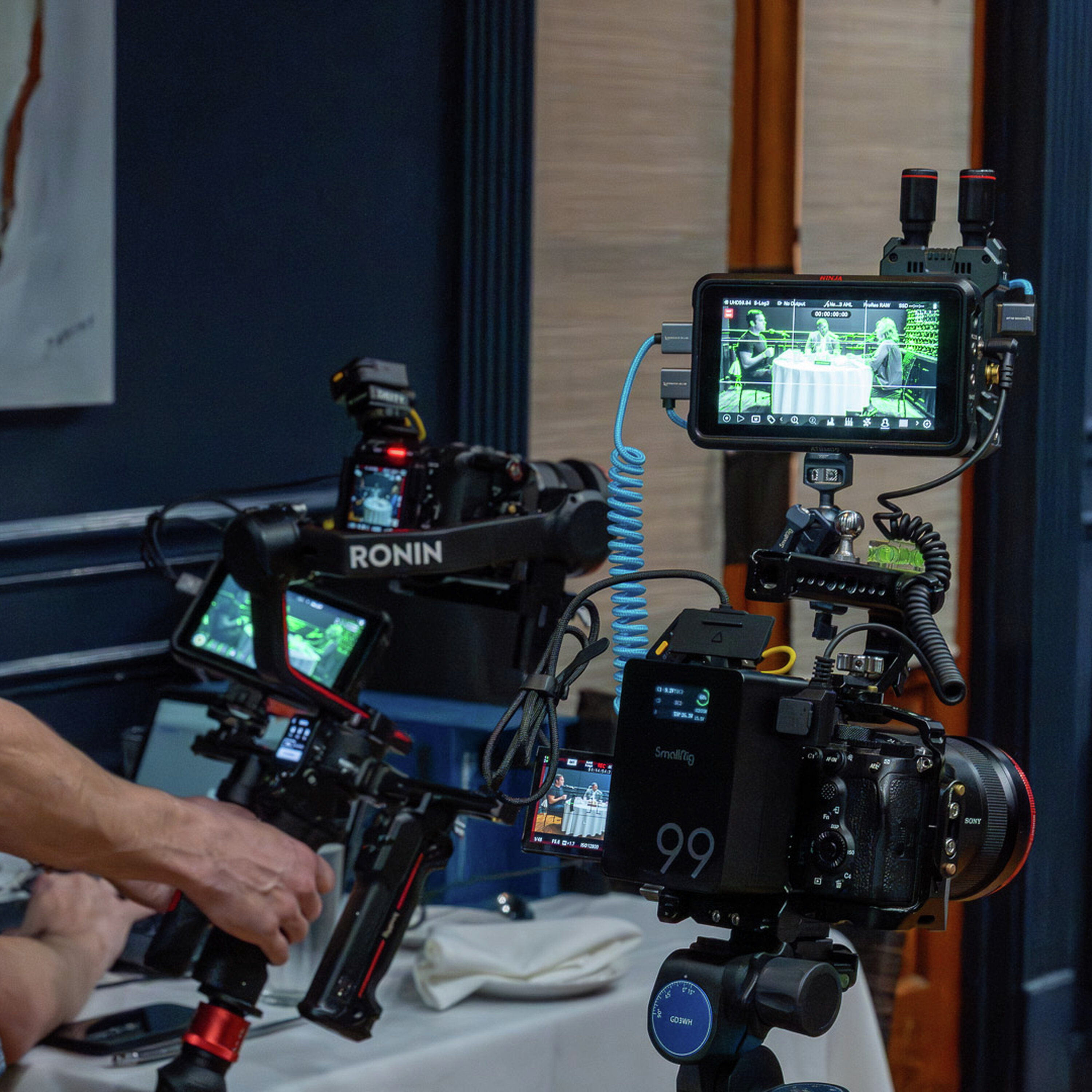 Cutting Edge Doctors | Each year, the U.S. Patent and Trademark Office grants hundreds of thousands of patents to people who embody what we sometimes refer to as “American ingenuity”. These are folks who are creative problem-solvers, capable of out-of-the box thinking that leads to innovation. From Thomas Edison to Steve Jobs, American ingenuity has resulted in a host of innovations and inventions that most of us now take for granted. I’m thinking of course of modern electricity and personal computers but also smartphones and, let’s face it, Artificial Intelligence. Our healthcare system has benefitted from American ingenuity too. In the last 50 years, medical advances in diagnostics and imaging, and biotechnology and genetics, have revolutionized healthcare, leading to improved treatments, enhanced patient experience, better public health, and greater efficiency and cost savings. Perhaps the most obvious benefit of American ingenuity in healthcare is that Americans — and people living around the globe — are just living longer, healthier lives. Amy's lunch guests, Dr. Blake Williamson and Dr. Lawrence Salone, are both contributing to this universal progress with their individual insight and innovation. Dr. Blake Williamson is the President and Managing Partner of Williamson Eye Center, a vertically integrated ophthalmology practice, combining optometry and ophthalmology to provide comprehensive eye care—from pediatrics to retirement age. Founded more than 80 years ago by Blake’s grandfather, Williamson Eye Center has grown significantly over the past decade, operating one of the highest-volume eye surgery centers in Louisiana. The center is often among the first practices in the world to access new eye-care technologies. For instance, Dr. Williamson was the first surgeon in the world to implant the Odyssey lens, a breakthrough cataract implant. After serving in the military, including a deployment in Iraq, Dr. Lawrence Salone returned to Baton Rouge where he became acutely aware of the lack of accessible mental health services and the high rates of suicide among service members. In 2012, Dr. Salone launched Post Trauma Institute, a Louisiana-based mental health organization offering integrated psychiatric services under one umbrella, including medication management, psychological testing, therapy, and substance abuse treatment. An early adopter of virtual mental health care, PTI has been offering telehealth services since 2014, well before telehealth became mainstream. Today, PTI employs five prescribers and seven therapists, offering services to veterans, National Guard members, and reservists, as well as a growing roster of employers concerned about absenteeism, burnout, and productivity. the U.S. healthcare system is rapidly changing, driven by escalating costs, technological integration, and evolving policies affecting insurance. Despite these challenges, your approach to innovation will ensure your respective practices continue to provide affordable and accessible healthcare to our Baton Rouge community. For a mid size city in the south, the presence of PTI and the Williamson Eye Center are two of the reasons we're punching way above our weight in healthcare here in Baton Rouge. Out to Lunch is recorded live over lunch at Mansurs on the Boulevard. You can find photos from this show by Ian Ledo and Miranda Albarez at itsbatonrouge.com.See omnystudio.com/listener for privacy information. | 30m 20s | ||||||
| 12/1/25 | 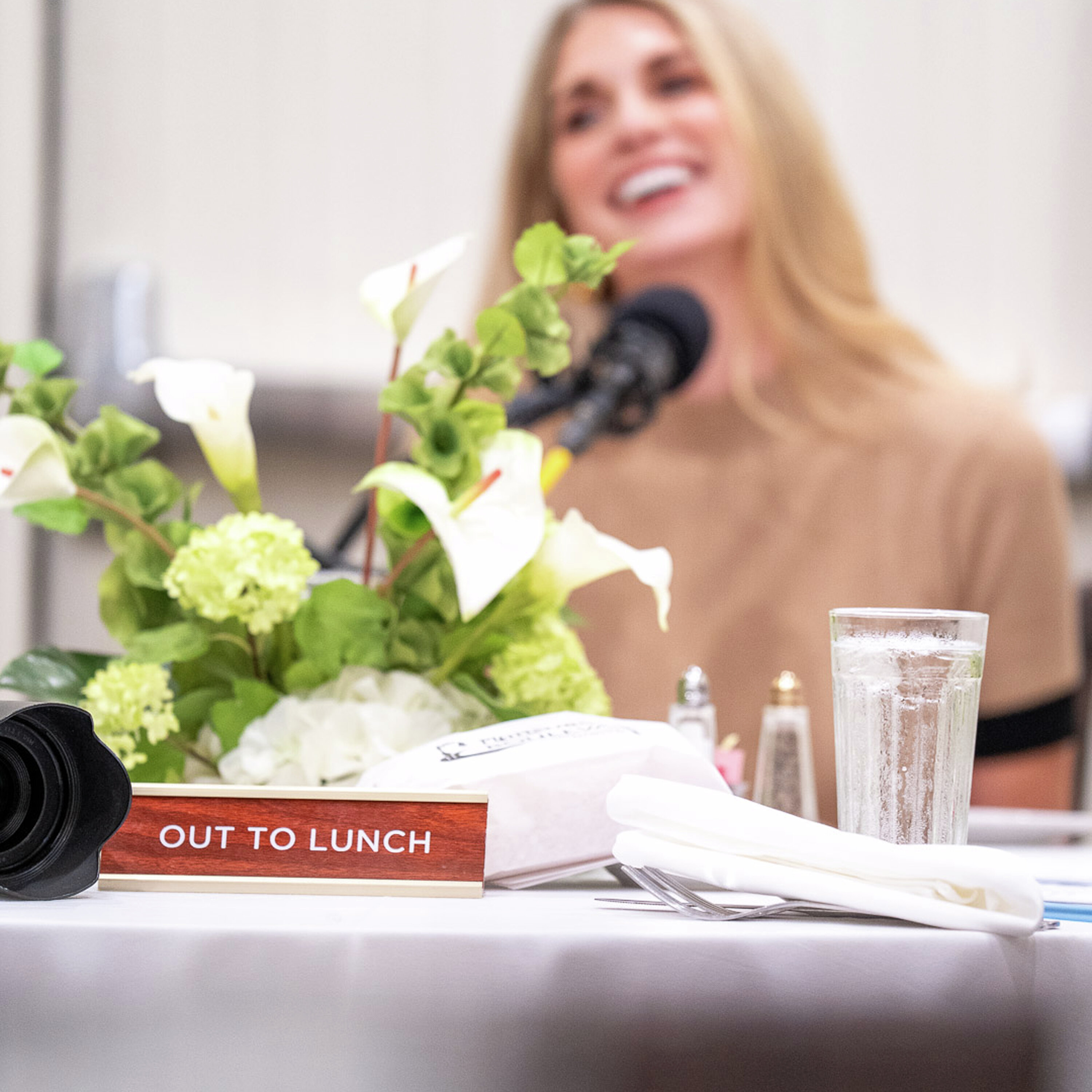 I do | Recent brides and their fathers who paid for the wedding won’t be surprised to learn that the average cost of a wedding in the U.S. is between $30,000 and $36,000, depending on the couple's choices, incuding the wedding location and number of guests. One of the major costs of any wedding is photography. In an image-driven society where pics of the most mundane activities are posted online for public consumption, capturing the biggest day of many women’s lives in pictures is often complicated. Along with conflicting emotions about body image, and the stress of a major financial investment, unlike the informal pictures of a birthday or a vacation, wedding photos capture a rite of passage and who doesn’t want to look their best for posterity? Wedding photographer Katelyn Craven of Butterflies of Hope Photography knows how to ensure that the money is well spent. Butterflies of Hope Photography is a family-owned photography studio founded by Katelyn’s mother, Heather Banker. Working out of their Prairieville studio, Katelyn leads all wedding photography under her own brand, Butterflies of Hope by Katelyn, and frequently travels across South Louisiana— from Baton Rouge to New Orleans, Lafayette and St. Francisville—for weddings and engagements. During the pandemic, many brides were either postponing big-ticket weddings or opting for smaller backyard unions at home. As a result, couples have become more aware of the environmental impact of their special day. Invitation cards, welcome bags, and other plastic props and tchotchkes that were once trendy but too often discarded are now passe for the environmentally-friendly couple. Wedding bouquets and flowers aren’t immune to the trend either, with planners noting fewer boutonnieres and more pocket squares for the groom and groomsmen. But what of the bride and her maids? Inspired by her own disappointing experience with a wedding florist, Lauren Bercier co-founded Something Borrowed Blooms, a rental service featuring premium silk floral collections that couples can rent for about 70% less than fresh flowers. What started with a dozen weddings a month has grown to more than 2,000 weddings per month during peak season, with over 55,000 weddings fulfilled to date. Out to Lunch is recorded live over lunch at Mansurs on the Boulevard. You can find photos from this show by Ian Ledo and Miranda Albarez at itsbatonrouge.com. See omnystudio.com/listener for privacy information. | 30m 20s | ||||||
| 11/16/25 | 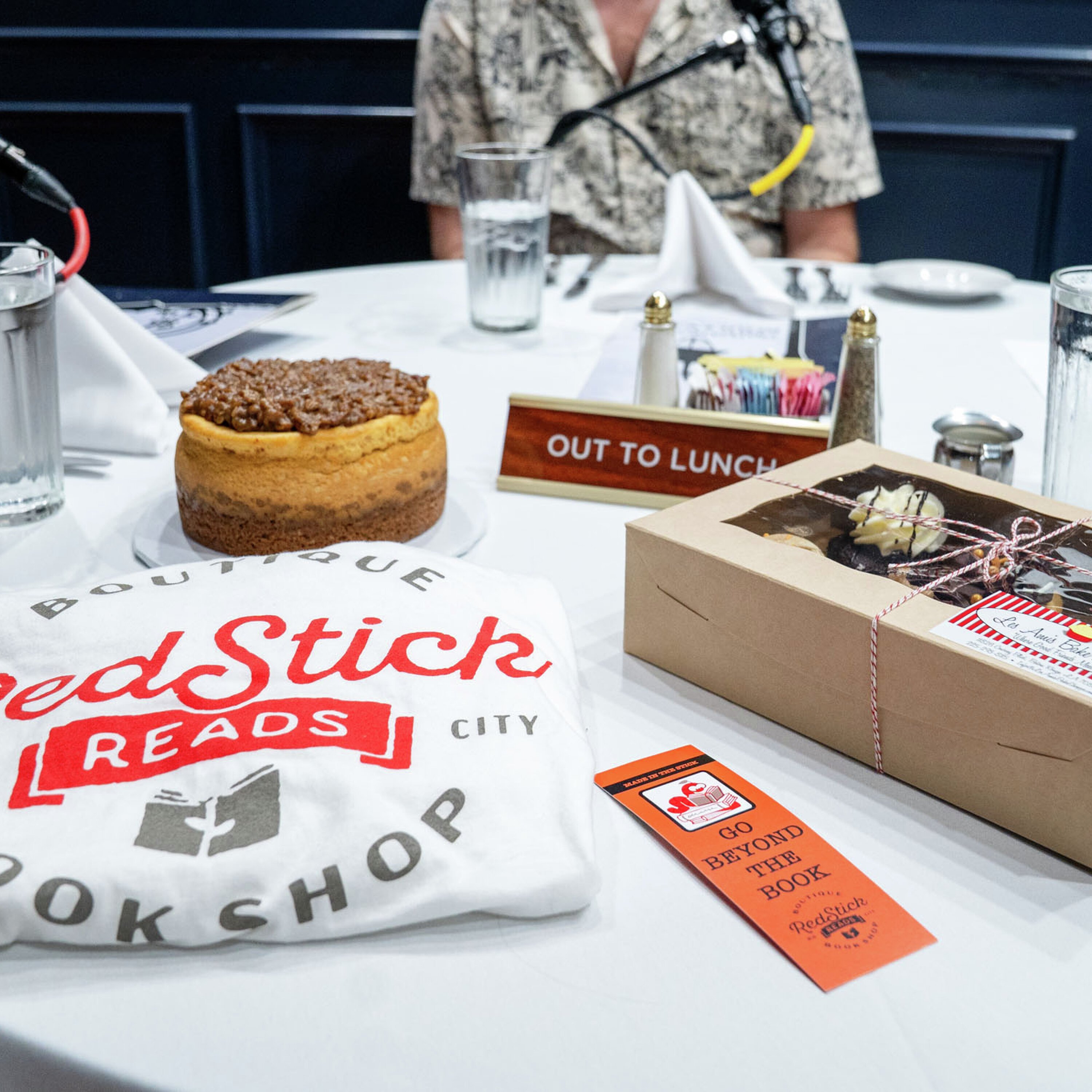 Where Good Friends Meet | There are a lot of things to plan for when moving to a new city: renting a UHaul, forwarding personal mail, driving the most efficient route to a new job. But few people plan for or even consider what perhaps is the most important aspect to a successful transition to a new city: making friends. Making new friends is hard in any city but especially so in small towns and cities where friends have known each other since grade school, raised children together, or gone to the same church for decades. In communities like Baton Rouge, friends are built-in to a rich life often centered around family. Making friends is further complicated by our obsession with our digital devices. Go to most any place, including a restaurant or bar where you might expect to meet someone, and you’ll notice people’s heads bent towards their phones, scrolling past social media posts and videos. Today, “friends” are often people you’ve never met IRL. Still, there are reasons and even places where a newcomer can meet friends with whom to have an in-person conversation. Stephanie Hansen of Les Amis Bake Shoppe and James Hyfield of Red Stick Reads own two such businesses in Baton Rouge. Following in the footsteps of her aunt and grandmother and using family recipes, Stephanie Hansen opened Les Amis Bake Shoppe in August 2013 with the help and support of her mom. What started as a weekend operation baking and selling cupcakes has grown over the last ten years into a retail shop and a commercial supplier specializing in French macarons and made-to-order cakes, selling wholesale to restaurants, hotels and venues like L’Auberge Casino. Les Amis, which is French for "the friends" increases its own circle of friends and customers with a move from Coursey Boulevard to Downtown Baton Rouge where it welcomes locals, newcomers, and tourists alike with their slogan "Where Good Friends Meet." If, by no fault of your own, you find yourself downtown at Les Amis without company but in need of companionship, then what goes better with a slice of cake than a good book? After years of working in management in food service at Whole Foods, James Hyfield yearned for a different career. He had always enjoyed reading, so with his wife Tere, James started small with a pop-up at the Mid City Makers Market that combined his love for books and his experience in food service. Prior to Covid, James and Tere ran eight to nine pop-ups around the city before in 2019 they opened their Red Stick Reads brick and mortar store on Eugene St., now located in a renovated warehouse off Government Street, near the Baton Rouge Music Studios. Today, Red Stick Reads bills itself as a gift shop designed as a bookstore where you can meet book-loving friends at weekly storytime events, author talks, and poetry readings. Some of our most vivid childhood memories are of birthday parties with multi-tiered, frosted cake with candles, small gifts wrapped in bright paper, and a gaggle of our closest friends. If we’re lucky, those same friends have celebrated other, equally memorable milestones with us over many years. But, if not, businesses like Les Amis Bake Shoppe, Red Stick Reads, and even Out to Lunch offer opportunities to make new friends and create lasting memories. Out to Lunch is recorded live over lunch at Mansurs on the Boulevard. You can find photos from this show by Ian Ledo and Miranda Albarez at itsbatonrouge.com.See omnystudio.com/listener for privacy information. | 27m 00s | ||||||
| 11/9/25 | 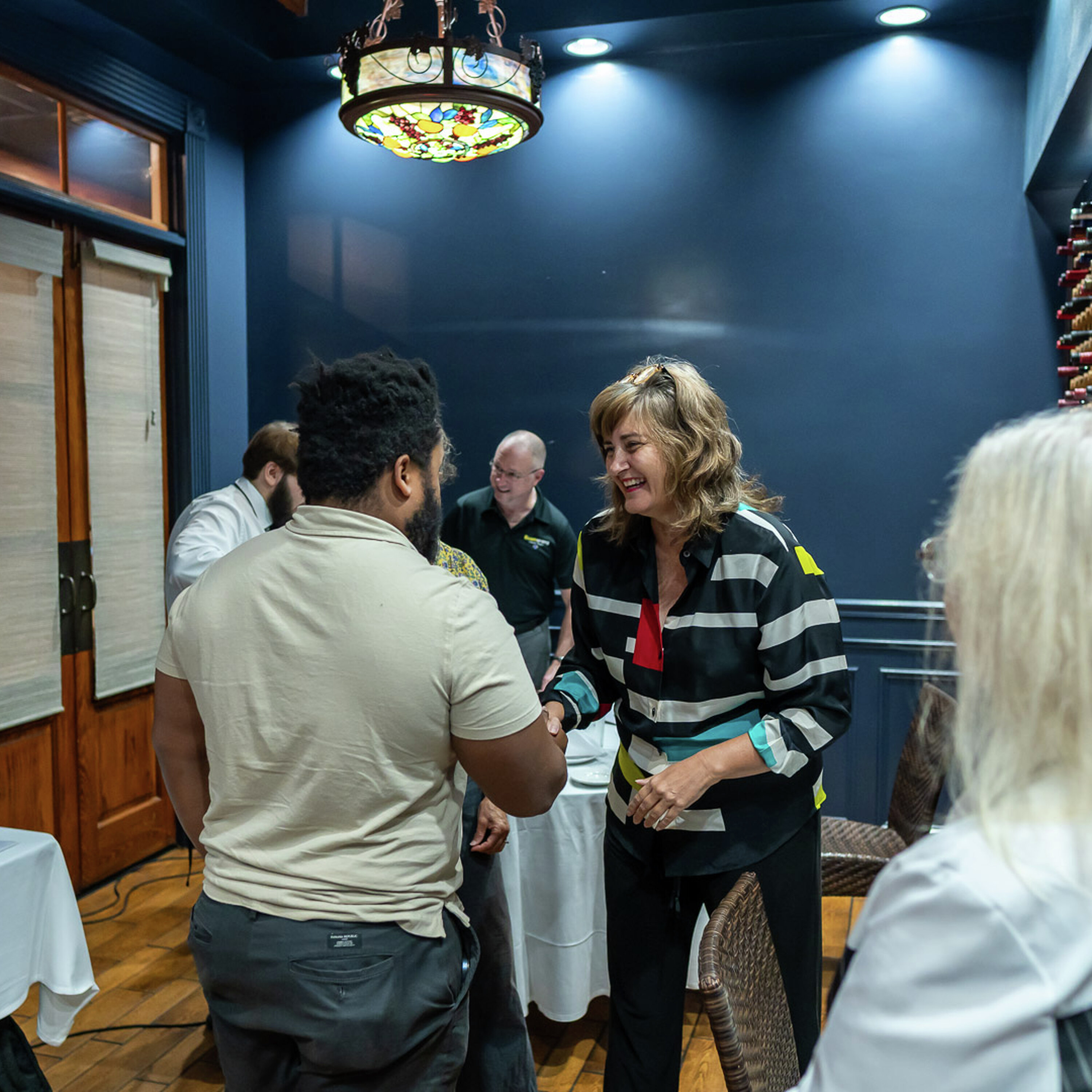 Yes And | Would you be surprised to learn that the top five degrees in demand in the US are in healthcare, technology, engineering, business, and mathematics? Probably not. But as AI is introduced into nearly every facet of the workplace, college admission managers and HR directors are increasingly pointing to the importance of soft skills, the personal attributes and interpersonal abilities that define how you interact with others in the workplace. In the workplace of the future, they say, employers will seek out employees who demonstrate superb communication, teamwork, and problem-solving abilities. Yet, our nation’s best colleges and universities don’t offer degrees in active listening or collaboration, do they? So what is an incoming freshman to do? My two lunch guests,Travis Noote of Boomerang Comedy Club, and Terence Delaine of NO Show Comedy, would say take a class in improv. Or explore stand up. Travis Noote fell in love with comedy in 2013 and became a devotee to improv, a form of live theatre in which the plot, characters, and dialogue are made up spontaneously by the performers at the moment of performance. Travis took improv classes in South Carolina, Atlanta, and Savannah before moving to Baton Rouge to be closer to family. As he’d done in other cities, Travis signed up for and was taking classes at the Latco theatre, which he learned was going to dissolve soon. So, acting a bit on a whim and with a good deal of spontaneity, in 2022 Travis took the reins of the Latco venue and founded The Boomerang Comedy Theater, effectively turning a hobby into a 9-5 job. If you are further in your comedic studies and perhaps pine for larger audiences on the West Coast, then Terence Delaine of NO Show Comedy is your man. No Show is a live production company operating in Los Angeles and Louisiana, hosting a monthly show at Squeaky Pete's in downtown Baton Rouge, as well as frequent shows at The Station. A native of Lake Charles, Terence has degrees in political science and public administration and a full-time job at the United Way. He's been working as a stand up comic for more than a decade. Terence recorded a comedy special album that will soon be released on all streaming sites, including YouTube. Living in Louisiana, when it comes to entertainment we often think of Baton Rouge as playing second fiddle to New Orleans. Well, that's the role people put Chicago in for years, in relation to New York City. But it might be worth pointing out that some of the nation's most famous and memorable comics, like Dan Aykroyd, John Belushi, Steve Carell, Chris Farley, Tina Fey, Bill Murray, Catherine O’Hara, and Joan Rivers got their start at Chicago’s Second City, which recently celebrated 65 years of business. It will be interesting to see who comes out of the Baton Rouge comedy scene in the next 5 or 6 years. Out to Lunch is recorded live over lunch at Mansurs on the Boulevard. You can find photos from this show by Ian Ledo and Miranda Albarez at itsbatonrouge.com.See omnystudio.com/listener for privacy information. | 34m 05s | ||||||
| 10/19/25 | 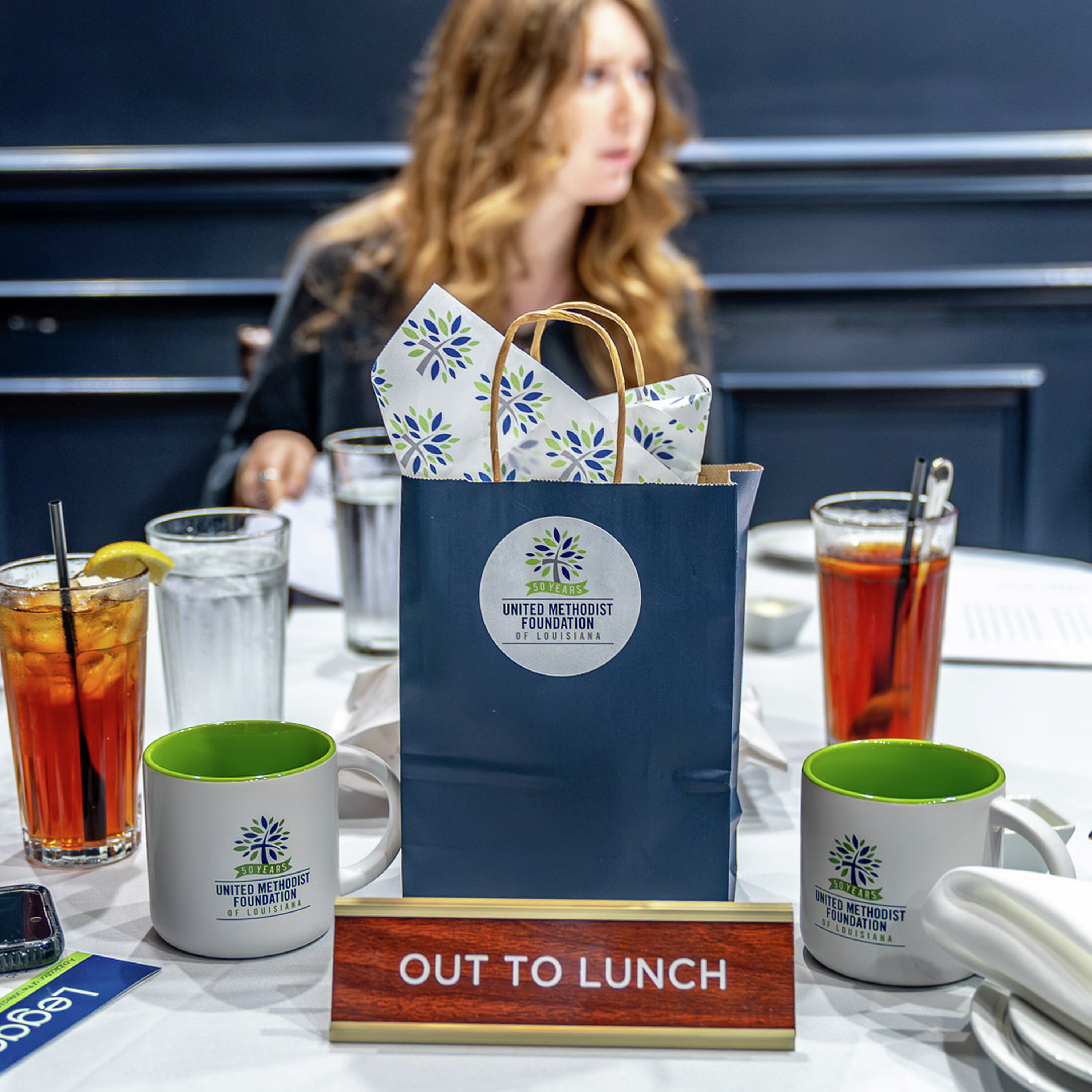 The Art of Giving | Imagine if you had a few thousand dollars to spend however you wanted? What would you do? A few of my friends might put a down payment on a house. Others would take a long-dreamed about vacation. Or buy an expensive piece of art. Most would give some money to their favorite charity. Yes, Americans certainly are generous with their money. In 2023, individuals gave $374 billion dollars, representing 67% of total giving, according to Giving USA. Americans gave to organizations and grantmaking foundations working in human services, health, education, environment, and the arts, financially supporting an array of causes and programs essential to the social fabric of our communities. But by far, Americans gave to religious institutions and organizations: the churches, synagogues, and mosques that offer spiritual guidance and solace – a community of the faithful. Chris Spencer knows something about the importance of supporting your parish church. As CEO and President of the United Methodist Foundation of Louisiana, Chris manages nearly $250 million on behalf of churches and philanthropists in the state, using his background in banking to help Methodist churches manage their investments and help donors with planned and legacy giving. The spiritual can be found in nature, too, and in different art movements, including Surrealism, Symbolism, and Spiritualism, a 19th-century movement that directly influenced modern art. Cana Brumfield began her exploration of art at a young age. Inspired by her mother, an art therapist and teacher, Cana grew up taking art classes and going to art camps. In 2024, Cana began selling her art to the public under the brand name Luna Leaf Studio. Incorporating upcycled materials, Cana’s art evokes a childlike love and wonder for nature and the environment by incorporating whimsical aspects of design. Her work can be found at local art markets, including Brickyard South and The Magical Spring market at the Unitarian Church of Baton Rouge. Art and religion have long shared an inseparable bond. From ancient cave paintings and illuminated medieval manuscripts to grand cathedrals and temple sculptures, art has historically functioned as a visual language of faith. And, all along, but perhaps today more than ever, art and religion both rely to some extent on a foundation of finance. Which is what brings Chris and Cana together over lunch on a show about business in Baton Rouge! Out to Lunch is recorded live over lunch at Mansurs on the Boulevard. You can find photos from this show by Ian Ledo and Miranda Albarez at itsbatonrouge.com.See omnystudio.com/listener for privacy information. | 31m 25s | ||||||
| 10/12/25 |  Better Safe | You've probably heard that public radio currently exists in an environment of less than zero public funding. "Less than zero" because when the Corporation for Public Broadcasting was disbanded, monies that had already been promised to public radio stations like WRKF were clawed back. Today, the only reason you're able to hear this conversation on Out to Lunch is because of the the actions of good corporate citizens who have stepped up to ensure that community conversations continue. One of those good corporate citizens here in Baton Rouge is a company called LUBA Workers Comp. LUBA Workers' Comp is a regional casualty insurance company providing workers compensation coverage in 1/4 of the United states. That is significant market penetration for a company that was founded and continues to be headquartered right here in Baton Rouge. Seeing LUBA Workers' Comp is a sponsor of Out to Lunch we're taking advantage of that relationship to invite an Executive Vice President of the company, Kelli Bondy Troutman, to talk about safety in the workplace. Most of us have heard of OSHA, the federal agency responsible for workplace safety and health. The agency that sets and enforces standards and provides training and assistance to ensure safe working conditions. But how many of us have ever studied the poster issued by OSHA that typically hangs in nearly every workplace cafeteria? Or who among us really studies the section about safety in the employee handbook? Probably very few of us. The reason is the same one most of us don’t pay any attention to the pre-flight safety announcement when we’re waiting for a plane to take off: there are so few plane crashes – or work accidents – that we feel we don’t need to care about it. But, of course, the very reason there are so few plane crashes and serious workplace incidents is because there are people working every single day to make air travel and our work places safe. One of those people is Adam Beary of Bear Process Safety, whose mission is to simplify safety by creating lean, innovative solutions to help build an easily manageable program for companies. Bear Process Safety offers process hazard analysis, process safety auditing, process safety training, standard implementation, and operating procedures. Since 2018, Bear Process Safety has been working primarily with larger chemical manufacturers and renewable energy companies but has recently branched towards smaller customers. Bear Process Safety was recognized as a BRAC Diversity Star award winner in the small business category for 2022, and CEO and President Adam Beary was a 2022 Business Report 40 Under 40 honoree. Out to Lunch is recorded live over lunch at Mansurs on the Boulevard. You can find photos from this show by Ian Ledo and Miranda Albarez at itsbatonrouge.com.See omnystudio.com/listener for privacy information. | 28m 43s | ||||||
| 9/20/25 | 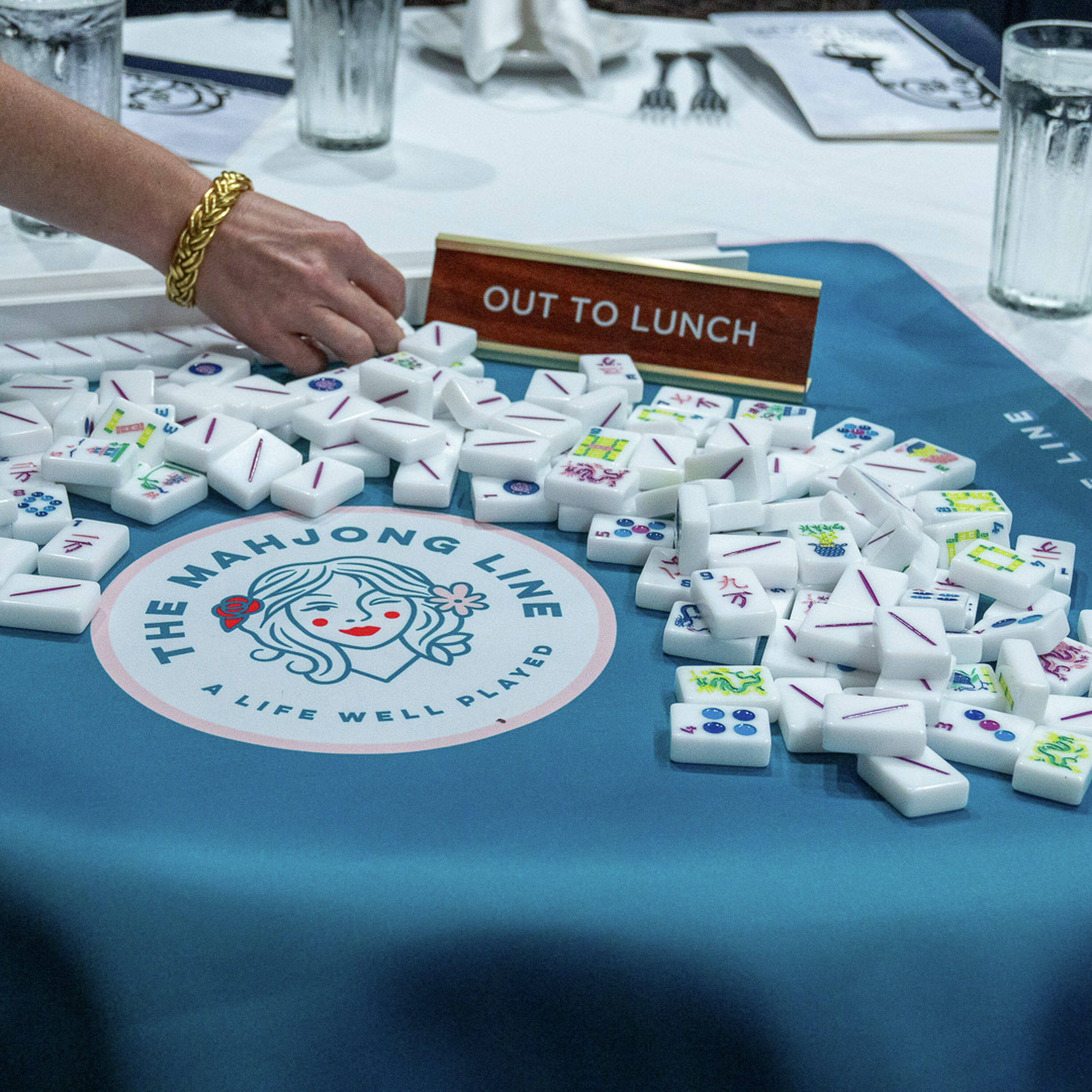 Mahjong | In years past, formal dining rooms were used for Sunday dinner or holiday get-togethers, opportunities to cook a traditional meal, served on fine china, leisurely eaten among family or friends over a glass of wine. Today, estate sales are jam-packed with barely-used china no one wants because in most modern households meals are often fast-food or grabbed from the to-go counter and holiday meals are often catered and sometimes served on paper plates. So, what do you do if you are a homeowner with an underutilized formal dining room? Well, not so long ago Mauree Brooksher was in such a position when she and her husband bought a 50-year-old home with a traditional formal living room. Uncertain what to do with it, Mauree turned to social media for ideas. There, she found a blog showcasing a formal dining room converted into a mahjong room, with beautiful pictures of the tables and tiles. Mauree was hooked. Today, Mauree and her business partner Stephanie Politz, own and operate Mahjong Rouge, a club of sorts that offers mahjong classes and hosts tournaments to promote the game in the Capital Region. Founded in 2024, Mahjong Rouge has taught 1,300 students the tile-based game that dates back to the mid-1800s in China. Now, the game has become so popular that Mauree and Stephanie recently launched Mahjong New Orleans. What constitutes “fun” changes over time and is different in each culture, each community, and each family. Technology has greatly impacted the ways we entertain ourselves and interact with others. From radio to television to games played on our computers, technology is constantly evolving and therefore changing our lives in new and different ways. What hasn’t changed is the simple pleasure and joy of being in the company of others. People with a strong sense of community just feel better, leading to greater emotional resilience and higher life satisfaction. Mahjong is an old game with an enduring purpose of gathering family or friends around a table for an evening of fast-paced skill and cunning. By teaching mahjong classes in Baton Rouge and New Orleans, Mauree and Stephanie are broadening people’s appreciation of Chinese culture and offering new opportunities for fun and community. Out to Lunch is recorded live over lunch at Mansurs on the Boulevard. You can find photos from this show by Ian Ledo and Miranda Albarez at itsbatonrouge.com.See omnystudio.com/listener for privacy information. | 30m 50s | ||||||
| 9/14/25 | 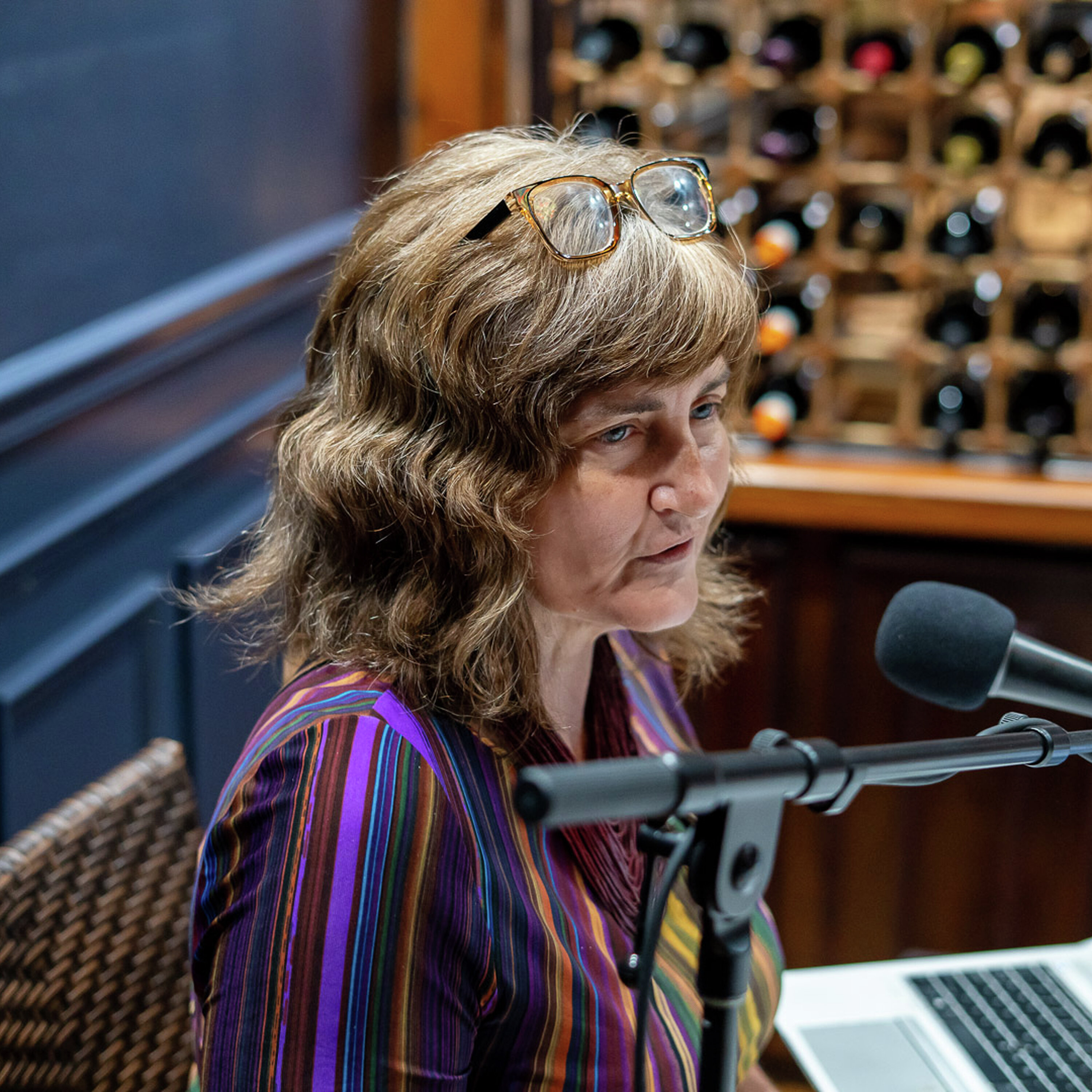 Drawing Conclusions | By all accounts, it’s difficult to land a job or even an interview right now. There’s all kinds of reasons for that, including a stagnant labor market and sluggish hiring by cautious employers. Recent college graduates are bearing the brunt of what is one of the most challenging markets in years, with entry-level white-collar jobs being especially hard to secure. If you are unemployed and looking for inspiration, you’re in the right place. It took nearly 18 months for my lunch guest Nick Miner to be offered a job in design after graduating from LSU. After months of getting nowhere in his job search, Nick took a more aggressive approach to applying, made an e-portfolio, and started introducing himself to agencies. He ultimately landed a job at Mesh, a local ad agency where he was hired as the art director. Today, Nick Miner owns his own business Miner Design Company, specializing in logo design, branding, art direction, packaging design, illustration and graphic design. Tony Zanders was born and raised in New Orleans but made his career in tech in Boston and Silicon Valley. Eleven years ago, he returned to Louisiana to be closer to family and, during the pandemic, launched his second tech startup, Skill Type. Leaning into an international network of venture capitalists, Tony fundraised a 4 million dollar investment for his company from contacts in London, Silicon Valley, New York, Miami and in Louisiana, proving the old adage “it pays to have friends in high places.” While building his company in Baton Rouge, Tony became a coach and mentor at Nexus Louisiana. In 2024, Tony threw his hat in the ring for the role of president and CEO and was tapped for the position by the board. Today, he oversees 10 million dollars in annual revenue at Nexus Louisiana. After 2020, for a year or two, our default conversation was the pandemic. No matter what we were talking about, everything came back to what was happening before or after Covid. Today, the default conversation, especially in business, is AI. Is AI coming for my job? If so, when? What should I best do to prevent it taking my job, or what should I do if it does take my job? You might notice the use of "if." The fact is, right now, nobody really knows what the future of work will look like. But as it changes, Tony is in the forefront of that change, working with tech companies that are literally creating the future. On the other side of the coin, Nick is proving that no matter how creative technology can be, the source of all that creativity is, after all, a human being with the equivalent of a pen and piece of paper. Out to Lunch is recorded live over lunch at Mansurs on the Boulevard. You can find photos from this show by Ian Ledo and Miranda Albarez at itsbatonrouge.com.See omnystudio.com/listener for privacy information. | 32m 40s | ||||||
| 9/7/25 | 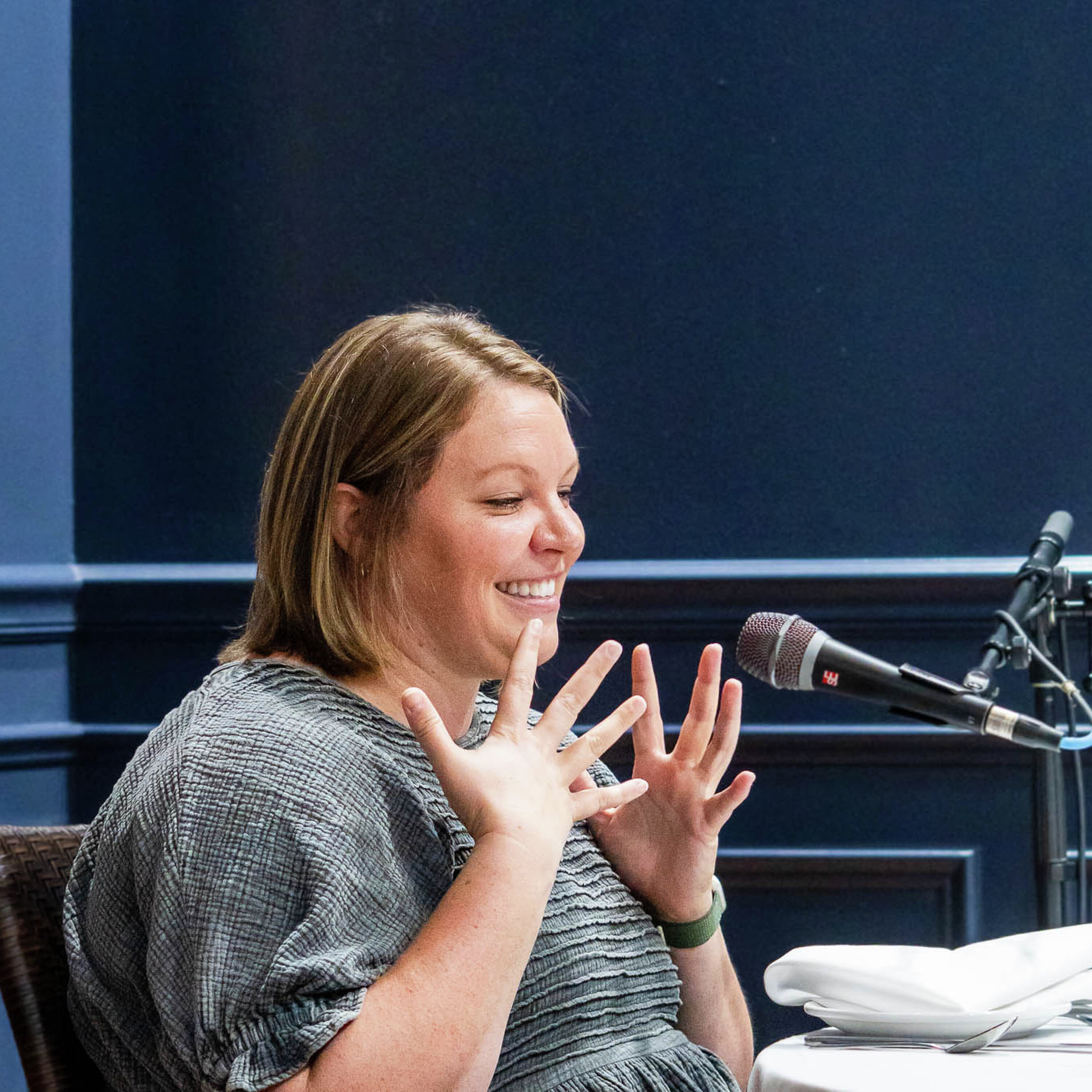 The Autism Coffee Connection | Since Starbucks opened its first store in Seattle in 1971, coffee shops have become a staple in nearly every city. In Berkeley, California there are approximately 59 coffee shops, resulting in one coffee shop for every 2,000+ residents, which is a higher ratio than Seattle. New York City has more coffee shops per capita than any other American city. When I read those numbers, I naturally thought to myself how do they all stay in business? How does each coffee shop or chain distinguish itself from its competitors? Katie Jenkins, Owner and Executive Director of Grace Therapy Center and Stir, has taken a thoughtful approach to business competition and growth. Grace Therapy Center is a clinic for children with autism and other developmental differences that Katie started in 2021. Now with three locations, Grace Therapy Clinic offers applied behavior analysis therapy (otherwise known as ABA) for indiividual children, children in social groups and at summer camps. Of all the positioning possibilities you could imagine for opening a coffee shop, tieing it to a series of specialty autism clinics isn't something even the folks at Starbucks or coffee shops in California or New York have thought of. But that's exactly what Katie Jenkins is doing with Stir Cofffee House on Airline Highway here in Baton Rouge. Stir employs Katie's child clients who mature and are old enough to join the workforce. The coffee industry is responsible for more than 2.2 million U.S. jobs and generates more than $100 billion in wages per year. Over the years, we’ve had several guests on Out to Lunch who have contributed to the coffee industry’s success locally. By providing job opportunities at Stir to those who might struggle to find traditional work because of their intellectual and developmental disabilities, Katie Jenkins is not only contributing to the coffee industry’s success in Baton Rouge but she's providing invaluable work and life experiences for her clients at Grace Therapy Center. Out to Lunch is recorded live over lunch at Mansurs on the Boulevard. You can find photos from this show by Ian Ledo and Miranda Albarez at itsbatonrouge.com.See omnystudio.com/listener for privacy information. | 27m 20s | ||||||
Showing 25 of 388
Sponsor Intelligence
Sign in to see which brands sponsor this podcast, their ad offers, and promo codes.
Chart Positions
1 placement across 1 market.
Chart Positions
1 placement across 1 market.