

Insights from recent episode analysis
Audience Interest
Podcast Focus
Publishing Consistency
Platform Reach
Insights are generated by CastFox AI using publicly available data, episode content, and proprietary models.
Total monthly reach
Estimated from 1 chart position in 1 market.
By chart position
- 🇺🇸US · Business News#1515K to 30K
- Per-Episode Audience
Est. listeners per new episode within ~30 days
2.5K to 15K🎙 ~2x weekly·554 episodes·Last published 2d ago - Monthly Reach
Unique listeners across all episodes (30 days)
5K to 30K🇺🇸100% - Active Followers
Loyal subscribers who consistently listen
2K to 12K
Market Insights
Platform Distribution
Reach across major podcast platforms, updated hourly
Total Followers
—
Total Plays
—
Total Reviews
—
* Data sourced directly from platform APIs and aggregated hourly across all major podcast directories.
On the show
Recent episodes
After The Revolution
May 10, 2026
34m 10s
The Best Of All Possible Worlds
Apr 26, 2026
29m 58s
The Road Less Traveled
Apr 19, 2026
31m 55s
Solutions From The South
Apr 12, 2026
30m 05s
A Little Help From My Friends
Mar 22, 2026
33m 00s
Social Links & Contact
Official channels & resources
Official Website
Login
RSS Feed
Login
| Date | Episode | Description | Length | ||||||
|---|---|---|---|---|---|---|---|---|---|
| 5/10/26 | 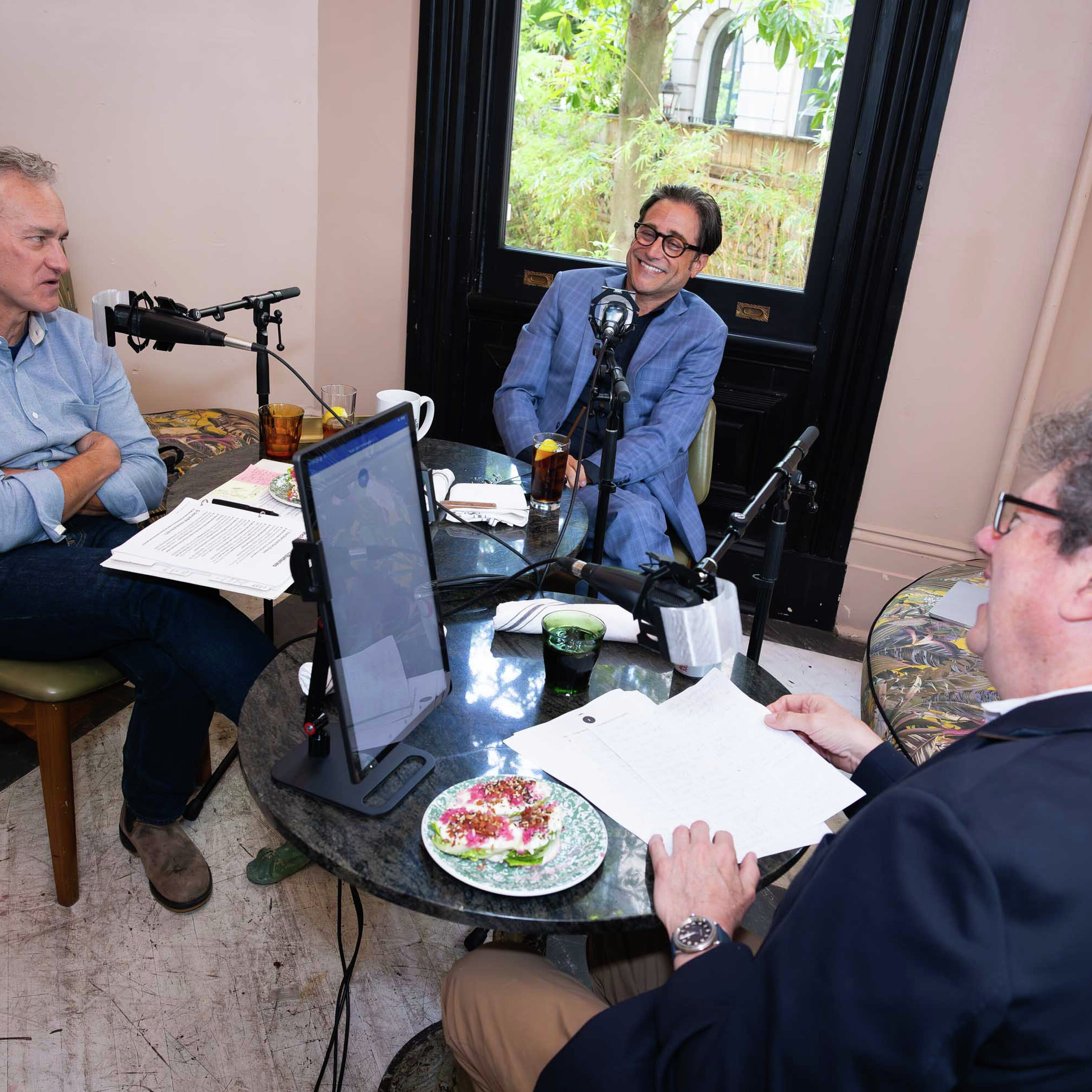 After The Revolution | If you’re under 30, and you have any kind of original, innovative ideas, you might not know that before you were born people like you generally left New Orleans and went to places where forward-thinking was appreciated. Then, in 2005, after Hurricane Katrina had knocked the city to its knees, the river of intellectuals and social activists started to flow in other direction. All kinds of smart people with new ideas started coming here. Two of them were young guys who arrived as part of the revolution in education. Jonas Chartock was CEO of an organization called Leading Educators. Matt Candler was CEO of an organization called New Schools For New Orleans, and then Founder of an education startup called 4.0 Schools. Like pretty much everything else in New Orleans at the time, our schools and our entire education system was in ruins. In a period we can now look back on as something of an Enlightenment, Jonas, Matt, and a generation of educators completely re-imagined our education system and built what was both an education laboratory and beacon for the nation. In 2016 Jonas and Matt were guests on Out to Lunch. They were fired up about the education revolution they were a part of leading. Today’s Out to Lunch is a reunion. Ten years and some-odd on, Jonas and Matt are still revolutionaries. Matt is building electric motorbikes under the banner of Night Shift Bikes. And he’s helping build a number of other battery-based companies as General Partner of an investment fund called The Batteries Included Fund. Jonas is CEO of The Childrens Bureau of New Orleans. It’s a non-profit that provides primarily mental health support for children who have experienced a traumatic event. That support is in the form of immediate crisis intervention, and longer-term, evidence-based therapies for children and families impacted by trauma. people come and go out of your life. You’re friends for a while, maybe you were even close friends or partners – but things change, life goes on, and one way or another you drift apart. That person might not be a central part of your life any more they way they were, but your relationship with them had an affect on you, and when you run into them these days it’s still good to see them. It can even be like old times and you pick up right where you left off. It’s kind of the same for the City of New Orleans’ relationship with Matt and Jonas. They might not be the central revolutionary savior figures they were when you first rolled into town, but they’re still here. Their contributions to the education revolution continue to ripple through the system in various ways, and their current contributions to the city are not insignificant either. Out to Lunch was recorded live over lunch at Columns in Uptown New Orleans. You can find photos from this show by Jill Lafleur at itsneworleans.com.See omnystudio.com/listener for privacy information. | 34m 10s | ||||||
| 4/26/26 | 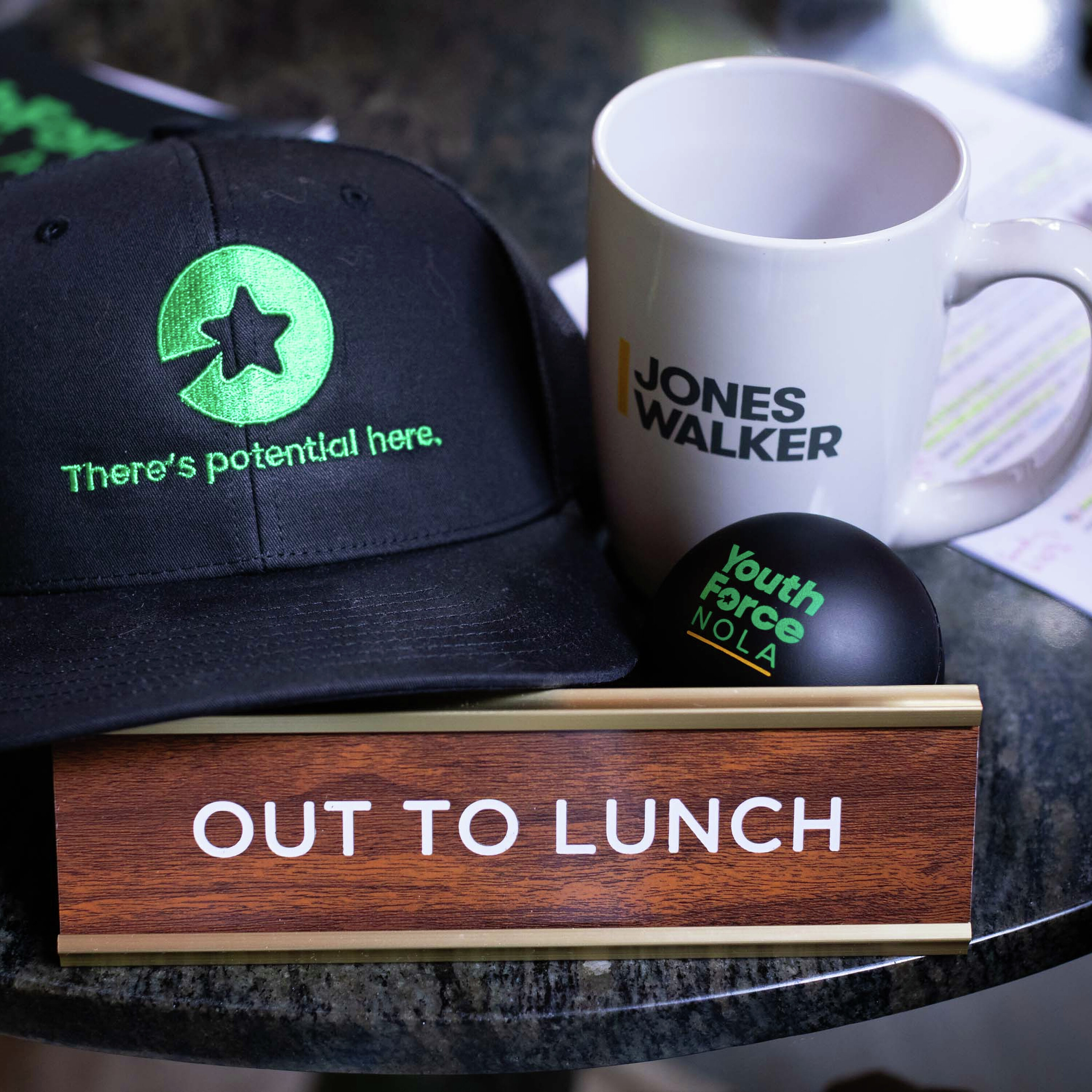 The Best Of All Possible Worlds | In the mid 1700’s, a French author, Voltaire, wrote a biting satire that has remained a classic piece of literature ever since. The novel, Candide, is about a student who is continually beset by all kinds of horrific disasters. It’s basically a buddy comedy in which the kid’s super-upbeat tutor keeps encouraging him, by saying, “All is for the best in the best of all possible worlds.” It’s kind of today’s equivalent of advising a kid in a disadvantaged public school to, “follow your dreams and anything is possible.” The fact is, if you’re a high school kid from an economically disadvantaged background, and you’re in a not-so-great public school, it’s going to take a lot more than a positive attitude to succeed after you graduate. That’s the harsh reality that drives a ground-breaking New Orleans organization called YouthForce NOLA. YouthForce NOLA partners with every public school in New Orleans to form a bridge between the schools and local businesses. They provide kids with internships that give them real world experience. Kids and business owners, who wouldn’t normally know each other existed, get to meet and mutually benefit from their association. YouthForce NOLA can quote all kinds of statistics that explain why its operating model is spreading across the country, but this one set of numbers tells the story: since 2015 around 2,000 young people have earned over $3 million in paid internships - and 99% have continued on to college or a career. The Founder and CEO of YouthForce NOLA is Cate Swinburn. Along with YouthForce NOLA, there are a lot of organizations whose sole purpose is helping people. These organizations are generally grouped under the banner, “non- profit.” A non-profit business doesn’t have to pay federal taxes. They’re mostly exempt from property taxes. They have access to grant funding. They can receive donations that are tax deductions for the donor. And there are a whole bunch of other benefits too. But, - and there’s always a “but” when it comes to what looks like easy money – these non-profit business have to jump through a bunch of bureaucratic hoops and comply with all kinds of regulatory requirements to retain their legal definition of a 501(c)3 business. Other purpose-driven organizations that raise and spend money for reasons other than making a profit – like foundations and public entities – also have unique requirements. Here in New Orleans there’s a company whose business is maximizing the efficiency of all these types of organizations. It’s called Trepwise. It’s Founder and CEO is Kevin Wilkins. Kevin brought the original incarnation of Trepwise to Out to Lunch in 2016. The Bottom Line The term “the bottom line” is derived from accounting. It refers to the last line of a balance sheet in which you’re left staring at an incontrovertible fact – you’ve either made money or lost it. Over the last few years we’ve come to know businesses that deal in what’s called a triple bottom line. The three P’s of the triple bottom line are, Profit, People, and Purpose. In other words, there can be more to business than making money. Cate Swinburn and Kevin Wilkins are great examples of people who have proven skills in making profits, but who choose to add people and purpose to their professional lives. Out to Lunch was recorded live over lunch at Columns in Uptown New Orleans. You can find photos from this show by Jill Lafleur at itsneworleans.com.See omnystudio.com/listener for privacy information. | 29m 58s | ||||||
| 4/19/26 | 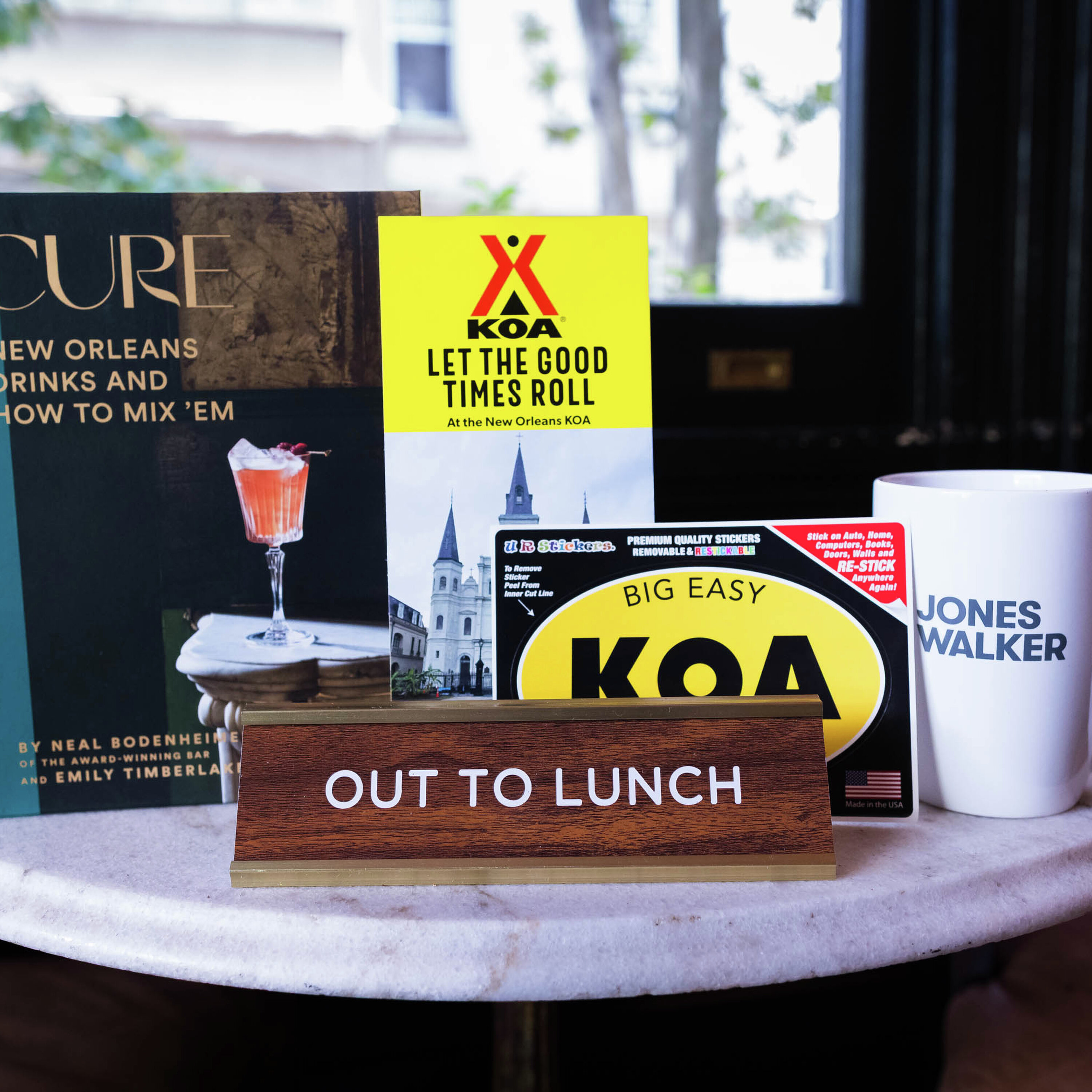 The Road Less Traveled | If you think it feels like things are speeding up and change is coming faster than ever, well, you’re right. It took us hundreds of thousands of years to get to a worldwide population of 3 billion. We got there in 1927. From there, it only took about 70 more years – one lifetime – to get to a population of 6 billion. Back at the 3 billion mark, fewer Americans lived in urban areas. When they needed to shop for necessary supplies they’d talk about “going to town.” “Town” was often a single street. A commercial corridor. A “Main Street.” Here in New Orleans, over the 300 years of our existence we’ve had a number of main streets. Canal Street. Dryades Street. Magazine Street. Recently we’ve added Freret Street. The current incarnation of Freret street as a commercial district began with the re-birth of New Orleans after Hurricane Katrina. One of the first outposts of resurrection was a then audaciously high-end, hip, cocktail bar and restaurant, called Cure. Cure would go on to win all kinds of awards, including the Oscar of hospitality - a James Beard Award for “Outstanding Bar Program” - and the company behind it, CureCo Bar & Restaurant Group would go on to open Val’s, also on Freret Street, and other establishments, including Cane & Table on Decatur Street. Neal Bodenheimer is a Co-Founder and the Managing Partner of these ventures, as well as a partner in Dauphine’s in Washington DC, Co-Chair of the Board of Directors of Tales of the Cocktail Foundation, and author of the book, Cure, New Orleans Drinks and How to Mix ‘em. Tourists who visit New Orleans will often check out Freret Street and Magazine Street, but mostly they want to see The French Quarter. Typically, they’ll stay in a hotel in the Quarter, or at an Air B’nB in a neighborhood. There’s another local accommodation option too. It’s just west of the city. It sits on 7 and a half acres. It’s staffed by 12 employees, 24 hours a day 7 days a week, and has a full concierge desk. There’s a shuttle service to the French Quarter, and to special events like Saints games and Jazz Fest. The concierge will arrange any tour you want to go on. And they have a souvenir shop where everything is intentionally priced lower than downtown. So, what is this place? It’s the KOA campground in River Ridge. There are 100 RV sites, 4 tent sites, and 3 deluxe lodges. The owners of KOA Campgrounds New Orleans are husband and wife team, Mike and Deborah Dunn. Yes, we have Big Ass Beers and Pat O’Briens, but we also have craft cocktails and Cure. And, yes, we have hotels on Bourbon Street and Air BnB’s Uptown, but we also have KOA Campgrounds in River Ridge. There is, as they say, more than one way to skin a cat. According to AI, the origin of that saying is unknown, but it’s thought to refer to the various solutions to the tricky business of cleaning and preparing catfish. Which is entirely appropriate for this part of the world, and for today’s conversation, referring, as it does, to various ways of achieving the desired result of enjoying a long life or a short stay in New Orleans by taking the road less traveled. Whether its locals who have turned Cure into an institution or visitors who have discovered the benefits of urban camping, all of us appreciate the unique ways both Deborah Sunn and Neal Bodenheimer are helping retain New Orleans’ reputation as a city that defies easy definition. Out to Lunch was recorded live over lunch at Columns in Uptown New Orleans. You can find photos from this show by Jill Lafleur at itsneworleans.com.See omnystudio.com/listener for privacy information. | 31m 55s | ||||||
| 4/12/26 | 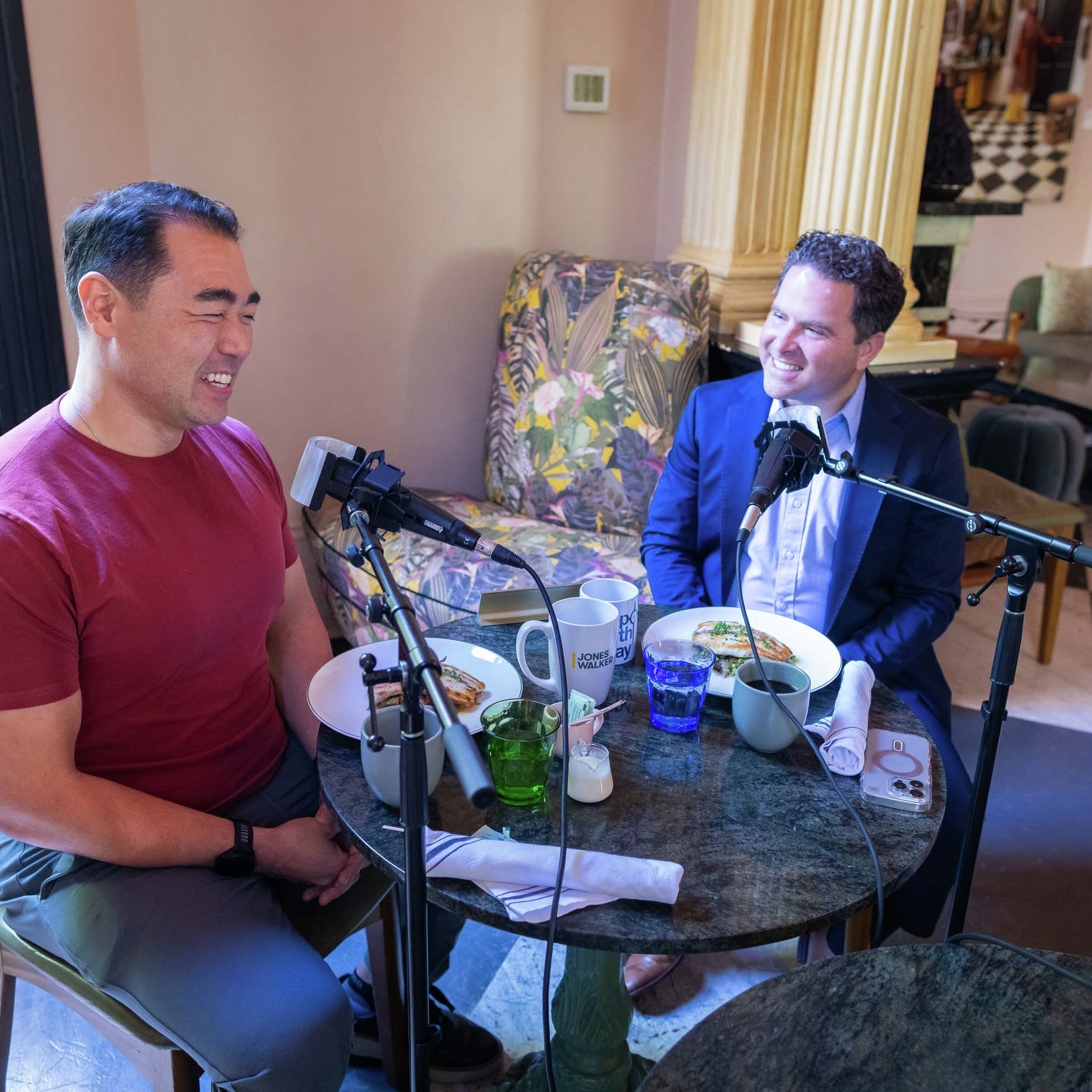 Solutions From The South | In conversations about business, you don’t hear Karl Marx quoted very often. That’s principally because of his enthusiasm for communism, which is kind of the opposite of business… But Marx was an economist back in the mid 1800’s and the reason we still know about him is because he had some insights that are still relevant. Among them is the observation that everything contains the seeds of its own destruction. A current example of this is the way the internet is changing. Every single day there are 14 Billion – with a “B” – Google searches. Most of these searches lead the searcher to a website. If you own a website and a business, and you want people to find you online, you use a science called Search Engine Optimization. Or SEO. SEO makes sure that when someone’s searching for what you’re selling, your website comes up first on a Google search. Brian Hong has spent hours, weeks, months and years building websites and manipulating SEO for clients at his New Orleans company, Infintech Designs. Then along came the seed of the internet’s destruction. AI. AI doesn’t search the web the way a human does. But every day more and more people are using AI to do web searches. So how does Brian adapt? He gets into the AI business. He creates three AI companies, BigEasyData.ai, Flowbots.ai and Thorbit.ai. In one way or another, each of these defeat the death of SEO and instead use AI to grow a business. Any kind of business. HVAC. Plumbing. A medical practice. A law firm… To demonstrate his confidence in his AI tools’ ability to grow any business, instead of taking a fee, Brian will take a small stake in each company. And, but the way, in case you’re wondering, this is not theoretical, it’s actually working. In another example of Marx’s seeds of self-destruction – one of the ironies of the of the so-called “Information age” - is the death of information itself. We started publicly sharing written information as early as 59BC. That was the first newspaper. Almost continuously throughout human history since then, and certainly since the invention of the printing press, newspapers have played all kinds of functions in our communities. From a record of small-town births, deaths and marriages, to uncovering national political scandals and covering international wars, the newspaper has been a cohesive element of almost every literate community, everywhere. The demise of newspapers has been well documented. And news of the shrinking of the news industry continues. Which is what makes an organization called Deep South Today so interesting. Deep South Today is a nonprofit network of local newsrooms that includes The Current in Lafayette, The Garrison Project, Mississippi Today, and in New Orleans, Verite News. Warwick Sabin is President and CEO of Deep South Today. Among his varied past occupations Warwick served three terms in the Arkansas House of Representatives, he was a press secretary on Capitol Hill, he has a graduate degree from Oxford University in the UK, and from 2008-13 he revived and was the publisher of the equally prestigious Oxford American magazine. You’ve probably heard the expression, “When one door closes another door opens.” If that literally happens, you’re probably in prison. But as a metaphor it applies to both Brian's and Warwick's businesses. They're both in fields where the traditional way of doing things doesn’t work anymore, and they've both created original and unique pathways out of what has looked to most people like a dead end. Frankly, most people who care about these issues in this country are not looking in a southerly direction for solutions. It’s pretty amazing what these guys have accomplished already. Watch this space! Out to Lunch was recorded live over lunch at Columns in Uptown New Orleans. You can find photos from this show by Jill Lafleur at itsneworleans.com. See omnystudio.com/listener for privacy information. | 30m 05s | ||||||
| 3/22/26 | 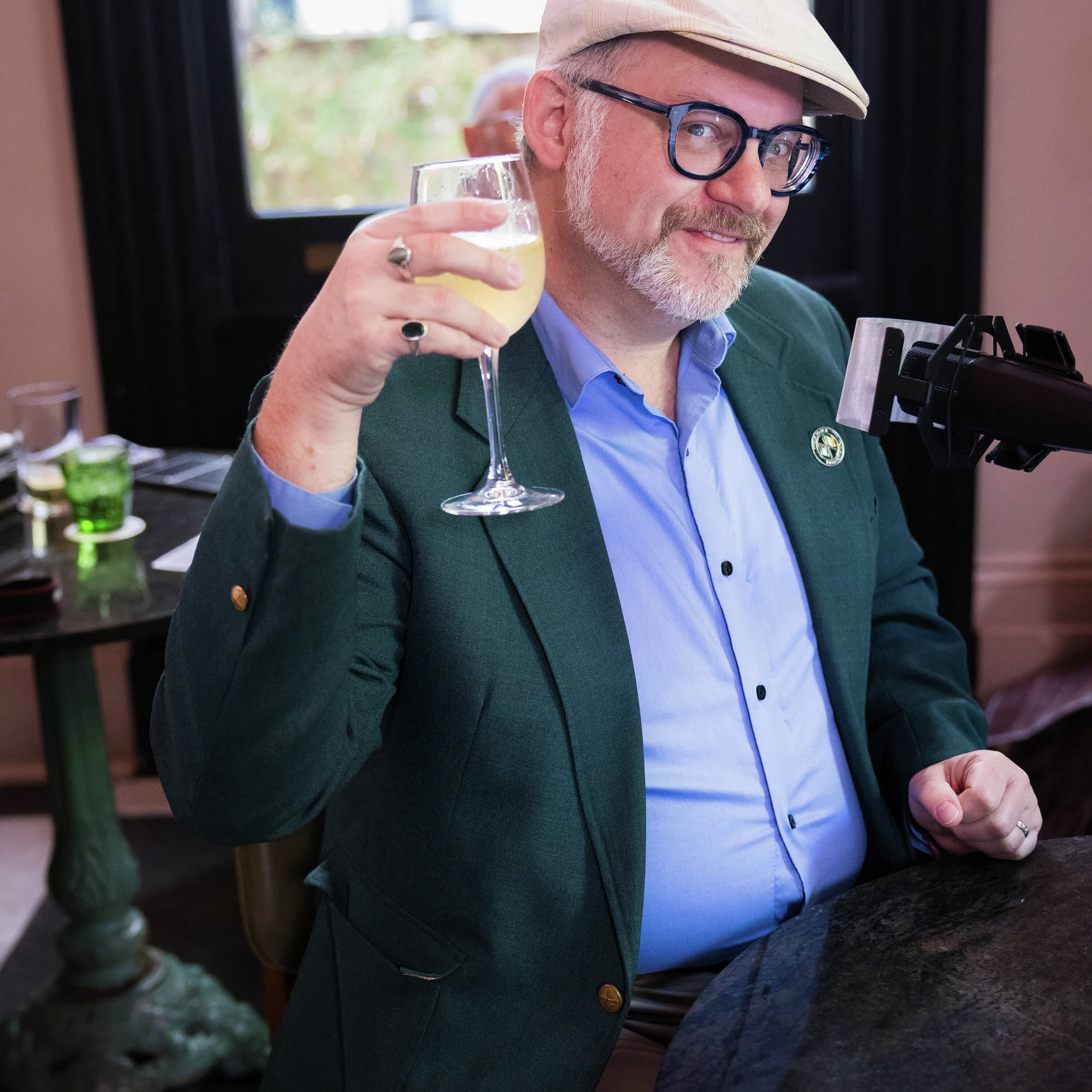 A Little Help From My Friends | Things don't always work out like you planned. You know, they just don't. Nobody gets married planning to one day get divorced. But, somehow, around 40% of people who get married for the first time find themselves at some point in that position. For people who get married a second time, 60% of those end in divorce. And if you’re brave enough to try it a third time, your chances of getting divorced go up to 70%. Add ‘em all up and that’s a lot of people. It may well include you. If not, it has almost certainly included either your parents, your kids, or somebody close to you. So, you probably know how difficult it can be to navigate this period of your life. One thing everybody in this situation has in common is, they need advice. Who do you turn to for help? You could ask a friend who’s been through it. You could Google “Divorce attorney near me.” Or, you could get yourself a Divorce Coach at a website called Divorce Plus. Divorce Plus has been around since 2023 and they cover every possible angle you could think of – as well as a few angles you may have never considered. Like, “Building Mental Strategies For a Healthier Divorce Process” and “Am I Married to a Narcissist and How To Cope.” The Co-Founder and CEO of Divorce Plus is New Orleanian, Richard Perque. Whether you’re married, single, divorced, or any variety of parent with young kids, you need help. Whether it’s every day or just occasionally, if you don’t have a built-in helper in the form of a family member, you’re going to need daycare. And if you happen to be a daycare provider, you’re going to need kid clients. For both parties, what would be the simplest possible solution to this? And I mean the absolute simplest. Could it possibly be, do you think, Daycare.com? It couldn’t be that easy, could it? Yep, it sure could. And it is. Daycare.com has over 250,000 daycare providers across the country. They’ve been dedicated to matching parents with daycare providers since 1997. The Co-Founder and President of Daycare.com is New Orleanian, Ryan North. One lesson most of us learn at some point in our life, is humility. No matter how smart, accomplished, good-looking or even rich and famous we are, we can’t do everything alone. Every single one of us needs help at one time or another. You can be the nicest, kindest, most generous, loving and caring person – or at least you can think you are – and still end up in a marriage that doesn’t work, for any number of reasons. You can be the most devoted parent, but have no alternative but to depend on daycare. Neither of these observations are all that revelatory. What is surprising, though, is that the solutions to both of these universal issues are coming out of New Orleans. Out to Lunch was recorded live over lunch at Columns in Uptown New Orleans. Andrew Ward sits in as host for Peter Ricchiuti. You can find photos from this show by Jill Lafleur at itsneworleans.com.See omnystudio.com/listener for privacy information. | 33m 00s | ||||||
| 3/15/26 | 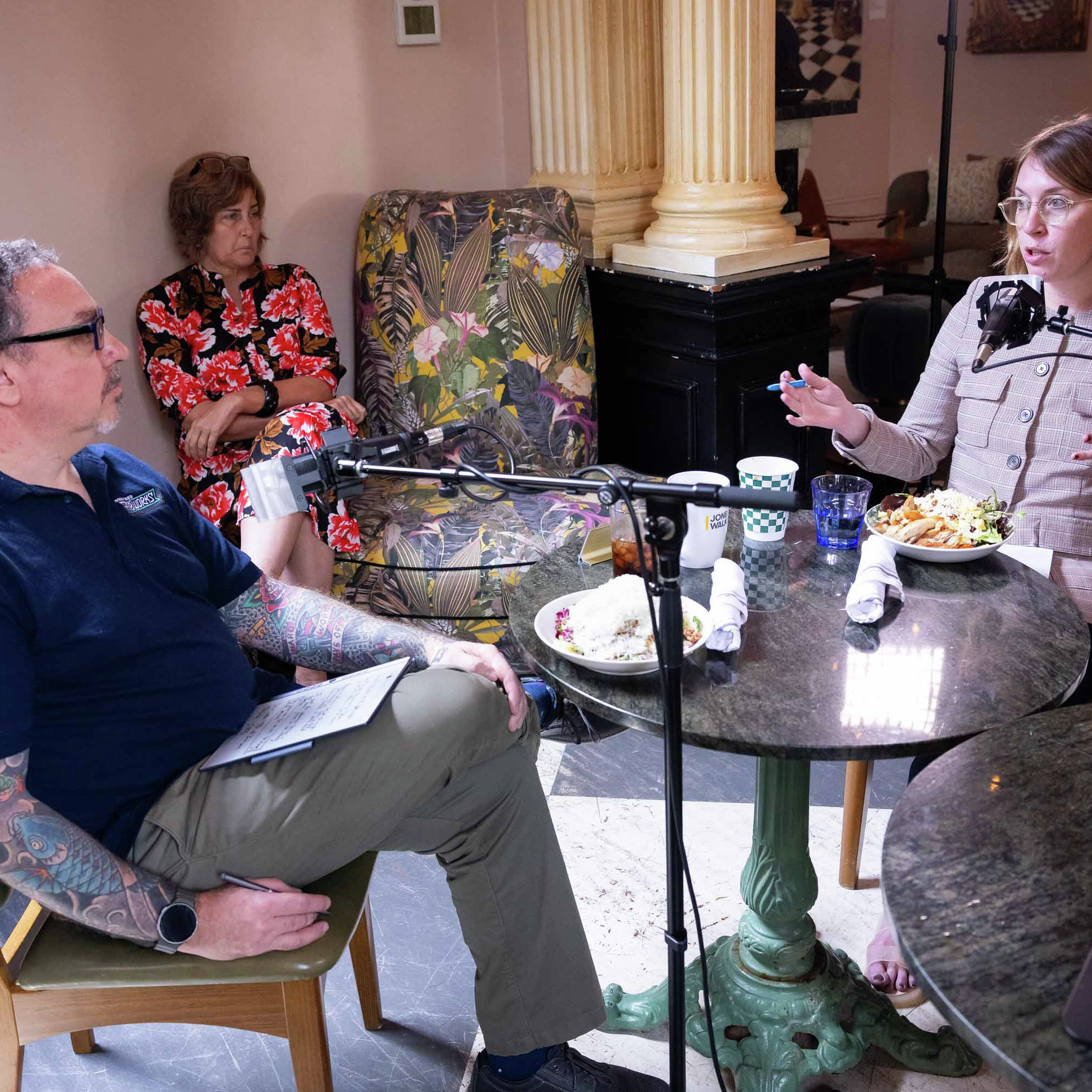 The Seen and Unseen World | People who try and explain the complexity of human existence sometimes talk about “the seen and unseen world.” The seen world is the world of everyday reality in which we live. The theory of the unseen world attempts to explain some events in the real world - like love, happiness, and talent - in terms of the intangible. These explanations might range from suggestions of the existence of a soul, to past lives and karma. There is, of course, no substantiated evidence of the existence of an unseen world. Unless you’re talking about the restaurant business. In a restaurant, a diner’s real-world experience of sitting down at a table, enjoying a drink and a professionally prepared and served meal, is undeniably affected by a complex web of unseen causes. The interpersonal relationships in the kitchen... Whether or not the staff have health insurance... And chains of events like the restaurant’s ability to secure a minimum order of fresh shrimp from a supplier at a decent price - the profitability of which depends on the number of customers who show up and order the shrimp special - which itself is dependent on server education and a successful social media marketing campaign. At a big and successful restaurant, these demanding complexities are handled by a range of personnel – typically as many as 20 people – employing a range of complex systems. Here in New Orleans, Elizabeth Tilton realized if smaller restaurants – which most restaurants in the United States are – had access to these same personnel and systems, they would greatly increase their chances of success. That’s why, in 2019, she founded her company, Oyster Sunday. Oyster Sunday provides restaurants with concept development, financial strategy, project management, branding, marketing, PR, human resources, operations, and much more. Their clients are scattered all across the United States, and even around the world. The comedian Steven Wright has a great line: “It’s a small world. But I wouldn’t want to paint it.” When you step into an actual small world - like a music festival or a convention - you’ll notice there’s typically a whole other reality. It ranges from functional construction – like stages or booths - to decorations. These elements create both the infrastructure and the vibe of events. And despite Steven Wright’s trepidation, somebody has to not just paint all of that, they also have to design and build it. Here in New Orleans, and across the country too, the fabrication of those worlds is the work of a company called Downtown FabWorks. The Founder and President of the company is Daniel Krall. if there are two things we know something about in New Orleans – better than probably anywhere in the country – it’s eating out, and getting out and having fun. So, perhaps it’s not surprising that two industry leading, innovative businesses in these fields are the creations of two New Orleanians. Out to Lunch was recorded live over lunch at Columns in Uptown New Orleans. You can find photos from this show by Jill Lafleur at itsneworleans.com. See omnystudio.com/listener for privacy information. | 32m 25s | ||||||
| 3/8/26 |  Two of Your Favorite People | When you’re the CEO or Executive Director of a company, you’re responsible for, well, everything. If the company does well, you’re a genius. If the company does poorly, you’re fired. Typically, the definition of business success is how much money a company makes. And that can be a function of market share. Both of my lunch guests today are executives of major New Orleans companies. Each of these companies has 100% market share. Yes, 100%. Meaning, everybody in New Orleans who uses the products they sell uses their products. One of the companies supplies water, and removes sewerage. It’s called The Sewerage and Water Board of New Orleans. At this point if you’re saying, “Wait up, that’s not actually a private company,” well, you’re kind of right. Kind of. What the sewerage and water board isn’t, is a simple city department, like you find in New York City, Chicago, and Houston. Neither is it a wholly private company contracted by the city, like in Los Angeles or Phoenix. Instead, it’s a hybrid. It’s largely controlled by city politicians – the Mayor automatically serves as the board president – but it operates independently. It is not meant to make a profit, but it has its own revenue separate from city departments, and contracts with for-profit companies to provide some services. In short, it’s a public utility that’s run like a political board but expected to perform like a professional infrastructure company. And sitting on top of this complicated setup is the Executive Director of the Sewerage and Water Board of New Orleans, Randy Hayman. If your house or business is hooked up to gas, sometime in 2025 you stopped paying Entergy for it and started paying a company called Delta Utilities. Nobody asked you if you wanted to switch your gas supplier from Entergy to Delta, Entergy just decided to sell off its gas division and Delta Utilities was the company that bought it. Delta Utilities is what’s called a “regulated utility.” Its operations, rates, service quality, and infrastructure investments are regulated by the State. But it’s a private company. Delta Utilities is owned by a private equity firm – Bernhard Capital Partners. It’s set up to serve customers, and to make a profit for its owners. One of the people responsible for administering this complex structure is the Chief Administrative Officer of Delta Utilities, Jeremy Turner. If you live in New Orleans, you’re 100% certain to have a relationship with the Sewerage and Water Board. Even if you have a septic tank in your back yard and you get all your water from your own well, you’re still going to be dependent on the infrastructure that keeps the city’s streets – and your house – free of flood water. And if you don’t have gas at your house, you can be pretty sure your favorite restaurant does. So, one way or another, the Sewerage and Water Board and Delta Utilities are woven into fabric of the everyday life of every person here in New Orleans. In the immortal words of Leslie Neilsen in the movie Airplane, “Good luck. We're all counting on you.” In the movie, that was a running joke, delivered even as the plane was in severe danger of crashing. In New Orleans, we often feel like we’re on the brink of disaster, but unlike Airplane, it’s not a joke. We are, in fact, all counting on Jeremy and Ryan. Out to Lunch was recorded live over lunch at Columns in Uptown New Orleans. You can find photos from this show by Jill Lafleur at itsneworleans.com.See omnystudio.com/listener for privacy information. | 32m 20s | ||||||
| 3/1/26 | 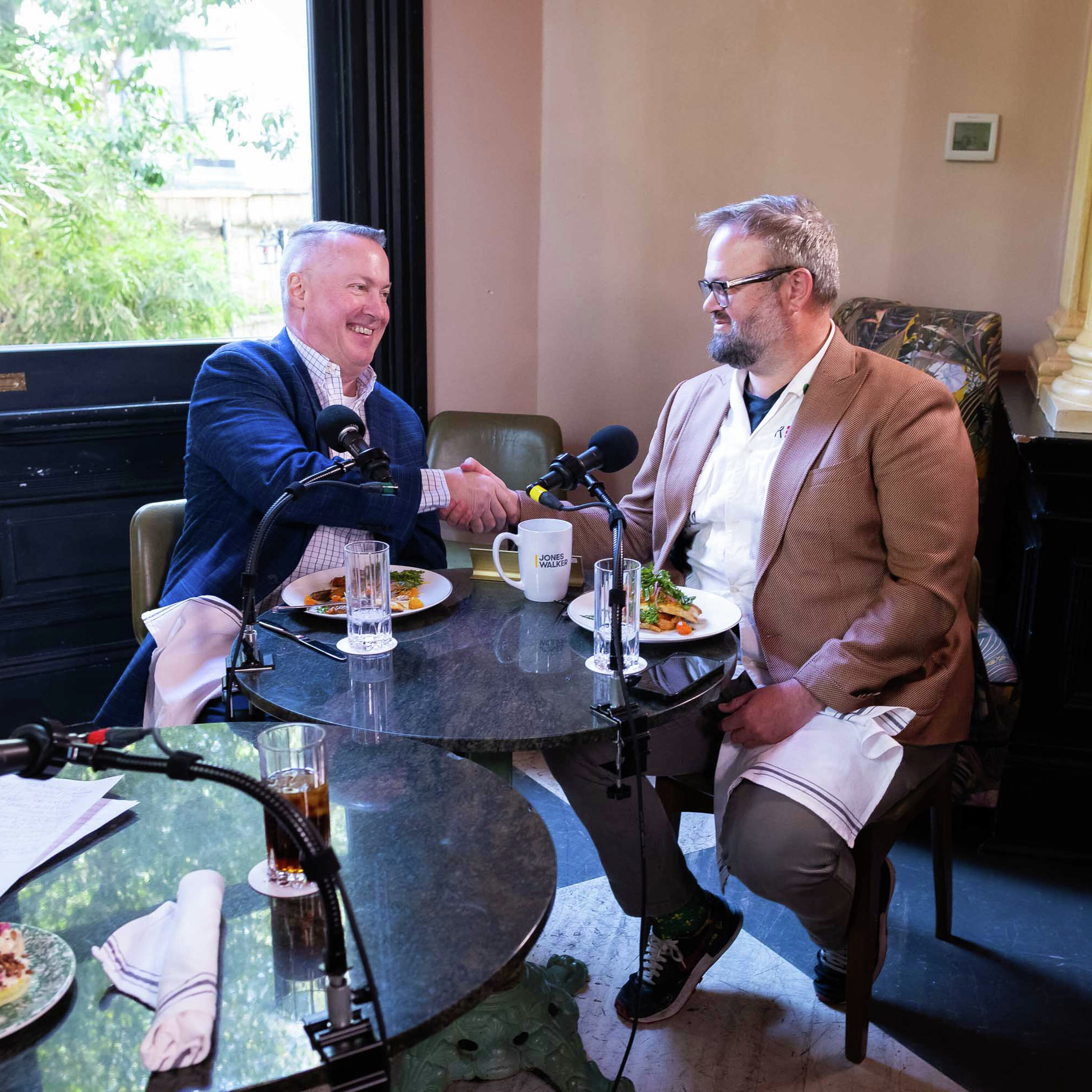 John and John | Most people start a business for the same reason: to make money. John Roberts started a business to give money away. John and his business partner, Mickal Adler, would certainly like to end up making money at some point – that is the end goal of their company, Boot 64 Ventures. It’s the word “venture” that’s the key to what’s going on here. Boot 64 is a venture capital company. The money they’re giving away as investments is partly privately raised capital, but it’s also funds that come from a federally created program called SSBCI, which stands for State Small Business Credit Initiative. We’ll get into the nuts and bolts of how this all works, but the general requirement for the fund is that businesses have to boost the state’s economy. Boot 64 Ventures is investing in diverse sectors that include AI, energy, food, tech, and healthcare. And now the story of another John who set out to make an investment. This John is John Stubbs. John started out life in Lafayette Louisiana and found himself spending 30-plus years in Washington DC, working in international trade and public health. John and his wife bought a house in New Orleans so they could spend some time here. John also made an investment in a restaurant here, called Jewel of the South. It took a long time, a lot of effort, and too much money to get the place open - which they accomplished just in time to get closed down by the Covid pandemic. When the restaurant re-opened, John decided for better or worse, with no restaurant experience, he was not going to be a passive investor, he was going to be an active owner. How did that work out? Well, if you live in New Orleans you might know it worked out pretty well. And if you live anywhere else in the US, you might know that too. In a prestigious and much-respected ranking of North America’s 50 best Bars, Jewel of the South was named Best Bar In The South for 3 straight years. In 2024, Jewel of the South won a James Beard Award for “Outstanding Bar.” If there was a simple formula for success, we’d all know it by now. The reality is, everybody’s path to success is different. There are so many bars in New Orleans, you can’t even get an accurate total number. One normally reliable source says there are 265. Another normally equally reliable source says there are 800. Whatever the actual number, if there’s one thing New Orleans didn’t need when John Stubbs opened Jewel of the South, it’s another bar. But it's not just one of the greatest bars in the city, but one of the greatest in the country. Over the next decade there are going to be a whole bunch of success stories of unique local businesses who have done something amazing, and Boot 64 Ventures might just be the reason for their very existence. Out to Lunch was recorded live over lunch at Columns in Uptown New Orleans. You can find photos from this show by Jill Lafleur at itsneworleans.com.See omnystudio.com/listener for privacy information. | 30m 50s | ||||||
| 2/15/26 | 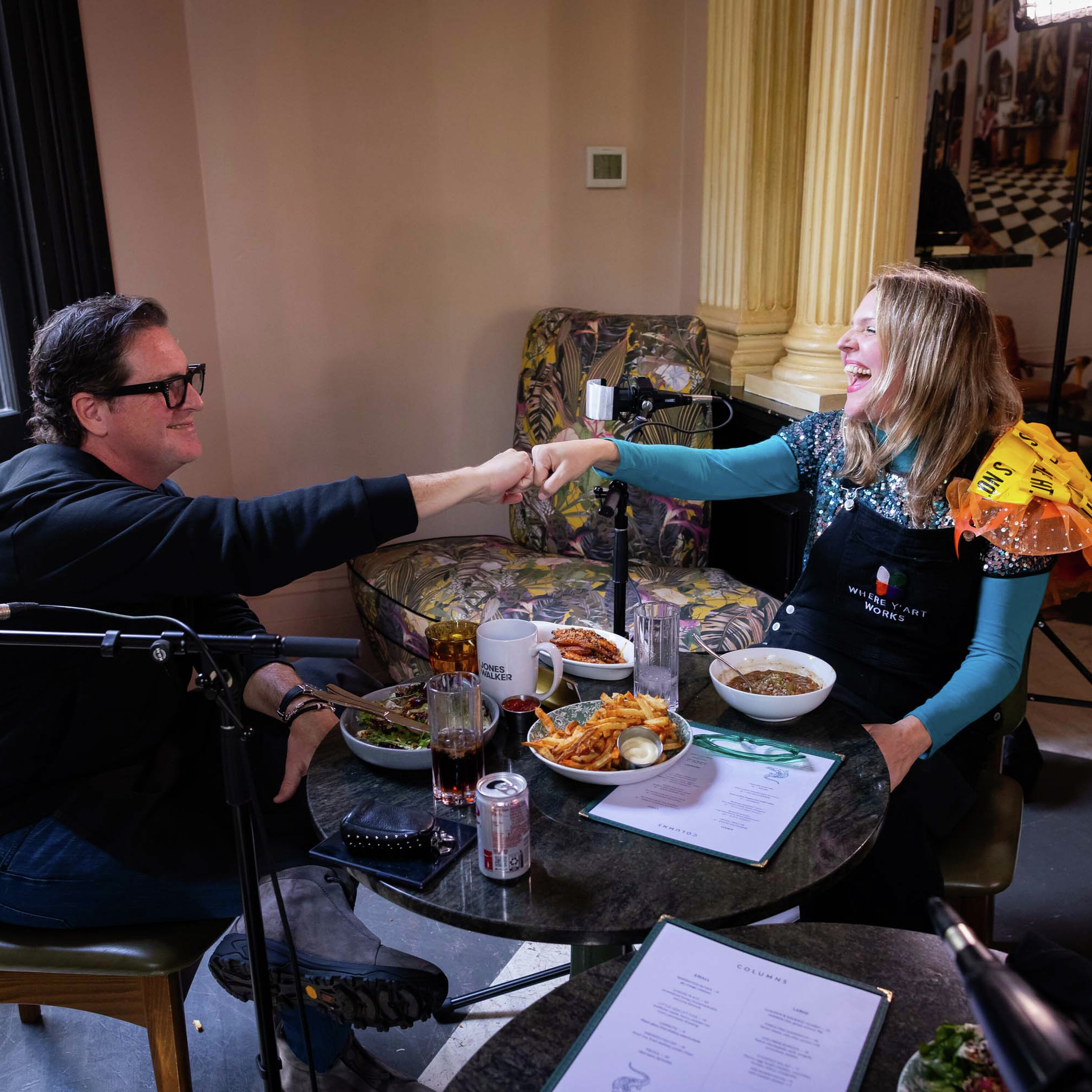 Catching Up | When we started out making a show about New Orleans business, people – even in the business community – said, “Well that’s great, but what are you going to do after 6 weeks?” That was 2011. We’ve recorded a new episode of Out to Lunch almost every week since then. And we still haven’t run out of guests. In fact, there are so many people doing interesting things in New Orleans business that we rarely have anyone on the show more than once. But, once in a while, we like to check in on some of our earliest guests and see what they’re up to. Back in 2012, in our first year on the air, we met a young man by the name of Kenneth Purcell. Kenneth had some ideas that bridged the gap between the real world – that most of us lived in in those days – and the virtual world, that was beginning to stagger to its feet. To put this in context, in 2006 Apple launched a music player called the i-pod. In 2007 they launched the iPhone. In 2010 they launched the iPad. Locally, before all that, in 1999, Kenneth launched a company called iSeatz. iSeatz wasn’t a device, it was a then-revolutionary new way of making a reservation at a restaurant: Online. I won’t go through every twist and turn in the story, but basically, Kenneth’s company, which is still called iSeatz, went on to pioneer the back-end of online travel and financial services. Among other accomplishments, iSeatz was the company that came up with the idea of using air-miles to buy things other than air tickets. Today, iSeatz creates and provides the online travel engine for companies like Amex, IHG Hotels & Resorts, and Qantas.. In 2014, at the Idea Village Entrepreneur Week, we met a young woman called Catherine Todd. Catherine and her partner had founded a business called Where Y’Art that had just won Idea Village’s entrepreneur prize for an arts-based business pitch. It was a then-innovative online art gallery: A curated marketplace where selected local artists would be introduced to people who buy art. Today, the company is called Where Y’Art Works and is focused on providing local art to organizations that want to decorate. Where Y’Art Works collaborates with interior designers, facilities teams, set designers, and industry professionals to put original art by local artists in spaces in New Orleans, Baton Rouge, North Louisiana, and the Mississippi Gulf Coast. To date they’ve completed over 325 commercial projects - including putting art on the walls in the Sheraton Hotel, Fidelity Bank, and Ochsner and LCMC facilities. In the process, they’ve paid local artists, framers and installers over $6.5m. If we had to pin an exact date on the birth of New Orleans and give it an astrological sign, the city is probably Gemini. The twins. I say that because there seem to be two co-existing versions of the city. One is the city that never changes. You can leave for years and when come back, your favorite people and your favorite dishes at your favorite restaurants are still be here. The other New Orleans is the city that is constantly changing. New brass bands, new Mardi Gras parade groups, new types of king cakes, and new businesses that are growing, or getting bought and sold. Catherine and Kenneth have a foot in both camps. Their businesses are still growing, they’re changing and adapting, but they've been at it now for long enough to become local institutions. And even though they're still both young, they’re the entrepreneurial OG generation – the inspiration for a whole new generation of entrepreneurs. Out to Lunch was recorded live over lunch at Columns in Uptown New Orleans. You can find photos from this show by Jill Lafleur at itsneworleans.com. See omnystudio.com/listener for privacy information. | 32m 10s | ||||||
| 2/8/26 | 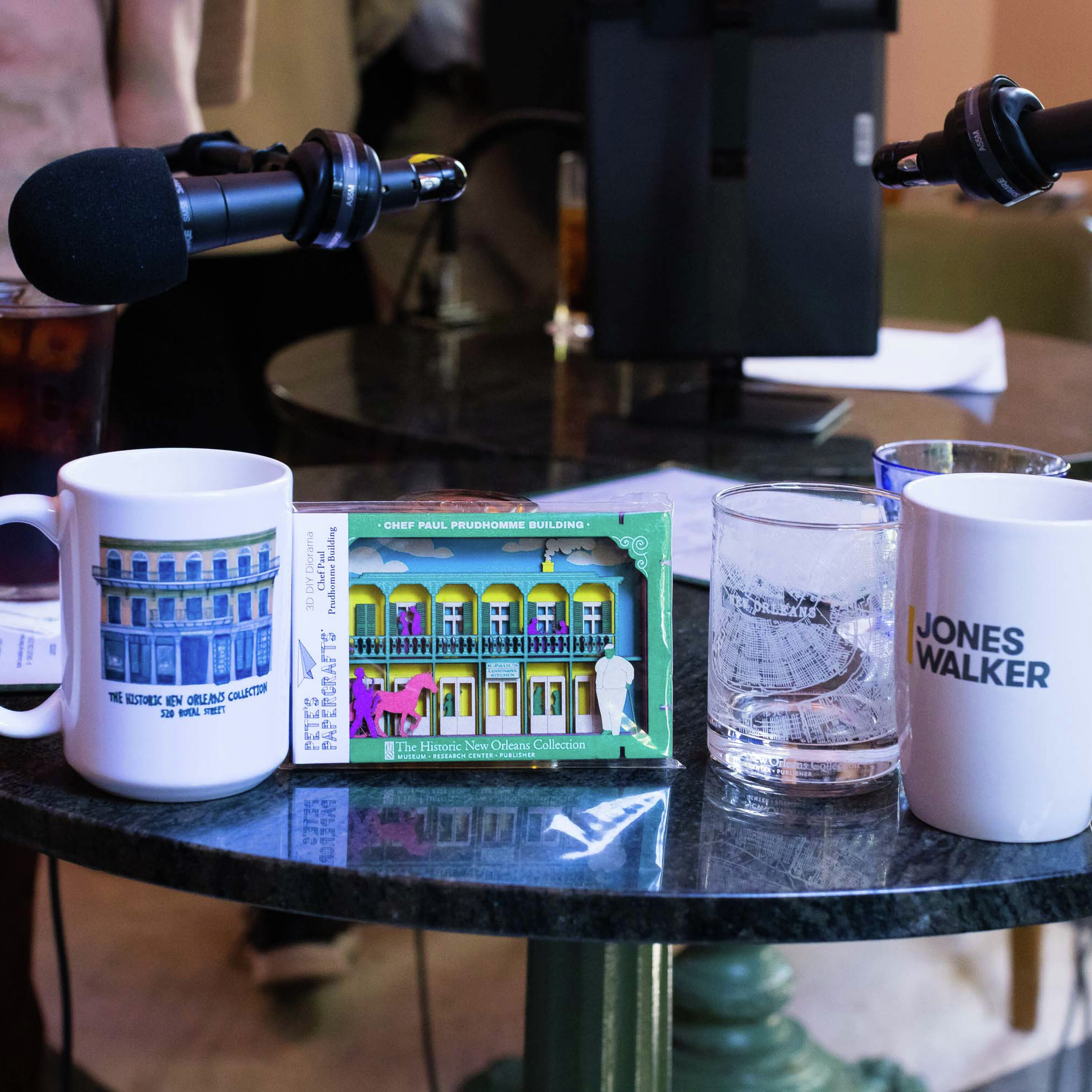 That Was Then This Is Now | I have three questions for you. One - What are your parents’ names? You can probably answer that easily. Two - What are your grandparents’ names? You can probably answer that as well. Now here's the third question. What are the names of your great grandparents? Do you know? Off the top of your head… This is not a scientific survey, but I’ve asked enough people this question to be fairly confident that most people cannot tell you the names of their great grandparents. It doesn't take very long for us to lose track of our history. And that's just in our own family. For something as complex and large as the City of New Orleans, we have a repository of our collective memory. It’s called the Historic New Orleans Collection. It opened its doors as a small museum in the French Quarter in 1970. Today, under the current leadership of President and CEO Daniel Hammer, HNOC has grown to 14 historic buildings spread over 3 blocks in the Quarter. It houses over 1 million artefacts, it publishes books, and a quarterly magazine. When you go to a transportation museum, you see cars, boats, and planes. When you go to a music museum, you see musical instruments and hear songs. When you go to a history museum, you can't actually see history. What you do see is representations of history, usually in the form of documents and photographs. History is a retrospective ordering of what were at one point live events. Museums of the future will be able to display historical events of today as they happened in real time - in the form of video. Not only do we record and post countless hours of human activity on video, we also live stream it. If you'd like to see human history being made right now, from pretty much any place in the world, you can do that, at a website or app called Who’s Live. Who’s Live is an aggregator of live streaming video from around the world and across the country, categorized into sections like News, Sports, Education, Gaming, and many more. There is literally something for everyone, 24 hours a day, on Who’s Live. And it’s the brainchild of New Orleanian, Nate Voerhoeven. When someone tells you, “That was then but this is now,” it’s generally not good. It’s typically a shorthand way of saying, “Things have changed and you need to keep up.” But, when you think about it, “Then” and “Now” is all we’ve got. As far back as The New Testament, we’re warned that we’re not promised tomorrow. So we need to make the most of the present moment. There’s probably nobody on earth who is doing more than Nate Verhoeven to channel every human current event into a single present moment. And there’s nobody in New Orleans doing more than Daniel Hammer to preserve the most significant of those events for future generations. Out to Lunch was recorded live over lunch at Columns in Uptown New Orleans. You can find photos from this show by Jill Lafleur at itsneworleans.com.See omnystudio.com/listener for privacy information. | 30m 30s | ||||||
Want analysis for the episodes below?Free for Pro Submit a request, we'll have your selected episodes analyzed within an hour. Free, at no cost to you, for Pro users. | |||||||||
| 1/24/26 |  Minority Nurse | In almost every conversation about healthcare, we hear the term, “provider.” Typically, we assume a healthcare provider is a doctor. But, if you look at insurance company definitions of health care providers, the term includes almost every branch of medical care - therapists, podiatrists, imaging centers, home-health agencies, hospice, the list goes on. Ironically, the one person not on any official list of healthcare providers is “you.” A local wellness entrepreneur is changing that. Kwame Terra is Founder and CEO of bEHR Health Systems. The company’s principal product is an app directed specifically at Black Americans. The app doesn’t replace professional healthcare providers, but it aims to put the user front and center in directing their own health outcomes. The app store summary says, “At bEHR, we aspire to create a healthcare resource free from the shackles of racism that infect our current system and seamlessly integrate health into Black culture. This isn't just a health app for tracking and enhancing well-being; it signifies the initiation of our enduring commitment to stand as Black America’s health partner for life.” With roughly 14% of Americans – 48 million people - identifying as Black, and a 2024 Pew Research finding that 51% of Black Americans say they believe the U.S. health-care system was designed to “hold Black people back a great deal or a fair amount,” there would appear to be a ready market for this product. When it comes to the traditional provision of healthcare, the consistently best-regarded group and most trusted providers of medical care, are nurses. Patients and doctors alike typically regard nurses as critical to patient safety and care. There’s also a critical shortage of nurses. According to a recent report from the Louisiana Board of Regents, the state is projected to face a shortage of roughly 6,000 registered nurses by 2030. That’s about 40% short of the workforce needed, if nothing changes. One local institution that’s working to change that outcome is The University of Holy Cross, on the Westbank. Among its other courses, UHC has a dedicated Department of Nursing. RegisteredNursing.org – a nationwide organization of registered nurses – has rated UHC as the best nursing school in Louisiana. And UHC’s nursing department is one of the principal focuses of the school’s President, Dr. Stanton McNeely. If we did a simultaneous scan of every news-talk radio station and every TV news channel right now, it’s pretty likely we’re not the only people talking about healthcare. But it’s very likely we’re the only people talking about a Catholic-college-driven solution to the nursing shortage, and an African-American-focused entrepreneurial venture aimed at sidestepping healthcare racism. Even in something as ubiquitous as the healthcare debate, New Orleans manages to be, well, New Orleans. Out to Lunch was recorded live over lunch at Columns in Uptown New Orleans. You can find photos from this show by Jill Lafleur at itsneworleans.comSee omnystudio.com/listener for privacy information. | 32m 30s | ||||||
| 1/18/26 | 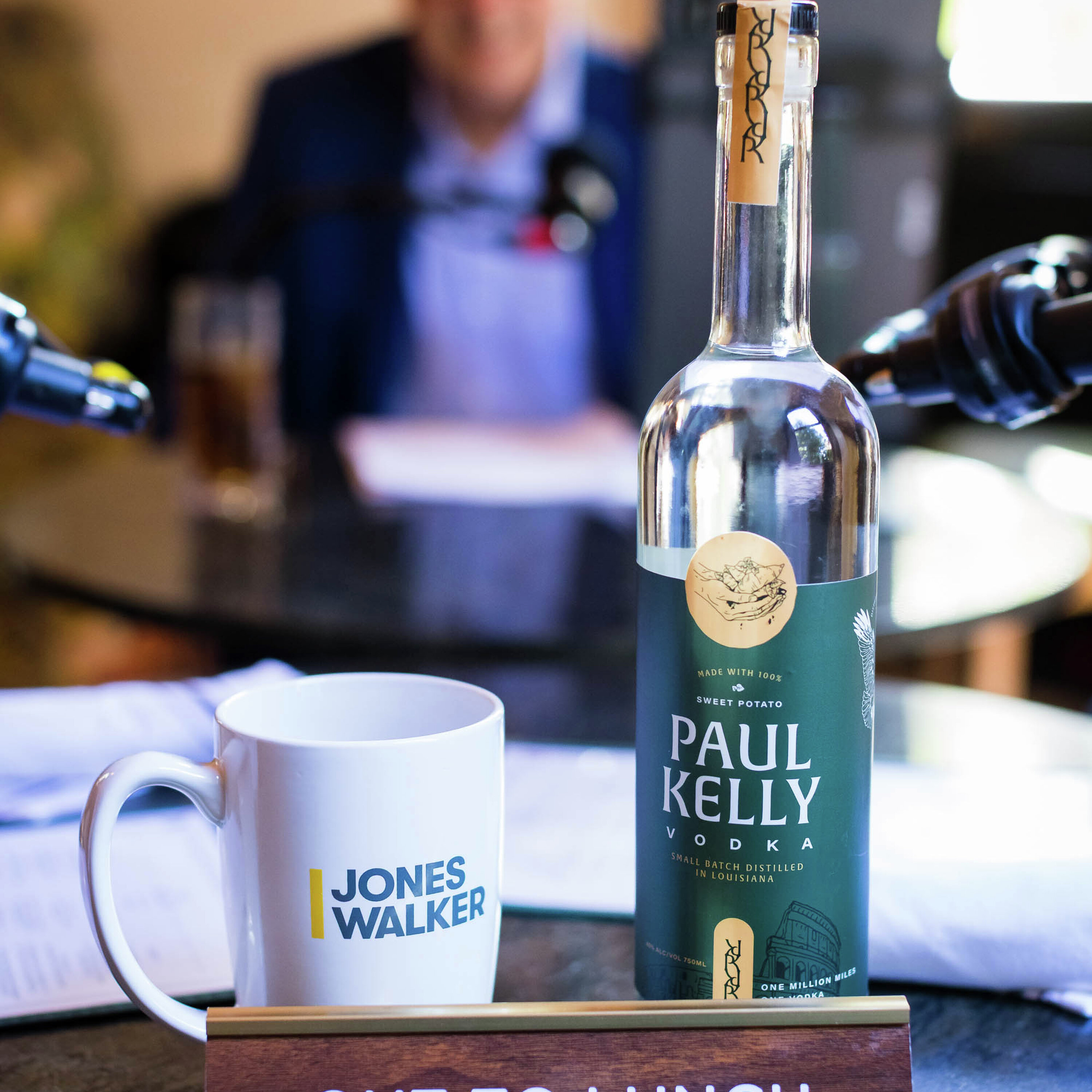 How Sweet It Is | New Orleans has been around for over 300 years. From almost the very beginning, bar rooms have been an integral part of our social life. There are French works of art depicting bar scenes as early as the mid 1800’s. Starting in the 1970’s, photographers like Mike Smith and Lee Crum started celebrating the exteriors of barrooms, along with other street scenes, finding an almost romantic beauty in depicting decadence and decay in black & white. The next iteration of uniquely New Orleans artistic reverence for our bar rooms comes from a company called We Might Be On Fire, a creation of textile manufacturer Shaun Watson. Among Shaun’s collection of rugs, knitwear and pillows with bold prints that include alligators, birds, and flowers, there’s a collection of blankets that feature the exteriors of bar rooms. These aren’t artistic impressions or airbrushed glow-ups, they’re true-to-life, blanket-sized depictions of the outsides of bars, like Snake ‘n Jakes, F&M’s, Pal’s Lounge, The Saturn Bar, Buffa’s, Big Daddy’s, and many more. Talking of barrooms, whomever keeps records of these things maintains we’re drinking less alcohol these days. Maybe they don't include New Orleans in the collection of this data: W\we’re without a doubt one of the most alcohol-centric cities in the US, if not the world. You might think that in 300 years of drinking we’ve created every variety of alcohol known to man. Well, Paul Kelly has added one more chapter to the story of local booze brands by creating vodka using Louisiana sweet potatoes and cane sugar. Paul distills his distinct sweet potato vodka at his distillery in Bogalusa. With the label Paul Kelly Vodka, it’s available at over 60 stores across the state, including Total Wine, Rouse’s, and a wide range of bars and restaurants. Every evening, as the sun goes down in New Orleans, we’re faced with a decision. Do we stay home tonight? Or do we go out? If you decide to go out, there are a lot of places you can try Paul Kelly Sweet Potato Vodka. If you stay in, you can make a Paul Kelly Sweet Potato Vodka drink at home and curl up with a good book under your We Might Be On Fire blanket that features your favorite local bar. Is that the most New Orleans sign-off sentence in the history of radio? It might be. Out to Lunch was recorded live over lunch at Columns in Uptown New Orleans. You can find photos from this show by Jill Lafleur at itsneworleans.com.See omnystudio.com/listener for privacy information. | 30m 45s | ||||||
| 1/11/26 | 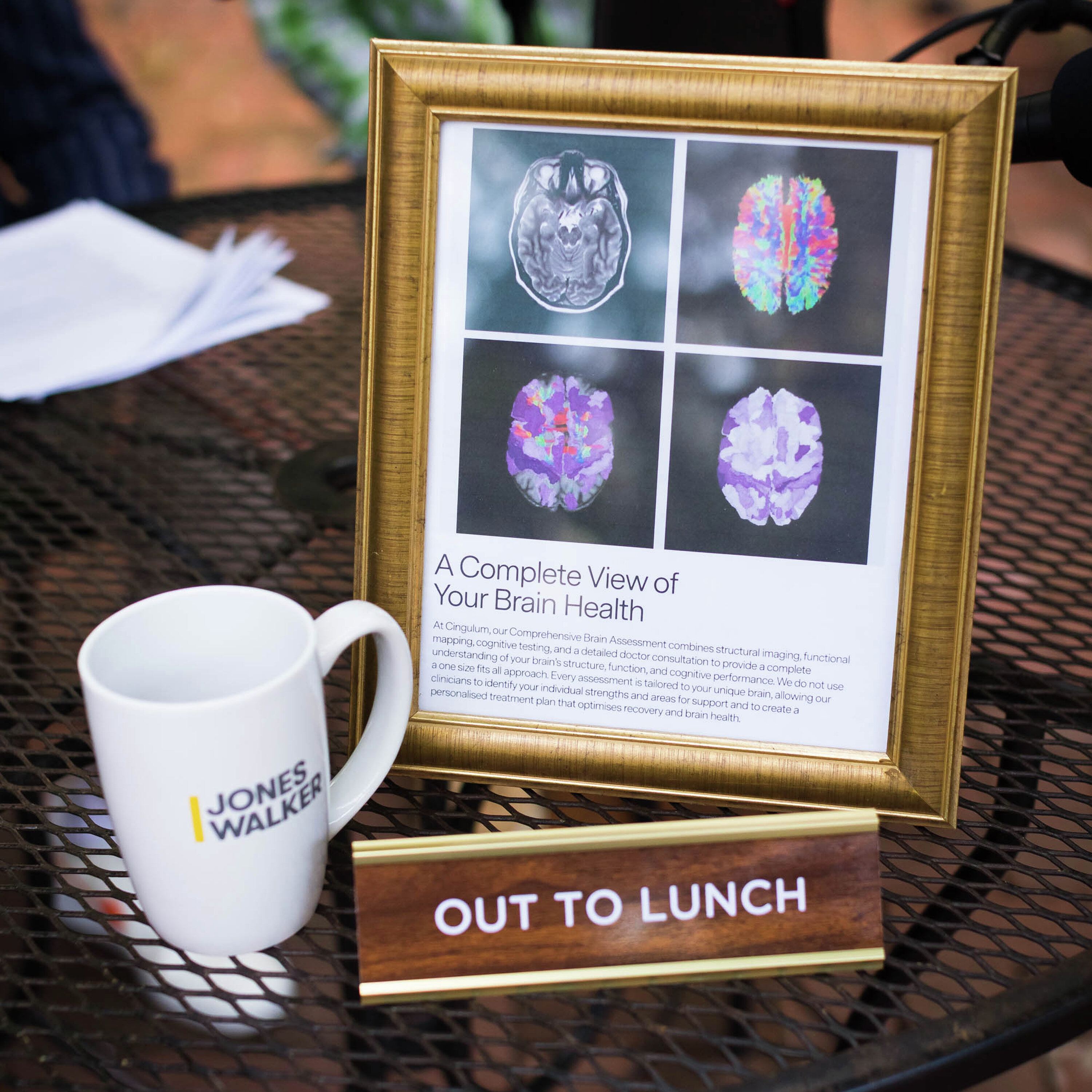 Your Brain on ACT | Do you ever use the term “brainiac” to describe someone who’s super smart? We use a term like that because we tend to assume that someone is either highly intelligent, or they’re not. In other words, you’re either lucky enough to be born with a high-functioning brain that can get you into Harvard, or not. Well, guess what? Like pretty much everything else on earth, it’s not that simple. And by “it” I mean getting into Harvard, and the human brain itself. Let’s start with the brain, then move onto Harvard. Judy Weber is a Registered Nurse at a company called Cingulum Health, in New Orleans. Cingulum Health specializes in a kind of neurotherapy called TMS – Transcranial Magnetic Stimulation. TMS has been around for some time. It’s an FDA approved therapy which consists of giving a patient non-invasive electrical stimulation to the brain, to treat what is technically called “treatment resistant depression,” or OCD, or migraines. What separates Cingulum Health from other TMS providers is the range of conditions they’re treating beyond depression, OCD and migraines, and the course of treatment they offer. Each course begins with the patient getting a Functional MRI, then having this brain scan interpreted by Cingulum’s proprietary software which then maps out an individual course of neurotherapy treatment. And the conditions they’re treating include Alzheimer's, Parkinson’s, stroke, tinnitus, and addiction. Now, as promised, we turn to Harvard. We all know that natural intelligence alone isn’t enough to get through high school and into a good college. Not only do you have to study, but the final arbiter of admission to a good college is getting a high score on the ACT. For a long time there’s been general acceptance that, like other tests, the ACT has an element of unwittingly systemic bias that makes it more difficult for certain sub-sets of students to do well. But even knowing that, it’s extraordinary to discover what Angelica Harris is up to. When Angelica first took the SAT she got a score of 16. Which is not high enough to get anywhere near an Ivy League school. She went to a test prep course, and raised her score by 2 points. Still not too good. Figuring that the problem was, she was the only Black girl in a predominantly white environment, Angelica developed her own prep system. The next time she took the test she got 32. That got Angelica into Washington University in St Louis. On graduation with a masters degree she turned her own college success into a college admission prep system for Black and Brown high school students, called Top Tutors For Us. With a business whose success can be proven by easy-to-digest numbers, Top Tutors For Us is being adopted by a growing number of school districts. Significantly, not a single school district that has adopted the system has dropped it, so business is booming. There’s two ways of looking at the path of scientific discovery. In one perspective, one small discovery leads to an incremental change, which taken together with lots of other small contributions, leads to advancement. The other perspective is, the status quo rolls on for years or decades, then someone comes along who completely changes the game and revolutionizes everything. Of course, both of those are true. Whether or not Top Tutors for Us and Angelica, and Cingulum and Judy are incremental contributors or game-changing revolutionaries, only time will tell. What we do know for now, though, is that they’re both making a significant difference to their respective fields, and to the lives of New Orleanians. Out to Lunch was recorded live over lunch at Columns in Uptown New Orleans. You can find photos from this show by Jill Lafleur at itsneworleans.comSee omnystudio.com/listener for privacy information. | 29m 15s | ||||||
| 11/30/25 | 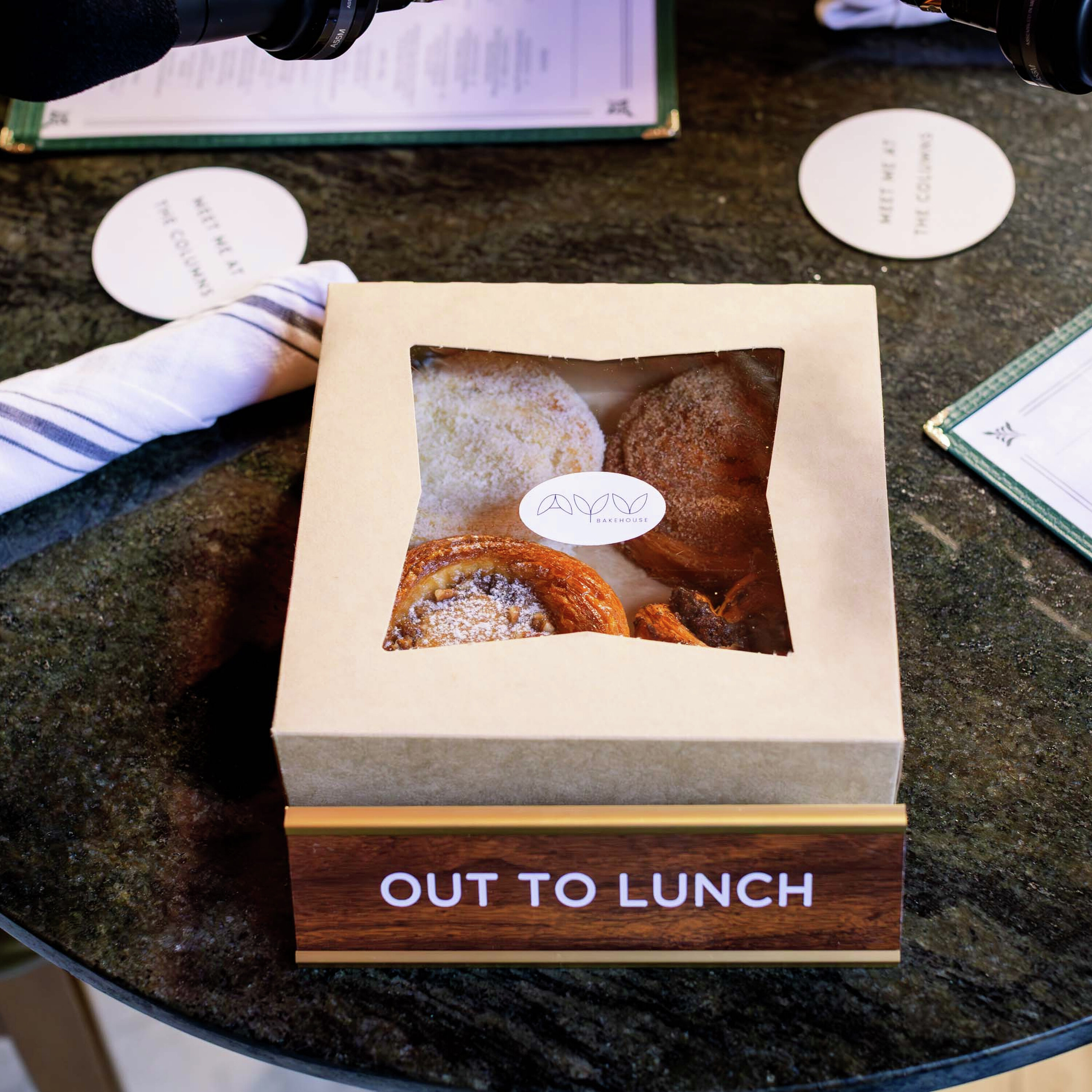 Puppies and Pastries | A lot of business success stories contain familiar scenarios. They include a previous spectacular failure; everybody telling an entrepreneur they’re crazy; and an entrepreneur explaining that what might look like an overnight success was anything but. And then there are entrepreneurs like Peter's lunch guests on this edition of Out to Lunch who both had ideas for very different businesses, went ahead and opened their doors without any drama, and were instantly successful. Troy Bergeron spent 30 years in the music transportation business, driving tour buses for rock musicians like the late Ozzy Osbourne and transporting equipment across the country. When he quit all that and came back home to New Orleans, he was wondering what he was going to do with himself when he overheard a woman complaining there was no doggie transportation option here. And that’s when Doggie Bus was born. Doggie Bus is Uber for dogs.You book your dog’s ride on the Doggie Bus app; Troy shows up in his specially converted passenger van; on the app you track where your dog is, when he gets where he’s going, and when he’s on the way home. Troy launched Doggie Bus in New Orleans in January 2024 and he’s already franchising the business to other cities. Samantha Weiss had never lived in New Orleans. In New York City she’d put her MBA and job in financial services on hold and started pursuing a career in food. Then the Covid pandemic derailed those plans. Samantha and her friend Kelly Jacques came up with an idea - open a bakery, in New Orleans. 30-seconds of online research will tell you, New Orleans already has 40 bakeries - twice as many per capita as your average city in the US. Nonetheless, Samantha and Kelly moved to New Orleans and in 2022 took over a space that used to be Santa Fe restaurant in the Marigny, and they opened Ayu Bakehouse. If you live in New Orleans, you may know the rest of the story. Ayu Bakehouse was an instant success. Since opening they’ve been featured in numerous national publications - including Vogue, The New York Post, USA Today, and Bon Appetit - which named Ayu one of the most exciting bakeries in the country - and you’ve probably either tried or heard about their King Cake which has been voted Best in New Orleans in the Times Picayune readers’ poll. You’d have to be living under a rock these days not to be impacted by a seemingly endless onslaught of stressful developments - from international conflicts to national politics to local scandals, and even the daily war between your car and potholes. But, no matter what else is going on around us, there are at least two things that are universally bright spots in all of our lives. Puppies. And pastries. Besides running successful businesses, Troy and Samantha are making the world a brighter and better place for humans, dogs, and Kevin the cat. Out to Lunch was recorded live over lunch at Columns in Uptown New Orleans. You can find photos from this show by Jill Lafleur at itsneworleans.com See omnystudio.com/listener for privacy information. | 28m 45s | ||||||
| 11/16/25 | 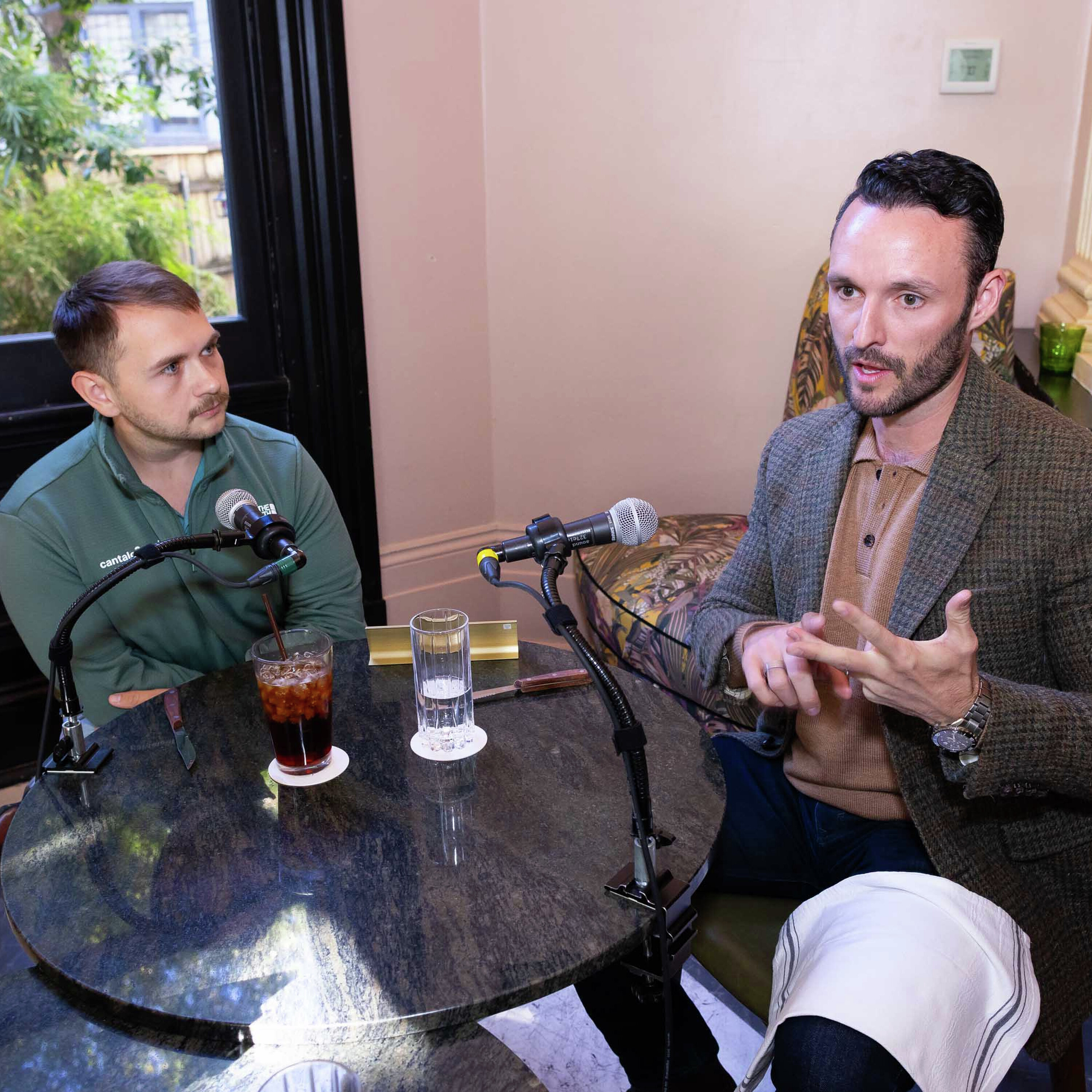 Hi How Can I help You | I was very tempted to go fishing today, and leave this show to the machines. If you have any doubt that AI could do my job and conduct a 30 minute interview with local business people, today’s show is going to remove that doubt. In fact, it won’t take the whole show, you’ll probably be convinced in 5 minutes. Step one: meet Rich Simmerman. We first met Rich a few years ago when he launched a breakfast cereal company. Then, in 2024, Rich started up another company. This one is called Cantaloupe. It’s the same name as the fruit, but this company’s product is people. Specifically, people in the hospitality and construction industries. Cantaloupe is an AI tool for interviewing people looking for a job in a bar, a restaurant, or on a construction site. Cantaloupe’s proprietary interviewer - an AI bot called Clio - interviews prospective applicants then analyzes their responses according to the parameters an employer lays out, and decides whether the applicant would be a good fit. Cantaloupe’s research says it’s more accurate than a human reading a resume and reduces turnover caused by early quitting by 40%. Cantaloupe’s technology has won awards and Clio is working for all kinds of companies, including multi-location restaurant groups. I recently had a doctor’s appointment, and for the first time in memory, my doctor paid 100% attention to me. While I was talking, he wasn’t typing anything into my records, like he usually does. When I mentioned it, he said he was part of an evaluation group who were trying out an AI-based system that would record our conversation and write it up for him as consultation notes. The pressure is on healthcare systems to incorporate AI into its daily functions, to provide better patient care, and do a wide range of back-end tasks, from accounting to reading X-Rays. The problem is, if you manage a big hospital, or a small medical clinic, whatever skills have gotten you to your current position, they probably do not include a sophisticated knowledge of AI. So, who do you call about that? The answer is a company called Benzait. They’re dedicated to implementing AI into medical practices, hospitals, and other parts of the healthcare industry. Benzait’s Founder and CEO is New Orleanian Ralph Whalen. If you went to sleep in 2020 and woke up today and needed a job on a building site and a doctor appointment - to discuss your sleep disorder - you’d barely believe the changes that have taken place in the last few years. Your job interview is with a non-human. And the notes from your doctor appointment, along with recommendations for further consultations and a detailed treatment plan, are all available through your patient portal online before you even get home. Ralph Whalen and Rich Simmerman are ushering us into a whole new world. Out to Lunch was recorded live over lunch at Columns in Uptown New Orleans. You can find photos from this show by Jill Lafleur at itsneworleans.comSee omnystudio.com/listener for privacy information. | 30m 55s | ||||||
| 11/9/25 | 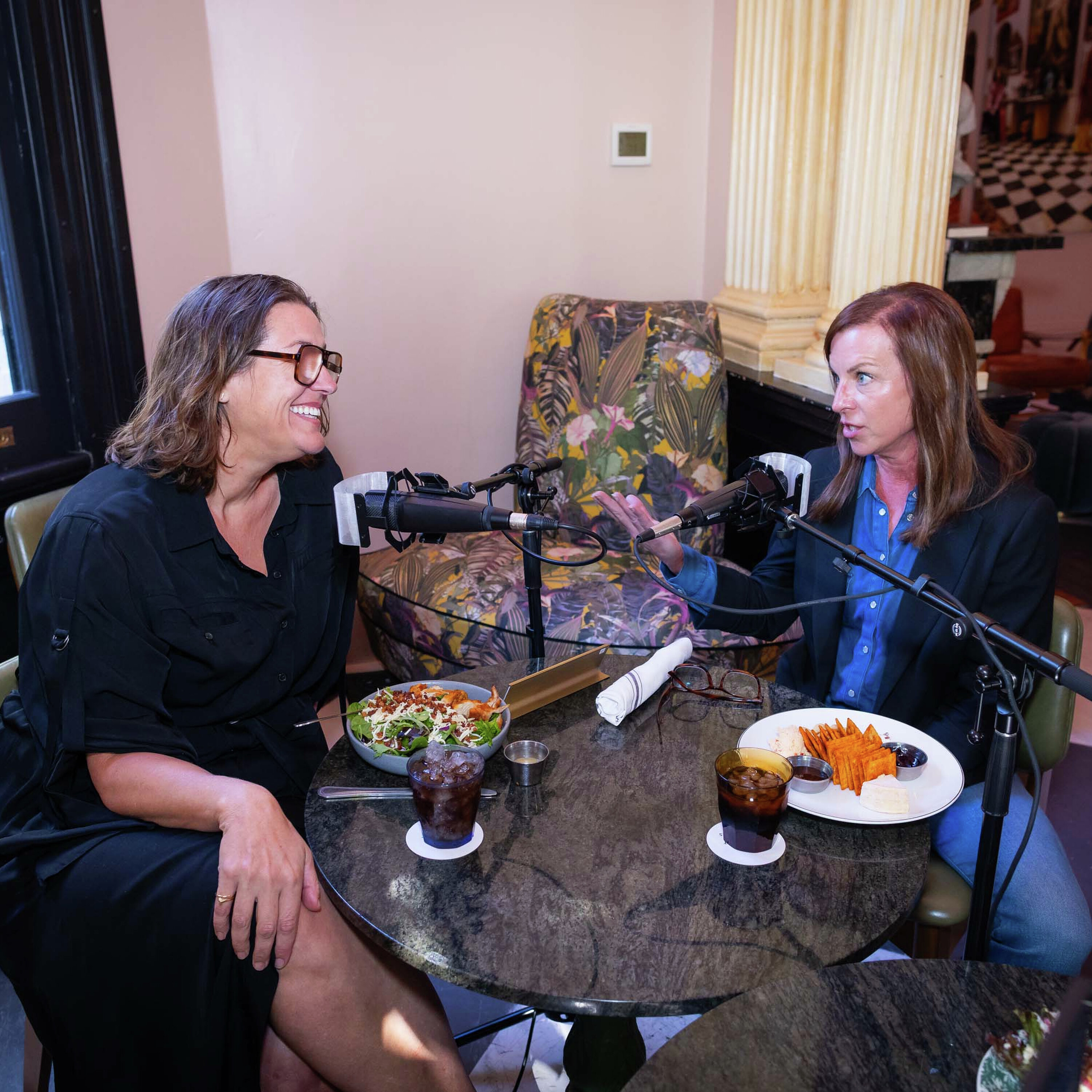 Words and Pictures | If you’ve ever worked in corporate America, you may have had this experience: you’re having a perfectly normal day when you get an email from HR with the subject line, “Team Building.” Now, you might be the most fabulous team player in the company, but do you really want to spend a weekend doing a ropes course with your colleagues? No. You don’t. But wait up. Read the email. This team building exercise is a whole other thing. It’s a workshop led by life coach Jaclyn McCabe and you get to choose whether you go to the workshop called “Dream It. Create It,” “Tame Your Inner Critic” or others that are a long way away from a ropes course. Jaclyn’s workshops are based in creativity and self-expression, and they’re not just about making your work-life better, they’re about making your whole life better. The nexus between business and creativity is also the wheelhouse of Kerrie Ann Nauseda. Kerrie Ann is Founder and CEO and Chief Editorial Officer at a company with the enigmatic name, Good Coterie. Good Coterie isn’t a publisher. And Kerrie Ann isn’t an author. She’s kind of a life coach for authors. Good Coterie works with publishers of books about business – mostly Forbes publishing – to shepherd an author and a book through the many stages of its creation, from an idea on a napkin to a book on a shelf. There are any number of encouraging words written and spoken about success being a team sport. “There’s no “i” in team.” “A rising tide lifts all boats.” And many more. And most successful people are quick to acknowledge the role of others who have helped them along the way. Having said that, achieving success in business takes, struggle, hard work, perseverance and determination. And when it all comes together and pays off – they’re typically the successful people we get to meet on shows like this. It's less often that we get to meet the people who these folks mention, the team members who helped make success happen for them. People like Jaclyn and Kerrie Ann.Out to Lunch was recorded live over lunch at Columns in Uptown New Orleans. You can find photos from this show by Jill Lafleur at itsneworleans.com See omnystudio.com/listener for privacy information. | 31m 40s | ||||||
| 10/25/25 | 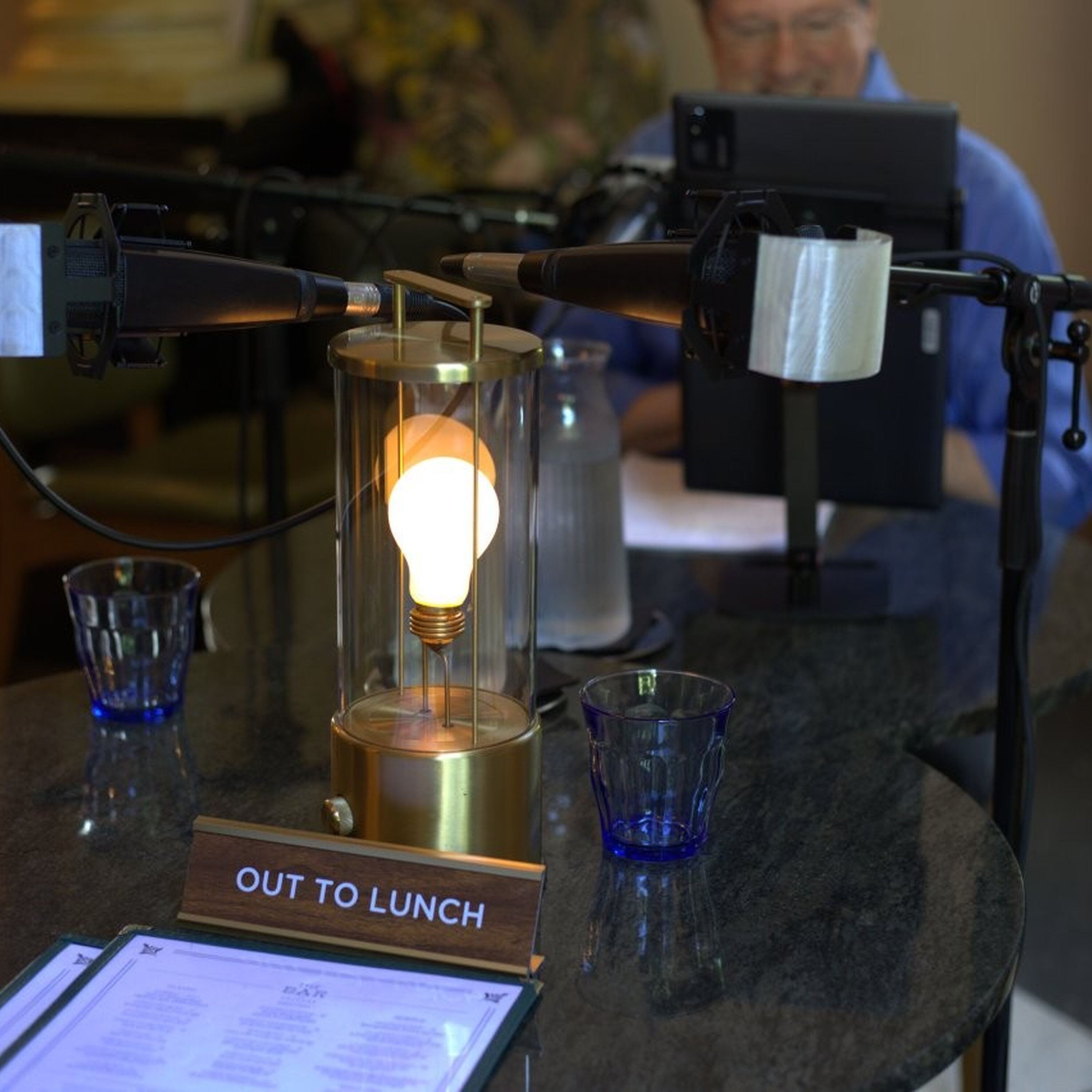 NOLA HALO | There’s a term in psychology that also applies to marketing. It’s called “The Halo Effect.” It refers to how we can make sometimes incorrect assumptions based on a collection of pieces of information. For a business case study let’s take a look at a lighting company that was founded in the UK in 2015, called Tala. Tala designs and sells lighting fixtures that are elegant, environmentally friendly, focused on sustainability - they’re able to be repaired, and if they have to be discarded they’re recyclable – and they’ve been featured in Architectural Digest. The company has an international reach, is widely admired, and is financially successful. The Halo Effect would have us believe their lighting fixtures must be exclusive and expensive, and the company must have its eye firmly on profit. Well, the truth is somewhat different. Tala is what’s called a B-Corp – it’s a registration given to companies that focus on using business as a force for good, striving for inclusive, equitable, and sustainable economic practices. And Tala’s lighting fixtures are inexpensive – you can find them online at Wayfair. And, to complete the expect-the-unexpected list of circumstances at Tala, the Chairman of the Board of this innovative and progressive company is New Orleanian, Anthony Robins. We can make incorrect Halo Effect type generalizations about other businesses too. For example, when we hear “Wedding Reception Venue” we typically picture a high-school-gym kind of vibe, with a stage for a band or DJ. When we hear “Hotel,” we expect it to be something between a Holiday Inn and the Ritz Carlton – the only difference being the amenities and the cost. A local company called Workshop WDXL (pronounced in speech, "W.D 40") is challenging all of these assumptions. The W.D. part of the name is the initials of the team’s principals, Jessica Walker and David Demsey, and XL is forty is in Roman numerals. Some of the Halo-Effect-busting, non-traditional, New Orleans businesses Workshop WD 40 have created are, the wedding venue, Felicity Church, and the hotels and villas, The Syd and The Mitzie. All of these projects have won prestigious architecture and design awards. When we talk about the environmental impact of human activities, we’re generally talking about burning fossil fuel, the use of plastics, pollution from factories and farms, and even the use of AC systems and aerosols. The one thing that does not seem to show up on these lists is lighting. And yet, every single home on Earth that has electricity has multiple light fixtures and lightbulbs. And we know that inefficient bulbs burn more fossil fuels, light pollution reshapes ecosystems, and discarded light fixtures add to the world’s growing mountain of e-waste. One of the core values of Tala is to address these issues - and to package the solutions as elegant, attractive, and affordable light fixtures. Most architects dream about designing cool, quirky, inventive buildings. Most commercial property developers are focused on budgets – bringing projects in on time and as cheaply as possible. Most real estate developers are looking for bells and whistles that will pitch a property as high up the price range as a market will bear. These three goals are often at odds with each other but Workshop WDXL, is juggling all 3 of these balls. Out to Lunch was recorded live over lunch at Columns in Uptown New Orleans. You can find photos from this show by Blake Langlinais at itsneworleans.com.See omnystudio.com/listener for privacy information. | 28m 40s | ||||||
| 10/19/25 | 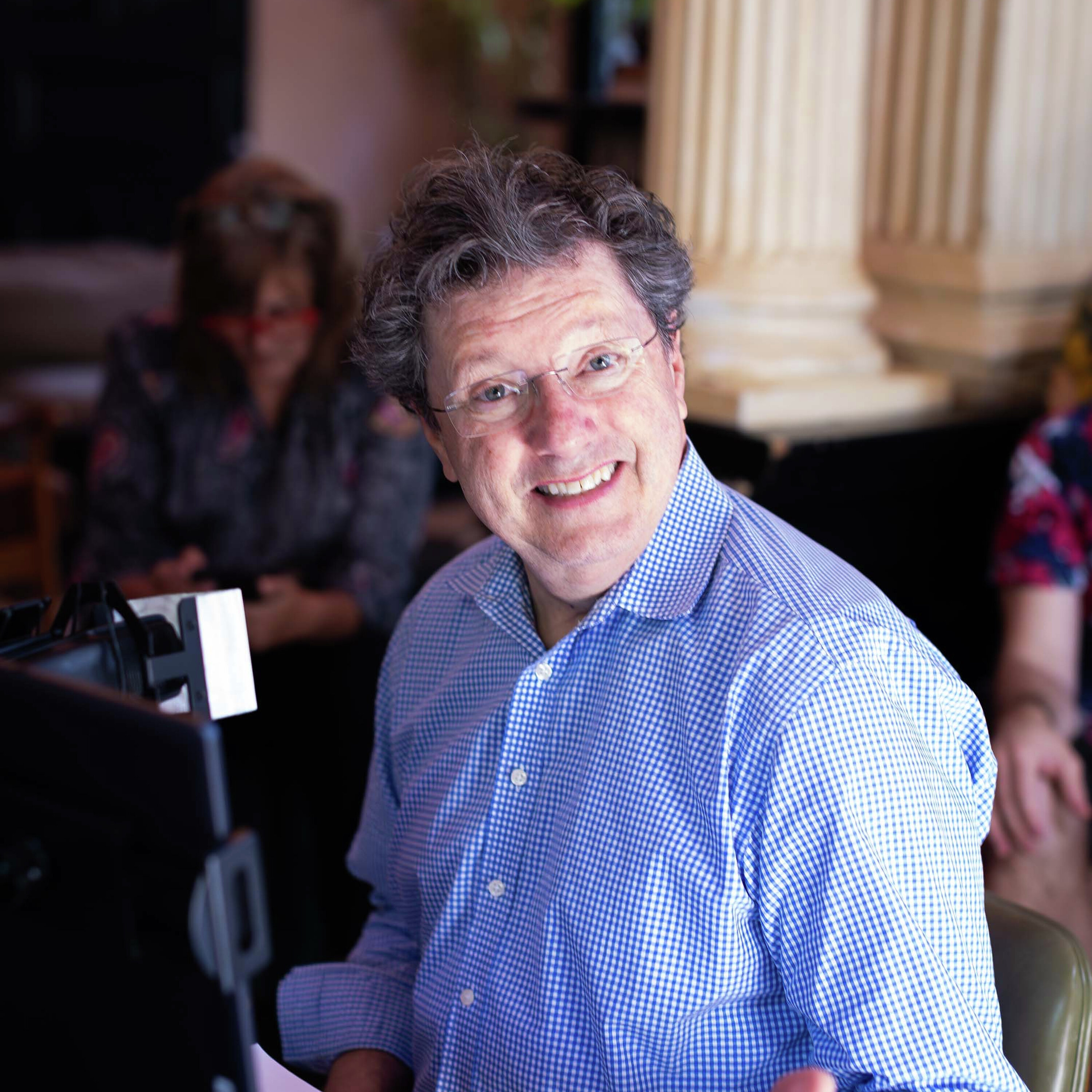 The Upside of AI | When people talk about the place of AI in the workforce, it’s mostly doom and gloom about how AI is going to take your job. I’ve even sounded the alarm myself about podcasts entirely produced and hosted without the contribution of a single human being. My lunch guests today are coming at AI from a whole different angle. As he sits here eating lunch, Daniel Crowley’s AI employee, Chuck, is hard at work, manning Daniel’s business, Hello Gravel. Hello Gravel isn’t a dating app. It’s a gravel delivery business. You know, gravel. Little rocks. Actually, there are all types of gravel. And before you order a truckload, you’re going to need to know exactly what you want. Chuck can help you with that. Chuck – who, just to be clear, is not a human being - can also tell you how much gravel you need and answer any and all questions you might have about gravel. He’ll also take your payment and schedule your delivery. AI Chuck is closing gravel sales every day. Last month he brought in $150,000. Dave Maher is part owner and Chief Digital Officer at a marketing company called Zehnder that’s headquartered here in New Orleans and has offices in Baton Rouge, Nashville, and Rosemary Beach, Florida. Two things about that sentence: One, Dave is part owner of Zehnder along with his 64 colleagues. Zehnder is what’s called an ESOP - a business classification that stands for Employee Stock Ownership Plan, in which all of the employees own the company. And, two, having an office in Rosemary Beach Florida is a little unusual. So here’s the skinny on that: Rosemary Beach is primarily fueled by tourism, and it’s not the kind of place you go for a budget vacation. So, you’ve got a bunch of people with a significant amount of spending power, and there’s only so many hours a day they can spend on the beach. The rest of their vacation they’re looking for something to do that suits their personal interest. They might want to discover a good bookstore, a great yoga class, tennis lessons, or other activities they would enjoy doing on vacation, if they knew where to find them. That’s where Dave’s AI creation, Ask Seemore, comes in. Rosemary Beach is in Walton County, Florida, and Seemore the turtle is the logo of Walton County Tourism. Dave Maher’s AI version of Seemore is on your phone. He’s on vacation with you. He knows where you are, what you like, what you probably want to do next, and where to do it. Ask Seemore is like going on vacation with a local who totally gets you. Out to Lunch was recorded live over lunch at Columns in Uptown New Orleans. You can find photos from this show by Jill Lafleur at itsneworleans.com.See omnystudio.com/listener for privacy information. | 28m 30s | ||||||
| 10/12/25 | 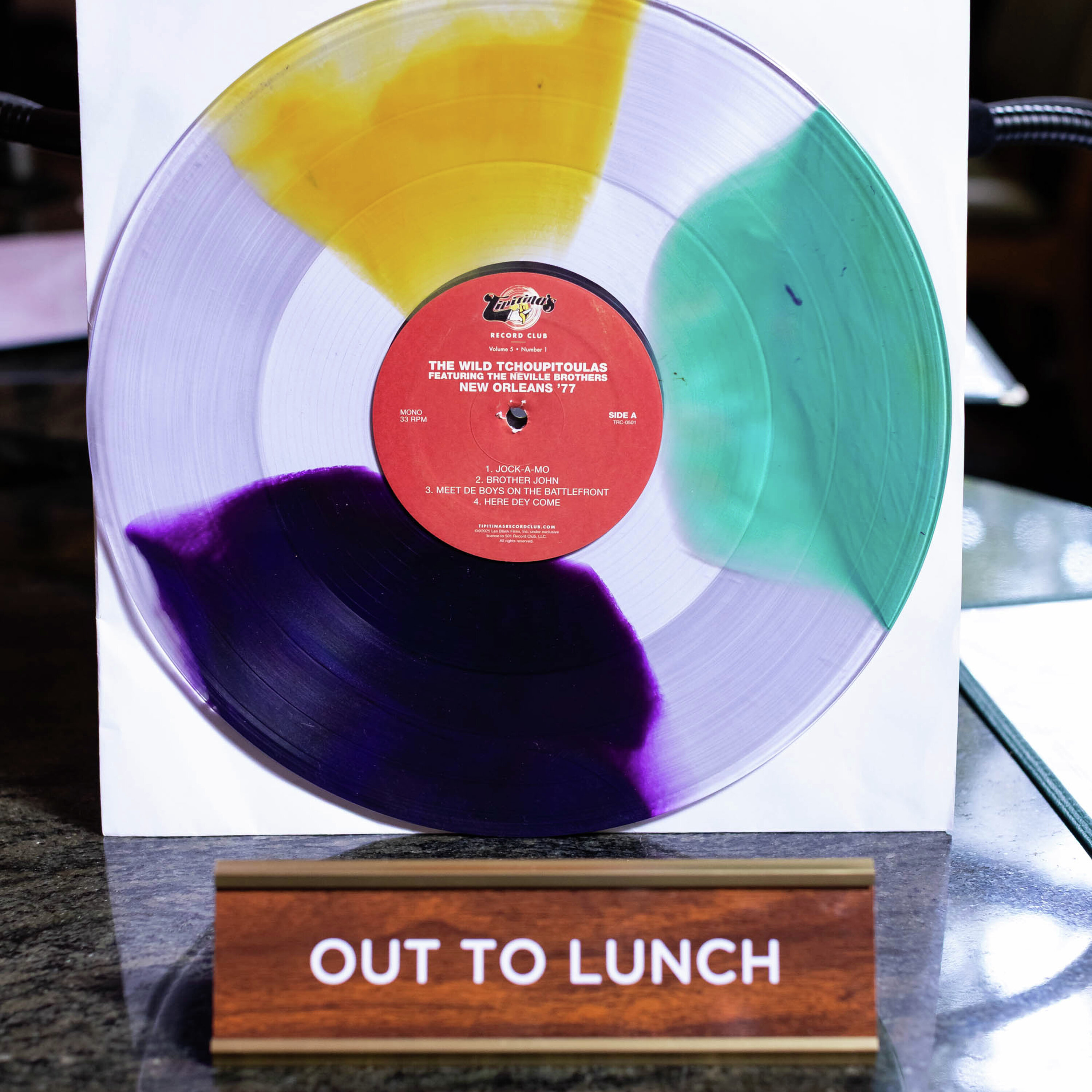 More Food 'n Music | Lists used to be the stuff of clickbait. Now even venerable outlets like the New York Times regularly publish lists. Including the Times’ list of the 25 best restaurants in New Orleans. Those of us who live here know there are so many good restaurants and so much good music in New Orleans, we could make every episode of Out to Lunch about food and music and never exhaust the list of great places to eat, and great music to listen to. We’re not going to do that. But to make some sort of headway we’ve come up with an efficient idea: talk to someone who owns seven restaurants, and to someone who makes ALL of New Orleans music. You might be saying, “Wait up. How does one person make ALL of New Orleans music?” Scott Borne does, simply by owning New Orleans Record Press. It’s the city’s first and only independently owned and operated vinyl record manufacturing plant. And these days almost everybody puts out an O.G. vinyl record when they’re releasing new music. Rami Bader, along with his brother, owns seven New Orleans restaurants. They’re grouped under the banner of the Oceana Grill Group, and they include The Oceana Grill, Bobby Hebert’s Cajun Canon, Olde NOLA Cookery and Mambo’s Restaurant and Rooftop Bar. One thing Scott and Rami have in common – besides both being involved in fundamental planks of the New Orleans economy – is, the market for both of their products is, literally, insatiable. No matter how much we enjoy a meal today, you can guarantee we’re going to be hungry again tomorrow. And no matter how much we enjoy listening to a record, you can guarantee we’re going to want to listen to another one. Even with all the changes and challenges in music and hospitality, the rewards of their hard work are shared by all of us who take away the memory of a great meal, or a record that lives forever. Out to Lunch was recorded live over lunch at Columns in Uptown New Orleans. You can find photos from this show by Jill Lafleur at itsneworleans.com.See omnystudio.com/listener for privacy information. | 29m 40s | ||||||
| 9/20/25 | 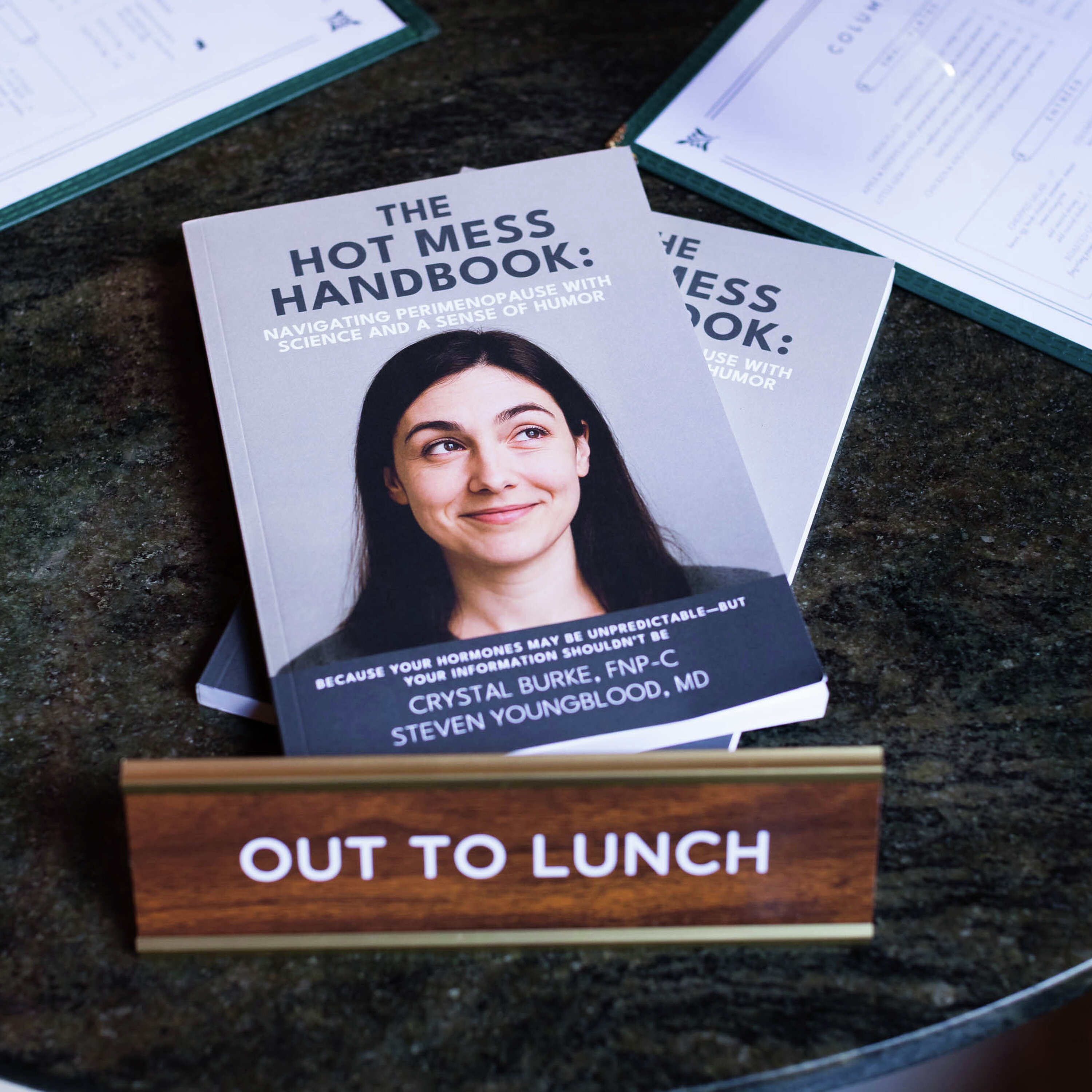 The Pursuit | Theoretically, we understand the difference between success and happiness. But there’s a big gap between theory and reality. What bridges that gap is often, courage. Suppose you worked hard, have a great job in a competitive field, are well paid and highly regarded, but you’re not really happy… Would you have the courage to walk away from your success and take a chance doing something that might bring you very little, except, possibly, happiness? That was the question Skye Jackson answered with, “Yes.” Skye was an entertainment lawyer in Hollywood. She had a great job at The Walt Disney Company. Until 2024. That’s when Skye traded her well-paid job dealing in the precise meaning of words in legal contracts, for a low-to-no pay job dealing in the ambiguous meaning of words, as a poet. Today, Skye is a published and well-recognized poet, a professor of creative writing, literature and poetry at Xavier University, and Chairwoman of the New Orleans Poetry Festival Board. When it came time for Crystal Burke to make a change, she wanted something different not just for herself, but for every other woman in the country. As a registered nurse practitioner for over 15 years, mostly in the fields of oncology and palliative care, Crystal knows a lot about the functioning of the human body. But when she started experiencing symptoms of perimenopause in her 30’s, she was blindsided. Finding that her symptoms were influencing almost every aspect of her life, and simultaneously discovering that doctors, even OB-GYN’s, didn’t seem to know how to treat her, or other women in her position, Crystal decided to do something to change that. In 2024, Crystal and her medical doctor husband, Steven Youngblood, founded The Menopause Clinic. It’s a tele-health-based clinic where any woman with an internet connection can consult with medical providers who specialize in recognizing and treating perimenopause – which is a phase of pre-menopause - and menopause. You’ve no doubt noticed there are a lot of memes out there encouraging women to empower themselves. “You Go Girl.” “You Do You.” “Live Your Best Life.” And plenty more. One of the reasons these women-centric slogans exist at all is, in many walks of life, things are still predominantly male dominated. There are women though – Skye and Crystal are two of them – who are – for want of a better expression – taking the bull by the horns. Crystal's The Menopause Clinic is a revolutionary idea for women’s healthcare that seems way overdue. And Skye has a voice that resonates with a lot of people, especially young Black women - Skye's poetry seems to give them both her perspective and a vocabulary to reflect on themselves. Out to Lunch was recorded live over lunch at Columns in Uptown New Orleans. You can find photos from this show by Jill Lafleur at itsneworleans.com.See omnystudio.com/listener for privacy information. | 29m 40s | ||||||
| 9/14/25 | 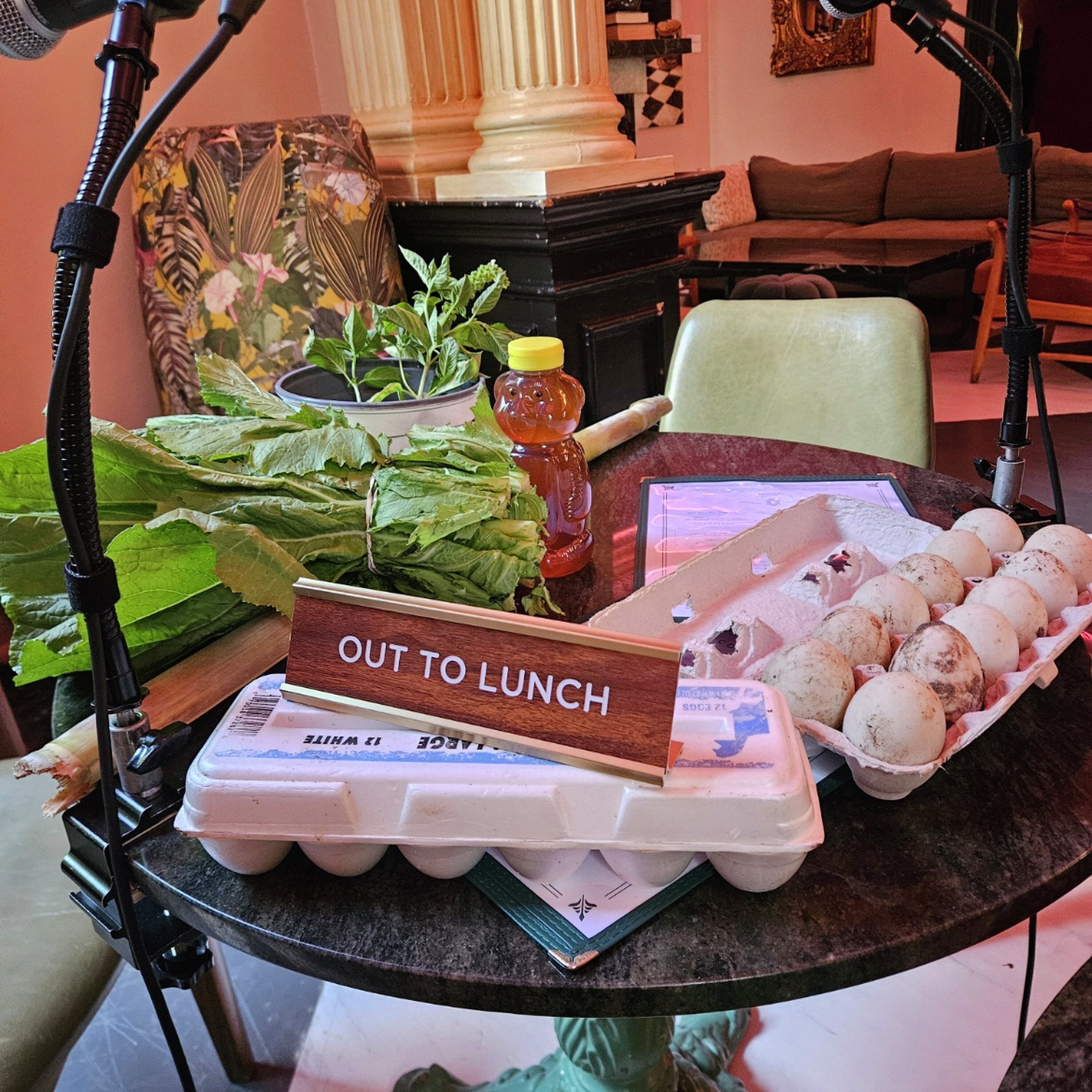 Cabbage | Generally, by the time someone gets invited on a show like this they’ve figured out how to tell the story of their business in a way that makes their journey seem like a steady climb from humble beginnings to current success. In telling these histories, entrepreneurs will talk generally about setbacks, but they don’t typically elaborate on specific obstacles. Like, for example, this scenario: Suppose you’re a startup entrepreneur with a new product, and you get the call you’ve been waiting for, from Walmart, with a giant purchase order. Now, instead of spending $10,000 on raw materials, you’ll need $200,000. Your shipping costs are going to go from $5,000 to $50,000. And you’ll need 10 more people to pull this off, which is $1m in new salaries. You can borrow this money, no problem, right? You’re going to be able to pay it back - you have the Walmart purchase order to prove it. But you discover that no traditional lender, like a bank, will lend you money unless you’re (a) profitable and (b) have 2 years of receipts. You don’t qualify in either of those categories. So, what do you do? Well, one option is you go to a national company that’s headquartered here in New Orleans, called Republic Business Credit. Republic Business Credit specializes in what’s called Accounts Receivable Finance. Basically, they will loan a company money based on a purchase order – up to $20 million. Or, in a practice called "factoring," they’ll buy the purchase order off a company – minus a fee – so the company gets cash immediately and when the purchaser pays the invoice, the payment goes to Republic Business Credit. Leigh Guglielmo has been helping companies finance their business at Republic Business Credit since 2011. Today she’s the company’s Senior Vice President of Business Development. Another thing you hear a lot about in a typical startup success story is, the Power Point pitch. Andres Barcelo and his wife, Ashley Webb, moved to New Orleans in 2017 to be closer to Ashley’s family. Three years later, when they had their lives derailed by the pandemic, Andres and Ashley started gr owing vegetables in their 9th Ward neighborhood. When they discovered that okra, beans, cucumbers and peppers grew well, they grew more of them. Till they had so much that someone suggested they could start a farmers market. So, they did. Then they began adding products from other local folks - like bread, hand pies, candles, soap, pickles and jam. And before you know it – without a single Power Point presentation – Andres and Ashley had built a business. Today you can find Barcelo Gardens Fresh Market most days of the week in varying locations, including their flagship location on Piety Street in the Upper 9th Ward, and at pop-ups and markets in The Irish Channel, The Marigny, Harahan, and Napoleonville. There’s a saying people use in general conversation to describe how today is pretty much like every other day: “Business as usual.” Interestingly, you don’t hear a lot of people in business saying that. Mostly because business is typically anything but business as usual. There’s almost always an obstacle, a wrinkle, a problem to solve. Leigh is in the business of solving the biggest problem of them all for most businesses – operating capital. And Andres' business is dependent on the most fickle of all fundamentals – the weather. One thing they have in common is, without a lot of fanfare, they’re both doing something vital for our local business community, and community in general. Out to Lunch was recorded live over lunch at Columns in Uptown New Orleans. You can find photos from this show at itsneworleans.com. See omnystudio.com/listener for privacy information. | 31m 05s | ||||||
| 9/7/25 | 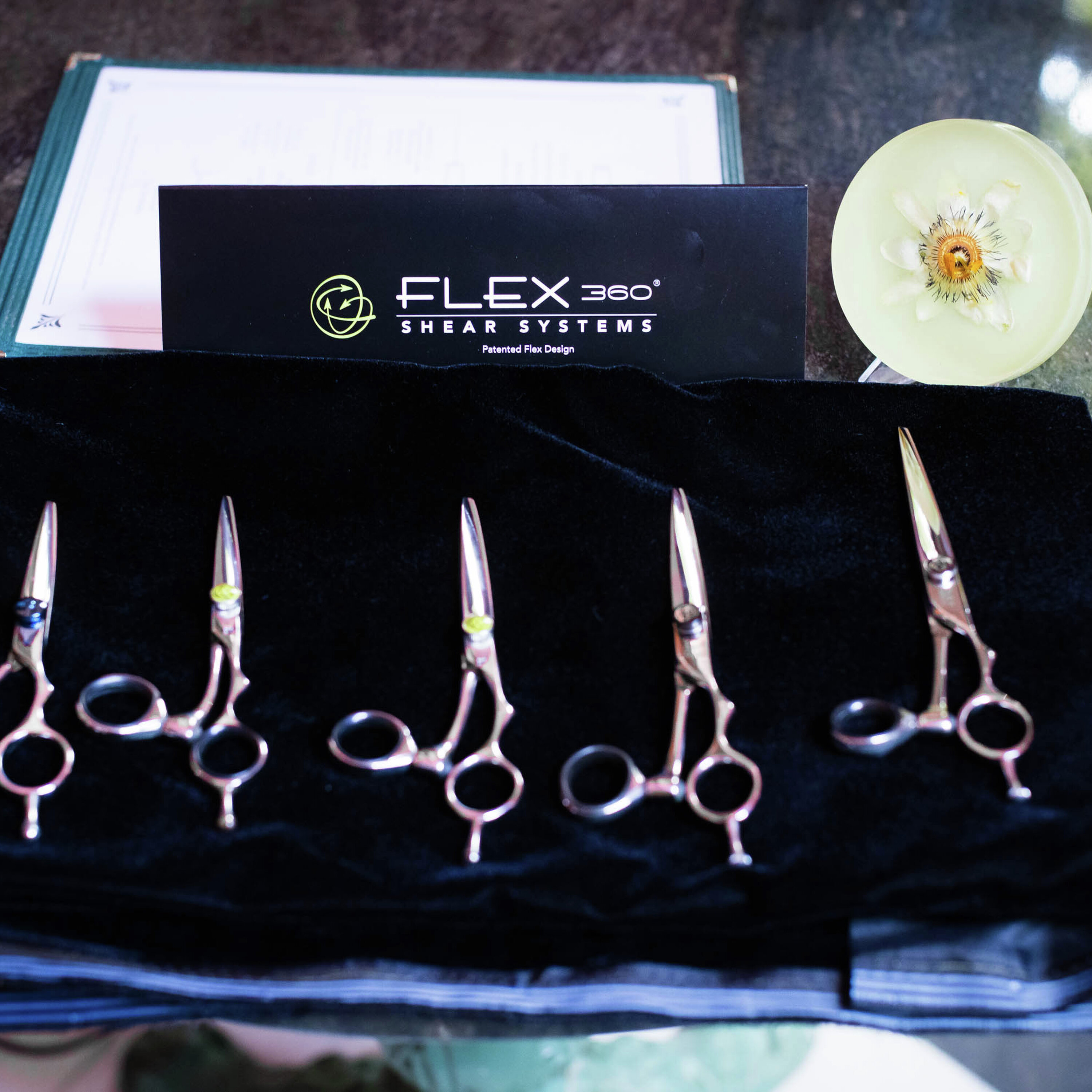 Crypt Flowers Flex | As human beings, we have many shared experiences. Most of us, one way or another, get a haircut. And most of us appreciate the fleeting beauty of flowers. You might think those two mundane observations are devoid of any kind of potential entrepreneurial re-invention. After all, whether your mom cuts your hair or you go to a salon, a haircut is, well, a haircut. Right? And whether you pick your own flowers or buy them from a florist, a week later they’re dead and you throw them out. Right? Wrong on both of those. When you go to a hair stylist and you sit in the chair, most of your time is spent with the hair stylist snipping at your hair with scissors. Actually, hair stylists don’t use plain old scissors. They use specially designed and sharpened types of scissors, referred to as shears. To cut hair, the stylist moves the shears on all kinds of subtle angles. They continually adjust the angle by very fine, delicate, flexing movements of their hand, wrist, arm, elbow, and shoulder. Everything flexes. Except the shears. For 25 years a hair stylist in New Mexico, by the name of Bill Brenton, along with his buddy and partner, Murray Roth, a hair stylist in Madisonville, Louisiana, worked on designing shears that would flex. Bill died in 2008. But Murray kept the dream alive and today Murray Roth manufactures and sells Flex 360: ergonomic, patented shears used by hair stylists across the country and around the world. The engineering trick to the flexing shears is - the loop you put your thumb through is on a swivel. And so, to flowers. Sometimes you pick a few flowers or buy them from a florist or supermarket, to brighten up your living or work space. But other times, that bunch of flowers is more than just a dash of color on your coffee table. They might be the bunch of flowers you held at your wedding. Or flowers from the funeral of a loved one. Or flowers from any number of other occasions that mean something to you. If you’ve ever wished you could keep those flowers forever, now you can. Stephanie Tarrant is a florist and an artist. She combines her talents by taking flowers and preserving them. They look as real as the day they were picked, and they retain their same vibrant colors - forever. Stephanie preserves whole bouquets in resin. She takes flowers and incorporates them into pieces of jewelry. And into dishes and trays. Steph’s company is called, The Crypt Flowers. Its slogan is, “All flowers deserve forever.” Innovation is often born out of frustration. Most of us, when we’re frustrated, complain about things being the way they are. Successful innovators, though, are people who don’t just complain, but decide to do something to change the status quo. At either end of the spectrum - whether it’s something that grows continually, like hair, or something whose life is fleeting, like flowers, both Steph and Murray have been able to improve on what appears to most people to simply be the way of the world. Out to Lunch was recorded live over lunch at Columns in Uptown New Orleans. You can find photos from this show by Jill Lafleur at itsneworleans.com.See omnystudio.com/listener for privacy information. | 32m 20s | ||||||
| 7/27/25 | 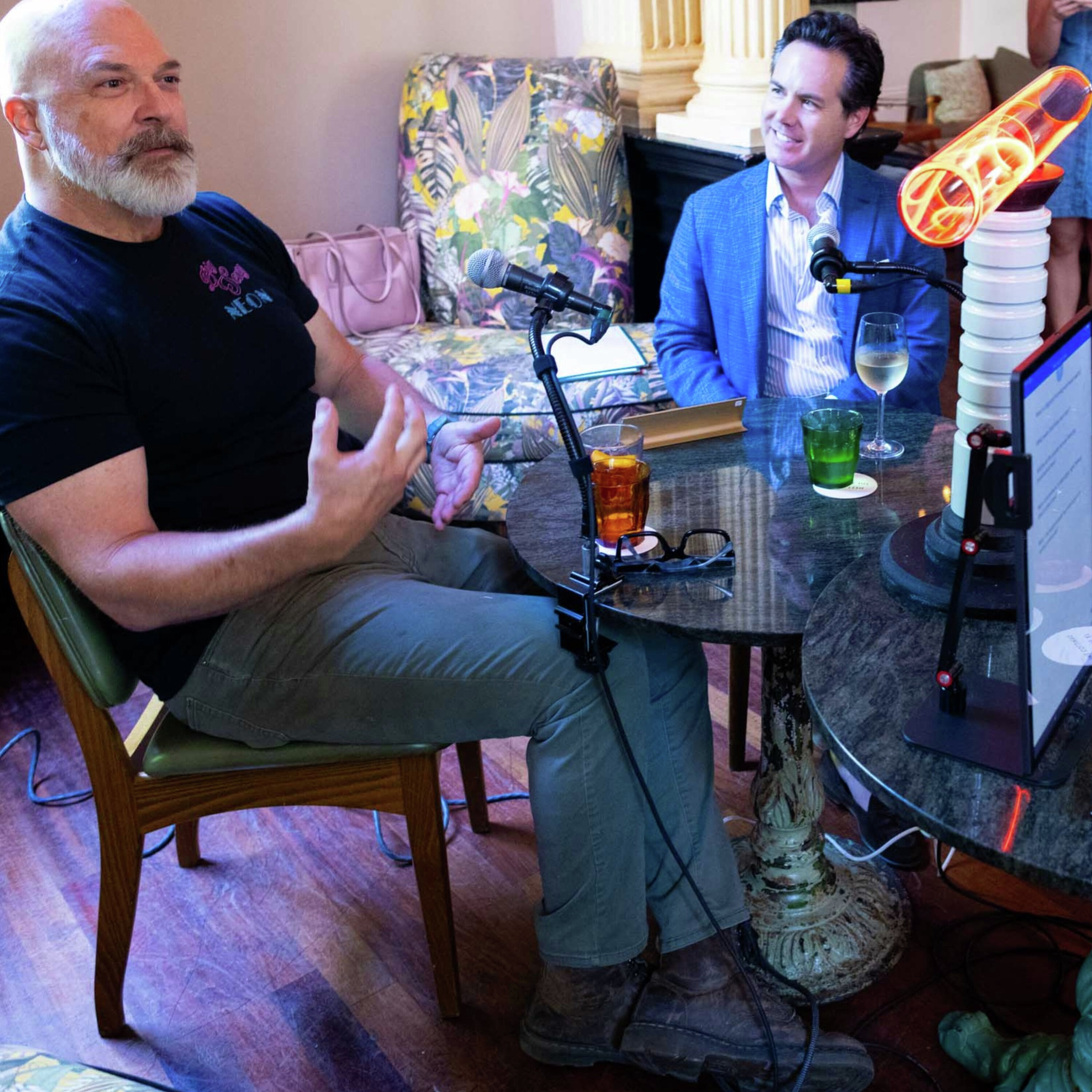 Neon Sofa | When you walk into a home, a room, or a business, you typically have a single sensation. A place feels a certain way. That specific reaction is actually the culmination of a whole range of perceptions that include observations about dimensions, light, color, furniture shapes and sizes, painting on the walls, decorative touches, rugs, even scent. You take most of these cues in at the same time and your decision about how you feel about the place can be almost instant. But the creation of an intentionally designed interior space can take months of planning and execution. Chad Graci is a native New Orleanian who spent years creating interiors around the world and across the country – including 6 years in New York – before returning home and founding Graci Interiors in 2009. Today, Chad still works across the country, and you can see his designed spaces in both homes and businesses locally here in New Orleans. While Chad is working on creating subtle visual cues, Nate Shaeffer, is doing the exact opposite. He’s looking to make an instant impression on you that’s bright and colorful. Pretty much all you have to know is the name of Nate’s company for you to get the picture. It’s, Big Sexy Neon. Nate is an artist and craftsman who hand-crafts neon – both signs and works of art. He’s one of only 300 neon artists in the US who work in neon. There’s definitely something magical about neon. Maybe it’s the vibration of the light, maybe it’s the association with something exciting, like the Vegas strip or Times Square, or cocktails, donuts, or beer… Whatever it is, Nate is doing everything he can to keep it alive here in New Orleans. Chad is likewise making the city a brighter place, but with less red and green amd more cream and white. That very balance - a bright exterior and sophisticated interior - is both a metaphor and literal description of life in New Orleans. Out to Lunch was recorded live over lunch at Columns in Uptown New Orleans. You can find photos from this show by Jill Lafleur at itsneworleans.com.See omnystudio.com/listener for privacy information. | 32m 30s | ||||||
| 7/20/25 | 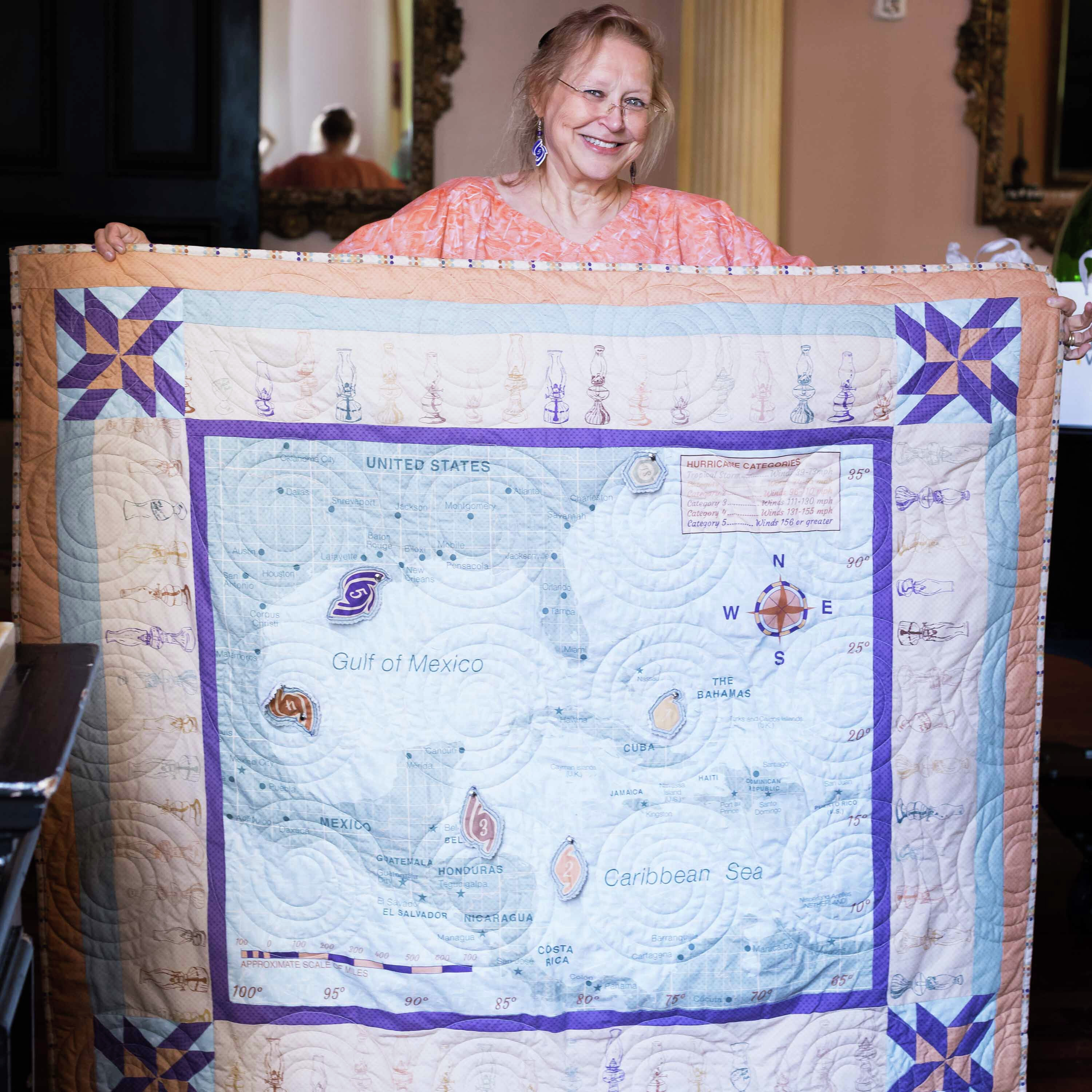 Stitches | Fewer than 400,000 people live in Orleans Parish. Every year we also have around 19 million temporary residents. Also known as “tourists.” New Orleanians tend to think of these two populations as distinct – even at odds with each other. But in fact, our local economy is entwined with our tourist economy in ways you might not expect. A great case study is a business called Chateau Sew. Chateau Sew is a fabric store on St Charles Avenue. They sell sewing patterns, supplies, and specialty fabrics. The owner of Chateau Sew, Laura Fenner, also teaches sewing classes. There’s no bar at Chateau Sew. You can’t get a hurricane. Or a muffuletta. Or a New Orleans T-shirt. But when it comes to customers, tourists outnumber locals. Apparently, they’re mostly a lesser-known sub-genus of tourist, called “quilters.” When out-of-town quilters visit Chateau Sew they’re looking for unique fabrics they can’t get anywhere else. Fabrics like the creations of New Orleans fabric design company, Marillyn In The Moon. Marillyn In The Moon’s fabrics are in stores in New Orleans, across Louisiana, and in Mississippi and Alabama. The designer and manufacturer at Marillyn In The Moon is native New Orleanian, Robin Brou Antin. Robin’s fabric designs are rooted in New Orleans culture, inspired by her family’s history of 9 generations in the German Coast of Louisiana, and her fabric is manufactured by a specialist in high-quality production in South Korea. Out to Lunch was recorded live over lunch at Columns in Uptown New Orleans. You can find photos from this show by Jill Lafleur at itsneworleans.com.See omnystudio.com/listener for privacy information. | 31m 37s | ||||||
| 7/13/25 | 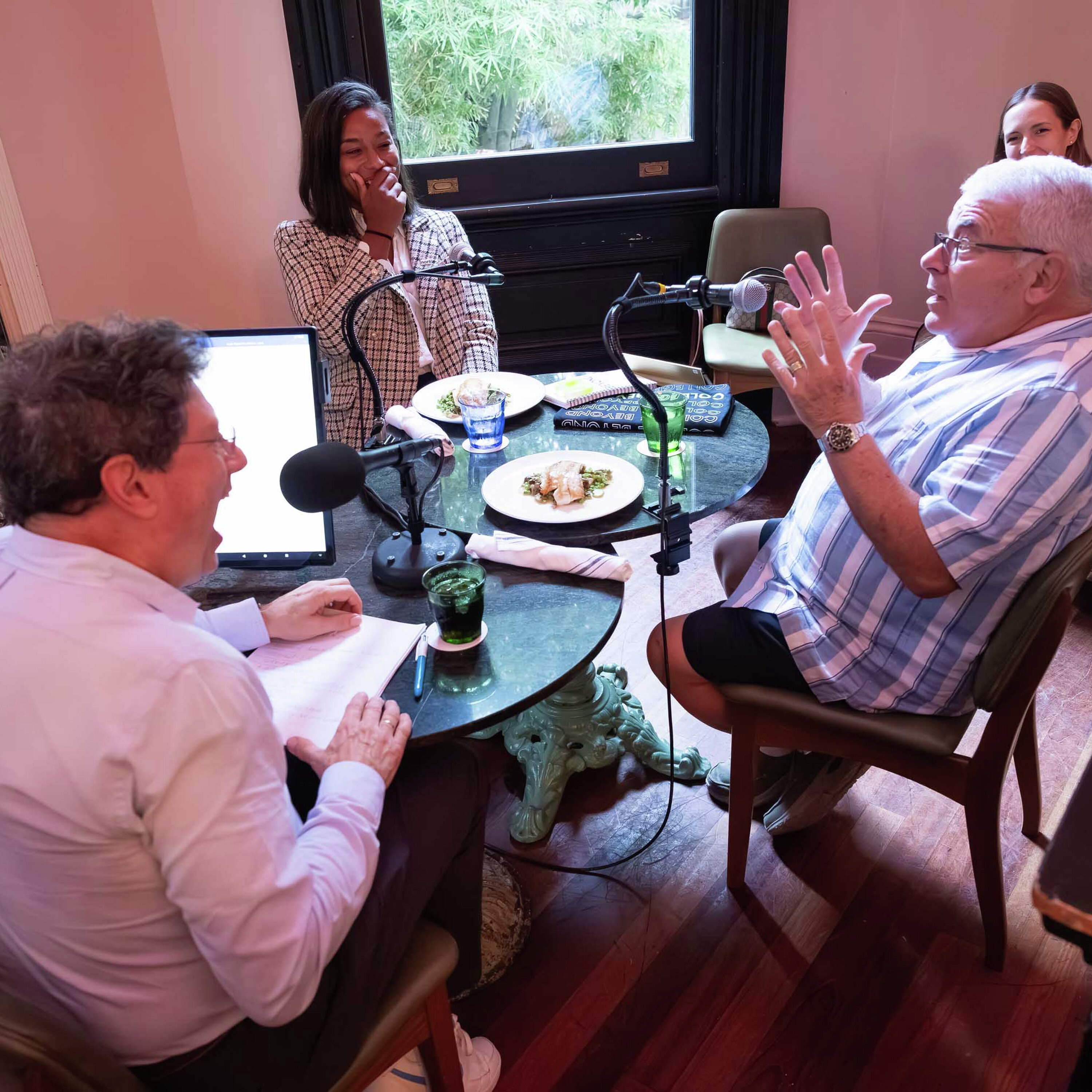 College Paper | As a society, we’re generally focused on achievement. We celebrate when a person gets into college. And we celebrate when they graduate. In between, when it comes to winning monthly, weekly, and sometimes daily battles - like structuring your day to attend classes and study for tests; and how to budget to afford tuition, books, transportation, food, and rent – well, we typically leave people to figure that out on their own. It turns out that’s an okay strategy for students who start out with reasonable financial resources. But, not so good for those who don’t. For low-income students who get into college, only 12% graduate with a 4-year degree. That’s the statistic that largely motivates an organization called College Beyond. College Beyond works with low-income students to assist them with finances, coaching, and navigating college to stay in the race to the finish line. Each year they work with over 350 New Orleans college students. Clara Baron-Hyppolite is Executive Director of College Beyond. If you go to college and get a degree in arts, communication, or journalism, you might want to go work for a newspaper. The reason we still call it a newspaper is that it was originally news printed on paper. Today, most of us read the newspaper on a digital device, but there are still people who like to read the newspaper in its original form, on paper. For those folks, they can subscribe and get the paper delivered. Or, here in New Orleans, they can pick up a copy of The Times Picayune by slipping quarters into a slot in a metal box, open a hinged door, and take a newspaper off the stack inside. If you’re one of the people who gets your paper this way, have you ever wondered how the paper gets into the box? The answer to that question for 60 boxes around New Orleans is, Hector Garcia. Hector is an independent contractor who buys papers from the publisher of The Times Picayune, puts them in the boxes, then collects the quarters. College Beyond is never going to be Apple or Amazon – but they just might be helping someone graduate who goes on to change the world. And Hector is never going to win a Pulitzer Prize for journalism, but without people like him nor would anybody else, because the news would never get disseminated. It’s true, we typically reserve accolades for people who are visibly successful, but the intensity of the spotlight is not a measure of true worth. In Hector and Clara's cases, the forgotten middle is a noble place to be. Out to Lunch was recorded live over lunch at Columns in Uptown New Orleans. You can find photos from this show by Jill Lafleur at itsneworleans.com. See omnystudio.com/listener for privacy information. | 30m 34s | ||||||
Showing 25 of 557
Sponsor Intelligence
Sign in to see which brands sponsor this podcast, their ad offers, and promo codes.
Chart Positions
1 placement across 1 market.
Chart Positions
1 placement across 1 market.