
Insights from recent episode analysis
Audience Interest
Podcast Focus
Publishing Consistency
Platform Reach
Insights are generated by CastFox AI using publicly available data, episode content, and proprietary models.
Total monthly reach
Estimated from 6 chart positions in 6 markets.
By chart position
- 🇨🇦CA · Performing Arts#1475K to 30K
- 🇮🇳IN · Performing Arts#11100K to 300K
- 🇸🇦SA · Performing Arts#3110K to 30K
- 🇩🇰DK · Performing Arts#4410K to 30K
- 🇹🇼TW · Performing Arts#194500 to 3K
- Per-Episode Audience
Est. listeners per new episode within ~30 days
38K to 119K🎙 Daily cadence·32 episodes·Last published 3d ago - Monthly Reach
Unique listeners across all episodes (30 days)
126K to 396K🇮🇳76%🇨🇦8%🇸🇦8%+3 more - Active Followers
Loyal subscribers who consistently listen
50K to 158K
Market Insights
Platform Distribution
Reach across major podcast platforms, updated hourly
Total Followers
—
Total Plays
—
Total Reviews
—
* Data sourced directly from platform APIs and aggregated hourly across all major podcast directories.
On the show
Recent episodes
Taapsee Pannu on Being Called Bad Luck and Choosing Her Own Path | Rekhta Guftgu
May 24, 2026
Unknown duration
Ali Fazal Gets Brutally Honest About Acting, Failure & Success | Live at Jashn-e-Rekhta
May 20, 2026
Unknown duration
Javed Akhtar, Zehra Nigah, Abbas Tabish & More | Best of Jashn-e-Rekhta Mushaira
May 17, 2026
Unknown duration
Piyush Mishra Unfiltered: Gen Z Love, Alcoholism, Art & Music
May 13, 2026
Unknown duration
Why Javed Akhtar Says Secularism Should Feel Like Oxygen | Live at Jashn-e-Rekhta
May 10, 2026
Unknown duration
Social Links & Contact
Official channels & resources
Official Website
Login
RSS Feed
Login
| Date | Episode | Description | Length | ||||||
|---|---|---|---|---|---|---|---|---|---|
| 5/24/26 | 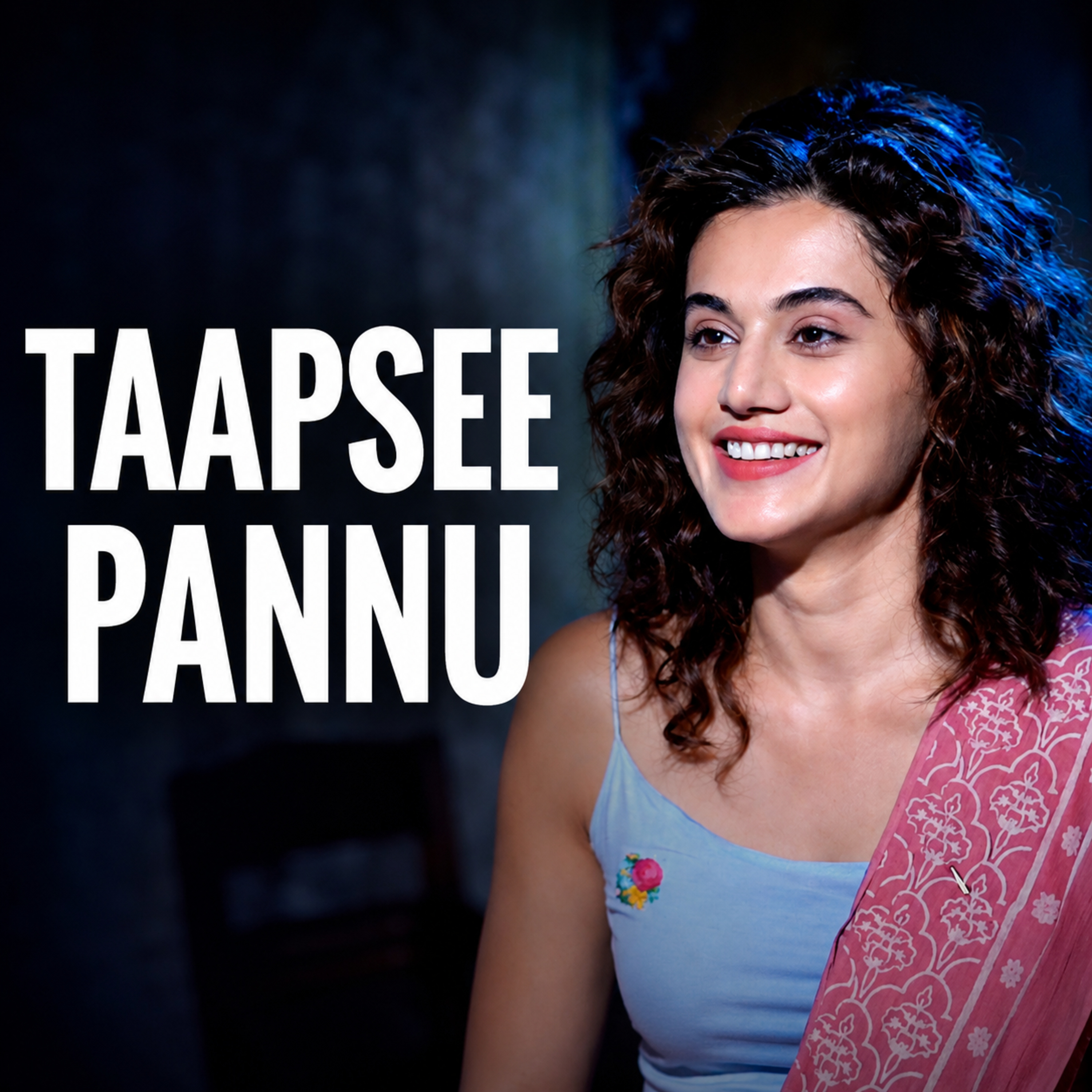 Taapsee Pannu on Being Called Bad Luck and Choosing Her Own Path | Rekhta Guftgu | Taapsee Pannu opens up in a warm, honest and deeply personal conversation on Rekhta Guftugu. From growing up in a middle-class Delhi household to studying engineering, modelling during college, entering South cinema, and eventually becoming one of the most distinct voices in Hindi films, Taapsee traces the journey that shaped her both as an actor and as a person.She speaks about her mother’s influence, her rebellious streak, her conflicts within a patriarchal family setup, and the everyday struggles women face across professions. Taapsee also reflects on the early mistakes she made in the film industry, being labelled “bad luck” after consecutive flops, and how she rebuilt her career by choosing films she herself would want to watch.The conversation moves through her work in South Indian cinema, her shift to Hindi films, her experience working with Amitabh Bachchan, her love for science, her lockdown learnings, and her belief in living truthfully. Known for films like Pink, Badla and Manmarziyaan, Taapsee brings the same clarity, courage and humour to this interview.An episode about ambition, independence, womanhood, cinema, self-belief and the strength it takes to choose love over hate. | — | ||||||
| 5/20/26 |  Ali Fazal Gets Brutally Honest About Acting, Failure & Success | Live at Jashn-e-Rekhta | Ali Fazal comes to Jashn-e-Rekhta for a warm, candid, and deeply reflective conversation on cinema, Urdu, poetry, ambition, and the stories that shaped him.Opening with a nazm, Ali moves from the grace of Lucknow’s tehzeeb to his childhood memories of films, books, and language. He speaks about being born in Delhi and raised in Lucknow, the influence of his mother, his early connection with theatre and Shakespeare at Doon, and the difficult years that taught him fearlessness.The conversation also traces his journey from Bollywood to Hollywood, including Victoria and Abdul, Death on the Nile, and his work as a producer with Pushing Buttons Studios. Ali reflects on craft, ambition, plagiarism versus inspiration, Urdu pronunciation in cinema, the responsibility of artists, and why he still feels he has not “arrived.”From personal memories to sharp industry observations, this session brings together cinema, literature, language, and a rare honesty that stays with you long after the conversation ends. | — | ||||||
| 5/17/26 | 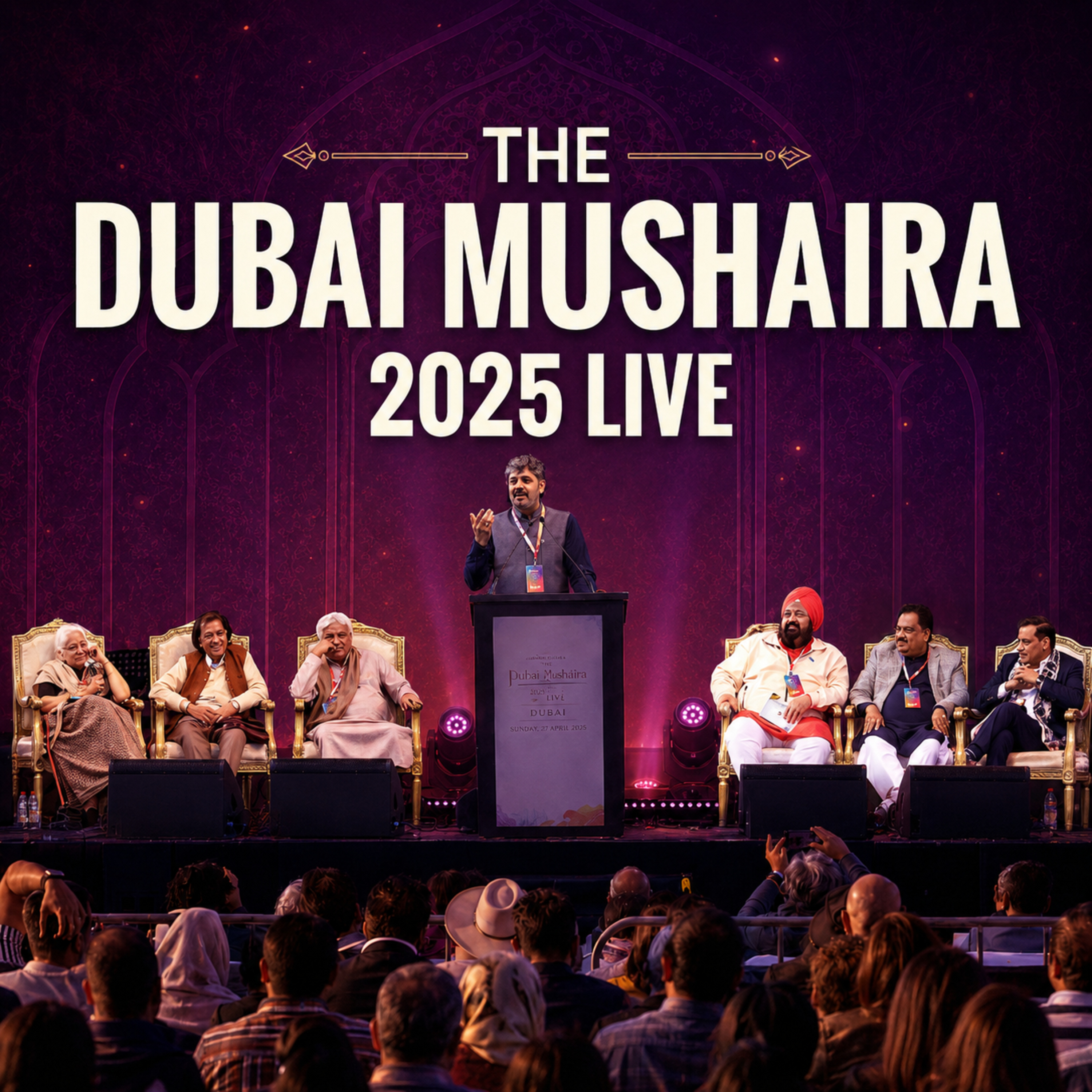 Javed Akhtar, Zehra Nigah, Abbas Tabish & More | Best of Jashn-e-Rekhta Mushaira | A grand mushaira from Jashn-e-Rekhta Dubai, bringing some of Urdu poetry’s most loved voices together on one stage.This Sunday Special captures the best moments from Dubai Mushaira 2025, where Javed Akhtar, Zehra Nigah, Waseem Barelvi, Abbas Tabish, Khushbir Singh Shaad, Sarosh Asif and Shakeel Jazib fill the evening with nazm, ghazal, wit, silence, applause and that rare mehfil energy only a live mushaira can create.From Javed Akhtar’s sharp reflections to Zehra Nigah’s grace, from Waseem Barelvi’s emotional depth to Abbas Tabish’s lyrical command, each poet brings a different shade of Urdu to the mic. The audience listens, responds and becomes part of the poetry itself.An episode for those who love Urdu, shayari, live performances and the feeling of being inside a hall where every verse lands straight in the heart. | — | ||||||
| 5/13/26 | 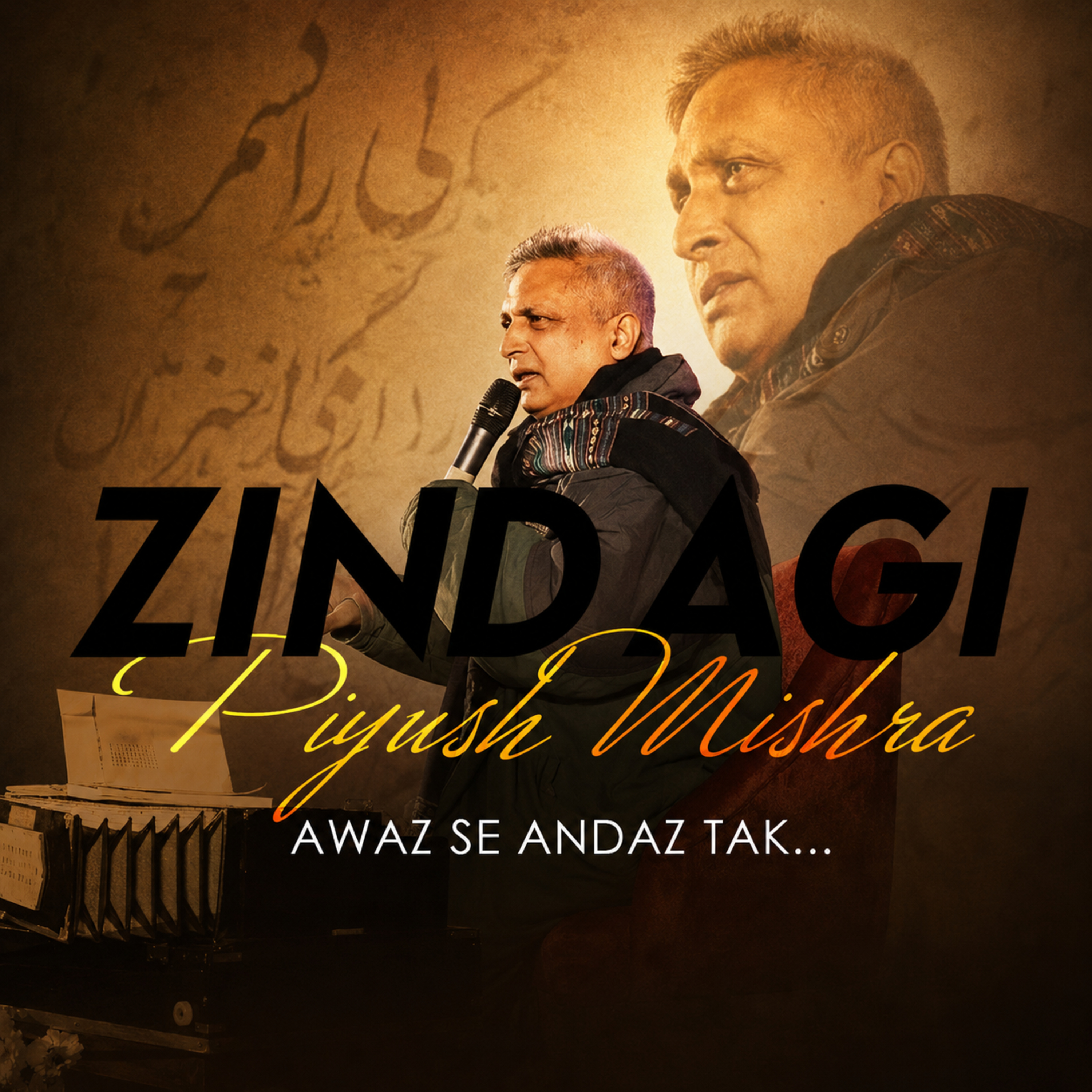 Piyush Mishra Unfiltered: Gen Z Love, Alcoholism, Art & Music | Piyush Mishra brings his full self to this live Jashn-e-Rekhta session, sharp humour, raw memories, music, poetry, and the kind of honesty that refuses to sound rehearsed.In this conversation, he opens up about love, heartbreak, and why today’s fast-moving Gen Z relationships often miss the patience and depth of old-school romance. He speaks about acting as imagination, not just technique, and shares hard-earned truths from his early Mumbai days, when survival, writing, theatre, and cinema were all part of the same struggle.The discussion moves from NSD and the myth of instant fame to the emotional cost of chasing art in a city like Mumbai. Piyush Mishra reflects on guilt, ego, Vipassana, alcoholism, truth, and the personal battles that shaped his voice as an artist. He also recalls Anurag Kashyap, Kay Kay Menon, and the creative integrity behind Black Friday.Alongside the conversation, the session carries powerful musical moments and memories connected to Ek Bagal Mein Chand Hoga, Aarambh Hai Prachand, and Husna. From Bhagat Singh and Faiz Ahmad Faiz to Partition pain and the loneliness of the artist, this episode is a rare mix of laughter, confession, music, and literary fire.Listen to Piyush Mishra at his most unfiltered, poetic, funny, wounded, and alive. | — | ||||||
| 5/10/26 | 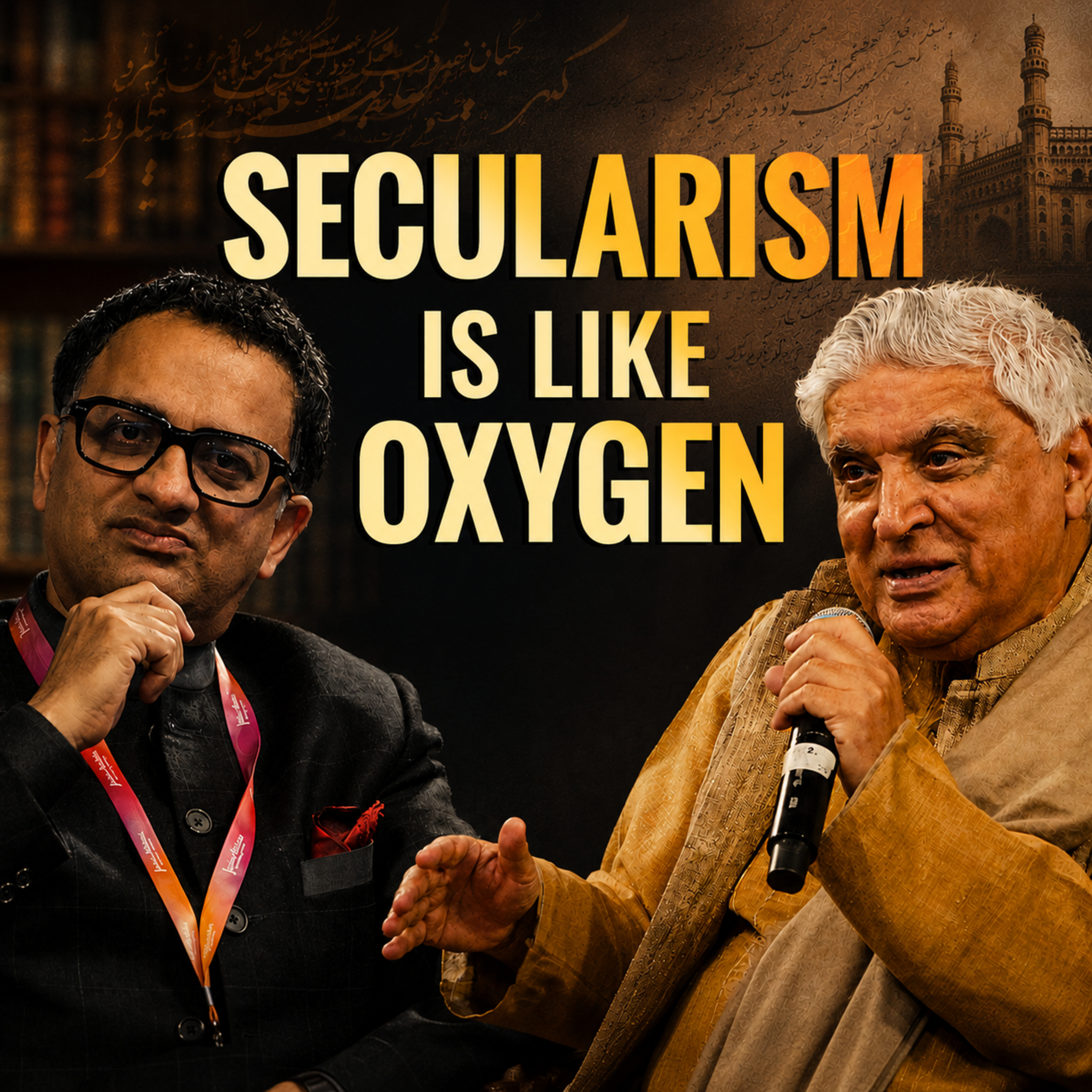 Why Javed Akhtar Says Secularism Should Feel Like Oxygen | Live at Jashn-e-Rekhta | Javed Akhtar joins Saif Mahmood for a thoughtful and deeply relevant conversation on Urdu, secularism, language politics, and the cultural history of India. In this live session, they unpack how Hindi and Urdu grew from the same soil, sharing the same streets, emotions, and literary traditions long before politics tried to divide them.Javed Akhtar speaks candidly about why languages should never be tied to religion, and why Urdu belongs as much to India’s cultural identity as Hindi does. He reflects on how younger audiences are rediscovering Urdu poetry through Devanagari script, even while traditional Urdu writing slowly declines.One of the most powerful moments of the discussion comes when he explains secularism in the simplest possible way. Not as a slogan, not as performance, but as something natural and essential, “like oxygen.” The conversation moves through literature, identity, public discourse, coexistence, and the emotional connection people still carry with language across generations. | — | ||||||
| 5/6/26 | 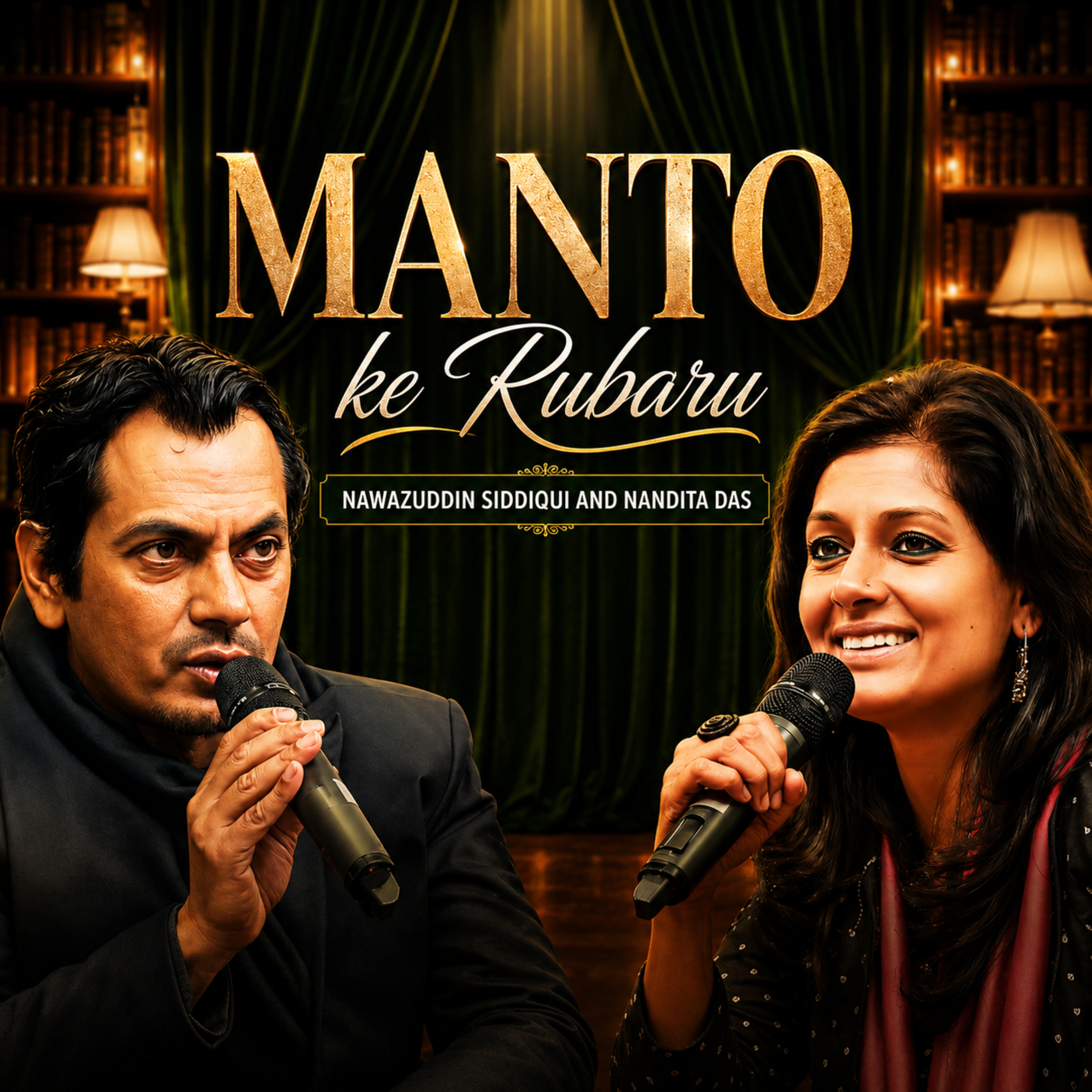 Nawazuddin Siddiqui & Nandita Das on Becoming Manto | Live at Jashn-e-Rekhta | Saadat Hasan Manto was not a writer who allowed anyone to stay comfortable. In this powerful conversation from Jashn-e-Rekhta, filmmaker Nandita Das and actor Nawazuddin Siddiqui join RJ Sayema to speak about bringing Manto’s life, mind and contradictions to the screen.Nawazuddin reflects on playing Manto and the strange after-effect of carrying his honesty into real life. Nandita Das explains why the film stays rooted in the years around Partition, from 1946 to 1950, and how Manto’s questions around identity, religion, nationalism, women and censorship continue to feel unsettlingly current.The conversation also goes behind the scenes of recreating 1940s Lahore, holding a creative line, and understanding Manto’s writing as something plain, sharp and impossible to ignore. For anyone interested in Urdu literature, cinema, Partition stories, or the life of Saadat Hasan Manto, this is a rare and deeply revealing listen. | — | ||||||
| 5/3/26 | 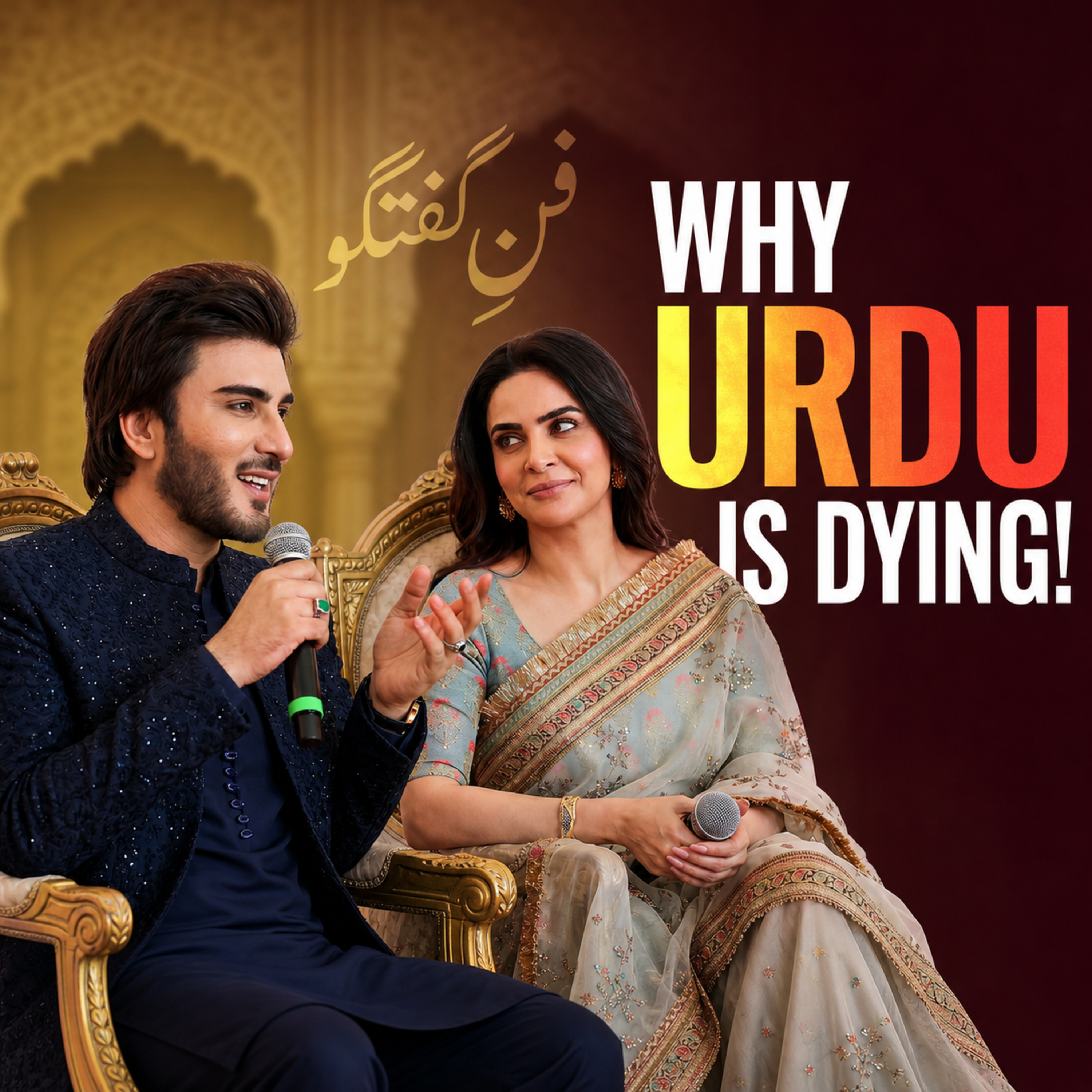 Saba Qamar & Imran Abbas Speak | Is Urdu Disappearing from Films?..Live at Jashn-e-Rekhta | What happens when two of South Asia’s most loved actors speak about Urdu, not as a language of nostalgia, but as a living part of performance, memory, and identity?In this rare conversation from Jashn-e-Rekhta Dubai, Saba Qamar and Imran Abbas join Adeel Hashmi for a deeply honest discussion on Urdu, cinema, acting, and the changing sound of storytelling. They speak about the sanctity of words, the discipline of pronunciation, and why language can completely change the emotional weight of a scene.Imran Abbas shares how his command over Urdu became a strength across India and Pakistan, while Saba Qamar reflects on performance, vulnerability, and the beauty of leaving some emotions unfinished on screen. Together, they explore why many young actors are drifting away from linguistic depth, and what that means for films, dramas, and culture at large.The conversation also looks at how OTT platforms and newer writing styles have shifted dialogue from poetic expression to everyday realism. But is that evolution, or are we losing something precious? | — | ||||||
| 4/29/26 | 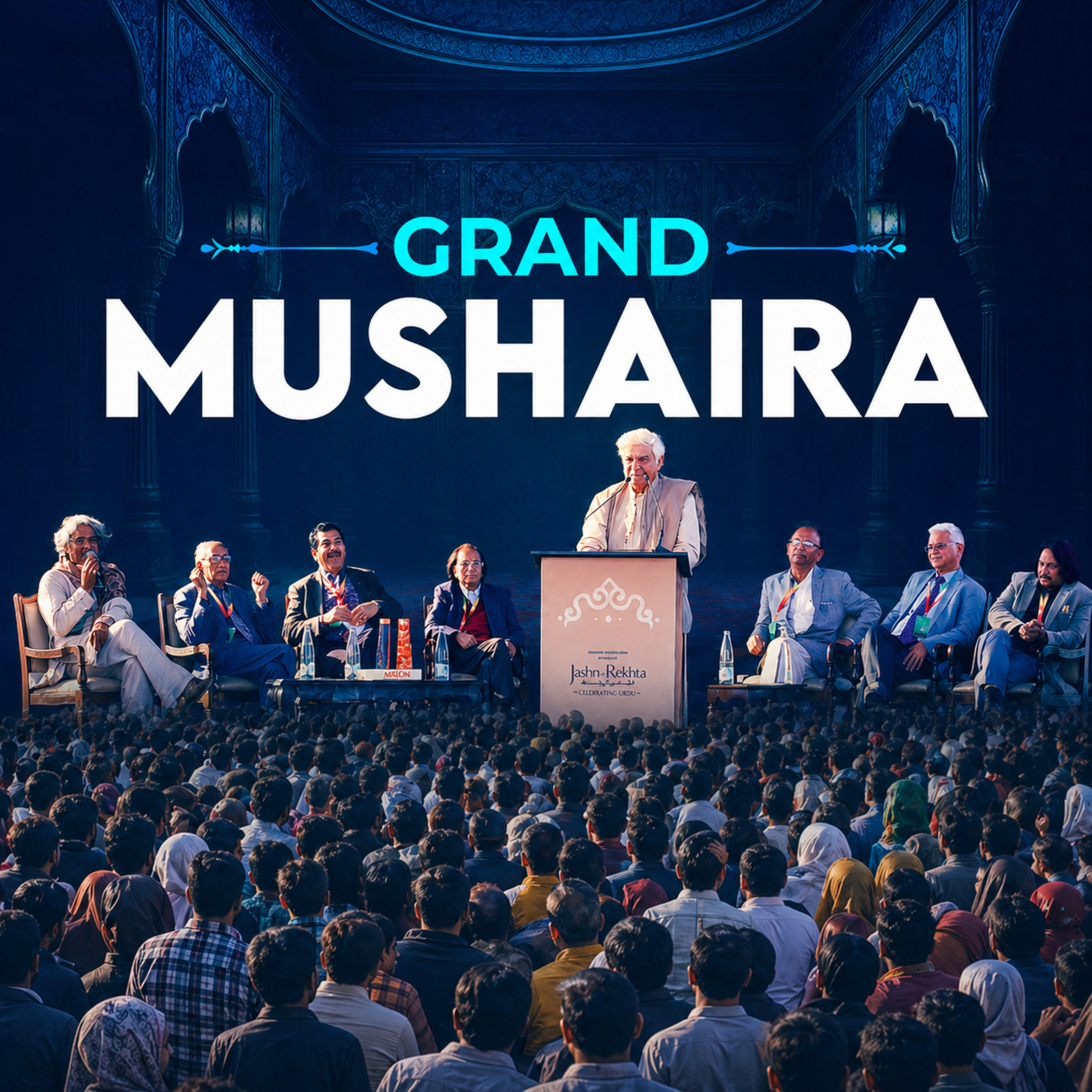 Javed Akhtar, Waseem Barelvi and More | Love, Truth & Urdu Poetry Live at Jashn-e-Rekhta | Some nights are not just heard. They are felt.In this Grand Mushaira from the Jashn-e-Rekhta stage, some of India’s most loved poets come together for an unforgettable evening of Urdu poetry, emotion, wit, reflection, and live mehfil energy. From the first sher to the final applause, the atmosphere carries the warmth of a packed audience listening, reacting, smiling, and sometimes falling completely silent.Hosted with grace and command by Azhar Iqbal, the evening moves through many shades of poetry. Ajm Shakari brings ghazals filled with heartbreak, pride, and emotional intensity. Nausha Israr speaks of homeland, hope, distance, and belonging. Shik Kaifi delivers sharp, memorable lines that make the audience pause and smile. Hilal Fareed brings poetry with a social and political pulse. Then comes Javed Akhtar, whose words cut through noise and reach straight into thought. The mehfil closes with the timeless elegance of Waseem Barelvi, reminding everyone why the ghazal still holds such power across generations.This episode is for anyone who loves shayari, ghazals, Urdu adab, live mushairas, and poetry that speaks about love, loneliness, truth, society, language, memory, and the delicate relationship between words and meaning. | — | ||||||
| 4/26/26 | 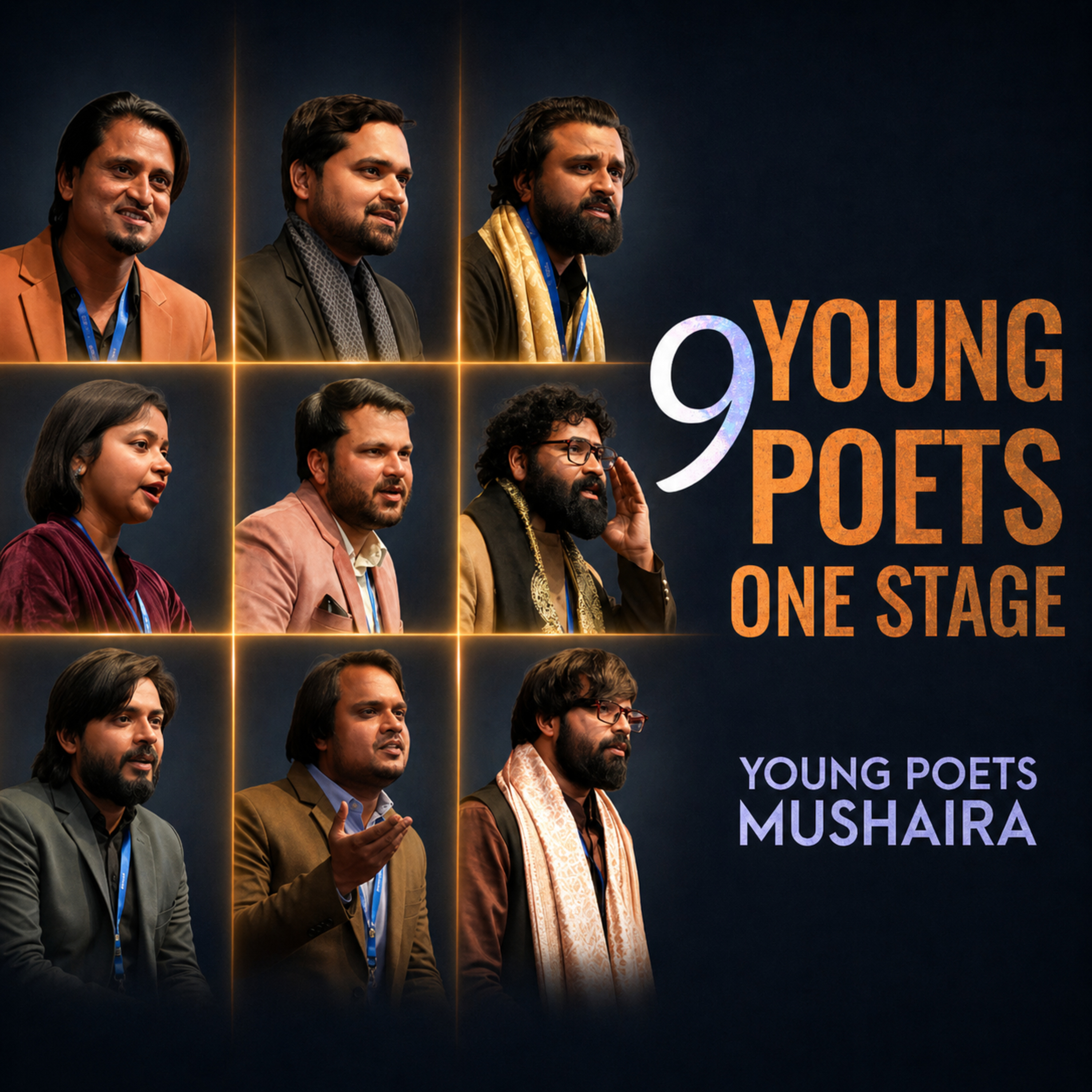 Heartbreak, Hope & Shayari: Young Poets at Jashn-e-Rekhta | What happens when a new generation of Urdu poets takes the stage and turns heartbreak, anxiety, love, loneliness, and identity into unforgettable shayari?In this powerful live mushaira from Jashn-e-Rekhta, host Jani Lakhnavi brings together some of the most exciting young voices in contemporary Urdu poetry. Featuring Sarmad Khan, Kashif Syed, Saqib Amraz, Sharjeel Ansari, Qamar Abbas Qamar, Saif Irfan, Bhavna Srivastava, Syed Ahmad and more, this session captures the pulse of modern sher-o-shayari.These poets speak the language of today’s youth. They write about wounded hearts, quiet battles, mental health, unfinished love, and the strange beauty of surviving modern life. Lines like “Dil buridaon se mohabbat thi, aabla paon se mohabbat thi” and “Siskati rut ko mehakta gulab kar dunga” remind us why poetry still has the power to stop a crowd, stir memory, and heal something within.This is a glimpse into the future of Urdu poetry, where tradition meets today’s emotions and young poets carry the tehzeeb forward in their own fearless voice. | — | ||||||
| 4/22/26 | 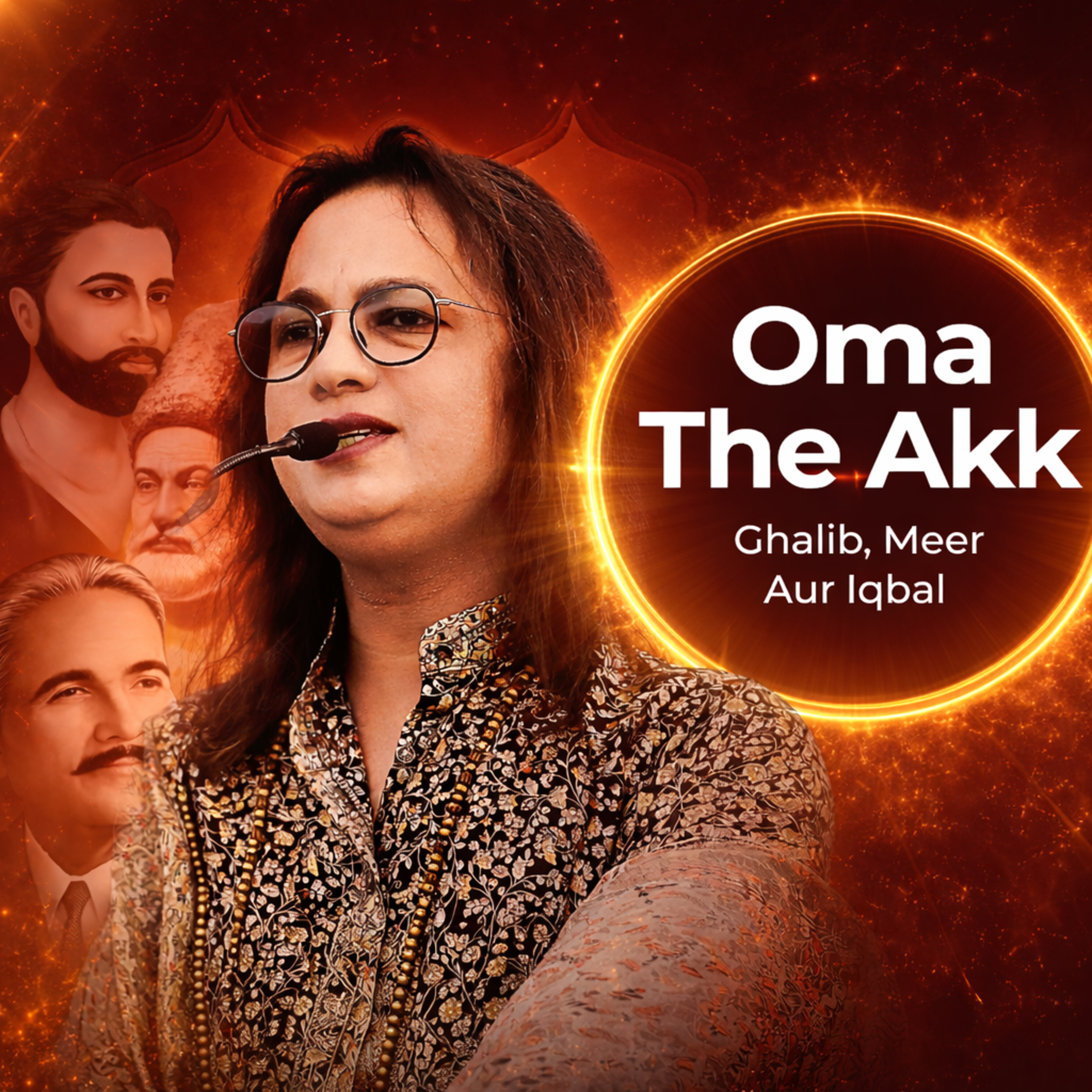 Mir for Pain, Iqbal for Hope, Ghalib for the Present | Swami Oma The Akk at Jashn-e-Rekhta | In this live talk at Jashn-e-Rekhta, Swami Oma The Akk speaks of Urdu not as a language alone, but as a maashooq. Something intimate, fragrant, elusive, and deeply felt. Through the poetry of Meer, Ghalib, and Iqbal, he opens three ways of seeing life. Meer becomes the voice of loss, surrender, memory, and the pain that softens the soul. Iqbal stands for courage, becoming, and the pull of the future.Ghalib lives in the present. Restless, witty, rebellious, and brave enough to argue with the divine.The talk moves beautifully between ishq, fanaa, tajalli, sukoon, grief, hope, and inner fire, while the Yamuna becomes a powerful metaphor for damaged beauty that still flows with meaning. Swami Oma The Akk also reflects on how Rekhta has opened Urdu to wider audiences through Devanagari, Roman script, and digital access. | — | ||||||
Want analysis for the episodes below?Free for Pro Submit a request, we'll have your selected episodes analyzed within an hour. Free, at no cost to you, for Pro users. | |||||||||
| 4/19/26 | 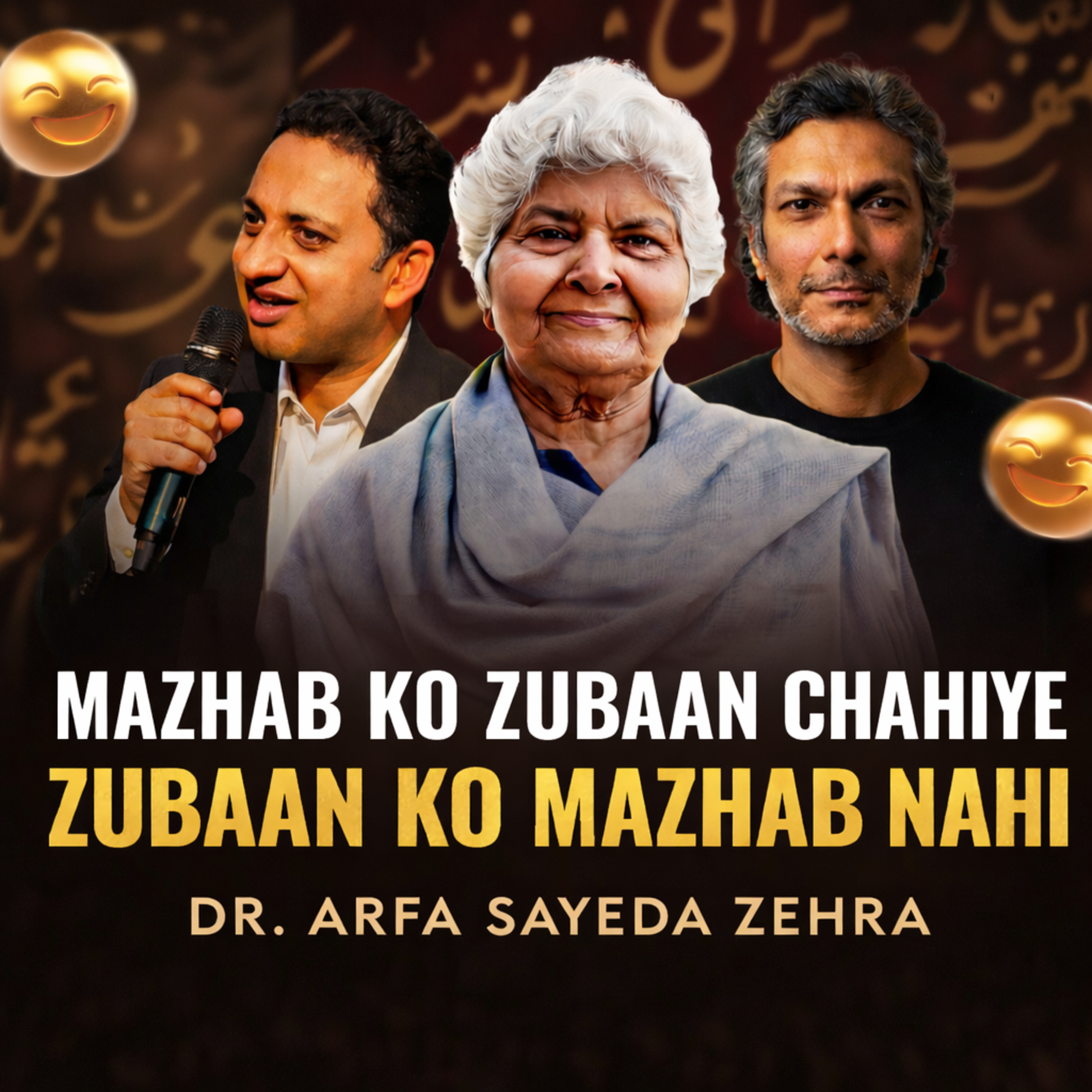 Dr. Arfa Zehra Speaks | Urdu Is Not Just a Language, It’s a Civilization | What if Urdu is not just a language, but an entire way of seeing the world? In this live conversation, Dr. Arfa Sayeda Zehra reveals why Urdu carries far more than words. It carries adaab, memory, poetry, emotion, and a complete civilizational ethos.Joined by Saif Mahmood and Moin Mir at Jashn-e-Rekhta, she speaks about why Urdu belongs to everyone, not to one religion, one nation, or one class. From the grace of saying aap to the lost art of listening, from Ghalib and Meer to the crisis of modern conversation, this episode opens up the deeper soul of the language in a way that feels urgent even today. | — | ||||||
| 4/15/26 | 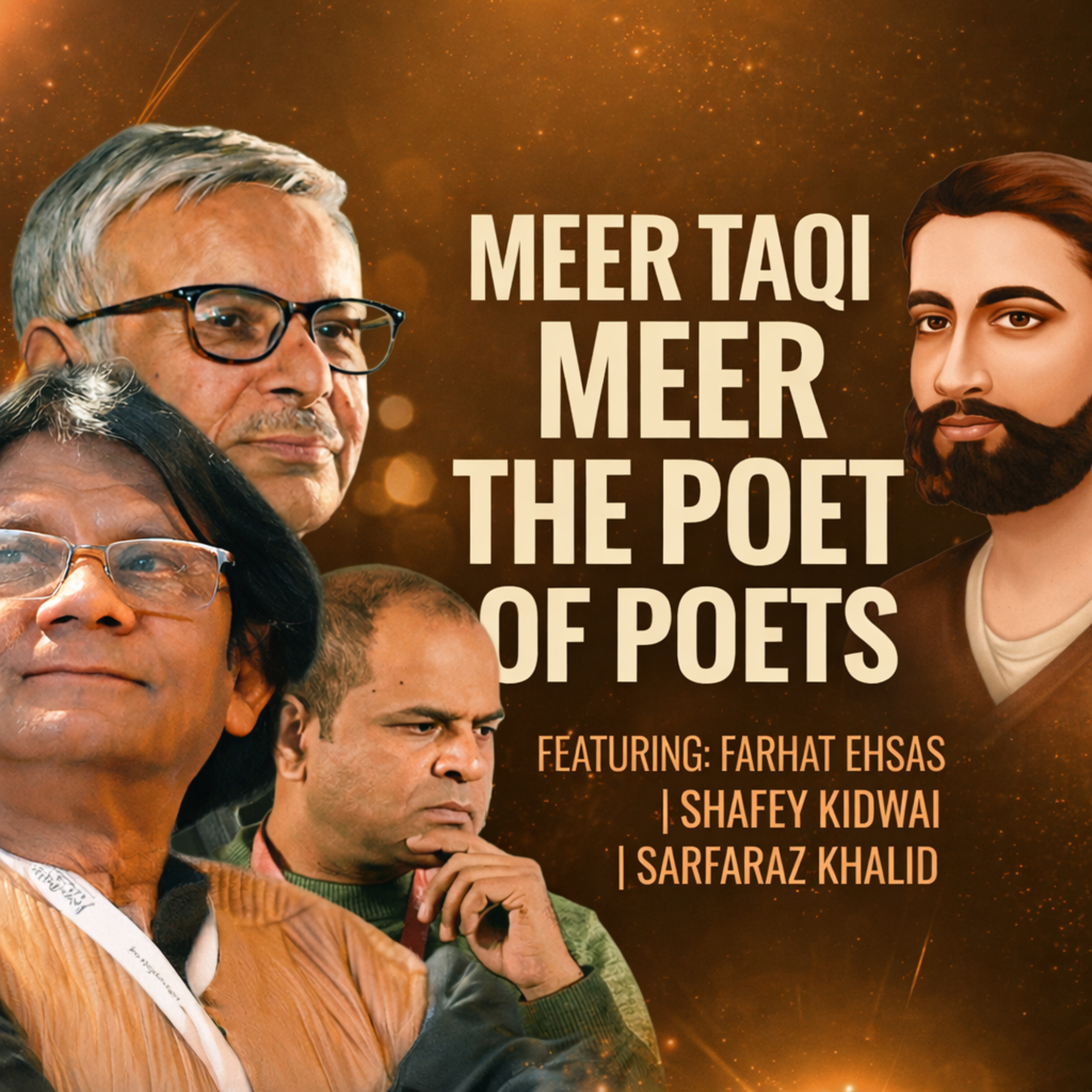 Meer vs Ghalib | Feeling, Thought, and Urdu Poetry at Jashn-e-Rekhta | In this episode at Jashn-e-Rekhta, we explore the timeless poetry and lasting legacy of Meer Taqi Meer, the poet many revere as Khuda-e-Sukhan. Through an engaging conversation featuring Farhat Ehsas, Shafey Kidwai, and Sarfaraz Khalid, this session looks at how Meer shaped the emotional language of Urdu poetry and gave the ghazal a voice that still feels alive today.The episode reflects on Meer’s extraordinary journey, his gift for turning everyday language into great literature, and the deep emotional current, or rawani, that makes his poetry unforgettable. It also draws a fascinating comparison between Meer and Mirza Ghalib, placing feeling and thought side by side in the history of Urdu verse. From his masnavis to Zikr-e-Meer, and from the fall of Delhi to the rise of Rekhta, this is a rich and rewarding listen for anyone who wants to understand the soul, softness, and truth of classical Urdu poetry. | — | ||||||
| 4/12/26 | 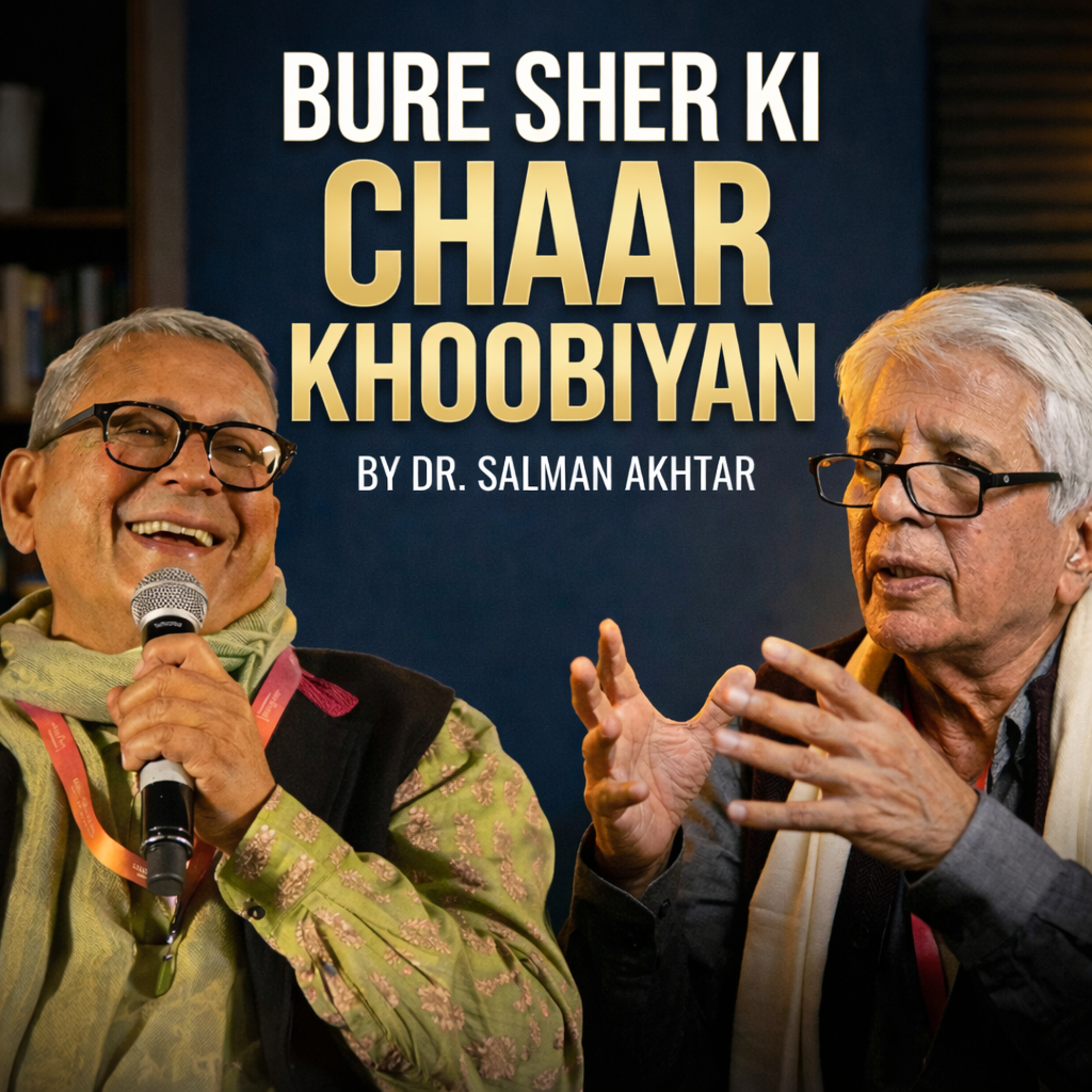 4 Signs of Bad Poetry by Dr. Salman Akhtar | Live at Jashn-e-Rekhta | Can you really tell the difference between great poetry and bad poetry?In this fascinating live session from Jashn-e-Rekhta, Dr. Salman Akhtar shares 4 signs of bad poetry and explains why some verses may sound poetic, but still fail to leave a mark. With humour, honesty, and deep literary insight, he speaks about shallow expression, damaged language, weak thought, and the loss of rhythm in modern writing.Referencing Maulana Hali and Dr. Zakir Hussain, Dr. Salman Akhtar shows that poetry is not just about words. It is about depth, musicality, emotional truth, and adab. This episode is a practical and thought-provoking guide for anyone who loves Urdu shayari, wants to improve their writing, or simply wishes to understand what gives poetry its lasting power. | — | ||||||
| 4/8/26 | 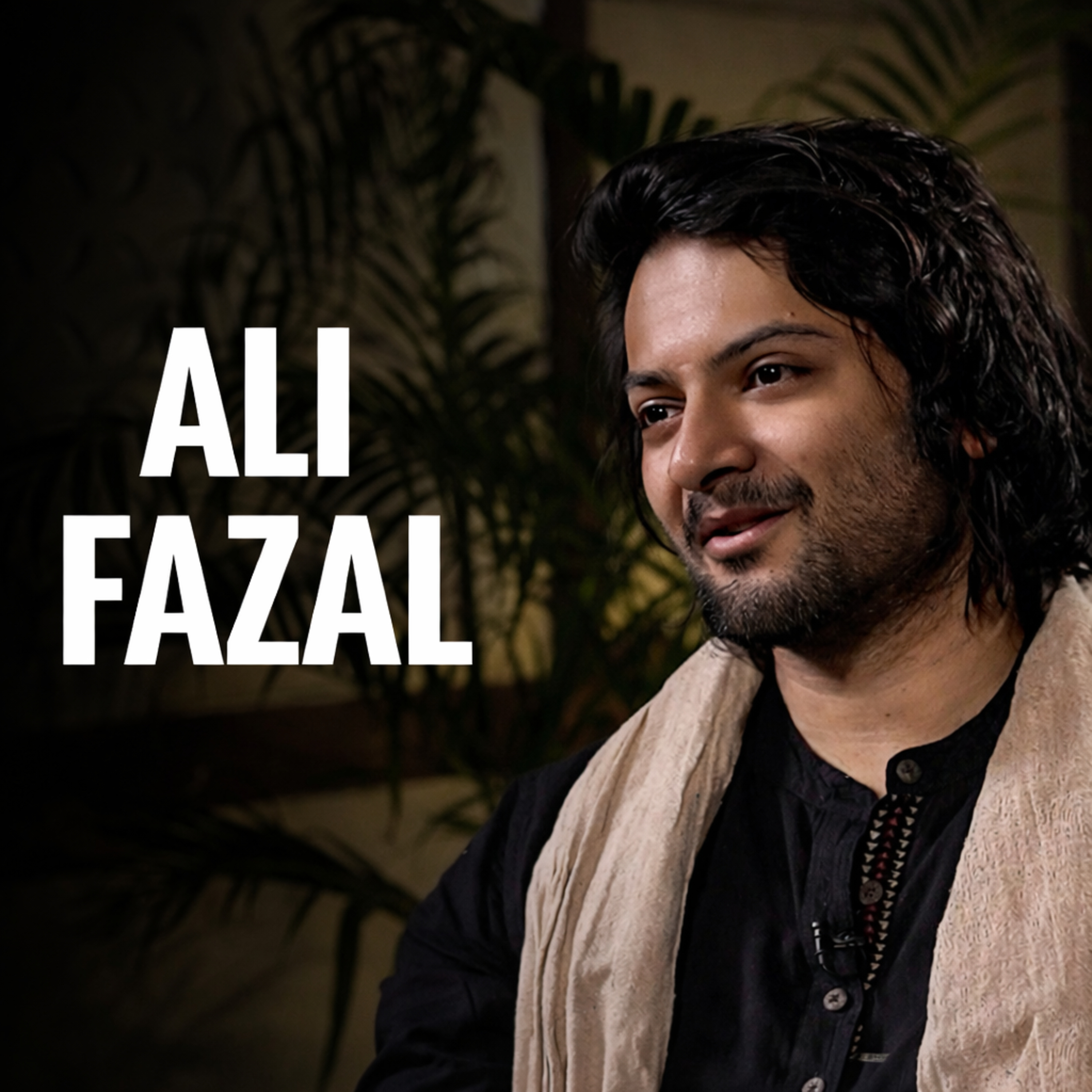 Ali Fazal gets Real: From Lucknow to Mirzapur | Rekhta Guftgu | In this episode of Rekhta Guftgu, actor Ali Fazal opens up like never before. From being born in Delhi and growing up in Lucknow, to discovering theatre at school, chasing independence in college, and finding his way through films like 3 Idiots, Fukrey, Victoria & Abdul, and Mirzapur, this is a conversation full of honesty, memory, craft, and culture.Ali speaks about childhood, literature, sports, auditions, failure, friendship, acting as a lifelong learning process, and why vulnerability matters to great performers. He also reflects on Urdu, poetry, Rekhta’s role in preserving language and culture, the importance of script and expression, and even sings a few lines penned by Muhammad Iqbal.It is a beautiful conversation on art, identity, language, and what it really means to be understood. | — | ||||||
| 4/6/26 | 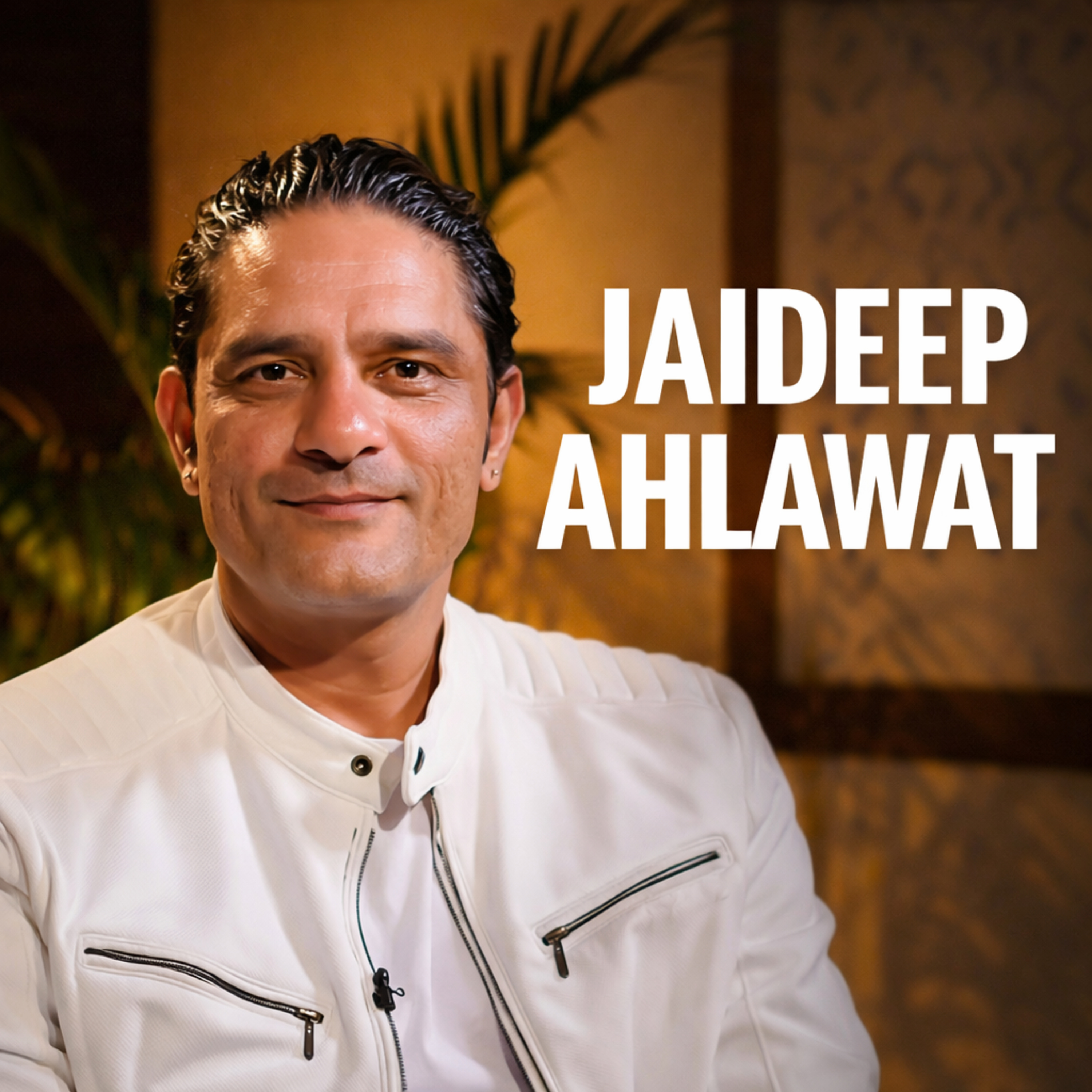 Jaideep Ahlawat Speaks Rejection, Patience, and the First Break | Rekhta Guftgu | In this episode of Rekhta Guftgu, Syed Mohammad Irfan sits down with Jaideep Ahlawat for an honest, deeply reflective conversation on rejection, patience, and the long road to recognition. Jaideep looks back on his childhood in Kharkada near Rohtak, growing up in a family of teachers, dreaming first of the Indian Army, and facing repeated setbacks after clearing written exams but failing the SSB.What followed was not a straight path, but a slow, meaningful journey toward acting. He speaks about theatre becoming an emotional outlet, discovering literature through Premchand, training at FTII, and learning to trust the process instead of chasing every audition. He also reflects on the turning point of Gangs of Wasseypur, the inner life of a character, and the method behind performances like Hathi Ram in Paatal Lok. | — | ||||||
| 4/6/26 | 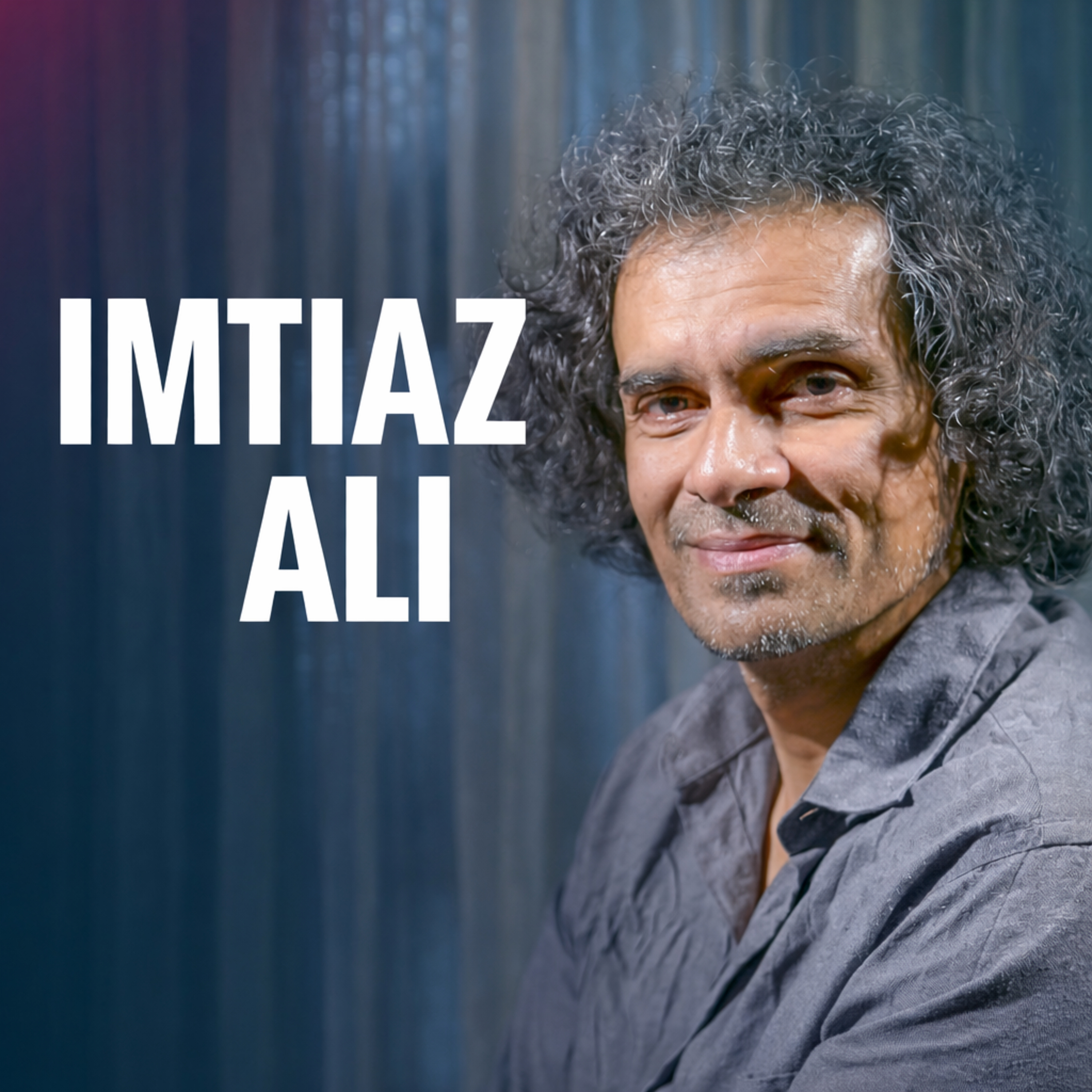 Imtiaz Ali on Failure, Theatre, and Finding His Voice | Rekhta Guftgu | In this episode of Rekhta Guftgu, filmmaker Imtiaz Ali opens up about the failures, doubts, and turning points that shaped his journey long before Bollywood success found him. In a deeply honest conversation with Irfan, he reflects on failing ninth grade, discovering theatre at Hindu College, finding creative grounding with Act One, and arriving in Mumbai without a fixed plan.He talks about learning filmmaking on the job through television, the uncertainty of early rejection, and the long road to finding his voice as a director. The conversation also moves into the heart of storytelling, how stories choose us, what changes when stars and budgets enter the picture, and why a filmmaker must protect their inner truth even under pressure.This is about identity, language, belonging, ambition, and the courage to go deeper in life and art. | — | ||||||
| 4/6/26 | 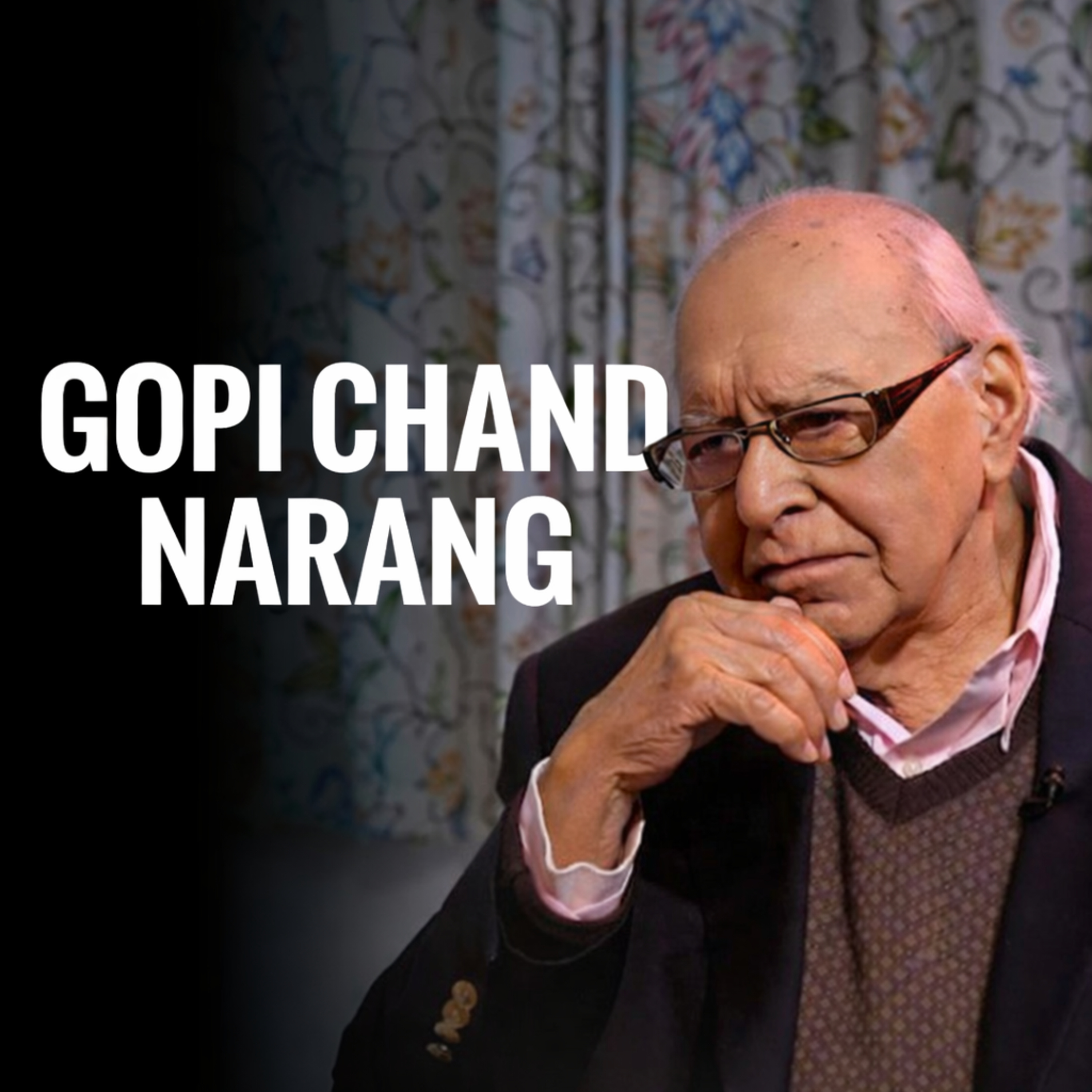 Gopichand Narang on Mir, Ghalib, Faiz and Life | Rekhta Guftgu | In this episode of Rekhta Guftgu, Prof. Gopichand Narang, one of the most influential Urdu critics, scholars and linguists of our time, reflects on a life shaped by memory, migration and literature. He speaks about his childhood in Balochistan and Punjab, the experience of Partition, his early relationship with books, and the journey that drew him toward Urdu.The conversation moves through Mir, Ghalib, Faiz, Jaun Elia, Parveen Shakir, Dagh, Kabir and more, as Prof. Narang shares readings, recitations and remarkable insights on poetry, interpretation, freedom and modern life. Honoured by both India and Pakistan, this is a rare and absorbing conversation for listeners who care about Urdu, culture and the inner life of poetry. | — | ||||||
| 4/4/26 | 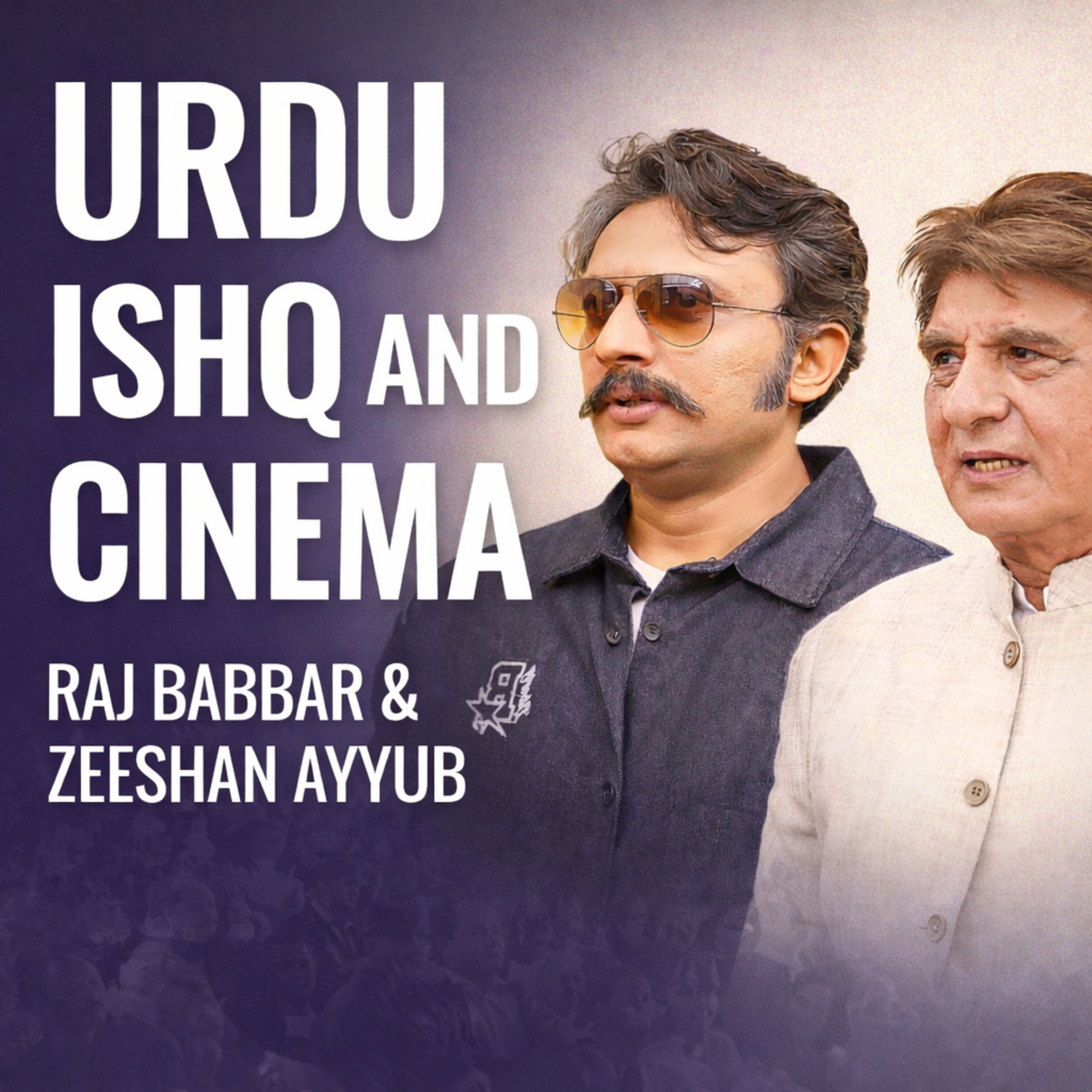 Raj Babbar and Zeeshan Ayyub on Urdu, Hindustani Identity, Cinema | Live at Jashn-e-Rekhta | In this episode, Raj Babbar and Mohammad Zeeshan Ayyub join Ambreen Khan for a warm, deeply personal conversation on Urdu, Hindustani identity, cinema, theatre, and the shared cultural memory of India.Raj Babbar looks back at the home he grew up in, where the Urdu newspaper Milaap arrived regularly and even the Gita was read in Urdu script. From childhood memories linked to Ghalib and Nazeer Akbarabadi to his early theatre training, he speaks about pronunciation, discipline, pauses, and why language shapes performance. Zeeshan Ayyub reflects on upbringing, social responsibility, NSD, mentors, and the need to protect a shared Hindustani spirit that cannot be reduced to religion or labels.The episode also moves into acting craft, the emotional truth behind performance, choosing roles, creative restlessness, and why AI may imitate technique but cannot replace lived human experience in art. There is humour too, with rapid-fire moments on Shah Rukh Khan, Aamir Khan, Salman Khan, Amitabh Bachchan, romance in Urdu, and anger in Punjabi. | — | ||||||
| 4/4/26 | 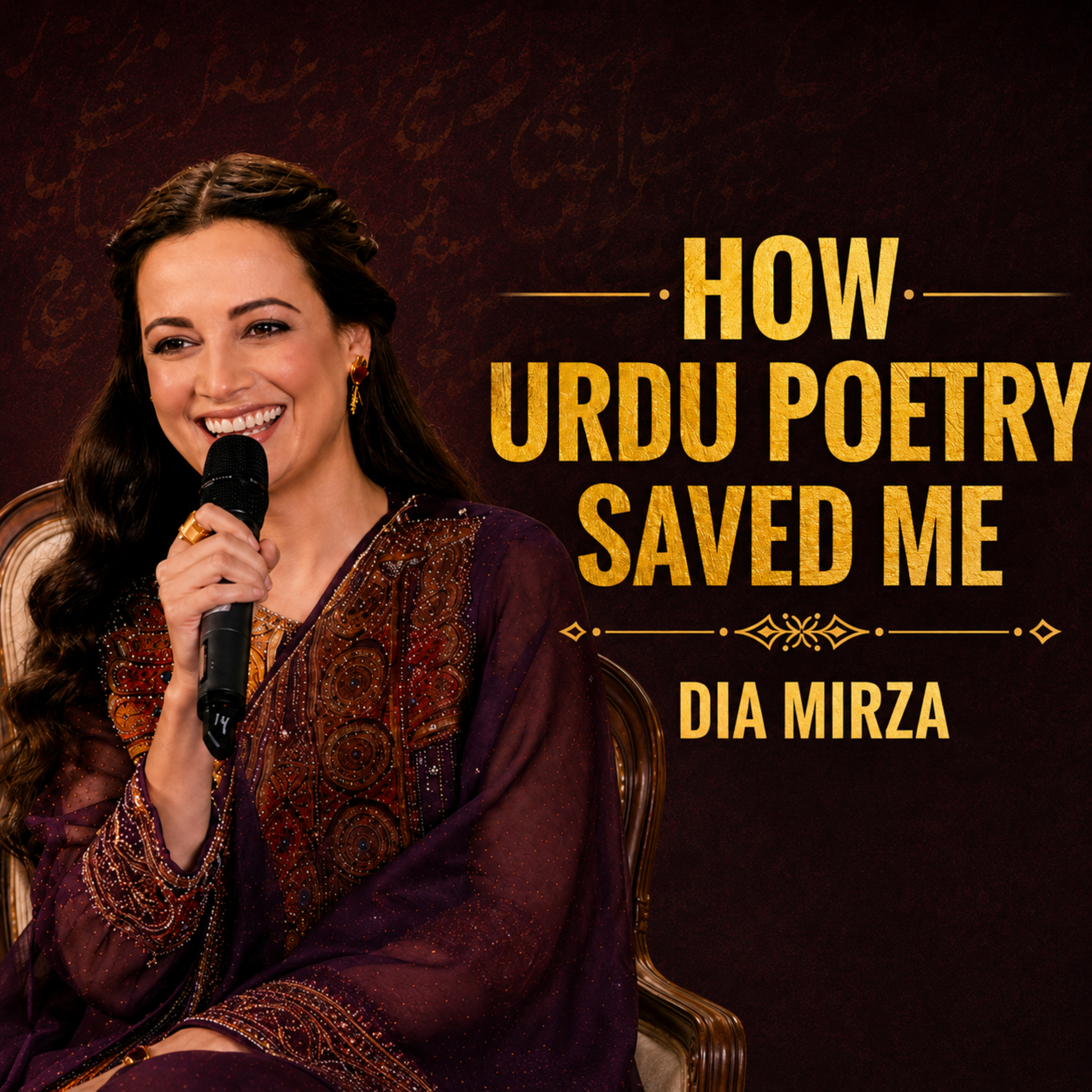 Dia Mirza on Urdu, Hyderabad and Environmental Advocacy | Live at Jashn-e-Rekhta | In this warm and thoughtful Jashn-e-Rekhta conversation, Dia Mirza joins Atika Farooqui for a deeply personal exchange on memory, language, identity, and purpose. From growing up in Hyderabad in a home shaped by Urdu poetry and literature, to finding her own voice in public life, Dia reflects on the experiences that formed her inner world. The episode also opens into her commitment to the environment and sustainability, revealing how empathy, culture, and conscience came together in her journey. A graceful conversation that blends Urdu, upbringing, cinema, and awareness in a way that stays with you. | — | ||||||
| 4/3/26 | 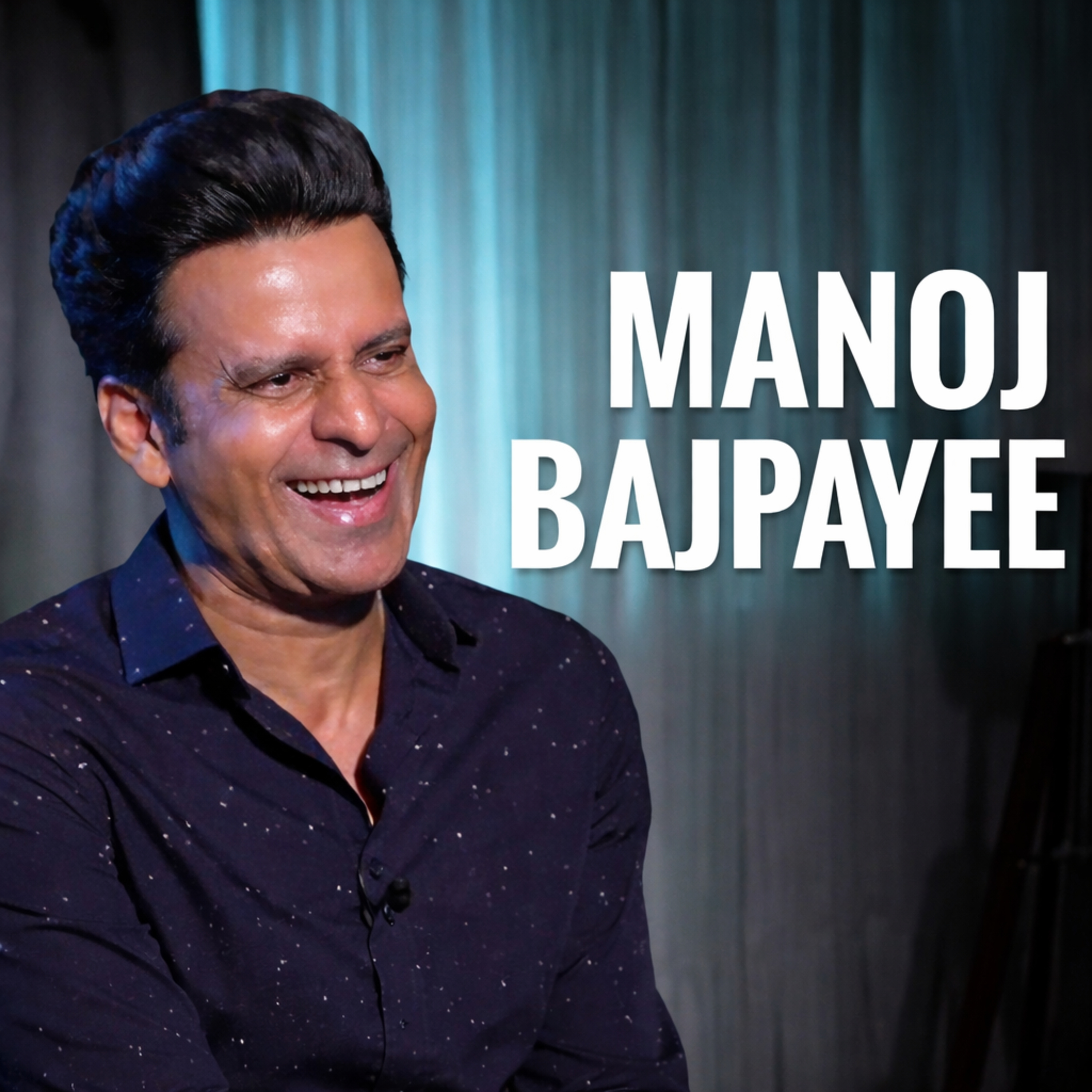 Manoj Bajpayee on Acting, Aligarh, OTT and Poetry | Rekhta Guftgu | In this Guftgu episode, Manoj Bajpayee speaks with unusual honesty about cinema, craft, and the kind of inner life that keeps an actor growing. He reflects on how the pandemic changed theatres, streaming, and the way people now live with stories, fear, and habit. He believes cinema will return, but not in the old way, and makes a strong case for theatres and OTT existing side by side.The conversation then moves into acting in a way listeners rarely get to hear. Manoj breaks down his preparation for Aligarh, from Marathi literature and music choices to gait, backstory, and the tiny behavioral details that make a performance feel lived rather than performed. He also speaks about Barry John, realism, simple living, and why craft matters more than image. The episode closes on poetry, with powerful readings from Dinkar and Dharamvir Bharati’s Andha Yug, revealing how literature, rhythm, and voice shape the actor behind the screen. | — | ||||||
| 4/2/26 | 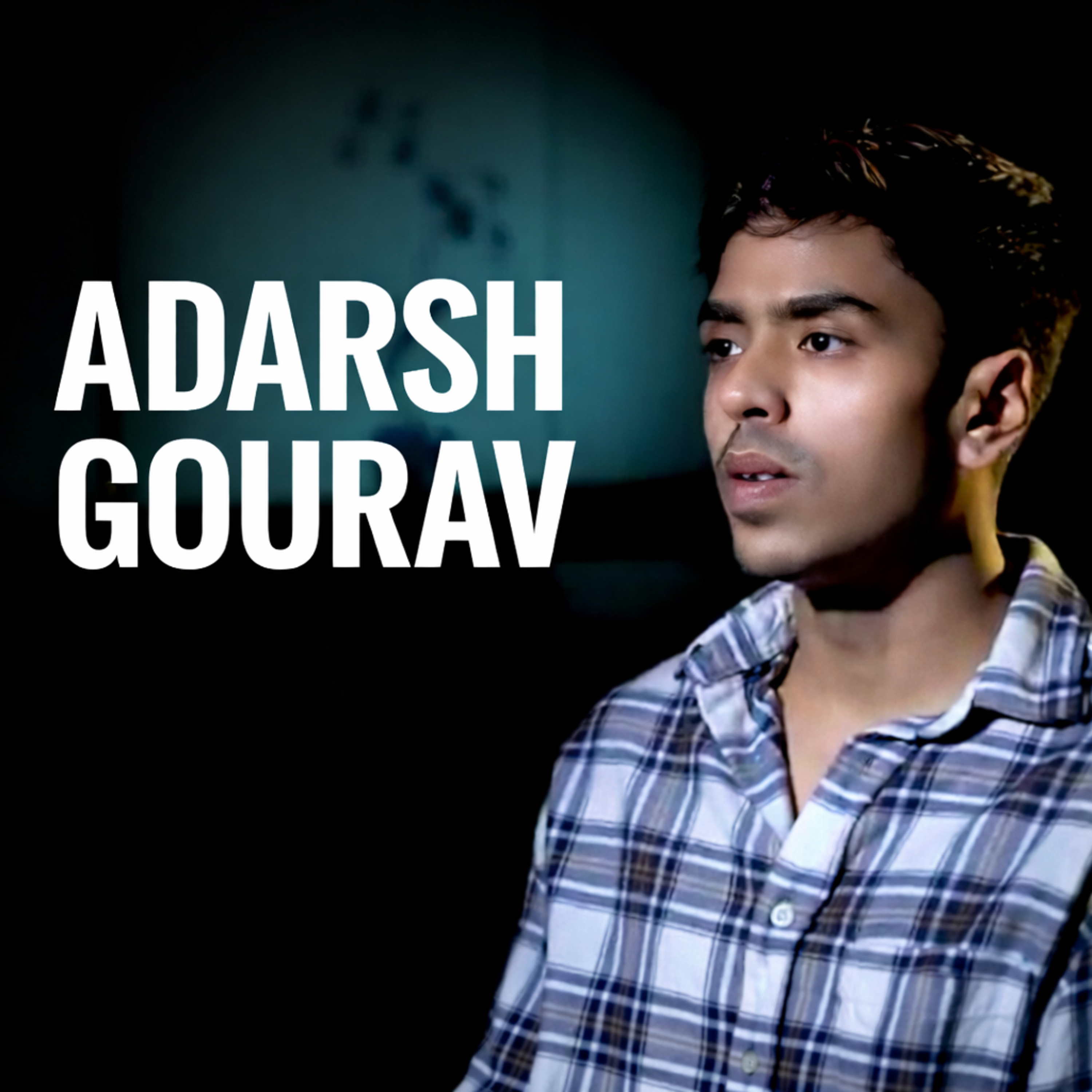 Adarsh Gourav: From Music to My Name Is Khan to The White Tiger | In this episode of Guftugu, Adarsh Gourav opens up about the road from My Name Is Khan to The White Tiger, the performance that brought him global attention and award nominations. He talks about growing up with music in Jamshedpur, moving to Mumbai, discovering acting later than expected, and building his craft through theatre, training, auditions, and relentless observation.Adarsh shares behind-the-scenes stories from his early career, his preparation for playing Balram Halwai, and the mindset that shaped his work across Hostel Daze, Guns & Gulaabs, and Kho Gaye Hum Kahan. Along the way, he speaks about music, acting teachers, inspiring filmmakers, and why learning never really stops for a performer. | — | ||||||
| 4/2/26 | 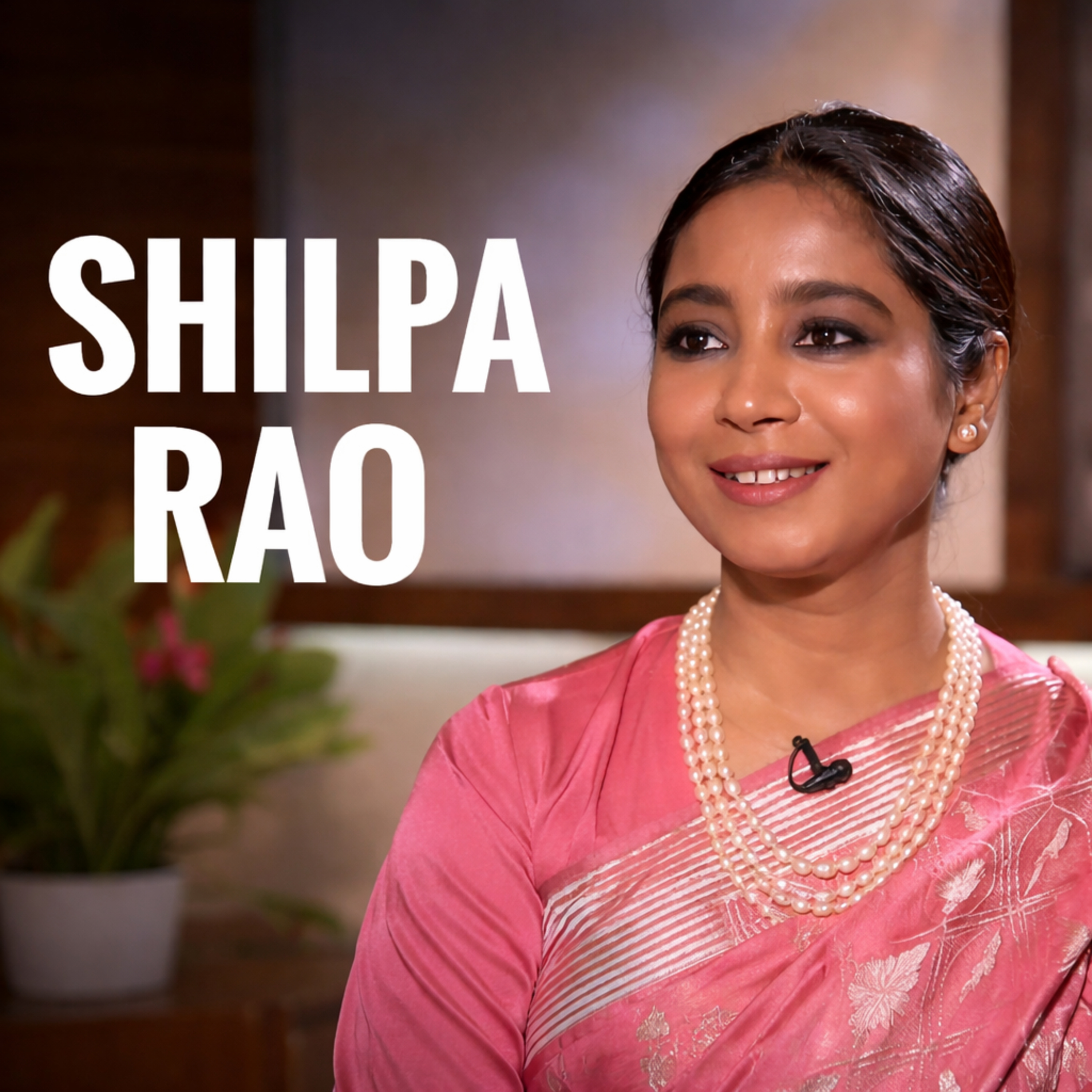 Shilpa Rao Gets Real About Music, Discipline and Stardom | Rekhta Guftgu at Jashn-e-Rekhta | In this episode, singer Shilpa Rao reflects on the journey that shaped her, from growing up in Jamshedpur to building a career in Bollywood and independent music. Before becoming one of the most loved voices in Indian music, she worked as a jingle singer, and slowly found her space through discipline, patience, and deep faith in her craft.Shilpa speaks about her debut with “Javeda Zindagi” from Anwar, the song that introduced her to a wider audience, and shares how riyaz, taleem, and faith in music have remained the foundation of her life. The conversation moves through her early struggles, her approach to singing, her musical influences, and the emotional truth she brings to every performance. | — | ||||||
| 4/2/26 | 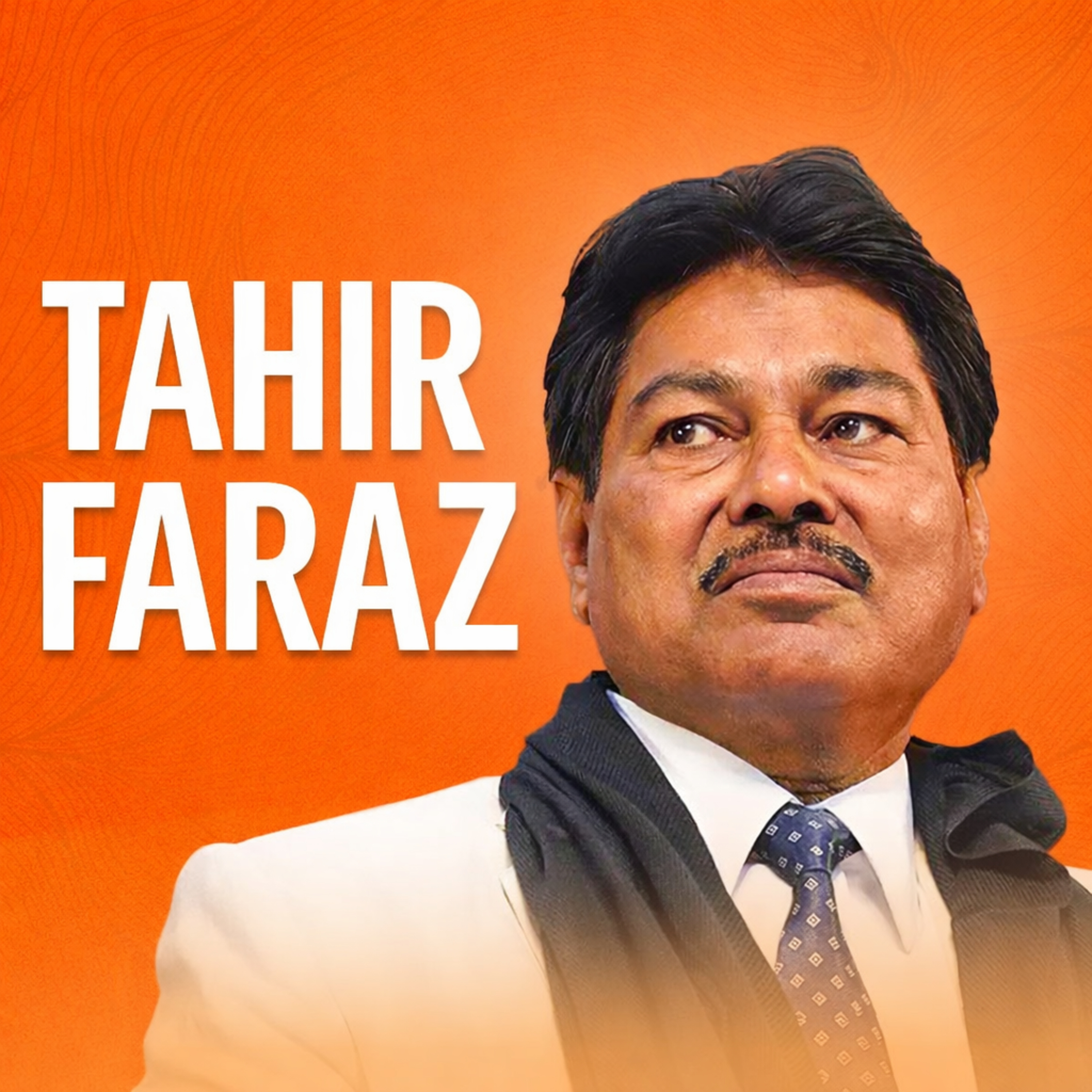 In Remembrance of Tahir Faraz | Live Shayari from Jashn-e-Rekhta | A voice like Tahir Faraz does not fade. It lingers.In this special Jashn-e-Rekhta episode, experience the live shayari of Tahir Faraz through nazms and verses that still feel achingly alive. From “Koi Aansu Jo Kagaz Bhigo Jayega” to “Ek Misra Hu Main, Ek Misra Ho Tum”, every line carries the grace, heartbreak, and beauty that made his poetry unforgettable.This episode stands as both a live poetry experience and a remembrance of Tahir Faraz, whose words turned everyday emotions into timeless Urdu poetry. Love, safar, tanhaai, homecoming, and the quiet weight of memory all come together in this powerful performance. | — | ||||||
| 4/2/26 | 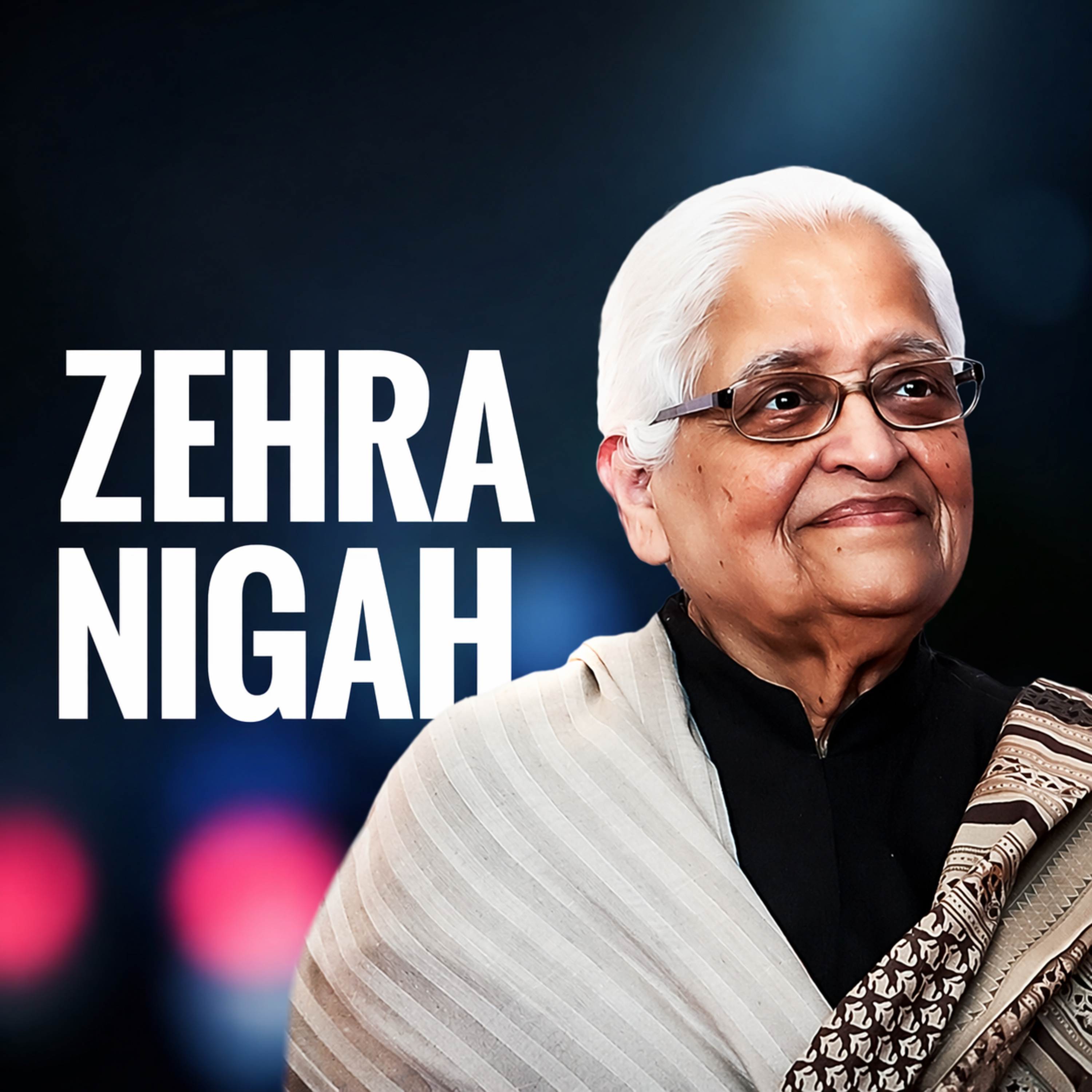 Zehra Nigah recites Jungle Ka Qanoon and a Ghazal of Unease | Live at Jashn-e-Rekhta | In this striking Jashn-e-Rekhta segment, Zehra Nigah is introduced as the presiding voice of the mushaira and delivers a reading that feels both lyrical and razor-sharp. She begins with her nazm “Jungle Ka Qanoon”, a poem that builds with quiet control before landing its political force. She then moves into a ghazal marked by images of greed, trees, and the fear of dawn. This episode brings together the authority of Zehra Nigah’s voice, the depth of Urdu poetry, and the unsettling beauty of verse that still speaks directly to our times. | — | ||||||
| 4/1/26 | 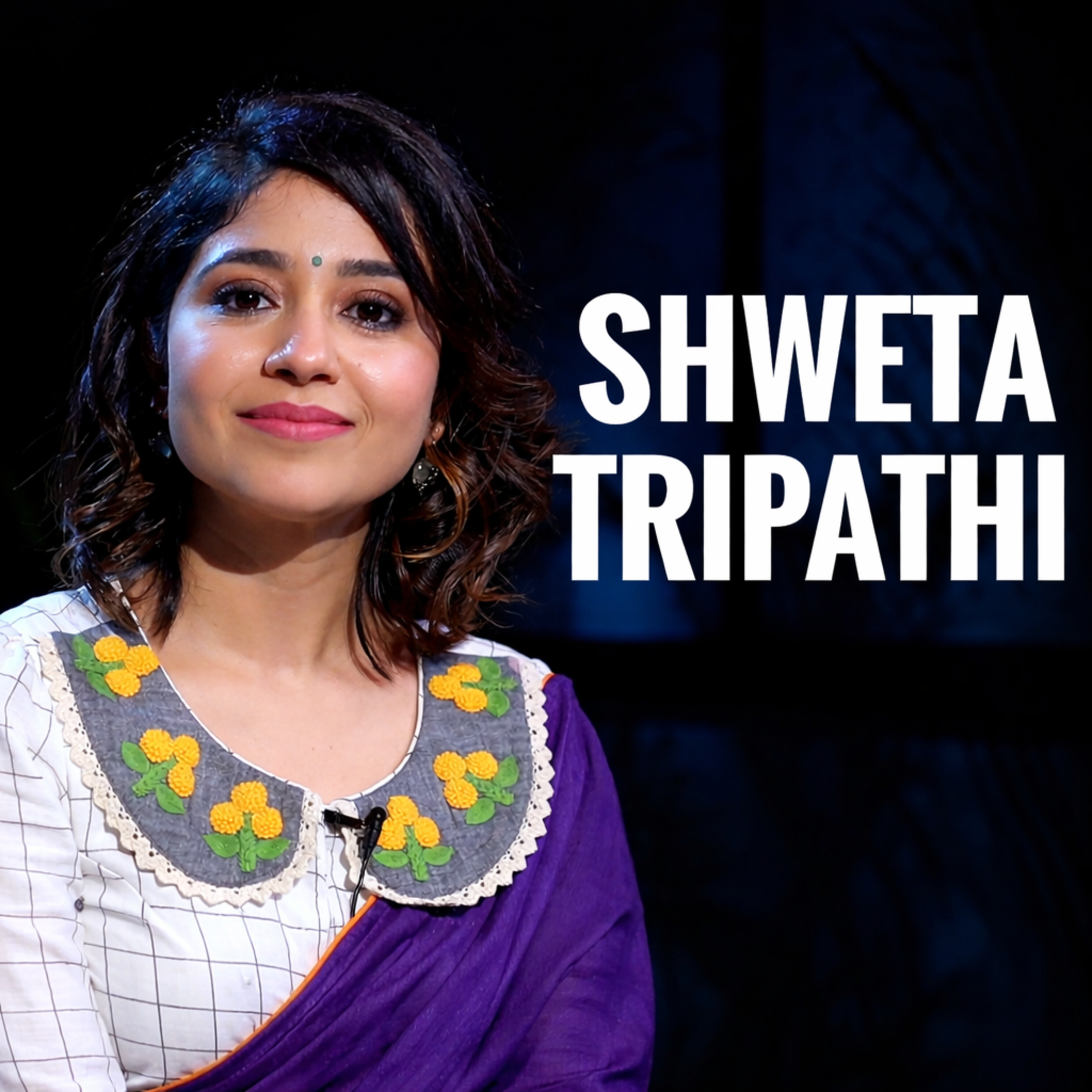 Shweta Tripathi on Mirzapur Fame, Acting Craft and Staying Grounded | Guftugu at Jashn-e-Rekhta | In this episode of Guftugu, Shweta Tripathi Sharma speaks with honesty and warmth about the choices that shaped her journey as an actor. From her early creative instincts to becoming a widely loved face through standout performances, she reflects on ambition, vulnerability, discipline, and the courage to back stories that feel true. The conversation moves through acting craft, fame after Mirzapur, personal growth, and what it takes to stay grounded in a fast-moving industry. A thoughtful listen for anyone interested in cinema, performance, storytelling, and the making of an artist with a voice of her own. | — | ||||||
Showing 25 of 43
Sponsor Intelligence
Sign in to see which brands sponsor this podcast, their ad offers, and promo codes.
Chart Positions
7 placements across 6 markets.
Chart Positions
7 placements across 6 markets.