Insights from recent episode analysis
Audience Interest
Podcast Focus
Publishing Consistency
Platform Reach
Insights are generated by CastFox AI using publicly available data, episode content, and proprietary models.
Most discussed topics
Brands & references
Total monthly reach
Estimated from 1 chart position in 1 market.
By chart position
- 🇸🇪SE · Christianity#1761K to 10K
- Per-Episode Audience
Est. listeners per new episode within ~30 days
300 to 3K🎙 Daily cadence·141 episodes·Last published 1mo ago - Monthly Reach
Unique listeners across all episodes (30 days)
1K to 10K🇸🇪100% - Active Followers
Loyal subscribers who consistently listen
400 to 4K
Market Insights
Platform Distribution
Reach across major podcast platforms, updated hourly
Total Followers
—
Total Plays
—
Total Reviews
—
* Data sourced directly from platform APIs and aggregated hourly across all major podcast directories.
On the show
From 12 epsHost
Recent guests
No guests detected in recent episodes.
Recent episodes
#145: King Solomon and the Need to Rule the Spirit
May 10, 2026
1h 39m 07s
#144: The Treasure of the Unread Letter
May 3, 2026
1h 21m 14s
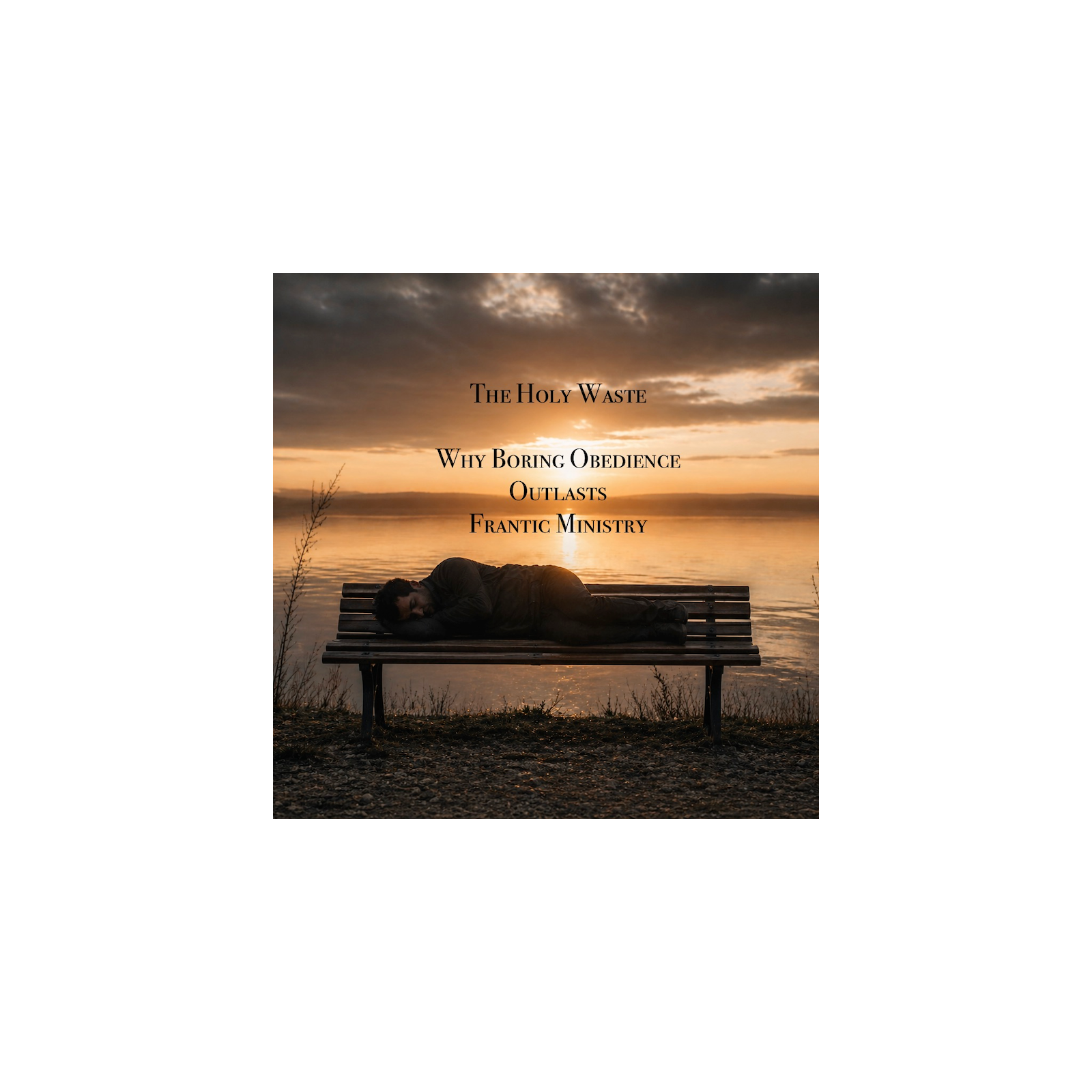
#143: The Holy Waste: Why Boring Obedience Outlasts Frantic Ministry
Apr 26, 2026
1h 15m 36s
#142: Run, Cushi, Run and Tell The Whole Truth
Apr 19, 2026
1h 24m 49s
#141: Youth and Social Media
Apr 18, 2026
1h 29m 41s
Social Links & Contact
Official channels & resources
Official Website
Login
RSS Feed
Login
| Date | Episode | Topics | Guests | Brands | Places | Keywords | Sponsor | Length | |
|---|---|---|---|---|---|---|---|---|---|
| 5/10/26 | ![]() #145: King Solomon and the Need to Rule the Spirit✨ | wisdomself-control+3 | — | Apostolic InternationalProverbs+1 | — | Solomonwisdom+5 | — | 1h 39m 07s | |
| 5/3/26 | ![]() #144: The Treasure of the Unread Letter✨ | God's planfaith+4 | — | Apostolic InternationalThe Treasure of the Unread Letter+1 | — | God's planfaith+5 | — | 1h 21m 14s | |
| 4/26/26 | ![]() #143: The Holy Waste: Why Boring Obedience Outlasts Frantic Ministry✨ | obedienceministry+5 | — | Apostolic International | — | boring obediencefrantic ministry+5 | — | 1h 15m 36s | |
| 4/19/26 | ![]() #142: Run, Cushi, Run and Tell The Whole Truth✨ | truth in preachingmessengers in the Bible+4 | — | Apostolic InternationalRUN CUSHI RUN AND TELL THE WHOLE TRUTH+2 | — | AhimaazCushi+6 | — | 1h 24m 49s | |
| 4/18/26 | ![]() #141: Youth and Social Media✨ | youthsocial media+4 | — | Apostolic InternationalYOUTH_AND_SOCIAL_MEDIA | — | social mediayouth+5 | — | 1h 29m 41s | |
| 4/18/26 | ![]() #140: The Foundation Wet with Blood✨ | theologysacrifice+4 | — | Apostolic InternationalTHE FOUNDATION WET WITH BLOOD+2 | — | blood of Jesusfoundation+5 | — | 1h 23m 50s | |
| 4/18/26 | ![]() #139: The Three Hebrew Children✨ | faithspiritual discipline+4 | — | Apostolic International | Babylon | Hebrew childrenBabylon+6 | — | 1h 18m 25s | |
| 4/5/26 | ![]() #138: The Youth of Christ✨ | spiritual growthyouth in faith+3 | — | Apostolic InternationalTHE_YOUTH_OF_CHRIST+2 | Jerusalem | Jesusyouth+6 | — | 44m 13s | |
| 3/28/26 | ![]() #137: Evangelism Report In Zimbabwe March 2026✨ | evangelismmission trip+3 | — | Apostolic International | Zimbabwe | evangelismmission trip+4 | — | 32m 48s | |
| 3/21/26 | ![]() #136: Joanna and the God Who Uses Pharaoh's Gold✨ | faithfulnessdivine purpose+3 | — | Apostolic InternationalJOANNA_AND_THE_GOD_WHO_USES_PHARAOHS_GOLD+2 | — | JoannaHerod+5 | — | 1h 17m 10s | |
Want analysis for the episodes below?Free for Pro Submit a request, we'll have your selected episodes analyzed within an hour. Free, at no cost to you, for Pro users. | |||||||||
| 3/21/26 | ![]() #135: Youth and Parents✨ | youthparents+4 | — | Apostolic InternationalYOUTH_AND_PARENTS.pdf | — | youthparents+5 | — | 1h 11m 13s | |
| 3/21/26 | ![]() #134: Study What God has Made✨ | knowledgecreation+4 | — | Apostolic International | — | studyGod+6 | — | 1h 27m 53s | |

| 9/16/23 | ![]() #25: Stand Still and see the Salvation of the Lord! | <ul><li> Email: hpaulsilas@hotmail.com</li><li> https://apostolicinternational.com/ </li><li> Statement of beliefs: https://apostolicinternational.com/statement-of-beliefs </li><li> The sermon: https://apostolicinternational.com/sermons/STAND_STILL_AND_SEE_THE_SALVATION_OF_THE_LORD.pdf </li><li> The sermon focuses on the biblical story of the Israelites' exodus from Egypt, emphasizing the idea of separation from the world and salvation. It begins by highlighting how challenging it can be for those who have been deeply entrenched in worldly ways to separate themselves for the Lord. The number 430 is mentioned, signifying a time of permanent and irrevocable separation, drawing parallels with the Israelites' 430 years in slavery in Egypt and the division of the earth in the days of Peleg.The sermon underscores the importance of faith in God's promise of separation and salvation, even when faced with fear and uncertainty. The Red Sea symbolizes a dramatic and frightening moment when individuals are squeezed between their past sinful lives and the path to salvation. However, the message assures that God stands as a barrier between the past and the glorious future, shielding believers from their tormenting past.The sermon concludes with an encouragement to stand still and witness the salvation of the Lord. It emphasizes that separation from the world can be painful and turbulent but is essential for understanding the beauty of holiness. Divine intervention is highlighted as the means to break free from the bondage of sin and move towards the Promised Land, with the hope that the path back to a sinful past will be permanently closed. Ultimately, the message encourages believers to rise again, even after falling into sin, and trust in the salvation of the Lord.</li></ul> | 51m 28s | ||||||
| 9/13/23 | ![]() #24: Why go to Church? | <ul><li> Email: hpaulsilas@hotmail.com</li><li> https://apostolicinternational.com/ </li><li> Statement of beliefs: https://apostolicinternational.com/statement-of-beliefs </li><li> The sermon: https://apostolicinternational.com/sermons/WHY_GO_TO_CHURCH.pdf </li><li> This sermon emphasizes the importance of attending church with the right internal motivations and understanding. The sermon begins by highlighting the idea that going to church is not about external factors like tradition or habit. Instead, it's about recognizing that as believers, you are part of God's household. The church is described as a spiritual family, and attending services should come from a deep internal conviction that you belong to this family. The act of going to church is presented as a battle against the flesh. It's not always easy or convenient, but it's a spiritual commitment. This underscores the idea that true faith requires effort and sacrifice. The sermon emphasizes that the church doesn't need to focus on success, entertainment, modernity, inclusivity, or self-justification. Instead, it should be a place where people worship God wholeheartedly and hold on to their faith in Christ. The importance of worshiping God in church is stressed, referring to Psalm 100. It's in this context that believers receive life and spiritual nourishment. The sermon references John 6 to highlight that attending church and partaking in communion is a source of eternal life. It's a reminder that Christ is central to the church, and it's through Him that believers find life and sustenance. The sermon concludes by summarizing that the church needs Jesus Christ, faithful believers who hold onto their faith, and believers need to be with Christ. It also includes a call to "fight the good fight" and lean on Christ's strength and love.In essence, the sermon emphasizes that going to church should be driven by a deep understanding of one's place in God's family and a commitment to worship and spiritual growth, rather than external factors or trends.</li></ul> | 1h 07m 25s | ||||||
| 9/6/23 | ![]() #23: Give the Empty Room to Jesus: A Lesson in Hospitality and Faith | This message draws inspiration from the biblical accounts of two remarkable individuals: the Shunammite woman and the unnamed host who prepared a guest chamber for the Lord. These stories illustrate the importance of faith, hospitality, and devotion to God.\n\nThe Shunammite woman, described as \"great,\" despite her childlessness, made a choice that set her apart. Instead of dwelling on her misfortune, she chose to focus on what truly mattered: her love for God. She was determined to prepare an empty room in her house for the prophet Elisha, a man of God who frequently passed by. Her act of faith demonstrates the principle of seeking first the kingdom of God.\n\nThe metaphor of an \"empty room\" is extended to our own lives. It represents unmet needs, struggles, and challenges that we face. The message encourages us to give these empty rooms to Jesus. In other words, we are called to trust God with our problems and unfulfilled desires.\n\nThe story of the unnamed man who prepared a guest chamber for Jesus during the Passover is another powerful example of hospitality and faith. This man's actions symbolize our willingness to make room for Jesus in our lives. He recognized the significance of Jesus and offered his space for the Passover meal.\n\nThe message emphasizes that when we give our \"empty rooms\" to Jesus, we invite Him to fill those spaces with blessings, just as the Shunammite woman's empty room was eventually filled with the laughter of a child. It encourages us to trust God even when faced with challenges, knowing that He will meet our needs in His perfect timing.\n\nThe unnamed host's guest chamber for Jesus becomes a symbol of God's divine presence. It was in this room that Jesus shared the life-giving symbolism of His body and blood, and it was where the Holy Spirit was poured out. The lesson here is that when we prepare room for God in our lives, He blesses us in ways beyond our imagination.\n\nUltimately, the message encourages us to embrace the act of hospitality, faith, and trust in God. Just as Hannah dedicated her child Samuel to God and the Shunammite woman prepared a room for Elisha, we are invited to give our empty rooms to Jesus, trusting that He will fill them with His presence and blessings. | 1h 11m 03s | ||||||
| 8/26/23 | ![]() #22: The Church in Babylon: Refusing to Bow | <ul><li> Email: hpaulsilas@hotmail.com</li><li> https://apostolicinternational.com/ </li><li> Statement of beliefs: https://apostolicinternational.com/statement-of-beliefs </li><li> The sermon: https://apostolicinternational.com/sermons/THE_CHURCH_IN_BABYLON_REFUSING_TO_BOW.pdf </li><li> The story of Mordecai in the biblical book of Esther is used as a metaphor to illustrate the Church's position in a worldly and hostile environment, symbolized by Babylon. Like Mordecai in Persia, the Church must stand firm and not bow down to the pressures of this world.Haman, an Agagite and an enemy of the Jews, demanded reverence from all. Everyone bowed to him except Mordecai. This refusal stemmed from Mordecai's understanding of God's decree to fight against Amalek, a symbol of sin. The message is clear: the Church must not compromise with sin, as it brings destruction. Paul's dedication to daily dying to sin is cited as an example.Babylon represents the contemporary world with its idols and sinful allure. Paul's warnings about the last days' idols are referenced, emphasizing the need to turn away from godless influences. The Church, though present in Babylon, must not adopt its values. Mordecai's watchfulness near the palace serves as a metaphor for the Church's role as spiritual guardians and reminders of God's covenant.Esther's situation, being Jewish in a foreign land, mirrors the Church's predicament. Just as Esther became queen to a pagan king, the Church, though orphaned in Babylon, is favored by Christ. The promise that God would be a "little sanctuary" for His people, even in foreign lands, is invoked.The return of the Jewish generation to Jerusalem after 70 years of Babylonian captivity parallels the Church's eventual departure from this world. Despite success in Babylon, many Jews chose to return, understanding God's promises. The Church too awaits the day when the promises of Christ come to fruition, just as those who left Babylon were recorded. The metaphor concludes with a reminder of Jesus' prophecy that some will be taken while others are left, signifying the Church's ultimate separation from the world.</li></ul> | 1h 22m 39s | ||||||
| 8/23/23 | ![]() #21: I Will Be to Them a Little Sanctuary | <ul><li> Email: hpaulsilas@hotmail.com</li><li> https://apostolicinternational.com/ </li><li> Statement of beliefs: https://apostolicinternational.com/statement-of-beliefs </li><li> The sermon: https://apostolicinternational.com/sermons/I_WILL_BE_TO_THEM_A_LITTLE_SANCTUARY.pdf </li><li> In Ezekiel 11:16, God assures His people that even in foreign and hostile lands, He will be their sanctuary. The sermon draws parallels to the Tabernacle of Moses, explaining how it represents God's presence and refuge. Despite challenging surroundings, believers are encouraged to seek this "little sanctuary." The story of Daniel's unwavering prayer in Babylon exemplifies this concept.The Tabernacle's elements hold spiritual lessons: the golden censer symbolizes prayer's centrality; the Ark of the Covenant reminds of God's promise and global salvation; the golden pot signifies heavenly nourishment; Aaron's rod signifies divine leadership; and the tables of the covenant emphasize God's enduring word. The little sanctuary, like the Tabernacle's Holy Place, must be free from worldly distractions.Prayer's importance is highlighted, echoing Christ's words that His house is a house of prayer. Just as Israel received God's miraculous provisions, believers can find spiritual nourishment in the little sanctuary. The leadership, exemplified by Aaron's rod, is divinely appointed, and believers are urged to discern genuine spiritual gifts. The word of God, represented by the tables of the covenant, should be central, guiding believers' lives.The sermon encourages regular visits to the little sanctuary, shutting out worldly noise. Through prayer, assurance of God's presence, promises, and divine leadership is obtained. The Ark of the Covenant signifies global salvation through Christ. The golden pot assures divine provision, while the tables of the covenant emphasize God's unchanging word. The sanctuary offers a place of spiritual refuge and strength amidst life's challenges.</li></ul> | 55m 55s | ||||||
| 8/14/23 | ![]() #20: The Tithe of the Lord | <ul><li> Email: hpaulsilas@hotmail.com</li><li> https://apostolicinternational.com/ </li><li> Statement of beliefs: https://apostolicinternational.com/statement-of-beliefs </li><li> The sermon: https://apostolicinternational.com/sermons/THE_TITHE_OF_THE_LORD.pdf </li><li> The sermon delves into the principle of tithing, using Malachi 3:10-11 as its foundation. Tithe is defined as 10% of one's earnings or produce and Christians, after accepting Jesus and being saved, are commanded to tithe. Tithing is presented as a recognition of God's ownership and provision for our needs.The sermon draws from biblical examples, showing how Abraham and Jacob both offered tithes to God. Abraham's tithe was a response to God's blessing, while Jacob's vow was conditional upon God's provision and protection. It is noted that tithing is the only ordinance where believers are invited to test God, as seen in Malachi 3:10.The principle of giving to both God and the state is highlighted using Jesus' words in Mark 12:17. The preacher acknowledges the responsibilities toward the state but emphasizes that Christians must not neglect their duties to God, as demonstrated by tithing.The sermon explains that tithing showcases God's authority and His ability to bless and multiply. The preacher links the significance of the number 10 in tithing to the authority established after the tenth plague in Egypt and the Ten Commandments given at Mount Sinai. Through tithing, believers are called to establish God's authority in every aspect of their lives.The preacher concludes by addressing the attitude accompanying tithing, emphasizing that God loves a cheerful giver. The example of David's generous offerings is highlighted, showcasing a willingness to give sacrificially. The audience is encouraged to give their tithes and offerings with a joyful heart, following the example of David, who was considered a man after God's heart.</li></ul> | 1h 18m 13s | ||||||
| 7/31/23 | ![]() #19: What Did Jesus Do for you? | <ul><li> Email: hpaulsilas@hotmail.com</li><li> https://apostolicinternational.com/ </li><li> Statement of beliefs: https://apostolicinternational.com/statement-of-beliefs </li><li> The sermon: https://apostolicinternational.com/sermons/WHAT_DID_JESUS_DO_FOR_YOU.pdf </li><li> The sermon centers around the story of the blind man healed by Jesus in John 9. Suffering and difficulties are opportunities for God to demonstrate His power and be glorified in our lives. Jesus, as God, has the ability to perform miraculous acts, and through this healing, He reveals His identity as the one true God.All humans are born spiritually blind due to sin, and it is only through Jesus that we can receive spiritual sight and salvation. The blind man's testimony of his healing serves as an example of how each individual must speak for themselves about what Jesus has done in their lives.The ultimate miracle is the salvation of the soul, and should not be swayed by the opinions of others but to firmly believe in Jesus as the Son of God. The blind man's unwavering faith and worship of Jesus demonstrate his understanding of Jesus' divine nature.In conclusion, the sermon encourages the audience to stand firm in their faith, knowing the identity, love, and compassion of Jesus. Each person should declare what Jesus has done for them, acknowledging Him as the one true God and Savior.</li></ul> | 1h 11m 00s | ||||||
| 7/24/23 | ![]() #18: Riding with Christ the Conqueror | <ul><li> Email: hpaulsilas@hotmail.com</li><li> https://apostolicinternational.com/ </li><li> Statement of beliefs: https://apostolicinternational.com/statement-of-beliefs </li><li> The sermon: https://apostolicinternational.com/sermons/RIDING_WITH_CHRIST_THE_CONQUEROR.pdf </li><li> The sermon focuses on Revelation 19:11-14, describing the glorious return of the Lord Jesus Christ riding on a white horse. The preacher emphasizes that the white horse signifies a war for peace and the speed of Jesus' return. The sermon highlights Jesus' faithfulness to His promises and His righteousness as He judges and makes war.The sermon also discusses the significance of Jesus' eyes burning with zeal and the many crowns upon His head, signifying His kingship and power. The sermon emphasizes the importance of repentance and baptism in Jesus' name for salvation and being guiltless of His blood.The sermon excites the listeners about the future prospect of riding white horses alongside the Lord Jesus during His ultimate conquest. The sermon encourages us to be part of the armies of the Lord and be more than conquerors through Him.The sermon concludes with a message of hope and joy, knowing the true story of the end of the world and the glorious future that awaits believers. All praises to the Lord Jesus for His victorious return and calls for rejoicing in anticipation of that day.</li></ul> | 1h 13m 38s | ||||||
| 7/17/23 | ![]() #17: The Still, Small Voice | <ul><li> Email: hpaulsilas@hotmail.com</li><li> https://apostolicinternational.com/ </li><li> Statement of beliefs: https://apostolicinternational.com/statement-of-beliefs </li><li> The sermon: https://apostolicinternational.com/sermons/THE_STILL_SMALL_VOICE.pdf</li><li>The sermon is based on the story of Elijah in 1 Kings 19:11-13. Elijah's ministry was marked by spectacular demonstrations of God's power, such as calling fire from heaven and shutting up the heavens with his prayers. However, after a great victory on Mount Carmel, Elijah faced a crisis when Queen Jezebel threatened his life. He fled to Mount Horeb, seeking God's guidance and reassurance. God spoke to Elijah in a still, small voice, not in the wind, earthquake, or fire.The sermon highlights that Elijah's ministry relied too heavily on the spectacular displays of power, and God used the crisis to teach him an important lesson. While God may at times perform miracles, He desires humans to be persuaded by His Spirit and Word. The sermon draws parallels with the multitudes who followed Jesus for His miracles and provision of food but abandoned Him when He spoke of deeper spiritual truths.God was in His still, small voice, which brought restoration and edification to Elijah. The sermon emphasizes the importance of seeking God in His Word and listening to His still, small voice. The voice of God can heal, restore, and empower, and we should rely on His Word to persuade souls rather than relying on spectacular acts.The sermon concludes by highlighting how God's voice asked probing questions about Elijah's own conduct and corrected and comforted him. It encourages listeners to separate themselves from the crowds, come to Jesus alone, and wait to hear His still, small voice. The sermon calls for a reliance on the voice of God and persuading others through His Word, rather than relying on the spectacular.</li></ul> | 1h 22m 25s | ||||||
| 7/11/23 | ![]() #16: The Mountains and Valleys of Life | <ul><li> Email: hpaulsilas@hotmail.com</li><li> https://apostolicinternational.com/ </li><li> Statement of beliefs: https://apostolicinternational.com/statement-of-beliefs </li><li> The sermon: https://apostolicinternational.com/sermons/THE_MOUNTAINS_AND_VALLEYS_OF_LIFE.pdf </li><li> This sermon discusses the significance of mountains and valleys in the Christian journey and relates them to the life of Christ and biblical figures like Moses and Paul. It emphasizes the importance of experiencing both highs and lows in order to grow spiritually and trust in God. Living a comfortable and stable life leads to complacency and sin, while facing challenges and difficulties strengthens one's faith. The mountains represent moments of glory, vision, and spiritual growth, while the valleys symbolize the presence of Christ in the midst of struggles, sins, and hardships. God allows valleys in our lives to teach us, help us trust in Him, and grow in wisdom and reconciliation through the blood of Jesus. This sermon also highlights the need to stay connected to Christ and rely on Him in all circumstances. It encourages communication with God, keeping the focus on the heavenly promise, enduring with the power Christ provides, finding encouragement in the positive effects of valleys, and practicing patience. Ultimately, it emphasizes that Christ is the constant factor in our lives, the stable foundation on which we can rely. The passage concludes by expressing the belief that one day mountains and valleys will disappear, and all will be united in the new Jerusalem.</li></ul> | 1h 05m 51s | ||||||
| 7/4/23 | ![]() #15: The Divided Garments of Jesus | <ul><li> Email: hpaulsilas@hotmail.com</li><li> https://apostolicinternational.com/ </li><li> Statement of beliefs: https://apostolicinternational.com/statement-of-beliefs </li><li> The sermon: https://apostolicinternational.com/sermons/THE_DIVIDED_GARMENTS_OF_JESUS.pdf </li><li> In this sermon, the focus is on the Roman soldiers dividing the garments of Jesus after His crucifixion. The preacher interprets this event symbolically, highlighting several key points.Firstly, the sermon emphasizes that Jesus had no earthly possessions except for the clothes He wore. The Roman soldiers represent the Gentiles, indicating that the Gospel was of great interest to them, unlike the Jews who rejected Jesus. The division of the garments into four parts represents the universality of the Gospel, signifying its message reaching all corners of the world.The sermon also draws a connection to prophecies about Jesus' garments being divided among the soldiers and the Psalm that foretells this event. This highlights the idea that the Gospel is for those who understand its value and are willing to fight for it. It encourages believers to demonstrate zeal and determination, like Elisha, who desired to inherit Elijah's mantle. By inheriting Jesus' garments, it refers to receiving His anointing and favor to evangelize the world.Moreover, the sermon compares the disciplined and determined Roman soldiers to the soldiers of Jesus' Kingdom. It stresses the importance of believers being disciplined, trained, and determined to spread the Gospel to the ends of the earth under the anointing of the Holy Spirit. The mention of Paul's handkerchiefs in Acts further emphasizes the power and impact that can come from items associated with anointed individuals.Finally, the sermon highlights the significance of the soldiers not tearing Jesus' seamless coat, representing the inner vesture. This garment symbolizes the need to enter the presence of Jesus, the High Priest, who cleanses and ministers to the needs of our souls. It emphasizes the Christian life as a continuous cycle between going out into the world to make disciples and returning to Jesus for spiritual nourishment.The sermon concludes by urging believers, now in possession of Jesus' garments (anointing and priesthood), to march forward as Christian soldiers, conquering the world for Jesus. It encourages them to fulfill the Great Commission and utilize the power of Jesus to impact lives and bring others to Him.</li></ul> | 59m 32s | ||||||
| 6/27/23 | ![]() #14: Cleaving to Naomi | <ul><li> Email: hpaulsilas@hotmail.com</li><li> https://apostolicinternational.com/ </li><li> Statement of beliefs: https://apostolicinternational.com/statement-of-beliefs </li><li> The sermon: https://apostolicinternational.com/sermons/CLEAVING_TO_NAOMI.pdf </li><li> The sermon is centered around the story of Ruth and Naomi from the book of Ruth. Naomi is a symbol of the Great Commission given by Jesus in Matthew 28:19-20, where believers are commanded to go and teach all nations. It is important to recognize the value of the Gospel and cleave to it, just as Ruth recognized the worth of Naomi and refused to let go. Ruth was committed to Naomi, so much so that she made a declaration to stay with her and follow her wherever she goes, even to the extent of adopting Naomi's people and God as her own. There is a parallel between Ruth's commitment and the disciples' willingness to follow Jesus when He called them. As believers, we need to allow the Gospel to lead and guide them, rather than determining its course ourselves. We must love all people of Jesus, regardless of divisions caused by race, culture, class, politics, or other issues in the world. The sermon also addresses the concept of dying to self and communal/national identity, stating that believers should be willing to give up personal plans and embrace the global mission of spreading the Gospel. It references biblical prophecies about global migration and mingling of different people in the last days, seeing it as a sign of the impending return of Jesus. The core message of the Gospel is presented briefly, stating that there is one God who manifested in a body, died on the cross for the forgiveness of sins, rose again, and poured out the Holy Spirit. The response to this understanding is repentance, baptism in the name of Jesus Christ for the remission of sins, and receiving the gift of the Holy Spirit. The sermon concludes by highlighting Ruth's willingness to die to herself and her identity, which led to blessings for herself and future generations. It encourages listeners to cleave to the Gospel of Jesus Christ and become vessels through which all nations can be blessed.</li></ul> | 1h 09m 30s | ||||||
| 6/19/23 | ![]() #13: Lessons from the Olive Tree | <ul><li> Email: hpaulsilas@hotmail.com</li><li> https://apostolicinternational.com/ </li><li> Statement of beliefs: https://apostolicinternational.com/statement-of-beliefs </li><li> The sermon: https://apostolicinternational.com/sermons/LESSONS_FROM_THE_OLIVE_TREE.pdf </li><li> The sermon is based on the parable of Jotham from Judges 9:8-15, focusing on the significance of the olive tree as a symbol of humility, faithfulness, and service to God and humanity. The olive tree was chosen by the other trees to be their king but declined because it recognized its purpose in honoring God and serving others through its fatness (abundance) and the oil it produced. The sermon highlights the biblical references and symbolism associated with the olive tree, including its role in the Ark of Noah, the Temple in Israel, and the Garden of Gethsemane. The sermon encourages believers to emulate the olive tree's characteristics of knowing the source of their blessings, remaining faithful, and prioritizing service to God and others over worldly ambitions.</li></ul> | 1h 03m 14s | ||||||
Showing 25 of 148
Pitch Fit is a Pro feature
See how bookable this show is for guests, which brands already advertise, the per-episode ad value, and the best-fit guest and sponsor profile. The numbers are blurred on the free plan.
How readily this show books outside guests like you.
How proven this show is for host-read sponsorships.
For Guests
ProFor Advertisers
ProUpgrade to Pro to unlock guest cadence, sponsor categories, fit scores, and per-episode ad value for this show.
Chart Positions
1 placement across 1 market.
Chart Positions
1 placement across 1 market.