
Insights from recent episode analysis
Audience Interest
Podcast Focus
Publishing Consistency
Platform Reach
Insights are generated by CastFox AI using publicly available data, episode content, and proprietary models.
Most discussed topics
Brands & references
Est. Listeners
Insufficient chart data. Estimates will improve as the show charts.
- Per-Episode Audience
Est. listeners per new episode within ~30 days
N/A🎙 Daily cadence·151 episodes·Last published 1w ago - Monthly Reach
Unique listeners across all episodes (30 days)
N/A - Active Followers
Loyal subscribers who consistently listen
N/A
Market Insights
Platform Distribution
Reach across major podcast platforms, updated hourly
Total Followers
—
Total Plays
—
Total Reviews
—
* Data sourced directly from platform APIs and aggregated hourly across all major podcast directories.
On the show
From 16 epsHost
Recent guests
Recent episodes
Ep 158: Nima Ghamsari on Blend's Comeback & the Power of AI Agents and Infinite Workforce
Jun 18, 2026
39m 02s
Ep 157: Scott Nolan on the AI Energy Crisis & America's Nuclear Renaissance
Jun 5, 2026
39m 41s
Ep 156: Coleman Hughes Takes on America's Most Contentious Debate: the Legacy of Slavery
May 29, 2026
49m 38s
Ep 155: Eric Scott on the Biggest Missed Opportunity in Venture Investing
May 22, 2026
30m 26s
Ep 154: Jacob Helberg on Pax Silica & the New Global Order in the AI Age
May 19, 2026
33m 53s
Social Links & Contact
Official channels & resources
Official Website
Login
RSS Feed
Login
Resolving iTunes ID\u2026 if this persists, the podcast may not be indexed on Apple Podcasts.
| Date | Episode | Topics | Guests | Brands | Places | Keywords | Sponsor | Length | |
|---|---|---|---|---|---|---|---|---|---|
| 6/18/26 |  Ep 158: Nima Ghamsari on Blend's Comeback & the Power of AI Agents and Infinite Workforce | Nima Ghamsari was a top talent at Palantir before founding Blend Labs to digitize the mortgage process. Blend became one of Silicon Valley’s hottest SaaS companies until the mortgage industry came to a screeching halt in recent years. Now, the AI wave has Blend poised for a comeback. What will the future of home buying look like? Why is Nima all-in on AI agents? And how can AI supercharge established tech companies with the will and talent to rethink things from scratch?In this episode, we’re joined by the Founder and Head of Blend, Nima Ghamsari. We begin with his parents immigrating from Iran to the U.S. in the 1980s and how Nima made his way to Stanford. He quickly made a name for himself as a talented online poker player — winning millions of dollars and famously showing up to Palantir as a new hire in an Aston Martin. Learn about the lessons Nima brought with him from Palantir into building Blend, and how he took on the ambitious task of bringing the outdated, cumbersome mortgage process online. Next, we dive into Blend’s meteoric rise and fall as the U.S. mortgage industry hit the skids in recent years. Now, Nima believes AI has the company poised for a comeback. Learn about its AI agent, “Autopilot,” and why Blend has the most deployed agents in financial services right now. On this podcast, we talk a lot about new AI-first companies; Blend is a great example of a talented SaaS company embracing AI for a powerful Act II.00:00 Episode intro01:45 Millions playing poker to joining Palantir06:00 Most important lessons from Palantir07:30 Founding Blend / understanding the mortgage industry11:25 How to win over banks and risk-averse customers 15:50 Blend’s meteoric rise and fall 19:00 Going all-in on AI agents / Blend’s Act II 22:55 Is Blend undervalued today? 26:50 Impact of AI on internal operations / increased productivity 32:00 The future of SaaS 36:20 The optimistic case for AIDisclosure: Joe Lonsdale is a principal of Eight Partners VC, LLC (“8VC”), a registered investment adviser whose funds currently hold shares of Blend Labs, Inc. (“Blend”). Joe also has a longstanding personal relationship with Blend and its CEO, having served as an early investor, adviser, and board member. The statements in this episode reflect Joe’s personal views as of the date of recording and may contain forward-looking statements that are subject to risks, uncertainties, and assumptions. Nothing in this episode constitutes investment, legal, tax, or financial advice, nor should any statement be understood as a recommendation to buy, sell, or hold any security or invest in any 8VC-managed vehicle. Listeners should conduct their own research and consult their own professional advisers before making any investment decisions. American Optimist is Joe’s personal podcast; the views expressed are his own and do not necessarily represent the views of 8VC or its affiliates. This is a public episode. If you would like to discuss this with other subscribers or get access to bonus episodes, visit blog.joelonsdale.com | 39m 02s | ||||||
| 6/5/26 |  Ep 157: Scott Nolan on the AI Energy Crisis & America's Nuclear Renaissance✨ | nuclear energyAI revolution+4 | Scott Nolan | BoeingSpaceX+2 | U.S.China+1 | nuclear powerenergy crisis+4 | — | 39m 41s | |
| 5/29/26 |  Ep 156: Coleman Hughes Takes on America's Most Contentious Debate: the Legacy of Slavery✨ | legacy of slaveryrace politics+4 | Coleman Hughes | University of AustinColumbia University+2 | — | slaveryrace politics+5 | — | 49m 38s | |
| 5/22/26 | 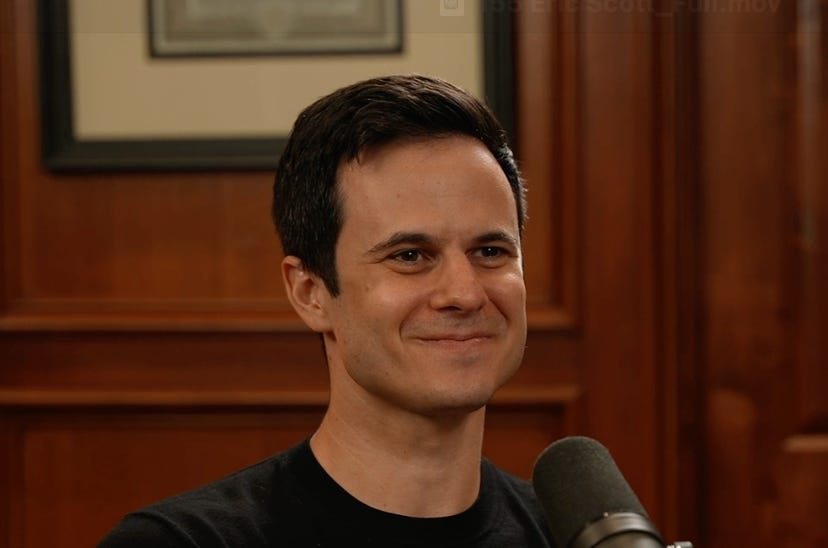 Ep 155: Eric Scott on the Biggest Missed Opportunity in Venture Investing✨ | venture investingtechnology leaders+4 | Eric Scott | Founders FundSciFi VC+5 | Claremont McKenna College | venture capitalAI+5 | — | 30m 26s | |
| 5/19/26 | 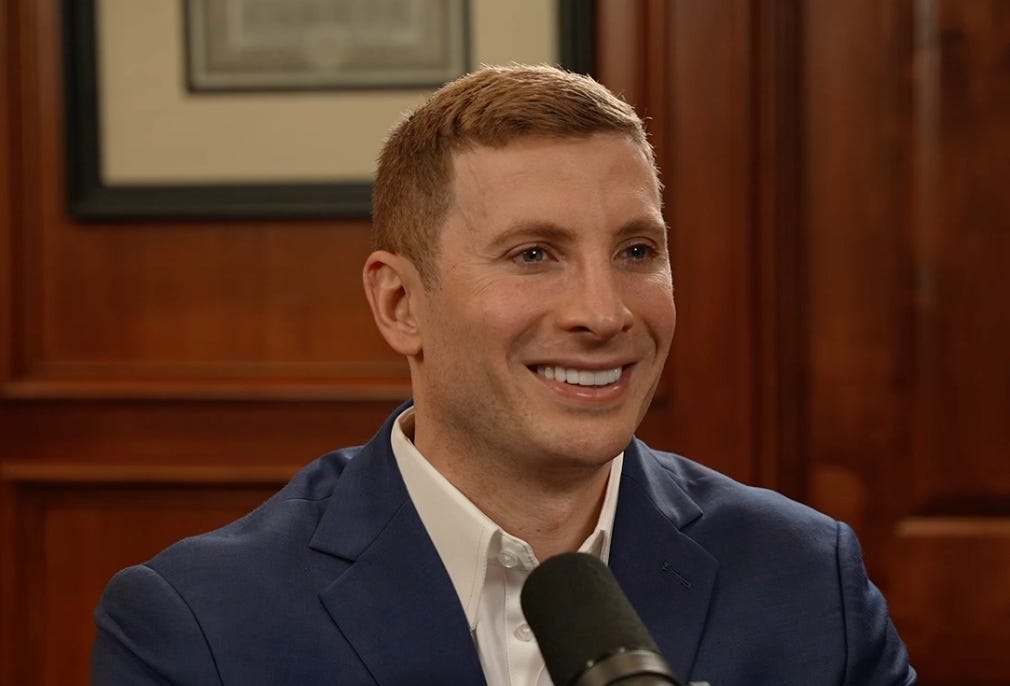 Ep 154: Jacob Helberg on Pax Silica & the New Global Order in the AI Age✨ | AIgeopolitics+3 | Jacob Helberg | State DepartmentGoogle+5 | Philippines | AI raceeconomic statecraft+3 | — | 33m 53s | |
| 5/8/26 | 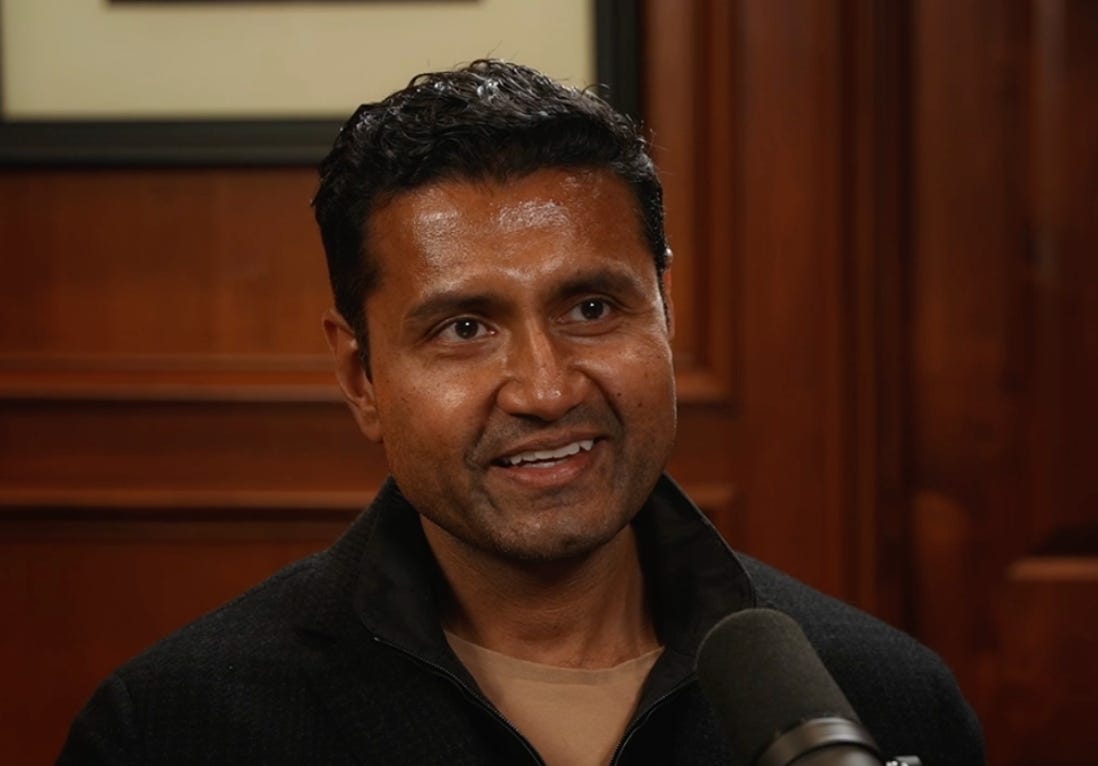 Ep 153: Palantir CTO Shyam Sankar on Heretics, AI Weapons, and Rebuilding the Arsenal of Democracy✨ | AIAmerican industrial base+3 | Shyam Sankar | PalantirU.S. Army Reserve+1 | United StatesNigeria+1 | Shyam SankarPalantir+5 | — | 44m 04s | |
| 4/30/26 | 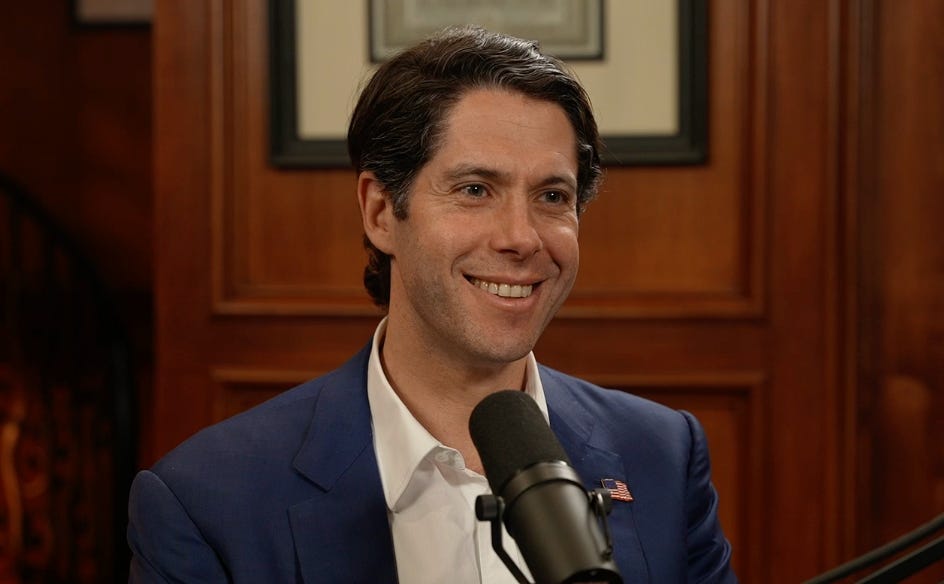 Ep 152: Ben Black Runs America's $200B Foreign Investment Fund; Here's His Plan to Counter China & Rebuild American Influence✨ | foreign investmentU.S. foreign aid+4 | Ben Black | U.S. International Development Finance CorporationGoldman Sachs+5 | ChinaAleutians | foreign investmentU.S. International Development Finance Corporation+5 | — | 38m 32s | |
| 4/24/26 |  Ep 151: The Myth of Michael Milken with Richard Sandler✨ | Michael Milkenhigh-yield bonds+4 | Richard Sandler | Maron & SandlerMilken Family Foundation+1 | — | Michael MilkenRichard Sandler+6 | — | 41m 17s | |
| 4/17/26 |  Ep 150: How AI Is Transforming Diligence, Decision-Making & the Future of Investing with John Melas-Kyriazi✨ | AI in investingportfolio management+4 | John Melas-Kyriazi | Standard Metrics8VC+2 | — | AIinvesting+5 | — | 34m 44s | |
| 4/9/26 |  Ep 149: Will Fry on the Small Business Succession Crisis & New Opportunities in the AI Age✨ | small businesssuccession crisis+4 | Will Fry | American Operator | North CarolinaJackson, Wyoming | small businesssuccession plans+5 | — | 34m 48s | |
Want analysis for the episodes below?Free for Pro Submit a request, we'll have your selected episodes analyzed within an hour. Free, at no cost to you, for Pro users. | |||||||||
| 4/3/26 |  Ep 148: JoeBen Bevirt, Founder & CEO of Joby Aviation — Flying Cars Have Arrived✨ | air taxiseVTOL aircraft+4 | JoeBen Bevirt | electric vertical takeoff and landing (eVTOL) aircraftJoby Aviation+2 | TexasOhio | Joby Aviationair taxis+6 | — | 38m 28s | |
| 3/27/26 | 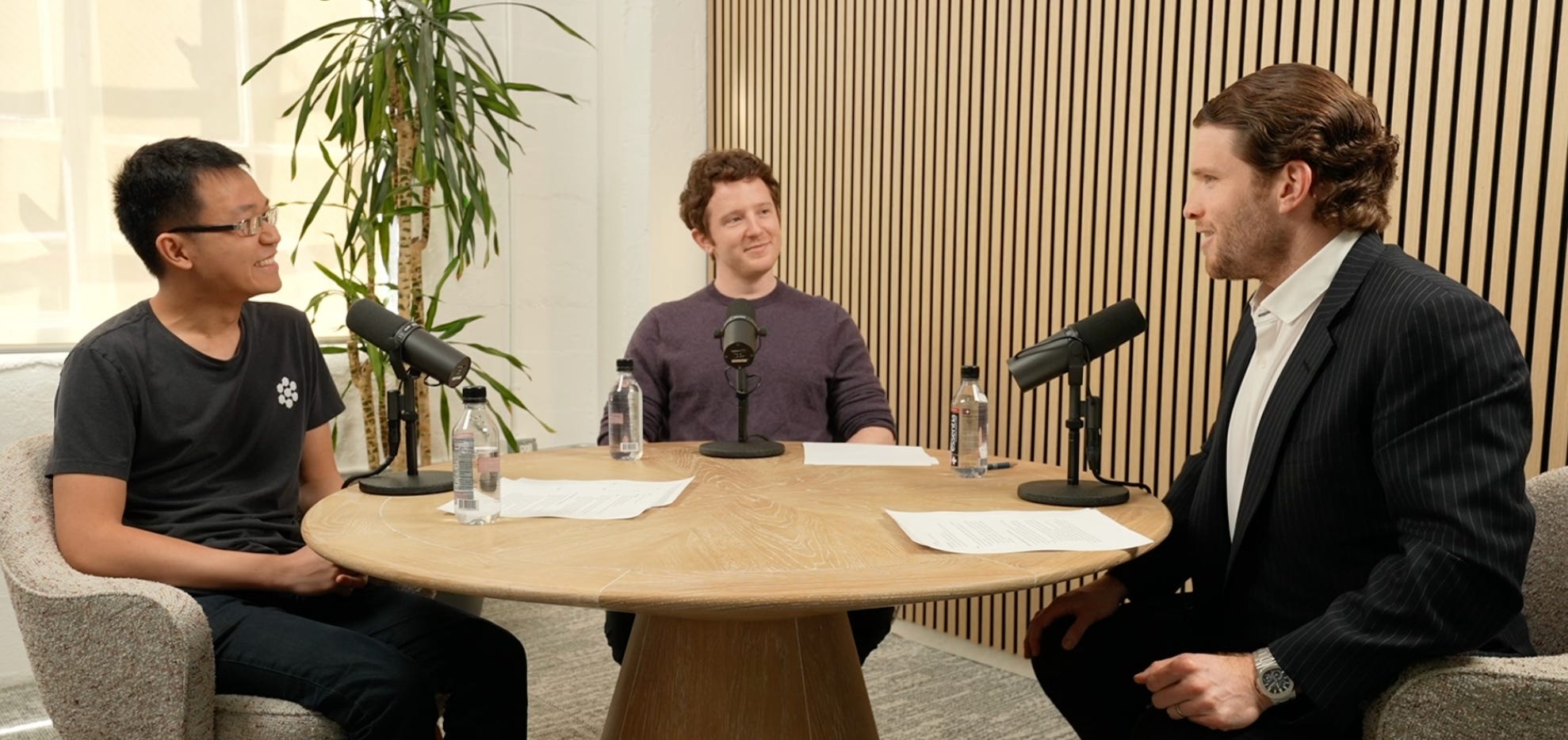 Ep 147: Scott Wu & Russell Kaplan on the New Era of Software Abundance✨ | AIsoftware engineering+3 | Scott WuRussell Kaplan | DevinCognition+3 | United States | AI companiessoftware abundance+3 | — | 53m 09s | |
| 3/19/26 | 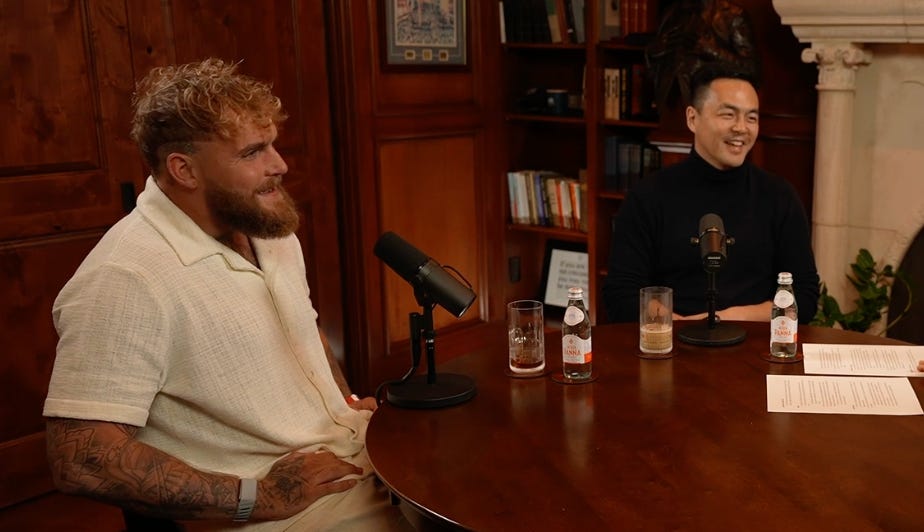 Ep 146: Jake Paul & Geoff Woo on Building Anti Fund, the Future of the Creator Economy & How to Change the Culture✨ | creator economypolitics+4 | Jake PaulGeoff Woo | Anti FundOpenAI+4 | Kentucky | Jake PaulGeoff Woo+7 | — | 35m 51s | |
| 3/13/26 | 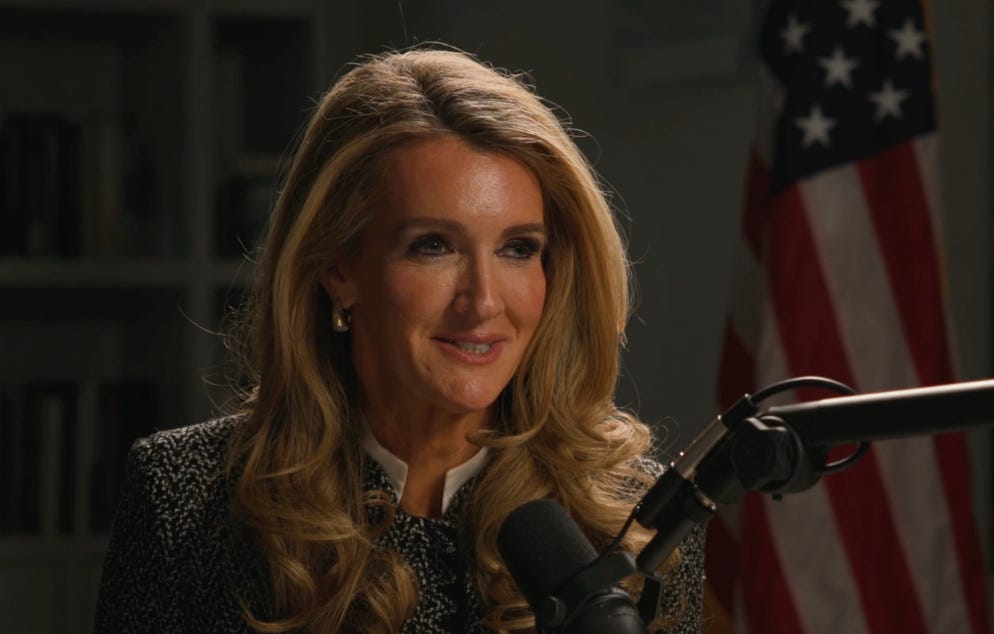 Ep 145: SBA Administrator Kelly Loeffler on Exposing Billions in Fraud & What AI Means for Small Business✨ | small businessfraud prevention+4 | Kelly Loeffler | PalantirIntercontinental Exchange+1 | U.S.rural Illinois | small business administrationfraud+6 | — | 31m 26s | |
| 3/3/26 | 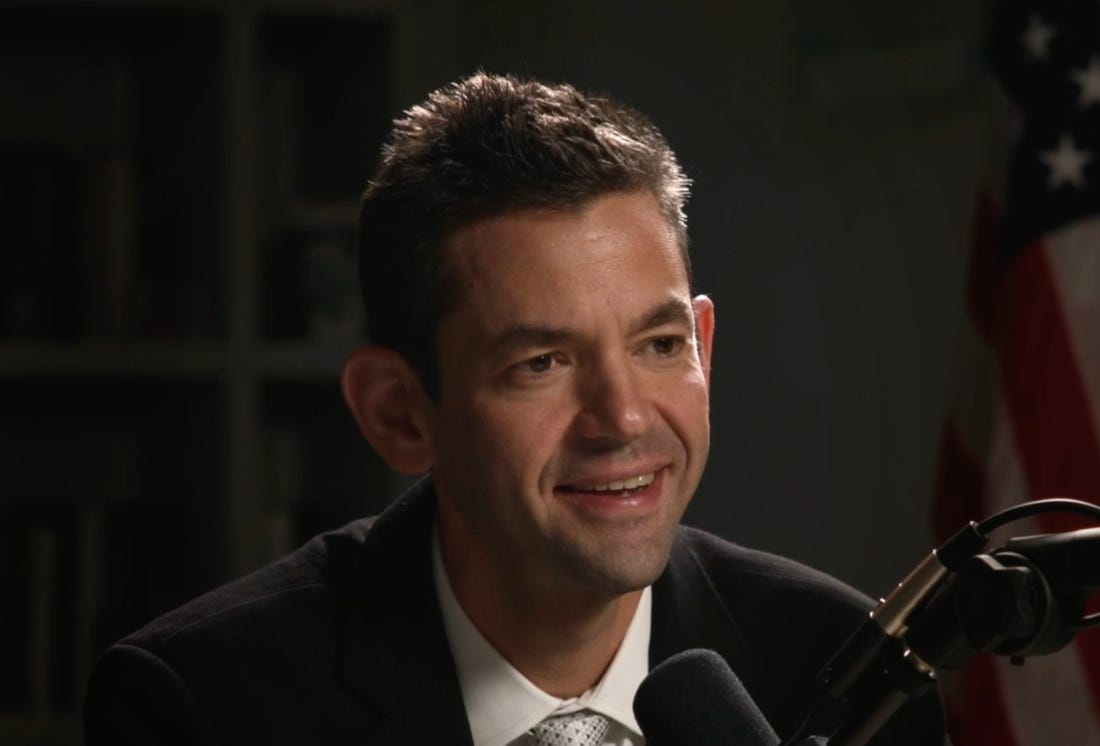 Ep 144: Jared Isaacman's Bold Vision for Moon Bases, Nuclear Power in Space, and Returning NASA to Greatness✨ | space explorationNASA reform+5 | Jared Isaacman | NASAShift4 Payments+1 | MoonMars | Jared IsaacmanNASA+7 | — | 32m 18s | |
| 2/27/26 |  Ep 143: JD Ross on the New Invention Era & Building with AI in 2026✨ | entrepreneurshipAI+4 | JD Ross | AddeparOpendoor+4 | — | JD RossAI+8 | — | 35m 58s | |
| 2/17/26 | 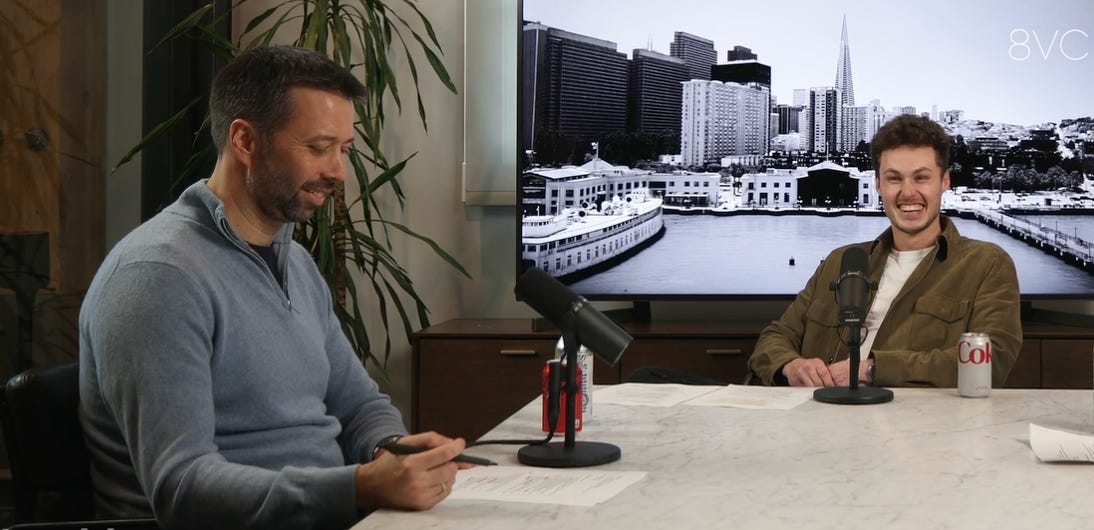 Ep 142: Understanding the AI Wave with 8VC's Alex Kolicich & Jack Moshkovich✨ | AI advancementsSilicon Valley+4 | Alex KolicichJack Moshkovich | 8VCFormation 8+4 | — | AI wavesmart enterprise+4 | — | 1h 01m 06s | |
| 2/4/26 |  Ep 141: AI Hackers Are Here; Cybersecurity Legend Kevin Mandia Is Building the Answer | When Kevin Mandia’s phone rings, it’s often a Fortune 500 CEO or government leader with a billion-dollar problem. How did he become the go-to expert in cybersecurity? What new threats from AI led him back into the arena? And what is he building to protect the good guys?Kevin began his career in the U.S. Air Force, defending the U.S. military from some of the earliest cyber attacks. He went on to found and lead Mandiant, scaling it into an industry leader which Google acquired in 2022 for over $5 billion. In 2013, he famously exposed China’s massive state-sponsored cyber espionage inside America. Kevin has also served on the National Security Telecommunications Advisory Committee (NSTAC) and the CISA Cybersecurity Advisory Committee. He recently launched Armadin to address new AI possibilities in the cyber domain.To begin, Kevin takes us behind the scenes of the early cyber skirmishes in the 1990s, and what it was like confronting some of the first cyber incursions from Russia and China, as well as the rise of criminal cyber enterprises. In the early 2000s, Kevin noticed glaring gaps in conventional antivirus approaches and launched Mandiant. Learn how he quickly became the first person that CEOs and governments would call if they’d been hacked. After scaling Mandiant and exiting to Google, Kevin is now back in the arena building cutting-edge solutions to new AI cyber threats. He explains the dramatic increase in the productivity and sophistication of AI agents, and why it’s upending how we build cyber defenses. Find out what he’s most worried about in 2026, and what steps governments and CEOs need to take to secure their networks and infrastructure.0:00 Episode intro01:30 Kevin's journey into cyber; early attacks from Russia & China 05:00 The evolution of cyber espionage and crime08:00 Founding Mandiant; why Fortune 500 CEOs call Kevin 13:30 What's it like getting hacked by Russia? 21:30 AI hackers are here; Kevin's warning 27:00 Protecting critical infrastructure; harnessing AI for cyber defense 31:30 Engineers vs AI agents 36:40 Optimism for the future This is a public episode. If you would like to discuss this with other subscribers or get access to bonus episodes, visit blog.joelonsdale.com | 38m 36s | ||||||
| 1/26/26 |  Ep 140: SEC Chairman Paul Atkins on Making IPOs Great Again, Crypto's Comeback & New Rules for Retail Investors | America’s capital markets are the envy of the world, but in recent years, misguided policies have driven innovation offshore and stifled the number of companies going public. SEC Chairman Paul Atkins is reversing course. What’s his plan to make IPOs great again? What will it take for America to become the crypto capital of the world? And does he think we should expand access to private markets for retail investors?This week, we’re honored to feature a conversation with Paul Atkins, Chairman of the Securities and Exchange Commission. He also served as a commissioner at the SEC from 2002 to 2008, and worked on the staff of two SEC chairmen from 1990 to 1994. Prior to returning to the SEC in 2025, Chairman Atkins was the founder and chief executive of Patomak Global Partners, a financial services firm he founded in 2009.We begin with Chairman Atkins’ visit to Texas, the significance of Texas’ new business courts, and the importance of innovation in our financial markets. Whereas his predecessor, Gary Gensler, took an adversarial, regulation-by-enforcement approach, he’s embracing new technologies and regulatory clarity. In this vein, the Chairman lays out his strategy for making IPOs great again. Learn why the number of public companies has dropped by nearly half since 2007, and how Chairman Atkins is reforming the rules around litigation and corporate governance to deter activists from harassing America’s builders. We also discuss President Trump’s vision for making America the crypto capital of the world, and what it looks like to provide clear guidelines that promote innovation and protect investors. Finally, we explore the steps he’s taking to enable retail investors to access private markets and other alternative assets.0:00 Episode intro1:35 Texas' new business courts / evolution of U.S. markets7:20 The SEC's new approach to crypto 16:00 Making IPOs and public companies great again25:00 Weaponization of shareholder proposals and ESG32:10 National security concerns / China's bad actions36:30 New rules for retail investors & private companies 44:35 Optimism for America's future This is a public episode. If you would like to discuss this with other subscribers or get access to bonus episodes, visit blog.joelonsdale.com | 46m 18s | ||||||
| 1/20/26 | 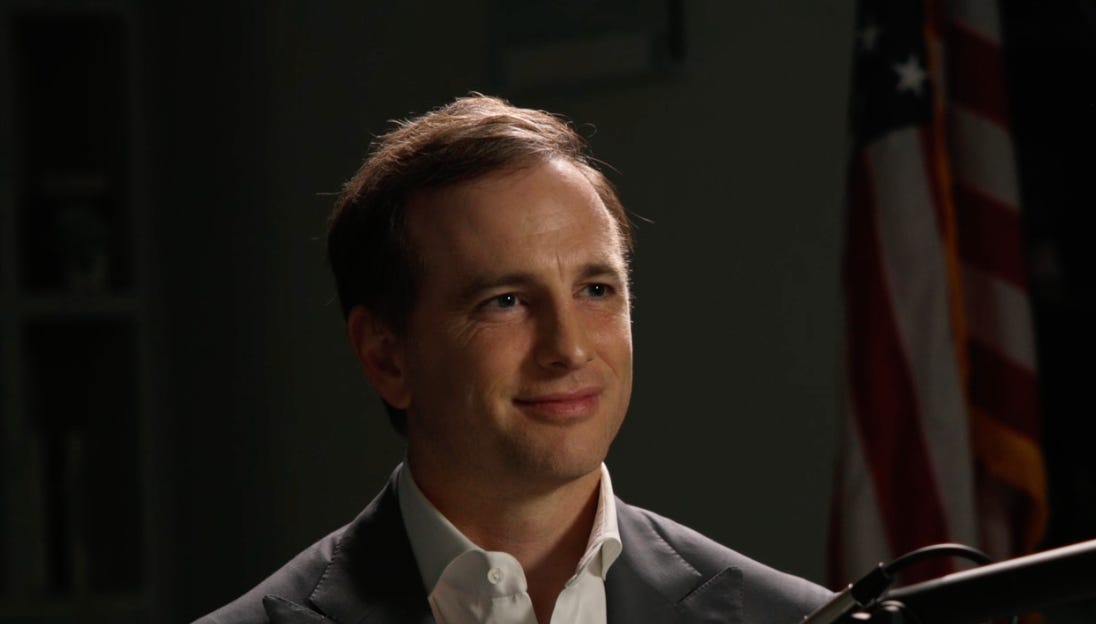 Ep 139: Make Government Beautiful & Functional Again with America's Chief Design Officer Joe Gebbia | First, he digitized the entire federal retirement process, cutting it from six months to a few days. Now, he’s overhauling the U.S. government’s online presence, one website at a time. And Joe Gebbia has been in Washington, D.C. less than a year! Learn why he stepped up to serve, and the impact our best minds can have on D.C., in a conversation with our nation’s first Chief Design Officer.As co-founder of Airbnb, Joe turned a living-room experiment into a multi-billion dollar global brand. Then, he launched Samara, helping homeowners reimagine their yards with state-of-the-art Accessory Dwelling Units. He also sits on the boards of Airbnb, Airbnb.org, and Tesla. Last February, he joined Elon Musk and the DOGE team in D.C. to overhaul retirement for federal workers, before setting his sights on modernizing the nation’s 27,000 .gov websites.We begin with Joe’s journey to D.C., and how a former Democrat came to support President Trump and take on problems that have plagued government for decades. His first challenge: federal retirement and “the mine” — a storage facility inside a Pennsylvania mountain that houses all federal employees’ retirement paperwork. Learn how Joe worked alongside career civil servants to transform a broken, six-month slog into a digital-only process that takes mere days. Now, he’s set his sights even higher: overhauling the government’s digital portals and delivering an Airbnb-like experience, starting with the Trump Gold Card, TrumpRX.gov, and, more recently, RealFood.gov and TrumpAccounts.gov. We go inside the Oval Office and Joe reveals his conversations with Pres. Trump on the importance of aesthetics, functionality, and design. Drawing inspiration from President Nixon’s beautification initiative, he worked with Pres. Trump to launch the government’s first digital makeover. It’s inspiring to see Joe’s leadership, and if you, or someone you know, wants to join his elite team of designers and engineers, there are a few spots remaining.00:00 Episode intro01:15 Lifelong Democrat to Trump White House07:50 Text from Elon / Joining DOGE10:20 “The Mine” & fixing federal retirement 13:50 “What if we did it in a week?” 21:45 What happened to DOGE?23:30 Becoming America’s Chief Design Officer26:45 Inside the Oval Office with Pres. Trump31:00 Fixing 27,000 .gov websites 34:00 Making America beautiful & functional again This is a public episode. If you would like to discuss this with other subscribers or get access to bonus episodes, visit blog.joelonsdale.com | 38m 59s | ||||||
| 1/9/26 | 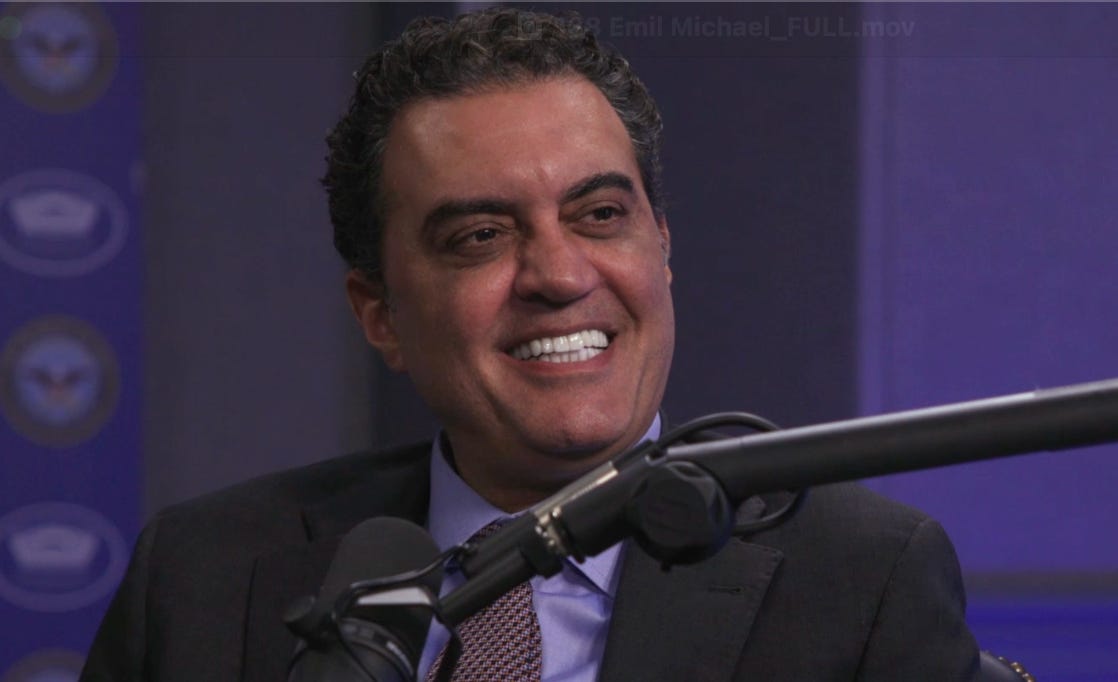 Ep 138: AI, Space-Based Interceptors & the Bleeding Edge of Warfare with Pentagon R&D Chief Emil Michael | Emil Michael directs the U.S. military’s research and development of advanced technologies. Previously, he led global business growth for Uber — one of the fastest moving organizations in Silicon Valley history. Can he bring that startup speed to the Department of War? What are the six critical areas of innovation he’s prioritizing? And how is he investing in these key technologies to bolster the defense industrial base?We’re honored to go inside the Pentagon for a special episode with Emil Michael, Chief Technology Officer and Under Secretary of War for Research & Engineering. He oversees the Defense Advanced Research Projects Agency (DARPA), the Office of Strategic Capital, and other critical organizations. Prior, he helped scale multiple businesses, including D-Wave Systems, Tellme Networks, and Uber Technologies. Earlier in his career, he also served as a White House Fellow and later on the Defense Business Board.We begin with Emil’s decision to join the Trump administration, and why he believes this is a generational opportunity to transform the culture and pace of innovation inside the Pentagon. Learn how he rolled out GenAI.mil (Google’s Gemini) to the entire force — roughly three million people — in a matter of months. Next, we dive into his decision to pare down the all-important Critical Technologies List, which drives the Pentagon’s R&D spending, from 14 areas to six. Then, we discuss the Department’s shift to a “commercial first” approach and what that means for the defense industrial base. Finally, we cover his priorities for the Office of Strategic Capital, plus how he’s thinking about talent and encouraging our best and brightest to step up and serve the country.[NOTE: This episode was recorded prior to the United States capture and extradition of Nicolas Maduro]00:00 Episode intro01:40 Time to disrupt the Pentagon04:20 What did you learn from your first threat briefing? 06:30 Can you bring Uber speed to Dept of War? 08:45 Redefining the Critical Technologies List 13:30 Hypersonics and Golden Dome18:00 Commercial first approach and changing the culture 23:00 How to recruit the best talent into government 28:45 Optimism for the future This is a public episode. If you would like to discuss this with other subscribers or get access to bonus episodes, visit blog.joelonsdale.com | 29m 39s | ||||||
| 12/30/25 | 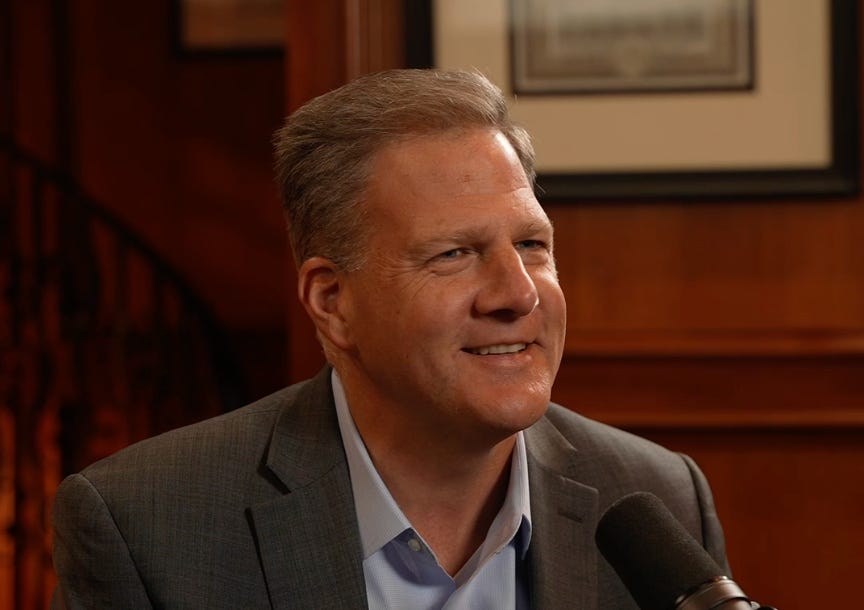 Ep 137: Gov. Chris Sununu on AI vs Harvard, DOGE 2.0, and a Balanced Budget Amendment to the Constitution | Chris Sununu is an MIT-educated engineer who won four terms as governor of New Hampshire. Now, he's leading the charge for a balanced budget amendment to the U.S. Constitution. What are his key lessons in political leadership? Why is he telling Harvard students to be wary of AI? And are real fiscal constraints on Washington, D.C. close to becoming reality? The former governor of New Hampshire, Chris Sununu is now the President and CEO of Airlines for America and National Chair and Board Member of Balanced Budget Now, which has secured 27 of 34 states required to call a convention for a constitutional amendment. They're on the cusp of landing several more states and closing in on a convention of states, which he hopes will pressure Congress to step in and pass an amendment through the traditional process. This is a generational opportunity to upend how D.C. operates; my friends and I are supporting their work and hope you will too. We begin with Gov. Sununu's path to politics, and how he succeeded in lowering taxes, expanding school choice, and combating an opioid epidemic with a sharply divided state legislature. Next, we talk about the right political strategies for cutting wasteful spending, lessons from DOGE, and what he would do differently to make DOGE an enduring movement. Then, we dive into his efforts to get a balanced budget amendment across the finish line. Learn why nearly all states (even California, albeit it plays games with pension math) have a balanced budget requirement and what it will take to get D.C. on board. Finally, we discuss the AI revolution and why he's bullish on plumbers and welders over students pursuing "elite" white-collar professions. As Gov. Sununu suggests, more tradespeople and fewer lawyers might not be a bad thing for our society. 00:00 Episode intro01:34 MIT engineer turned governor 06:35 Fighting special interests 12:50 Lessons from DOGE 16:37 Forcing a Balanced Budget Amendment26:00 AI and welders vs lawyers 29:00 Making a Balanced Budget Amendment a reality This is a public episode. If you would like to discuss this with other subscribers or get access to bonus episodes, visit blog.joelonsdale.com | 34m 46s | ||||||
| 12/18/25 | 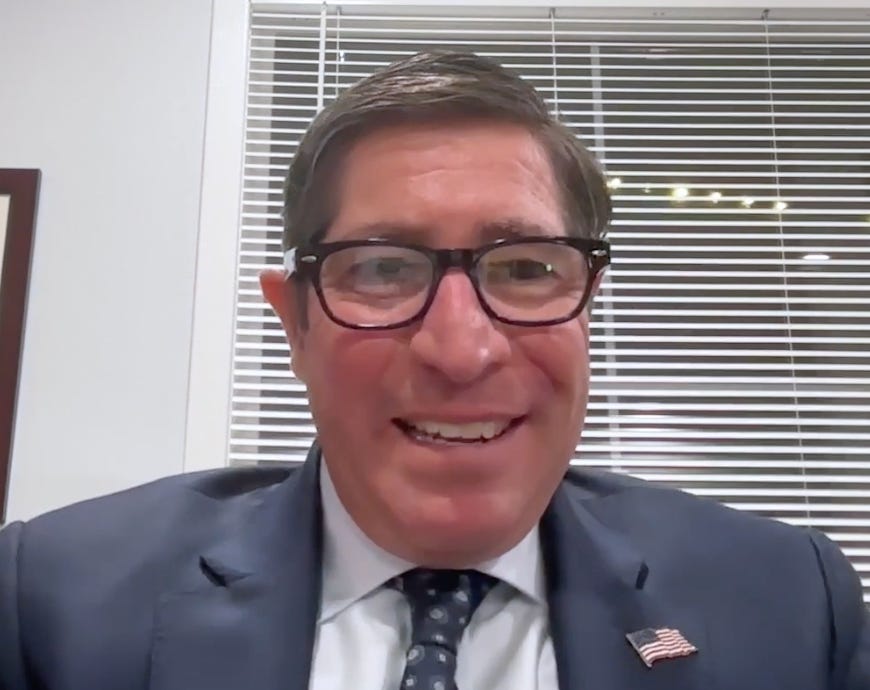 Ep 136: OPM Director Scott Kupor on Launching the U.S. Tech Force & Bringing Merit Back to Government | This week, OPM Director Scott Kupor launched the U.S. Tech Force to recruit an elite cohort of engineering talent into the federal government. What will it take to make public service cool again? What can he do to ensure the government hires, fires, and promotes based on performance? And what is he doing on merit and aptitude tests that could be one of the most important reforms of Trump’s entire presidency?We’re joined by Scott for a timely conversation about Tech Force, his role as Director of the Office of Personnel Management, and key civil service reforms. Previously, Scott built one of the leading venture capital firms as Managing Partner of Andreessen Horowitz. He also penned “Secrets of Sand Hill Road,” a definitive guide for raising capital and navigating the startup world.We begin our conversation with the importance of Tech Force — a two-year program designed to surge top programmers and designers into Washington, D.C. and create an enduring talent pipeline between the public and private sectors. Next, we explore Scott’s career in Silicon Valley, how he helped build a16z from the ground up, and the lessons he’s bringing to the White House. Then, we dive into his ambitious OPM agenda, starting with addressing rampant performance inflation, improving incentives for top performers, and removing artificial barriers, like years of service or college degrees, so we can get the best talent into the right jobs. Finally, we revisit the Pendleton Act of 1883 and how to bring merit back into civil service. Learn how Scott overturned a consent decree that will allow him to bring aptitude tests back into federal hiring — this could be one of the most consequential achievements of the Trump entire presidency! This is a public episode. If you would like to discuss this with other subscribers or get access to bonus episodes, visit blog.joelonsdale.com | 33m 11s | ||||||
| 12/11/25 | 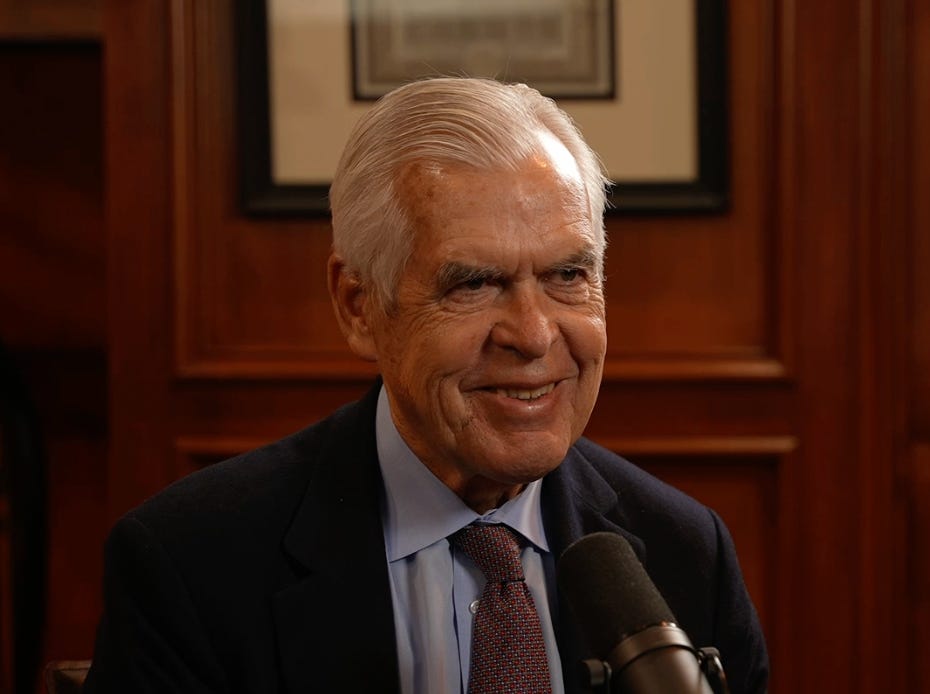 Ep 135: Philip Howard on Saving the American Spirit | For decades, Philip Howard has been sounding the alarm: our government is broken, and tinkering around the edges won’t work. We need a new operating system. How did it break? What do both parties get wrong? And what will it take to revive the American spirit?Philip is the Founder of the Common Good, best-selling author, and one of the leaders in government and legal reform. His book “The Death of Common Sense” became a powerful force for bipartisan reforms in the 1990s between President Bill Clinton and Congressional Republicans. I’ve followed his work for many years, and his newest book, “Saving Can-Do,” offers important frameworks for injecting accountability and human judgement back into governance.We begin with the genesis of the red tape state, and why Philip believes the collective guilt of the 1960s led to well-intentioned but ill-designed policies that broke the government. He explains how law began to supplant human judgment, politicians stopped making hard decisions, and governance was outsourced to an instruction manual run by the professional class. Case in point: there are now 150 million words of binding federal rules, most added post-1970. The U.S Constitution, by contrast, is 7,500 words. Next, we dive into his new book, beginning with what makes the American “can-do” attitude unique. Then, he offers solutions for reinstating human authority into our institutions. And finally, a new framework for enabling America to build again. Philip makes the compelling case that what our republic needs most of all is a return to accountability over compliance, amateurs over professionals, and liberty over safetyism. This is a public episode. If you would like to discuss this with other subscribers or get access to bonus episodes, visit blog.joelonsdale.com | 37m 43s | ||||||
| 11/26/25 | 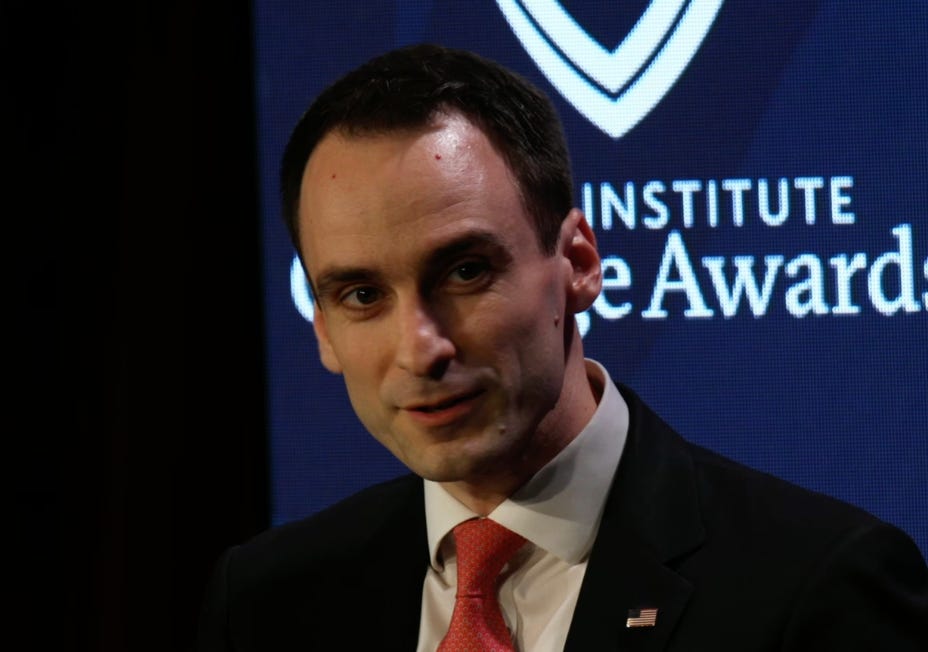 Ep 134: Inside the White House and the AI Race with OSTP Director Michael Kratsios | Michael Kratsios is the man of the hour, charged by President Trump to usher in the golden age of AI and American innovation. How is the White House approaching this revolution in technology? What does AI mean for the American worker? How do we stay ahead of China — and also persuade other nations to adopt U.S. tech over Chinese?We hosted this conversation at the 2025 Cicero Institute Courage Awards, where we recognize bold policymakers on both sides of the aisle for standing up to special interests and fighting for liberty. Amid the regulatory battle over AI, we were honored to feature Michael, who currently serves as Director of the White House Office of Science and Technology Policy and a Senior Advisor to President Trump. In the first Trump term, he was the nation’s Chief Technology Officer and later acting Under Secretary of War for Research and Engineering. He started his career working for Peter Thiel, first at Clarium Capital and later Thiel Capital.We began our conversation with Michael’s journey to the White House, and his role leading the White House’s science and technology policy agenda. He outlined three key areas to winning the AI race: the right regulatory frameworks, the necessary infrastructure, and international engagement. How do we not only stay ahead of China but also persuade other nations to adopt our AI stack? Michael lays out the strategy. He also makes the case for a federal AI standard and explains why a patchwork of laws stifles innovation, hamstringing the upstarts and entrenching the incumbents. Finally, he lays out what AI will mean for the American worker, and as the man in charge of overseeing AI, quantum, space, and more, he reveals what keeps him up at night. We have a generational opportunity with AI to bring down the cost of living and lift up millions of lives; we’re grateful to have leaders like Michael at the helm. This is a public episode. If you would like to discuss this with other subscribers or get access to bonus episodes, visit blog.joelonsdale.com | 17m 56s | ||||||
Showing 25 of 159
Pitch Fit is a Pro feature
See how bookable this show is for guests, which brands already advertise, the per-episode ad value, and the best-fit guest and sponsor profile. The numbers are blurred on the free plan.
How readily this show books outside guests like you.
How proven this show is for host-read sponsorships.
For Guests
ProFor Advertisers
ProUpgrade to Pro to unlock guest cadence, sponsor categories, fit scores, and per-episode ad value for this show.