
Insights from recent episode analysis
Audience Interest
Podcast Focus
Publishing Consistency
Platform Reach
Insights are generated by CastFox AI using publicly available data, episode content, and proprietary models.
Total monthly reach
Estimated from 2 chart positions in 2 markets.
By chart position
- 🇨🇦CA · Judaism#1795K to 30K
- 🇮🇱IL · Judaism#2310K to 30K
- Per-Episode Audience
Est. listeners per new episode within ~30 days
7.5K to 30K🎙 Weekly cadence·18 episodes·Last published 5d ago - Monthly Reach
Unique listeners across all episodes (30 days)
15K to 60K🇨🇦50%🇮🇱50% - Active Followers
Loyal subscribers who consistently listen
6K to 24K
Market Insights
Platform Distribution
Reach across major podcast platforms, updated hourly
Total Followers
—
Total Plays
—
Total Reviews
—
* Data sourced directly from platform APIs and aggregated hourly across all major podcast directories.
On the show
Recent episodes
20. What Do You Ask Your Child When They Come Home From Shul?
May 10, 2026
55m 02s
19. The Parenting Mistake of Confusing Empathy with Permission
Apr 19, 2026
56m 09s
18. The Hidden Message Behind “What’s for Dinner?”
Apr 12, 2026
53m 29s
17. How Am I Supposed to Know How to Truly Parent?
Feb 22, 2026
54m 29s
16. Developing My Child’s World of Emotions
Feb 15, 2026
55m 09s
Social Links & Contact
Official channels & resources
Official Website
Login
RSS Feed
Login
| Date | Episode | Description | Length | ||||||
|---|---|---|---|---|---|---|---|---|---|
| 5/10/26 |  20. What Do You Ask Your Child When They Come Home From Shul? | What happens when a child goes to shul… but never develops a taste for tefillah?In this deeply honest episode of Know Your Children, Rav Shlomo Katz and the women of Shirat David explore the tension every parent feels between obligation and connection. Is “good chinuch” just getting children to sit quietly in shul — or helping them discover something that genuinely touches their soul?Through the lens of chush ha’ta’am — a child’s inner sense of taste and emotional connection — this shiur opens up difficult but essential questions about parenting, authenticity, fear, and what children actually experience when they walk into a beit knesset.Along the way, Rav Shlomo speaks about compliments, expectations, honesty in religious life, the emotional memory of shul, and why the question “How was davening?” may not be enough.----------For more Shuirim and Music from Rav Shlomo Katz, visit: https://ravshlomokatz.comJoin Rav Shlomo Katz's WhatsApp Community: https://chat.whatsapp.com/KHKOhhPaeHx5Kb74WL9L9a?mode=ems_copy_tCHAPTERS00:00 Sponsorship and Dedication for the Shiur01:01 Humility Needed in Parenting Approaches02:46 Introducing Chush HaTa’am Concept in Parenting04:26 Taking Children to Shul: The Routine05:35 Assessing the Child’s Reaction After Shul08:30 When Kids Can Read Yet Miss the Meaning10:48 Probing the Real Source of Shul Enjoyment21:18 Role of Compliments in Encouraging Shul Attendance23:24 Why Kids Need a Taste for Prayer24:50 Balancing Obligations and Personal Experience26:20 Adults Also Struggle with Shul Attendance30:25 Modeling Joy in Shul for Kids35:04 Unrealistic Expectations for Young Children40:26 Honesty About Personal Shul Struggles43:51 Fear vs. Authentic Parenting in Religion45:10 When Answers Aren’t Satisfying46:23 Isidor Rabi’s Deep Question to Children47:35 Creating Spaces for Children’s Insight49:37 Authenticity and Consistency Across Life51:08 Modern Orthodoxy Identity Split52:30 Family Tradition of Sitting Together54:00 Changing Seats After Mourning55:16 Rashi’s Query on Recounting Names | 55m 02s | ||||||
| 4/19/26 |  19. The Parenting Mistake of Confusing Empathy with Permission | Rav Shlomo Katz and the women of Shirat David continue exploring one of the most misunderstood יסודות in parenting: the difference between acknowledgment and enabling.Building on the concept of chush ha’ta’am—a child’s inner sense of preference and desire—Rav Shlomo explains why a child’s feelings must be recognized as real, even when their actions can’t be accepted. Just as we would never deny a child’s physical reality, we can’t dismiss their emotional world without causing deeper harm.Through practical examples—from food preferences to more complex emotional and החיים situations—this shiur lays out a clear framework: first acknowledge, then guide. Skipping that first step doesn’t create discipline—it creates distance.The challenge is learning how to validate what a child feels without reinforcing what may not be healthy or appropriate. And that delicate balance is where real chinuch begins.----------For more Shuirim and Music from Rav Shlomo Katz, visit: https://ravshlomokatz.comJoin Rav Shlomo Katz's WhatsApp Community: https://chat.whatsapp.com/KHKOhhPaeHx5Kb74WL9L9a?mode=ems_copy_tCHAPTERS00:00 Sponsorship Announcements01:11 Recap: Food Discipline & Chush HaTa’am03:51 Understanding the Sense of Taste07:48 Coke Zero & Real vs. Perceived Desire14:36 Personal Story: Discovering Taste as a Child17:25 Physical Limits: Nails, Hair, and Reality19:33 Encouraging Kids to Explore Preferences21:44 Toy Guns & Boundaries in Chinuch24:01 Desire Is Real: First Step in Parenting29:00 Acknowledging Kids’ Preferences Beyond Food33:53 Elevating Above Physical Desire35:17 Responding to Extreme Emotional States36:39 Intermarriage & Real Feelings vs. Values41:40 Know Emotions Before Trying to Remove Them43:58 Balancing Food Talk in the Home | 56m 09s | ||||||
| 4/12/26 |  18. The Hidden Message Behind “What’s for Dinner?” | There’s a question every home faces almost every day. “What’s for dinner?”It sounds simple. Maybe even trivial. But in this shiur, Rav SHlomo Katz and the women of Shirat David uncover how that question is actually a gateway into one of the deepest יסודות of parenting.What happens when a child says, “I don’t like this”? Do we push? Do we ignore? Do we accommodate?Rav Shlomo opens up a completely different דרך — one that doesn’t get stuck on the food at all, but sees it as an expression of something much deeper: a child’s עולם הרגשות.We explore: Why suppressing a child’s preferences may “work”… but at a cost The difference between acknowledging and indulging How food becomes a language for emotional expression Why children must first feel seen before they can be guided And how to hold the tension between גבולות and רגישות ----------For more Shuirim and Music from Rav Shlomo Katz, visit: https://ravshlomokatz.comJoin Rav Shlomo Katz's WhatsApp Community: https://chat.whatsapp.com/KHKOhhPaeHx5Kb74WL9L9a?mode=ems_copy_tChapters00:00 Opening Greeting and Shabbat Blessing01:14 Sponsor Acknowledgments and Memorial Tributes02:52 Importance of Children’s Emotional World03:58 Core Parenting Question: What’s for Dinner?05:09 Two Dinner Strategies: Individual vs Uniform06:57 Analyzing the Textual Example on Food09:51 The Snake’s Curse and Taste Concept10:53 God-given Sense of Taste Explained19:28 Acknowledging Children’s Food Preferences21:39 Extending Taste Principle Beyond Food24:00 Masking Deeper Issues Behind Food Preferences25:48 Parenting Book Review and Khush Ha-Ta'am27:30 Shul Leadership vs Parental Authority29:07 Children's Meal Requests Reveal Emotional Needs30:13 Managing Multiple Dinner Options for Kids32:13 Gift of Midrash Iyov and Hidden Messages45:42 Questioning Suppressing a Child's Taste Preferences46:57 Importance of Recognizing Child's Feelings First48:08 Taste of Love Over Food49:30 Generational Differences in Emotional Acknowledgment50:55 Daily Meal Acknowledgment Practice52:27 Guiding Eating Habits Through Lenatev | 53m 29s | ||||||
| 2/22/26 |  17. How Am I Supposed to Know How to Truly Parent? | Parenting can feel like you’re expected to know how to do something you’ve never done before — and then do it differently for each child.In this week’s Know Your Children, Rav Shlomo Katz and the women of Shirat David go deeper into a core yesod: investing in a child’s emotional development isn’t a “nice extra” — it’s essential. We talk about the pressure parents feel, the fear of “getting it wrong,” and why failure is often the only real way we learn (“ein habayshan lamed / אין הביישן למד”).From there, we move into practical, real-life tools: upgrading the quality of conversations as kids get older, creating daily emotional check-ins, and integrating a child’s emotional world into normal home life (not only reacting when something goes wrong). Along the way: a powerful “good questions” chinuch story, humility in parenting, and a big reminder that self-care and emotional health in the parent is often a prerequisite to building it in the child.----------For more Shuirim and Music from Rav Shlomo Katz, visit: https://ravshlomokatz.comJoin Rav Shlomo Katz's WhatsApp Community: https://chat.whatsapp.com/KHKOhhPaeHx5Kb74WL9L9a?mode=ems_copy_tCHAPTERS00:00 Opening and Sponsorship Acknowledgments 01:29 Emotional Development Is a Must 03:52 Physical Growth vs Emotional Needs 05:52 Parents’ Self-Criticism and Growth 08:51 Learning Through Failure (Ein Habayshan Lamed) 10:38 Humility in Parenting 11:44 Divine Intent in Parenting 13:10 Practical Steps for Emotional Investment 18:05 Age-Specific Emotional Strategies 22:51 Recording Device Test for Family Talk 25:35 Daily Parent-Child Check-In: “How Was Your Day?” 26:38 The “Good Questions” Lesson from Isadore Rabi 28:39 Integrating a Child’s Emotional World into Daily Life 31:14 Limits of the Chinuch Obligation After Bar/Bat Mitzvah 35:15 Hebrew Mistake Story: Accordion vs. Playing 37:36 Making Emotional Talk a Regular Part of Home Life 43:03 Parent Self-Care as Prerequisite for Child’s Emotional Health | 54m 29s | ||||||
| 2/15/26 |  16. Developing My Child’s World of Emotions | This week’s shiur comes with a warning: parenting is triggering because it not only exposes our children’s inner world, it exposes ours.Rav Shlomo Katz and the women of Shirat David continue the conversation about the three garments of the soul—thought, speech, and action— and apply it to a core parenting question: How do we build our child’s world of emotions in a healthy, Torah-aligned way?We explore what it can look like when a parent is emotionally blocked (chasum), how that can echo through marriage, friendships, and even one’s relationship with Hashem—and why “being frum” is not the same thing as emotional closeness. Along the way, we touch on attachment theory (including Rabbi Yaakov Danishefsky’s Attached), the difference between “open” and “everything goes,” and why chinuch isn’t only about fixing negative emotions—but also about actively building confidence, love, and joy.Takeaway: Emotional safety isn’t permissiveness. It’s a home where the child can grow and where feelings can be named, held, and guided… without shutting the child down or turning the home into a free-for-all.----------For more Shuirim and Music from Rav Shlomo Katz, visit: https://ravshlomokatz.comJoin Rav Shlomo Katz's WhatsApp Community: https://chat.whatsapp.com/KHKOhhPaeHx5Kb74WL9L9a?mode=ems_copy_tCHAPTERS00:00 Sponsorship and Memorial Acknowledgments01:23 Trigger Warning and Parenting Focus02:37 Three Garments of the Soul04:59 Emotional Blockage in Parents08:29 Childhood Origins of Emotional Closure11:09 Open vs Closed Emotional States14:43 Illusion of Spiritual Closeness16:49 Attachment Theory and the Book “Attached”21:04 Scope of Emotional Education48:20 Psychologists vs Parental Duty in Child Development49:25 Common Questions and Experience of Seasoned Parents51:32 Beyond Negative Emotions: Building Confidence and Joy53:37 Love and Joy as Part of Chinuch55:03 Conclusion and Next Session Plans | 55m 09s | ||||||
| 2/8/26 |  15. Love Puts Everything In Perspective | When parenting gets loud—mischief, nerves, anger—what actually brings you back to yourself?Rav Shlomo Katz and the women of Shirat David continue the conversation about love, but take it somewhere very practical: love as the daily mindset that quiets anger and restores perspective in the moment.We explore why “hashkacha” tricks to suppress frustration often fail, and why the most effective preparation is what happens before the moment: training yourself to think loving thoughts throughout the day. Along the way, we learn from the “default emunah” example of Reb Leo Dee, connect this to Azamra (finding the good), and reframe success in parenting: not “did my child behave,” but who did I become when I could’ve lost it—and didn’t.We close by opening the next focus: emotional investment in children, the tension between authority and hierarchy in the home, and how to keep parenting from becoming pressure, so it can return to wonder.----------For more Shuirim and Music from Rav Shlomo Katz, visit: https://ravshlomokatz.comJoin Rav Shlomo Katz's WhatsApp Community: https://chat.whatsapp.com/KHKOhhPaeHx5Kb74WL9L9a?mode=ems_copy_tCHAPTERS00:00 Sponsorship and Introduction01:03 Continuing Last Week's Topic02:07 Soul’s Three Garments: Thought, Speech, Action03:15 Thinking Love: Machshava05:07 Dealing with Child Mischief and Anger07:09 Attempting to Suppress Anger (lehashkiach)12:29 Extreme Faith Example from Reb Leo17:51 Azamra: Recognizing Good in Others22:35 Outcome Focus: Becoming a Calm Parent23:46 Parenting: From Pressure to Wonderment24:54 Finding the Real Outcome of Parenting26:06 Defining the Perfect Goal for Our Children27:15 Upcoming Focus: Emotional Investment in Children28:47 The Best Friend vs Spouse Debate30:41 Natural Love vs Deeper V'ahavta l'Reiache32:46 Couples as Model for Mutual Love36:10 Authority and Hierarchy in the Home41:24 Practical Solution: Daily Loving Thoughts44:15 When Parental Love Expressions Fade45:15 Connecting Children to Their Souls48:12 Guilt and Uncertainty Over Monitoring a Child’s Soul49:17 Navigating Parenting in a Modern, Secular-Influence…51:05 Self-Examination: Am I Poisoning My Child’s…53:58 Protecting the Body vs. Protecting the Soul55:36 Seeking Practical Solutions Amidst Parenting…57:40 Balancing Authority with Humility in the Household | 57m 58s | ||||||
| 2/1/26 | 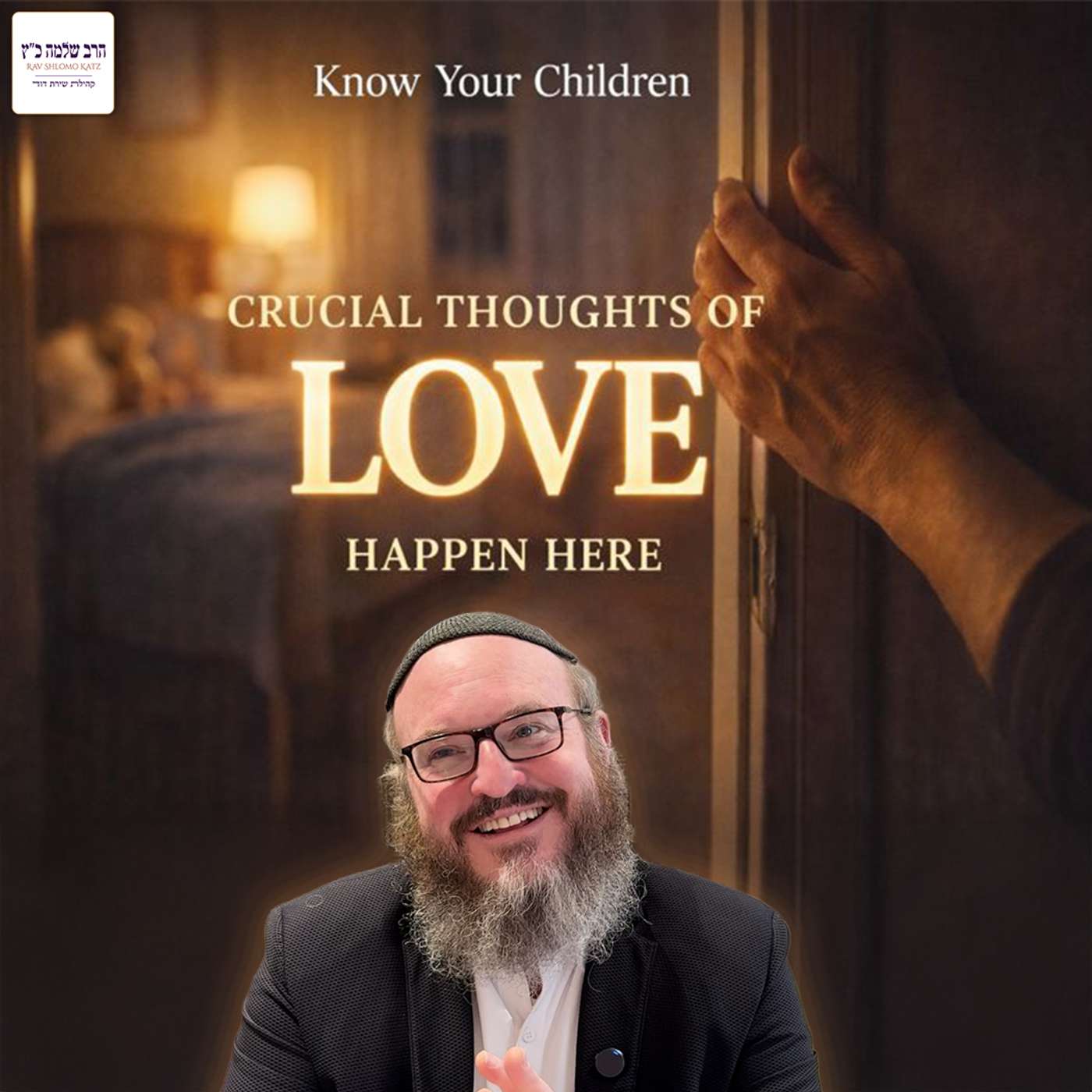 14. Crucial Thoughts of Love | Rav Shlomo Katz and the women of Shirat David move from “Do they feel our love?” to something even more subtle, and often more powerful: do they live inside our loving thoughts?Building on the classic Chassidic framework of the three “garments” of the soul, machshava (thought), dibbur (speech), and ma’aseh (action), we explore three ways love is revealed, and why most homes naturally excel at action (providing, doing), struggle with speech (saying it clearly), and almost completely overlook thought.A striking line lands hard: a child’s inner voice is shaped less by what we say… and more by what we consistently think. We unpack the “telepathic” reality kids pick up on, why negative bias hijacks our minds, and why pure machshava can be the deepest gift that quietly changes everything downstream.Along the way, we connect it to Ahavat Hashem, bringing Maimonides (Rambam): “m’derech ha’ohavim… she’hem choshevim b’ahavah” — it’s the way of lovers to think in love.This week’s avodah: notice what “invades” your loving thoughts… and practice returning to the simple, holy sentence: “Of course I love my child.”----------For more Shuirim and Music from Rav Shlomo Katz, visit: https://ravshlomokatz.comJoin Rav Shlomo Katz's WhatsApp Community: https://chat.whatsapp.com/KHKOhhPaeHx5Kb74WL9L9a?mode=ems_copy_tCHAPTERS00:00 Opening and Sponsor Acknowledgments01:39 Thought, Speech, Action Sequence03:10 Three Ways to Express Love05:35 Parental Investment in the Three Garments06:37 Importance of Thinking Before Speaking08:23 The Heart’s Role and “Opening Your Heart”12:14 Why Parents Excel in Action13:58 Why Speech Needs Improvement17:55 Why Thought Is Almost Absent22:52 Does Thinking Love Actually Matter?25:46 Machshava as Tefillah and Presence28:56 “A Child’s Inner Voice Is What I Think”32:57 Why Machshava Feels Unmeasurable36:44 Thinking Love From the Child’s Existence41:27 Thoughts That Expand Space vs. Clog It43:56 Why We Struggle With “Free” Love-Thoughts46:22 How Pain/Judgment Invade Love-Thoughts48:08 Machshava as the Core of the Soul50:09 Parenting with Pure Thought: Guarding the Heart51:25 Next Steps: Focus on This Week’s Study | 51m 41s | ||||||
| 1/25/26 | 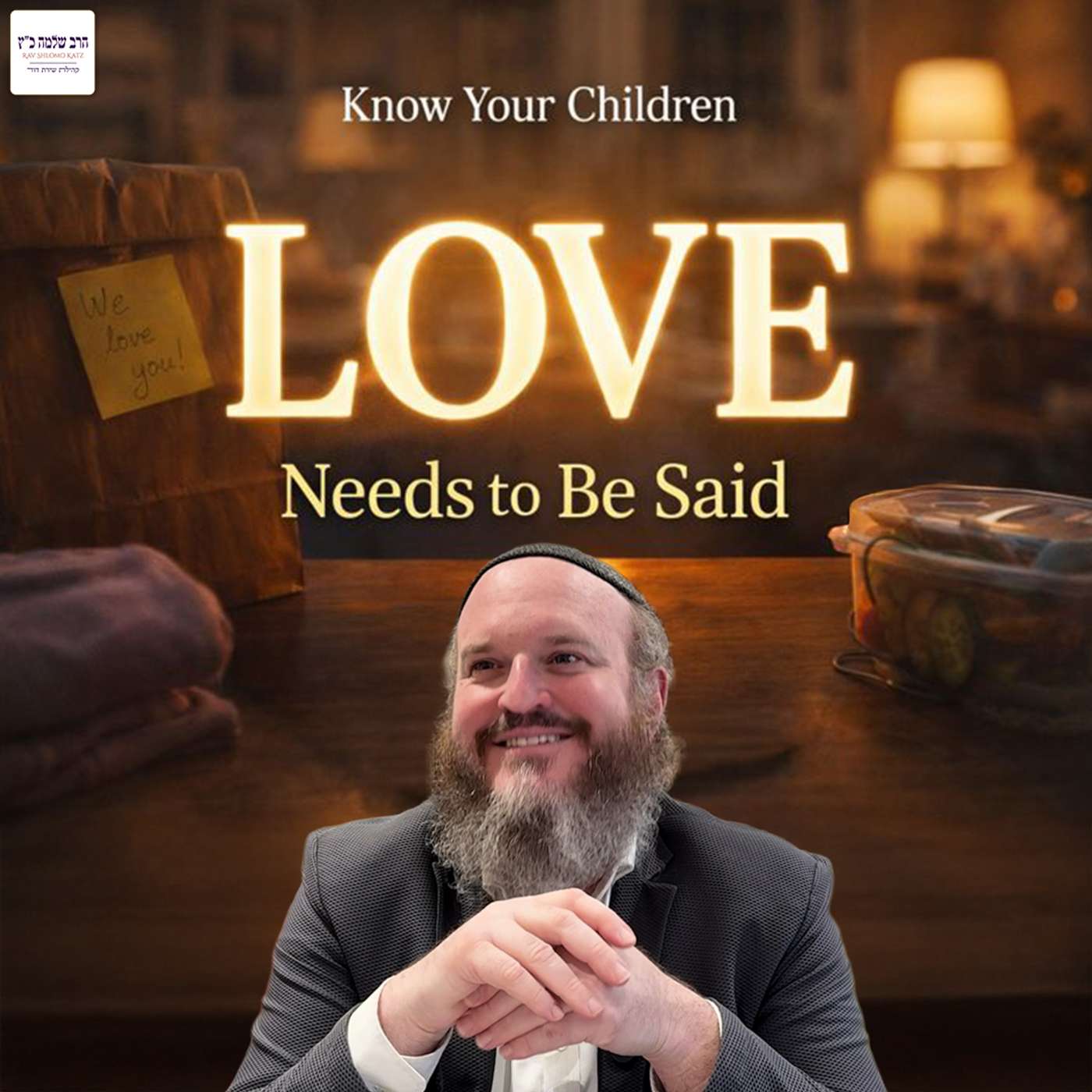 13. The Need for Verbal Expression | What if your child knows you love them… but rarely hears it?In this week’s Know Your Children, Rav Shlomo Katz and the women of Shirat David draw a sharp line between ahavah nisteret (love that exists but stays hidden) and ahavah gluyah (love that’s felt because it’s expressed). Most of parenting is “industrial”—laundry, food, homework, logistics—and yes, it often comes from love. But when love isn’t spoken, kids can grow up emotionally unsure, even inside a home that’s doing “everything right.”Using a mashal from marriage (“I provide everything. Shouldn’t that be enough?”), we explore why provision isn’t the same as connection, why waiting until a child is in crisis is too late, and how small, consistent habits—especially verbal expression and short, regular conversations—can change the emotional climate of a home.'This isn’t about guilt. It’s about learning to say what’s already true so your child can actually receive it.----------For more Shuirim and Music from Rav Shlomo Katz, visit: https://ravshlomokatz.comJoin Rav Shlomo Katz's WhatsApp Community: https://chat.whatsapp.com/KHKOhhPaeHx5Kb74WL9L9a?mode=ems_copy_tCHAPTERS00:00 Opening and Sponsor Acknowledgements01:07 Shiur Overview: Imperfect Love05:28 Identifying Two Problems in Parental Love06:54 Guilt as a Trigger08:09 Patience and Compassion for Ourselves10:09 Emotional Layer Small in Daily Life13:12 Measuring Basic Needs21:26 Hidden vs. Revealed Love Question23:56 Hidden love in daily parenting gestures25:17 Rental car story and parental love realization29:08 Love often known to parents but not felt by kids30:27 Wife's expectations beyond financial provision31:33 Constant verbal communication vital in relationships34:56 Examining parent-child emotional connection42:34 Preemptive emotional conversations with children46:53 Love must be revealed, not hidden, with kids49:21 Metallica Covers and Unexpected Lullabies | 50m 25s | ||||||
| 1/18/26 | 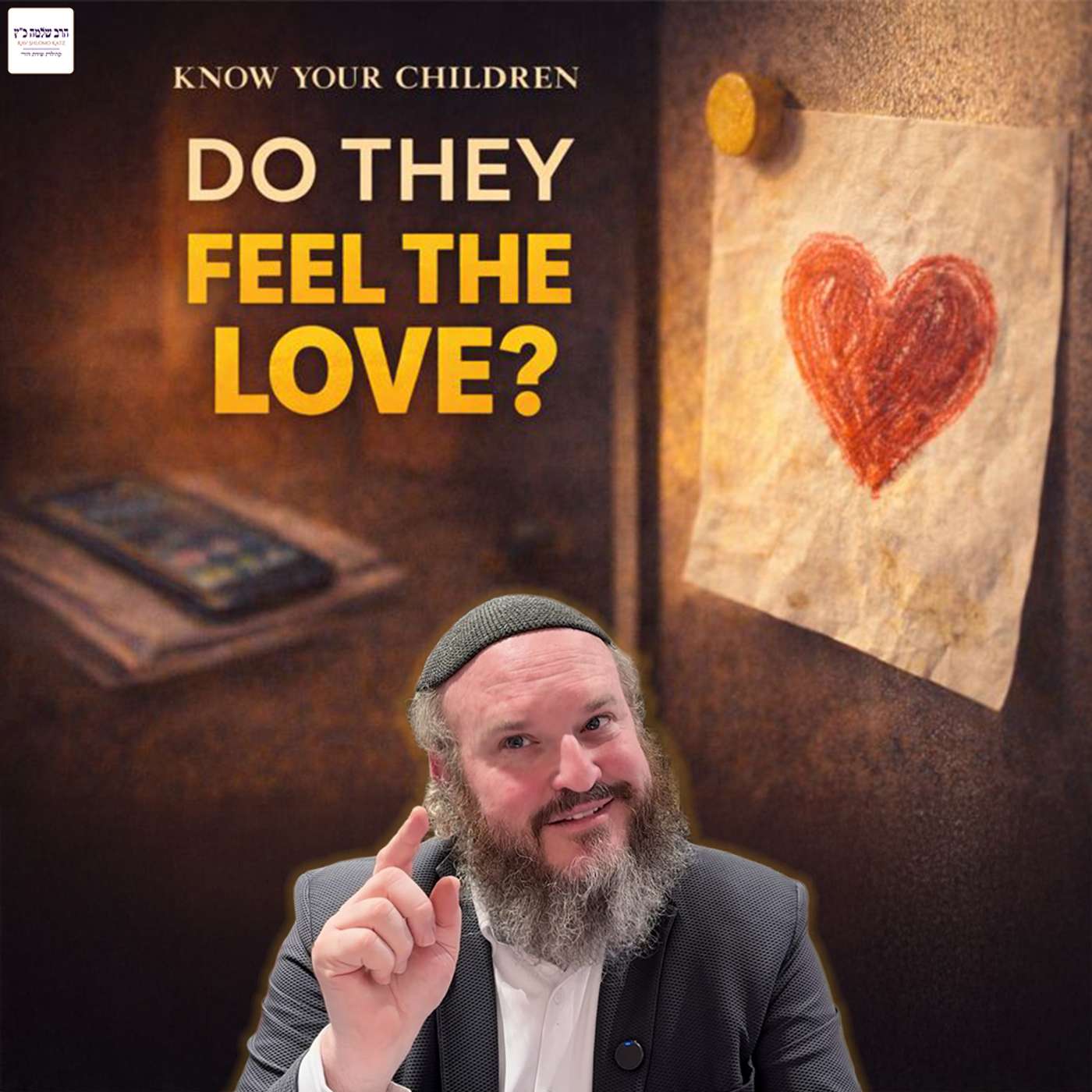 12. Do Our Children Always Know That We Love Them? | Do our kids know we love them… but still not always feel it?Rav Shlomo Katz and the women of Shirat David take on one of the most sensitive (and real) parenting questions: a parent can be full of love — and a child can still experience “You don’t love me.” How does that happen?Building off last week’s foundation (that a parent’s love can’t be “perfect” in the way we wish it could be), we explore:Why a child’s inner world often works in all-or-nothing terms (“If it’s not 100%, it’s nothing”)How “You hate me” is rarely about facts — and almost always about experienceThe Chassidic idea that inside a “sheker” there can be a spark of truth to redeem (instead of reacting defensively)Why the first move isn’t “fix it” — it’s finding the shoresh (where the feeling is coming from)And we end with a powerful next step for the series: the importance of verbal love — bituy miluli — especially for parents who struggle to express what they deeply feel.A shiur about love, truth, and building a home where children can walk with a real “shield of love”, even when life gets messy.----------For more Shuirim and Music from Rav Shlomo Katz, visit: https://ravshlomokatz.comJoin Rav Shlomo Katz's WhatsApp Community: https://chat.whatsapp.com/KHKOhhPaeHx5Kb74WL9L9a?mode=ems_copy_tChapters00:00 Opening & Sponsorship Acknowledgements01:26 Today’s Question: Do Children Feel Our Love?04:39 Three Types of Parental Responses05:51 Why Kids Don’t Always Experience Love08:28 Validating Feelings vs Arguing Facts 09:32 What to Do When a Child Says “You Hate Me”11:15 Find the Source Before Trying to Fix15:24 The Assumption: The Feeling Isn’t “Factually True”17:42 The Spark of Truth Inside a Child’s “Sheker”22:30 Where Real Insight Comes From 23:35 End-of-Life Regrets: Work vs Home 24:45 The Pride of Providing — and What Kids Still Need 26:16 Obligation vs Love (and how kids read it) 28:01 If Love Were “Perfect,” Kids Would Feel It Naturally 33:31 The Weak Spot: Where Kids Find “Proof” You Don’t Love Them 36:47 The “Love Funnel” and Why Leaks Change Everything 43:38 Next Week: The Power of Verbal Love 44:41 Personal Story: A Home of Tears & Expression 45:59 The Airport Handshake Moment 47:12 Why That Handshake Stayed for 20+ Years 48:34 Closing + Hope for the Week | 48m 39s | ||||||
| 1/11/26 |  11. My Needs vs. My Child’s Needs | In parenting, we want to believe our love is perfect — automatic, limitless, and always putting our child first. But real life has a way of testing that fantasy.Rav Shlomo Katz and the women of Shirat David unpack a surprisingly relieving truth: a parent can genuinely love their child… and still have moments where their own needs collide with the child’s needs. Sometimes it’s obvious (work, exhaustion, basic functioning). Sometimes it’s subtler (wanting quiet when your child needs connection, wanting “my plan” when your child needs “me”).With honesty, humor, and a lot of compassion, we explore:Why this tension is normal and why denying it makes us less self-awareThe difference between a true need vs. laziness/ta’avahHow “timing” and communication can become a real avodahWhy kids experience reality differently (and how that changes everything)This isn’t a guilt shiur. It’s a clarity shiur — the kind that helps you become more present, more balanced, and more loving in the moments that actually matter.---------For more Shuirim and Music from Rav Shlomo Katz, visit: https://ravshlomokatz.comJoin Rav Shlomo Katz's WhatsApp Community: https://chat.whatsapp.com/KHKOhhPaeHx5Kb74WL9L9a?mode=ems_copy_tChapters00:00 Opening and Introducing the Shiur Topic01:05 Natural Parental Love at Birth04:07 Striving for the Perfect Parent13:26 Question of Absolute Unconditional Love18:08 Recognizing Unconscious Preference21:13 “My Need vs My Child’s Need” Examples25:44 The “One Candy Left” Test28:31 Alone Time, Date Night, and the Child’s Experience33:16 Sleep Training as a Case Study35:49 The Pillow at 2:00am: Need or Laziness?37:54 A Parent Has Needs Too40:12 Needs vs. Laziness/Ta’avah (The Real Birur)42:52 The Oxygen Mask Analogy44:40 Timing as a Tool for Discernment46:25 Communication: Helping Kids Understand Reality48:05 Love Isn’t Free of Personal Motives50:58 Generational Shift in Mom Self-Care52:15 Father’s Old-School Wisdom and Child Fear | 56m 51s | ||||||
Want analysis for the episodes below?Free for Pro Submit a request, we'll have your selected episodes analyzed within an hour. Free, at no cost to you, for Pro users. | |||||||||
| 1/4/26 |  10. The Essentiality of Love BEFORE Chinuch | In this new perek of Da Es Yeladecha, Rav Shlomo Katz and the women of Shirat David go straight at a question that sounds “too obvious” to even ask: why do parents need to love their children? And then they flip it. Because love isn’t just a feeling; it’s the soul’s nourishment.From there, they go even deeper: love isn’t only what keeps a child emotionally alive. It’s the “pipeline” that makes chinuch possible. Without a vessel of love, guidance and discipline don’t land. They spill.With a powerful mashal (Kinneret water needs a pipe) and a sharp Torah from the Mishkan (Moshe vs. Betzalel: build the structure before the tools), this shiur reframes parenting: don’t start with tactics. Start by building the home’s foundation of love, so everything else actually reaches your child.----------For more Shuirim and Music from Rav Shlomo Katz, visit: https://ravshlomokatz.comJoin Rav Shlomo Katz's WhatsApp Community: https://chat.whatsapp.com/KHKOhhPaeHx5Kb74WL9L9a?mode=ems_copy_t | 52m 12s | ||||||
| 12/28/25 | 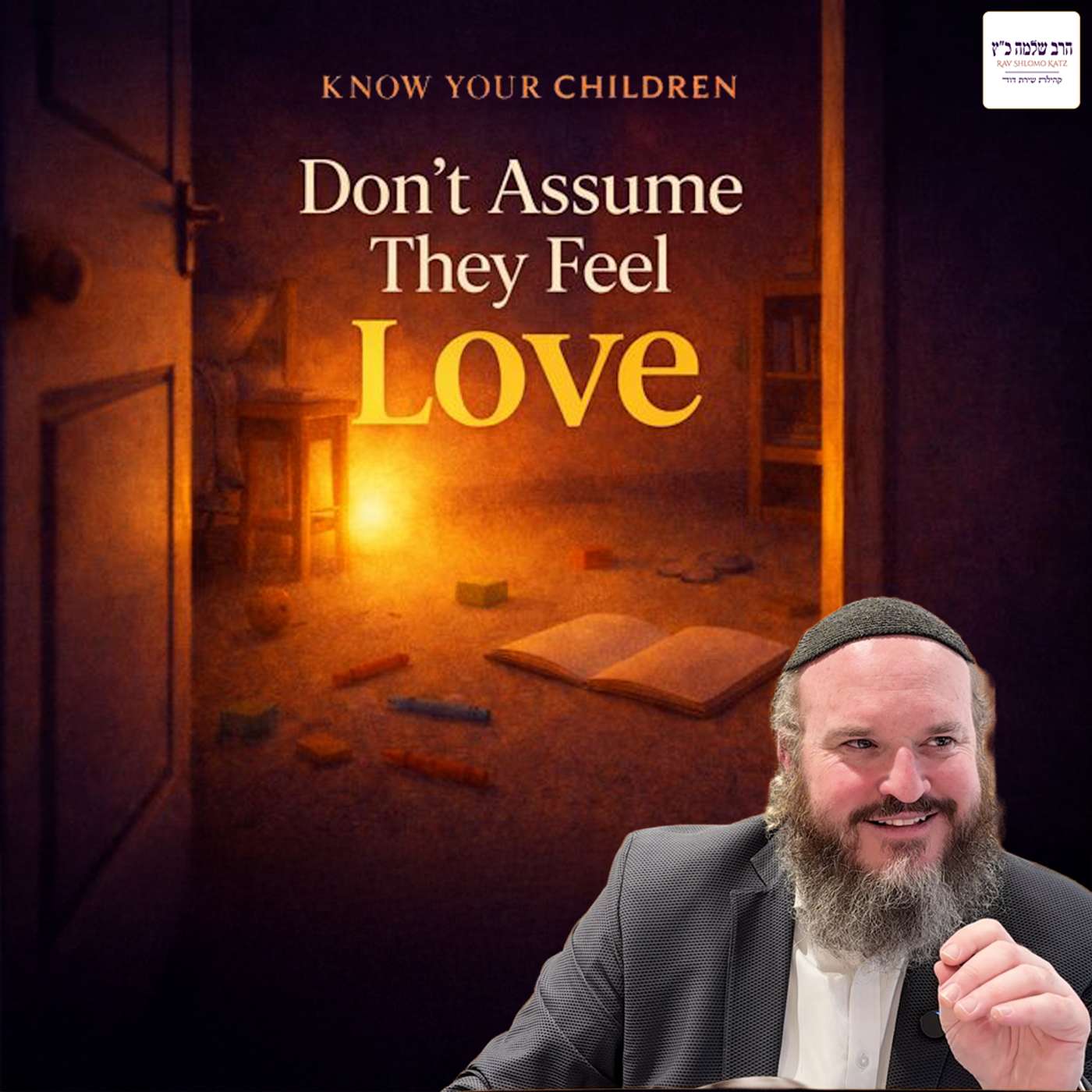 9. Nourishing our Children’s Soul | Rav Shlomo Katz and the women of Shirat David explore one of the most basic and most misunderstood foundations of parenting: love.Not love as a feeling we assume is obvious, and not love as a concept we think we’ve already mastered. But love as mazón la’nefesh, nourishment for a child’s soul.Drawing from Da Et Yeladecha, Rav Shlomo reframes love as an essential need, no different from food, clothing, or shelter. Just as a child cannot survive without physical nourishment, a child’s soul cannot grow without love that is given, expressed, and received.This shiur gently challenges the assumption that “they know I love them,” and invites us into a deeper, more honest avodah: learning how each child uniquely receives love, how missed nourishment affects the soul, and why this is something that must be learned, prayed over, and renewed again and again.----------For more Shuirim and Music from Rav Shlomo Katz, visit: https://ravshlomokatz.comJoin Rav Shlomo Katz's WhatsApp Community: https://chat.whatsapp.com/KHKOhhPaeHx5Kb74WL9L9a?mode=ems_copy_t | 40m 48s | ||||||
| 11/30/25 |  8. Experiencing our Children as Souls | In this week’s Know Your Children, we take a courageous, very triggering step inward: Can I look at my child not only as “my kid,” but as a neshamah —a soul that may even be higher than mine?Building on our work about friendship and authority, Rav Shlomo Katz opens the inner story: our children are not our property, not our projects, and not our therapy. On the level of guf (body), we are the parents, we pay the bills, we set the rules. But on the level of neshamah, we are standing in front of a piece of Hashem that may have been here before us, in different gilgulim, in different roles.Together we learn:The difference between “guf perception” (I’m the parent, you’re the child) and “neshamah perception” (two souls meeting in this gilgul).Why our children are absolutely included in “ואהבת לרעך כמוך”—and what it means to love them as “re’a,” not just as responsibility.How seeing a child as a neshamah changes the tone of discipline without erasing clear hierarchy and boundaries.Why cycles of blame (on our parents, and on ourselves) don’t heal—and how Da et Yeladecha really begins with da et neshamatam.A gentler way to daven for our kids: not “fix them,” but “help me see the soul You trusted me with.”Practical takeaways:Before reacting, pause for one breath and whisper: “Li yesh neshamah, v’leyaldi yesh neshamah.” Let that shape your tone.In hard moments (bedtime, screens, school), ask: “If I were talking to a neshamah right now, not just behavior, how would I speak?”Once a day, look at each child for 10–15 seconds with no agenda—just “noticing the soul”—and only then say your message.When old pain with your own parents surfaces, name it, but don’t camp in blame; use it as fuel to open your heart wider to your children.----------For more Shuirim and Music from Rav Shlomo Katz, visit: https://ravshlomokatz.comJoin Rav Shlomo Katz's WhatsApp Community: https://chat.whatsapp.com/KHKOhhPaeHx5Kb74WL9L9a?mode=ems_copy_t | 53m 48s | ||||||
| 11/16/25 |  7. Harmonious Authority | This week we face the question every home is asking: how do we hold yedidut (friendship) and mashma’ut (discipline) together—without losing either? Rav Shlomo Katz and the women of Shirat David learn that Chazal’s path isn’t “buddy” parenting, and it isn’t cold control. It’s a 50/50 coin: authority on one side, friendship on the other—flipped together by love. The Chafetz Chaim’s home modeled chaverut with clear chinuch; the Rambam’s Ve’ahavta l’rei’acha kamocha applies inside our doorway, too—yes, even toward our children.Together we learn:Why “just friendship” isn’t a Jewish home, and “just authority” breaks the funnel (kesher nafshi) that lets Torah and values actually land.How to keep vision and boundaries without the belt, or the burnout.The daily avodah of seeing a neshamah, not a project: curiosity first, guidance second.Yosef’s middah as a parenting model: chesed and gevurah operating simultaneously.A practical liturgy for parents: entering a moment of conflict with “הנני מקבל עלי מצות עשה של ואהבת לרעך כמוך.”Practical takeaways:Two-step before feedback: 1) Reflect what you heard (friend), 2) State the boundary and consequence calmly (parent).Name the coin: Say it out loud—“I love you as my yedid, and I’m setting this boundary as your parent.”One clear house rule: Choose one “non-crossable line” this week; post it, keep it with warmth.Daily 30-second kavanah: Before big talks, whisper the Ve’ahavta line above.Measure the funnel: If your words aren’t landing, build kesher first, teach second.----------For more Shuirim and Music from Rav Shlomo Katz, visit: https://ravshlomokatz.comJoin Rav Shlomo Katz's WhatsApp Community: https://chat.whatsapp.com/KHKOhhPaeHx5Kb74WL9L9a?mode=ems_copy_t | 49m 05s | ||||||
| 11/2/25 |  6. My Child, My Friend, My Child | In this week’s shiur, Rav Shlomo Katz invites us to re-examine the core of chinuch: can a parent be both moreh (teacher) and chaver (friend) without blurring roles? We return to last week’s kesher nafshi (soul-bond) and learn why natural love alone isn’t the funnel—mutuality is. Around ages 12–13, many children feel, “You love me, but you don’t understand me.” The work now is to move from “I care about you” (אכפת לי) to “I’m genuinely interested in you” (מעניין אותי)—from giving gifts we think they need to discovering the gift they actually yearn for.Together we learn:Why ahavah tiv’it (natural love) cannot replace a two-way kesher nafshi, and how that bond becomes the only reliable “funnel” for values to land.The shift from top-down instructions to du-siach (two-way conversation) that dignifies a growing child.“Chinuch al pi darko” as practice: joining your child’s world so Torah can join their story—and stay there.The “gift mistake”: giving from our map instead of their needs, and how to do a gentle birur ha-ratzon (clarifying what they want and what we want).The Chafetz Chaim at home: the recipe is parent-as-teacher and parent-as-friend—without surrendering boundaries.Practical takeaways:Ten minutes of curiosity: This week, ask about one thing they care about (music, friend, game, class). No fixing; mirror back what you heard.Switch the verb: Say out loud, “It’s not only that I care, I’m interested. Teach me.” Then listen twice as long as you speak.Name the age-shift: Tell a 12+ child, “I don’t want to love you like a toddler. Help me love you like you are now.”Funnel check before mussar: Ask, “Do we have a kesher right now?” If not—build it first, speak short and warm after.Friend + Parent, not either/or: Clarify one boundary you’ll keep with consistency and kindness (tone, timing, devices)—so friendship never erases guidance.----------For more Shuirim and Music from Rav Shlomo Katz, visit: https://ravshlomokatz.comJoin Rav Shlomo Katz's WhatsApp Community: https://chat.whatsapp.com/KHKOhhPaeHx5Kb74WL9L9a?mode=ems_copy_t | 45m 53s | ||||||
| 10/26/25 |  5. Do I Want to Know My Child’s World? | In this week’s shiur, Rav Shlomo Katz asks the heart-level question: Do I Want to Know My Child’s World? We deepen last week’s kesher nafshi—a two-way soul-bond—by facing a common gap: many parents are pouring from their world into children living in a different one. Without curiosity and reciprocity, the funnel leaks; with it, chinuch can finally land.Together we learn:- Why a mutual bond (ke-mayim ha-panim) is the only stable “funnel” for real chinuch. - How to enter a child’s dor (generation) with humility—see, listen, learn—before you speak. - The difference between organic kibbud av va’em and guilt-based demands—and how to keep it gentle. - Why relying on “passive osmosis” (they’ll just pick it up) isn’t a shittah—we need a conscious method. - Creation’s order as a model: a spousal kesher of mutuality precedes and teaches the parent–child bond.Practical takeaways:- Schedule one curiosity block this week (10–15 min): ask about their music, friends, game, class—no fixing, just “teach me your world.” - Before giving mussar, ask: Do I have a funnel here? If not, build it first (listen, reflect back, then speak briefly). - Name one gentle boundary that keeps connection safe (tone, timing, devices), and keep it with consistency and warmth.----------L’ilui nishmat Batya Feiga bat Yisrael; Levi ben Yosef; Avraham Mordechai ben Yosef. For refuah sheleimah Aliza Chana bat Naomi; Shoshana Yona bat Eidel—תחת שערי שמים.----------For more Shuirim and Music from Rav Shlomo Katz, visit: https://ravshlomokatz.comJoin Rav Shlomo Katz's WhatsApp Community: https://chat.whatsapp.com/KHKOhhPaeHx5Kb74WL9L9a?mode=ems_copy_t | 54m 27s | ||||||
| 10/19/25 | 4. Aiming Towards a Kesher Nafshi | In this week’s shiur, Rav Shlomo Katz continues our journey in Know Your Children toward a deeper parent–child bond—נפשו קשורה בנפשו / kesher nafshi—a two-way soul connection modeled by Yaakov and Binyamin. We review the “personalized funnel” of chinuch for each child and revisit the two loves that start every home—ahavah tiv’it (rooted in existence) and ahavah mutenet (shaped by traits)—then ask: how do we grow beyond one-way love into a shared inner bond without slipping into favoritism, enmeshment, or blurred boundaries?Together we learn:Why every child demands a unique funnel from our heart to theirs—and why it begins with knowing ourselves.The limits of one-way love (newborn stage and trait-based affection) and the promise of two-sided connection.What “kesher nafshi” isn’t: dependency, replacing clear expectations, or making our child responsible for our feelings.How to model kibbud av va’em, set invitations (not ultimatums), and keep the family as the first lab for reciprocal relationships.Seeing our children inside Nishmat Kelal Yisrael—love that holds the individual and the bigger picture.Practical takeaways:This week, offer one “invitation without expectation” for connection (walk, note, shared task) tailored to that child’s language of love.Before correction, ask: Am I speaking from ahavah tiv’it or from my need to feel loved? Adjust tone accordingly.Name and protect boundaries that keep closeness healthy (sleep, devices, respectful speech), so kesher can grow safely.L’ilui nishmat Batya Feiga bat Yisrael, Levi ben Yosef; for refuah sheleimah of Aliza Chana bat Naomi—tachat sha’arei shamayim.For more Shiurim and Music from Rav Shlomo Katz: https://ravshlomokatz.com Join Rav Shlomo Katz’s WhatsApp Community: https://chat.whatsapp.com/KHKOhhPaeHx5Kb74WL9L9a?mode=ems_copy_t | 53m 21s | ||||||
| 9/21/25 | 3. Natural vs. Conditional Loving | In this week’s shiur, Rav Shlomo Katz explores the foundation of Natural vs. Conditional Loving. Every parent begins with an unconditional, unexplainable love—ahavah tiv’it—simply because our child exists. As children grow and reveal talents, quirks, and challenges, a second layer—ahavah mutenet—forms, often shaping how we respond and how they feel loved. The work is to bridge these two, so the deepest, unconditional love never gets buried.Together we learn:The long–short path of chinuch: why taking time to explain clearly now creates quicker, gentler reception later.How unconditional love at birth (you are, therefore I love you) often gets clouded by comparison, correction, and “fixing.”The shift from ahavah tiv’it (rooted in existence) to ahavah mutenet (shaped by personality and traits).Why “favorites” and subtle distance creep in, and how to return to the root love beneath them.A Rosh Hashanah lens: just as the day celebrates the creation of Adam, so too it calls us back to love that flows from existence itself.Practical takeaways:Give one no-reason act of kindness to your child this week—just because they are.Catch yourself when love feels conditional; pause and recall the root, unconditional bond.Think one positive thought about each child daily; they feel the shift, even before you act.----------For more Shuirim and Music from Rav Shlomo Katz, visit: https://ravshlomokatz.comJoin Rav Shlomo Katz's WhatsApp Community: https://chat.whatsapp.com/KHKOhhPaeHx5Kb74WL9L9a?mode=ems_copy_t | 52m 33s | ||||||
| 9/14/25 | 2. Can’t Have Holes in the Pipeline | In this week’s shiur, Rav Shlomo Katz takes last week’s funnel and makes it practical. It’s not enough to have powerful Torah and holy intentions—if the צינור, the pipeline between parent and child, has leaks, what we’re trying to pour in never really arrives.Together we learn:The bridge before the message: why “content of chinuch” is stage two, and stage one is building a genuine bridge of trust and safety.Two channels that actually land: ma’aseh (personal example lived with simchah) and dibbur (speaking in a way that can be received—be’ofen hamitkabel).Age-gap wisdom: how to match language to a child’s kelî kibbul (capacity), and why over-pouring causes shut-down.Emet, Simchah, Savlanut: the core middot that seal the leaks—humility to listen, honesty to live what we say, and patience to pace what we give.From teaching to mesirah: “Moshe kibel… umesarah l’Yehoshua”—chinuch is not lecturing; it’s transmitting, intact, heart to heart.A tefillah approach: why we daven while we learn parenting Torah, so the words don’t stay ideas—they become life.Practical takeaways:Identify one “leak” in your pipeline (tone, timing, vocabulary, pace) and patch it this week.Share one value in child-level language and model it with a small, joyful action before you explain it.End the day with a 30-second tefillah for the bridge between you and each child.----------For more Shuirim and Music from Rav Shlomo Katz, visit: https://ravshlomokatz.comJoin Rav Shlomo Katz's WhatsApp Community: https://chat.whatsapp.com/KHKOhhPaeHx5Kb74WL9L9a?mode=ems_copy_t | 57m 47s | ||||||
| 9/7/25 | 1. Creating a Funnel | In this opening shiur, Rav Shlomo Katz begins our journey through Da Et Yeladecha with the image of a funnel. Parents often try to “pour” everything they know and feel straight into their children. But without the right structure, much of it spills out.Together we explore:Why chinuch begins with building an infrastructure—a bridge of emet (truth)—between parent and child.How age gaps create differences not just in understanding but in emotional perception, and how to meet children where they are.Why you can only give over what you’re genuinely living or actively working on.Practical mindset: Instead of perfection, aim for honesty and effort—your children will see and absorb the work itself.This shiur sets the foundation for the series: learning how to give in a way that truly lands so that the love and values we want to pass on actually reach our children.For the complete collection of shiurim and music from Rav Shlomo Katz, visit: ravshlomokatz.comJoin the WhatsApp community for exclusive content and updates from Rav Shlomo Katz: https://chat.whatsapp.com/KHKOhhPaeHx5Kb74WL9L9a?mode=ems_copy_t | 48m 24s | ||||||
Showing 20 of 20
Sponsor Intelligence
Sign in to see which brands sponsor this podcast, their ad offers, and promo codes.
Chart Positions
3 placements across 2 markets.
Chart Positions
3 placements across 2 markets.