

Insights from recent episode analysis
Audience Interest
Podcast Focus
Publishing Consistency
Platform Reach
Insights are generated by CastFox AI using publicly available data, episode content, and proprietary models.
Most discussed topics
Brands & references
Total monthly reach
Estimated from 1 chart position in 1 market.
By chart position
- 🇫🇮FI · Education#101500 to 3K
- Per-Episode Audience
Est. listeners per new episode within ~30 days
250 to 1.5K🎙 ~2x weekly·72 episodes·Last published 1w ago - Monthly Reach
Unique listeners across all episodes (30 days)
500 to 3K🇫🇮100% - Active Followers
Loyal subscribers who consistently listen
200 to 1.2K
Market Insights
Platform Distribution
Reach across major podcast platforms, updated hourly
Total Followers
—
Total Plays
—
Total Reviews
—
* Data sourced directly from platform APIs and aggregated hourly across all major podcast directories.
On the show
From 10 epsHosts
Recent guests
Recent episodes
Sheila Hayman on Fanny: The Other Mendelssohn | LBI Film Club Interview
Jun 18, 2026
Unknown duration
The LBI London meets Sir Bernard Zissman, producer of "Theodor Herzl: The Man Behind Israel"
Apr 14, 2026
6m 47s
Kindertransport in British Memory and Culture: A Roundtable Discussion
Mar 20, 2026
1h 27m 40s
LBI 70th Anniversary Celebrations - Eva Reichmann Memorial Lecture
Dec 19, 2025
1h 14m 30s
Dr Julia Ng - A Politics of Inaction: Daoism in German-Jewish Thought
Dec 1, 2025
1h 24m 41s
Social Links & Contact
Official channels & resources
Official Website
Login
RSS Feed
Login
| Date | Episode | Topics | Guests | Brands | Places | Keywords | Sponsor | Length | |
|---|---|---|---|---|---|---|---|---|---|
| 6/18/26 | Sheila Hayman on Fanny: The Other Mendelssohn | LBI Film Club Interview | Join Sheila Hayman, director and writer of Fanny: The Other Mendelssohn, in conversation with the Leo Baeck Institute London about the extraordinary life and music of Fanny Mendelssohn Hensel.In this interview, Sheila discusses the research behind the film, the recovery of Fanny’s work, and the wider questions the story raises about Jewish history, women’s creativity, family, and cultural memory.This conversation accompanies our next LBI Film Club screening of Fanny: The Other Mendelssohn, available free to watch from 25 June to 2 July 2026 on our website.You can also listen to the interview on Spotify.Watch the film club screening and find out more at: https://www.lbilondon.ac.uk/events/film-club/lbi-film-club-fanny-other-mendelssohn#LeoBaeckInstituteLondon #FilmClub #FannyMendelssohn #SheilaHayman #JewishHistory #JewishCulture #WomenInMusic #ClassicalMusic #GermanJewishHistory #DocumentaryFilm #WomenInFilm | — | ||||||
| 4/14/26 | 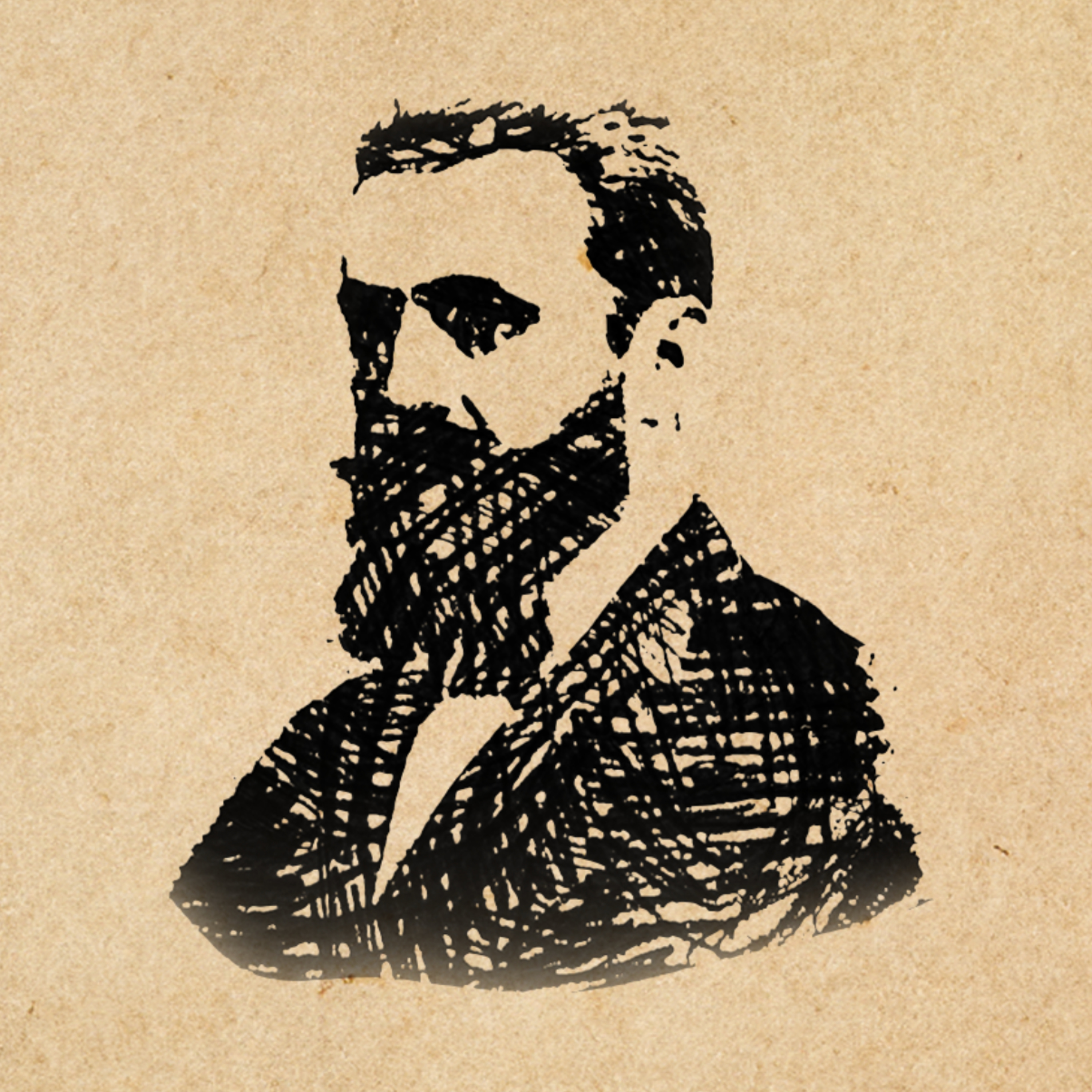 The LBI London meets Sir Bernard Zissman, producer of "Theodor Herzl: The Man Behind Israel"✨ | documentaryTheodor Herzl+3 | Sir Bernard Zissman | Leo Baeck Institute LondonTheodor Herzl: The Man Behind Israel | — | Sir Bernard ZissmanTheodor Herzl+3 | — | 6m 47s | |
| 3/20/26 | Kindertransport in British Memory and Culture: A Roundtable Discussion✨ | KindertransportBritish memory+4 | Dr Amy WilliamsDr Monja Stahlberger+1 | Association of Jewish RefugeesUniversity of Reading+3 | — | KindertransportBritish culture+5 | — | 1h 27m 40s | |
| 12/19/25 | 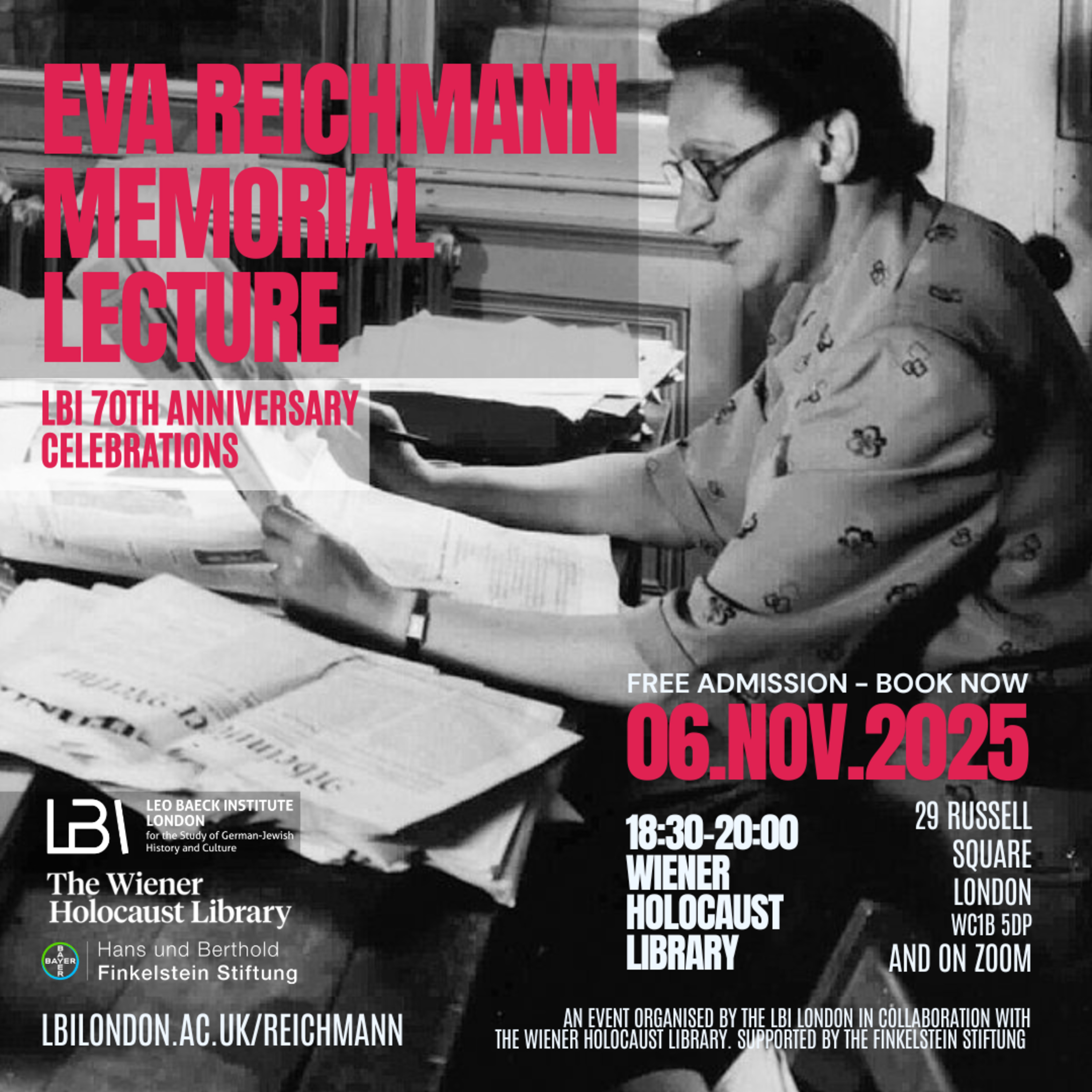 LBI 70th Anniversary Celebrations - Eva Reichmann Memorial Lecture✨ | Holocaust historiographyEva Reichmann+4 | Christine SchmidtBea Lewkowicz+1 | The Wiener Holocaust LibraryLeo Baeck Institute London+2 | — | Eva ReichmannHolocaust+5 | Hans and Berthold Finkelstein Foundation | 1h 14m 30s | |
| 12/1/25 | 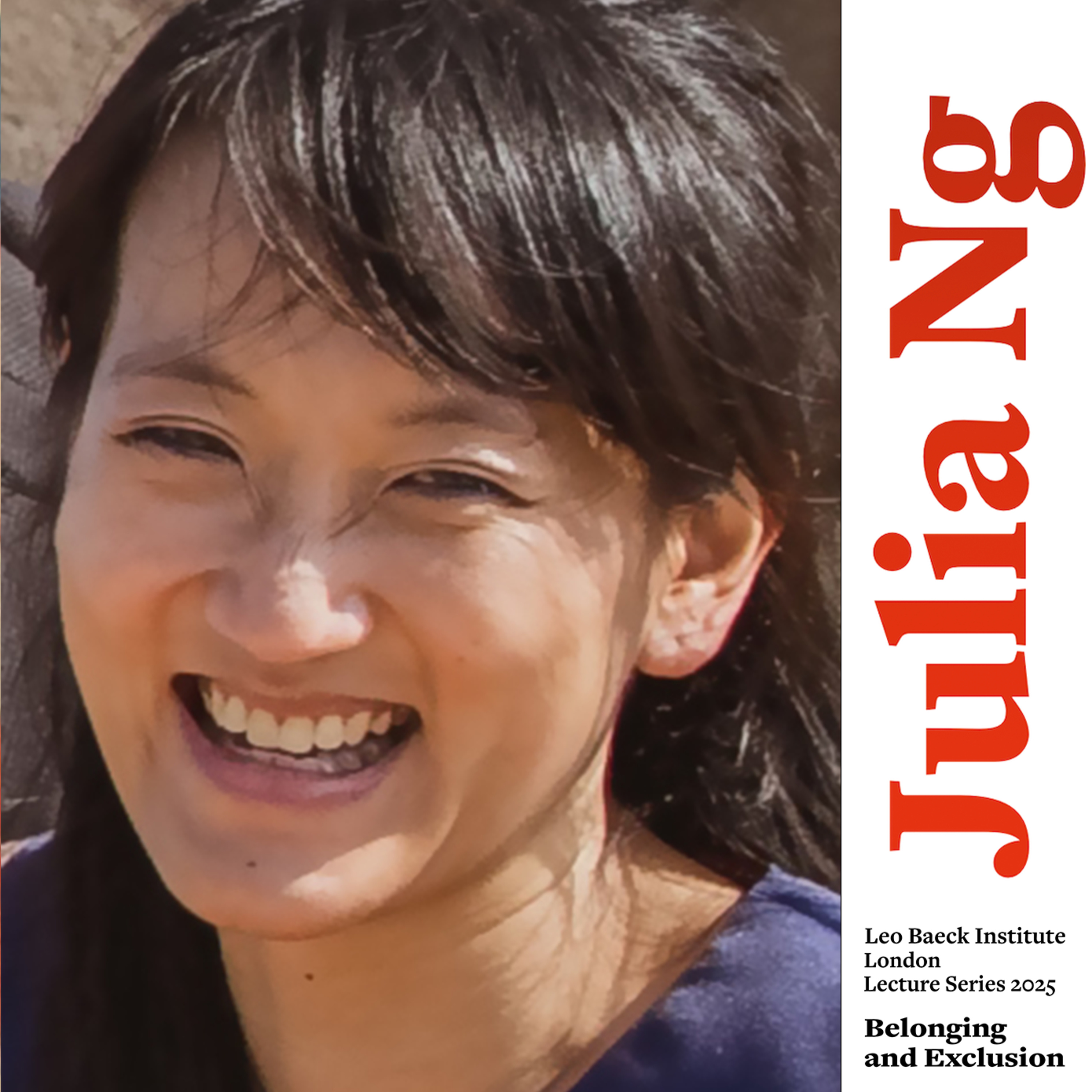 Dr Julia Ng - A Politics of Inaction: Daoism in German-Jewish Thought✨ | DaoismGerman-Jewish thought+5 | Dr Julia Ng | Goldsmiths, University of LondonStanford University Press | — | DaoismGerman-Jewish thinkers+7 | — | 1h 24m 41s | |
| 10/14/25 | Rethinking German Nationalism in the Interwar Period✨ | German nationalismWeimar Republic+4 | Erin Hochman | Southern Methodist UniversityCornell University Press+1 | — | German nationalismWeimar Republic+5 | — | 1h 15m 41s | |
| 7/11/25 | 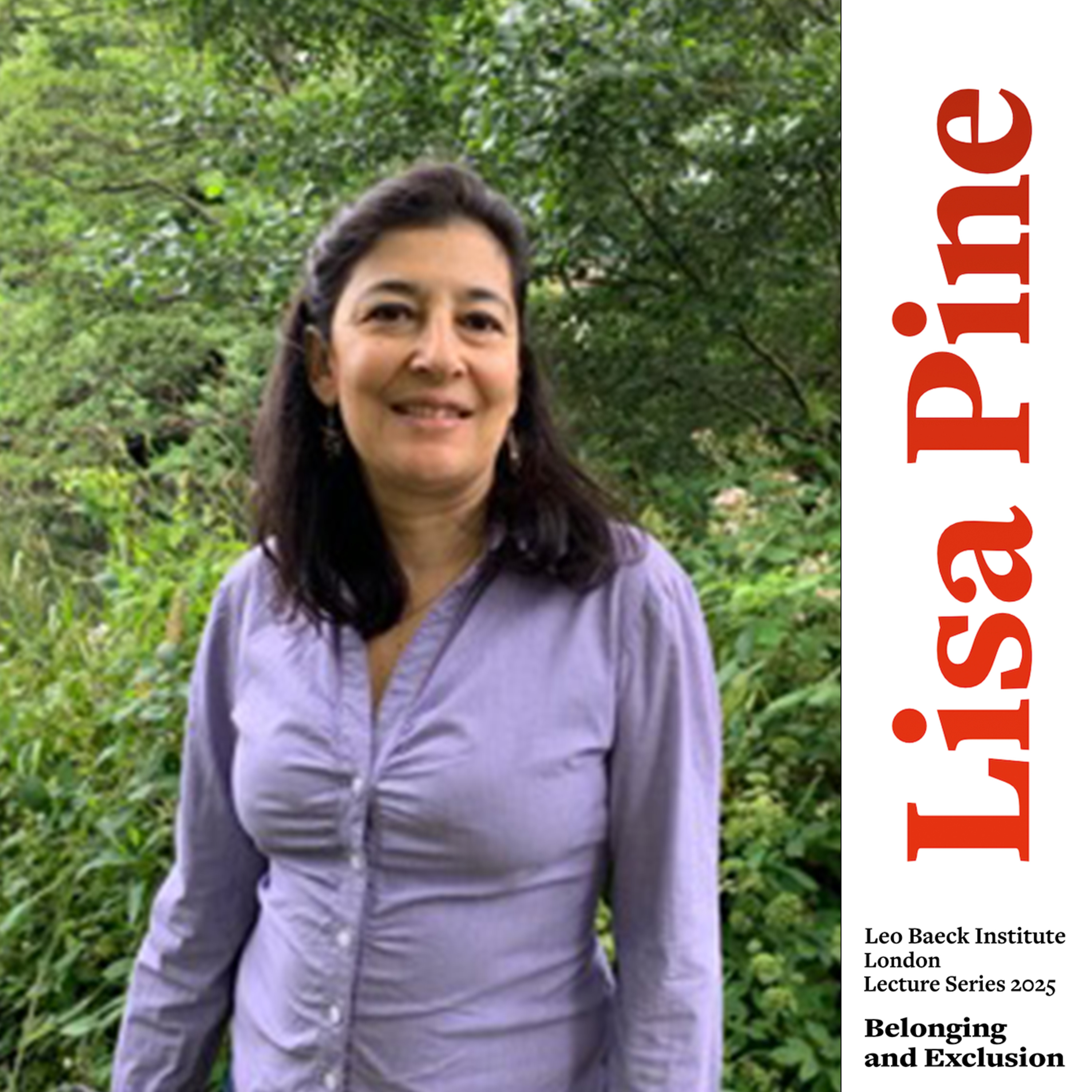 Hitler’s Mein Kampf: Reflections 100 Years On✨ | Nazi GermanyHolocaust+4 | Lisa Pine | Institute of Historical ResearchSchool of Advanced Study, University of London+2 | — | HitlerMein Kampf+5 | — | 1h 30m 31s | |
| 6/6/25 | 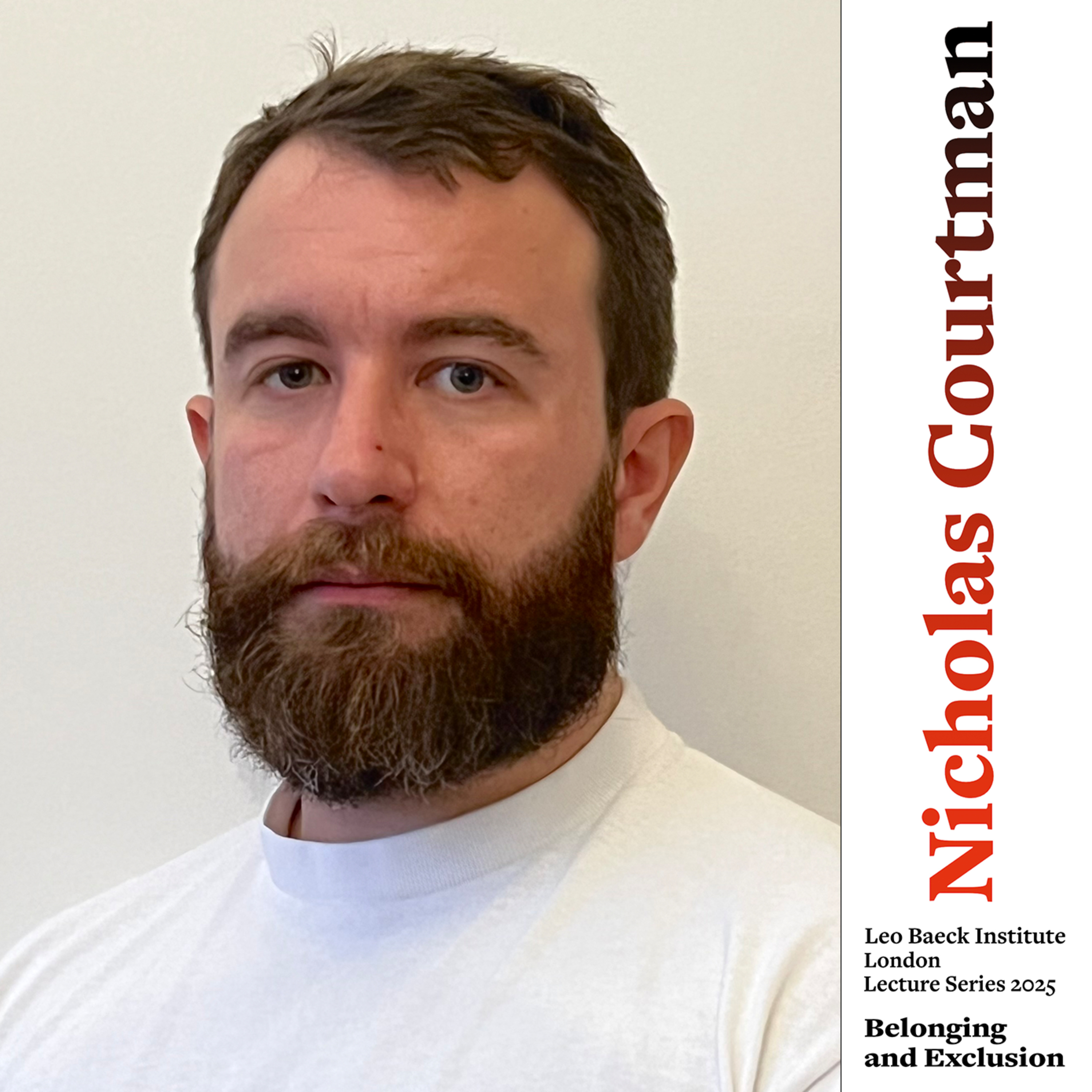 (Un)Welcome Returns? Re-Naturalisation Rights of German Jews in Germany✨ | Re-naturalisation rightsGerman Jews+4 | Nicholas Courtman | King’s College LondonThe Expert Council on Integration and Migration | GermanyCambridge | re-naturalisationGerman Jews+6 | — | 1h 22m 26s | |
| 2/21/25 | 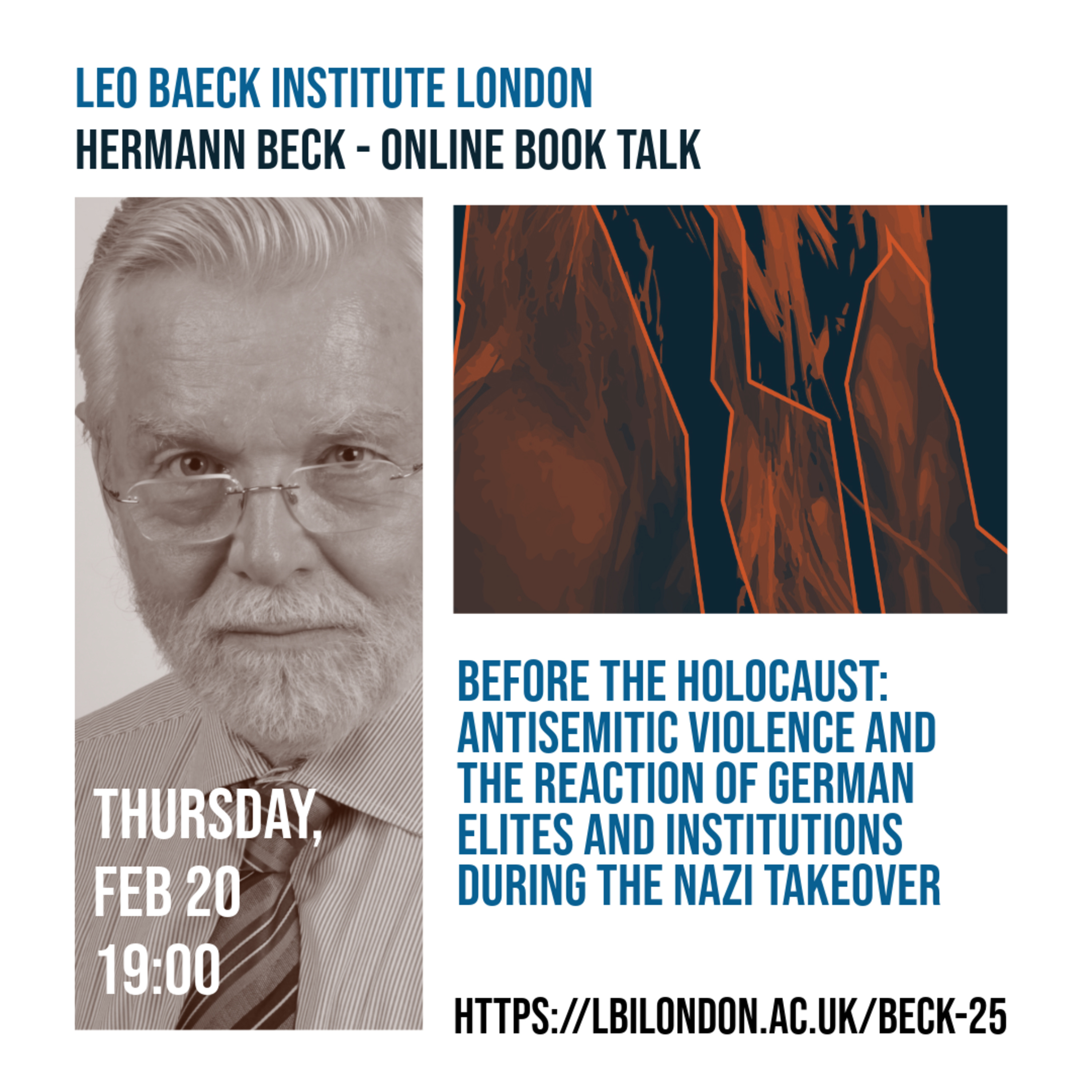 Hermann Beck - Online Book Talk✨ | Holocaustantisemitic violence+4 | Hermann Beck | Yad VashemBefore the Holocaust: Antisemitic Violence and the Reaction of German Elites and Institutions during the Nazi Takeover | — | antisemitismNazi takeover+5 | — | 1h 16m 48s | |
| 11/29/24 | 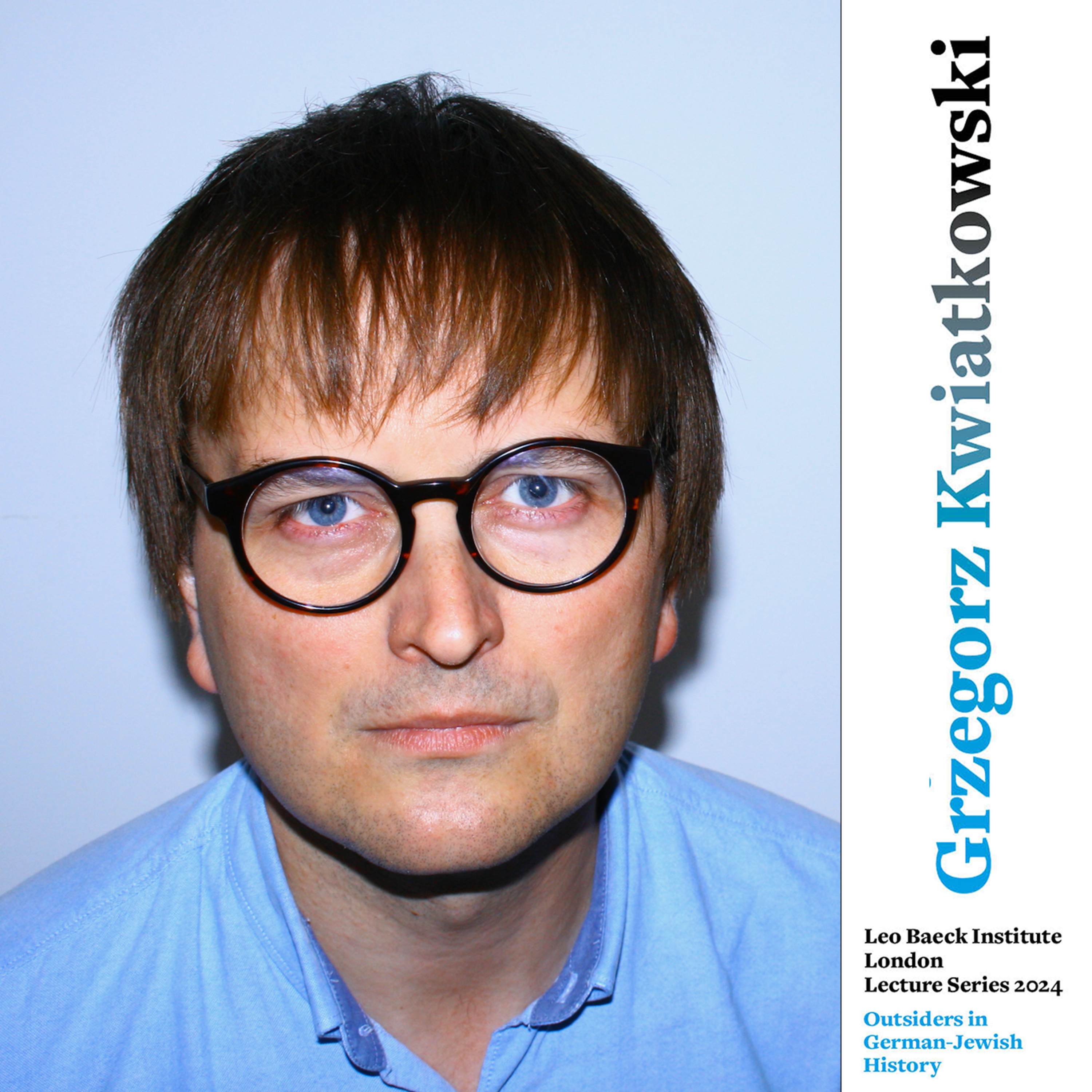 Grzegorz Kwiatkowski: More Light – Art Against Hate✨ | Holocaust denialright-wing nationalism+4 | Grzegorz Kwiatkowski | PEN AmericaUniversity of Oxford+1 | PolandGdańsk+1 | Grzegorz KwiatkowskiHolocaust+7 | — | 1h 15m 12s | |
Want analysis for the episodes below?Free for Pro Submit a request, we'll have your selected episodes analyzed within an hour. Free, at no cost to you, for Pro users. | |||||||||
| 10/11/24 |  A German-Jewish Athlete During The Age of Extremes: Alex Natan (1906–71)✨ | German-Jewish historysports history+4 | — | University of Durham | — | Alex NatanKay Schiller+6 | — | 1h 21m 15s | |
| 7/12/24 |  LBI London Summer Lecture: Psychologists in Auschwitz: Accounting for Survival | Prof Dan Stone The writings of Dutch Auschwitz survivors Eddy de Wind, Elie Cohen and Louis Micheels merit analysis not only because they anticipated what later became known as PTSD and much of the underpinnings of trauma theory. They also advocated a theory of survival that offers a compelling contrast to well-known “self-help” theories put forward by Bruno Bettelheim and, especially, Viktor Frankl. This lecture traces the ways in which this theory of survival challenged these simplistic narratives, explains how their work informed the changing field of psychiatry after the war, and considers its relevance for the historiography of the Holocaust today. Dan Stone is Professor of Modern History and Director of the Holocaust Research Institute at Royal Holloway, University of London, where he has taught since 1999. He is the author of numerous articles and books, including, most recently, The Holocaust: An Unfinished History (Penguin, 2023) and Fate Unknown: Tracing the Missing after World War II and the Holocaust (OUP, 2023). He is co-editor, with Mark Roseman, of volume 1 of The Cambridge History of the Holocaust (forthcoming with CUP) and, with Dieter Steinert, of Holocaust Memory in Britain in the 1960s (forthcoming with Bloomsbury). He is currently writing a book on the Holocaust in Romania. Dan chaired the academic advisory board for the Imperial War Museum's revamped Holocaust Galleries, and sits on the UK's Oversight Committee for the Arolsen Archives and the UK government's Spoliation Advisory Group. Recorded Thursday, July 11, 2024 at the German Historical Institute London http://leobaeck.co.uk/events/summer-lecture/lbi-london-summer-lecture-psychologists-auschwitz-accounting-survival | — | ||||||
| 7/8/24 |  Regina Jonas – The First Woman Rabbi | Rabbi Prof Dr Elisa Klapheck Wiener Holocaust Library Can women hold rabbinical office? This was one of the questions discussed at the Higher Institute for Jewish Studies, Berlin, in the 1920s and 1930s. And no one was better suited to provide an answer to this than Regina Jonas, a student at the Higher Institute who became the first female rabbi in the world in 1935. Prior to her ordination, Jonas answered the question about women’s access to the rabbinate in a halachic treatise that she submitted in 1930 as her final halachic project. Her biographer, Rabbi Prof Dr Elisa Klapheck, will share insights into a life that inspired a new kind of women’s participation in Jewish religious practice. This lecture explores the work of a determined woman who was passionate about Judaism and who was also beloved by the people whom she served in Nazi Germany and after her deportation to Theresienstadt camp in 1942. Regina Jonas was murdered in Auschwitz in 1944; her work still resonates today. Rabbi Prof Dr Elisa Klapheck is a Liberal rabbi in the Jewish community of Frankfurt am Main and a professor of Jewish Studies at the University of Paderborn. Her research engages with women and Judaism, early Jewish feminists like Margarete Susman, Regina Jonas, and Bertha Pappenheim, and religious practice in a political context. Event co-organised by the Wiener Holocaust Library Recorded Monday, July 1, 2024 - 18:00 https://www.leobaeck.co.uk/events/library-lost-books/regina-jonas-first-woman-rabbi | — | ||||||
| 6/14/24 |  Jewish Life In Contemporary Germany | Prof Dani Kranz Germany is home to Europe’s third largest Jewish community. Yet surprisingly little is known about them. After the Shoah, about 15,000 German Jews returned to Germany or emerged from hiding. The growth of the Jewish population in Germany after 1945 was due entirely to immigration, which is somewhat counter intuitive. Who are the Jews who live in contemporary Germany? How do they live out their Jewishness? What Jewish cultures did they bring with them, and what kind of Jewish culture is forming in Germany? Dani Kranz is the incumbent DAAD Humboldt chair at El Colegio de México, Mexico City, and an applied anthropologist and director of Two Foxes Consulting, Germany and Israel. Her expertise covers migration, integration, ethnicity, law, state/stateliness, political life, organisations, memory cultures and politics as well as cultural heritage. This season’s lecture series Outsiders in German-Jewish History seeks to uncover the shared experiences of individuals and communities who found themselves on the margins of society. Transcending both time and geography, talks will offer different perspectives on the resilience and tenacity of those who have grappled with the challenges of being outsiders. How have they found identity and a sense of belonging in societies that have not understood or even accepted them? Organised by the Leo Baeck Institute London in cooperation with the German Historical Institute London and the British-German Association (BGA). Lecture recorded at Senate House, University of London on June 13, 2024 Images from the lecture, and other streaming links, are available on the Leo Baeck Institute London website: https://www.leobaeck.co.uk/kranz-24 #JewishLife #ContemporaryGermany#LectureSeries2024 #JewishCommunity#ProfDaniKranz #JewishCulture #JewishHeritage#Migration #Integration #CulturalAnthropology#DAADHumboldtChair #ElColegiodeMéxico #GermanyIsrael#LeoBaeckInstitute #HistoricalLecture | — | ||||||
| 5/3/24 | 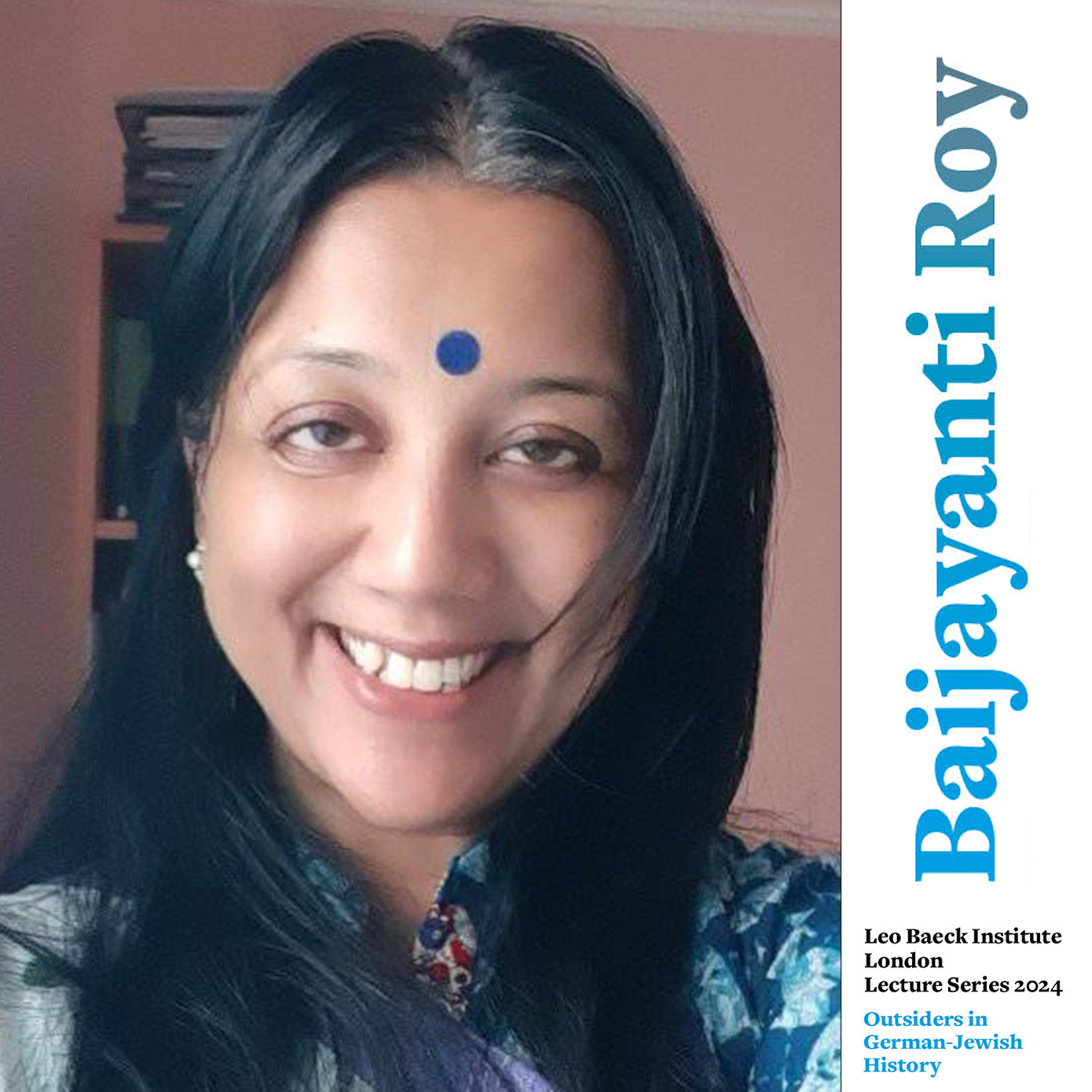 Heinrich Zimmer, Nazi Racial Politics and The University of Heidelberg, 1933–1938 | Dr. Baijayanti Roy University of Frankfurt This talk examines the grey zones that exist between the established paradigms of persecution and exile in the ‘Third Reich’, as demonstrated by the trajectory of the Indologist Heinrich Zimmer (1890–1943). Zimmer, who taught at the University of Heidelberg, lost his teaching license in 1938 since his wife Christiane was classified as a Mischling (mixed race) by the Nazi regime. He tried to battle his fate by offering diverse political capital to the Nazi political establishment and by counting on some sympathetic colleagues. Zimmer was able to flee Germany with his family in 1939. Baijayanti Roy is a postdoctoral researcher affiliated to the University of Frankfurt. Her monograph, The Making of a Gentleman Nazi: Albert Speer’s Politics of History in the Federal Republic of Germany was published in 2016. Another monograph, The Nazi Study of India and Indian Anti-Colonialism: Knowledge Providers and Propagandists in the ‘Third Reich’, will be published by Oxford University Press. She has published and spoken on different subjects including Nazi Germany, German Indology and the historical relationship between Germany and India. This season’s lecture series "Outsiders in German-Jewish History" seeks to uncover the shared experiences of individuals and communities who found themselves on the margins of society. Transcending both time and geography, talks will offer different perspectives on the resilience and tenacity of those who have grappled with the challenges of being outsiders. How have they found identity and a sense of belonging in societies that have not understood or even accepted them? Organised by the Leo Baeck Institute London in cooperation with the German Historical Institute London. Lecture recorded at Senate House, University of London on Thursday, May 2, 2024 | — | ||||||
| 4/30/24 | 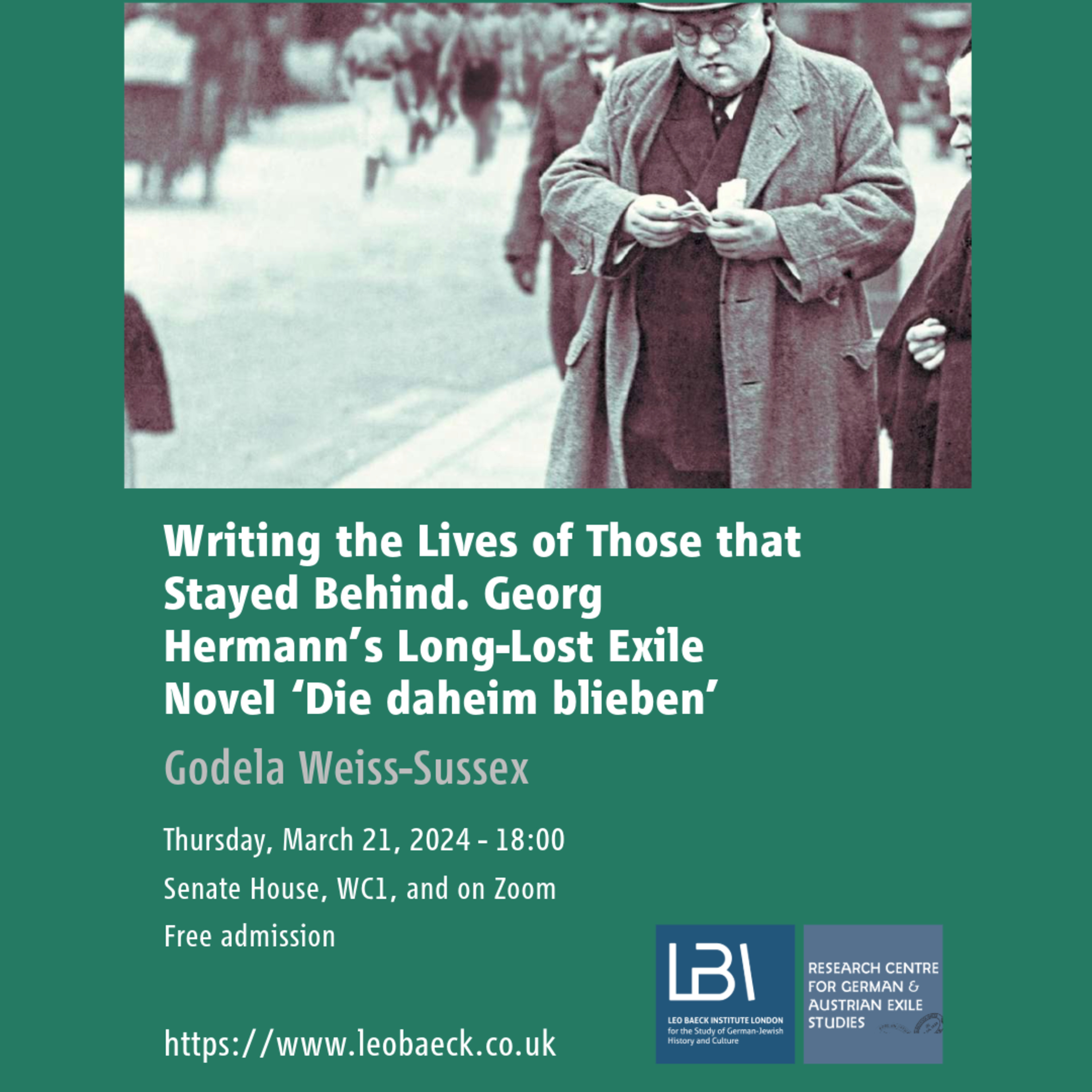 Writing The Lives of Those That Stayed Behind. Georg Hermann’s Long-Lost Exile Novel ‘Die Daheim Blieben’ | Godela Weiss-Sussex ILCS (University of London) In the winter of 1939–40, exiled in the Dutch city of Hilversum, Georg Hermann was working on a novel that he regarded as one of his most important. Entitled Die daheim blieben (Those that Stayed Behind), it was to be composed of four parts and tell the story of a large, diverse German-Jewish family in Berlin from March 1933 to November 1938. He was unable to complete the novel or see it published, and it was long thought to have been lost. Recently, however, the manuscripts of the first two parts were discovered among papers held by Hermann’s grandson, George Rothschild. After careful editing by Godela Weiss-Sussex, the text was finally published for the first time by Wallstein Verlag (Göttingen) in September 2023. In her talk Godela Weiss-Sussex, Professor of Modern German Literature at the Institute of Languages, Cultures and Societies (University of London), considers the story of the manuscript and its journey to publication, and introduces the novel’s content, characters and contexts. The talk gives a flavour of an extraordinary text that the author himself judged to be the ‘very best Georg Hermann’.This event is jointly organised by the Leo Baeck Institute London, and the Research Centre for German & Austrian Exile Studies at the Institute of Languages, Cultures and Societies, University of London. Lecture recorded on Thursday, March 21, 2024 Images from the lecture, and other streaming links, are available on the Leo Baeck Institute London website: https://www.leobaeck.co.uk/weiss-sussex-2024 | — | ||||||
| 3/8/24 |  International Women's Day 2024: Pauline Paucker | For International Women's Day 2024, LBI Director Joseph Cronin interviews Pauline Paucker at her home about her memories of the Institute, her work editing the Yearbook, and her husband Arno Paucker, former director of the Institute. Her testimony is a personal reminiscence, and the views expressed therein do not necessarily reflect those of the Institute. https://www.leobaeck.co.uk/events/interviews/international-womens-day-2024-pauline-paucker | — | ||||||
| 2/7/24 | Who was Fritz Kittel? A German Railway Worker Decides, 1933–2022 | Reading: Esther Dischereit together with Jonny Ball. In 2023, Esther Dischereit created an exhibition in cooperation with Deutsche Bahn to honour the railroad worker Fritz Kittel. In 1944 and 1945, he hid her mother Hella and sister Hannelore, who as Jews were persecuted by the Gestapo and threatened with death in Germany under National Socialism. They were liberated by U.S. troops in 1945. Dischereit began to search for the family of the rescuer and found them in 2019. Fritz Kittel had not told his own family about his courageous act throughout his life. Esther Dischereit's literary response in 17 text pieces includes other found objects from the lives of her mother, sister, and Fritz Kittel, and they offer a dialogue with those who are now the daughters and sons or grandchildren. False information given at a registration office, illegal names and addresses ... What do we read when we read these documents? What do we see when we look at these photos? Esther Dischereit lives in Berlin, writes prose, poems, essays, and radio works. She is considered one of the most important voices of Jewish literature in Germany in the second generation after the Shoah. She was honoured with the prestigious Erich Fried Prize for her work in 2009. She was a professor at the University of Applied Arts in Vienna from 2012 to 2017 and held a chair in contemporary poetics at NYU in 2019. Among her most recent publications and projects Hab keine Angst! Erzähl alles. Das Attentat von Halle und die Stimmen der Überlebenden (Ed., 2020); Sometimes a Single Leaf (2020) and Flowers for Otello On the Crimes that Came out of Jena (2022) – both translated by Iain Galbraith, as well as Wer war Fritz Kittel, Exhibition 2023: Berlin / Frankfurt am Main / Chemnitz / Nürnberg. Lecture recorded at Senate House, London Tuesday, February 6, 2024 - 18:00 Images from the lecture, and other streaming links, are available on the Leo Baeck Institute London website: https://www.leobaeck.co.uk/events/special-events/who-was-fritz-kittel-german-railway-worker-decides-1933-2022 This lecture is a collaboration between the Leo Baeck Institute London and the Goethe-Institut London. Poster photo credits: ©Abraham Pissarek, ©Katrin Hammer / Deutsche Bahn AG, ©Katrin Hammer / Deutsche Bahn AG | — | ||||||
| 12/1/23 | Dressing Eve: Re-drawing Biblical Women through Comics | Dr Sarah Lightman Jewish women have been at the forefront of feminist autobiographical comics since the 1970’s as they challenged sexism in popular culture. But how have they revised misogynistic images and stories closer to home? Sarah Lightman will illustrate how Sharon Rudahl in her bildungsroman ‘The Star Sapphire’, Miriam Katin in her Holocaust memoir, We Are on Our Own, and her own graphic novel, The Book of Sarah, transform biblical narratives and images to reflect their own, lived, experiences. Sarah Lightman is an artist, writer and Faculty at The Royal Drawing School, London. She attended the Slade School of Art for her BA and MFA, University of Glasgow for her PhD and was an Honorary Research Fellow at Birkbeck, University of London (2018-21). She edited the multi-award-winning Graphic Details: Jewish Women’s Confessional Comics in Essays and Interviews (McFarland, 2014), published her autobiographical graphic novel, The Book of Sarah (Myriad Editions and Penn State UP, 2019) and co-edited Jewish Women in Comics: Bodies and Borders (Syracuse UP, 2023). This season’s lecture series seeks to explore the connection of visual narratives in the context of beauty, ugliness and morality with representations of Jews and Jewishness in the Western world from the Middle Ages to the present day. We aim to examine the subject from different historical, social and artistic perspectives ranging from medieval mythology to Orientalism, Zionism, Feminism or modern aesthetics, and through the lens of a selection of diverse media including painting, photography and comics. Lecture recorded at Senate House, Malet St, London WC1E 7HUThursday, November 30, 2023 - 18:30 More information: https://www.leobaeck.co.uk/events/leo-baeck-institute-london-lecture-series-2023/dressing-eve-re-drawing-biblical-women #Comics #Comic #WomenInComics #WomenInArt #WomensArt #JewishArt #FemaleArtists #Artist #Illustrator#Judaism #JewishHistory #jewishculture #LondonEvent #LondonEvents #AuthorTalk #Author #OnlineLecture #LeoBaeckInstituteLondon #UniversityOfLondon #Bloomsbury #SenateHouse | — | ||||||
| 10/29/23 | The Shoah and the Tragedy of Assimilation: Lessons from one German-Jewish family | Simon May Thursday, October 26, 2023 - 18:30 Between 1933 and 1941, Simon May’s mother and her two sisters pushed the boundaries of assimilation among German Jews to their limits. They resorted to conversion, aristocratic marriages, and ‘Aryan’ certificates, which likely saved them from the death camps. However, this marked the defeat of the hope that such strategies would secure acceptance for Jews in German and European society. It led to a unique vulnerability, as these three women – and many others like them – distanced themselves from their cultural roots, leaving them emotionally defenceless when disaster struck. This self-inflicted psychic violence presents challenges for their descendants, grappling with questions of identity and belonging in a world in which millions of people continue to be forcibly displaced. Simon May is Visiting Professor of Philosophy at King’s College London. His interests lie in ethics, philosophy of the emotions, questions of identity and belonging, and German 19th and 20th Century thought. His books include Nietzsche’s Ethics and His War on ‘Morality’ (1999), Love: A History (2011), Love: A New Understanding of an Ancient Emotion(2019) and The Power of Cute (2019), alongside his widely praised family memoir How To Be A Refugee (2021). May’s work has been translated into ten languages and regularly features in major newspapers worldwide. This lecture was organised by the Leo Baeck Institute London and was held at the Keynes Library, Birkbeck's School of Arts, 43 Gordon Square, London WC1H 0PD. Images from the lecture, and podcast streaming links, are available on the Leo Baeck Institute London website at https://www.leobaeck.co.uk/biennial-lecture-2023 | — | ||||||
| 10/13/23 | What a shayna punim!: Cute Jews, Photography, and Jewish Regeneration | Prof Daniel Magilow Jüdische Kinder in Erez Israel, a collection of twenty-one photographs of adorable Jewish children in Mandatory Palestine, was the last overtly Jewish-themed photobook published in Germany before the Holocaust. Yet its propaganda mission transcended its diminutive size and surface superficiality. This talk examines how this photobook creates an allegory of Jewish vulnerability by eliciting responses associated with the minor aesthetic category of ‘cuteness.’ In so doing, it broadens our understanding of how photobooks helped expand the visual lexicon and aesthetic strategies central to Jewish cultural and political regeneration. Daniel H. Magilow is Professor of German at the University of Tennessee, Knoxville and Co-Editor-in-Chief of Holocaust and Genocide Studies. His research centers on photography and its intersections with Holocaust Studies, Weimar Germany, and postwar memory. He has authored and edited six books, including The Photography of Crisis: The Photo Essays of Weimar Germany and Holocaust Representations in History: An Introduction. Held as part of the Leo Baeck Institute London Lecture Series 2023 at Senate House, Malet St, London WC1E 7HU on Thursday, October 12, 2023 at 18:30. This season’s lecture series seeks to explore the connection of visual narratives in the context of beauty, ugliness and morality with representations of Jews and Jewishness in the Western world from the Middle Ages to the present day. We aim to examine the subject from different historical, social and artistic perspectives ranging from medieval mythology to Orientalism, Zionism, Feminism or modern aesthetics, and through the lens of a selection of diverse media including painting, photography and comics. #OldPhoto #OldPhotos #OldPhotograph #OldPhotographs #Identity#HistoricalResearch #JewishHistory #JewishCulture #Podcast #VisitingLecturer #LeoBaeckInstituteLondon #UniversityOfLondon #Bloomsbury #LondonEvent #LondonEvents #Lecture #GuestLecturer #SenateHouse #OnlineLecture #InPersonEvent #FreeAdmission #ZoomLecture #AuthorTalk #Author | — | ||||||
| 6/30/23 | 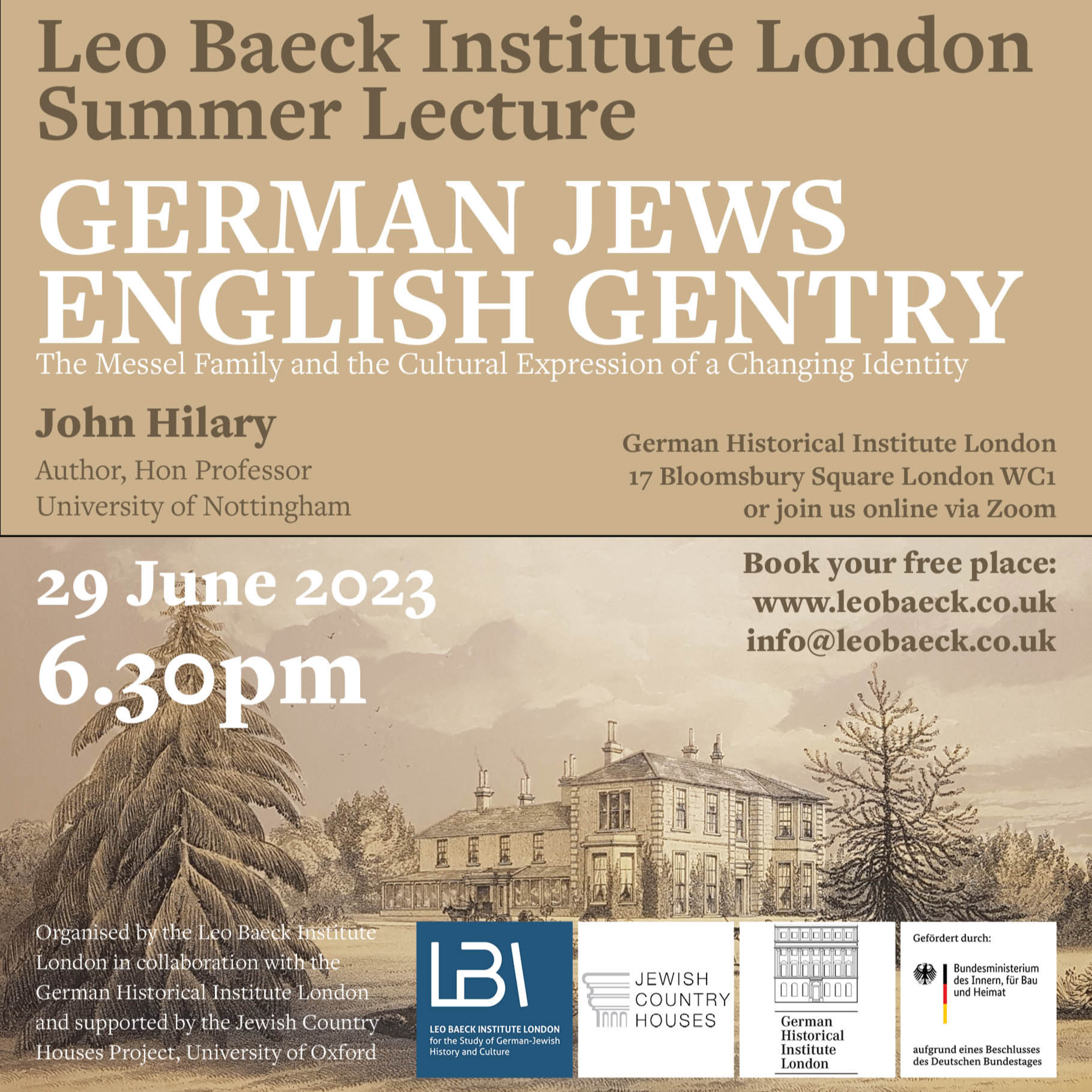 German Jews, English Gentry: The Messel Family and the Cultural Expression of a Changing Identity | Leo Baeck Institute London Summer Lecture Speaker: John Hilary, honorary professor at the University of Nottingham The conspicuous set of German-Jewish financiers who made their homes in late Victorian and Edwardian Britain brought with them a rich cultural inheritance that reflected the historical journey of German Jewry towards emancipation. As they established themselves in their new environment, they faced the challenge of being at one and the same time German, Jewish, British and English, and the crisis of having to choose between allegiances in the dark days of the First World War. This lecture explores the diverse ways in which the artistic Messel family chose to express the different facets of their identity as it evolved through the generations. Drawing comparisons with other high-profile German-Jewish migrants to Britain during the same period, it examines the successes and failures of their strategies to assimilate into their host society. John Hilary is an honorary professor at the University of Nottingham and author of From Refugees to Royalty: The Remarkable Story of the Messel Family of Nymans (Peter Owen, 2021). An affiliate of the Jewish Country Houses project run out of the University of Oxford, he co-edited a special issue of the Journal of the History of Collections in 2022 on the theme of ‘Bildung beyond borders: German-Jewish collectors outside Germany, c.1870–1940’. Thursday, June 29, 2023 at 18:30 Held at the German Historical Institute London https://www.leobaeck.co.uk/events/special-events/german-jews-english-gentry-messel-family-and-cultural-expression-changing #EnglishCountryHomes #CountryHouses #BritishHistory #Aristocracy #Identity #HomesAndGardens #Photographs #OldPhotographs #HistoricBuildings #Architecture #Lecture #HistoricalResearch #Gardens #EnglishGardens #Art #Authors #Emancipation #FirstWorldWar #JewishHistory #JewishCulture #BritishCulture #Podcast #VisitingLecturer #LeoBaeckInstituteLondon #UniversityofOxford #NationalTrust #StatelyHome #UniversityOfNottingham | — | ||||||
| 6/20/23 | 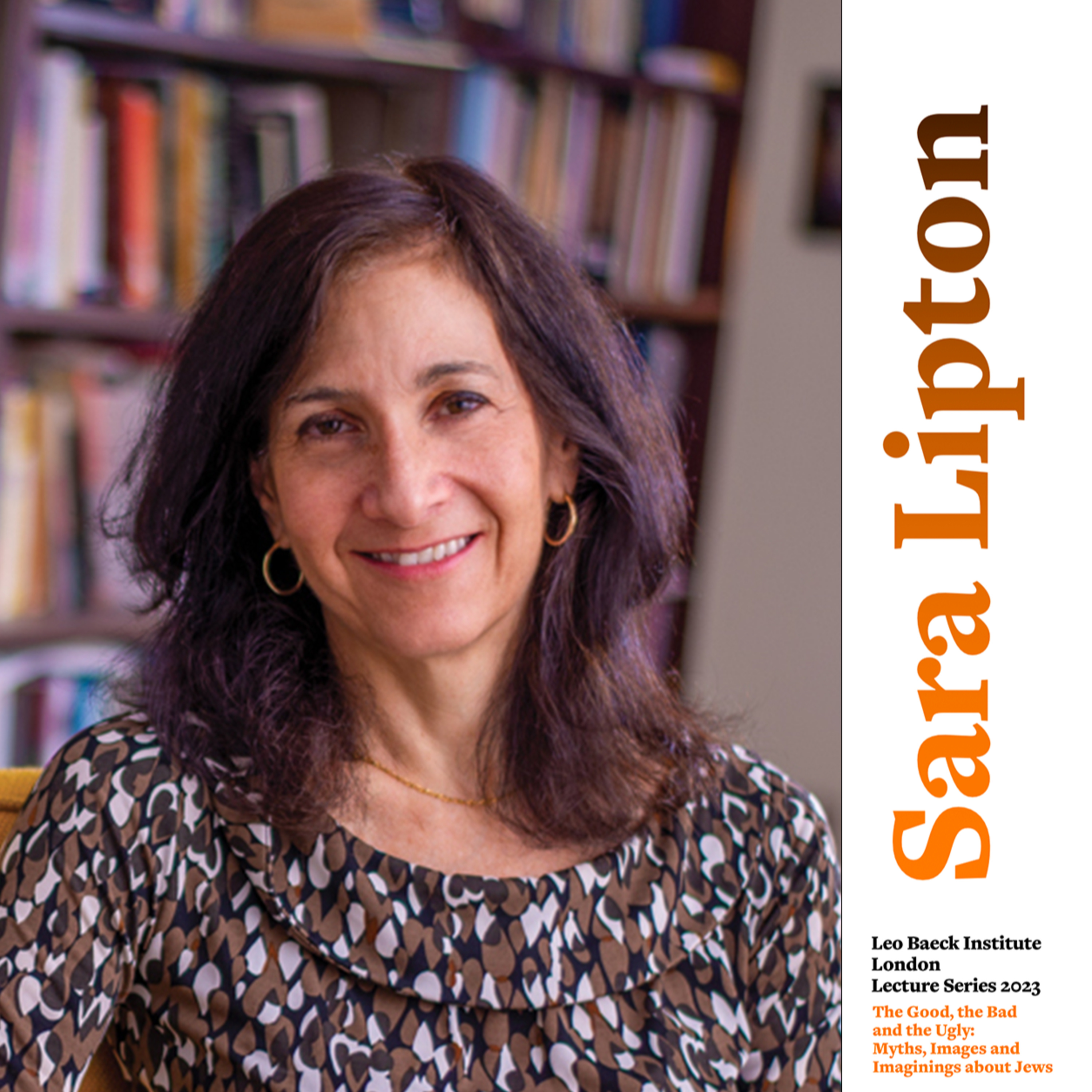 Marked Off in the Eyes of the Public: Anti-Jewish Imagery and the Politics of Prejudice | Sara Lipton Stony Brook University, NY, USA Art can be a powerful force in shaping the way we see and think about the world: pictures craft our ideas of beauty and ugliness, good and bad, power and weakness. This lecture traces how medieval Christian images of Jews, originally designed to aid religious devotions, made Christians look at Jews with new curiosity and interest, and drew their attention to previously unnoticed aspects of Jewish life and looks. As images of Jews evolved from benign but outdated Hebrews to caricatured usurers and demonic sorcerers, Christian society developed new – and increasingly hostile – ideas about and policies toward Jews, whose effects have endured to this day. Sara Lipton is Professor of History at the State University of New York, Stony Brook and a Fellow of the Medieval Academy of America the Royal Historical Society (UK). She is currently a Visiting Fellow at All Souls College, Oxford. Her most recent book is Dark Mirror: The Medieval Origins of Anti-Jewish Iconography (2014). This season’s lecture series seeks to explore the connection of visual narratives in the context of beauty, ugliness and morality with representations of Jews and Jewishness in the Western world from the Middle Ages to the present day. We aim to examine the subject from different historical, social and artistic perspectives ranging from medieval mythology to Orientalism, Zionism, Feminism or modern aesthetics, and through the lens of a selection of diverse media including painting, photography and comics. Lecture recorded at the German Historical Institute, 17 Bloomsbury Square London WC1A 2NJThursday, June 8, 2023 More information: https://www.leobaeck.co.uk/events/leo-baeck-institute-london-lecture-series-2023/sara-lipton-marked-eyes-public-anti-jewish #MedievalArt #ChristianImages #Christianity #Islam #ReligiousImagery #VisualNarratives #Representation #BritishHistory #Stereotypes #MedievalStudies #ArtHistory #Judaism #JewishHistory #JewishCulture #JewishImagery #Prejudice #ArtandSociety #GermanHistory #BritishHistory #CulturalRepresentation #ReligiousHistory #Lecture #LectureSeries #AcademicTalk #Art #Religion #ArtandSociety #GermanHistory #CulturalRepresentation #LeoBaeckInstitute #LeoBaeckInstituteLondon | — | ||||||
| 5/5/23 | 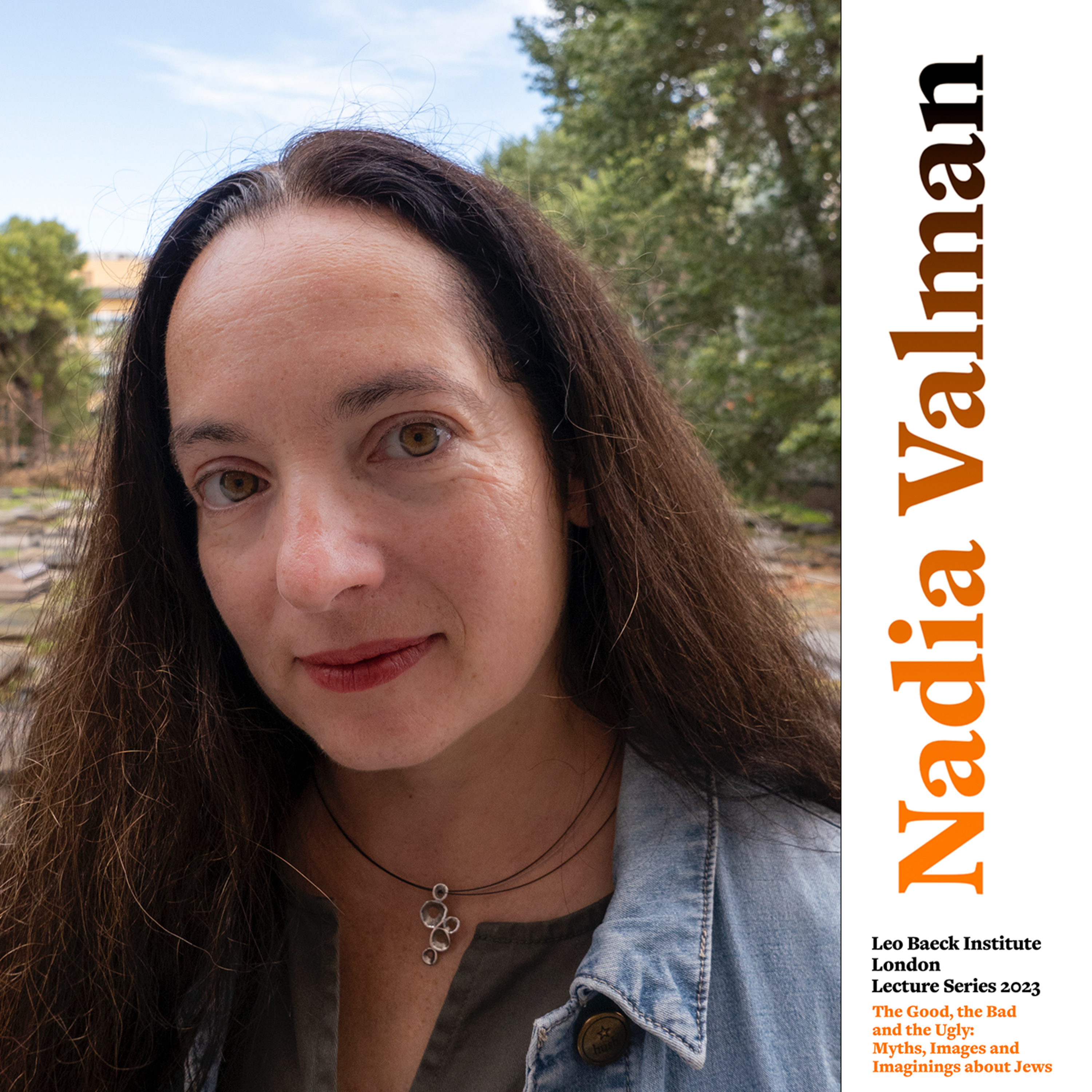 The Virtuous Jewess | Nadia Valman Queen Mary University of London, UK British culture has always been fascinated by the figure of the Jewess. This lecture will explore its roots in nineteenth-century theology, and its popularisation through literature. In contrast to the more well- known stereotypes of Fagin and Shylock, the virtuous Jewess was an emblem of the privileged status accorded to both women and Jews in Victorian Protestant culture and demonstrates that Jews could function not simply as an ‘other’ within modern cultures, but also, simultaneously, an ideal self. Nadia Valman is Professor of Urban Literature at Queen Mary, University of London. She is the author of The Jewess in Nineteenth-Century British Literature (2007) and has co-edited several books on Jews and literary culture including Between the East End and East Africa: the ‘Jew’ in Edwardian Culture (2009), Nineteenth-Century Jewish Literature (2013) and British Jewish Women Writers (2014). She is currently Principal Investigator of an AHRC-funded research project, Making and Remaking the Jewish East End. Lecture recorded at the German Historical Institute, 17 Bloomsbury Square London WC1A 2NJ Thursday, May 4, 2023 - 18:30 More information: https://www.leobaeck.co.uk/events/leo-baeck-institute-london-lecture-series-2023/nadia-valman-virtuous-jewess #JewishWomen #Women #Victorians #Theology #Protestants #SarahBernhard #GeorgeEliot #Culture #Film #FilmStudies #Feminism #VisualNarratives #Judaism #JewishHistory #JewishCulture #JewishImagery #Prejudice #ArtandSociety #GermanHistory #BritishHistory #CulturalRepresentation #ReligiousHistory #Lecture #LectureSeries #AcademicTalk #Art #Religion #ArtandSociety #GermanHistory #GuestLecturer #LeoBaeckInstitute #LeoBaeckInstituteLondon | — | ||||||
| 3/10/23 | 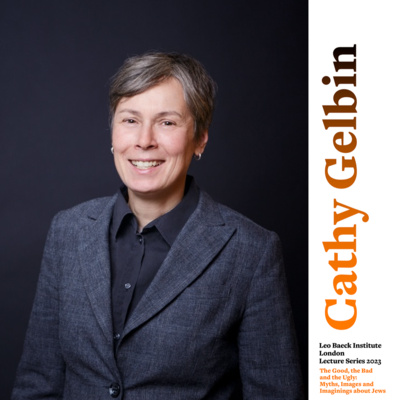 Gender, Sex and Jewishness in Weimar Cinema’s Monsters | Prof Cathy Gelbin University of Manchester, UK Leo Baeck Institute London Lecture Series 2023 The monstrous Jew of popular imagination found perhaps his most salient expression in Weimar cinema’s love of the uncanny. These films derive their lasting fascination from the often-ironic interplay of their separate and yet related gendered, sexualized and racialized portrayals. The talk explores how spectatorial pleasure can arise from the emerging gaps where the incoherence of these categories, presumed to be absolute in the biologized discourses of modernity, is playfully made visible and ridiculed. Cathy Gelbin is Professor of Film and German Studies at the University of Manchester. Her work on feature film, video testimony, literary texts and live art has focused on Holocaust representations and the dynamics of German-speaking Jewish culture. #Judaism #JewishHistory #JewishCulture #JewishImagery #GermanHistory #BritishHistory #History #ReligiousHistory #Prejudice #ArtandSociety #Art #Religion #LeoBaeckInstitute #LeoBaeckInstituteLondon #Bloomsbury #London #Podcast #Lecture #LectureSeries #AcademicTalk #BlackAndWhiteFilm #BlackAndWhite #FilmHistory #Film #FilmStudies #VisualNarrative #Representation #RepresentationMatters #CulturalRepresentation #Stereotypes #Weimar #Golem #AntiSemitism #UniversityOfManchester | — | ||||||
Showing 25 of 69
Pitch Fit is a Pro feature
See how bookable this show is for guests, which brands already advertise, the per-episode ad value, and the best-fit guest and sponsor profile. The numbers are blurred on the free plan.
How readily this show books outside guests like you.
How proven this show is for host-read sponsorships.
For Guests
ProFor Advertisers
ProUpgrade to Pro to unlock guest cadence, sponsor categories, fit scores, and per-episode ad value for this show.
Chart Positions
1 placement across 1 market.
Chart Positions
1 placement across 1 market.