Insights from recent episode analysis
Audience Interest
Podcast Focus
Publishing Consistency
Platform Reach
Insights are generated by CastFox AI using publicly available data, episode content, and proprietary models.
Most discussed topics
Brands & references
Total monthly reach
Estimated from 1 chart position in 1 market.
By chart position
- 🇫🇷FR · Careers#6410K to 30K
- Per-Episode Audience
Est. listeners per new episode within ~30 days
5K to 15K🎙 ~2x weekly·19 episodes·Last published 5d ago - Monthly Reach
Unique listeners across all episodes (30 days)
10K to 30K🇫🇷100% - Active Followers
Loyal subscribers who consistently listen
4K to 12K
Market Insights
Platform Distribution
Reach across major podcast platforms, updated hourly
Total Followers
—
Total Plays
—
Total Reviews
—
* Data sourced directly from platform APIs and aggregated hourly across all major podcast directories.
On the show
From 10 epsHosts
Recent guests
Recent episodes
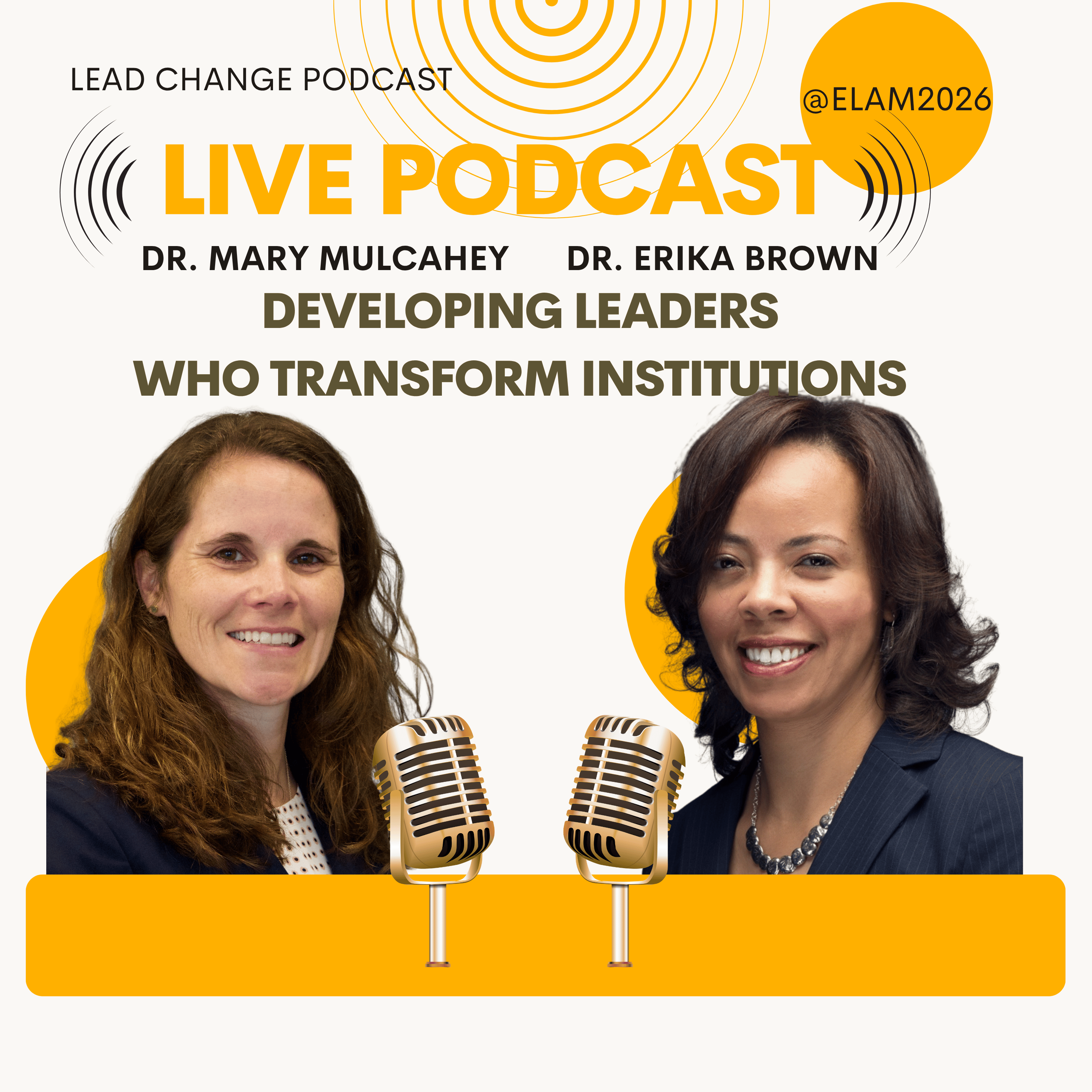
Live Podcast: Developing Leaders Who Transform Institutions
Jun 19, 2026
Unknown duration
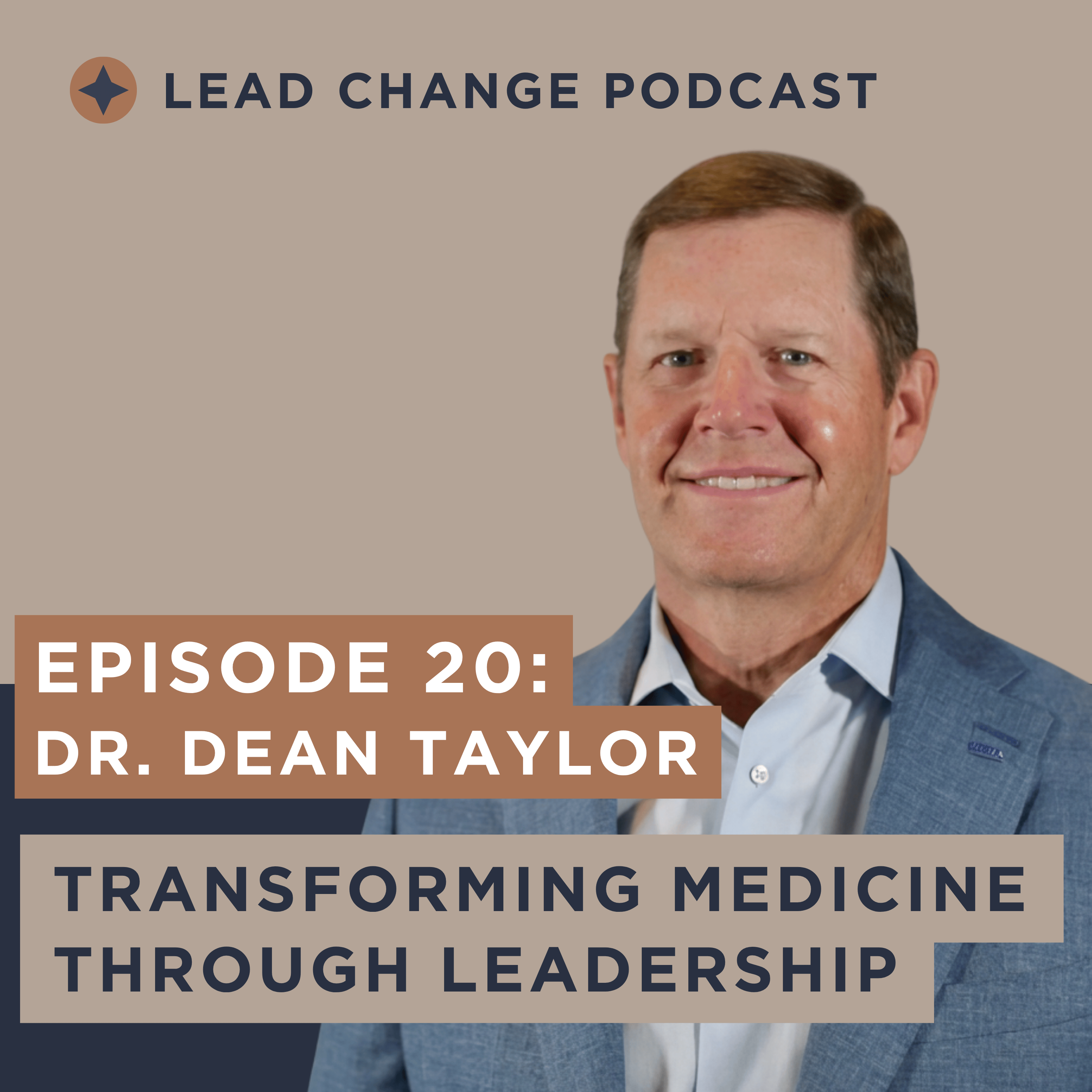
Episode 20: Dr. Dean Taylor - Transforming Medicine Through Leadership
May 24, 2026
51m 19s
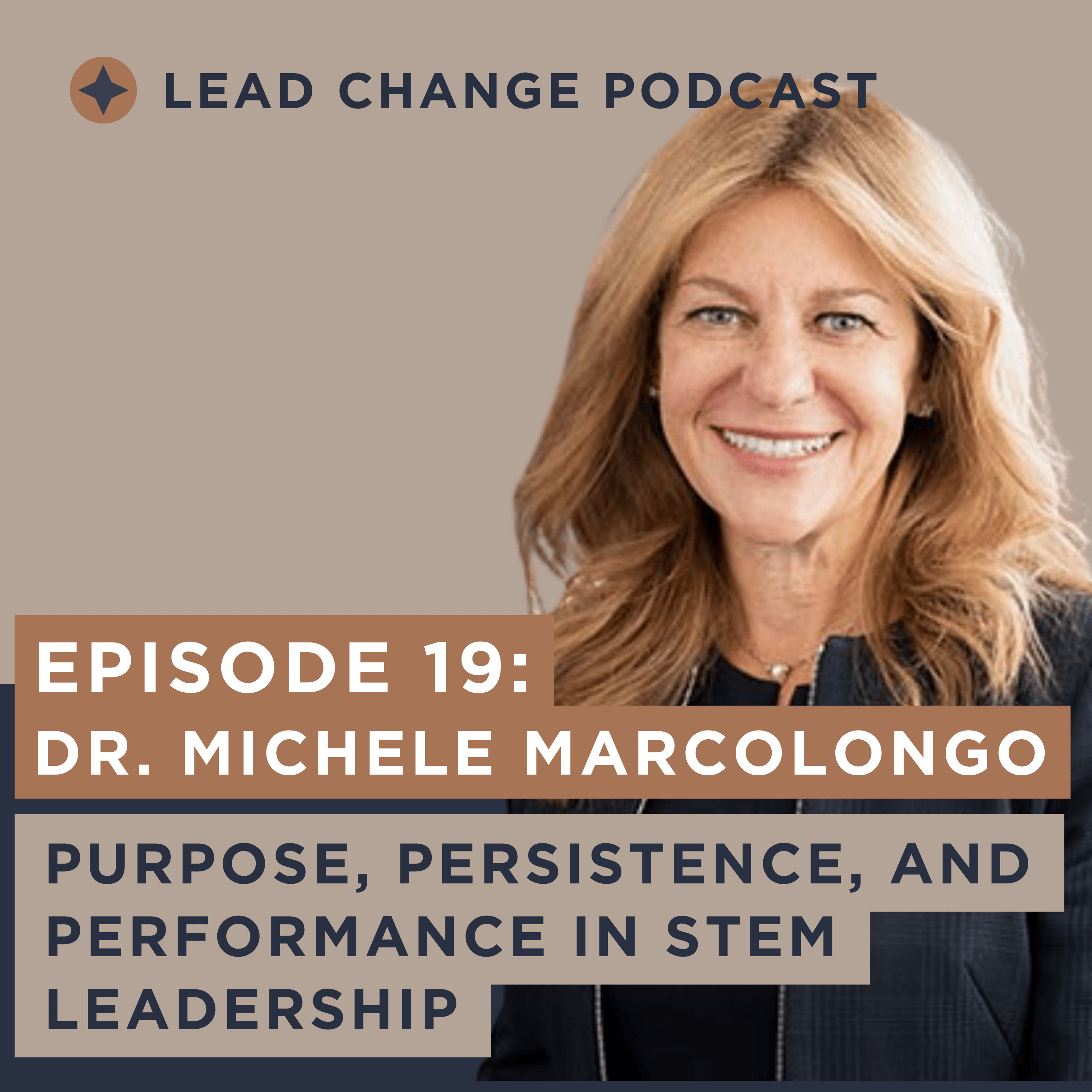
Episode 19: Dr. Michele Marcolongo - Purpose, Persistence, and Performance in STEM Leadership
May 11, 2026
47m 35s
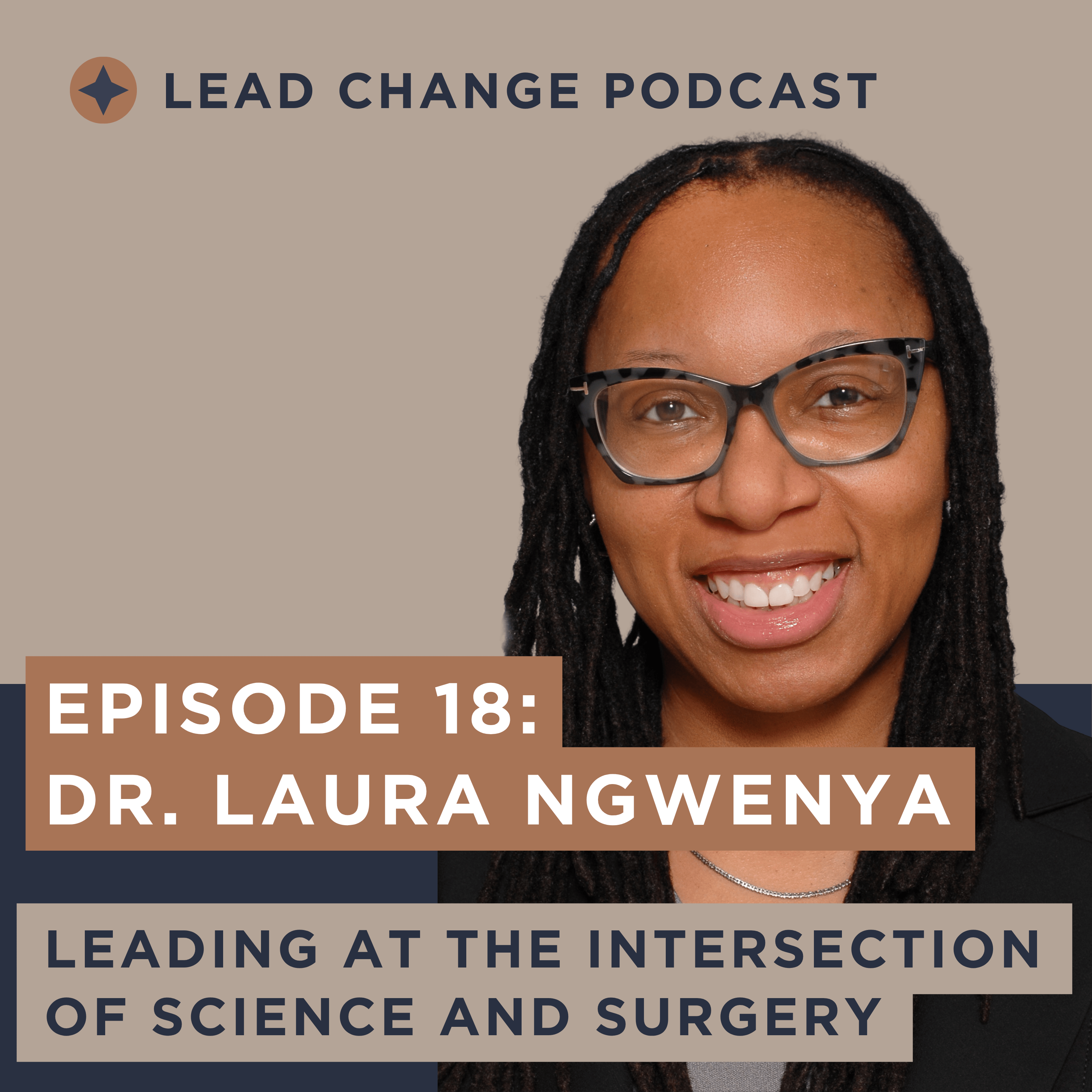
Episode 18: Dr. Laura Ngwenya Leading at the Intersection of Science and Surgery
Apr 26, 2026
42m 22s
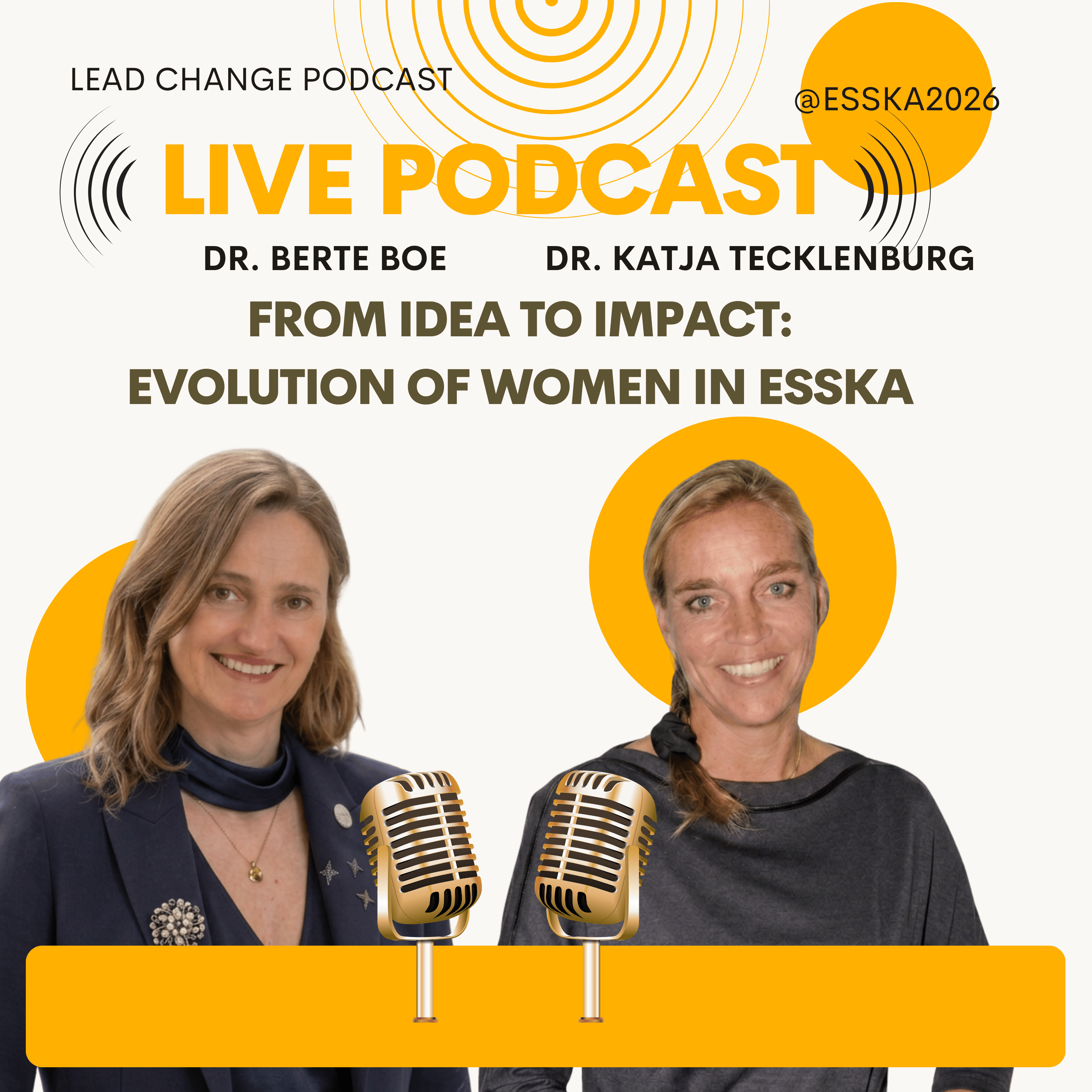
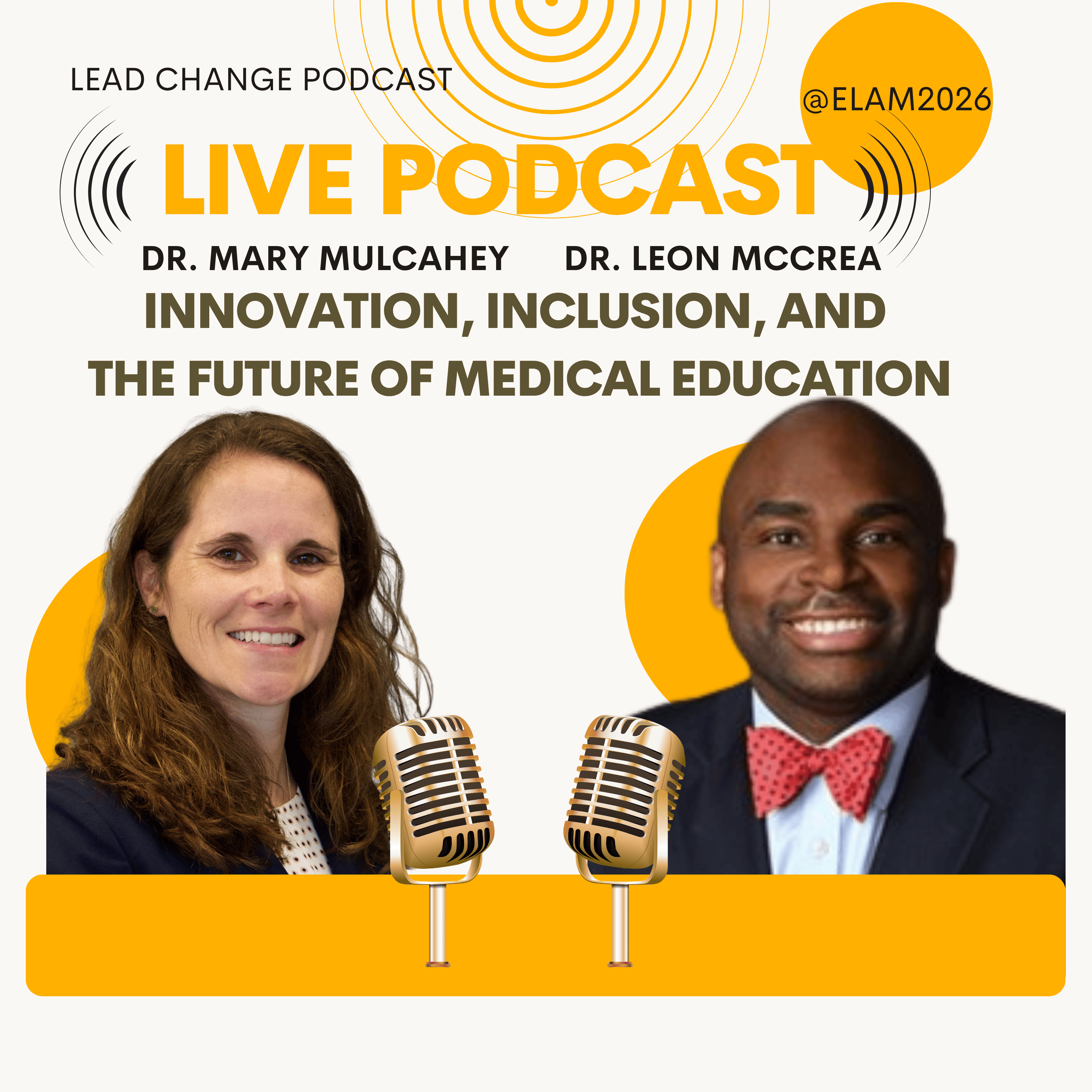
Live Podcast: Innovation, Inclusion, and The Future of Medical Education
Apr 18, 2026
30m 11s
Social Links & Contact
Official channels & resources
Official Website
Login
RSS Feed
Login
| Date | Episode | Topics | Guests | Brands | Places | Keywords | Sponsor | Length | |
|---|---|---|---|---|---|---|---|---|---|
| 6/19/26 | ![]() Live Podcast: Developing Leaders
Who Transform Institutions | Recorded live at the Executive Leadership in Academic Medicine (ELAM) program in Philadelphia, this episode of the Lead Change Podcast features Dr. Erika Brown, Associate Director of ELAM, Dean of Faculty Affairs at Dartmouth’s Geisel School of Medicine, and nationally recognized expert in faculty affairs and leadership development.The discussion explores the value of professional networks, and Dr. Brown’s philosophy that leadership is both a privilege and a responsibility. She concludes by sharing powerful insights on leading change through communication, transparency, trust, and consistency, while reminding listeners that leadership ultimately centers on helping others succeed.Key Take-Home Points1. Leadership Often Begins When Others See Potential in YouSponsors and mentors can identify strengths that you may not yet recognize in yourself. Leadership pathways are often discovered through service and engagement. 2. Great Leaders Start by ListeningConducting a "listening tour" helps uncover institutional needs and opportunities. Effective solutions are built from understanding real challenges. 3. Building Systems Creates Lasting ImpactLeadership is about creating structures that enable others to thrive. Sustainable success requires frameworks, not just individual initiatives. 4. Sponsorship Is Different from MentorshipSponsors actively advocate for opportunities and advancement. A sponsor can change the trajectory of a career. 5. Professional Networks Accelerate GrowthRelationships developed through organizations such as ELAM and AAMC provide lasting value. Leadership development is strengthened through community and collaboration. Generous professional networks create opportunities for shared learning. 6. Leadership Is a Privilege, Not a PositionLeadership roles exist to serve and support others. Authority should be viewed as a responsibility rather than a reward. The most effective leaders focus on helping others advance. 7. Leading Change Requires More Than VisionIdentifying problems is easier than implementing solutions. Successful change depends on communication and stakeholder engagement. Transparency builds trust during periods of transformation. 8. Your Best Changes from Day to DayExcellence does not mean perfection. Leaders should recognize and respect their own limits. Sustainable leadership requires self-awareness. 9. Culture Is Shaped by the People Around You"Iron sharpens iron" applies to leadership development. Surround yourself with people who are optimistic, thoughtful, and growth-oriented. Professional and personal relationships influence your development. 10. The Future of Leadership Development Is Continuous LearningLeadership growth does not end with a fellowship or formal program. Ongoing learning and engagement are essential for sustained success. Leadership development should be viewed as a lifelong journey. Memorable Quotes from the Episode"The pie doesn't get bigger. As one slice gets bigger, other slices get smaller." "Iron sharpens iron." | — | ||||||
| 5/24/26 | ![]() Episode 20: Dr. Dean Taylor - Transforming Medicine Through Leadership✨ | leadership in medicinemilitary leadership+3 | Dr. Dean Taylor | Duke UniversityFeagin Leadership Program+1 | United States Military Academy | leadershipmedicine+5 | — | 51m 19s | |
| 5/11/26 | ![]() Episode 19: Dr. Michele Marcolongo - Purpose, Persistence, and Performance in STEM Leadership✨ | leadershipSTEM+4 | Dr. Michele Marcolongo | Villanova UniversitySports and Performance Engineering+2 | — | leadershipSTEM+5 | — | 47m 35s | |
| 4/26/26 | ![]() Episode 18: Dr. Laura Ngwenya
Leading at the Intersection of Science and Surgery✨ | neurosurgeryleadership+5 | Dr. Laura Ngwenya | Lead Changeneurotrauma learning health system | — | neurosurgeonscience+5 | — | 42m 22s | |
| 4/18/26 | ![]() Live Podcast: Innovation, Inclusion, and The Future of Medical Education✨ | medical educationhealth equity+4 | Dr. Leon McCrea | Drexel University College of Medicine | — | medical educationhealth equity+5 | — | 30m 11s | |
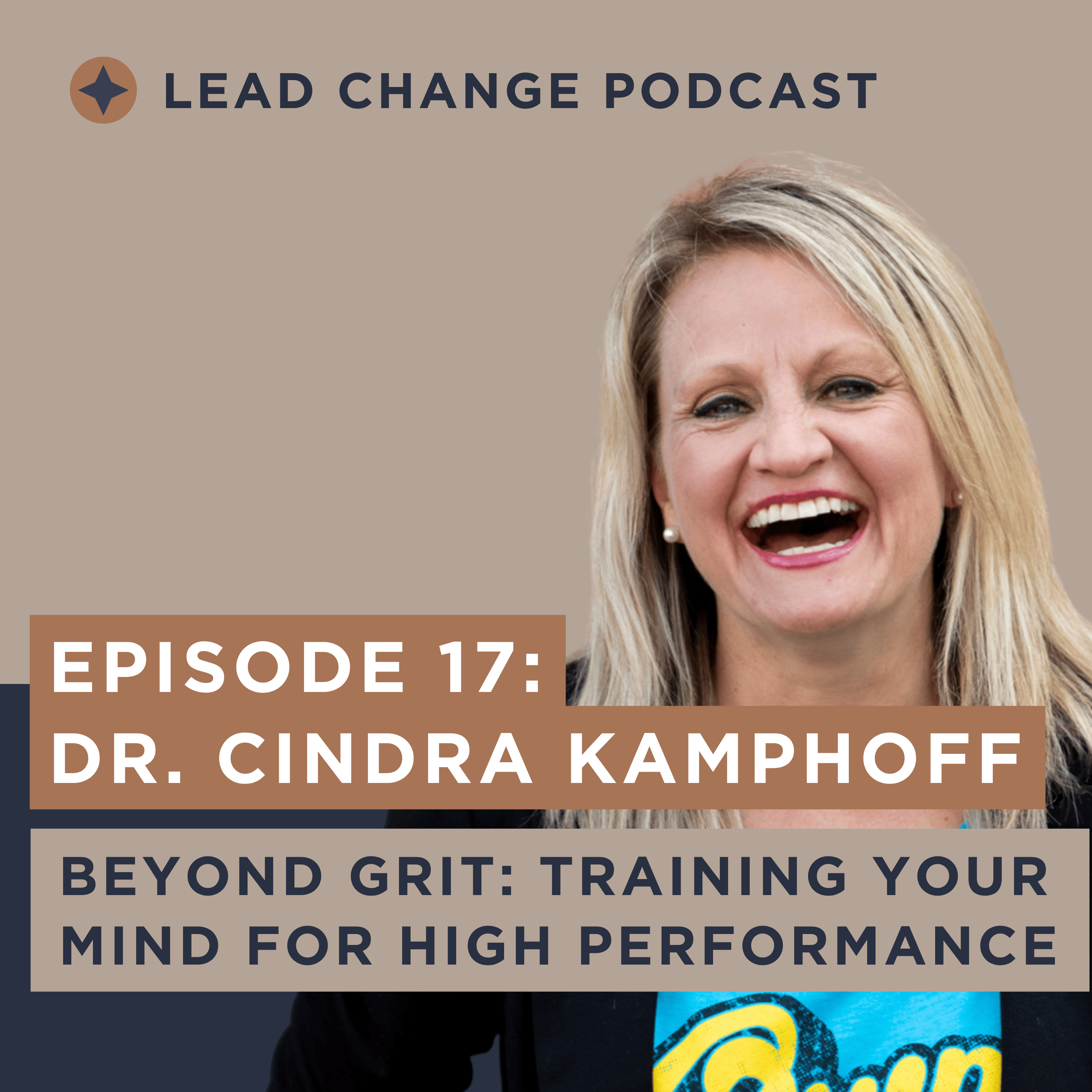
| 4/5/26 | ![]() Episode 17: Dr. Cindra Kamphoff. Beyond Grit: Training your mind for high performance✨ | mental performanceleadership+5 | Dr. Cindra Kamphoff | Minnesota VikingsMentally Strong Institute | — | performance psychologyinner coach+5 | — | 49m 16s | |
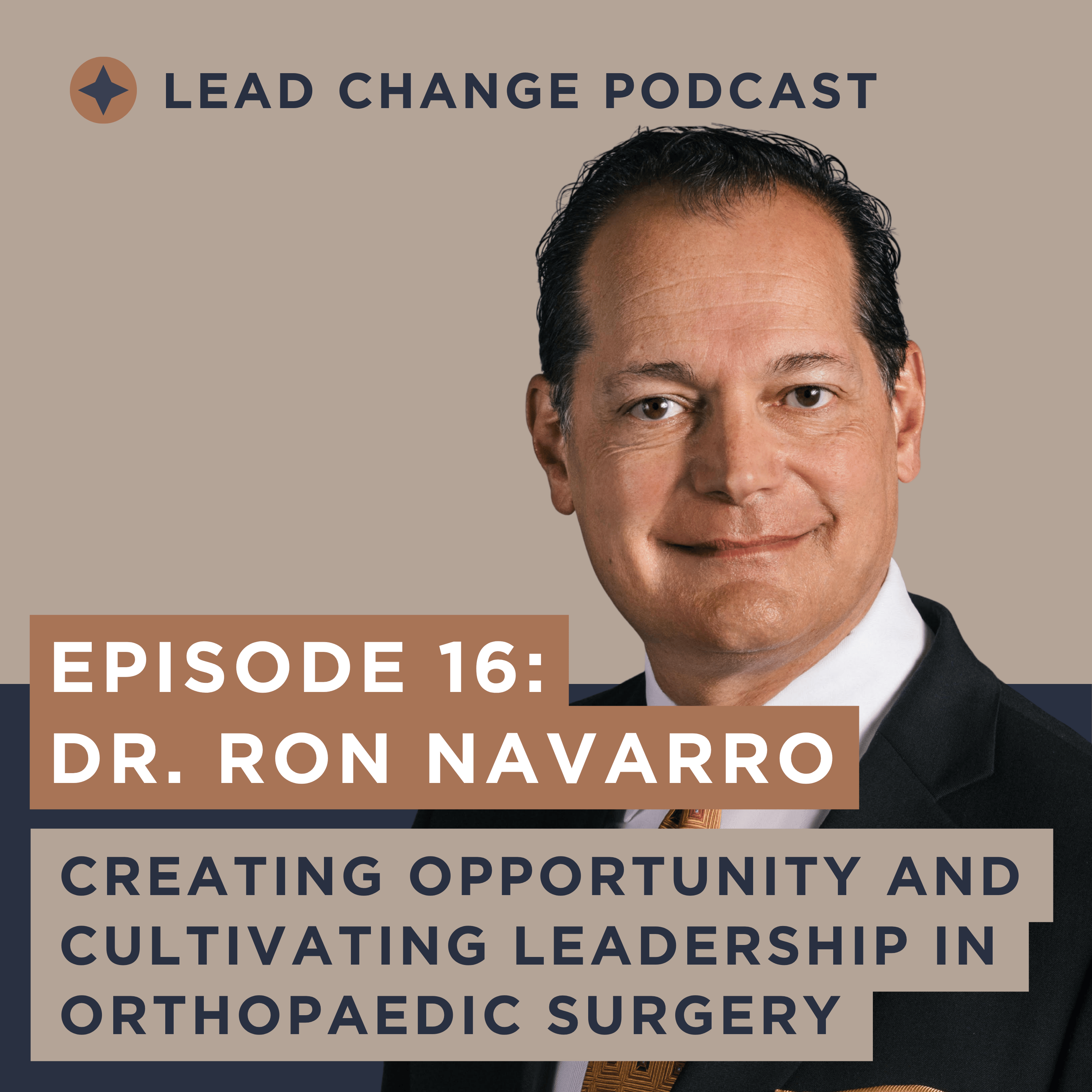
| 3/23/26 | ![]() Episode 16: Dr. Ron Navarro. Creating Opportunity and Cultivating Leadership in Orthopaedic Surgery✨ | leadershiporthopaedic surgery+4 | Dr. Ron Navarro | Kaiser Permanente School of MedicineAmerican Association of Latino Orthopaedic Surgeons+2 | — | leadershiporthopaedic surgery+7 | — | 46m 29s | |
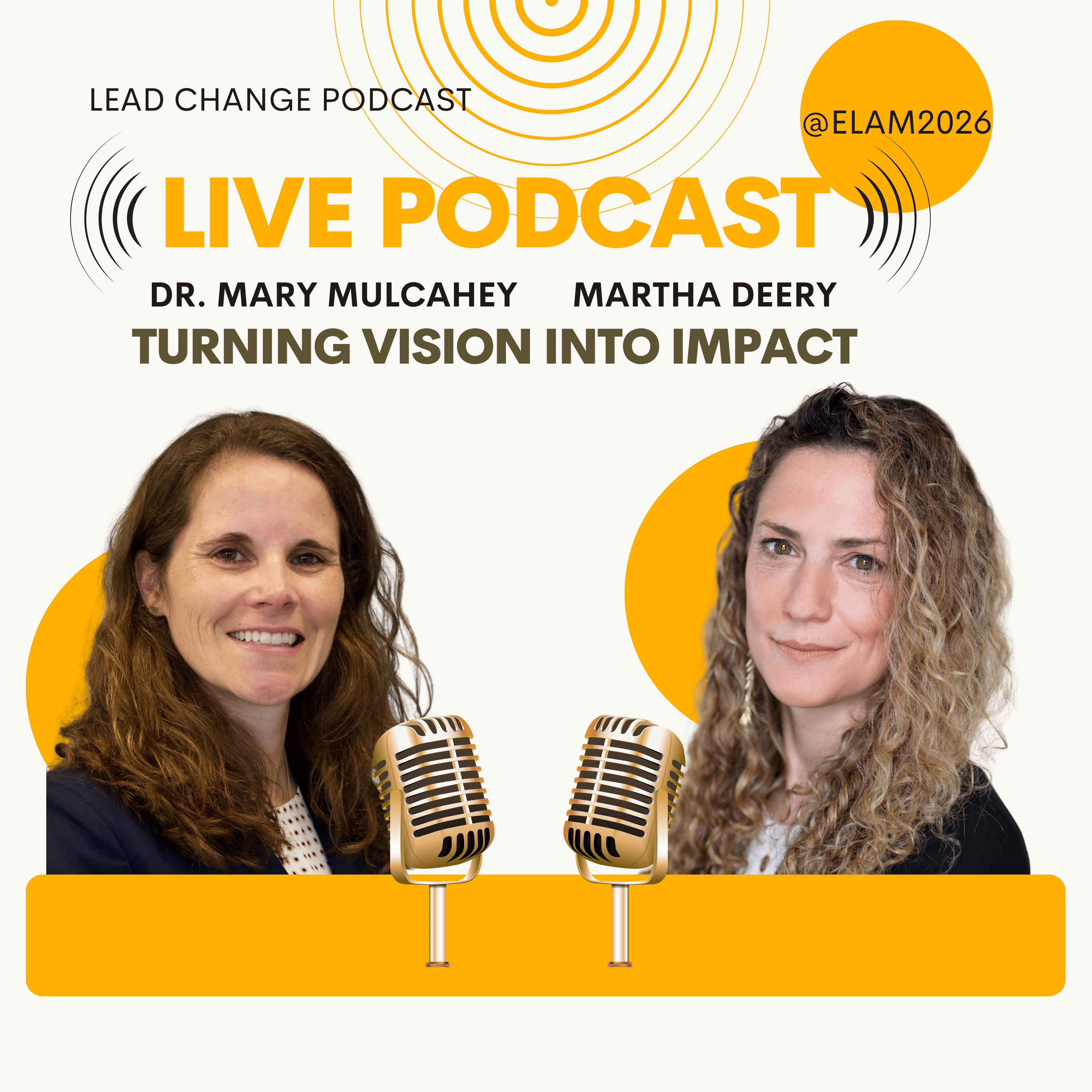
| 3/22/26 | ![]() Live Podcast: Martha Deery - Turning vision into impact✨ | organizational transformationleadership+4 | Martha Deery | Kotter | Philadelphia | leadershipchange management+6 | — | 28m 01s | |
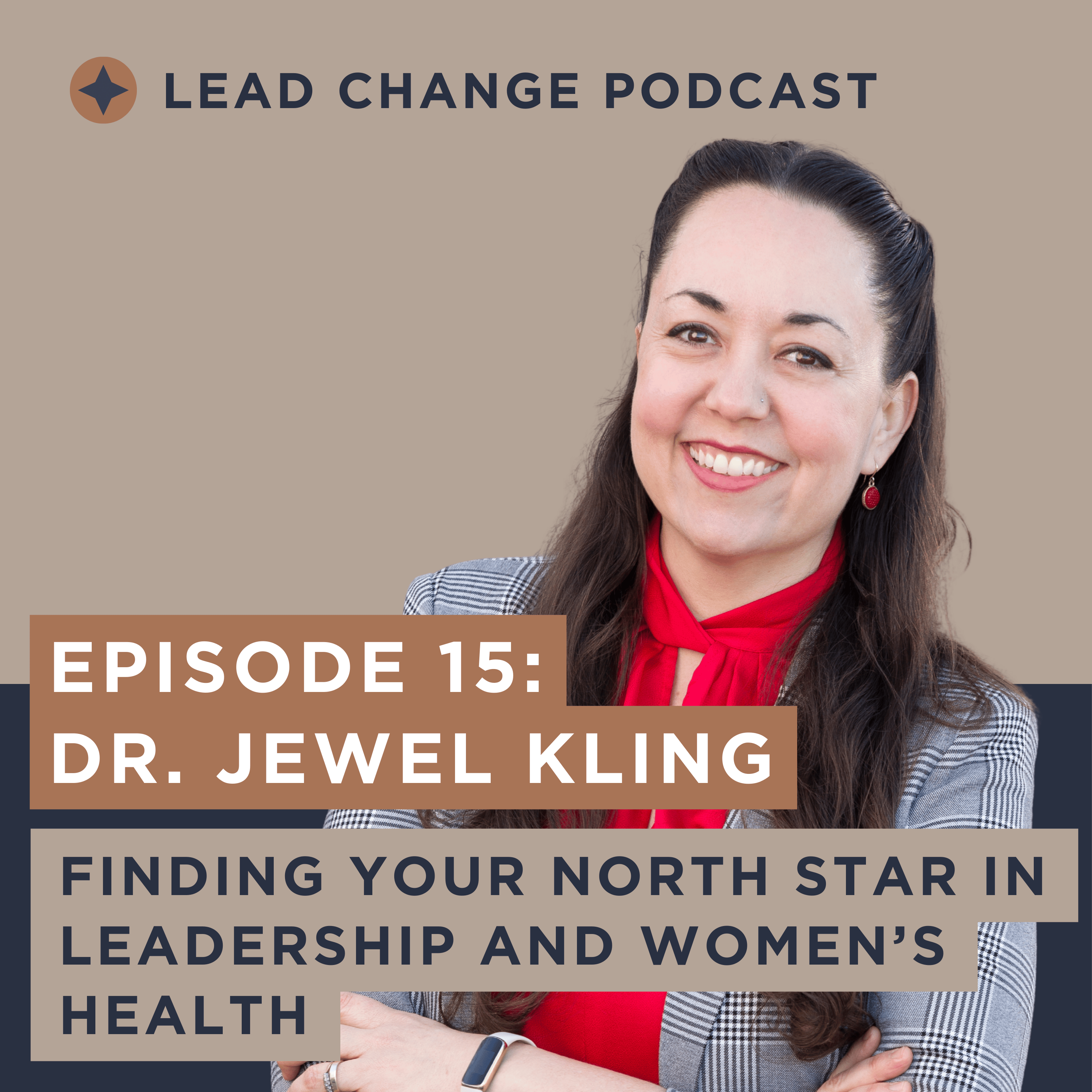
| 3/3/26 | ![]() Episode 15: Dr. Jewel Kling. Finding Your North Star in Leadership and Women’s Health✨ | leadershipwomen's health+4 | Dr. Jewel Kling | Mayo ClinicAmerican Medical Student Association | — | leadershipwomen's health+5 | — | 51m 31s | |
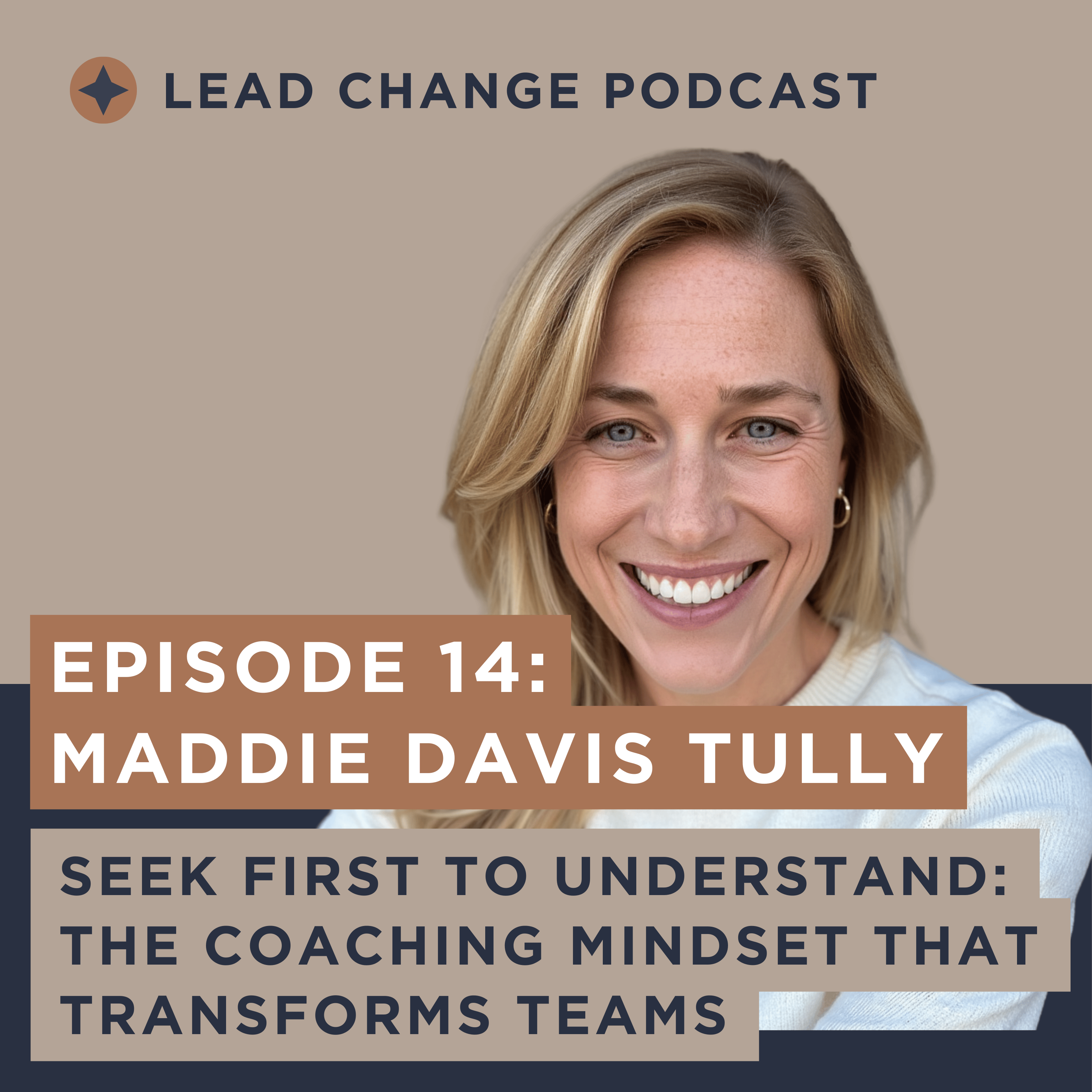
| 2/17/26 | ![]() Episode 14: Maddie Davis Tully. Seek First To Understand: The Coaching Mindset That Transforms Teams✨ | leadershipcoaching+5 | Maddie Davis Tully | Collegiate Rowing Coaches AssociationPrinceton+3 | — | leadership coachingenergy management+8 | — | 53m 00s | |
Want analysis for the episodes below?Free for Pro Submit a request, we'll have your selected episodes analyzed within an hour. Free, at no cost to you, for Pro users. | |||||||||
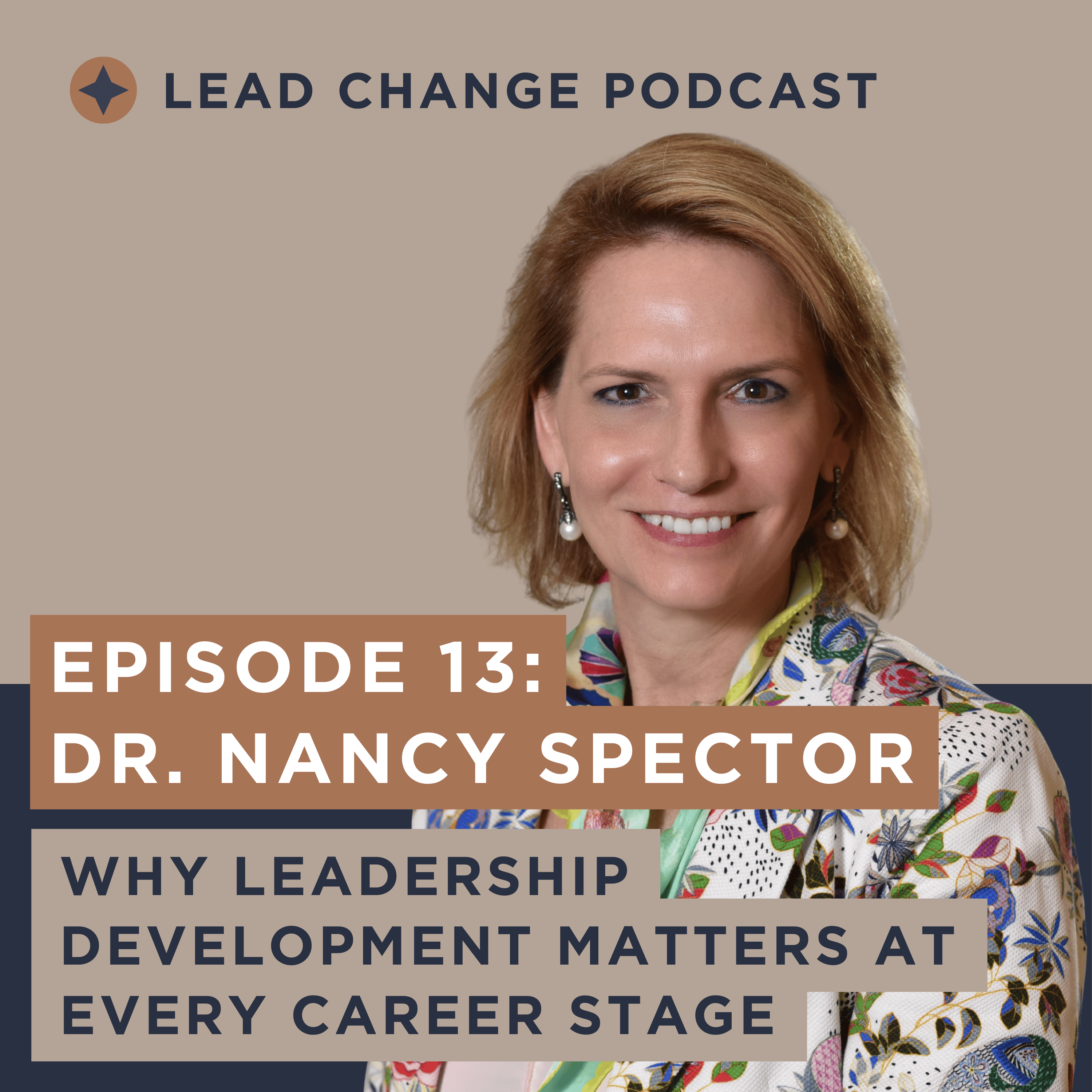
| 2/3/26 | ![]() Episode 13: Dr. Nancy Spector
Why Leadership Development Matters at Every Career Stage✨ | leadership developmentmentorship+4 | Dr. Nancy Spector | Drexel University College of MedicineExecutive Leadership in Academic Medicine (ELAM)+1 | — | leadershipmentorship+5 | — | 50m 33s | |
| 1/17/26 | ![]() Episode 12: Dr. Alex Ghanayem
Integrity Is the Currency:
Stewardship, Trust &
Building for Tomorrow | In this episode of Lead Change, Dr. Mary Mulcahey sits down with Dr. Alex Ghanayem—orthopedic spine surgeon, longtime Loyola faculty member, department chair, and past president of the American Orthopaedic Association—for a candid and deeply reflective conversation about leadership in medicine.Dr. Ghanayem shares how his leadership journey unfolded organically, never driven by titles or ambition, but by consistently doing the work, earning trust, and saying yes when others saw potential in him. He reflects on nearly 30 years at one institution and how stewardship, culture, and people—not individual recognition—define true leadership legacy.The discussion explores leading through disruption (particularly the post-COVID era), the importance of financial and organizational sustainability, and why leaders must think years—not months—ahead. Dr. Ghanayem emphasizes integrity and trust as the true currency of leadership, the discipline required to stay focused amid constant noise, and the humility needed to empower others and step out of the weeds.Throughout the episode, listeners gain practical wisdom on leadership development, the value of professional societies like the AOA, and why aspiring leaders should stop chasing titles and instead invest in relationships, allies, and the long-term health of their organizations.Key Take-Home PointsLeadership is earned, not planned.Many impactful leaders never set out to lead—they focused on doing meaningful work well and accepted responsibility when trusted by others.Integrity and trust are leadership currency.People may disagree with you, but if they trust your intentions and integrity, productive leadership is possible—even in conflict.Think long-term, not just short-term.Today’s challenges were shaped by decisions made years ago; effective leaders must look 5–10 years ahead and plan accordingly.Culture matters more than structure.A strong, people-centered culture creates resilience, collaboration, and a willingness to go the extra mile—even in challenging environments.Great leaders “become smaller.”Self-awareness, humility, and understanding how your presence affects others are essential to empowering teams.Transition from doer → manager → leader.Leaders must resist staying in the weeds and instead trust, support, and elevate those closest to the work.Focus on what you can control.Noise and distractions are inevitable—discipline and strategic focus allow leaders to move forward effectively.Don’t chase titles—build allies.Leadership success is never achieved alone; relationships and trust built along the way make advancement possible.Professional societies matter.Organizations like the AOA play a critical role in leadership development, education, and safeguarding the future of musculoskeletal care. | — | ||||||
| 1/1/26 | ![]() Episode 11: Janet Foutty.
The Power of Presence, Reflection, and Purpose | Episode 11: The Power of Presence, Reflection, and PurposeIn this episode of the Lead Change podcast, host Dr. Mary Mulcahey sits down with Janet Foutty, former CEO of Deloitte Consulting and Executive Chair of Deloitte US, and co-author of Arrive and Thrive. Janet reflects on her 33-year career at Deloitte, her leadership philosophy, and her current focus on advancing women’s health through organizations like Women’s Health Access Matters (WAM).The conversation explores Janet’s service-oriented leadership mindset—flipping the traditional leadership pyramid to focus on enabling others—and how lessons from business leadership translate directly to medicine and healthcare. Janet discusses why investing in women’s health research and innovation is both a moral imperative and an economic opportunity, highlighting historic inequities and underinvestment.A major focus of the episode is Arrive and Thrive and its seven leadership practices. Janet emphasizes the importance of investing in your best self through self-awareness and reflection, embracing authenticity with consistency, and redefining concepts like “executive presence” to be inclusive rather than coded or exclusionary. She also shares practical tools, such as Deloitte’s Business Chemistry framework, and reflects on how leadership styles evolve across different career chapters. The episode closes with Janet’s favorite leadership thinkers, quotes, and advice on preparation, focus, and lifelong growth. | — | ||||||
| 12/1/25 | ![]() Episode 10: Dr. Matt Provencher. Building Teams That Excel:
A Leadership Journey | In this episode of Lead Change, Dr. Mary Mulcahey interviews Dr. Matt Provencher—renowned orthopedic sports medicine surgeon, military leader, researcher, and mentor. Their conversation explores Dr. Provencher’s extensive career in the U.S. Navy, his clinical and research work, his leadership philosophy, and his roles across professional sports and major orthopedic societies. Dr. Provencher describes the development of MOTION, the Military Orthopedic Tracking Injuries and Outcomes Network, born from a need to systematically capture outcomes across a unified EMR. He highlights the importance of team-building, persistence, and leveraging subspecialty societies (like SOMOS) in advancing large-scale research initiatives. He discusses his leadership experience as Director of Surgical Services aboard the USNS Mercy, managing hundreds of medical professionals from multiple countries and NGOs in humanitarian and disaster-relief missions. He shares how these high-stakes leadership scenarios shaped his appreciation for communication, structure, team trust, and leading by example. Dr. Provencher also reflects on his time as Head Team Physician for the New England Patriots, where teamwork, interdisciplinary communication, and optimizing return-to-play protocols were central to success. Throughout the episode, he emphasizes humility, service, patient-centeredness, and the drive to continually teach, innovate, and give back to the next generation. He also discusses his motivations for pursuing an MBA, how it enhanced his leadership in professional societies like AOSSM, and its role in improving organizational strategy, financial stewardship, and meeting innovation. The episode closes with his favorite leadership books and his go-to quote from JFK: “Leadership and learning are indispensable to one another.” | — | ||||||
| 11/16/25 | ![]() Episode 9: Building Teams, Bridging Borders | In this episode of the Lead Change podcast, Dr. Mary Mulcahey welcomes her friend and colleague, Dr. Berte Boe, a consultant orthopedic surgeon at Oslo University Hospital and the first woman to serve in the presidential line of the European Society of Sports Traumatology, Knee Surgery, and Arthroscopy (ESSKA). Dr. Boe shares insights from her multifaceted career as a clinician, researcher, and leader.She discusses her dual focus on shoulder and knee surgery, an uncommon combination in Europe, and her evolution from clinician to section head and international leader. She opens up about her path to earning a PhD in orthopedics, how early challenges as a young woman in a male-dominated field motivated her to excel academically, and how she now mentors the next generation of surgeons and researchers.Dr. Boe reflects on her leadership philosophy—grounded in team-building, openness, humility, and inclusivity—and outlines her goals for ESSKA, including advancing the Women in ESSKA initiative and fostering international collaboration. The episode closes with a discussion of her favorite leadership lessons, including managing diverse personalities and keeping ego in check, and her favorite quote:“Believe that you can, and you’re halfway there.”Key TakeawaysLeadership Is About People, Not Position: Dr. Boe emphasizes that a strong team culture—where everyone is encouraged to reach their potential—is essential to sustainable success.Authenticity Over Imitation: She learned from great mentors but discovered she had to lead her own way rather than trying to replicate others.Mentorship Multiplies Impact: By supervising medical students and PhD candidates, she passes on both technical and research skills while promoting academic engagement in orthopedics.Diversity Strengthens Organizations: As the first woman in the ESSKA presidential line, Dr. Boe is passionate about inclusion and mentorship for women in orthopedics through initiatives like Women in ESSKA.Continuous Learning Is Leadership: From earning a PhD to attending leadership courses, Dr. Boe models lifelong learning.Leadership Style: Direct, open, decisive, and team-oriented—balancing firmness with approachability.Managing Different Personalities: Inspired by the book Surrounded by Idiots, she recognizes that effective leadership requires understanding varied personality types.Ego Is the Enemy: Staying grounded, approachable, and engaged with her team is essential to her philosophy.Favorite Quote: “Believe that you can, and you’re halfway there.” — a reminder of confidence and perseverance, especially for women in leadership. | — | ||||||
| 11/1/25 | ![]() Episode 8: Dr. Akanksha Mehta. Culture Eats Strategy -- Grit Fuels Growth | In this episode, Dr. Mary Mulcahey speaks with Dr. Akanksha Mehta, Professor of Urology at Emory University School of Medicine and Director of Male Reproductive Health at the Emory Reproductive Center. The conversation explores Dr. Mehta’s clinical focus on male reproductive and sexual health, her research on male infertility and access to care, and her leadership journey in academic medicine.Dr. Mehta discusses her collaborative work with the CDC’s Division of Reproductive Health, where she sought to expand research beyond female fertility to include male factors in reproductive outcomes. She highlights the importance of education and awareness about male infertility, the need for equity in research funding and clinical resources, and the critical role of interdisciplinary collaboration.As Program Director for the Urology Residency at Emory, Dr. Mehta reflects on herresponsibilities, from curriculum design to cultivating a positive departmental culture. She shares insights on evolving surgical training, mentoring residents to be adaptable for the future, and the broader satisfaction that comes from training the next generation.The discussion also delves into her presidency of the Society of Women in Urology (SWIU), where she advanced initiatives around mentorship, inclusion, and allyship—opening the organization to male allies to strengthen diversity and progress. Dr. Mehta emphasizes the leadership lessons she’s learned from these experiences: the power of collaboration, inclusivity, and learning from differing viewpoints.Finally, she reflects on leadership development programs (including ELAM and institutional training), the value of executive coaching, and influential leadership readings such as Lean In, What Got You Here Won’t Get You There, and HBR’s Emotional Intelligence collection. She closes with two favorite quotes: “Culture eats strategy for breakfast.” “Leaders create other leaders, not followers.” | — | ||||||
| 10/17/25 | ![]() Live Podcast: Your Why Fuels Your What: Inspiring Women in Orthopaedics | In this special live episode of the Lead Change podcast, recorded at the Inspire Women in Orthopaedics Summit 2025 in Philadelphia, Dr. Mary Mulcahey sits down with Drs. Meghan Bishop and Danielle Ponzio, co-founders and co-chairs of the INSPIRE Summit. Both accomplished orthopaedic surgeons at Rothman Orthopaedic Institute, Bishop and Ponzio share the origins, growth, and vision behind the conference—a space designed to empower, educate, and connect women in orthopaedics. They reflect on how INSPIRE evolved from an idea to a nationally recognized eventemphasizing leadership, mentorship, authenticity, and collaboration. This year’s summit incorporated fresh perspectives from orthopedic leaders, executive coaches, and professionals outside of medicine, covering topics such as advocacy, work-life integration, leadership development, and finding one’s “why.”Throughout the conversation, the guests discuss lessons learned in leadership, the importance of authenticity, and the transformative power of mentorship. They also share their favorite leadership books and quotes—Dr. Ponzio citing Sheryl Sandberg’s Lean In, and Dr. Bishop highlighting the athletic mindset from Beyond Grit and her lifelong motto: “To give anything less than your best is to sacrifice the gift.”Key TakeawaysPurpose-Driven Leadership: Understanding your “why” helps guide your “what.” Passion and purpose fuel success.Authenticity Matters: Being true to yourself allows you to thrive in your role and find the right environment for growth.Collaboration Across Fields: Including voices from business, coaching, and advocacy enriches leadership and broadens perspective.Mentorship & Representation: Building networks of female leaders strengthens the pipeline and fosters lasting impact.Evolving Together: The INSPIRE Summit continues to grow by adding new topics, diverse speakers, and fresh approaches each year.Leadership Lessons: Listening, inclusion, and confidence are essential leadership skills—especially for women in male-dominated fields.Inspiration in Action: The event embodies the spirit of empowerment andcommunity—encouraging women to lead, lift others, and embrace opportunity. | — | ||||||
| 10/6/25 | ![]() Episode 7: Visionary Leadership and Building Legacy | In this inspiring episode, Dr. Mary Mulcahey interviews Dr. David Dejour, internationally renowned knee surgeon, past president of ESSKA (European Society of Sports Traumatology, Knee Surgery & Arthroscopy), and head of the Lyon Ortho Clinic. Dr. Dejour reflects on his distinguished career, leadership experiences, and the evolution of orthopaedic sports medicinein Europe.He shares how ESSKA has grown into a global organization emphasizing education, community, and the “ESSKA spirit,” including the development of cadaver courses, a core curriculum, and European certifications for advanced surgeons. Dr. Dejour highlights his role in launching the Women in ESSKA initiative and mentorship programs, helping diversify leadership in orthopaedics.The conversation touches on pivotal career moments: building his own reputation alongside his father’s legacy, fellowship training in the U.S., leadership lessons from business school, and shaping the Lyon School of Knee Surgery’s collaborative culture. Dr. Dejour also speaks passionately about teaching, research, and the joy of mentoring young surgeons, emphasizing curiosity, rigor, and creativity in clinical practice.He concludes by advising young surgeons to fully commit to their passions, work hard, and embrace leadership opportunities as they arise.Key TakeawaysLeadership is strategic and long-term: Successful leadership in societies like ESSKA requires multi-year planning, collaboration, and continuity across presidential terms. Education is central to impact: ESSKA’s cadaver courses, curriculum, andcertifications have set new standards for surgeon education in Europe.Diversity and mentorship matter: The Women in ESSKA initiative and mentorship programs have helped open doors for female surgeons and foster inclusive leadership. Pivotal moments shape leaders: Fellowship experiences abroad, stepping outside comfort zones, and personal growth programs were turning points in Dr. Dejour’s career. Know yourself to lead others: His leadership training focused on self-awareness rather than leadership “rules,” emphasizing emotional intelligence and reflection. Mentorship fuels the field: Teaching and challenging young surgeons keeps him inspired and drives innovation. Operational excellence supports vision: Great ideas need strong teams and staff to bring them to life—both in surgical practice and organizational leadership. Commit fully to your passions: Leadership opportunities arise naturally when you’re deeply engaged and hardworking in your chosen field. | — | ||||||
| 9/15/25 | ![]() Episode 6: Building teams, embracing change & leading with purpose | In this episode of Lead Change, Dr. Mary Mulcahey interviews Dr. Ellen Casey, attending physiatrist at the Hospital for Special Surgery (HSS) and professor at Weill Cornell Medical College. A former collegiate gymnast, Dr. Casey has built her career around sports medicine, research, and leadership. She shares insights from her journey—ranging from her early days as a gymnast and team captain, to her current role directing research at HSS Physiatry and serving as team physician for USA Gymnastics.Dr. Casey emphasizes the importance of individualized leadership, collaboration, and adaptability. She discusses her role in reshaping residency leadership structures, her perspective on balancing clinical care with research, and her philosophy of leading with authenticity and vulnerability. She also reflects on challenges of prioritization, the myth of a perfect system, and the need to embrace change throughout a medical career. Influenced by mentors and leadership resources like Deep Work, Simon Sinek, and Brene Brown, Dr. Casey models mission-driven leadership rooted in teamwork, continuous learning, and service.Key TakeawaysIndividualized Leadership: Lessons from gymnastics and residency leadership show the value of supporting people’s unique strengths rather than forcing uniformity.Redefining Systems: Dr. Casey helped restructure residency leadership into a three-chief model, creating lasting positive change.Mission-Driven Practice: Clear purpose and “knowing the why” are central to her leadership style.Balancing Roles: Time management, deep work, and strict prioritization are essential to balancing clinical, research, and leadership responsibilities.Authenticity and Vulnerability: Being open, reflective, and authentic fosters trust, growth, and stronger mentorship.Adaptability in Career: Change—whether geographic, institutional, or personal—can lead to unexpected growth and opportunities.Team-Based Leadership: Collaboration across disciplines and perspectives strengthens patient care, research, and organizational culture.Continuous Learning: Books, podcasts, and mentors fuel ongoing leadership development; even popular culture (e.g., Ted Lasso) can offer leadership lessons.Core Values: Service, community, and the courage to “lead change” shape her leadership philosophy. | — | ||||||
| 9/1/25 | ![]() Episode 5: From Teaching to Coaching: A Journey of Leadership Growth | In this episode of Lead Change, Dr. Mary Mulcahey interviews Clare Coonan, founder and president of Adjacent Consulting and an experienced executive coach who has spent over 20 years helping leaders in healthcare and academic medicine navigate transformation. Clare shares her unconventional journey from teaching high school biology and directing nonprofits to becoming a sought-after coach and facilitator. She explains her approach to coaching, emphasizing clarity, accountability, and authenticity, and discusses the importance of breaking free from self-limiting beliefs.Clare offers practical insights on fostering healthy team dynamics, using well-crafted questions to unlock creativity, and facilitating strategic planning sessions that harness collective wisdom. She also reflects on lessons learned from working with diverse leaders, the role of creativity in leadership growth, and how diversity of thought leads to innovation. Throughout the conversation, Clare’s passion for helping individuals and teams thrive is evident, inspiring listeners to embrace coaching as a tool for professional and personal development.🔑 Key TakeawaysPath to Coaching: Clare’s career evolved from teaching and nonprofit leadership to executive coaching, shaped by pivotal setbacks and opportunities.Four Coaching Pillars:Clarify personal and professional goals.Identify skills, activities, and opportunities to achieve those goals.Provide accountability and ongoing evaluation.Offer on-demand consulting support for emerging challenges.Strategic Planning Wisdom: Effective plans come from diverse ideas colliding, a structured process, and disciplined follow-through—implementation is 80% of the work.Leadership Lessons: Leaders must recognize their “default style” (gas pedal vs. brake) and adapt to others’ approaches.Breaking Self-Limitations: Clare encourages leaders, especially women, to pursue opportunities without self-disqualifying based on incomplete qualifications.Superpowers: Clare is known for her ability to distill clarity and craft powerful, well-worded questions that shift conversations.Books to Explore: The Five Dysfunctions of a Team, Crucial Conversations, Crucial Accountability, Radical Candor.Diversity Drives Innovation: True innovation stems from diverse experiences, perspectives, and cognitive styles. | — | ||||||
| 8/17/25 | ![]() Episode 4: The impact of mentorship and resilience on career success | Episode SummaryThis episode of the Lead Change podcast features Dr. David Parker, an internationally recognized knee surgeon from Sydney, Australia, and past president of ISAKOS and APKASS. Dr. Parker shares insights from his career in knee surgery, leadership experiences in international orthopedic societies, and his commitment to evidence-based practice. He discusses ISAKOS’s global educational initiatives, including cadaveric labs and programs supporting female surgeons, the importance of mentorship, and lessons learned about diplomacy and consensus-building in leadership. Dr. Parker emphasizes persistence, credibility among peers, and respect as keys to success, while acknowledging the role of self-criticism in driving improvement. He also reflects on how leadership can be both challenging and deeply rewarding, especially when it fosters diversity and inspires the next generation.Key TakeawaysEvidence-Driven Care: Building a strong research foundation—over 20,000 patients dataset—allows for data-backed clinical decision-making and advances in patient outcomes.Global Collaboration: Exposure to diverse perspectives through organizations like ISAKOS and APKASS fosters innovation and better patient care worldwide.Leadership Challenges: Leading an international organization requires diplomacy, the ability to synthesize diverse viewpoints, and the skill to maintain unity while making strategic decisions.Power of Mentorship: Early mentors can inspire confidence and open doors to leadership opportunities that might otherwise seem unattainable.Diversity Matters: Promoting women in leadership enriches organizations, broadens perspectives, and removes barriers to contribution.Self-Criticism as a Driver: Being one’s own toughest critic can fuel improvement but requires balance to avoid burnout.Persistence as a Strength: Endurance—likened to running a marathon—is key to sustaining high performance and achieving long-term goals.Respect Over Recognition: True career success lies in earning and keeping the respect of one’s peers.Implementation Over Theory: Leadership principles are most valuable when actively applied, not just understood.Life Philosophy: Quotes from his swimming coach—"Plenty of time for rest when you’re dead" and "What time is it? It’s the best time of your life, enjoy it"—capture his approach to work and life. | — | ||||||
| 8/2/25 | ![]() Episode 3: Culture, Courage, & Authenticy | Dr. Mary Killackey, Chair of Surgery at Tulane University School of Medicine, shares her leadership journey from transplant surgeon to department chair. She reflects on pivotal career moments, challenges as a woman in medicine, and the importance of authenticity, adaptability, and culture-building in effective leadership. The conversation highlights her work to develop a strong departmental culture post-Katrina, her transformation through therapy and mentorship, and her deep belief in helping others thrive in medicine. She discusses her participation in the ELAM program, foundational leadership lessons from her early jobs, and the importance of intentional action in leading change. | — | ||||||
| 7/12/25 | ![]() Episode 2: Building Consensus and Empowering Others | In this episode, Dr. Antonia Chen, Chair of Orthopaedic Surgery at UT Southwestern, talks about her leadership journey, career pivots, and vision for the future of orthopaedics. Dr. Chen shares insights from her evolution as a clinician, researcher, and leader, including her transition into high-level administrative roles. She discusses her use of robotic technologies in arthroplasty, the power of inclusive leadership, and her mission to elevate women and underrepresented voices in orthopaedics. Her story illustrates how intentional listening, adaptability, and purpose-driven change can shape a meaningful leadership path. | — | ||||||
| 6/28/25 | ![]() Episode 1: Dr. Liz Matzkin | Dr. Liz Matzkin - Director of the Sports Medicine Fellowship program at Mass General Brigham and Associate Professor of Orthopaedic Surgery at Harvard Medical School. She has developed a world-class program for female athletes with a robust research program focusing on Women’s Sports Medicine. She is highly regarded for her accomplishments in education, research and patient care. In this episode, we discuss leadership style, traits of an effective leader, and how to earn respect and trust from your team! | — | ||||||
Showing 24 of 24
Sponsor Intelligence
Sign in to see which brands sponsor this podcast, their ad offers, and promo codes.
Chart Positions
1 placement across 1 market.
Chart Positions
1 placement across 1 market.