
Insights from recent episode analysis
Audience Interest
Podcast Focus
Publishing Consistency
Platform Reach
Insights are generated by CastFox AI using publicly available data, episode content, and proprietary models.
Total monthly reach
Estimated from 1 chart position in 1 market.
By chart position
- 🇺🇸US · Technology#1365K to 30K
- Per-Episode Audience
Est. listeners per new episode within ~30 days
2.5K to 15K🎙 ~2x weekly·20 episodes·Last published 1w ago - Monthly Reach
Unique listeners across all episodes (30 days)
5K to 30K🇺🇸100% - Active Followers
Loyal subscribers who consistently listen
2K to 12K
Market Insights
Platform Distribution
Reach across major podcast platforms, updated hourly
Total Followers
—
Total Plays
—
Total Reviews
—
* Data sourced directly from platform APIs and aggregated hourly across all major podcast directories.
On the show
Recent episodes
Tough Lessons College ‘AI Czars’ Have Learned
May 26, 2026
Unknown duration
The AI Optimist Researching ‘Cognitive Surrender’
May 12, 2026
Unknown duration
Are Liberal Arts Colleges Winning in the AI Era?
Apr 29, 2026
Unknown duration
How Colleges Can Safeguard Democracy in an AI Era
Apr 14, 2026
Unknown duration
A Tale of Two AI Design Projects
Mar 31, 2026
Unknown duration
Social Links & Contact
Official channels & resources
Official Website
Login
RSS Feed
Login
| Date | Episode | Description | Length | ||||||
|---|---|---|---|---|---|---|---|---|---|
| 5/26/26 |  Tough Lessons College ‘AI Czars’ Have Learned | A growing number of colleges are hiring Chief AI Officers to try to help set a strategy for adapting to generative AI. These ‘AI czars,’ as they are often called, are in a unique position to hear the good, the bad, and the messy about what's happening with AI in education. For this episode, Jeff talked with two AI czars — both from large state universities — to hear what they’ve learned. And we talk about why both of them have left the role. | — | ||||||
| 5/12/26 |  The AI Optimist Researching ‘Cognitive Surrender’ | A new research study has gone viral for warning of the dangers of “cognitive surrender,” when people blindly adopt AI results. Jeff talked to the study’s co-author, Steven Shaw of the University of Pennsylvania's Wharton School. It turns out the scholar embraces AI in his own research, and believes that with careful adoption, the technology can improve education and boost learning. Although, he says, “there will be growing pains.” | — | ||||||
| 4/29/26 |  Are Liberal Arts Colleges Winning in the AI Era? | The liberal arts are having a moment these days. As AI tools are automating knowledge work, there’s a growing sense that the best way to get a job now is to have skills that robots are still terrible at — like leading teams and communicating with other humans. Leaders of AI projects at Carleton College argue that liberal arts colleges are also ideally suited to adapt to AI. Jeff visited Carleton to test that theory, and found two faculty groups with very different views on AI. | — | ||||||
| 4/14/26 |  How Colleges Can Safeguard Democracy in an AI Era | It’s a pivotal time for democracy because of the rise of AI. What role should colleges play? For this episode Jeff headed to Washington, DC to sit down with Mark Fisher, the director of a new center at Georgetown University exploring the intersection of AI and democratic citizenship. Fisher points out that democracy has changed before as new tech tools emerged. And he says scholars from many disciplines will need to team up to meet the challenges of this moment. | — | ||||||
| 3/31/26 | 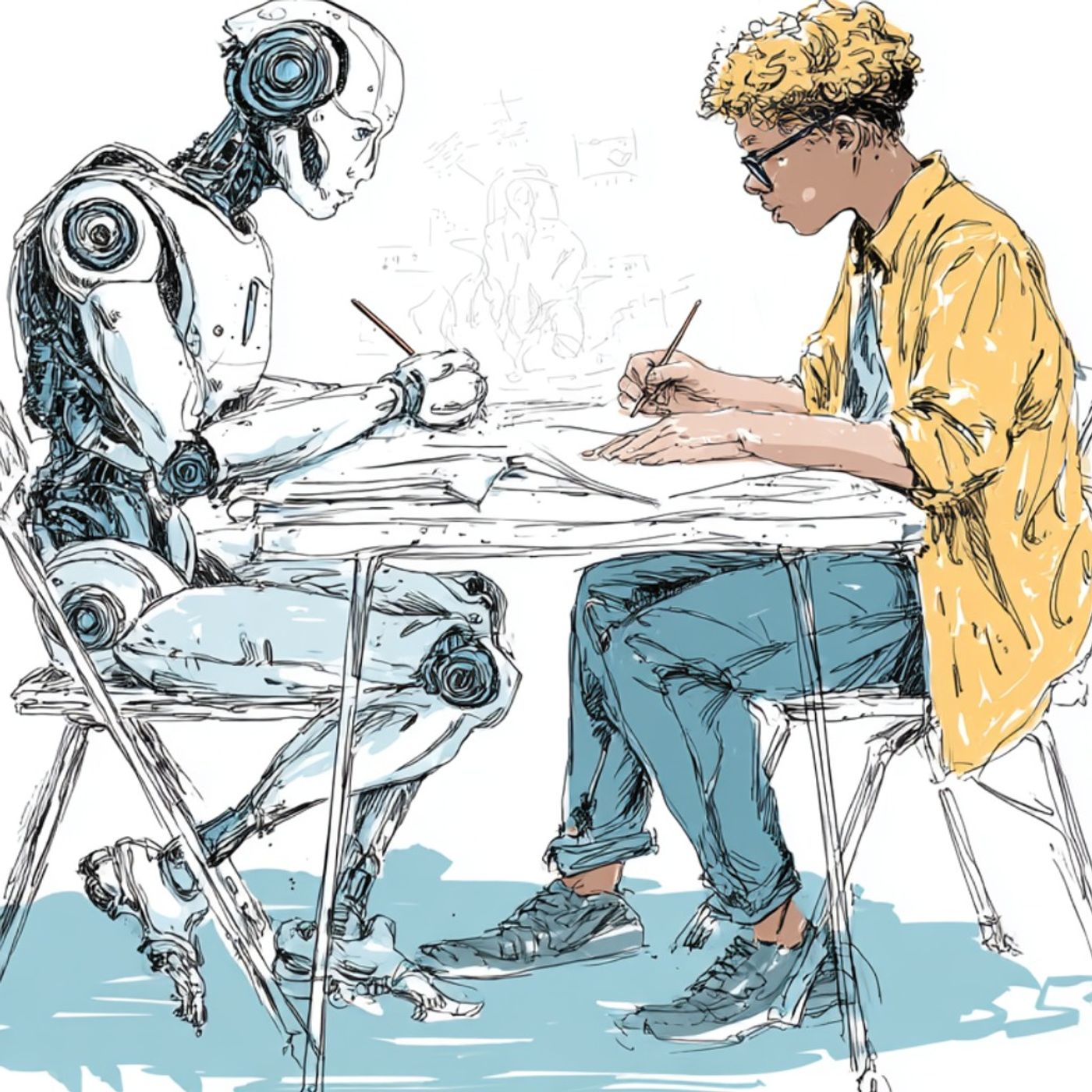 A Tale of Two AI Design Projects | For this episode we hear the story of two design projects at colleges that involved AI — one that led to celebration, and another that sparked controversy. These two situations reveal the challenges colleges face as they teach subjects that involve design and creativity. After all, what does it mean to teach art and design when free AI tools can generate sophisticated images in just a few seconds? | — | ||||||
| 3/17/26 |  How to Prepare Students For a World of AI Co-Workers | As companies start to replace employees with AI agents, how are human workers adjusting? For this episode Jeff connected with Evan Ratliff, who created what he calls “the world’s first AI-led startup” to see what happens when AI agents run a company. He’s been documenting the sometimes comic results on his podcast Shell Game. What advice does Ratliff have for educators trying to prepare students for this strange new world of work? As a bonus, three college students with very different majors weigh in on what they think of all this. | — | ||||||
| 3/3/26 |  The Case for Memorization in the AI Era | Competitive memory athlete Nelson Dellis has won multiple national championships, and he’s used AI to help him train for competitions. But as he turned to chatbots more and more, his thinking began to change. It fits into what Oakland University professor Barbara Oakley, an expert on how humans learn, calls the “Memory Paradox.” They’re among those making the case for requiring students from middle school to college to do more rote memorization — of poems, dates, capitals, and more. | — | ||||||
| 2/17/26 |  What Do Self-Driving Cars Teach Us About AI in Education? | Driverless cars have been *just* about to arrive – for more than a decade now. Yet most teenagers today still take driving lessons. Still, some wonder whether we’re heading to a future where most people won’t need to know those skills. Can thinking the public narrative around robot cars help educators think about the fast-rising trend of generative AI? For this episode, Jeff talked with two experts with books on how to think about teaching and AI — and put them in debate about key differences in their approaches. | — | ||||||
| 2/4/26 |  Lessons From Minneapolis About AI and Misinformation | During the ICE surge in Minneapolis, AI is playing a role in this tense and unfolding story, specifically how it is contributing to misinformation. What can educators do to prepare students, and any of us, for this new information landscape where AI is increasingly a factor. Jeff visited the University of Minnesota’s journalism school and talked with a professor who is exploring the role of AI in news, as well as three student journalists covering protests and ICE activity. | — | ||||||
| 1/21/26 |  Is It Possible to Put Age Limits on AI Tools? | Is It Possible to Put Age Limits on AI Tools? Last week the U.S. Senate Commerce Committee held a hearing about potential legislation banning kids under 13 from using social media. Australia has a new law keeping kids under 16 off the technology. What about new AI tools? Should regulations enforce age limits — and is that even possible given how embedded the tech is becoming? | — | ||||||
Want analysis for the episodes below?Free for Pro Submit a request, we'll have your selected episodes analyzed within an hour. Free, at no cost to you, for Pro users. | |||||||||
| 1/6/26 |  What Guardrails Should AI Companies Build to Protect Learning? | In the past few months new AI tools known as “Agentic AI” have emerged. These new browsers let users deploy AI assistants that can surf the web on their behalf. While they were designed to do things like book airline tickets or schedule meetings, students can use the tools to have the bot log into learning management systems to take quizzes for them. Anna Mills, a longtime English instructor, has called on AI companies to add a simple guardrail to keep these tools from assisting in academic fraud, just as they refuse to help with hacking or other unethical acts. The situation raises questions about how AI companies are responding to calls by educators to add safeguards to protect learning. | — | ||||||
| 12/23/25 |  Is Your Mechanic Using AI? | Skilled trades are typically seen as professions that won’t be permeated by AI. But that’s starting to change. Jeff visited auto tech classes at Dakota County Technical College in Rosemount, Minn., where the instructors built an AI mentor tool to help students troubleshoot car repairs. But the biggest win for AI for budding mechanics turns out to involve not fixing cars, but helping explain their repairs to customers. | — | ||||||
| 12/9/25 | 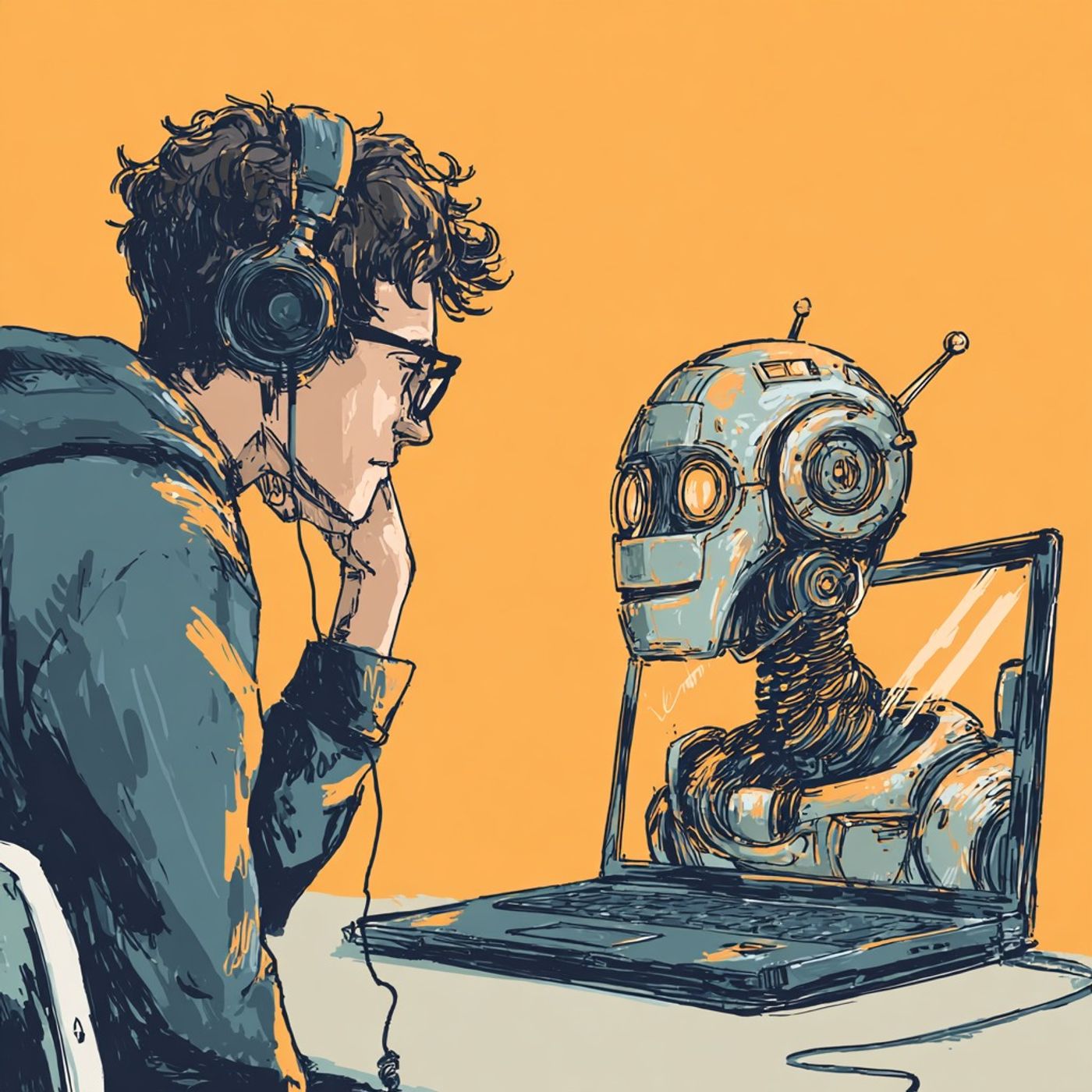 Why Do So Many Students Have AI Friends? | More than 40 percent of high school students have AI friends or know someone who does, according to a recent survey. What does this phenomenon mean for how students and teachers view the AI tools used in education. What are the risks and potential benefits of turning to a bot for companionship? Hear from a researcher who has studied AI friends, and from a college dean who developed an unexpected relationship with a bot. | — | ||||||
| 11/25/25 |  Can Colleges ‘AI-Proof’ the Core Curriculum? | Students at the University of Notre Dame are calling for professors to redesign all the classes in the core curriculum so that AI can’t be used for assignments. It’s a matter of fairness, and a call to make sure every student is actually doing the hard work of reading complex texts and expressing their own ideas in writing so they learn the basic skills they’ve come to campus for. The argument, made by editors of the student newspaper, has sparked a discussion about if that should be done — and if so, how? | — | ||||||
| 11/11/25 |  How Does AI Fit Into Broader Disruptions to Higher Ed? | AI is not the only disruptive force facing colleges these days. In fact, we may have already passed the peak of higher education’s size and role in American society. That’s the argument by futurist Bryan Alexander in his new book “Peak Higher Education,” which notes that AI is a huge part of what might be a sector at a crossroads. But he is looking for ways to harness AI to improve and rebuild colleges. | — | ||||||
| 11/4/25 |  How Do Students Feel About Their AI Use? It's Complicated | We set up a table at the University of Minnesota and asked students to share how they use AI in their studies — and how they feel about the technology. Fear was the common thread — Fear of being caught, fear of not learning, and fear of AI taking away jobs or making their degrees less valuable. And in some cases the students shied away from trying AI tools even in productive ways, for fear of being accused of academic misconduct. This special episode of Learning Curve was co-produced with Ceci Heinen, podcast producer of the university’s student newspaper, the Minnesota Daily. | — | ||||||
| 10/28/25 |  Can AI Avatars Make Class Time More Human? | Colleges are experimenting with making online teaching videos featuring AI avatar versions of professors. Some students find the simulated likenesses of their instructors a bit creepy, but proponents say the technology could be key to making college courses more active and human. The idea is that AI will make it easy to make personalized teaching videos so that more teachers can adopt a “flipped classroom” approach — where students watch video lecturers as homework so class time is spent on discussion or projects. | — | ||||||
| 10/15/25 | 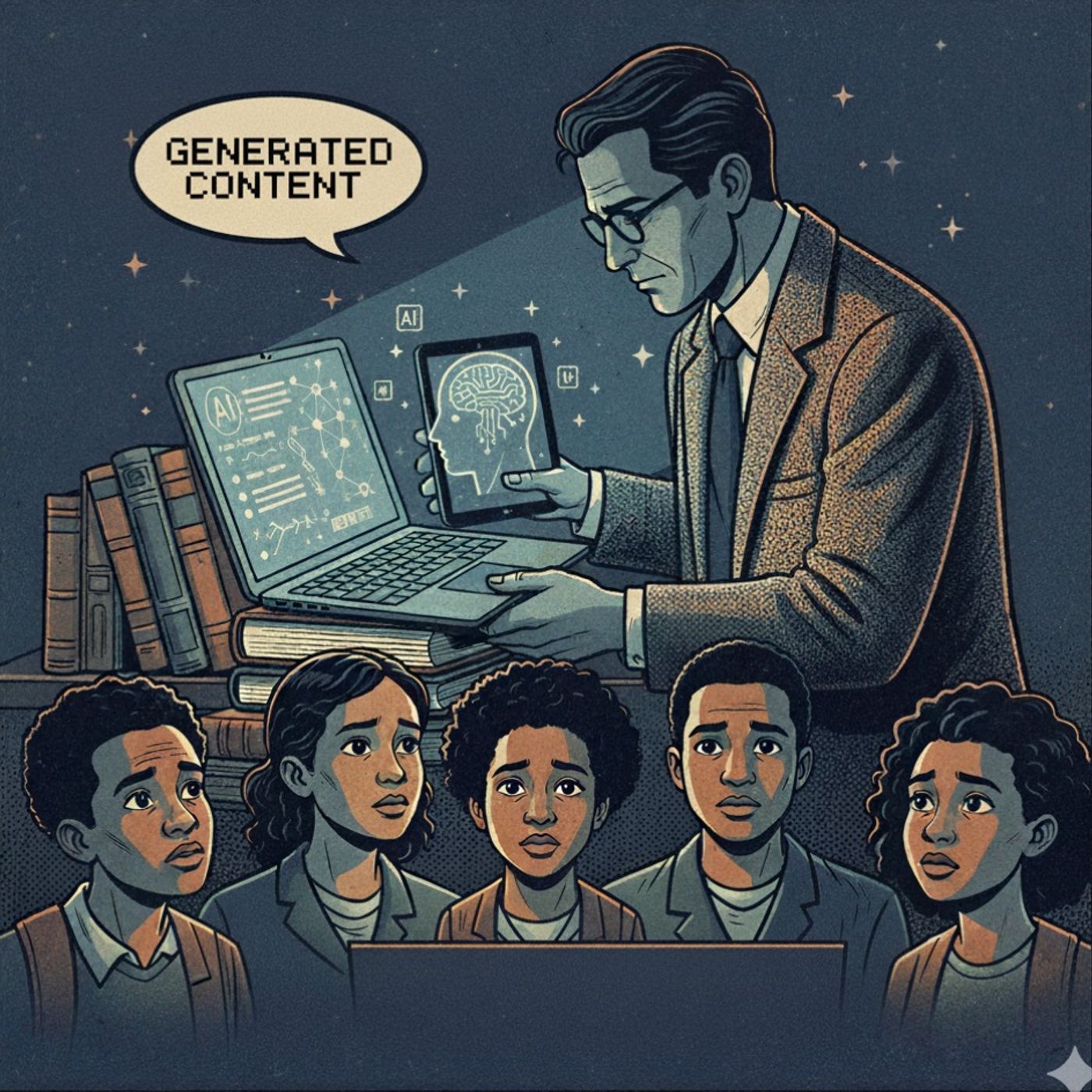 Is My Professor Using AI? | Ella Stapleton noticed something unusual in lecture notes her professor handed out to students. Coverage of what happened next sparked discussion about misuse of AI in education – not by students trying to cheat, but by professors using AI to outsource parts of their jobs. | — | ||||||
| 9/30/25 | 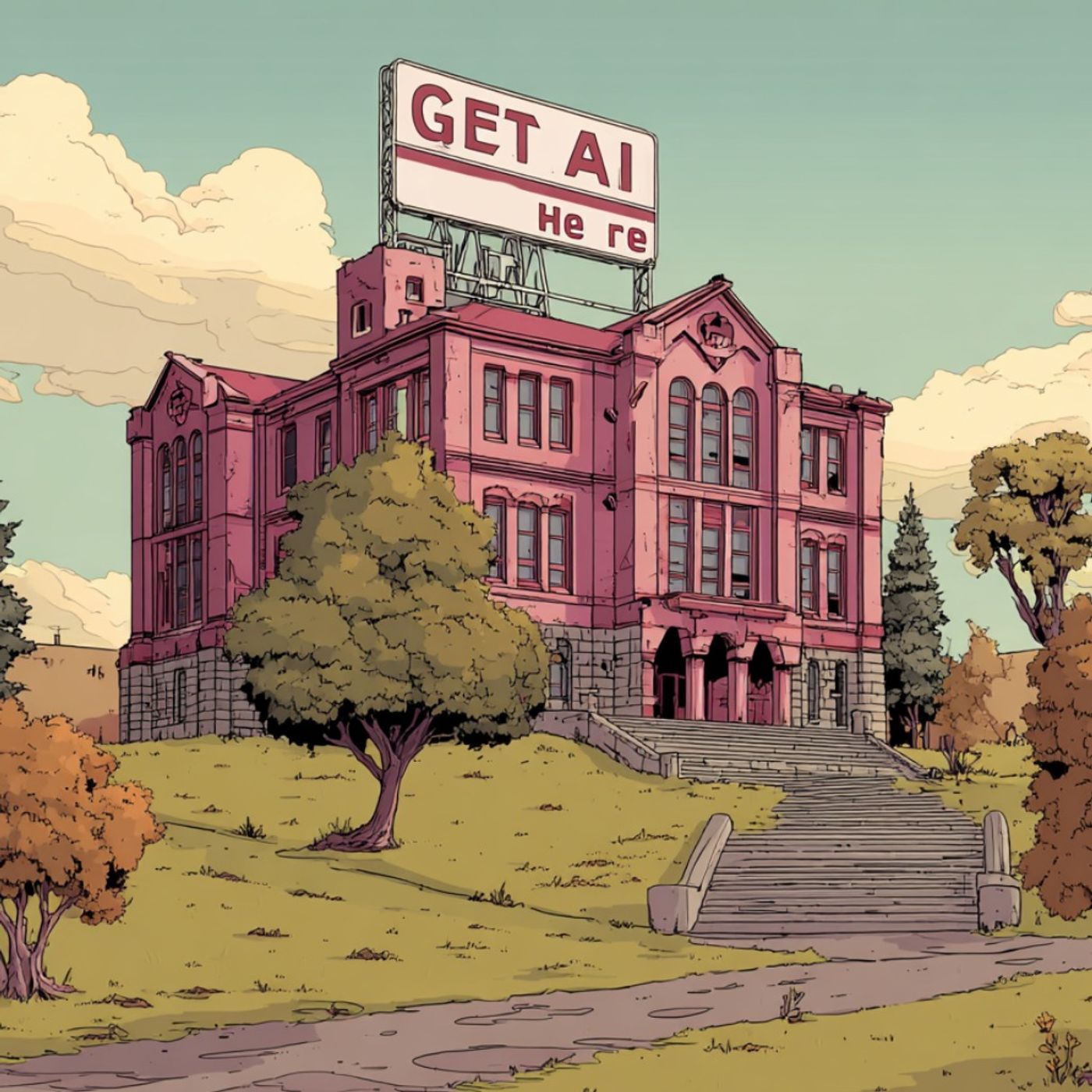 Should Colleges Provide AI Tools? | A growing number of colleges are giving their students and professors free access to pro versions of AI tools, even as some professors and students worry about potential negative consequences of the technology. Jeff traveled to Duke University to talk to Evan Levine, senior director of IT services and support, and Michael Faber, assistant director of the Innovation Co-Lab to hear their philosophy behind their DukeGPT initiative. And he chats with a student as well, Muke Akume. | — | ||||||
| 9/16/25 | 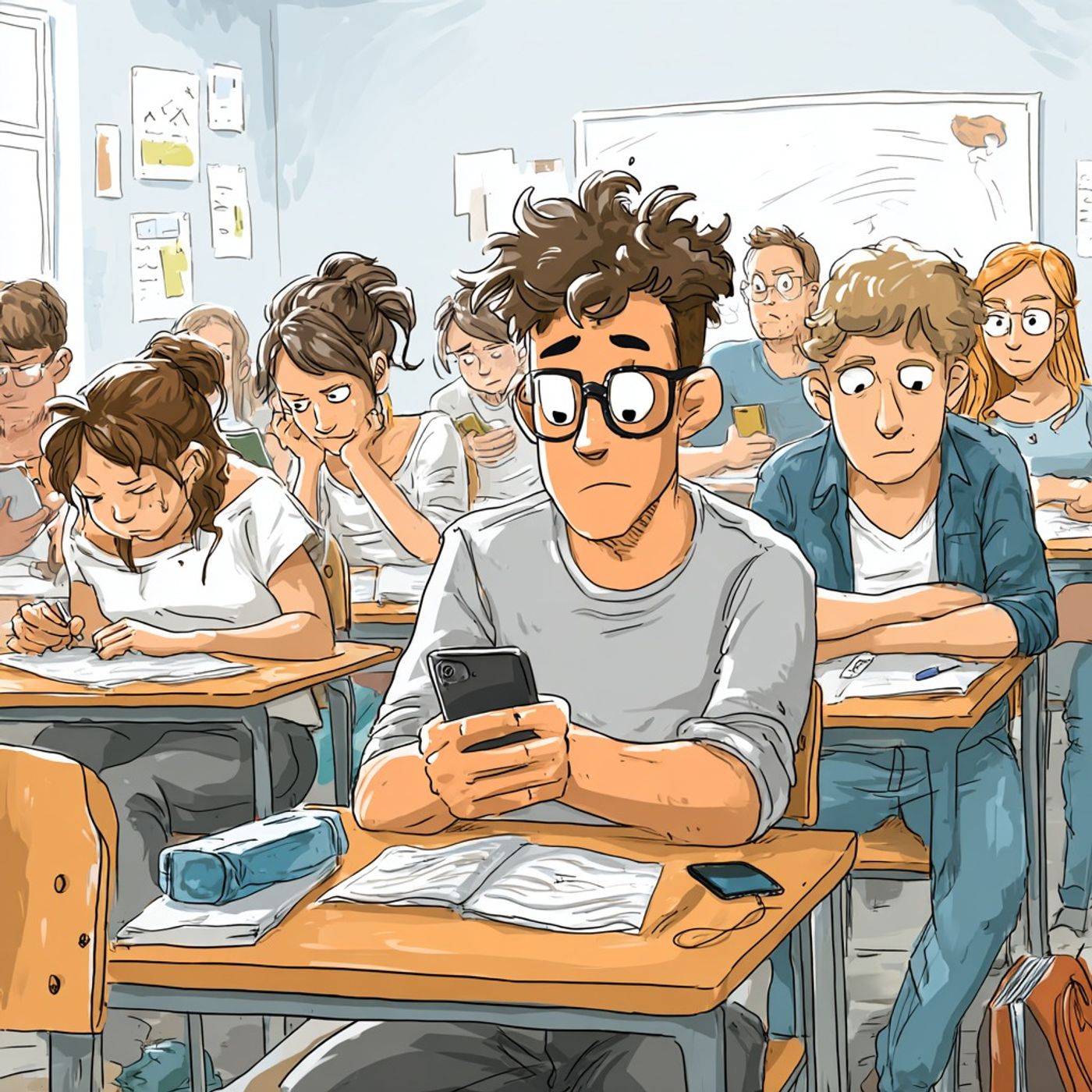 Will AI Bring More Student Disengagement? | If students are already prone to check out in school, it really doesn’t help to look over and see students secretly having ChatGPT do their work for them. The co-author of the new book on student disengagement in school, Rebecca Winthrop, is encouraging debate on how to adopt AI in a way that turns more kids into “explorers” rather than “passengers” in their learning. | — | ||||||
| 9/2/25 |  What If College Teaching Was Redesigned With AI In Mind? | A former university president is trying to reimagine college teaching with AI in mind, and this year he released an unusual video that provides a kind of artist’s sketch of what that could look like. For this episode, I talk through the video with that leader, Paul LeBlanc, and get some reaction to the model from longtime teaching expert Maha Bali, a professor of practice at the Center for Learning and Teaching at the American University in Cairo. | — | ||||||
| 8/19/25 | 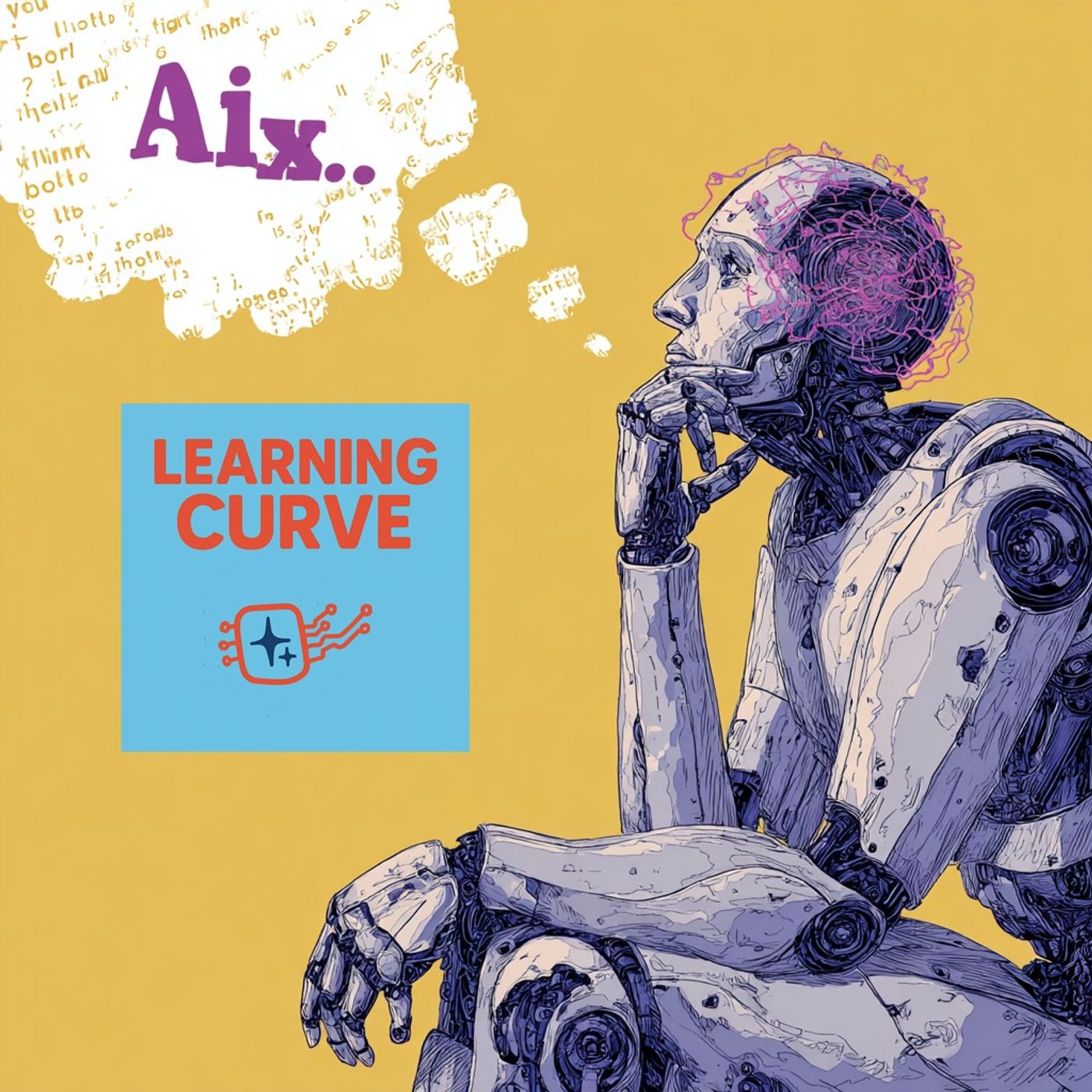 What Kind of Intelligence Is AI? | To suss out the best way to use AI in education, it’s important to figure out what makes ChatGPT and other new AI tools tick. After all, the ‘thinking’ that generative AI does is different than human thinking. That’s the argument of Mutlu Cukurova, who wrote a paper calling for building ‘hybrid intelligences’ that blends the strengths of humans and AI, rather than quickly replacing tasks that teachers and tutors do with AI models. | — | ||||||
| 8/12/25 | Introducing Learning Curve | Teachers and students can't help wondering ... what are we doing here? What's the role of education when AI seems able to do tasks that once seemed uniquely human. The goal of Learning Curve is to inform a conversation about what it means to learn, whether AI could improve education, and which learning needs protecting amid the AI gold rush. Look for the first episode August 20. EPISODE CREDITS: Reported and produced by Jeff Young Music by Komiku ©Copyright 2026 Learning Curve Productions LLC | — | ||||||
Showing 23 of 23
Sponsor Intelligence
Sign in to see which brands sponsor this podcast, their ad offers, and promo codes.
Chart Positions
1 placement across 1 market.
Chart Positions
1 placement across 1 market.