

Insights from recent episode analysis
Audience Interest
Podcast Focus
Publishing Consistency
Platform Reach
Insights are generated by CastFox AI using publicly available data, episode content, and proprietary models.
Total monthly reach
Estimated from 2 chart positions in 2 markets.
By chart position
- 🇨🇦CA · Philosophy#1385K to 30K
- 🇳🇴NO · Philosophy#186500 to 3K
- Per-Episode Audience
Est. listeners per new episode within ~30 days
3.9K to 23K🎙 Weekly cadence·89 episodes·Last published 11mo ago - Monthly Reach
Unique listeners across all episodes (30 days)
5.5K to 33K🇨🇦91%🇳🇴9% - Active Followers
Loyal subscribers who consistently listen
1.6K to 9.9K
Market Insights
Platform Distribution
Reach across major podcast platforms, updated hourly
Total Followers
—
Total Plays
—
Total Reviews
—
* Data sourced directly from platform APIs and aggregated hourly across all major podcast directories.
On the show
Recent episodes
Pacifism as Pathology
Jul 2, 2025
Unknown duration
Rorty’s Ironists vs. Metaphysicians: Navigating Private Doubts and Public Hopes
Jun 17, 2025
Unknown duration
Rorty’s Cruelty, Solidarity, and Liberal Hope
Jun 17, 2025
Unknown duration
Rorty's Contingency : Tools, Selves, and Communities
Jun 13, 2025
Unknown duration
The semantic drift of "good"
Feb 21, 2025
Unknown duration
Social Links & Contact
Official channels & resources
Official Website
Login
RSS Feed
Login
| Date | Episode | Description | Length | ||||||
|---|---|---|---|---|---|---|---|---|---|
| 7/2/25 | 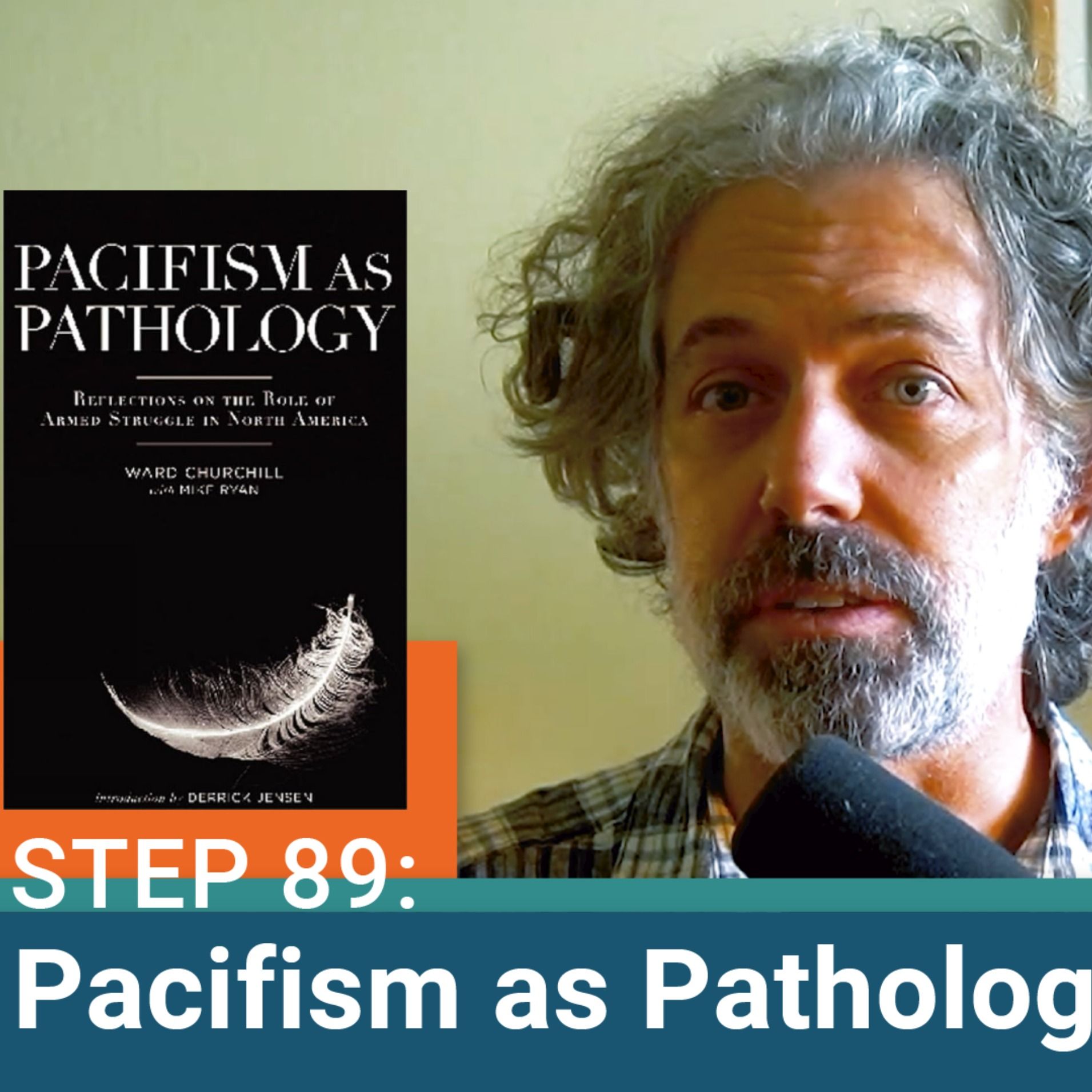 Pacifism as Pathology | Ryder Richards dives into Ward Churchill’s controversial "Pacifism as Pathology." Churchill argues that nonviolent activism, often celebrated as morally superior, is a delusional and ineffective strategy that strengthens oppressive state power. Using historical examples like the Holocaust and the Vietnam War, he critiques pacifism’s failures, labeling it as pathological, racist, and even suicidal. Join us as we unpack these challenging ideas and set the stage for part two, where we’ll explore Churchill’s proposed solutions and connect them to current events. Be sure and subscribe to be notified! | — | ||||||
| 6/17/25 |  Rorty’s Ironists vs. Metaphysicians: Navigating Private Doubts and Public Hopes | Ryder Richards continues with Rorty’s "Contingency, Irony, and Solidarity." The liberal ironist, who doubts privately but fights cruelty publicly, does so with ironic (contingent) description, versus the metaphysicians’ truth-chasing. Rorty’s critique of Plato and Kant, Heidegger and Habermas, while championing Nietzsche, Derrida, and Proust. Ryder skeptically probes whether Rorty’s private-public split weakens moral resolve. | — | ||||||
| 6/17/25 |  Rorty’s Cruelty, Solidarity, and Liberal Hope | Dive into the final episode of our Richard Rorty series, "Step 88: Rorty’s Solidarity," exploring Part III of Contingency, Irony, and Solidarity. We unpack how Rorty uses Nabokov’s “tingles” and Orwell’s O’Brien to show cruelty and build solidarity through narrative, not universal truths. Learn why Rorty’s liberal ironist vision—balancing private self-creation with public hope—is so compelling yet fragile. Our critique reveals how his ideas have been subverted today by mimetic identities and weaponized anti-cruelty. Join Ryder Richards for a thought-provoking look at Rorty’s moral imagination! Subscribe for more philosophy deep dives. | — | ||||||
| 6/13/25 |  Rorty's Contingency : Tools, Selves, and Communities | Explore how language, self, and community are contingent creations—not eternal truths—using Rorty’s tool analogy. Host Ryder Richards unpacks Part 1 of Richard Rorty’s "Contingency, Irony, and Solidarity" ideas with a critical lens. Join us for a thought-provoking start to a three-part series! | — | ||||||
| 2/21/25 |  The semantic drift of "good" | How did the word "good" change from a symbol of nobility and strength to a function of utility and compliance? In this episode, Ryder Richards explores the historical and philosophical shifts behind moral language, diving into: 🔹 Friedrich Nietzsche – How "good" originally meant noble and powerful, but was inverted by the weak into meekness and obedience (slave morality). 🔹 Max Scheler – Ressentiment, The transformation of morality from greatness to usefulness, aligning with capitalism and utilitarianism. 🔹 Alasdair MacIntyre – The loss of a shared moral language, leading to fragmented ethical debates. 🔹 Michael Cuenco & Orwell's 1984 – How modern politics manipulates language, emptying moral terms of meaning through cultural warfare. 🔥 Key Takeaway: Are we still capable of discussing morality in a meaningful way? Or are we just clinging to words without realizing their meanings have changed? 0:00 Intro 1:14 Nietzsche 2:40 Sheler 3:59 MacIntyre 5:03 Orwell 6:15 conclusion | — | ||||||
| 2/17/25 | 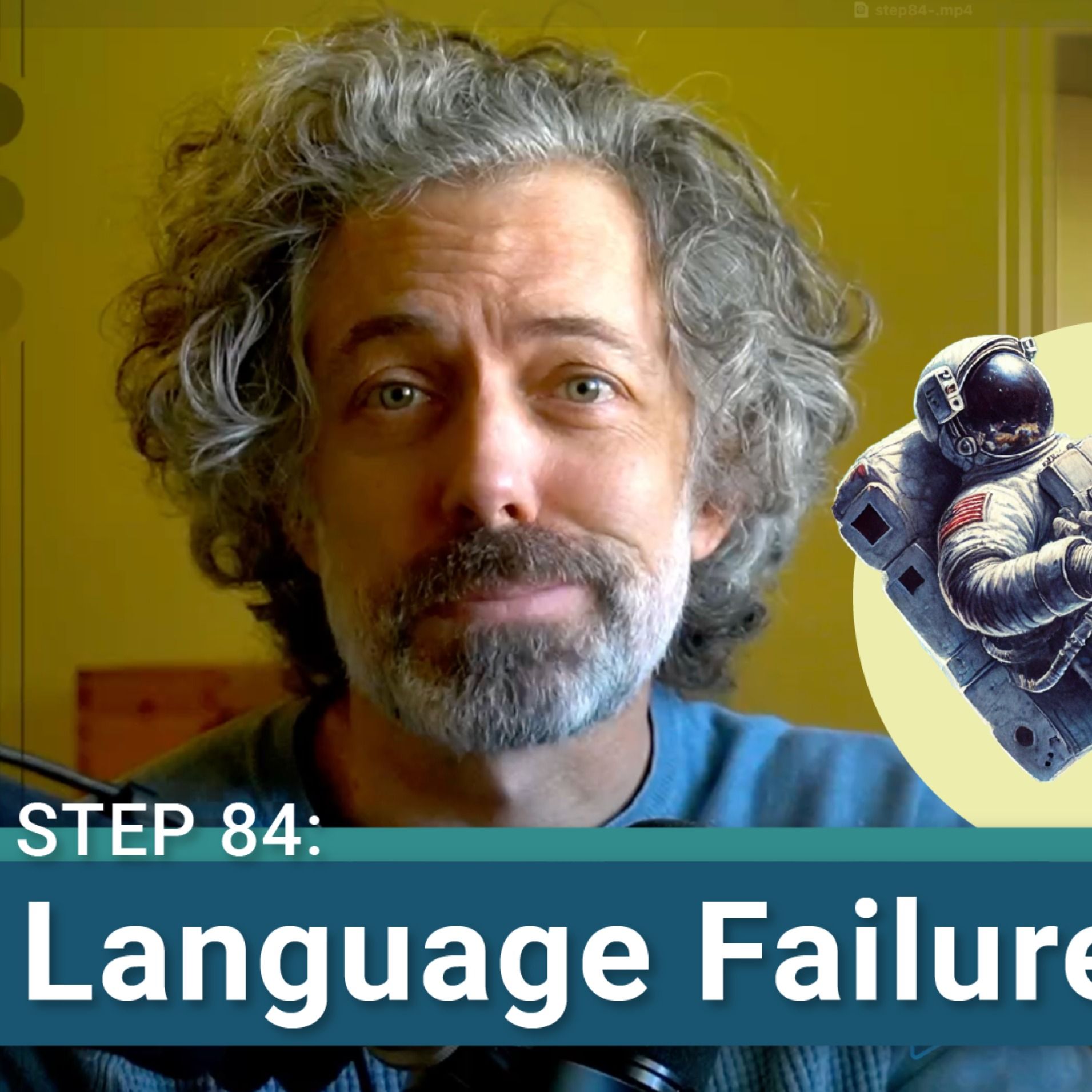 Language Failure: How Words Shape Our Reality | 🚀 Language is failing us. In this episode, we dive deep into how words shape reality—and what happens when they lose their meaning. 🔍 Topics Covered: ✅ How San Francisco’s Potemkin village mirrors Orwell’s 1984 ✅ The collapse of language and how it leads to the collapse of society ✅ How semantic drift, hyperbole, and inversion make words meaningless ✅ Orwell’s 1984 vs. Michael Cuenco’s theory on modern culture wars ✅ Hypernormalisation and the Soviet Union’s reality distortion ✅ The "ladder of false logic"—how we trick ourselves into believing lies ✅ Matthew Crawford vs. Kant: How detachment from reality fuels today’s crises ✅ Attention economy & distraction—how language is weaponized against you ✅ How to reclaim reality and stay grounded in truth 🔥 Why This Matters: We are floating in an ideological orbit, detached from truth, trapped in an illusion of freedom. This episode explores how to re-enter reality before it’s too late. 🎧 LISTEN NOW and learn how to resist semantic manipulation and reconnect words with meaning. #Orwell1984 #LanguageManipulation #Hypernormalisation #CultureWar #PoliticalDiscourse #RealityVsPerception #AttentionEconomy #PhilosophyPodcast #SemanticDrift #CognitiveBias 0:00 Introduction: Thought experiment on augmented reality facade in San Francisco 02:27 Breakdown of language and the failure to address real issues 05:39 Historical parallels to 1984 and the concept of hypernormalization 09:43 Semantic drift and the ladder of false logic 19:41 The contemporary crisis and the linguistic containment of reality 24:26 Reconnecting language with reality and suggestions for the way forward 26:11 Conclusion and plans for future exploration | — | ||||||
| 3/26/24 | 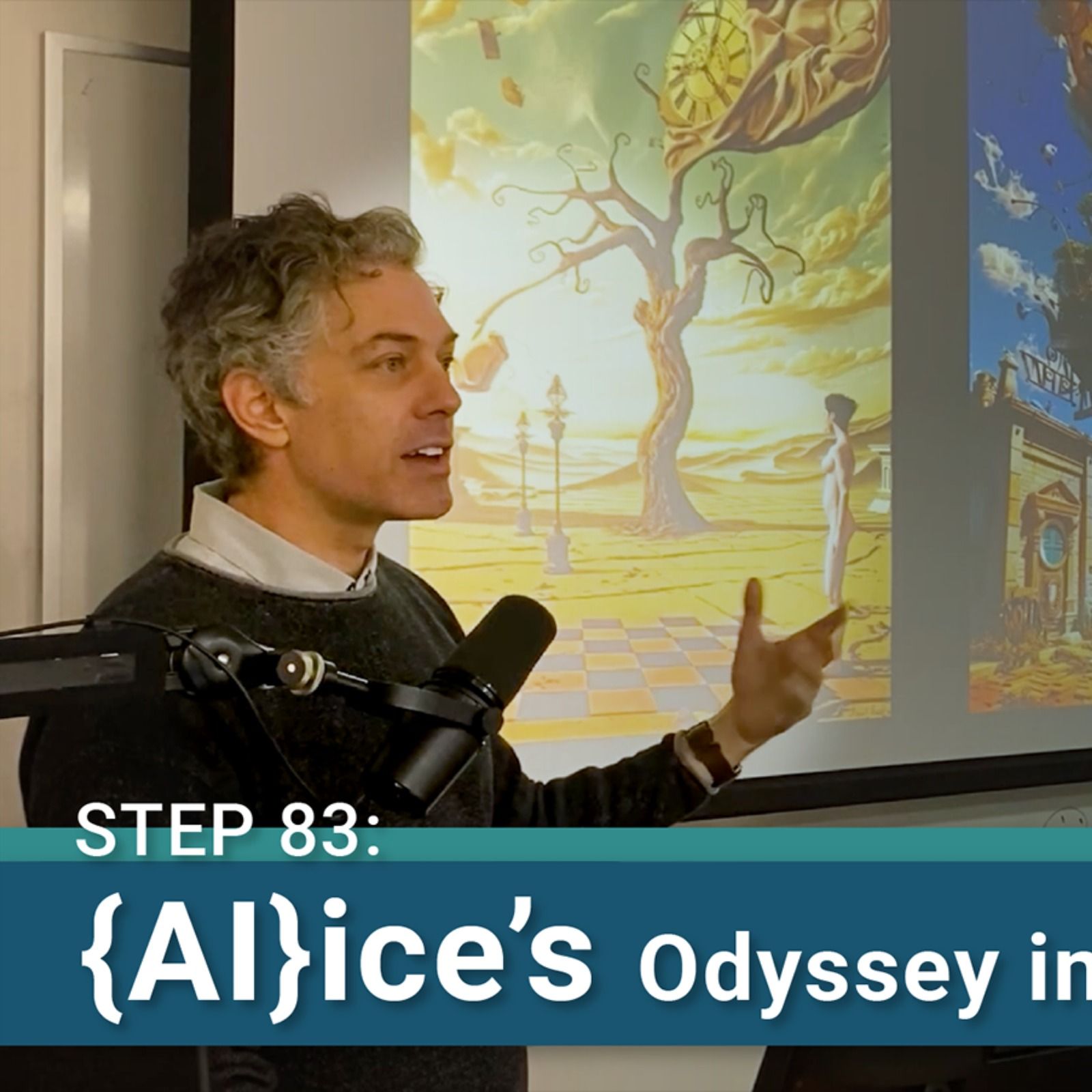 {AI}ice's Odyssey in DALL-E Land | Ryder Richards talks about his exhibition based on Salvador Dali's (1969) illustrations of "Alice in Wonderland." Considering them un-Dali, he asks DALL-E to draw inspiration from John Tenniel, the original illustrator, and re-invent them as a Dali-esque blend. After several "failed" attempts to achieve his goal, Ryder used ChatGPT, NotebookLM, and Claude to rewrite "Alice's Adventures in Wonderland" utilizing Dali's surreal symbology. The resultant illustrations became more compelling and odd, and with practice at developing blended consistency, character, and style, Richards offers a re-envisioned version of the tale. Lecture delivered at West Texas A&M, Canyon, Texas, on March 25, 2024 https://www.letusthinkaboutit.com/aiices-odyssey-in-dall-e-land/ 0:00 AI-generated art and its applications. 2:36 AI's potential impact on society. 7:55 Cybernetics, control systems, and the future of humanity. 13:11 AI-generated art and its impact on human creativity. 17:36 Art, AI, and creativity. 20:03 Using AI for art generation and creativity. 26:43 Using AI for art generation and consistency. 31:40 AI art, creativity, and ownership. 36:29 Using AI to generate art, limitations and creative choices. | — | ||||||
| 1/8/24 |  Art and AI | A lecture diving into the promises and perils of AI in art through artist Ryder Richards' recent museum lecture on technology's impact on creativity, humanity, bias, consciousness, and our shared future. Beyond near-term hype, as AI increasingly penetrates cultural realms like art, urgent questions arise around human creativity versus artificial generation. This lecture traverses philosophical tensions from Cybernetics to Marxism to Silicon Valley god-complexes shaping our AI future, as well as considering aura, human dignity, and the limits of technology. | — | ||||||
| 12/26/23 |  Kant and the rise of subjective relativism | Ryder Richards discusses how Kant bypasses the conundrum of fate vs. determinism, vouching for the transcendent realm. Kant introduced a philosophy that actually does have a square grid, with the influential idea of a priori knowledge in one quadrant. This abstract knowledge exists in Kant’s unknowable "noumenal" realm. This marked a departure from Hobbes and Newton, who emphasized submitting to the laws of reality discovered through science and experimentation to uncover the secrets in this realm. https://www.letusthinkaboutit.com/step-81-kant-and-the-rise-of-subjective-realism/ | — | ||||||
| 11/18/23 |  Transcendent Escapism | Ryder Richards explores the spectrum between truth and lies, arguing that humanity uses abstraction and catastrophe fantasies to bypass reality and construct dangerous universal rules that validate our desires. | — | ||||||
Want analysis for the episodes below?Free for Pro Submit a request, we'll have your selected episodes analyzed within an hour. Free, at no cost to you, for Pro users. | |||||||||
| 10/23/23 |  Skipping Reality | In this podcast, Ryder Richards uses the analogy of a ping pong game with reality as the net to examine how truth and superficiality can become untethered abstractions that escape reality. He explores how truth-seeking can turn into rigid ideology and superficiality into manipulative propaganda. Richards suggests reality should act as a filter to catch the excesses of these abstractions. He highlights Plato's cave and Disneyland as examples. The podcast offers two potential solutions - Isiah Berlin's "communicative rationality" based on logic and definitions and meditation to become present. Overall, Richards cautions against abstractions divorced from reality and our reactive desires to blindly believe them. | — | ||||||
| 9/17/23 |  The Parallax View | The Parallax View is an approach by Slavoj Zizek to reconsider Hegelian Dialectics; instead of sublation or overcoming, what if we can adjust perspective and the seeming antagonistic opposition (an insurmountable deadlock) can be seen in as "short-circuiting" - that is, providing an inherent explanation from a new point of view. It is not synthesizing ideas (melding them into One) because the subject needs tension as part of its functioning. | — | ||||||
| 7/30/23 |  Perspective Framing | Ryder Richards discusses different methods of reframing one’s perspective in life, such as psychology, meditation, and religion. First, he discusses the cultural background of deconstructionism and Hegel’s idea of “negation” to frame the moment. He then talks about how methods (such as therapy, Buddhism, or Christianity) can help shift one’s perspective to alleviate anxiety and despair, though they may not fully solve the underlying issues. He uses this as an introduction to discuss Zizek’s concept of the parallax view, arguing that one’s focal point shifts as the perspective changes. https://www.letusthinkaboutit.com/step-77-perspective-framing/ | — | ||||||
| 6/29/23 |  Concrete Universal (trash and art) | In this episode, Ryder Richards explores the concept of concrete universalism and its implications. He discusses the idea of transcending contradictions and how failures can lead to unexpected victories. Richards also examines the notion of the concrete universal through examples such as garbage and Picasso's art, highlighting the tension between specificity and universality. **Highlights** Concrete universalism explores the possibility of combining the concrete and the abstract into one concept. Failures and contradictions can become powerful and unprovable, creating a sense of transcendence. The concept of concrete universalism is exemplified through the idea of garbage, where a specific object represents the broader category. Art, like the concrete universal, expresses both expression and concealment simultaneously, commenting on the inability to clearly define itself. Picasso's art serves as an example of the concrete universal, with different periods and works representing the totality of his artistic practice. | — | ||||||
| 5/26/23 | 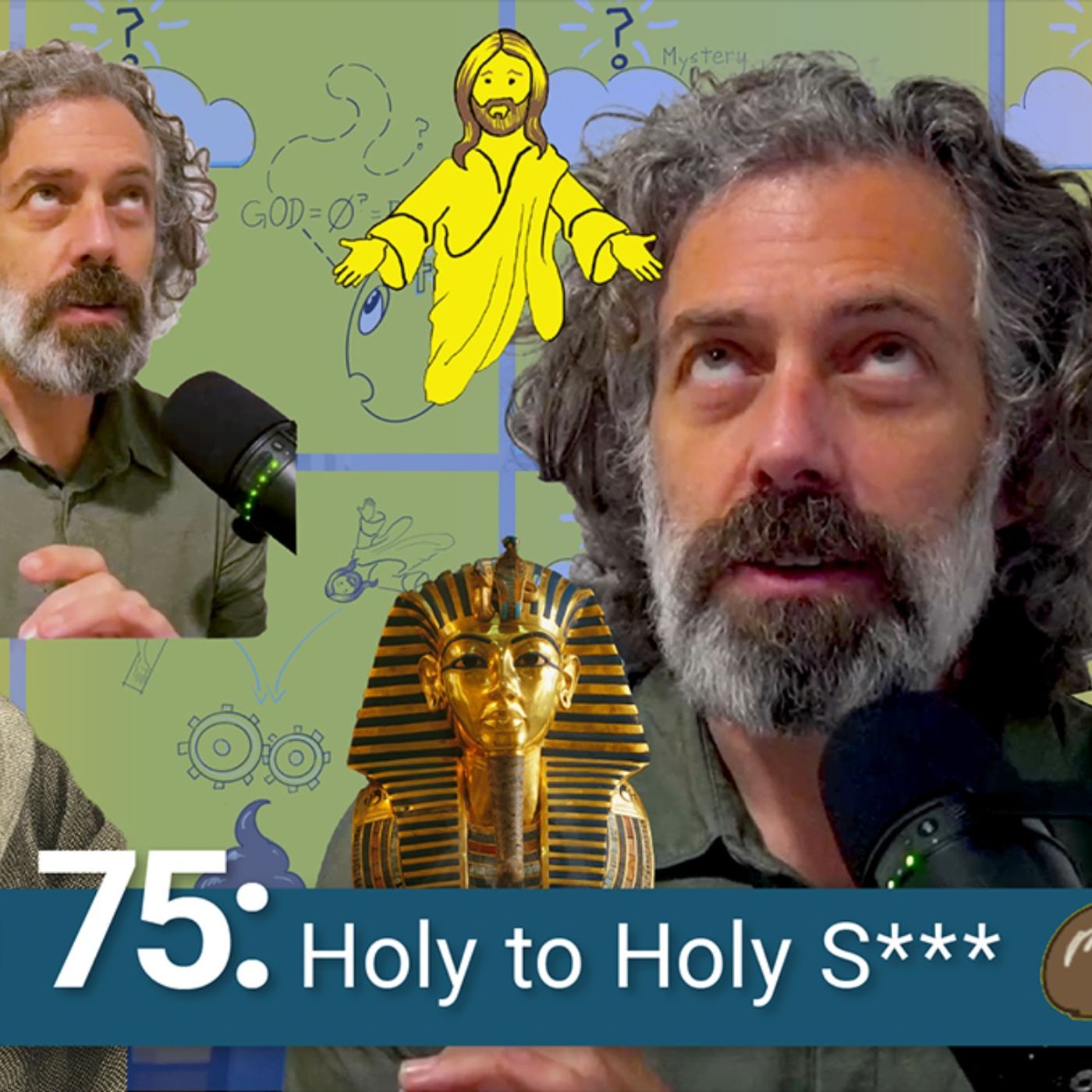 holy to holy s*** | Christianity operates through a lack: we cannot know God, so a “gap” must be filled between God and Humans. Christ is God splitting from 1 into 2, allowing us to identify and get closer to the mystery of God, but in so doing, Christ was subjected to the filth of this world. (Zizek) The reversal of the one God splitting into two (only to mysteriously re-unify us) is the process of poop: taking all values and reducing them into one homogenous, non-mysterious pile. (Bataille) Growth can occur from this filth (otherwise known as manure), producing roses. Beauty from secular waste, rather than an excessive effort towards mysteries that only slip away as you approach them. (Hegel) {{This is a continuation of Step 74: Symbolic Victory}} https://www.letusthinkaboutit.com/step-75-holy-to-holy-s/ | — | ||||||
| 5/21/23 |  Symbolic Victory | Symbols can unite us, but when symbols trump reality, the reversal dismantles order. We begin to exist in a simulacrum. Symbolic gestures, such as Ranchers chasing Rustlers in the Wild West seem illogical but can provide symbolic protection through irrationality. The issue is that amplifying "grievance" (for power and reputation) dissuades reconciliation for either side, leading to prolonged and continuous conflict. https://www.letusthinkaboutit.com/step-74-symbolic-victory/ | — | ||||||
| 4/25/23 | 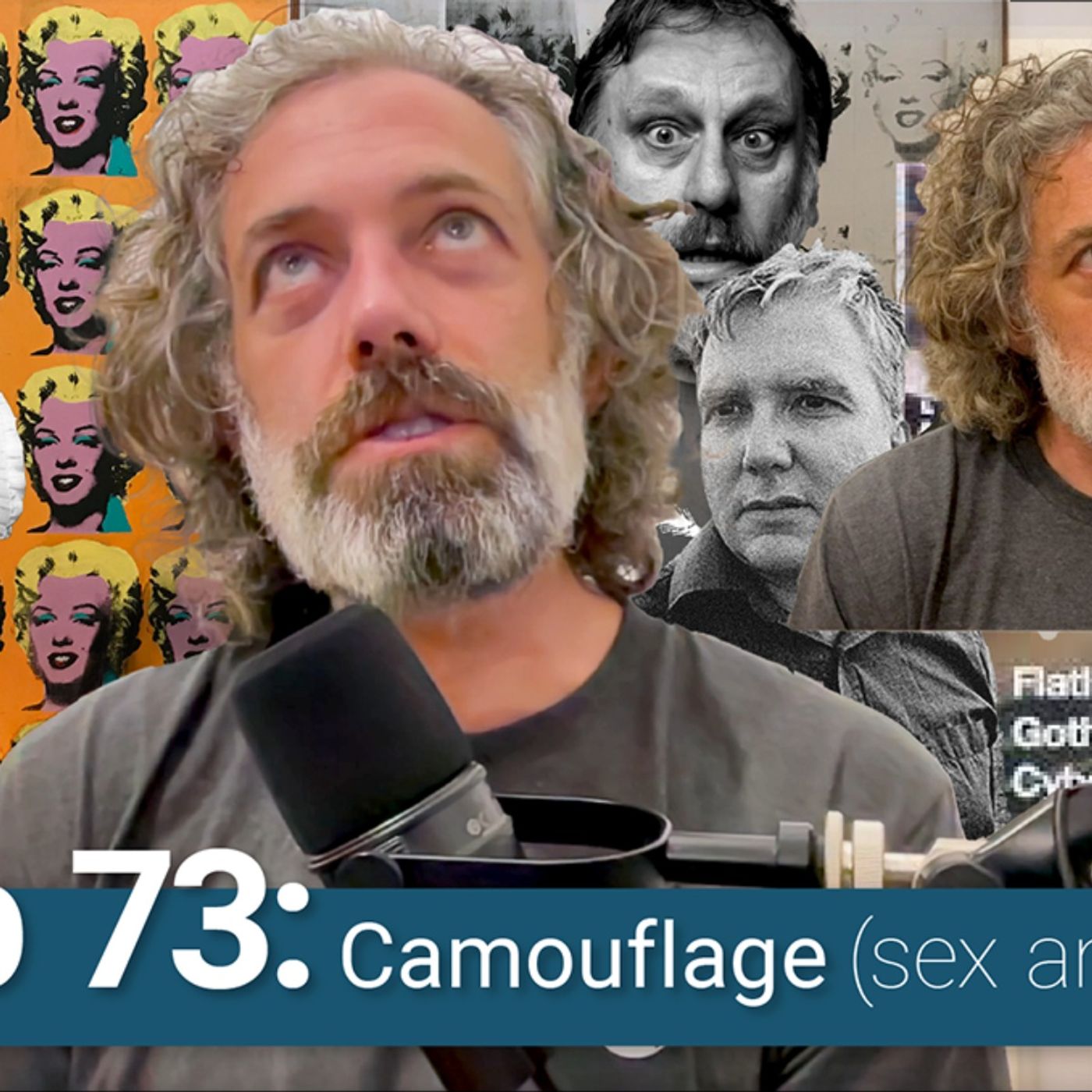 Camouflage (sex and trust) | Becoming ubiquitous and dispersed is another means to hide, but it breaks trust. 1) True authority (the blunt master) has been replaced with the servant's appearance as a representative leader and martyr. However, this kindly camouflage is more repressive. 2) Sex is similarly dispersed: a mediated version of "what you want" becomes a larger-than-life context, a landscape of desire, which detaches libido from the person and into oddly distributed cravings. 3) Unfortunately, when our entire society (context in which we derive meaning) becomes a series of camouflage tactics, but there is no stable reality (backdrop) on which to rely, camouflage ceases to work: we cease to believe the image. Artificial Intelligence further erodes trust, and perhaps our only tactic is to create a "minimal distance" through a camouflaging tactic to reshape our mediated desires. https://letusthinkaboutit.com/step-73-camouflage-sex-and-trust/ | — | ||||||
| 4/21/23 | 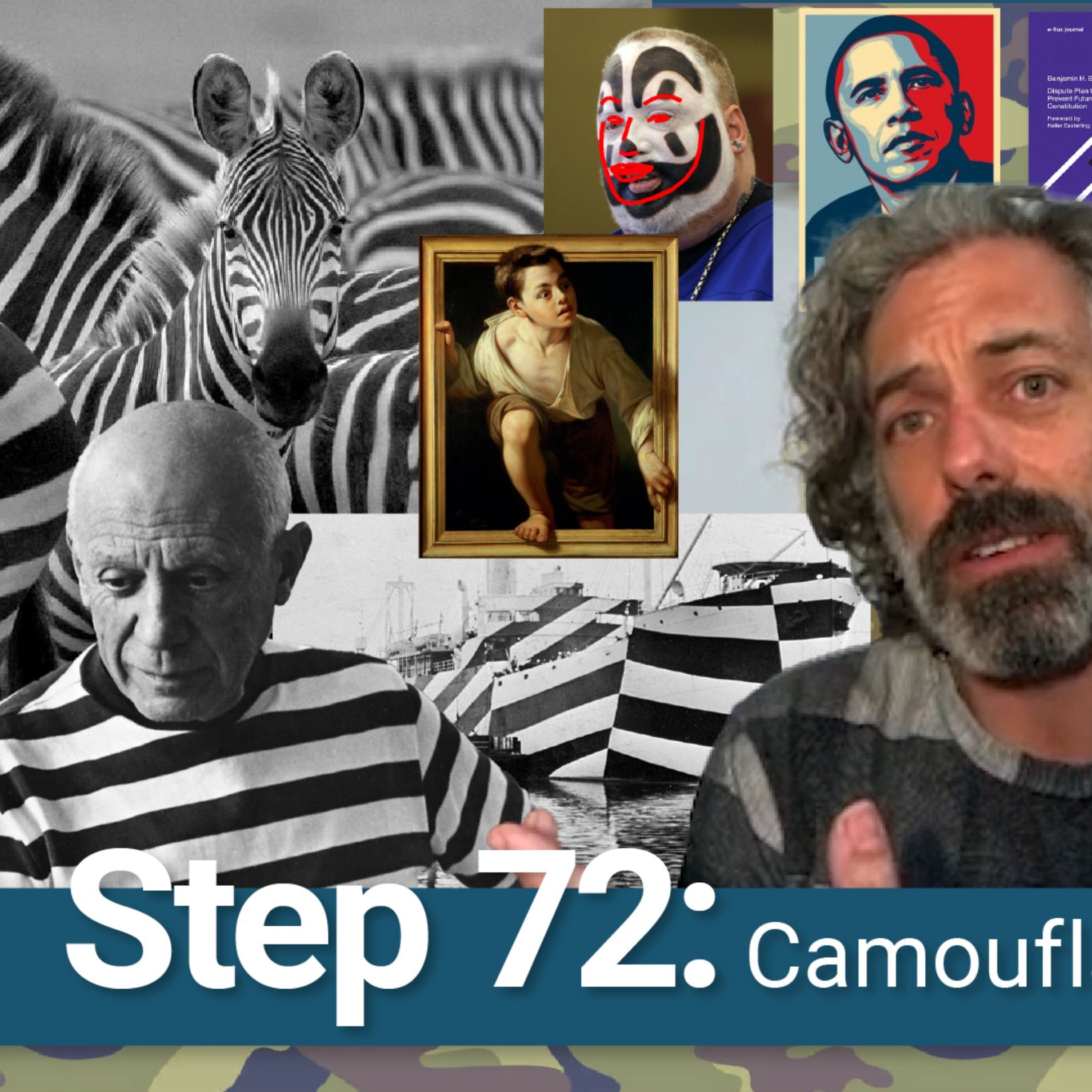 Camouflage (and Art) | Camouflage is both a lie and truth, like the imitative arts. The tactics of aesthetics: hiding, dissembling, and obfuscation are natural survival tactics amplified by the military and politics. Benjamin Bratton discusses camouflage and the costume that allows you to perform your role. However, as imitative creatures, we mimetically signal affiliation for safety and survival, which can become parasitic, and create a space for predation. We discuss the early French military camouflage, the WWII Ghost Army, and the current confusion politically around camouflage. We bring up Obama, Trump, AOC, and others to suss out models of disguise, dazzle, and dodge. We also get into Aristotle, Plato, Picasso, Baudrillard, Nietzsche, and of course Rene Girard's mimetic desire and scapegoating model. | — | ||||||
| 2/28/23 | 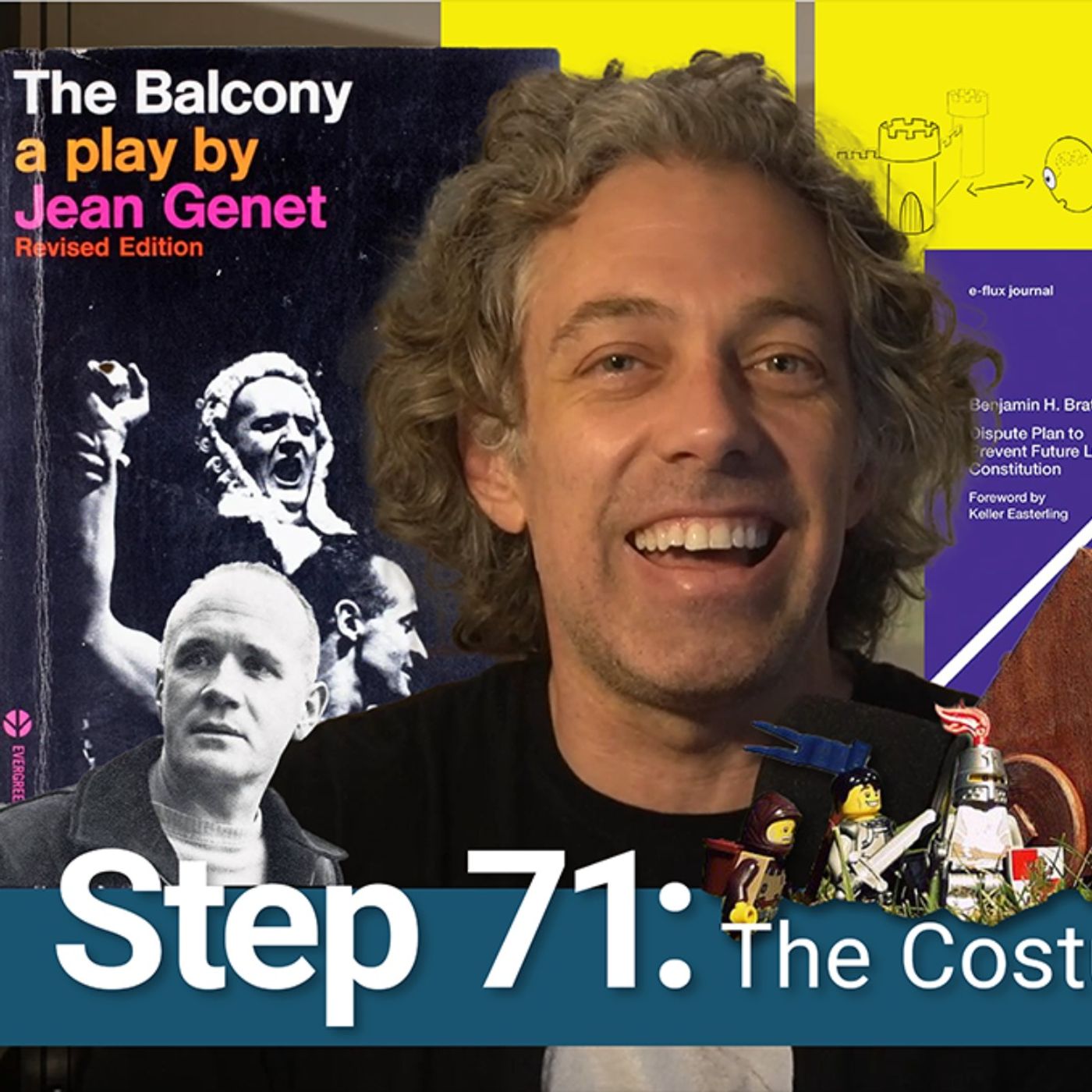 The Costume & Inscribed Violence | From fantasy into reality, the image has defenses and a prophetic will. Benjamin Bratton expands on this with the idea of "inscribed violence" in the image-form. We imagine, then simulate our fantasies with defenses in place, which tend to provoke offensive reactions when we de-simulate them into reality. We are left to consider the prophetic, aesthetic reality of imagining a machinic state or architecture that does not need humans. | — | ||||||
| 1/29/23 | 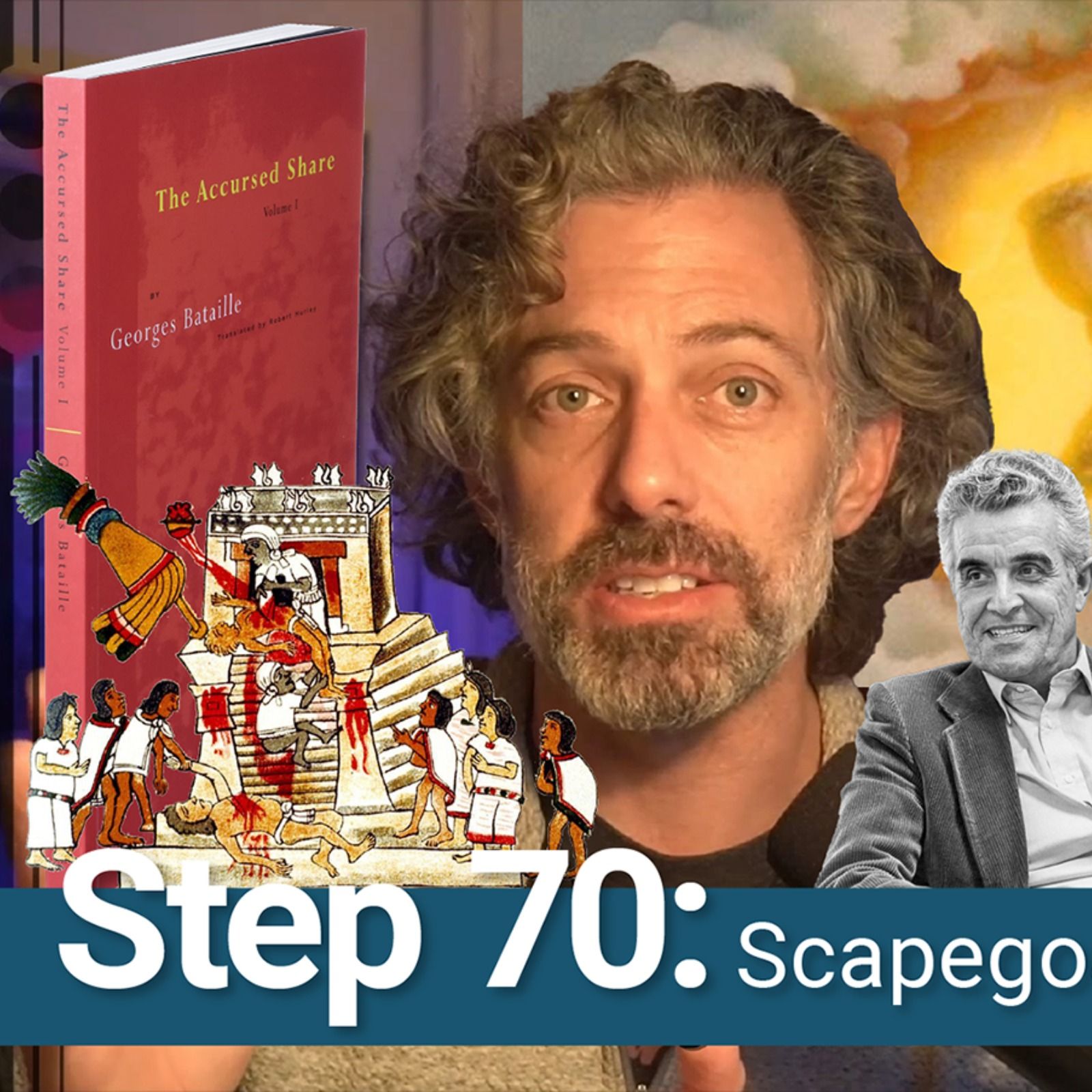 Scapegoating & Sacrifice | Reversing inner pressure outward requires a scapegoat to sacrifice in order to stabilize society. By discovering the hidden models driving it reveals our motivations, but more importantly, Rene Girard‘s theory accounts for civilizations' cybernetic energies and release valves. Paired with Georges Bataille’s theory of sacrifice necessary due to excess (the general economy) we find explanations for seemingly irrational behavior. Drawing from Luke Burgis's "Wanting: Memetic Desire in Everyday Life" we look at the basics of memetic rivalry, hidden models, and mediators before jumping to scapegoating, then we move into Lacan's notion of the "objet petit a" to consider the subject as desiring, and the self as commodified. In the end, we turn to Bataille's "The Accursed Share, vol. 1" to intertwine scapegoating and sacrifice. | — | ||||||
| 12/24/22 | 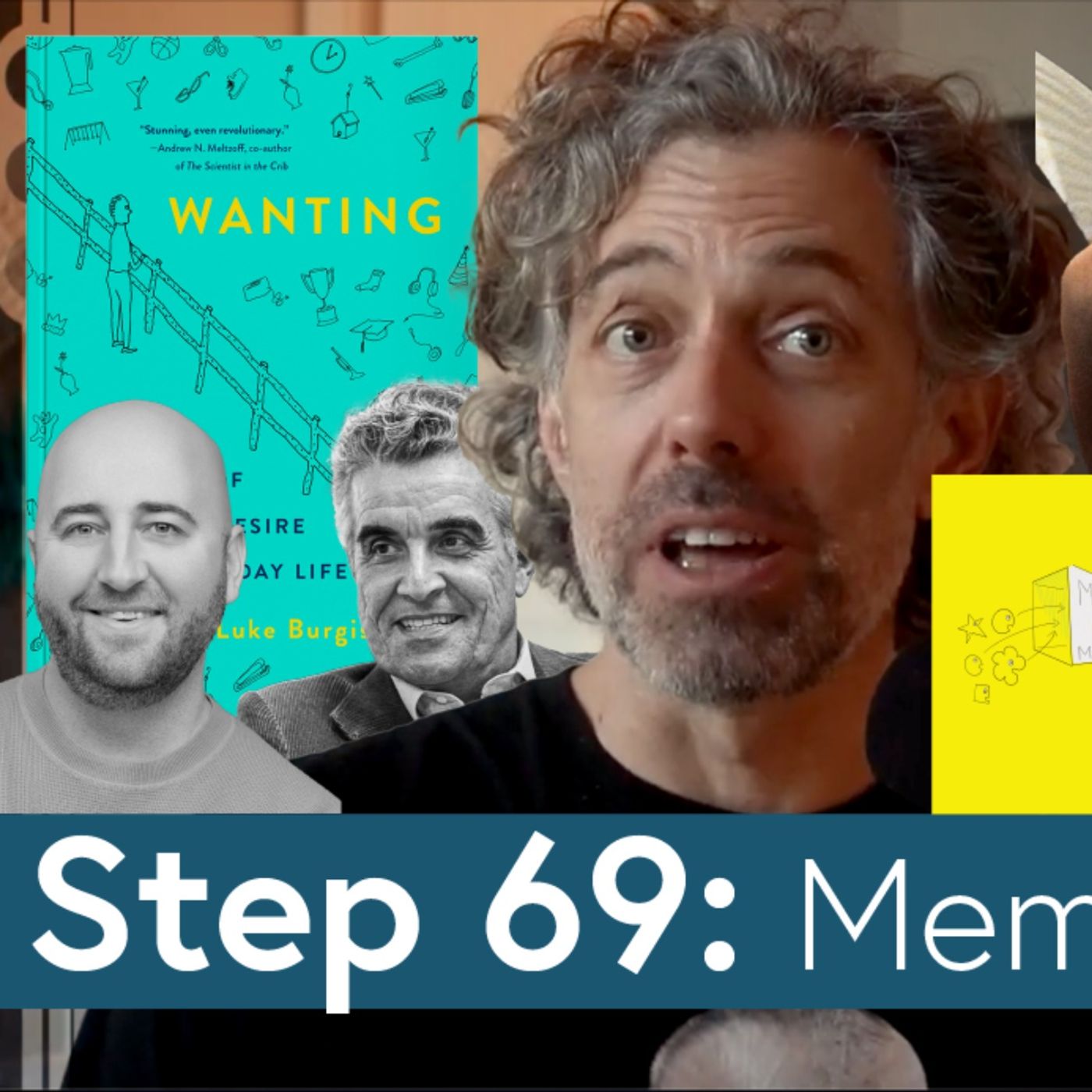 Mimetic Desire | https://www.letusthinkaboutit.com/step-69-memetic-desire/ 0:00 Intro1:22 What is mimetic rivalry? memtic desire.2:48 Mimicry as an internal set of neurosis.5:05 What we want is the attention and control that someone else wanted first.7:14 If somebody else wants something, our survival depends on us getting to it first.9:47 Shakespeare’s Romeo and Juliet.11:28 Accelerationism is a means to break out of the deadlock of capitalism.12:56 All of our focus is now embodied in winning the object.14:46 If the system is good enough, it will disperse the energies.16:37 How capitalism fits into all of this. | — | ||||||
| 12/10/22 | 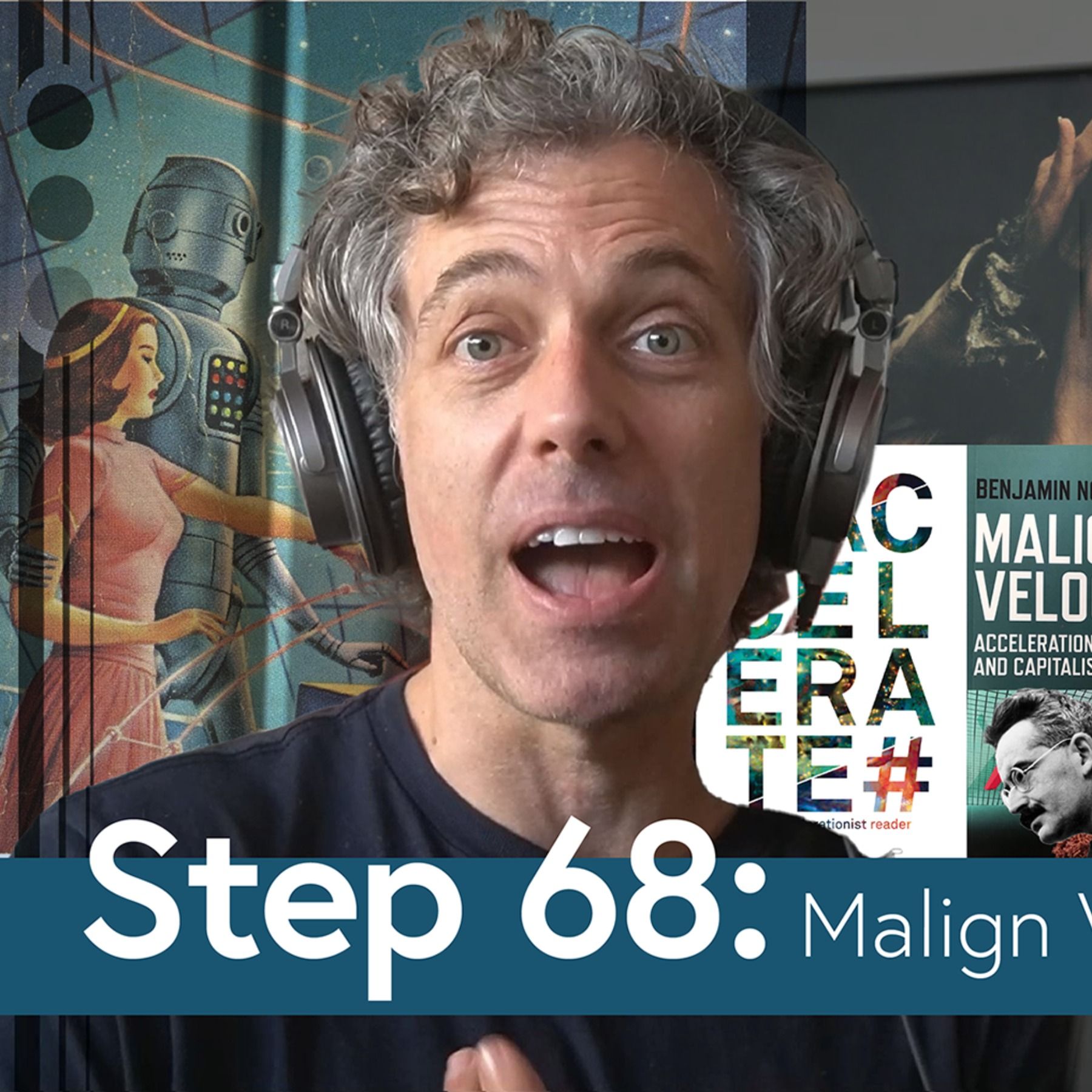 Malign Velocities (Accelerationism) | A deeper dive into accelerationism, jumping from Marx and labor automation to the libidinal economy, joy in pain, the value of poop, and sex as work in the machinic future. There are good reasons to accelerate beyond our current state, but Walter Benjamin advises using the "emergency brake" instead of blindly rushing into the unknown. Drawn primarily from Benjamin Noys "Malign Velocities" there are also references to "#Accelerate" and Lyotard, Bataille, Deleuze & Guatarri, and Godard's "Weekend." | — | ||||||
| 11/7/22 |  Accelerationism & Futurism | A convoluted romp from 1909 to 2008: the Italian futurism war machine and speed worship into the Accelerationists cyber-dream of progress through technology beyond the limits of capital. One pesky problem: humanity, with its slow flesh and bothersome morals, is slowing us down. | — | ||||||
| 9/24/22 |  Cybernetics & Capitalism | Regulating a system means moderating excessive energies. Is capitalism moderating not only our desires but our rebellions as well? By applying self-regulation theory (or cybernetic "circular causality") we see how feedback requires a change (or correction) to maintain a steady state. When we protest and rebel, are we just offering feedback on how capitalism should alter itself to maintain its dominance? Then perhaps the answer to how to break capitalism comes from its manipulations of us: we can use the excess desire and rage to refuse participation, rather than increasing our consumptive misery. | — | ||||||
| 8/31/22 |  The Path of Opposition (Failure as Transcendence) | Opposites travel different paths, that is the shape of their antagonism. While the two opposites can become one by circling around to meet, other paths (such as the Mobius strip) never allow contact, yet the opposition reverses polarity. Right to Left. Looking at Peaky Blinders, Hegel, Slavoj Zizek, Graeme Wood, and a few others we chart how the contradictory failure to sublimate (ascend) is inscribed within us: our failure is our path to transcendence. 0:00 intro 3:37 part 1: the path for the 2 to become 1 (the 2 is 1, linked through exclusion) 6:55 part 2: the circle into the Mobius strip (3 antagonistic motions: convergence, rotation, flipping sides) 14:52 part 3: going down to get through (mining the ground, going through, donuts) 18:54 part 4: the knot (tying it up, the 2 is not 2, your failure is your path) 22:10 outro | — | ||||||
Showing 25 of 89
Pitch Fit is a Pro feature
See how bookable this show is for guests, which brands already advertise, the per-episode ad value, and the best-fit guest and sponsor profile. The numbers are blurred on the free plan.
How readily this show books outside guests like you.
How proven this show is for host-read sponsorships.
For Guests
ProFor Advertisers
ProUpgrade to Pro to unlock guest cadence, sponsor categories, fit scores, and per-episode ad value for this show.
Chart Positions
2 placements across 2 markets.
Chart Positions
2 placements across 2 markets.