
Insights from recent episode analysis
Audience Interest
Podcast Focus
Publishing Consistency
Platform Reach
Insights are generated by CastFox AI using publicly available data, episode content, and proprietary models.
Total monthly reach
Estimated from 1 chart position in 1 market.
By chart position
- 🇦🇺AU · Religion & Spirituality#1465K to 30K
- Per-Episode Audience
Est. listeners per new episode within ~30 days
2.5K to 15K🎙 ~2x weekly·575 episodes·Last published today - Monthly Reach
Unique listeners across all episodes (30 days)
5K to 30K🇦🇺100% - Active Followers
Loyal subscribers who consistently listen
2K to 12K
Market Insights
Platform Distribution
Reach across major podcast platforms, updated hourly
Total Followers
—
Total Plays
—
Total Reviews
—
* Data sourced directly from platform APIs and aggregated hourly across all major podcast directories.
On the show
Recent episodes
How to choose well – and to live well – when we’re overwhelmed by choice, with Alan Noble
Jun 24, 2026
Unknown duration
The Last Dirty Word: ‘Dependence’
Jun 10, 2026
Unknown duration
The Second Act: the risk and reward of changing careers
May 27, 2026
Unknown duration
The AI Revolution and the Human Future
May 13, 2026
Unknown duration
Why do we love being scared to death? Kutter Callaway explains
Apr 29, 2026
Unknown duration
Social Links & Contact
Official channels & resources
Official Website
Login
RSS Feed
Login
| Date | Episode | Description | Length | ||||||
|---|---|---|---|---|---|---|---|---|---|
| 6/24/26 |  How to choose well – and to live well – when we’re overwhelmed by choice, with Alan Noble | In a world where we are inundated with options, it feels as though everything rides on making the right choice. Enter decision paralysis.LONG From TikTok influencers to productivity bros, there’s no shortage of people today doling out lifehacks. But there’s a difference between generalised advice from online gurus and the specific guidance we want for our lives – especially when we’re faced with weighty decisions, like what to do with our lives, where to live, how to push through a difficult time.Alan Noble, an Associate Professor of English at Oklahoma Baptist University and the author of To Live Well: Practical Wisdom for Moving Through Chaotic Times, has talked to many young people navigating such questions, and understands, firsthand, the anxiety of feeling adrift in a sea of options while also feeling pressured to make the right decision.In this interview with Life & Faith, Alan speaks into the existential overwhelm and choice paralysis people feel, what T.S. Eliot’s image of ‘a heap of broken images’ has in common with the scattered life advice on offer today, and what it would mean to revisit older notions of ‘virtue’ and ‘character’ to help us make sense of how we should live.We also speak with Sofia, Brodie, Jordan, and Ana. Each tells us about a significant life decision, or challenging circumstance, they’ve faced lately, and what they’ve learnt from the experience. Sofia, 22, and Brodie, 21, have transitioned from university study to the workplace. Jordan, 25, tells us about navigating a career setback. And Ana, 43, tells us how life took an unexpected turn when she became a newlywed at 40, and fell pregnant last year.Through their stories, we experience not only the difficulty of choosing well but grappling with uncertainty since, as Alan writes in To Live Well, ‘you can’t wait for certainty before you act’. Along the way, the stories of Ana, Jordan, Brodie, and Sofia each have something to teach us about being courageous – with ‘courage’ or ‘fortitude’ being one of the virtues.Explore Alan Noble’s To Live Well: Practical Wisdom for Moving Through Chaotic TimesHis other books On Getting Out of Bed: The Burden and Gift of LivingYou can sign up for his Substack newsletter here | — | ||||||
| 6/10/26 |  The Last Dirty Word: ‘Dependence’ | We think we’re fully human when we’re independent of other people. We couldn’t be more wrong, says Leah Libresco Sargeant.Is dependence taboo?We may be happy to lend a hand to others, but we probably squirm at the idea of asking for help ourselves. In a world that prizes autonomy and independence, it feels almost shameful to be dependent.Which is partly why Leah Libresco Sargeant got pushback from her publisher about putting the ‘d’ word – dependence – in the title of her book The Dignity of Dependence: A Feminist Manifesto. (Actually, as she tells Life & Faith, every word in that title proved controversial).The word ‘dependence’ was especially tricky, says Sargeant, because we resist the idea of someone ‘taking from someone else’ without being able to pay them back.But this is the very idea Sargeant, a Catholic thinker and author, is trying to defend: ‘There are periods of our lives where we receive from others and where we can’t pay back, and that’s a normal period of a human life’.Sargeant points out that when we operate with a faulty anthropology – a false picture of the human – then the world only works for those who conform to that false image. If we believe that a full human life is an independent one, we’ll stigmatise dependence.But this is untrue, since every human begins life completely dependent on others. It also leaves out vast swathes of people – including women who, for a variety of reasons, are more exposed to the need of others. Which is partly why our conversation begins with the striking claim Sargeant makes on the first page of her book: ‘The world is the wrong shape for women’.ExploreThe Dignity of Dependence: A Feminist ManifestoLeah Libresco Sargeant’s Other Feminisms Substack newsletterInterview featuring Leah Libresco Sargeant in conversation with Helen Andrews on Ross Douthat’s podcast Interesting Times | — | ||||||
| 5/27/26 | 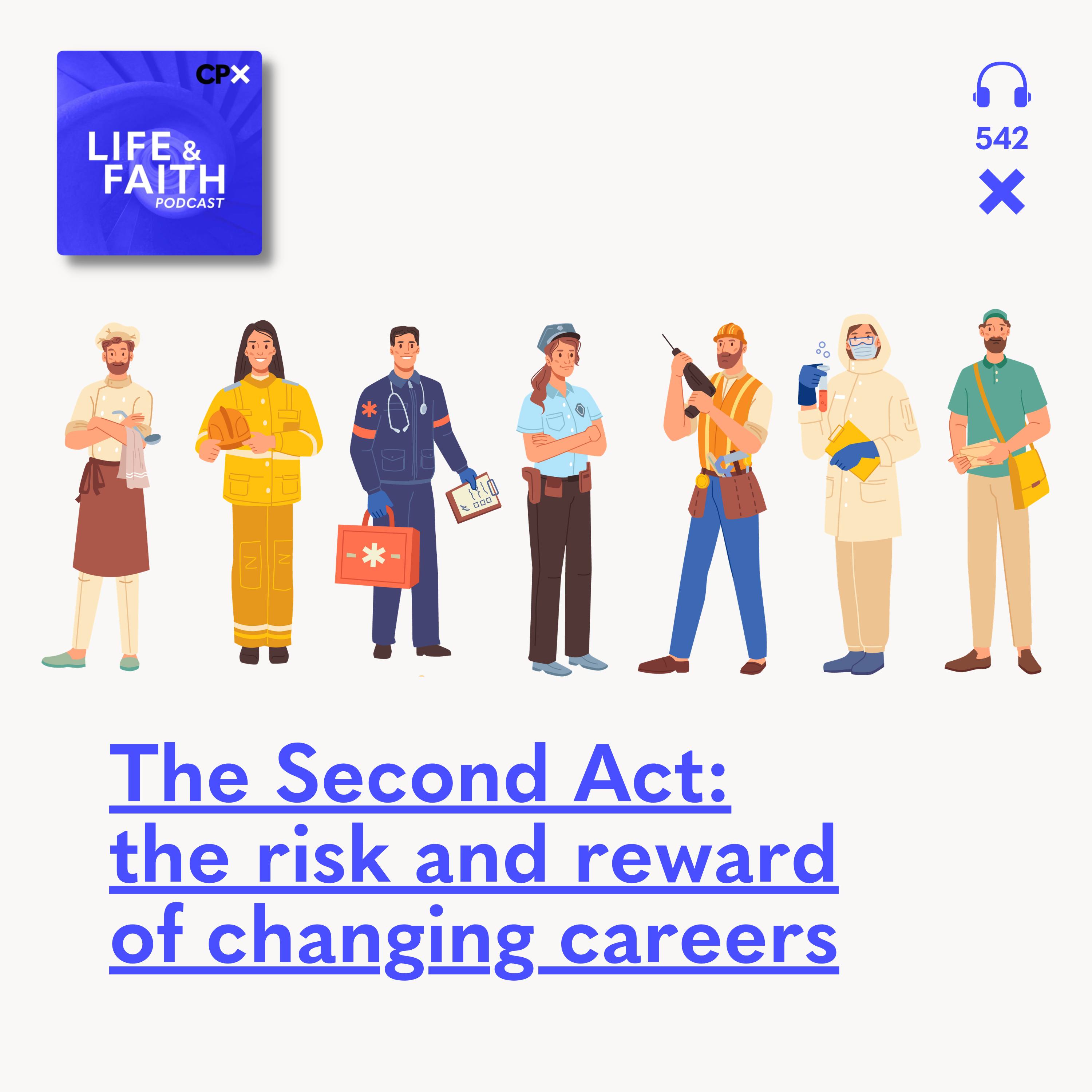 The Second Act: the risk and reward of changing careers | Changing careers can be tough. Is it worth the risk?Shifting careers into something completely new, especially if you have been doing a job for a long time, can be a daunting prospect. But it can also be immensely rewarding. In this episode of Life & Faith we speak to three people who made radical changes in their careers and lived to tell the tale!A hairdresser trains to be a nurse. A singer shifts to art teaching. A customs agent becomes a paramedic.What did these changes involve? What was the motivation? Was it all worth the pain? And where do we find the deepest satisfaction in our work? | — | ||||||
| 5/13/26 | 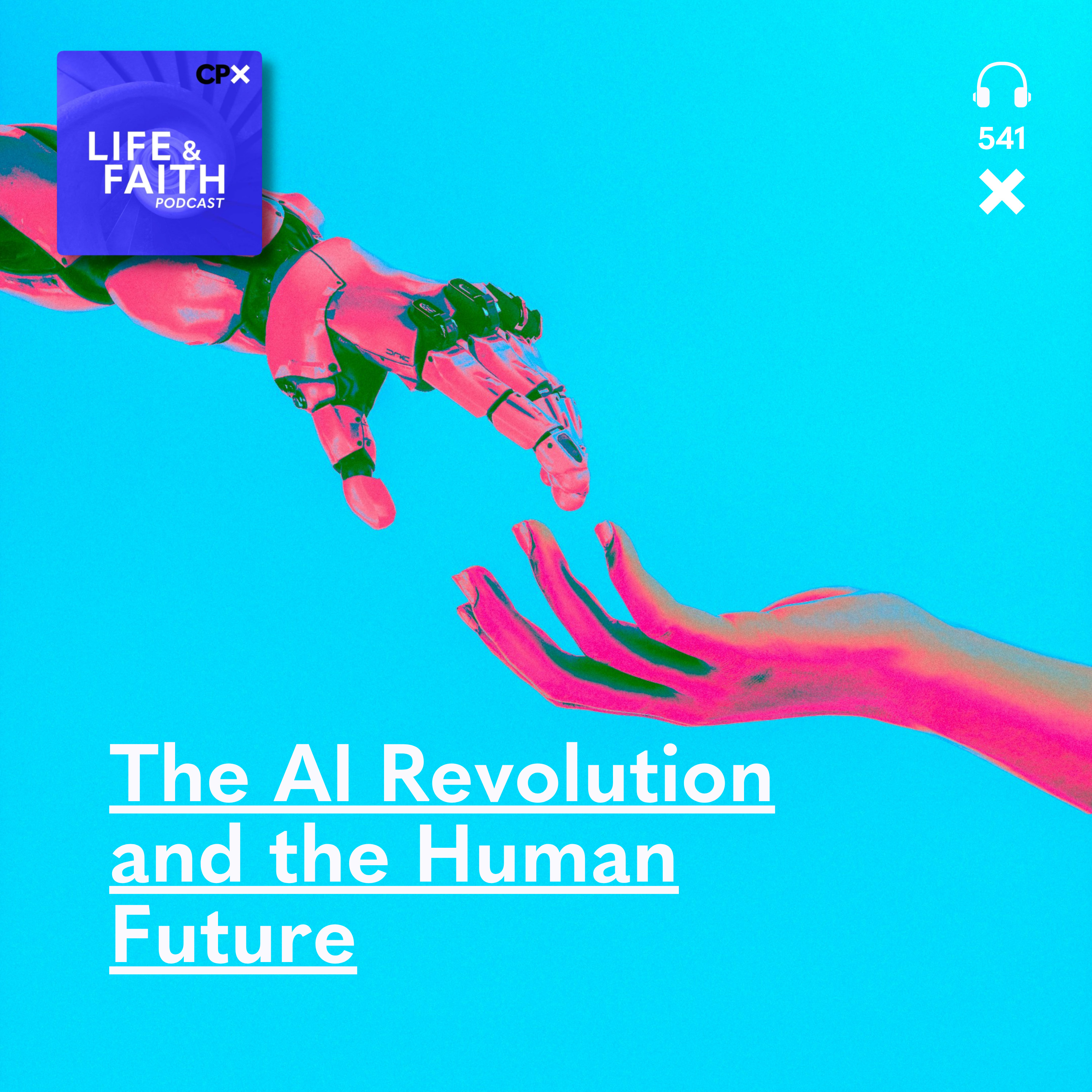 The AI Revolution and the Human Future | Philosopher Meghan Sullivan on why Christianity has a vital role to play in helping us maintain our humanity in the face of AI.With the AI revolution upon us we all face great uncertainty about the future and what this technology will mean for our lives. There will be plenty that we can be grateful for, perhaps excited about.But there are serious concerns being raised as well. What will this technology mean for future employment, communities and how we understand our humanity?What do faith traditions, and particularly Christianity, have to contribute to this urgent discussion.Meghan Sullivan is a professor of philosopher at Notre Dame university in the U.S. and also the founding director of Notre Dame’s Institute for Ethics and the Common Good.Her institute recently received a very large grant to develop a faith-based approach to AI ethics.Here Meghan Sullivan speaks to Life & Faith about what concerns she has about AI, the ways it could go badly, but also why she is optimistic about a future with AI firmly in place.Explore:Notre Dame Institute for Ethics and the Common Good (ethics.nd.edu)The Good Life Method: Reasoning through the big questions of happiness, faith and meaning. | — | ||||||
| 4/29/26 | 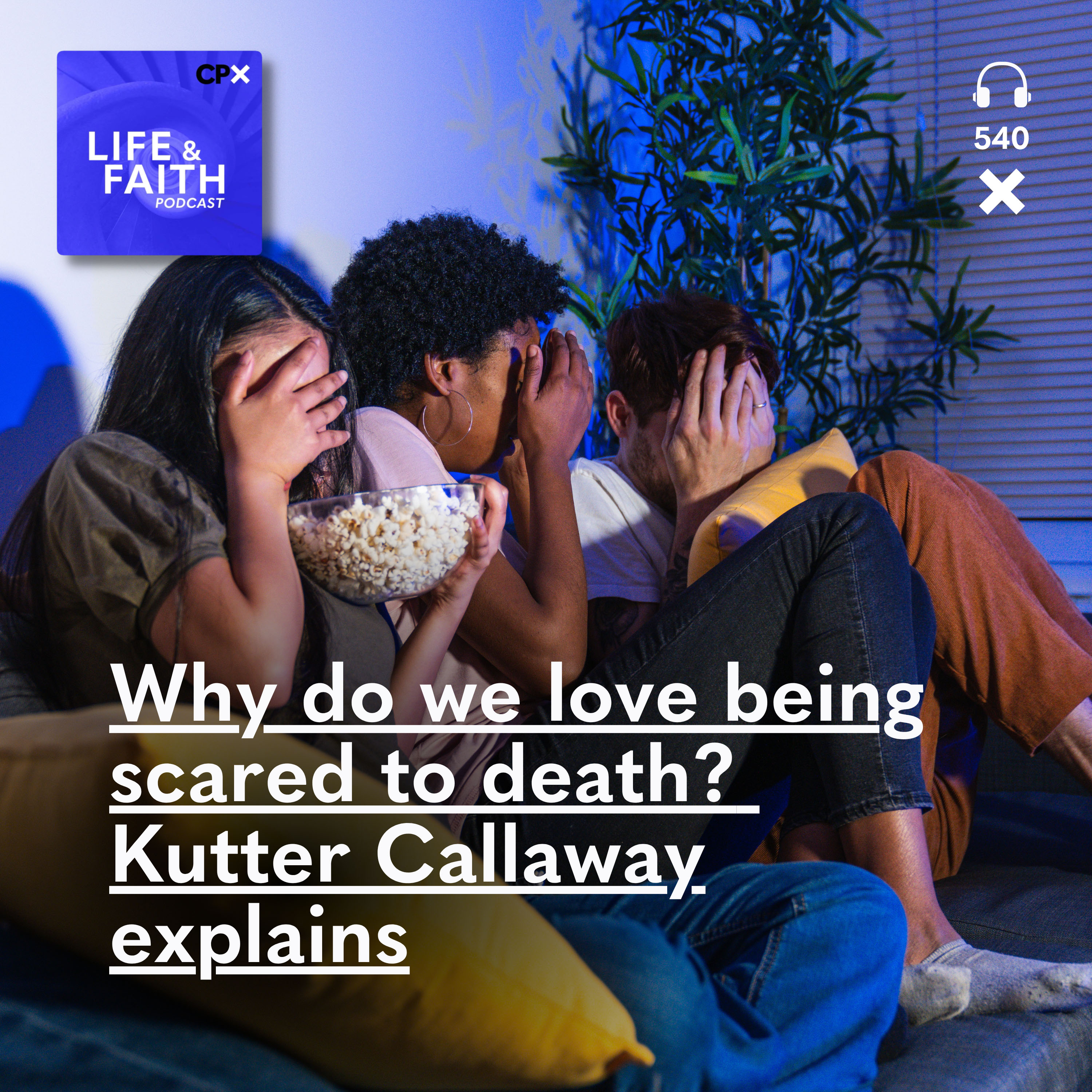 Why do we love being scared to death? Kutter Callaway explains | Kutter Callaway on Comedy, Horror and human imagination. Since he first encountered Star Wars as a young boy, Kutter Callaway has been fascinated by film, television and the stories that capture our collective imaginations. With PhDs in theology and also psycho-social science, he applies his skill and experience in these areas to interpret visual storytelling and examine key aspects of being human.What are the factors of modern life that enhance our imaginations? And how much do we find ourselves part of a story that can sustain us and answer our deepest longings?Kutter Callaway speaks to Life & Faith about comedy, horror and how beauty can be found in even the darkest of places. Discover: Dr Callaway’s website https://www.kuttercallaway.com/His upcoming book on Horror Films, Be Afraid: What Horror Reveals about Facing the Darkness Reel Dialogue: Pulling back the curtain to see the connection between film and faith. | — | ||||||
| 4/15/26 |  The man who measures Australia: What Mark McCrindle has learned over 20 years. | Social researcher and demographer Mark McCrindle tells us how Australia is changing (and sometimes staying the same). What are the likely impacts of generational shifts and trends?Mark McCrindle is a social researcher and demographer who has been studying Australian life for twenty years. He and his team have gathered important insights into who we are, what we love, how we have changed and how we have stayed the same. Also, where we are finding meaning, purpose and joy, and what’s driving our behaviour.Mark discusses with Life & Faith the prevalence and likely causes of loneliness and the place of faith and faith communities in Australian life. Are we more open to spiritual conversations than we once were? In a rapidly changing world what are the positive changes and signs of hope? What are the likely future directions of the country?Explore:https://mccrindle.com.au/Generation Alpha: Understanding our children and helping them thriveWork Wellbeing: Leading thriving teams in rapidly changing timesWord up: A lexicon and guide to communication in the 21st centuryThe Generations Defined: Navigating the New Landscape of employees and consumers (report) | — | ||||||
| 4/1/26 | 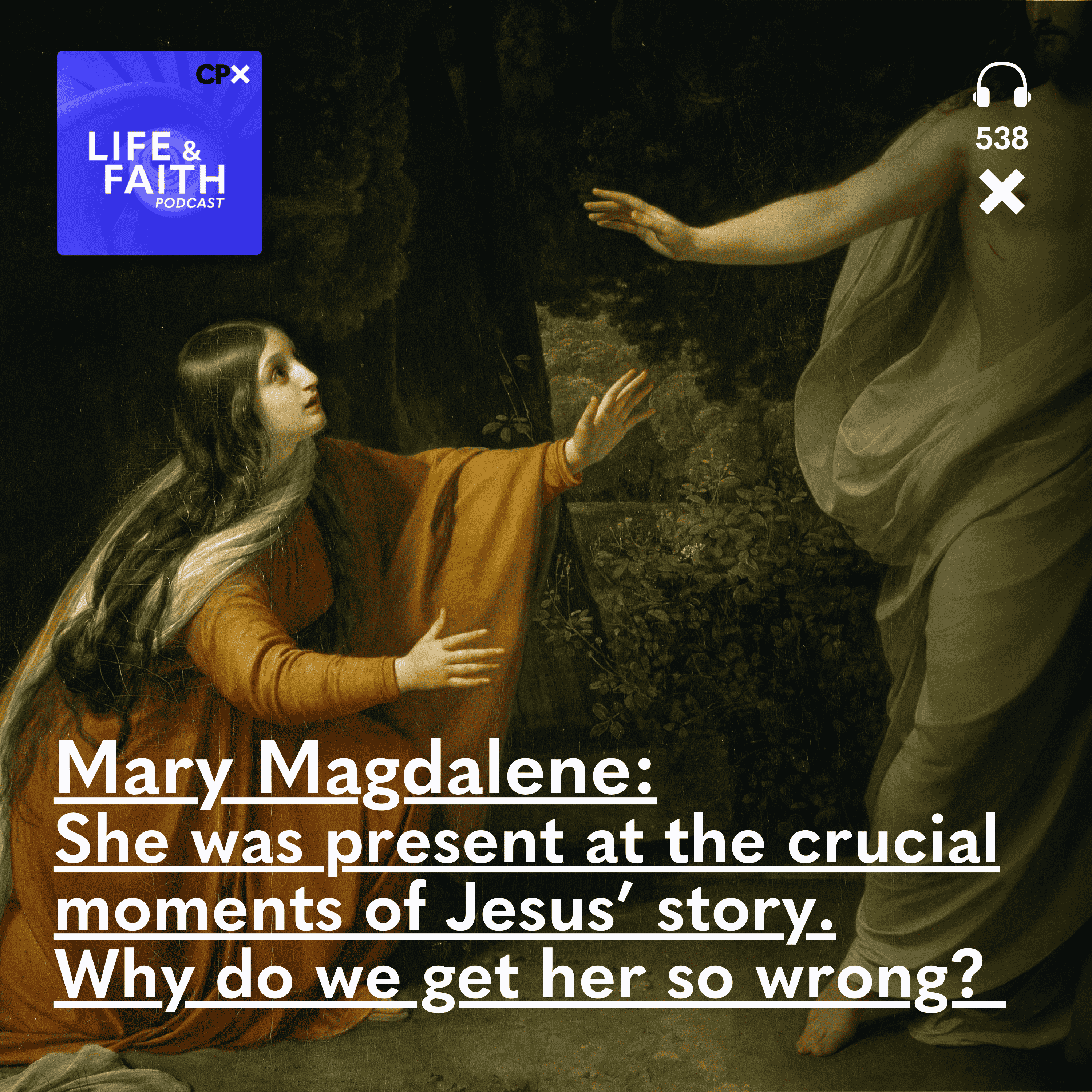 Mary Magdalene was present at the crucial moments of Jesus’ story. Why do we get her so wrong? | Jennifer Powell McNutt has spent years studying Mary Magdalene. She wants us to know who she really is.Mary Magdelene is both well-known and yet not known at all. She has appeared prominently in art and popular culture in things like the musical Jesus Christ Superstar (1973) or in the film The Last Temptation of Christ (1988) or Dan Brown’s The Da Vinci Code (2003).She has often been inaccurately portrayed as a penitent prostitute and is sometimes presented as a romantic partner of Jesus. She was present at all the crucial moments of Jesus’ story, but history has frequently failed to recognise her remarkable contribution.Jennifer Powell McNutt wants to correct that error. She is a Professor of Theology and History at Wheaton College in Illinois and the author of The Mary We Forgot. She thinks we are right to remember Mary Magdelene, but not for the reasons that many people think.Explore: The Mary We Forgot: What the Apostle to the Apostles Teaches the Church Today | — | ||||||
| 3/18/26 | 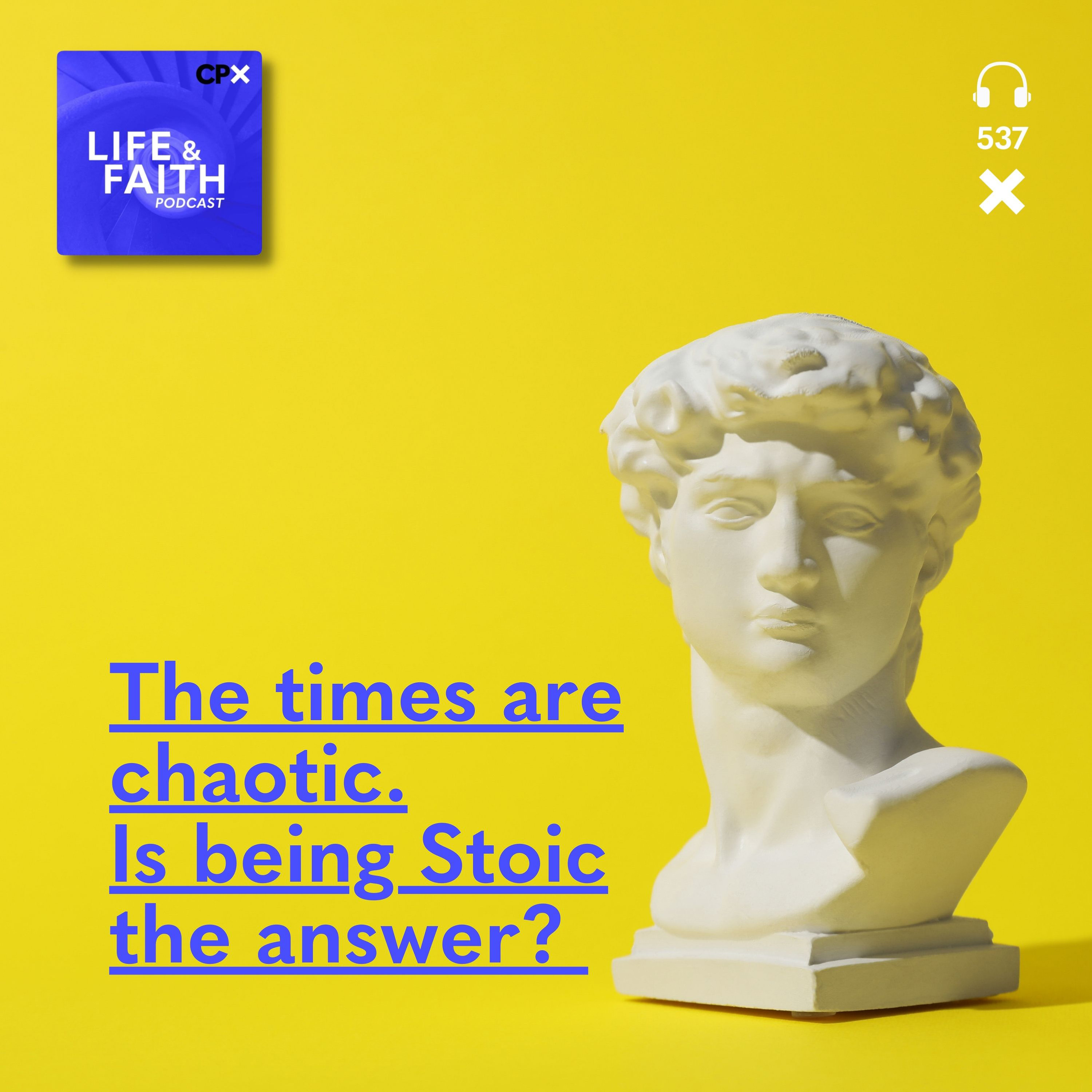 The times are chaotic. Is being Stoic the answer? | Brigid Delaney, Australia’s resident expert on Stoicism, draws on ancient wisdom to survive the storm of modern life.---How do you cope when things seem to be spinning out of control?In recent years, the ancient Greek philosophy of Stoicism has made a comeback. It’s especially big in Silicon Valley, where modern Stoics pore over the writings of the ancient Stoics – Roman Emperor Marcus Aurelius, Roman statesman and philosopher Seneca, and Greek slave-turned-philosopher Epictetus – to work out how to thrive in challenging times.The philosophy has a reputation for being dour and stiff-upper-lipped. But if this world is all there is and there is no one coming to save us, then for Stoics it makes sense to face reality and get on with life.Brigid Delaney is enormously prolific. She has worked as a political speechwriter, lawyer, journalist, travel writer and screenwriter. She’s also written two books on Stoicism: The Seeker and the Sage: A Stoic Conversation to Hold You Together in a Fractured World, published late in 2025, and Reasons Not to Worry: How to Be Stoic in Chaotic Times, published in 2022.Brigid explains how Stoicism has made her less angry and reactive, and changed how she thinks about the world. Also how, in places, it overlaps with Christian thought and practice – to the degree that someone even forged a correspondence between Seneca and the Apostle Paul, who were contemporaries of each other.In this episode, we also talk to Louis Markos, the Robert H. Ray Chair in Humanities at Houston Christian University, and a passionate devotee of ancient Greek thought, to get a sense of how Christianity differs from Stoicism. Stoicism assumes an impersonal, yet ordered universe. Christianity asserts that the order guiding the universe is personal, that in Jesus, “the Word became flesh”.Explore: Brigid Delaney’s The Seeker and the Sage and Reasons Not to Worry.Brigid Delaney’s previous interview on Life & Faith: Misadventures in Wellness.Brigid Delaney’s column in The Guardian on the experience of attending two funerals – one secular, one faith-based – in quick succession.Follow Brigid Delaney on Substack or Instagram, or check out her consultancy Stoic Solutions.Lou Markos explains the similarities and differences between Christianity and Stoicism, and why he thinks the latter is the sanest, most reasonable option out there – if Jesus hadn’t risen from the dead.Lou Markos’ From Aristotle to Christ, From Plato to Christ, From Achilles to Christ. | — | ||||||
| 3/4/26 | 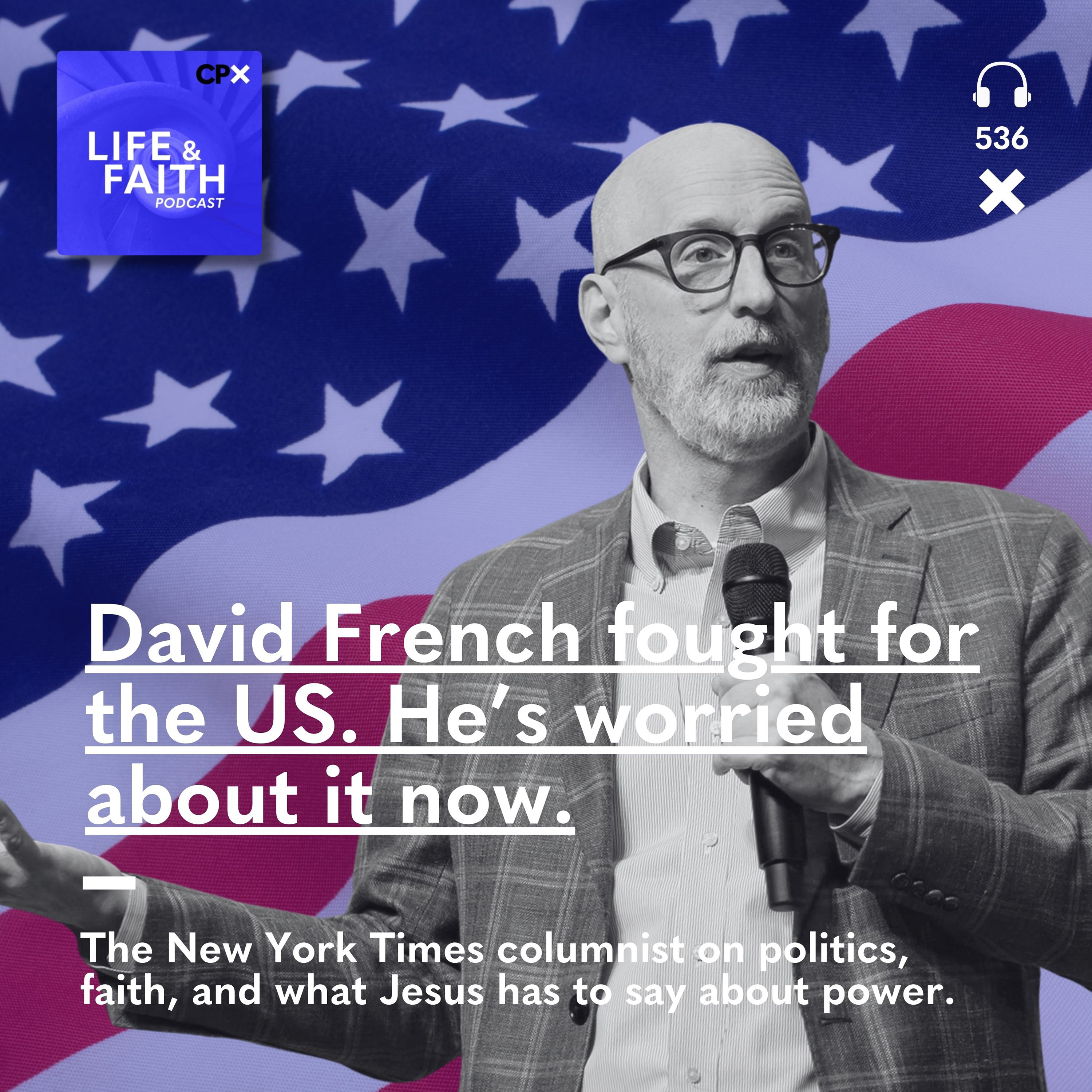 David French fought for the US. He’s worried about it now. | New York Times columnist and ex-soldier David French on his surprising career trajectory, faith and politics, and what Jesus has to say about power.---David French has a fascinating life story that has seen him work as a constitutional lawyer for 20 years, a journalist and writer for places like the National Review, the Atlantic, and now the NYT.He is a writer and commentator with a conviction to wrestle with and try to make sense of the country that he loves – its history, its possibilities and its faults, and how it can be the best version of itself that it can be.It was at least partly that conviction that led him, at age 37, to sign up to the U.S. Army where he deployed to Iraq. That experience changed him in many different ways, he says, for better and also worse.In this interview with Life & Faith, French talks about polarisation, faith and politics, Jesus and power, Christian nationalism, and where he sees green shoots of hope in an otherwise troubling landscape.Explore:David’s New York Times Columns.His book, Divided We Fall: America's Secession Threat and How to Restore Our Nation. | — | ||||||
| 2/18/26 |  The Year of Getting Off Your Phone | Some principles, some practices, and a bit of inspiration for the digitally exhausted.We pick up our phones 150 times per day on average.Three out of four Australians check social media as soon as they wake up. Four out of five check it before they go to bed. These ‘micromoments’ add up – the ways we choose (consciously or not) to spend our time shape us. Many of us find ourselves dissatisfied in the ‘relationship’ we have with our phones, and wanting to make a change. But breaking up is hard!In this first episode of Life & Faith for 2026, we consider the forces at work when it comes to our digital habits, why we might choose to reduce our phone use, and how.Simon, Justine, and Natasha confess and compare their daily average screen time. Felicia Wu Song, author of Restless Devices: Recovering Personhood, Presence, and Place in the Digital Age, describes the ‘digital ecology’ we inhabit and the ‘liturgies’ we participate in – and proposes some practices, or ‘counterliturgies’, that might help us move in a different direction. Plus, a bunch of people who’ve taken various steps to get off their phones tell a remarkably consistent story about why they did it, and how it’s changed their lives.More and more of us are joining the ranks of the ‘digitally exhausted’, and looking for a better way forward. If you want it to be, this is the year of getting off your phone.Explore: Felicia Song’s book Restless Devices: Recovering Personhood, Presence, and Place in the Digital Age | — | ||||||
Want analysis for the episodes below?Free for Pro Submit a request, we'll have your selected episodes analyzed within an hour. Free, at no cost to you, for Pro users. | |||||||||
| 12/10/25 | 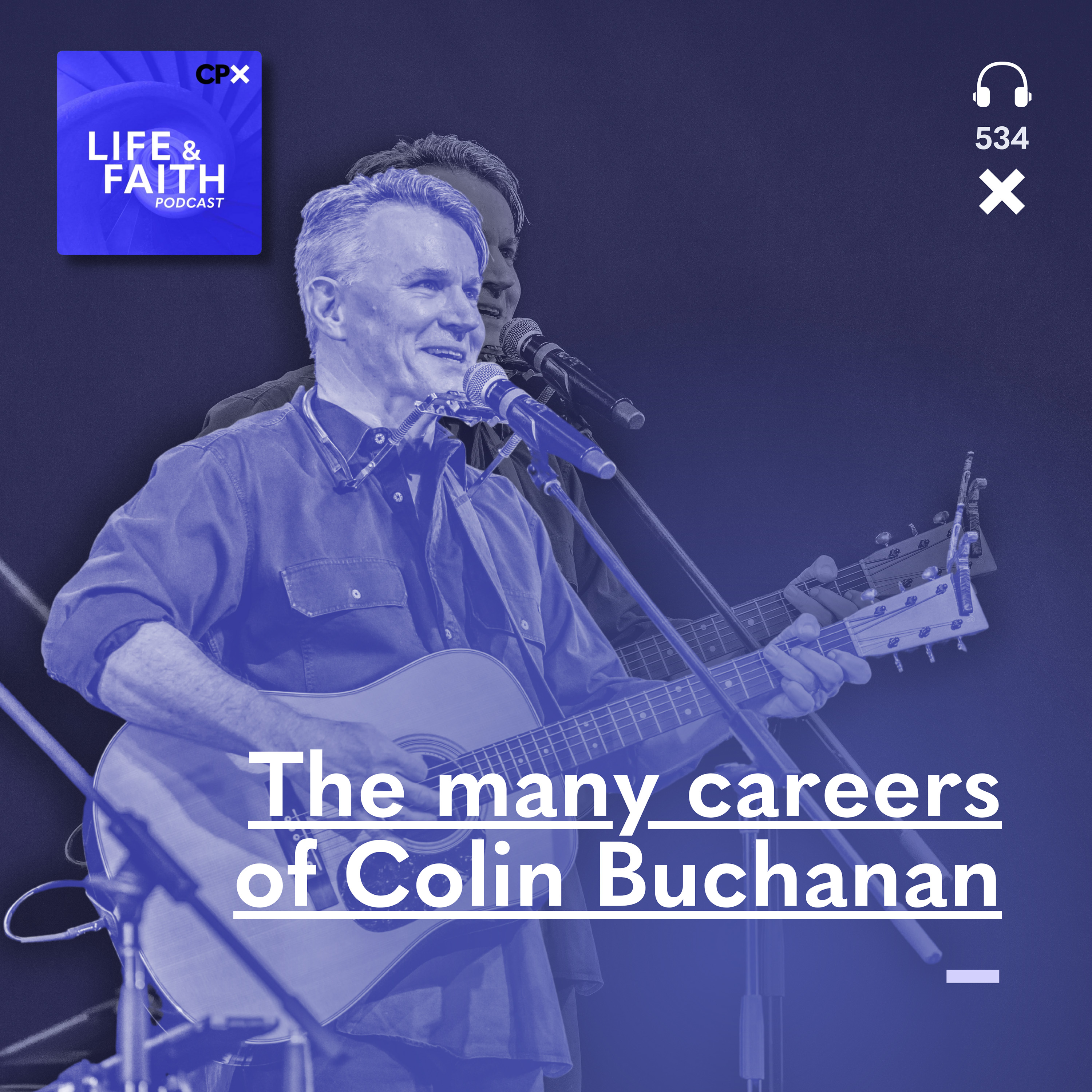 The Many Careers of Colin Buchanan | Life & Faith brings you a conversation with an Aussie icon.“Write the song and just let the song be a mirror on life, and then see if people see themselves in the picture.”You might know Colin Buchanan as an Australian country music star, as a much-loved writer and performer of kids’ music, as a Play School presenter, or from one of the other myriad hats he’s worn over the years. And if you don’t know him, you’ll definitely feel like you do at the end of this rollicking hour spent in his company.Come along for the ride as Colin takes Life & Faith on a journey into the heart of the outback, the inner workings of the creative process, and the depths of the Bible, with stops along the way to chat comedy, Christmas, and Play School bloopers. He also plays us a song or two.---EXPLORE:Check out Colin’s music (past and forthcoming), and upcoming performances, here | — | ||||||
| 11/26/25 | 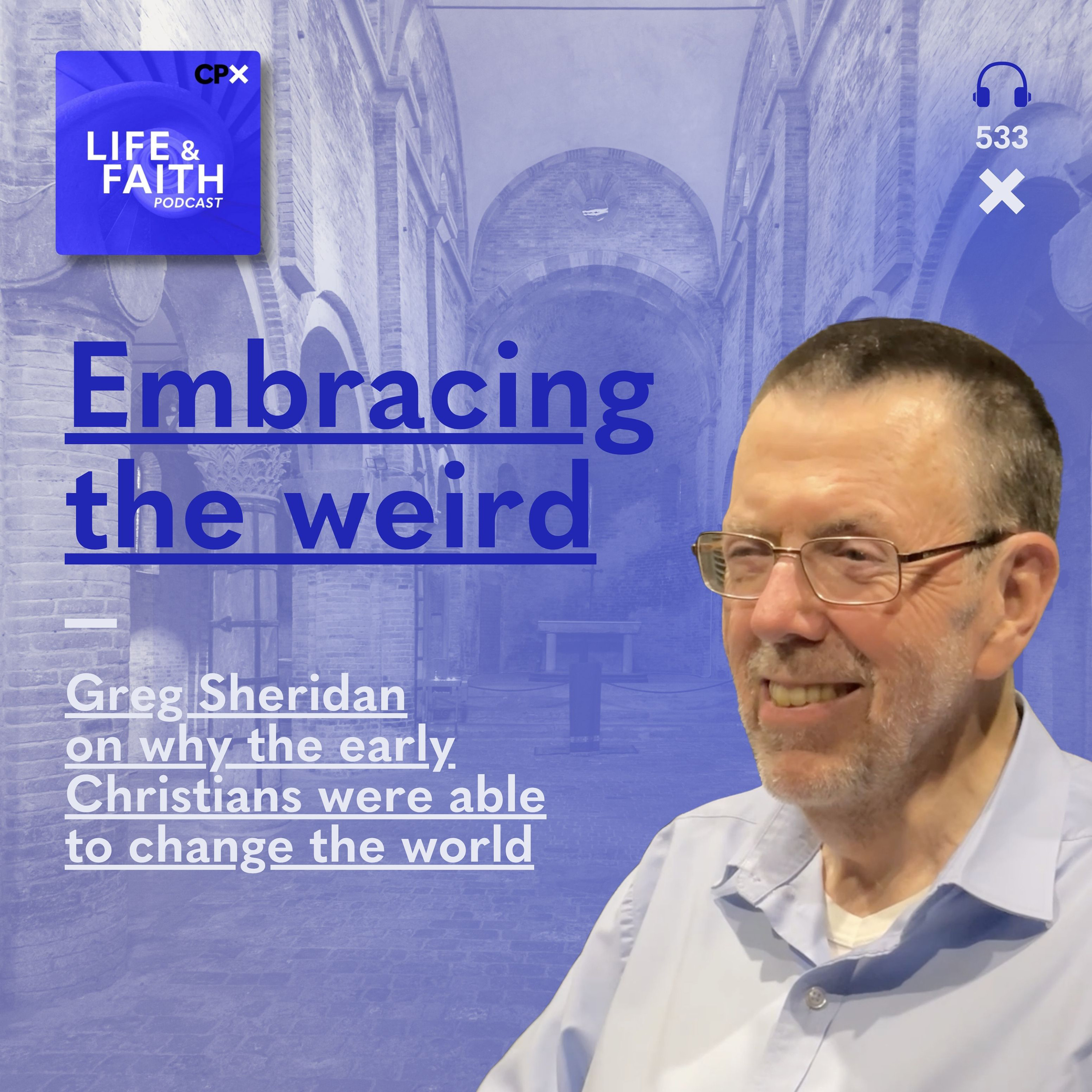 Embracing the Weird | Greg Sheridan on why the early Christians were able to change the world.Greg’s third in a trilogy of books on Christianity examines the “success” of the early Christians in upending the ancient world, and how this story speaks to contemporary life. Greg Sheridan has been the foreign editor at the Australian newspaper since 1992. He is one of Australia’s leading national security and foreign affairs analysts, and has interviewed Prime Ministers and Presidents all over the world.He also writes about Christianity and culture and his last three books have been on that subject. The first, in 2018 was “God is Good For You: A Defence of Christianity in Troubled Times.” In 2021 he delivered “Christians: The Urgent Case for Jesus in Our World.” And in 2025 we have “How Christians Can Succeed Today.”Greg is able to bring ancient stories to life with his journalistic style, insight and good humour. And he makes a compelling case for why this story remains relevant and life-giving for our times of upheaval, conflict and uncertainty.Explore:How Christians Can Succeed TodayChristians: The Urgent Case for Jesus in Our WorldGod is Good For You: A Defence of Christianity in Troubled Times | — | ||||||
| 11/12/25 | 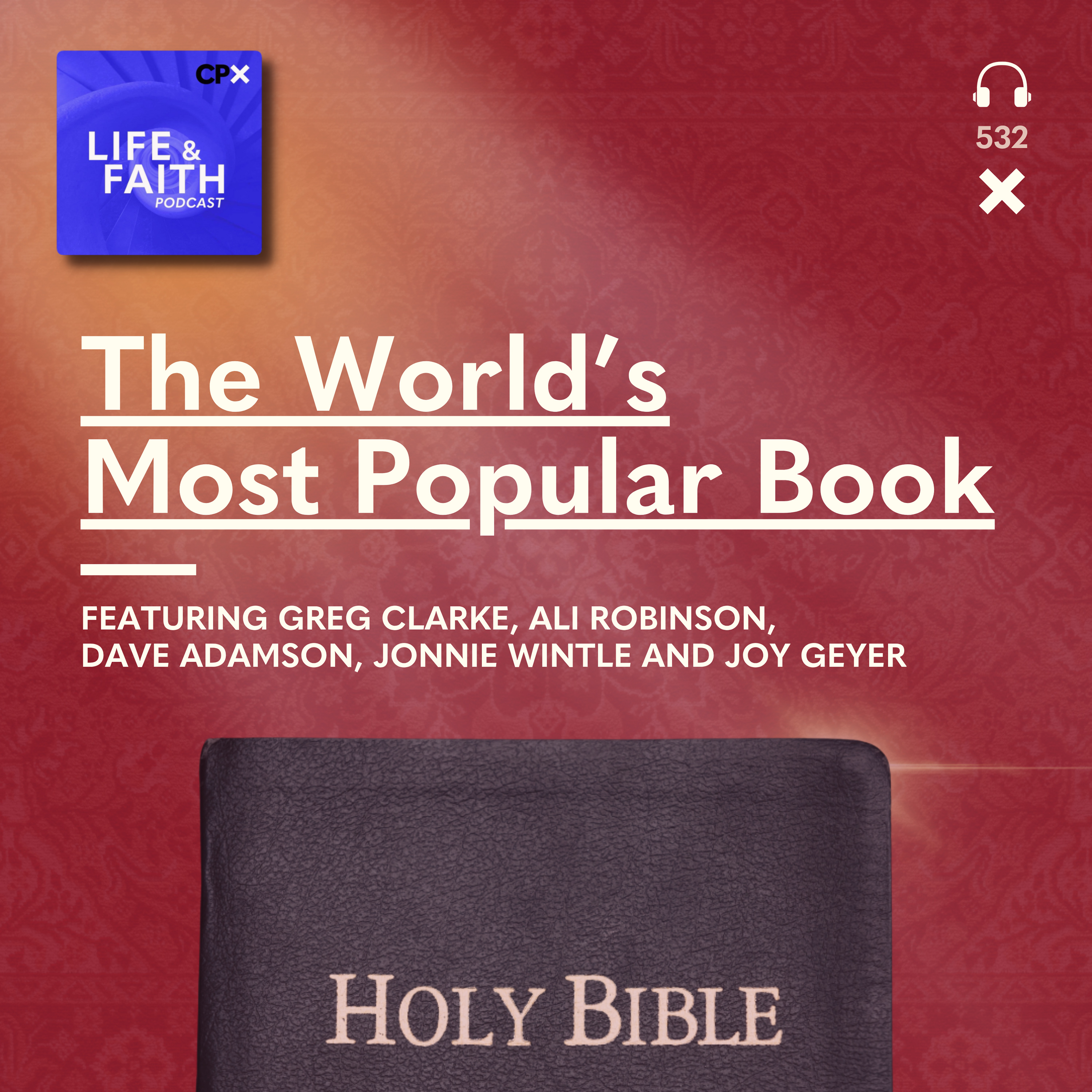 The World’s Most Popular Book | Getting inside the Bible, the most published book of all time. The Bible is the most published book of all time, and not just historically. It continues to be the case today. In fact, in 2024 Bible sales were up by 22%.In Western Countries the Bible is easily accessible but increasingly there are people who have very little contact with or understanding of the Bible.So what even is the Bible? How was it put together? What kind of influence has it had on our lives, even if we are not Bible readers ourselves?Life & Faith delves into these questions in a suitably epic episode. We speak to an academic about the cultural influence of the Bible, and a New Testament lecturer about how the Bible came together. We talk to the Australian representative of the biggest Bible app in the world about to celebrate their billionth download. And we hear from two people whose lives have been changed by reading the Bible.What do we know about “The biggest story ever told” and what does this story still have to tell us?Explore:The Great bible SwindleYouVersion and the One Billionth Download | — | ||||||
| 10/29/25 | 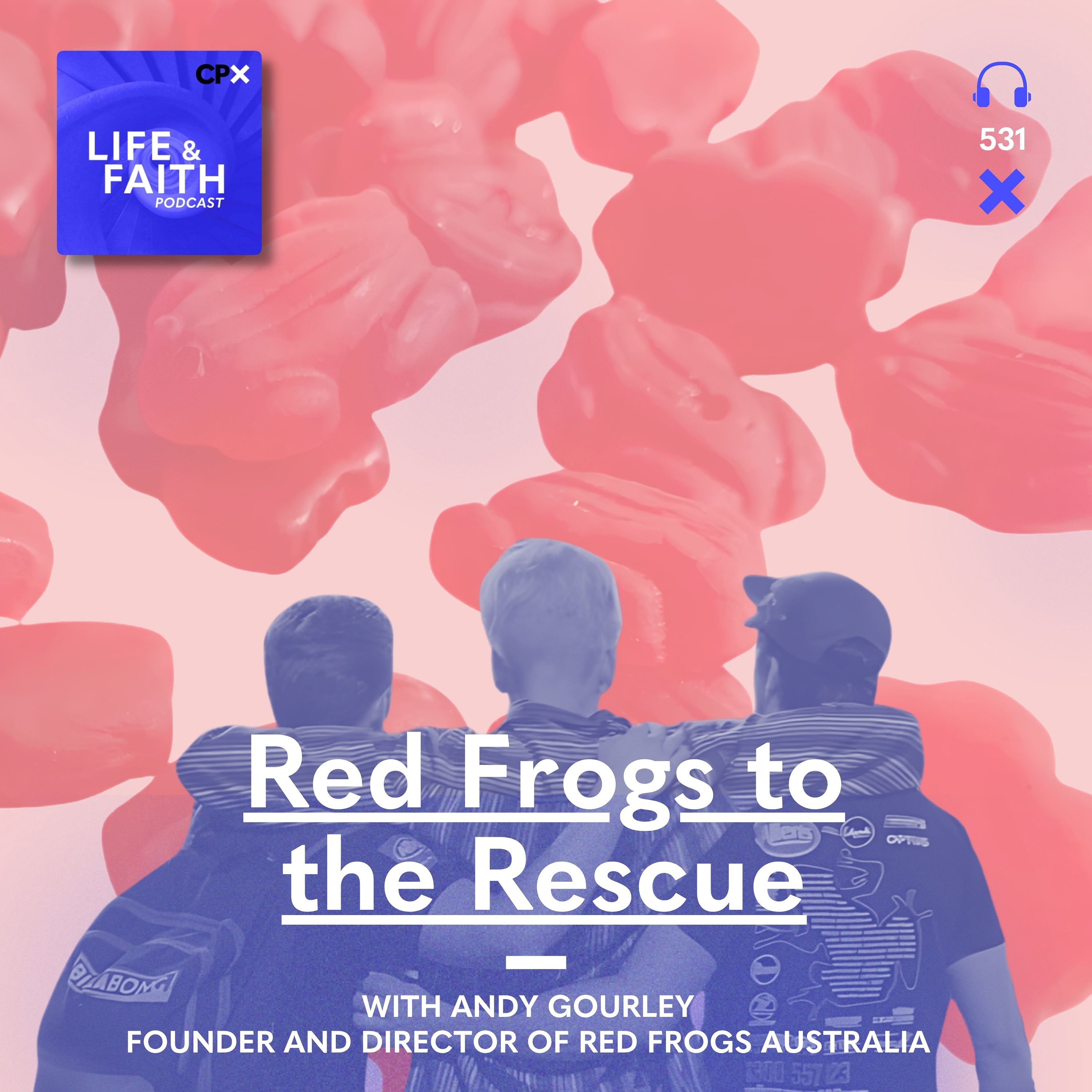 Red Frogs to the Rescue | Youth worker and founder of the Red Frogs, Andy Gourley, tells Life & Faith how a trip to the Gold Coast to look after his skateboarding crew changed his life.The group known as Red Frogs have become a legendary presence at schoolies weeks, at music festivals and wherever large groups of young party-goers congregate. Offering food, assistance, a listening ear, protection and of course, the famous red jelly frogs, this movement of young volunteers has become a household name in Australia and overseas. Andy Gourley, the founder of Red Frogs, tells us the origins of this remarkable movement. Twenty seven years ago Andy, who was a youth worker at the time, turned up at “schoolies” on the Gold Coast with a small team of people to try to lend a hand and help keep things under control. And keep people safe from life changing mistakes and consequences.Andy could not have imagined that the steps he took that week would lead to a movement in nine countries that has assisted tens of thousands of young people to party safely, and to make better decisions at a crucial stage of their lives.This year 24 tons of red frogs will be delivered to sites around the country as around 1500 volunteers assist 70,000 school leavers. Andy says he never gets tired of helping out when people most need it. For him it’s an honour. Find out why on this episode of Life & Faith.---Explore: The Red Frogs website | — | ||||||
| 10/15/25 | 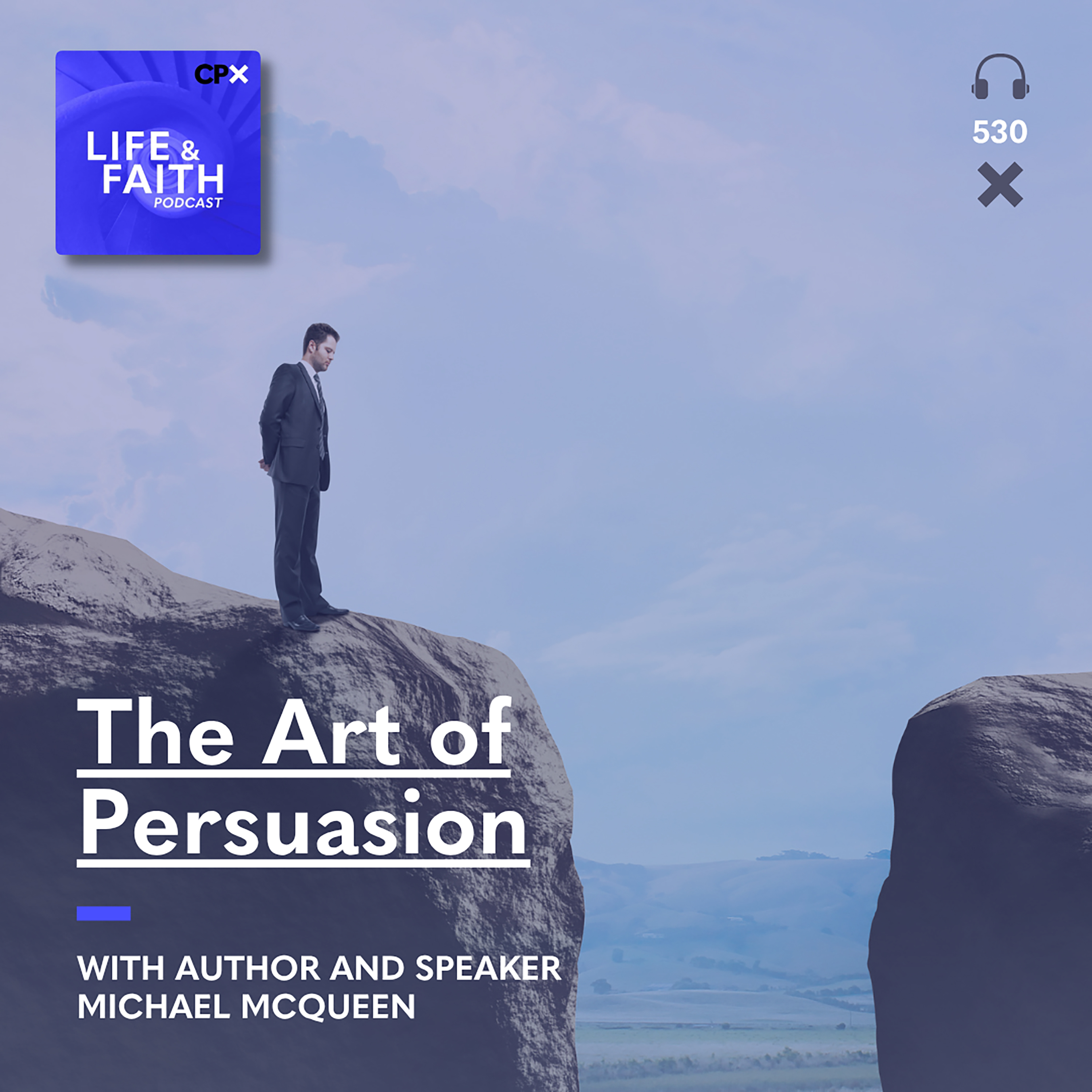 The Art of Persuasion | With outrage and division at an all-time high, the need for intelligent and respectful persuasion has never been more urgent.Michael McQueen is an author, speaker and social commentator. In an age of intense polarisation and tribalism, he hasn’t given up on the possibility of changing people’s minds. In this interview with Life & Faith, Michael talks about the psychology of stubbornness and how – even on tricky and controversial debates - we can build trust, strengthen relationships and move minds.---ExploreMichael McQueen’s website: https://michaelmcqueen.net/Check out Michael’s latest book Mindstuck: https://www.mindstuck.michaelmcqueen.net/Take a look at this Google Talk by Nobel laureate Daniel Kahneman, on his book as referenced in this episode: Thinking, Fast and Slow: https://www.youtube.com/watch?v=CjVQJdIrDJ0 | — | ||||||
| 10/1/25 | 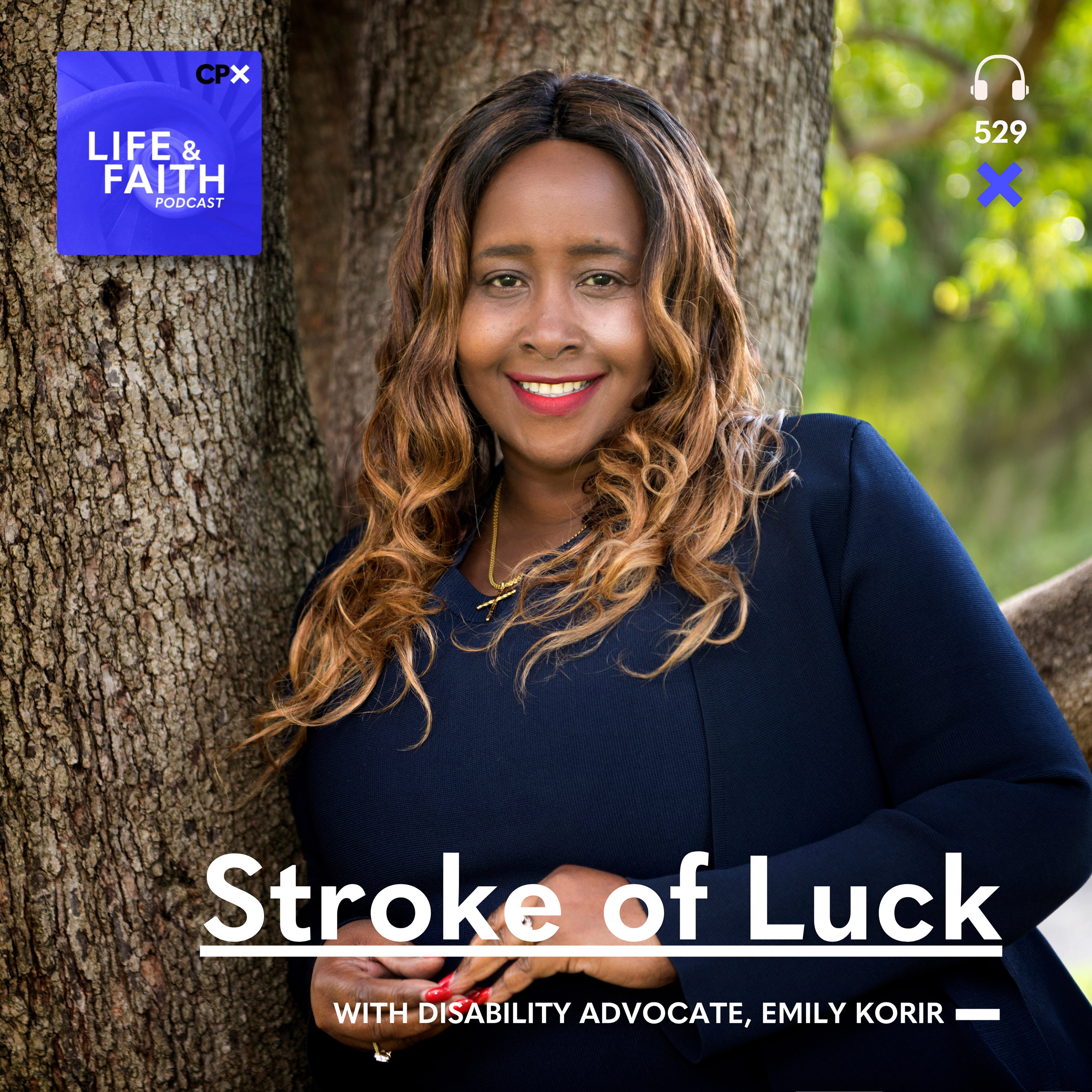 Stroke of Luck | That’s what disability advocate Emily Korir OAM calls one of the worst things that ever happened to her.In June 2012, Emily Korir suffered a massive stroke. She was just 37 years old, with two young children. It was unclear whether she would survive; and then, whether she would ever walk or speak again. Her road to recovery was long and gruelling – and surprisingly life-giving, both for her and for others.This was far from the first challenge Emily had faced in her life. Born of rape and raised in the slums of Kenya, her journey has been an unlikely one; as the title of her memoir attests, it has been Against All Odds: A Journey of Resilience, Identity & Success.Emily was recently awarded an OAM (Order of Australia) for her service to people with a disability and to multicultural communities. In this conversation, she tells Life & Faith about how she ended up in Australia, why she calls what happened to her a “stroke of luck”, and how she is trying to change the narrative for people living with a disability.“She [my grandmother] made me believe that nothing was impossible. She was a Christian woman and she made me believe that: never, ever to let anybody else’s perception of you become a reality.” --- EXPLORECheck out Emily Korir’s memoir Against All Odds Learn more about the work of BET Group Global | — | ||||||
| 9/17/25 | 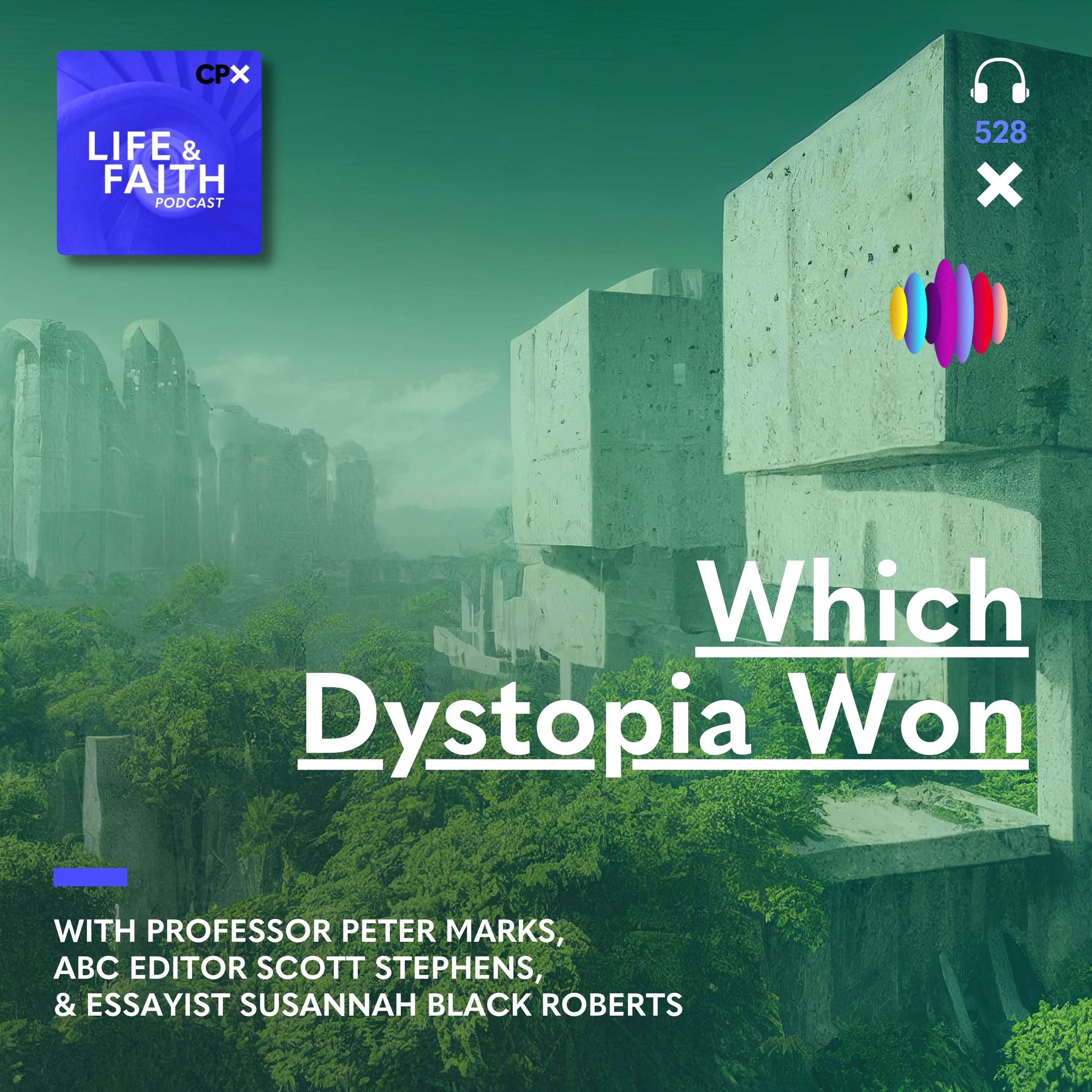 Which Dystopia Won | How Orwell’s Nineteen Eighty-Four, Huxley’s Brave New World, and Lewis’ That Hideous Strength predicted our current world disorder. ---Which vision – of a world gone sour – has proved prophetic? Is it George Orwell’s Nineteen Eighty-Four, which introduced terms like “Big Brother”, “doublethink”, “thoughtcrime” to our vocabulary? Or Aldous Huxley’s Brave New World, where people exchange freedom for pleasure ... and everyone is too busy having a good time to worry about being manipulated? Or is it C. S. Lewis’ That Hideous Strength: the third book of Lewis’ “Ransom trilogy” or “Space Trilogy”, published 80 years ago this year? In this episode of Life & Faith, we hear from three expert fans about how each book anticipated our times. Peter Marks, Emeritus Professor in the Discipline of English and Writing at the University of Sydney, walks us through why Orwell’s Nineteen Eighty-Four is “news that has stayed news”, and how Apple, once the upstart defender of individuality, has become a Big Brother-type figure. Peter has written the books Imagining Surveillance: Eutopian and Dystopian Literature and Film and George Orwell the Essayist: Literature, Politics and the Periodical Culture. Scott Stephens, Editor of ABC Religion & Ethics, and co-host with Waleed Aly of the podcast The Minefield, talks about the endless entertainment of Huxley’s Brave New World, and why he thinks Huxley could have invented the recommendation algorithm. And Susannah Black Roberts, an essayist and editor of Plough Magazine in the United States, explores how C. S. Lewis’ That Hideous Strength anticipated the transhuman ambitions of Silicon Valley, and why “staying human” is a way to survive the looming age of AI. ExploreWhy Peter Marks believes Orwell’s Nineteen Eighty-Four is “news that has stayed news”. Matthew Purdy, in The New York Times, arguing: “We are all living in George Orwell’s world now”. Episode of The Minefield podcast where Scott Stephens and Waleed Aly discuss Ray Bradbury’s Fahrenheit 451 and being on the brink of a world without books. Susannah Black Roberts contributed an essay to this collection of writings on the Ransom Trilogy – Life on the Silent Planet: Essays on Christian Living from C. S. Lewis’ Ransom Trilogy George Orwell’s review of Lewis’ That Hideous Strength The Rolling Stone article by Miles Klee arguing “People are losing loved ones to AI-fuelled spiritual fantasies” “They asked an AI chatbot questions. The answers sent them spiralling”, by Kashmir Hill in The New York Times | — | ||||||
| 9/3/25 | 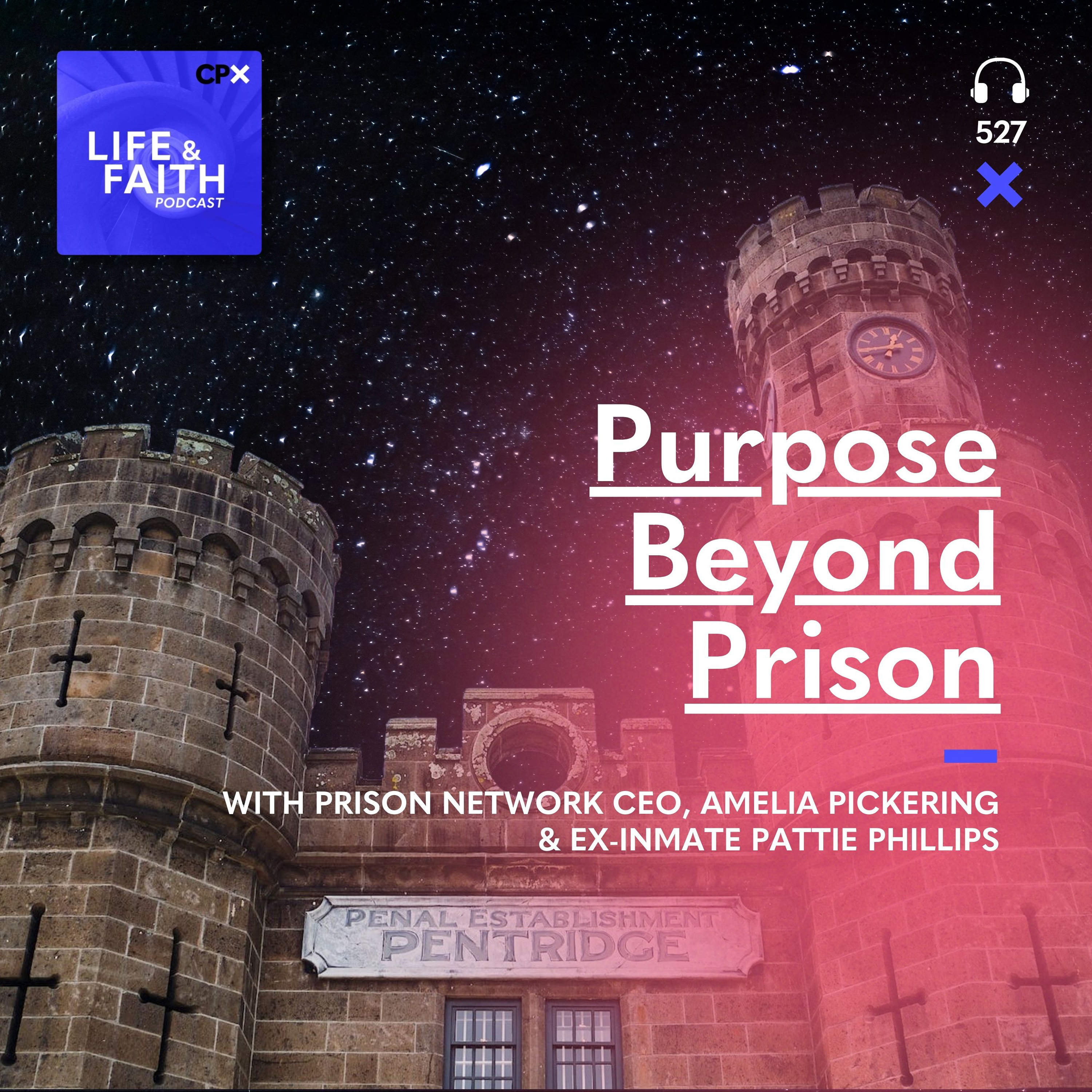 Purpose Beyond Prison | For 80 years Prison Network has helped women find hope, dignity and purpose in and beyond prison.In 1946, a young woman by the name of Myrtle Breen knocked on the door of Pentridge Prison in Melbourne to ask if she could visit the women inside. She was allowed in to spend time with the prisoners, listening to their stories and showing them kindness.She was invited back to do the same and it became her mission in life, becoming the founder of Prison Network, that has been going into prisons ever since.Today, the organisation is working with women in prison, running programs for them and wraparound services, like finding accommodation and employment, assisting them to break cycles of social disadvantage and other factors that land them back in gaol.Today we speak with CEO of prison network Amelia Pickering, and also Pattie Phillips who is someone who received support from Prison Network when she was incarcerated and now participates herself in the work of the organisation striving for dignity, hope, and purpose for women in and beyond prison. Explore:Prison Network website | — | ||||||
| 8/20/25 | 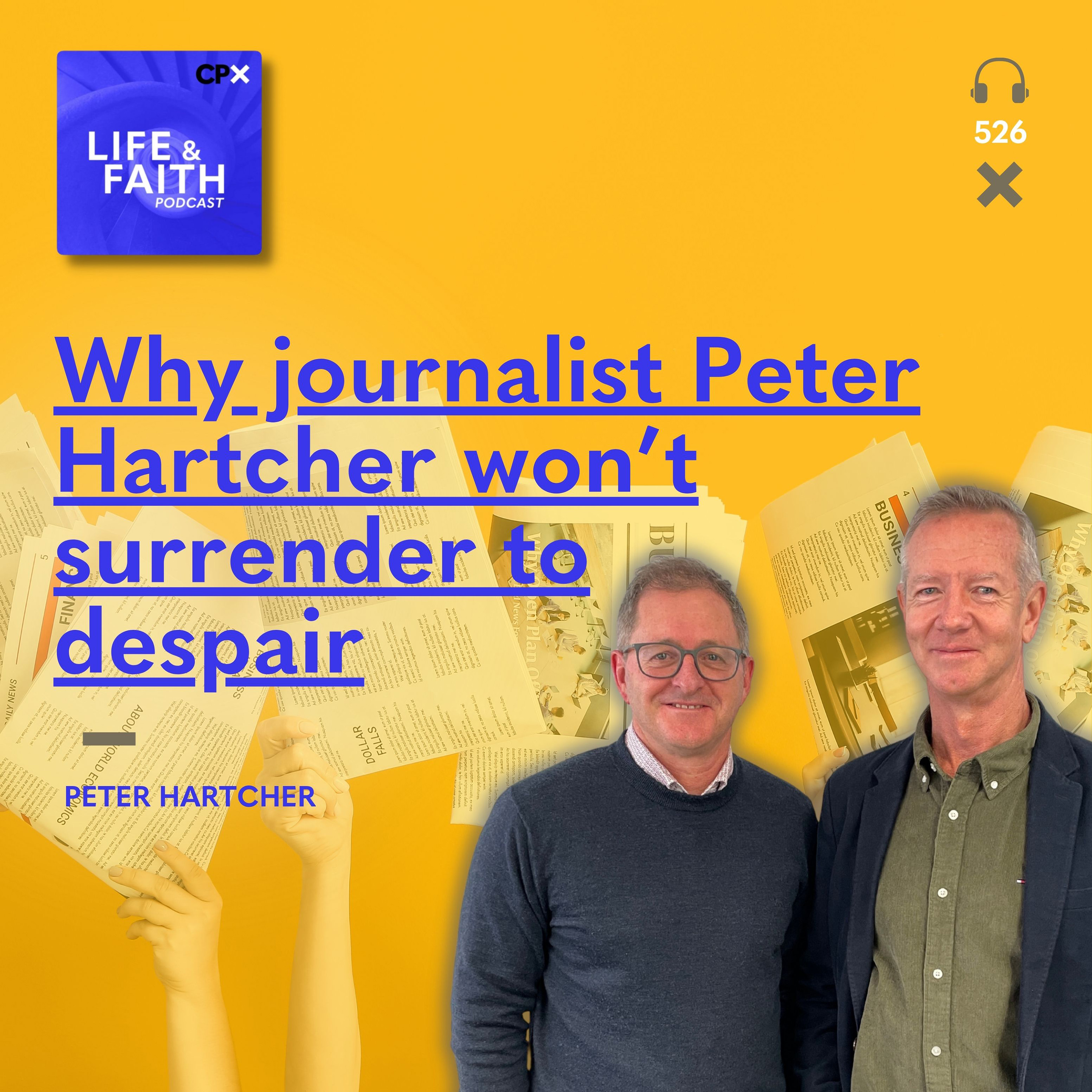 Why journalist Peter Hartcher won’t surrender to despair | Peter Hartcher joins Life & Faith to discuss his life in journalism and the precarious state of the world.Peter Hartcher is a leading Australian political and foreign affairs journalist. He has had a long career in the media, beginning with a cadetship at the Sydney Morning Herald fresh out of school in 1982. He is now the Political and International editor for the Herald and for The Age.He had a couple of stints in Tokyo and Washington and at the Australian Financial Review. He is the author of several books, the latest being, Red Zone: China’s Challenge and Australia’s Future.He’s won a number of awards for journalism including a Gold Walkley.Hartcher is known for his incisive commentary, his lively and engaging writing and his careful, sober but hard-hitting style. He hasn’t always been loved by politicians, which is no doubt part of the job description.In this conversation he talks about his career, the future of journalism, the perilous state of the world and why he won’t give in to despair. Explore: Books by Peter HartcherTo The Bitter End: The Dramatic Story of the Fall of John Howard and the Rise of Kevin Rudd (Crows Nest, NSW: Allen & Unwin), 2009.The Sweet Spot: How Australia Made Its Own Luck – And Could Now Throw It All Away (Black Inc.), 2011.Red Zone: China’s Challenge and Australia’s Future (Black Inc.), 2021 | — | ||||||
| 8/6/25 | 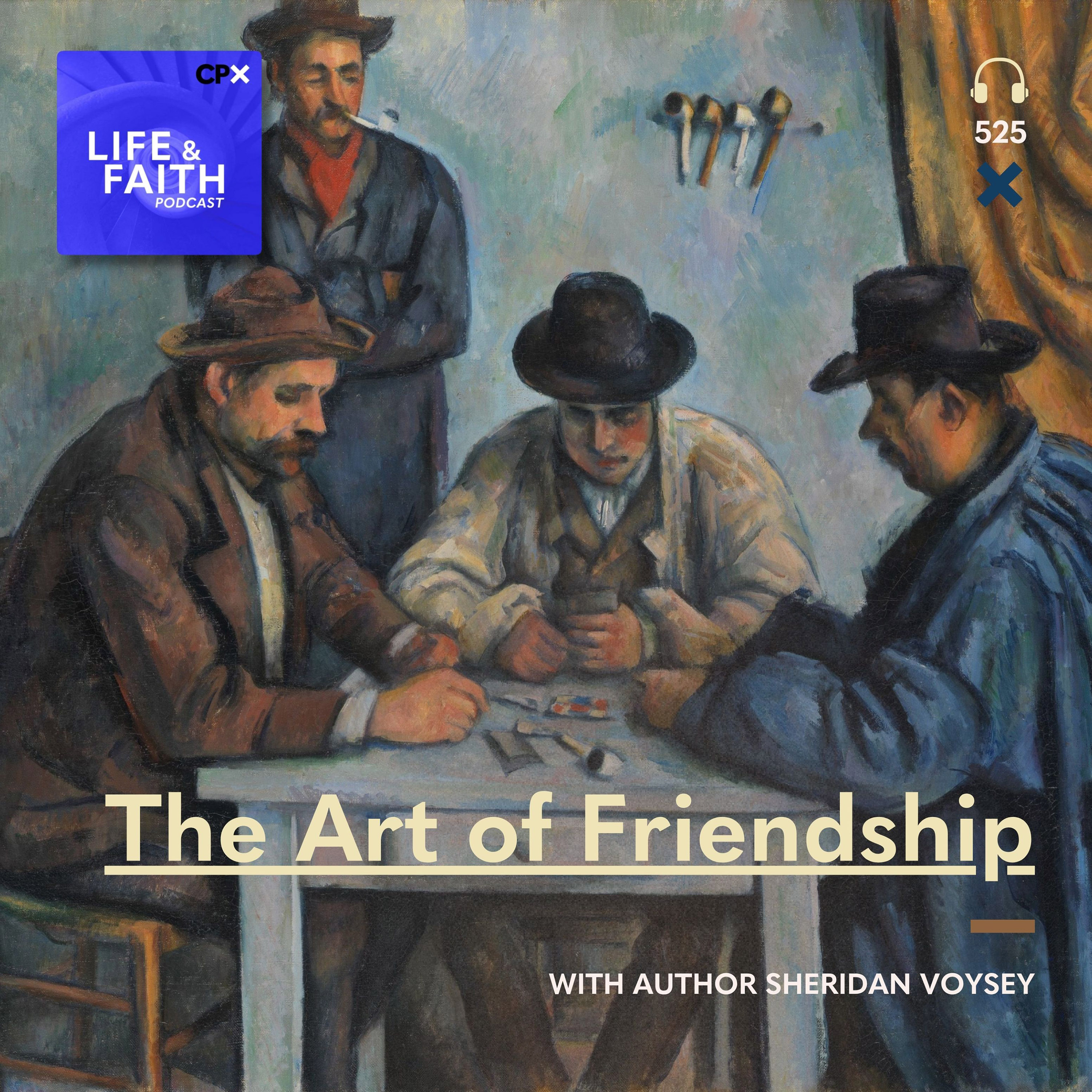 The Art of Friendship | Sheridan Voysey, from Friendship Lab, explains why, in an age of increasing loneliness, the art of cultivating friendship is needed as much as ever before.When Sheridan Voysey was confronted with the question, “Who can you call at 2am when everything goes wrong?”, he realised that friendship was a facet of his life he had neglected for too long. This set him on a path to consider how we cultivate good friendships, how we can learn the skills required to be a good friend and maintain deep, rich friendships.He now runs the Friendship Lab, a movement and a course to help adults build the skills to create and sustain healthy friendships. Reflecting on ever-increasing loneliness, Sheridan recognised the need to help people develop skills in collecting more “2am friends”. This is an art you can get better at with the right help. Sheridan says that even those who enjoy great friendships can get better at them.What are the factors that help grow close friendships? What things get in the way of healthy, long-lasting friendships. How can we be better friends to those we are close to?Life & Faith delves into all of this with writer, speaker and broadcaster, Sheridan Voysey, along with a couple of groups of people with enduring and interesting friendships. ---EXPOLREFriendship LabSheridan Voysey's website | — | ||||||
| 7/23/25 | 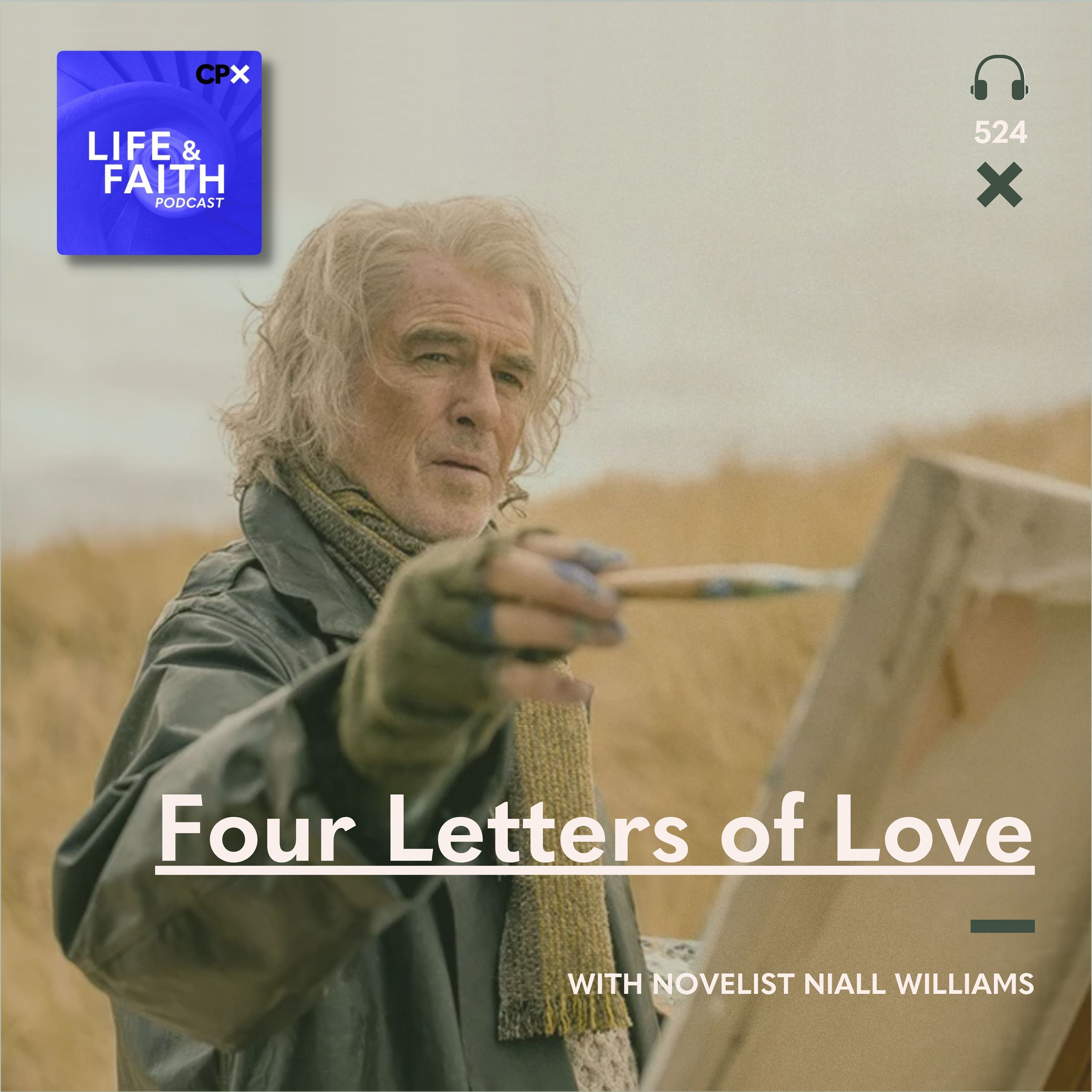 Four Letters of Love: Niall Williams | Niall Williams discusses the conversion of his treasured novel into a major film starring Pierce Brosnan, Helena Bonham Carter and Gabriel Byrne.Four Letters of Love is the 1997 novel by Irish writer Niall Williams, and has just been adapted, by Williams, into a movie starring Pierce Brosnan, Helena Bonham Carter and Gabriel Byrne.Life & Faith speaks with Niall Williams about the film and the book. It’s a love story that offers up intriguing and provocative portraits of faith, loss, tragedy, meaning and God.The story itself engages with human longing, the notion of fate and calling and whether our lives have any pattern or purpose. How do we make sense of the vicissitudes of life? Is there a God behind it all? Can we still believe in miracles?Niall Williams is an Irish writer of novels, plays and works of non-fiction. Four letters of love was an international best-seller. The film is released July 2025.ExploreFour Letters of Love trailerFour Letters of Love novelNill Williams website | — | ||||||
| 7/9/25 |  Life shocks and how to survive them | Julia Verdouw used silence, faith and writing poetry to survive the sudden death of her husband.Julia is an accomplished academic and policy expert, but her book In the Valley of the Shadow may be her most important work. Through reflection, poetry and prayers, the book documents her journey of grief.Regardless of who we are or what we believe, suffering comes for us all. Perhaps the worst kind of suffering is the grief that we face when we lose someone we love. How can we navigate such immense loss and deep sorrow?In this episode, we explore Julia’s journey of finding comfort, strength, hope, and even redemption, through the deepest suffering.EXPLOREPurchase Julia’s book through her website | — | ||||||
| 6/25/25 |  Sean Kelly on the Australian soul | A columnist’s job is to process deeper currents in news, politics, and culture – all in 800 words.Who are we as a nation and a people, and what’s going on for us beneath the daily headlines of the 24/7 media cycle?Few of us stop long enough to wonder – but if we ever wanted to find out, a good place to start would be Sean Kelly’s writing in The Sydney Morning Herald. Sean Kelly is a former political staffer in the Rudd and Gillard governments, who now writes a weekly column on politics for The Sydney Morning Herald. He’s also the author of the book The Game: A Portrait of Scott Morrison.Sean has a front row seat to what’s going on for us as a nation and combines that perspective with an insider’s view of how politics works. In this interview with Life & Faith he considers what it might mean to be considered a chronicler of the national soul. Explore Sean Kelly’s column on how “kindness” won Anthony Albanese the 2025 Federal election.His column about what might be called “the Albanese effect”: the move towards the centre, and the adoption of a less divisive tone, in the new leadership of the Greens and Liberal Party.His book The Game: A Portrait of Scott Morrison | — | ||||||
| 6/11/25 |  Losing My Irreligion | Stories and stats from the UK suggest that something has shifted, spiritually, over the past few years.-- Since 2018, two million more people in England and Wales have started regularly attending church – an increase fuelled largely by Gen Z, and by young men especially.So say the results from a new survey conducted by YouGov on behalf of the British and Foreign Bible Society, results which cut across a bunch of our assumptions: that Western societies are on a secularising trajectory; that women are more religious than men; that young people are more likely to reject “traditional” beliefs such as Christianity.In this episode of Life & Faith, we gather a few reports from abroad to get a handle on what’s happening in the UK, spiritually speaking. Vicar-in-training and Oxford research student Daniel Kim, who has written extensively about spirituality and occult beliefs in contemporary culture, talks about the spiritual openness of Gen Z. Bri Walsh, an Aussie who spent a season in London recently, offers an insider/outsider perspective on UK churchgoing in the 2020s. And Rob Barward-Symmons, co-author of The Quiet Revival – the report that puts concrete numbers to the anecdotal rumblings of the last few years – talks us through the data and what might be driving the recent surge in church attendance.Explore:Check out The Quiet Revival report, by Rob Barward-Symmons and Rhiannon McAleer, from British and Foreign Bible Society https://www.biblesociety.org.uk/research/quiet-revivalRead more from Daniel Kim about contemporary spirituality https://www.seenandunseen.com/contributors/daniel-kim[Note: This content references The Quiet Revival report published by Bible Society UK. Since publication, flaws have been identified in the underlying survey data, and the report’s headline findings have been withdrawn while new analysis is undertaken. You can read more here.] | — | ||||||
| 5/28/25 |  Time management for mortals with Oliver Burkeman | Got a burning creative project? Face your finitude, says this productivity expert, by learning to number your days. Everyone is pressed for time, and in a never-ending quest to conquer their schedules. It’s why productivity tips and hacks are big business these days.But underneath our productivity problem is a reality no one wants to face: the fact that we’re all going to die, argues self-described “recovering” productivity expert Oliver Burkeman, and the author of Four Thousand Weeks: Time Management for Mortals. The average human life is about 80 years, or some 4000 weeks, and the sooner we come to grips with the ultimate deadline, the better off we’ll be, argues Burkeman.In this interview with Life & Faith, Oliver explains how “mortality” emerged as a theme for his 2021 book, how the solace of “deep time” – as experienced during times of flow, prayer, meditation, and hiking – connects us with our humanity, how AI might change the game for human creativity, and how he, as someone more drawn to Eastern religion, makes sense of our yearning for more time, for more than one life.The shadow of Christianity – with its promise of transcendence, eternity, and being situated in an unfolding story that stretches before and after our earthly lives – looms over the conversation.Explore Oliver Burkeman’s Four Thousand Weeks: Time Management for MortalsOliver Burkeman’s Meditations for Mortals: A Four Week Guide to Doing What CountsOliver Burkeman’s website | — | ||||||
Showing 25 of 580
Pitch Fit is a Pro feature
See how bookable this show is for guests, which brands already advertise, the per-episode ad value, and the best-fit guest and sponsor profile. The numbers are blurred on the free plan.
How readily this show books outside guests like you.
How proven this show is for host-read sponsorships.
For Guests
ProFor Advertisers
ProUpgrade to Pro to unlock guest cadence, sponsor categories, fit scores, and per-episode ad value for this show.
Chart Positions
1 placement across 1 market.
Chart Positions
1 placement across 1 market.