

Insights from recent episode analysis
Audience Interest
Podcast Focus
Publishing Consistency
Platform Reach
Insights are generated by CastFox AI using publicly available data, episode content, and proprietary models.
Most discussed topics
Brands & references
Est. Listeners
Insufficient chart data. Estimates will improve as the show charts.
- Per-Episode Audience
Est. listeners per new episode within ~30 days
N/A🎙 ~2x weekly·268 episodes·Last published 3mo ago - Monthly Reach
Unique listeners across all episodes (30 days)
N/A - Active Followers
Loyal subscribers who consistently listen
N/A
Market Insights
Platform Distribution
Reach across major podcast platforms, updated hourly
Total Followers
—
Total Plays
—
Total Reviews
—
* Data sourced directly from platform APIs and aggregated hourly across all major podcast directories.
On the show
From 10 epsHost
Recent guests
No guests detected in recent episodes.
Recent episodes
The Invisible Language Of Mutual Attraction
Mar 16, 2026
17m 05s
Fake Empathy Is Narcissism in Disguise
Mar 15, 2026
14m 49s
The Psychological Origins of Lima Syndrome
Mar 14, 2026
16m 38s
Why Your Mind Thrives Alone?
Mar 13, 2026
20m 24s
How Sex Addiction Hijacks the Brain?
Mar 12, 2026
18m 26s
Social Links & Contact
Official channels & resources
Official Website
Login
RSS Feed
Login
| Date | Episode | Topics | Guests | Brands | Places | Keywords | Sponsor | Length | |
|---|---|---|---|---|---|---|---|---|---|
| 3/16/26 |  The Invisible Language Of Mutual Attraction✨ | romantic attractionpsychological signs+4 | — | — | — | mutual attractionsubconscious mirroring+5 | — | 17m 05s | |
| 3/15/26 |  Fake Empathy Is Narcissism in Disguise✨ | empathynarcissism+3 | — | — | — | fake empathynarcissism+3 | — | 14m 49s | |
| 3/14/26 |  The Psychological Origins of Lima Syndrome✨ | psychologyempathy+5 | — | Life NotesPodcast Studio | — | Lima syndromeStockholm syndrome+5 | — | 16m 38s | |
| 3/13/26 |  Why Your Mind Thrives Alone?✨ | solitudemental clarity+4 | — | — | — | solitudemental energy+5 | — | 20m 24s | |
| 3/12/26 |  How Sex Addiction Hijacks the Brain?✨ | sex addictionpsychological condition+4 | — | Life Notes | — | sex addictioncompulsive behavior+4 | — | 18m 26s | |
| 3/11/26 |  Invisible Weights Crushing Your Child's Confidence✨ | parentingself-esteem+4 | — | Life NotesPodcast Studio | — | parental behaviorsself-esteem+6 | — | 18m 03s | |
| 3/10/26 |  Five Toxic Phrases That Kill Confidence✨ | toxic phrasesconfidence+4 | — | — | — | toxic phrasesconfidence+5 | — | 21m 15s | |
| 3/9/26 |  A Guide to Leaving Toxic Relationships✨ | toxic relationshipsemotional well-being+3 | — | — | — | toxic relationshipsemotional distress+3 | — | 18m 22s | |
| 3/8/26 |  Understanding Burnout: Signs, Habits, and Recovery Strategies✨ | burnoutmental health+3 | — | Life NotesPodcast Studio | — | burnoutstress+6 | — | 16m 43s | |
| 3/7/26 |  Breaking Your Addiction to a Ghost✨ | obsessive loveemotional dependency+3 | — | — | — | obsessive lovebrain chemistry+3 | — | 19m 06s | |
Want analysis for the episodes below?Free for Pro Submit a request, we'll have your selected episodes analyzed within an hour. Free, at no cost to you, for Pro users. | |||||||||
| 3/6/26 |  The Quiet Magnetism of True Charisma | Genuine charisma isn’t about looks, loud confidence, or trying to impress people. It comes from inner qualities that make others feel comfortable, respected, and emotionally safe.Charismatic individuals tend to be excellent listeners, giving full attention and making others feel truly heard. They also carry a calm, grounded presence, which naturally puts people at ease. Instead of seeking validation, they show genuine curiosity about others, creating deeper and more meaningful connections.Another key trait is having clear personal boundaries, which reflects self-respect and emotional maturity. This balance allows them to be warm and approachable without losing their sense of self. Their influence comes not from dominance, but from self-awareness, quiet confidence, and the ability to make others feel valued.You can listen and download our episodes for free on more than 10 different platforms:https://linktr.ee/life_notesProduced by:https://www.podcaistudio.com/ | 19m 10s | ||||||
| 3/5/26 |  Stop Treating Your Mind Like An Enemy | This guide highlights self-compassion as a key tool for overcoming burnout and reducing internal pressure. Instead of constantly pushing harder, it encourages caring for your physical needs, such as drinking enough water, eating consistently, and spending time outdoors to reset your mind.It also emphasizes working smarter, not harder—by breaking difficult tasks into manageable parts and allowing yourself proper rest. This approach improves both productivity and mental clarity without exhausting your energy.Another important point is learning to acknowledge your progress and forgive yourself for mistakes. Treating yourself with patience and understanding strengthens emotional resilience and prevents long-term burnout.Ultimately, the message is simple: listening to your body, respecting your limits, and showing yourself kindness creates a healthier, more sustainable path to success.You can listen and download our episodes for free on more than 10 different platforms:https://linktr.ee/life_notesProduced by:https://www.podcaistudio.com/ | 18m 06s | ||||||
| 3/4/26 |  The Six Stages of a Romantic Crush | Explains that developing romantic feelings usually follows a series of emotional stages rather than happening all at once.It begins with a spark of attraction, where something about the person captures your attention. This is followed by growing curiosity, leading you to notice details about their personality, habits, and life. As emotions deepen, the stage of infatuation brings excitement, daydreaming, and a strong emotional high.Eventually, people often reach a point where they share their feelings with close friends, seeking validation or advice. From there, the emotional path splits into two possible outcomes. The attraction may develop into genuine love, forming a meaningful relationship, or it may gradually fade, allowing the person to emotionally detach and move forward.Overall, this process reflects the natural emotional progression of attraction, showing how initial interest can either evolve into deeper connection or quietly disappear over time.You can listen and download our episodes for free on more than 10 different platforms:https://linktr.ee/life_notesProduced by:https://www.podcaistudio.com/ | 13m 05s | ||||||
| 3/3/26 |  The Architecture of Trauma and the Path to Neuroplasticity | Explains that trauma doesn’t just affect emotions—it physically reshapes how the brain functions.When a person experiences trauma, the brain shifts into a long-term survival state. The amygdala, which detects threats, becomes overactive and constantly scans for danger. At the same time, the prefrontal cortex, responsible for logical thinking and emotional regulation, becomes less effective, making it harder to calm down or think clearly under stress. The hippocampus, which organizes and processes memories, can also become disrupted, causing memories to feel fragmented or relived rather than safely stored in the past.This imbalance can lead to symptoms like dissociation, emotional numbness, or intense reactions to small triggers. The nervous system may respond as if danger is happening in the present, even when the person is objectively safe. These repeated reactions are often called trauma loops, where the body remains stuck in protective patterns.However, the key message is that the brain has the ability to heal through neuroplasticity, meaning it can reorganize and form new, healthier patterns. Practices such as mindfulness, body-based movement, and therapy help calm the nervous system and strengthen the brain’s emotional regulation systems. Over time, these interventions can help restore a sense of safety, improve emotional balance, and reduce automatic survival responses.You can listen and download our episodes for free on more than 10 different platforms:https://linktr.ee/life_notesProduced by:https://www.podcaistudio.com/ | 18m 59s | ||||||
| 3/2/26 |  Why Being Nice Makes Them Meaner ? | Explains that the key to distancing yourself from toxic people is not trying to change them, but changing how you respond to them.Toxic individuals often rely on emotional reactions—such as anger, over-explaining, or seeking their approval—to maintain influence. When someone begins to regulate their emotions and stops reacting intensely, the toxic person loses the control and attention they depend on. This is why staying calm and emotionally neutral can be one of the most effective forms of self-protection.Another important step is setting clear boundaries without justification or excessive explanation. Over-explaining can invite arguments, manipulation, or attempts to wear you down. Simple, firm limits communicate self-respect and reduce opportunities for control.The material also emphasizes that healthy relationships are based on mutual respect, not emotional dependency or dominance. When toxic individuals realize they can no longer provoke or control someone, they often withdraw on their own because the dynamic no longer benefits them.Ultimately, the core message is about reclaiming emotional independence. By prioritizing your peace, protecting your energy, and allowing only respectful people into your life, you create an environment that supports your mental stability and well-being.You can listen and download our episodes for free on more than 10 different platforms:https://linktr.ee/life_notesProduced by:https://www.podcaistudio.com/ | 20m 01s | ||||||
| 3/1/26 |  The Toxic Psychology of Instagram Wisdom | Argues that many popular motivational quotes sound inspiring on the surface but can actually encourage unhealthy mindsets and behaviors when taken literally.One major issue is that some quotes promote self-sacrifice without limits, especially in relationships. Advice like “never give up on someone you love” can push people to tolerate disrespect, manipulation, or emotional harm instead of recognizing when it’s healthier to walk away. This can lead to codependency, where a person prioritizes another’s needs at the expense of their own well-being.The text also highlights how certain phrases can enable avoidance of accountability. For example, messages that frame all criticism as “negativity” may allow harmful individuals to dismiss valid concerns rather than reflect on their behavior. This creates an environment where growth and honest communication are replaced by defensiveness.Another key concern is toxic positivity—the pressure to stay positive at all times. Suppressing emotions like anger, sadness, or disappointment doesn’t resolve them; it often makes them stronger internally. Healthy emotional functioning requires acknowledging difficult feelings, not pretending they don’t exist.The core takeaway is that people should think critically about motivational advice, especially when it encourages ignoring boundaries, denying emotions, or tolerating harmful treatment. Real emotional strength comes from self-respect, emotional honesty, and balanced thinking, not blind optimism or endless endurance.You can listen and download our episodes for free on more than 10 different platforms:https://linktr.ee/life_notesProduced by:https://www.podcaistudio.com/ | 20m 04s | ||||||
| 2/28/26 |  The Science and Myths of Semen Retention | Examines the practice of semen retention, highlighting both physiological and psychological aspects without endorsing exaggerated claims.It notes that while online trends often promise heightened energy, focus, or confidence, scientific evidence supporting these effects is weak or inconclusive. In reality, abstaining from ejaculation can trigger a reward-system response in the brain, sometimes leading to stress, irritability, or mood fluctuations.The body naturally manages excess reproductive fluid through nocturnal emissions, making ejaculation a normal biological process rather than a harmful one. From a medical perspective, regular sexual release can help reduce stress and support emotional balance, whereas spiritual or traditional approaches sometimes view retention as a path to discipline or energy cultivation.The key takeaway is that while some may explore this practice for personal reasons, it is important to approach it with balance and consult reliable guidance rather than relying on online hype.You can listen and download our episodes for free on more than 10 different platforms:https://linktr.ee/life_notesProduced by:https://www.podcaistudio.com/ | 19m 57s | ||||||
| 2/27/26 |  Escaping the Friend Zone | Explains why some people remain in one-sided platonic relationships instead of developing romance.Key factors include a lack of clear communication and failing to express romantic interest early, which signals to the other person that the relationship is purely friendly. Fear of rejection, prioritizing the friendship over personal desires, or acting in a sibling-like manner can unintentionally reinforce this dynamic. Additionally, minimal effort in flirting or self-presentation may prevent someone from being noticed as a romantic option.The guide emphasizes that setting boundaries and being honest about intentions are crucial for moving beyond platonic limits. Successfully shifting the relationship requires the courage to take emotional risks before the friendship becomes permanently defined as non-romantic.You can listen and download our episodes for free on more than 10 different platforms:https://linktr.ee/life_notesProduced by:https://www.podcaistudio.com/ | 15m 58s | ||||||
| 2/26/26 | 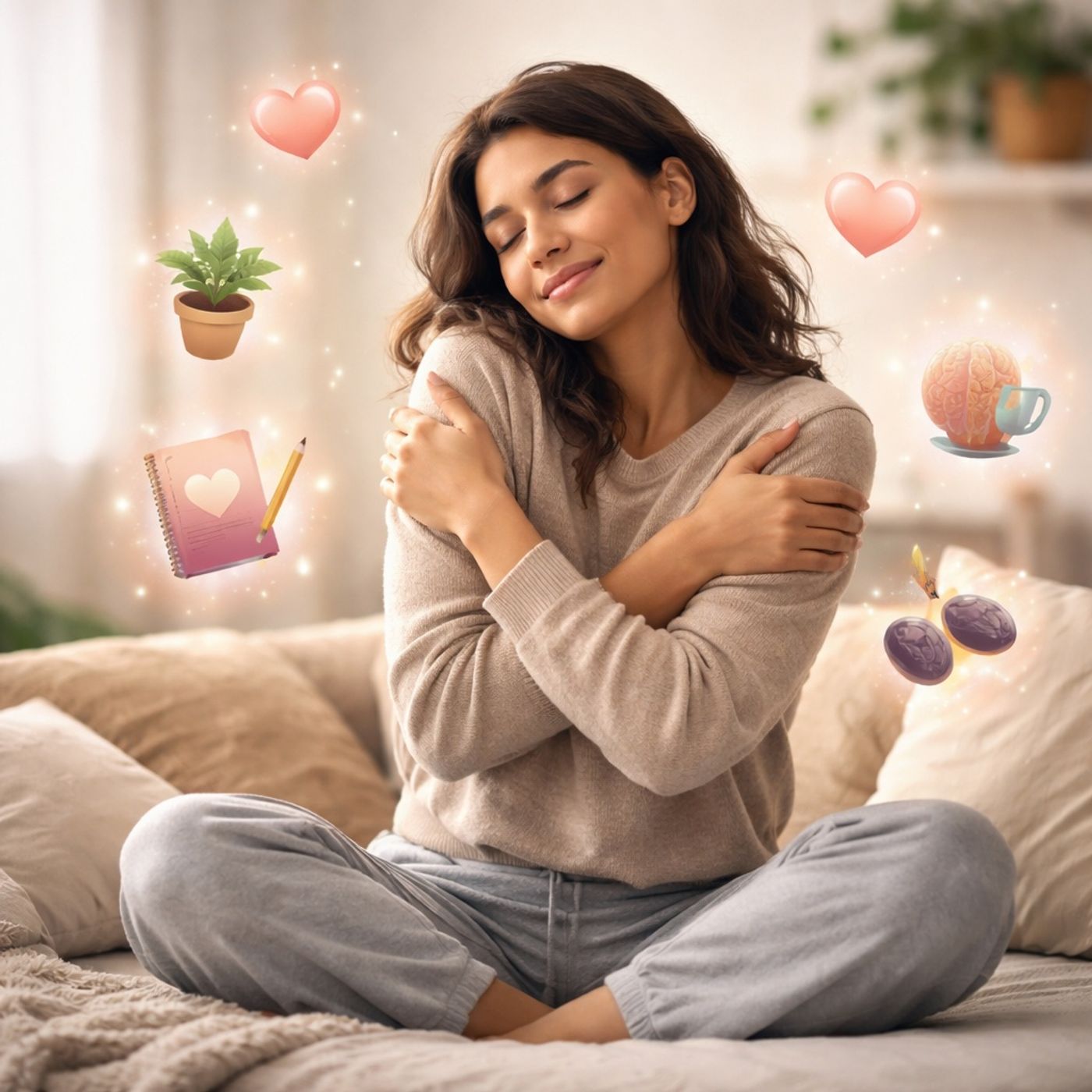 Why Selfish People Actually Hate Themselves? | Distinguishes genuine self-love from harmful selfishness and explains its importance for mental well-being.Unlike narcissists, who depend on external validation, individuals practicing self-care develop internal confidence and emotional resilience. Essential habits include setting healthy boundaries, showing self-compassion during setbacks, and pursuing personal growth without harming others.By embracing authenticity and kindness toward oneself, people strengthen their ability to maintain positive and respectful relationships. Ultimately, seeing self-nurturance as necessary rather than selfish fosters a more balanced and fulfilling life.You can listen and download our episodes for free on more than 10 different platforms:https://linktr.ee/life_notesProduced by:https://www.podcaistudio.com/ | 17m 55s | ||||||
| 2/25/26 |  Why 60% of Young Men Are Single ? | Explains why many young men are disengaging from the modern dating scene.Factors include online dating platforms that concentrate attention on a small percentage of users, leaving many feeling rejected and invisible. To cope, some turn to digital substitutes like adult content, which can increase social isolation.Unrealistic social media standards around wealth, appearance, and lifestyle further intensify feelings of inadequacy.The overall message emphasizes the need to destigmatize mental health and provide empathy and support to help men navigate these challenges.You can listen and download our episodes for free on more than 10 different platforms:https://linktr.ee/life_notesProduced by:https://www.podcaistudio.com/ | 15m 21s | ||||||
| 2/24/26 |  Why Good Enough Feels Impossible? | Distinguishes clearly between perfectionism and obsessive-compulsive disorder (OCD), noting that they are often incorrectly treated as the same. Perfectionism is described as a personality trait involving high standards and a preference for order that remains largely within conscious control. In contrast, OCD is a clinical mental health disorder marked by intrusive, unwanted thoughts and compulsive behaviors performed to relieve intense anxiety. These compulsions can significantly interfere with daily functioning and cause profound distress. The core message is that while perfectionism may be challenging, it does not carry the same loss of control or psychological burden as OCD, and individuals experiencing symptoms of OCD should be encouraged to seek professional mental health care.You can listen and download our episodes for free on more than 10 different platforms:https://linktr.ee/life_notesProduced by:https://www.podcaistudio.com/ | 15m 55s | ||||||
| 2/23/26 |  Spotting Toxic Friends Disguised As Flowers | Presents a clear framework for recognizing toxic friendship patterns, such as competitive underminers, controlling manipulators, energy vampires, and perpetual victims. It explains how these dynamics are often masked by guilt-tripping, poor empathy, and repeated violations of personal boundaries, which gradually erode self-esteem. By paying attention to red flags like unreliability, subtle hostility, and one-sided effort, individuals can better safeguard their emotional well-being. The overall message promotes intentionally curating one’s social circle, removing relationships that drain energy, and investing in friendships built on respect, balance, and mutual support.You can listen and download our episodes for free on more than 10 different platforms:https://linktr.ee/life_notesProduced by:https://www.podcaistudio.com/ | 13m 06s | ||||||
| 2/22/26 |  You Are Less Alone Than You Think | Reframes loneliness as a normal and meaningful emotional signal rather than a fixed condition. It emphasizes that well-being depends more on the depth and trust within relationships than on the number of social connections. Having even a single person to rely on for support, advice, or shared experiences can greatly reduce feelings of isolation. The source also suggests that smaller, intentional social circles often provide more fulfillment than broad but shallow networks. Overall, loneliness is presented as a cue for self-awareness and growth, and in some cases, a sign that seeking professional support may be beneficial.You can listen and download our episodes for free on more than 10 different platforms:https://linktr.ee/life_notesProduced by:https://www.podcaistudio.com/ | 16m 43s | ||||||
| 2/21/26 |  Why Red Flags Feel Like Home? | Explains that people often normalize toxic relationship behaviors because they resemble the emotional patterns learned in childhood. Growing up with caregivers who were critical, emotionally unavailable, conflict-avoidant, or overly dependent can cause dysfunction to feel familiar and safe. As adults, this conditioning may lead individuals to tolerate control, imbalance, or excessive neediness, sometimes slipping into a rescuer role to recreate familiar dynamics. A lack of early boundaries and emotional validation makes it harder to detect red flags in romantic relationships. Ultimately, the message emphasizes that developing self-awareness is key to breaking these inherited patterns and choosing healthier connections.You can listen and download our episodes for free on more than 10 different platforms:https://linktr.ee/life_notesProduced by:https://www.podcaistudio.com/ | 17m 22s | ||||||
| 2/20/26 |  Your body screams what the mind hides | Explains how bottling up emotions can harm physical health.Suppressing feelings creates internal stress, which may show up as chronic fatigue, weakened immunity, and unexplained pain. The stress also causes hormonal imbalances, like elevated cortisol, that affect long-term wellness.To prevent these effects, it’s important to acknowledge emotions and use healthy outlets such as journaling or exercise.Overall, emotional awareness and expression are essential for maintaining both mental and physical health.You can listen and download our episodes for free on more than 10 different platforms:https://linktr.ee/life_notesProduced by:https://www.podcaistudio.com/ | 19m 05s | ||||||
Showing 25 of 268
Pitch Fit is a Pro feature
See how bookable this show is for guests, which brands already advertise, the per-episode ad value, and the best-fit guest and sponsor profile. The numbers are blurred on the free plan.
How readily this show books outside guests like you.
How proven this show is for host-read sponsorships.
For Guests
ProFor Advertisers
ProUpgrade to Pro to unlock guest cadence, sponsor categories, fit scores, and per-episode ad value for this show.