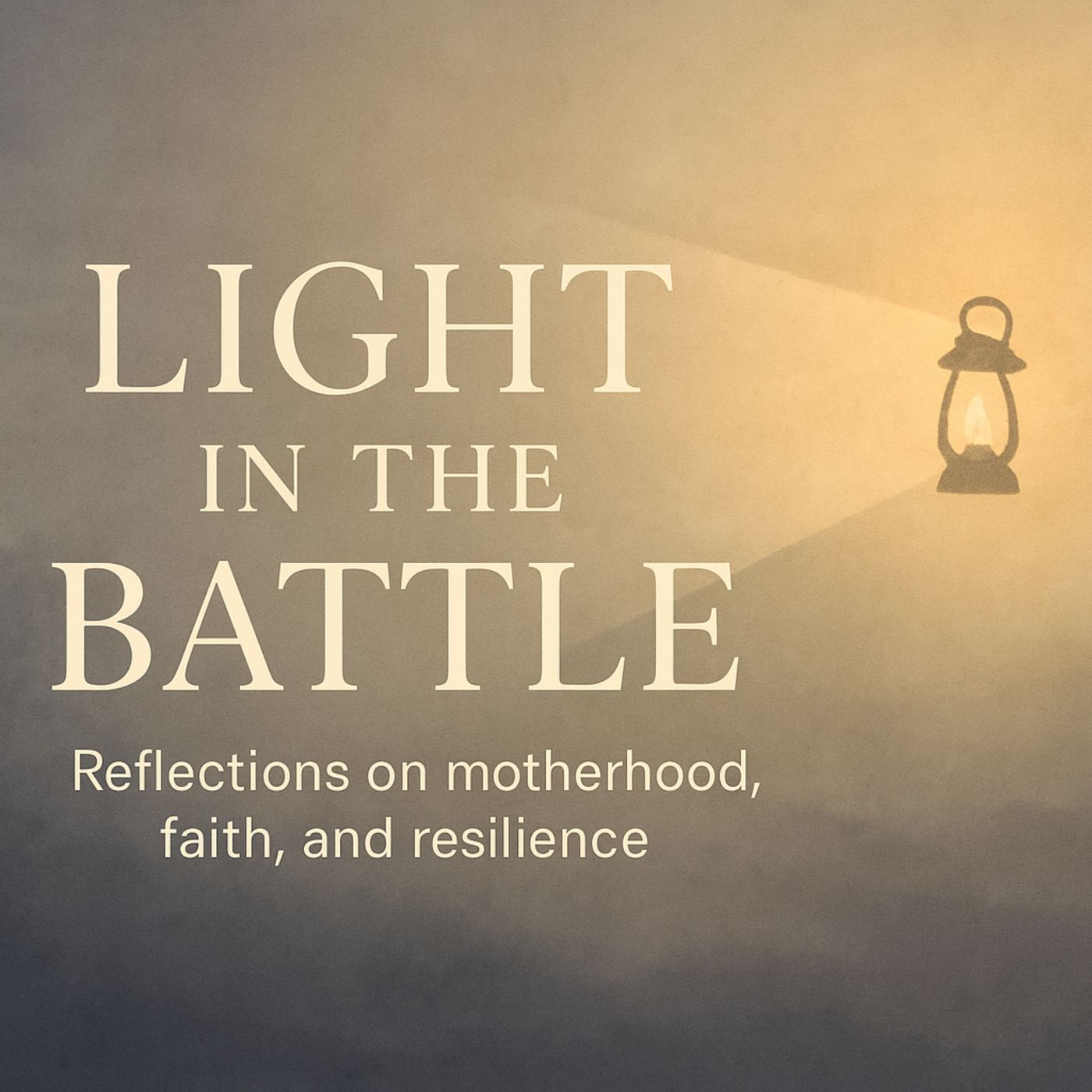
Insights from recent episode analysis
Audience Interest
Podcast Focus
Publishing Consistency
Platform Reach
Insights are generated by CastFox AI using publicly available data, episode content, and proprietary models.
Most discussed topics
Brands & references
No brand mentions extracted.
Est. Listeners
Based on iTunes & Spotify (publisher stats).
- Per-Episode Audience
Est. listeners per new episode within ~30 days
10,001 - 25,000 - Monthly Reach
Unique listeners across all episodes (30 days)
25,001 - 75,000 - Active Followers
Loyal subscribers who consistently listen
5,001 - 15,000
Market Insights
Platform Distribution
Reach across major podcast platforms, updated hourly
Total Followers
—
Total Plays
—
Total Reviews
—
* Data sourced directly from platform APIs and aggregated hourly across all major podcast directories.
On the show
From 1 epsHost
Recent guests
No guests detected in recent episodes.
Recent episodes
29. Why You Don’t Need Closure After Narcissistic Abuse To Move Forward With Your Life, Through the Self-Verification Concept
May 4, 2026
12m 34s
PDA Meditation for Autistic Adults, PDA Autism Affirmations for Adults, Getting Shit Done with PDA, Meditation for PDA Adults - Pervasive Dr
Apr 27, 2026
11m 48s
28. How Trauma Recovery Makes You Stronger Before, and In Family Court After Narcissistic Abuse (Autism & ASD) | Season Finale | Emotional D
Apr 20, 2026
36m 12s
27. Grief After Narcissistic Abuse: Processing Loss, Identity and Trauma (Autism & ASD) - Letting Go For Your Custody Battle | Emotional Det
Apr 13, 2026
26m 50s
26. Surrender After Narcissistic Abuse: Letting Go of Control, Outcomes and Fear (Trauma Recovery, Autism & ASD) | Emotional Detachment as a
Apr 6, 2026
33m 43s
Social Links & Contact
Official channels & resources
Official Website
Login
RSS Feed
Login
Resolving iTunes ID\u2026 if this persists, the podcast may not be indexed on Apple Podcasts.
| Date | Episode | Topics | Guests | Brands | Places | Keywords | Sponsor | Length | |
|---|---|---|---|---|---|---|---|---|---|
| 5/4/26 | ![]() 29. Why You Don’t Need Closure After Narcissistic Abuse To Move Forward With Your Life, Through the Self-Verification Concept✨ | narcissistic abuseclosure+4 | — | — | — | closurenarcissistic abuse+4 | — | 12m 34s | |
| 4/27/26 | ![]() PDA Meditation for Autistic Adults, PDA Autism Affirmations for Adults, Getting Shit Done with PDA, Meditation for PDA Adults - Pervasive Dr | How do you get anything done when you're a PDA adult? When everything feels like a demand, from responding to an email from your lawyer to the simple fact your body says it's time to get a sip of water? Just like the autistic burnout meditation I created for myself,these are affirmations I recorded for myself and that are having quite the impact on getting stuff done in my life. Stuff that society expects, that "normal" people do, that my body expects of me, etc. I now do things because I WANT TO DO THEM. Not because my body says it needs it, because my phone tells me I need to answer a call, or because normal people make their bed in the morning. I hope this helps other PDA adults reframe the demands intostuff you want to do for yourself, because it's important to YOU. PDA stands for Pervasive Drive for Autonomy, also known asPathological Demand Avoidance. It can greaty impact your quality of life as a PDA single mother, because the underlying dynamics that enable you to do all the things for your child, are not the same that require you to do all the things for yourself. For your child, it's an ancestral instinct geared towardsthe survival of the species, so you do everything your kids need. But when it comes to you, as an autistic single mother with PDA, especially after you're out of battery, you will 100% refuse to wash your face in the evening, or to respond to your friends who are checking in on you. There's a bit of mental exhaustion mixed with task paralysis. So let's reframe those demands, into things we want for ourselves. This invisible disability, this neurodivergent life doesn't have to take a massive toll on our social lives, on our health, on our careers, on our daily functioning, on our ability to ask for help, and such. Keywords (look away!)PDA affirmations, autistic adults, autism burnout recovery,PDA autism support, neurodivergent affirmations, gentle self care autism, PDA meditation, nervous system regulation autism, demand avoidance adults, low demand lifestyleautism, autism meditation, guided affirmations adults PDA affirmations for demand avoidancePDA profile adult support strategies affirmations for taskavoidance autism internalized demand resistance affirmations PDA Affirmations for Adults,PDA Meditation for Adult PDA, Adult PDA MeditationAdult PDA AffirmationsPDA Affirmations for Autistic Adults, Adult PDA Meditation,Adult PDA Affirmations, Meditation for PDA adults- Pervasive Drive for Autonomy- Pathological Demand Avoidance - PDA Autism Affirmations for Adults, PDA Affirmations forAutistic Adults, Getting Shit Done with PDA | 11m 48s | ||||||
| 4/20/26 | ![]() 28. How Trauma Recovery Makes You Stronger Before, and In Family Court After Narcissistic Abuse (Autism & ASD) | Season Finale | Emotional D | You don't win in court by being right, nor by feeling strongly about things. You increase your odds of protecting the kids from harm by becoming regulated, consistent, strategic, coachable, and impossible to trigger and bait. This is the Season Finale for Season 2.In the context of legal abuse and post-separation abuse at the hands of a coparent that displays narcissistic patterns of behavior, family court and custody battles require a particular strategy. While several well-known influencers in the "divorcing a narcissist" space give amazing advice, and I recommend two in particular here, there is a gap between the time you come out of the abusive relationship, and the time you are able to receive the amazing legal advice and mindset coaching that they suggest. You cannot hear what they recommend, if you're still highly emotional, easily triggered, traumatized, if you've been sending emails that can be used against you, etc. This season has taken you through a complete journey of trauma recovery:the trauma bondPTSD and CPTSDEMDR and nervous system regulationforgiveness without reconciliationcodependency & its ties to autismfellowship and mentorship with the STAR NetworkgratitudesurrendergriefThis entire process was designed to lead you to one place: emotional detachment.And not as a concept — but as an advantage in high-conflict situations.• Why emotional detachment is about what you can control• Why being “right” is not enough in family court• How trauma responses can undermine your credibility without you realizing it• Why legal strategies only work when your nervous system is regulated• The gap between legal advice and emotional readiness• How emotional detachment changes your communication, documentation, and presence• Why family courts and judges respond to consistency, stability, and behavior — not your internal experience• The shift from reacting to acting strategically• How detachment can protect your energy, your child, and your long-term outcomesFor a survivor of narcissistic abuse, especially an autistic woman navigating trauma recovery, this work is not optional.Without emotional detachment:you remain reactiveyou remain entangledyou risk creating evidence that can be used against youWith emotional detachment:you become calmyou become consistentyou become credibleAnd that changes everything.This is the difference between knowing what to do, and being able to do it under pressure.Many resources exist to help you navigate family court.But most of them assume that you are already regulated, grounded, and emotionally detached.This season was about getting you there.So that when you receive legal advice, you can:apply itsustain itand execute it without self-sabotageAs we close Season 2, remember:Emotional detachment is not about becoming passive, or surrendering, quite the opposite. It is about: being in control of what you can control — your mindset and how you show up — no matter what is happening around you.This is where your power is.👉 Follow the show for future seasons on trauma recovery, autism and high-conflict co-parenting👉 Leave a review if this season helped you — it helps reach more survivorsDisclaimer: This podcast shares lived experience related to narcissistic abuse recovery, trauma recovery, autism and ASD. It is not a substitute for professional medical, legal, or mental health advice. | 36m 12s | ||||||
| 4/13/26 | ![]() 27. Grief After Narcissistic Abuse: Processing Loss, Identity and Trauma (Autism & ASD) - Letting Go For Your Custody Battle | Emotional Det | Grief After Narcissistic Abuse: Mourning What Was LostGrief is what happens when you stop fighting reality — andfinally allow yourself to feel what it cost you.For a survivor of narcissistic abuse, those lossescan be significant, complex, and often invisible to others.Welcome back to Season 2 of Light in the Battle— a podcast for autistic women healing from narcissistic abuse, where we become clearer, calmer, and spiritually and legally harder to mess with.Emotional Detachment as a Tactical Advantage for FamilyCourt — Season 2This season is a journey from the trauma bond toemotional freedom. We’ve covered trauma recovery through PTSD and CPTSD, EMDR, forgiveness without reconciliation, codependency, fellowship, gratitude, and surrender.In this episode, we arrive at a step that cannot be skipped: grief.In this episode, we explore:• Grieving the life you thought you were building• Grieving a reality that looks nothing like what you planned• The loss of personal belongings, stability, and shared history• Losing friendships, social circles, and cutting off “flying monkeys”• Grieving changes in your relationship with your children, including parental alienation• The loss of innocence in relationships — and no longer being “carefree”• The reality that courts often focus only on the children, not what you endured• The loss of control over your life due to court orders and legal structures• Why taking stock of what you lost is necessary for emotional detachment• The difference between grief and staying stuck in the pastGrief is the process that allows you to release what isgone, so it stops defining and controlling your present reality.For autistic women navigating trauma recovery andnarcissistic abuse recovery, grief can feel overwhelming — especially when paired with sensory overload, burnout, and emotional exhaustion.But avoiding grief keeps you:ReactiveAttached to the pastEmotionally entangledALL of which will be used against you in family court, in acustody battle. Allowing grief is what makes emotional detachmentcomplete.It is what allows you to:stop chasing things that you can't have backstop bargaining with the pastand finally redirect your energy toward your life, your legal battle, and your futureAs we move toward the final episode of Season 2, this is themoment where everything begins to settle.If this episode feels heavy, take your time with it.Grief is not something you rush. It will hit in waves, if you allow it to. 👉 Follow the show to complete the Season 2 journey👉Leave a review if this content is helping you move through trauma recoveryDisclaimer: This podcast shares lived experience related tonarcissistic abuse recovery, trauma recovery, autism and ASD. It is not a substitute for professional medical, legal, or mental health advice.Take it one day at a time.We’ll see you next week. | 26m 50s | ||||||
| 4/6/26 | ![]() 26. Surrender After Narcissistic Abuse: Letting Go of Control, Outcomes and Fear (Trauma Recovery, Autism & ASD) | Emotional Detachment as a | Let’s now learn to let go of what we cannot control, so we can fully focus on what we can. For a survivor of narcissistic abuse, this can feel counterintuitive. And yet it’s a crucial step in performing better in family court.Welcome back to Season 2 of Light in the Battle— a podcast for autistic women healing from narcissistic abuse, where we become clearer, calmer, and spiritually and legally harder to mess with.This season is a journey from the trauma bond to emotional freedom. So far, we’ve covered trauma recovery through understanding the trauma bond, PTSD and CPTSD, EMDR, forgiveness without reconciliation, codependency, fellowship and mentorship, and gratitude. It was all presented in an ASD-friendly way, for women and single mothers on the spectrum.In this episode, we move into one of the most misunderstood— and most powerful — steps in narcissistic abuse recovery:surrender.In the face of injustice, and of feeling like people are walking all over you, we’re not trying to give up on our goals to protect the kids from harm. Surrender is: letting go of what you cannot control, so you save your energy to fully act on what you can control.For a survivor of narcissistic abuse, this can feel counterintuitive. Over time, through trauma and with underlying codependent traits, you have learned to scan for danger, you’ve lived in the anxiety of anticipating outcomes, and to try and control as much as possible. You're living in a Chinese finger trap But staying in that state keeps you reactive, exhausted, and enmeshed with your coparent. And in high-conflict situations — especially in family court— that can work against you.In this episode, we explore:• The difference between surrender and giving up• Why resisting reality keeps you stuck in reactivity• What you actually need to let go of (control, outcomes, fairness, being understood)• Why surrender is essential for emotional detachment• How surrender regulates the nervous system after trauma• Why clarity and strategy become possible only after letting go• How surrender helps you stop feeding high-conflict dynamics• Why emotional detachment is not emotional disconnection, but control over how you show upFor ASD women navigating trauma recovery and narcissistic abuse recovery, surrender is a shift from control and emotional reactions, over to strategy and appropriate responses. Surrender allows you to:* stop negotiating with reality, * stop replaying scenarios and possible outcomes,* stop trying to force outcomes. And instead:focus your energy where you actually have power.Serenity prayer: Lord give me the serenity to accept whatI cannot change, the courage to change what I can change, and the wisdom to know the difference. This is where emotional detachment becomes real.As we approach the end of Season 2, surrender creates thespace for the next and final step: grief — the process of fullyacknowledging what was lost so you can move forward without carrying it.This episode is likely to be a little triggering. That’s whyother influencers don’t talk about this stuff, it’s not sexy. If this episode challenges you, take your time with it., or maybe start a little earlier in Season 2. This episode about surrender, along with grief next week, are the Final Boss :)👉 Follow the show to continue the full Season 2 journey👉Leave a 5* review if this content is helping you reach emotional detachment, so more women can find it in their recommendations.Disclaimer: This podcast shares lived experience related tonarcissistic abuse recovery, trauma recovery, autism and ASD. It is not a substitute for professional medical, legal, or mental health advice.Take it one day at a time.We’ll see you next week.www.lightinthebattle.com | 33m 43s | ||||||
| 3/30/26 | ![]() 25. Gratitude After Narcissistic Abuse: How Trauma Recovery Shifts You Out of Survival Mode & Victim Mode (Autism & ASD) | Emotional Detachm | Gratitude is often misunderstood, especially for an autistic survivor of narcissistic abuse. Emotional Detachment as a Tactical Advantage for FamilyCourt — Season 2Welcome back to Season 2 of Light in the Battle— a podcast for autistic women healing from narcissistic abuse, where we become clearer, calmer, and spiritually and legally harder to mess with.This season is a journey from the trauma bond toemotional freedom. So far, we’ve covered trauma recovery through understanding the trauma bond, PTSD and CPTSD, EMDR, forgiveness without reconciliation, codependency, and the importance of fellowship and mentorship.In this episode, we move into a stage that can feeluncomfortable — even controversial: gratitude.Gratitude is often misunderstood, especially for a survivorof narcissistic abuse.We're not trying to minimize what happened, justify the abuse, or ignore our legitimate anger and pain. Gratitude only becomes accessible after traumarecovery has begun.If you are still in survival mode, gratitude may feel impossible — and that’s okay.But once emotional detachment starts to take hold, everythingchanges. In this episode, we explore:• Why the brain cannot focus on gratitude and fear at thesame time• How gratitude helps regulate the nervous system after trauma• The difference between denial and genuine gratitude• How gratitude helps break the victim mindset without dismissing reality• Why focusing only on what was lost keeps you emotionally entangled• How gratitude reorients your attention back to what is stable and safe• Why becoming a more grounded, peaceful person changes your relationships• How gratitude increases your capacity as a parent, professional, and decision-maker• Why gratitude becomes possible only after codependency begins to loosen• How gratitude prepares you for the final stages of emotional detachmentFor autistic women navigating narcissistic abuse recovery,this step is particularly important. When your nervous system is no longer constantly scanning for danger, you can begin to notice what is working, what is safe, and what is yours.Gratitude is a muscle that you grow, it's not a personality trait that you either have or don't have.It is a practice of redirecting your attention.And over time, it becomes a new way of experiencing life —one that is no longer defined by what happened to you.As we continue Season 2, we are approaching the final stepsof the journey:surrender and grief — where emotional detachment becomes complete.If this episode challenges you, take your time with it.Maybe pick a time where you’re more open to these suggestions. Just stay open, and choose the correcttiming.👉 Follow the show tocontinue the full Season 2 journey👉 Leave a review if this content is helping you — it helps reach more autistic women in trauma recoveryDisclaimer: This podcast shares lived experience related tonarcissistic abuse recovery, trauma recovery, autism and ASD. It is not a substitute for professional medical, legal, or mental health advice.Take this life one day at a time, Mama. We’ll see you next week. www.lightinthebattle.com | 41m 39s | ||||||
| 3/23/26 | ![]() Bonus - Autistic Burnout Meditation - Low-Demand Autistic Burnout Recovery for Women & Single Moms on the Autism Spectrum, Burnt Out PDA Wom | This is a low-demand reflexion for women in autistic burnout. We’re not going to try and address our stress, tiredness, or overwhelm as there are a lot of resources about this online. We’re also not going to control our breathing or our body. Zero demands over here.We’re going to address the underserved segment of autistic women in burnout, especially autistic single mothers - that deep, full-body shutdown that feels like our nervous system has nothing left to give, our executive functioning has crapped out, we can’t speak, the sensory sensitivity has become overwhelming, and we can't function beyond taking care of our babies' needs. This standalone, bonus episode is a low-demand, quiet "meditation" that validates ASD Moms going through autistic burnout. This Episode may also help all single moms in burnout. Mom burnout and parental burnout in general can happen, and the nervous system can recover. This "meditation" is one of the tools you can use in your autistic burnout recovery, or in your mom burnout recovery journey.We don’t have to heal in this moment. We don’t have to feel better. This is simply a pause in the Battle. You are welcome to come back as often as you need to. Keywords: PDA, autistic woman, autistic single mom, single mom on the spectrum, woman on the spectrum, autistic burnout, autistic burnout recovery, ASD burnout, meditation, mom in burnout, burnout in single moms, burnout recovery | 10m 08s | ||||||
| 3/16/26 | ![]() 24. Why Survivors of Narcissistic Abuse Need Fellowship & Mentorship: TAR Anon, Trauma Recovery, Autism & ASD - Podcasthon - Emotional Detac | Episode — Fellowship & Mentorship in Narcissistic Abuse Recovery — Podcasthon Emotional Detachment as a Tactical Advantage for Family Court — Season 2Welcome back to Season 2 of Light in the Battle — a podcast for autistic women healing from narcissistic abuse, where we become clearer, calmer, and spiritually and legally harder to mess with.This season is a step-by-step journey from the trauma bond to emotional freedom. Along the way we’ve explored trauma recovery through understanding the trauma bond, working through PTSD and CPTSD, using trauma therapies like EMDR, practicing forgiveness without reconciliation, and breaking patterns of codependency.In this episode we move into the next phase of narcissistic abuse recovery: fellowship and mentorship.Healing from abusive dynamics is extremely difficult to do in isolation. Survivors often leave these relationships with confusion, self-doubt, and lingering trauma responses that make it hard to trust themselves again. Community support can provide something that individual trauma recovery work alone cannot: shared understanding, validation, and co-regulation.For many survivors of narcissistic abuse, finding rooms where people understand these patterns can be life-changing.In this episode, we discuss the importance of recovery communities and introduce the STAR Network (Survivors of Toxic and Abusive Relationships), an organization that provides support groups, mentorship, and resources for survivors. In the context of Podcasthon week, promoting this organization was a natural fit with where we're at in Season 2: Fellowship & Mentorship as a way of achieving emotional detachment after narcissistic abuse, and in preparation for family court hearings. • Why narcissistic abuse recovery often requires community support• The role of fellowship in trauma recovery• Why survivors of narcissistic abuse often struggle to heal in isolation• How peer support helps rebuild trust in your perception of reality• Why autistic women (ASD) may benefit especially from structured recovery communities• The difference between codependency and healthy fellowship• How mentorship and survivor communities can accelerate healing• Why emotional detachment becomes easier when you are not carrying the recovery journey aloneRecovery spaces like TAR Anon meetings offered through the STAR Network, led by Dr. Jamie Huysman, provide opportunities for survivors of narcissistic abuse to connect with others who understand the dynamics of toxic and abusive relationships. For many survivors, these communities reduce shame, provide understanding, and support long-term healing.For autistic women navigating narcissistic abuse recovery, trauma recovery can feel especially complex. ASD traits such as pattern-seeking, deep empathy, and difficulty interpreting manipulative social dynamics can make survivors more vulnerable to codependent patterns. Fellowship and mentorship can help provide perspective, pattern recognition, and emotional support along the way.As we continue Season 2, we will move from fellowship into the next stages of emotional detachment: gratitude, surrender, and grief — the final steps toward emotional freedom.If you are a survivor of narcissistic abuse, remember: recovery does not have to happen alone.👉 Follow the show to continue the Season 2 journey.👉 Join a TAR Anon meeting ASAP👉 Leave a review if this episode helped you — it helps this information reach more survivors.Disclaimer: This podcast shares lived experience and perspectives on narcissistic abuse recovery, trauma recovery, autism and ASD. It is not a substitute for professional medical, legal, or mental health advice. | 42m 33s | ||||||
| 3/9/26 | ![]() 23. Where Am I in the Narcissistic Abuse Recovery Journey? Healing Roadmap From Trauma Bond to Freedom as an Autistic Woman - Emotional Deta | I want to do something a little different in this episode.If you’ve been listening to Season 2 from the beginning, you probably already feel that there’s a progression. We didn’t just randomly move from trauma bonds to EMDR to forgiveness to codependency.There’s a reason the season unfolds the way it does.And if you’re newer here — if you found this podcast somewhere in the middle — you might not realize that Season 2 was intentionally built as a roadmap, for autistic women healing from narcissistic abuse.Because healing after narcissistic abuse, trauma, nervous system dysregulation, and identity loss is not random. It has phases, like pit stops.And depending on when you found this podcast, you might be asking yourself:Where am I in this process?Am I at the trauma bond stage, or past it?Am I behind?Should I start at the beginning?Why does this episode resonate but that one makes me so mad? This episode is here to help you orient yourself, and understand how this season is structured.We started with the trauma bond because you can’t rebuild your life if your nervous system is still organized around the person who hurt you.This is the stage where you might still feel pulled toward them. Where you know logically it was harmful, but emotionally you still feel attached. Where you’re confused about why you miss someone who damaged you.Those episodes break down what the trauma bond actually is, how it forms, and how it begins to loosen.If that’s where you are — start there with Episode 15A.Once the trauma bond starts to weaken, something else often shows up more clearly: the nervous system.This is where you might feel dysregulated, anxious, exhausted, reactive, numb, or flooded with emotions.We talk about PTSD. We talk about EMDR. We talk about how trauma is encoded and how it can be reprocessed.This phase is about stabilization.Forgiveness comes next. And it does not mean excusing what happened, giving second chances, nor reconciling.Forgiveness, in this context, is about releasing the chronic emotional charge that keeps you tied to the injury.It only becomes accessible after some stabilization.If you tried to forgive too early and it felt fake or forced — that’s why.This episode sits exactly where it belongs in the roadmap.Once you’re no longer just surviving, you start asking harder questions.Why did I tolerate this?What patterns in me made this possible?Why do I over-accommodate?This is where we move into codependency — what it is, why it forms, and why autistic women in particular are often especially vulnerable to it.Because we’re often deeply attuned, conscientious, and conditioned to overgive and keep relationships smooth. This stage is about reclaiming autonomy.It’s about understanding your wiring so you can rewire it.After stabilization and restructuring comes expansion.Gratitude — understanding that this nonsense happened FOR you. Fellowship and mentorship — including safe, grounded coregulation through the STAR Network.Surrender and grief — the deeper integration work where you release the version of you that survived domestic abuse, as well as all the negativity in your current reality.These phases each become accessible when your nervous system is ready.If you’re still emotionally pulled toward the dysfunctional person, you’re probably in trauma bond work.If you’re physically out but your body still feels unstable, PTSD and stabilization work might be most relevant.If you’re questioning your own relational patterns, you need to understand codepedendency.If you’re beginning to feel stable and asking how to build forward — you’re moving into integration.You fall somewhere on a sequence.And this season was built so that wherever you are, there’s a place to land on a nervous system recovery journey.Please do not force yourself into a phase you’re not ready for.You just have to meet yourself honestly where you are.There is Light in this Battle — at every point. | 26m 24s | ||||||
| 3/2/26 | ![]() 22. Codependency Recovery for Autistic Women: The Healing Journey as a Codependent Single Mother with Autism & ASD - Emotional Detachment as | How do you actually break free from codependency?Welcome back to Season 2 of Light in the Battle — a podcast for autistic women healing from narcissistic abuse, where we become clearer, calmer, and spiritually and legally harder to mess with.This is Part 3 of the Codependency mini-series, within Season 2.If you’re new to this topic, start with:Episode 20 — Codependent traits and behaviorsEpisode 21 — The link between autism and codependencyIn this episode, we focus on something hopeful and practical:How do you actually break free from codependency?Because forgiveness alone doesn’t reorient you.Trauma therapy alone doesn’t change identity.And leaving the relationship alone doesn’t remove the pattern.Codependency is not just about who you were with — it’s about who you became in order to survive.And recovery requires a reorientation.The core message of Codependent No More by Melody BeattieWhy learning to depend on yourself is foundationalHow to stop abandoning yourself for othersWhat healthy boundaries actually are (and what they are not)Practicing “no” and sitting with the discomfortThe difference between supporting someone and fixing themWhy detachment is not withdrawal, resignation, or indifferenceHow to create internal predictability instead of seeking it through chaotic relationshipsSelf-verification: why the autistic brain may cling to familiar dynamics — even painful onesWhy joining support groups (like CoDA or other recovery spaces) can help with reorientationHow recovery from codependency frees up bandwidth for parenting, work, strategy, and real peaceFor autistic women especially, letting go of codependency can feel like losing a self-definition.It creates a void.The real question isn’t:“Who am I without them?”It’s:“Who am I without the role that made me feel less like a misfit?”That void is uncomfortable — but it’s where detachment begins.And detachment, in this season, is not emotional coldness.It’s the ability to stop organizing your identity around someone else’s emotional states.That shift is what allows you to:show up calm in courtstop sending reactive emailsparallel parent strategicallyraise a non-codependent childengage in healthy relationships going forwardCodependency fades when the nervous system learns that stability, worth, predictability, and control can come from within — not from managing external chaos.Later in Season 2, we’ll move into:Mentorship & fellowshipGratitudeSurrenderGriefAll essential steps on the path to full emotional detachment.If this season is challenging you, that’s intentional. Growth is uncomfortable. But the woman you’re becoming is grounded, emotionally safe, and no longer defined by survival.👉 Follow the show to receive the full Season 2 journey.👉 Leave a review if this content is helping you.Disclaimer: I am not a medical, legal, or mental health professional. This podcast is based on lived experience. Please consult qualified professionals for guidance specific to your situation.Have courage. You can do this. | 30m 07s | ||||||
Want analysis for the episodes below?Free for Pro Submit a request, we'll have your selected episodes analyzed within an hour. Free, at no cost to you, for Pro users. | |||||||||
| 2/23/26 | ![]() 21. Codependency and Autism: 5 Reasons ASD Women May be more Prone to Codependent Patterns - Linking ASD and Codependency - Emotional Detach | Let's continue our deep dive into codependency — why autistic women are particularly vulnerable to codependency, before we think about ways out of codependency. This entire Season is a journey towards emotional detachment, because detaching is essential not only for healing, but for protecting our children and showing up as the stable, credible parent in family court.One of the hardest truths I had to learn is that legal advice doesn’t land when emotions are running high. As long as survivors show up dysregulated — in emails, texts, reports, or in court — they continue to generate material that can be used against them, even when their concerns are valid. Emotional detachment does not mean we stop caring, what it does is it removes the reactivity that you shoot yourself in the foot with, time and time again. DETACH, BABY, DETACH!!!Welcome back to Season 2 of Light in the Battle — a podcast for autistic women healing from narcissistic abuse, where we get clearer, calmer, and spiritually and legally harder to mess with.So in Season 2, I’m taking you step by step through the journey I personally had to walk to detach completely — without detaching from my child’s wellbeing — and to finally be able to show patterns of behavior, in a way family court cannot ignore.So far this season, we’ve covered:Trauma bonding (Episode 15 & Episode 16)PTSD / CPTSD and EMDR (Episodes 17 & Episode 18)Forgiveness — and why it does not mean reconciliation (Episode 19)Introducing Codependency - Behaviors and Traits, Episode 20Now it’s time to talk about codependency IN ASD WOMEN.Recap of the 5 traits & behaviors found in codependentsRecap of the 5 more common traits found in austistic people and how much that looks like codependent traitsHow codependency can develop in autistic women, especially those raised in unstable environmentsReminders about the concept of self-verification — and how the autistic brain’s need for predictability can keep codependent dynamics in placeHow codependency and narcissistic dynamics reinforce each other without blaming survivors of domestic violenceWhy emotional detachment is key to parallel parenting and raising a non-codependent childThis episode draws in part from:Codependent No More, written by Melody BeattieAn Interview Of Melody BeattieResearch on self-verification (SimplyPsychology.org and publicly available resources on Google)This is Part 2 of the codependency arc. Part 1 has explained the common behaviors & traits of codependent people, and part 3 in Episode 22 will suggest ways to walk the journey of codependency recovery. In upcoming episodes, we’ll move into gratitude, fellowship & mentorship, surrender, and grief — all essential stages on the path to emotional detachment and freedom.👉 Please follow the show and leave a 5-star review if this season resonates. It helps this content reach other women who need it.Disclaimer: I am not a medical, legal, or mental health professional. This podcast is based on lived experience. Please consult qualified professionals to determine what is appropriate for your situation.Stay with me through this season. It will get uncomfortable for sure. That's the whole point, I'm trying to help you get out of your own way so you can better hear what your lawyer is saying. I’m taking you on a journey, from the day you get out of the dysfunctional dynamic, all the way to emotional freedom. Follow the show so you can get all the episodes of Season 2. | 23m 03s | ||||||
| 2/16/26 | ![]() 20. Codependency, Autism, and Narcissists: Understanding Codependent Traits in ASD Women That Lead to Narcissistic Abuse - Emotional Detachm | Let's begin a deep dive into codependency — what it actually is, in preparation for why autistic women are particularly vulnerable to it next week - and why emotional detachment is essential not only for healing, but for protecting our children and showing up as the stable, credible parent in family court.One of the hardest truths I had to learn is that legal advice doesn’t land when emotions are running high. As long as survivors show up dysregulated — in emails, texts, reports, or in court — they continue to generate material that can be used against them, even when their concerns are valid. Emotional detachment does not mean we stop caring, what it does is it removes the reactivity that you shoot yourself in the foot with, time and time again. DETACH, BABY, DETACH!!!Welcome back to Season 2 of Light in the Battle — a podcast for autistic women healing from narcissistic abuse, where we get clearer, calmer, and spiritually and legally harder to mess with.So in Season 2, I’m taking you step by step through the journey I personally had to walk to detach completely — without detaching from my child’s wellbeing — and to finally be able to show patterns of behavior, in a way family court cannot ignore.So far this season, we’ve covered:Trauma bonding (Episode 15 & Episode 16)PTSD / CPTSD and EMDR (Episodes 17 & Episode 18)Forgiveness — and why it does not mean reconciliation (Episode 19)Now it’s time to talk about codependency.A clear definition of codependency and common traitsWhy codependent traits often emerge in dysfunctional or high-conflict family systemsHow codependency can develop in autistic women, especially those raised in unstable environmentsWhy forgiveness alone doesn’t break emotional entanglementThe concept of self-verification — and how the autistic brain’s need for predictability can keep codependent dynamics in placeHow codependency and narcissistic dynamics reinforce each other without blaming survivors of domestic violenceWhy emotional detachment is key to parallel parenting and raising a non-codependent childThis episode draws in part from:Codependent No More, written by Melody BeattieAn Interview Of Melody BeattieResearch on self-verification (SimplyPsychology.org and publicly available resources on Google)This is Part 1 of the codependency arc. Part 2 in Episode 21 will link ASD to Codependency closely, and suggest ways to walk the journey of codependency recovery. In upcoming episodes, we’ll move into gratitude, fellowship & mentorship, surrender, and grief — all essential stages on the path to emotional detachment and freedom.👉 Please follow the show and leave a 5-star review if this season resonates. It helps this content reach other women who need it.Disclaimer: I am not a medical, legal, or mental health professional. This podcast is based on lived experience. Please consult qualified professionals to determine what is appropriate for your situation.Stay with me through this season. It will get uncomfortable for sure. That's the whole point, I'm trying to help you get out of your own way so you can better hear what your lawyer is saying. I’m taking you on a journey. Follow the show so you can get all the episodes of Season 2. | 22m 50s | ||||||
| 2/9/26 | ![]() 19. Forgiveness: 6 Reasons Forgiveness Matters After Narcissistic Abuse - Emotional Detachment as a Tactical Advantage for Family Court, Sea | Forgiveness is a tactical advantage. Once you're out of an abusive relationship, whether that's with a family member, a toxic work environment, etc, once you've handled your addiction to chaos so you don't go back, and you've found the right therapy for you in case you carry PTSD, next step is to think about Forgiveness. The 6 Items we think about when it comes to forgiveness, in this episode, are:What forgiveness is and what it is notForgive and Forget, really??? Forgiveness as a way of letting the hurt bear fruitForgiveness as a weapon of spiritual warfareForgiveness as a logical thing to do for autistic womenSecret and Juicy last item you will LOVE :) When we let go of the need for revenge, when we decide to let go of the emotional load, that's when we find Emotional Detachment, freedom and real impact. To go farther:The Christian Meaning of Suffering, on the Vatican's website.Another take on Forgiveness and Revenge by Stuff you Should KnowSeason 2, Emotional Detachment as a Tactical Advantage forFamily Court (starting with the addiction to chaos mini-series) is a Liberation Series that suggests things to look into as you rebuild yourself, so that you can become the version of yourself that is so detached emotionally, that you can prepare for family court correctly. Emotional detachment is where I want to help you get to, so that any legal advice you may receive about family court, actually lands.DETACH, BABY, DETACH!Here is the order I recommend for your healing journey towards emotional freedom, as you work to become a new version of yourself - the version that can actually win in court:First step is to think about not going back. There's a true addiction to chaos: Episode 15A, Episode 15B, Episode 16A, Episode 16B. You then want to work with a therapist and see if you carry PTSD, and what types of therapy will help you heal the PTSD. For me, it was EMDR: Episode 17, Episode 18. Here we talk about Forgiveness as a tactical advantage and as a massive step in your personal development. Your suffering must bear fruit, learning to forgive is one. The next things to think about in your liberation and in reclaiming your dignity, will be codependency,Gratitude, Fellowship & Mentorship with the STAR Network,Surrender & GriefFollow the show so you can hear the entire season about Emotional Detachment as a Tactical Advantage for Family CourtThis content is for general information and inspiration only. It is based on lived experience, on conversations had with others, and on deep research performed on publicly available information. It is not medical, mental‑health, legal, or professional advice, and it isn’t a substitute for advice tailored to your situation. Please seek support from a qualified professional who understands your needs. If you or someone you’re caring for is at risk of harm, please contact local emergency services or a trusted crisis service in your area.Keywords: autistic women, forgiving your abuser, forgiveness after abuse, how to forgive, how do I forgive, autistic brain, spiritual warfare, what is forgiveness, narcissistic abuse, forgiving the narcissist, freedom, forgiving as an autistic woman, emotional detachment, preparing for court, leaving an abusive relationship, ASD brain, letting go, how to let go, why should I forgive, reasons to forgive, resentment, christian meaning of suffering, domestic abuse | 18m 20s | ||||||
| 2/2/26 | ![]() 18. The 10 Impacts of EMDR on my Life, From the Legal Battle, to Unmasking my ASD & Becoming More Feminine - EMDR for PTSD 2/2 - Emotional D | Welcome back to Season 2 of Light in the Battle, a podcast for autistic women healing from narcissistic abuse — and a spacewhere we become clearer, calmer, and spiritually and legally harder to mess with.In this episode, I share the 10 most significant ways EMDR therapy changed my life, from parenting and unmasking my autism, to emotional detachment, femininity, and finally performing better in family court.What I learned the hard way is this:Legal advice doesn’t land when emotions are running high.As long as survivors show up dysregulated — in emails, texts, police reports, or in front of a judge — they continue to be perceived as unstable, emotional, or unsafe, even when their concerns are valid. Courts are not trauma-informed. That reality doesn’t change. What can change is how we show up.EMDR was the turning point that allowed me to detachemotionally without detaching from my child’s wellbeing — and to finally play by the court’s rules in a way that made patterns undeniable.In this episode, I cover:How EMDR helped me speak calmly and precisely about what was done to meWhy emotional regulation is critical when dealing with police, courts, schools, and institutionsThe impact of EMDR on my parenting, advocacy, and sensory overwhelm as an autistic motherHow trauma fawning overlaps with autistic masking — and why EMDR made unmasking possible The return of softness, femininity, and quiet strength after CPTSDWhy forgiveness (not reconciliation) only became possible after trauma treatmentHow surrender becomes accessible once hypervigilance loosens its gripWhy emotional detachment is not indifference — it’s strategic, protective, and child-focusedHow EMDR changed my behavior long before I ever walked into a courtroomIf you’re new to EMDR, I strongly recommend starting with Episode 17, where I explain what EMDR is, the difference between traumatic memories and bad memories, and why this episode builds directly on that foundation.👉 Next in Season 2:Episode 19 — Forgiveness: What It Is, and Why It Does NOT Mean ReconciliationIf this season resonates, please follow the show andleave a review — it helps this content reach other women who need it.In Season 2, so far we've covered:The first step is to not go back. There's a true addiction to chaos:Episode 15A, Episode15B, Episode 16A, Episode 16B. You then want to work with a therapist and see if you have PTSD or CPTSD, and what types of therapy will help you heal the PTSD. For me, it was EMDR: Episode 17, Episode 18. You then want to see Forgiveness as a tactical advantage and as a massive step in your personal development. That's Episode 19. The next things to think about in your liberation and in reclaiming your dignity, will be codependency,Gratitude,Fellowship & Mentorship with the STAR Network,Surrender & griefFollow the show so you can hear the entire season 2 about Emotional Detachment. Here is the link to the TED Talk by Brené Brown, on Vulnerability which I mention in this episode. Light in the Battle is where you come to think about how to heal from trauma, how to break the addiction to chaos, how to recover from narcissistic abuse or legal trauma, and about nervous system recovery. Disclaimer: I am not a medical, legal, or mental health professional. This podcast is based on lived experience. Please consult qualified professionals to determine what is appropriate for your situation.Take it one day at a time.Your only job today is to make it to tonight.Then you’ll do that again tomorrow.We’ll see you next week. | 28m 51s | ||||||
| 1/26/26 | ![]() 17. EMDR for CPTSD and PTSD - What is EMDR, What to Expect, How to Heal from PTSD and CPTSD, My Personal Experience with EMDR - Emotional De | PTSD and CPTSD are common in survivors of narcissistic abuse and in their recovery. We find ourselves going into fight, flight, freeze or fawn. This is not helpful in parenting, let alone solo parenting with an ASD brain. It's also not helpful during the months leading up to a court hearing, and during the hearing itself. The nervous system has adapted to keep us safe, but once the chronic threat is gone, nervous system recovery means learning to let go of these maladaptive responses.So we look for trauma therapies for PTSD and CPTSD. Regular, "talk" therapy can be retraumatizing, whereas EMDR is a short, powerful, trauma-specific approach. EMDR is one of several options available to you to treat PTSD and CPTSD, so please do your own research and work with your therapist to see what's best for your specific situation. All I know is that EMDR is the one that treated my CPTSD.In this Episode I explain what EMDR is, how it works, the difference between a traumatic memory and a bad memory, the timeline to clean out various traumatic memories, and I share a few heads up from my personal experience with EMDR.Please consider listening to this as well, Chronic Trauma and EMDR, to go deeper into EMDR and Trauma. In Episode 18 we will talk about 10 things that have dramatically changed in my life after I did EMDR, how it's helped me win in family court and better advocate for my child. Season 2, Emotional Detachment as a Tactical Advantage for Family Court (starting with the "addiction to chaos" mini-series, Episode 15A to Episode 16B) is a Liberation Series that suggests things to look into as you rebuild yourself, so that you can become the version of yourself that is so detached emotionally, that you can prepare for family court correctly. Emotional detachment is where I want to help you get to, so that any legal advice you obtain from your lawyer, or any advice coming from lived experience, about court prep, actually lands. DETACH, BABY, DETACH!Here is the order I recommend for your healing journey towards emotional freedom, as you work to become a new version of yourself - the version that can actually win in court:First step is to not go back. I cover the Trauma Bond, a true addiction to chaos, in Episode 15A, Episode15B, Episode 16A, Episode 16B. You then want to work with a therapist and see if you carry PTSD or CPTSD, and what types of therapy will help you heal the PTSD. For me, it was EMDR: Episode 17, Episode 18. You then want to see Forgiveness as a tactical advantage and as a massive step in your personal development. Forgiveness is not reconciliation. That's Episode 19. The next things to think about in your liberation and in reclaiming your dignity, will be codependency, gratitude, fellowship & mentorship, surrender and grief.Follow the show so you can hear the entire Season 2 about Emotional Detachment. While you wait for the entire season 2 to come out about Emotional Detachment as a Tactical Advantage for Family Court, check out Episode9: The Court Date you Can't Stop Thinking About - Breaking the Anxiety Spiral.Light in the Battle is where you come to think about how to heal from trauma, how to break the addiction to chaos, how to recover from narcissistic abuse, how to become the person you need to be in order to win a custody battle, and about nervous system recovery. This content is for general information and inspiration only. It reflects lived experience and summaries of publicly available research. It is not medical, mental‑health, legal, or professional advice, and it isn’t a substitute for advice tailored to your situation. Please seek support from a qualified professional who understands your needs.Keywords: Domestic violence, trauma recovery, PTSD, chronic trauma, CPTSD, childhood trauma, trauma triggers, nervous system recovery, healing the nervous system after trauma, emotional detachment, EMDR, | 13m 25s | ||||||
| 1/19/26 | ![]() Bonus - How I bring it all together - AuDHD parenting, PDA, NPD, legal battles, solo parenting and Catholicism | This Episode I'm positioning as a transition between my long series about trauma recovery, the nervous system, and the addiction to chaos, and before I start rotating between more varied topics like family court, spiritual warfare, how the dog helps on a daily basis, etc.Maybe it's my autism but I feel the need to explain myself :) Why I'm here, whom I'm speaking to and what I can do for you. I'm Faustina, I'm a single mom on the spectrum raising a PDA child, healing from narcissistic abuse and winning in court despite confusing dynamics. I'm doing it all without a husband, without a safety net and I'm carrying 99% of the parenting load. Just me, my kid, my dog, and Jesus. If you also feel like there are no other spaces that talk about all of this stuff TOGETHER then I'm your girl. I am no longer in the thick of it, I went to EMDR therapy for PTSD, I did the work to soothe the nervous system, so I can speak clearly. But it's still fresh. I'm not speaking about topics that have been in the rear view mirror for many years. I am and always will be autistic, raising a PDA child, in a high-conflict coparenting dynamic, and leaning on God for my spiritual battle and the demonic aspects of dealing with narcissistic patterns of behaviour. | 7m 23s | ||||||
| 1/12/26 | ![]() 16-B. The 6 Steps to Break the Trauma Bond - Normalizing Stress Hormone Levels - Chaos Addiction Mini-Series, 4/4 - Emotional Detachment as | We now need to bring the cortisol, adrenaline, dopaminelevels back to normal. In this final episode about breaking the addiction to chaos, Faustina goes over 6 steps that worked for her, when she DECIDED to LEARN to enjoy peace. With compassion and understanding, with humour and Catholic faith, with small action steps that are easy to implement, shedescribes what has worked for her to bring the levels of the neurochemicals back to healthy levels. Chaos and danger are a true neurochemical addiction, andit's one Faustina was able to white knuckle by the grace of God and by inventing 6 steps for herself, based on her very basic understanding of things she found online. She goes over these steps as possible shortcuts in your recovery from narcissistic abuse, legal abuse, or any form of childhood trauma that may have wired your brain to crave chaos.Autistic women are particularly prone to this addiction,because they have a craving for predictability, patterns, the type you see in the cycle of abuse... Women with ASD are often more vulnerable to harmful relational patterns and can get pulled into cycles of instability very easily. These 6 steps to break the addiction to chaos incorporate aCatholic interpretation of why that peace feels foreign, despite God’s promise, “My peace I give you”. We stress the importance of the Rosary, the Eucharist, and Confession, as rhythm and structure. You can pray novenas for peace,novenas for protection, sure, but you should also learn about the science of addiction!Season 2, Emotional Detachment as a Tactical Advantage for Family Court (starting with this "addiction to chaos"mini-series) is a Liberation Series that suggests things to look into as you rebuild yourself, so that you can become the version of yourself that is so detached emotionally, that you can prepare for family court correctly. Emotional detachment is where I want to help you get to, so that any thoughts I may have about court prep actually land. DETACH, BABY, DETACH!Here is the order I recommend for your healing journeytowards emotional freedom, as you work to become a new version of yourself - the version that can actually win in court:First step is to think about not going back. There's a true addiction to chaos:Episode 15A, Episode15B, Episode 16A, Episode 16B. You then want to work with a therapist and see if you carry PTSD, and what types of therapy will help you heal the PTSD. For me, it was EMDR: Episode 17, Episode 18. You then want to see Forgiveness as a tactical advantage and as a massive step in your personal development. That's Episode 19. The next things to think about in your emotional detachment journey, will be codependency and gratitude. Follow the show so you can hear the entire Season 2 about Emotional Detachment. While you wait for the entire season 2 to come out about Emotional Detachment as a Tactical Advantage for Family Court, check out Episode 9: The Court Date you Can't Stop Thinking About - Breaking the Anxiety Spiral.Light in the Battle is where you come to think about how toheal from trauma, how to break the addiction to chaos, how to recover from narcissistic abuse or legal trauma, and about nervous system recovery. This content is for general information and inspiration only. It is not medical, mental‑health, legal, or professional advice, and it isn’t a substitute for advice tailored to your situation. Please seek support from a qualified professional.Choose to find Light in the Battle. Your circumstances (yourASD diagnosis as an adult woman, your PDA child's nervous system, your high-conflict coparenting reality, and single motherhood) will not change any time soon, but the trauma neurochemistry and the harmful levels of the neurochemicals can. To go deeper into the neurochemistry behind stress, overwhelm, and emotional intensity, Huberman’s episode “Tools for Managing Stress & Anxiety” expands on the dopamine, cortisol, and survival-mode loops. | 15m 21s | ||||||
| 1/5/26 | ![]() 16-A. Trauma Bond Science - Why Do I Keep Going Back? The Brain Chemicals Behind the Addiction - Chaos Addiction Mini-Series Part 3/4 | "Why didn't she leave", you ask. "Why does she keep dating the same types of men over and over? When will she learn? "Sounds familiar? Don't we just love that judgment coming from uneducated, well-meaning people who are not familiar with the concept of trauma bonding.Well... It's biology. Childhood trauma and/or narcissistic abuse can create a true addiction in the brain. A trauma bond. This Episode is the logical next step in our Chaos Addiction Mini-Series, after Episode 15 A and Episode 15B, where we talked about how things feel and how we suffer from the boredom and the deafening silence that follow years of running on adrenaline, oxytocin and cortisol - but precisely, we didn't dive into the brain chemicals and the biology of addiction to chaos. Here, Faustina goes over:the various stress hormones involved in abusive relationships, (cortisol, adrenaline, dopamine and oxytocin)what that addiction may look like for autistic women,the unfortunate rewiring of the brain that makes it challenging for a narcissistic abuse survivor to settle away from chaos, how it feels when you really really want to get out but can't seem to, how that wiring can be healed, even when it comes from childhood,very concrete, ASD-friendly, actionable choices survivors on the spectrum can make to get those hormone levels back to normal, and build bridges away from chaos and towards peace. Please leave this show a 5* review.In 16B we will talk about concrete steps to normalize the levels of the neurochemicals we described here. More here about Trauma Bond Science with Darlene Lancer.Light in the Battle is where you come to think about how to heal from trauma, how to break the addiction to chaos, how to recover from narcissistic abuse and about nervous system recovery. This content is for general information and inspiration only. It reflects lived experience and summaries of publicly available research. It is not medical, mental‑health,legal, or professional advice, and it isn’t a substitute for advice tailored to your situation. Please seek support from a qualified professional who understands your needs. | 12m 09s | ||||||
| 12/29/25 | ![]() 15-B. The 6 Tips to Thrive When the Chaos Ends Despite the Addiction - Chaos Addiction Mini-Series Part 2/4 | "Why does this keep happening to me?" "Why do I keep attracting narcissists?" You choose to stop. With 6 ASD-friendly practical tips that Faustina used repeatedly in her journey of taming peace after years of running on adrenaline and cortisol, we can slowly familiarize ourselves with our new life. Whether that's getting out of domestic violence, healing from narcissistic abuse, or winning a custody battle in family court, there's going to be a point where things will stop being a constant threat, a constant chaos loop. And your brain won't like it. So here are 6 trauma informed, practical ways that you teach your brain to enjoy the quiet after the storm, so you can settle into it, and change the course of your life - one day at a time!Addiction to chaos is a real thing. In this episode we get practical with 6 mindset shifts and day-to-day habits that may help us not dive head first into another problem, another abusive relationship, another overwhelming situation. In the next episode we nerd out on the hormones in the brain that drive that addiction, and how we can help normalize those hormone levels. I want to point you to one of my biggest pillars in my trauma recovery, Dr. Ramani, who teaches from a more authoritative perspective, things you need to know about narcissism, NPD, and about recovery. The content in this podcast is for general information and education only. It reflects lived experience and summaries of publicly available research. It is not medical, mental‑health, legal, or professional advice, and it isn’t a substitute for advice tailored to your situation. Please seek support from a qualified professional who understands your needs. | 12m 47s | ||||||
| 12/22/25 | ![]() 15-A. How Winning in Family Court Revealed my Addiction to Chaos - Chaos Addiction Mini-Series Part 1/4 | Through the story of winning a custody battle, despite what felt like years of legal intimidation and harassment, Faustina shows an example of what addiction to chaos looks and feels like. Winning in family court after many years of feeling unseen and misunderstood by a legal system that isn’t trauma-informed, completely stunned her and left her like a deer in the headlights.We discuss the fact that calm can feel threatening, that trauma wires your nervous system to seek more chaos, why peace showing up abruptly can be destabilizing, in order to plant the scenery for Episode 15-B where we will list 6 practical Tips to retrain the body to feel safe again. This first episode of a 4-parts series about the addiction to chaos for trauma survivors, sets the stage with a story that describes Faustina's journey from fear and chaos over to peace, which was not void of struggles and discomfort through the process.It took months to adjust to the fact that the long-term trajectory of the case had shifted entirely, along with the power dynamic, and to adjust to everything being rebalanced in her and her kid's life. This new reality created a huge void, as a huge part of her identity was taken away abruptly.A story most single moms who have left relationships that felt intimidating, disrespectful and confusing, and who are carrying relationship or childhood trauma, and suddenly find themselves forced to adjust to some level of peace, will relate to. While I'm hoping this helps you save time for the day you do win in family court, and most importantly, for the months that will follow, the emotions and feelings described here can apply to a LOT of situations. Here we're just setting the stage for the mini-series. Faustina suggests we start thinking about surrender with the words, "Be still and know that I am God" as a great mantra for the transition out of chaos and into peace. Surrender is one of the mindset shifts that she built her newfound freedom around.After this practical description of behaviors and feelings, in Episodes 16A and 16B we then dive into the neurochemical aspect of the addiction to chaos, talk about the stress hormones, and Faustina will explain her personal journey of overcoming the addiction to chaos from a stress hormone perspective. We will talk about family court strategies later in the podcast, not to worry. It's just an example to talk about navigating from being knee-deep in chaos, to embracing and loving a more quiet life.If you're waiting for the rest of the series on addiction to chaos to come out, in the meantime, check out Episode 9: The Court Date you Can't Stop Thinking About - Breaking the Anxiety Spiral.KEYWORDSautistic single mom, narcissistic abuse recovery, trauma healing, nervous system regulation, custody battle, chaos addiction, addiction to chaos, life transition, NPD, ASD, Catholicism, court trauma, court battle, win a custody battle, post-abuse healing, trauma responses, high-conflict co-parenting, healing after abuse, emotional safety, breaking trauma patterns, Mental Health, Parenting, Self-Improvement, Trauma, Catholic Faith, Rosary, Jesus, spiritual warfare, demonic aspect of a court battle, legal abuseThis content is for general information and education only. It reflects lived experience and summaries of publicly available research. It is not medical, mental‑health, legal, or professional advice, and it isn’t a substitute for advice tailored to your situation. Please seek support from a qualified professional who understands your needs. | 13m 08s | ||||||
| 12/15/25 | ![]() 14. Healing from Gaslighting - Helping Your Child Feel Safe by Trusting Yourself First | After gaslighting, rebuilding your intuition and body signals is the foundation for helping your child feel emotionally safe. In this episode, we talk about what gaslighting is, how to heal from gaslighting, staying honest with your overwhelm, and modeling emotional safety for sensitive or neurodivergent kids. Faustina shares relatable, personal stories and real-life examples of learning to feel the emotions again, and humbly using those to model emotional intelligence to a sensitive child. If this helped you feel less alone, please leave a 5 star review — it genuinely helps other overwhelmed moms find this space. Healing from gaslighting is like finding strength in the storm that follows, with the post-separation dysfunctional dynamics that come after you leave. emotional safety for kidstrauma-informed parentingparenting after abuseoverwhelmed momsneurodivergent parentingPDA autism parentingsensitive childrenco-regulation strategieshealing from gaslightingnervous system regulationparenting when triggeredrebuilding intuitionoverwhelmed mom supportCatholic mom podcastmother wound healingemotional literacy for kidsparenting through dysregulationgentle parenting for trauma survivorsraising autistic or PDA childrenhow to stay calm with your childhealing your inner voiceteaching kids emotional regulation | 15m 02s | ||||||
| 12/8/25 | ![]() 13. ASD-Friendly Grounding Technique to Stay Present With Your Autistic Child When You’re Overwhelmed: Trauma Parenting with Autism | Staying present isn’t easy when your nervous system is already overloaded. It's easier to dissociate.In this episode, Faustina talks about what “being present” actually means for trauma survivors and neurodivergent single parents, why overwhelm shuts down connection, and how to stay grounded with an autistic child even when your body or your mind want to escape. Practical, realistic tools for single moms — no perfection required. I do want to give credit to a major player in the ASD space, Orion Kelly, That Autistic Guy, who talks about parallel play. Keywords: autism parenting, overstimulated parent, overwhelmed mom, trauma informed parenting, sensory overload parenting, parenting with PTSD, staying present with child, single parent, neurodivergent parent, autistic parent, PDA autism parenting, nervous system dysregulation | 9m 57s | ||||||
| 12/1/25 | ![]() Ep. 12: Breaking the Cycle - How to Parent Differently After Generational Trauma | Breaking generational trauma for future generations is hard — especially when you’re parenting a neurodivergent child without a roadmap. It's little things you have to notice, to catch, and to do differently - one day at a time.In this episode, we talk about how childhood trauma shows up in your parenting, why your nervous system reacts before your thoughts do, and how small, imperfect moments of awareness can break the cycle. Generational trauma doesn't have to be passed down to your bloodline, you can stop the cycle. This is for single moms recovering from abuse, healing, and trying to parent differently than what they lived.Pro tip: going to therapy is always a good idea!breaking generational traumaparenting after traumatrauma-informed parentingcycle breaking parentsparenting a neurodivergent childparenting autistic childautism parenting supportPDA autism parentinghealing from abusemoms recovering from traumaoverwhelmed momstrauma triggers in parentingnervous system dysregulationgentle parenting after traumaattachment repairreparenting yourselfparent burnout recoveryhigh conflict co-parenting supporthealing childhood woundstrauma response in motherhoodhow to parent differently after traumawhy parenting feels hard after abusehow to break generational trauma cyclesregulating yourself while parentingsupport for moms raising autistic kidstrauma responses during meltdownsparenting when overstimulatedsurviving high conflict parenting | 16m 45s | ||||||
| 11/24/25 | ![]() Ep. 11: Co-Regulation When You’re Not Regulated: Calming Your Child When You’re Overwhelmed | How do you help your child calm down when you’re not calm yourself?In this episode, Faustina shares small, realistic ways to co-regulate while healing — grounding tips for overstimulation, honest scripts for connection, and a reminder that repair matters more than perfection. This can be particularly difficult for single mothers as there is no other adult to fall back on when we are not regulated.single parenting, autism, trauma recovery, nervous system, co-regulation, single motherhood, resilience, gentle parenting, healing hacks | 9m 30s | ||||||
| 11/18/25 | ![]() Ep. 10: When Your Body Remembers Before You Do: Trauma Triggers in Everyday Moments | When your mind knows you’re safe but your body doesn’t, parenting can feel overwhelming. This episode explains what trauma-triggered overwhelm actually is, and offers practical steps to calm your nervous system in real time — without pretending or forcing it.panic, trauma recall, PTSD flare-ups while parenting | 9m 22s | ||||||
Showing 25 of 35
Sponsor Intelligence
Sign in to see which brands sponsor this podcast, their ad offers, and promo codes.