
Insights from recent episode analysis
Audience Interest
Podcast Focus
Publishing Consistency
Platform Reach
Insights are generated by CastFox AI using publicly available data, episode content, and proprietary models.
Most discussed topics
Brands & references
Total monthly reach
Estimated from 1 chart position in 1 market.
By chart position
- 🇭🇺HU · Philosophy#162500 to 3K
- Per-Episode Audience
Est. listeners per new episode within ~30 days
250 to 1.5K🎙 Weekly cadence·32 episodes·Last published 3mo ago - Monthly Reach
Unique listeners across all episodes (30 days)
500 to 3K🇭🇺100% - Active Followers
Loyal subscribers who consistently listen
150 to 900
Market Insights
Platform Distribution
Reach across major podcast platforms, updated hourly
Total Followers
—
Total Plays
—
Total Reviews
—
* Data sourced directly from platform APIs and aggregated hourly across all major podcast directories.
On the show
From 10 epsHosts
Recent guests
Recent episodes
S 04 Ep 09 Hasta la proxima
Mar 19, 2026
16m 02s
S 04 Ep 08 Maydi
Mar 5, 2026
16m 36s
S 04 Ep 07 Maria C
Feb 19, 2026
13m 01s
S 04 Ep 06 Kelly
Feb 5, 2026
17m 21s
S 04 Ep 05 Pluriversa
Jan 22, 2026
16m 07s
Social Links & Contact
Official channels & resources
Official Website
Login
RSS Feed
Login
| Date | Episode | Topics | Guests | Brands | Places | Keywords | Sponsor | Length | |
|---|---|---|---|---|---|---|---|---|---|
| 3/19/26 |  S 04 Ep 09 Hasta la proxima✨ | ethics of carecoloniality+3 | Matilde DaniAsier Hernando Malax-Echevarria | — | — | decolonialityethics+5 | — | 16m 02s | |
| 3/5/26 | 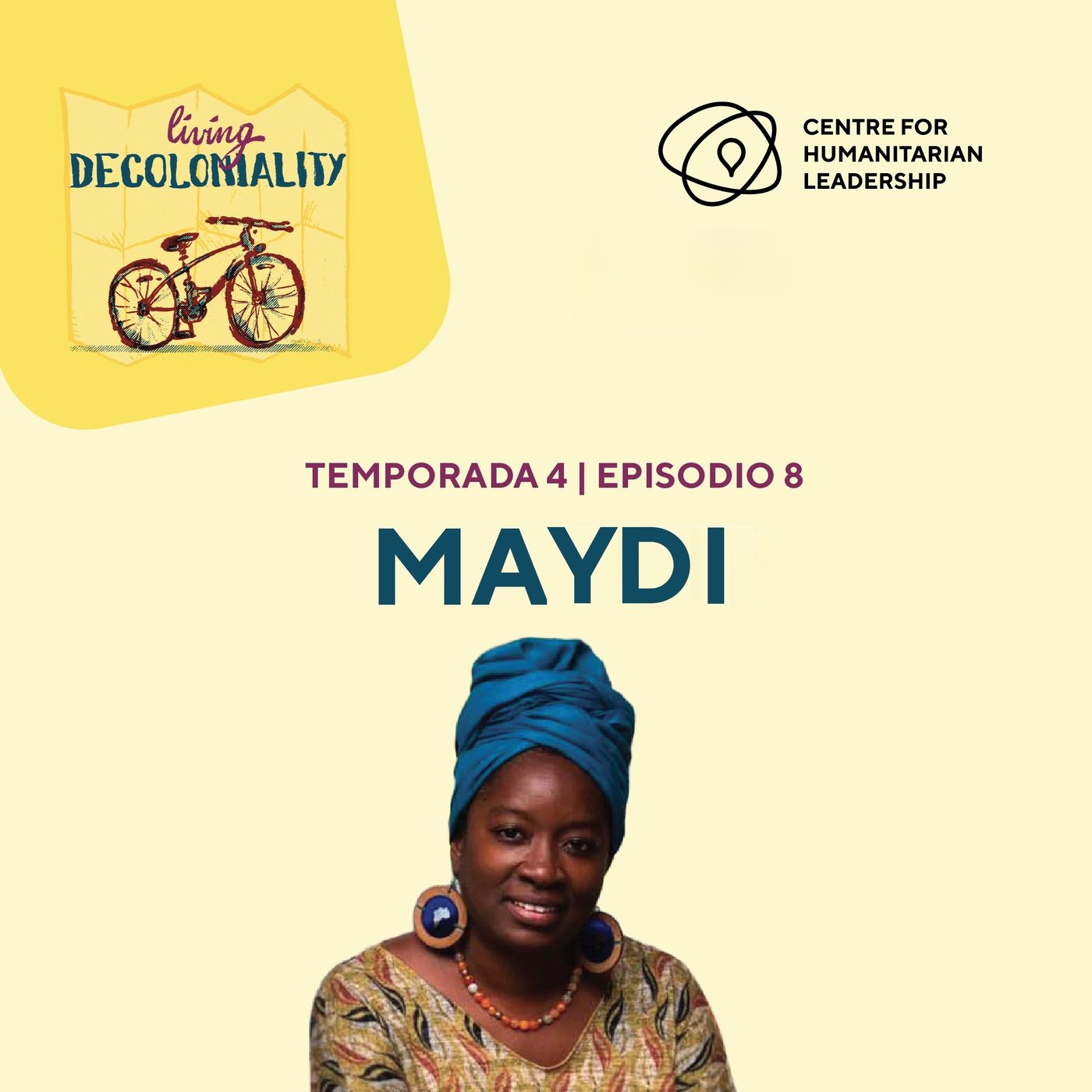 S 04 Ep 08 Maydi✨ | feminismdecoloniality+3 | Maydi Bayona Estrada | — | Cuba | Maydi Bayona EstradaCuba+5 | — | 16m 36s | |
| 2/19/26 | 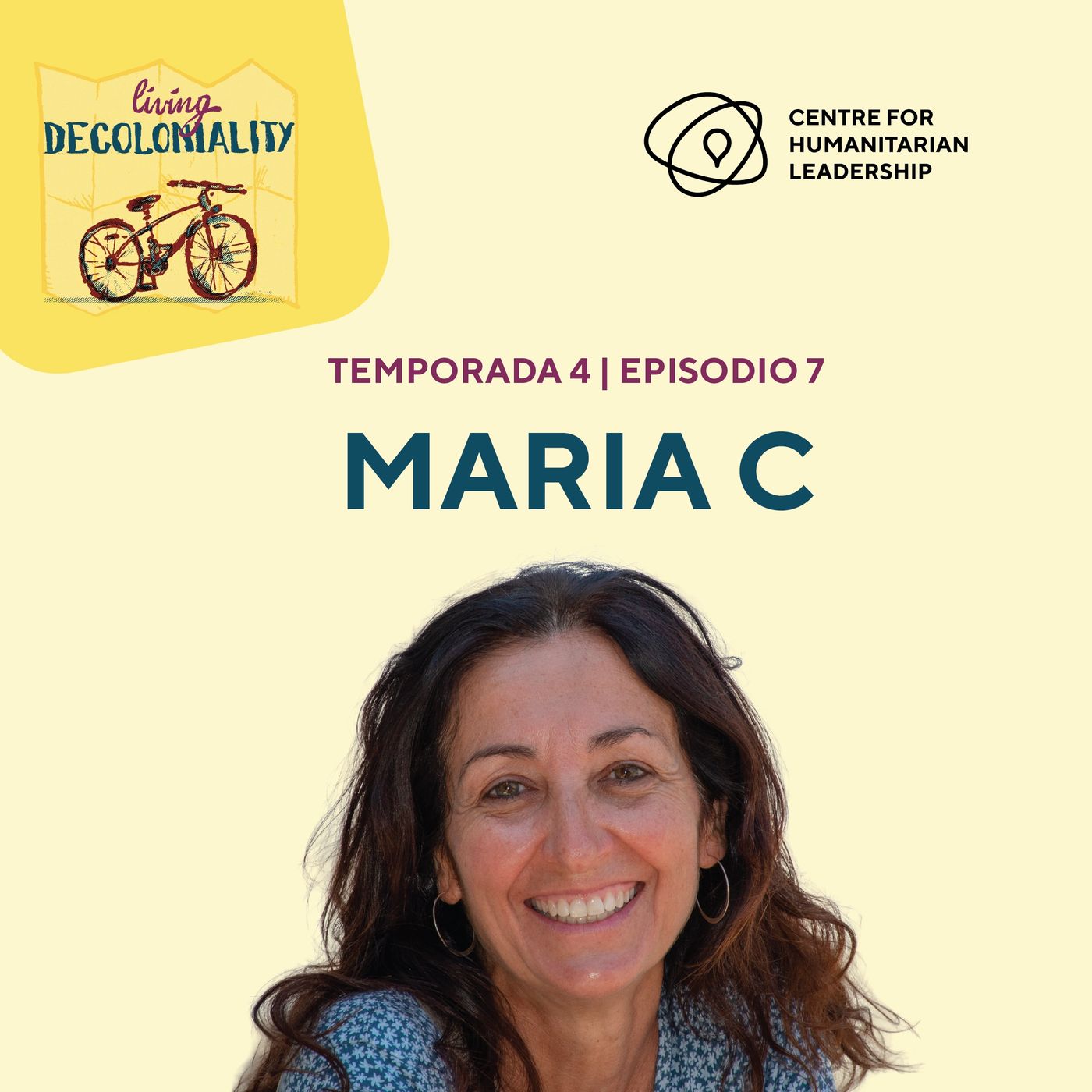 S 04 Ep 07 Maria C✨ | social impactphilanthropy+4 | Maria Chalaux | Fundació Nous Cims | Barcelona | social impactphilanthropy+5 | — | 13m 01s | |
| 2/5/26 |  S 04 Ep 06 Kelly✨ | decolonizationinternational cooperation+4 | Kelly Saavedra Flores | Acápacá | PerúEspaña | decolonizationinternational development+5 | — | 17m 21s | |
| 1/22/26 |  S 04 Ep 05 Pluriversa✨ | decolonial designecosocial transitions+5 | Isabel GarcíaMiguel Bello | Pluriversa | Global SouthMadre Tierra | decolonialitydesign+5 | — | 16m 07s | |
| 1/8/26 |  S 04 Ep 04 Romel✨ | Indigenous rightscommunity development+3 | Romel González Díaz | Consejo Regional Indígena y Popular de XpujilCooperativa Chac Lol | México | Maya activisthuman rights+3 | — | 17m 45s | |
| 12/18/25 |  S 04 Ep 03 Maria✨ | womenmigration+3 | María Arteaga Villamil | The Women’s BuildingLiving decoloniality | Estados UnidosSan Francisco | feminismmigration+3 | — | 16m 46s | |
| 12/4/25 | 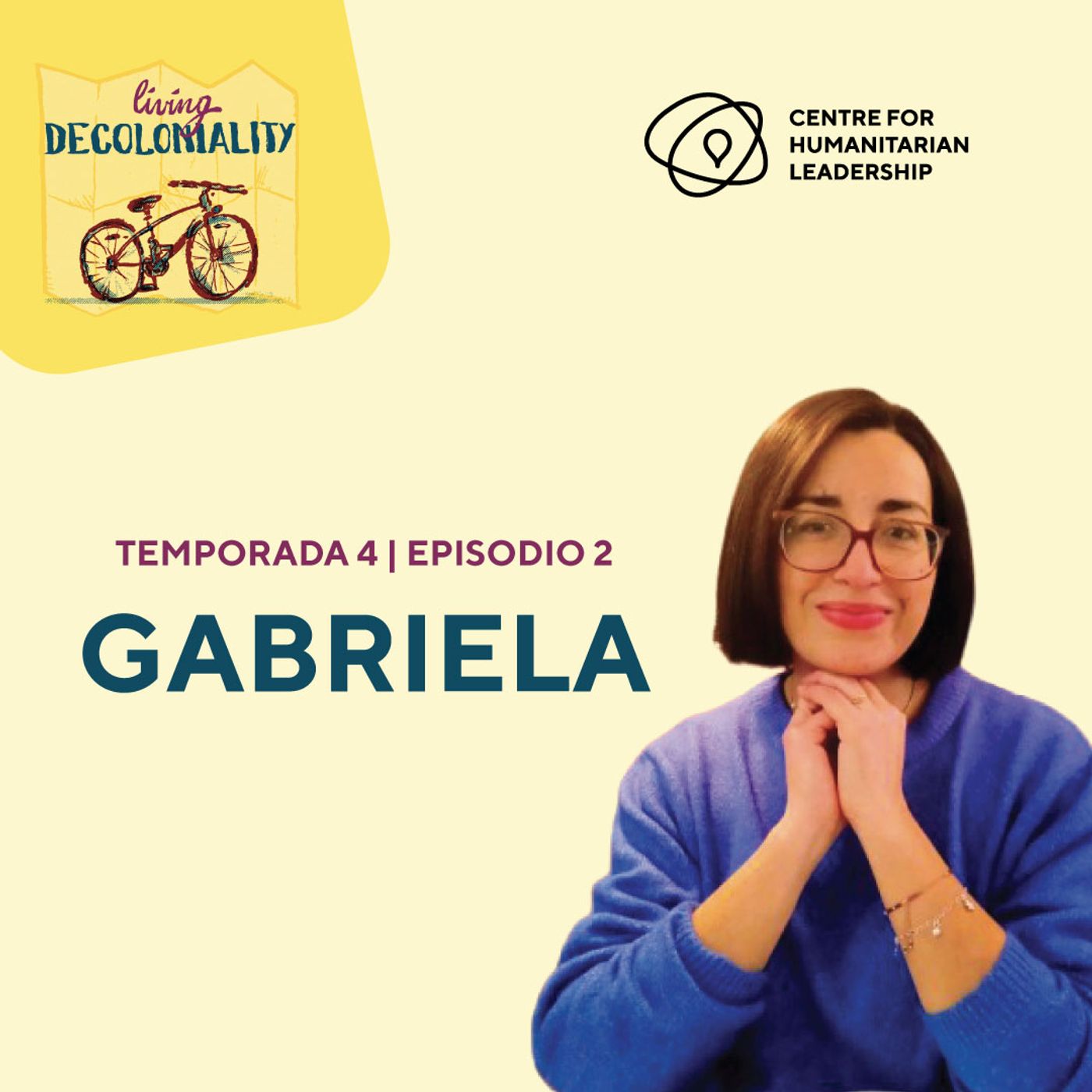 S 04 Ep 02 Gabriela✨ | colonialityfeminism+4 | Gabriela Villacís Izquierdo | Contra la colonialidad de la cooperación y solidaridad internacionales | EcuadorPaíses Bajos | colonialityfeminism+5 | — | 17m 27s | |
| 11/20/25 |  S 04 Ep 01 Asier y Carla✨ | colonial power structuressolidarity+4 | Asier Hernando Malax-Echevarria | ACAPACAFundación Europea del Clima+1 | — | colonialismcooperation+3 | — | 17m 33s | |
| 3/20/25 | 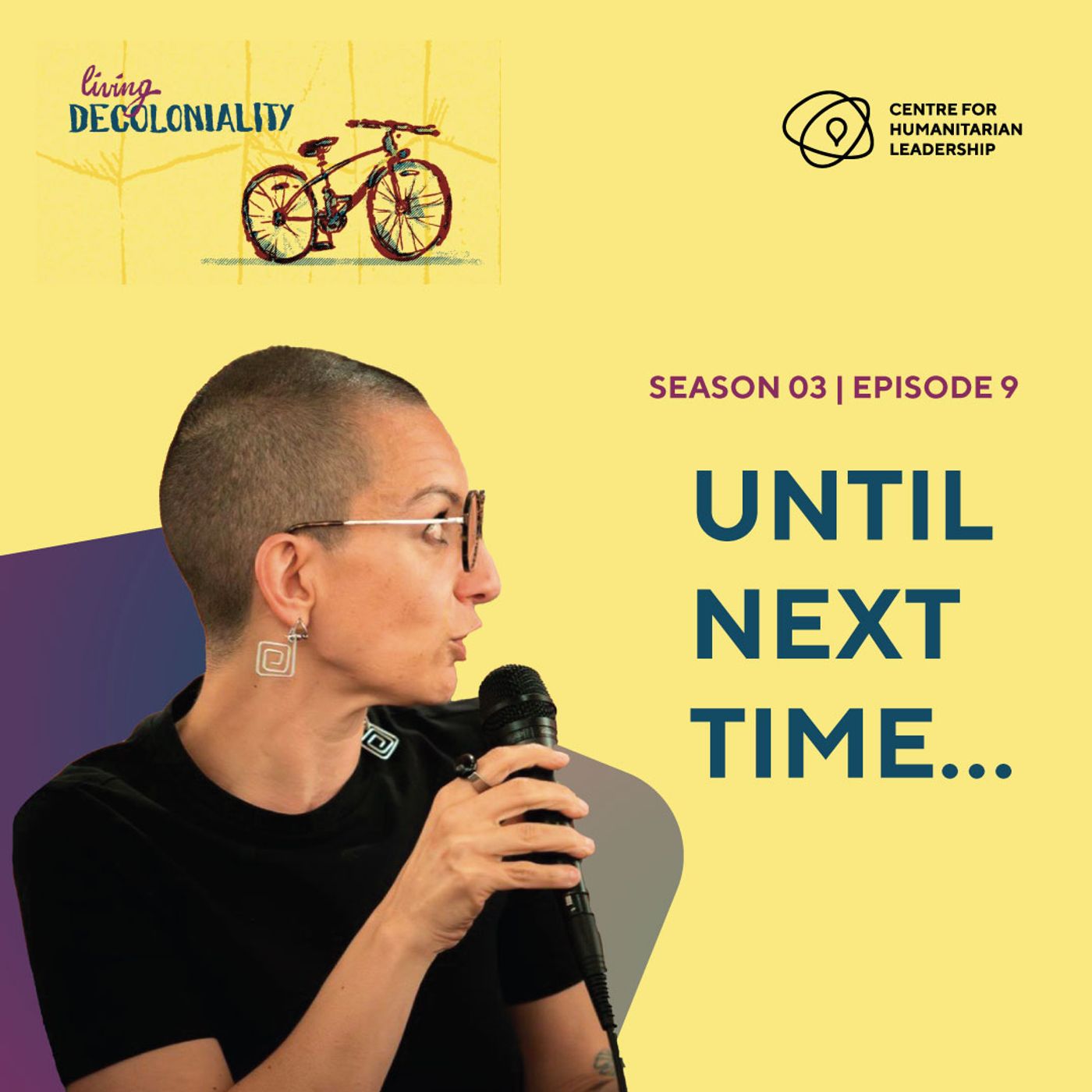 Season 03 Ep 09: Until next time✨ | co-creationlanguage+3 | Matilde | Living Decoloniality | — | decolonialityco-creation+4 | — | 12m 50s | |
Want analysis for the episodes below?Free for Pro Submit a request, we'll have your selected episodes analyzed within an hour. Free, at no cost to you, for Pro users. | |||||||||
| 3/6/25 | 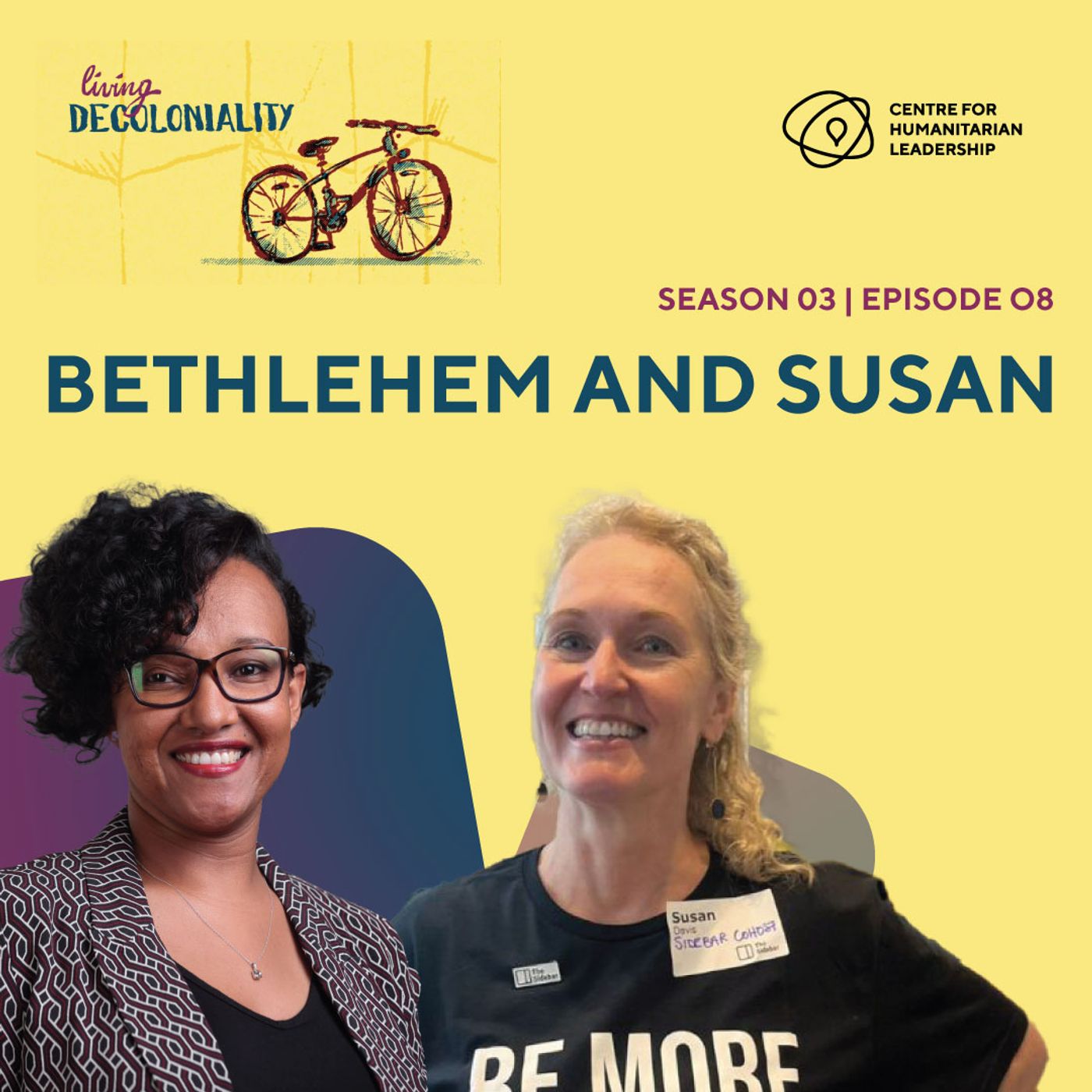 S 03 Ep 08: Susan and Bethehem | This episode is a bit of an exception, as it talks about coloniality, and decolonial practices, in the framework of a big international initiative: the WASH Agenda for Change.Listening to Bethlehem Mengistu and Susan Davis we will dive into the coloniality of power and what it means to decolonize governance, using the WASH Agenda for Change as a case study. With decades of leadership in international development, Bethlehem and Susan share insights on fostering collaborative systems, strengthening efforts, and challenging traditional power dynamics in global water, sanitation, and hygiene (WASH) initiatives. This conversation offers practical strategies for building more equitable and sustainable governance models in development work, but it also gives interesting insights on inclusion beyond tokenism and on feminist leadership. Sources: Agenda for ChangeFrom an implementing partnership with local NGOs to partnering with local government, Bethlehem MengistuImplementing Water, Sanitation and Hygiene (WASH)The link to the transcript is here | 20m 01s | ||||||
| 2/20/25 | 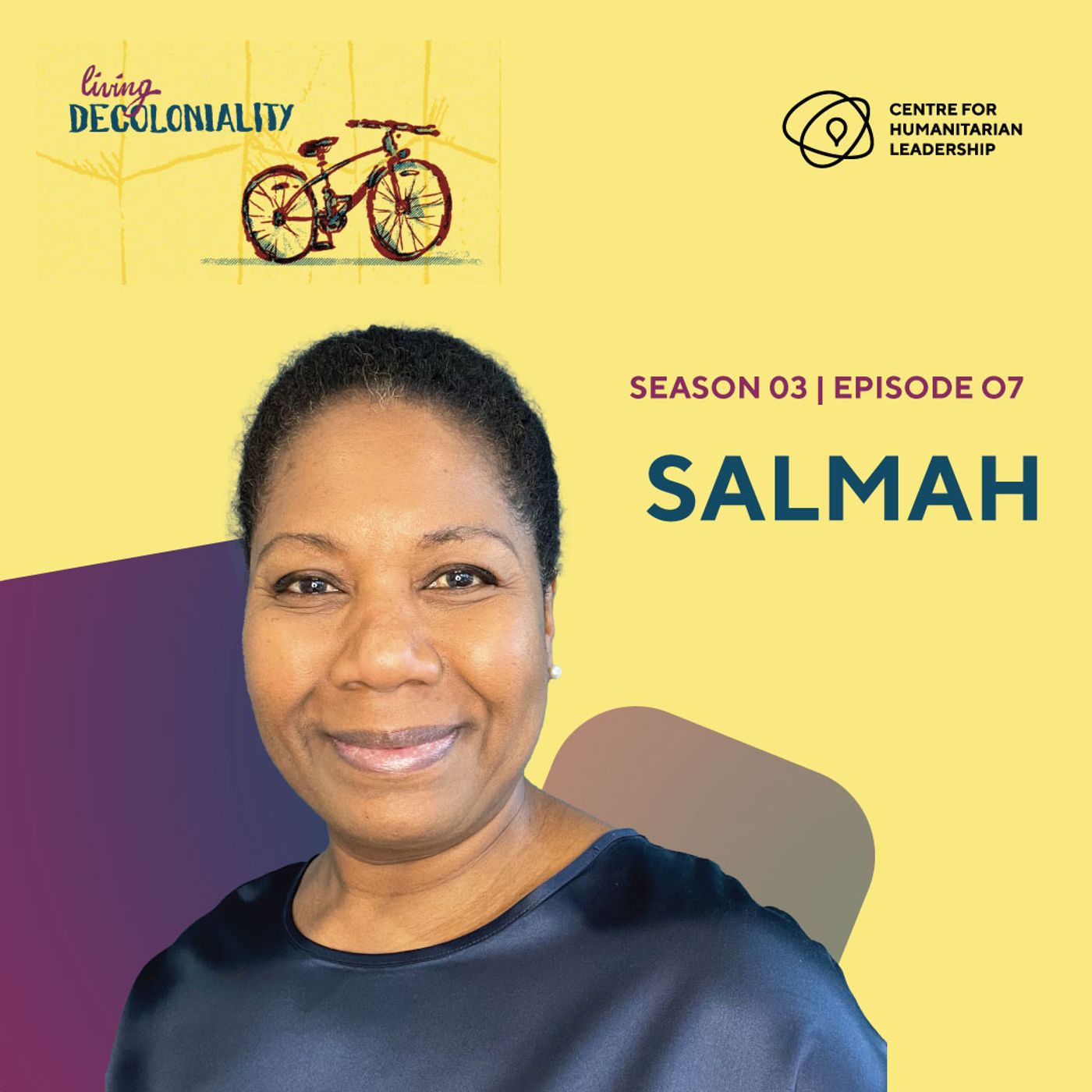 Season 03 Ep 07: Salmah | Dr Salmah Eva-Lina Lawrence joins us to bring back the discussion on the intersection among coloniality of gender, knowledge and race. And to do so, she shares with us her experience in the Pacific Islands. Drawing on her matrilineal heritage from Papua New Guinea and her extensive experience of decolonising international development, Salmah links theory and practice with insights from ethics, epistemology and feminism. From her role in governance and civil society to her academic contributions, Salmah offers a nuanced perspective on the dismantling of colonial frameworks in development.Sources: Jean Louis Rallu, The Impact of Colonization and Christianization on Gender Violence in the Pacific IslandsSeema Khan, Gender Issues in the Pacific IslandsPacific Women: Ending discrimination on the basis of sexuality, gender identity and expression Dr Salmah's website and training opportunitiesThe transcript is here | 16m 54s | ||||||
| 2/6/25 | 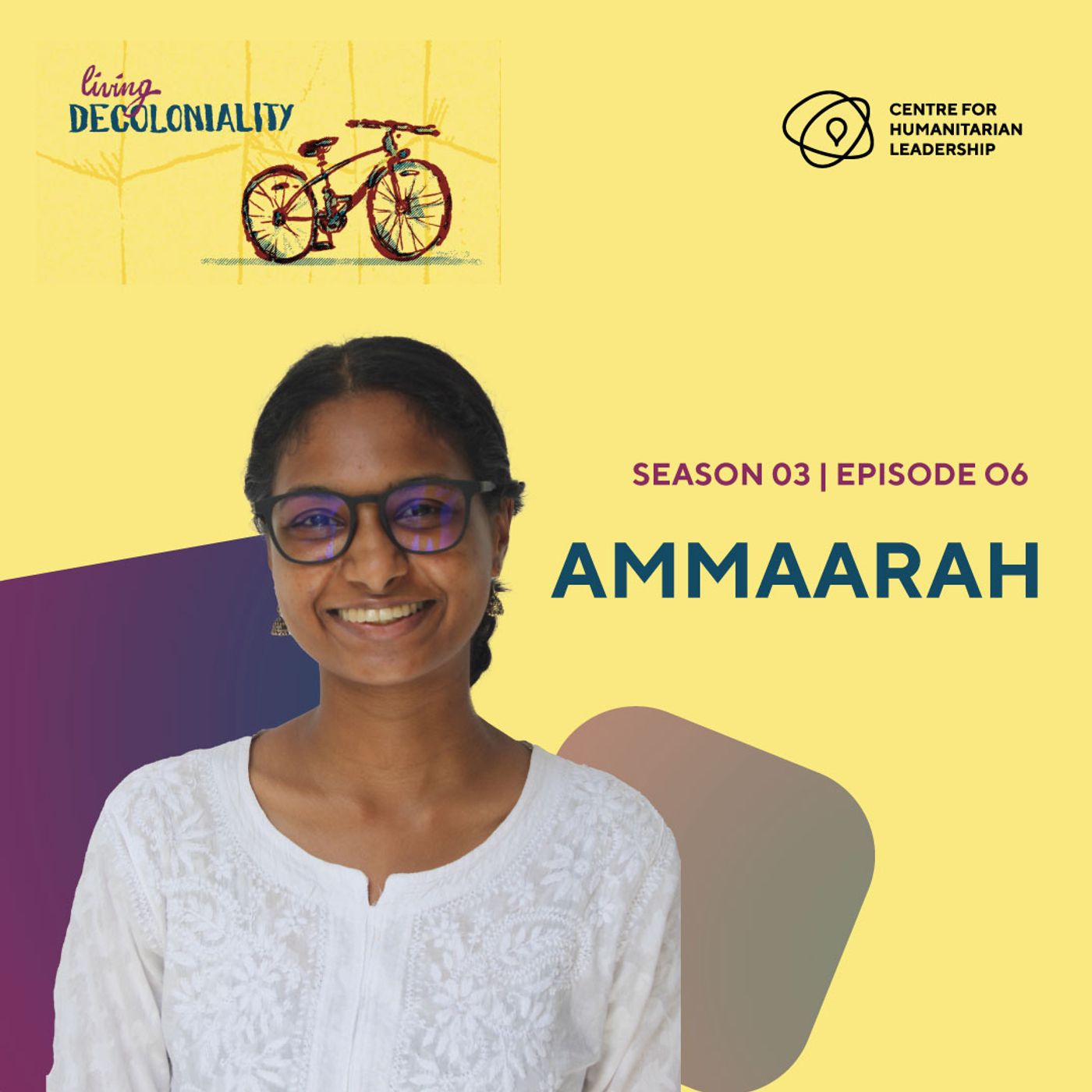 Season 03 Ep 06: Ammaarah | In this episode with Ammaarah Nilafdeen, a social researcher from Colombo, Sri Lanka, we critically examine the coloniality of language and the concept of ‘local’ in the process of "localization".With a strong critique of colonial frameworks and the recognition that language carries meanings that reveal power differentials, Ammaarah's ideas aim to challenge entrenched narratives. The transcript is here.Sources:SPOKEN TAMIL DIALECTS OF THE MUSLIMS OF SRI LANKA: LANGUAGE AS IDENTITY-CLASSIFIER, M. M. M. MAHROOFHow a unique Tamil dialect survived among a fishing community in Sri Lanka, Ajay KamalakaranColoniality and the ‘aid bubble’: Can language be a driver for change?, Carla VitantonioDeconstructing Decolonization: The Case of Language, Ammaarah NilafdeenThe relationship between Language and Neocolonialism - Carla Vitantonio | 17m 16s | ||||||
| 1/23/25 | 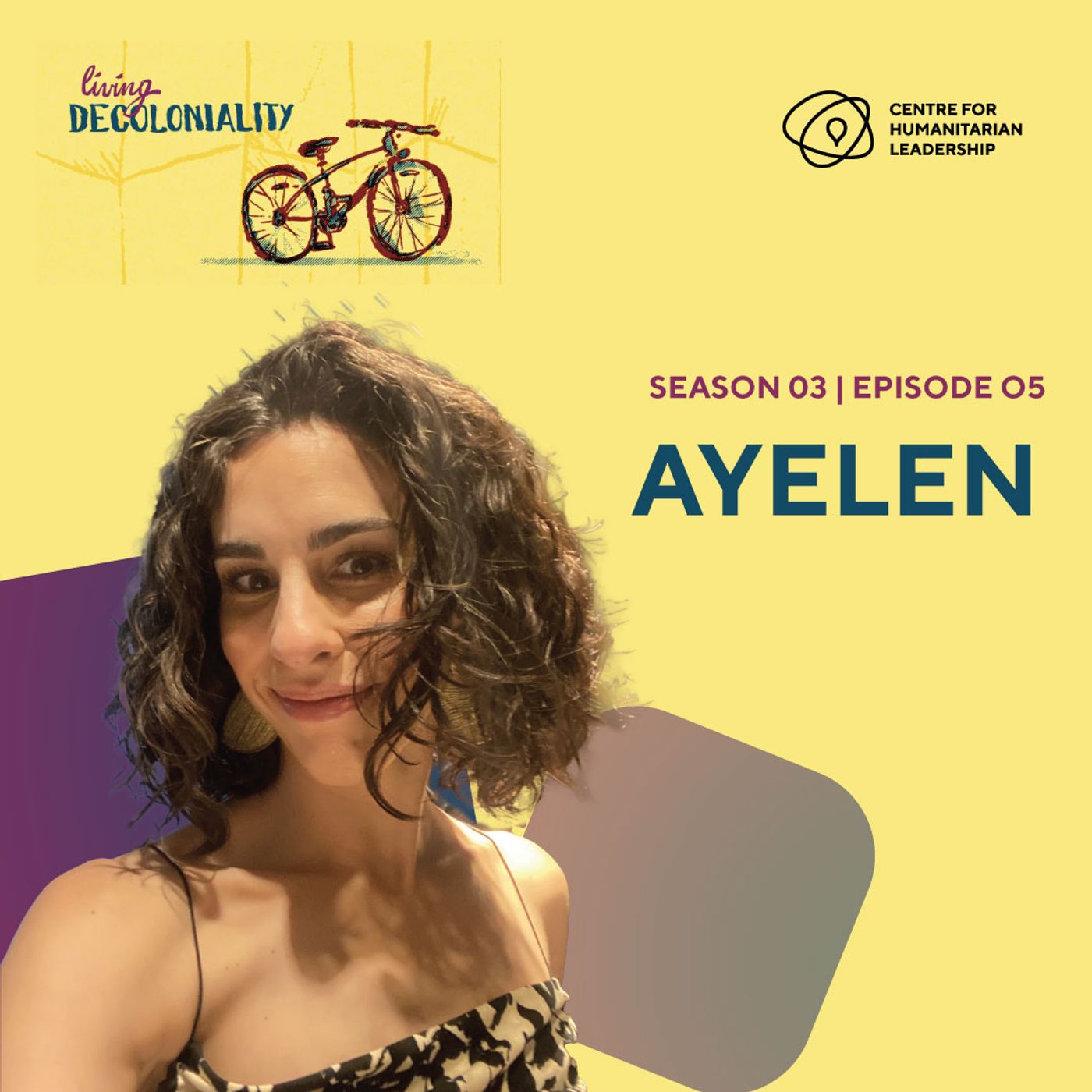 Season 03 Ep 05: Ayelen | In this episode, Ayelén Amigo joins us to explore coloniality of age, a concept that she created during her studies and shares practical tools for decolonisation projects with children. Applying her extensive academic training and years of participatory work with children and adolescents in Argentina and Mexico, Ayelén shares how adult-centrism and patriarchy shape childhood experiences. Focusing on the integration of feminist perspectives and on the use of the "pedagogy of tenderness", Ayelén offers valuable insights into creating more inclusive and equitable approaches to youth work. The transcript is here.Sources: Linde, R., The globalization of childhood: The international diffusion of norms and law against the child death penalty. Nxumalo, F., & Cedillo, S., Decolonizing place in early childhood studies: Thinking with Indigenous onto-epistemologies and Black feminist geographies. Elizabeth A. Faulkner and Conrad Nyamutata, The Decolonisation of Children’s Rights and the Colonial Contours of the Convention on the Rights of the Child | 13m 57s | ||||||
| 1/9/25 | 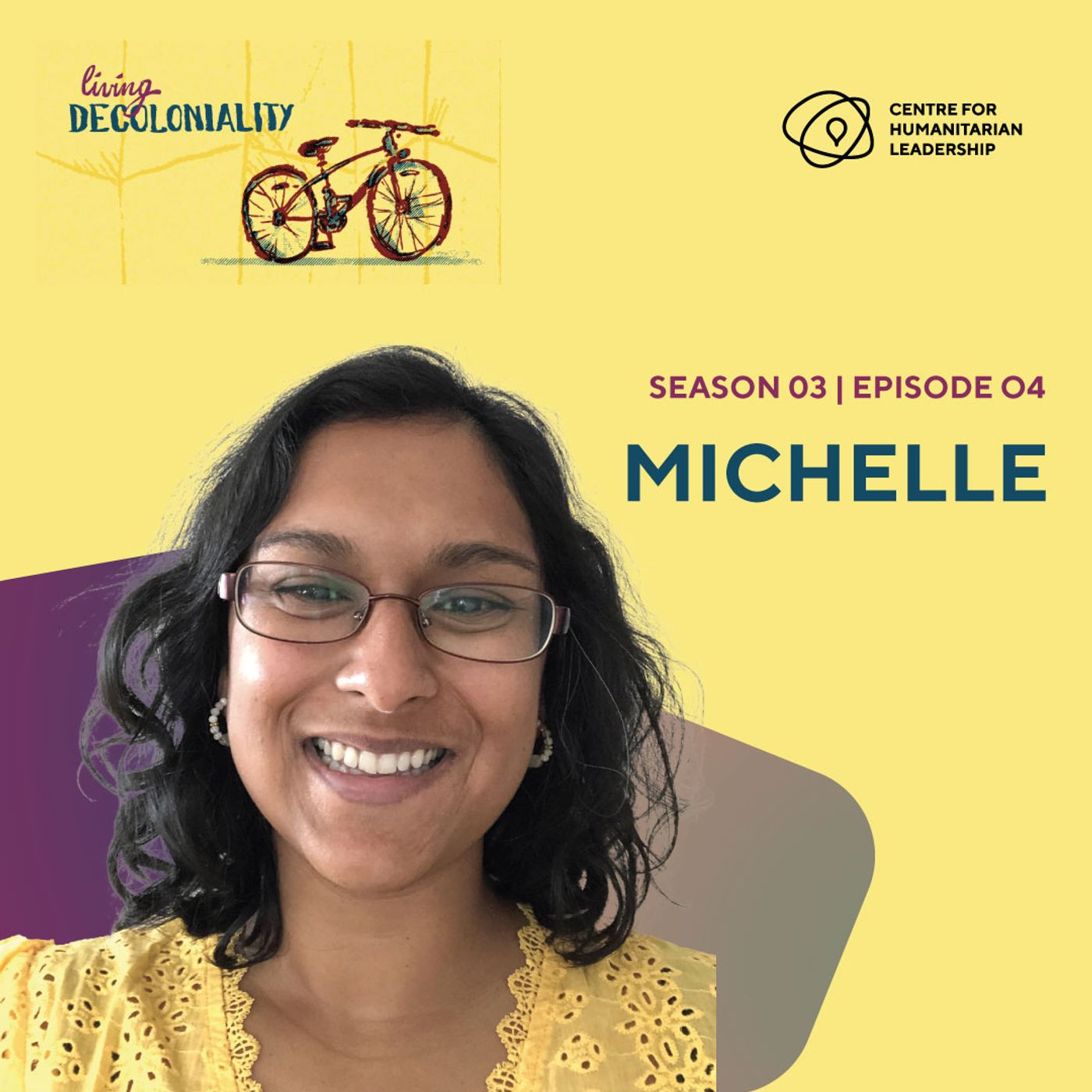 S03 Ep 04: Michelle | In this episode we welcome Michelle Lokot, an esteemed researcher and practitioner, to explore the coloniality of gender and how it intersects with monitoring and evaluation (M&E) in humanitarian contexts. Michelle shares practical tools for fostering decolonial approaches to M&E, drawing on her extensive experience in feminist research, GBV, and qualitative methods. As Co-Director of the Health in Humanitarian Crises Centre at LSHTM, Michelle brings unique insights into the power hierarchies shaping gender, forced migration, and humanitarian aid. With years of frontline experience in Jordan, Nigeria, and Burundi, and collaborations with agencies like UNICEF and IRC, Michelle’s expertise will challenge and inspire your perspective on humanitarian work. The link to the transcript is hereSources: Gani, J.K & Khan, R.M, Positionality Statements as a Function of Coloniality: Interrogating Reflexive MethodologiesLokot, M., Pichon, M., Kalichman, B., Nardella, S., Falconer, J., Kyegombe, N., & Buller, A. M., Decolonising the field of violence against women and girls: A scoping review and recommendations for research and programming.Lokot, M., Reflecting on Race, Gender and Age in Humanitarian-Led Research: Going Beyond Institutional to Individual Positionality.Lokot, M., Whose Voices? Whose Knowledge? A Feminist Analysis of the Value of Key Informant Interviews.Meger, S, The Fetishization of Sexual Violence in International Security.Zreik, T., El Masri, R., Chaar, S., Ali, R., Meksassi, B., Elias, J., & Lokot, M., Collaborative Coding in Multi-National Teams: Benefits, Challenges and Experiences Promoting Equitable Research. | 18m 48s | ||||||
| 12/19/24 | 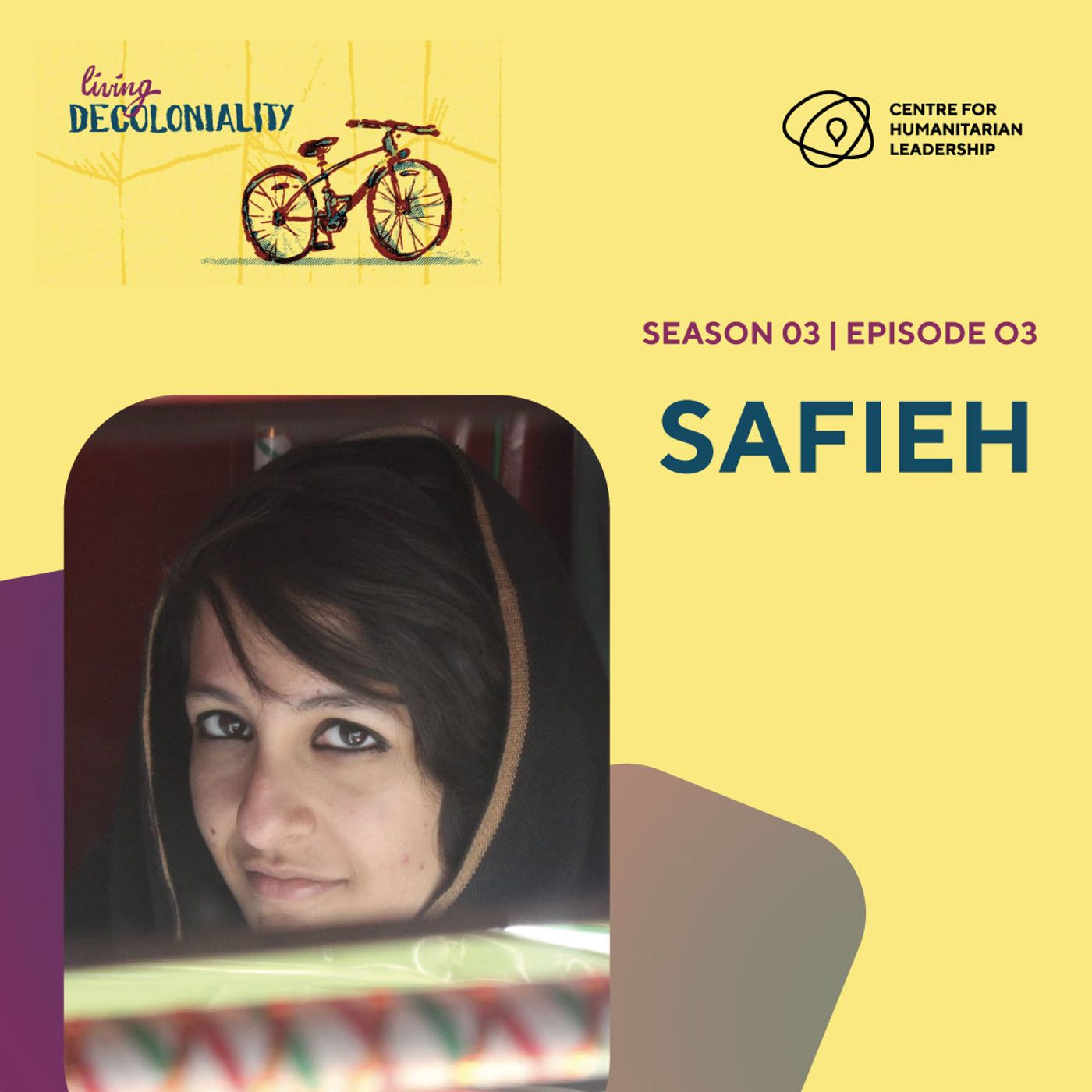 S03 Ep 03: Safieh | In this insightful episode, we’re joined by Safieh, a trailblazer in decolonizing global health. With over 15 years of experience in the humanitarian sector, Safieh shares practical tools to dismantle the coloniality of knowledge and being within international public health projects. From her work as a medical doctor to establishing the first open-access, multi-country Ebola data repository, Safieh’s journey is a testament to the power of intersectional feminism, open science, and decolonial approaches.Sources: Transforming global health: decoloniality and the human condition, Raphael LencuchaTowards a bidirectional decoloniality in academic global health: insights from settler colonialism and racial capitalism, Bram Wispelwey, Chidinma Osuagwu, David Mills, Tinashe Goronga, Michelle MorseShifting Power in Global Health: Creating partnerships to put decoloniality into practice, United Nations UniveristyWhy and for whom are we decolonising global health?, Ong’era F Mogakaa, Jenell Stewart, Elizabeth BukusiSafieh' s newsletterEpistemic violence in the humanitarian sectorYou can find the complete transcript here | 14m 43s | ||||||
| 12/5/24 | 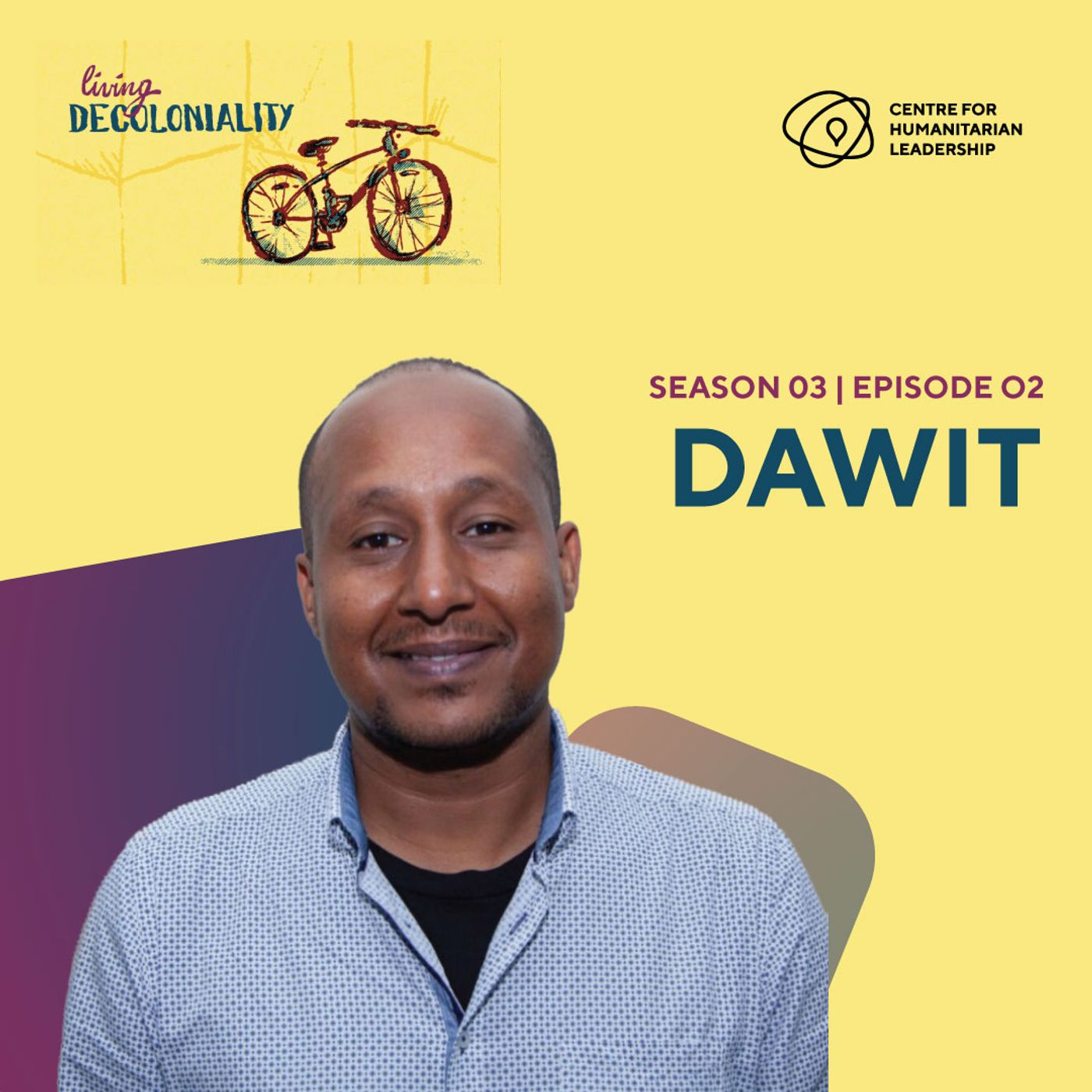 S03 Ep 02: Dawit | In this episode of Living Decoloniality, we sit down with Dawit Taddele Dessie. Dawit considers himself a person who works to promote sustainable change. Currently, his interest is mainly focused on the intersection between technology and development. Dawit shares insights on how he is engaging in reshaping philanthropy in East Africa. We'll dive into his work at Project Tech for Development, the role of tech-enabled solutions in nonprofit work, and his vision for decolonizing philanthropy through long-term sustainability, data-driven insights, and strategic partnerships. He emphasizes that true decolonization must begin with a shift in mindset, transforming the way we think before we can reshape systems and institutionsSources: 3 ways to decolonize philanthropy right now, Geoffrey Thige, Jailan AdlyFunders must reckon with the true motivations of philanthropy if they want to decolonise, Laura Somoggi and Shivani Guptahttps://www.wildeganzen.org/https://kcdf.or.ke/Opinion: To truly walk the talk is to decolonize philanthropyDawit Taddele Dessie is a seasoned changemaker with over 15 years of experience driving transformative impact across diverse sectors. Currently, he is at the forefront of integrating technology into development through his role at Project Tech for Development, where he builds scalable and sustainable solutions, strengthens nonprofit tech capacity, and leverages open-source technology for the public good. Simultaneously, he serves as a strategic advisor to the East Africa Philanthropy Network, architecting an integrated ecosystem centered around three key pillars:Endowment/Pool Fund: Fostering long-term organizational sustainability through strategic fundraising and partnerships.Tech-Enabled Data Mapping Platform: Creating a comprehensive data-driven landscape of the East African philanthropic ecosystem.Technology Integration and Custom Tech Products: Empowering network members with innovative technology solutions to maximize impact.A skilled collaborator, Dawit excels at building bridges between diverse stakeholders to drive systemic change. With a keen ability to identify opportunities and translate vision into action. Passionate about harnessing collective intelligence, he seeks collaborative partnerships to build a more equitable and sustainable future.The transcript is here | 16m 14s | ||||||
| 11/21/24 | 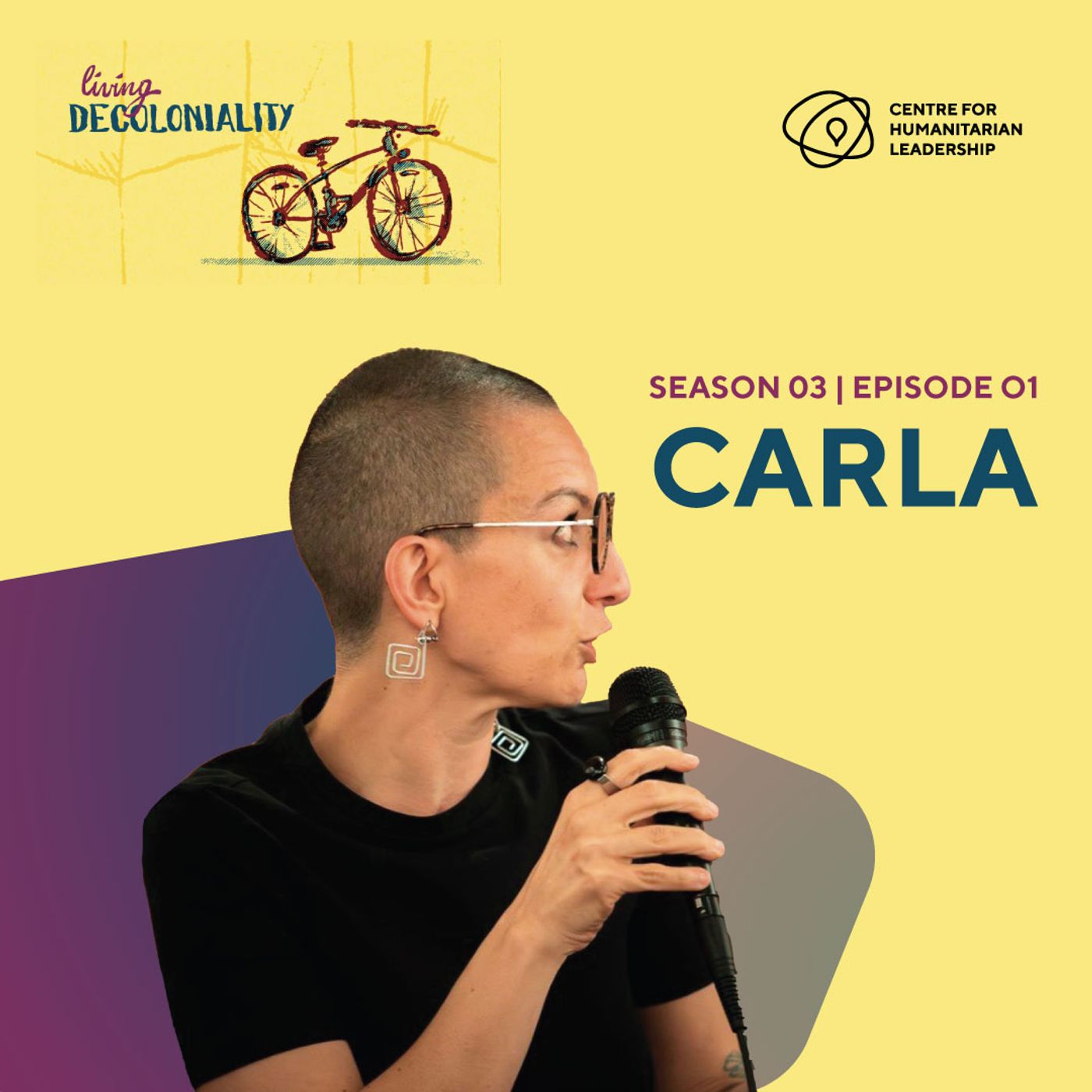 S03 Ep 01: Welcome back | In this opening episode of Season 3, we’re reconnecting with the essence of Living Decoloniality and diving into reflections from our journey so far. Join us as we unpack key lessons from the first two seasons, revisit the fundamentals of coloniality, and set the stage for the conversations to come. Whether you’re a longtime listener or tuning in for the first time, this episode is your gateway to understanding the ongoing impacts of coloniality and our paths toward decolonial futures. Let’s continue this journey together!The transcript is here.Sources:Frantz Fanon’s Enduring Legacy By Pankaj MishraBlack Skin, White Masks by Frantz FanonPositionality Statements as a Function of Coloniality: Interrogating Reflexive Methodologies by Jasmine K Gani, Rabea M KhanDecolonizing the aid sector: how the global minority is holding on to power, by Carla VitantonioColoniality and the "aid bubble": can language be a driver for change? by Carla Vitantonio | 13m 50s | ||||||
| 5/23/24 | 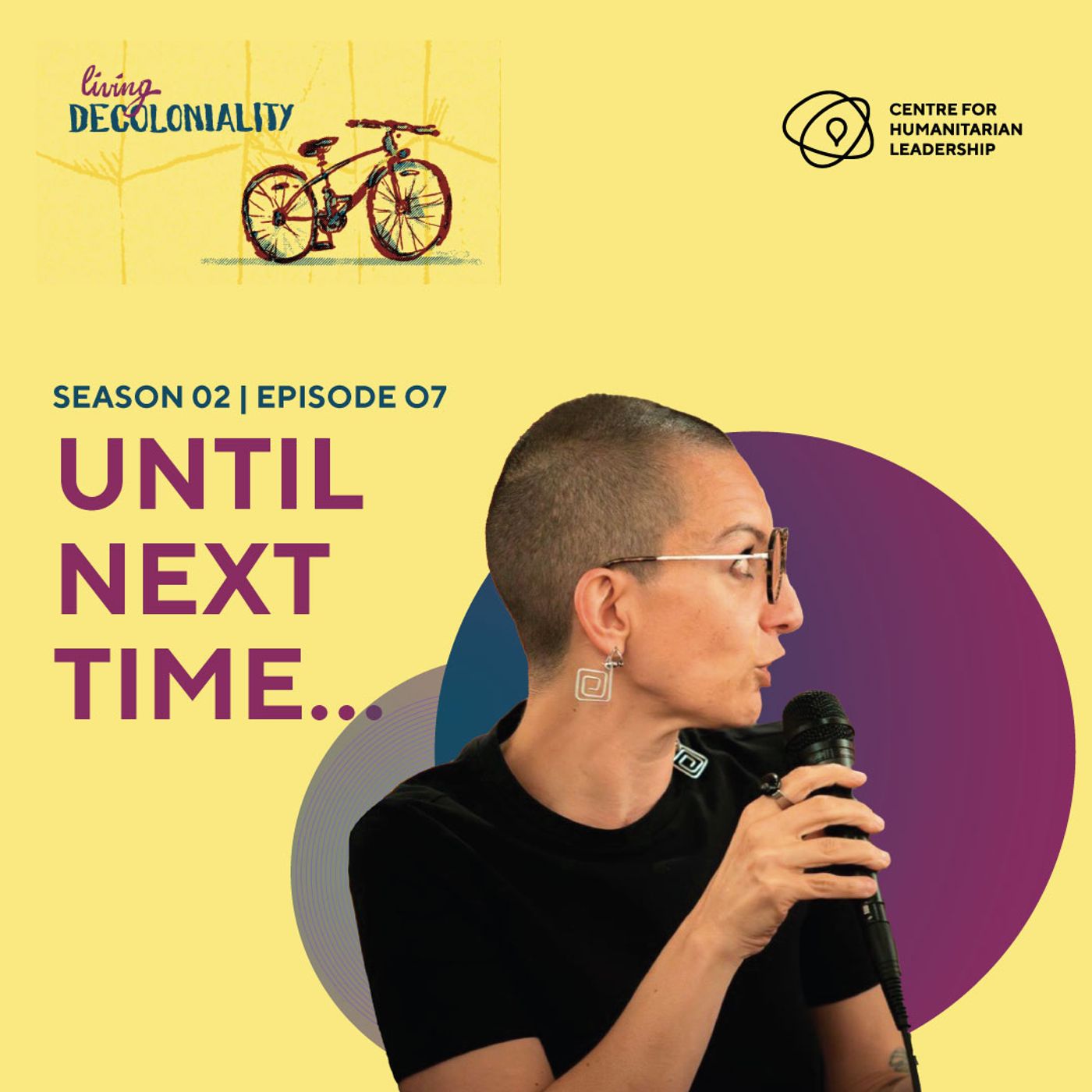 S02 Ep 07: until next time | This episode needs an introduction: we defend the spontaneity of podcasts and we think that linking professionality to the use of expensive technical means is yet one more attempt to keep power and resources in the hands of those few who can afford them.Nevertheless we are conscious that the sound of this episode is especially disturbing.Thank you for keeping supporting us, your support is our strength!Join us as we conclude the second season of this podcast. We explore the essence of decolonial practices, reflecting on our journey.We try to pull the threads of the practices discussed: reconnecting with nature, challenging binaries and imagining a more equitable future. What does it mean in a world where humanitarian and development actions are more needed than ever?What does it mean for people working in our sector? How can we practice decoloniality and remain relevant?Until next time, stay engaged, curious and decolonial.The transcript is available here. | 11m 56s | ||||||
| 5/9/24 | 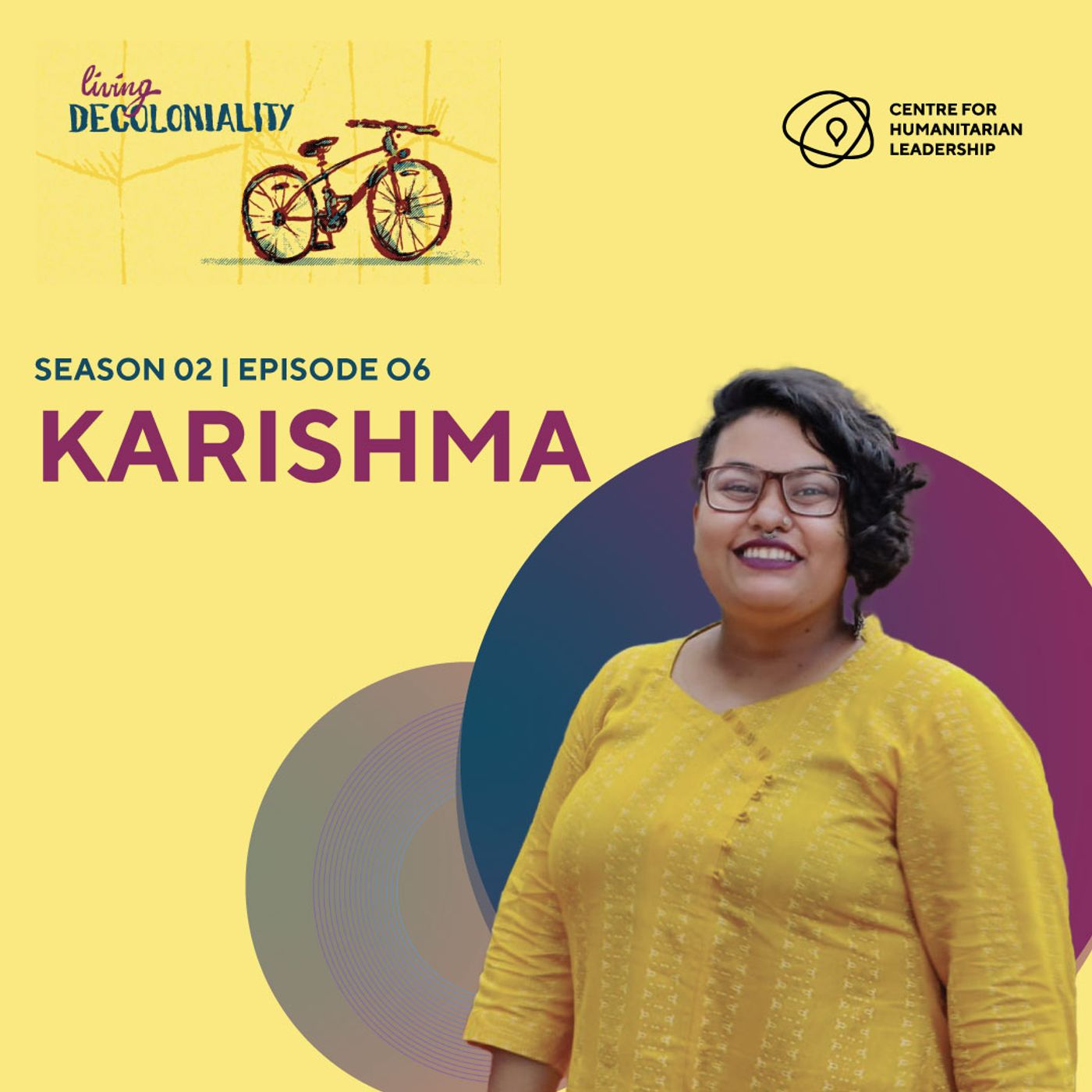 S02 Ep 06: Karishma | In this episode we dive into thought-provoking conversations with Karishma Shafi, who is working with One Future Collective, a feminist organization dedicated to social justice in India. From challenging colonial legacies to reimagining knowledge systems, Karishma shares invaluable insights that resonate across disciplines, suggesting alternative practices through examples provided by her work at OFC.The transcrip is available hereSources: Colonial legacies, postcolonial ‘selfhood’ and the (un)doing of AfricaOne Future CollectivePrecolonial Intellectuals and the Production of Colonial KnowledgeThe Production of Colonial Knowledge and the Role of Native Intellectuals: The Case of Kavali BorraiahHow we see the world: use of maps in transnational policiesColoniality of Knowledge and the Challenge of Creating African FuturesColoniality of power and de-colonial thinking | 17m 59s | ||||||
| 4/25/24 | 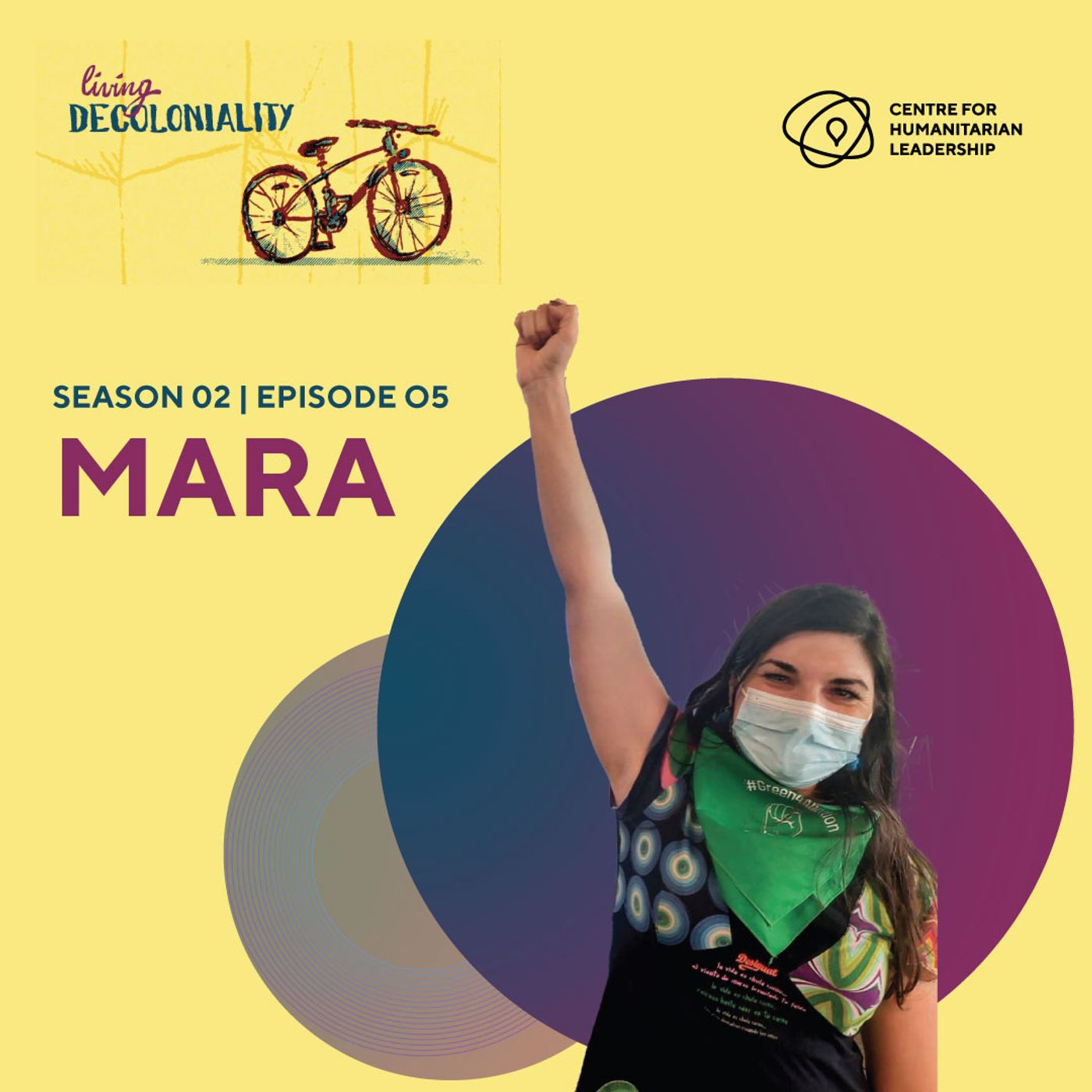 S02 Ep 05: Mara | Mara Tissera Luna, a polyglot international consultant with over a decade of expertise in protection and forced migration, delves into the critical intersection of inclusive research and societal engagement. Explore how Mara's unique blend of skills in social anthropology and public administration informs her work in addressing root causes and developing policies for displaced populations across Latin America, the US, and Europe. Discover the power of decentering knowledge hierarchies, amplifying marginalized voices, and fostering a more equitable world.The transcript is available hereSources: Mara Tissera Luna Epistemic decentering in education for responsibility: revisiting the theory and practice of educational integrityDecentering academia through critical unlearning in transdisciplinary knowledge production Possibilities and complexities of decolonising higher education: critical perspectives on praxisLiving Decoloniality, S01 E03- Adriana, Kewan and Viola | 19m 23s | ||||||
| 4/11/24 | 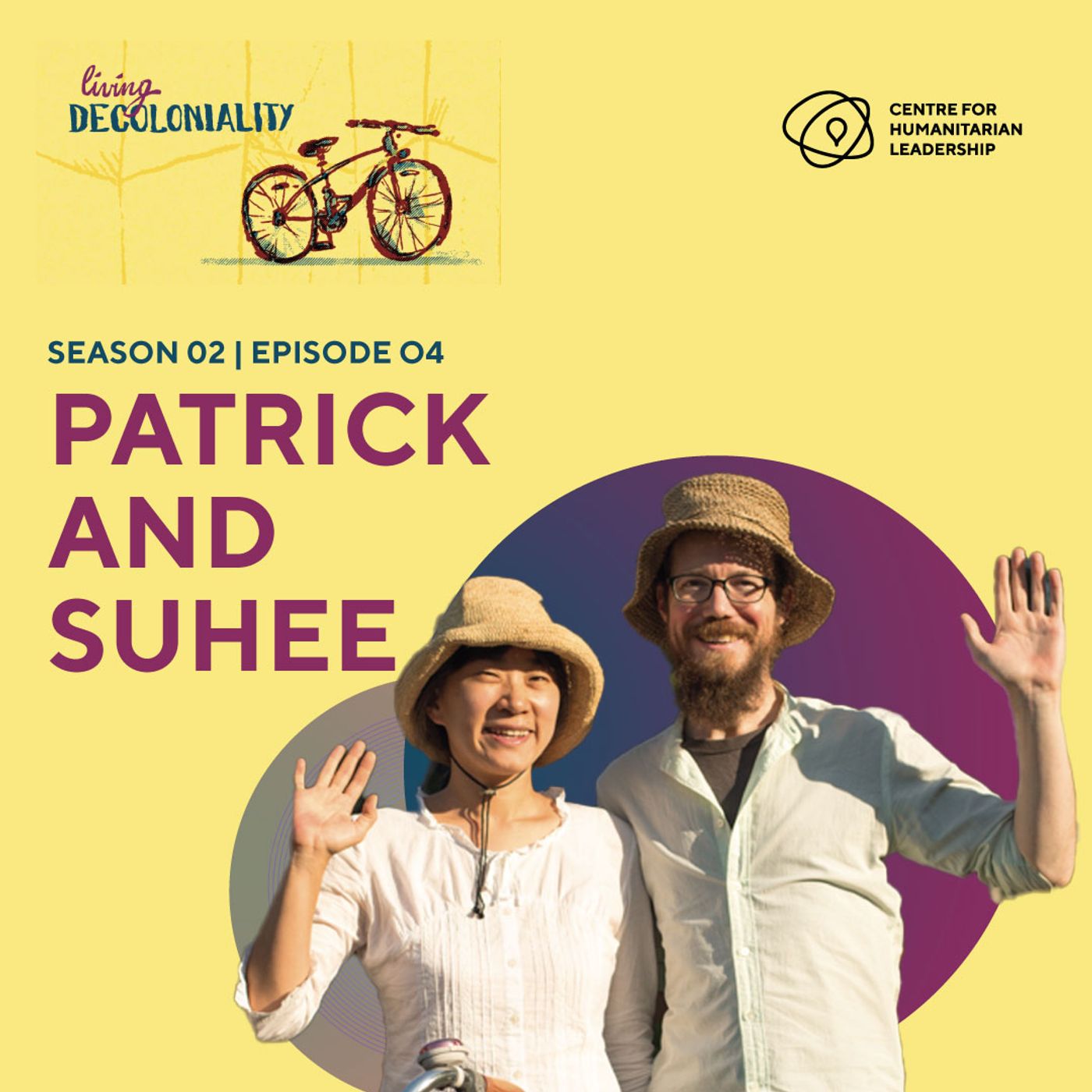 S02 Ep 04: Patrick and Suhee | In this episode I’ll have a transformative chat with Patrick and Suhee, artists based in Daejeon, South Korea.We delve into their journey to reconnect with nature, challenging societal norms and embracing ecological respectability.Discover the essence of their creative studio, City as Nature, and their rebellion against coloniality. Explore the power of finding a place, recognizing your existence, and giving yourself permission to engage with nature deeply.Can we bring any of these practices to our daily work?Tune in for an inspiring conversation breaking free from conventional norms. The transcript is availeble here.Sources: Placing diverse knowledge systems at the core of transformative climate research , Representation of Indigenous peoples in climate change reporting, El Buen Vivir y los saberes ancestrales frente al neo-extractivismo del siglo XXI, Implementing ‘Vivir Bien’: Results and Lessons from the Biocultura Programme, Bolivia, City as Nature | 18m 36s | ||||||
| 3/28/24 |  S02 Ep 03: Giulia and Ria | In this episode I address one of the implicit narratives of coloniality: the narrative that separates humans from nature, giving the firsts power over the second.I delve into the concept of 'coloniality of being' and its impact on Disaster Risk Reduction (DRR). In an insightful interview with two members of the Feminist Hiking Collective, I explore their research triggers, and learn how they rebel against colonial perspectives, and navigate the intersection of nature, humanity, and decoloniality.The transcript is available hereFHC - Feminist Hiking Collective is a feminist non-profit organisation formed in January 2020 and registered in Italy. Their aim is to contribute to transformative system change through feminist popular education, research and resource co-creation; and to build collective feminist leadership and power through hiking.Sources: A decolonial feminism All about powerAchieving Transformative Feminist Leadership Feminist Hiking Collective | 14m 46s | ||||||
| 3/14/24 | 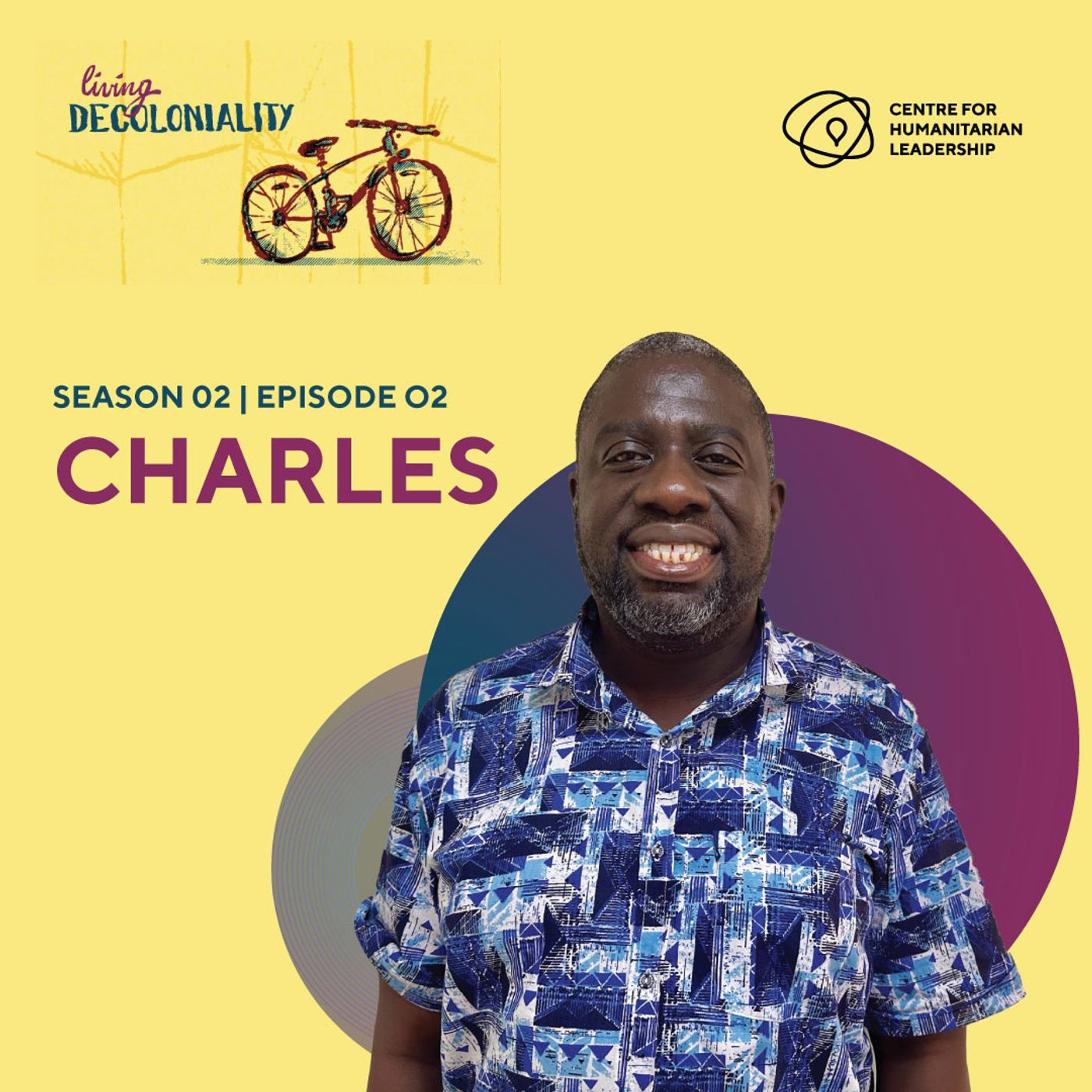 S02 Ep 02: Charles | In this episode of 'Living Decoloniality,' I engage in a thought-provoking conversation with Charles Kojo Vandyck.From challenging colonial mindsets to reshaping narratives in the aid sector, Charles shares his journey and introduces 'Alternative Convos,' a podcast aiming to amplify diverse voices in international development.Join me as I delve into the complexities of decolonizing minds and practices, redefining leadership, and creating spaces for alternative narratives. The transcript is available hereSources: Decolonizing Knowledge: From Development to DialogueBeyond the Master's Tools?: Decolonizing Knowledge Orders, Research Methods and TeachingEpistemic Decolonization: A Critical Investigation into the Anticolonial Politics of KnowledgeAlternative Convos | 16m 33s | ||||||
| 2/29/24 | 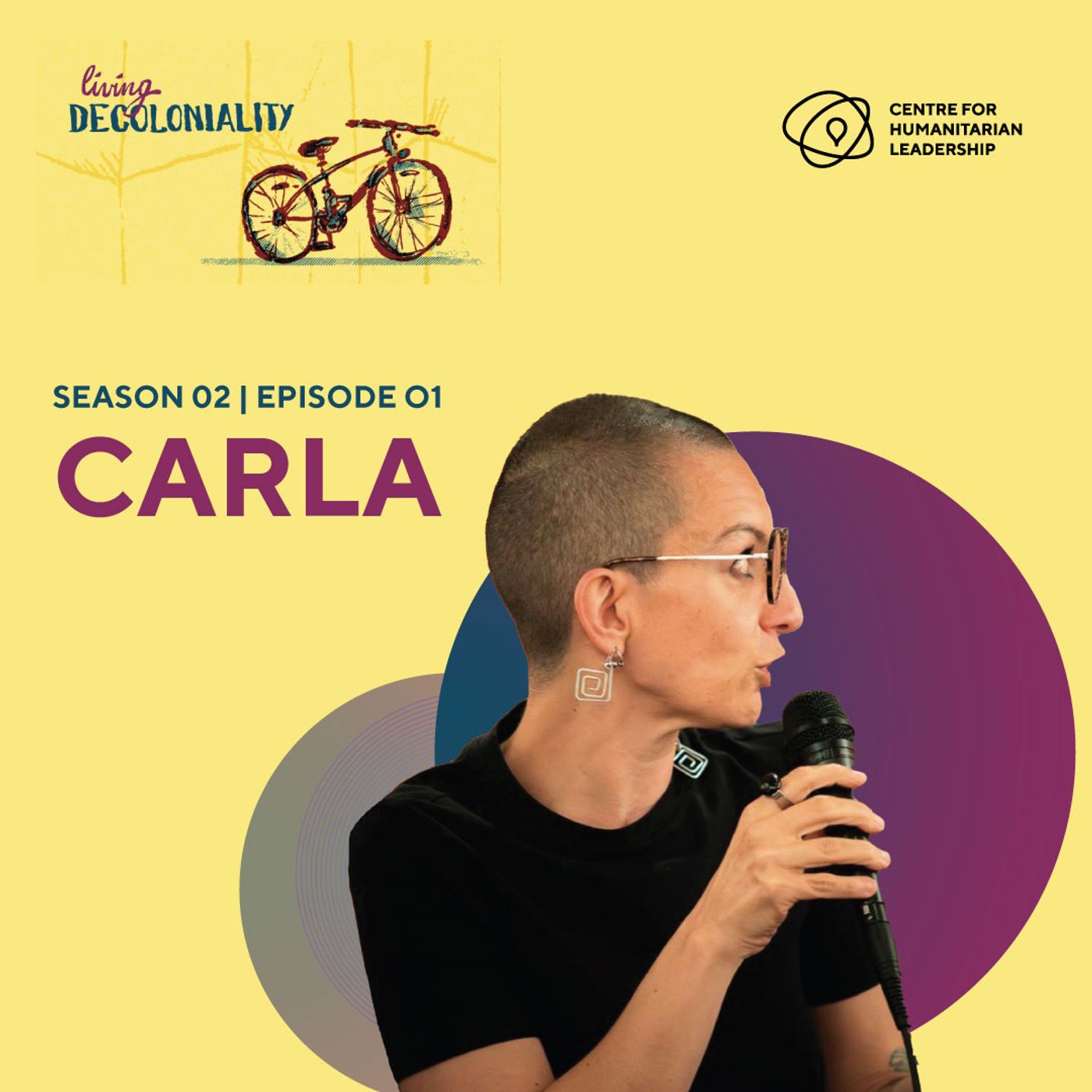 S02 Ep 01: Carla | In this episode I reflect on the journey of this podcast, drawing inspiration from my sabbatical in Florence to the streets of Havana.I recall the framework of the Colonial Matrix of Power, and I introduce the second season and its themes.We will dive into Coloniality of Being, Coloniality of Knowledge, and Coloniality of Gender in the aid sector.Embracing the concept of extrapolation, we move beyond sector boundaries.No longer limited to replicating practices, we explore diverse contexts, seeking inspiration from unconventional sources.Let’s challenge colonial structures and discover new possibilities.The transcript is available here Sources: Situated Knowledges: The Science Question in Feminism and the Privilege of Partial PerspectiveEpistemic Disobedience, Independent Thought and De-Colonial FreedomOn Decoloniality: Concepts, Analytics, PraxisColonialidad del poder, eurocentrismo y América LatinaThe Extrapolation Problem: How Can We Learn from the Experience of Others? | 11m 19s | ||||||
Showing 25 of 32
Pitch Fit is a Pro feature
See how bookable this show is for guests, which brands already advertise, the per-episode ad value, and the best-fit guest and sponsor profile. The numbers are blurred on the free plan.
How readily this show books outside guests like you.
How proven this show is for host-read sponsorships.
For Guests
ProFor Advertisers
ProUpgrade to Pro to unlock guest cadence, sponsor categories, fit scores, and per-episode ad value for this show.
Chart Positions
1 placement across 1 market.
Chart Positions
1 placement across 1 market.