About this episode
This episode explores the reasons behind declining fertility rates globally and their social, economic, and personal implications.
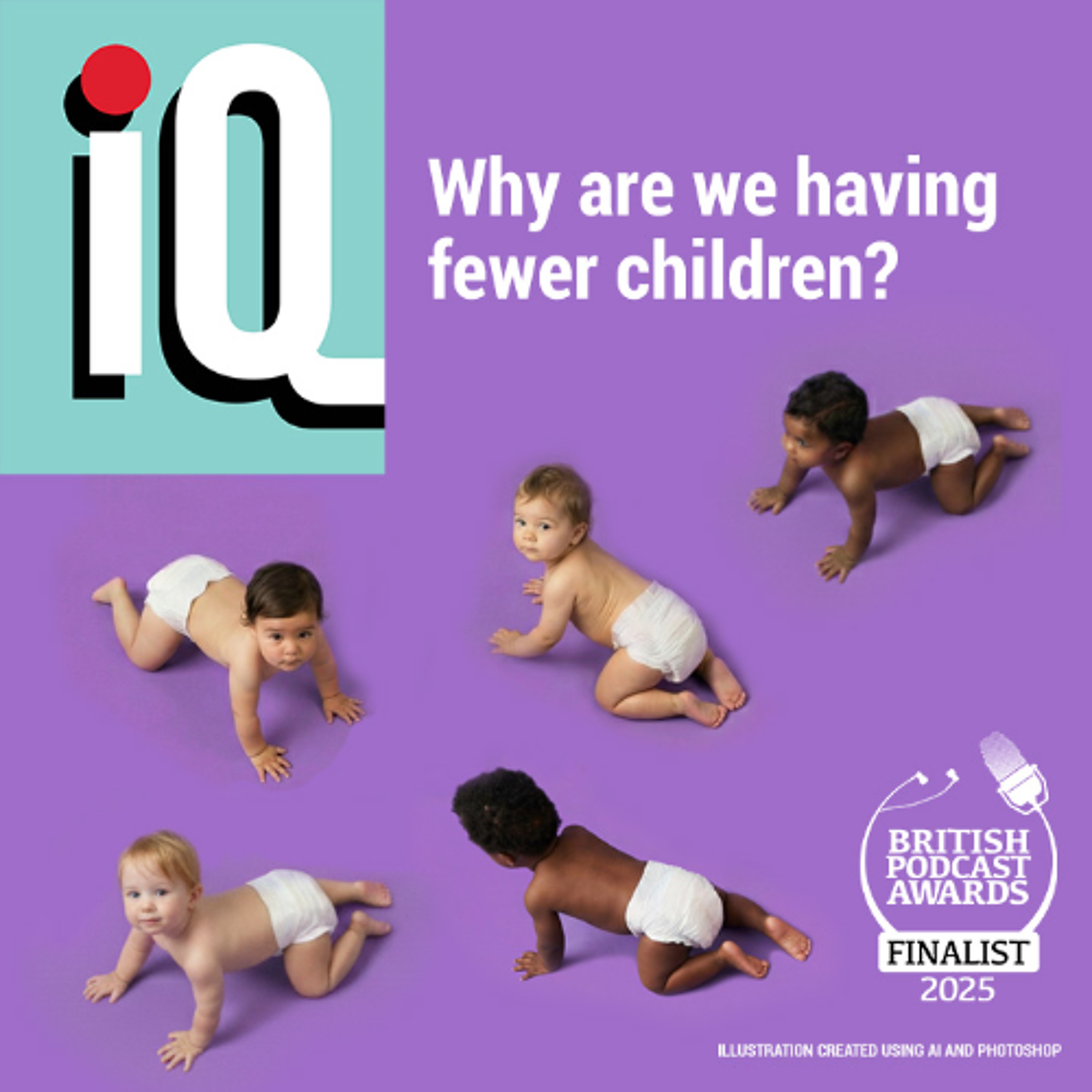
Fertility rates are at record lows around the world, reshaping communities and even forcing some schools to close. In 1950, the global average was around five live births per woman. Today, that number has more than halved to 2.2, and in England and Wales, it’s closer to 1.4. The UK’s falling birth rate reflects what the United Nations has described as ‘a global fertility slump’. In this episode of LSE iQ, Anna Bevan asks: Why are we having fewer children? From a closed down primary school in South London to demographic shifts unfolding across the globe, this episode explores the profound social, economic and personal forces behind declining fertility. Professor Berkay Ozcan explains how countries from Turkey to Chile have experienced some of the steepest drops in modern history, and why the timing of relationships, women’s careers, the economy and uncertainty about the future all play a role. Professor Emily Jackson, an expert in law and reproductive rights, examines the limits of governmental policies - from baby bonuses to China’s new tax on condoms - and explains why restrictive reproductive laws often have unintended consequences. Zoe Noble, the founder of We Are Childfree…
People in this episode
Host: Anna Bevan
Guests: Professor Berkay Ozcan, Professor Emily Jackson, Zoe Noble
Topics covered
- fertility rates
- demographic shifts
- reproductive rights
- social forces
- economic factors
- childfree movement
Keywords
- fertility
- birth rates
- demographics
- reproductive laws
- childfree
- social change
- economic impact
Mentioned in this episode
Organizations: We Are Childfree
Places: Turkey, Chile, England, Wales
More episodes of LSE Podcasts
- Should we take hypnotherapy more seriously? · June 9, 2026 · 33 min
- LSE: The Ballpark | EU-China relations in the Trump era with Noah Barkin · June 8, 2026 · 34 min
- LSE: The Ballpark | Donald Trump and the unmaking of Europe with Professor Nathalie Tocci · May 26, 2026 · 28 min
- Should animals have rights? · May 12, 2026 · 30 min
- LSE: The Ballpark | China under siege: how Beijing sees the United States with Dr Yu Jie · May 11, 2026 · 26 min
- LSE: The Ballpark | Donald Trump and the future of US-EU relations with Professor Kathleen McNamara · April 27, 2026 · 34 min
Explore listener stats, chart rankings, contacts and more on the LSE Podcasts podcast page.