
Insights from recent episode analysis
Audience Interest
Podcast Focus
Publishing Consistency
Platform Reach
Insights are generated by CastFox AI using publicly available data, episode content, and proprietary models.
Most discussed topics
Brands & references
Est. Listeners
Insufficient chart data. Estimates will improve as the show charts.
- Per-Episode Audience
Est. listeners per new episode within ~30 days
N/A🎙 Weekly cadence·91 episodes·Last published 3mo ago - Monthly Reach
Unique listeners across all episodes (30 days)
N/A - Active Followers
Loyal subscribers who consistently listen
N/A
Market Insights
Platform Distribution
Reach across major podcast platforms, updated hourly
Total Followers
—
Total Plays
—
Total Reviews
—
* Data sourced directly from platform APIs and aggregated hourly across all major podcast directories.
On the show
From 10 epsHost
Recent guests
No guests detected in recent episodes.
Recent episodes
"What lips my lips have kissed" by Edna St. Vincent Millay
Mar 6, 2026
6m 44s
Advent, week 2: Peace
Dec 11, 2025
7m 01s
Advent, week 1: Hope
Dec 3, 2025
6m 42s
Edna St. Vincent Millay, a sonnet (Lucky Words Podcast 2025, episode 10)
Jul 7, 2025
6m 32s
Shakespeare’s sonnets 4-6 (Lucky Words podcast 2025, episode 9)
Jun 19, 2025
12m 43s
Social Links & Contact
Official channels & resources
Official Website
Login
RSS Feed
Login
| Date | Episode | Topics | Guests | Brands | Places | Keywords | Sponsor | Length | |
|---|---|---|---|---|---|---|---|---|---|
| 3/6/26 | 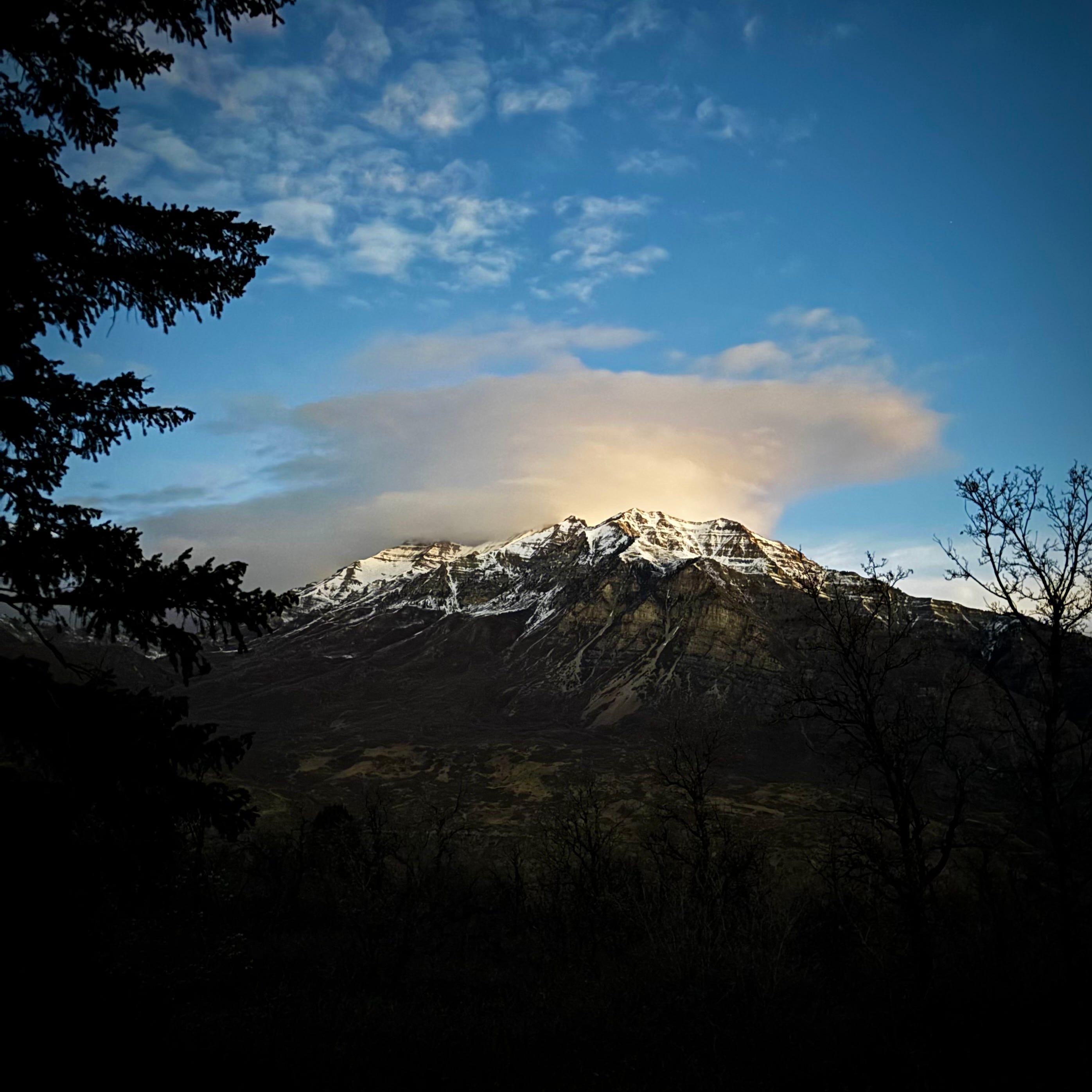 "What lips my lips have kissed" by Edna St. Vincent Millay✨ | poetryaging+1 | — | Lucky Words | Provo Canyon | Edna St. Vincent Millaysonnet+2 | — | 6m 44s | |
| 12/11/25 |  Advent, week 2: Peace✨ | peacepregnancy+2 | — | the New York TimesCongress | San Diego | Adventcomfort+3 | — | 7m 01s | |
| 12/3/25 | 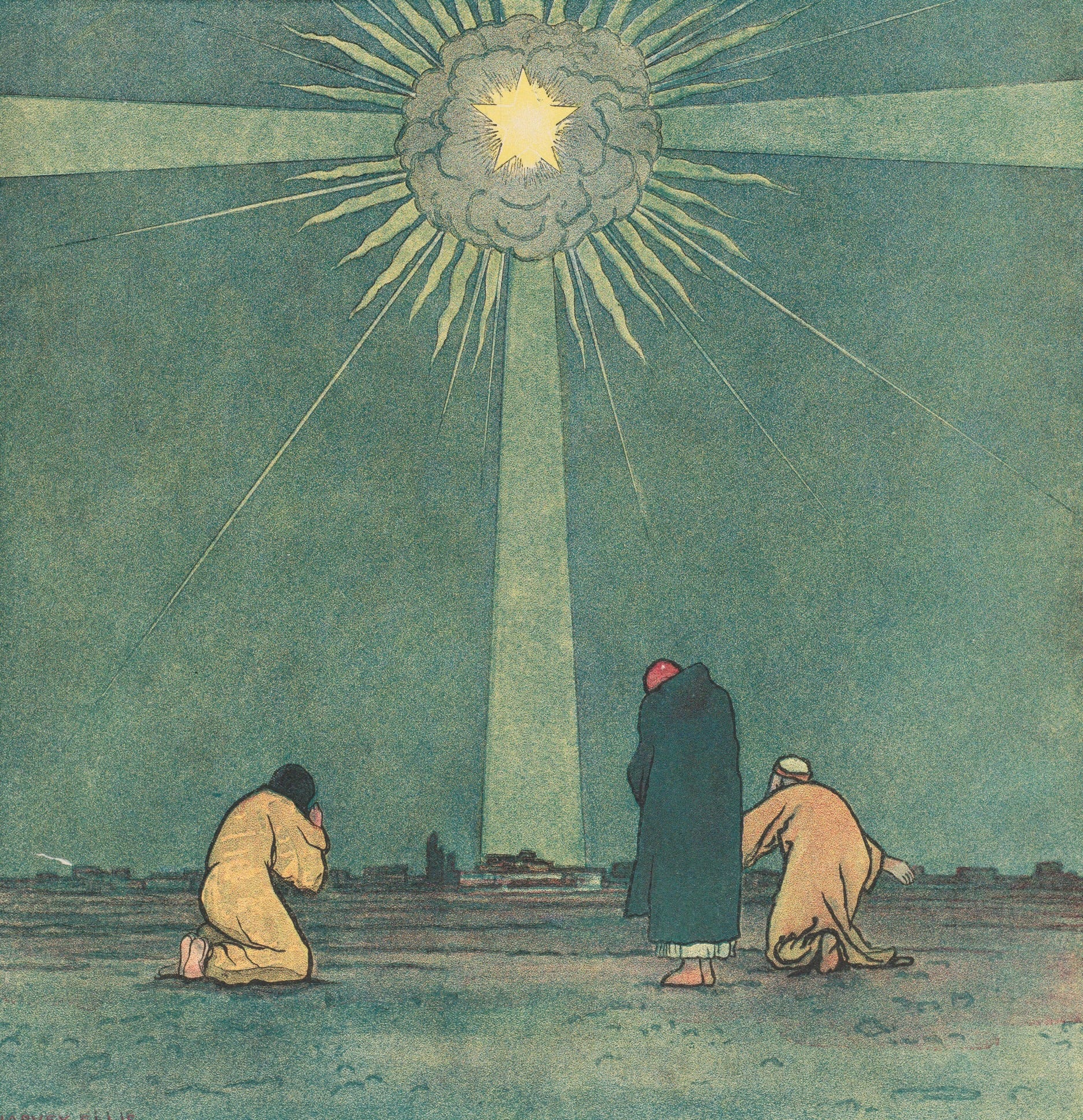 Advent, week 1: Hope✨ | AdventHope+2 | — | — | — | Advent seasonChristmas+1 | — | 6m 42s | |
| 7/7/25 |  Edna St. Vincent Millay, a sonnet (Lucky Words Podcast 2025, episode 10)✨ | poetryEdna St. Vincent Millay+2 | — | Lucky Words PodcastRenascence and Other Poems | the Provo RiverWasatch Front | Renascence and Other Poemspoem analysis+1 | — | 6m 32s | |
| 6/19/25 | 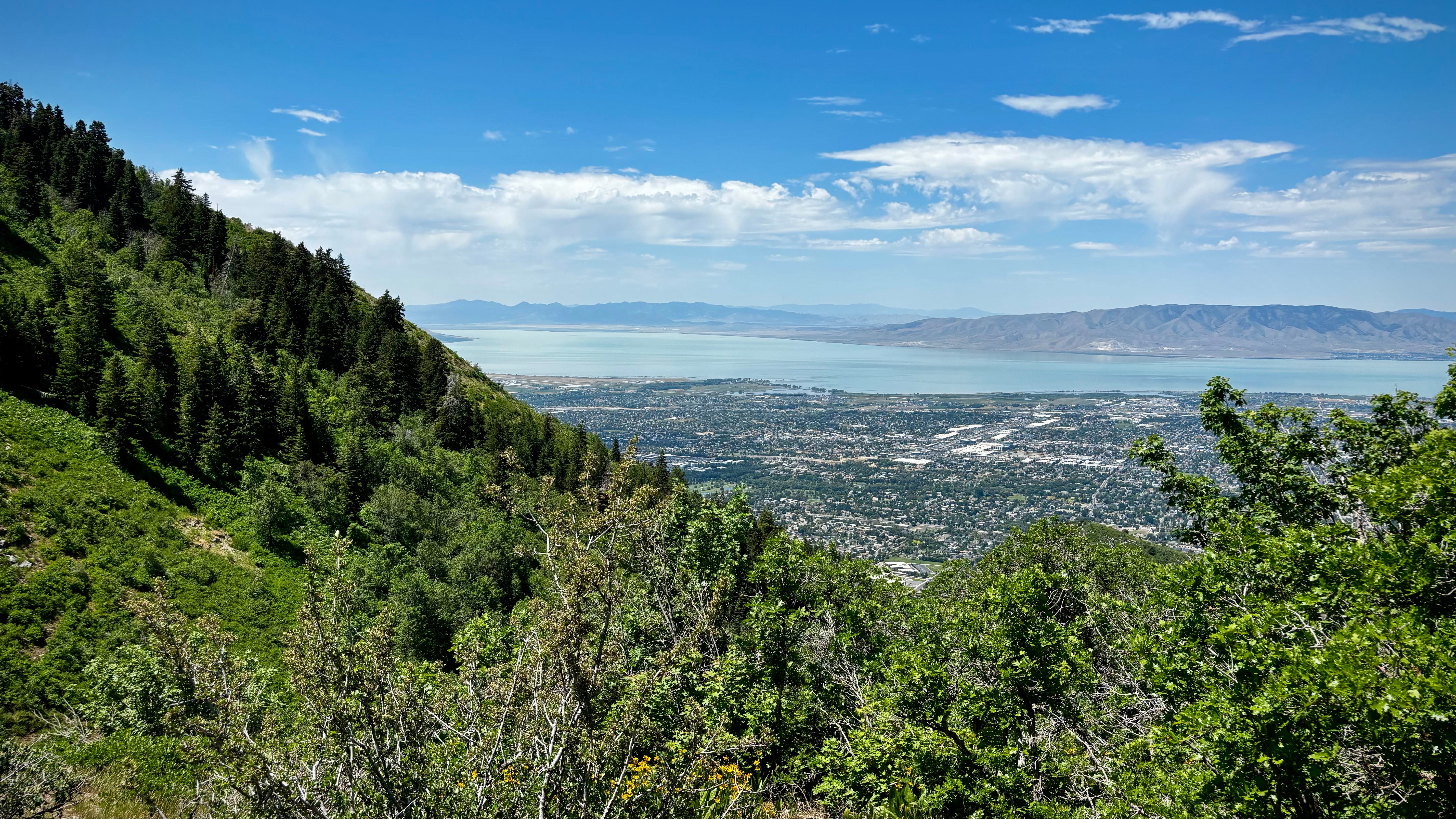 Shakespeare’s sonnets 4-6 (Lucky Words podcast 2025, episode 9)✨ | Shakespearepoetry+1 | — | Lucky Words | Cascade mountain | Cascade mountainpoems+1 | — | 12m 43s | |
| 6/2/25 | 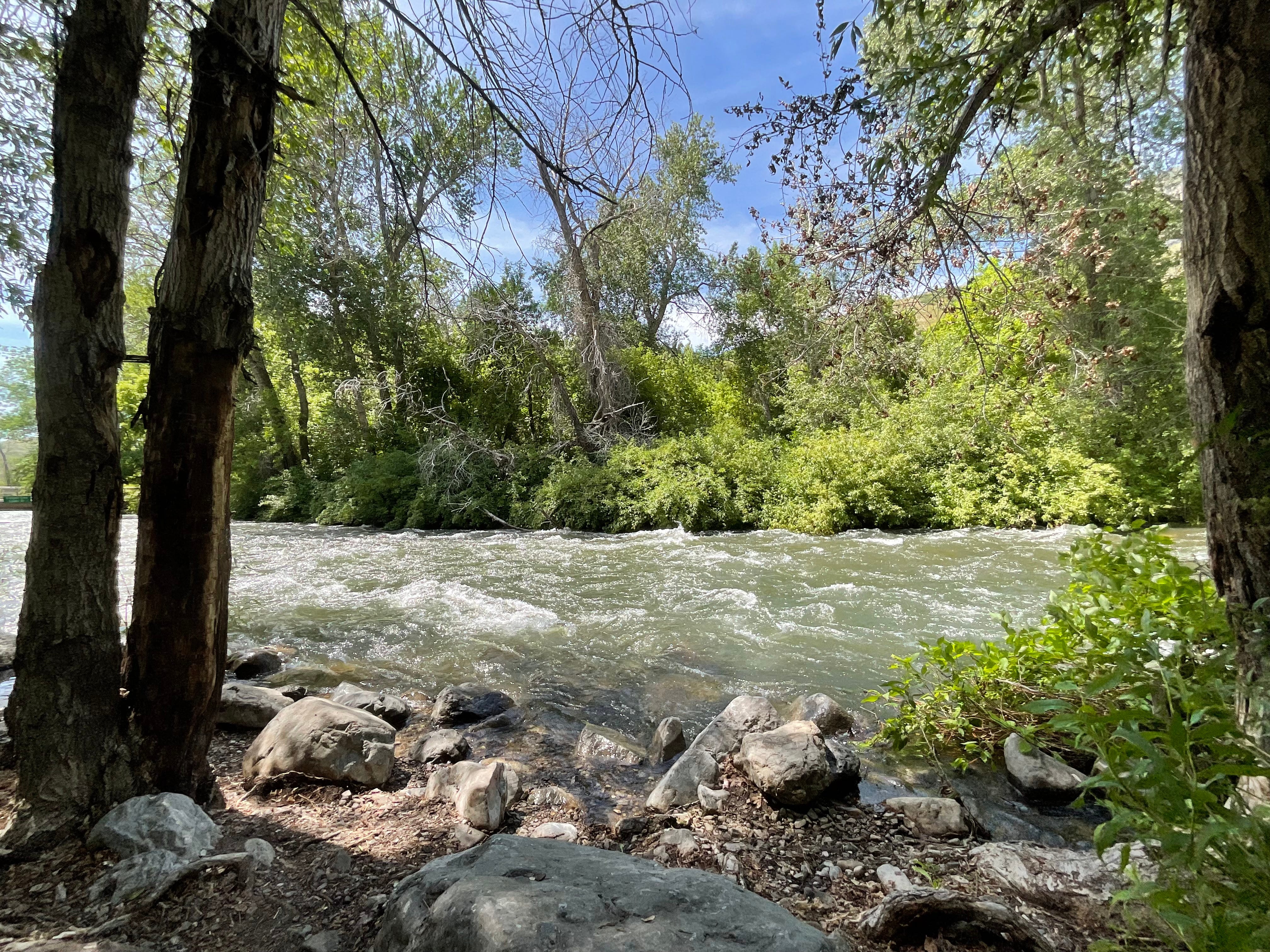 “One Patch of Quilt” by Susan Marsh (Lucky Words Podcast 2025, episode 8)✨ | poetryempathy+1 | — | CybertruckThe Earth Has Been Too Generous+3 | the Provo RiverWyoming+1 | Susan MarshProvo River+2 | — | 5m 43s | |
| 5/21/25 | 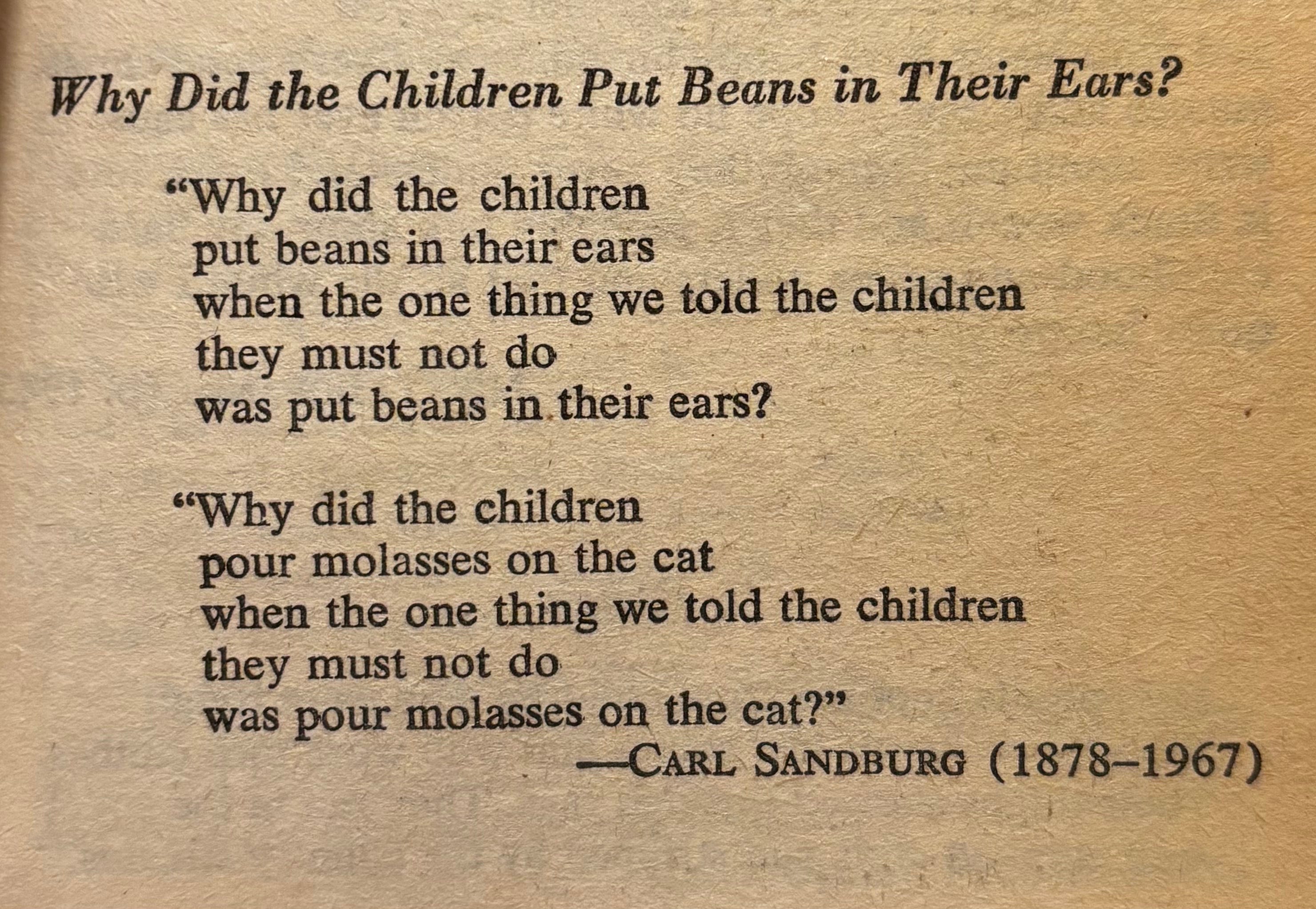 "Why Did the Children Put Beans in Their Ears?" by Carl Sandburg (Lucky Words podcast 2025, episode 7)✨ | poetryCarl Sandburg+2 | — | Lucky WordsWhy Did the Children Put Beans in Their Ears | — | poemmemorization+1 | — | 6m 27s | |
| 5/15/25 | 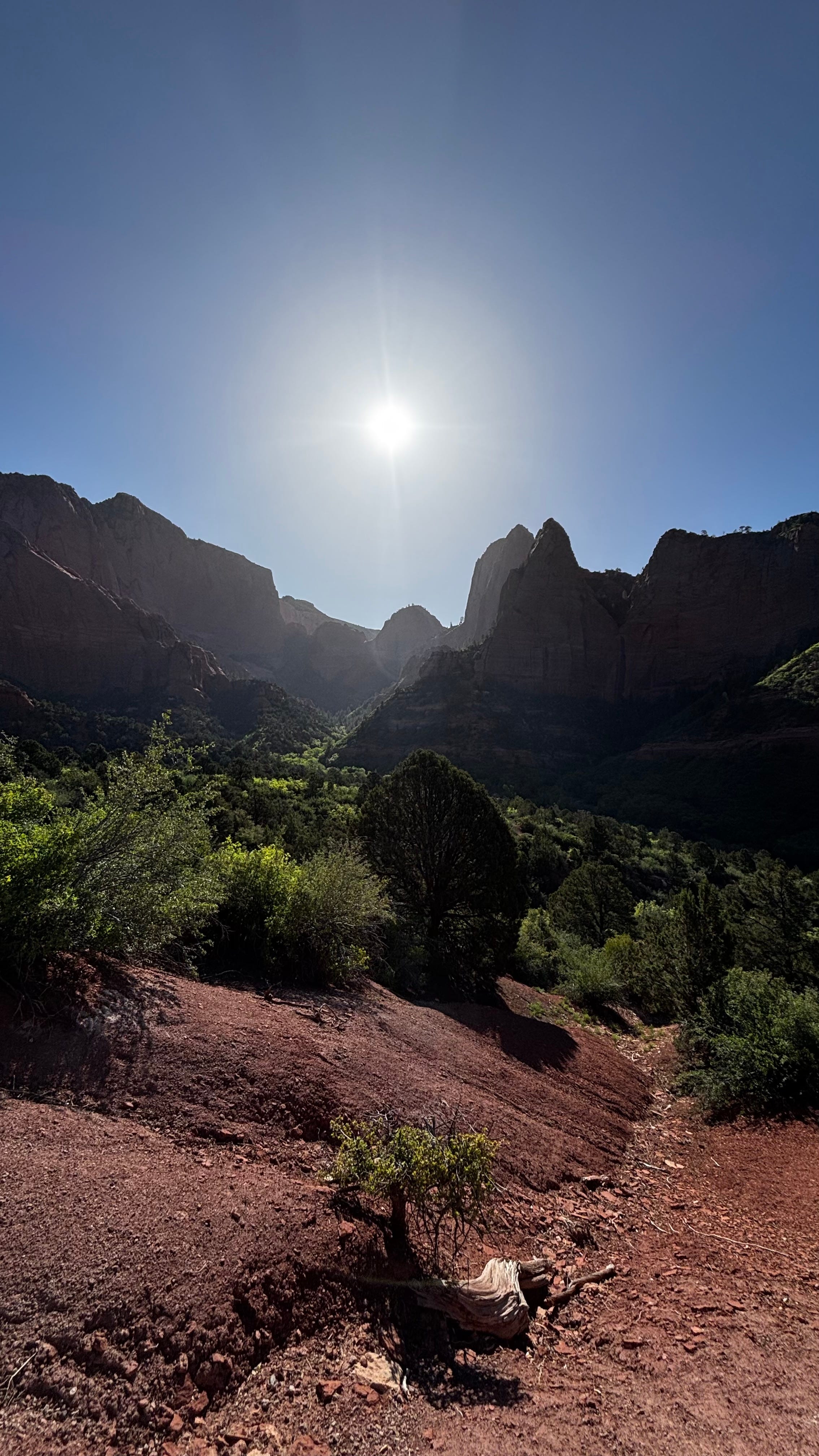 “Variations on the Word Love” by Margaret Atwood (Lucky Words podcast 2025, episode 6)✨ | lovepoetry+1 | — | Lucky WordsStrava+1 | Kolob CanyonZion National Park | Margaret AtwoodZion National Park+1 | — | 12m 48s | |
| 5/6/25 |  Shakespeare’s Sonnet 3 (Lucky Words podcast 2025, episode 5)✨ | Shakespearepoetry+2 | — | Lucky Words | — | Sonnet 3procreation sonnets+2 | — | 9m 14s | |
| 4/24/25 |  Delmore Schwartz, “ Calmly We Walk through This April’s Day” (Lucky Words 2025, episode 4)✨ | poetryDelmore Schwartz+1 | — | “ Calmly We Walk through This April’s DayLucky Words | Provo Canyon | Provo Canyonpoem reading+1 | — | 14m 47s | |
Want analysis for the episodes below?Free for Pro Submit a request, we'll have your selected episodes analyzed within an hour. Free, at no cost to you, for Pro users. | |||||||||
| 4/14/25 | 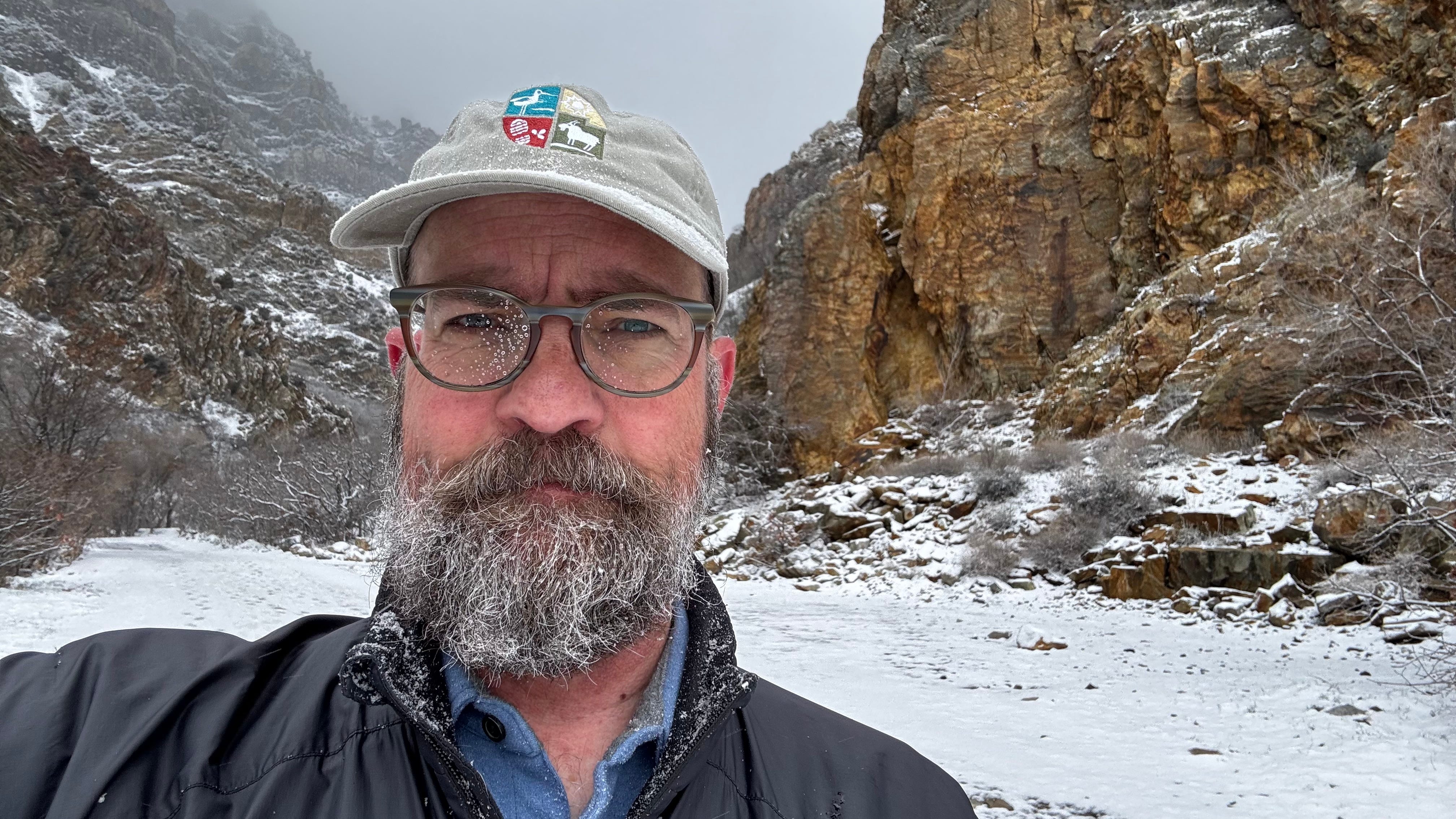 Shakespeare’s sonnet 2 (Lucky Words 2025, episode 3) | This was recorded two weeks ago, on a day that I woke up and it was dumping snow. I went up Rock Canyon, which was just gorgeous. Now, just twelve days later, it’s warm and delightful.Sorry about the sound quality, too. I was not planning to record, and this was just me and my phone.Text of poemWilliam Shakespeare’s sonnet 2, “When forty winters shall besiege thy brow”When forty winters shall besiege thy brow,And dig deep trenches in thy beauty’s field,Thy youth’s proud livery so gazed on now,Will be a totter’d weed of small worth held:Then being asked, where all thy beauty lies,Where all the treasure of thy lusty days;To say, within thine own deep sunken eyes,Were an all-eating shame, and thriftless praise.How much more praise deserved thy beauty’s use,If thou couldst answer ‘This fair child of mineShall sum my count, and make my old excuse,’Proving his beauty by succession thine!This were to be new made when thou art old,And see thy blood warm when thou feel’st it cold.This is the second of the “procreation sonnets” and we’ve got a bunch more to go.1 Once we get past the procreation sonnets, things mix up a bit. But for now, the speaker (who might be Shakespeare or might be Shakespeare playing a character) has just one theme: telling the handsome young man to have some babies. Now.What we see in this poem different from the first sonnet is an extended description of aging. Now, in this sequence, reaching the advanced age of 40 means that you’re *really* old. I take some umbrage at the sentiment. All intelligent people know that when you’re 40, you’re just getting started. Right? Get full access to Lucky Words at luckywords.substack.com/subscribe | 6m 54s | ||||||
| 4/8/25 | 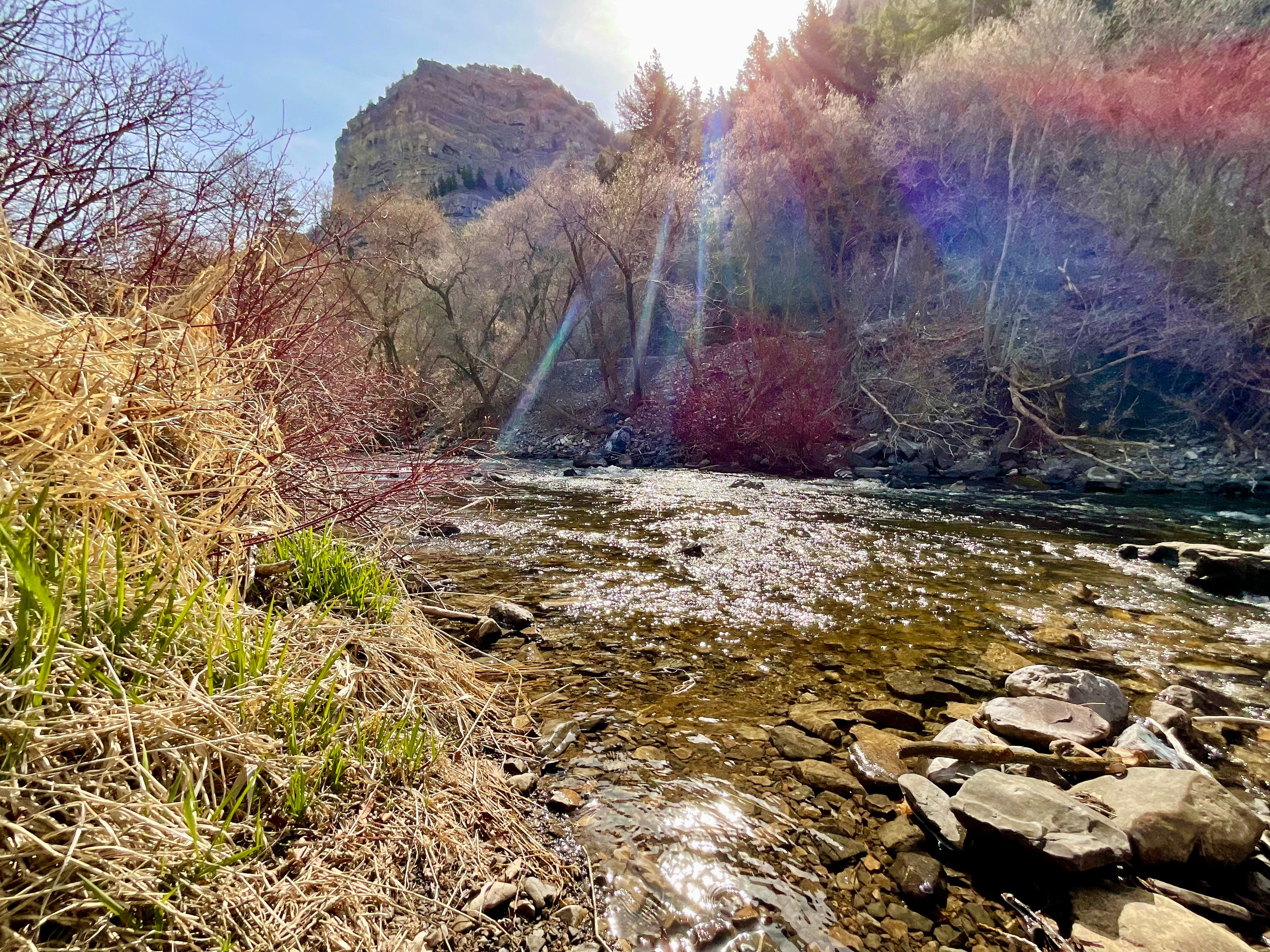 “Spring” by Edna St. Vincent Millay (Lucky Words 2025, episode 2) | Text of poem“Spring” by Edna St. Vincent MillayTo what purpose, April, do you return again? Beauty is not enough. You can no longer quiet me with the redness Of little leaves opening stickily. I know what I know. The sun is hot on my neck as I observe The spikes of crocus. The smell of the earth is good. It is apparent that there is no death. But what does that signify? Not only under the ground are the brains of men Eaten by maggots. Life in itself Is nothing, An empty cup, a flight of uncarpeted stairs. It is not enough that yearly, down this hill, April Comes like an idiot, babbling and strewing flowers.Recorded (and edited and posted!) while on site on the banks of the Provo River, on the morning of April 8, 2025.Notes and thoughtsThis is one grumpy poem about springtime, don’t you think? Millay is always a gutsy poet, and likes to poke you in the eye. What a gem.What is she so grumpy about? Maybe it’s just me, but when I read the news today, sometimes I feel the same tension between the budding spring and the mean spirited chaos from all three branches of government. Amidst all the selfishness and greed, April’s new life might feel like the work of an idiot, babbling and strewing flowers. Millay won the Pulitzer in 1923 and died in 1950. Get full access to Lucky Words at luckywords.substack.com/subscribe | 6m 45s | ||||||
| 4/1/25 | 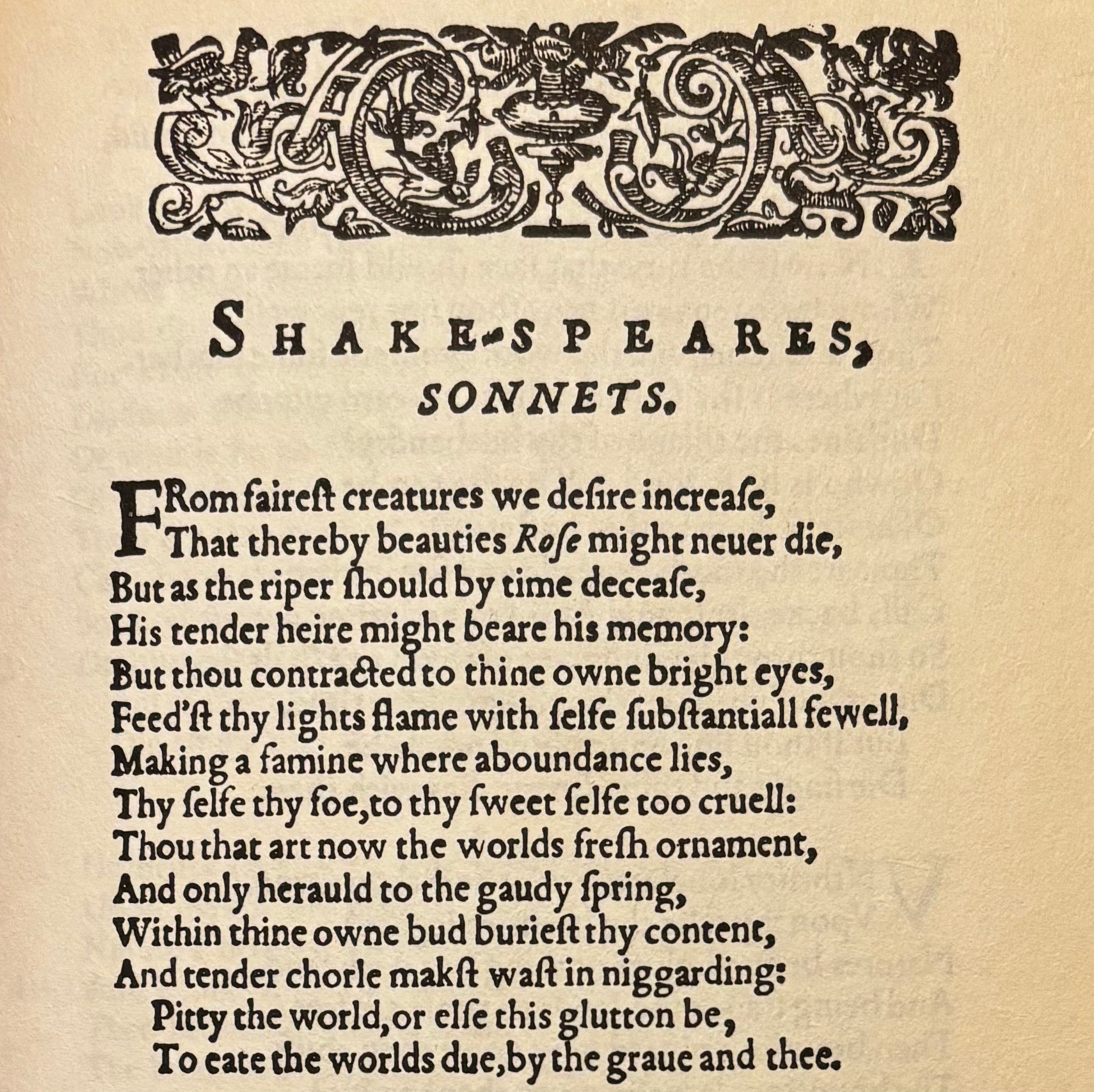 Lucky Words Podcast 2025: Episode 1 — Shakespeare’s sonnet 1 | For the past few years, I’ve recorded a series of podcasts every April for National Poetry Month. It’s 2025, and I’m doing it again. Woohoo!The original goal was to do a new poem every day: 30 poems over the course of the month. That is always too much work: finding the poems, doing some research, recording (on site outdoors!), editing, and posting. A daily podcast, even just a little ten minute job, could be a full-time job. In the past, I’ve had a full-time job and I don’t have the energy for two, and so I’d fade.My plan this year is to play it by ear. I suspect that I’ll start out strong and midway through the month have a couple of hiccups that slow things down. It’ll be an adventure for the both of us!Shakespeare’s Sonnet #1Here’s the text of the poem:From fairest creatures we desire increase, That thereby beauty’s rose might never die, But as the riper should by time decrease, His tender heir might bear his memory: But thou, contracted to thine own bright eyes, Feed’st thy light’s flame with self-substantial fuel, Making a famine where abundance lies, Thyself thy foe, to thy sweet self too cruel. Thou that art now the world’s fresh ornament And only herald to the gaudy spring, Within thine own bud buriest thy content And, tender churl, makest waste in niggarding. Pity the world, or else this glutton be, To eat the world’s due, by the grave and thee. Recorded on-site on a single track trail up Provo Canyon.Some interesting links* Sir Patrick Stewart reading the sonnet in the early days of Covid: video* The Wikipedia page about controversies surrounding the word “niggardly” which, I remind you, is not etymologically related to the n-word.Over the upcoming days and weeks, we’ll go through a number of Shakespeare’s sonnets, and a bunch of other poetry as well. If you have favorite poems, or poems that you’ve always felt guilty because you didn’t “get” them, send ‘em my way! I’ll do a podcast about it and you’ll get a wedge into understanding what you previously considered ununderstandable.The real goal of these is to help non-poetry people grow to be poetry-tolerant. You know who I mean: folks (maybe like you?) who say, “why do they have to make everything so difficult? Why can’t poetry just say what they mean?” Or maybe folks who when they see something in poetry, they just stop reading and move onto something else.If that’s you, you’re missing out. Poetry is one of the great art forms. Every culture throughout history has poetry, and it’s important. Reading poetry will put hair on your chest. Or if nothing else, you could learn to enjoy it.I am genuinely excited for this. Which is nutty, I know! But I really do love poetry, and I like talking about poetry, and people have enjoyed listening to me talk about poetry before. Do you know anyone who already enjoys poetry (or who might enjoy poetry) that might like listening to a slightly gruff-voiced guy read and give a (very brief!) explication? If so, forward this email on to them. Ask ‘em to subscribe! Wait: have you subscribed? It’s free! What’s stopping you?Until next time.All is well,Jeff Get full access to Lucky Words at luckywords.substack.com/subscribe | 11m 05s | ||||||
| 4/5/24 |  Episode 5.01 Simon Dach’s “Written in Bed in The Year 1647…” | It’s April again, which means it’s National Poetry Month! The podcast is back, again. My ambitions are much more modest this year, and also moving in different directions. The excitement, for me at least is that I’m going to be adding in video to the mix. I’ve been learning a lot, and the curve is steep. But it’s been rewarding to become acquainted with an entirely new set of skills. For today, however, we are going old school: just the audio like always. I’ve moved my podcast hosting from Squarespace to Substack. Which has been a pain because my brain just shoves both companies into a similar slot of companies with names that start with the letter S and are fake sounding compound words made up of normal words. If all goes well, this won’t affect you at all, the podcast will appear in your podcast player as if nothing has changed. Fingers crossed that it stays that way. Another thing: I’m only committing to four episodes this year. That’s a massive reduction from what I had attempted in the past, which was to ship an episode daily. But I almost always burned out, and it overtook my life. What with my life being un-overtakable right now, and with the addition of video, I’m just committing to four. Maybe I’ll accomplish more? Let’s see at the end of April. Because I’ve been out filming and not doing audio only stuff, and because it’s already the fourth and I haven’t posted, this was recorded at my desk (gasp!) instead of on the trail. I don’t plan on this becoming a habit, and I spiced it up with some little bit of royalty-free music. Still, it feels funny to release an episode where… I’m just talking indoors. Kind of lame, honestly.The text of this episode’s poem is from Simon Dach, a seventeenth century German poet. It’s called “Written in Bed in The Year 1647, at Night, When I Could Not Sleep for Asthma.” Here’s the text:What? Is it not enough to be willing to die once? Nature? Fate? God? Why do you hold me back? There is no delay on my side, my course is finished; Must I pay you a toll a thousand times for the passage? How bitter it is to be ready and have to wait! Is death gain? It is an expensive bargain indeed for me! So many years and illnesses come together to kill me; I am still alive, and I've been given up for dead ten times at least. Wife, children, is it you that are doing this? Are you prolonging my light? Look at my misery! Is this charity, Grudging me my benefit for the little benefit to yourselves? Oh, do not make things worse for me by your presence! The last pain of all, I think, cannot be worse than having to stay alive, wanting to be dead, and not being able to die. Get full access to Lucky Words at luckywords.substack.com/subscribe | 10m 13s | ||||||
| 4/21/23 |  Episode 4.17 Kay Ryan’s “This Life” | Recorded live on location at... my backyard. It was a lovely morning, and so I decided to read a poem. I didn't mention it in the recording because, well because I didn't think about it. I was thinking about Ryan's great poem. And so I recorded a nice short podcast about it.I love this poem. It's one that I've copied out, longhand, in my own notebook that I'm carrying around right now. It's nice and short, for one, and it's fun to read out loud. "It's a pickle, this life" is a great opener, and everyone knows that "pickle" is one of the funniest words in English. Most critically, it's got some intellectual oomph to it as well, and is good for me to think about a while.Since recording this, I've been thinking a lot more about the contrast between the jolly rhyme and the seriousness of what Ryan's talking about. The unextinguishable component of life, according to the poem, is strife. So when life is nearly gone ("shut down to a trickle") there's still the particles of suffering in it. And while the trials may shrink, they are still more than enough to eat you. _And yet_ there's something great in it, too. It's life, after all. We never reach the end, only cut the remainder in half (again!), even while we are encouraged by some coach to just end the race, we don't. And so while strife is always there, so it life itself. And that's pretty great, I think.What do you think? Is this poem hopeless or ultimately hopeful? Also, what word is more fun than "pickle"? #### TEXT OF POEM"This Life" by Kay RyanIt's a pickle, this life. Even shut down to a trickle it carries every kind of particle that causes strife on a grander scale: to be miniature is to be swallowed by a miniature whale. Zeno knew the law that we know: no matter how carefully diminished, a race can only be _half_ finished with success; then comes the endless halving of the rest -- the ribbon's stalled approach, the helpless red-faced urgings of the coach. Get full access to Lucky Words at luckywords.substack.com/subscribe | 7m 29s | ||||||
| 4/21/23 |  Episode 4.16 Three Poems by Stephen Crane | Recorded on West Mountain, just west of Spanish Fork, Utah. It was blustery and cold, but kind of weirdly beautiful regardless. Beautiful in its desolate ugliness, I guess.The painting I mentioned is indeed by Francisco Goya, but I got the name of the painting wrong. It is "Saturn Eating His Children" which you can see and read about [here](https://en.wikipedia.org/wiki/Saturn_Devouring_His_Son). It's still a perfect painting to accompany this, I think.I will be sending out a weekly email soon. Please sign up below so you can keep up on things (poetry!).#### TEXT OF POEMSThree poems by Stephen Crane**"I Saw A Man Pursuing the Horizon"**I saw a man pursuing the horizon; Round and round they sped. I was disturbed at this; I accosted the man. "It is futile," I said, "You can never --" "You lie," he cried, And ran on. **"In the Desert"**In the desert I saw a creature, naked, bestial, Who, squatting upon the ground, Held his heart in his hands, And ate of it. I said, "Is it good, friend?" "It is bitter--bitter," he answered; "But I like it "Because it is bitter, "And because it is my heart."**"In Heaven"**In Heaven, Some little blades of grass Stood before God. "What did you do?" Then all save one of the little blades Began eagerly to relate The merits of their lives. This one stayed a small way behind Ashamed. Presently God said: "And what did you do?" The little blade answered: "Oh, my lord, "Memory is bitter to me "For if I did good deeds "I know not of them." Then God in all His splendor Arose from His throne. "Oh, best little blade of grass," He said. Get full access to Lucky Words at luckywords.substack.com/subscribe | 12m 39s | ||||||
| 4/19/23 | 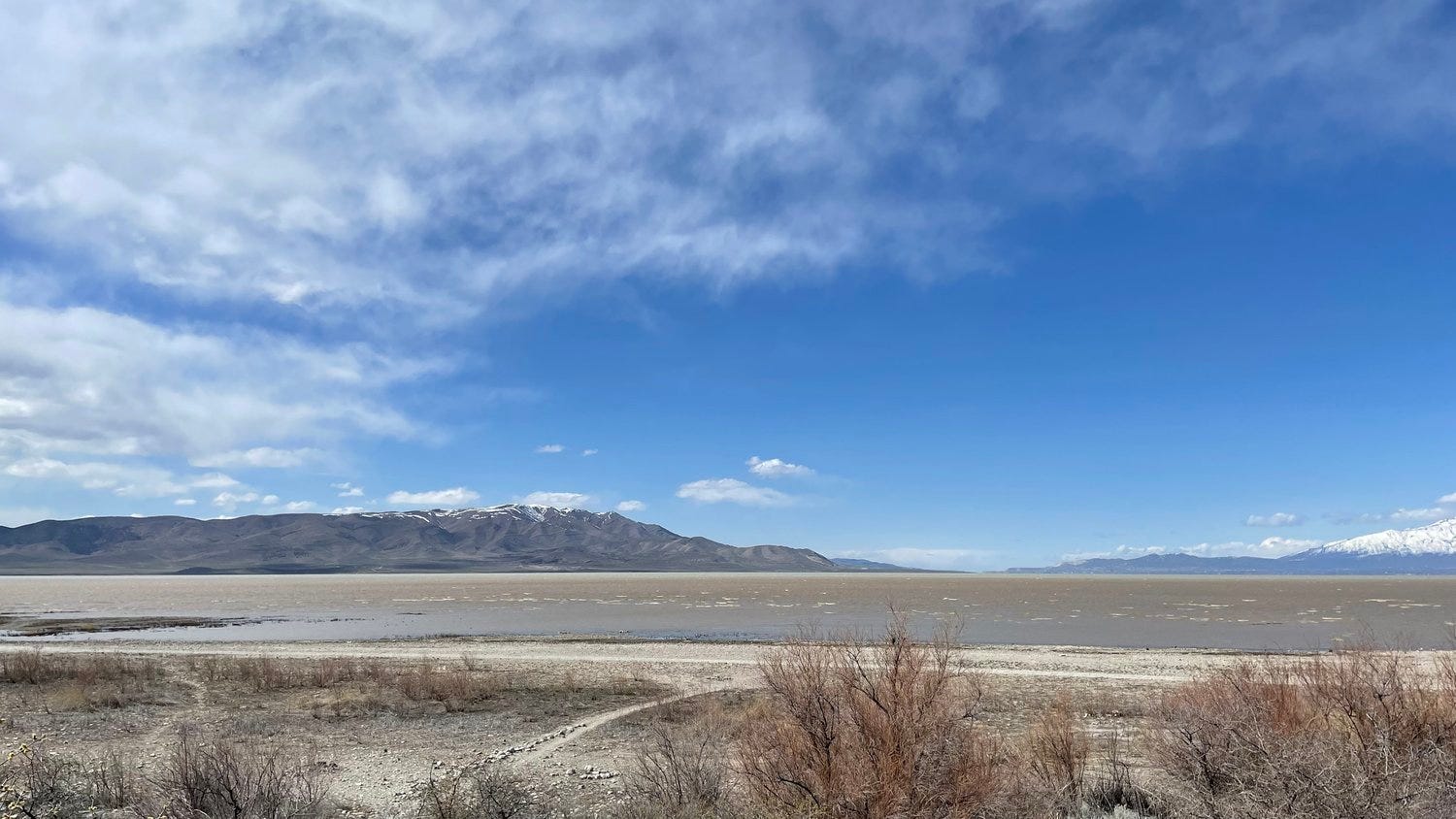 Episode 4.15 Wordsworth's "Lines Written in Early Spring" | Recorded by the shore of Utah Lake on a windy but pleasant day, though not as pleasant as what Wordsworth described what with his green bower and all. My favorite part of this recording is the sounds of the killdeer, which I wish were louder, but of course every time I got close they decided to fly away.#### TEXT OF POEM"Lines Written in Early Spring" by William WordsworthI heard a thousand blended notes, While in a grove I sate reclined, In that sweet mood when pleasant thoughts Bring sad thoughts to the mind. To her fair works did Nature link The human soul that through me ran; And much it grieved my heart to think What man has made of man. Through primrose tufts, in that green bower, The periwinkle trailed its wreaths; And 'tis my faith that every flower Enjoys the air it breathes. The birds around me hopped and played, Their thoughts I cannot measure:-- But the least motion which they made It seemed a thrill of pleasure. The budding twigs spread out their fan, To catch the breezy air; And I must think, do all I can, That there was pleasure there. If this belief from heaven be sent, If such be Nature's holy plan, Have I not reason to lament What man has made of man? Get full access to Lucky Words at luckywords.substack.com/subscribe | 13m 32s | ||||||
| 4/18/23 |  Episode 4.14 Walter Scott’s “Innominatus” | Recorded on the Watchman Overlook in Zion National Park. There are always too may people at Zion, but I found a spot where I could have some quiet privacy and record a poem. Unfortunately, technology was conspiring against me, and so this sounds kinda lousy. Sorry.Also, I referred to the trail as "The Watchman" but what I meant was the Watchman _Overlook_: a much less ambitious undertaking. This is another one of those poems that is popular with people who don't really like poetry. That's not fair, even if Walter Scott kinda deserves his reputation. It makes me sad that my own children have very little positive to say about the United States. This is where they were born and where they have always lived, and I want them to love it (even if they're not big fans of the government or the political parties). I grew up saying the Pledge of Allegiance, and I think it made an impact on my thinking. I am a pretty standard educated-liberal guy, who votes with the bloc of educated-liberal people -- but I refuse to give up the symbol of the flag to other people. I refuse to make patriotism a partisan issue.Which is kind of funny that my analysis of this poem focuses on the landscape more than the government. #### TEXT OF POEM"Innominatus," by Sir Walter ScottBreathes there the man with soul so dead, Who never to himself hath said, "This is my own, my native land!" Whose heart hath ne'er within him burn'd As home his footsteps he hath turn'd From wandering on a foreign strand? If such there breathe, go, mark him well; For him no Minstrel raptures swell; High though his titles, proud his name, Boundless his wealth as wish can claim; Despite those titles, power, and pelf, The wretch, concentred all in self, Living, shall forfeit fair renown, And, doubly dying, shall go down To the vile dust from whence he sprung, Unwept, unhonour'd, and unsung. Get full access to Lucky Words at luckywords.substack.com/subscribe | 10m 24s | ||||||
| 4/15/23 |  Episode 4.13 Thomas Hardy’s “The Convergence of the Twain" | Recorded in a tiny little canyon that I never learned the name for, but it was peaceful and quiet. Everyone should have a peaceful, quiet little place to read a poem every now and again. As I mention in the commentary, this is interesting because it's simultaneously modern -- I mean, it's talking about an event in the 20th century! -- but also has something older about it. All of Thomas Hardy does, I think, and this in particular. We don't worry much about the role that Fates play in our lives these days. #### TEXT OF POEM"The Convergence of the Twain" by Thomas Hardy(Lines on the loss of the "Titanic")I In a solitude of the sea Deep from human vanity, And the Pride of Life that planned her, stilly couches she. II Steel chambers, late the pyres Of her salamandrine fires, Cold currents thrid, and turn to rhythmic tidal lyres. III Over the mirrors meant To glass the opulent The sea-worm crawls -- grotesque, slimed, dumb, indifferent. IV Jewels in joy designed To ravish the sensuous mind Lie lightless, all their sparkles bleared and black and blind. V Dim moon-eyed fishes near Gaze at the gilded gear And query: "What does this vaingloriousness down here?" ... VI Well: while was fashioning This creature of cleaving wing, The Immanent Will that stirs and urges everything VII Prepared a sinister mate For her -- so gaily great -- A Shape of Ice, for the time far and dissociate. VIII And as the smart ship grew In stature, grace, and hue, In shadowy silent distance grew the Iceberg too. IX Alien they seemed to be; No mortal eye could see The intimate welding of their later history, X Or sign that they were bent By paths coincident On being anon twin halves of one august event, XI Till the Spinner of the Years Said "Now!" And each one hears, And consummation comes, and jars two hemispheres. Get full access to Lucky Words at luckywords.substack.com/subscribe | 10m 24s | ||||||
| 4/15/23 |  Episode 4.12 W. H. Auden’s “Musee des Beaux Arts” | Recorded sitting next to some trickling water just outside the mouth of Hellhole Canyon, in Ivins, Utah. In part, my analysis was a chance for me to talk a little about my process in reading a poem—the messy stuff that gets cut out in my editing.Because not only do I typically record things in a single take and live on a hike, I also don't use any notes or any script. I have, of course, read and thought about the poem, but I don't have a written plan: I read the poem and then talk about it, just like I would if you were on the hike with me. What happens in editing is that I take out long pauses where I think, or I remove false starts. Sometimes I'll get two minutes into an idea and then realize that what I'm talking about is invalidated by a word or phrase that I hadn't understood before. That's how it goes with many things, isn't it? We start off with a rough idea about where we are headed, but only along the way do we actually figure it out. If you don't believe me, [take Alan Jacobs's word for it](https://blog.ayjay.org/my-writing-advice/). Anyway, that's my process.For this poem in particular, you might be interested in [seeing the painting that Auden is talking about](https://www.bl.uk/collection-items/landscape-with-the-fall-of-icarus). #### TEXT OF POEM"Musée des Beaux Arts" by W. H. Auden_December 1938_About suffering they were never wrong, The Old Masters: how well they understood Its human position; how it takes place While someone else is eating or opening a window or just walking dully along How, when the aged are reverently, passionately waiting For the miraculous birth, there always must be Children who did not specially want it to happen, skating On a pond at the edge of the wood: They never forgot That even the dreadful martyrdom must run its course Anyhow in a corner, some untidy spot Where the dogs go on with their doggy life and the torturer's horse Scratches its innocent behind on a tree. In Brueghel's _Icarus_, for instance: how everything turns away Quite leisurely from the disaster; the ploughman may Have heard the splash, the forsaken cry, But for him it was not an important failure; the sun shone As it had to on the white legs disappearing into the green Water; and the expensive delicate ship that must have seen Something amazing, a boy falling out of the sky Had somewhere to get to and sailed calmly on. Get full access to Lucky Words at luckywords.substack.com/subscribe | 10m 29s | ||||||
| 4/13/23 |  Episode 4.11 Jim Harrison’s “I Believe” | A reading and short analysis of Jim Harrison's poem, recorded live in [Hellhole canyon](https://hikestgeorge.com/hiking-trails/hellhole-canyon/), outside St. George, Utah. #### TEXT OF POEM"I Believe" by Jim Harrison, from his book [_In Search of Small Gods_](https://www.amazon.com/Search-Small-Gods-Jim-Harrison/dp/1556593198)I believe in steep drop-offs, the thunderstorm across the lake in 1949, cold winds, empty swimming pools, the overgrown path to the creek, raw garlic, used tires, taverns, saloons, bars, gallons of red wine, abandoned farmhouses, stunted lilac groves, gravel roads that end, brush piles, thickets, girls who haven't quite gone totally wild, river eddies, leaky wooden boats, the smell of used engine oil, turbulent rivers, lakes without cottages lost in the woods, the primrose growing out of a cow skull, the thousands of birds I've talked to all of my life, the dogs that talked back, the Chihuahuan ravens that follow me on long walks. The rattler escaping the cold hose, the fluttering unknown gods that I nearly see from the left corner of my blind eye, struggling to stay alive in a world that grinds them underfoot. Get full access to Lucky Words at luckywords.substack.com/subscribe | 11m 31s | ||||||
| 4/12/23 |  Episode 4.10 E. E. Cummings “sweet spring is your,” “old mr ly,” and “pity this busy monster,manunkind” | Three poems (more than two!) poems by E. E. Cummings recorded on the shore of the Virgin River in northern Arizona, at the edge of the Mojave Desert. I was sitting on a big, jutting chunk of red sandstone, surrounded by Joshua trees and cacti.These three poems are of varying levels of difficulty, but for today, the only one that gets the double treatment is "sweet spring is your." One thing I didn't mention—because I am a man with great self-control—is that I can't read "viva sweet love" without thinking of Elvis singing "Viva Las Vegas." And maybe that's why I chose this poem, sitting just a long stone's throw from the road that would take me there. I can imagine Elvis singing a song with these lyrics, and it would have been a classic.Instead, I discovered "sweet spring is your" from this album ([Apple Music](https://music.apple.com/us/album/the-rain-is-a-handsome-animal-17-songs-from-the-poetry/547639841), [Spotify](https://open.spotify.com/album/6CyUWx6roy1SbW0AjS0MnN)) by the acoustic chamber quarter (formerly trio) [Tin Hat](http://www.tinhattrio.com). ### TEXT OF POEMSAll the following are by E. E. Cummings and published in _1x1 [One times one]_ (1944), which is also included in his [Complete Poems, 1904-1962](https://www.amazon.com/Cummings-Complete-Poems-1904-1962/dp/1631490419)**LI**"sweet spring is your time is my time is our time for springtime is lovetime and viva sweet love"(all the merry little birds are flying in the floating in the very spirits singing in are winging in the blossoming)lovers go and lovers come awandering awondering but any two are perfectly alone there's nobody else alive(such a sky and such a sun i never knew and neither did you and everybody never breathed quite so many kinds of yes)not a tree can count his leaves each herself by opening but shining who by thousands mean only one amazing thing(secretly adoring shyly tiny winging darting floating merry in the blossoming always joyful selves are singing)"sweet spring is your time is my time is our time for springtime is lovetime and viva sweet love" **XXVII**old mr ly fresh from a fu ruddy as a sun with blue true two man neral rise eyes "this world's made 'bout right it's the people that abuses it you can git anything you like out of it if you gut a mind to there's something for everybody it's a" old mr lyman ruddy as a sunrise fresh with blue come true from a funeral eyes "big thing" **DXIV**pity this busy monster,manunkind, not. Progress is a comfortable disease: your victim(death and life safely beyond) plays with the bigness of his littleness —electrons deify one razorblade into a mountainrange;lenses extend unwish through curving wherewhen till unwish returns on its unself. A world of made is not a world of born—pity poor flesh and trees,poor stars and stones,but never this fine specimen of hypermagical ultraomnipotence. We doctors know a hopeless case if—listen:there's a hell of a good universe next door;let's go ***Comments, feedback, suggestions, complaints? [Send 'em my way](mailto:luckywordspodcast@gmail.com). Get full access to Lucky Words at luckywords.substack.com/subscribe | 12m 37s | ||||||
| 4/9/23 |  Episode 4.09 An Easter reading of Rudyard Kipling’s “A Nativity” | Recorded on site at the tiny, old cemetery in Charleston, Utah. Some of my ancestors are buried there, which makes it relevant for me at least, on this particular day.You can find some interesting commentary about what Kipling might have been thinking about while composing this poem on [the Kipling Society page about this poem](https://www.kiplingsociety.co.uk/readers-guide/rg_nativity1.htm). It talks much more about World War I and the death of Kipling's son Joseph—all things that I did not discuss.Because it's Easter! The poem works as a straight religious poem even without its historical context. The historical context is one way of reading the poem, but by no means the only way. Different ways to read poems is the subject for another day. For today, Easter, the celebration of Christ's resurrection, we're going to stick with a Christocentric reading. Anyway, the solely historical reading of "A Nativity" must simply ignore the final lines of the poem, which feels like a greater disservice from my perspective. #### TEXT OF POEM"A Nativity" by Rudyard Kipling_The Babe was laid in the Manger Between the gentle kine— All safe from cold and danger—_ "But it was not so with mine, (With mine! With mine!) "Is it well with the child, is it well?" The waiting mother prayed. "For I know not how he fell, And I know not where he is laid." _A Star stood forth in Heaven; The Watchers ran to see The Sign of the Promise given--_ "But there comes no sign to me. (To me! To me!)_ "My _child died in the dark. Is it well with the child, is it well? There was none to tend him or mark, And I know not how he fell." _The Cross was raised on high; The Mother grieved beside—_ "But the Mother saw Him die And took Him when He died. (He died! He died!) "Seemly and undefiled His burial-place was made— Is it well, is it well with the child? For I know not where he is laid." _On the dawning of Easter Day Comes Mary Magdalene; But the Stone was rolled away, And the Body was not within—_ (Within! Within!) "Ah, who will answer my word?" The broken mother prayed. "They have taken away my Lord, And I know not where He is Laid." "_The Star stands forth in Heaven. The watchers watch in vain For Sign of the Promise given Of peace on Earth again—_ (Again! Again!) "But I know for Whom he fell"— The steadfast mother smiled, "Is it well with the child—is it well? It is well—it is well with the child!" Get full access to Lucky Words at luckywords.substack.com/subscribe | 15m 32s | ||||||
| 4/8/23 |  Episode 4.08 Mark Gibbons’s “My Life as a Capitalist” | Recorded live and on site right outside Utah Lake State Park, which means that there are also airplanes flying and birds chirping and other people walking. I have edited out the other people walking, but the rest of it is all here.[Mark Gibbons](https://gibbonspoetry.com/) is the Montana Poet Laureate for 2021-2023, and I hope he doesn't mind that I used this poem...#### TEXT OF POEM"My Life as a Capitalist" by Mark GibbonsMy Life as a Capitalist has been an abject failure. As evidence consider the living room of this rental I've lived in for the last twenty years: this chair I sit in and the area rug beneath me were gifted by our friends, Bob & Sheryl; the two wooden tables holding second hand lamps and donated plants belonged to our grandmothers; the hide-a-bed sofa I inherited from my mom along with the TV trays we use for end tables; another straight-backed chair and the handmade entertainment center I picked up at my old job as a furniture mover where I found the legless entryway table my brother rebuilt for me; our used Samsung flat screen TV was shipped to us by friends in Alaska; the boom-box was donated by my buddy Burt to fill the silence of the departed one. The art on the walls? Given to us. The only thing in this room we purchased brand new is the (now shredded) cat tree which has evolved into a scratched post- modern work of frayed-fiber art. If everyone in America lived like me, there would be no "throw away" society/ economy. And now that we find ourselves crowding the end of the line, to consider that this is all we have, our accumulated wealth, seems comical (in the way that everything has seemed comical to me, the absurdity of this material trip). It almost appears as if it were a focused effort to have bought so little and scrounged so much. Honestly I just didn't pay attention, and obviously I don't care—never did. So this is the inevitable result—what's left of the hand-me-down kid: one angel on the right moans, embarrassed, holding and shaking its head while the little devil on the left sorts through a pile of freebies from the recently dead. You can find this poem in Gibbons's book, which [you can buy signed by the author](https://www.factandfictionbooks.com/weeds-signed) at Missoula's best independent bookstore, Fact & Fiction. Get full access to Lucky Words at luckywords.substack.com/subscribe | 19m 30s | ||||||
| 4/7/23 |  Episode 4.07 John Donne’s “Good Friday 1613, Riding Westward” | Five or six years ago, I read this poem here on Lucky Words. This is a new recording—recorded, edited, and uploaded on Good Friday 2023—looking at the best Good Friday poem ever written.Who am I kidding? Every poem by John Donne is the best ever written.I hope that you have (or had) a lovely Easter, filled with family, chocolate, poetry, and Jesus Christ. #### TEXT OF POEMLet man's soul be a sphere, and then, in this, Th' intelligence that moves, devotion is; And as the other spheres, by being grown Subject to foreign motion, lose their own, And being by others hurried every day, Scarce in a year their natural form obey; Pleasure or business, so, our souls admit For their first mover, and are whirl'd by it. Hence is't, that I am carried towards the west, This day, when my soul's form bends to the East. There I should see a Sun by rising set, And by that setting endless day beget. But that Christ on His cross did rise and fall, Sin had eternally benighted all. Yet dare I almost be glad, I do not see That spectacle of too much weight for me. Who sees Gods face, that is self-life, must die; What a death were it then to see God die? It made His own lieutenant, Nature, shrink, It made His footstool crack, and the sun wink. Could I behold those hands, which span the poles And tune all spheres at once, pierced with those holes? Could I behold that endless height, which is Zenith to us and our antipodes, Humbled below us? or that blood, which is The seat of all our soul's, if not of His, Made dirt of dust, or that flesh which was worn By God for His apparel, ragg'd and torn? If on these things I durst not look, durst I On His distressed Mother cast mine eye, Who was God's partner here, and furnish'd thus Half of that sacrifice which ransom'd us? Though these things as I ride be from mine eye, They're present yet unto my memory, For that looks towards them; and Thou look'st towards me, O Saviour, as Thou hang'st upon the tree. I turn my back to thee but to receive Corrections till Thy mercies bid Thee leave. O think me worth Thine anger, punish me, Burn off my rust, and my deformity; Restore Thine image, so much, by Thy grace, That Thou mayst know me, and I'll turn my face. Get full access to Lucky Words at luckywords.substack.com/subscribe | 14m 15s | ||||||
Showing 25 of 91
Pitch Fit is a Pro feature
See how bookable this show is for guests, which brands already advertise, the per-episode ad value, and the best-fit guest and sponsor profile. The numbers are blurred on the free plan.
How readily this show books outside guests like you.
How proven this show is for host-read sponsorships.
For Guests
ProFor Advertisers
ProUpgrade to Pro to unlock guest cadence, sponsor categories, fit scores, and per-episode ad value for this show.