
Insights from recent episode analysis
Audience Interest
Podcast Focus
Publishing Consistency
Platform Reach
Insights are generated by CastFox AI using publicly available data, episode content, and proprietary models.
Est. Listeners
Based on iTunes & Spotify (publisher stats).
- Per-Episode Audience
Est. listeners per new episode within ~30 days
10,001 - 25,000 - Monthly Reach
Unique listeners across all episodes (30 days)
25,001 - 75,000 - Active Followers
Loyal subscribers who consistently listen
5,001 - 15,000
Market Insights
Platform Distribution
Reach across major podcast platforms, updated hourly
Total Followers
—
Total Plays
—
Total Reviews
—
* Data sourced directly from platform APIs and aggregated hourly across all major podcast directories.
On the show
Recent episodes
Peptide Body Lotion Ingredient Checklist: What to Look for on Labels
May 4, 2026
22m 37s
Best Peptide Body Lotions: Performance Testing and Price-Per-Ounce Analysis
May 1, 2026
28m 19s
Sculpting Body Care: Complete Guide to Firming, Toning & Contouring Treatments
Apr 29, 2026
41m 43s
Salmon DNA for Skin: The Complete Guide to PDRN Skincare in 2026
Apr 27, 2026
29m 55s
Korean Skin Care on a Budget: Complete Guide to K-Beauty Routines, Ingredients & Affordable Dupes
Apr 24, 2026
43m 17s
Social Links & Contact
Official channels & resources
Official Website
Login
RSS Feed
Login
| Date | Episode | Description | Length | ||||||
|---|---|---|---|---|---|---|---|---|---|
| 5/4/26 |  Peptide Body Lotion Ingredient Checklist: What to Look for on Labels | Peptide Body Lotion Ingredient Checklist: What to Look for on Labels You run your fingers down your forearm after a shower and feel the ghost of what your skin used to be—tight, elastic, resilient. That tactile memory is what drives you to the body care aisle, squinting at tiny print on tube after tube, searching for something that delivers more than temporary slip. This checklist decodes peptide body lotion ingredients with the precision of a cosmetic chemist and the skepticism of someone who's been greenwashed before. We'll cover the active peptides that actually penetrate, the supporting cast that determines delivery, the red flags that signal formulation shortcuts, and the texture modifiers that make or break daily compliance. No filler. Just what matters. Essential Peptide Actives to Prioritize The peptide itself is the headline act, but not all peptides are created equal. Molecular weight determines epidermal penetration—anything above 500 Daltons struggles to breach the stratum corneum without penetration enhancers. Chain length matters. Stability in emulsion matters more. - Palmitoyl Tripeptide-1 (formerly Palmitoyl Oligopeptide): A three-amino-acid chain that signals f… | 22m 37s | ||||||
| 5/1/26 |  Best Peptide Body Lotions: Performance Testing and Price-Per-Ounce Analysis | Best Peptide Body Lotions: Performance Testing and Price-Per-Ounce Analysis Your body tells a story in texture. Crepey décolletage. That subtle loss of bounce on inner arms. The delicate skin across your stomach that never quite recovered its architecture after weight fluctuation or pregnancy. The best peptide body lotions address these quiet defeats not with marketing promises, but with signal peptides that communicate directly with fibroblasts—the cells responsible for collagen synthesis. You'll find genuinely effective formulations at price points that make daily, full-body application sustainable rather than aspirational. I've spent three months testing peptide body lotions across every price tier, measuring absorption rates with a corneometer, tracking texture improvements with weekly photography under consistent lighting, and calculating precise cost-per-application metrics. The performance gap between budget and luxury formulations is narrower than the beauty industry wants you to believe. What to Look For in Peptide Body Lotions Peptide Type and Concentration Not all peptides function identically. Matrixyl 3000 (palmitoyl tripeptide-1 and palmitoyl tetrapeptide-7) work… | 28m 19s | ||||||
| 4/29/26 |  Sculpting Body Care: Complete Guide to Firming, Toning & Contouring Treatments | Most body firming products are glorified moisturizers that evaporate before doing anything meaningful. In this episode, Marcus Vance breaks down the science behind sculpting body care—topical formulations engineered with pharmaceutical-grade actives that actually penetrate deep enough to influence fat cell behavior, collagen synthesis, and skin elasticity. If you've ever wondered why your expensive contouring cream delivers zero results, or how to build a body treatment regimen that produces measurable changes, this guide separates legitimate formulation science from brand mythology. Most sculpting creams fail because molecules over 500 Daltons can't penetrate the skin barrier without delivery systems like liposomal encapsulation or dimethyl isosorbide—look for these penetration enhancers on ingredient lists to ensure actives actually reach target tissue. Caffeine at 2–5% concentration inhibits phosphodiesterase in fat cells, triggering temporary fat mobilization that lasts 4–8 hours; repeated application over 8–12 weeks combined with movement can produce 0.5–1.2 centimeters of circumference reduction. Body retinol formulations use lower concentrations (0.1–0.3%) than facial products because body skin has fewer sebaceous glands and slower cell turnover, requiring 12–16 weeks of consistent use to rebuild collagen. Peptides listed near the end of an ingredient list are likely under 1% concentration and barely functional—effective formulations place peptide complexes in the first five ingredients at 3–8% concentration. Application protocol dramatically impacts results: twice-daily use delivers 30–40% better outcomes than once-daily, and 90-second deep circular massage per zone increases penetration by 25% while stimulating lymphatic drainage. The category has evolved beyond overpriced cellulite creams into legitimate topical systems with trackable outcomes—you're buying chemistry and delivery vehicle efficiency, not packaging or brand prestige. Read the full article: https://luxurybeautyonabudget.com/sculpting-body-care | 41m 43s | ||||||
| 4/27/26 |  Salmon DNA for Skin: The Complete Guide to PDRN Skincare in 2026 | Salmon DNA has quietly migrated from Korean dermatology clinics to mainstream skincare shelves, promising something most serums can't deliver: genuine tissue regeneration at the cellular level. This episode breaks down the science behind PDRN and PN ingredients, explaining exactly how these purified DNA fragments from salmon sperm activate your skin's repair mechanisms. Whether you're skeptical about the hype or ready to buy, Julian Thorne covers the formulation variables that separate effective products from marketing fluff—and which budget-friendly options actually deliver measurable results. PDRN (polydeoxyribonucleotide) and PN (polynucleotide) are purified DNA fragments extracted from salmon or trout reproductive cells, processed into chains that penetrate skin and activate adenosine A2A receptors to trigger collagen synthesis and improved microcirculation. Unlike peptides or growth factors that simply signal cells to work harder, salmon DNA provides actual genetic building blocks—raw materials your fibroblasts can incorporate directly into repair processes. Molecular weight determines whether the ingredient actually works: fragments between 300 and 800 kilodaltons hit the sweet spot for reaching the dermis without degrading too quickly, while anything above 1,000 kilodaltons barely penetrates without professional delivery methods. Concentration creates a sharp performance curve—below 0.5 percent PDRN acts mainly as a hydrating film-former, while 1 to 2 percent crosses into regenerative territory with clinically measurable collagen synthesis. A 2021 study showed 1 percent PDRN application increased dermal density by 23 percent over 12 weeks, compared to just 8 percent for a comparable peptide serum, with an 18 percent improvement in barrier function. Manufacturing origin matters significantly for purity and efficacy: South Korean pharmaceutical-grade facilities maintain strict extraction protocols, while newer manufacturers may have inconsistent quality control for endotoxin levels and molecular weight distribution. Read the full article: https://luxurybeautyonabudget.com/salmon-dna-for-skin | 29m 55s | ||||||
| 4/24/26 |  Korean Skin Care on a Budget: Complete Guide to K-Beauty Routines, Ingredients & Affordable Dupes | What if you could get the same active ingredients found in $95 prestige serums for around $12? In this episode, Chloe Chen breaks down the science and strategy behind Korean skincare, explaining why K-beauty delivers luxury-level formulations at a fraction of Western prices. Whether you're new to the ten-step routine or wondering if it's all just hype, this guide covers the actual cosmetic chemistry, the ingredients that matter, and specific product swaps that will transform your routine without destroying your budget. The famous ten-step Korean routine is mostly marketing—an effective K-beauty regimen can be just four or five targeted steps based on your specific skin needs, not Instagram aesthetics. Korean skincare works on a layering system organized by molecular size and pH levels, starting with small molecules that penetrate between skin cells and finishing with lipid-rich products that seal everything in. Korean toners are nothing like Western astringent formulas—they're hydrating liquids designed to reset your skin's pH from tap water's 7.0 back to the optimal 4.5-5.5 range so active ingredients can actually work. Fermented ingredients like galactomyces offer nearly identical benefits to SK-II's $185 Pitera essence, but Korean alternatives like COSRX deliver them for around $18. Korean sunscreen technology uses advanced UV filters not yet FDA-approved in the US, providing superior UVA protection with zero white cast at a third of the price of comparable American products. The brutal competition among Korean brands fighting for shelf space means innovation and value aren't marketing promises—they're survival tactics that benefit consumers. Read the full article: https://luxurybeautyonabudget.com/korean-skin-care-on-a-budget | 43m 17s | ||||||
| 4/22/26 | 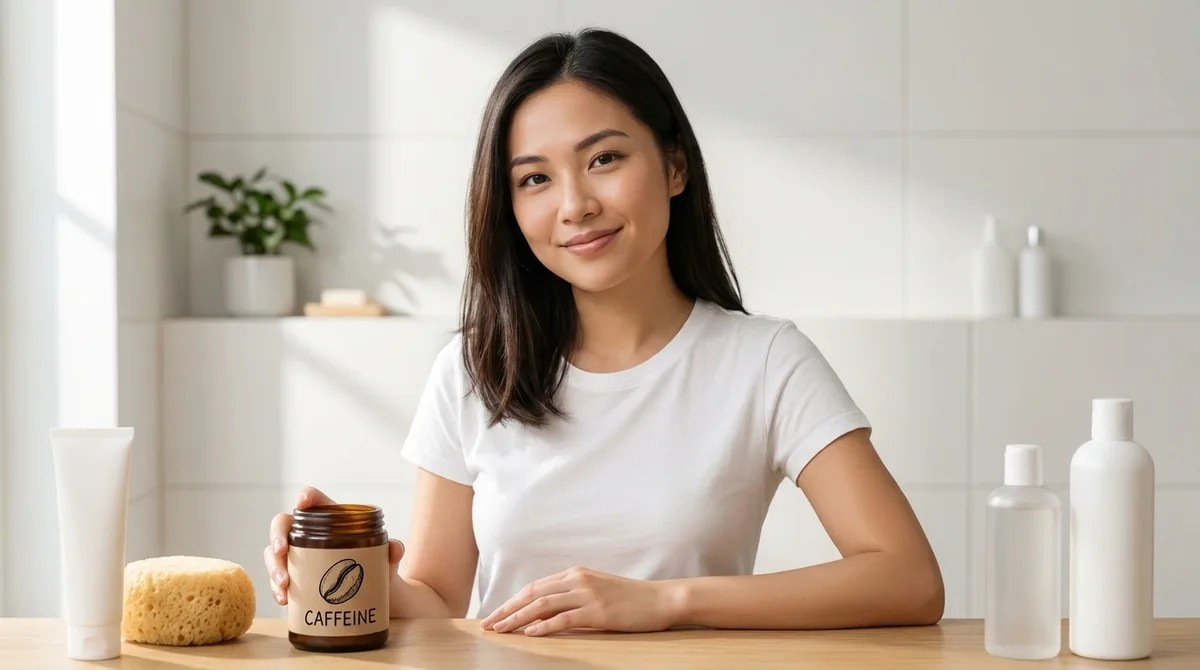 Understanding Caffeine Percentage in Body Sculpting Products: Concentration Guide | Ever wondered why some body sculpting creams deliver real results while others feel like expensive disappointment? The answer lies in a number most brands don't want you to focus on: caffeine percentage. In this episode, Chloe Chen breaks down the science behind caffeine concentrations in body sculpting products, revealing the exact percentages that separate legitimate treatments from glorified moisturizers. Whether you're spending fifteen dollars or a hundred and fifty, this guide will help you decode ingredient lists and finally understand what you're actually paying for. Effective body sculpting products contain 2–5% caffeine, while most budget options contain less than 1%—essentially a "marketing ingredient" that delivers tingle without visible results. Caffeine works through three mechanisms: vasoconstriction (temporarily tightening blood vessels to reduce puffiness), lipolysis stimulation (encouraging superficial fat cell drainage), and antioxidant protection against collagen breakdown. The product format matters as much as percentage—caffeine in anhydrous bases like silicone gels or oil serums penetrates skin better than water-based creams, even at identical concentrations. Clinical studies showing measurable results used 2–5% caffeine applied twice daily for 6–12 weeks, with effects lasting only 2–4 hours per application, making consistency crucial. Concentrations above 5% rarely appear in cosmetic formulations because they increase irritation risk without improving results—there's a ceiling to topical caffeine efficacy. Green coffee extract in budget products contains caffeine plus antioxidants, but brands often don't disclose actual caffeine concentration, making true comparison nearly impossible. Read the full article: https://luxurybeautyonabudget.com/understanding-caffeine-percentage-in-body-sculpting-products | 18m 04s | ||||||
| 4/20/26 |  How to Choose Body Firming Ingredients Based on Your Skin Type | Ever wonder why your expensive body firming cream delivers results on your arms but does absolutely nothing for your thighs? The problem isn't the product—it's treating your entire body like one uniform surface when different zones have completely different thickness, sebum production, and penetration capabilities. This episode breaks down the science of matching firming actives to your body's distinct microclimates, teaching you to analyze ingredient percentages and molecular weights like a cosmetic chemist. Whether you're dealing with crepey décolletage, stubborn thigh skin, or want to stop wasting money on formulas that can't deliver, this intermediate-level guide gives you a personalized roadmap in about fifteen minutes. Your body has at least three distinct skin zones—oily-prone areas like the upper back and chest, dry crepey zones like inner arms and décolletage, and normal resilient areas like outer arms and calves—each requiring completely different firming formulations. Most budget firming products contain retinol at 0.05–0.1 percent, which provides antioxidant benefits but falls far below the 0.25–1 percent threshold needed for actual collagen synthesis and measurable firming. Caffeine must be formulated at 2–5 percent to produce real vasoconstriction and microcirculation effects; anything lower is essentially marketing decoration on an expensive moisturizer. Peptide molecular weight determines where the ingredient actually works—smaller peptides under 500 Daltons like copper tripeptide-1 can reach the dermis, while larger ones over 1000 Daltons primarily affect the epidermis. Hyaluronic acid formulas need multiple molecular weights (50–1000 kDa for surface plumping plus 5–50 kDa for deeper penetration) to effectively treat dry, crepey skin zones. A simple pinch test on your inner elbow versus outer thigh reveals thickness differences that directly determine how deeply actives can penetrate—and which percentages each zone can tolerate without irritation. Read the full article: https://luxurybeautyonabudget.com/how-to-choose-body-firming-ingredients-based-on-your-skin-type | 33m 04s | ||||||
| 4/17/26 |  At-Home Body Contouring Checklist: Essential Products and Tools You Need | Can you really achieve professional body contouring results without spending hundreds at a medical spa? In this episode, Chloe Chen breaks down the exact products, active ingredients, and tools you need to sculpt, firm, and smooth your body at home—proving that the gap between drugstore formulas and luxury treatments has never been narrower. Whether you're targeting stubborn areas, improving skin texture, or boosting firmness, this comprehensive checklist covers every essential category for building an effective at-home routine that delivers visible results without the premium price tag. Caffeine concentrations of 3-5% are your primary weapon for temporary fluid reduction—check that caffeine appears in the first five ingredients, and know that drugstore options like Palmer's deliver comparable results to Sol de Janeiro at one-third the price per ounce. Retinol is the only topical ingredient with actual clinical evidence for collagen production, and CeraVe's body retinol delivers the same 0.1% concentration as luxury alternatives costing four times as much. When shopping for peptide products, check where peptides appear on the ingredient list—if they're listed after preservatives, the concentration is too low to be effective. Layer hyaluronic acid on damp skin before your actives for better absorption, and look for multi-weight formulas that combine low molecular weight HA for penetration with high molecular weight HA for surface hydration. For AHA body exfoliants, AmLactin's 12% lactic acid formula is pharmaceutical-grade and classified as an over-the-counter drug rather than a cosmetic—use it on off-nights from retinol or in the morning to avoid over-exfoliation. You don't need expensive branded tools—a $12 stainless steel gua sha delivers the same lymphatic drainage benefits as a $60 version, since technique matters more than material. Read the full article: https://luxurybeautyonabudget.com/at-home-body-contouring-checklist | 28m 55s | ||||||
| 4/15/26 |  What Is Adipose-Targeting Technology in Body Sculpting Creams? | You've felt it before—that warming, tingling sensation from a body sculpting cream that seems to promise something more than surface-level results. But what's actually happening beneath your skin? This episode breaks down adipose-targeting technology, the formulation science behind creams that claim to influence fat cells topically, explaining exactly how ingredients like caffeine and retinol attempt to reach subcutaneous fat and what the research actually supports. Whether you're skeptical about these products or curious if they're worth the investment, this deep dive separates marketing claims from biochemical reality. Adipose-targeting technology combines three core elements: lipolytic actives that promote fat breakdown, penetration enhancers that breach your skin's barrier, and vasodilators that increase blood flow—most formulations rely on 3-5% caffeine, retinol derivatives, and botanical extracts. The FDA classifies these products as cosmetics, not drugs, which legally prevents manufacturers from claiming they alter body structure—this regulatory distinction explains why you see phrases like "appearance of cellulite" rather than "fat reduction." Your skin's stratum corneum evolved specifically to keep things out, blocking molecules over 500 Daltons, so these formulations must solve a serious permeability problem using chemical enhancers, massage protocols, or lipid nanoparticles before any active reaches fat tissue. Caffeine works by inhibiting phosphodiesterase enzymes, which elevates cAMP levels and activates hormone-sensitive lipase—the enzyme that actually breaks triglycerides into free fatty acids and glycerol. Retinoids at 0.5-1% concentrations may inhibit adipocyte differentiation by reducing expression of fat storage genes, but these effects require consistent application over 12-16 weeks to manifest. The warming sensation from ingredients like vanillyl butyl ether serves dual purposes: vasodilation aids metabolite clearance while the sensory experience creates a perception of efficacy—clever formulation psychology at work. Read the full article: https://luxurybeautyonabudget.com/what-is-adipose-targeting-technology-in-body-sculpting-creams | 19m 51s | ||||||
| 4/13/26 | 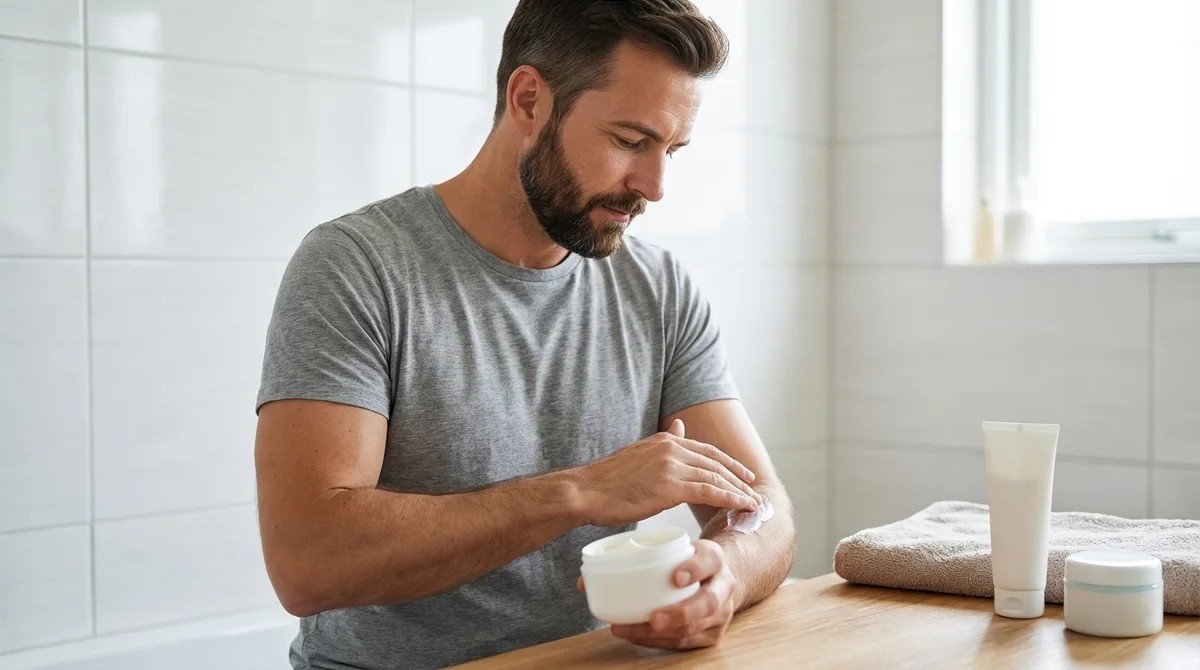 How to Apply Body Sculpting Cream for Maximum Absorption and Results | Ever wonder why that expensive body sculpting cream isn't delivering the definition you expected? The problem isn't usually the formula—it's the application. In this episode, Marcus Vance breaks down the precise eight-to-twelve-minute protocol he developed over three years of testing body contouring products, revealing why treating these targeted actives like regular moisturizer guarantees you're wasting money. If you're serious about getting measurable results from your sculpting cream and want to understand the science of transdermal delivery, this step-by-step system covers everything from prep work to absorption optimization. Dry brushing before application isn't optional—testing showed a 35% better response on brushed skin versus unbrushed, because even 10-15 microns of dead cell buildup can reduce active ingredient delivery by 30-50%. Skin temperature dramatically affects absorption; target 88-92°F at the application site, since room-temperature skin significantly slows the permeation of lipophilic actives. Leave skin slightly damp (about 80% dry) after showering—the residual water creates a concentration gradient that pulls actives into the skin via osmotic pressure, while bone-dry skin keeps cream sitting on the surface. Not all formulas work equally: look for verifiable active concentrations like 3-5% caffeine, 2-3% L-carnitine, or 0.3-0.5% retinol, and watch for silicone-heavy products that may sit on the surface rather than penetrate. Dosage discipline matters—use 1.5-2 teaspoons per treatment zone (thigh, abdomen, or buttocks) for consistent results rather than eyeballing random amounts. Pre-application dry brushing increases surface blood flow by 20-40%, creating what Marcus calls a "delivery highway" for your actives while mechanically stimulating lymphatic flow. Read the full article: https://luxurybeautyonabudget.com/how-to-apply-body-sculpting-cream-for-maximum-absorption-and-results | 26m 43s | ||||||
Want analysis for the episodes below?Free for Pro Submit a request, we'll have your selected episodes analyzed within an hour. Free, at no cost to you, for Pro users. | |||||||||
| 4/10/26 | 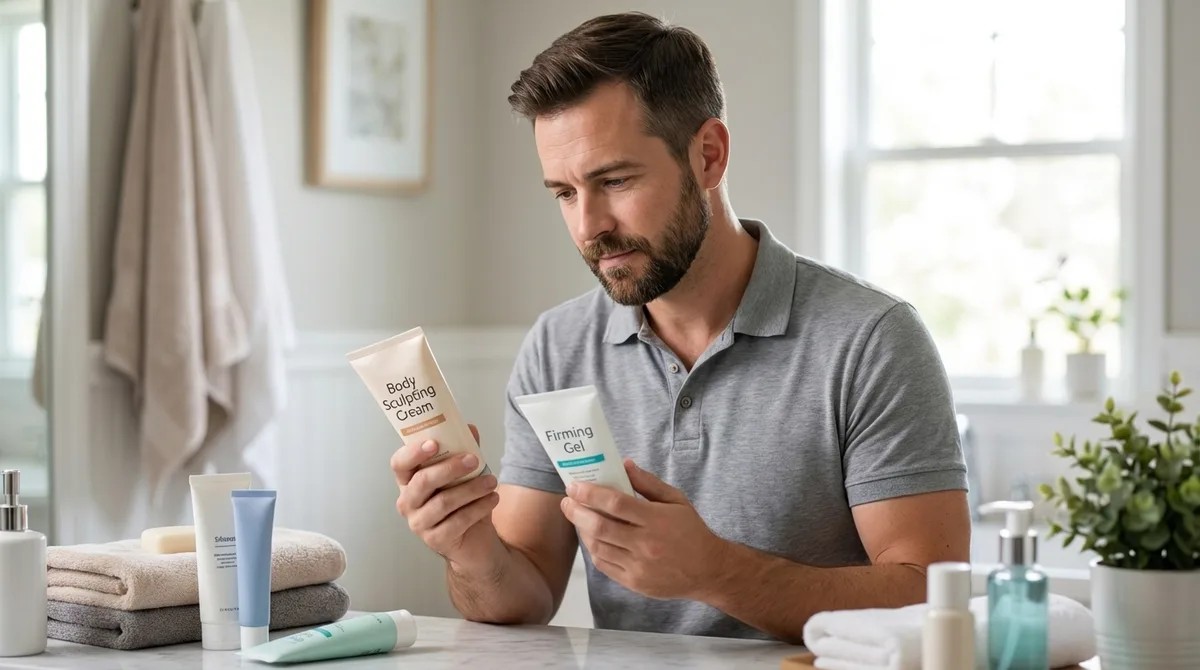 Body Sculpting Cream vs Firming Gel: Which Formula Delivers Better Results? | Ever wondered why that firming product you bought delivers wildly different results than your friend's recommendation? The answer lies in understanding that body sculpting creams and firming gels are fundamentally different tools designed for completely different purposes. In this episode, Marcus Vance breaks down three months of personal field testing—complete with calipers and controlled photography—to reveal the chemistry, application protocols, and real-world performance that separates these two product categories. Whether you're pursuing long-term body recomposition or need immediate visual results for a specific event, this guide will help you stop wasting money on the wrong formula. Body sculpting creams work through adipose-targeting actives and collagen synthesis stimulators over four to eight weeks, while firming gels create temporary surface tension that peaks at thirty minutes and fades within two to four hours. Topical caffeine at two to five percent concentration can measurably support fat reduction through phosphodiesterase inhibition, but only when formulated with proper lipophilic carriers and paired with caloric deficit and resistance training. Firming gels rely on film-forming polymers like pullulan that create mechanical tightening on the skin's surface—it's purely cosmetic and breaks down as your skin's natural hydration disrupts the polymer film. Massage time is critical for cream absorption: ninety to one hundred twenty seconds per body zone creates temporary disruptions in the skin barrier that allow actives to penetrate deeper, while gels require no massage and actually perform worse with excessive rubbing. The price-per-ounce calculation favors creams at three to twelve dollars for six to eight ounces compared to gels at eight to twenty-five dollars for three to five ounces, making creams the better value for sustained daily use. Quality sculpting creams contain ceramides, squalane, or shea butter as occlusive lipids that drive ingredients deeper while preventing water loss, whereas gels use ten to twenty percent alcohol to accelerate drying and enhance the film-forming effect. Read the full article: https://luxurybeautyonabudget.com/body-sculpting-cream-vs-firming-gel | 19m 12s | ||||||
| 4/8/26 | 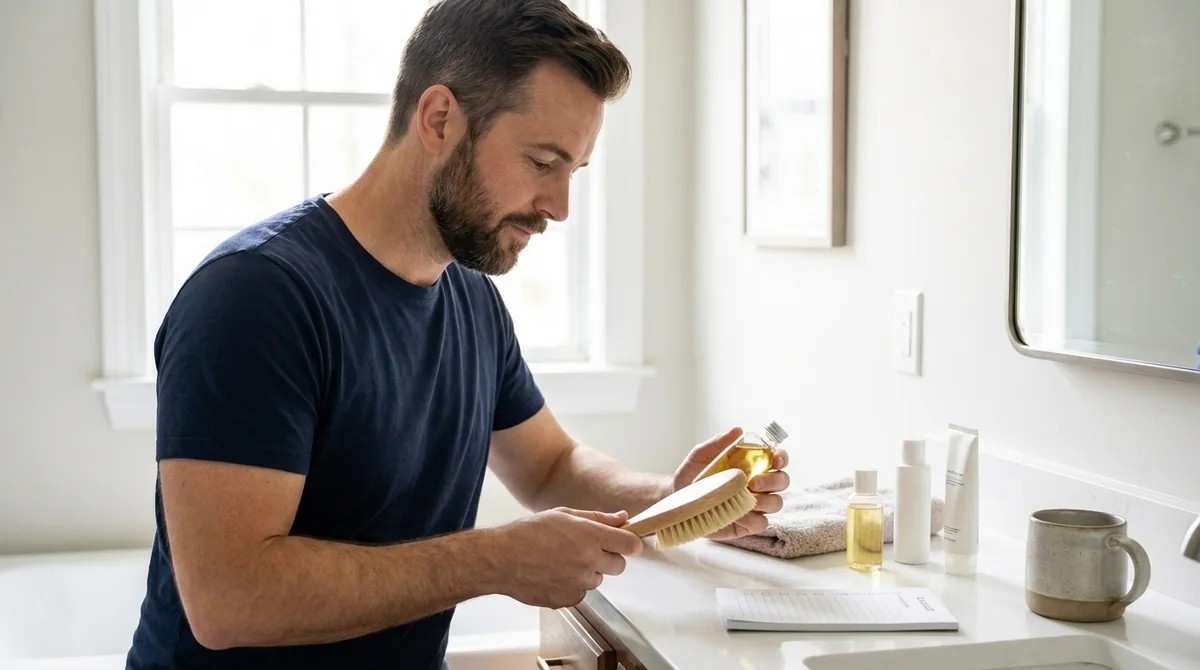 Body Sculpting Routine Checklist: Products, Tools & Application Order | Most people approach body sculpting products like lottery tickets—applying something random and hoping for results that never come. This episode breaks down the exact formulations, concentrations, and mechanical tools that actually produce measurable changes in skin firmness and body contour. Marcus Vance shares three years of systematic testing to reveal which ingredients earn their place in a serious routine and which ones are just expensive hope in a bottle. If you've ever wondered why your contouring creams aren't working or what order to layer body care actives, this is your operations manual. Caffeine serums need five to eight percent concentration to actually constrict blood vessels and tighten skin temporarily—most drugstore formulas fall far below this threshold and deliver nothing but fragrance. Retinol body lotions using retinyl palmitate instead of pure retinol are too weak to matter; look for point one to point two five percent actual retinol and expect mild flaking in the first two weeks as proof it's working. Hyaluronic acid requires both low-molecular-weight (under fifty kilodaltons) and high-molecular-weight forms to plump skin without creating a dried-out, shrink-wrapped appearance—apply on damp skin before any oil-based actives. Mechanical tools like dry brushes, gua sha, and microneedling rollers aren't optional accessories; they increase product penetration, stimulate lymphatic drainage, and trigger collagen remodeling that topicals alone cannot achieve. For body gua sha, skip jade and rose quartz entirely—they fracture under the pressure needed for deep tissue work. Stainless steel or brass handles the torque and delivers better results. L-carnitine gels show subtle benefits only when paired with caloric deficit and resistance training; applied after caffeine serum, they may enhance fat mobilization but won't work as a standalone fix. Read the full article: https://luxurybeautyonabudget.com/body-sculpting-routine-checklist | 18m 53s | ||||||
| 4/6/26 | 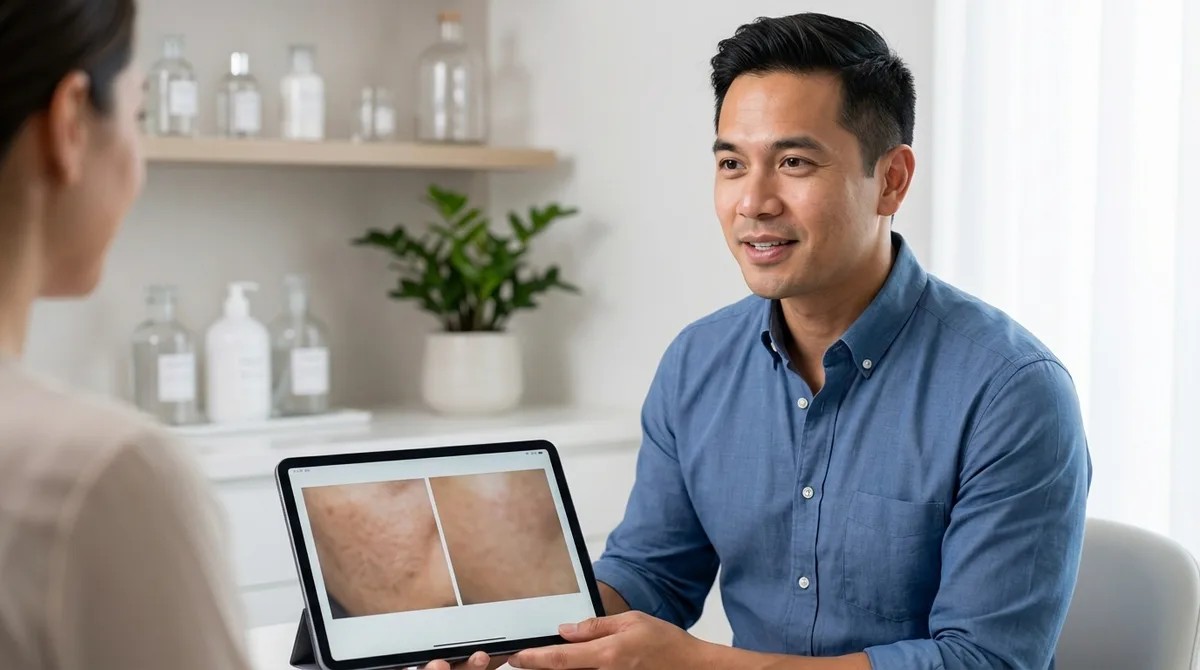 Understanding Salmon DNA Treatment Results: What Before and After Photos Really Show | Those dramatic before-and-after photos flooding your social media feed promise miraculous skin transformation from salmon DNA treatments—but how much is genuine science and how much is clever lighting? This episode breaks down what PDRN therapy actually does at the cellular level, helping you distinguish between temporary hydration effects and real dermal remodeling. Whether you're considering injectable treatments or exploring topical serums, Julian Thorne explains the three distinct phases of how salmon DNA works and reveals exactly when legitimate results should be photographed. Before-and-after photos taken 48 hours post-treatment show temporary hydration and swelling, while genuine structural changes only become visible at 8-12 weeks—making timing the key difference between marketing and medicine. PDRN works through a three-phase process: immediate hydration (24-48 hours), angiogenesis and fibroblast activation (days 5-7), and collagen maturation with tissue reorganization (weeks 4-12). Clinical studies show measurable results from 2% PDRN injections: 12-18% increases in dermal thickness, 15-20% improvement in skin elasticity, and 25-30% reduction in transepidermal water loss. Molecular weight determines effectiveness—lower weight fragments (50-150 kilodaltons) penetrate easily but fade quickly, while higher weight chains (800-1500 kilodaltons) require injection or aggressive microneedling but produce longer-lasting results. Smokers experience 40% reduced response due to impaired adenosine receptor function, and age significantly impacts outcomes since collagen synthesis capacity declines with cellular senescence. Topical 1% PDRN serums deliver roughly 30-40% of injectable results, and budget-friendly formulations from Korean and Japanese manufacturers now cost $30-50 for 30ml compared to previous $200+ price points. Read the full article: https://luxurybeautyonabudget.com/understanding-salmon-dna-treatment-results | 18m 09s | ||||||
| 4/3/26 | 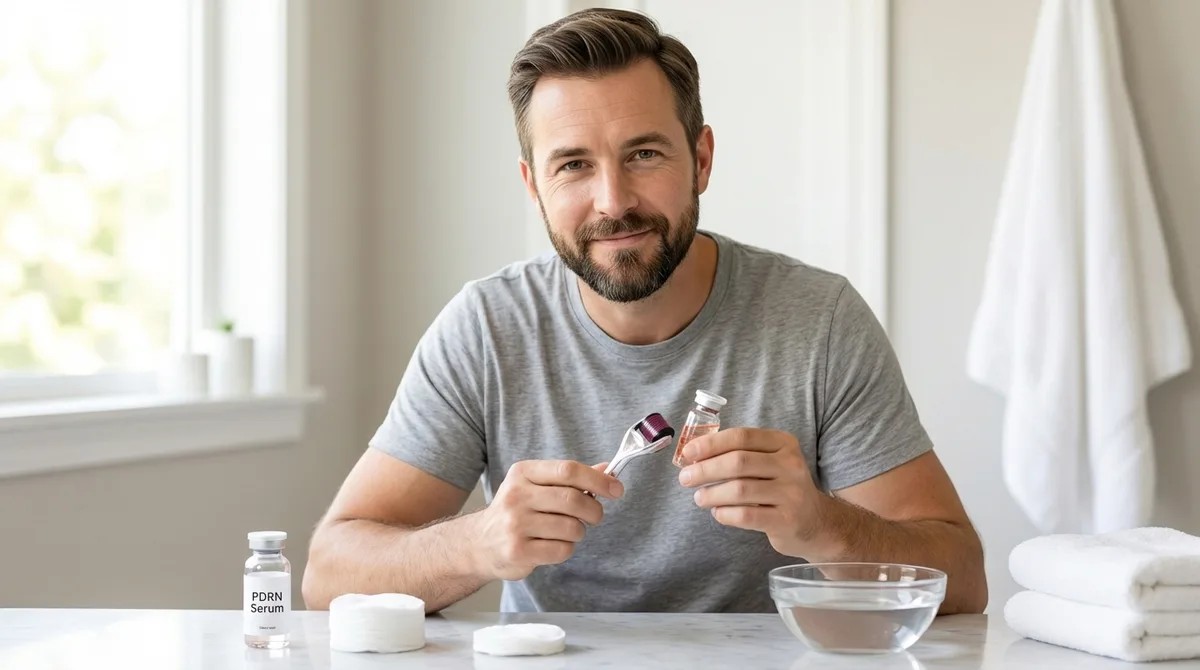 How to Use Salmon DNA Microneedling: DIY Protocol and PDRN Application Guide | Looking for clinical-level skin rejuvenation without the spa markup? This episode delivers a complete walkthrough of combining microneedling with PDRN (polydeoxyribonucleotide) serums—the salmon DNA protocol that's gaining traction for real texture and elasticity improvements. Host Marcus Vance breaks down everything from device calibration and sterile technique to application timing and recovery, treating this like the precision task it actually is. If you've got 90 minutes and basic competency with handheld tools, this protocol turns mechanical collagen induction into a repeatable at-home system. PDRN extracted from salmon sperm cells provides nucleotide building blocks that accelerate fibroblast activity—when paired with controlled micro-injuries, you're giving skin both the stimulus and raw materials to rebuild faster. Stick to 0.5mm needle depth for at-home protocols; going deeper doesn't improve results and significantly increases scarring risk and recovery time. Your prep work determines your infection risk—double-cleanse with a pH-balanced cleanser below 5.5, sterilize needle heads in 70% isopropyl alcohol for at least 60 seconds, and ensure skin is completely dry before needling. Look for uniform pinkness across treatment zones, not welts or bleeding; pinpoint bleeding is acceptable, but continuous oozing means you've exceeded safe depth or pressure. Avoid treatment near the orbital bone, lips, and any areas with active breakouts or broken skin—and stop all chemical exfoliants (AHA, BHA, retinoids) 72 hours before your session. Expect visible tightening within 72 hours, with continued collagen remodeling improvements over four to six weeks. Read the full article: https://luxurybeautyonabudget.com/how-to-use-salmon-dna-microneedling | 22m 32s | ||||||
| 4/1/26 |  Salmon DNA Skincare Checklist: Everything You Need to Start PDRN Therapy at Home | Salmon DNA has exploded across skincare feeds, but the $2,000 med spa price tag keeps most people from trying PDRN therapy. In this episode, Chloe Chen breaks down exactly how to build an effective salmon DNA skincare routine at home—from the core products you actually need to the supporting ingredients that amplify results. Whether you're targeting fine lines, acne scarring, or overall skin regeneration, this is your complete checklist for getting real PDRN benefits without the luxury markup. Look for PDRN serums with at least 1% concentration—anything below 0.5% is essentially marketing theater, with the 1-3% range being the sweet spot for actual cell regeneration effects. PDRN requires a specific supporting routine to work effectively: multi-molecular-weight hyaluronic acid applied immediately after creates the hydrated environment needed for cellular repair, while a ceramide moisturizer in a 3:1:1 ratio seals everything in. Sun protection becomes non-negotiable during PDRN therapy because increased cellular turnover makes skin more vulnerable to UV damage—skipping SPF 50+ literally throws your results away. At-home microneedling at 0.25-0.5mm depth is optional but significantly boosts PDRN penetration by creating microchannels; going deeper than 0.5mm crosses into med spa territory and isn't safe for home use. Niacinamide at 4-5% concentration preps skin by improving ceramide synthesis before PDRN application, but exceeding 5% when layering can cause irritation that interferes with the repair process. Combining peptides like copper tripeptide-1 with PDRN increases fibroblast activity by approximately 40% compared to using PDRN alone, making them a powerful addition to any salmon DNA protocol. Read the full article: https://luxurybeautyonabudget.com/salmon-dna-skincare-checklist | 19m 47s | ||||||
| 3/31/26 | 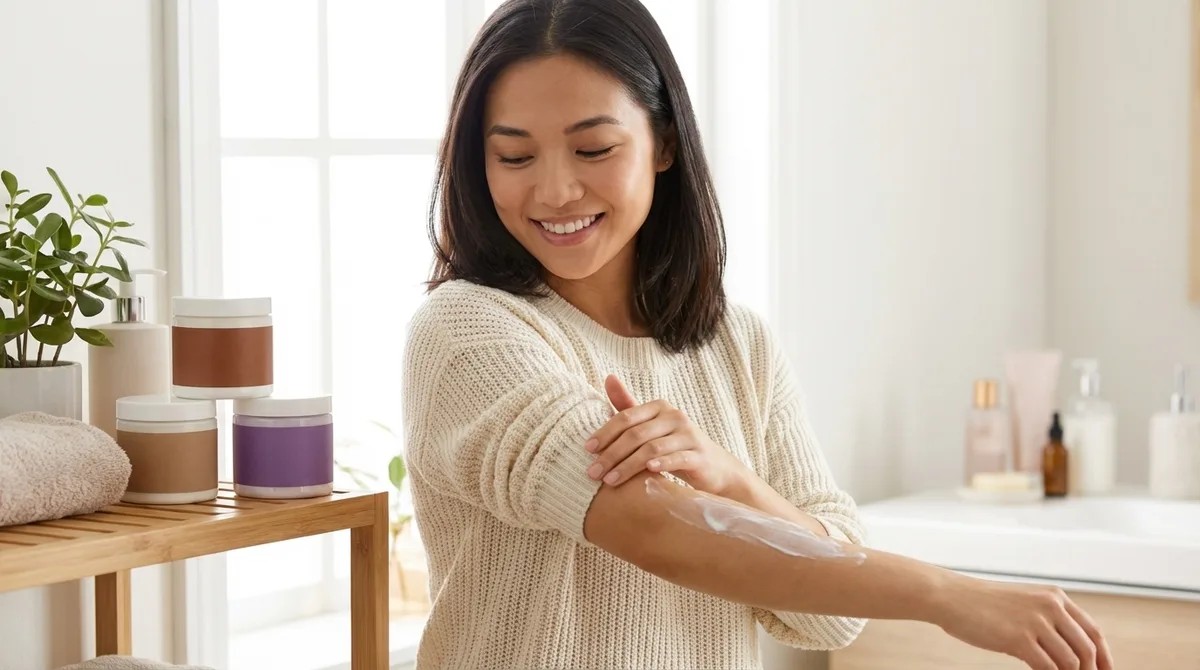 Best Body Sculpting Creams Under $30: Caffeine & Retinol Formulas That Work | Ever wondered if those affordable body sculpting creams actually do anything, or if you're just rubbing expensive hope on your thighs? In this episode, Chloe Chen breaks down the results of her six-month experiment testing 23 body sculpting creams, measuring results weekly and comparing drugstore formulas to luxury brands costing three times as much. Whether you're curious about caffeine concentrations, confused by retinol derivatives, or just want to know which textures you'll actually use consistently, this deep dive separates marketing hype from ingredients that deliver real results. Several drugstore body sculpting creams contain higher caffeine concentrations than prestige brands charging $80+, so price doesn't guarantee better formulas. For visible temporary tightening, look for at least 3% caffeine—if it's listed after the seventh ingredient on the label, you're paying for placebo effect. Budget formulas use retinyl palmitate instead of pure retinol because it's more stable and less irritating on large body areas, and the total dose evens out when covering more skin surface. Texture determines whether you'll actually stick with a product: gel creams absorb in 60–90 seconds for morning use under clothes, while cream-balm hybrids work better at night with massage techniques. Aminophylline has legitimate data showing temporary circumference reduction (millimeters, not inches), but it can cause sensitivity—always patch test first. The ideal formula combines 3–5% caffeine for immediate tightening, 0.3–1% retinol derivatives for long-term collagen improvement, and supporting actives like L-carnitine or peptides as bonuses. Read the full article: https://luxurybeautyonabudget.com/best-body-sculpting-creams-under-30 | 28m 36s | ||||||
| 3/31/26 | 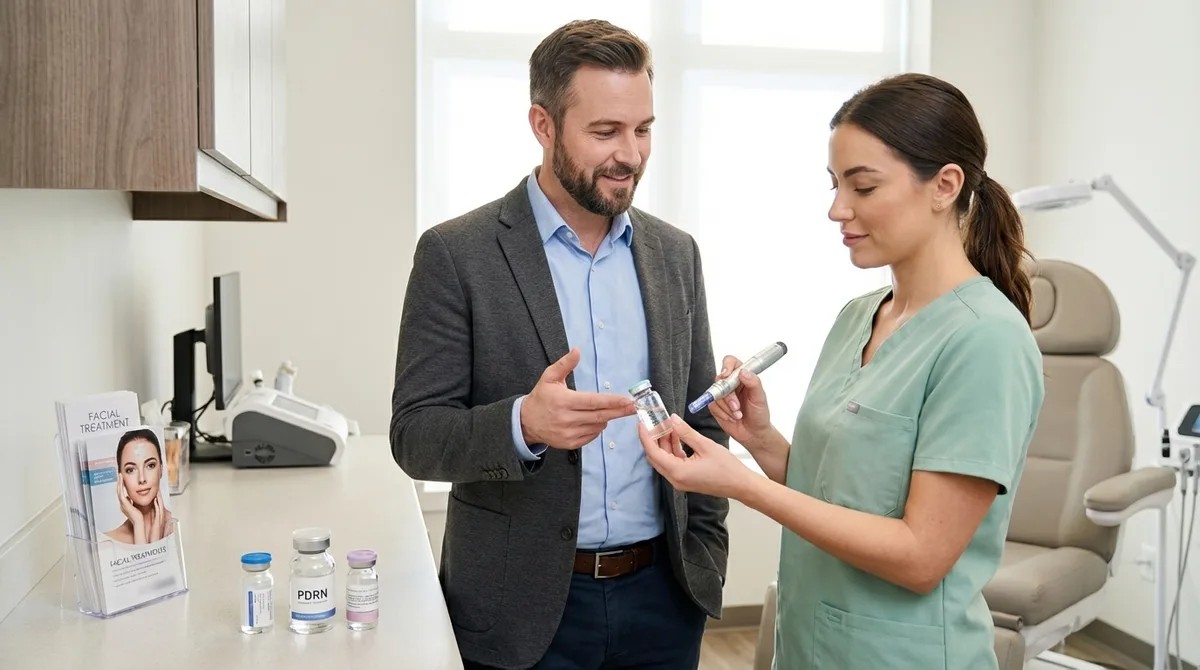 What Is Salmon DNA Facial Treatment? PDRN Concentrations and Clinical Results Explained | Salmon sperm on your face sounds absurd until you learn it's one of the most clinically validated bioregenerative treatments to emerge from Korean dermatology. This episode breaks down PDRN—polydeoxyribonucleotide—the purified nucleotide compound that signals your skin to rebuild collagen as if healing a wound, without causing actual damage. If you've hit the point where hydration alone doesn't restore firmness and you're curious whether this treatment lives up to the science, Marcus Vance explains exactly what's happening at the cellular level and what concentrations actually deliver results. PDRN is extracted from salmon sperm and processed into low-molecular-weight DNA fragments (50–1,500 base pairs) small enough to penetrate the dermis and activate adenosine A2A receptors, the same receptors that regulate inflammation and collagen synthesis during wound healing. Clinical-grade topical concentrations range from 0.5% to 3%, with 0.5% providing maintenance-level signaling, 1–2% offering moderate daily stimulation, and 3% approaching clinical intensity but risking irritation when combined with acids or retinoids. The mechanism works in three phases: nucleotide penetration in the first 0–3 hours, receptor activation from 6–24 hours triggering fibroblast proliferation, and sustained collagen synthesis from 72 hours through 12 weeks of consistent use. Lab studies show fibroblasts increase collagen production by 25–40% using 0.5–3% PDRN concentrations, and clinical trials demonstrated measurable increases in dermal density via ultrasound imaging after eight weeks of twice-daily application. Salmon DNA shares structural similarities with human DNA, minimizing immune rejection—this is why salmon specifically became the source for pharmaceutical-grade PDRN manufactured primarily in South Korea and Japan. Formulation matters as much as concentration: PDRN remains stable at pH 5.5–6.5, lightweight serums penetrate fastest but need occlusive follow-up, and gel-cream hybrids with hyaluronic acid or ceramide matrices provide both penetration and barrier protection. Read the full article: https://luxurybeautyonabudget.com/what-is-salmon-dna-facial-treatment-pdrn-concentrations-and-clinical-results-explained | 17m 55s | ||||||
| 3/31/26 | 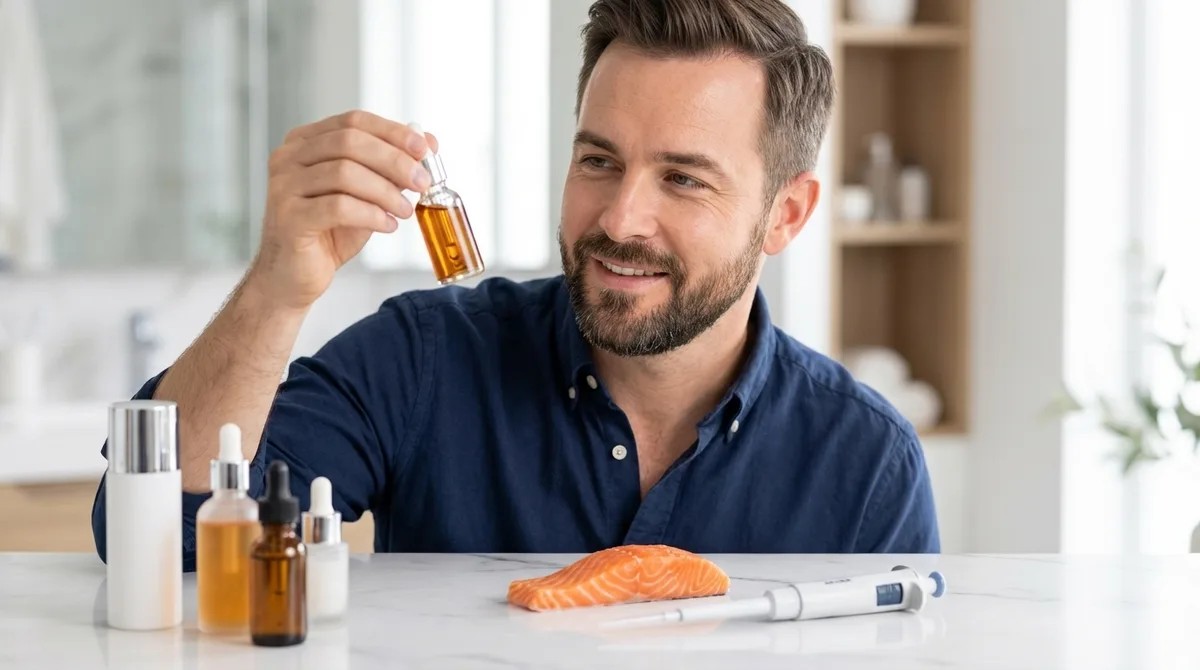 Best Salmon DNA Serums Under $50: Budget-Friendly PDRN Formulations | You've seen the glowing results from expensive salmon DNA injections at dermatology clinics, but you're not ready to spend thousands on your face. In this episode, Marcus Vance breaks down eighteen months of rigorous testing on budget-friendly PDRN serums to reveal which formulations actually deliver measurable skin regeneration—and which ones are just overpriced fish water. Whether you're dealing with dull, flat-looking skin or early signs of aging, this guide treats your skincare routine like the precision investment it deserves, covering everything from molecular weights to cost-per-application math. PDRN concentration matters more than marketing claims—look for formulations with at least one percent salmon DNA extract, since anything lower is likely too dilute to trigger meaningful fibroblast activation in your skin. Molecular weight determines whether PDRN actually penetrates your skin or just sits on the surface; seek out products labeled "hydrolyzed" or "low molecular weight" to ensure the molecules can pass through the dermal barrier. Korean and Japanese manufacturers often provide more transparent formulation data and maintain stricter disclosure standards than many Western brands, making them safer bets when shopping for effective PDRN serums. The supporting ingredients make or break a salmon DNA serum—look for copper peptides, multi-weight hyaluronic acid, and niacinamide working together to enhance absorption and amplify regeneration rather than PDRN dumped into a basic glycerin base. Calculate your serum's value by price per application over a ninety-day cycle, not price per ounce; a forty-five dollar serum used consistently can deliver ten to twelve times the value of a single professional PDRN facial. Texture and pH are functional specs, not preferences—ideal formulations absorb in under ninety seconds without pilling, and maintain a pH between 5.5 and 6.5 to preserve both PDRN stability and your skin barrier. Read the full article: https://luxurybeautyonabudget.com/best-salmon-dna-serums-under-50 | 30m 00s | ||||||
| 3/31/26 | 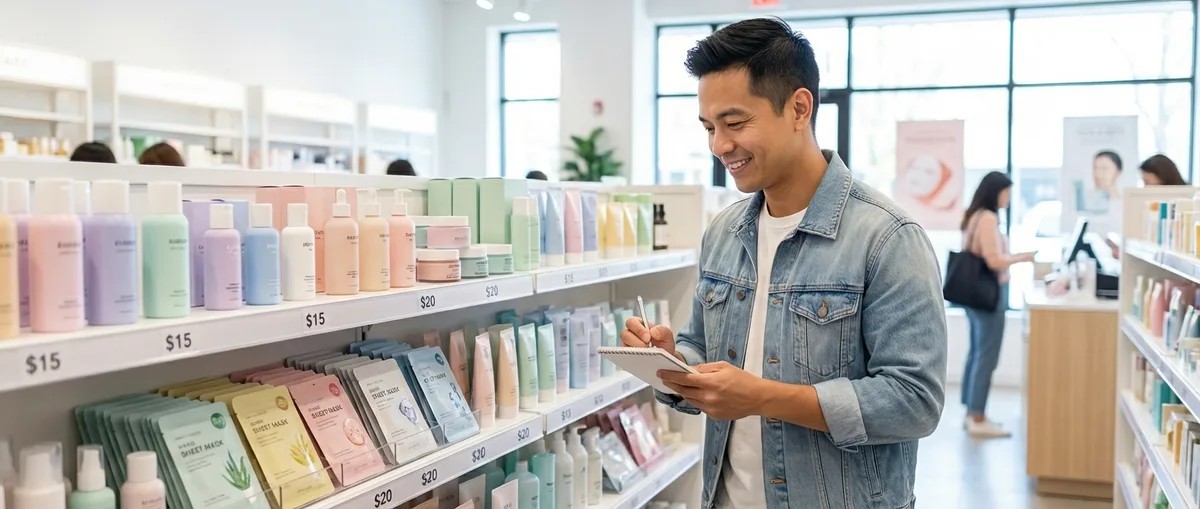 Korean Skincare Shopping Checklist: Essential Products for Glass Skin Under $100 | Ever stood paralyzed in a K-beauty aisle, overwhelmed by promises of glass skin but unsure which products actually deliver? This episode breaks down exactly how to build a complete Korean skincare routine for under $100 total—no guesswork, no wasted money. Julian Thorne shares a curated checklist covering everything from pH-balanced cleansers to fermented essences, explaining the science behind why these formulations work and which specific ingredients to look for on labels. The double cleanse is non-negotiable for glass skin: start with an oil-based cleanser ($12–18) to dissolve sunscreen and sebum, then follow with a water-based cleanser ($10–15) featuring amino acid surfactants like sodium cocoyl glycinate that clean without stripping your skin's natural barrier. Korean cleansers are engineered to match your skin's natural pH of 5.0–5.5, which is why they feel cushiony rather than tight—that squeaky-clean sensation actually signals barrier damage. Fermented essences ($18–28) are the secret weapon Western routines miss: yeast filtrates fermented for 120+ hours deliver amino acids and beta-glucans that improve skin hydration by 18–25% after four weeks of consistent use. Skip essential oils in your oil cleanser—they're unnecessary irritants during a prep step, not a treatment step. Look instead for polyethylene glycol-based emulsifiers that rinse clean. Korean hydrating toners aren't astringents—they contain multiple molecular weights of hyaluronic acid (50–1,500 kilodaltons) that penetrate at different dermal depths, building layered moisture reservoirs rather than surface-level hydration. Quality cleansing balms with rice bran oil (5–10%) do double duty, delivering vitamin E and ferulic acid antioxidants while removing makeup, turning a basic cleansing step into active skincare. Read the full article: https://luxurybeautyonabudget.com/korean-skincare-shopping-checklist | 25m 32s | ||||||
| 3/30/26 | 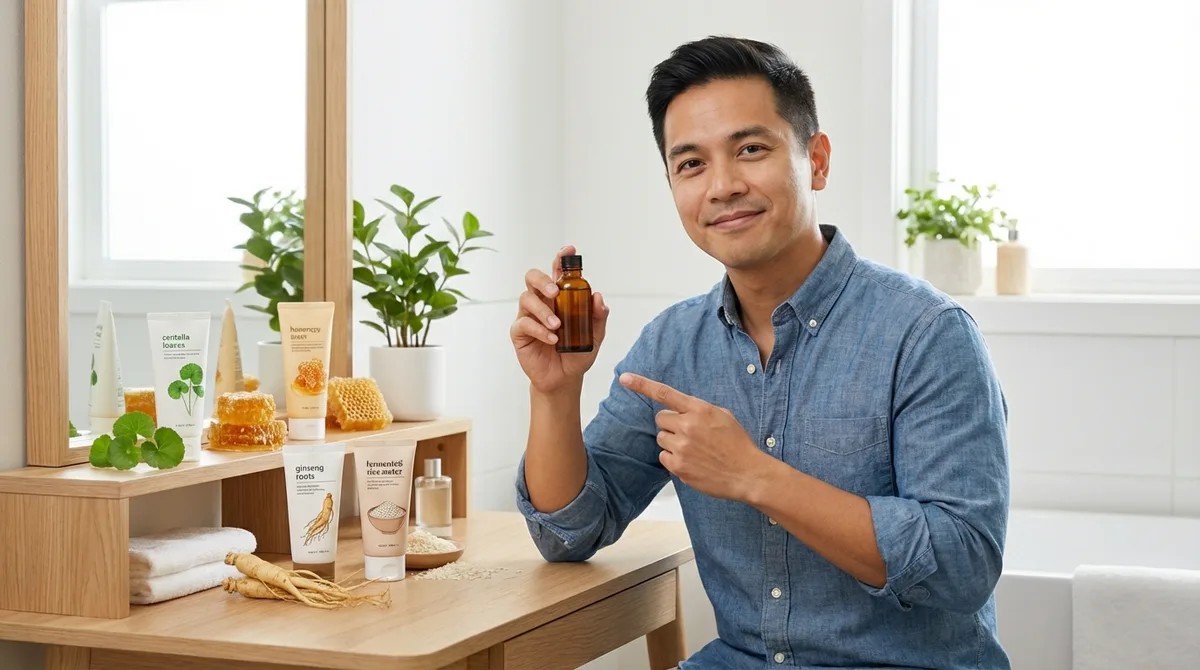 Korean Skincare Ingredients Explained: Centella, Propolis, Ginseng & Ferments Breakdown | Ever wondered why a $400 luxury cream contains less of the star ingredient than an $18 Korean serum? This episode breaks down the science behind Korean skincare's most powerful ingredients—centella asiatica, propolis, ginseng, and fermented complexes—explaining exactly how they work at the cellular level and why they're making luxury brands nervous. Whether you're trying to decode ingredient lists or figure out if that fermented essence is worth the hype, Julian Thorne delivers the cosmetic chemistry you need to shop smarter. Centella asiatica (cica) increases collagen production by 58% at just 0.1% concentration after 12 weeks—comparable to tretinoin but without photosensitivity, thanks to its triterpenoids madecassoside and asiatic acid working through dual pathways of synthesis and protection. Quality matters more than you think: premium centella extracts standardize triterpenoids to 40–60%, while propolis extraction methods range from basic glycerin to supercritical CO2 that concentrates specific flavonoids to pharmaceutical-grade purity. Propolis delivers over 300 bioactive compounds that inhibit acne-causing bacteria as effectively as 2% salicylic acid—without disrupting your skin's microbiome diversity—while its CAPE compound suppresses the inflammatory pathway driving breakouts. Fermentation transforms skincare by reducing molecular weight from 10,000+ daltons to under 500 daltons, which is the threshold for actually penetrating your skin barrier; legitimate formulations contain 50–90% ferment concentration. Korean red ginseng's ginsenoside profile (Rb1, Rg1, Rg3) differs significantly from American varieties, with six-year-aged roots delivering optimal compound ratios at 3–12% concentration in quality extracts. Look for specific ferment strain designations on labels (like "Saccharomyces/Rice Ferment Filtrate") rather than vague terms like "fermented essence"—manufacturing origin and domestic Korean quality standards make a measurable difference. Read the full article: https://luxurybeautyonabudget.com/korean-skincare-ingredients-explained | 29m 19s | ||||||
| 3/30/26 | 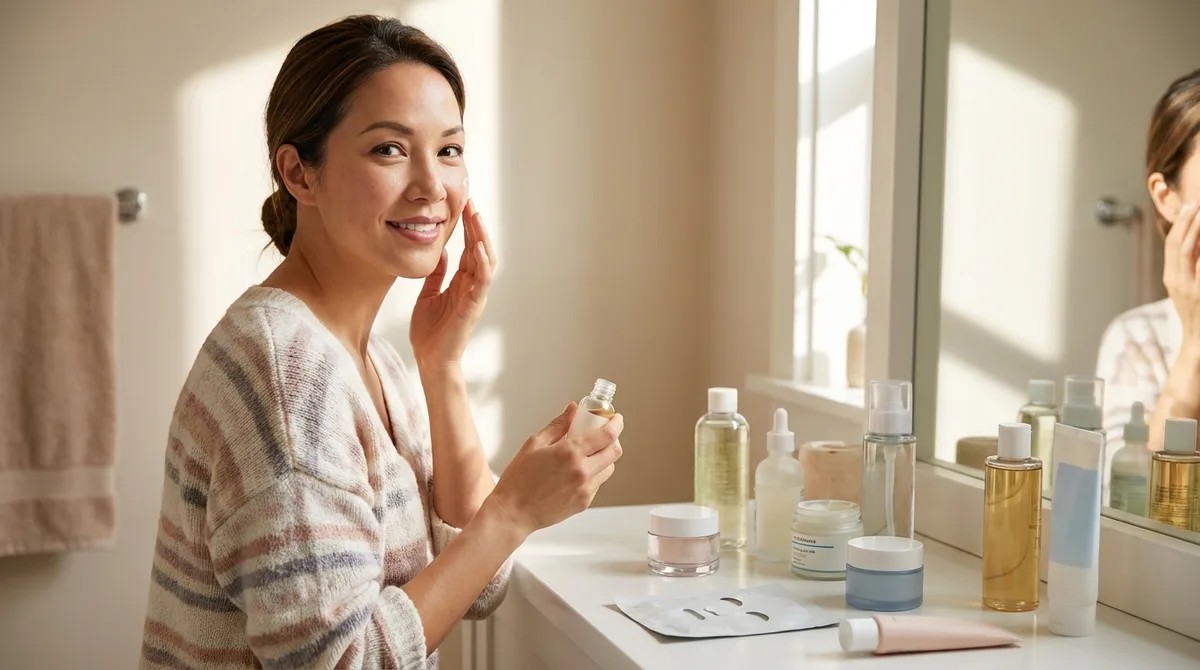 Korean Skincare Routine Checklist: Every Product You Need by Skin Type | Ever stood in your bathroom surrounded by Korean skincare products with absolutely no idea what order to use them? This episode breaks down exactly which products you need based on your specific skin type—no fluff, no "optional" steps that aren't really optional. Sarah Ling-Miller shares the precise routine she developed after pregnancy melasma forced her to rebuild her entire skincare approach with only eight minutes to spare each morning. You'll get formulation breakdowns, time investments per step, and price-per-ounce comparisons so every product earns its spot on your counter. The one-hour bare-face test reveals your true skin type: wash with a gentle cleanser, apply nothing, then check results after sixty minutes to determine if you're oily, dry, combination, sensitive, or dehydrated (yes, oily AND flaky at the same time is a real thing). Many people mistake dehydrated skin for oily skin—over-cleansing can actually cause the breakouts you're trying to prevent, which is why proper diagnosis matters before buying anything. Oil cleansers should contain under fifteen percent oil content with squalane or jojoba for oily skin types, and you can skip this step entirely on days without makeup or SPF. Hyaluronic acid effectiveness depends on molecular weight—look for formulations with high (1–1.5 million Daltons), medium (50,000–500,000), and low (5,000–50,000) weights for proper hydration at different skin depths. The complete oily/acne-prone routine takes six to eight minutes in the morning and eight to ten at night, costing roughly forty-five to seventy-five dollars monthly for quality Korean products. When starting retinoids, apply to dry skin and wait twenty minutes before moisturizer—begin twice weekly and gradually increase to daily use to avoid irritation. Read the full article: https://luxurybeautyonabudget.com/korean-skincare-routine-checklist | 25m 00s | ||||||
| 3/30/26 |  What Is the Korean 10-Step Skincare Routine? Each Layer Explained with Active Ingredients | Ten steps of skincare every single night sounds exhausting—until you realize it was never meant to be followed religiously. This episode breaks down the Korean 10-step skincare routine as what it actually is: a framework for understanding how products work together based on molecular size, texture, and skin chemistry. Whether you're a busy professional wiping down the kitchen at 10 PM or just confused about why product order matters, this deep dive covers each layer with actual ingredient percentages and honest guidance on what you can skip when life gets chaotic. The Korean 10-step routine is a layering methodology based on molecular weight—smaller molecules like hyaluronic acid go first, occlusives like ceramides and squalane go last—not a rigid daily checklist. Most people realistically use four to six steps daily and save the full eight to ten steps for weekend self-care sessions. Korean formulas often split active ingredients across multiple products (like 2% niacinamide in a toner plus 5% in an essence) to reach therapeutic levels without the irritation risk of a single high-concentration product. Oil cleansers are essential at night if you wear SPF because chemical sunscreen filters like avobenzone are lipid-soluble and won't fully remove with water-based cleansers alone. Korean cleansers typically maintain a physiological pH of 4.5 to 6.0, protecting your skin's acid mantle, unlike many Western drugstore formulas that run alkaline at pH 8 to 10. Exfoliation is the easiest step to skip on busy weeks—two to three times weekly is sufficient, and overdoing it compromises barrier function. Read the full article: https://luxurybeautyonabudget.com/what-is-the-korean-10-step-skincare-routine-each-layer-explained-with-active-ingredients | 28m 57s | ||||||
| 3/30/26 |  How to Build a Korean Skincare Routine for Beginners: Step-by-Step Product Order | Ever stared at a shelf full of Korean skincare products wondering which bottle to use first—and whether you actually need all ten steps? This episode breaks down exactly how to build a Korean skincare routine that works for real life, not just Instagram tutorials. Sarah Ling-Miller walks through the science-backed product order based on molecular weight and pH, reveals which steps you can skip when you're rushing out the door, and shares specific ingredient percentages that deliver results without luxury price tags. If you want glass skin but also need to function as a human with a job and responsibilities, this one's for you. A complete beginner Korean skincare routine takes 7–12 minutes twice daily and costs $80–$150 to build from scratch, working out to roughly 30–80 cents per application. The double cleanse isn't marketing hype—oil dissolves oil-based sunscreen, makeup, and sebum that water alone can't remove, but you only need it in the evening. Your water-based cleanser's pH matters more than fancy ingredients: look for pH 5.0–6.0 to avoid stripping your acid mantle and triggering that tight, uncomfortable feeling. Korean toners are fundamentally different from Western astringents—they're hydrating prep layers that restore pH and should contain humectants like glycerin (3–5%) or multiple weights of hyaluronic acid for both penetration and surface hydration. When you're running late, you can cut your routine from 12 minutes down to 4–6 minutes by knowing which steps are truly non-negotiable versus nice-to-have. Specific active percentages that actually work: niacinamide at 5–10%, vitamin C at 10–20%, and retinol at 0.25–1%—no need for $200 serums to see results. Read the full article: https://luxurybeautyonabudget.com/how-to-build-a-korean-skincare-routine-for-beginners | 25m 24s | ||||||
| 3/30/26 |  Top 12 Korean Sunscreens Under $20: SPF Filters, Texture & White Cast Analysis | Tired of sunscreens that leave you looking like a ghost or feeling like you've smeared cooking oil on your face? This episode dives deep into the world of Korean sunscreens under $20, examining the filter systems, texture profiles, and innovative chemistry that make these formulas outperform luxury European options at a fraction of the cost. Whether you have oily, dry, sensitive, or acne-prone skin, Julian Thorne breaks down exactly which budget-friendly Korean SPFs deliver invisible, breathable protection worth switching to. Korean sunscreen chemists use encapsulated UV filters and nanoparticle technology to achieve SPF 50+ protection with zero white cast, even when combining physical and chemical blockers in hybrid formulas. Beauty of Joseon Relief Sun combines 30% rice extract with maximum-concentration UVA filters, delivering treatment-serum-level ingredients alongside UV protection for around $9 per ounce. Many Korean sunscreens include barrier-supporting ingredients like ceramides, niacinamide, and fermented probiotics at concentrations typically reserved for dedicated treatment products. The Skin1004 Centella serum formula uses multi-weight hyaluronic acid (1,000 and 50 kilodaltons) paired with 49.4% centella extract, but the watery texture makes it easy to under-apply the recommended 2mg per square centimeter coverage. COSRX achieves a white-cast-free hybrid formula by using titanium dioxide nanoparticles at 10–30 nanometers, small enough to scatter UV light without leaving visible residue on skin. Price-per-ounce for these Korean formulas ranges from roughly $8–10, making $80 prestige European sunscreens difficult to justify from a pure performance standpoint. Read the full article: https://luxurybeautyonabudget.com/top-12-korean-sunscreens-under-20 | 27m 12s | ||||||
| 3/30/26 |  Korean Snail Mucin vs Hyaluronic Acid: Which Hydrator Works Better for Dry Skin? | Slathering on moisturizer but still dealing with dry, flaky skin? The culprit might be what you're layering underneath. In this episode, Julian Thorne breaks down the real differences between two cult-favorite hydrators—Korean snail mucin and hyaluronic acid—examining their molecular behavior, formulation chemistry, and price-per-ounce value. Whether you're battling pure dehydration or a compromised skin barrier with redness and texture issues, you'll learn exactly which ingredient matches your skin's actual needs rather than falling for marketing hype. Hyaluronic acid is a pure humectant that binds up to 1,000 times its weight in water, but it doesn't signal any repair processes—it hydrates and nothing more. Snail mucin is a bioactive cocktail containing allantoin, glycoproteins, naturally occurring glycolic acid, and antimicrobial peptides that actively stimulate cell turnover and barrier repair while providing secondary hydration benefits. Multi-molecular-weight hyaluronic acid formulas are critical: low-weight HA (5–50 kDa) penetrates to plump from within, while high-weight HA (1,000+ kDa) creates a protective film that prevents water loss. For snail mucin, look for 90% or higher filtrate concentration from South Korean manufacturers, where low-temperature enzyme-assisted extraction preserves the bioactive proteins that cheaper heat-processed formulas destroy. Snail mucin edges ahead for compromised barriers, acne scarring, and inflammation-prone skin, while hyaluronic acid is the cleaner choice for pure dehydration without barrier damage. The economics favor hyaluronic acid at $4–15 per ounce versus snail mucin at $8–18 per ounce, but the price difference reflects snail mucin's more complex manufacturing and multi-functional benefits. Read the full article: https://luxurybeautyonabudget.com/korean-snail-mucin-vs-hyaluronic-acid | 22m 22s | ||||||
Showing 25 of 79
Sponsor Intelligence
Sign in to see which brands sponsor this podcast, their ad offers, and promo codes.
Chart Positions
1 placement across 1 market.
Chart Positions
1 placement across 1 market.