

Insights from recent episode analysis
Audience Interest
Podcast Focus
Publishing Consistency
Platform Reach
Insights are generated by CastFox AI using publicly available data, episode content, and proprietary models.
Most discussed topics
Brands & references
Total monthly reach
Estimated from 1 chart position in 1 market.
By chart position
- 🇫🇮FI · Education#102500 to 3K
- Per-Episode Audience
Est. listeners per new episode within ~30 days
150 to 900🎙 Daily cadence·300 episodes·Last published 6d ago - Monthly Reach
Unique listeners across all episodes (30 days)
500 to 3K🇫🇮100% - Active Followers
Loyal subscribers who consistently listen
200 to 1.2K
Market Insights
Platform Distribution
Reach across major podcast platforms, updated hourly
Total Followers
—
Total Plays
—
Total Reviews
—
* Data sourced directly from platform APIs and aggregated hourly across all major podcast directories.
On the show
From 16 epsHosts
Recent guests
Recent episodes
Ep 385 - MAGAcademy: The Hostile Takeover of Higher Ed with Nolan Higdon
Jun 19, 2026
Unknown duration
Ep 384 - Metabolic Rifts: Capitalism's Assault on the Earth System with Ian Angus
Jun 13, 2026
Unknown duration
Ep 383 - The Complicit Lens with Robin Andersen
Jun 6, 2026
1h 03m 44s
Ep 382 - Yellow Vests & the Battle for Democracy: Beyond the Ballot Box with Ida Susser
May 30, 2026
1h 02m 27s
Ep 381 - Disinformation Nation with Mickey Huff
May 23, 2026
1h 01m 34s
Social Links & Contact
Official channels & resources
Official Website
Login
RSS Feed
Login
| Date | Episode | Topics | Guests | Brands | Places | Keywords | Sponsor | Length | |
|---|---|---|---|---|---|---|---|---|---|
| 6/19/26 | 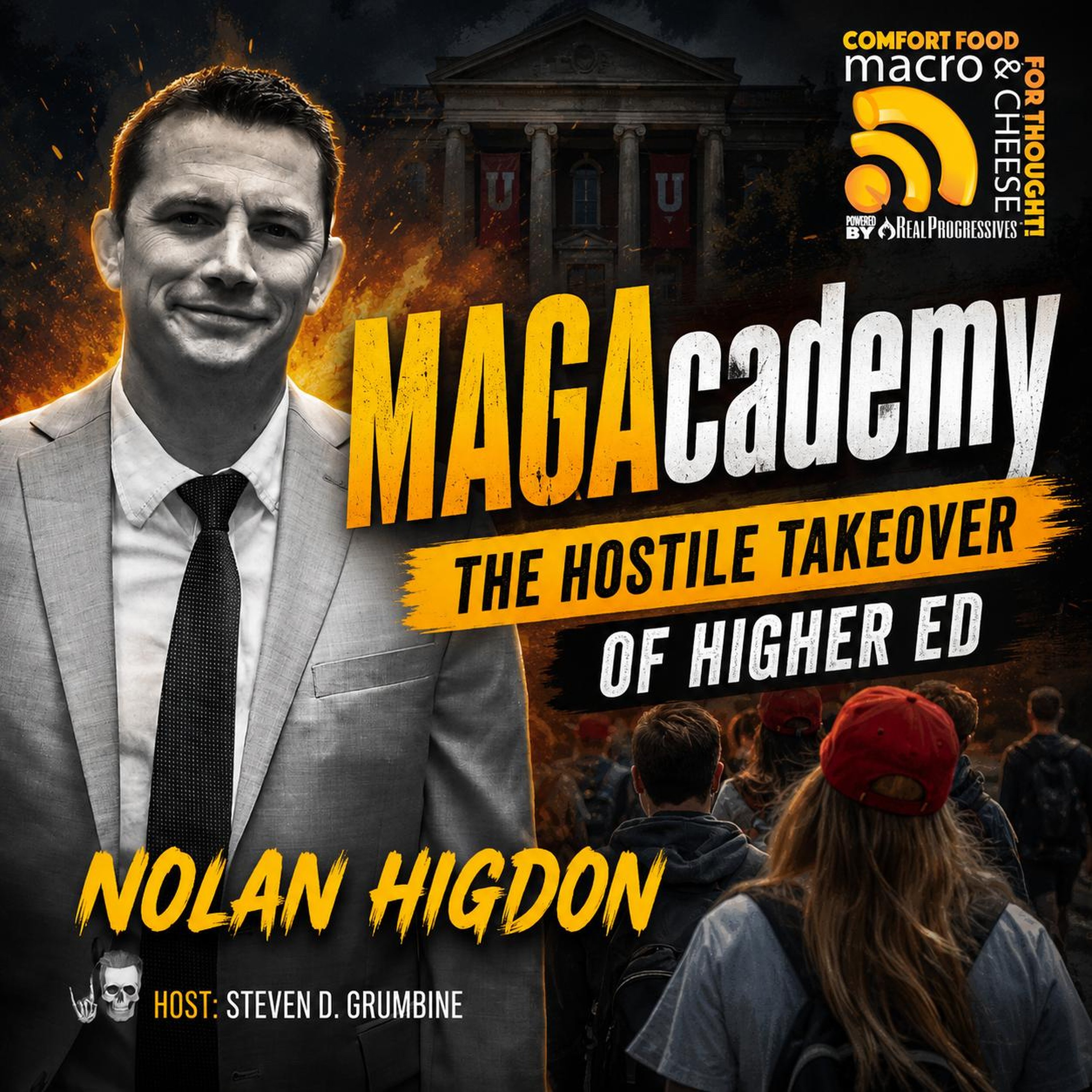 Ep 385 - MAGAcademy: The Hostile Takeover of Higher Ed with Nolan Higdon | ** Don't forget about Tuesday’s Macro ‘n Chill, the online gathering where we listen to the podcast together and discuss the issues it covers. Bring your insights, questions, and good-faith disagreements. June 23, 8pm ET/5pm PT. Use this link to register https://us06web.zoom.us/meeting/register/yI-UE7W1TcGglJSZ2l-FfgAs much as we'd like to blame Donald Trump for the near-destruction of higher education, the rot set in long before he ever set foot in the White House. Political analyst and author Nolan Higdon is back to talk with Steve about his new book, MAGA Academy: How Corporatism Paved the Way for the Hostile Takeover of Higher Ed.Nolan makes the case that Trump's hostile takeover of the academy was only possible because fifty years of neoliberal corporatization had already reduced universities to profit-driven enterprises. (He also points out that this was spearheaded largely by so-called liberal Democrats.) From the weakening of faculty power and the crushing weight of student debt to the erosion of academic freedom and the treatment of students as mere customers, the stage was set long before MAGA became a political force. If higher education had a civic mission, it has been gutted. Critical inquiry is replaced by vapid careerism and market logic.Steve and Nolan examine how federal funding and corporate influence turned campuses into compliant institutions, more concerned with their bottom line. Steve brings the crucial macro-economic, challenging the false scarcity that puts the kibosh on public investment in education. As he often reminds us, the federal government is the issuer of the currency. It is not revenue-constrained, yet we continue to accept austerity and tuition hikes as if there were no other way.The conversation highlights how higher education reflects broader class relations and power structures within capitalism. MAGA's higher education agenda is part of a longer historical process that leads to today's intensified struggles over knowledge, ideology, and power.Nolan Higdon is a prominent political analyst, author, and media scholar. He teaches in Merrill College and the Education Department at the University of California, Santa Cruz. A veteran of the "corporate university" era, Higdon has authored numerous books, including The Anatomy of Fake News and Surveillance Education. His latest work, MAGAcademy, exposes the bipartisan neoliberal roots of the modern authoritarian shift in American higher education.Find his work on Substack: nolanhigdon.substack.com@NolanHigdonCML on X | — | ||||||
| 6/13/26 | 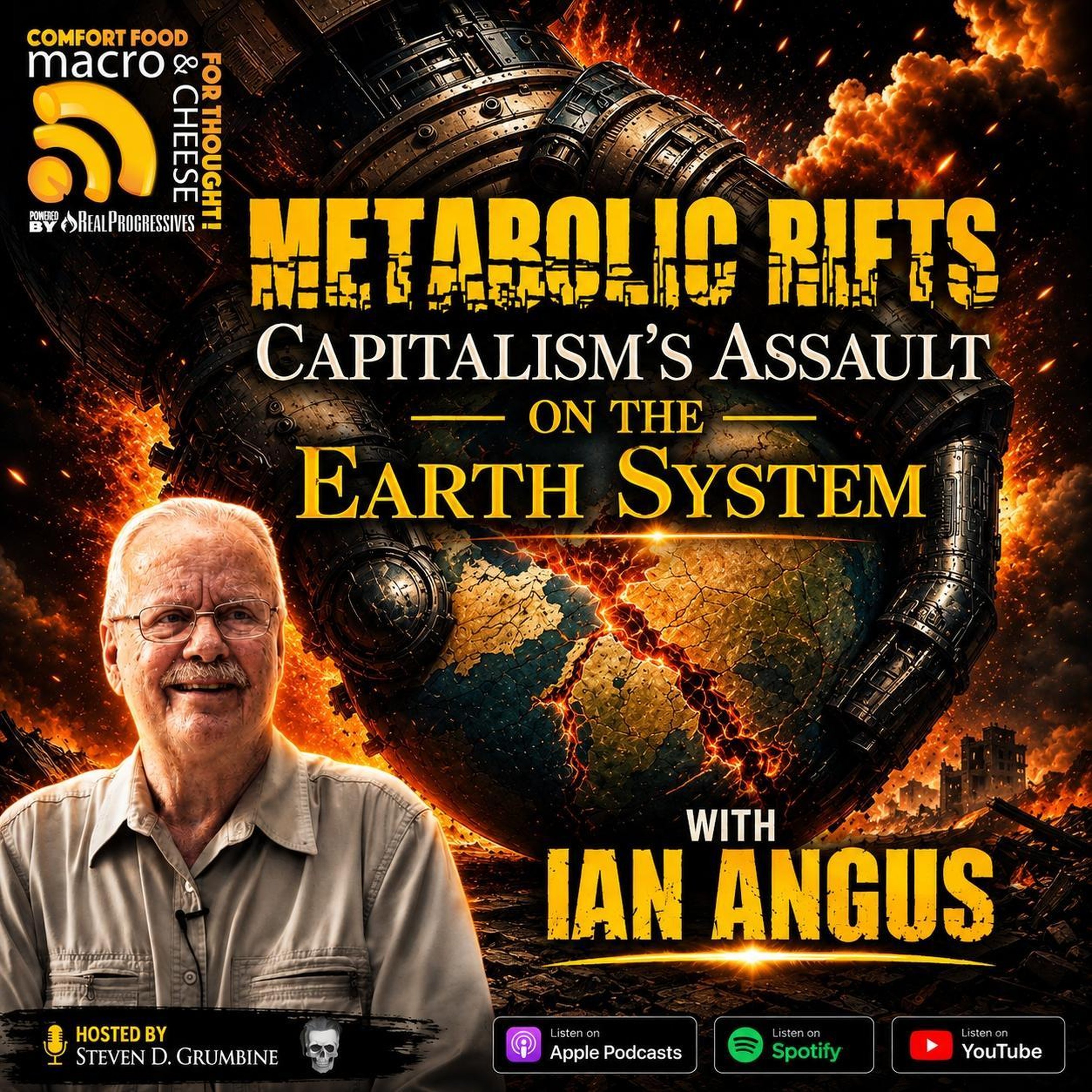 Ep 384 - Metabolic Rifts: Capitalism's Assault on the Earth System with Ian Angus | ** Come to Macro ‘n Chill, the online gathering where we listen to the podcast together and discuss what we learned and where we agree or disagree. Tuesday, June 16, 8pm ET/5pm PT. Use this link to register: https://us06web.zoom.us/meeting/register/Qm85bGIOSF2H_uNMwOmWtQEcosocialist author, Ian Angus, talks with Steve about his book Metabolic Rifts: Capitalism's Assault on the Earth System. They explore the deep, sometimes invisible ways that capitalism disrupts the planet’s fundamental life cycles –– from soil depletion and artificial fertilizers to the carbon cycle driving global warming.Ian traces the concept of “metabolic rift” from Marx and Engels through a long socialist lineage, making the case that ecological critique has always been central to the Marxist tradition. (Indeed, some Marxists might argue that “eco-” is an unnecessary qualifier; “socialism” is enough!)Steve brings up the MMT basics challenging the austerity narrative that blocks ecological reconstruction. He reminds us that the state, as the currency issuer, can de-commodify the essentials of life, namely food, water, housing, and healthcare. However, as Ian bluntly states: “The problem is that it’s not our government, it’s their government.” Reformism and electoralism are dead ends.While listeners may disagree with some of Ian's interpretations of Soviet history, those comments do not negate the episode's compelling analysis that capitalism’s DNA demands endless accumulation and profit. Combating the ecological crisis is inseparable from the struggle to overcome capitalism.Ian Angus is founder and editor of the online ecosocialist journal, Climate & Capitalism and a founding member of the Global Ecosocialist Network. Among his many books are The War Against the Commons: Dispossession and Resistance in the Making of Capitalism (Monthly Review Press, 2023), A Redder Shade of Green: Intersections of Science and Socialism (Monthly Review Press, 2017) and Facing the Anthropocene: Fossil Capitalism and the Crisis of the Earth System (Monthly Review Press, 2016). His most recent is Metabolic Rifts: Capitalism’s Assault on the Earth System. (Monthly Review Press, 2026),@ecosocialism1 on X | — | ||||||
| 6/6/26 |  Ep 383 - The Complicit Lens with Robin Andersen✨ | media coverageGaza+5 | Robin Andersen | Fordham UniversityThe Complicit Lens: US Media Coverage of the Genocide in Gaza | — | Gazamedia+8 | — | 1h 03m 44s | |
| 5/30/26 |  Ep 382 - Yellow Vests & the Battle for Democracy: Beyond the Ballot Box with Ida Susser✨ | Yellow Vestsdemocracy+4 | Ida Susser | The Yellow Vests and the Battle for Democracy: Taking to the Streets of Paris in the 21st Century | FranceParis | Yellow VestsIda Susser+5 | — | 1h 02m 27s | |
| 5/23/26 | 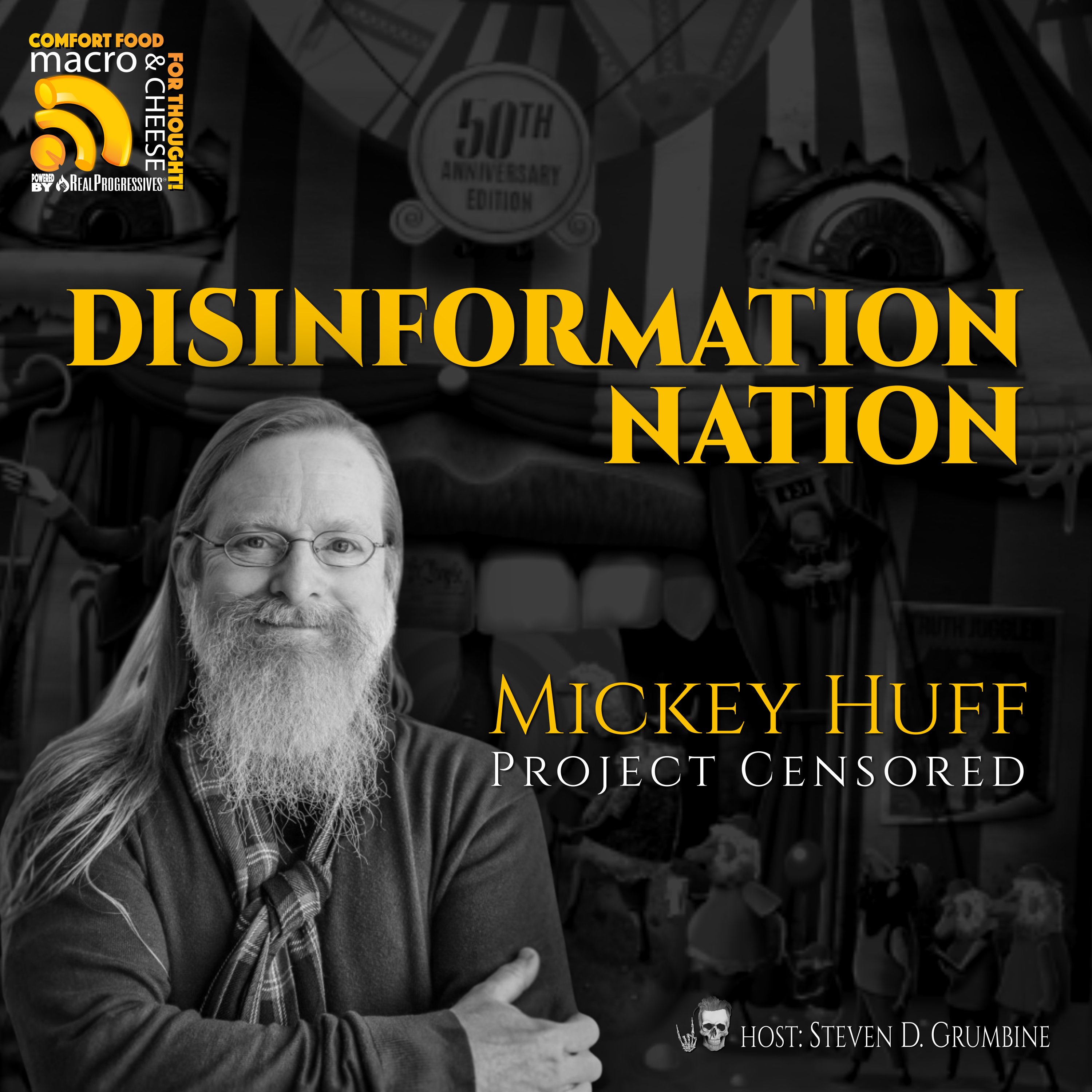 Ep 381 - Disinformation Nation with Mickey Huff✨ | disinformationmedia manipulation+4 | Mickey Huff | Project CensoredMedia Freedom Foundation+1 | Silicon ValleyIthaca College | disinformationmedia+5 | — | 1h 01m 34s | |
| 5/16/26 |  Ep 380 - Struggle & Resistance: Retelling Vietnam with Luna Nguyen✨ | Vietnam WarMarxism-Leninism+4 | Luna Nguyen | Non-Compete | VietnamUSA | Vietnamresistance+6 | — | 1h 14m 07s | |
| 5/9/26 | 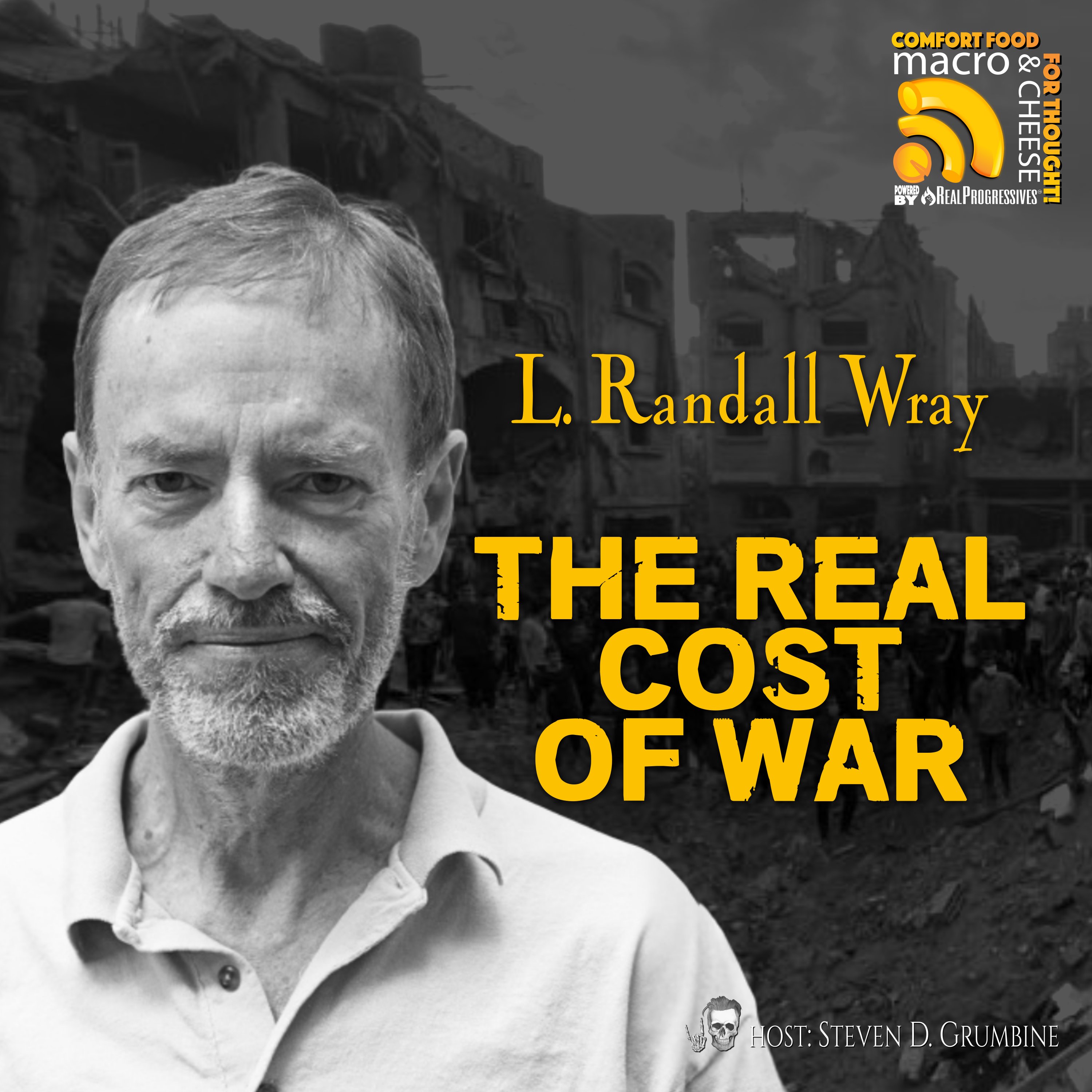 Ep 379 - The Real Cost of War with L. Randall Wray✨ | war costsMMT+4 | L. Randall Wray | — | IranGlobal South | MMTwar costs+6 | — | 54m 58s | |
| 5/2/26 |  Ep 378 - Revisiting the Stalin Eras Part 2: Context Not Caricature with Jeremy of Proles Pod✨ | Stalin Erasdemocratic centralism+5 | Jeremy | Proles PodSoviet Union+1 | — | StalinSoviet Union+6 | — | 1h 04m 25s | |
| 4/25/26 |  Ep 377 - Revisiting the Stalin Eras Part 1: Understanding Democratic Centralism with Jeremy of ProlesPod✨ | Stalindemocratic centralism+4 | Jeremy | Proles PodThe Stalin Eras | US | Stalindemocratic centralism+5 | — | 55m 55s | |
| 4/18/26 |  Ep 376 - Modern Monetary Theory & the Question of Democracy with Jim Byrne✨ | Modern Monetary Theorydemocracy+4 | Jim Byrne | MMT101Macro N Cheese+1 | Scotland | MMTdemocracy+6 | — | 1h 02m 25s | |
Want analysis for the episodes below?Free for Pro Submit a request, we'll have your selected episodes analyzed within an hour. Free, at no cost to you, for Pro users. | |||||||||
| 4/11/26 |  Ep 375 - (R)evolutionary Struggle with Steve Grumbine✨ | Modern Monetary Theorypolitical system critique+5 | — | Real ProgressivesGilens and Page study | GazaUS | Modern Monetary Theorypolitics+5 | — | 1h 00m 39s | |
| 4/4/26 | 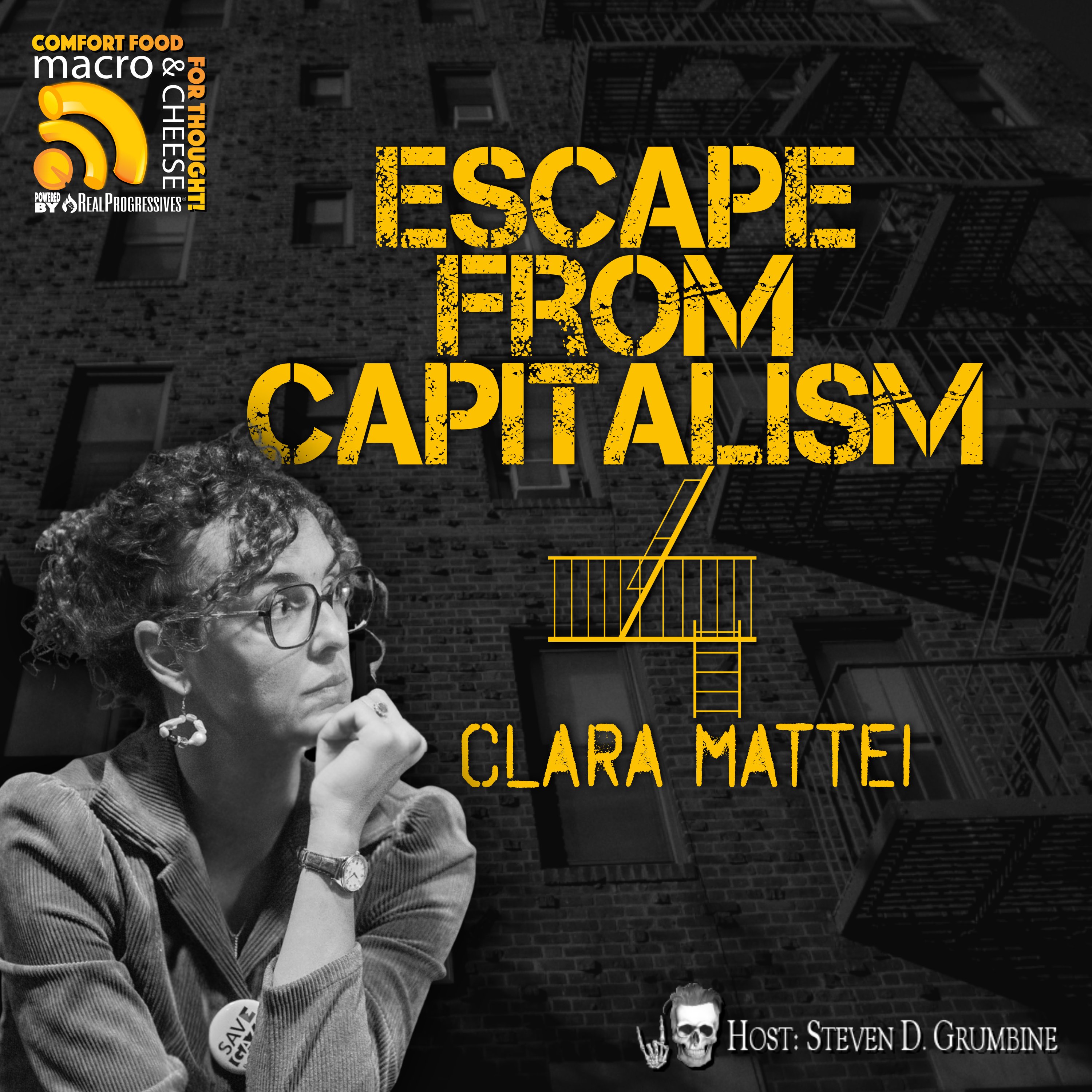 Ep 374 - Escape From Capitalism with Clara Mattei✨ | capitalismpolitical economy+5 | Clara Mattei | FREEThe Capital Order+1 | Tulsa | capitalismModern Monetary Theory+7 | — | 59m 42s | |
| 3/28/26 | 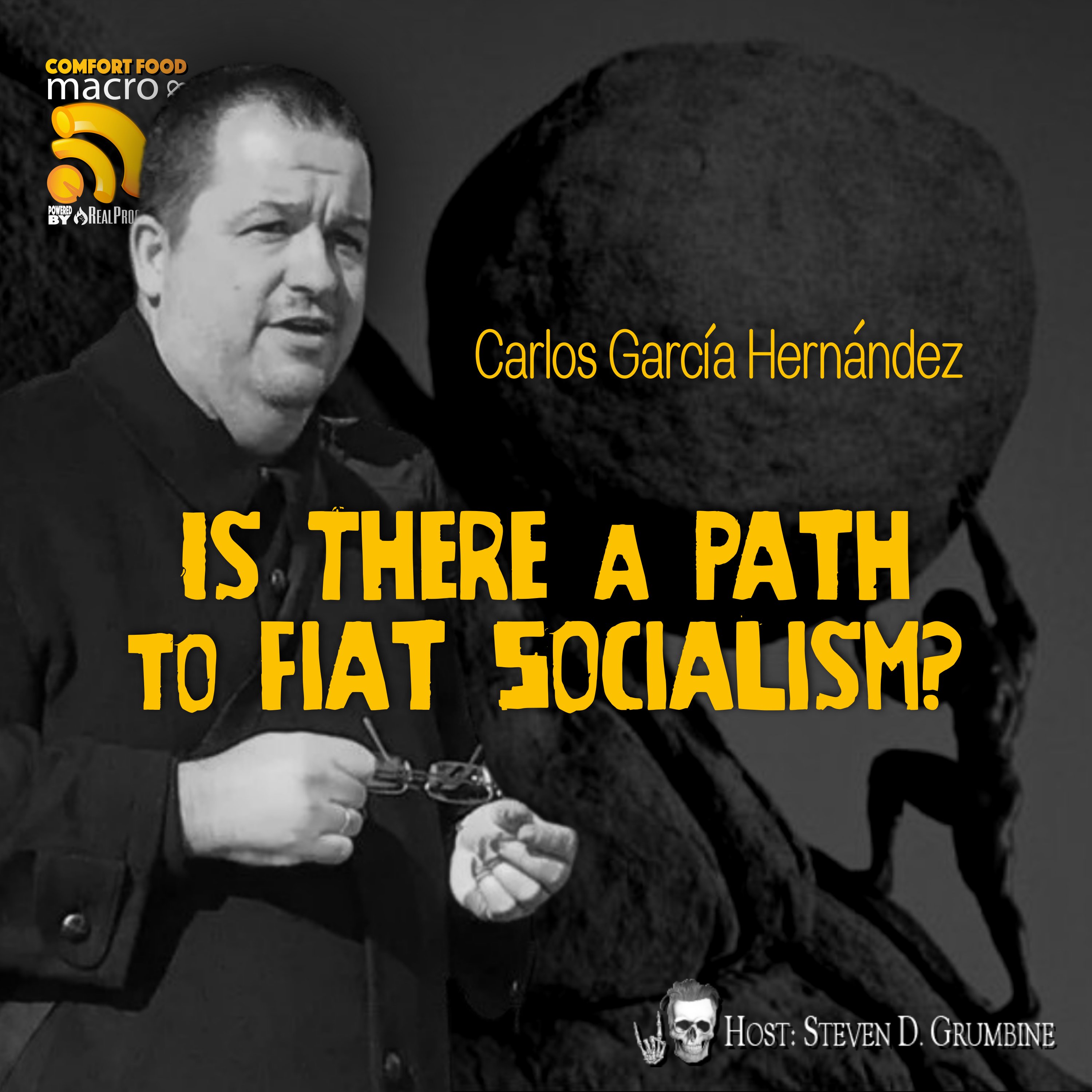 Ep 373 - Is There A Path To Fiat Socialism? with Carlos García Hernández✨ | fiat socialismModern Monetary Theory+4 | Carlos García Hernández | Lola BooksFiat Socialism: Achieving the Goals of Socialism Through Modern Monetary Theory | — | fiat socialismModern Monetary Theory+5 | — | 58m 37s | |
| 3/21/26 | 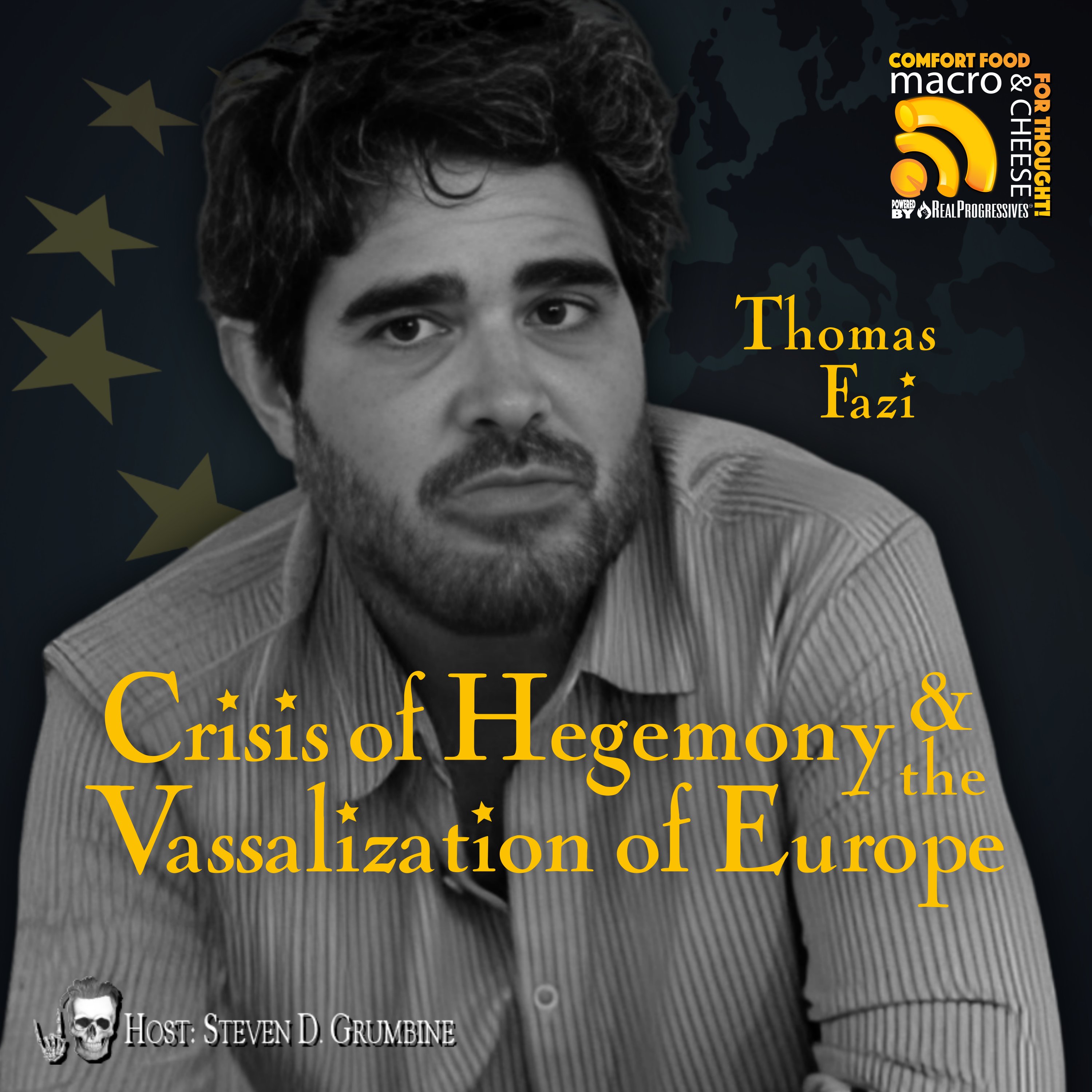 Ep 372 - Crisis of Hegemony & the Vassalization of Europe with Thomas Fazi✨ | geopoliticsNATO+4 | Thomas Fazi | NATOThe Battle for Europe: How an Elite Hijacked a Continent – and How We Can Take It Back+1 | EuropeUnited States+2 | hegemonyvassalization+4 | — | 1h 06m 27s | |
| 3/14/26 | 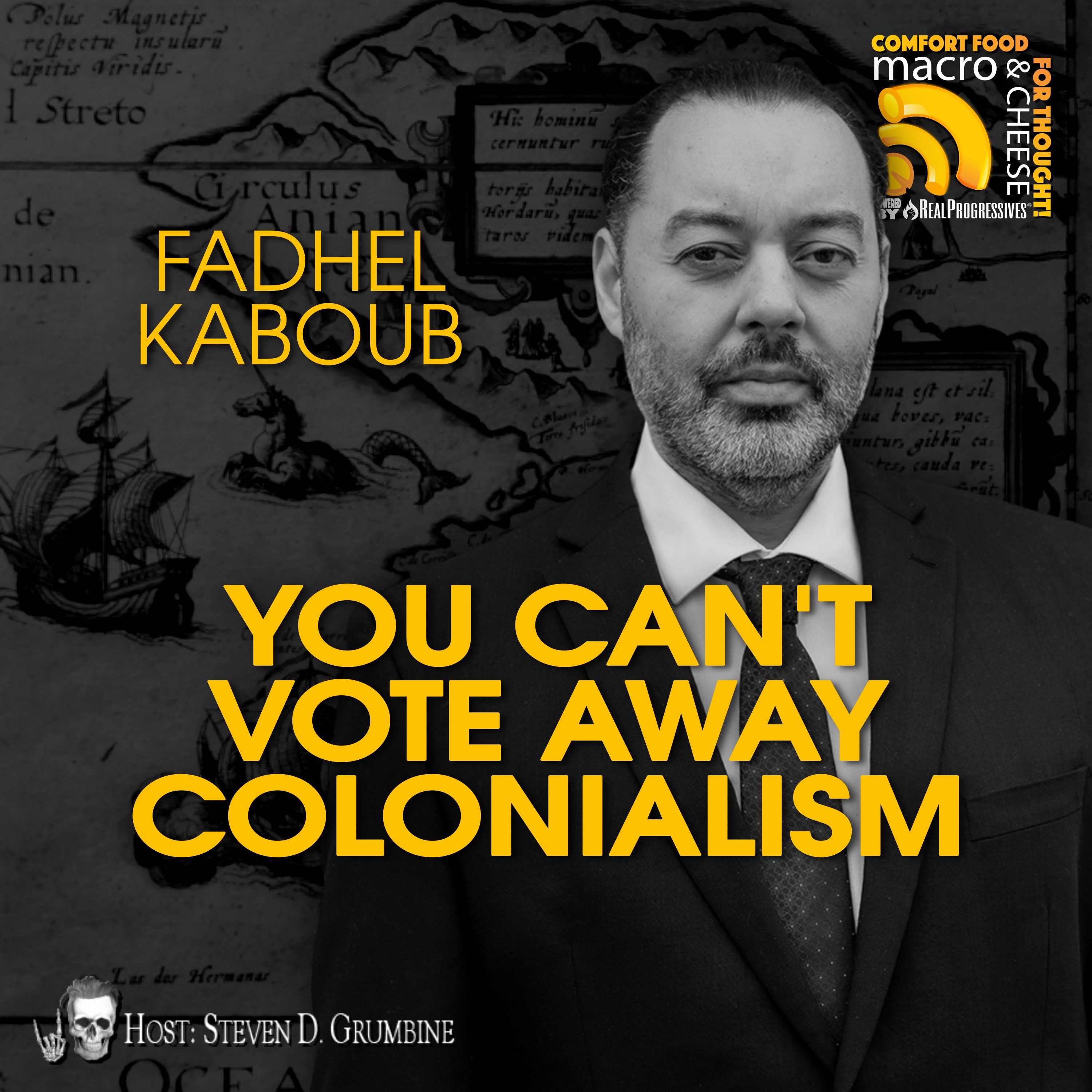 Ep 371 - You Can't Vote Away Colonialism with Fadhel Kaboub✨ | colonialismeconomic structures+5 | Fadhel Kaboub | IMF | Africa | colonialismeconomic structures+7 | — | 1h 06m 22s | |
| 3/7/26 |  Ep 370 - Empire & Exodus with Erald Kolasi✨ | immigrationempire+5 | Erald Kolasi | United Fruit CompanyMonthly Review Press+1 | — | migrationempire+8 | — | 58m 17s | |
| 2/28/26 | 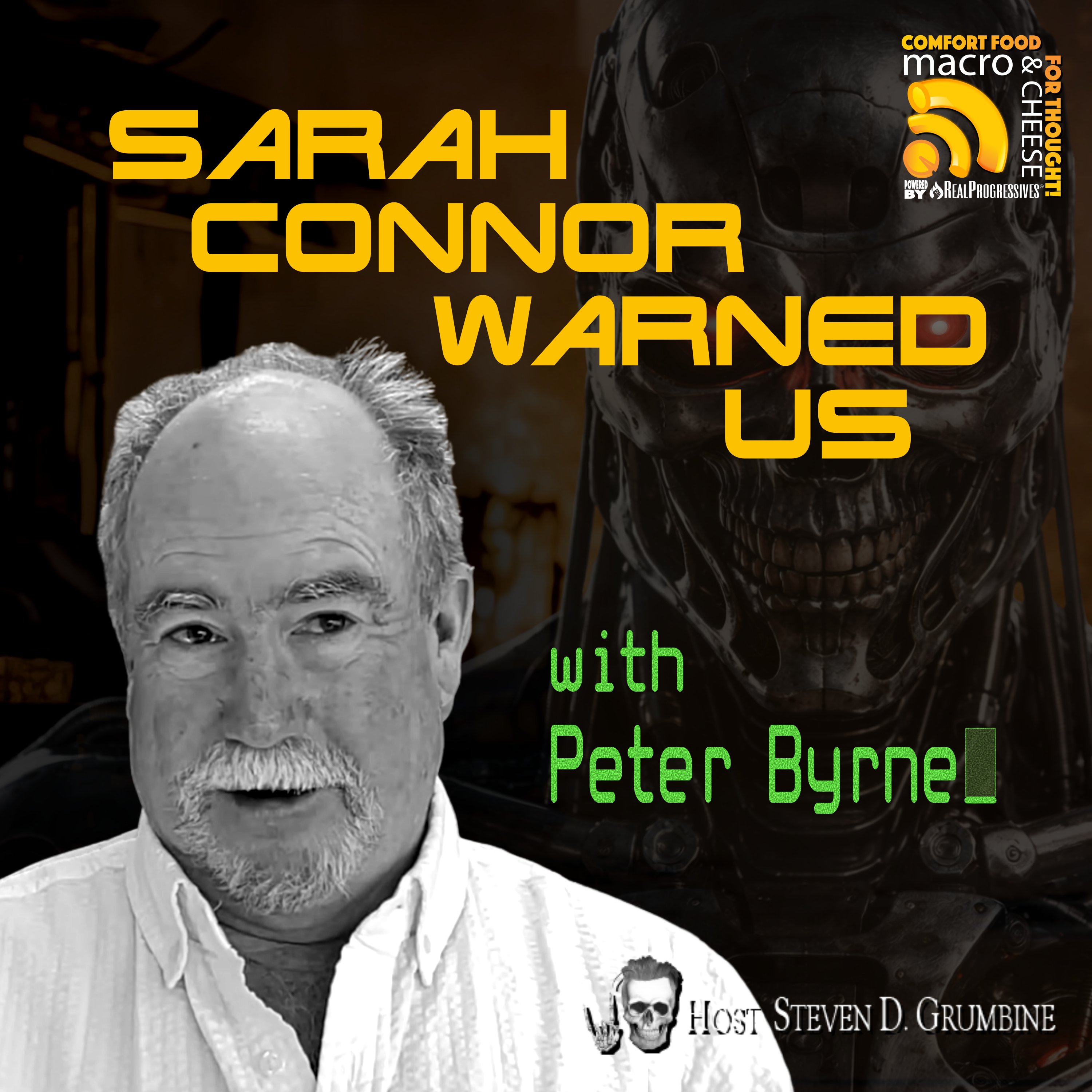 Ep 369 - Sarah Connor Warned Us with Peter Byrne✨ | military-industrial complexAI and surveillance+4 | Peter Byrne | Project CensoredPalantir+3 | — | AImilitary+7 | — | 1h 07m 53s | |
| 2/21/26 | 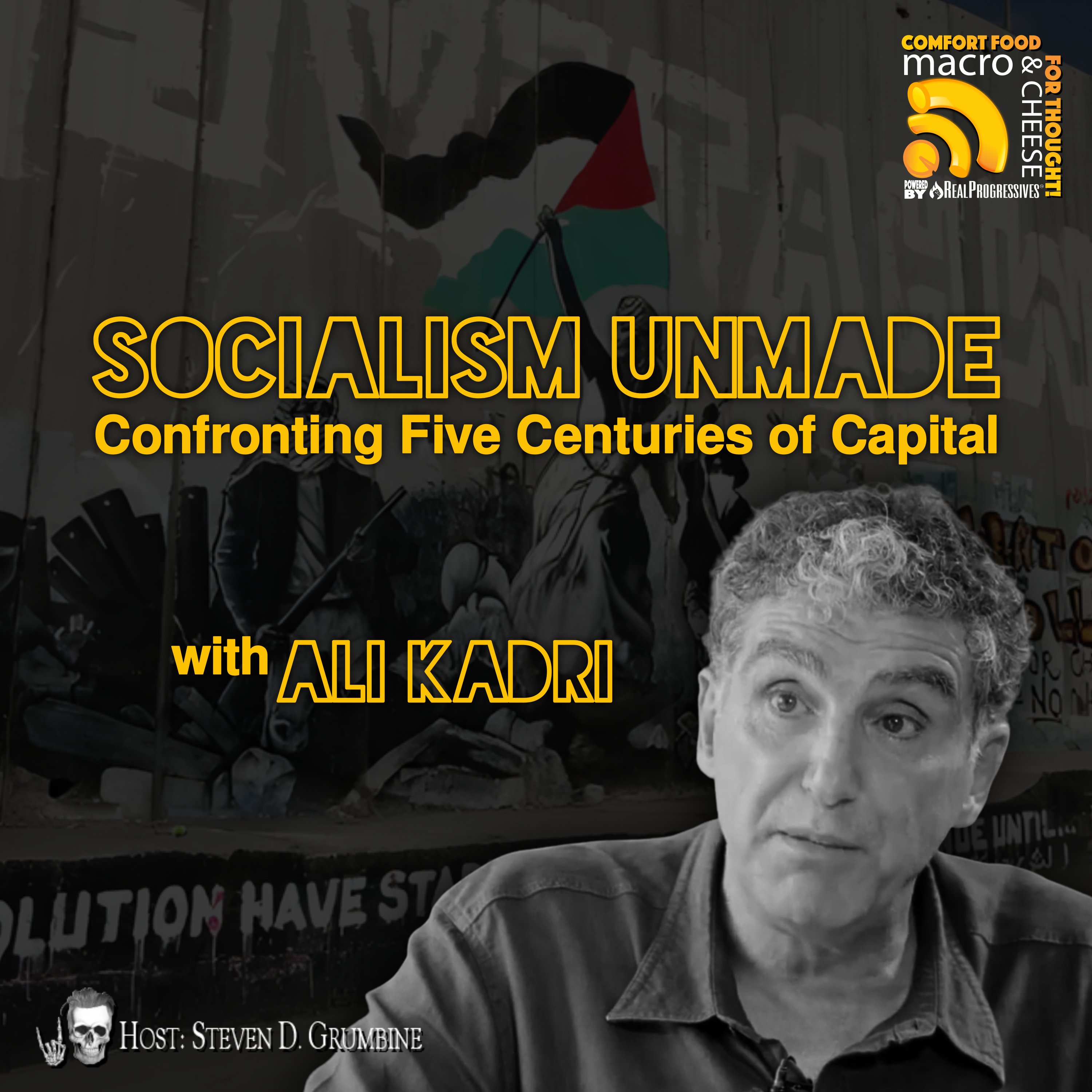 Ep 368 - Socialism Unmade: Confronting Five Centuries of Capital with Ali Kadri✨ | socialismcapitalism+4 | Ali Kadri | Sun Yat-sen UniversityUnmaking of Arab Socialism | — | capitalismimperialism+8 | — | 1h 01m 46s | |
| 2/14/26 | 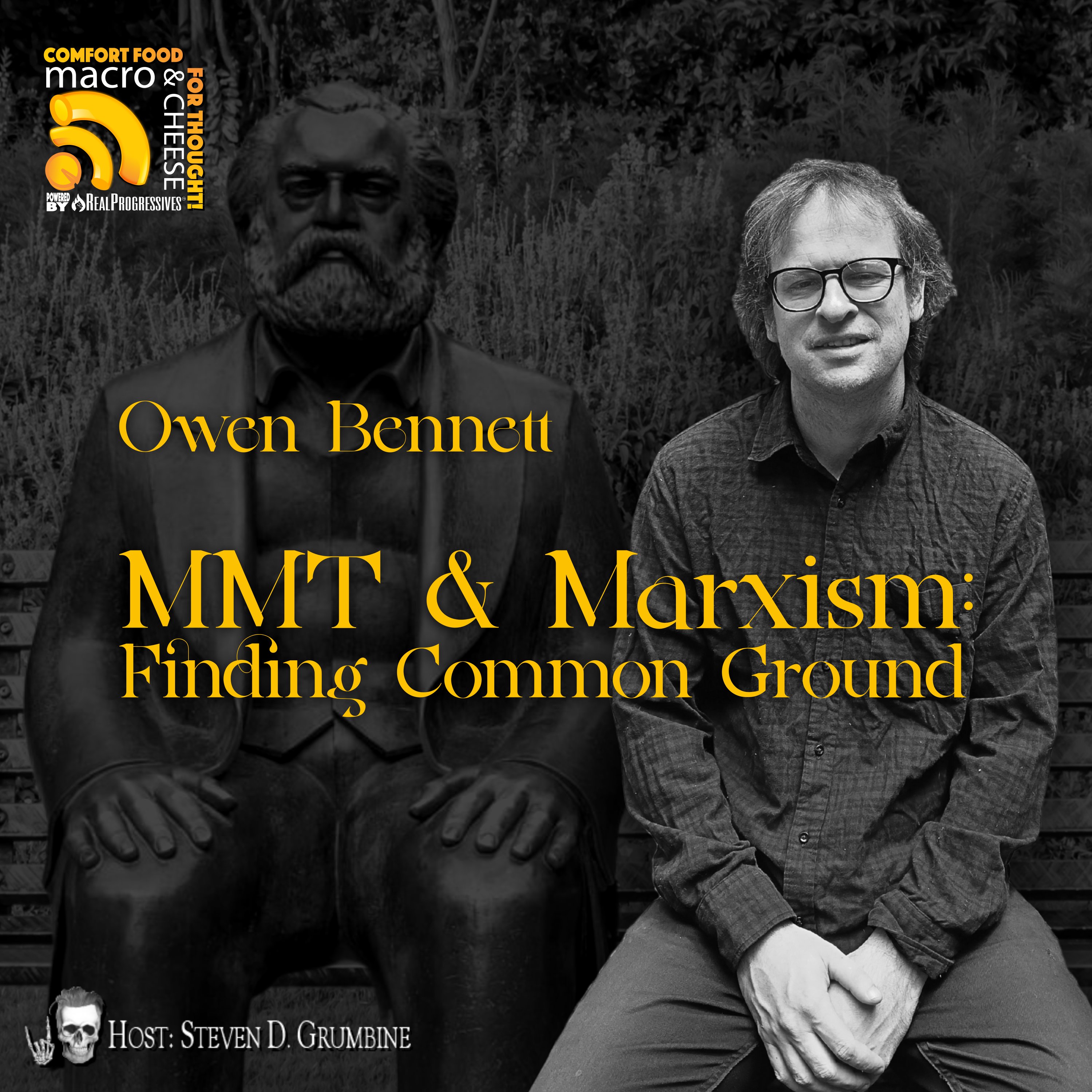 Ep 367 - MMT & Marxism: Finding Common Ground with Owen Bennett | Can Marxists and MMTers find common ground, or are they doomed to be strategic enemies?Steve’s guest is Australian labor historian and organizer Owen Bennett, who founded the Australian Unemployed Workers’ Union in 2015, and more recently, Unionists for a Job Guarantee in 2024. He and Steve explore how to tackle the deep divide between Modern Monetary Theory and the Marxist left. Owen argues that the left's current dismissal of full-employment policy is a historic break from a time when communists and unionists successfully fought for – and won – some major concessions under capitalism. We should look to establish that kind of unity.If the state is a tool of the oligarchs, is fighting for a policy like the Job Guarantee a distraction from revolution, or is it a necessary front in the class war? Steve and Owen discuss austerity, strategy, and whether "socialism or bust" has left the working class with nothing at all.Owen Bennett is a unionist, university tutor, PhD graduate in labour history, activist, author, and researcher. He has published widely on the history of working class struggles against unemployment in Australia. His book on the struggle for full employment in post-war Australia is forthcoming.Owen founded the Australian Unemployed Workers Union in 2015 and, more recently, Unionists for a Job Guarantee in 2024. | — | ||||||
| 2/7/26 | 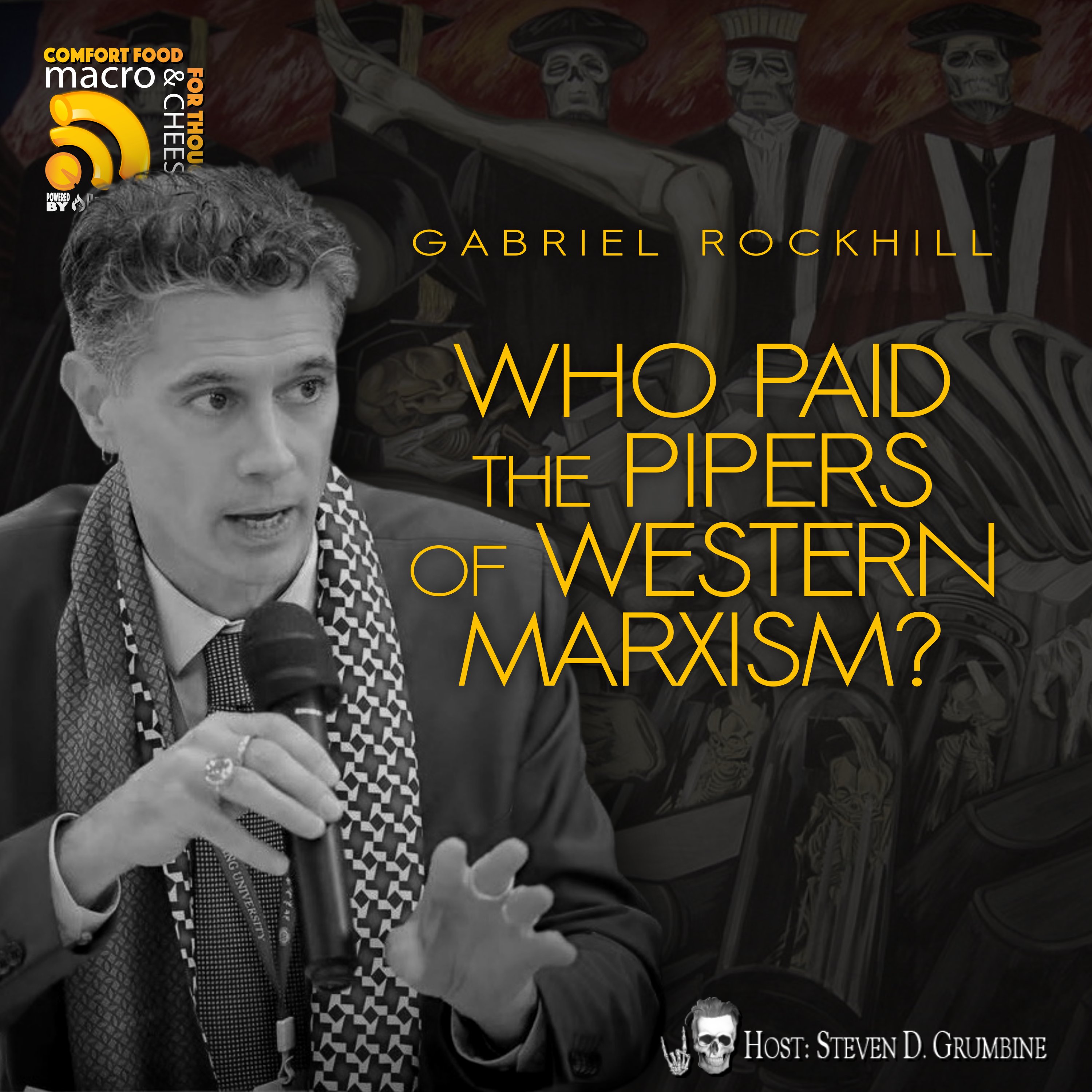 Ep 366 - Who Paid the Pipers of Western Marxism? with Gabriel Rockhill | This week Steve invited Gabriel Rockhill to talk about his new book Who Paid the Pipers of Western Marxism? Vol 1 of The Intellectual World War. The war on communism is about protecting imperial super-profits, keeping cheap labor and resources flowing from the Global South to the imperial core. It has never been about lofty values and freedom fries. So why does the empire care about books, grants, and academic careers?Gabriel’s investigation begins with a potent symbol: the legacy of Che Guevara. We know the CIA hunted and executed him. Less known is their parallel mission to assassinate the legacy of his thoughts. By seizing and editing his Bolivian diaries, US intelligence and its media assets would control the narrative of his struggle. It’s a microcosm of a vast, systemic project. It reveals that empires understand a fundamental truth: the pen can be mightier than the sword. That might sound trite but think about it: to control populations and maintain global dominance, you must control the realm of thought, the very imagination of what is possible.The true target of this intellectual war has never been abstract Marxist theory. It is actually existing socialism: the tangible, state-building projects that succeeded in breaking the chains of imperialism. From the Soviet Union and China to Cuba, Vietnam, and beyond, these movements achieved the unthinkable: they halted the imperial value flow. They stopped the hemorrhage of natural resources and cheap labor from the Global South to the capitalist core, claiming their right to self-determination and independent development. This was the existential threat: a model proving that escape from the imperialist world-system was achievable. The panic in the halls of power was not over esoteric debates about Hegelian dialectics, but over the loss of super-profits and the empowering example of successful liberation.Gabriel and Steve discuss why dialectical and historical materialism is more than just a lofty sounding term. It actually matters. It’s like the anti-virus software for propaganda. Instead of being knocked over every time a new headline drops, we have a framework for seeing patterns. Coups, destabilization, narrative management, the whole traveling circus? They all make sense. And they’re all connected. (In fact, you can’t listen to this episode without hearing the dialectical relationship between material control and the control of ideas.)Using the Marxist lens, Gabriel analyzes the socioeconomic base of the “theory industry” and a certain brand of Western or academic Marxism that turns class struggle into a grad-seminar aesthetic and cultural war hobby, safely disconnected from organizing, anti-imperialism, and actual movements. He argues the capitalist system naturally fosters and funds ideas that secure its survival, making knowledge production a commodity-driven system focused on exchange value (career advancement, book sales) rather than use value for liberation.Gabriel isn’t just naming names for sport. (And besides, in the US we already have a long and colorful tradition of naming names, so let’s not be clutching our pearls.) He’s pointing at a system that manufactures respectable “leftist” ideas that don’t threaten empire. As the imperial core becomes more openly brulat at home, we need to reconnect with the international, anti-imperialist thread of revolutionary Marxism if we’re serious about changing anything.Gabriel Rockhill is a philosopher, cultural critic, and activist. He is the Founding Director of the Critical Theory Workshop / Atelier de Théorie Critique, Professor of Philosophy and Global Interdisciplinary Studies at Villanova University, and Research Associate at the Laboratoire d’anthropologie politique – LAP (EHESS Paris). He is the author or editor of twelve books, including most recently Who Paid the Pipers of Western Marxism? (Monthly Review Press, 2025) and Requiem pour la French Theory with Aymeric Monville (Éditions Delga, 2024). He is one of the Editors-in-Chief of the World Marxist Review and a co-director of the AIM—Anti-Imperialist Marxism book series. | — | ||||||
| 1/31/26 | 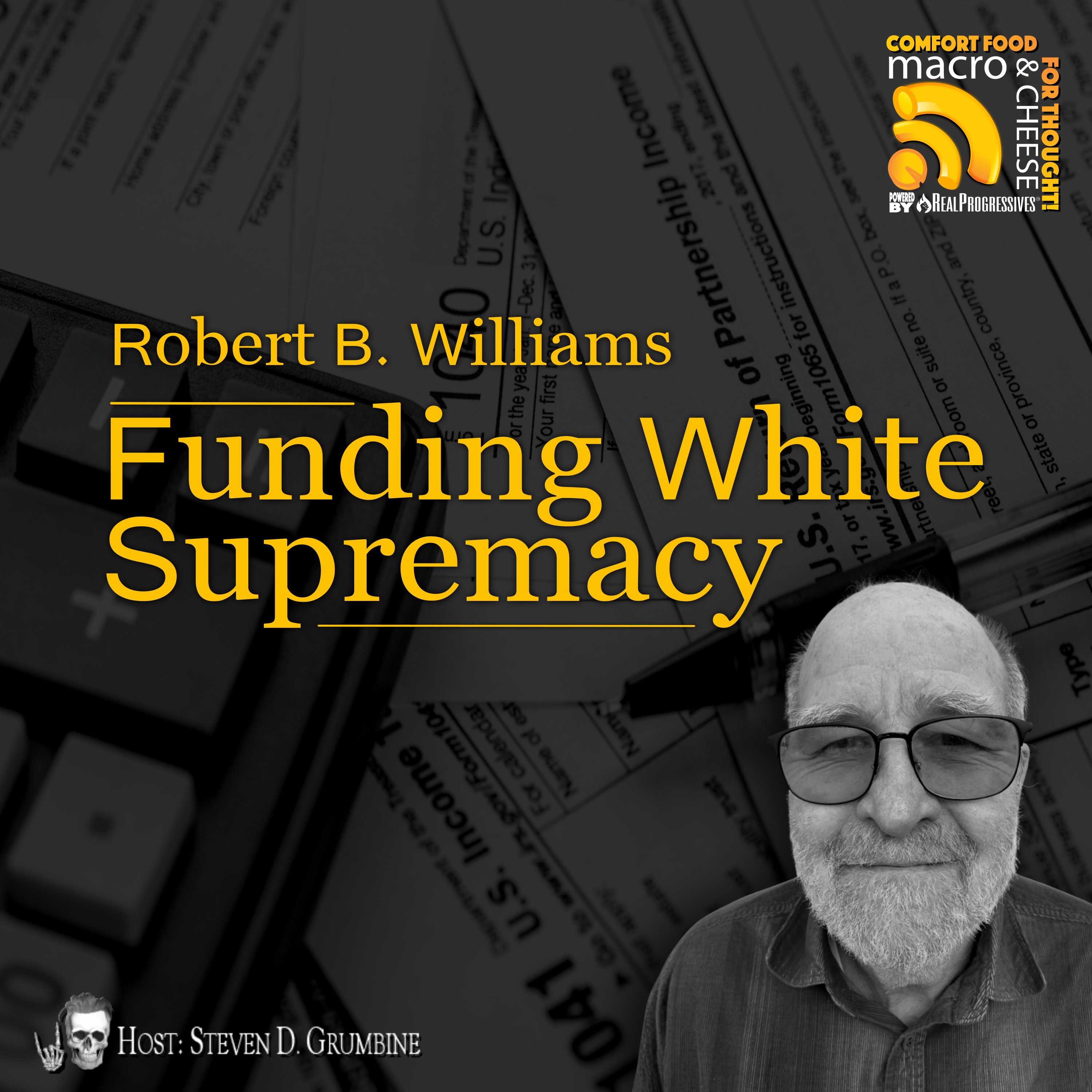 Ep 365 - Funding White Supremacy with Robert B. Williams | Funding white supremacy is a core, not incidental, function of the modern capitalist state in the U.S. It is also the title of economist Robert B. Williams’ 2025 book, Funding White Supremacy: Federal Wealth Policies and the Modern Racial Wealth Gap.Bob and Steve share the fundamental position that capitalism doesn’t just produce inequality by accident, it builds durable ladders for some and trapdoors for others. Wealth, not income, is the key instrument because it is power that reproduces itself across generations.Bob lays out the major policy mechanism of stealth wealth-building: how the federal government subsidizes asset accumulation through the tax code, especially via “tax expenditures” (deductions, exclusions, preferential treatment) that provide vast benefits to the wealthy.From an MMT perspective, the conversation underlines a crucial point: the state’s problem is not “finding the money,” it’s choosing who gets the public subsidy. A system that claims scarcity around public goods reliably mobilizes massive policy support for private asset appreciation and wealth compounding. In other words, benefits reward ownership and existing assets, not the people struggling to acquire them.Bob situates this historically, tracing the origins of the modern income and estate tax era to the early 20th century and argues that any progressive policy history coexisted with, and was intertwined with, overt white supremacist politics.Robert B. Williams is the Stedman Professor of Economics, Guilford College. Bob has taught economics and political economy for over 40 years. He has written three books, including Funding White Supremacy: Federal Wealth Policies and the Modern Racial Wealth Gap (Cambridge University Press, 2025). | — | ||||||
| 1/24/26 | 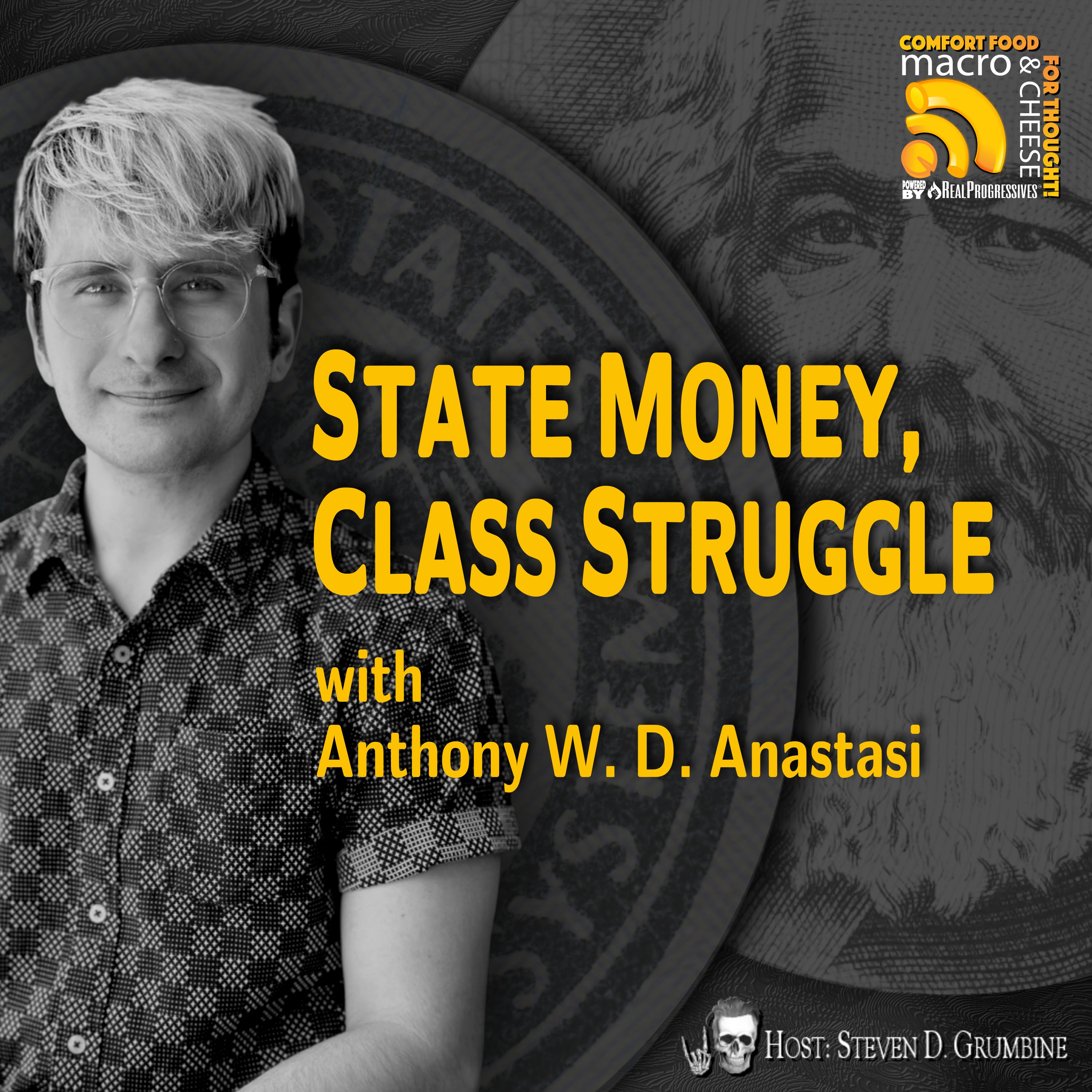 Ep 364 - State Money, Class Struggle with Anthony Anastasi | We’ve made the case before, but it bears repeating: MMT is a politically neutral, descriptive lens explaining the operational realities of a sovereign fiat currency system where the availability of real resources, not money, are the constraint. And Marxism is an analytical framework for understanding class relations and production. The two are not inherently opposed. It’s a mistake to dismiss MMT as capitalist apologetics.Steve’s guest is Dr. Anthony Anastasi, an economist teaching at the Sino-British College, University of Shanghai for Science and Technology. They talk about Anthony’s paper: Marxism and MMT: How Modern Monetary Theory Can Enrich the Debate Amongst Marxists.They dismantle the all-too-common Marxist critiques of MMT, which claim that the state can’t control money’s value, and that MMT lacks a theory of value. (However, the ubiquitous “taxpayer money” framing that feeds austerity myths, is not limited to Marxists.) The discussion reframes the state's monetary capacity as a tool for class struggle rather than a capitalist backstop.They look at the federal job guarantee with reference to Rosa Luxemburg’s concept of non-reformist reform, ie, a reform that can weaken capitalist logic and build working-class consciousness and power.Anthony also brings an on-the-ground perspective, sharing observations from China’s political economy, including local-vs-central financing, RMB-denominated debt, capital controls, and emerging debates that resemble MMT arguments even when not labeled as such.Dr. Anthony William Donald Anastasi is an economist and lecturer specializing in development economics and international political economy. He teaches at the Sino-British College, University of Shanghai for Science and Technology, and holds a Ph.D. from East China Normal University. His research examines how state–business relations, industrial policy, monetary sovereignty, and income distribution shape economic growth, trade patterns, and political power, with a particular focus on China and East Asia. Alongside publishing in SSCI-ranked journals, he regularly writes for the popular press on the Chinese and U.S. economies and global trade.@_AWDA_ on X | — | ||||||
| 1/17/26 | 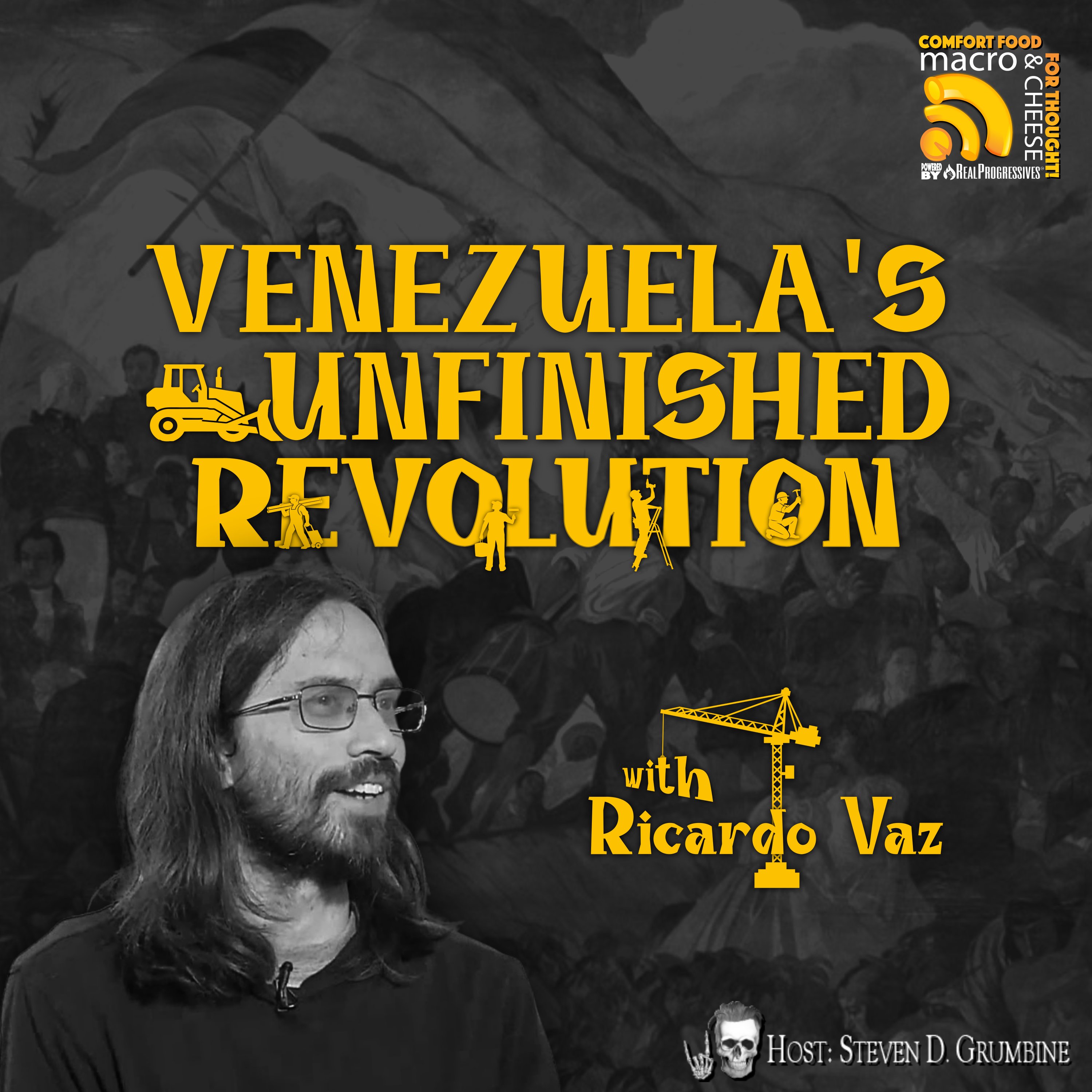 Ep 363 - Venezuela's Unfinished Revolution with Ricardo Vaz | Steve opens in a subdued mood brought on by the dizzying speed of ‘current events.’ For this episode he’s stepping back and looking at Venezuela. News reports are working hard to create confusion. On social media US citizens claim that kidnapping a sitting president is justified if you don’t like him. Or if he’s socialist.To understand a situation, it must be considered historically, materially, and as a connected process. With that in mind, Ricardo Vaz of Venezuelanalysis, joins Steve to talk about what the Bolivarian Revolution actually was – on the ground – beyond the familiar US media caricatures. Ricardo walks through key turning points in the Chávez era and the social gains that reshaped everyday life. But there’s a bigger question that haunts every revolutionary project. How do you build new forms of democratic power while the old state machinery, domestic elites, and hostile external forces push back?(Does this sound familiar? It will if you took part in RP Book Club’s study of State and Revolution)From there, the conversation follows the oil thread. It’s not a single-cause explanation, but it’s where sovereignty, development, and imperial pressure collide. Steve and Ricardo unpack how the hydrocarbons industry evolved, what “nationalization” really meant in practice, and why the fight over Venezuela’s resources can’t be separated from US strategy in the hemisphere.They then look into the Maduro years, sanctions, economic siege, and the constant tug-of-war inside Venezuela between survival policies and revolutionary horizons. This includes a clear-eyed look at opposition figures and the narratives that dominate US talking points. The episode closes with a grounded discussion of why Venezuela matters as a 21st-century political experiment, and what meaningful solidarity looks like when the headlines are designed to mislead and misdirect.Ricardo Vaz grew up in Mozambique with strong political leanings and a clear anti-imperialist outlook, which led him early on to closely follow the Bolivarian Revolution and Chavismo in Venezuela. After living in various countries and continents, he moved to Venezuela in early 2019. Although trained in theoretical physics, he gradually shifted into journalism and political analysis, joining the Venezuela Analysis staff as a writer and editor in 2018. His main interests include sanctions, popular power organizations, and corporate media coverage of Venezuela. He is also a member of grassroots media collectives including Tatuy TV and Utopix.venezuelanalysis.com@venanalysis on X | — | ||||||
| 1/10/26 | 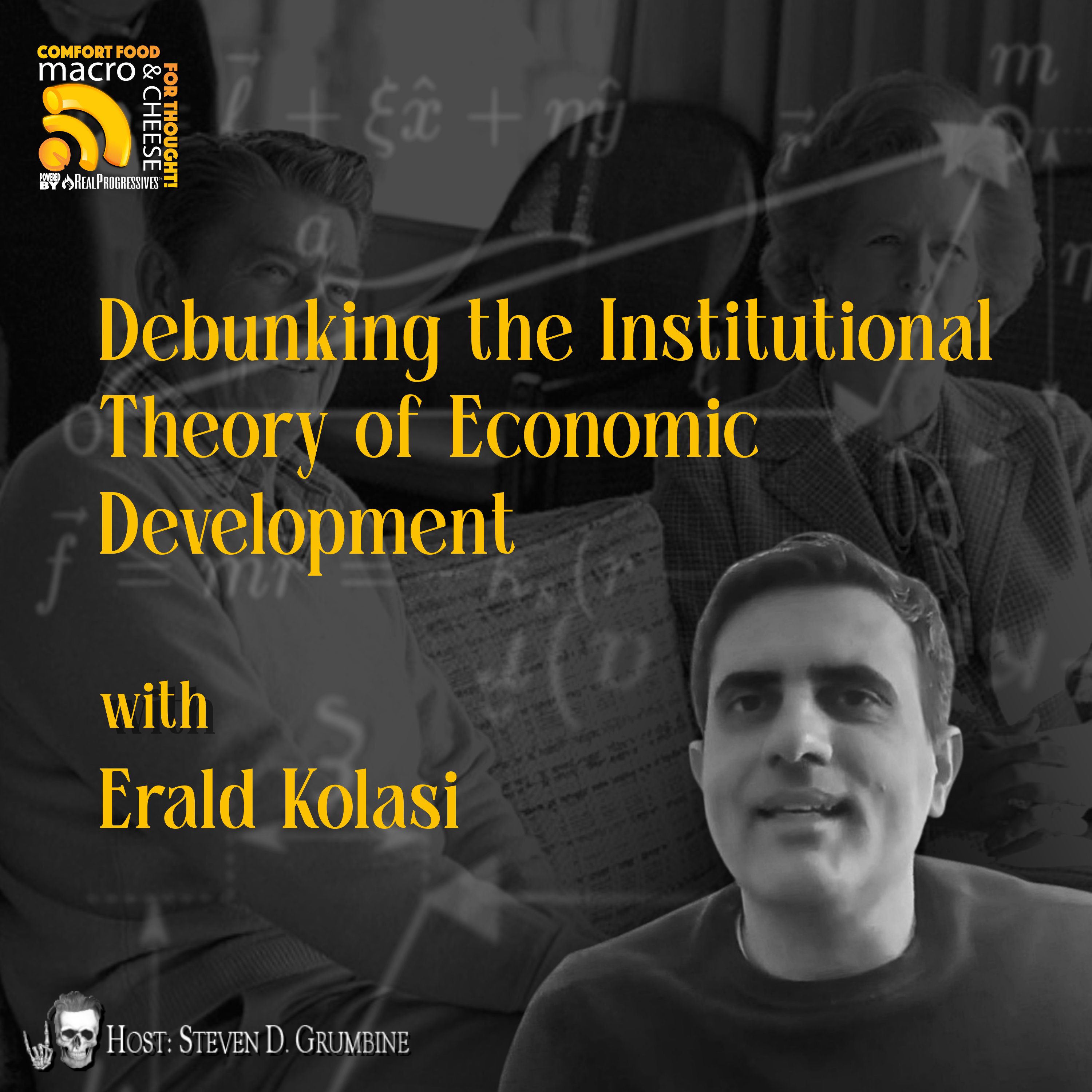 Ep 362 - Debunking the Institutional Theory of Economic Development with Erald Kolasi | Steve welcomes back Erald Kolasi, physicist-economist, author, and friend of the podcast. Erald is here to do a demolition job on “institutional” development fables like Acemoglu & Robinson’s Why Nations Fail. He argues that by treating good institutions as the master key (inclusive vs. extractive) they smuggle in a liberal moral scoreboard while dodging the real motors of history: power, class struggle, imperial systems, and material constraints like energy, trade dependence, war, and ecological shocks.To “steelman” Acemoglu and Robinson’s position, Erald uses their favorite showcase case – North vs. South Korea. He lays out their comparison of the “tyrannical dictatorship” vs the “open” society and presents their explanation for these differences.Erald then flips the script: the DPRK outperformed for decades, then crashed not because its “institutions got worse,” but because the USSR collapsed. Cheap, subsidized energy disappeared, wrecking agriculture and triggering famine.The pattern repeats across history. Using examples like China and Venezuela, the episode explores how wars, sanctions, resource access, and global power structures shape economic outcomes far more than abstract institutional rules. Development is a struggle rooted in material conditions and geopolitical realities, not a neutral competition between better or worse policy designs.Erald Kolasi is a writer and researcher focusing on the nexus between energy, technology, economics, complex systems, and ecological dynamics. His book, The Physics of Capitalism, came out from Monthly Review Press in February 2025. He received his PhD in Physics from George Mason University in 2016. You can find out more about Erald and his work at his website, www.eraldkolasi.com. Subscribe to his Substack: https://substack.com/@technodynamics | — | ||||||
| 1/3/26 | 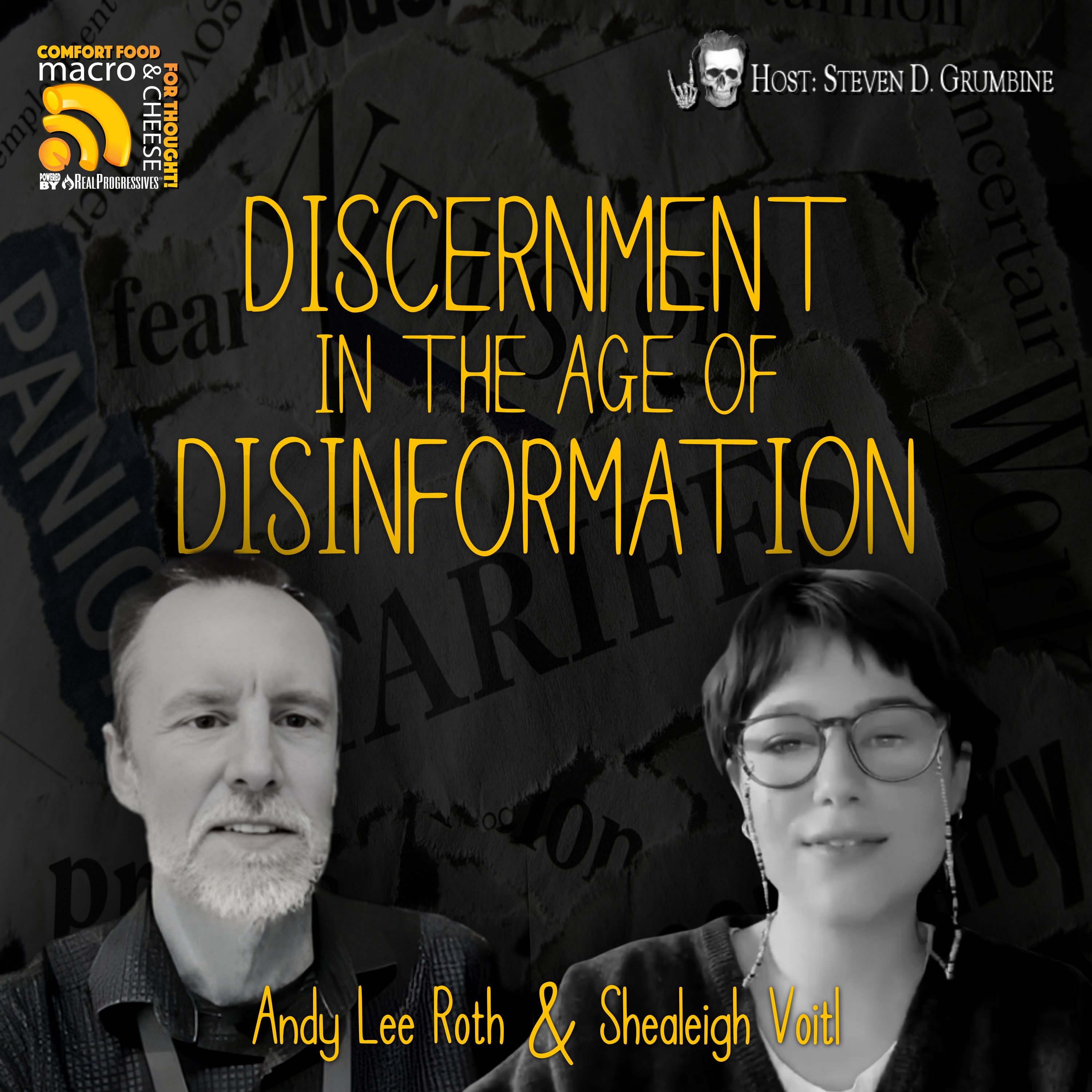 Ep 361 - Discernment in the Age of Disinformation with Andy Lee Roth & Shealeigh Voitl | Shealeigh Voitl and Andy Lee Roth join Steve to talk about Project Censored’s State of the Free Press 2025. The book – an annual publication – compiles the year's most important yet underreported or misreported news stories, which they’ve identified through a student-led research process.Andy highlights the point that corporate news focuses on what went wrong today but ignores what goes wrong every day. “It's the difference between dramatic events and systemic problems.”The #1 underreported story is that of ICE soliciting private contractors to monitor social media for critics and assess their "proclivity to violence," a move toward normalized surveillance that received little corporate media attention.Steve and his guests also discuss broader themes, linking media patterns to cultural hegemony and manufacturing consent, where state and oligarchic interests align to shape public perception. Examples include coverage of Israel-Palestine, university crackdowns on pro-Palestinian speech, and the hiring of figures like Bari Weiss.Andy Lee Roth is editor-at-large for Project Censored and its publishing imprint, The Censored Press. He is co-editor of Project’s State of the Free Press yearbook series, and a coauthor of The Media and Me: A Guide to Critical Media Literacy for Young People.Shealeigh Voitl is Project Censored's associate director. She helped develop the State of the Free Press 2024 teaching guide, the Project’s Beyond Fact-Checking: A Teaching Guide to the Power of News Frames, and The Project Censored Show’s forthcoming segment Frame-Check.Find their work at https://www.projectcensored.org/@ProjectCensored on X | — | ||||||
Showing 25 of 300
Pitch Fit is a Pro feature
See how bookable this show is for guests, which brands already advertise, the per-episode ad value, and the best-fit guest and sponsor profile. The numbers are blurred on the free plan.
How readily this show books outside guests like you.
How proven this show is for host-read sponsorships.
For Guests
ProFor Advertisers
ProUpgrade to Pro to unlock guest cadence, sponsor categories, fit scores, and per-episode ad value for this show.
Chart Positions
1 placement across 1 market.
Chart Positions
1 placement across 1 market.