
Insights from recent episode analysis
Audience Interest
Podcast Focus
Publishing Consistency
Platform Reach
Insights are generated by CastFox AI using publicly available data, episode content, and proprietary models.
Total monthly reach
Estimated from 1 chart position in 1 market.
By chart position
- 🇳🇴NO · Books#149500 to 3K
- Per-Episode Audience
Est. listeners per new episode within ~30 days
150 to 900🎙 Daily cadence·86 episodes·Last published today - Monthly Reach
Unique listeners across all episodes (30 days)
500 to 3K🇳🇴100% - Active Followers
Loyal subscribers who consistently listen
200 to 1.2K
Market Insights
Platform Distribution
Reach across major podcast platforms, updated hourly
Total Followers
—
Total Plays
—
Total Reviews
—
* Data sourced directly from platform APIs and aggregated hourly across all major podcast directories.
On the show
Recent episodes
How to Write Emotion Without Explaining Everything
May 13, 2026
Unknown duration
Third Person Isn’t One Thing: How Narrative Distance Changes Everything
May 6, 2026
Unknown duration
Writing Characters When You’re Afraid of Getting Them Wrong
Apr 29, 2026
Unknown duration
Filter Words in Fiction: What to Cut, What to Keep, and Why
Apr 22, 2026
Unknown duration
Cozy & Feel-Good Fiction: Crafting Low-Stakes Stories That Comfort Readers
Apr 15, 2026
Unknown duration
Social Links & Contact
Official channels & resources
Official Website
Login
RSS Feed
Login
| Date | Episode | Description | Length | ||||||
|---|---|---|---|---|---|---|---|---|---|
| 5/13/26 | How to Write Emotion Without Explaining Everything | Do your characters keep feeling sad, furious, lonely, ashamed, or devastated on the page... but the reader still isn’t feeling much?In this episode of Master Fiction Writing, we’re looking at the difference between explained emotion and experienced emotion. You’ll learn why naming a feeling isn’t always the same as creating it, and how to give the reader stronger emotional evidence through behaviour, body language, thought patterns, sensory detail, dialogue, silence, subtext, objects, and action under pressure.We’ll also look at when it’s perfectly fine to name an emotion directly, why over-explaining is such a normal drafting habit, and how to revise emotional labels into moments the reader can actually feel.The takeaway: your job isn’t to hide emotion from the reader. Your job is to make emotion happen inside the reader.If you enjoy the podcast and would like to support future episodes, you can buy me a virtual coffee over on Ko-fi: https://ko-fi.com/masterfictionwritingNo pressure at all, but it does help keep the podcast going, and lets me pretend I’m a terrifyingly organised media empire. | — | ||||||
| 5/6/26 | Third Person Isn’t One Thing: How Narrative Distance Changes Everything | In this episode of Master Fiction Writing, we untangle one of the most confusing pieces of fiction craft: third-person point of view.Because “write it in third person” sounds simple enough until you realise third person can mean several very different things.We’ll look at five major forms of third-person narration:Third-person objective, where the reader only sees what can be observed from the outside.Third-person limited, where we stay inside one character’s perspective at a time.Third-person deep or close limited, where the prose moves tightly into a character’s lived experience.Third-person multiple limited, where several characters carry the story in separate scenes or chapters.And third-person omniscient, where a larger narrative intelligence can move beyond any one character’s mind.Using the same scene, we’ll explore how each form changes the reader’s experience of intimacy, tension, voice, distance, and information.This is a practical, example-led episode for writers who want to understand not just what point of view is, but how to choose the right kind of third person for the story they’re trying to tell.And if you enjoy the podcast and would like to support future episodes, you can buy me a virtual coffee over on Ko-fi: https://ko-fi.com/masterfictionwritingNo pressure at all, but it does help keep the podcast going, and lets me pretend I’m a terrifyingly organised media empire rather than one man talking earnestly about point of view into a microphone. | — | ||||||
| 4/29/26 | Writing Characters When You’re Afraid of Getting Them Wrong | In this episode of Master Fiction Writing, we explore one of the most quietly intimidating parts of writing fiction: creating characters when you’re afraid of getting them wrong.Inspired by a listener question, this episode looks at the difference between research as preparation and research as protection. Research, plotting, and worldbuilding are essential tools, especially when your story is inspired by real histories, cultures, political conflicts, or human suffering. But sometimes those tools can become a very respectable hiding place from the messier, more intimate work of character.We’ll look at why character work can feel so exposing, how to begin before you feel perfectly ready, and how to invent responsibly without becoming paralysed by fear. You’ll also learn practical ways into character, including dictated monologues, private letters, character complaints, petty desires, contradictions, and the wonderfully freeing “ugly first character pass.”If you’ve ever delayed writing because you felt unqualified, uncertain, or afraid of causing harm, this episode offers a calmer, braver way forward. Not certainty. Not perfection. Just care, humility, specificity, and the courage to begin.If the podcast helps you with your writing and you’d like to support the time, thought, and mildly alarming number of notes that go into each episode, you can do that here: https://ko-fi.com/masterfictionwriting | — | ||||||
| 4/22/26 | Filter Words in Fiction: What to Cut, What to Keep, and Why | Should you cut words like saw, felt, heard, realised, and remembered from your fiction? Often, yes. Always? Not even slightly. In this episode of Master Fiction Writing, Stuart breaks down why so-called filter words and mental-processing verbs get flagged so often, how they can weaken immediacy and increase psychic distance, and why the advice to remove them can become unhelpfully rigid when treated as a rule rather than a craft decision. You’ll learn the difference between lazy filtering and purposeful usage, when these words genuinely flatten prose, when they’re necessary, and when they can actually strengthen voice, pacing, and emotional effect. With practical examples, revision guidance, and a more nuanced way to assess your own pages, this episode will help you stop editing by superstition and start editing with discernment. | — | ||||||
| 4/15/26 | Cozy & Feel-Good Fiction: Crafting Low-Stakes Stories That Comfort Readers | Need a gentler kind of story without sacrificing plot? In this episode, I’m diving into the craft of cozy and feel-good fiction and unpacking how to write low-stakes stories that still have tension, momentum, and emotional payoff. We’ll look at why readers are drawn to comfort fiction, especially when real life feels relentless, and why “low stakes” never means “nothing matters.”I cover the key ingredients that make this kind of story work, including character goals, emotional stakes, tone, pacing, setting, community, and the subtle engines of anticipation that keep readers turning pages. I also talk about what goes wrong when cozy fiction becomes shapeless, sentimental, or overly reliant on “vibes,” and how to create genuine emotional refuge without draining the story of movement or meaning.Whether you already love writing warm, hopeful fiction or you’ve been quietly suspicious of anything described as cozy, this episode will help you see the real craft underneath it. Because writing comfort well is not easy. It’s structure in a soft jumper. | — | ||||||
| 4/8/26 | How to Write Wicked Women Who Feel Real | What makes a female character feel dangerously compelling rather than flat, clichéd, or simply “unlikeable”? In this episode, Stuart explores how to write wicked women with complexity, power, and emotional truth. From villains and antiheroes to politically sharp schemers and socially inconvenient women, this is a deep dive into the craft of creating female characters who refuse to behave nicely on the page or stage. With literary examples including Medea and Lady Macbeth, plus practical tools you can apply to your own work, this episode will help you write women who are morally complicated, dramatically alive, and impossible to ignore. | — | ||||||
| 4/1/26 | The Fiction Writing Myths That Need to Get in the Bin | Writers are surrounded by bad advice masquerading as wisdom. In this episode, we take six of the most persistent fiction-writing myths and throw them politely but firmly in the bin. From talent and inspiration to first drafts, genre snobbery, publishing myths, and the idea that only bleak literary fiction counts as serious, this is a sharp, funny, practical reset for writers who are tired of feeling like they’re doing it wrong. | — | ||||||
| 3/25/26 | Tighten Your Narrative Without Losing Your Voice | Why does tightening a draft so often feel slow, frustrating, and weirdly inconclusive? Usually because writers start at the sentence level instead of the structural one.In this episode, Stuart shares a faster, smarter way to revise by function rather than fussing. You’ll learn the three tightening passes he uses to diagnose saggy scenes (purpose, pressure, and payoff) along with a one-hour tightening sprint you can use on your own manuscript today. He also delivers a six-part kill list of common flab patterns, including throat-clearing openings, duplicated beats, over-explained emotion, and weak transitions.This is a practical, voice-friendly approach to revision that helps you cut what’s dragging without flattening what makes your work yours. | — | ||||||
| 3/18/26 | Build Cause-and-Effect Scenes | If your scenes keep slipping into “and then… and then… and then…”, this episode is for you. In this episode, Stuart breaks down one of the simplest ways to create stronger cause-and-effect on the page: scene turns.You’ll learn what a turn actually is, why it matters, and four reliable types you can use to make any scene work harder. Stuart also walks you through a quick Scene Turn Audit you can use in revision, plus a mini quiz to help you test your understanding as you listen.In this episode:What a scene turn isWhy flat scenes often lack meaningful changeFour practical scene-turn types you can use straight awayA simple two-question audit for revising weak scenesA quick assignment to help you apply the tool to your own draftIf you want scenes that generate momentum instead of just filling space, this episode will help you build them!Follow the show for more practical story-development tools, and check out the earlier causality episode for a perfect companion listen. | — | ||||||
| 3/11/26 | The POV Contract: What You Owe the Reader in Scene 1 | In this episode, we tackle one of the biggest hidden causes of reader disengagement: unstable point of view. The problem usually is not whether you chose first person, third person, or multiple POVs. It is whether the story keeps changing the rules. When that happens, readers don't experience it as a technical slip. They experience it as a breach of trust.You’ll learn what the POV contract really is, why Scene 1 is where that contract gets made, and how to strengthen the three promises that hold it together: access, attitude, and authority. We also dig into multi-POV switching rules, accidental head-hopping, and a simple micro-rewrite method you can use to test whether a scene is truly staying inside the promised viewpoint.By the end, you’ll have a practical POV checklist you can use straight away, plus a sharp sentence-level diagnostic to catch drift before your reader does.If your POV has ever felt a little slippery on the page, this episode will help you lock the rules in and keep the reader with you. | — | ||||||
Want analysis for the episodes below?Free for Pro Submit a request, we'll have your selected episodes analyzed within an hour. Free, at no cost to you, for Pro users. | |||||||||
| 3/4/26 | The Art of Character Want vs Need (Without Clichés) | If your character’s “need” sounds like a motivational poster, readers won’t feel it in scene.In this episode of Master Fiction Writing, Stuart Wakefield breaks want vs need out of the self-help zone and turns it into a practical decision tool you can use immediately: the Want / Need / Cost triad.You’ll learn why vague “needs” kill scene friction, how to define want and need in operational terms, and how to add teeth with the Cost Ladder (three escalating levels: comfort, relationship/status, identity/future). Plus: a deliberately awful want/need example gets lovingly eviscerated… then rebuilt step-by-step into something specific, dramatic, and copyable. You’ll leave with a fast 5–10 minute assignment to generate your own triad and stress-test it against a scene, so your character choices start landing with consequences on the page. Follow the show for next week’s episode: POV contract—how to pick the right lens for this arc. | — | ||||||
| 2/25/26 | The Inciting Incident Isn’t Big. It’s Binding. | Big events don’t create story. Binding does.In this practical follow-up to “The Art of a Story Premise That Actually Drives Scenes,” Stuart Wakefield reframes the inciting incident as the moment your protagonist becomes unable to WALK AWAY and shows you how to build that pressure on purpose.You’ll learn what “binding” really means, why it’s the secret to Act 1 momentum (and the cure for saggy middles), and how to spot the most common fake-outs: false binds, external-only pressure, “volunteer” protagonists, and plot-by-coincidence.By the end, you’ll have a simple, copy-and-paste tool, The Binding Question Builder, and you’ll leave with one clear binding question you can apply to your story immediately.Want feedback? Follow the show and submit your binding question for a future anonymous breakdown episode—either on Spotify or by emailing stuart@thebookcoach.co | — | ||||||
| 2/18/26 | The Art of a Story Premise That Actually Drives Scenes | The difference between an “interesting” idea and a story that actually moves? Your premise.In this episode, I'll break down why so many drafts end up with “optional chapters” - scenes that could be shuffled, skipped, or swapped without changing anything. Then you’ll learn a simple, repeatable framework for building a premise that creates real story pressure: Protagonist + Pressure + Price.You’ll get:The 3 ingredients that make a premise generate scenes automaticallyA quick Premise Stress Test (3 questions) to spot a situation disguised as a storyTwo live premise upgrades (weak → strong), plus 5 inevitable scenes for eachThe exact fill-in-the-blank sentence stem I use with clients to write a one-sentence premise with teethA 10-minute assignment to lock your premise so your scenes stop feeling optionalIf your idea feels compelling but your chapters feel… negotiable, this one will fix that.If this clicked, hit Follow - and next week I’ll build the ‘binding question’ that turns your premise into an outline. Until the next time, happy storytelling. | — | ||||||
| 2/13/26 | Worldbuilding Pitfalls That Quietly Sabotage Your Story | This episode's for anyone writing speculative fiction who’s ever vanished into worldbuilding “for five minutes” and resurfaced three hours later with a fully functioning sewer system and… no actual scene.This episode is about the quiet ways worldbuilding can sabotage your story when it becomes a substitute for plot, character, pacing, and reader trust. Not because worldbuilding is bad. Because it’s powerful. And power needs a steering wheel.In the episode, I break down the biggest traps and how to fix them fast, including:- The World Bible Trap, where planning replaces drafting.- The Museum Tour Opening, where the story starts with a brochure.- The Encyclopaedia Dump, where exposition sits on the reader’s chest.- The Currency Exchange Problem, where too many invented terms overload the brain.- The Map Is Not a Plot problem, where geography pretends it’s narrative.- Rules Without Consequences, where magic and tech don’t actually bite.- The Stakes Inflation Spiral, where you start with the apocalypse and have nowhere to go.- The Contradiction Sinkhole, where reader trust quietly leaks away.You’ll also get a simple “worldbuilding that serves story” framework you can apply to a current WIP in 20 minutes, plus a 10-minute rewrite challenge to turn exposition into action.If you’re drafting or revising fantasy, sci-fi, horror, alternate history, or slipstream, this one will give you instant traction.Listen, then try this quick diagnostic: if you cut a paragraph of worldbuilding, what actually breaks? If the answer is “nothing”… congratulations, you’ve found a scene-level diet plan.If you enjoy the episode, like, share, and subscribe, then come on over to www.thebookcoach.co to check out my story development service. | — | ||||||
| 7/24/25 | 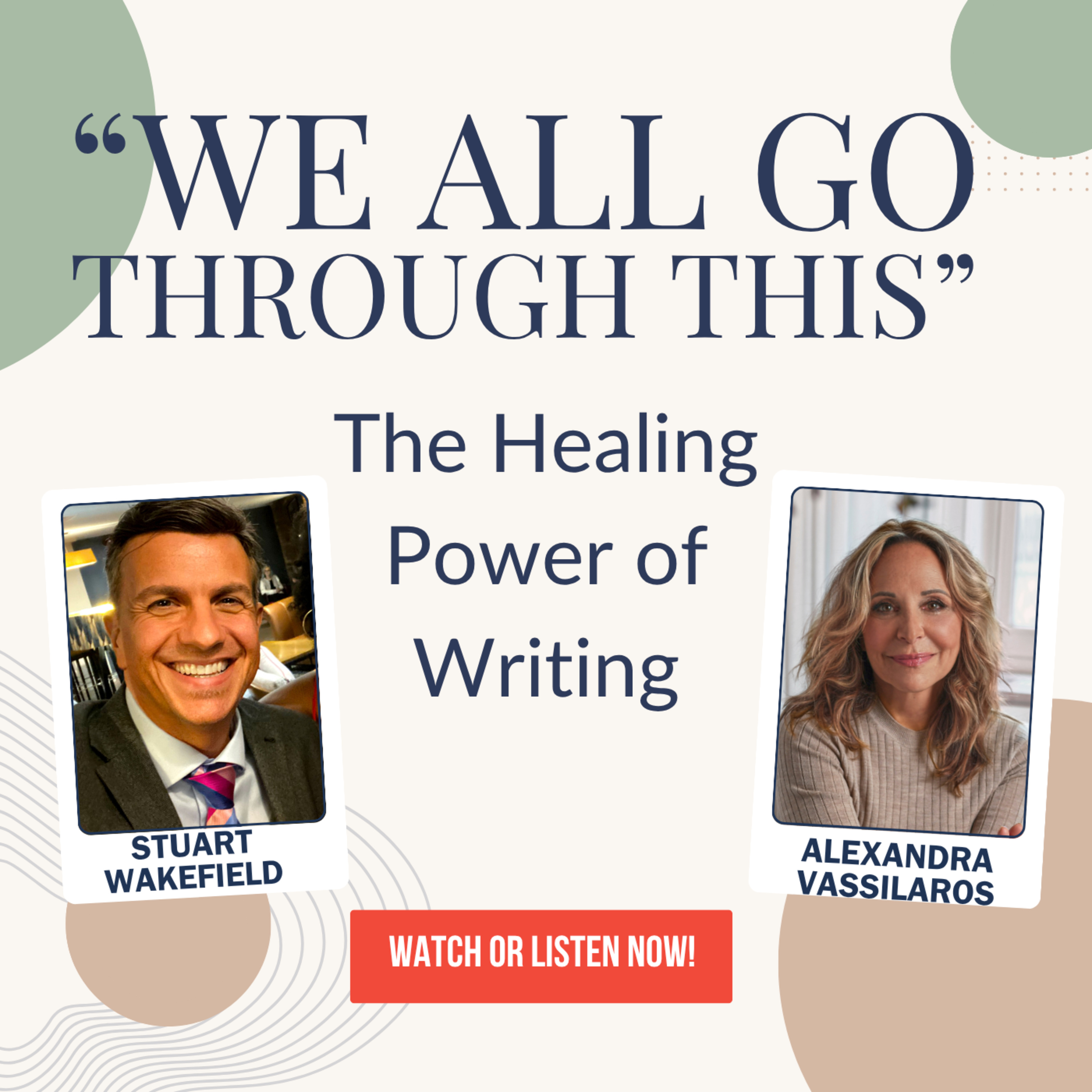 The Healing Power of Writing | Welcome to Master Fiction Writing!In this conversation, Alexandra Vassilaros shares her journey as a writer and workshop founder, emphasising the transformative power of writing workshops, particularly in the context of grief and loss.She discusses her Make Meaning Workshop, which helps participants explore their emotions and experiences through writing.We delve into the importance of vulnerability, self-expression, and the challenges of self-censorship in writing.Alexandra also offers insights into character development and the significance of diverse perspectives in storytelling, ultimately encouraging writers to embrace their authentic voices and tell their truths on paper.Find more about the Make Meaning Workshop here.Find out more about my book coaching services here. | — | ||||||
| 7/17/25 |  She Helped Shape 'Groundhog Day' (Then Wrote 25 Books of Her Own) | In this episode, I’m joined by the brilliant Susan Sloate - novelist, playwright, and former Hollywood story analyst - for a conversation that’s equal parts inspiring, hilarious, and packed with practical wisdom for writers.Susan shares what she’s learned from writing over 25 books (including one in just three days!), working in the film industry during a writer’s strike, and attending Robert McKee’s legendary story seminars where she once helped shape the early idea for Groundhog Day.We talk about:How she handles the dreaded middle of a storyWhat to do when you don’t know your subject (spoiler: she once made a calf respond to Beatles songs)How her latest book, Scenes from a Song, taps into the emotional power of musicAnd why she believes stories should leave readers with hope, not despairWhether you’re a planner, a pantser, or somewhere in between, Susan’s insights will remind you that the best stories often come from trusting your gut and not being afraid to try the outrageous.https://susansloate.com/ | — | ||||||
| 7/9/25 | "I Know 15 Ways to Kill My Husband (And Where to Hide His Body." | How do you write a frozen corpse in a heated pool and make it believable? What’s the etiquette when cold-calling a forensic entomologist? And how do you stop your own research from hijacking the plot?In this episode, I’m joined by bestselling mystery author Lee Clark, whose Matthew Paine Mysteries spans spans seven intricately researched novels. We dive into the weird, wonderful, and sometimes disturbing world of crime fiction research from poisons and human trafficking to cold cases and black diamonds.Lee shares how she turns real-world expertise into gripping plot points, why she’s never afraid to approach a subject matter expert, and what she does when her characters (or her rabbit holes) take the story in unexpected directions. We also talk about writing emotional truth, editing with a scalpel, and the fine line between curiosity and chaos.Whether you’re writing thrillers, historical fiction, or anything that requires digging into the dark corners of human behaviour, this episode will leave you feeling informed, inspired, and slightly worried about our search histories. | — | ||||||
| 5/15/25 | Writing Romance: Insights from Author Noël Stark | In this episode, I talk to novelist Noël Stark about her journey from working in film and TV to crafting her first romance novel, 'Love, Camera, Action'.We discuss the unique challenges of novel writing, the importance of character development, and the emotional landscapes that drive romance narratives.And Noël shares insights on the writing process, the significance of chapter endings, and the evolving themes in romance literature, particularly the necessity of self-discovery before falling in love. | — | ||||||
| 3/26/25 | The Art of Historical Fiction: Lessons from Shara Moon | In this episode, Shara Moon discusses her new book 'Let Us March On', which tells the story of Lizzie McDuffie, an influential yet often overlooked figure in American history. Shara shares her journey of researching and writing the book, the challenges of balancing fact and fiction, and the importance of telling Lizzie's story in today's context. The discussion also touches on themes of activism, the role of women in history, and the significance of addressing difficult topics such as racial injustice. In this conversation, Shara Moon discusses the political shifts within the Black community during FDR's presidency, the challenges of writing historical fiction, and the importance of balancing fact with creative storytelling. She shares insights on the editing process, the transition from memoir to historical fiction, and her personal connection to Lizzie herself. | — | ||||||
| 3/12/25 | Embracing Absurdity: The Power of Dumb Ideas | Join me for a fascinating conversation with Dumbify founder David Carson, where we dive into the power of so-called “dumb” ideas—and why they might just be the secret to creative brilliance.We’ll explore how absurdity, humour, and playfulness can fuel innovation in storytelling, the mental models that help spot good dumb ideas, and how embracing the unconventional can lead to surprising breakthroughs. Plus, we’ll touch on bold marketing strategies, the future of creative writing, and why curiosity is the ultimate creative superpower.Get ready to rethink what makes an idea truly smart!Visit David at his website! https://www.david-carson.com/ | — | ||||||
| 12/11/24 | 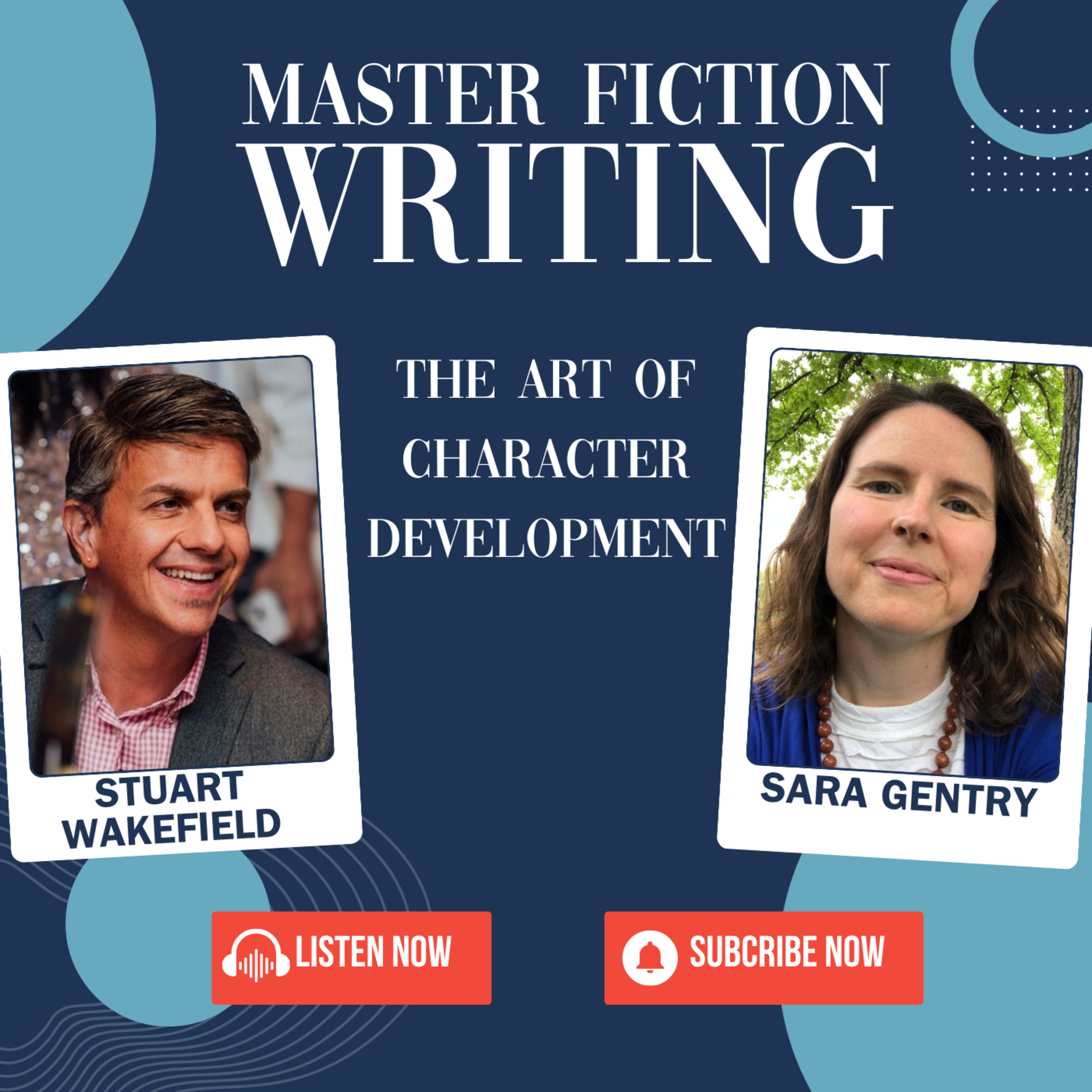 The Art of Character Development | It was great to be interviewed by Sara Gentry about creating characters! We delve into the significance of character backstory in storytelling, distinguishing between world backstory and character backstory - and emphasising the importance of understanding a character's history to make them relatable and believable. We talk about how backstory influences character decisions, the necessity of managing multiple characters, and the concept of "minimum viable backstory". Takeaways Backstory is essential for character development. Understanding a character's history helps readers connect. World backstory and character backstory serve different purposes. Characters need relatable motivations to engage readers. The complexity of characters can enhance storytelling. Managing multiple characters requires varying levels of backstory. Minimum viable backstory is crucial for side characters. Character reactions should be rooted in their backstory. Writers should focus on the cause and effect of character actions. Resources like podcasts and courses can aid in character development. Unlocking the Secrets of Character Backstory The Art of Character Development "Stuart is the king of character." "Backstory makes somebody feel real." "The minimum viable backstory." Chapters 00:00 Introduction to Character and Backstory 01:22Understanding Backstory: World vs. Character 04:54 The Importance of Backstory in Storytelling 08:36 Character Consistency and Relatability 13:21 Managing Character Backstories in Complex Narratives 21:47 The Minimum Viable Backstory for Characters | — | ||||||
| 11/21/24 | Breaking Free from Beat Sheets with Jennie Nash | In this conversation, Jennie Nash and I delve into the intricacies of fiction writing, focusing on the Blueprint for a Book and the limitations of traditional beat sheets. We discuss the importance of understanding a writer's intent, the emotional connection with readers, and the role of creativity within constraints. Jennie shares her insights on the Inside Outline, a tool designed to help writers explore their stories from the inside out, ensuring that every plot point is tied to an emotional reason. The discussion emphasises the need for writers to connect with their material and their audience, ultimately aiming to create impactful stories. For a FREE copy of Blueprint for a Book, click HERE. | — | ||||||
| 10/23/24 |  The Four Pillars to Author Success with Emma Dhesi | In this conversation, Emma Dhesi and I explore the themes of personal growth, the Four Pillars to Author Success , and the importance of celebrating small wins. We discuss how clients evolve from feeling inexperienced to becoming peers in the coaching process, emphasising the significance of acknowledgment in personal development. Our conversation also highlights the journey of self-improvement and the necessity of recognising progress, no matter how small! | — | ||||||
| 7/31/24 |  How to Create a Realistic, Relatable Main Character for your Romance Novel | Creating a realistic and relatable main character is crucial for a good romance novel. This involves giving them a history, their own journey, a job, relationships with others, physical flaws, strength, failure, sexuality, and the spotlight. These elements help readers understand and bond with the main character, making the story more engaging and resonant. Takeaways A main character's history, beliefs, and actions should be influenced by their past experiences. Main characters should have their own journey and not solely exist to fall in love with the love interest. Giving main characters a job helps build their sense of self and adds depth to their story. Main characters' relationships with others can illuminate their lives and provide support and growth. Physical flaws make main characters more realistic and relatable. Strength should be tempered with vulnerability to create a well-rounded main character. Failure is relatable and can lead to character growth and redemption. Sexuality is an important aspect of a romance novel's main character. The main character should be at the center of the story and constantly involved in the plot. Creating a realistic and relatable main character is essential for reader engagement and resonance. | — | ||||||
| 7/17/24 |  Strategies to Maintain Your Motivation to Write | Do you feel stuck in a rut with your writing? Do you struggle to even sit down to write? Does the blank page seem to loom over you like a cloud, leaving you feeling overwhelmed, uninspired, and heading for Netflix? Don’t worry, you’re not alone! Many writers experience this same struggle (me included). Whether you’re working on a novel or just trying to write an article, finding the motivation to get started—or keep going—can be difficult. Fortunately, there are a few strategies that can help keep your writing motivation high. | — | ||||||
Showing 25 of 58
Sponsor Intelligence
Sign in to see which brands sponsor this podcast, their ad offers, and promo codes.
Chart Positions
1 placement across 1 market.
Chart Positions
1 placement across 1 market.