Meteorology Matters
by Rob Jones
Is this your podcast?Insights from recent episode analysis
Audience Interest
Podcast Focus
Publishing Consistency
Platform Reach
Insights are generated by CastFox AI using publicly available data, episode content, and proprietary models.
Most discussed topics
Brands & references
Total monthly reach
Estimated from 1 chart position in 1 market.
By chart position
- 🇹🇭TH · Science#713K to 10K
- Per-Episode Audience
Est. listeners per new episode within ~30 days
900 to 3K🎙 Daily cadence·230 episodes·Last published today - Monthly Reach
Unique listeners across all episodes (30 days)
3K to 10K🇹🇭100% - Active Followers
Loyal subscribers who consistently listen
900 to 3K
Market Insights
Platform Distribution
Reach across major podcast platforms, updated hourly
Total Followers
—
Total Plays
—
Total Reviews
—
* Data sourced directly from platform APIs and aggregated hourly across all major podcast directories.
On the show
From 26 epsHost
Recent guests
No guests detected in recent episodes.
Recent episodes
The Mountain Broke: What Caused the Nepal–China Flash Flood?
Sep 2, 2026
26m 03s
How Weather Shaped the Human Body
Aug 27, 2026
40m 03s
84 Seconds in the Moon’s Shadow: Chasing the 2026 Total Solar Eclipse
Aug 15, 2026
46m 24s
10 Times Weather Changed the Course of History
Aug 4, 2026
24m 20s
Flash Floods: Why They Turn Deadly in Minutes
Jul 23, 2026
49m 03s
Social Links & Contact
Official channels & resources
Official Website
Login
RSS Feed
Login
| Date | Episode | Topics | Guests | Brands | Places | Keywords | Sponsor | Length | |
|---|---|---|---|---|---|---|---|---|---|
| 9/2/26 | The Mountain Broke: What Caused the Nepal–China Flash Flood? | The seismic signal initially looked like an earthquake. It was the mountain itself collapsing.On August 26, bedrock and glacier ice tore loose high above the Nepal–China border, transforming into a rock–ice avalanche, debris flow, and devastating flood. Meteorology Matters reconstructs that cascading disaster, explains why the evidence points away from a conventional glacial-lake outburst flood, and examines how retreating glaciers and warming mountain permafrost may have destabilized the slope without pretending science has identified one definitive trigger.We follow the human toll, rescue and reconstruction efforts, continuing secondary hazards, and the flood of mislabeled, staged, and AI-generated videos that followed. Then we turn to a very different flash flood in the Grand Canyon to show why a locally catastrophic torrent can destroy critical infrastructure while doing almost nothing to relieve the Colorado River’s long-term water shortage. Two floods, two entirely different mechanisms, and one larger lesson: the condition of the landscape can be just as important as the event that sets a disaster in motion. | 26m 03s | ||||||
| 8/27/26 | How Weather Shaped the Human Body | What if some of the features you see every time you look in the mirror were partly shaped by weather experienced thousands of years before you were born?In this episode of Meteorology Matters, we explore the extraordinary evidence connecting human evolution with temperature, humidity, sunlight, drought, atmospheric pressure and other environmental conditions. From the shape of the human nose and differences in skin pigmentation to curly scalp hair, body proportions and our remarkable ability to sweat, generations of exposure to very different climates appear to have left biological fingerprints on populations around the world.We also look beneath the surface. Research is revealing genetic differences associated with cold-weather thermogenesis, kidney function and dehydration tolerance in extremely arid environments, and the remarkable physiological solutions developed independently by Tibetan, Andean and Ethiopian high-altitude populations living with reduced oxygen.But climate does not always change humans gradually. Major droughts, cold periods and other environmental disruptions can alter migration, isolate populations, create genetic bottlenecks and change which inherited traits become more common.Finally, we look forward. In today’s interconnected world of international migration, intermarriage, air conditioning, medicine and modern infrastructure, can regional climate still shape human evolution? And as extreme heat, drought and disease environments change, could future generations experience selection involving heat tolerance, sweating efficiency, water conservation, metabolism or entirely different traits we have not yet recognized?Meteorology Matters was created by meteorologist Rob Jones.TikTok: @TVmeteorologistInstagram: @meteorologistFacebook: Hurricane Rob JonesBluesky: @meteorologist.bsky.socialMastodon: @[email protected] | 40m 03s | ||||||
| 8/15/26 | 84 Seconds in the Moon’s Shadow: Chasing the 2026 Total Solar Eclipse | Meteorologist Rob Jones traveled to Zaragoza, Spain, with only hours of planning to chase the August 12, 2026 total solar eclipse — all for about 84 seconds inside the Moon’s shadow.What followed was part science experiment, part logistical scramble: sold-out trains and buses, basic hotel rooms approaching €600, rental cars over €800, extreme heat, thousands gathering along the Ebro River, and a first experience of totality powerful enough to explain why eclipse chasers keep coming back.In this episode of Meteorology Matters, we explore what Rob saw and felt during totality including a vivid red solar prominence and compare his first eclipse with veteran eclipse chaser and meteorologist Matthew Cappucci’s description of the same extraordinary event.Then we follow the science far beyond the eclipse itself. Why does the Moon perfectly cover the Sun? Why is it moving away from Earth by about 1.5 inches per year? How do tides, the Bay of Fundy, shifting continents, ocean resonance, Earth’s rotation, melting ice and rising seas influence the Earth-Moon system? Can lunar tides affect earthquakes? And why will total solar eclipses eventually disappear altogether?We also look ahead to August 2, 2027, when totality can last an astonishing 6 minutes 23 seconds.From hurricane chasing to eclipse chasing, this is a story about what happens when science becomes something you don’t just understand… but experience.Follow meteorologist Rob Jones on Instagram, TikTok, YouTube and Facebook, and like, follow, comment and rate Meteorology Matters wherever you listen. | 46m 24s | ||||||
| 8/4/26 | 10 Times Weather Changed the Course of History | History is often told through kings, presidents, generals, and revolutions—but what if the atmosphere was quietly shaping those decisions all along?In this episode of Meteorology Matters, we explore ten remarkable moments when weather altered the course of history. From the forecast that helped launch D-Day to the typhoons that confronted the Mongol invasions of Japan, the Bhola Cyclone that accelerated the birth of Bangladesh, Napoleon's disastrous retreat from Russia, the Year Without a Summer after Mount Tambora, the Dust Bowl, the Great Mississippi Flood, Galveston, the Spanish Armada, and the weather-related food crises that intensified the French Revolution, we examine how storms, droughts, floods, volcanic eruptions, and harsh seasons influenced some of history's biggest turning points.Rather than asking whether weather alone changed history, we explore a more compelling question: How did weather reshape the choices leaders and ordinary people were forced to make?Join us as Meteorology Matters uncovers the science, uncertainty, and unforgettable stories behind the weather that helped change the course of history. | 24m 20s | ||||||
| 7/23/26 | Flash Floods: Why They Turn Deadly in Minutes | Flash floods can happen almost anywhere from New York City subways and the rivers of Central Texas to mountain villages in Italy, the streets of China, and communities across Europe, Asia, and Africa. Why do they become deadly so quickly, even when people know heavy rain is coming?In this episode of Meteorology Matters, we explore the science behind one of the world’s fastest and most misunderstood weather hazards. Through unforgettable disasters and the lessons they taught, we explain how rainfall, terrain, infrastructure, forecasting, and human behavior combine to create life-threatening situations in just minutes.You’ll learn why some storms produce catastrophic flooding, how meteorologists detect these events, what today’s warning systems can and cannot do, and the decisions that often determine who survives. Whether you live in a major city, a mountain valley, or near a small creek, understanding flash floods could one day save your life.Follow meteorologist Rob Jones on Instagram, TikTok, YouTube, and Facebook for more weather insights, and subscribe to Meteorology Matters wherever you listen to podcasts. | 49m 03s | ||||||
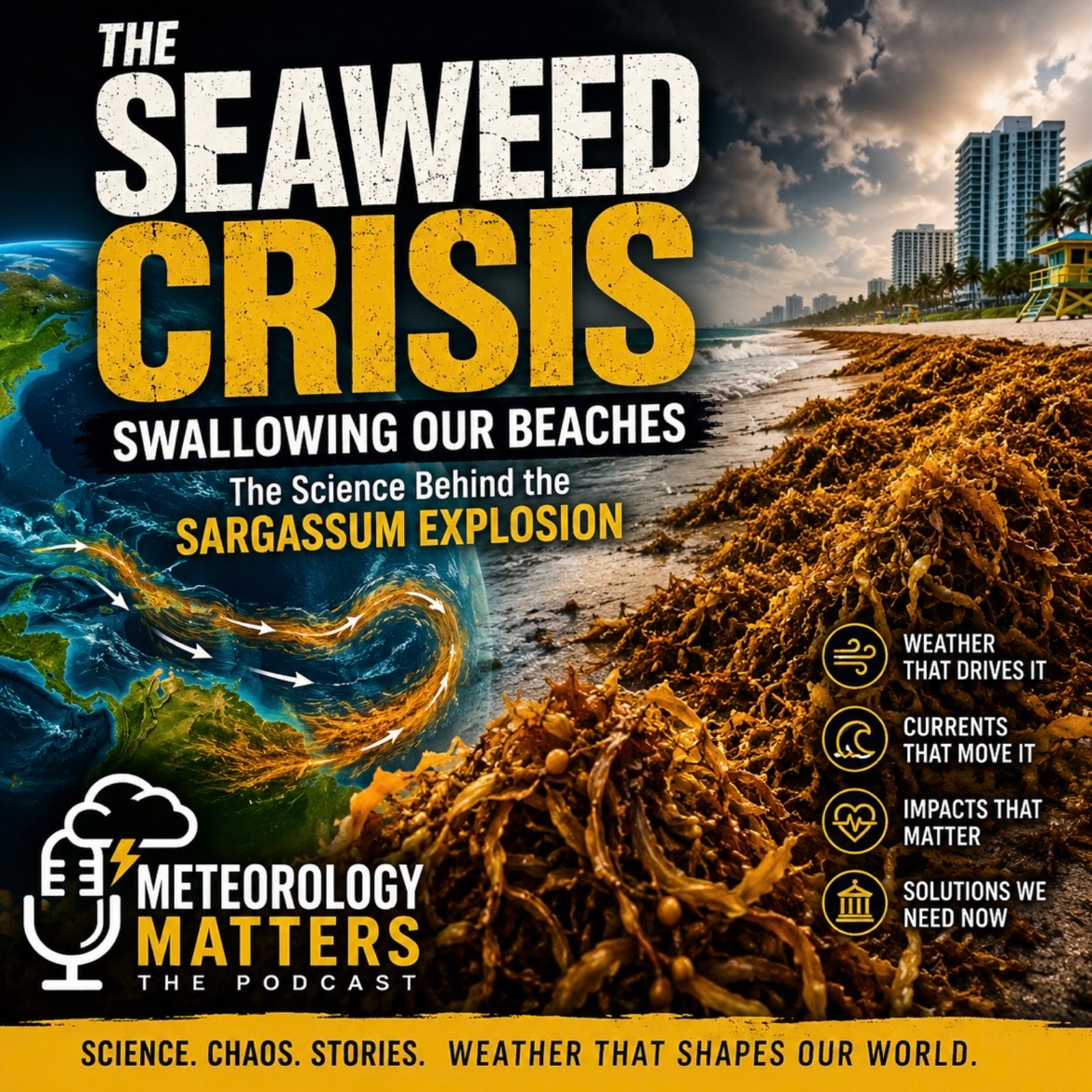
| 7/21/26 | sargassumenvironmental challenges+4 | — | Meteorology Matters | FloridaCaribbean+3 | sargassumseaweed crisis+6 | — | 44m 43s | ||
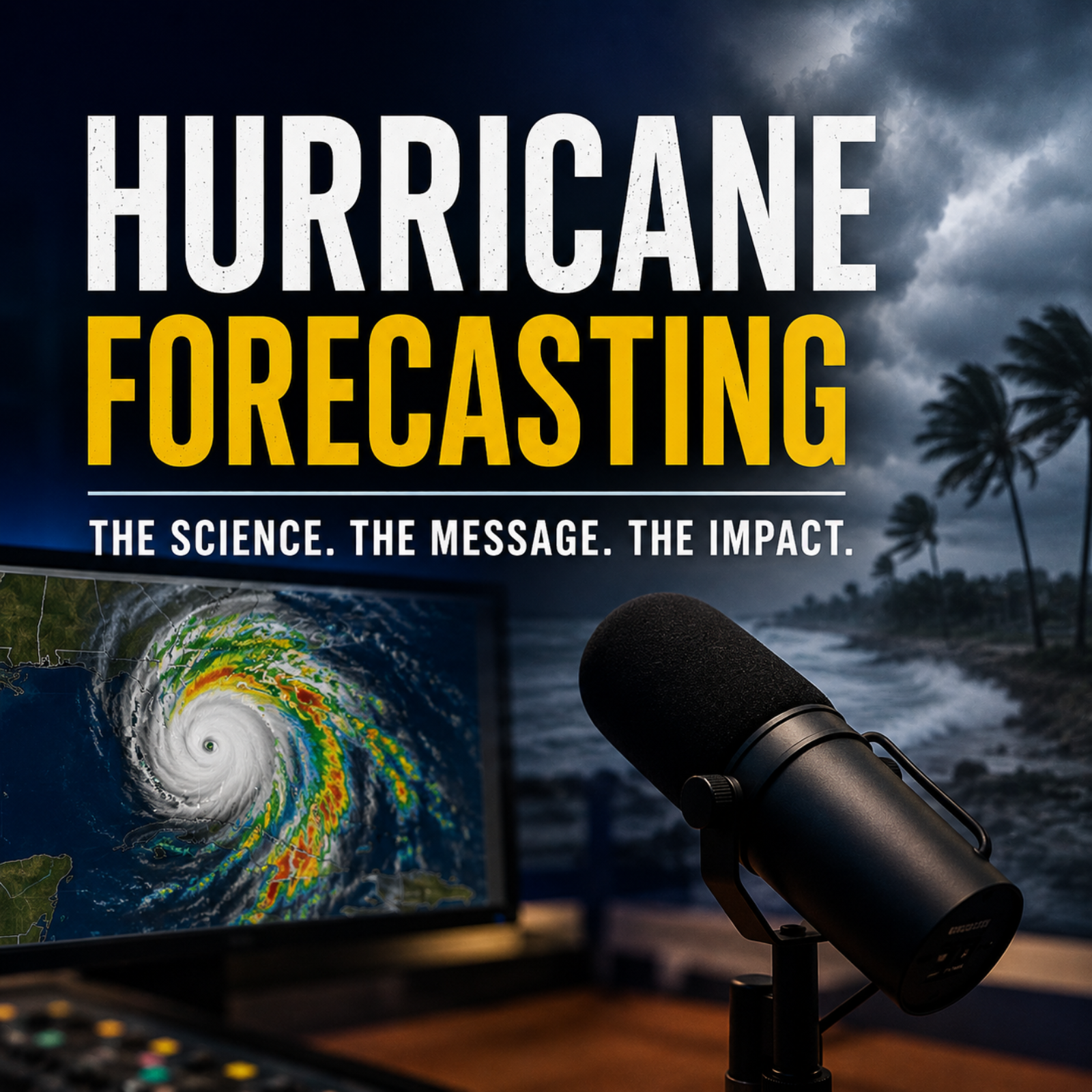
| 7/16/26 | hurricane forecastingcommunication+4 | — | — | — | hurricaneforecast+5 | — | 43m 07s | ||
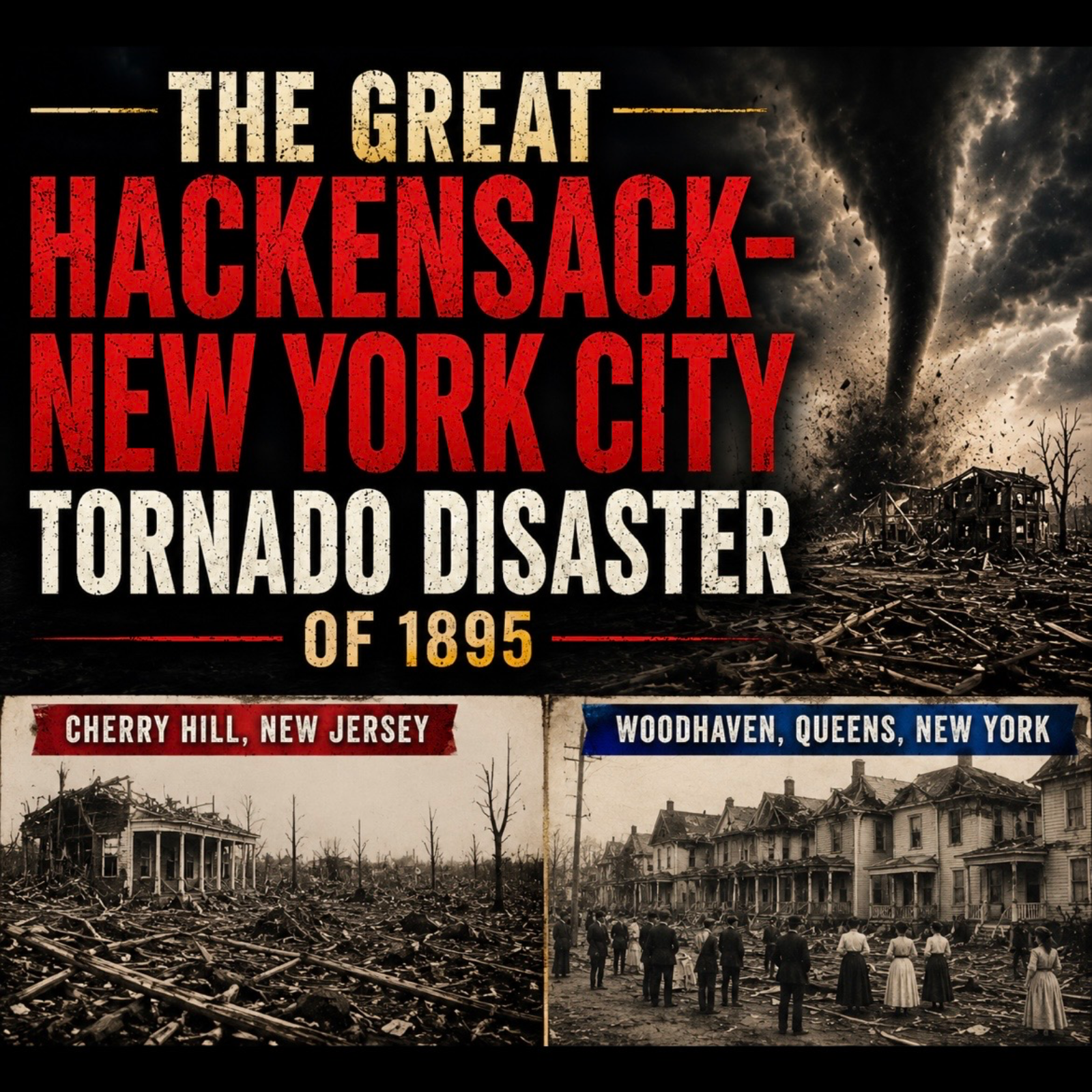
| 7/14/26 | tornado disasterhistorical weather events+4 | — | — | HackensackNew York City+2 | tornadodisaster+7 | — | 38m 59s | ||
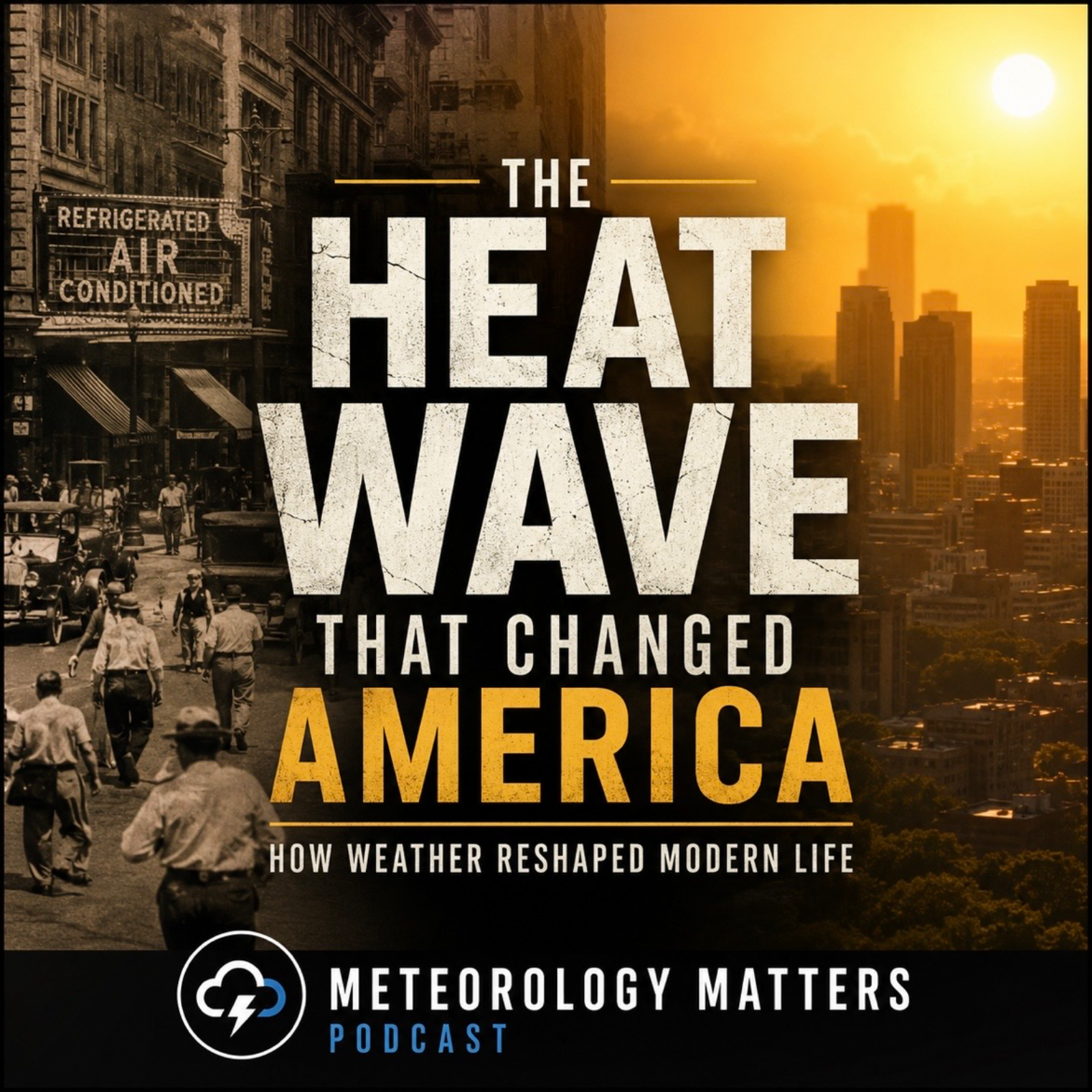
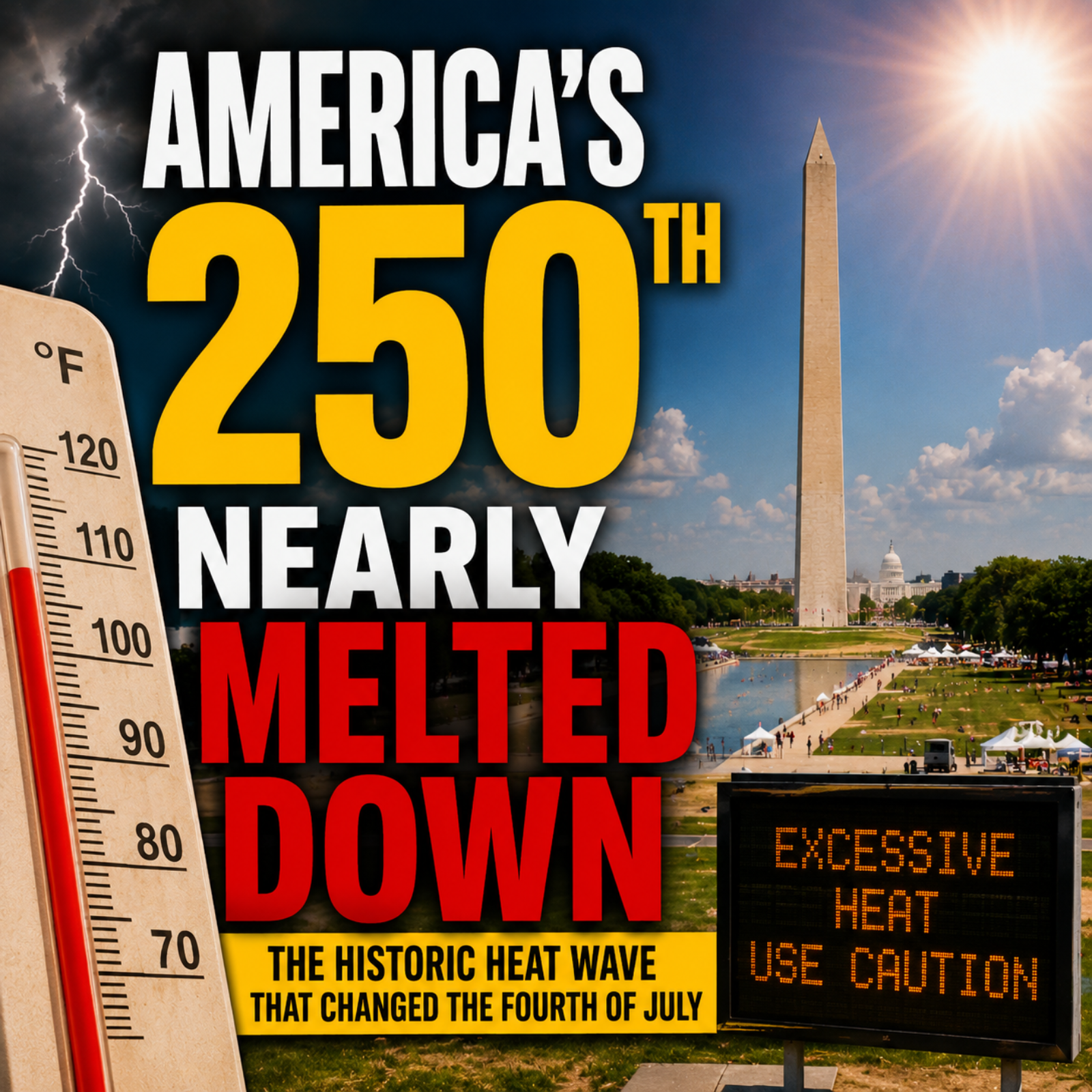
| 7/13/26 | heat waveweather impact+5 | — | — | America | heat wave1936+5 | — | 34m 10s | ||
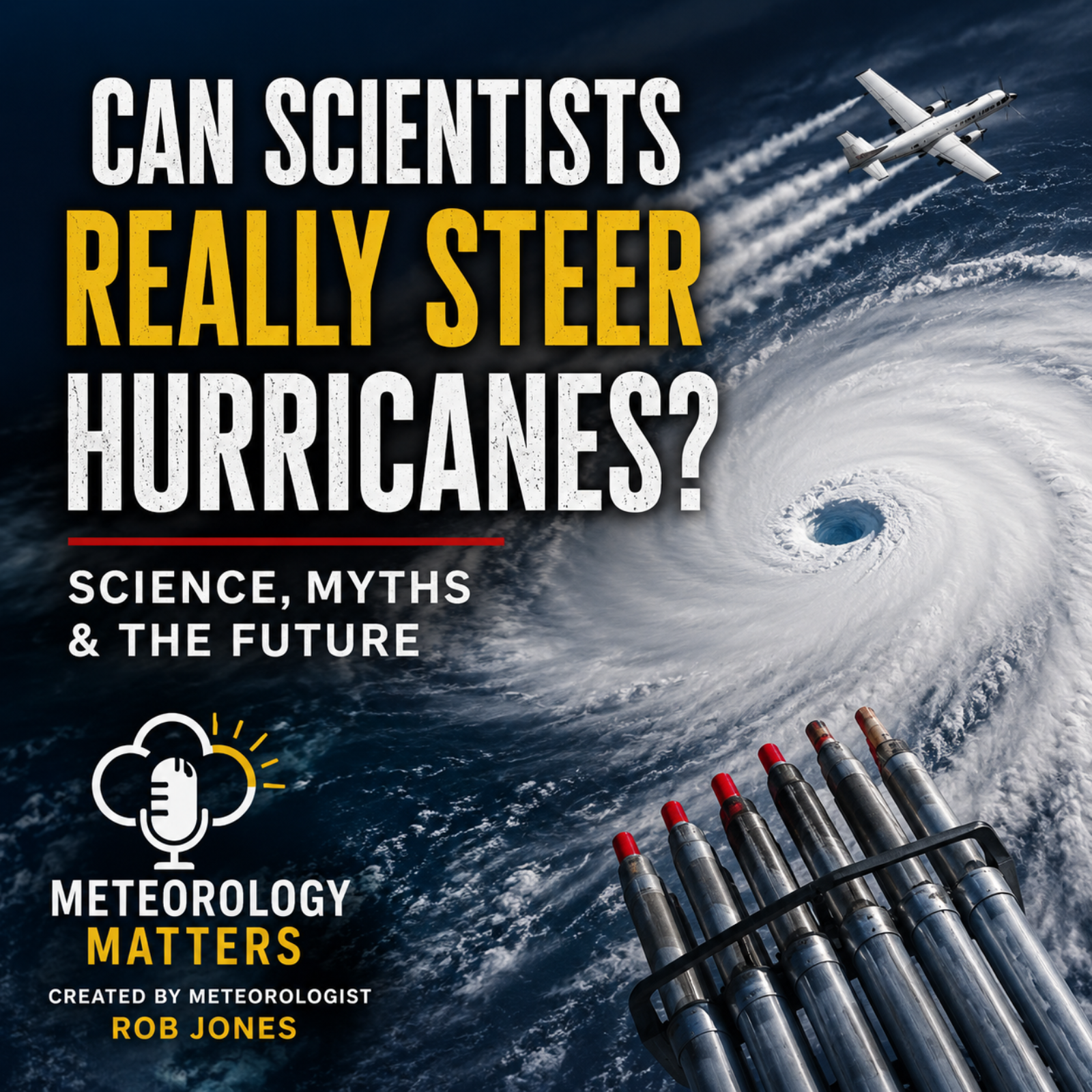
| 7/8/26 | hurricanesweather modification+4 | — | Project STORMFURYartificial intelligence+2 | — | hurricane controlProject STORMFURY+5 | — | 36m 12s | ||
| 7/5/26 | heat wavesevere weather+4 | — | — | AmericaMid-Atlantic+3 | heat domerecord-breaking temperatures+6 | — | 44m 28s | ||
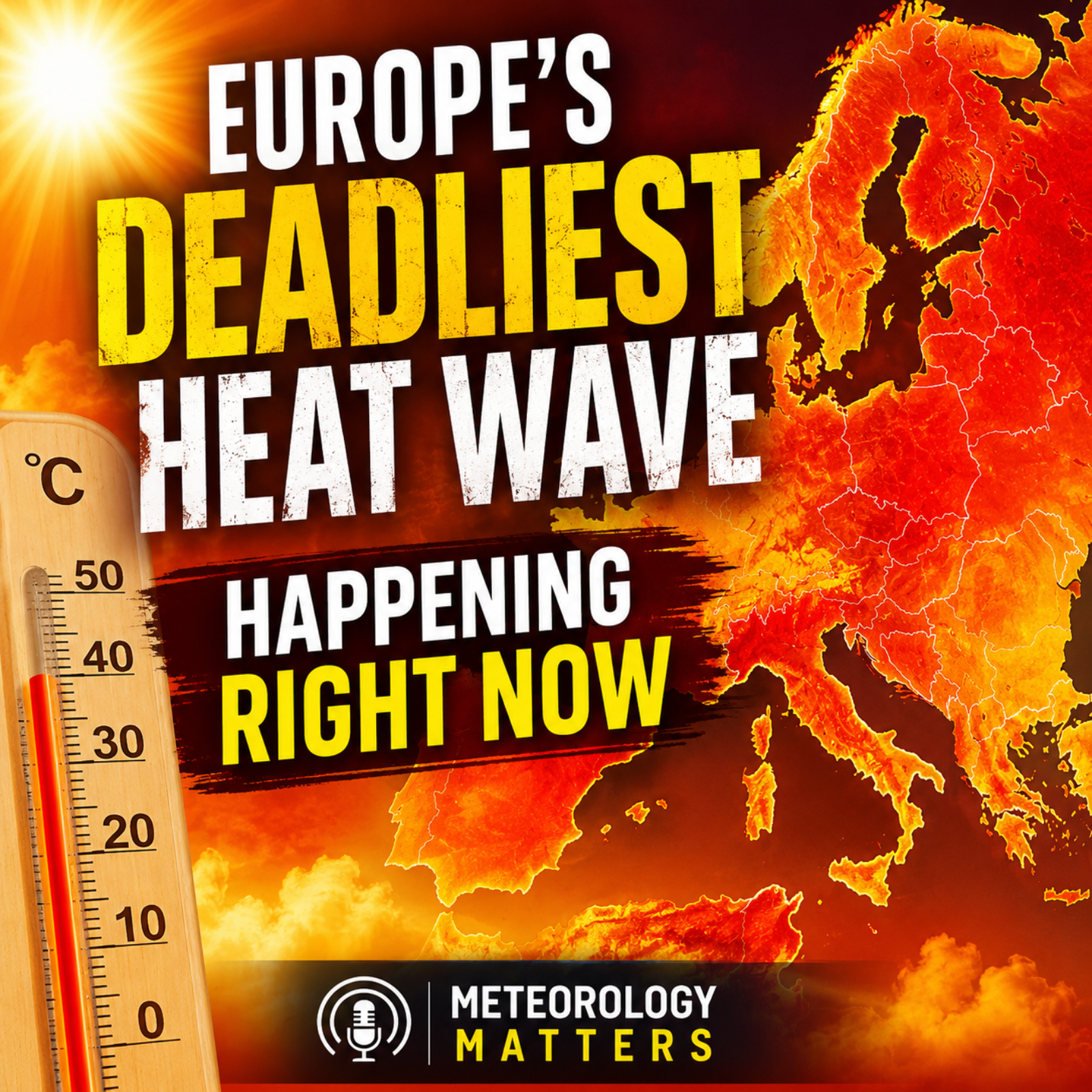
| 6/24/26 | heat waveclimate change+4 | — | — | EuropeSpain+2 | heat dometemperature records+4 | — | 53m 42s | ||
| 6/19/26 | climate changescientific integrity+3 | — | An Inconvenient Truth | Antarctica | climate changeozone layer+3 | — | 32m 21s | ||
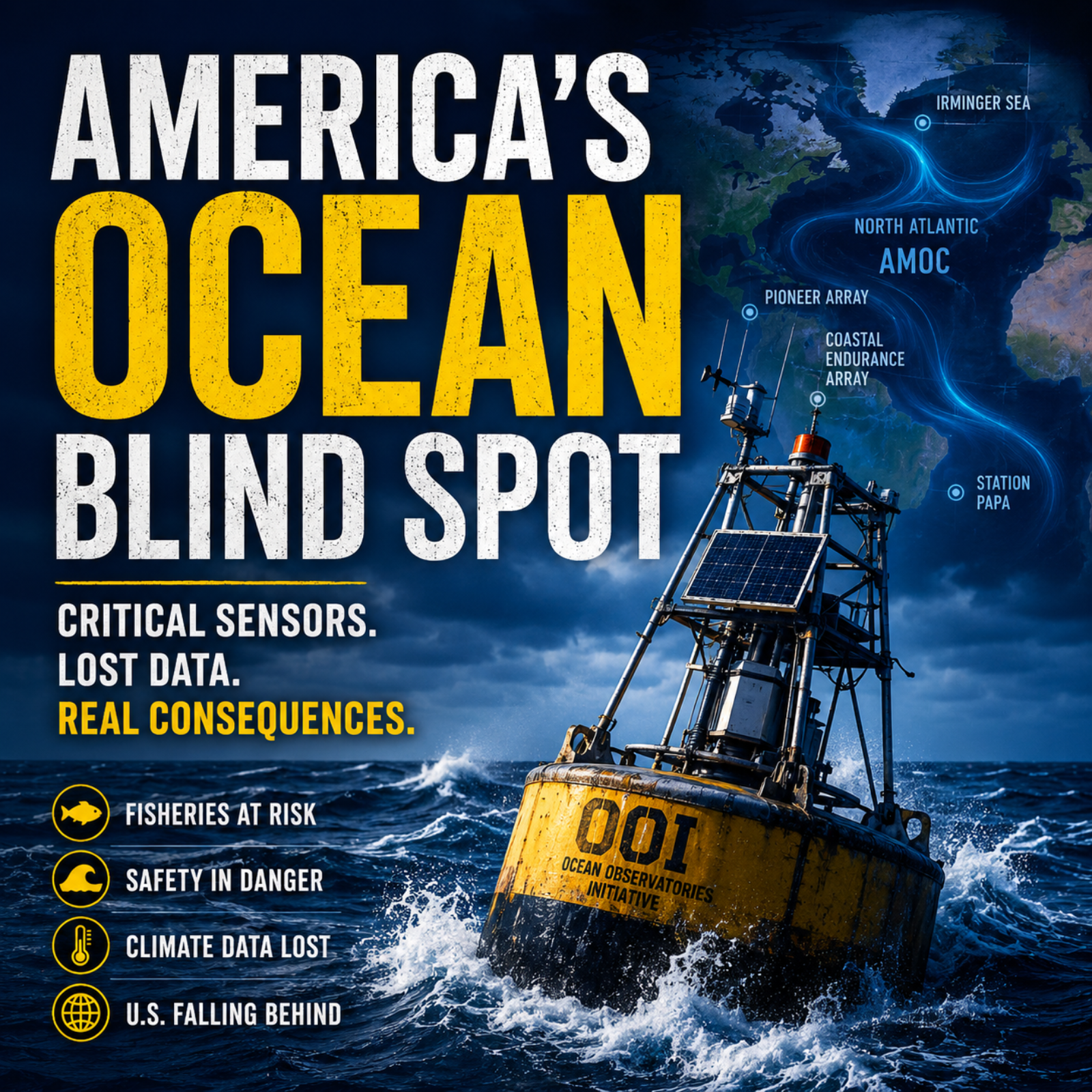
| 6/5/26 | ocean researchscience policy+5 | — | Trump AdministrationOcean Observatories Initiative | United States | ocean temperaturesmarine heatwaves+5 | — | 26m 18s | ||
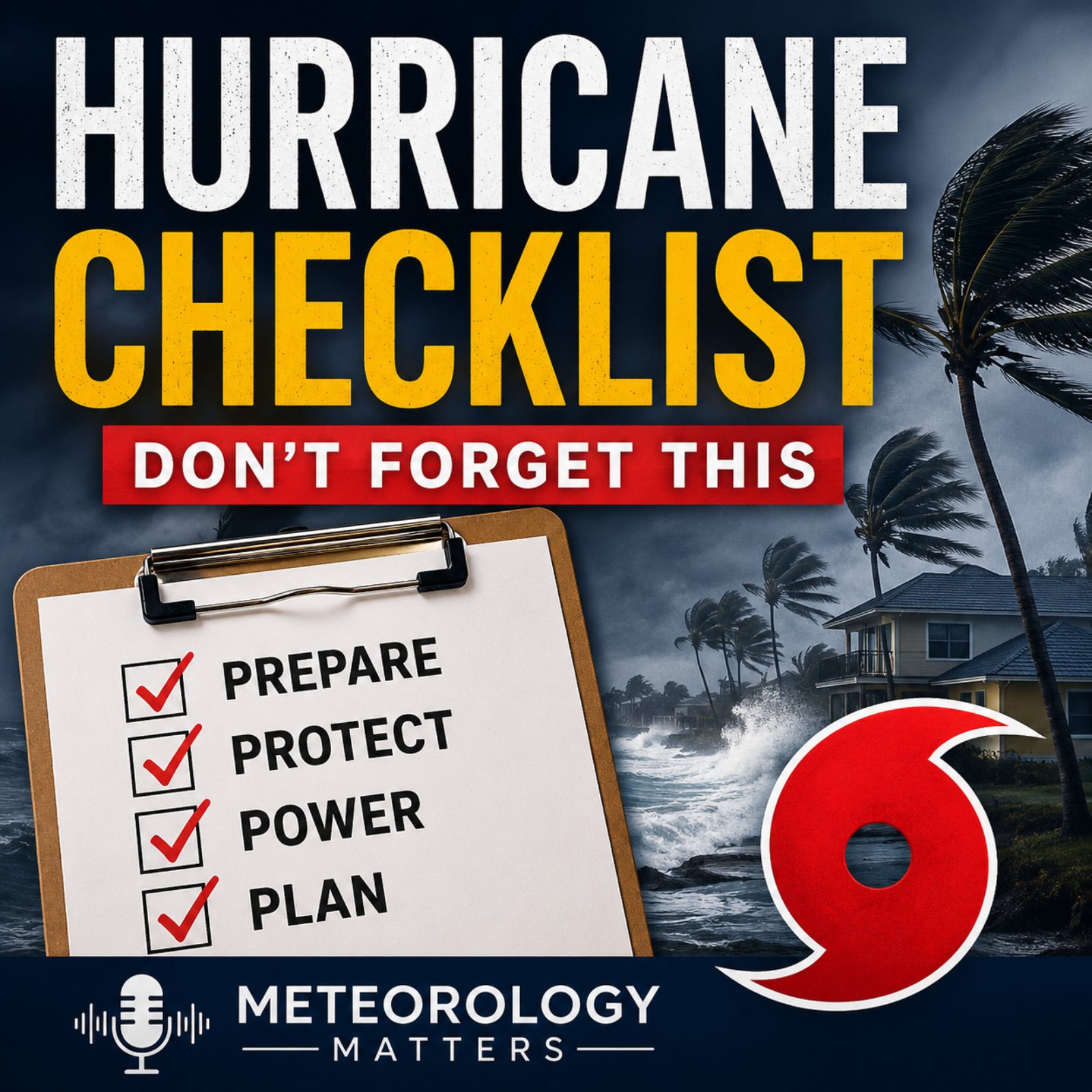
| 6/1/26 | hurricane preparednesshome safety+3 | — | — | MiamiCuba | hurricane checklisthome survival+5 | — | 58m 23s | ||
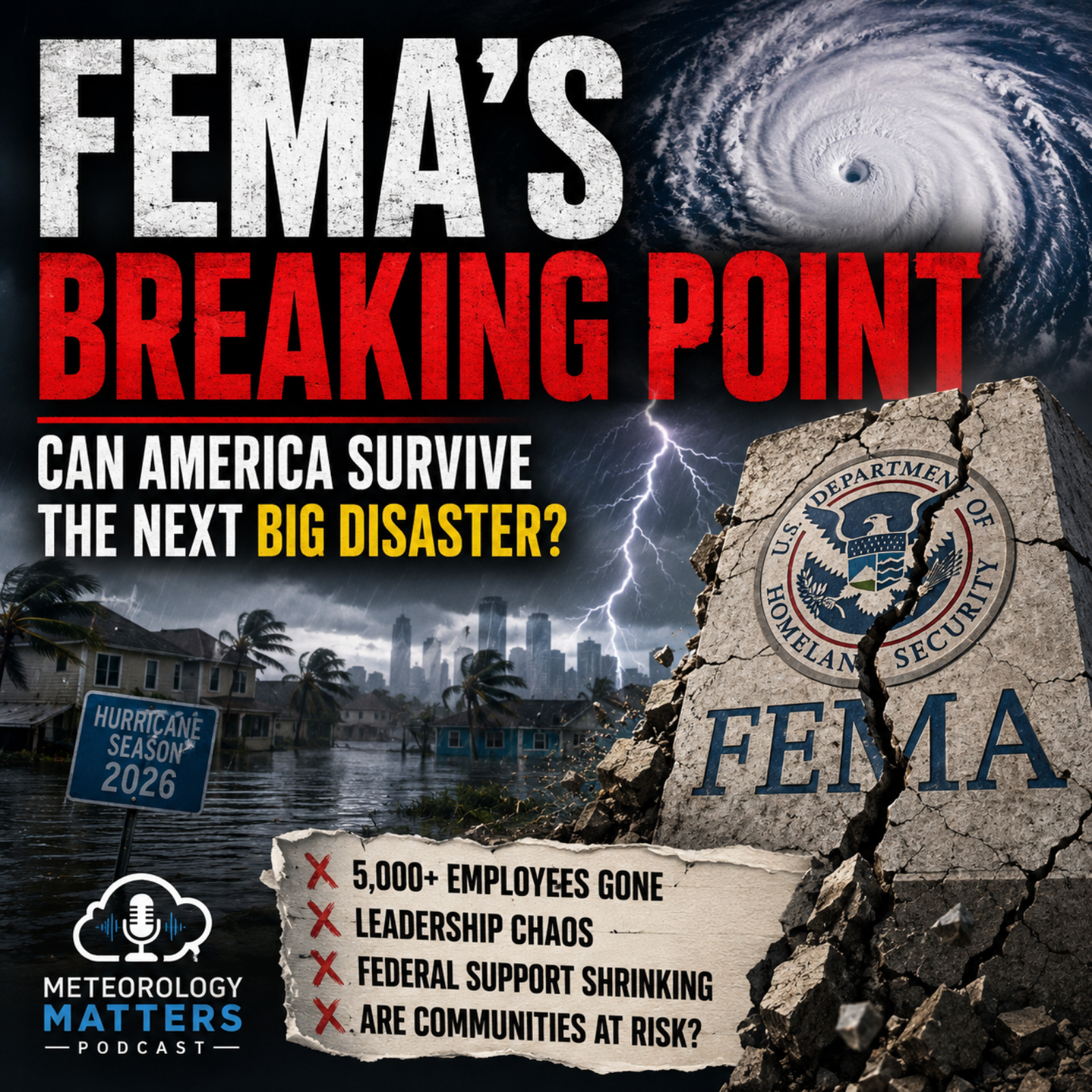
| 5/29/26 | FEMA challengesdisaster response+4 | — | FEMA | AmericaFlorida | FEMAhurricane season+5 | — | 27m 47s | ||
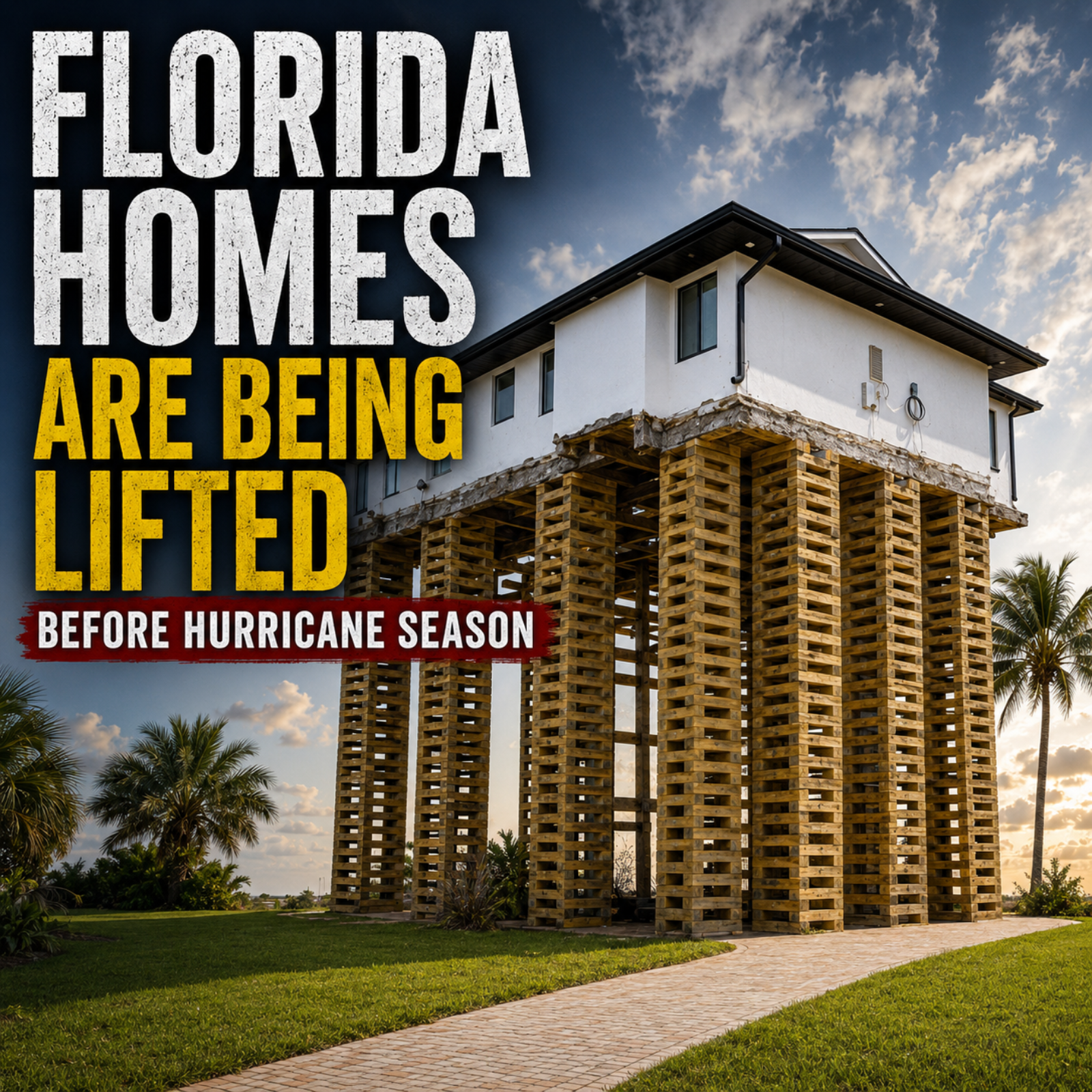
| 5/27/26 | hurricane preparednesscoastal housing+4 | — | FEMANFIP | Florida | Floridahurricane+6 | — | 21m 25s | ||
| 5/23/26 | weather forecastingclimate change+5 | — | NOAA | EarthAMOC+1 | weather forecastingclimate change+6 | — | 42m 23s | ||
| 5/15/26 | politics and scienceglobal conflict+4 | — | NOAA | United StatesItaly+1 | weather scientistspolitical movements+6 | — | 45m 25s | ||
| 5/8/26 | Super El Niñoglobal heat+5 | — | — | North AmericaSouth America+4 | Super El Niñorecord heat+8 | — | 33m 18s | ||
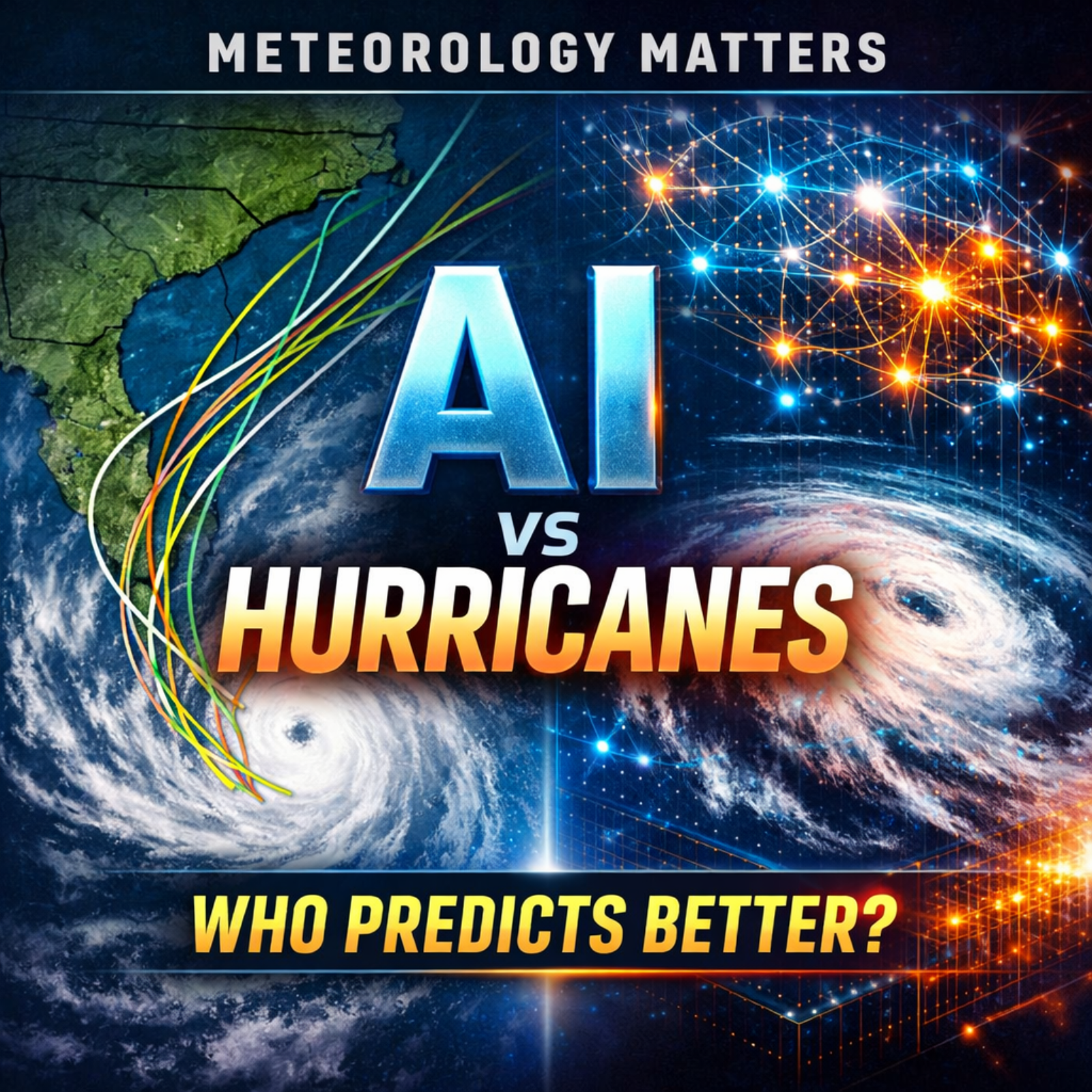
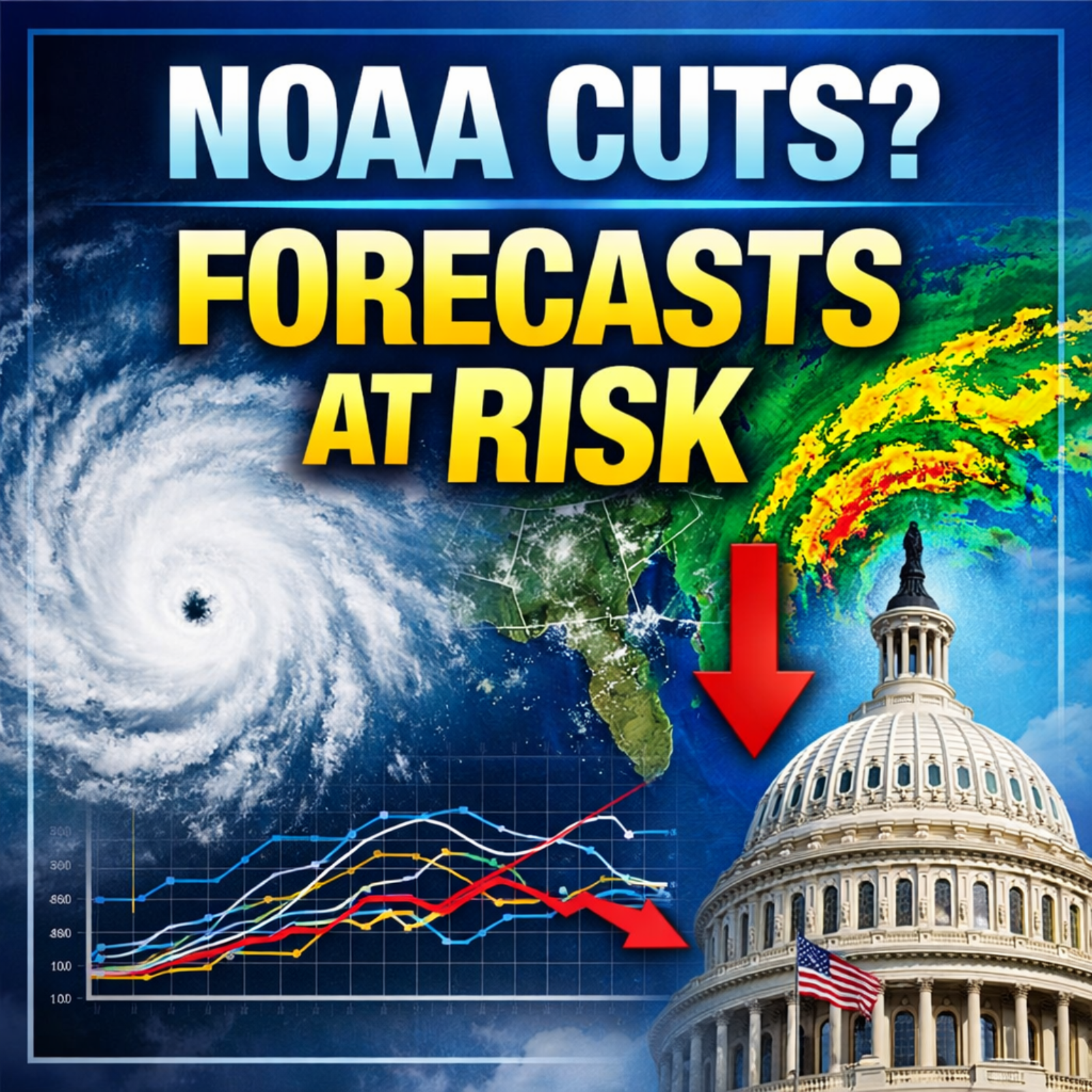
| 5/5/26 | AI in weather forecastingNOAA budget cuts+4 | — | NOAAGoogle DeepMind+3 | — | AI weather forecastsNOAA+5 | — | 42m 13s | ||
| 4/21/26 | hurricane forecastingartificial intelligence+4 | — | Google DeepMindNational Hurricane Center | — | hurricaneforecasting+6 | — | 53m 43s | ||
| 4/13/26 | hurricane forecastingNOAA budget cuts+4 | — | NOAANASA+2 | FloridaGulf Coast | hurricane forecastsNOAA+7 | — | 32m 47s | ||
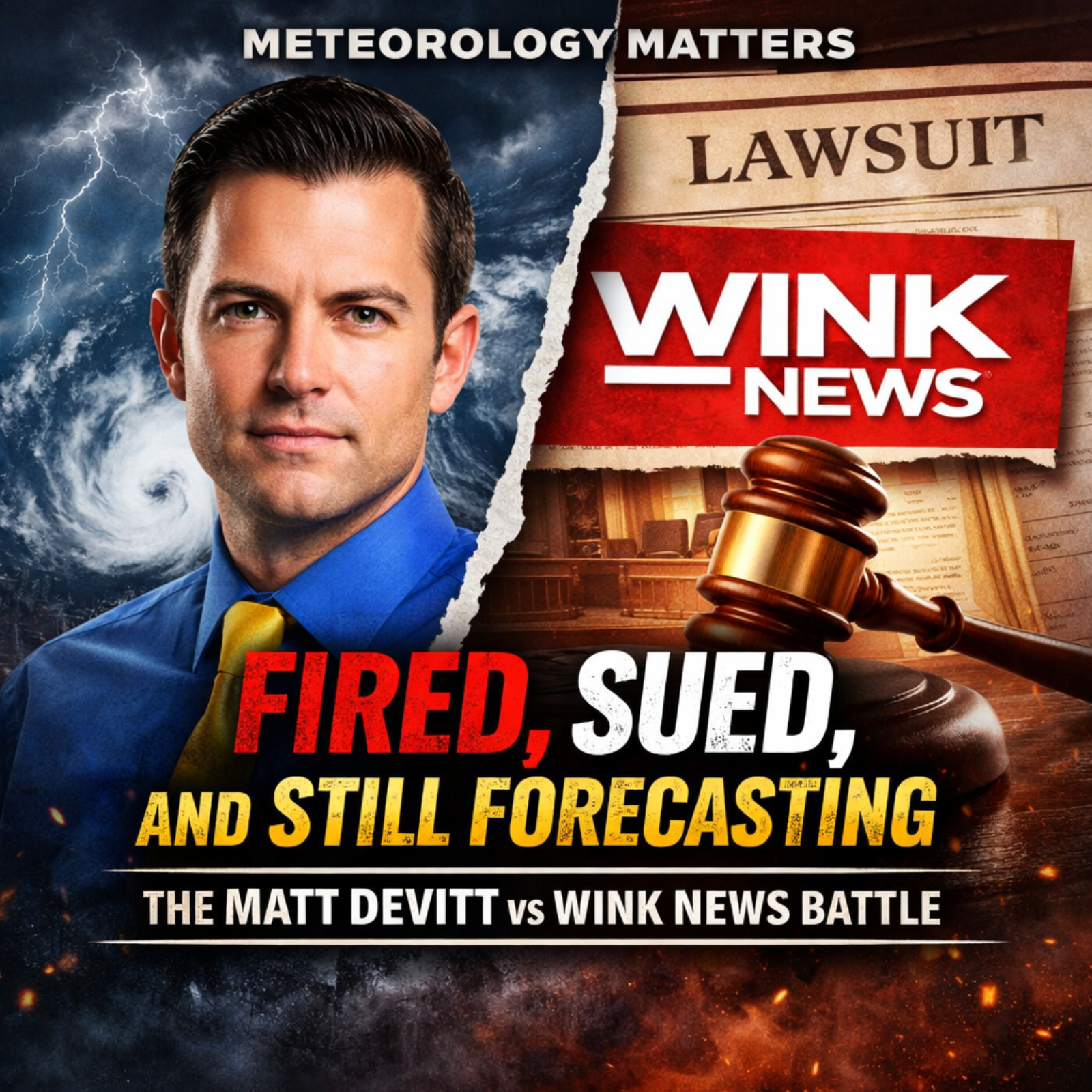
| 4/4/26 | media battleslegal disputes+4 | — | WINK News | Florida | Matt DevittWINK News+6 | — | 37m 38s | ||
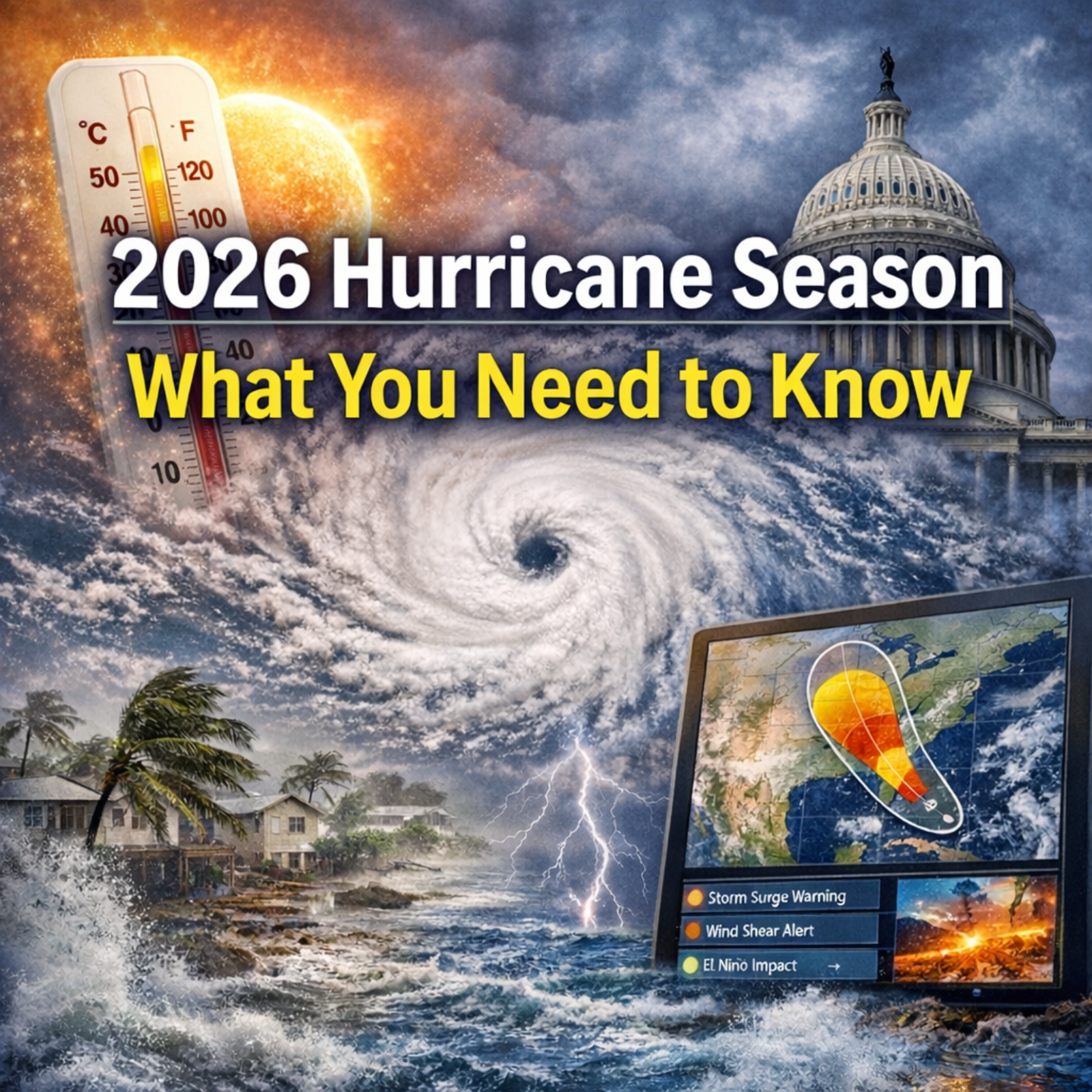
| 3/28/26 | hurricane riskEl Niño+3 | — | National Hurricane CenterNOAA | — | hurricane seasonhurricanes 2026+3 | — | 40m 42s | ||
Showing 25 of 252
Pitch Fit is a Pro feature
See how bookable this show is for guests, which brands already advertise, the per-episode ad value, and the best-fit guest and sponsor profile. The numbers are blurred on the free plan.
How readily this show books outside guests like you.
How proven this show is for host-read sponsorships.
For Guests
ProFor Advertisers
ProUpgrade to Pro to unlock guest cadence, sponsor categories, fit scores, and per-episode ad value for this show.
Chart history for Meteorology Matters
Peaked at #71 in TH, currently #71 in TH.
| Market | Genre | Peak | Current | Trend |
|---|---|---|---|---|
| TH | — | #71 | #71 | — |
Chart Positions
1 placement across 1 market.
Chart Positions
1 placement across 1 market.