

Insights from recent episode analysis
Audience Interest
Podcast Focus
Publishing Consistency
Platform Reach
Insights are generated by CastFox AI using publicly available data, episode content, and proprietary models.
Most discussed topics
Brands & references
Est. Listeners
Insufficient chart data. Estimates will improve as the show charts.
- Per-Episode Audience
Est. listeners per new episode within ~30 days
N/A🎙 ~2x weekly·303 episodes·Last published 3d ago - Monthly Reach
Unique listeners across all episodes (30 days)
N/A - Active Followers
Loyal subscribers who consistently listen
N/A
Market Insights
Platform Distribution
Reach across major podcast platforms, updated hourly
Total Followers
—
Total Plays
—
Total Reviews
—
* Data sourced directly from platform APIs and aggregated hourly across all major podcast directories.
On the show
From 10 epsHosts
Recent guests
Recent episodes
AI English and the environmental cost
Jun 22, 2026
Unknown duration
Screen time, the fight for kids’ attention
May 26, 2026
Unknown duration
Ekow Yankah: If you're worried about your vote, don't
May 6, 2026
23m 26s
Ashley Gearhardt: Fake flavors, real cravings create an addiction to processed foods
Apr 13, 2026
20m 59s
When nurses cannot afford to advance
Mar 26, 2026
22m 49s
Social Links & Contact
Official channels & resources
Official Website
Login
RSS Feed
Login
| Date | Episode | Topics | Guests | Brands | Places | Keywords | Sponsor | Length | |
|---|---|---|---|---|---|---|---|---|---|
| 6/22/26 |  AI English and the environmental cost | Laura Aull, professor of English and linguistics and recent director of the English Department Writing Program at the University of Michigan, joins the Michigan Minds podcast to discuss "AI English," how generative tools disrupt the natural diversity of human speech and why automated hiring and housing systems inherit these linguistic biases. She also explores a largely unexamined downside to our rapid adoption of large language models: the massive, real-world carbon footprint generated by our daily digital conversations.Do you think people will care whether a human or a robot wrote the news or books we read?So far, humans care very much. And today I think we should care. And here are three reasons why I think we should. One is the environmental cost of the computer processing used with AI. Estimates suggest that if you pose a simple query to AI to ChatGPT, let's say versus to a search engine like Google, you're using 50 times the electricity for the simple query. I'm a serious scuba diver, and I know that the ocean should not get any warmer, and so I don't think we should normalize that kind of environmental impact.A second reason is bias. It's clear that AI English tools are biased against language too close to itself or too far away, so it penalizes some English users, including nonnative writers of English, who are more often flagged for plagiarism or more often flagged by AI detection tools even when they haven't used it. And those who use non-standardized dialect AI English don't know varieties from Jamaican English to Indian English.That leads to the third and final reason, which is that human and AI English are different. Human English has more variation and readability than AI English, meaning that human English has more varied kinds of dialect and genres and it is less grammatically dense and it's more humble. AI English is more formal, more impersonal, and more sure of itself. Hosted on Acast. See acast.com/privacy for more information. | — | ||||||
| 5/26/26 | 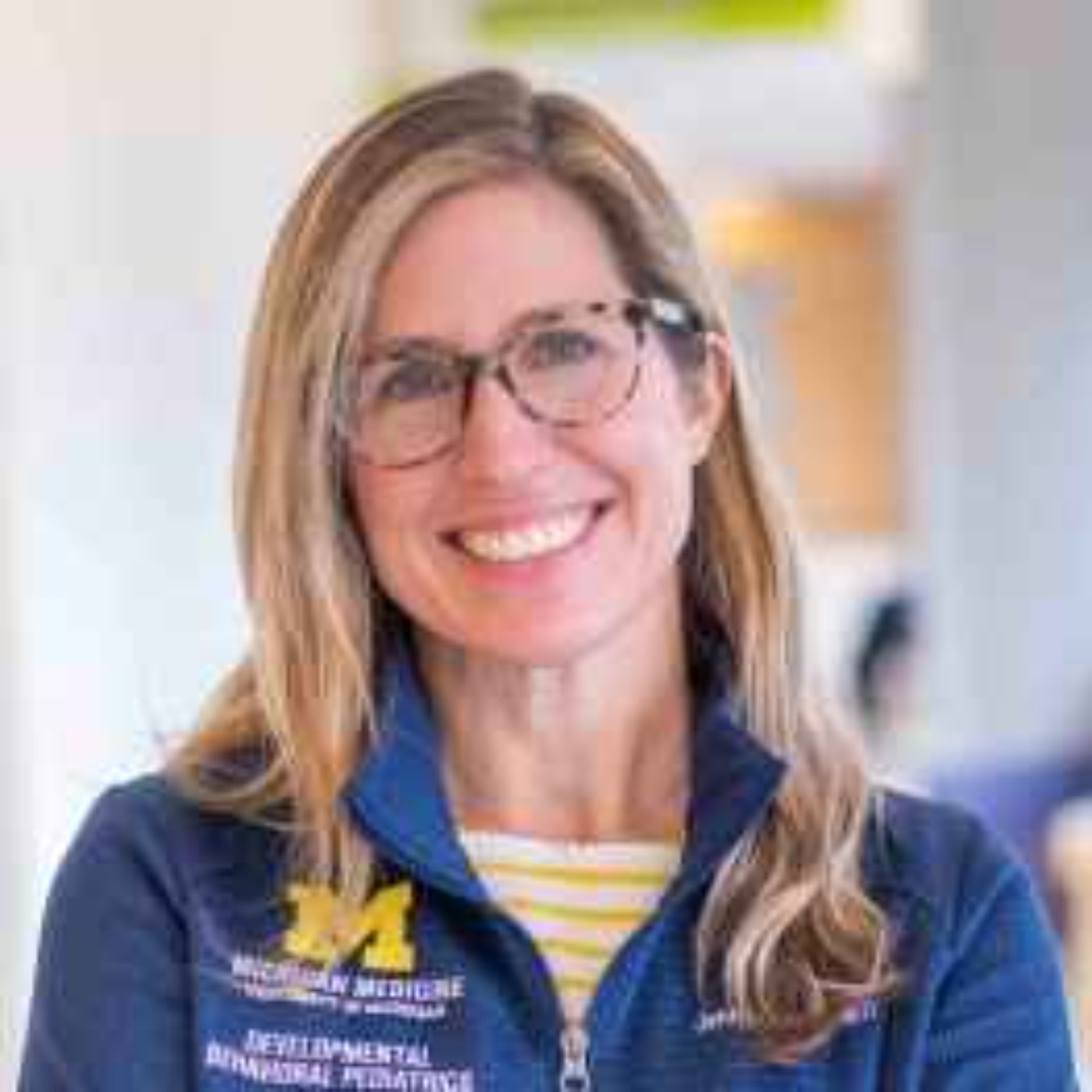 Screen time, the fight for kids’ attention | Jenny Radesky, is associate professor of Pediatrics and Director of the Division of Developmental Behavioral Pediatrics at the University of Michigan Medical School. Her clinical work focuses on children with autism, ADHD, and learning disabilities, while her research lab examines how young children and parents use mobile and interactive technology, parent-child relationships, and child self-regulation.Radesky joins the Michigan Minds podcast to discuss the hidden design forces that make modern technology difficult for families to manage, the limits of classroom phone bans, and what parents can actually do to reclaim summer. She also explores why she sees the struggle over screen time not as a parenting failure, but as a systemic problem—and what it would take for tech companies to change.How hard is it to restrict what your child sees on his or her device?It depends on if you have been honest about the child's age on their device. And here are a couple of ways that can be difficult. Sometimes devices are shared between different family members and they just have the account under the parent. That device might not default to child safety settings.Another thing about accuracy and honesty of age is I have asked so many of my patients, how old did you say you were when you started that TikTok account? They will be like, I have no idea. I started it five years ago. I probably said I was 25. One kid told me, he always says he is 65 or something. Hosted on Acast. See acast.com/privacy for more information. | — | ||||||
| 5/6/26 | 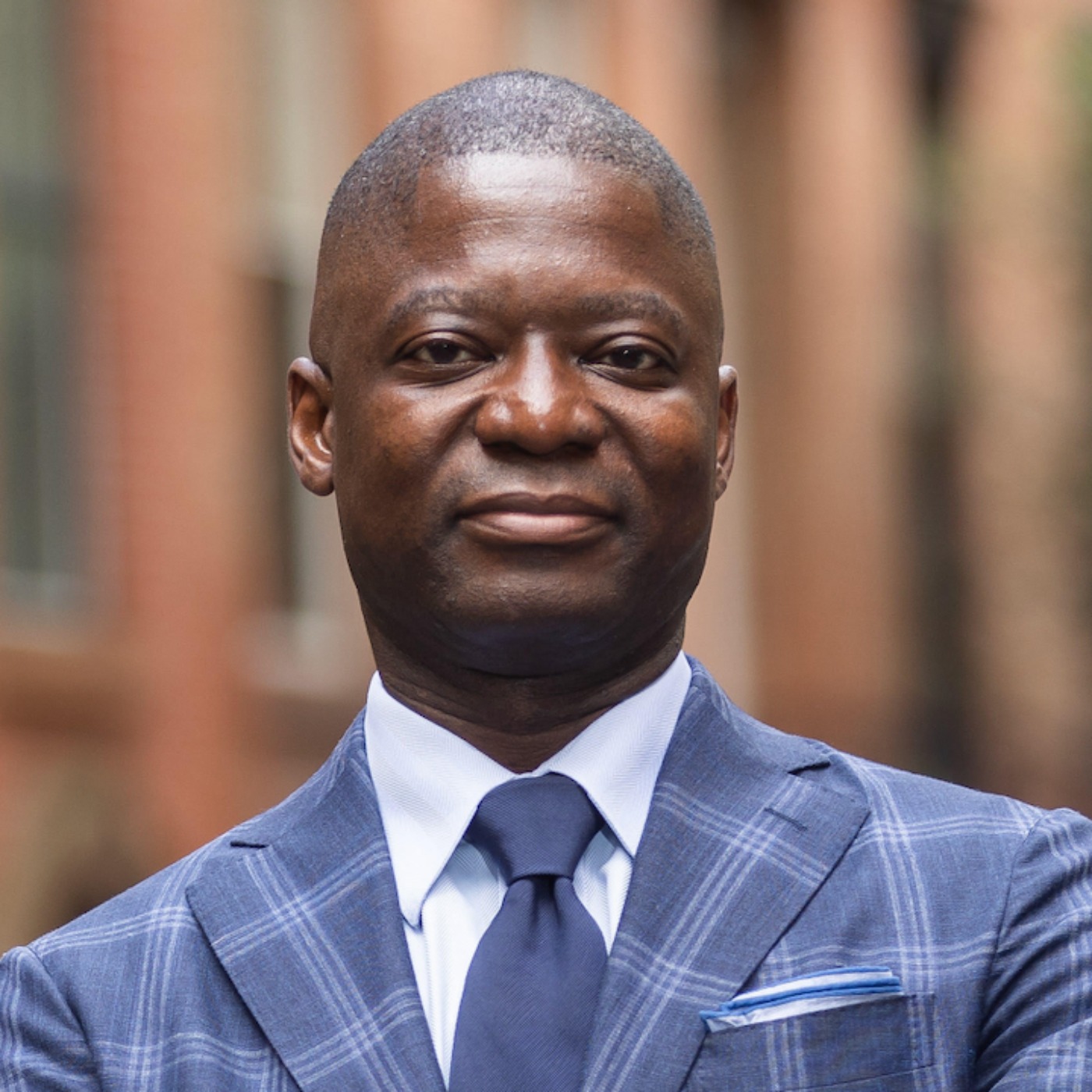 Ekow Yankah: If you're worried about your vote, don't✨ | electionsvoter fraud+3 | Ekow Yankah | University of MichiganThomas M. Cooley Law School | Kansas | voter fraudelection security+3 | — | 23m 26s | |
| 4/13/26 | 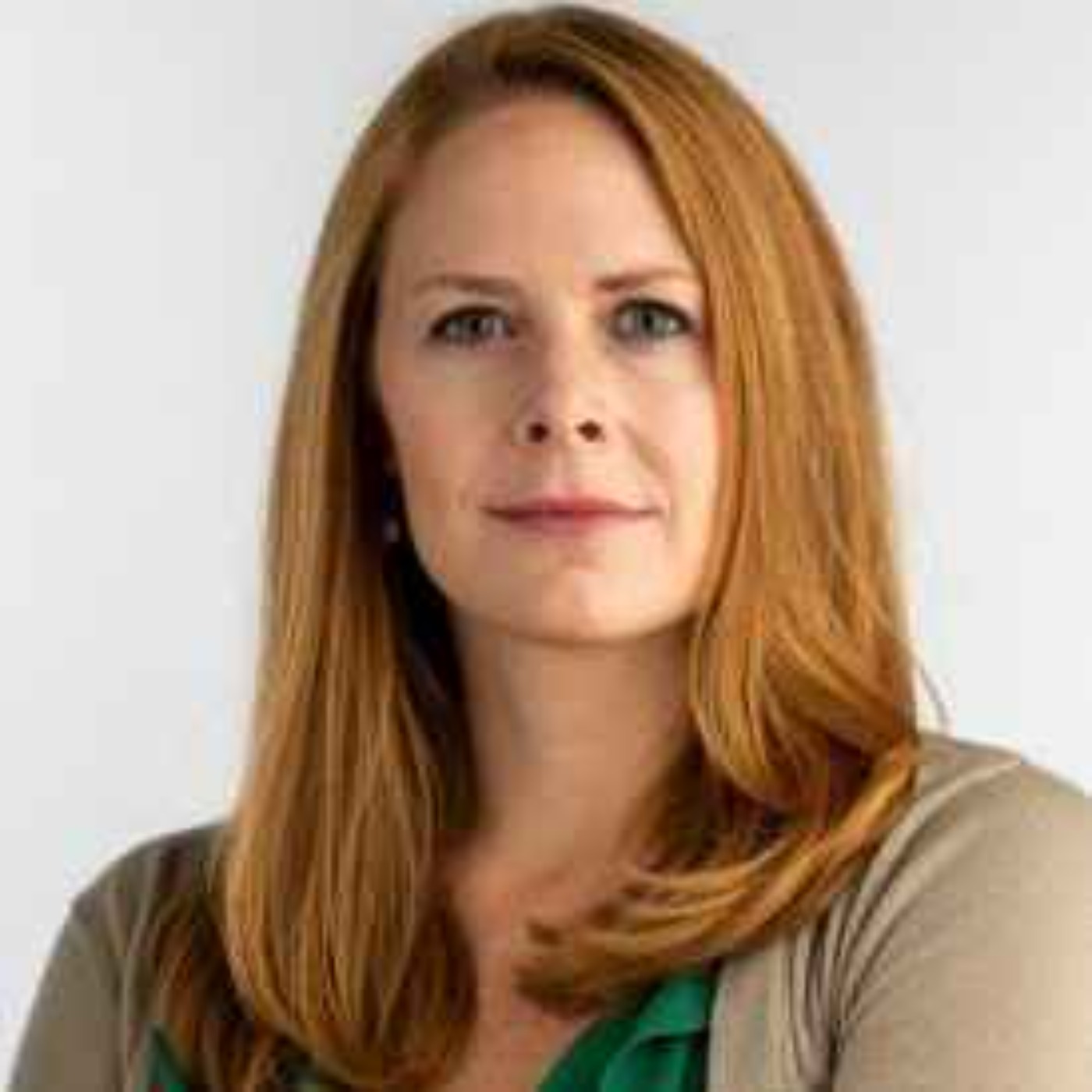 Ashley Gearhardt: Fake flavors, real cravings create an addiction to processed foods✨ | ultra-processed foodsaddiction+4 | Ashley Gearhardt | University of Michigan | — | processed foodsaddiction+5 | — | 20m 59s | |
| 3/26/26 |  When nurses cannot afford to advance✨ | nursing educationstudent debt+3 | Christopher Friese | University of Michigan | — | nursingstudent loans+5 | — | 22m 49s | |
| 3/13/26 | 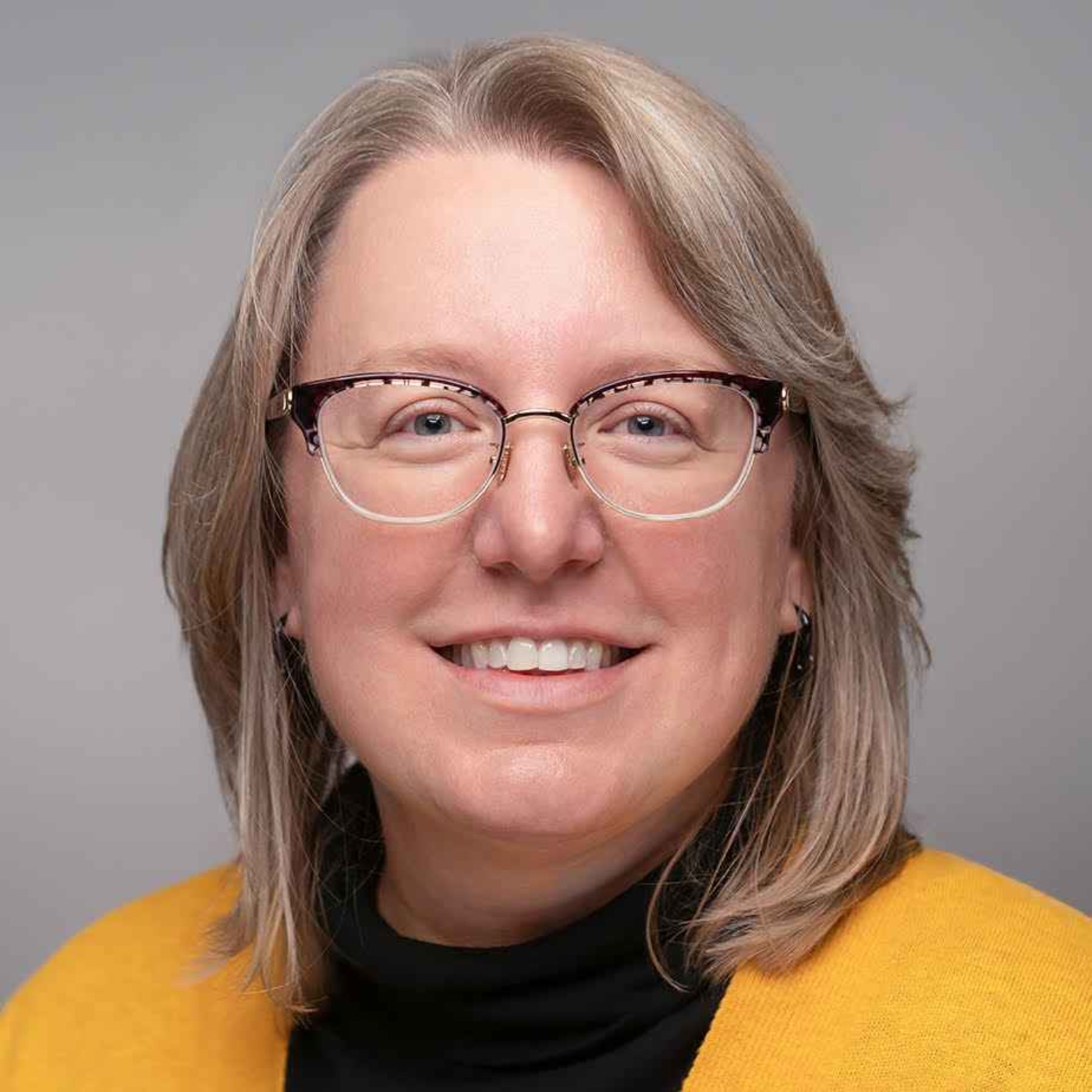 The elder care gap -- family duty vs. reality✨ | elder carefamily dynamics+4 | Sarah Patterson | University of Michigan | — | elder carefamily duty+5 | — | 24m 16s | |
| 2/25/26 |  Why cooling inflation isn't saving your bank account✨ | consumer sentimentinflation+3 | Joanne Hsu | University of MichiganInstitute for Social Research | — | inflationconsumer sentiment+3 | — | 16m 38s | |
| 2/17/26 |  Toxic foods, food as medicine, epigenetics makes sense of nutritional triggers on health✨ | nutritionepigenetics+4 | Dana Dolinoy | University of MichiganNIH+2 | MichiganAnn Arbor | ultraprocessed foodsmethyl-donor-rich+4 | — | 19m 21s | |
| 12/15/25 |  How to make your holidays less wasteful and more joyful✨ | sustainabilityholidays+4 | Shelie Miller | University of MichiganSchool for Environment and Sustainability+1 | Michigan | sustainabilityholidays+5 | — | 22m 34s | |
| 11/9/25 |  Immigration raids lead to uptick in absenteeism and lower grades✨ | immigrationeducation+4 | William Lopez | University of MichiganMichigan Minds | — | immigration raidsabsenteeism+3 | — | 19m 53s | |
Want analysis for the episodes below?Free for Pro Submit a request, we'll have your selected episodes analyzed within an hour. Free, at no cost to you, for Pro users. | |||||||||
| 10/9/25 |  Semiconductor manufacturing on the rise in the United States✨ | semiconductorsmanufacturing+4 | Valeria Bertacco | University of MichiganAcast | — | semiconductorsmanufacturing+5 | — | 19m 11s | |
| 9/12/25 |  Hands on Makerspace builds confidence, opens opportunities for youth✨ | youth empowermentmakerspace+3 | Nick Tobier | University of MichiganPenny W. Stamps School of Art and Design+2 | — | makerspaceyouth skills+3 | — | 21m 22s | |
| 6/18/25 |  Health and health care's influence on political engagement | Scott L. Greer, a professor of health management and policy and of global public health in the University of Michigan School of Public Health and a political science professor, shares decades of studies documenting the shaping of political engagement and poor health and negative health care experiences.Greer joins the Michigan Minds podcast and discusses the ways politics and public health are colliding to affect vaccines, preparedness to fight the spread of contagious disease, humanitarian outreach and HIV/AIDS programs. Hosted on Acast. See acast.com/privacy for more information. | — | ||||||
| 5/8/25 |  All about Lesotho, a vibrant country caught up in a trade war | Archaeologist Brian Stewart, associate professor of anthropology at the University of Michigan, has conducted research in the small southern African country of Lesotho for 15 years. There, he is investigating the world's earliest evidence of human behavioral complexity: the behaviors, actions and beliefs that make us human. Through his work, Stewart is hoping to understand how humans developed the ability to quickly adapt to a range of environments. Lesotho, with high mountains and extensive deserts, provided an ideal system in which people could test their ability to adapt and survive.Stewart joins the Michigan Minds podcast to talk about his experience with Lesotho, and how President Trump's recently announced tariffs could impact the country. Hosted on Acast. See acast.com/privacy for more information. | — | ||||||
| 4/25/25 |  Reasons for hope amid grim climate news | Climate expert Jonathan Overpeck, dean of the University of Michigan School for Environment and Sustainability, does not sugarcoat things.The words "scary," "depressing" and "devastating" come up when he talks about the impacts of climate change, including record warmth and drought conditions. But he also doesn't ignore how communities across the country and around the world are finding ways to reduce their greenhouse gas emissions and fossil fuel consumption.Overpeck joined the Michigan Minds podcast to discuss recent trends in climate news—both good and bad—and what people can do to stay resilient.Do you have advice for people who are feeling climate anxiety and ways to cope with that?We get that question a lot from students, but I think also fellow faculty. These are tough times in terms of what's going on in Washington, what's going on in our global climate. There are a lot of other things going on that we worry about, so I think what's important is to figure out ways to be resilient. And one of the ways is to really reach out to your family, friends and community to get the support you need. Another is to find things you can do. And there's so many things you can do. Hosted on Acast. See acast.com/privacy for more information. | — | ||||||
| 4/18/25 | 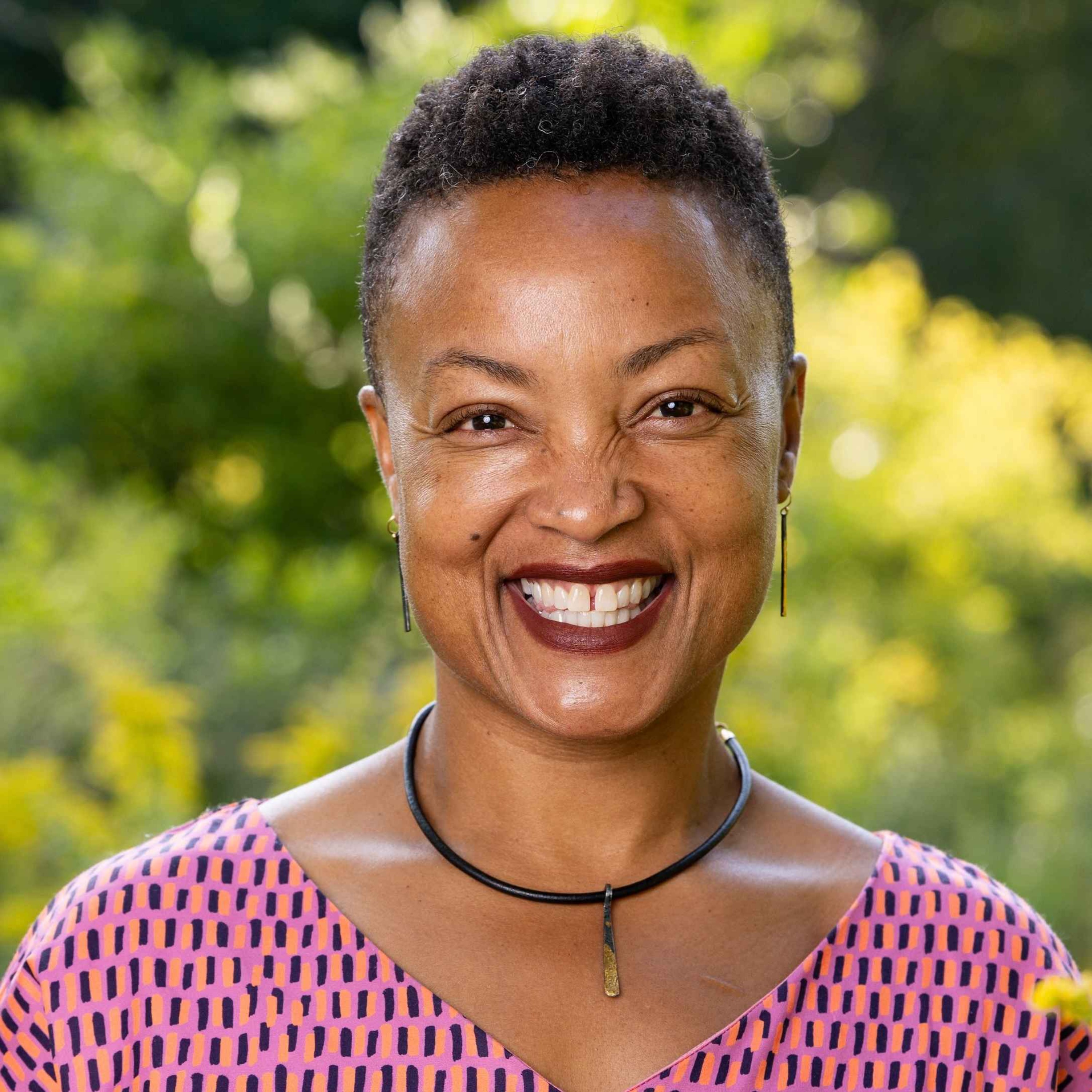 Investments in climate change mitigation not being felt yet | Shalanda Baker is the University of Michigan's vice provost for sustainability and climate action. She joined the Michigan Minds podcast to discuss the opportunities and challenges that lie ahead.How does the current political climate affect what we're doing here at the University of Michigan with regard to sustainability and climate action?I am so laser focused on climate action and sustainability. I think the science is clear. We're in an emergency. We are in the last decade of action. We only get one life, and so in my life, I've decided to be of service, whether that be as a military officer, which I've done, as a professor, or a civil servant, which I also did, and now here.We're doubling down on making clear what the science is and what the urgency is.Now, as we communicate that more broadly, we absolutely have to connect the dots. I think one of the reasons why the arguments being made by the current administration have been so powerful and connected with people is that the investments that we were making to mitigate climate change were not being felt yet. Hosted on Acast. See acast.com/privacy for more information. | — | ||||||
| 3/20/25 | 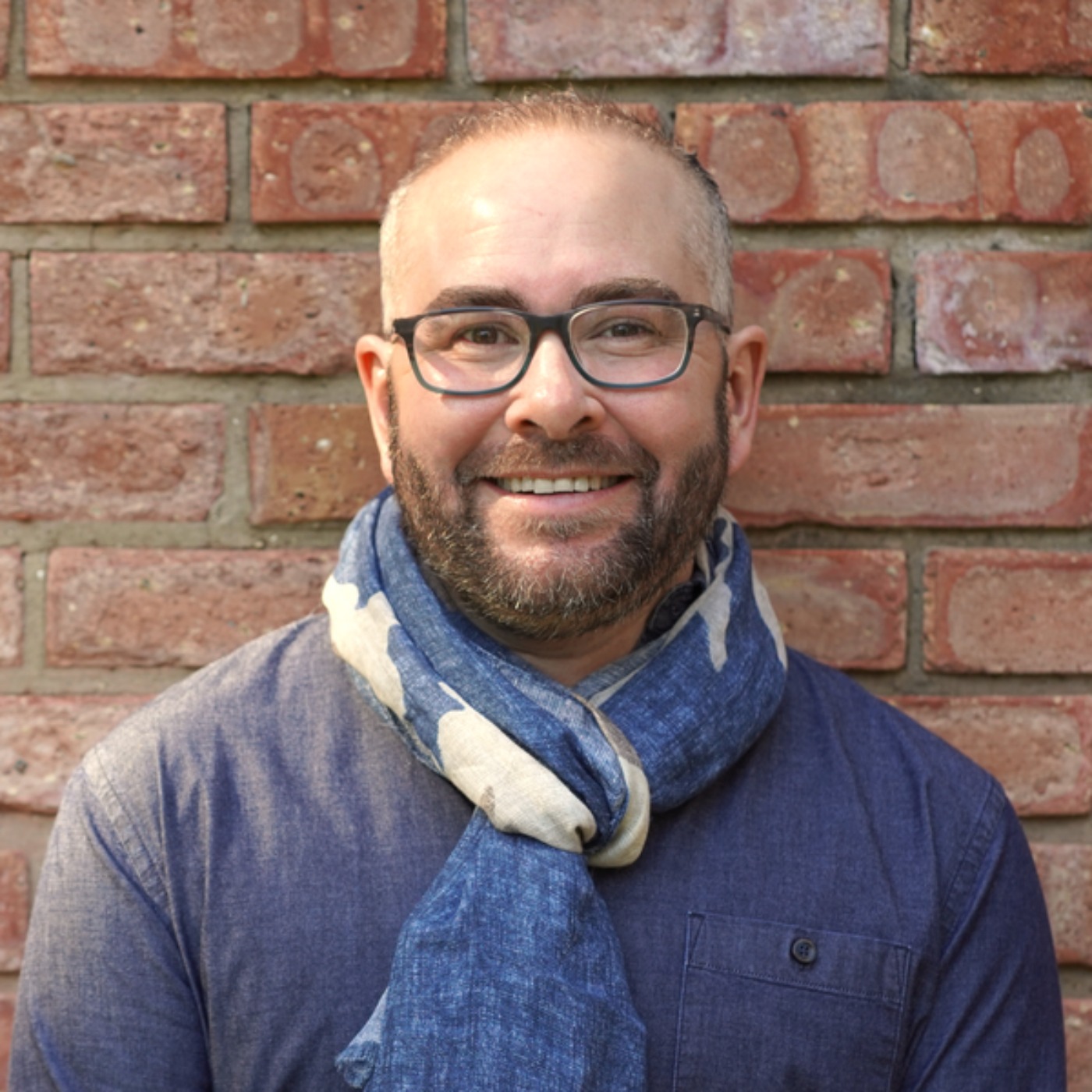 Oliver Haimson talks about the changing social media landscape | Welcome to the Michigan Minds Podcast, where we explore the wealth of knowledge from faculty experts at the University of Michigan. I'm Jared Wadley, a lead public relations representative for Michigan News. Today I'm speaking to Oliver Haimson about the changing social media landscape. He's an assistant professor in the School of Information and the Digital Studies Institute. Oliver's research focuses on social media content moderation and marginalized populations, as well as the changing identities on social media during life transitions. Thanks for being here, Oliver.Oliver Haimson:Yeah. Thanks so much for having me, Jared.Jared Wadley:Before we get into the topic, tell the audience a little bit about how you became interested in studying social media.Oliver Haimson:Yeah. I mean, I think I started where most people start, which is I was really interested in social media myself. It was I guess the early 2010s when I started doing research in this area, and as a social media user, I was just fascinated by the ways that people were using it to mostly talk about more sensitive content, how people were thinking about disclosure and how they were presenting their identities on social media. So it really came from this personal perspective. But I think in a lot of cases, social media researchers as they start to learn more about the space end up using social media less themselves. So I would say that nowadays I'm not the biggest social media user, but I am still really fascinated by it from a research perspective. Hosted on Acast. See acast.com/privacy for more information. | — | ||||||
| 2/17/25 |  Teaming up with Polish and Ukrainian scientists on plant DNA research | When Russia invaded Ukraine, civilian lives, as well as lives of the scientists who live in the country, were upended. When an international grant was launched to support Ukrainian scientists, Andrzej Wierzbicki, a U-M professor of cellular, molecular and developmental biology, who is Polish, saw the funding opportunity as a way to help support the country that neighbors his own. Wierzbicki won a grant from the International Multilateral Partnerships for Resilient Education and Science System in Ukraine, or IMPRESS-U. Wierzbicki joins the Michigan Minds podcast to discuss how he is working with partners in Poland – Marcin Nowotny of the International Institute of Molecular Cell Biology in Warsaw – and Ukraine – Mykhailo Tukalo of the Institute of Molecular Biology and Genetics in Kyiv – to explore how DNA is organized within plant chloroplasts. Hosted on Acast. See acast.com/privacy for more information. | — | ||||||
| 1/16/25 | 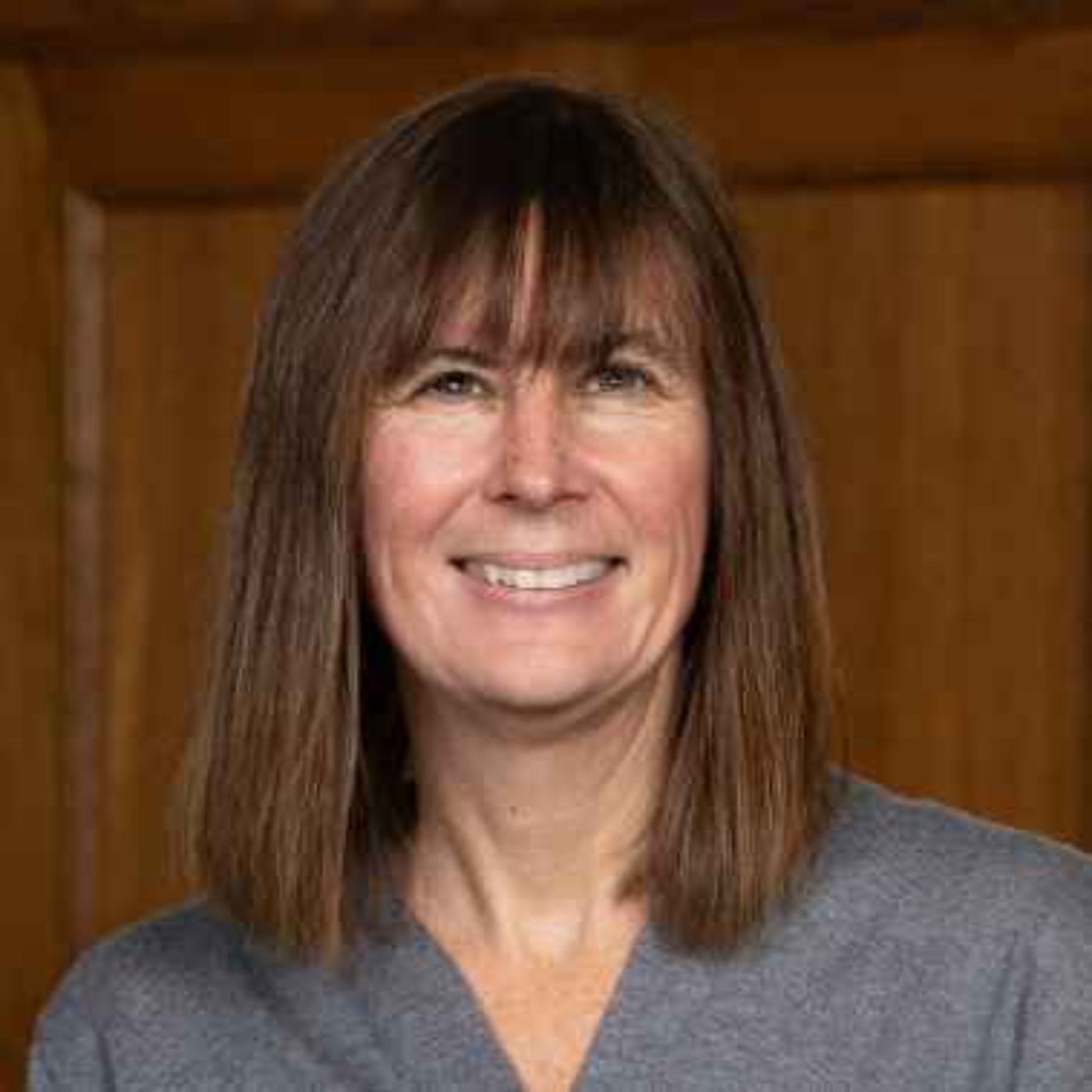 Fixing a broken healthcare system can help heal ailments, stem frustrations | In this episode of Michigan Minds, Pamela Herd, social policy professor at the University of Michigan, discusses issues of healthcare access and affordability in light of the slaying of an industry CEO, efforts of a university lab in boosting access and breaking down walls to social safety net programs, and finding common ground within a polarized electorate.Here's an excerpt of the conversation:The killing of a healthcare CEO on a Manhattan sidewalk has become, in the words of Philadelphia Inquirer columnist Will Bunch, "a stunning moment of clarity about the state of American society." I'd like to ask you what Will asked his readers: Why did it take an assassination to raise an issue that was ignored in a presidential campaign?So let me preface this by saying that vigilante justice, which is one way to think about what happened, is never OK. The killing, the murder, assassination of the United Healthcare executive was not OK.That said, people's reactions to it and the kind of depth of the anger that we heard from people in response is I think a pretty strong signal that something is fundamentally broken in how we deliver healthcare in the United States. And that's what it really tapped into: People are incredibly frustrated in the U.S. healthcare system. We spend enormous amounts of money paying for healthcare, both individually out of pocket as well as aggregately in terms of the federal and state budgets. And people just feel like they're not getting their money's worth. Hosted on Acast. See acast.com/privacy for more information. | — | ||||||
| 12/18/24 | 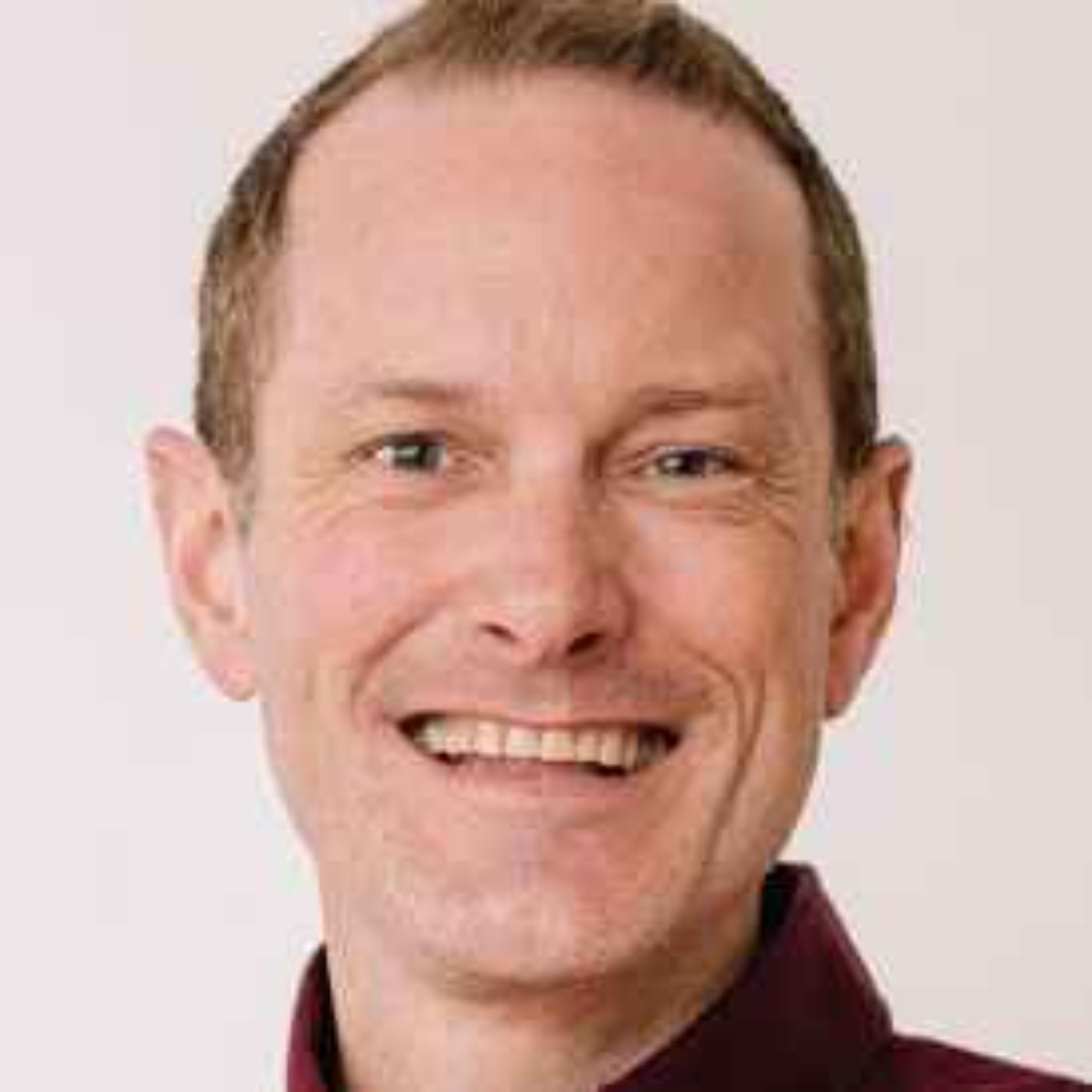 Finding the metals necessary for the energy transition | To combat climate change, the world needs to pivot away from fossil fuels.But building battery electric vehicles and infrastructure for renewable energy will require enormous amounts of minerals and resources, which can only be obtained in the quantities needed through mining. Low and low-to-middle income countries are also looking to boost their access to electricity, which will now likely take place through renewable energy systems. Adam Simon, a professor of earth and environmental sciences at the University of Michigan, studies how metals are deposited in the Earth's crust, with the ultimate goal of ensuring a sustainable supply of resources for our growing global population. He recently published a study for the International Energy Forum that showed we currently do not mine copper quickly enough to keep up with the global demand for the energy transition.He joins the Michigan Minds podcast to discuss minerals needed for the energy transition, and how we will need to access those resources. Hosted on Acast. See acast.com/privacy for more information. | — | ||||||
| 11/21/24 |  When tightwads and spendthrifts can agree on spending | Scott Rick is an associate professor of marketing at the Ross School of Business. His research speaks to how consumers perceive and experience inflation, how they choose what gifts to buy, and how they experience in-store and online shopping environments. He is particularly interested in understanding the behavior of extreme “tightwads” and “spendthrifts.” Hosted on Acast. See acast.com/privacy for more information. | — | ||||||
| 10/11/24 | 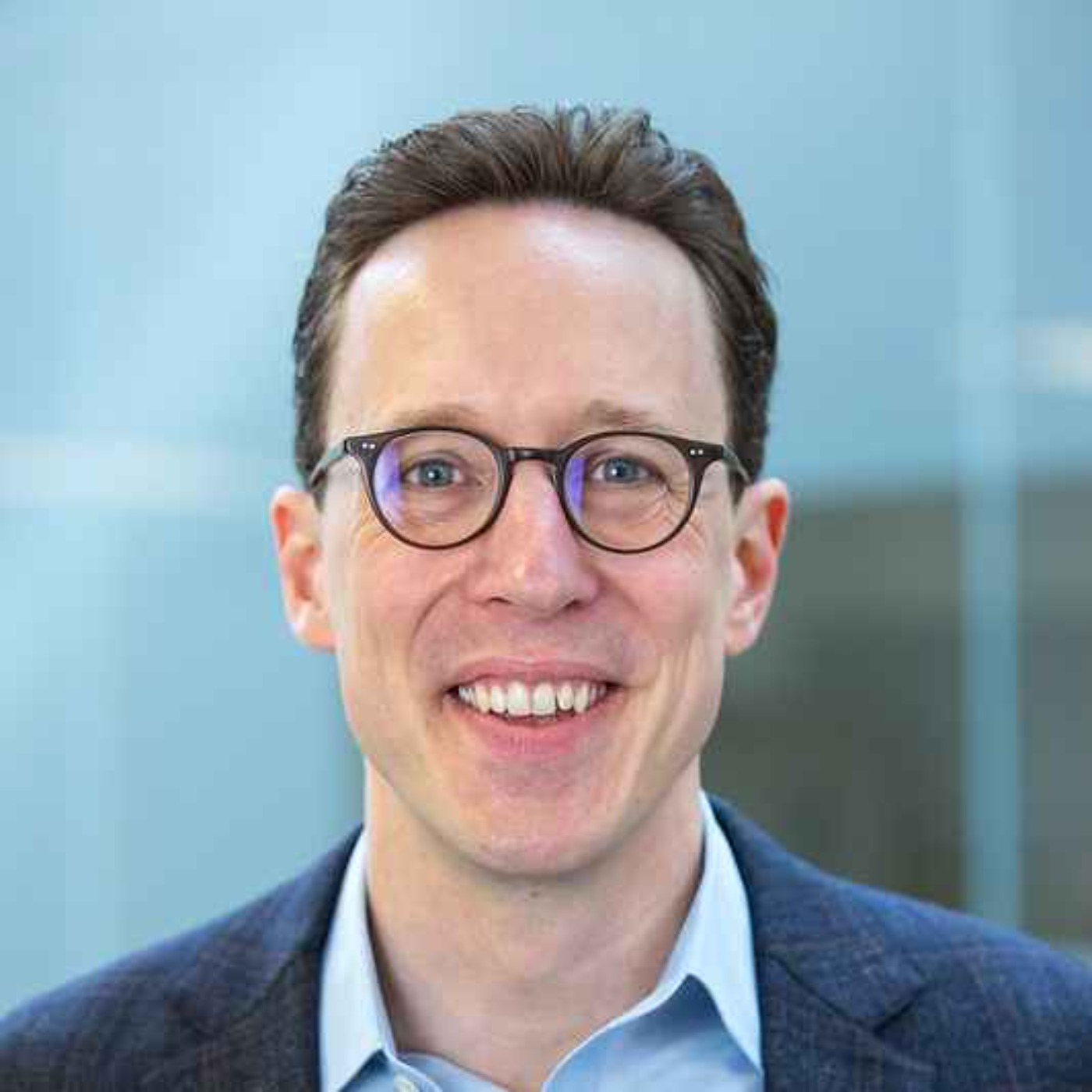 Validation and verification for elections | In this episode of the Michigan Minds podcast, J. Alex Halderman—Bredt Family Professor of Engineering and director of the Center for Computer Security and Society—discusses weak points in the U.S. electoral system and how to fix them, as well as the results of investigations following the 2020 election. Hosted on Acast. See acast.com/privacy for more information. | — | ||||||
| 9/16/24 | 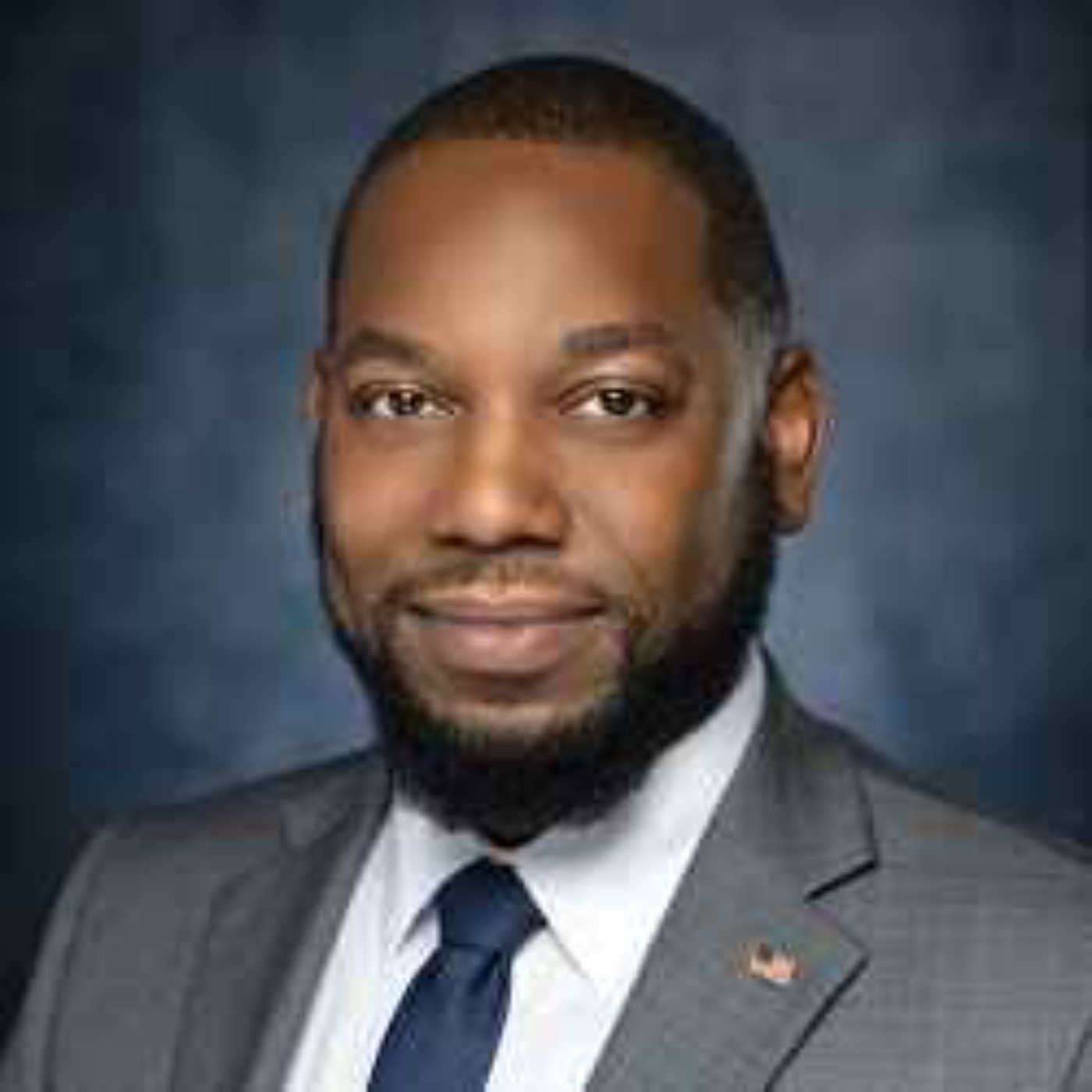 Tony Reames talks about the energy transition for disadvantaged communities | Tony Reames, an associate professor at the University of Michigan School of Environment and Sustainability, just returned to campus from two years at the U.S. Department of Energy working on energy justice.The Tishman professor of environmental justice and director of the SEAS Detroit Sustainability Clinic joined us on the Michigan Minds Podcast to share his thoughts on how energy justice could manifest in the United States. His research focuses on disparities in residential energy generation, consumption, and affordability—centering on the production and persistence of inequality by race, class, and place.You just returned home from more than two years at the U.S. Department of Energy working on energy justice. What is energy justice and how is it manifesting in the United States?Energy justice is this concept that really looks at how do communities participate in both the health environment and social impacts of our energy system, recognizing that the energy system has had certain burdens on communities. And so environmental justice is really saying that all communities, regardless of race and income and geography, should be afforded a clean environment. And that the goal of addressing injustices gets us toward making sure that that's true. Climate justice also recognizes that communities of color, low-income communities are feeling the climate crisis first and worst, and that any action to address climate change should include those communities and their burdens. Hosted on Acast. See acast.com/privacy for more information. | — | ||||||
| 6/19/24 | 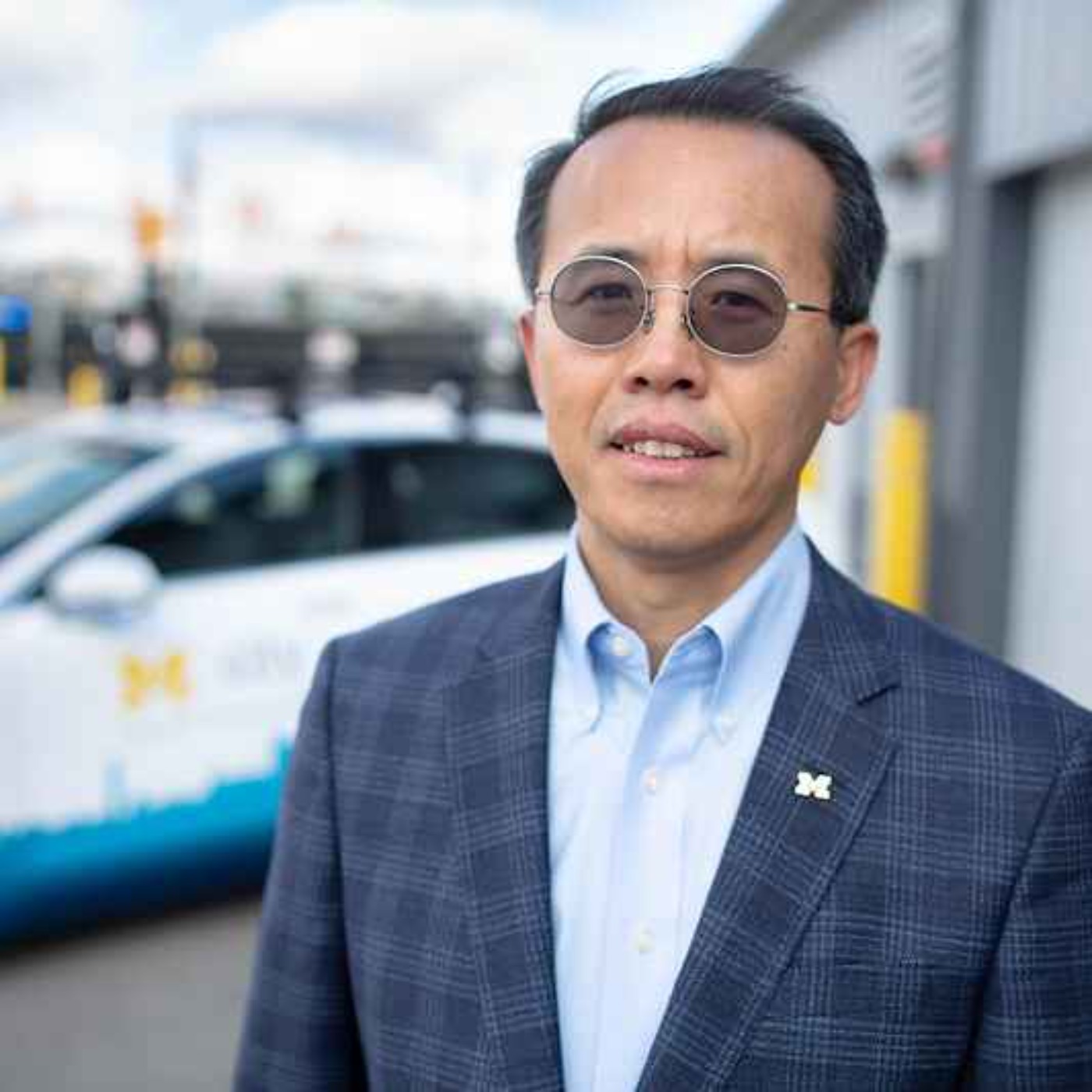 When will cars drive themselves? | In this episode of the Michigan Minds podcast, Henry Liu—director of Mcity and the Center for Connected and Automated Transportation, and a professor of civil and environmental engineering at U-M's College of Engineering—gives an overview on the state of autonomous vehicles, whether you're wondering what the hold-up is for cars that no longer need driver's wheels, or eyeing offerings like Tesla's Full Self-Driving, GM's Super Cruise or Ford's BlueCruise. Hosted on Acast. See acast.com/privacy for more information. | — | ||||||
| 6/5/24 |  One medicinal chemist's mission to bring better medicine to sick and dying species | In this episode of the Michigan Minds podcast, Timothy Cernak, associate professor of medicinal chemistry in the College of Pharmacy and associate professor of chemistry in the the College of Literature, Science, and the Arts, makes the case for growing the field of conservation medicine and calls on pharmacists and medicinal chemists to "be on the front line of species conservation." Hosted on Acast. See acast.com/privacy for more information. | — | ||||||
Showing 25 of 306
Pitch Fit is a Pro feature
See how bookable this show is for guests, which brands already advertise, the per-episode ad value, and the best-fit guest and sponsor profile. The numbers are blurred on the free plan.
How readily this show books outside guests like you.
How proven this show is for host-read sponsorships.
For Guests
ProFor Advertisers
ProUpgrade to Pro to unlock guest cadence, sponsor categories, fit scores, and per-episode ad value for this show.