

Insights from recent episode analysis
Audience Interest
Podcast Focus
Publishing Consistency
Platform Reach
Insights are generated by CastFox AI using publicly available data, episode content, and proprietary models.
Est. Listeners
Based on iTunes & Spotify (publisher stats).
- Per-Episode Audience
Est. listeners per new episode within ~30 days
10,001 - 25,000 - Monthly Reach
Unique listeners across all episodes (30 days)
25,001 - 75,000 - Active Followers
Loyal subscribers who consistently listen
15,001 - 40,000
Market Insights
Platform Distribution
Reach across major podcast platforms, updated hourly
Total Followers
—
Total Plays
—
Total Reviews
—
* Data sourced directly from platform APIs and aggregated hourly across all major podcast directories.
On the show
Recent episodes
Can we AI our way to a more sustainable world?
Apr 20, 2026
Unknown duration
Ideas: Steering AI toward the work future we want
Apr 9, 2026
Unknown duration
Will machines ever be intelligent?
Mar 23, 2026
Unknown duration
Trailer: The Shape of Things to Come
Mar 3, 2026
Unknown duration
Ideas: Community building, machine learning, and the future of AI
Dec 1, 2025
Unknown duration
Social Links & Contact
Official channels & resources
Official Website
Login
RSS Feed
Login
| Date | Episode | Description | Length | ||||||
|---|---|---|---|---|---|---|---|---|---|
| 4/20/26 | 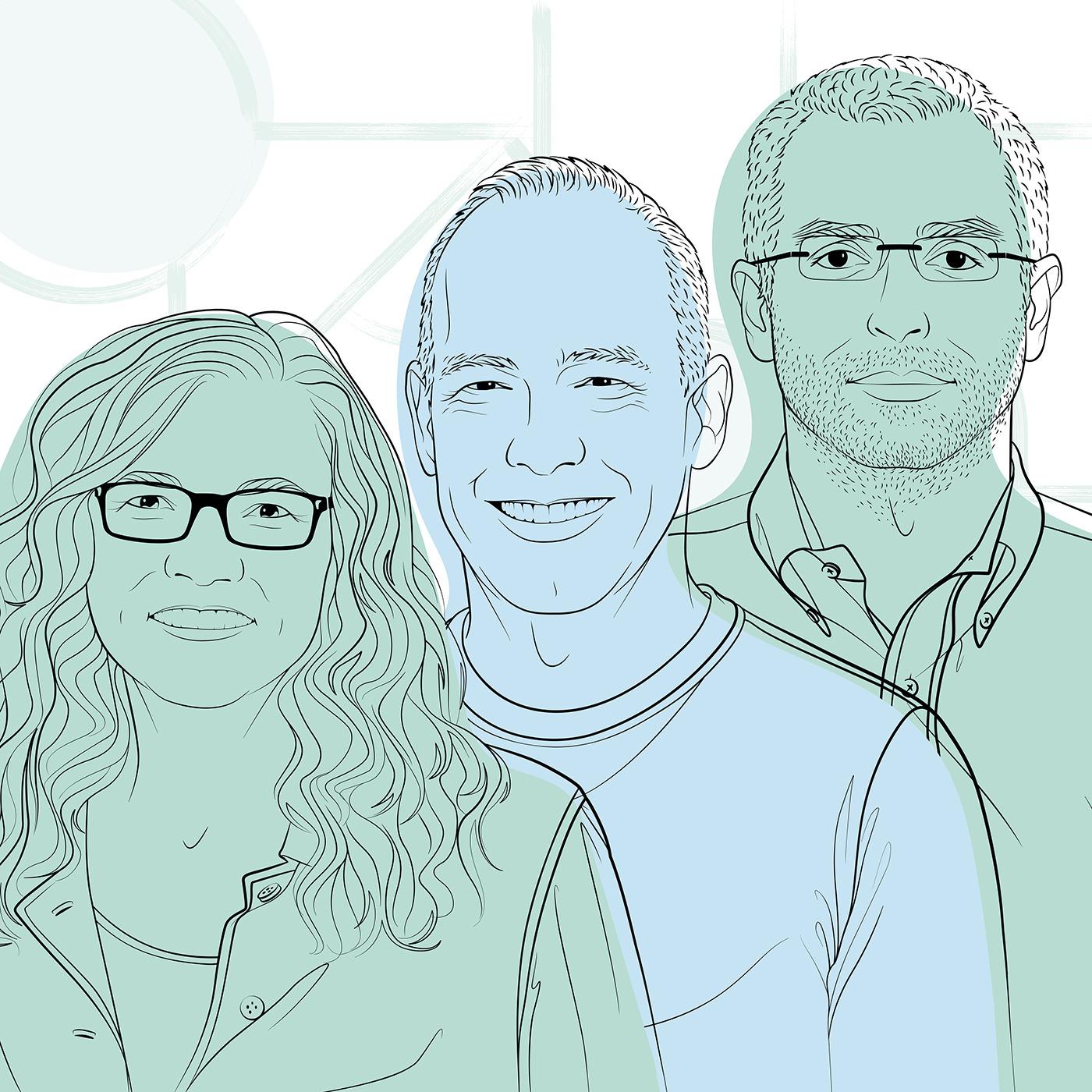 Can we AI our way to a more sustainable world? Can we AI our way to a more sustainable world? | Doug Burger, sustainability expert Amy Luers, and optimization researcher Ishai Menache examine the global emissions implications of datacenter operations, efficiency gains, and AI's potential across electrification, materials, and food systems.Show notes | — | ||||||
| 4/9/26 | 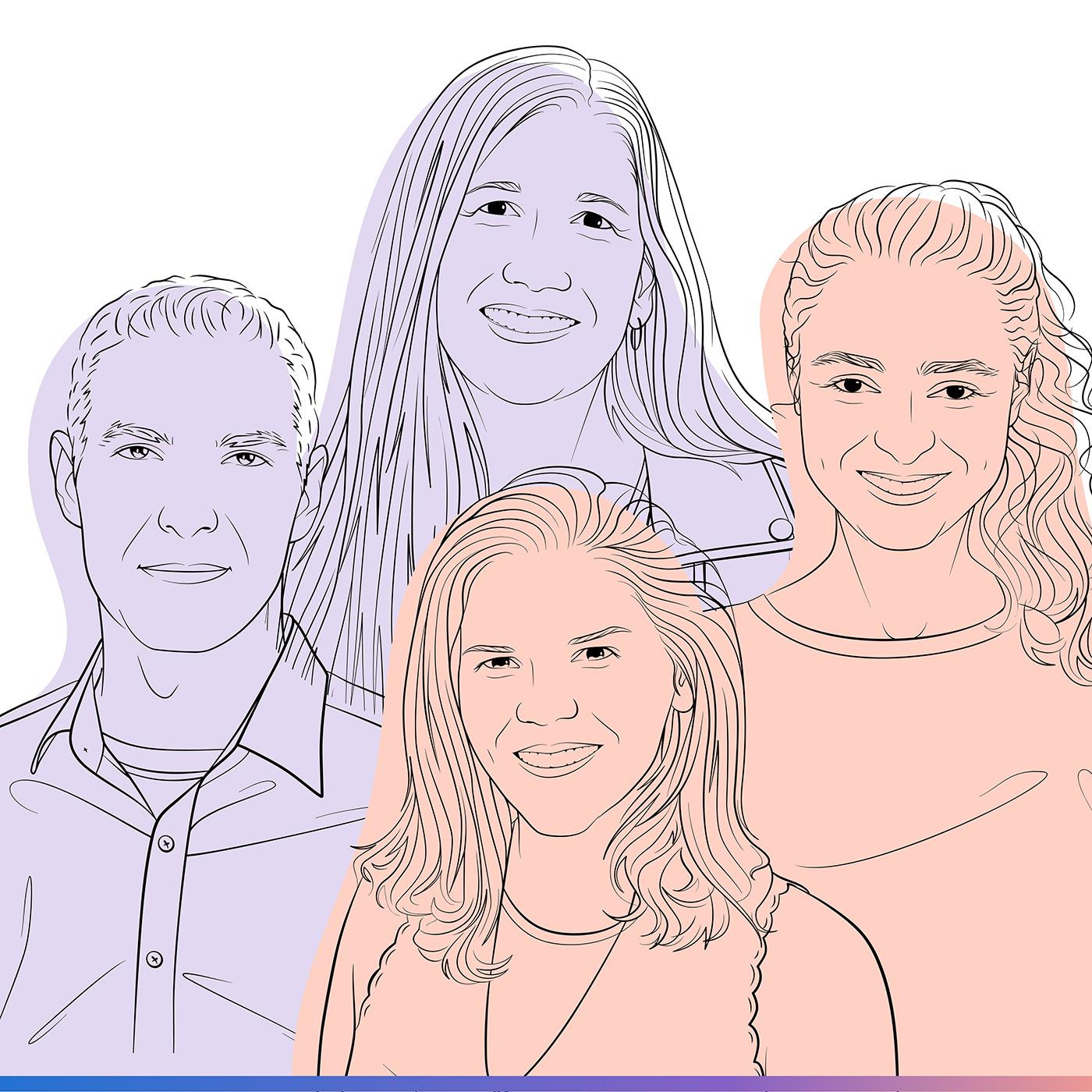 Ideas: Steering AI toward the work future we want Ideas: Steering AI toward the work future we want | Microsoft Chief Scientist Jaime Teevan and researchers Jenna Butler, Jake Hofman, and Rebecca Janssen unpack the New Future of Work Report 2025 and explore the ideal AI-driven working world. Plus, is AI a tool or a collaborator? And why the answer matters.Show notes | — | ||||||
| 3/23/26 | 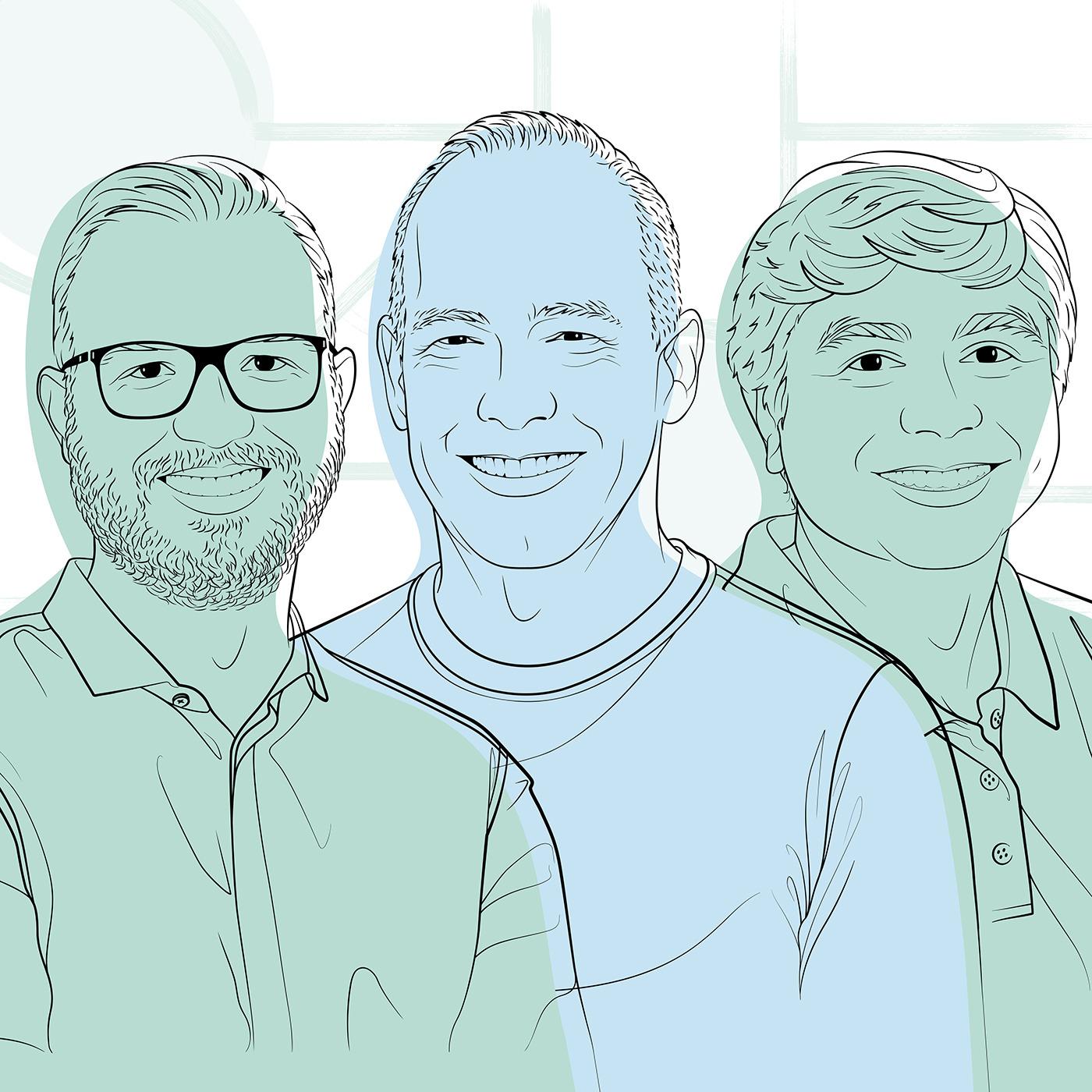 Will machines ever be intelligent? Will machines ever be intelligent? | Are machines truly intelligent? AI researchers Subutai Ahmad and Nicolò Fusi join Doug Burger to compare transformer-based AI with the human brain, exploring continual learning, efficiency, and whether today’s models are on a path toward human intelligence.The Shape of Things to Come podcast series | — | ||||||
| 3/3/26 |  Trailer: The Shape of Things to Come Trailer: The Shape of Things to Come | Microsoft research lead Doug Burger introduces his new podcast series, The Shape of Things to Come, an exploration into the fundamental truths about AI and how the technology will reshape the future.The Shape of Things to Come podcast series | — | ||||||
| 12/1/25 | 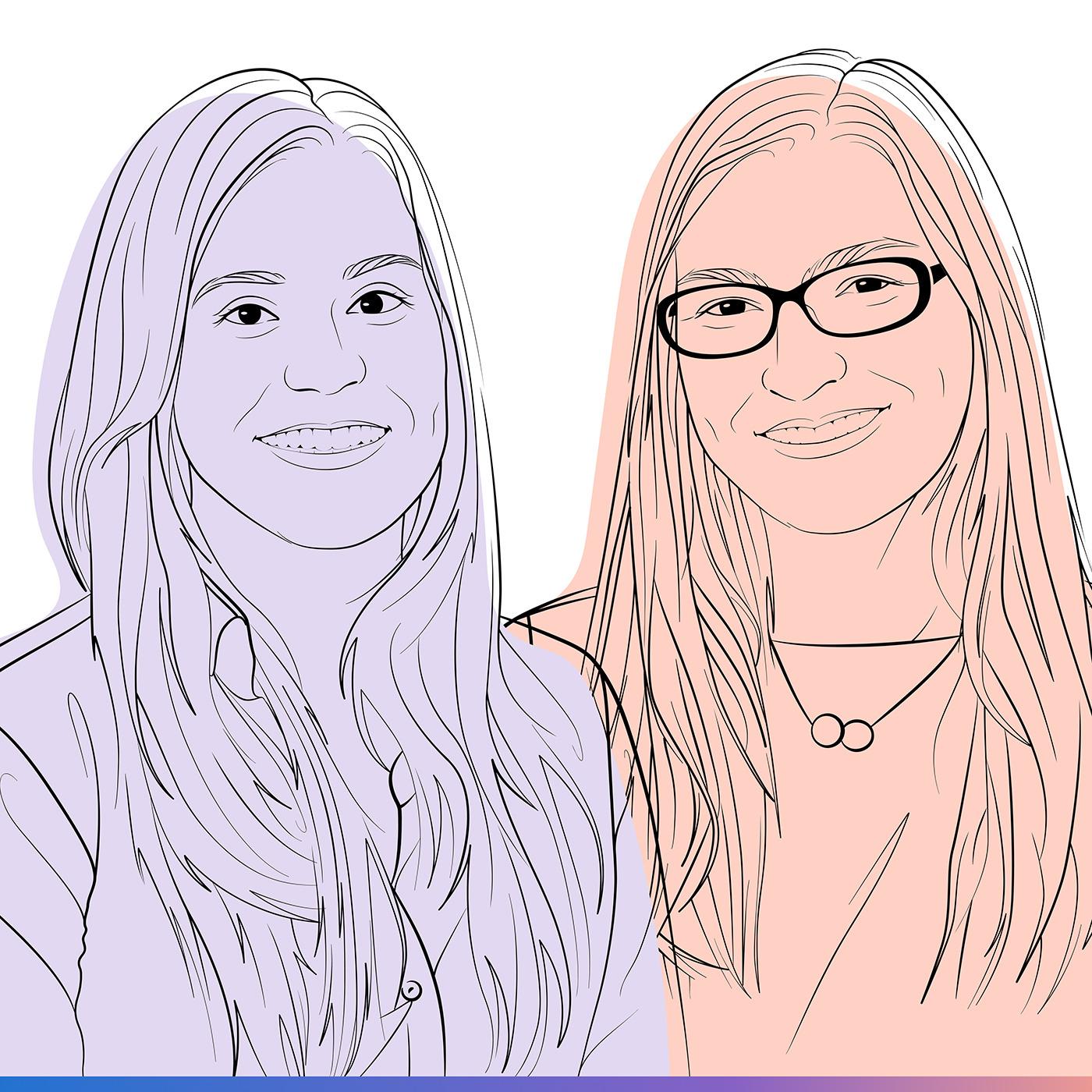 Ideas: Community building, machine learning, and the future of AI Ideas: Community building, machine learning, and the future of AI | As the Women in Machine Learning Workshop (WiML) marks its 20th annual gathering, cofounders, friends, and collaborators Jenn Wortman Vaughan and Hanna Wallach reflect on WiML’s evolution, navigating the field of ML, and their work in responsible AI.Show notes | — | ||||||
| 10/6/25 | 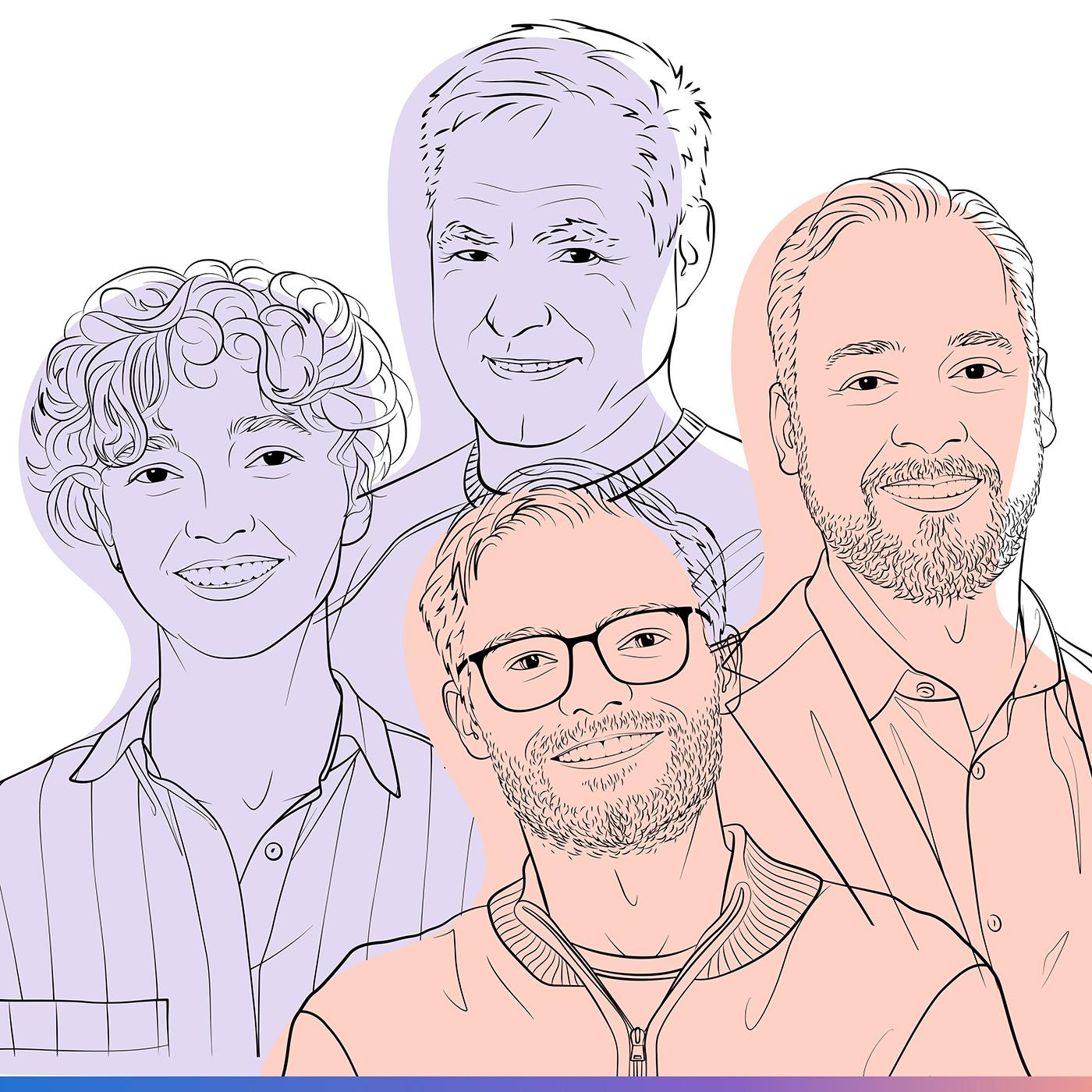 Ideas: More AI-resilient biosecurity with the Paraphrase Project Ideas: More AI-resilient biosecurity with the Paraphrase Project | Microsoft’s Eric Horvitz and guests Bruce Wittmann, Tessa Alexanian, and James Diggans discuss the Paraphrase Project—a red-teaming effort that exposed and secured a biosecurity vulnerability in AI-driven protein design. The work offers a model for addressing AI’s dual-use risks.Show notes | — | ||||||
| 8/21/25 |  Coauthor roundtable: Reflecting on healthcare economics, biomedical research, and medical education Coauthor roundtable: Reflecting on healthcare economics, biomedical research, and medical education | For the series finale, Peter Lee, Carey Goldberg, and Dr. Zak Kohane compare their predictions to insights from the series’ most recent guests, including experts on AI’s economic and societal impact, leaders in AI-driven medicine, and doctors in training.Show notes | — | ||||||
| 8/7/25 |  Reimagining healthcare delivery and public health with AI Reimagining healthcare delivery and public health with AI | Former Washington State Secretary of Health Dr. Umair Shah and Mayo Clinic CEO Dr. Gianrico Farrugia explore how healthcare leaders are approaching AI when it comes to public health, care delivery, the healthcare-research connection, and the patient experience.Show notes | — | ||||||
| 7/24/25 |  Navigating medical education in the era of generative AI Navigating medical education in the era of generative AI | Next-generation physicians Morgan Cheatham and Daniel Chen discuss how generative AI is transforming medical education, exploring how students and attending physicians integrate new tools while navigating questions on trust, training, and responsibility.Show notes | — | ||||||
| 7/21/25 |  AI Testing and Evaluation: Reflections AI Testing and Evaluation: Reflections | In the series finale, Amanda Craig Deckard returns to examine what Microsoft has learned about testing as a governance tool. She also explores the roles of rigor, standardization, and interpretability in testing and what’s next for Microsoft’s AI governance work.Show notes: https://www.microsoft.com/en-us/research/podcast/ai-testing-and-evaluation-reflections/ | — | ||||||
Want analysis for the episodes below?Free for Pro Submit a request, we'll have your selected episodes analyzed within an hour. Free, at no cost to you, for Pro users. | |||||||||
| 7/14/25 |  AI Testing and Evaluation: Learnings from cybersecurity AI Testing and Evaluation: Learnings from cybersecurity | Drawing on his previous work as the UK’s cybersecurity chief, Professor Ciaran Martin explores differentiated standards and public-private partnerships in cybersecurity, and Microsoft’s Tori Westerhoff examines the insights through an AI red-teaming lens.Show notes | — | ||||||
| 7/10/25 |  How AI will accelerate biomedical research and discovery How AI will accelerate biomedical research and discovery | Daphne Koller, Noubar Afeyan, and Dr. Eric Topol, leaders in AI-driven medicine, discuss how AI is changing biomedical research and discovery, from accelerating drug target identification and biotech R&D to helping pursue the “holy grail” of a virtual cell.Show notes | — | ||||||
| 7/7/25 |  AI Testing and Evaluation: Learnings from pharmaceuticals and medical devices AI Testing and Evaluation: Learnings from pharmaceuticals and medical devices | Professors Daniel Carpenter and Timo Minssen explore evolving pharma and medical device regulation, including the role of clinical trials, while Microsoft applied scientist Chad Atalla shares where AI governance stakeholders might find inspiration in the fields.Show notes | — | ||||||
| 6/30/25 |  AI Testing and Evaluation: Learnings from genome editing AI Testing and Evaluation: Learnings from genome editing | In this episode, Alta Charo, emerita professor of law and bioethics at the University of Wisconsin–Madison, joins Sullivan for a conversation on the evolving landscape of genome editing and its regulatory implications. Drawing on decades of experience in biotechnology policy, Charo emphasizes the importance of distinguishing between hazards and risks and describes the field's approach to regulating applications of technology rather than the technology itself. The discussion also explores opportunities and challenges in biotech’s multi-agency oversight model and the role of international coordination. Later, Daniel Kluttz, a partner general manager in Microsoft's Office of Responsible AI, joins Sullivan to discuss how insights from genome editing could inform more nuanced and robust governance frameworks for emerging technologies like AI. | — | ||||||
| 6/23/25 |  AI Testing and Evaluation: Learnings from Science and Industry AI Testing and Evaluation: Learnings from Science and Industry | In the introductory episode of this new series, host Kathleen Sullivan and Senior Director Amanda Craig Deckard explore Microsoft’s efforts to draw on the experience of other domains to help advance the role of AI testing and evaluation as a governance tool. | — | ||||||
| 6/12/25 |  The AI Revolution in Medicine, Revisited: How AI is reshaping the future of healthcare and medical research The AI Revolution in Medicine, Revisited: How AI is reshaping the future of healthcare and medical research | Technologists Bill Gates and Sébastien Bubeck discuss the state of generative AI in medicine, how access to “medical intelligence” might help empower people across healthcare, and how AI’s accelerating improvements are likely to affect both delivery and discovery. | — | ||||||
| 5/29/25 |  What AI's impact on individuals means for the health workforce and industry What AI's impact on individuals means for the health workforce and industry | Ethan Mollick and Azeem Azhar, thought leaders at the forefront of AI’s influence on work, education, and society, discuss the impact of AI at the individual level and what that means for the healthcare workforce and the organizations and systems in medicine. | — | ||||||
| 5/22/25 |  Abstracts: Zero-shot models in single-cell biology with Alex Lu Abstracts: Zero-shot models in single-cell biology with Alex Lu | The emergence of foundation models has sparked interest in applications to single-cell biology, but when tested in zero-shot settings, they underperform compared to simpler methods. Alex Lu shares insights on why more research on AI models is needed in biological applications.Show notes | — | ||||||
| 5/21/25 |  Abstracts: Aurora with Megan Stanley and Wessel Bruinsma Abstracts: Aurora with Megan Stanley and Wessel Bruinsma | A new Nature paper explores Aurora, an AI model that redefines weather prediction with application to other environmental domains such as tropical cyclones. Hear from senior researchers Megan Stanley and Wessel Bruinsma as they share their groundbreaking work.Read the paper | — | ||||||
| 5/20/25 |  Collaborators: Healthcare Innovation to Impact Collaborators: Healthcare Innovation to Impact | In this discussion, Matthew Lungren, Jonathan Carlson, Smitha Saligrama, Will Guyman, and Cameron Runde explore how teams across Microsoft are working together to generate advanced AI capabilities and solutions for developers and clinicians around the globe. Get started with Azure AI Foundry Labs | — | ||||||
| 5/15/25 |  Coauthor roundtable: Reflecting on real world of doctors, developers, patients, and policymakers Coauthor roundtable: Reflecting on real world of doctors, developers, patients, and policymakers | Peter Lee and his coauthors, Carey Goldberg and Dr. Zak Kohane, reflect on how generative AI is unfolding in real-world healthcare, drawing on earlier guest conversations to examine what’s working, what’s not, and what questions still remain. | — | ||||||
| 5/8/25 |  Abstracts: Heat Transfer and Deep Learning with Hongxia Hao and Bing Lv Abstracts: Heat Transfer and Deep Learning with Hongxia Hao and Bing Lv | Silicon has long borne the burden of heat transfer in electronics, but in a post-Moore’s Law world, researchers like Hongxia Hao and Bing Lv are using AI to discover and design next-generation materials that exceed the limits of silicon’s thermal conductivity.Read the paper | — | ||||||
| 5/5/25 |  Abstracts: Societal AI with Xing Xie Abstracts: Societal AI with Xing Xie | New AI models aren’t just changing the world of research; they’re also poised to impact society. Xing Xie talks about Societal AI, a white paper that explores the changing landscape with an eye to future research and improved communication across disciplines.Read the paper | — | ||||||
| 5/1/25 |  The AI Revolution in Medicine, Revisited: Laws, norms, and ethics for AI in health The AI Revolution in Medicine, Revisited: Laws, norms, and ethics for AI in health | Healthcare experts Laura Adams, Vardit Ravitsky, and Dr. Roxana Daneshjou discuss responsible AI implementation in medicine, examining governance approaches, shifting patient-provider relationships, and the identification of bias to ensure equitable deployment. | — | ||||||
| 4/17/25 |  The AI Revolution in Medicine, Revisited: Empowering patients and healthcare consumers in the age of generative AI The AI Revolution in Medicine, Revisited: Empowering patients and healthcare consumers in the age of generative AI | Evangelist for patient empowerment Dave deBronkart and Manatt Heath’s Christina Farr discuss how generative AI is redefining healthcare by empowering patients, challenging traditional care models, and creating new opportunities for innovation and collaboration. | — | ||||||
Showing 25 of 200
Sponsor Intelligence
Sign in to see which brands sponsor this podcast, their ad offers, and promo codes.
Chart Positions
3 placements across 3 markets.
Chart Positions
3 placements across 3 markets.