
Midrats
by Midrats
Is this your podcast?Insights from recent episode analysis
Audience Interest
Podcast Focus
Publishing Consistency
Platform Reach
Insights are generated by CastFox AI using publicly available data, episode content, and proprietary models.
Most discussed topics
Brands & references
Total monthly reach
Estimated from 1 chart position in 1 market.
By chart position
- 🇨🇴CO · News#145500 to 3K
- Per-Episode Audience
Est. listeners per new episode within ~30 days
250 to 1.5K🎙 ~2x weekly·588 episodes·Last published 3d ago - Monthly Reach
Unique listeners across all episodes (30 days)
500 to 3K🇨🇴100% - Active Followers
Loyal subscribers who consistently listen
150 to 900
Market Insights
Platform Distribution
Reach across major podcast platforms, updated hourly
Total Followers
—
Total Plays
—
Total Reviews
—
* Data sourced directly from platform APIs and aggregated hourly across all major podcast directories.
On the show
From 13 epsHosts
Recent guests
Recent episodes
Episode 768: China, Setting the Conditions: Guest Dean Cheng on Midrats
Aug 31, 2026
1h 02m 41s
Episode 767: Battle Damage Repair for Arleigh Burke–Class Destroyers--with Brad Martin
Aug 24, 2026
1h 02m 04s
Episode 766: Mid-August Maritime Melee
Aug 17, 2026
1h 07m 46s
Episode 765: Sea Power and The Hill, with Brent Sadler - on Midrats
Aug 10, 2026
1h 04m 16s
Episode 764: Shipbuilding, Merchant Shipping, Commerce, and the American Project - with Sal Mercogliano
Aug 3, 2026
1h 04m 44s
Social Links & Contact
Official channels & resources
Official Website
Login
RSS Feed
Login
| Date | Episode | Topics | Guests | Brands | Places | Keywords | Sponsor | Length | |
|---|---|---|---|---|---|---|---|---|---|
| 8/31/26 |  Episode 768: China, Setting the Conditions: Guest Dean Cheng on Midrats | At some point in the next decade, a historian is going to look at the first quarter of the 21st century from the perspective of the national security establishment and the blessings it had as it rose to global power status, and will publish the foundational reference book for those trying to understand that moment in time.Its primary rivals distracted and drained themselves in unnecessary quixotic quasi-imperial police actions, one in Central and Southwest Asia (U.S.A.), the other bled itself white attempting to reconstruct at least part of its predecessor’s empire (Russia). All the while, its economy grew, its diplomatic influence expanded, and its military became an impressive, if untested, colossus.Yes, the People’s Republic of China (PRC) had its problems and setbacks: demographic collapse, massive debt, economic fragility, and poor messaging—but so did its greatest competitors.In 2026, while most have been focused on the Iranian-Israeli-American conflict and the Russo-Ukrainian War rooted in unsolved issues from the end of the 20th century, the PRC continues its march forward into the future.Returning to the Midrats Podcast to discuss will be Dean Cheng.Dean is a Non-resident Senior Fellow, Potomac Institute for Policy Studies and Non-resident Fellow, George Washington University Space Policy Institute.He recently retired after 14 years with the Heritage Foundation, where he was a senior research fellow on Chinese political and security affairs, and wrote on various aspects of Chinese foreign and defense policy.Prior to joining the Heritage Foundation, he was a senior analyst with the China Studies Division (previously, Project Asia) at CNA from 2001-2009. Before joining CNA, he was a senior analyst with Science Applications International Corporation (SAIC) from 1996-2001. From 1993-1995, he was an analyst with the US Congress’ Office of Technology Assessment in the International Security and Space Division, where he studied the Chinese defense industrial complex.He is the author of the book Cyber Dragon: Inside China’s Information Warfare and Cyber Operations (NY: Praeger Publishing, 2016), as well as a number of papers and book chapters examining various aspects of Chinese security affairs.SummaryIn this episode, Mark, Sal, and Dean Cheng discusses China’s strategic challenges, space ambitions, AI development, and regional influence, providing insights into China’s long-term plans and global impact.Show LinksTo A Louse, On Seeing One on a Lady's Bonnet at Church, Robert BurnsGreat Wall, movie with Matt Damon2012, movie Himalayas Tsunami SceneRed Cliff, movie (the good one)Chapters00:00: Introduction and overview of China’s global strategy02:38: Dean Cheng’s background and China’s long-term planning04:46: China’s strategic challenges beyond the US06:04: North Korea’s shifting alliances and regional dynamics08:06: Russia, China, and North Korea cooperation10:27: Chinese perceptions of US and regional threats12:25: Japan, Korea, and China’s regional ambitions14:29: China’s post-COVID strategic posture and influence16:03: China’s national messaging and global image17:28: Xi Jinping’s strategic vision and military buildup19:57: China’s influence in the Pacific and Arctic regions22:42: Canada, Greenland, and China’s northern ambitions31:00: China’s space program and lunar exploration49:58: The race to the moon and space dominance54:46: Future of space exploration and international standards55:33: Long-term US space strategy and Chinese competition59:36: US and Chinese space efforts and collaboration01:00:26: Conclusion | 1h 02m 41s | ||||||
| 8/24/26 | 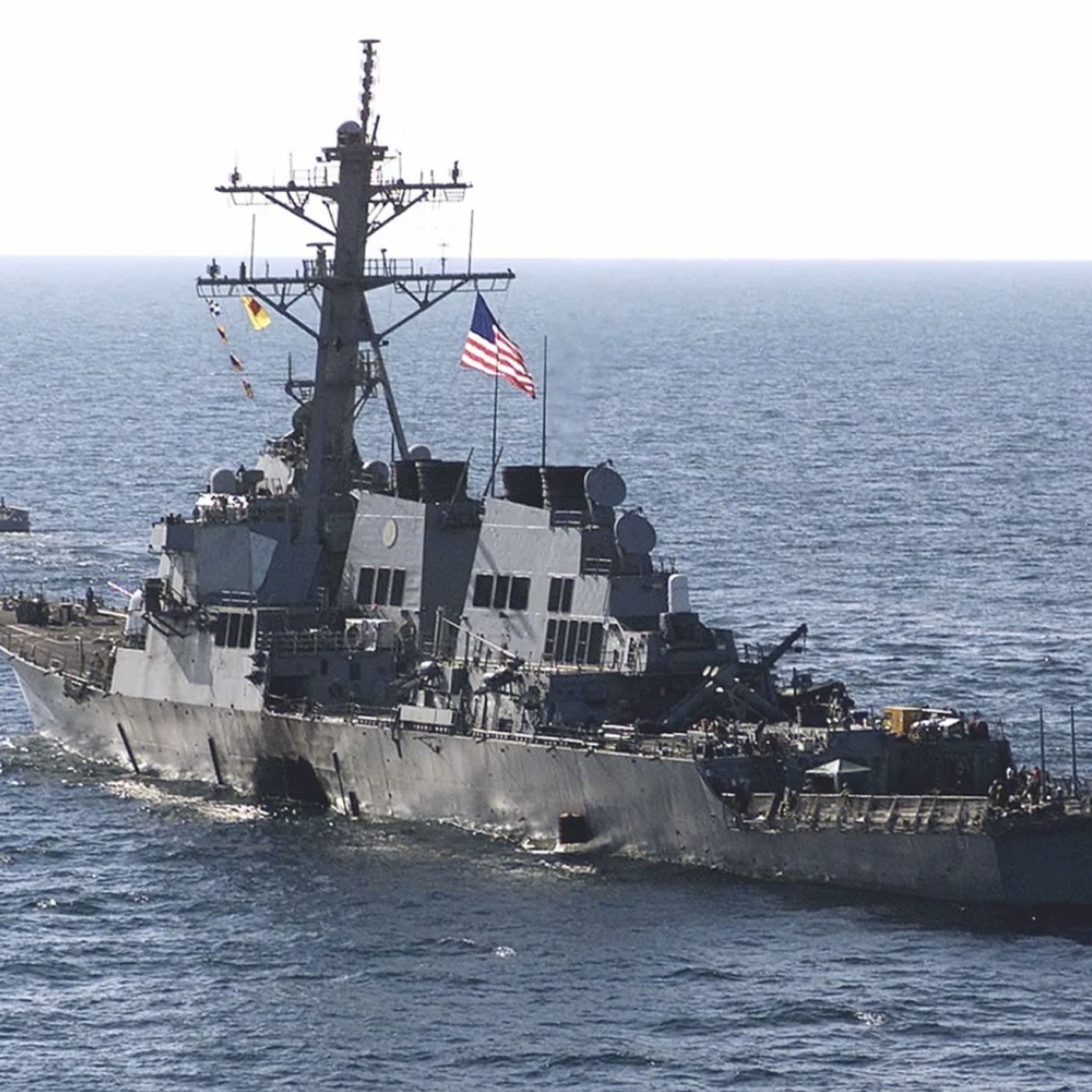 Episode 767: Battle Damage Repair for Arleigh Burke–Class Destroyers--with Brad Martin | For me, it is funny but serious that the phrase I started saying in 2019 that we were going to keep building Arleigh Burke DDGs “until the crack of doom” has turned into prophecy. With the anticipated death of DDG(X) and FFG-62, the Burkes are about the only game in town. That fact naturally flows into a point we have raised here and on the Midrats Podcast for the last couple of decades: How are we going to conduct repair and maintenance under combat conditions should we find ourselves in a fight west of the International Date Line?Well, we’ve got the perfect intersection of both issues for the next episode of Midrats.This RAND Report from May caught my eye:The Arleigh Burke–class guided missile destroyer, commonly known as a DDG-51, is the primary surface combatant vessel of the U.S. Navy. These ships—designed to operate in contested environments—are likely to sustain widespread battle damage from diverse attacks should a conflict develop in the Indo-Pacific region. The prevalent nature of this damage would give rise to the greatest demand for ship repair that the Navy has experienced since World War II.To evaluate requirements for and potential issues with a significant demand for salvaging and repairing battle-damaged destroyers, the authors conducted a tabletop exercise on August 13–14, 2025, with participants from the United States and allied nations in the Indo-Pacific. The participants were split into four groups, and each group represented U.S. and allied stakeholders who would be involved in the repairs.The report is titled, Battle Damage Repair for Arleigh Burke–Class Destroyers: Tabletop Exercise Results.Our guest is one of the authors of the report, Bradley Martin.Bradley Martin is a senior policy researcher at RAND. He retired from the Navy as a surface warfare Captain after 30 years of service, including four command tours.In addition to his operational tours, Martin served on the staff of U.S. Forces Japan, on the OPNAV staff as an operations analyst, and, most recently, as the Navy coordinator for participation in Joint Staff and OSD requirements and resources forums. His subspecialties included operations research, operational logistics, and strategic planning. His work at RAND focuses on Navy force structure and capabilities, supply chain security and resilience, and national security strategy. Prior to joining the Navy, he achieved a doctorate in political science from the University of Michigan, while working as a research assistant for the Correlates of War Project.Show LinksBattle Damage Repair for Arleigh Burke–Class DestroyersRepair CFT Brief for JTEG Forum on “Expeditionary Repair” CDR Erich C. Schwarz, USN, July 2022SummaryIn this episode, we explore the insights from a recent tabletop exercise on naval repair capabilities and strategic challenges in the Indo-Pacific, featuring Captain Brad Martin. We discuss the importance of organic repair assets, the vulnerabilities of fixed bases, and the need for adaptable logistics in wartime scenarios.Chapters00:00: Introduction to the tabletop exercise and its significance04:02: What makes a successful tabletop exercise and team composition09:01: Key findings: surprises and vulnerabilities in naval repair15:03: The importance of organic repair capabilities and their current gaps21:03: Lessons from history: Cold War to modern challenges27:11: The impact of logistics, parts, and industrial base on wartime readiness34:01: Geopolitical considerations and the role of partner nations40:09: The need for mobile, flexible repair assets in contested environments50:05: Concluding thoughts: preparing for a prolonged conflict | 1h 02m 04s | ||||||
| 8/17/26 | 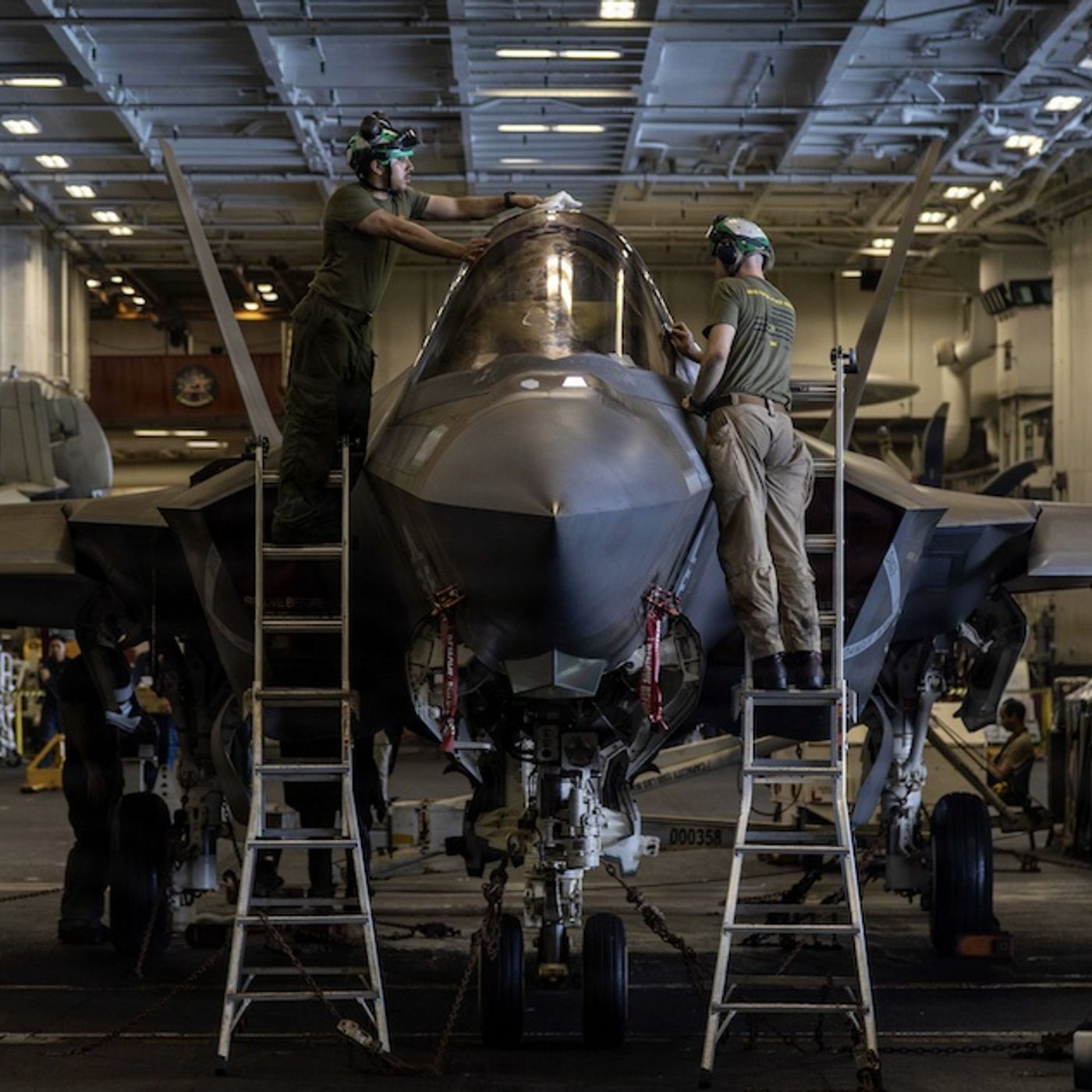 Episode 766: Mid-August Maritime Melee | What a great weekend for a good old fashioned Midrats Podcast Maritime Melee!Petty domestic political posturing has decided to broach a whole series of our favorite subjects for the last 17 years: carrier shortages, neglect of our auxiliaries in our Combat Logistics Force, leadership at sea, ships adrift…enough for a whole series of shows, but Mark and I promise to keep today’s show to an hour.Show LinksSnopes on USS Abraham Lincoln (CVN 72) issuesWSJ article on Admiral Cooper’s visit to ABECasey William’s dad being a good dadUSS Benfold (DDG 65) loses powerChapters00:00: Introduction and overview of naval challenges02:07: The need for more ships and the Ship Act04:14: Historical context of fleet size and shipbuilding07:06: Deployment length, mental health, and port visits11:59: The aging fleet and the importance of new ships16:08: Logistics challenges in the Indo-Pacific region20:04: Power outages and maintenance on USS Benfold24:55: The political landscape and funding issues29:51: Mental health support and sailor resilience35:03: Geopolitical considerations and port call limitations39:55: Technological innovations and future ship designs45:01: The importance of bipartisan support for naval modernization49:45: Conclusion and call to action for naval investment | 1h 07m 46s | ||||||
| 8/10/26 | 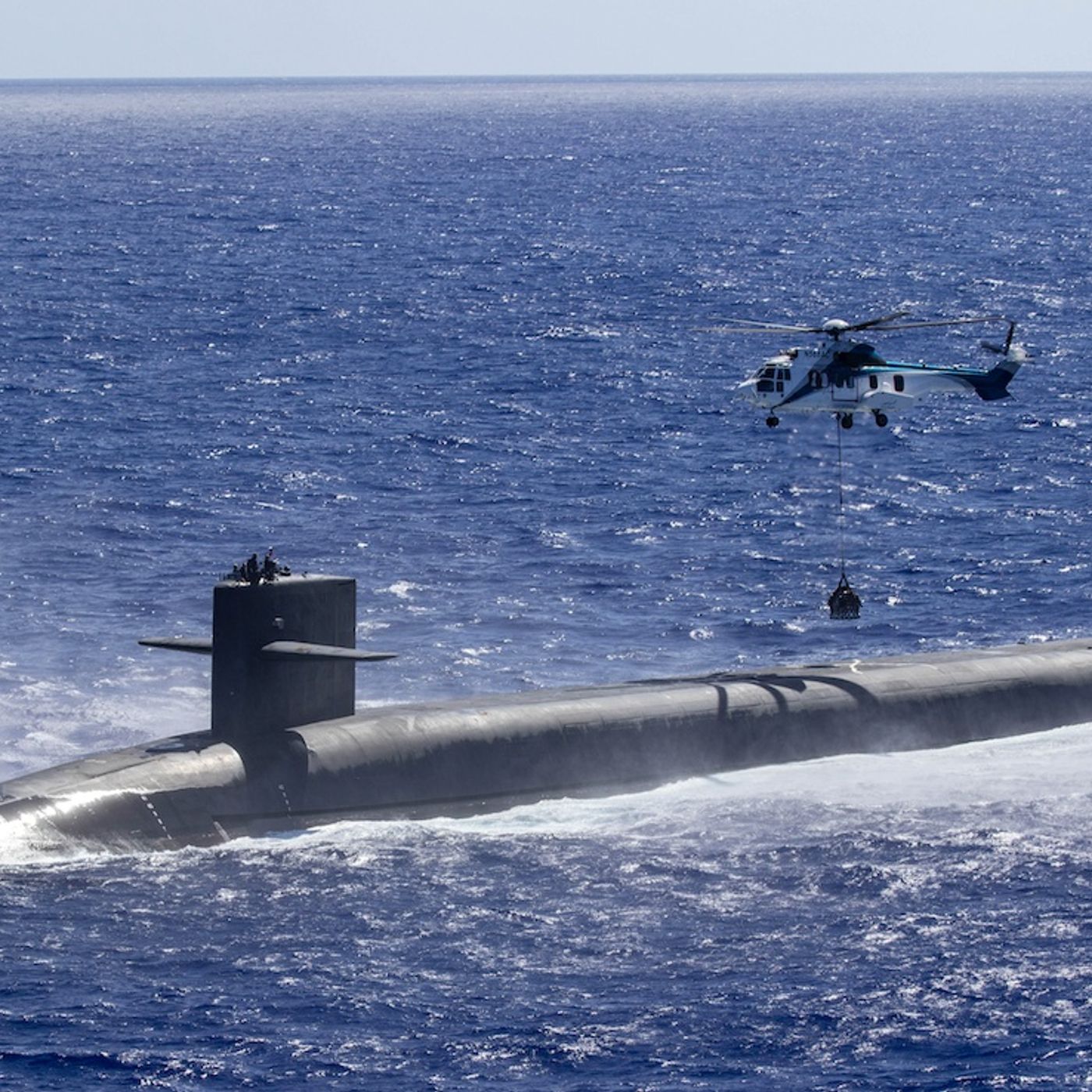 Episode 765: Sea Power and The Hill, with Brent Sadler - on Midrats | Panels, seminars, conferences, reports, speeches, and emotion do not build a navy. Even shipyards do not build a navy. In the American system of government, if you want a navy you have to go up to Capitol Hill and get Congress to fund it.Without money, everything else is just a PDF.What is the state of play in bringing the argument for sea power to Congress?Returning to the Midrats Podcast just in time for the Senate’s August recess is Brent Sadler, CAPT, USN (Ret.).Brent is a Senior Research Fellow for Naval Warfare and Advanced Technology in the Douglas and Sarah Allison Center for National Security at The Heritage Foundation, and a retired U.S. Navy Captain.Show LinksSHIPS for America ActSal’s exchange with Tom KarakoBooks by Brent SadlerBrent Sadler on LinkedInBrent Sadler on XSummaryIn this episode, Mark and Sal discuss with their guest Brent Sadler the legislative process behind maritime security, the SHIPS for America Act, and the importance of industrial capacity in national defense. Brent emphasizes the need for bipartisan support and strategic planning to strengthen America’s maritime industrial base and national security.Chapters00:00: Introduction02:14: The legislative process and seasonality in Congress08:05: Status and details of the Ships for America Act12:13: Bipartisan support and legislative challenges17:00: The role of congressional staffers in policy making21:54: Strategic importance of maritime industrial capacity27:07: The impact of recent Navy funding and shipbuilding efforts34:00: The need for reform in defense organizational structures43:10: The importance of strategic communication and advocacy | 1h 04m 16s | ||||||
| 8/3/26 |  Episode 764: Shipbuilding, Merchant Shipping, Commerce, and the American Project - with Sal Mercogliano | I can think of few 18-month periods where shipbuilding, the merchant marine, and the importance of a strong maritime sector in the U.S. has been a more active topic. Near the center of this conversation—or at least a few paragraphs in—is a long-time friend of the show, Dr. Sal Mercogliano—returning to the Midrats Podcast.Sal is the Chair of the Department of History, Criminal Justice and Political Science at Campbell University; a former merchant mariner; and a contributor to USNI Proceedings, Sea History, Naval History, and gCaptain.He is also the host of the YouTube channel, What’s Going on With Shipping.Show LinksWhat’s Going on With ShippingUnauthorized History Podcast with Sal Mercogliano on WWII OilersSummaryBoth Sals and Mark discuss the importance of maritime security, supply chain resilience, and the strategic challenges posed by geopolitical conflicts in this in-depth interview. Additional discussion dives into global choke points, military logistics, and the future of US shipbuilding.Chapters00:00: Introduction and Guest Introduction02:45: Sal Mercogliano’s Background and Expertise04:03: The Growth of Shipping Content and Public Interest06:01: Impact of Evergiven Suez Canal Incident07:02: Fragility of Global Supply Chains09:37: Freedom of the Seas and Modern Challenges10:36: Geopolitical Threats to Maritime Trade12:02: Geography, Choke Points, and Strategic Control13:25: Effects of Strait Closures on Economics and Security14:43: Historical Lessons from Past Conflicts16:06: US Military and Commercial Shipping Interplay18:43: Offshoring Shipbuilding and Its Consequences21:01: Revitalizing US Shipbuilding Industry24:32: Logistics Support and Military Readiness27:18: Protection of Critical Shipping Assets30:42: Rising Sea Blindness and Strategic Awareness33:00: Black Sea and Ukraine Conflict Insights36:20: Trade Interdiction and Potential for Conflict39:37: Global Supply Chain and Energy Security41:33: Manpower and Workforce Challenges in Shipping44:13: Defense Strategies for Maritime Security48:33: Protection of US Naval and Commercial Assets52:50: Technology and Innovation in Maritime Defense55:13: Jones Act and US Maritime Policy58:30: US Energy and Fuel Supply Challenges01:01:53: Future Projects and Research in Shipping | 1h 04m 44s | ||||||
| 7/27/26 |  Episode 763: NATO Summit Debrief with Jorge Benitez | With increased defense spending becoming the new normal and growing uncertainty on the alliance’s eastern front as the Russo-Ukrainian War enters its fifth summer, the Ankara NATO summit was more than just a photo-op.Returning to the Midrats Podcast to discuss the major takeaways will be Jorge Benitez.SummaryIn this episode, Dr. George Benitez discusses the recent NATO summit, focusing on defense spending, alliance strategies, and the evolving threats from Russia, China, and Iran. He provides insights into NATO’s strategic shifts, the importance of Ukraine’s potential NATO membership, and the challenges of modern military logistics and industrial capacity.Show LinksThe Ankara Summit DeclarationNATO Summit historyNATO nations’ defense spending as a percentage of GDPRobert Gates’s 2011 speechPatriot missiles produced in GermanyTakeawaysNATO has increased defense spending by 20% since 2023, with a goal of 5% of GDP.Ukraine’s military readiness and combat experience are vital for NATO deterrence.The alliance’s focus on China has waned, despite growing threats from Chinese cooperation with Russia and Iran.European defense industries are expanding production, e.g., Patriot missile manufacturing in Europe.Geography and proximity to Russia heavily influence NATO members’ defense budgets and perceptions of threat.Chapters00:00: Introduction and overview of NATO summit02:07: Dr. Benitez’s insights on NATO’s recent summit04:12: US leadership and NATO’s Article 5 reaffirmation05:50: Defense spending commitments and burden sharing08:10: Russian threat and European defense efforts12:22: Geography and threat perception in NATO20:00: Ukraine’s role and NATO expansion37:55: China’s evolving role and NATO’s strategic focus45:25: European defense industries and supply chain resilience01:01:17: European and NATO industrial cooperation01:02:40: Closing remarks and follow-upDr. Jorge Benitez is Associate Professor of International Relations at the Marine Corps Command and Staff College.Before he joined the faculty of the Marine Corps Command and Staff College, Dr. Benitez served as a Senior Fellow at the Atlantic Council, where he regularly briefed senior US and foreign officials on national security issues. Earlier in his career, he served as Assistant for Alliance issues to the Director of NATO Affairs in the Office of the Secretary of Defense. He also worked on international security issues at the Department of State and the Institute for Foreign Policy Analysis. You can follow his coverage of security issues on X @NATOSource.Dr. Benitez received a B.A. with honors from the University of Florida, where he majored in both Political Science and History. He later graduated with an M.P.P. from the Kennedy School of Government at Harvard University and a Ph.D. from the Fletcher School of Law and Diplomacy at Tufts University. | 1h 04m 19s | ||||||
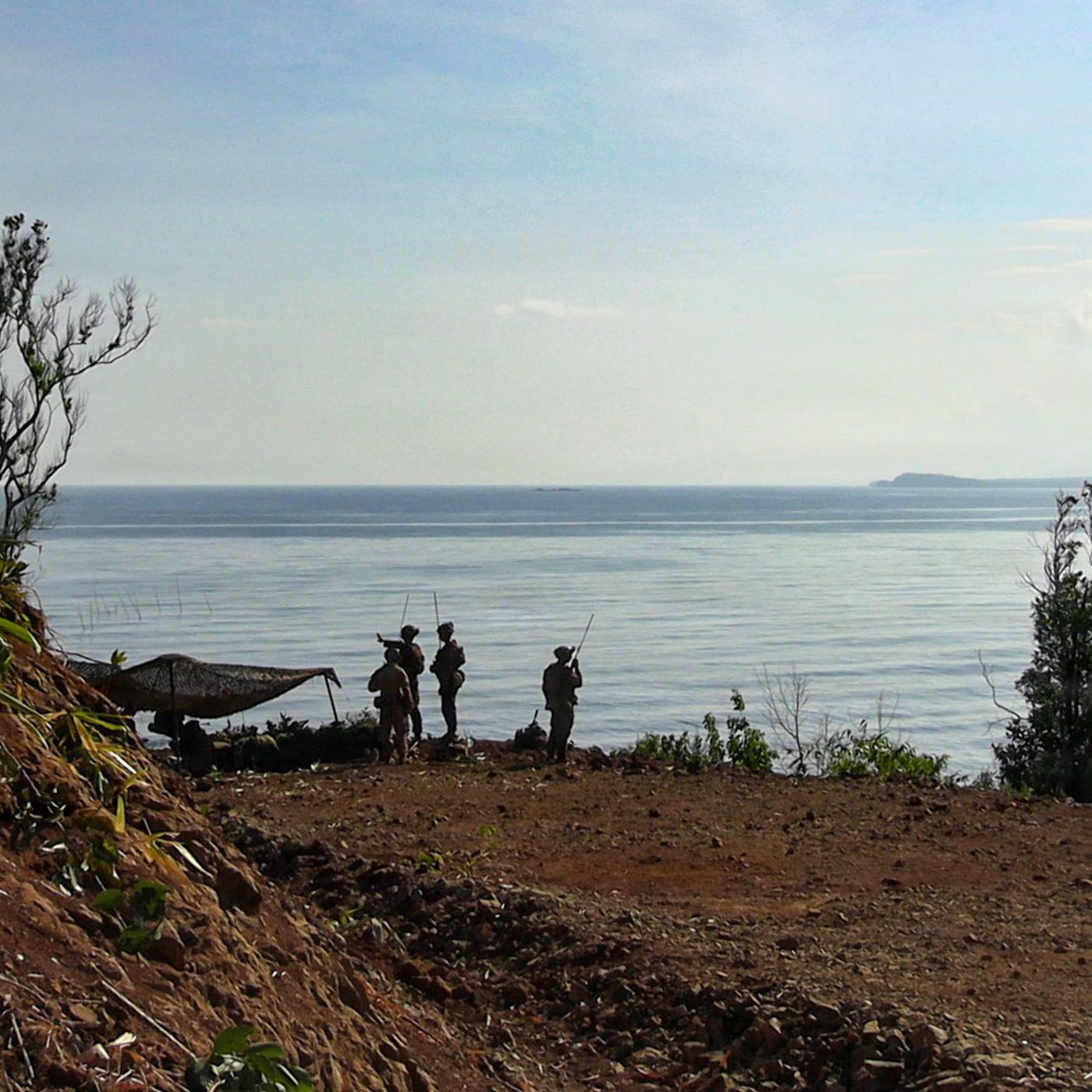
| 7/13/26 | national securitygeopolitical flashpoints+5 | — | U.S.Philippines+1 | Batanes IslandsLuzon Strait+9 | national securityLindsey Graham+7 | — | 1h 05m 35s | ||
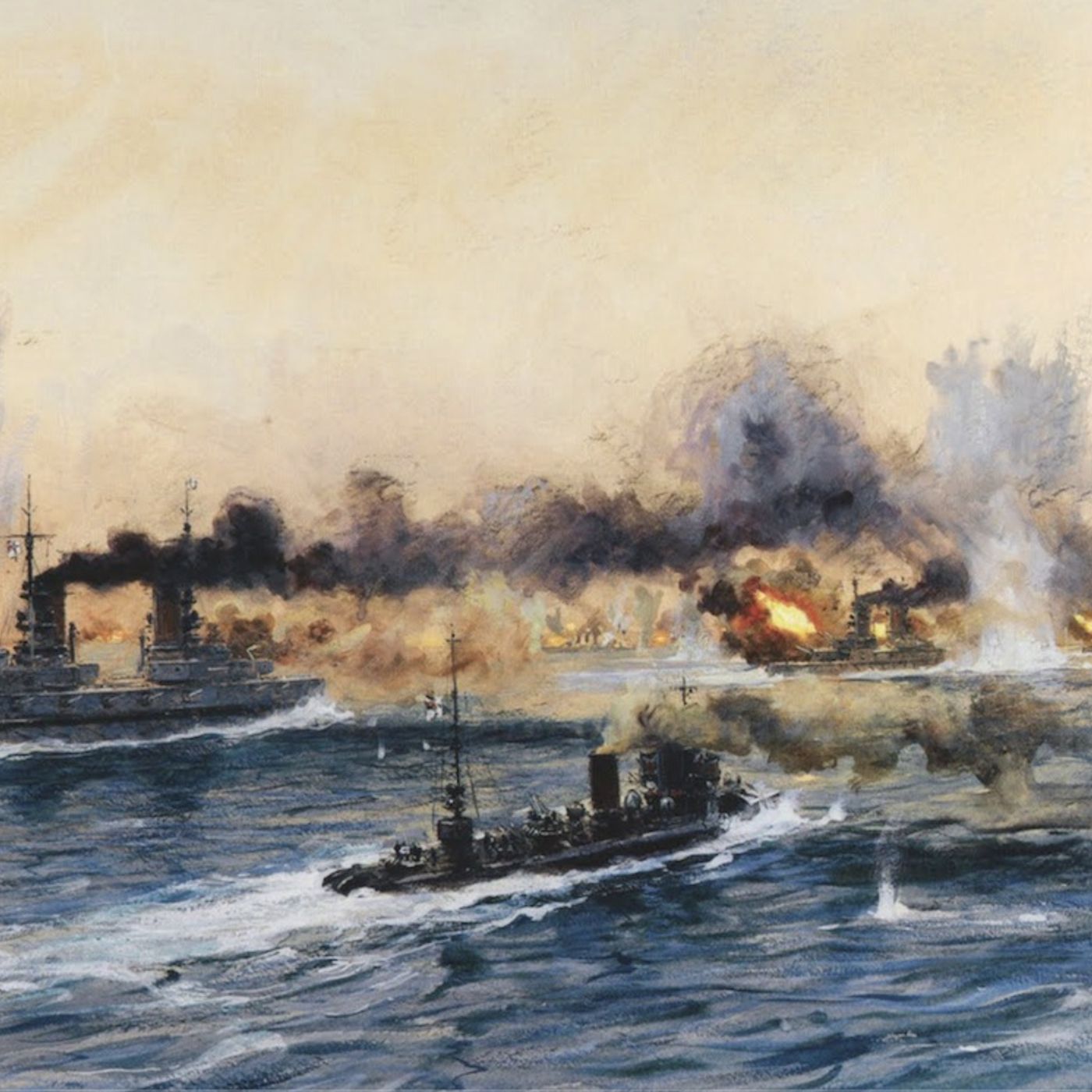
| 6/28/26 | naval historyWorld War I+3 | Simon Harley | Royal Historical SocietyThe Dreadnought Project+3 | North SeaJade estuary | Battle of JutlandSimon Harley+5 | — | 1h 01m 40s | ||
| 6/15/26 | military modernizationMarine Corps+4 | General Anthony Zinni | United States Marine CorpsPeople's Republic of China+3 | — | Marine Corpsforce design+5 | — | 58m 33s | ||
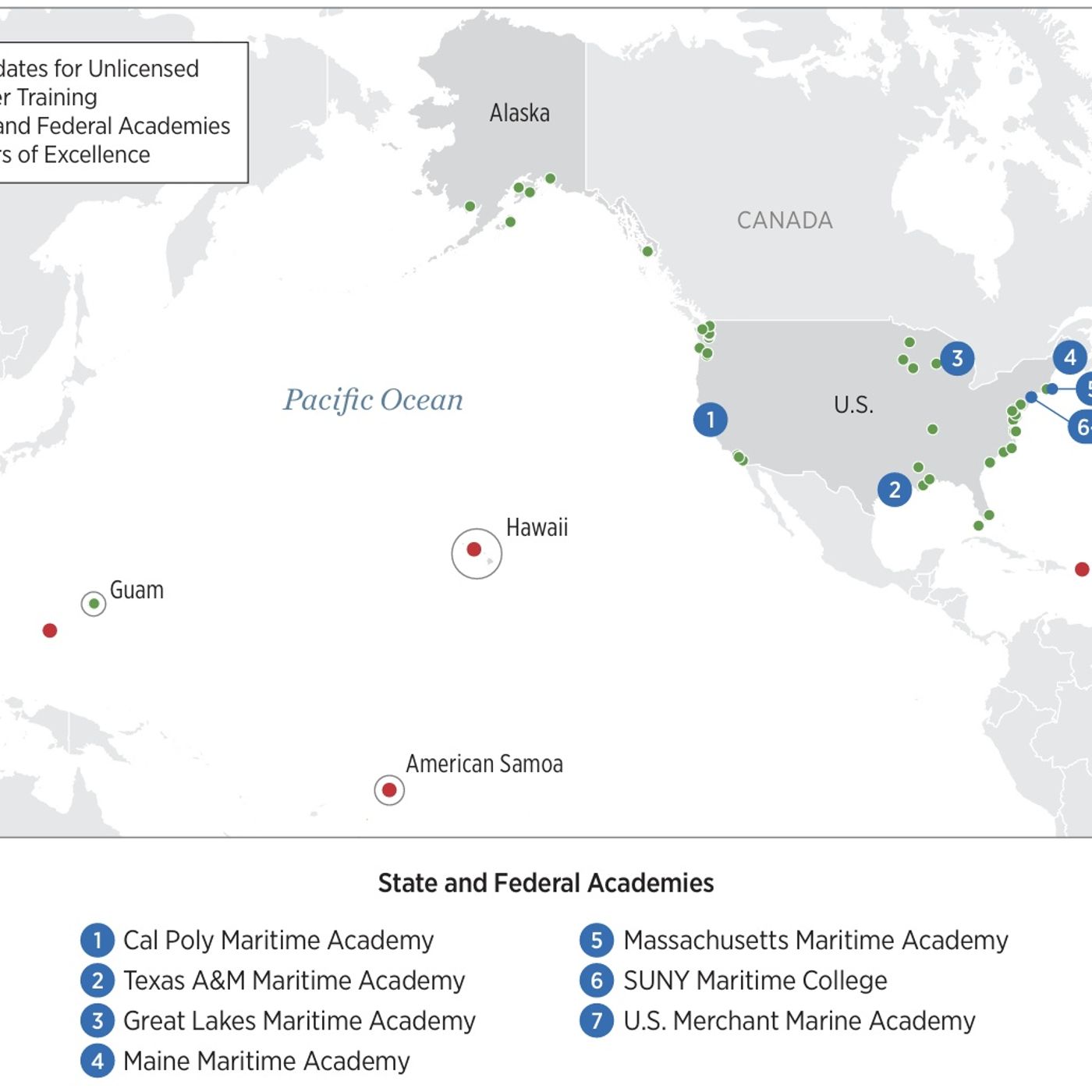
| 6/8/26 | maritime industryMerchant Mariners+4 | Brent D. Sadler | Heritage FoundationU.S. Navy+1 | — | maritime revivalMerchant Marine training+6 | — | 32m 50s | ||
Want analysis for the episodes below?Free for Pro Submit a request, we'll have your selected episodes analyzed within an hour. Free, at no cost to you, for Pro users. | |||||||||
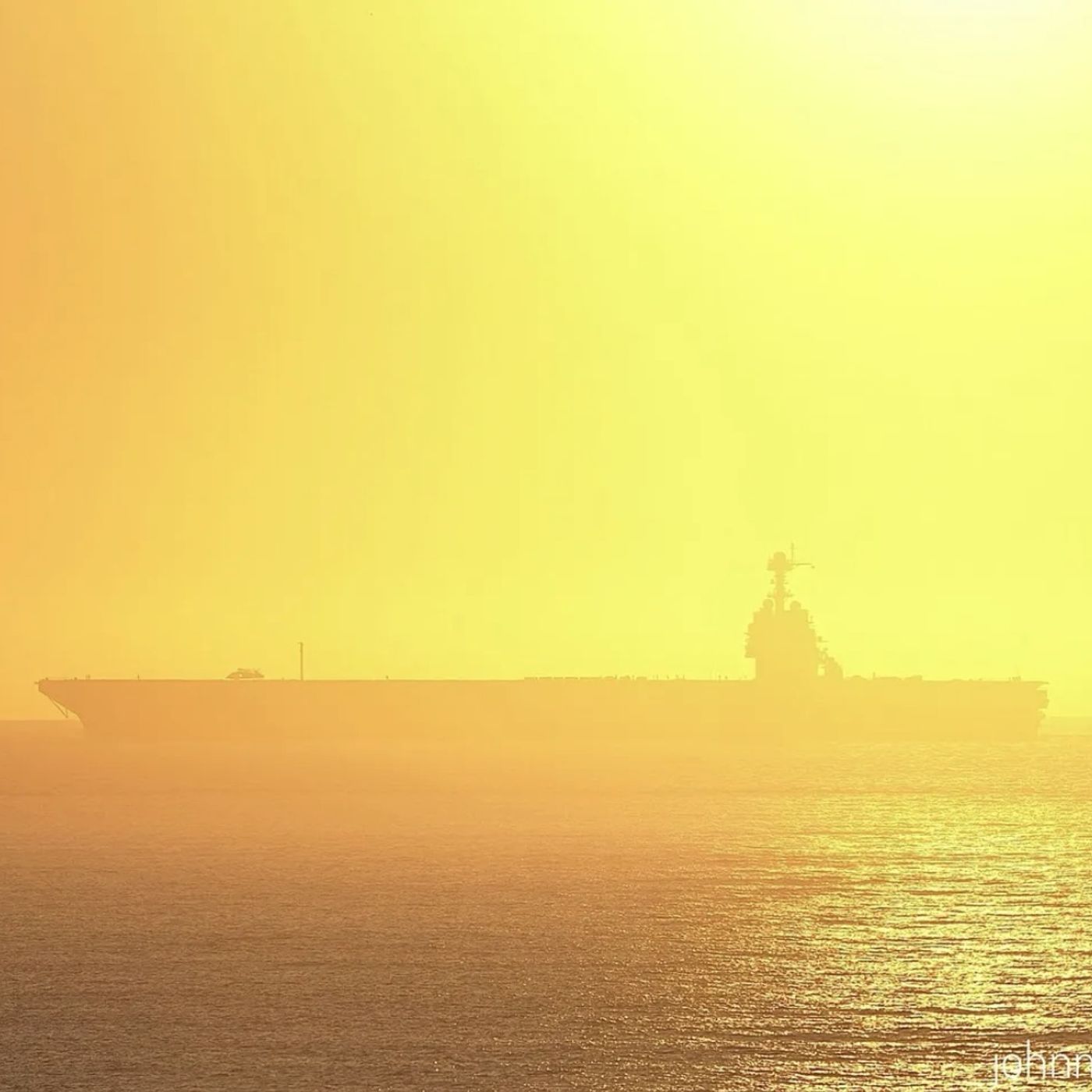
| 5/18/26 | naval operationsshipbuilding plans+5 | — | USS Gerald FordUS Navy+5 | VietnamIndo-Pacific | USS Gerald Fordnaval operations+8 | — | 1h 01m 14s | ||
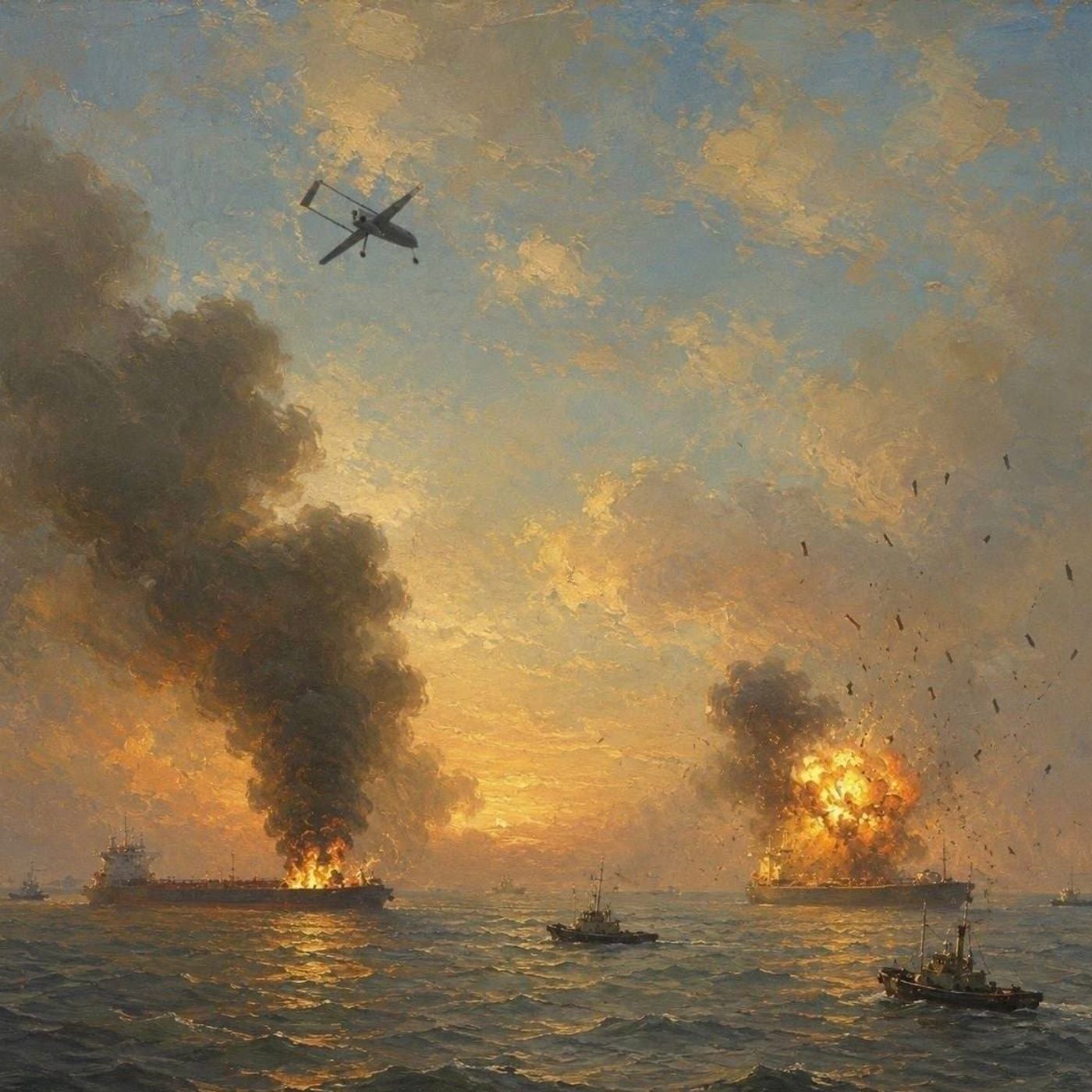
| 5/4/26 | maritime operationseconomic sanctions+4 | — | MQ-25A StingrayDVIDS Hub+3 | IranVenezuela+1 | Straits of HormuzIran+6 | — | 59m 53s | ||
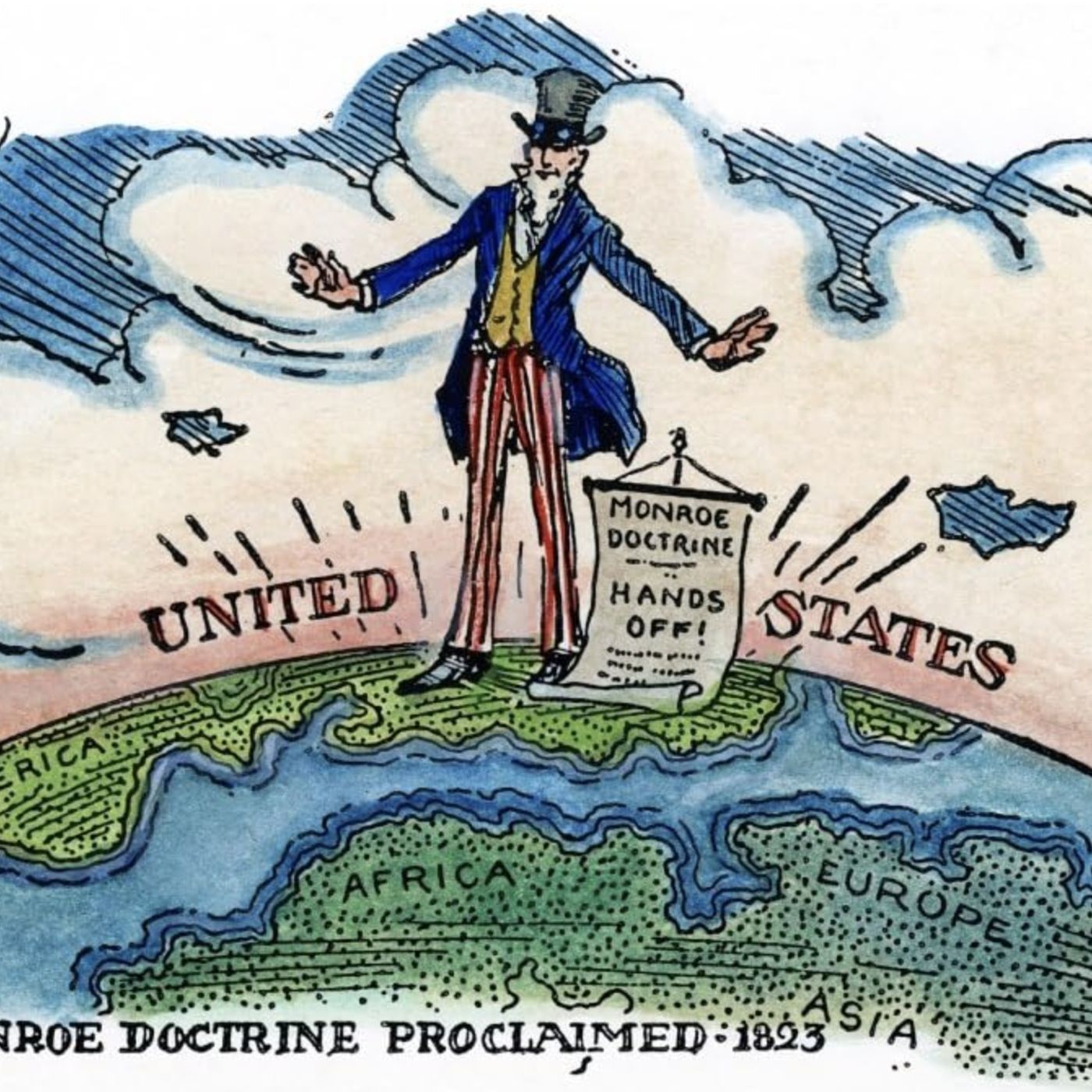
| 4/26/26 | U.S. foreign policyLatin America+5 | Dr. Colin Dueck | American Enterprise InstituteCouncil on Foreign Relations+1 | Latin AmericaU.S. | U.S. policyLatin America+5 | — | 54m 35s | ||
| 4/20/26 | naval operationsgeopolitical tensions+5 | — | US NavyNASA+3 | Strait of HormuzGulf of Oman+3 | naval operationsgeopolitical tensions+8 | — | 1h 02m 45s | ||
| 4/13/26 | naval securitymaritime strategy+5 | Alessio Patalano | King’s College LondonNATO+1 | Strait of HormuzRed Sea+1 | European naviesmaritime history+6 | — | 1h 04m 05s | ||
| 3/30/26 | Pacific securitydefense expenditure+4 | Blake Herzinger | MicrosoftCiti+5 | JapanAustralia+4 | Pacific Optimismdefense policy+6 | — | 56m 26s | ||
| 3/23/26 | military operationsIran conflict+5 | — | Israel | IranStrait of Hormuz+2 | military planningIran+6 | — | 1h 02m 00s | ||
| 3/16/26 | Russo-Ukrainian Wargeopolitical landscape+3 | Dr. Dmitry Gorenburg | CNAHarvard University Davis Center for Russian and Eurasian Studies+4 | RussiaUkraine | RussiaUkraine+5 | — | 58m 56s | ||
| 3/9/26 | Chinanational security+4 | Dean Cheng | Potomac Institute for Policy StudiesGeorge Washington University Space Policy Institute+5 | VenezuelaIran+1 | Chinanational security+6 | — | 58m 17s | ||
| 3/2/26 | 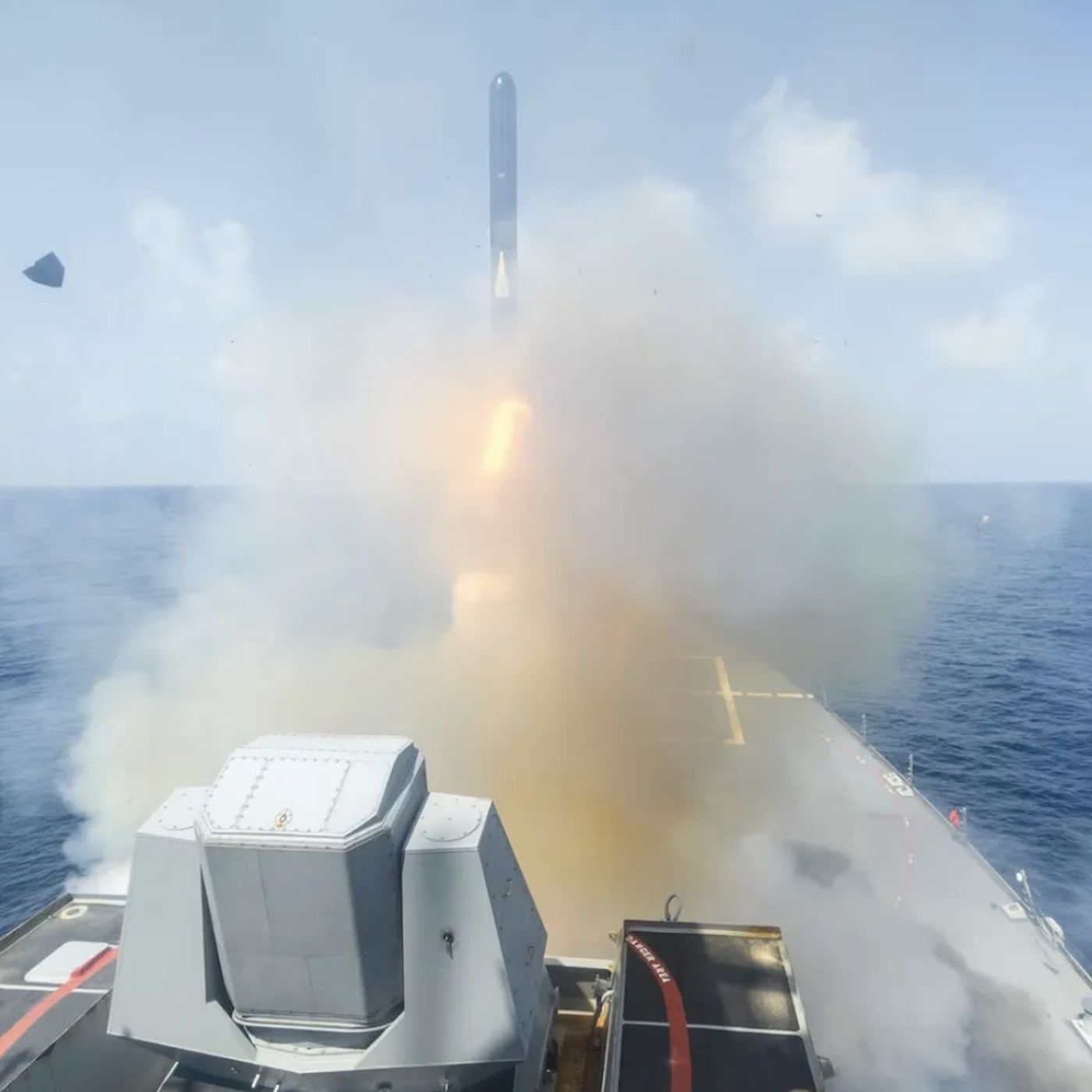 Episode 749: Operation Epic Fury Free for All | Hard to think of a better time to have a Midrats Podcast Free-for-All.2026 continues to produce more content than we know what to do with, but we’ll give it our best.Show LinksCENTCOM’s Epic Fury Day-1 SummaryLUCAS attack droneIntifada Podcast: Hamas in the U.S.UK gives a nod for base useSal Mercogliano on the Strait of HormuzIsraeli bomb shelter dating appSummaryJoin Sal and Mark as they analyze the recent military operations, geopolitical implications, and strategic considerations surrounding Operation Epic Fury and the broader Middle East tensions. This episode offers in-depth insights into military assets, regional dynamics, and the future of Iran and its neighbors.Chapters00:00: Introduction02:04: Main Focus: Operation Epic Fury and Iran03:07: Details of US Military Assets Used in the Strike06:28: Targeting Command and Control Centers in Iran08:12: Iran’s Military Capabilities and Regional Impact09:38: Iranian Public Sentiment and Future Opportunities11:25: Support for Iranian People and Regime Dynamics13:46: Iranian Revolutionary Guard and Sleeper Cells16:52: Impact of Expatriates and International Support18:14: Challenges of Leadership and Control in Iran20:09: Strategic Goals and Limitations of the Operation22:02: Analysis of Military and Political Leadership Decisions25:24: Logistics, Risks, and Future Outlook28:43: Potential for Further Actions and Regional Stability31:17: European and Global Reactions to the Strike34:38: International Responses and NATO’s Role37:11: Iran’s Response and Proxy Activities41:54: Intelligence, Misinformation, and Media Challenges45:18: Implications for US and Allies’ Security49:25: Operational Successes and Future Risks54:31: Technological Innovations and Regional Impact55:57: Humor and Human Element in Military Operations01:00: Conclusion | 59m 30s | ||||||
| 2/23/26 | 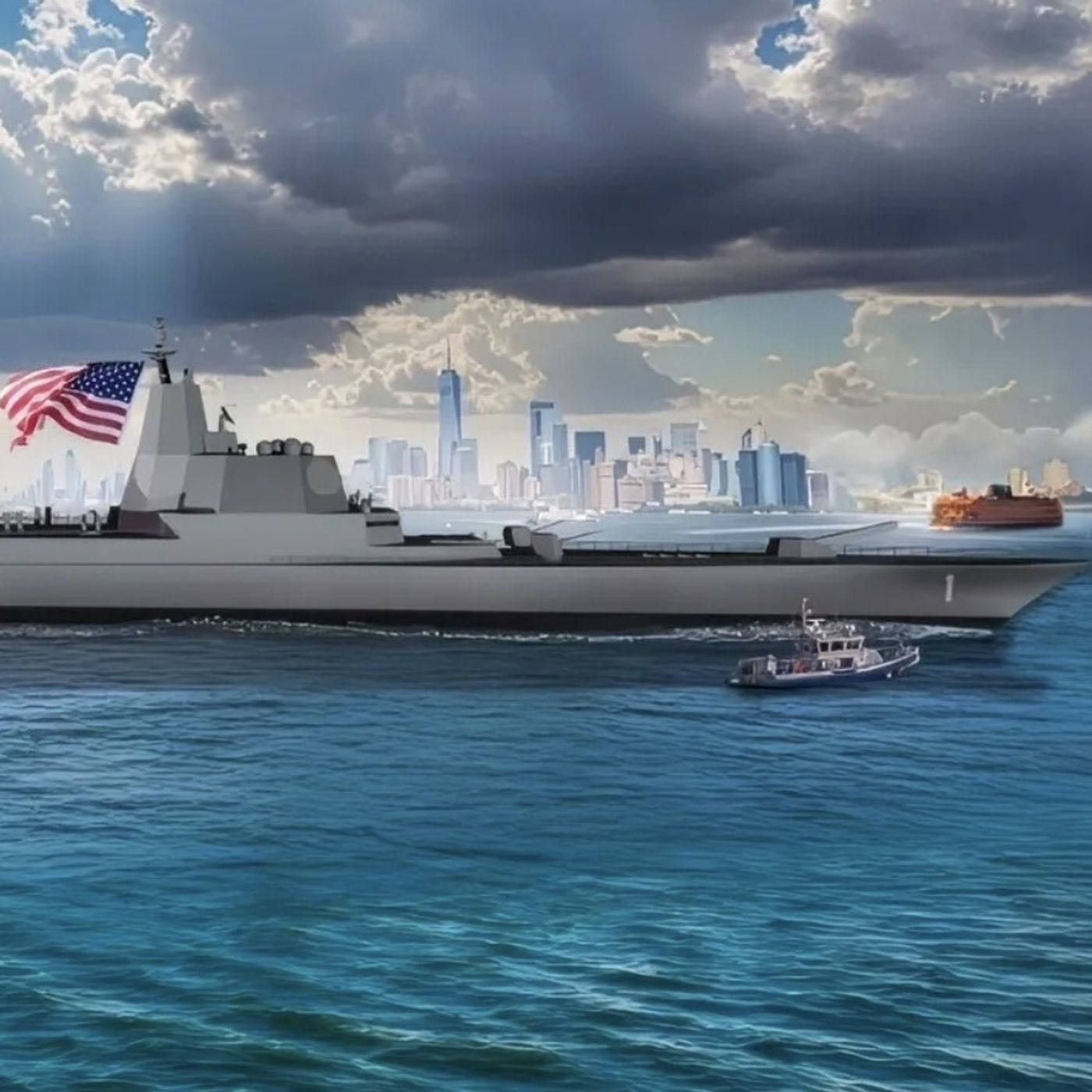 Episode 748: The 21st Century Battleship, with Robert Farley | So, is this the time to make battleships great again?I would be hard-pressed to think of a better guest to help us explore that question than returning guest, Rob Farley. A starting point for our conversation will be his article from December, The Trump-Class Battleship Summed Up In 1 Word.Show LinksThe Battleship Book, by Robert Farley’sPatterson School of Diplomacy and International CommerceLawyers, Guns, and Money Dr. Robert Farley’s X ProfileDr. Robert Farley’s Blue Sky ProfileMy thoughts on SLCM-NSummaryIn this episode, Dr. Robert Farley discusses the concept of battleships, their historical significance, and the strategic considerations for modern naval warfare. The conversation covers technological challenges, political implications, and future force structure planning.Chapters00:00: Introduction to the Battleship Debate02:31: Historical Context and Modern Relevance of Battleships07:44: Survivability and Modern Warfare Challenges13:11: The Role of Nuclear Capabilities in Battleships20:11: Political and Strategic Implications of Battleship Armament23:15: Technological Innovations and Future of Naval Warfare32:36: Design Philosophy and Size of Modern Warships39:32: Historical Lessons and Future Capabilities46:03: Political Implications of Naval Procurement52:30 Shipbuilding Challenges and Future DirectionsDr. Robert Farley has taught security and diplomacy courses at the Patterson School since 2005. He received his BS from the University of Oregon in 1997, and his Ph.D. from the University of Washington in 2004. In addition to the book of the moment, The Battleship Book (Wildside, 2016), Dr. Farley is the author of Grounded: The Case for Abolishing the United States Air Force (University Press of Kentucky, 2014), and Patents for Power: Intellectual Property Law and the Diffusion of Military Technology (University of Chicago, 2020). He has contributed extensively to a number of journals and magazines, including the National Interest, the Diplomat: APAC, World Politics Review, and the American Prospect. Dr. Farley is also a founder and senior editor of Lawyers, Guns and Money. | 56m 05s | ||||||
| 2/16/26 | 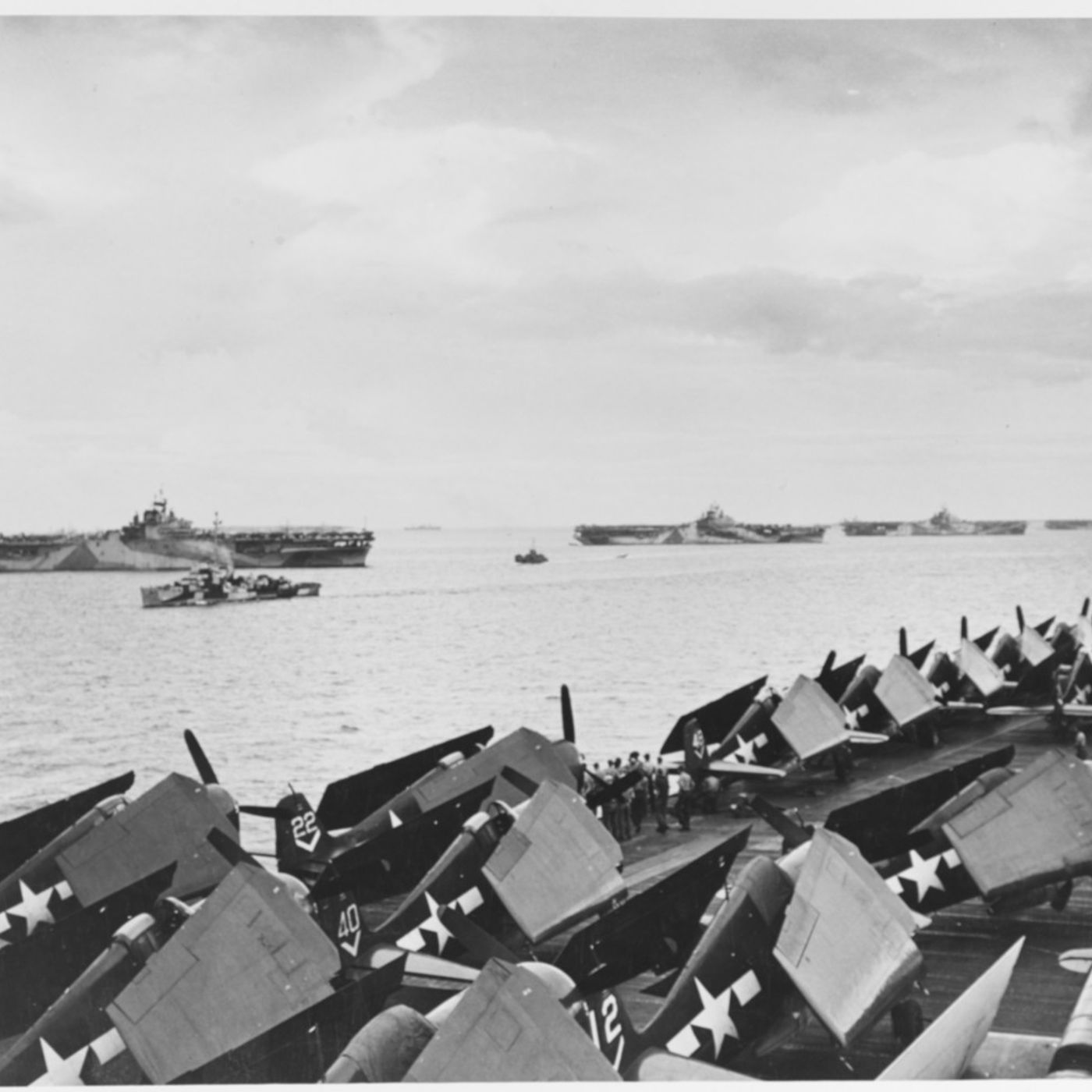 Episode 747: Mid-February Free for All | Need a moment to recover from Valentine’s Day? Of course you do!ShowlinksTruxtun-Supply CollisionSecretary of State Marco Rubio at the Munich Security ConferenceMaritime Action PlanSummaryIn this episode of Midrats, Sal and Mark discuss various topics related to national security, starting off with the Truxton-Supply collision. They also delve into Secretary Rubio’s speech regarding NATO relations, the decline of the international order, and the challenges posed by China’s global influence. Additionally, they explore the Maritime Action Plan and its significance for the future of shipbuilding and economic policy in the U.S.Chapters00:00: Introduction02:10: The Truxtun-Supply Collision11:55: Operational Tempo and Navy Readiness17:24: Secretary Rubio’s Speech and NATO Relations27:18: The Decline of the International Order37:03: China’s Global Influence and Fishing Practices45:51: Maritime Action Plan and Economic Policy57:59: Strategic Capabilities and Future of Shipbuilding | 1h 01m 11s | ||||||
| 2/1/26 | 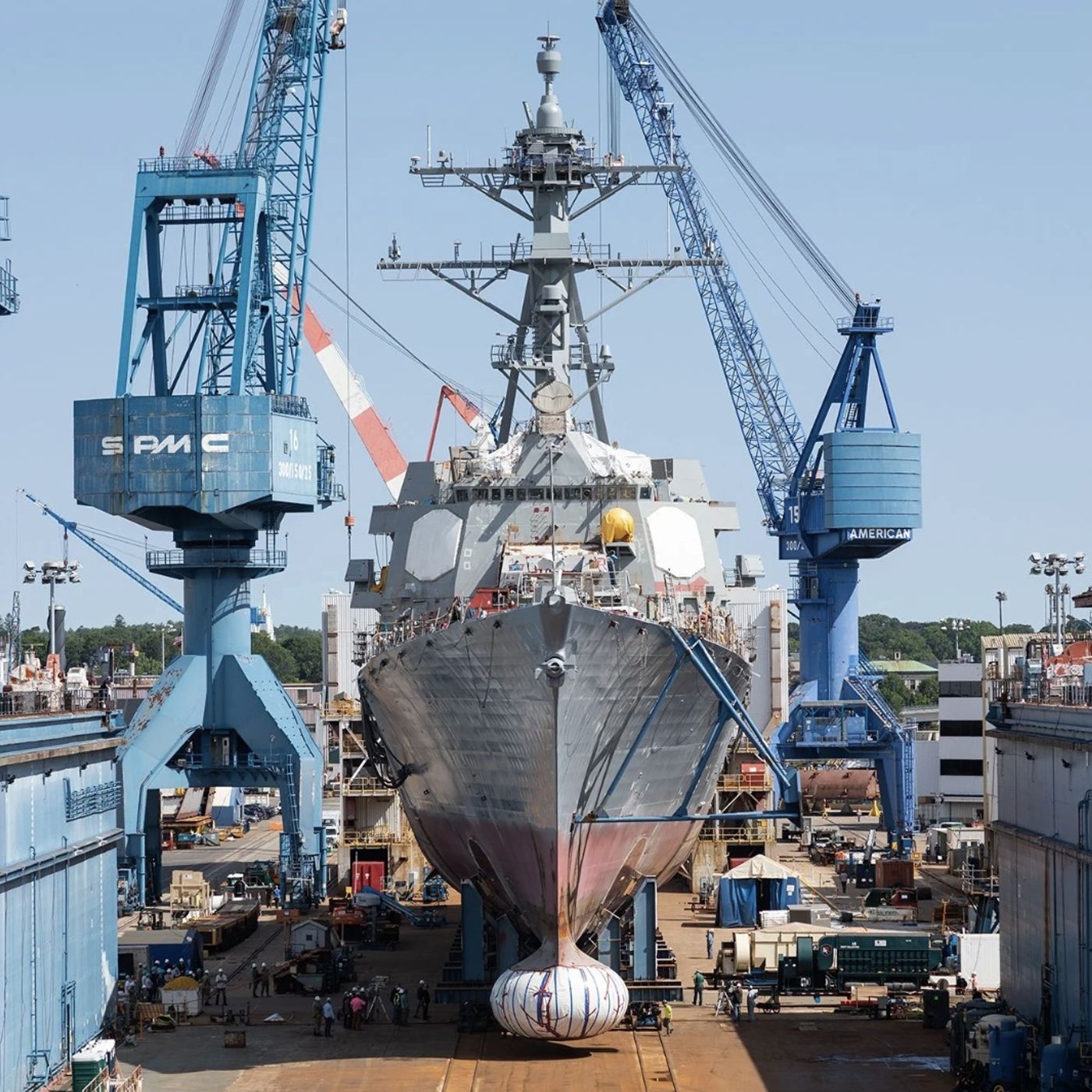 Episode 746: Budgets, Ships, and the CBO, with Eric Labs - on Midrats | Show LinksThe Congress, the Golden Fleet, and the Shipbuilding Industrial Base in 2026SummaryIn this episode of Midrats, Sal and Mark engage with Eric Labs, a senior analyst at the Congressional Budget Office (CBO), to discuss the complexities of shipbuilding costs, the role of the CBO in providing independent estimates, and the challenges faced by the U.S. Navy in maintaining and expanding its fleet. Eric shares insights on the differences between CBO and Navy cost estimates, the impact of maintenance on overall ship costs, and the importance of a skilled labor force in shipbuilding. The conversation also touches on the historical context of shipbuilding budgets, congressional appropriations, and the future of naval forces in the face of evolving defense needs.Dr. Eric Labs is Senior Analyst for Naval Forces and Weapons at the Congressional Budget Office in Washington, D.C. He specializes in issues related to the procurement, budgeting, and sizing of the forces for the Department of the Navy. He received his doctorate in political science from the Massachusetts Institute of Technology and graduated from Tufts University, summa cum laude, in 1988. He has worked for the Institute for Foreign Policy Analysis in Cambridge, Massachusetts and, from 1994 to 1995, as a Visiting Scholar at the Center for International Security Studies at the University of Maryland. Dr. Labs has been with the Congressional Budget Office since 1995. Chapters00:00: Introduction to the CBO and Eric Labs03:01: Understanding the Role of the CBO06:01: Cost Estimation Approaches in Shipbuilding08:54: Historical Context of CBO Estimates vs Navy Estimates12:04: Challenges in Shipbuilding Cost Estimates15:09: The Impact of Maintenance on Ship Costs18:00: Congressional Budgeting and Shipbuilding Appropriations20:48: Labor Force Challenges in Shipbuilding23:58: Future of the U.S. Navy Fleet and Shipbuilding27:05: Conclusion and Future Considerations | 57m 59s | ||||||
| 1/26/26 |  Episode 745: Mid-Winter Melee...National Defense Strategy et al | No need to force yourself to head outside in this horrible weather—unless you are in the Free State of Florida where the high is expected to hit 80F or so.From the Friday National Defense Strategy dump to whatever comes over the transom, we’ve got you covered.Show Links2026 National Defense StrategyHeritage Foundation’s, TidalwaveBeans, Bullets, and Black Oil, Rear Adm. Worrall Reed, USNFourth Arm of Defense: Sealift and Maritime Logistics in the Vietnam War, Sal MercoglianoUSS Zumwalt Underway for First Time Since 2023 After Missile Refit, Sam LaGrone2009, George Soros interviewed by then WEF ‘Young Global Leader’ and future Canadian Deputy Prime Minister, Chrystia FreelandSummaryIn this episode of Midrats, the hosts discuss the recent release of the National Defense Strategy, its implications for U.S. military policy, and the focus on China one of the primary concerns. They also address European defense responsibilities, Canada’s political landscape, and the importance of logistics in military preparedness. The conversation highlights the need for candor within military culture and the future of naval warfare technologies.Chapters00:00: Introduction and Overview02:45: Airing Grievances: National Defense Strategy Release07:09: Analysis of National Defense Strategy12:41: Focus on China: Realistic Approaches18:31: European Defense Responsibilities24:28: Canada’s Political Landscape and Defense Issues30:38: Logistics and Military Preparedness40:48: The Importance of Candor in Military Culture53:30: Future of Naval Warfare and New Technologies | 1h 01m 53s | ||||||
| 1/19/26 |  Episode 744: Greenland: Belle of the Ball, with Dr. Elizabeth Buchanan | Is four months too short a turnaround for a guest on Midrats? Not if the topic at hand keeps running to the top of your read board.From the unending diplomacy responding to the Trump Administration’s unending drive to get Greenland’s geography—and the resulting security—more firmly under American control, to the sitcom-worthy deployment of a couple of dozen “Coalition of the Freezing”—Greenland can’t-stop-won’t-stop from gathering eyeballs and attention.So, we’re bringing back Elizabeth Buchanan for another visit. We’ll use her recent article in The Spectator as starting off point, A buyer’s guide to Greenland.Dr. Elizabeth Buchanan is a senior fellow with the Australian Strategic Policy Institute and an expert associate of the French Ministry of Armed Forces’ Institute for Strategic Research.Most recently she was Head of Research for the Royal Australian Navy (Department of Defence). Dr Buchanan is co-founder of the polar warfare program (Project 6633) at the Modern War Institute of the West Point Military Academy. Before joining Australia’s Defence Department, Dr. Buchanan was Lecturer of Strategic Studies for the Defence and Strategic Studies Course at the Australian War College.Elizabeth holds a Ph.D. in Russian Arctic Strategy and completed her post-doctoral studies as a Maritime Fellow at the NATO Defense College in Rome. She has published widely on geopolitics, most recently with Australian Foreign Affairs, International Affairs, War on the Rocks, Foreign Policy, Foreign Affairs, The Australian, and The American Conservative.Dr. Buchanan has been a Visiting Scholar with the Brookings Institution and was an analyst with Royal Dutch Shell. Elizabeth has three published books:: Russian Energy Strategy in Asia and Red Arctic: Russian Arctic Strategy under Putin. In addition to, So you want to own Greenland, she also has an upcoming book, Competitive Cooperation at the Ends of the Earth.Show links:So You Want to Own Greenland?: Lessons from the Vikings to Trump.Liz’s SEP 2024 visit to Midrats.The Unfortunate Greenland Kerfuffle.Denmark’s strategic concerns about China and Russia around Greenland, via Nick Solheim.Liz on X.SummaryIn this episode of Midrats, the hosts welcome back Dr. Elizabeth Buchanan, a senior fellow at the Australian Strategic Policy Institute and Center for the National Interest, to discuss the ongoing geopolitical significance of Greenland. The conversation delves into the historical context of U.S.-Greenland relations, particularly in light of recent tensions and discussions surrounding Greenland’s potential independence. Dr. Buchanan emphasizes the importance of understanding Greenland’s strategic position in the Arctic, especially regarding U.S. national security interests and the implications of a changing global landscape, including China’s growing influence. The dialogue also touches on the complexities of Greenland’s relationship with Denmark and the potential for a direct U.S.-Greenland partnership.Chapters00:00: Introduction and Overview of Greenland’s Importance02:38: Historical Context of U.S.-Greenland Relations05:52: The 2004 Defense Treaty and Its Implications12:23: Greenland’s Independence Movement and Future Prospects31:50: Best Case Scenarios for U.S.-Greenland Relations32:17: Understanding the Scrappy Spirit of Greenland39:12: The Geopolitical Landscape: Europe and the U.S.54:31: Greenland’s Future: Independence or Status Quo? | 59m 17s | ||||||
Showing 25 of 602
Pitch Fit is a Pro feature
See how bookable this show is for guests, which brands already advertise, the per-episode ad value, and the best-fit guest and sponsor profile. The numbers are blurred on the free plan.
How readily this show books outside guests like you.
How proven this show is for host-read sponsorships.
For Guests
ProFor Advertisers
ProUpgrade to Pro to unlock guest cadence, sponsor categories, fit scores, and per-episode ad value for this show.
Chart history for Midrats
Peaked at #145 in CO, currently #145 in CO.
| Market | Genre | Peak | Current | Trend |
|---|---|---|---|---|
| CO | — | #145 | #145 | — |
Chart Positions
1 placement across 1 market.
Chart Positions
1 placement across 1 market.