

Insights from recent episode analysis
Audience Interest
Podcast Focus
Publishing Consistency
Platform Reach
Insights are generated by CastFox AI using publicly available data, episode content, and proprietary models.
Most discussed topics
Brands & references
Est. Listeners
Insufficient chart data. Estimates will improve as the show charts.
- Per-Episode Audience
Est. listeners per new episode within ~30 days
N/A🎙 ~2x weekly·44 episodes·Last published 1w ago - Monthly Reach
Unique listeners across all episodes (30 days)
N/A - Active Followers
Loyal subscribers who consistently listen
N/A
Market Insights
Platform Distribution
Reach across major podcast platforms, updated hourly
Total Followers
—
Total Plays
—
Total Reviews
—
* Data sourced directly from platform APIs and aggregated hourly across all major podcast directories.
On the show
From 10 epsHost
Recent guests
Recent episodes
Interview with Dori Yona: Recycling Failed Businesses into New Opportunities
Jun 18, 2026
Unknown duration
Interview with Charles Rosenblatt: The Javelin Thrower's Guide to Building a Fintech Career
Jun 3, 2026
55m 20s
Interview with Colton Pond: The War Fintech Didn’t Win
May 13, 2026
48m 19s
Interview with Bill Bloom: Lighting Money on Fire and the Quest to Pay off $1B in Consumer Debt
Apr 23, 2026
59m 07s
Interview With David Benskin: A New Brand, a New Category, the 13-Year Evolution to Connected Intelligence
Mar 31, 2026
46m 40s
Social Links & Contact
Official channels & resources
Official Website
Login
RSS Feed
Login
| Date | Episode | Topics | Guests | Brands | Places | Keywords | Sponsor | Length | |
|---|---|---|---|---|---|---|---|---|---|
| 6/18/26 |  Interview with Dori Yona: Recycling Failed Businesses into New Opportunities | Host - Rory Holland - cstmr.com - Linkedin: CSTMRInterviewed - Dori Yona- simpleclosure.com - LinkedIn: SimpleClosureIn This EpisodeDori Yona, co-founder of SimpleClosure, joins host Rory Holland to explore how navigating one of the lowest points in his entrepreneurial life led to building a groundbreaking infrastructure business. Dori opens up about his time commanding a platoon of ships in the IDF Navy, sharing how high-pressure environments shaped his collaborative leadership style. After being forced by his board to shut down a previous startup, he experienced firsthand the isolating, complex, and expensive reality of winding down a business. That dark moment sparked the vision for SimpleClosure, an automated platform that helps companies close gracefully while monetizing their leftover code, data, and assets . This conversation dives into the emotional weight of founder layoffs, the power of persistent curiosity, and why clean endings pave the way for successful new beginnings . | — | ||||||
| 6/3/26 |  Interview with Charles Rosenblatt: The Javelin Thrower's Guide to Building a Fintech Career✨ | fintech careerglobal payments+4 | Charles Rosenblatt | Butter PaymentsCSTMR+3 | — | fintechpayments+5 | — | 55m 20s | |
| 5/13/26 |  Interview with Colton Pond: The War Fintech Didn’t Win✨ | fintechidentity+5 | Colton Pond | SocureFintech Nerdcon+3 | — | fintechidentity+5 | — | 48m 19s | |
| 4/23/26 |  Interview with Bill Bloom: Lighting Money on Fire and the Quest to Pay off $1B in Consumer Debt✨ | debt managementfinancial struggles+3 | Bill Bloom | CSTMRDiane Money+1 | — | debt cyclefinancial advisor+3 | — | 59m 07s | |
| 3/31/26 |  Interview With David Benskin: A New Brand, a New Category, the 13-Year Evolution to Connected Intelligence✨ | financial dataconnected intelligence+4 | David Benskin | Wealth AccessCSTMR+1 | — | financial institutionsdata aggregator+4 | — | 46m 40s | |
| 3/17/26 |  Interview with Chris Levy: Rising from Intern to CEO in Just Over a Decade✨ | leadershipcareer development+3 | Chris Levy | PursuitCSTMR+1 | — | CEOinternship+5 | — | 45m 20s | |
| 3/3/26 |  Rory Holland and Jack Macy: A Conversation about Choosing the Right Agency and Partnering for the Long Haul✨ | agency selectionmarketing partnerships+3 | Jack Macy | CSTMR | — | agency buyer's guidefinancial marketing+3 | — | 36m 08s | |
| 2/17/26 |  Interview with Levi King: From Sign Shop to $100M Founder✨ | entrepreneurshipleadership+3 | Levi King | Nav.comCSTMR+1 | — | entrepreneurbusiness credit+3 | — | 57m 25s | |
| 2/4/26 |  Interview with Joey Bouchard: The Insurance Industry Needed a ‘Human+’ Model✨ | insurance industrytechnology+4 | Joey Bouchard | QuoteWellCSTMR+1 | — | insurance quotingdigital transformation+3 | — | 1h 00m 28s | |
| 1/20/26 | 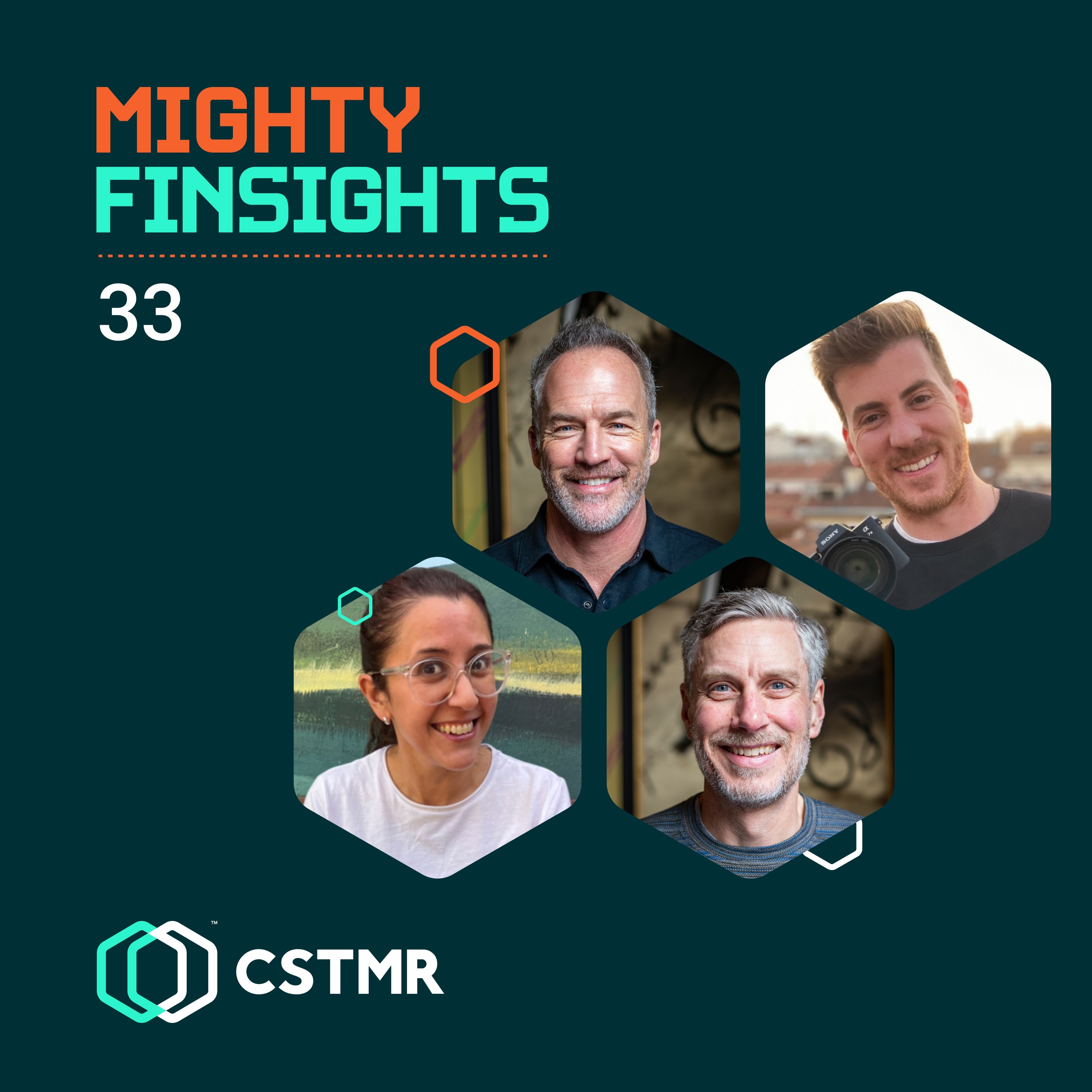 Interview with Jack Macy, Brendan Bresnahan and Romina Gomez: Gaining Maximal Visibility in the AI Age✨ | digital discoveryAI tools+5 | Jack MacyBrendan Bresnahan+1 | CSTMRChatGPT+1 | — | AISEO+5 | — | 35m 44s | |
Want analysis for the episodes below?Free for Pro Submit a request, we'll have your selected episodes analyzed within an hour. Free, at no cost to you, for Pro users. | |||||||||
| 12/9/25 |  Interview with Frank Young: Why Adaptive Leadership Can Save Fintech Firms Millions✨ | adaptive leadershipfintech+4 | Frank T. Young | GoogleGlobal Payments+4 | — | adaptive leadershipfintech firms+5 | — | 1h 02m 30s | |
| 11/25/25 |  Interview with Mike Nellis of Austin Community Foundation: How Community Foundations Can Restore Trust in Philanthropy | Host - Rory Holland - cstmr.com - Linkedin: CSTMRInterviewed - Mike Nellis, Austin Community Foundation - LinkedIn: Austin Community FoundationWant to be a part of the podcast? Contact Rory today!In This EpisodeIn episode 31 of Mighty Finsights, Rory Holland interviews Mike Nellis, CEO of the Austin Community Foundation (ACF), about the pivotal role of community foundations in today's economy and philanthropic landscape. Mike discusses how ACF serves as a "charitable bank" and community endowment, connecting people and resources to tackle issues like housing affordability. They explore the generational wealth transfer and the skepticism younger generations hold toward traditional philanthropy. Learn why ACF is focused on trust-based giving, and how they use flexible capital and deep community knowledge to deploy capital with sustained impact, moving beyond simple transactional giving.Generational Wealth Transfer: A massive transfer of wealth is underway, posing a huge opportunity for organizations like community foundations to help younger generations invest capital meaningfully.Skepticism in Philanthropy: Younger individuals from wealthy families are often skeptical of traditional philanthropy, requiring challenge and guidance on how to use their capital and influence for significant positive change.Beyond Charitable Banking: Community foundations function as both a charitable bank (managing Donor Advised Funds or DAFs) and a permanent community endowment, ensuring capital is available for both today's and future needs.DAFs Offer Flexibility: Donor Advised Funds (DAFs) allow donors to receive a tax deduction today while making gifts over time, offering efficiency and flexibility in charitable giving.Trust-Based Giving: A shift is occurring away from prescriptive giving to a trust-based philanthropic perspective, where funds are invested in high-impact organizations and their leadership, moving beyond focusing on overhead minutiae.Solving Housing Affordability: The Austin Community Foundation is tackling the local housing affordability crisis by providing cheap, fast, and flexible debt to developers to unlock other capital for housing production.Data and Future Relevance: ACF remains relevant by using data to understand regional challenges, which informs their grant-making and long-term strategy, enabling them to meet the community's needs in perpetuity.Living Minimal Is Freeing: Rory and Mike talk about their experiences living in RVs on the road and how those experiences shaped them as people and shaped their relationships with others.Chapters00:00 EP31 - Teaser00:40 EP31 Introduction01:49 The Billionaire Philanthropy Workshop06:00 Skepticism in Philanthropy: The Younger Generation's Perspective07:35 Journey to Austin from the Midwest12:01 Driving from CA to TX13:50 Coffee, Colorado and the Flatirons15:49 Rory Holland - Commentary16:27 Coffee, Colorado and the Flatirons - Continued17:11 What Is the Austin Community Foundation?22:18 Differentiation Community Foundations from Private Foundations24:46 What is a Donor-Advised Fund?27:01 Tackling the Housing Crisis in Austin and Beyond29:56 Rory Holland - Commentary32:11 Tackling the Housing Crisis in Austin and Beyond - Continued35:26 Supporting Artists and Cultural Preservation37:31 The Guadalupe Floods in the Texas Hill Country41:32 Selling Everything to Live Down by the River in an RV43:08 Rory Holland - Commentary43:40 Selling Everything to Live Down by the River in an RV - Continued48:58 The Wealth Transfer and How to Make an Impact54:29 ACF and the Future of Philanthropy57:02 Closing Remarks | — | ||||||
| 11/6/25 |  Interview with Jason Henrichs of Alloy Labs: Why Brand Differentiation Is the Vital Strategy for Community Banks and Credit Unions | Host - Rory Holland - cstmr.com - Linkedin: CSTMRInterviewed - Jason Henrichs, Alloy Labs - LinkedIn: Alloy LabsBook Recommendation: Team of Rivals by Doris Kearns GoodwinWant to be a part of the podcast? Contact Rory today!In This EpisodeJoin us for Episode 30 where host Rory Holland sits down with Jason Henrichs, CEO at Alloy Labs and co-host of the #1 global fintech podcast, Breaking Banks. They dive into Jason's journey, from co-founding Perk Street, an early concept of Banking as a Service (BaaS), to leading community bank innovation at Alloy Labs.They explore the critical role of trust in building financial brands, especially in today's environment. Jason offers frank insights on why many community banks are facing a crisis of identity and brand, as well as how collaboration—like Abraham Lincoln's "Team of Rivals" approach—is key to making the pie bigger. This is a must-listen for anyone curious about the human motivations shaping the future of financial services.Key TakeawaysThe BaaS Origin Story: The early Banking as a Service model (like Perk Street) was driven by a deposit arbitrage to help community banks gather deposits, not just a Dodd-Frank interchange arbitrage.Trust as a Deliverable: Building trust requires real value and delivering on promises. Customers will choose you if you put "meat on the bone" of their expectations.The Anti-Wall Street Brand: In the wake of the 2008 financial crisis, brands could be built on an "anti Wall Street" sentiment, resonating with consumers looking to "take back Main Street".The Community Bank Challenge: Many community banks and credit unions will likely "die" if they don't find a real problem to solve and a unique selling proposition that customers truly value.Deposit Erosion: The consumer deposit base for community banks is aging, and the money of younger consumers is already fragmented across various platforms (like Amazon or pre-funded deposit intermediators).Competing with Scale: Smaller banks struggle to compete with large banks that are now tech-driven (like Chase) and startups (like Chime) that have raised billions in capital.A Portfolio of Bets: Alloy Labs helps banks thrive by focusing on a portfolio of strategic bets—ranging from high-flying problems (like payments via Rebolt) to more mundane necessities (like AI adoption via the AI Action Center).Beyond the Center of Money: Innovation should focus on the "edge of money," recognizing that money is a means to an end (e.g., getting a loan to open a new business location, not for the sake of the loan itself).The Power of Cooperation: The cooperative model (like Land O'Lakes in the dairy industry) can serve as a blueprint for how community banks can collaborate to survive and thrive.Lincoln's Leadership Lesson: Leaders should follow the "Team of Rivals" philosophy to bring forward diverse thought and solve big problems together, rather than protecting their existing "share of the pie".From Desperation to Inspiration: Jason's decision to found Alloy Labs was motivated by the frustration of seeing bankers who were "so f***ed" if they didn't take ownership of their future, leading to the creation of what he jokes is a "giant therapy session" for bank CEOsChapters00:00 EP30 - Teaser00:37 Introduction01:56 Interview Starts - Upbringing, a Gift, and Running08:43 Founding Perk Street and the Birth of Banking as a Service13:05 Building Trust in Financial Services15:39 Rory Holland Commentary16:03 Resume Interview16:42 How Financial Brands Are Dealing with Consumer Distrust18:41 Alloy Labs: Innovating for Community Banks22:59 How Alloy Labs Evaluates Fintech Partners29:25 Telling the Ugly Truth to Community Bankers32:57 Rory Holland Commentary33:19 Resume Interview35:14 What Problems Does Jason Think Are Worth Solving38:59 The Challenge of Differentiating as a Community FI44:03 The Market Is Shifting Under the Feet of Community Bankers48:10 Lessons from History: Leadership and Trust50:46 Rory Holland Commentary51:10 Resume Interview51:50 The Intersection of Entrepreneurship and Stewardship56:20 Abraham Lincoln as Head of People01:00:48 Wisdom from Jason's Current Season of Life01:03:03 Outro | — | ||||||
| 9/9/25 | 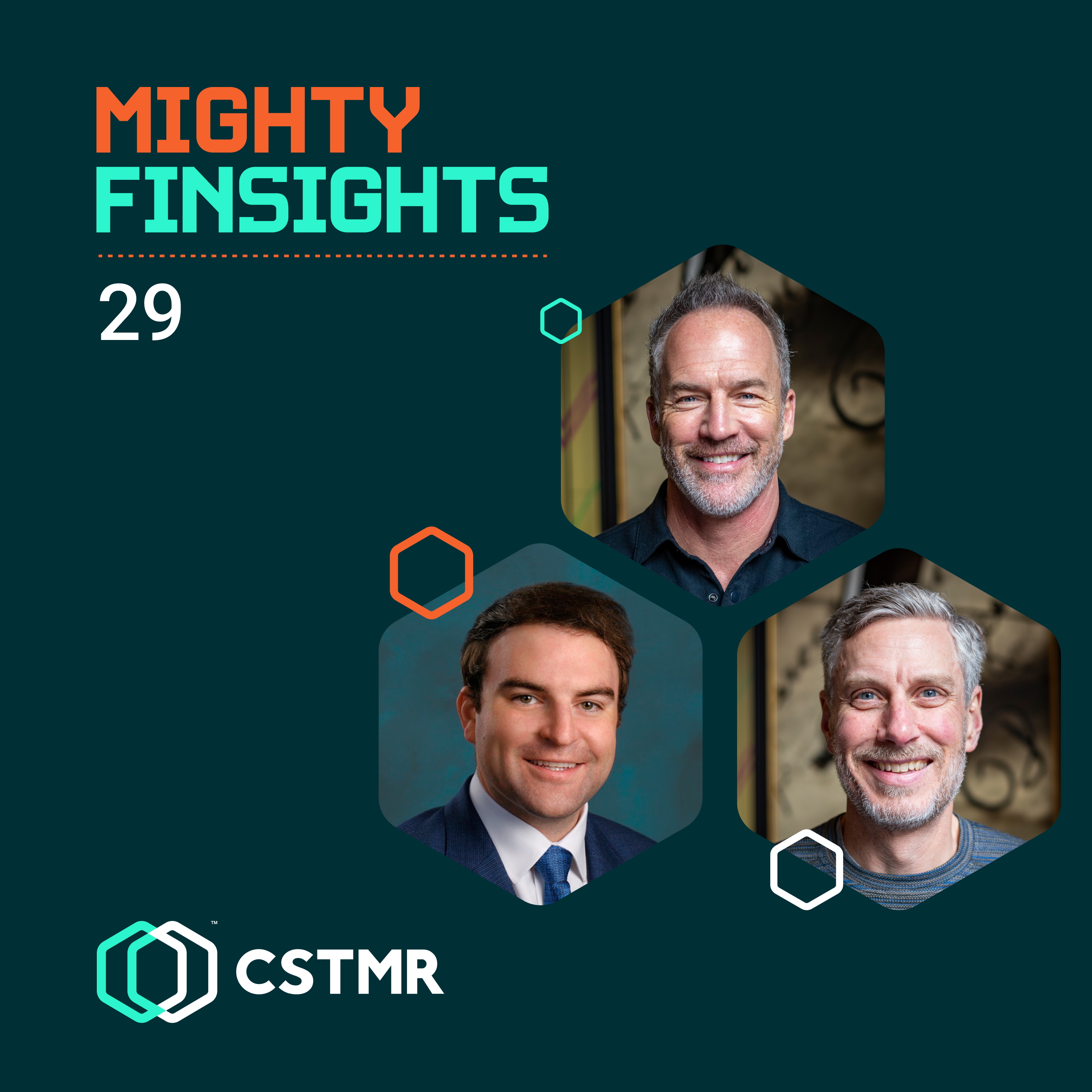 Interview with Alex Bates of Dark Rock Cybersecurity: Using SOC 2 to Enhance Your Business, Not Just Manage Risk | Host - Rory Holland - cstmr.com - Linkedin: CSTMRInterviewed - Jack Macy, CSTMR and Alex Bates, Dark Rock Cybersecurity - LinkedIn: CSTMR and Dark Rock CybersecurityWant to be a part of the podcast? Contact Rory today!In This EpisodeJoin us for Episode 29 of Mighty Finsights, where Rory Holland interviews Jack Macy, founder and COO of CSTMR, and Alex Bates with Dark Rock Cybersecurity about the journey CSTMR took to achieve SOC 2 compliance. They explore the importance of SOC 2 for building trust with clients, the challenges faced during the process, and the benefits of being a certified vendor in the financial services industry. The conversation also covers the selection of the right SOC 2 partner and offers advice for organizations considering pursuing SOC 2 compliance, including why it’s helpful to have an expert coach to guide you through the process.Key TakeawaysSOC 2 compliance is an excellent way to improve organizational health and build client trust.CSTMR's proactive approach to SOC 2 is unusual for service-based business, especially agencies.The SOC 2 process helps formalize risk management practices and “harden” security protocols.Data breaches incur significant costs and reputational harm for organizations.Selecting the right SOC 2 partner will make a big difference in your experience and the quality of your results.Investing in compliance should be viewed as a long-term strategy.Training and educating the organization as a whole is key to successful implementation.SOC 2 is a report of compliance, not a “certification.”Chapters00:00 Episode Introduction01:58 Why Did CSTMR Pursue SOC 2?03:58 The Importance of SOC 2 for Professional Services06:09 Challenges in Achieving SOC 2 Compliance09:52 Real-World Security Failures12:57 The Direct Impact on a Brand14:27 The Prevalence of SOC 2 in the Marketing Space16:56 Benefits to CSTMR's Clientele19:48 Selecting the Right SOC 2 Partner22:21 What to Look for in a SOC 2 Vendor24:13 How Playing Competitive Sports Informs Alex's Work29:20 How to Know If SOC 2 Is Right for Your Organization30:28 How CSTMR Tackled the Challenges of Passing SOC 234:07 Unpacking the Gap Analysis35:44 Trust Service Criteria | — | ||||||
| 7/8/25 | 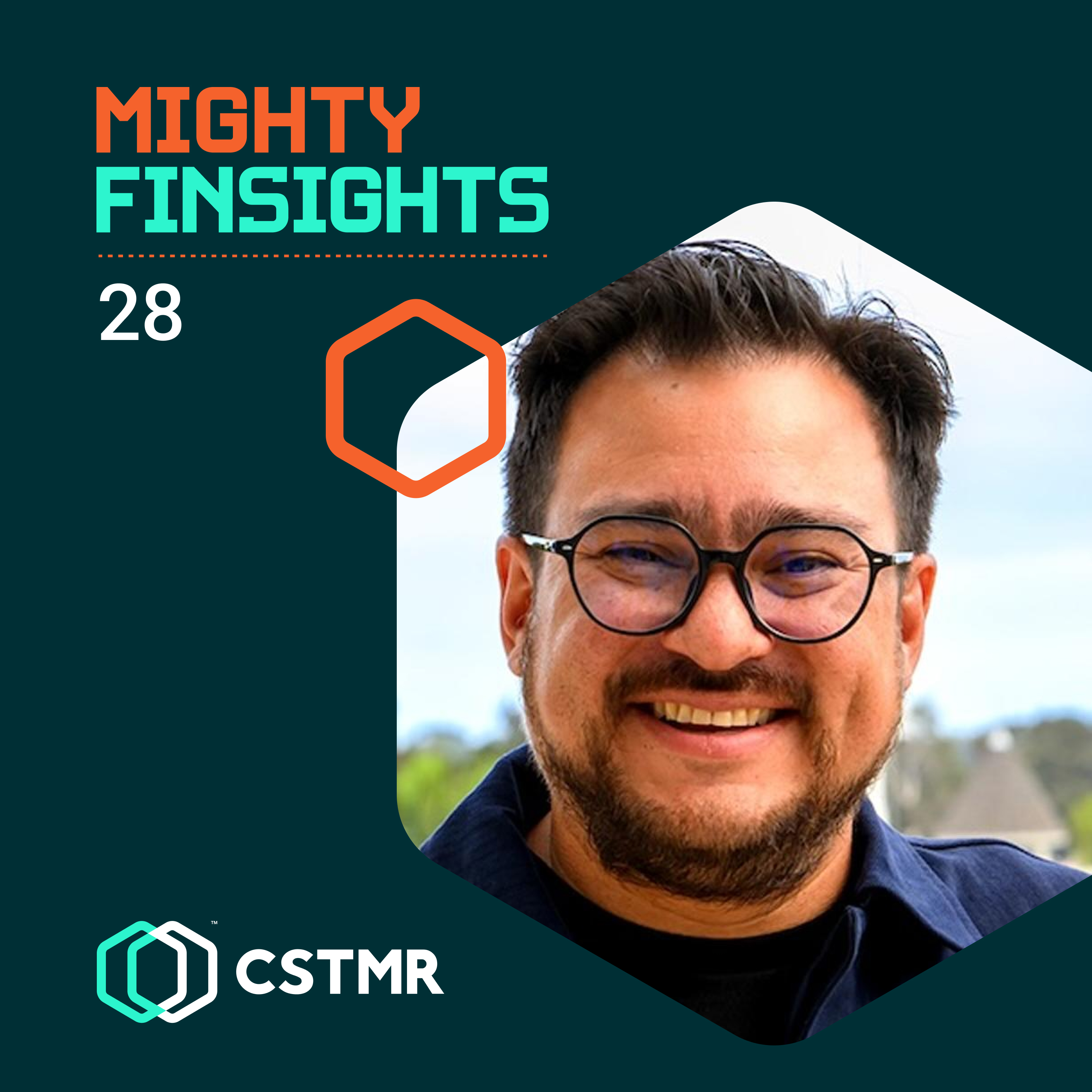 Interview with Jorge Garcia of Linker Finance: Solving Commercial Banking Tech the Hard Way and Winning | Host - Rory Holland - cstmr.com - Linkedin: CSTMRInterviewed - Jorge Garcia, Linker Finance - LinkedIn: Linker FinanceWant to be a part of the podcast? Contact Rory today!In This EpisodeJoin us for Episode 28 of Mighty Finsights, where Rory Holland interviews Jorge Garcia, Co-founder and CEO of Linker Finance, about the digital banking needs that community banks have for their commercial clients. Jorge shares his journey from Honduras to the U.S., lessons learned as an internationally competitive swimmer, and how these experiences shaped his entrepreneurial spirit. Jorge also talks about how his relationship with his wife and co-founder has also affected the growth and health of the company overall. The conversation also explores the unique economic role that community banks play in the U.S., how the future could play out for those institutions, and why doing things the hard way can actually be a key to success in a crowded marketplace. Key TakeawaysLinker Finance provides digital banking solutions for commercial banking clients.Jorge's background as an international swimmer instilled a long-term goal mindset paired with skills to execute in the short term. Community banks are responsible for the amazing health of small businesses and the U.S. economyFintech companies are increasingly looking at the commercial banking sector as an opportunity to innovate. Building relationships is key in marketing to community banks.Jorge emphasizes the importance of celebrating small wins in business.Linker Finance aims to connect business banking technology with the needs of community banks.Strategic partnerships are playing a big role in Linker’s next phase of growth.Jorge believes that community banks can thrive with the right technology.The future of fintech is uncertain - it could greatly reduce the role of community banks or it could make them stronger.Chapters00:00 Introduction to Linker Finance02:56 Jorge's Journey from Honduras to the U.S.06:00 The Birth of Linker Finance08:56 Understanding Community Banks and Their Needs12:06 Working With Vault.Bank and Gaining a New Investor14:39 The Impact of Competitive Swimming on Business19:51 Brand Positioning in a Competitive Market21:35 Building Relationships in Business23:45 Spouses and Co-founders: A Match Made in Honduras27:29 The Importance of Community Banks31:12 How Constraint Satisfaction Helps Build Companies34:24 Innovations on the Horizon for Linker36:28 Holistic User Experience in Community Banking40:31 Reframing the Data on Community Banking and Technology45:47 The Essence of Linker: Connection and Innovation | — | ||||||
| 6/24/25 | 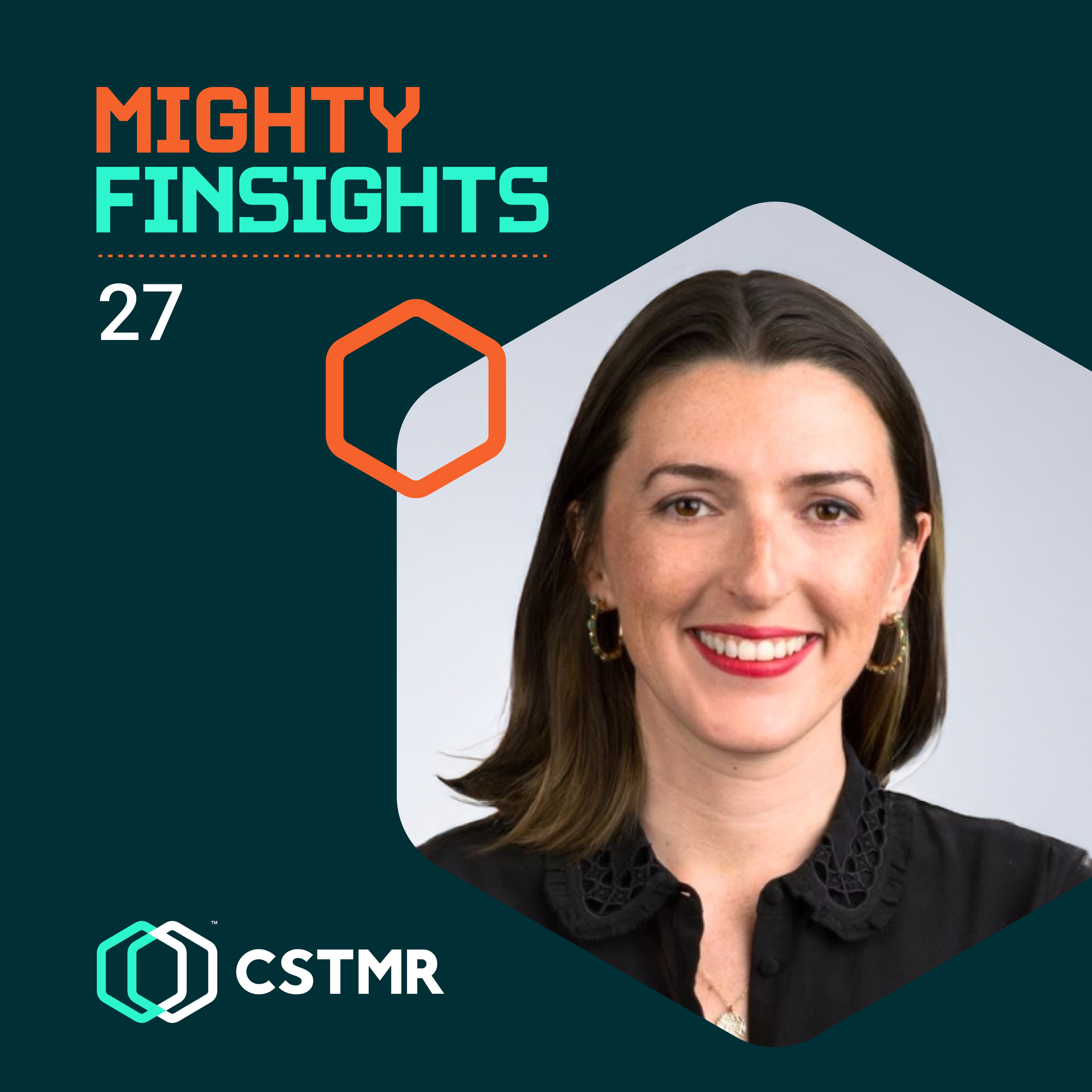 Interview with Alex McLeod of Parlay Finance: Small Business Owners Deserve Better than Generic AI Solutions | Host - Rory Holland - cstmr.com - Linkedin: CSTMRInterviewed - Alex McLeod, Parlay Finance - LinkedIn: Parlay FinanceWant to be a part of the podcast? Contact Rory today!In This EpisodeJoin us for Episode 27 of Mighty Finsights where Rory Holland interviews Alex McLeod, founder of Parlay, about small business lending and how banks and entrepreneurs are poorly served by the existing system. Alex talks about how her role as a military spouse informed her decision to found Parlay. They explore the stark challenges faced by small business owners and financial institutions, why AI should be deployed carefully to avoid harm and the role humility plays in finding good mentors. The conversation also touches on marketing strategies, brand positioning, and the urgency of adopting new technology.Key TakeawaysParlay is bridging the gap between small businesses and lenders.AI and fintech can significantly streamline the lending process.Small business lending is complex and requires tailored solutions.Financial inclusion is crucial for empowering small businesses.Standardized processes in lending can improve efficiency and outcomes.Data plays a vital role in assessing loan eligibility.Marketing and education are key to reaching lenders effectively.The fintech landscape is rapidly evolving with AI and data-driven solutions.Community support is essential for fintech entrepreneurs.Understanding the needs of small businesses is critical for lenders.Chapters00:00 Who Is Alex McLeod and What Is Parlay?03:37 Small Business Lending Is Really Difficult05:17 Leveraging AI and FinTech for Efficiency10:49 Lenders Use Parlay to Simplify Data Collection12:30 Big Struggles for Small Business Owners15:09 Why Alex Started Parlay18:05 Standardization in Lending Has a Long Way to Go20:34 Parlay's Vision for Economic Opportunity21:59 The Parlay Brand Is Positioned to "Do No Harm"24:08 Marketing Ideas to Help Lenders Win26:02 Navigating the World of Banking Tech28:47 Empowering Entrepreneurs Through Education30:15 Real Impact Stories: Transforming Rejection into Generational Wealth33:26 Stay Humble if You Want Good Mentors36:29 Future Trends in Fintech: AI and Beyond44:05 How Banks Should Prioritize Their Technology Efforts 45:28 Advice for the Next Generation of Fintech Leaders | — | ||||||
| 6/10/25 | 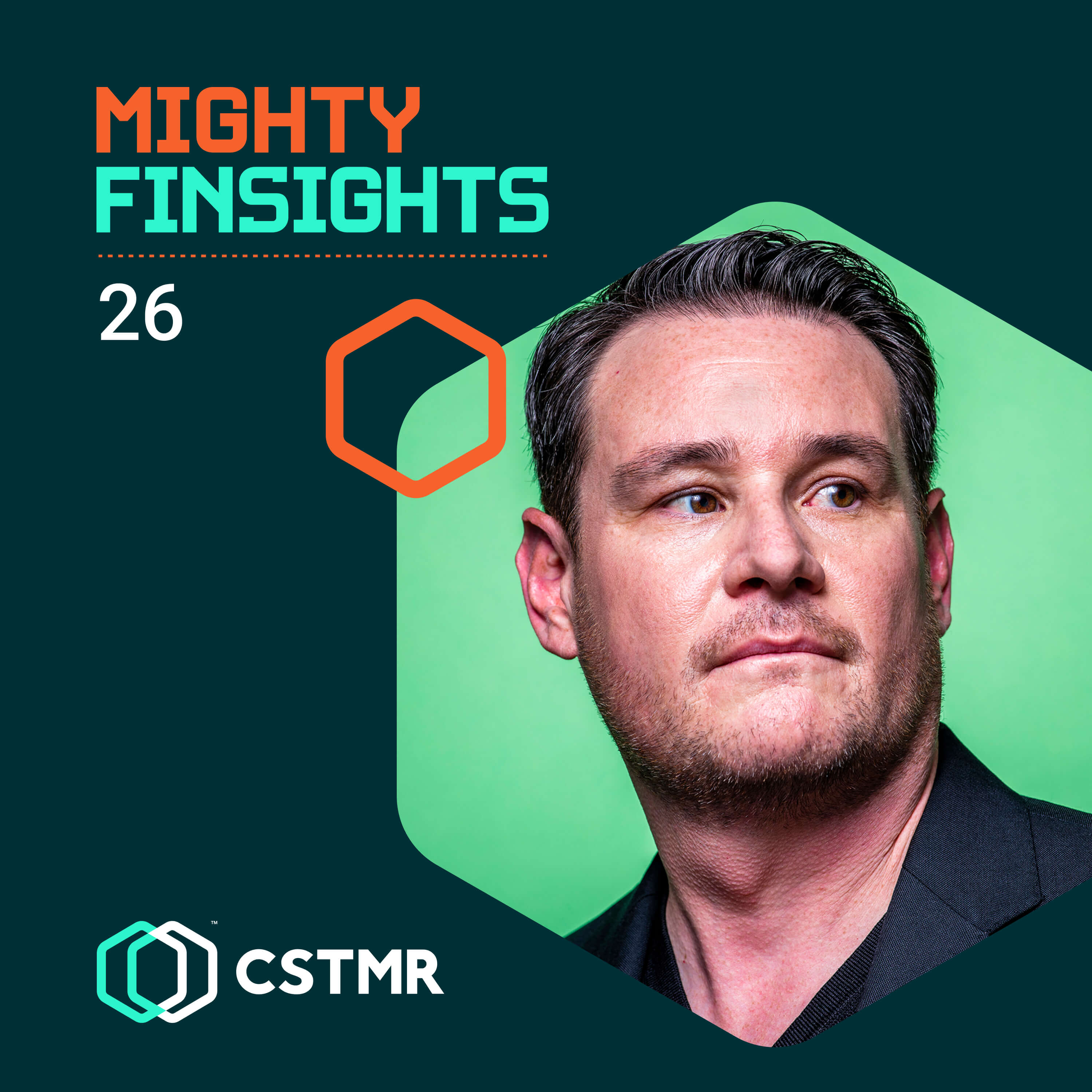 Interview with Allan Rayson of Finov8r: Creating Change from Outside and Inside the Bank | Host - Rory Holland - cstmr.com - Linkedin: CSTMRInterviewed - Allan Rayson, Finov8r - LinkedIn: Finov8rWant to be a part of the podcast? Contact Rory today!In This EpisodeJoin us for Episode 26 of Mighty Finsights where Rory Holland interviews Allan Rayson, founder and CEO of Finov8r, a company that bridges finance and technology to deliver revenue and enterprise value for banks, fintechs, and corporations. They discuss the intersection of finance and technology. Allan shares insights from his military upbringing that shaped his adaptability, his journey into the fintech space, and the importance of community banks in today's economy. He emphasizes the need for banks to evolve and innovate, leveraging technology to create alternative revenue streams. Their chat also touches on mentorship, the challenges faced by community banks, and Allan's future plans for Finov8r, including a new subscription service that provides consultative insights to bank executives and fintech founders.Key TakeawaysAllan Rayson explains how adaptability in a rapidly changing environment helped him grow in his career.His military upbringing taught him resilience and the ability to adapt to new situations.Finov8r is bridging the gap between finance and technology for banks and fintechs.Many banks don’t understand the art of growing commercial deposits (aka “liabilities”) to fund their loans.As a consultant, Allan can make a larger impact outside of a traditional banking role.Community banks play a vital role in local economies and must innovate to remain relevant.Collaboration between fintechs and banks is essential for their future success. Allan’s appetite for risk-taking has led to massive learning experiences and professional success.Mentorship and community support are crucial for personal and professional growth.Allan is launching a subscription service to share his expertise with a broader audience.The future of banking will require a balance between asset growth and managing the liability side of the balance sheet.Chapters00:00 Introduction to Finov8r and Allan Rayson02:12 Learning to Adapt as a Military Kid04:38 What Led Allan to Start Finov8r06:41 How Finov8r Helps Its Clients Grow08:06 Allan's Source of Inspiration10:23 The Art of Liability Growth in Banking13:15 The Struggle to Integrate Fintech into Community Banking15:09 Community Banks Are Vital and Disappearing17:33 The Future of Community Banks20:14 Finov8r's Target Market and Values23:42 Opportunities in the Fintech Space28:21 Personal Journey into Finance31:09 Future Plans for Finov8r36:58 Fintechs and Banks Will Need to Collaborate Closer | — | ||||||
| 5/27/25 |  Interview with John Erik Metcalf of Upgraded: How Fintech Is Allowing a Retail Brand to Refurbish the Circular Economy | Host - Rory Holland - cstmr.com - Linkedin: CSTMRInterviewed - John Erik Metcalf, Upgraded - LinkedIn: UpgradedWant to be a part of the podcast? Contact Rory today!In this EpisodeRory Holland interviews John Erik Metcalf, the co-founder and CEO of Upgraded, a tech subscription service that allows users to upgrade their devices effortlessly. They discuss Metcalf's journey from co-founding a co-working space in Austin to launching Upgraded, the challenges and opportunities in the fintech landscape, and the importance of creating a user-friendly experience for customers. Metcalf emphasizes the need for innovation in the consumer electronics market and how Upgraded aims to simplify device management for families, positioning itself as a leader in the fintech space.Key TakeawaysUpgraded is revolutionizing how consumers access technology through subscription services.John Erik Metcalf's journey started with self-led learning and has progressed all over the world.Upgraded's model focuses on making device upgrades seamless and affordable.In the near future it will be possible for families to manage their devices like a small business does.Vertical integration is key to Upgraded's long-term strategy for the circular economy.Fintech should be about helping people in meaningful ways.With the right business model, refurbished devices can put high-quality computers into the hands of many more people.AI should enable more companies, including legacy companies and startups to build the services they need from scratch.A big part of Upgraded’s success has come from developing a strong narrative. Chapters00:00 Introduction to Upgraded and Living in Austin02:03 Homeschooling and Building a Company in China08:22 The Journey of Upgraded: From Sweden to the U.S.15:28 The Financial Technology Powering Upgraded19:48 Understanding the Upgrade Model and Its Benefits27:00 Building the Future with Fintech28:37 Mentorship and Career Development30:49 The Role of Fintech in Enhancing Consumer Experience37:20 The Deeper Purpose of Fintech Innovation | — | ||||||
| 5/13/25 |  Interview with Sloan Shanahan of FusionIQ: Why Behavioral Finance Is the Unsung Hero of Wealth Management | Host - Rory Holland - cstmr.com - Linkedin: CSTMRInterviewed - Sloan Shanahan, FusionIQ - LinkedIn: FusionIQWant to be a part of the podcast? Contact Rory today!In this EpisodeIn this conversation, Rory Holland interviews Sloan Shanahan, the CRO of FusionIQ, discussing the company's mission to enhance wealth management through technology and the principles of behavioral finance. Sloan talks about how her time as a collegiate golfer at Clemson informed how she builds sales teams. She also explains how the future of the financial services industry will be dependent on collaboration between fintechs and financial institutions. Key TakeawaysFusionIQ helps banks and credit unions capture deposits and grow revenue through wealth management.Sloan's upbringing in a high-performing environment shaped her work ethic.Playing college-level golf at Clemson taught Sloan time management and accountability.Generational wealth transfer presents both challenges and opportunities for banks.FusionIQ's platform helps banks engage younger clients effectively.Behavioral finance heavily informs FusionIQ’s product development roadmap.Sloan emphasizes the importance of aligning personal and organizational missions when building a career.If fintechs want to survive, they need to collaborate more closely.Staying informed about industry trends is essential for developing a career in fintech.Chapters00:00 Introduction to Fusion IQ and Personal Background02:36 The Journey of a Competitive Athlete05:15 Understanding Fusion IQ's Wealth Tech Platform06:49 Understanding FusionIQ's Prospect Universe08:22 How Do Financial Institutions Perceive FusionIQ?10:51 The Challenge of Wealth Management at Banks and Credit Unions 15:45 How Behavioral Finance Is Changing Wealth Management18:43 Using Behavioral Finance to Improve Education20:17 Enthusiasm from Prospects In the Marketplace21:46 How Clients Are Using FusionIQ and Winning23:39 What FusionIQ Can Do for Non-Traditional Financial Providers25:32 The Importance of Client Education and Holistic Experience27:01 Sloan's Origin Story in Fintech30:35 The Gifts of Mentorship and Competitive Sports35:31 Future Aspirations and Hyper Growth in Fintech37:36 Cooperative Ventures and Fintech Ecosystems39:49 Advice for Aspiring Fintech Professionals | — | ||||||
| 4/29/25 |  Interview with Michael Luxenberg of Bankuity and Concord Advice: Revealing the Data that Lenders Don’t Know They’re Missing. | Host - Rory Holland - cstmr.com - Linkedin: CSTMRInterviewed - Michael Luxenberg, Bankuity.com - LinkedIn: BankuityWant to be a part of the podcast? Contact Rory today!In This EpisodeRory Holland and Michael Luxenberg discuss how Bankuity is using alternative data and artificial intelligence to build a more accurate picture of what financial wellness really looks like. This approach allows lenders and other businesses to be more inclusive, increase profitability, and serve their customers better. Michael also shares his journey from healthcare to finance and how community is a central theme of his life and career. They explore how errors in the credit application and underwriting process lead to misguided business decisions and cause businesses to miss out on valuable markets, such as gig workers and people with alternative income streams. They also talk about how young people who want to build a career in fintech can position themselves for success.Key TakeawaysInclusivity has been a theme for Michael Luxenberg throughout his life .85% of lending applications have some kind of error.Financial wellness is about way more than income.Lenders make better decisions when they can see all the data.Bankuity believes that community is a vital part of its business model and DNA.Bankuity is solving creditworthiness errors in lending and many other industries.AI and technology can unlock better insights throughout the customer lifecycle.Lenders can “right-size” their credit offerings using better data.The future of Fintech lies in leveraging alternative data.Michael and his team are in business to make a difference.Chapters00:00 Exploring Austin and Personal Connections02:06 Introduction to Bankuity and Its Mission06:15 Michael Luxenberg's Journey to Fintech12:04 Understanding Errors in Lending and Financial Wellness14:58 What Happens When Borrowers Default18:31 The Inspiration for Founding Bankuity21:30 Unlocking New Growth with AI and Machine Learning24:00 Success Stories and Market Positioning of Bankuity30:12 Future Opportunities in Fintech and Inclusivity38:39 Advice for Young Professionals in Fintech | — | ||||||
| 4/18/25 |  Interview with James Furbush of AccessOne: Landscape & Evolution of Healthcare Payments | Host - Rory Holland - cstmr.com - Linkedin: CSTMRInterviewed - James Furbush, AccessOnepay.com - LinkedIn: AccessOneWant to be a part of the podcast? Contact Rory today!In this episodeRory Holland and James Furbush discuss the evolving landscape of healthcare payments and the role of AccessOne in facilitating financial well-being for patients and healthcare systems. They explore the challenges patients face in understanding healthcare costs, the importance of empathetic payment solutions, and the innovative approaches AccessOne employs to bridge the affordability gap. The discussion also touches on the marketing strategies and sales cycles involved in engaging hospital networks. In this conversation, James Furbush discusses the challenges and strategies of marketing and sales in the healthcare sector, particularly focusing on AccessOne's approach to account-based marketing, content creation, and the importance of aligning sales and marketing efforts. He emphasizes the need for a holistic approach to increase sales velocity and improve lead quality, while also highlighting innovative content marketing strategies like their podcast, RCM Ladder, aimed at engaging their target audience. The discussion concludes with insights into the future direction of AccessOne and the continuous improvement mindset of the team.Key TakeawaysAccessOne aims to improve healthcare access through better payment solutions.Patients often face financial barriers that prevent them from seeking care.Healthcare costs are often opaque, leading to confusion and anxiety for patients.AccessOne provides tools to help patients manage their healthcare payments more easily.The company focuses on empathetic communication and automation in payment processes.Integration with existing healthcare systems is crucial for patient engagement.Sales cycles in healthcare can be lengthy and complex due to multiple stakeholders.Education is key to helping patients understand their payment options.AccessOne's mission is to close the affordability gap in healthcare.The patient experience is central to AccessOne's service offerings. Sales teams face significant challenges in complex deals.An account-based marketing approach is essential for targeting healthcare systems.Providing value through content is key to building relationships.Sales velocity can be improved by refining the sales process.Marketing must align closely with sales to drive success.Quality of leads is a shared responsibility between sales and marketing.Effective communication and SLAs enhance collaboration.Content marketing can create lasting impressions even when prospects are not ready to buy.Innovative content like podcasts can differentiate a brand in a crowded market.Continuous improvement is vital for long-term success in business.Chapters00:00 Introduction and Background04:12 Understanding Access One's Mission12:46 The Challenges of Healthcare Payments18:32 The Patient Experience with Access One23:15 Marketing Strategies and Sales Cycles26:39 Navigating the Complex Sales Landscape31:22 Strategies for Accelerating Sales Velocity39:43 Aligning Sales and Marketing for Success42:43 Innovative Content Marketing Approaches48:33 Future Directions for Access One | — | ||||||
| 4/4/25 |  Interview with Kevin Allen of ValidMind: The Future of Model Risk Management | Host - Rory Holland - cstmr.com - Linkedin: CSTMRInterviewed - Kevin Allen, validmind.com - LinkedIn: ValidMindWant to be a part of the podcast? Contact Rory today!In this episodeIn this episode, Rory Holland interviews Kevin Allen from ValidMind, discussing the critical role of model risk management in banking, especially in the context of increasing AI adoption. Kevin explains how ValidMind's platform simplifies the model validation process, saving banks time and costs while reducing risks. The discussion also covers the importance of building trust in AI, navigating regulatory challenges, and the significance of having a strong team behind ValidMind's innovative solutions.Key TakeawaysModel risk management is essential for banks' operations.AI adoption in banking is growing but comes with risks.The platform helps banks save time and reduce costs.ValidMind serves banks of all sizes, not just large ones.Model Risk Management as a Service is a key offering.Building trust in AI is crucial for banks' acceptance.Regulatory compliance is a significant challenge for AI.The team at ValidMind brings extensive industry experience.A strong company culture is vital for startup success. Brand recognition has significantly improved over the past year.Chapters00:00 Introduction to ValidMind and Model Risk Management03:12 The Importance of Model Risk Management in Banking05:57 ValidMind's Approach to Different Bank Tiers09:02 Model Risk Management as a Service12:04 Building Trust in AI for Banking15:00 Navigating Regulatory Challenges in AI Adoption18:06 Establishing Credibility in the Banking Sector20:57 The People Behind ValidMind and Company Culture24:09 Evolving Brand Recognition in Fintech26:58 The Art of Improv and Its Business Applications32:02 Navigating the Fintech Landscape38:09 Challenges in Niche Marketing41:00 The Future of AI in Business42:50 Partnerships and Collaborations for Growth | — | ||||||
| 3/18/25 |  Interview With Joshua Silver of Rainforest: Embedded Payments Are a Game Changer | Host - Rory Holland - cstmr.com - Linkedin: CSTMRInterviewed - Joshua Silver, Rainforestpay.com, Linkedin: Rainforest PayWant to be a part of the podcast? Contact Rory today!In this episodeIn this episode, Rory Holland speaks with Joshua Silver from Rainforest about the evolution of fintech—in Atlanta particularly—and the innovative approach Rainforest takes in providing embedded payment solutions. Joshua shares his journey in the fintech space, the challenges of building a startup, and the importance of customer service and support. He emphasizes the need for a human-centric approach in the industry and discusses the future of Rainforest and the broader fintech landscape.Key TakeawaysEmbedded payments can significantly increase revenue for software platforms.Joshua's experience in healthcare payments shaped his understanding of the industry.Embedded payments can significantly increase revenue for software platforms.Joshua's experience in healthcare payments shaped his understanding of the industry.The need for better service in the payments infrastructure market led to the creation of Rainforest.Building a fintech startup involves navigating complex regulatory challenges.Customer service should be a priority in fintech to enhance user experience.The brand Rainforest aims to bring humanity back into the fintech space.Continuous improvement in product can reduce support tickets.Hiring exceptional talent is crucial for customer-facing roles.Networking and mentorship are vital for success in the fintech industry.Chapters00:00 Fintech in Atlanta and Beyond 03:03 Understanding Rainforest and embedded fintech14:00 The Brand Story of Rainforest 22:47 The Role of AI in fintech24:29 The Goldilocks Principle in Payments27:35 Future Plans and Industry Insights30:04 Challenges and Opportunities in Fintech Growth | — | ||||||
| 3/5/25 | Interview with Bill and Bo Stone of SMI: The Importance of Financial Literacy | Host - Rory Holland - cstmr.com - Linkedin: CSTMRInterviewed - Bo Stone, Bill Stone, smionecard.com, kudzumoney.comWant to be a part of the podcast? Contact Rory today!In this episodeIn this episode, Rory Holland interviews Bill Stone and Bo Stone from SMI (Systems and Methods, Inc). They discuss the company's rich history, starting from its founding in 1971, to its evolution in providing financial services, particularly in child support distribution. The conversation highlights the importance of relationships, the introduction of innovative products like the smiONE prepaid debit card and Kudzu, and their commitment to financial literacy and serving underserved markets. They also touch on the challenges faced in product development, the future of the financial industry, and offer advice for aspiring entrepreneurs.Key TakeawaysSMI's growth is built on relationships and partnerships.Financial literacy is crucial for long-term success in underserved communities.Innovation in financial services is essential to meet changing market needs.AI and technology will play a significant role in the future of financial services.Starting small and solving specific problems is key for aspiring entrepreneurs.Chapters0:00 The Origins of SMI and Its Mission6:35 Expanding Financial Products and Services 12:21 Understanding the Customer Landscape in Digital Banking 18:32 Innovative Features of Kudzu 24:09 Challenges in Product Development 30:38 Future of SMI and the Financial Industry | — | ||||||
| 2/11/25 | Interview with Maria Goy of Spot Insurance: Revolutionizing Embedded Insurance for Adventure Seekers | Host - Rory Holland - cstmr.com - Linkedin: CSTMRInterviewed - Maria Goy - getspot.com - LinkedIn: Spot InsuranceWant to be a part of the podcast? Contact Rory today!In this episodeIn this episode, Rory Holland interviews Maria Goy, the co-founder and CEO of Spot Insurance, discussing the innovative approach of embedded insurance in the adventure sports sector. They explore the challenges of the insurance industry, the impact of technology, and the real-life stories of individuals who have benefited from Spot's services. Maria shares insights on the future of insurance, the importance of operational efficiency, and advice for aspiring entrepreneurs in the fintech space.Key TakeawaysTechnology plays a crucial role in modernizing insurance processes.The pandemic has shifted the insurance landscape significantly.Operational efficiency is key for startups in the current economic climate.Understanding healthcare coverage is essential for consumers.Spot aims to help customers live adventurous lives without financial worry.Chapters06:42 The Role of Technology in Insurance08:00 Real-Life Impact of Spot Insurance10:18 Challenges in the Insurance Industry12:40 Navigating Economic Challenges16:58 Future Directions for Spot Insurance20:20 Advice for Aspiring Entrepreneurs | — | ||||||
Showing 25 of 48
Pitch Fit is a Pro feature
See how bookable this show is for guests, which brands already advertise, the per-episode ad value, and the best-fit guest and sponsor profile. The numbers are blurred on the free plan.
How readily this show books outside guests like you.
How proven this show is for host-read sponsorships.
For Guests
ProFor Advertisers
ProUpgrade to Pro to unlock guest cadence, sponsor categories, fit scores, and per-episode ad value for this show.