
Monetary Matters with Jack Farley
by Jack Farley
Is this your podcast?On the show
From 46 epsHosts
Recent guests
Recent episodes
Jim Bianco: Why I’m Finally Buying Bonds After Six Years
Oct 18, 2026
1h 16m 17s
The AI Bubble Will Pop from Equity Supply Says This $80 Billion Asset Manager | Ben Inker | GMO
Oct 14, 2026
1h 11m 31s
Top Performing Value Investor Explains Why the Market Isn’t Overvalued and Hasn’t Hit the Blowoff Top Phase | Charles Lemonides | ValueWorks LLC
Oct 12, 2026
56m 54s
Stacy Rasgon: “Demand Is Off The Charts” in Semiconductors… And Set To Double Again Soon
Oct 8, 2026
51m 00s
The Most Extreme Shipping Market in History, Explained | J Mintzmyer on Why Oil Tanker Rates Are Up 25x and Why It Can’t Last (and Why Dry Bulk, not Tankers, is the Next Shipping Boom)
Oct 6, 2026
1h 01m 10s
Insights from recent episode analysis
Audience Interest
Podcast Focus
Publishing Consistency
Platform Reach
Insights are generated by CastFox AI using publicly available data, episode content, and proprietary models.
Most discussed topics
Brands & references
Total monthly reach
Based on 1 signal.
Built from
By chart position
- 🇺🇸United States · InvestingHOME#9917K to 89K
- 🇮🇳India · Investing#512.9K to 16K
- 🇬🇧United Kingdom · Investing#801.8K to 9.3K
- 🇧🇷Brazil · Investing#931.1K to 6.0K
- 🇦🇺Australia · Investing#84803 to 4.2K
- Per-Episode Audience
Est. listeners per new episode within ~30 days
29K to 151K🎙 Daily cadence·298 episodes·Last published yesterday - Monthly Reach
Unique listeners across all episodes (30 days)
95K to 505K🇺🇸59%🇮🇳10%🇬🇧6%+16 more - Active Followers
Loyal subscribers who consistently listen
52K to 278K
Market Insights
Platform Distribution
Reach across major podcast platforms, updated hourly
Total Followers
—
Total Plays
—
Total Reviews
—
* Data sourced directly from platform APIs and aggregated hourly across all major podcast directories.
Social Links & Contact
Official channels & resources
RSS Feed
Login
| Date | Episode | Topics | Guests | Brands | Places | Keywords | Sponsor | Length | |
|---|---|---|---|---|---|---|---|---|---|
| 10/18/26 |  Jim Bianco: Why I’m Finally Buying Bonds After Six Years | This episode is brought to you by Sarmaya Partners. Learn more about Sarmaya’s LENS ETF, their full data and comparison, including performance here: https://sarmayaetf.com/ Jim Bianco of Bianco Research called the 2022 bond bear market and stayed bearish on bonds for six years. Now, for the first time since then, he’s constructive. Jim explains why 5% yields aren’t punishing but normal: rates should roughly track nominal GDP growth, and he expects the U.S. economy to grow at 5–6% nominally. He makes the case that inflation is stuck at 3% because the era of cheap Chinese goods is over, and explains why oil is already effectively $200 a barrel once you count tanker costs and naval security in the Strait of Hormuz. He also covers why diesel shows up in the price of everything, and why Kevin Warsh scrapping forward guidance has left markets feeling around in the dark. On credit, Jim explains why the blowout in CCC bonds, CoreWeave included, is a handful of problem kids in detention rather than a canary in the coal mine. On AI, he argues it’s 1997, not 2000, and that the bigger risk may be that AI works. Follow Jim on X: @biancoresearch Bianco Research: biancoadvisors.com Jack Farley on X https://x.com/JackFarley96 Follow Monetary Matters on: Apple Podcasts https://rb.gy/s5qfyh Spotify https://rb.gy/x56dx5 YouTube https://rb.gy/dpwxez Important Information The Fund’s investment objectives, risks, charges and expenses must be considered carefully before investing. This and other important information are contained in the prospectus, which may be obtained by following the links Prospectus and Summary Prospectus or by calling +1.215.330.4476. Please read the prospectus carefully before investing. There is no assurance that the fund will achieve its investment objective. The Fund may not be suitable for all investors. Investors should continue to review their investment objectives and risk tolerance periodically. An investment in the Fund involves risk, including possible loss of principal. Exchange traded funds (ETFs) trade like stocks, are subject to investment risk, fluctuate in market value and may trade at prices above or below the ETF’s net asset value (NAV), and are not individually redeemable directly with the ETF. Brokerage commissions and ETF expenses will reduce returns. ETFs are subject to specific risks, depending on the nature of the underlying strategy of the Fund, which should be considered carefully when making investment decisions. For a complete description of the Fund’s principal investment risks, please refer to the prospectus at https://sarmayaetf.com/ Metals and Mining Companies Risk. Metals and mining companies can be significantly affected by events relating to international political and economic developments, energy conservation, the success of exploration projects, commodity prices, tax and other government regulations. Investments in metals and mining companies may be speculative and may be subject to greater price volatility than investments in other types of companies. Management Risk. The Fund is actively managed and may not meet its investment objective based on the Adviser’s, Sub-Adviser’s, or portfolio manager’s success or failure to implement investment strategies for the Fund. Shares of the Fund Are Not FDIC Insured, May Lose Value, and Have No Bank Guarantee. The Fund is distributed by PINE Distributors LLC. The Fund’s investment adviser is Empowered Funds, LLC, which is doing business as ETF Architect. Sarmaya Partners LLC serves as the Sub-Advisor to the Fund. PINE Distributors LLC is not affiliated with ETF Architect or Sarmaya Partners LLC. Learn More about LENS Sarmaya ETF https://sarmayaetf.com/ | 1h 16m 17s | ||||||
| 10/14/26 |  The AI Bubble Will Pop from Equity Supply Says This $80 Billion Asset Manager | Ben Inker | GMO | This episode is brought to you by Sarmaya Partners. Learn more about Sarmaya’s LENS ETF, their full data and comparison, including performance here: https://sarmayaetf.com/ Ben Inker, Co-Head of Asset Allocation at GMO, joins Other People’s Money to discuss why the IPOs and subsequent shareholder unlocks of SpaceX, Anthropic, and OpenAI will bring an unprecedented amount of equity issuance and pop the AI bobble. Inker explains how this mechanism was responsible for popping tech bubbles in 2000 and 2021 and the mathematical relationship between below average equity returns and equity supply. He also outlines how this equity supply in conjunction with a slowdown in the AI buildout from realizations of an AI overbuild could send the stock market down as much as 50% with even greater pain for the most AI linked companies. Read GMO’s Q3 2026 Quarterly Letter: https://www.gmo.com/globalassets/articles/quarterly-letter/2026/gmo-quarterly-letter_3q-2026.pdf Follow Max on X: https://x.com/maxwiethe Follow Other People’s Money on: Apple Podcast https://bit.ly/4e7QJ1M Spotify https://bit.ly/3Yhaazi YouTube https://bit.ly/3C63VXR X https://x.com/opmpod Important Information The Fund’s investment objectives, risks, charges and expenses must be considered carefully before investing. This and other important information are contained in the prospectus, which may be obtained by following the links Prospectus and Summary Prospectus or by calling +1.215.330.4476. Please read the prospectus carefully before investing. There is no assurance that the fund will achieve its investment objective. The Fund may not be suitable for all investors. Investors should continue to review their investment objectives and risk tolerance periodically. An investment in the Fund involves risk, including possible loss of principal. Exchange traded funds (ETFs) trade like stocks, are subject to investment risk, fluctuate in market value and may trade at prices above or below the ETF’s net asset value (NAV), and are not individually redeemable directly with the ETF. Brokerage commissions and ETF expenses will reduce returns. ETFs are subject to specific risks, depending on the nature of the underlying strategy of the Fund, which should be considered carefully when making investment decisions. For a complete description of the Fund’s principal investment risks, please refer to the prospectus at https://sarmayaetf.com Metals and Mining Companies Risk. Metals and mining companies can be significantly affected by events relating to international political and economic developments, energy conservation, the success of exploration projects, commodity prices, tax and other government regulations. Investments in metals and mining companies may be speculative and may be subject to greater price volatility than investments in other types of companies. Management Risk. The Fund is actively managed and may not meet its investment objective based on the Adviser’s, Sub-Adviser’s, or portfolio manager’s success or failure to implement investment strategies for the Fund. Shares of the Fund Are Not FDIC Insured, May Lose Value, and Have No Bank Guarantee. The Fund is distributed by PINE Distributors LLC. The Fund’s investment adviser is Empowered Funds, LLC, which is doing business as ETF Architect. Sarmaya Partners LLC serves as the Sub-Advisor to the Fund. PINE Distributors LLC is not affiliated with ETF Architect or Sarmaya Partners LLC. Timestamps: 00:00 Intro 01:10 AI Bubble Setup 06:12 Equity Supply Matters More 10:44 IPO Wave Math 15:32 Sarmaya LENS ETF 16:59 Dotcom Fiber Parallel 20:32 Finding Non-AI Bets 24:06 Passive Flows and Liquidity 29:40 Credit Risks and Spillovers 37:51 Can Government Backstop AI? 41:48 Credit Stress Check 45:36 Energy Portfolio Benefits 48:13 Value Versus Growth Spreads 50:10 Ex-US AI Winners 54:34 Big Tech Commoditizes Compute 57:00 What If Mega Caps Go Sideways? 01:01:53 Memory: Cyclical Peak Earnings Trap 01:05:09 The Major Crash Scenario 01:10:44 Conclusion | 1h 11m 31s | ||||||
| 10/12/26 |  Top Performing Value Investor Explains Why the Market Isn’t Overvalued and Hasn’t Hit the Blowoff Top Phase | Charles Lemonides | ValueWorks LLC | This episode is brought to you by Sarmaya Partners. Learn more about Sarmaya’s LENS ETF, their full data and comparison, including performance here: https://sarmayaetf.com/ Charles Lemonides, CIO and founder of ValueWorks LLC, joins Other People’s Money to discuss why the 18-year bull market still has room to run. Lemonides argues that we have not yet reached the explosive "liftoff" phase typical of late-stage bull markets and explains why the biggest gains often come right before the turn. He shares his strategy for finding "growth in value's clothing," highlighting high-upside opportunities in semiconductors, rideshare, delivery, and offshore energy. Plus, he breaks down where he sees extreme overvaluation in the market and breaks down his most compelling short positions. Learn more about ValueWorks: https://www.valueworksllc.com/ Follow Max on X: https://x.com/maxwiethe Follow Other People’s Money on: Apple Podcast https://bit.ly/4e7QJ1M Spotify https://bit.ly/3Yhaazi YouTube https://bit.ly/3C63VXR X https://x.com/opmpod Important Information The Fund’s investment objectives, risks, charges and expenses must be considered carefully before investing. This and other important information are contained in the prospectus, which may be obtained by following the links Prospectus and Summary Prospectus or by calling +1.215.330.4476. Please read the prospectus carefully before investing. There is no assurance that the fund will achieve its investment objective. The Fund may not be suitable for all investors. Investors should continue to review their investment objectives and risk tolerance periodically. An investment in the Fund involves risk, including possible loss of principal. Exchange traded funds (ETFs) trade like stocks, are subject to investment risk, fluctuate in market value and may trade at prices above or below the ETF’s net asset value (NAV), and are not individually redeemable directly with the ETF. Brokerage commissions and ETF expenses will reduce returns. ETFs are subject to specific risks, depending on the nature of the underlying strategy of the Fund, which should be considered carefully when making investment decisions. For a complete description of the Fund’s principal investment risks, please refer to the prospectus at https://sarmayaetf.com/ Metals and Mining Companies Risk. Metals and mining companies can be significantly affected by events relating to international political and economic developments, energy conservation, the success of exploration projects, commodity prices, tax and other government regulations. Investments in metals and mining companies may be speculative and may be subject to greater price volatility than investments in other types of companies. Management Risk. The Fund is actively managed and may not meet its investment objective based on the Adviser’s, Sub-Adviser’s, or portfolio manager’s success or failure to implement investment strategies for the Fund. Shares of the Fund Are Not FDIC Insured, May Lose Value, and Have No Bank Guarantee. The Fund is distributed by PINE Distributors LLC. The Fund’s investment adviser is Empowered Funds, LLC, which is doing business as ETF Architect. Sarmaya Partners LLC serves as the Sub-Advisor to the Fund. PINE Distributors LLC is not affiliated with ETF Architect or Sarmaya Partners LLC. Timestamps: 00:00 Intro 01:00 Are We in a Bubble? 04:14 Rates Growth and Bonds 07:04 Value Investing Reframed 09:37 Micron Peak Earnings Debate 11:20 Intel Foundry 15:24 Sarmaya LENS ETF 16:52 Sizing Themes and Diversifying 18:41 Undervalued Challengers: Lyft & Instacart 29:10 Energy Sector Setup 35:40 Portfolio Construction & Shorts 37:47 Shorting Texas Pacific Land Trust 41:24 Royalty Trusts and Mesabi 47:16 Retail Shorts: Casey’s & Grocers 52:43 AI Industrials, Quantum, & Aerospace 55:37 Offshore Wind and Conclusion | 56m 54s | ||||||
| 10/8/26 |  Stacy Rasgon: “Demand Is Off The Charts” in Semiconductors… And Set To Double Again Soon | This episode is brought to you by Sarmaya Partners. Learn more about Sarmaya’s LENS ETF, their full data and comparison, including performance here: https://sarmayaetf.com/ Semiconductor earnings have roughly doubled this year, yet chip multiples have compressed and the stocks are still well off their June highs. Stacy Rasgon, Managing Director and Senior Analyst covering U.S. semiconductors and semicap equipment at Bernstein, joins Jack to explain what the market fears and why he thinks the cycle peak isn't here yet. Fresh off his annual Silicon Valley roadshow, Stacy says demand is "off the charts," nobody has enough compute, and the real constraints are land, power, and clean rooms rather than customer appetite. He explains why Nvidia and Broadcom have lagged the "bottleneck" trades in memory, optics, and power, and why both could trade at 11–12x earnings if their growth targets hold. The conversation covers the HBM-driven memory squeeze, his path to $300 billion-plus in wafer fab equipment spending, and why he leans toward Applied Materials in semicap. Stacy also explains why he doesn't hate Intel for the first time in his career, why traditional cycle indicators may no longer work, and how today's AI buildout differs from the dot-com bubble. Recorded October 5, 2026. Stacy Rasgon on X https://x.com/Srasgon Stacy Rasgon on LinkedIn https://www.linkedin.com/in/stacy-rasgon-6924963/ Jack Farley on X https://x.com/JackFarley96 Follow Monetary Matters on: Apple Podcasts https://rb.gy/s5qfyh Spotify https://rb.gy/x56dx5 YouTube https://rb.gy/dpwxez Important Information The Fund’s investment objectives, risks, charges and expenses must be considered carefully before investing. This and other important information are contained in the prospectus, which may be obtained by following the links Prospectus and Summary Prospectus or by calling +1.215.330.4476. Please read the prospectus carefully before investing. There is no assurance that the fund will achieve its investment objective. The Fund may not be suitable for all investors. Investors should continue to review their investment objectives and risk tolerance periodically. An investment in the Fund involves risk, including possible loss of principal. Exchange traded funds (ETFs) trade like stocks, are subject to investment risk, fluctuate in market value and may trade at prices above or below the ETF’s net asset value (NAV), and are not individually redeemable directly with the ETF. Brokerage commissions and ETF expenses will reduce returns. ETFs are subject to specific risks, depending on the nature of the underlying strategy of the Fund, which should be considered carefully when making investment decisions. For a complete description of the Fund’s principal investment risks, please refer to the prospectus at https://sarmayaetf.com/ Metals and Mining Companies Risk. Metals and mining companies can be significantly affected by events relating to international political and economic developments, energy conservation, the success of exploration projects, commodity prices, tax and other government regulations. Investments in metals and mining companies may be speculative and may be subject to greater price volatility than investments in other types of companies. Management Risk. The Fund is actively managed and may not meet its investment objective based on the Adviser’s, Sub-Adviser’s, or portfolio manager’s success or failure to implement investment strategies for the Fund. Shares of the Fund Are Not FDIC Insured, May Lose Value, and Have No Bank Guarantee. The Fund is distributed by PINE Distributors LLC. The Fund’s investment adviser is Empowered Funds, LLC, which is doing business as ETF Architect. Sarmaya Partners LLC serves as the Sub-Advisor to the Fund. PINE Distributors LLC is not affiliated with ETF Architect or Sarmaya Partners LLC. | 51m 00s | ||||||
| 10/6/26 |  The Most Extreme Shipping Market in History, Explained | J Mintzmyer on Why Oil Tanker Rates Are Up 25x and Why It Can’t Last (and Why Dry Bulk, not Tankers, is the Next Shipping Boom) | This episode is brought to you by Sarmaya Partners. Learn more about Sarmaya’s LENS ETF, their full data and comparison, including performance here: https://sarmayaetf.com/ Crude tanker rates have exploded to more than $1 million per day on some Middle East Gulf to China voyages, roughly 25 times normal levels, as the Iran war and disruption in the Strait of Hormuz throw global oil shipping into chaos. J Mintzmyer, founder of Value Investors Edge, joins Jack to explain why disruption and inefficiency are rocket fuel for ship owners, why "ton miles" are the real commodity, and why real-time AIS ship-tracking data in the Strait can't be trusted. J argues today's spot rates are unsustainable on a timescale of days or weeks, warns that the BWET freight ETF (up roughly 4,000% this year) could get smashed when rates turn, and lays out the wave of new tanker supply set to arrive in 2027–2028. He separates rates, ship values, and tanker equities, flagging Nordic American (NAT) as an avoid, naming Okeanis Eco Tankers (ECO) and TORM (TRMD) as the quality names, and explaining why product tankers may finally be catching up. We also cover the aging dark fleet, a potential US diesel export ban, and why J sees dry bulk as the most attractive segment in shipping today, with CMB Tech (CMBT) as his top pick and China's push into Guinean iron ore as a major tailwind. Recorded September 30, 2026. J Mintzmyer on X https://x.com/mintzmyer Jack Farley on X https://x.com/JackFarley96 Pieces Discussed: “CMB.TECH: Updates From Our Top Shipping Pick Of 2026”: https://seekingalpha.com/article/4944783-cmbtech-updates-from-our-top-shipping-pick-of-2026?gt=e5bc41646f6cc54e “Dry Bulk Shipping Momentum Poised To Continue”: https://seekingalpha.com/article/4946334-dry-bulk-shipping-momentum-poised-to-continue?gt=b81339756f928160 “Here's What Happens To Shipping When The Strait of Hormuz Reopens”: https://seekingalpha.com/article/4949498-heres-what-happens-to-shipping-when-strait-of-hormuz-reopens Value Investor’s Edge: https://www.vieresearch.com/ Follow Monetary Matters on: Apple Podcasts https://rb.gy/s5qfyh Spotify https://rb.gy/x56dx5 YouTube https://rb.gy/dpwxez Important Information The Fund’s investment objectives, risks, charges and expenses must be considered carefully before investing. This and other important information are contained in the prospectus, which may be obtained by following the links Prospectus and Summary Prospectus or by calling +1.215.330.4476. Please read the prospectus carefully before investing. There is no assurance that the fund will achieve its investment objective. The Fund may not be suitable for all investors. Investors should continue to review their investment objectives and risk tolerance periodically. An investment in the Fund involves risk, including possible loss of principal. Exchange traded funds (ETFs) trade like stocks, are subject to investment risk, fluctuate in market value and may trade at prices above or below the ETF’s net asset value (NAV), and are not individually redeemable directly with the ETF. Brokerage commissions and ETF expenses will reduce returns. ETFs are subject to specific risks, depending on the nature of the underlying strategy of the Fund, which should be considered carefully when making investment decisions. For a complete description of the Fund’s principal investment risks, please refer to the prospectus at https://sarmayaetf.com/ Metals and Mining Companies Risk. Metals and mining companies can be significantly affected by events relating to international political and economic developments, energy conservation, the success of exploration projects, commodity prices, tax and other government regulations. Investments in metals and mining companies may be speculative and may be subject to greater price volatility than investments in other types of companies. Management Risk. The Fund is actively managed and may not meet its investment objective based on the Adviser’s, Sub-Adviser’s, or portfolio manager’s success or failure to implement investment strategies for the Fund. Shares of the Fund Are Not FDIC Insured, May Lose Value, and Have No Bank Guarantee. The Fund is distributed by PINE Distributors LLC. The Fund’s investment adviser is Empowered Funds, LLC, which is doing business as ETF Architect. Sarmaya Partners LLC serves as the Sub-Advisor to the Fund. PINE Distributors LLC is not affiliated with ETF Architect or Sarmaya Partners LLC. | 1h 01m 10s | ||||||
| 10/1/26 |  Ed Zitron on Anthropic's IPO (S-1), AI Debt, and Counterparty Risk | This episode is brought to you by Sarmaya Partners. Learn more about Sarmaya’s LENS ETF, their full data and comparison, including performance here: https://sarmayaetf.com/ Ed Zitron, author of the Where's Your Ed At newsletter and host of the Better Offline podcast, returns to Monetary Matters to break down Anthropic's leaked IPO prospectus, as reported by Reuters. Ed argues that in 2025 Anthropic spent $2.75 for every dollar of revenue, worse than OpenAI's $2.60, and that nearly half its sales ran through Google and Amazon, two companies that also compete with it. We discuss Anthropic's $518 billion in compute commitments, why AI "run rate" figures can be misleading, and what the reported surge in 2026 revenue does and doesn't tell us. Ed also gives his take on Meta's Muse and OpenAI's Dots, and on whether AI agents can win over consumers. Then we turn to the credit markets: CoreWeave's borrowing costs, Oracle's ratings risk, data center SPVs trading below par, and how much of this debt sits with private credit lenders. Ed closes with his predictions for the Anthropic IPO and what he expects the AI build-out to look like by this time next year. Recorded afternoon of September 30, 2026. Ed Zitron on X https://x.com/edzitron Jack Farley on X https://x.com/JackFarley96 Pieces Discussed: “Dead Money” (Sep 29, 2026): https://www.wheresyoured.at/dead-money/ “Premium: The Hater's Guide To AI Debt (Part 2)” (Sep 25, 2026): https://www.wheresyoured.at/premium-the-haters-guide-to-ai-debt-part-2/ Follow Monetary Matters on: Apple Podcasts https://rb.gy/s5qfyh Spotify https://rb.gy/x56dx5 YouTube https://rb.gy/dpwxez Important Information The Fund’s investment objectives, risks, charges and expenses must be considered carefully before investing. This and other important information are contained in the prospectus, which may be obtained by following the links Prospectus and Summary Prospectus or by calling +1.215.330.4476. Please read the prospectus carefully before investing. There is no assurance that the fund will achieve its investment objective. The Fund may not be suitable for all investors. Investors should continue to review their investment objectives and risk tolerance periodically. An investment in the Fund involves risk, including possible loss of principal. Exchange traded funds (ETFs) trade like stocks, are subject to investment risk, fluctuate in market value and may trade at prices above or below the ETF’s net asset value (NAV), and are not individually redeemable directly with the ETF. Brokerage commissions and ETF expenses will reduce returns. ETFs are subject to specific risks, depending on the nature of the underlying strategy of the Fund, which should be considered carefully when making investment decisions. For a complete description of the Fund’s principal investment risks, please refer to the prospectus at https://sarmayaetf.com/ Metals and Mining Companies Risk. Metals and mining companies can be significantly affected by events relating to international political and economic developments, energy conservation, the success of exploration projects, commodity prices, tax and other government regulations. Investments in metals and mining companies may be speculative and may be subject to greater price volatility than investments in other types of companies. Management Risk. The Fund is actively managed and may not meet its investment objective based on the Adviser’s, Sub-Adviser’s, or portfolio manager’s success or failure to implement investment strategies for the Fund. Shares of the Fund Are Not FDIC Insured, May Lose Value, and Have No Bank Guarantee. The Fund is distributed by PINE Distributors LLC. The Fund’s investment adviser is Empowered Funds, LLC, which is doing business as ETF Architect. Sarmaya Partners LLC serves as the Sub-Advisor to the Fund. PINE Distributors LLC is not affiliated with ETF Architect or Sarmaya Partners LLC. | 1h 21m 45s | ||||||
| 9/30/26 |  Token Bill Dwarfs CPU Bill | Ben Pouladian on Meta's Muse, Anthropic S1, and Why All Roads Still Lead to NVIDIA | Ben Pouladian of BEP Research returns to Monetary Matters to break down who's winning and losing in AI right now, starting with Meta's Muse, the consumer agent he calls the "McDonald's version" of AI, and why he thinks its revenue will come mostly from ads rather than subscriptions, especially across WhatsApp-first markets like India and Brazil. Ben explains why the token bill for agentic AI dwarfs the CPU bill, why the key metric is becoming cost per token per megawatt, and why he believes "all roads and rockets lead to NVIDIA." He makes the case against AMD, including his open letter to Lisa Su and the scaling challenges of the Helios rack, and argues that NVIDIA GPUs are the "Rodeo Drive" of digital real estate because they are fungible and financeable in a way custom ASICs are not. Jack pushes back with TrendForce data showing every part of the AI supply chain is tight except GPUs, and Ben responds that commodity bottlenecks like memory and hard drives get crushed once supply catches up, while the true bottleneck is powered, permitted land. They discuss the growing data center backlash and whether the base case should be 25 gigawatts rather than 43, Anthropic's S-1 and its roughly half-trillion-dollar compute commitments, and whether AI lab revenue can double again next year. The conversation closes with scaling laws, why models will segment like grades of gasoline, AI's move into biology and drug discovery, and stock ideas including Meta, Lam Research, and Lattice Semiconductor. Recorded September 29, 2026. “Meta's Muse Rally Bought the Wrong Layer. We modeled a billion agent users. The investment case turns on activity, token costs and trust”: https://newsletter.bepresearch.com/p/metas-muse-rally-bought-the-wrong?utm_source=profile&utm_medium=reader2 Jack Farley on X https://x.com/JackFarley96 Ben Pouladian on X https://x.com/benitoz BEP Research: https://www.bepresearch.com/ Follow Monetary Matters on: Apple Podcasts https://rb.gy/s5qfyh Spotify https://rb.gy/x56dx5 YouTube https://rb.gy/dpwxez | 1h 14m 44s | ||||||
| 9/27/26 |  The Private Credit Boom is Over: Redemption Requests Exceed Liquidity | James Elbaor | Marlton LLC | James Elbaor, Founder and Portfolio Manager at Marlton LLC joins OPM to discuss why the private credit boom is officially over. Elbaor explains how artificial intelligence is threatening the SaaS businesses that make up over half a trillion dollars of private credit exposure, while also detailing how liquidity gates are currently trapping investors in massive interval funds like BCRED. The discussion concludes by exploring lucrative upcoming merger opportunities in the public BDC space and analyzing why asset managers utilizing permanent capital vehicles are being rewarded with premium market multiples. Try model portfolios available on Plutus and get a 45-day fee waiver when you signup with code OPM45: https://runplutus.com/mm-opm/login Follow James on X: https://x.com/jameselbaor Follow Max on X: https://x.com/maxwiethe Follow Other People’s Money on: Apple Podcast https://bit.ly/4e7QJ1M Spotify https://bit.ly/3Yhaazi YouTube https://bit.ly/3C63VXR X https://x.com/opmpod JFMW Partners LLC (“Promoter”) is providing this endorsement of, and information related to, the advisory services offered by Namsoft Advisors LLC ("Namsoft"). Promoter is not a current client or investor in any Namsoft advisory account or private fund. Promoter receives cash compensation from Namsoft in the form of a flat referral fee of $750 for each client that engages Namsoft as a result of Promoter's promotional activities. Because Promoter is compensated for this endorsement, a material conflict of interest exists, as Promoter has a financial incentive to promote Namsoft's services to you. This endorsement is delivered as part of a podcast or other audio program produced by Promoter and does not constitute investment advice or a recommendation that any particular advisory arrangement is suitable for you. Timestamps: 00:00 Intro 01:42 Private Credit Redemptions Continue 07:03 IPO Window Shuts & Credit Fund M&A 15:28 AI Threat to SaaS Borrowers 16:51 Sponsor Message Plutus 18:17 Private Credit vs Private Equity 24:25 Systemic Risk and Wrappers 29:15 Public vs Private BDC Gap 34:46 Why Interval Funds List 39:44 Alt Managers Valuation Reset 43:33 Permanent Capital Explained 50:17 Hedge Funds vs Private Equity 54:41 Pershing Square Liquidity 01:04:17 Conclusion | 1h 05m 02s | ||||||
| 9/24/26 |  Why the Fed May Have to Hike Far Higher Than Expected | Henry Peabody on the Fed’s Triple Mandate and Uneven Transmission of Monetary Policy | Henry Peabody, senior investment strategist at GMO, joins Monetary Matters to explain why the Fed has an unofficial third mandate: managing how credit flows through an economy that is increasingly outside the banks. With private credit and fixed-rate borrowing loosening the link between Fed policy and the real economy, Henry argues that rate hikes are hitting consumers and weaker borrowers while large corporates and the AI complex keep borrowing almost regardless of cost. That bifurcation, he says, means the Fed may have to take rates higher than anyone expects to cool demand, adding risk to markets. Jack and Henry discuss the opacity of private credit, why the credit cycle is "one of the most dependable things in finance," why recoveries on software loans could be close to zero, and the lessons of BDCs in 2008. Henry also shares how GMO is positioning in fixed income: less duration and less vanilla credit risk, more short-duration structured credit, and a preference for emerging market local debt. They close on the dollar, where long-term rates are headed, and the fiscal reckoning coming for Social Security. Recorded September 17, 2026. “Triple Mandate” by Henry Peabody: https://www.gmo.com/americas/research-library/triple-mandate_whitepaper/ Jack Farley on X https://x.com/JackFarley96 Follow Monetary Matters on: Apple Podcasts https://rb.gy/s5qfyh Spotify https://rb.gy/x56dx5 YouTube https://rb.gy/dpwxez | 55m 59s | ||||||
| 9/23/26 |  Energy Shock and Rate Hikes Could Cause a 2022 Style Bear Market | Eric Wallerstein | Clocktower Group | Eric Wallerstein, Chief Macro Strategist at Clocktower Group, joins OPM to discuss why he sees substantial risk that the Fed is making a policy mistake by hiking into a supply shock that could cause a 2022 style bear market. He also explores the global coordination of rate hikes and why he believes the participation of lower growth economies like Canada indicate that this is a reaction to higher energy prices and not a substantially higher global neutral rate. Try model portfolios available on Plutus and get a 45-day fee waiver when you signup with code OPM45: https://runplutus.com/mm-opm/login Follow Eric on X: https://x.com/ericwallerstein Follow Max on X: https://x.com/maxwiethe Follow Other People’s Money on: Apple Podcast https://bit.ly/4e7QJ1M Spotify https://bit.ly/3Yhaazi YouTube https://bit.ly/3C63VXR X https://x.com/opmpod JFMW Partners LLC (“Promoter”) is providing this endorsement of, and information related to, the advisory services offered by Namsoft Advisors LLC ("Namsoft"). Promoter is not a current client or investor in any Namsoft advisory account or private fund. Promoter receives cash compensation from Namsoft in the form of a flat referral fee of $750 for each client that engages Namsoft as a result of Promoter's promotional activities. Because Promoter is compensated for this endorsement, a material conflict of interest exists, as Promoter has a financial incentive to promote Namsoft's services to you. This endorsement is delivered as part of a podcast or other audio program produced by Promoter and does not constitute investment advice or a recommendation that any particular advisory arrangement is suitable for you. Timestamps: 00:00 Intro 00:56 Fed Hike and Higher for Longer 02:30 Oil Driving Global Yields 05:58 Canada and Global Neutral Rate 07:14 Energy Crisis and Degrowth Risks 08:44 Politicized Fed and Credibility 11:50 Neutral Rate and AI CapEx Boom 14:47 Inflation Outlook and Policy Mistakes 17:20 Plutus Sponsor Break 18:46 Key Data to Watch: Bank Lending 20:07 Doves vs Hawks and Fiscal Drag 23:30 2022 Style Bear Market Setup 25:56 What Could Invalidate the Thesis? 26:41 BOJ Hike and Yen Intervention 31:20 Korea Silicon Boom 35:43 Europe Under Pressure 39:25 Middle East Outlook 43:06 Midterm Issues: AI vs. Gas Prices 48:34 China Oil Strategy 52:10 Big Calls Wrap | 53m 13s | ||||||
Want analysis for the episodes below?Free for Pro Submit a request, we'll have your selected episodes analyzed within an hour. Free, at no cost to you, for Pro users. | |||||||||
| 9/20/26 |  Outlook on 5 Key Commodities: Metals Bull Market is Just Getting Started (Gold, Copper, & Uranium) | Jérémie Boyer | Aurelion | Try model portfolios available on Plutus and get a 45-day fee waiver when you signup with code OPM45: https://runplutus.com/mm-opm/login Jérémie Boyer, co-founder of Aurelion Research, joins OPM to give his outlook for 5 key commodities. He explains why after avoiding earlier downside volatility in gold he just got the buy signal he’s been waiting for, and why the longer-term AI driven bull thesis on copper is very real and happening now. He also gives his outlook for uranium, fertilizer, and oil and discusses how he and his partner turn commodity views into a portfolio of equities that is up over 100% since inception a little over 1-year ago. Aurelion Research: https://aurelionresearch.com/ Follow Aurelion Research on X: https://x.com/AurelionRsch Follow Max on X: https://x.com/maxwiethe Follow Other People’s Money on: Apple Podcast https://bit.ly/4e7QJ1M Spotify https://bit.ly/3Yhaazi YouTube https://bit.ly/3C63VXR X https://x.com/opmpod JFMW Partners LLC (“Promoter”) is providing this endorsement of, and information related to, the advisory services offered by Namsoft Advisors LLC ("Namsoft"). Promoter is not a current client or investor in any Namsoft advisory account or private fund. Promoter receives cash compensation from Namsoft in the form of a flat referral fee of $750 for each client that engages Namsoft as a result of Promoter's promotional activities. Because Promoter is compensated for this endorsement, a material conflict of interest exists, as Promoter has a financial incentive to promote Namsoft's services to you. This endorsement is delivered as part of a podcast or other audio program produced by Promoter and does not constitute investment advice or a recommendation that any particular advisory arrangement is suitable for you. Timestamps: 00:00 Intro 02:16 Why Gold Could Hit 5K 05:45 Geopolitics Over Rates 09:24 Portfolio Positioning 12:28 Managing Miner Cycles 16:26 Plutus 18:26 Bearish Oil & Fertilizer 20:28 Oil Thesis & China Inventories 33:23 Royalties as Exposure 36:07 Valuing Royalty Companies 42:48 Why Uranium Now 46:10 Uranium Contracts & Supply 51:10 Energy Security and Nuclear Buildout 54:31 Copper Bull Case in AI Era 01:00:05 Picking Copper Stocks 01:06:43 Five Commodities Recap 01:11:26 Closing and Where to Follow | 1h 12m 17s | ||||||
| 9/19/26 |  Why The 30-Year Treasury Lost Its Biggest Buyers | David Busch on Why High Yields Are Attractive Right Now | Jack Farley is joined by David Busch, Chief Investment Officer of Trajan Wealth, to discuss rising U.S. Treasury yields, persistent inflation, and the Federal Reserve's monetary policy trajectory. Busch breaks down the structural drivers behind elevated bond yields, including $40 trillion in national debt, geopolitical energy shocks, and massive corporate debt issuance for AI infrastructure. He explains how higher interest rates and Treasury Secretary Scott Bessent’s bond buyback program impact market liquidity and equity valuations. Moving to equities, Busch argues that software stocks like Intuit are heavily oversold regarding perceived AI disruption risks. He highlights the real bottleneck of the AI boom, pointing to critical supply needs in energy, rare earth minerals, and nuclear power. Busch also warns investors about hidden credit and liquidity dangers within private credit markets. Finally, he lays out why 3-to-5-year U.S. Treasuries still serve as an essential portfolio ballast in high-yield regimes. Jack Farley on X https://x.com/JackFarley96 About David Busch https://trajanwealth.com/leadership/ Follow Monetary Matters on: Apple Podcasts https://rb.gy/s5qfyh Spotify https://rb.gy/x56dx5 YouTube https://rb.gy/dpwxez | 1h 07m 43s | ||||||
| 9/16/26 |  Hawks Take Flight | Joseph Wang on Fed’s Hawkish Hike and Warsh’s Gameplan | This Monetary Matters episode is brought to you by Fiscal.ai. Get 15% off any paid tier at: https://fiscal.ai/mm/ Former Fed trader Joseph Wang joins Jack Farley live to break down Chair Kevin Warsh's third meeting — and his first rate hike, framed as "removing a dose of accommodation" against a Middle East oil-shock backdrop. Joseph explains why he called the hawkish move well ahead of the consensus, reading the Jackson Hole signals on financial conditions and the new emphasis on the "speed" of returning to target. The conversation digs into the hawkish dot plot and higher-for-longer path, what a supply-shock reaction function means for the long bond and 30-year TIPS, mortgage rates above 7%, and the plumbing beneath it all — repo, SOFR, the basis trade, and Treasury buybacks. In the second half, Max Wiethe joins to make the case for refiners as the trade of the year, walking through crack spreads, Marathon and Valero, Chinese crude flows, and diesel and fertilizer dynamics. They close on long-bond convexity versus the rate sensitivity of the AI and neocloud buildout, and why Max thinks estimates for names like Lam Research are far too low. A wide-ranging live reaction spanning the Fed's hardest decision in years and the market's response. Recorded September 16, 2026. Follow Joseph Wang on X https://x.com/josephwang Follow Max Wiethe on X https://x.com/maxwiethe Jack Farley on X https://x.com/JackFarley96 Follow Monetary Matters on: Apple Podcasts https://rb.gy/s5qfyh Spotify https://rb.gy/x56dx5 YouTube https://rb.gy/dpwxez | 1h 03m 42s | ||||||
| 9/13/26 |  Hunting for Value in Mining Stocks Amid Soaring Metals Prices | Freddy Brick | Muddy Waters Capital | Precious metal and base metal prices have soared as have many mining stocks, but despite this, Freddy Brick, partner at Muddy Waters Capital says that the industry feels closer to left for dead than euphoric. He explains why that setup and the consistency of the mispricing in the sector brought them to launch a fund with the help of mining expert Darren McLean allowing them to take concentrated investments in the assets they think the market is overlooking while running lower net exposure. He also discusses how they think about hedging in the sector, why they take a bottom-up approach to portfolio construction, and how they approach short and long activism in the sector. Follow Muddy Waters on X: https://x.com/muddywatersre Follow Max on X: https://x.com/maxwiethe Follow Other People’s Money on: Apple Podcast https://bit.ly/4e7QJ1M Spotify https://bit.ly/3Yhaazi YouTube https://bit.ly/3C63VXR X https://x.com/opmpod Timestamps: 00:00 Intro 01:28 Approach to Portfolio Construction 07:56 Fraud Report Origin 09:35 Block Models Explained 15:27 Why Juniors Are Distressed 21:19 Finding Mispriced Projects 25:12 Venture Like Investing 28:25 Promoters and Capital Raising 33:43 Sentiment and Cycles 38:28 M&A Wave Ahead 43:27 Trading Vol and Hedging 46:57 Long Activism Approach 50:23 Scaling the Strategy 55:10 When Alpha Shows Up | 1h 00m 08s | ||||||
| 9/11/26 |  Why Farmland With Centuries of Water Is the Ultimate Scarce Asset | John Farris of LandFund Partners on Super El Niño, Food Security, and the Sources of Alpha in Farmland | Learn more about LandFund Partners: https://landfundpartners.com/invest#get-started Jack Farley speaks with John Farris, founder & CEO of LandFund Partners and former World Bank agricultural economist, about the tightening global food equation — and where the return actually comes from in farmland. The setup: if the world stopped growing crops tomorrow, John says there are roughly 70 days of food in reserve, down from 110 a decade ago. Two billion more people, more protein per capita, less arable land, and productivity gains that have flattened out. Into that comes a Super El Niño that John's heat maps suggest will hit Brazil, Argentina, and India — the last of which depends on the monsoon to grow the world's most-consumed calorie: rice. Commodity futures prices have risen significantly this year. That's the backdrop. The investment argument rests on three things.The first is a value that sits on no balance sheet. Across most of the eastern US there are no formal water rights, so LandFund carries its water at zero. In the Colorado River states, where those rights did develop, they've compunded at roughly 11% a year over the past thirty-five years, outpacing the S&P 500 over that time period.John argues the same legal framework is coming to the Mid-South within ten years, pushed by the hyperscalers already knocking on his door for water offsets — and that when it arrives, a line item currently marked at nothing gets marked at something. The second leg is convergence. When LandFund started in 2013, Midwest row crop farmland traded roughly 140% above comparable Mid-South ground; today the gap is 80–100%. John's argument is that the gap should be zero, and that it inverts: land with 300 years of water, 93% irrigation, and the ability to rotate between ten and twenty crops is worth more than land that is high-quality soil but weather-dependent — not less. Iowa bets on rain. He doesn't have to. The third is operational. LandFund required regenerative practices in its lease agreements since 2021, and John walks through the J-curve economics: $50–100 an acre and a couple of lean years up front, then lower fertilizer use, fewer passes across the field, less irrigation, and net income he estimates runs 30–40% higher than it otherwise would — which flows straight into rents, which flow into rents. Also covered: the "dirty secret" of powering data centers using 100x the water they consume, riparian rights and what happens when states start metering overuse, what the One Big Beautiful Bill did to price floors through 2032, solar developers paying 3x farmland value for ground with transmission lines, and why US row crop farmland has been negatively correlated to both stocks and bonds. Disclaimer: This episode is a fireside chat sponsored by LandFund Partners. Any data, statistics, or information discussed is for informational purposes only. This is not an offer to sell securities. Past performance is not a guarantee of future results. About LandFund Partners: https://www.landfundpartners.com/#home LandFund's piece on water rights: https://www.forbes.com/councils/forbesfinancecouncil/2026/06/23/water-rights-the-invisible-asset-farmland-investors-are-beginning-to-price-in/ John Farris on LinkedIn https://www.linkedin.com/in/jofarris/ Jack Farley on X https://x.com/JackFarley96 Follow Monetary Matters on: Apple Podcasts https://rb.gy/s5qfyh Spotify https://rb.gy/x56dx5 YouTube https://rb.gy/dpwxez Timestamps 0:00 Intro on John Farris and LandFund Partners 4:22 70 Days of Food Reserves? 7:45 Super El Niño Risk in 2026 8:31 Iowa vs. the Mississippi Alluvial Aquifer 13:49 Beating NCREIF and the S&P 500: The Playbook 14:55 Water Reserves in Mississippi Alluvial Aquifer Are Immense 20:51 "300 Years of Water at Current Draw Rates" 26:28 Improving the Land and Regenerative farming 32:40 Farm Subsidies and the One Big Beautiful Bill 38:07 Crop rotation: cotton, corn, rice, soybeans 42:53 Is rice the trade right now? 46:39 Soybeans, fertilizer, and China buying again 48:38 Rice at all-time highs 50:11 Optionality beyond farming: Solar, Transmission Lines, Minerals 55:27 Data Centers? 56:09 What's next for LandFund 1:00:37 Why Farmland Has Had Negative Correlation With Risk Assets 1:04:35 Super El Niño: What to Expect 1:06:51 Feeding ten billion people 1:07:40 The 20-year outlook for all Four Crops | 1h 13m 42s | ||||||
| 9/6/26 | life insuranceprivate equity+4 | Andrew GranatoPranjal Drall | University of Texas at AustinYale+5 | — | life insurer failureprivate equity+6 | — | 1h 17m 10s | ||
| 9/3/26 | bondsequities+4 | Jared Dillian | Bear StearnsLehman+5 | — | bondssemiconductors+7 | — | 32m 20s | ||
| 8/31/26 | technology sector divergenceAI investments+4 | Jeff Keller | Capelight PartnersARK+3 | east coastwest coast | tech sectorAI+5 | — | 1h 01m 36s | ||
| 8/26/26 | commoditiescopper+5 | Jim Wiederhold | BloombergBloomberg Professional Services | — | commoditiescopper+7 | Teucrium Corn FundCORN | 56m 34s | ||
| 8/26/26 | macro risksstock market+4 | Warren Pies | Unlimited HFGM Global Macro ETFH200 GPU+3 | — | equity riskcash allocation+4 | Caliban AISAVE500 | 1h 03m 59s | ||
| 8/24/26 | Wall Street compensationbuy-side trends+4 | High Yield Harry | Buy Side HubOther People's Money+3 | — | private equitybuy-side compensation+5 | — | 57m 54s | ||
| 8/20/26 | Treasury buybacksU.S. debt spiral+5 | Luke Gromen | Forest for the Trees (FFTT) ResearchFederal Reserve | — | Treasury buybacksdebt spiral+5 | Teucrium Corn Fund | 1h 28m 08s | ||
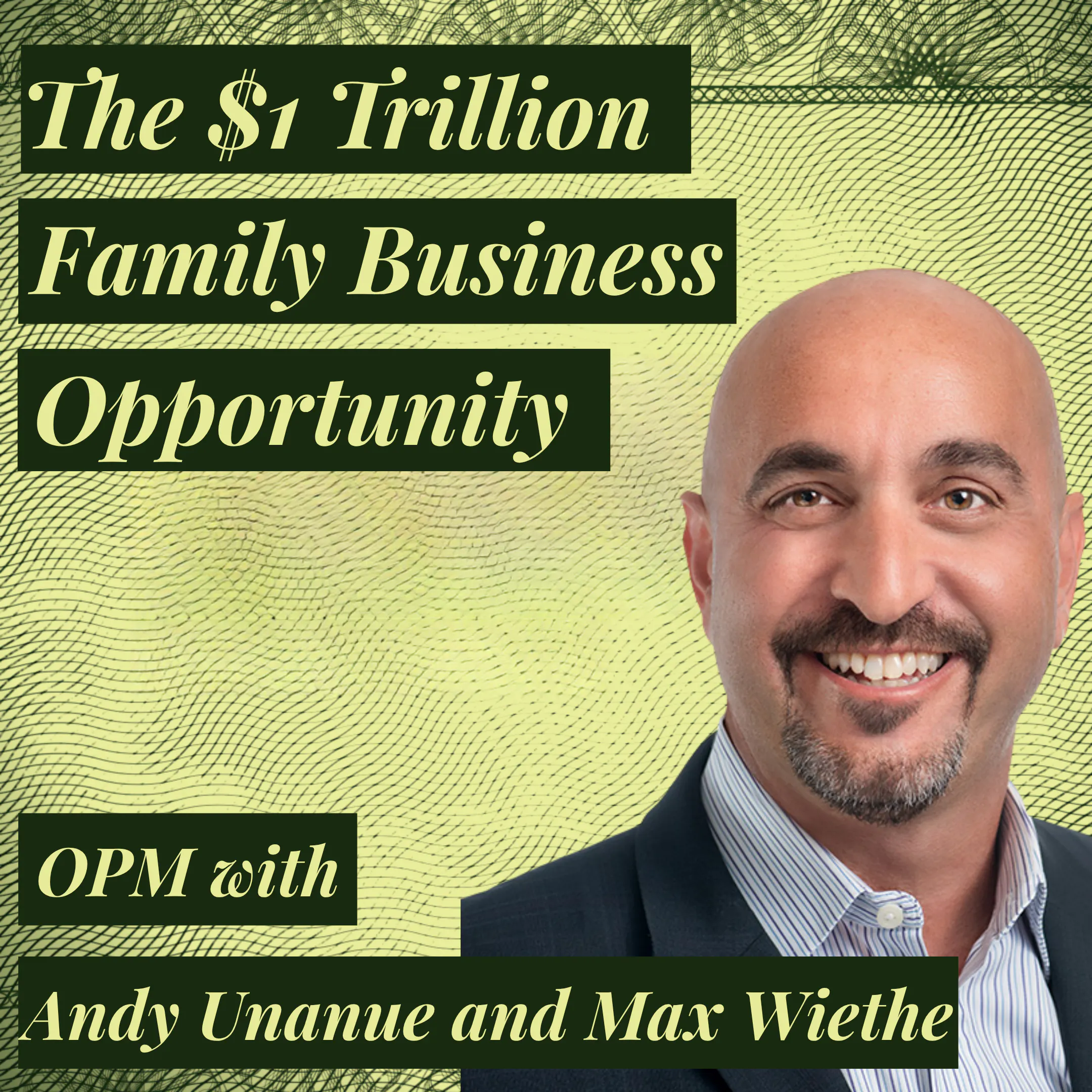
| 8/18/26 | family businessconsumer trends+4 | Andy Unanue | AUA Private Equity PartnersGoya Foods+3 | — | family businessoperational efficiencies+5 | — | 1h 01m 33s | ||
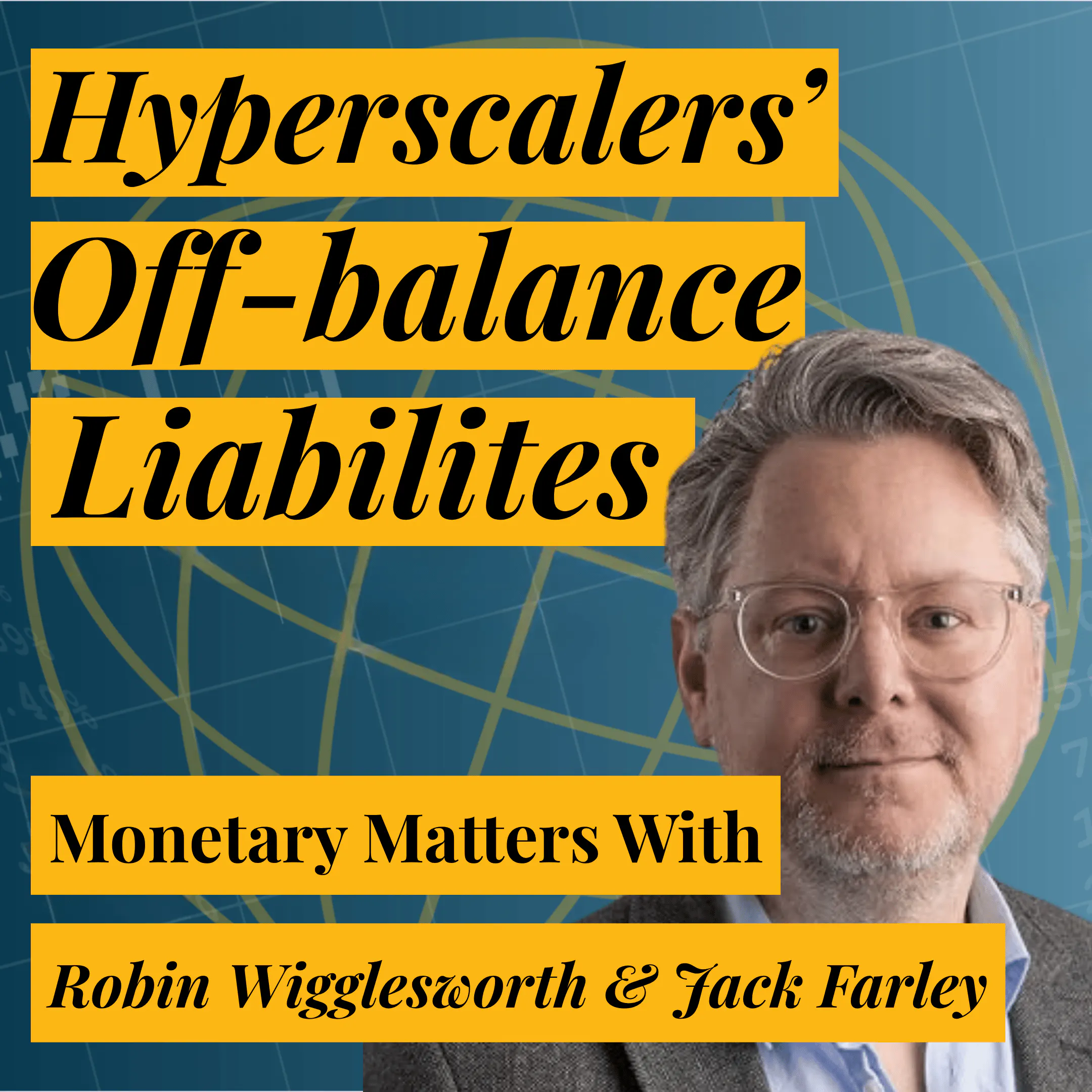
| 8/16/26 | off-balance-sheet liabilitiesprivate credit+4 | Robin Wigglesworth | FT AlphavilleMeta+6 | — | hyperscalersdebt+5 | — | 1h 05m 52s | ||
| 8/12/26 | market analysistechnical signals+5 | Milton Berg | S&P 500Nasdaq 100+2 | — | market bottomS&P 500+6 | — | 1h 23m 50s | ||
| 7/20/26 | private creditinsurance system+3 | Nick Nemeth | Mispriced AssetsApollo+3 | — | private creditinsurance+6 | Teucrium Corn FundCORN | 1h 14m 18s | ||
| 7/16/26 | trend followinghigh volatility+4 | Moritz SeibertMoritz Heiden | Takahe Capital | — | trend followingvolatility+6 | — | 1h 16m 24s | ||
| 7/14/26 | semiconductorsAI revolution+4 | Ben Pouladian | BEP ResearchNvidia+2 | U.S.China | semiconductorNvidia+7 | — | 1h 27m 27s | ||
| 7/7/26 | global alphaJapan market+4 | Sean McGould | NISAThe Lighthouse Group | JapanKorea+1 | alphahedge funds+7 | — | 59m 19s | ||
| 7/5/26 | Federal Reservebalance sheet+3 | Darrell Duffie | Federal ReserveStanford | — | Federal Reservebalance sheet+5 | Fundrise | 1h 03m 25s | ||
| 7/4/26 | real estate cyclesenior living+3 | Josh Pristaw | Clarion PartnersFundrise Income Fund | United States | real estateinvestment+5 | Fundrise | 54m 22s | ||
| 7/2/26 | S&P 500 projectioninflation+4 | Erik | Erik YWR SubstackCME+1 | AfricaEurope+3 | S&P 500inflation+7 | — | 1h 06m 24s | ||
| 6/30/26 | IPOmarket analysis+4 | Jay Ritter | University of FloridaWarrington College of Business+3 | — | IPOJay Ritter+5 | — | 51m 47s | ||
| 6/29/26 | financial history1873 financial crisis+4 | Liaquat Ahamed | RothschildsCredit Mobilier+3 | — | financial crisisRothschilds+5 | — | 54m 18s | ||
| 6/24/26 | investment platformindependent research+4 | Shashank Chiranewala | PlutusSubstack+1 | — | Plutusinvestment platform+6 | — | 47m 41s | ||
| 6/10/26 | government investmenteconomic statecraft+3 | Conor Coleman | Development Finance Corporation | United StatesUkraine | Development Finance CorporationConor Coleman+5 | Teucrium Corn FundCORN | 29m 36s | ||
| 6/7/26 | oil marketsupply crisis+4 | Matt Smith | Kpler | IranStrait of Hormuz+1 | oil marketsupply crisis+5 | Teucrium Corn FundCORN | 1h 08m 28s | ||
| 6/6/26 | AI chip marketAsian equity markets+5 | Michael Fritzell | Asian Century Stocks | South KoreaTaiwan+2 | AI chipsSouth Korea+8 | — | 1h 08m 16s | ||
| 5/31/26 | macroeconomic landscape60/40 portfolio+4 | Jim Masturzo | Unlimited HFGM Global Macro ETFRAFI Growth Index+1 | U.S. | macroeconomicsinvestment strategies+4 | HFGM | 1h 18m 45s | ||
| 5/26/26 | real estateAI impact+4 | Tom Shapiro | GTIS PartnersApple Podcast+2 | San FranciscoSun Belt+1 | real estate investmentAI boom+6 | Fundrise Income Fund | 1h 00m 16s | ||
| 5/25/26 | macro regime shiftinflation+4 | Andreas Steno Larsen | Unlimited HFGM Global Macro ETF $HFGMReal Vision+1 | IndiaLatAm+2 | macro researchinflation+6 | — | 1h 08m 47s | ||
| 5/24/26 | private creditinvestment opportunities+3 | John Cocke | Corbin Capital | — | private creditJohn Cocke+5 | — | 1h 12m 40s | ||
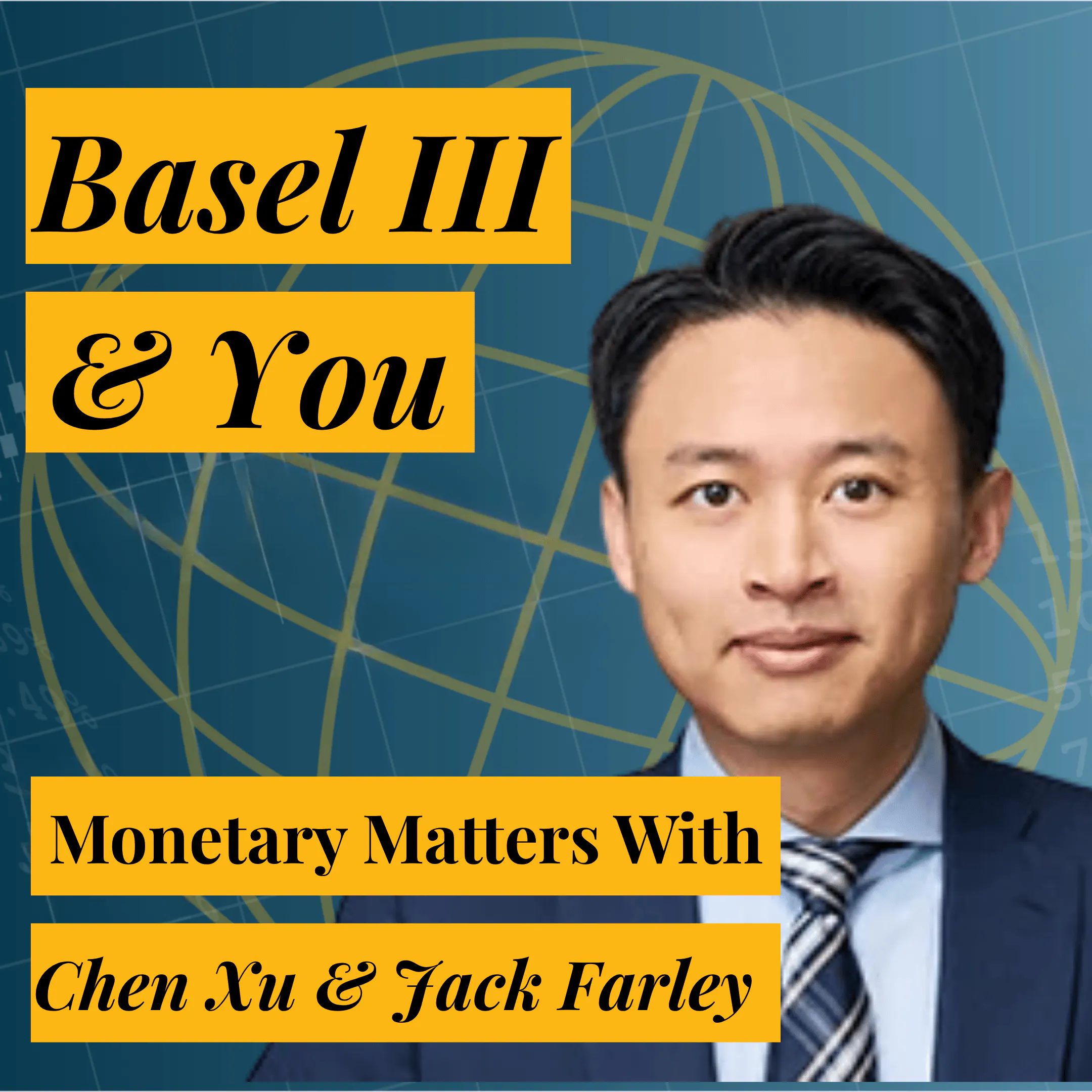
| 5/17/26 | Basel IIIbanking+3 | Chen Xu | Debevoise & Plimpton | — | Basel IIIbanking framework+3 | — | 1h 16m 36s | ||
| 5/16/26 | AI bubbleearnings+4 | Andy Constan | Monetary MattersS&P 500+2 | — | AI stocksearnings bubble+4 | — | 33m 25s | ||
| 5/15/26 | U.S. stock marketbullish technicals+4 | Andrew Perry | — | AustraliaGermany+1 | S&P 500fertilizer stress+5 | Teucrium Corn FundCORN | 59m 13s | ||
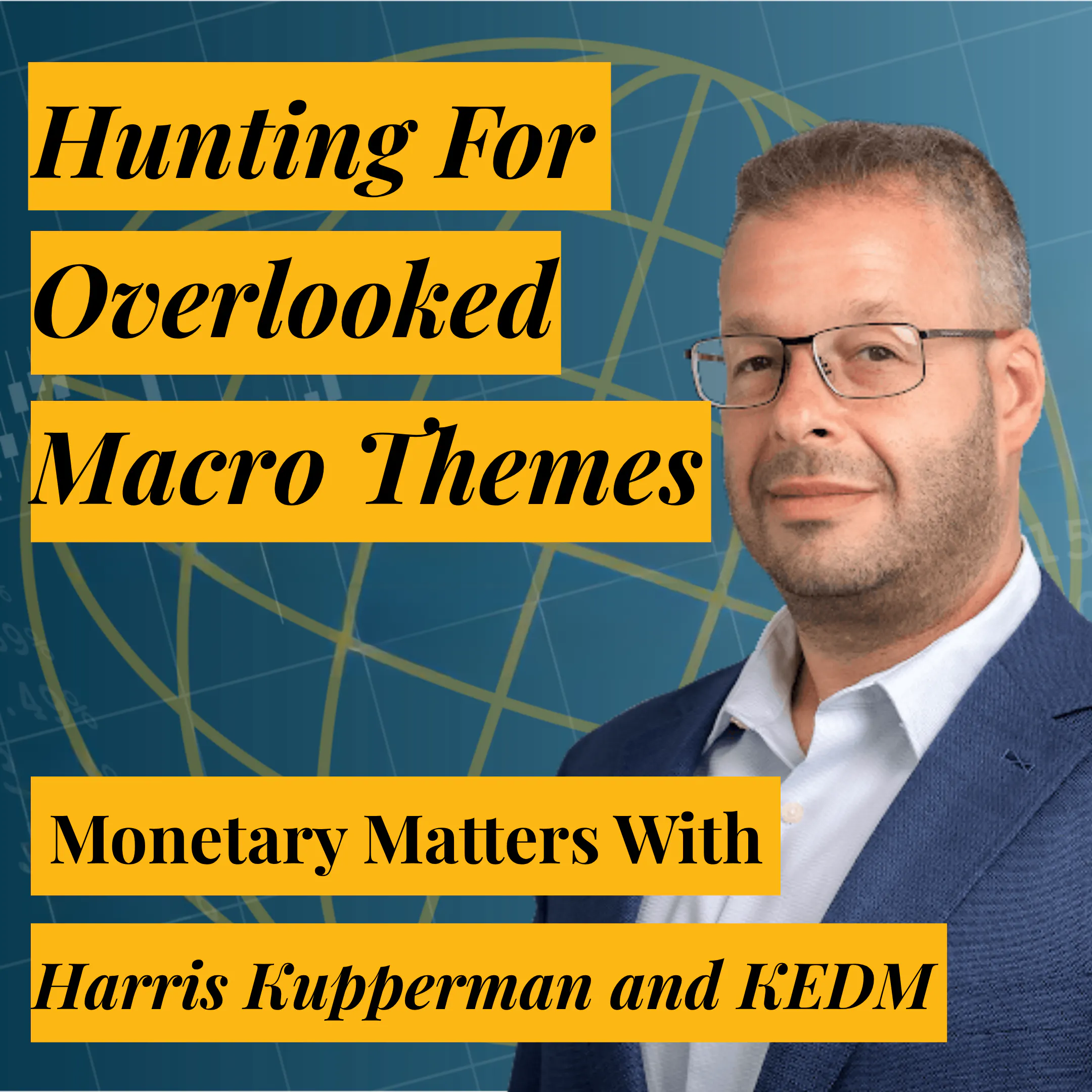
| 5/6/26 | macro trendsevent-driven catalysts+4 | Harris KuppermanRoderick van Zuylen | MarexStonex | Latin AmericaBrazil | macro themesinvestment strategies+5 | KEDM Researchmm2026 | 1h 00m 04s | ||
| 5/4/26 | AI and market dynamicsoil crisis+3 | Warren Pies | 314 ResearchS&P 500 | Strait of Hormuz | AIoil crisis+7 | CalibanFREE TRIAL | 1h 10m 43s | ||
| 5/1/26 | fundamental analysisnew economy stocks+4 | Jacob Pozharny | Bridgeway Capital Management | — | fundamentalsintangible assets+7 | Unlimited HFGM Global Macro ETF $HFGM | 1h 22m 30s | ||
| 5/1/26 | Federal ReserveJerome Powell+4 | Jim Bianco | Bianco Research | Strait of Hormuz | Federal ReserveJerome Powell+5 | — | 41m 41s | ||
| 4/30/26 | SpaceX IPOmarket speculation+4 | Moez Kassam | Anson FundsSpaceX+3 | — | SpaceX IPOMoez Kassam+4 | — | 46m 42s | ||
| 4/29/26 | thematic investingmarket risks+3 | Kieran Cavanna | Old Farm PartnersSoros Fund Management+1 | — | thematic investingmarket risks+5 | CAIA.nxtMMTEN | 1h 01m 13s | ||
| 4/26/26 | software loansbusiness development companies+4 | Matthew Bloomfield | Palmer Square Capital BDC | — | software loansBDC+5 | CAIA.nxtMMTEN | 1h 10m 49s | ||
| 4/19/26 | SaaSAI disruption+4 | Deiya Pernas | Monetary MattersApple Podcast+2 | — | SaaS apocalypseAI capabilities+6 | Pernas Researchmonetarymatters | 1h 01m 57s | ||
| 4/18/26 | banking risksprivate credit+3 | Chris Whalen | — | Chicago | bank earningsprivate credit+5 | Unlimited HFGM Global Macro ETF $HFGM | 53m 31s | ||
| 4/15/26 | financial repressionfiscal sustainability+4 | Hanno Lustig | Unlimited HFGM Global Macro ETF $HFGMStanford University | Japan | financial repressionfiscal sustainability+5 | Unlimited ETFs | 1h 30m 03s | ||
| 4/14/26 | stagflationconsumer spending+3 | Sean Emory | Pictet AI Enhanced US Equity ETFPictet AI Enhanced International Equity ETF+7 | — | stagflationconsumer+3 | Pictet Asset Management | 1h 10m 31s | ||
| 4/9/26 | AI disruptionsoftware valuations+4 | Ben Topor | Pictet AI Enhanced US Equity ETFPictet AI Enhanced International Equity ETF+2 | — | AIsoftware+5 | Pictet Asset Management | 1h 02m 58s | ||
| 4/8/26 | private creditinvestment+3 | Michael Haynes | Beach Point Capital Management | TwitterLinkedIn+3 | private creditMichael Haynes+5 | CAIA.nxtMMTEN | 1h 08m 05s | ||
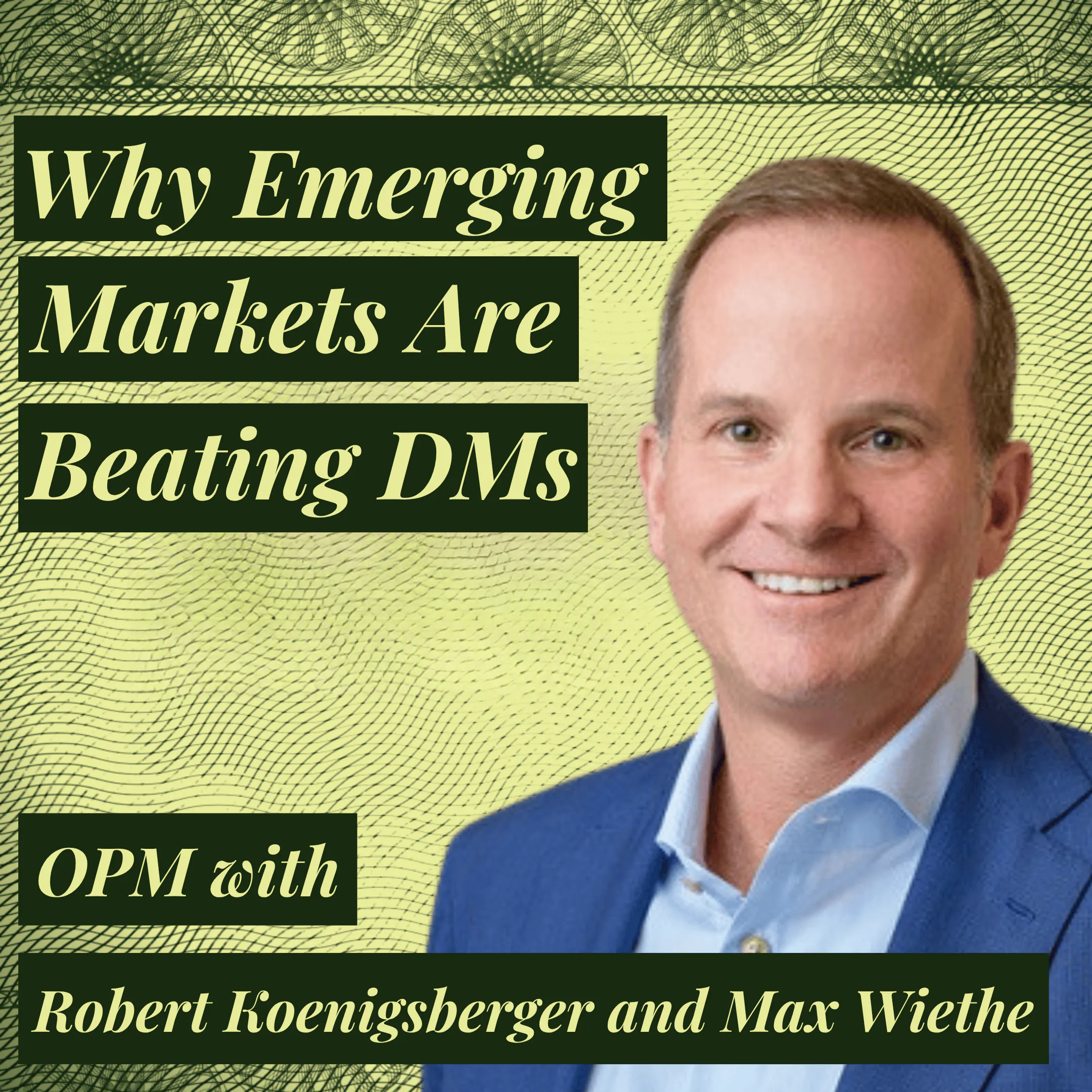
| 4/7/26 | emerging marketsdeveloped markets+4 | Robert Koenigsberger | Pictet AI Enhanced US Equity ETFPictet AI Enhanced International Equity ETF+1 | — | emerging marketsdeveloped markets+5 | Pictet Asset Management | 1h 09m 42s | ||
| 4/4/26 | shipping marketoil tanker+5 | Ed Finley-Richardson | FrontlineInternational Seaways+1 | Strait of Hormuz | shipping marketoil tanker+5 | Misadventures in Shipping20% off | 2h 34m 22s | ||
| 4/1/26 | oil pricesinflation+4 | Anna Wong | Pictet AI Enhanced US Equity ETFPictet AI Enhanced International Equity ETF+1 | — | oil pricesinflation+6 | Pictet Asset Management | 52m 10s | ||





















Showing 61 of 298
Pitch Fit is a Pro feature
See how bookable this show is for guests, which brands already advertise, the per-episode ad value, and the best-fit guest and sponsor profile. The numbers are blurred on the free plan.
How readily this show books outside guests like you.
How proven this show is for host-read sponsorships.
For Guests
ProFor Advertisers
ProUpgrade to Pro to unlock guest cadence, sponsor categories, fit scores, and per-episode ad value for this show.
Similar Audience Demographics
Podcasts that attract a similar listener profile






Chart history for Monetary Matters with Jack Farley
Peaked at #25 in RO, currently #25 in RO.
| Market | Genre | Peak | Current | Trend |
|---|---|---|---|---|
| RO | — | #25 | #25 | — |
| HK | — | #33 | #33 | — |
| India | — | #51 | #51 | — |
| SG | — | #56 | #56 | — |
| Norway | — | #57 | #57 | — |
| Denmark | — | #68 | #68 | — |
| Finland | — | #69 | #69 | — |
| TH | — | #73 | #73 | — |
| United Kingdom | — | #80 | #80 | — |
| Australia | — | #84 | #84 | — |
| Ireland | — | #87 | #87 | — |
| Sweden | — | #88 | #88 | — |
| IS | — | #91 | #91 | — |
| Brazil | — | #93 | #93 | — |
| HK | — | #96 | #96 | — |
| PT | — | #97 | #97 | — |
| United States | — | #99 | #99 | — |
| RO | — | #99 | #99 | — |
| AR | — | #104 | #104 | — |
| ID | — | #105 | #105 | — |
Chart Positions
42 placements across 37 markets.
Chart Positions
42 placements across 37 markets.