

Insights from recent episode analysis
Audience Interest
Podcast Focus
Publishing Consistency
Platform Reach
Insights are generated by CastFox AI using publicly available data, episode content, and proprietary models.
Most discussed topics
Brands & references
Total monthly reach
Estimated from 8 chart positions in 8 markets.
By chart position
- 🇩🇪DE · Nature#1455K to 30K
- 🇯🇵JP · Nature#7710K to 30K
- 🇧🇷BR · Nature#1251K to 10K
- 🇳🇱NL · Nature#1451K to 10K
- 🇲🇽MX · Nature#1621K to 10K
- Per-Episode Audience
Est. listeners per new episode within ~30 days
15K to 61K🎙 Daily cadence·353 episodes·Last published 1w ago - Monthly Reach
Unique listeners across all episodes (30 days)
52K to 203K🇬🇷49%🇩🇪15%🇯🇵15%+5 more - Active Followers
Loyal subscribers who consistently listen
21K to 81K
Market Insights
Platform Distribution
Reach across major podcast platforms, updated hourly
Total Followers
—
Total Plays
—
Total Reviews
—
* Data sourced directly from platform APIs and aggregated hourly across all major podcast directories.
On the show
From 11 epsHosts
Recent guests
Recent episodes
Addressing the 'toxic legacy' of mining in Bougainville
Jun 16, 2026
Unknown duration
Healing the planet requires healing ourselves, says Katharine Wilkinson
Jun 9, 2026
Unknown duration
A 'coalition of the willing' to urge the world to drop fossil fuels
Jun 2, 2026
Unknown duration
Australia claims it's 'on track' to meet its environment targets. Scientists disagree
May 26, 2026
Unknown duration
The world must address pandemic threats urgently, says former CDC officer
May 19, 2026
Unknown duration
Social Links & Contact
Official channels & resources
Official Website
Login
RSS Feed
Login
| Date | Episode | Topics | Guests | Brands | Places | Keywords | Sponsor | Length | |
|---|---|---|---|---|---|---|---|---|---|
| 6/16/26 |  Addressing the 'toxic legacy' of mining in Bougainville | Theonila Roka Matbob grew up next to what was — at the time — the world's largest open-pit mine in Bougainville, an autonomous island in Papua New Guinea, operated by a subsidiary of Rio Tinto. This mine wrought environmental and social devastation on the community of Panguna for decades. And many of these impacts carry on today, says Roka Matbob, who is an Indigenous Nasioi woman and politician. With the help of Jubilee Australia and the Human Rights Law Centre, Roka Matbob was able to file a legal complaint with Australia's National Contact Point for Responsible Business Conduct. As a result, Rio Tinto signed a memorandum of understanding with the Bougainville government to remediate the impacts of this mine. For this legal achievement, Roka Matbob was awarded the Goldman Environmental Prize. However, she is skeptical that remediation for these impacts will occur. She joins the podcast this week to tell the Bougainville story and what she wants people to understand about mining's impacts on the autonomous region and her community. " The Bougainville story is a result of Australia's political decision through Papua New Guinea government now implemented on Bougainville and leaving behind a toxic legacy that is already been kind of fenced out, not to have a forum to talk about," she says. "So my intention is for us to start telling this story." Please take a minute to let us know what you think of our podcast here. Mike DiGirolamo is the host & producer for the Mongabay Newscast based in Sydney. Find him on LinkedIn and Bluesky. Banner image: Theonila Roka Matbob in Papua New Guinea's Autonomous Region of Bougainville in January 2026. Photo by Goldman Environmental Prize. —— Timecodes (00:00) The Bougainville story (12:11) Seeking justice (22:38) Cleaning up a 'toxic legacy' | — | ||||||
| 6/9/26 |  Healing the planet requires healing ourselves, says Katharine Wilkinson | Katharine Wilkinson has a Ph.D. in geography and the environment, is well known for being a co-author of the book Drawdown and co-founder of The All We Can Save Project. She joins the Newscast this week to discuss her latest book Climate Wayfinding: Healing Ourselves and the Planet We Call Home. As a journalist, it's unhelpful for me to divorce myself from the topic of this interview, as I have experienced, time and again, the sense of "murky overwhelm" this book is specifically designed to address. But Wilkinson didn't just write this book for journalists like myself who cover ecological crises for a living. She wrote it for readers and listeners like you. "I think we're all in our own ways grappling with this increasingly mapless time, right? And that is quite literally true," Wilkinson says. "'Is there hope?' and 'What can I do?' I think these are fundamentally navigational questions as much as they are questions of action." What Climate Wayfinding does that I think is unique is it directly addresses the reader and takes them through a process of self-examination. Of sitting with the uncomfortable emotions one feels about our ecological crises, without judgment. And from that self-compassion, asking the reader to imagine the world they want to see instead and encouraging them to map out how they see themselves working to achieve it. Please take a minute to let us know what you think of our podcast here. Mike DiGirolamo is the host & producer for the Mongabay Newscast based in Sydney. Find him on LinkedIn and Bluesky. Thumbnail image: Climate Wayfinding with a design background. Image by Amerpsand, courtesy of Katharine Wilkinson. —— Timecodes (00:00) Facing our increasingly 'mapless' time (09:43) Following our emotions (15:07) "I don't feel hopeful today" (18:22) Possibilities that become reality (25:32) Culture as an accelerator for change (35:17) A crisis of leadership (41:40) To love something instead of fixing something | — | ||||||
| 6/2/26 |  A 'coalition of the willing' to urge the world to drop fossil fuels | A group of 57 nations mostly from the Global South, describing themselves as "coalition of the willing" intent on making the Transition Away From Fossil Fuels, or TAFF, convened in the Colombian city of Santa Marta, from April 24-29, 2026, for the inaugural TAFF summit. Also referred to as the "Santa Marta Coalition," this group of countries met to discuss and develop frameworks and pathways for nations to phase out fossil fuel dependency. Joining the Mongabay Newscast this week is Mamphela Ramphele, a medical doctor, activist and member of the Planetary Guardians, a network of experts advocating for the planetary boundaries as a measurement framework. Ramphele explains the highlights of the conference, which included the unveiling of a dedicated scientific panel to advise nations on developing road maps to transition off fossil fuels. The science panel includes experts such as Carlos Nobre from Brazil and Johan Rockström from Sweden, who pioneered the planetary boundaries concept. The conference also saw the establishment of "workstreams" to help nations connect their phaseout road maps to their emissions reduction targets as part of their U.N. climate commitments; leverage support to change their financial systems for the transition; and reform trade systems. Two nations in attendance, Colombia and France, announced their own phaseout road maps at the conference. Ramphele, from South Africa, suggests that as countries in the Santa Marta Coalition develop and implement their own road maps, other nations not yet on board will eventually be pressured to follow. Until a legally binding agreement, such as the one advocated for by the Fossil Fuel Non-Proliferation Treaty, this is the most immediate path forward, Ramphele says. "We champion for a legally binding agreement. We get the coalition of the willing to start implementing, and by both positive stories that come out of it and moral suasion, we get people to buy into it." Please take a minute to let us know what you think of our podcast here. Image Credit: Creek in the Colombian Amazon. Image by Rhett A. Butler/Mongabay. ——- Timecodes (00:00) A 'coalition of the willing' emerges (12:13) Nations begin to announce phaseout roadmaps (20:48) The pathway to a legally binding fossil fuel phaseout (23:38) Looking ahead to the next conference | — | ||||||
| 5/26/26 |  Australia claims it's 'on track' to meet its environment targets. Scientists disagree | Australia is one of 17 "megadiverse" countries that account for 70% of Earth's biodiversity. However, Australia is unique in having the highest mammalian extinction rate in the world. That makes conservation on the island continent, where most of the wildlife is found nowhere else on Earth, all the more urgent. Conservation and environmental scientists have come out against the Australian federal government's claim that it's "on track" to meet most of its targets under the Kunming-Montreal Global Biodiversity Framework agreed upon at the U.N. biodiversity summit in 2022. This week on the Mongabay Newscast, Euan Ritchie, a professor of wildlife ecology and conservation at Australia's Deakin University, and a councilor with the Biodiversity Council, an academic alliance in the country, argues why conservationists say the Australian government is failing its commitments. "The short answer, unfortunately, is that Australia is doing terribly in terms of honoring its international obligations to meet those targets in the agreement. If we look at the number of threatened species in Australia, it's more than 2,200 now, and that list continues to increase," Ritchie says. Despite being a relatively wealthy nation by gross domestic product per capita, Australia funds conservation at a diminutive scale compared to other industrialized countries. The latest annual budget allocates 0.06% of federal spending to nature. Ritchie and some 60 fellow experts suggest that it would only take about 1% of the federal budget to save most threatened species and restore soils and rivers. In 2024, the Wentworth Group of Concerned Scientists published its findings, which took six years to complete. The Biodiversity Council has separately found that around 95% of Australians surveyed would support increased spending on the environment. "Essentially, the federal government is ignoring a majority of Australians by not doing that," Ritchie says. He argues the money to fund conservation already exists — or at least could easily exist by reducing subsidies for harmful industries (such as the fossil fuel industry), which currently amount to around A$26 billion ($19 billion) a year. Separately, a 25% tax on liquefied natural gas exports could generate A$17 billion ($12 billion) a year, a move nationwide polling suggests is supported by 70% of Australians. Despite the perceived strong public support, Australian Prime Minister Anthony Albanese has ruled out a 25% tax on gas exports for the time being, which Ritchie says is very hard to understand, pointing to countries like Norway, which built its own sovereign wealth fund off similar measures. As of this writing, the Australian government has lost about A$70 billion ($50 billion) in revenue it could have collected had it taxed these resources, according to an online tracker by the Australia Institute, an independent think tank. "We could bring in tens of billions of dollars in additional revenue if we taxed the resources that we are giving away, essentially in many cases for free," Ritchie says. Instead of increasing direct conservation funding, the Australian government intends to close the gap by launching a "Nature Repair Market," a voluntary biodiversity offset scheme. It's essentially a way for industry and private investors to pay for the damage they cause. Research indicates this is unlikely to protect endangered wildlife and biodiversity without taxpayer funding. Other researchers from the University of Melbourne and the University of New South Wales have also weighed in, explaining that a biodiversity market is unlikely to work. Ritchie says this is problematic for a number of other reasons, ranging from the complexity of biodiversity itself, to the way the government intends to measure environmental impacts from various projects. Currently, the national environmental standards in the Environment Protection and Biodiversity Conservation Act (EPBC) doesn't "account for cumulative impacts," Ritchie says. "So if you imagine that you're a threatened species and you're widely distributed … Individual projects are not being assessed in relation to other projects that may also impact on that same species," he says. "So it is literally death by a thousand cuts." Listen to a conversation on biodiversity offsets in Australia with Yung En Chee here. Please take a minute to let us know what you think of our podcast here. Image Credit: Black-flanked rock wallaby (Petrogale lateralis) in Cape Range National Park, Western Australia, Australia. The Australian government has classed the species as endangered under the EPBC Act. Image by Dsyzdek via Wikimedia Commons (CC BY-SA 4.0). —- Time codes (00:00) 'Failing miserably' on the environment (10:21) A 'Nature Repair Market' is not a solution (23:47) New nature reform laws passed (29:44) Plentiful sources of funding (35:37) Native forest logging harms | — | ||||||
| 5/19/26 |  The world must address pandemic threats urgently, says former CDC officer | "[The]cruel irony here [is] that the world cannot get its act together to address these threats … people are dying, animals are suffering, we're losing rainforest … these are all interconnected threats," Neil Vora tells me on this week's episode of the Mongabay Newscast, just a day after the World Health Organization (WHO) reported more than 80 deaths in the Democratic Republic of Congo from an outbreak of the Ebola virus. Vora is a former U.S. Centers for Disease Control and Prevention (CDC) epidemic intelligence service officer who deployed to the DRC to combat Ebola. He says the current strain, the Bundibugyo virus, is particularly dangerous because there is no current approved treatment or vaccine for it. While neither this virus nor the Andes virus, a type of hantavirus that originated in Chile and Argentina and killed three people on a cruise ship, is likely to cause a pandemic, says Vora, he stresses member states of the WHO are unprepared to address a pandemic should one occur. According to Vora, the WHO could have achieved a pandemic agreement to better address the threats pandemics pose. But that fell short when nations failed to adopt a system to equitably share tools such as vaccines. " And now those discussions on the pandemic agreement have stalled, and days later, we have these two outbreaks of zoonotic viruses." Neil Vora is the executive director of the Preventing Pandemics at the Source Coalition. Please take a minute to let us know what you think of our podcast here. Image Credit: Minks at a Swedish fur farm in 2009. Living in small cages very close to each other makes for easier transmission of pathogens. Image courtesy of Jo-Anne McArthur/Djurrattsalliansen/We Animals Media. —- Timecodes (00:00) Two outbreaks (07:55) Fur farms present a pandemic risk (15:17) Banning fur farms in the EU (23:10) 'We're hurting ourselves' (29:29) Preventing Pandemics at the Source Coalition | — | ||||||
| 5/12/26 |  Protest works, but it needs your help now more than ever, veteran activists say | "We are experiencing what some people call sort of a shutdown of the public square in the United States and around the world," says veteran environmental activist André Carothers. Along with the former executive director of Greenpeace US, Annie Leonard, the two have co-authored a new book about the history of protest, why it works, and why it's under attack. Protest: Respect It. Defend It. Use It. was written to "remind readers about the role protests played in gaining a lot of the progress that we take for granted today," Leonard says. Earth Day 1970 famously saw around 10% of the U.S. population actively participating in one of the largest demonstrations in the nation's history. This led to a number of landmark environmental laws that are arguably taken for granted today. Protest highlights how movements begin, and ultimately shape public discourse leading to these significant victories. The authors also highlight how some in society often lionize protest movements of the past, while condemning ones of the present, forgetting that at their inception, protests and the movements they represent are often unpopular. Leonard and Carothers point to Dr. Martin Luther King Jr., whose approval rating never went above 50% in all his years as a civil rights leader. His disapproval rating stood at 75% the year he was assassinated. "There's something about the gymnastics of history that allows us to honor these people well after they're dead, but not when it's happening right in front of them," Carothers says. You can find a copy of Protest: Respect It. Defend It. Use It. at theprotestbook.com. Please take a minute to let us know what you think of our podcast here. Mike DiGirolamo is the host & producer for the Mongabay Newscast based in Sydney. Find him on LinkedIn and Bluesky. Image Caption: Photographer Jonathan Bachman was a finalist for the Pulitzer Prize for capturing a photograph of Ieshia Evans being arrested in Baton Rouge, Louisiana. It was Ieshia Evans first protest, and Bachman's first time covering one. The photo was included in The New York Times' "The Year in Pictures 2016," among other honors. jonathan bachman / reuters. Shepard Fairey—a prolific artist and activist who often addresses social and political issues in his work—was invited by the authors of 'Protest' to interpret Bachman's photograph for the book. Image credit to Shepard Fairey. Image Courtesy of Patagonia Books. —- Timecodes (00:00) The attack on protesters (10:32) Combatting vilification of protesters (16:27) Amplifying messaging through art (21:05) Why non-violence works (32:04) A red line has been crossed (36:56) How students are stopping a pipeline (39:46) Earth Day 1970 (42:48) Protest is not enough | — | ||||||
| 5/5/26 |  A new Netflix documentary captures rare mountain gorilla behavior✨ | mountain gorillasdocumentary+5 | Tara Stoinski | A Gorilla Story: Told by David AttenboroughDian Fossey Gorilla Fund | Greater Virunga LandscapeRwanda+2 | mountain gorilladominance transfer+6 | — | 38m 59s | |
| 4/28/26 |  Centering an Indigenous approach to forestry through reciprocity, not extraction✨ | Indigenous knowledgeforestry+3 | Erica Gies | Mongabay.comThe Mother Tree Project | — | forestryIndigenous knowledge+5 | — | 41m 13s | |
| 4/21/26 |  Across oceans, seabird flyways gain recognition — and a chance at protection✨ | seabirdsmigratory routes+4 | Tammy Davies | BirdLife InternationalU.N.'s Convention on Migratory Species+1 | — | seabird flywaysmigratory birds+4 | — | 28m 04s | |
| 4/14/26 |  The coyotes next door: What we get wrong about America's 'song dog'✨ | coyotesurban wildlife+4 | Camilla Fox | Project CoyoteMongabay Newscast | United StatesCanada+1 | coyotesurban areas+8 | — | 44m 46s | |
Want analysis for the episodes below?Free for Pro Submit a request, we'll have your selected episodes analyzed within an hour. Free, at no cost to you, for Pro users. | |||||||||
| 4/7/26 |  The 'lonely conservationist' advocating for better care of workers✨ | conservationmental health+3 | Jessie Panazzolo | The Lonely ConservationistsEarth Carer Care | — | conservationistmental health+3 | — | 45m 33s | |
| 3/31/26 |  The conservation sector must speak truth to power, says political ecologist✨ | political ecologyenvironmental movement+3 | Bram Buscher | Wageningen UniversityThe Truth About Nature: Environmentalism in the Era of Post-Truth Politics and Platform | — | political ecologyenvironmentalism+5 | — | 1h 00m 55s | |
| 3/24/26 |  A year after the shuttering of USAID conservation projects fight to stay afloat✨ | USAIDconservation+4 | Michelle Nijhuis | United States Agency for International DevelopmentImpact Counter | Ethiopia | USAIDconservation projects+6 | — | 49m 16s | |
| 3/17/26 |  Save a tiger, save an ecosystem: Why protecting the big cats is a biodiversity boon✨ | tiger conservationbiodiversity+4 | Debbie Banks | Environmental Investigation AgencyConvention on Biological Diversity+2 | BhutanNepal+2 | tigersbiodiversity+6 | — | 49m 58s | |
| 3/10/26 |  Understanding how elephants experience time might change how we protect them✨ | animal temporalityelephant conservation+3 | Khatijah Rahmat | Max Planck Institute for the History of Science | GermanyLinyanti River+1 | elephantsanimal experience+5 | — | 47m 33s | |
| 3/3/26 |  Tyson Yunkaporta on how the 'wrong story' harms nature, and how we can change it✨ | Indigenous perspectivesstorytelling+3 | Tyson Yunkaporta | Mongabay NewscastRight Story, Wrong Story: Adventures in Indigenous Thinking | Aotearoa New ZealandSydney | Indigenous thinkingenvironment+3 | — | 1h 00m 20s | |
| 2/24/26 |  Live theater tells the story of how Mongabay detected narco airstrips in the Amazon✨ | drug traffickingIndigenous communities+3 | Maria Isabel TorresAlexa Vélez | Mongabay LatamConsortium to Support Independent Journalism in the Region (CAPIR)+1 | Peruvian Amazon | narco airstripsAmazon+5 | — | 58m 10s | |
| 2/17/26 |  Kiliii Yüyan details 'Guardians of Life' and how we can learn from them | National Geographic photographer Kiliii Yuyän returns to the Mongabay Newscast to share his experience creating his new book, Guardians of Life: Indigenous Knowledge, Indigenous Science, and Restoring the Planet from specialty publisher Braided River. This book documents the traditional ecological knowledge (TEK) of nine Indigenous communities worldwide, featuring contributions and essays from many members of these communities, along with Yüyan's own photography. TEK, Yüyan says, isn't exactly traditional so much as it is ecological knowledge that is place-based. While it draws on thousands of years of knowledge, it also innovates in society as we know it, and can offer social, cultural and ecological benefits that neoliberal economics does not. Yüyan highlights that some of the most significant environmental victories of the past few years, such as the removal of the Klamath River dams in the United States — the largest dam removal project ever — were led by Indigenous people. Yüyan's imagery captures the essence of the decades it took for Lisa Moorehead-Hillman, Leaf Hillman and others to advocate for their removal. "I think what the great power of the book is in a lot of ways is the power of photography … actually seeing it. That this is what it means when we're talking about what is shamanism, what does it mean when you remove a dam … and you see it in people's faces." Please take a minute to let us know what you think of our podcast, here. Mike DiGirolamo is the host & producer for the Mongabay Newscast based in Sydney. Find him on LinkedIn and Bluesky. Image Credit: Lisa Morehead-Hillman and Leif Hillman, both Karuk, celebrate the removal of the dams on the newly exposed reservoir floor in 2024. The former head of the Karuk Natural Resources Department, Leif spent two decades working with other Indigenous groups, environmental organizations and government officials to bring back the Klamath River. Image courtesy of Kiliii Yüyan. —- Timecodes (00:00) What is traditional ecological knowledge? (08:00) When values and governance go together (17:38) Why and when hunters share their bounty in Greenland (27:26) In Mongolia ceremonies are conservation (39:12) How to get a dam removed (46:08) Why the buffalo is the best environmentalist | — | ||||||
| 2/10/26 |  Lessons from 60 years of USAID development projects have been saved by this company | A year ago, U.S. President Donald Trump shut down public access to the Development Experience Clearinghouse, a $30 billion database holding 60 years' worth of institutional knowledge from more than 150,000 projects administered by the U.S. Agency for International Development. But before the closure, former USAID employee and artificial intelligence scientist Lindsey Moore used a large language model (LLM) to read all of the information in this database — rescuing critical lessons on development, environmental, economic and social projects in countries across the globe, all documented by USAID. The data also included information on conservation projects. Many of the challenges presented in these projects repeated over the years, but the lessons were rarely retained — something Moore's tech startup, DevelopMetrics, hopes to change. Moore joins this week's podcast to explain what those lessons are and what conservationists can learn from them. DevelopMetrics deploys an AI model capable of understanding not just the information from USAID's database, but also other public databases that could be at risk of deletion or being lost to time. Please take a minute to let us know what you think of our podcast, here. Mike DiGirolamo is the host & producer for the Mongabay Newscast based in Sydney. Find him on LinkedIn and Bluesky. Banner image: Mangroves on Vanua Levu Island, Fiji. Image by Rhett A. Butler/Mongabay. —— Timecodes (00:00) Lindsey's background with USAID (04:14) How to analyze 60 years of data (11:07) Uncovering hidden lessons (14:24) 1. Bring delivery closer to households (16:43) 2. Practice changes practice (19:19) 3. Design for scale, not for pilots (24:08) 4. Co-creation beats consultation (26:30) 5. Strengthen the middle layer (30:56) Who DevelopMetrics works with and how they are funded (32:58) Energy and water costs of LLMs | — | ||||||
| 2/3/26 | 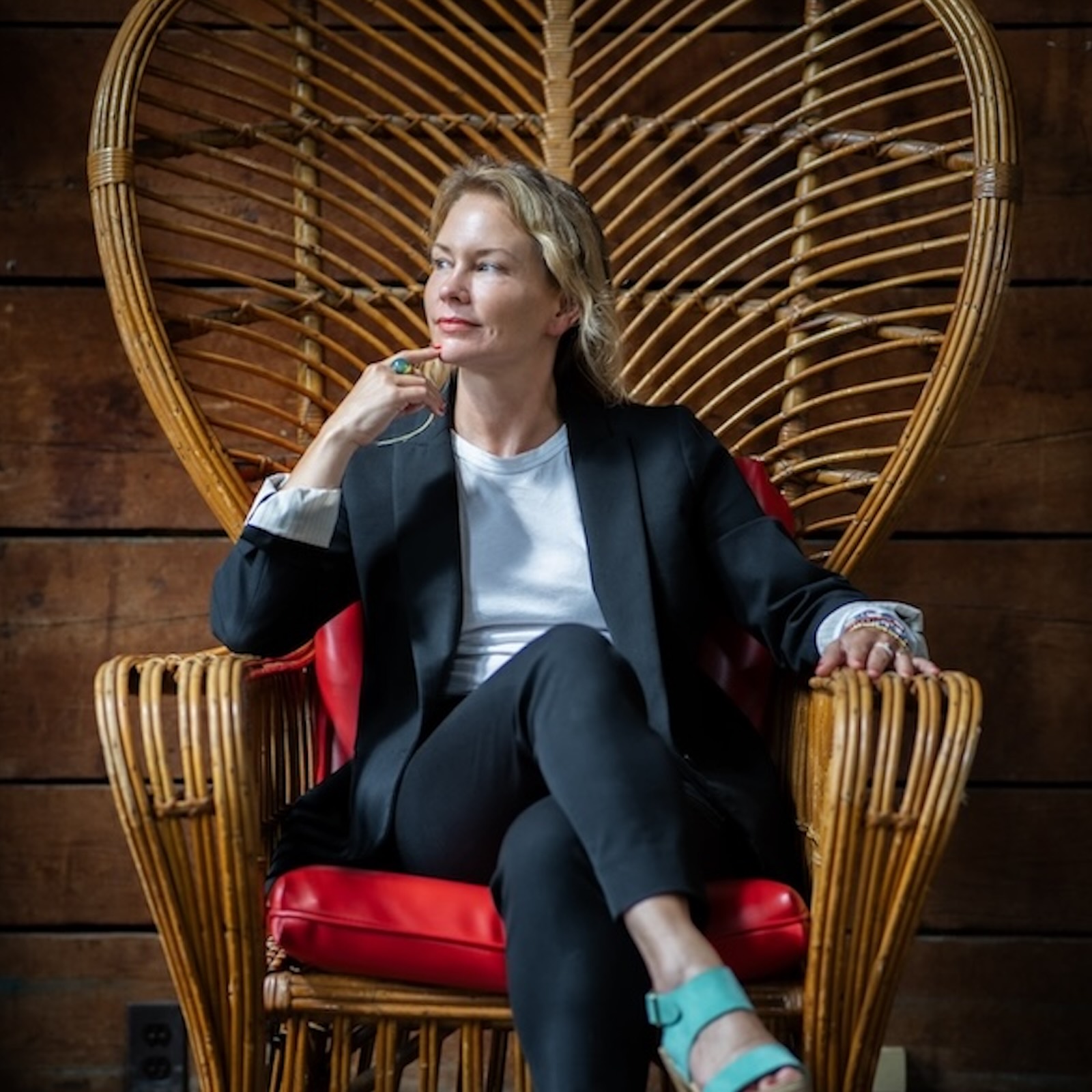 Writer Megan Mayhew Bergman on the lessons and moral clarity of 'Silent Spring' | It's been more than half a century since the publication of Silent Spring by the scientist and creative writer Rachel Carson. The seminal volume caught the attention of U.S. presidents, artists and musicians, spurring the environmental movement and leading to the eventual ban of the toxic pesticide DDT. Joining the Mongabay Newscast is environmental writer and director of the creative writing program at Middlebury College, Megan Mayhew Bergman. She unpacks the impact of Carson's work, which came under public attack from chemical companies seeking to discredit her, and how, eventually, the truth broke through. "We don't change our minds usually based on data. We change our minds based on emotion, but historically, it's been pretty taboo for scientists to include emotion in the way that they write. And I feel like Carson risked that here in a way that was really powerful." Please take a minute to let us know what you think of our podcast, here. Image: Megan Mayhew Bergman. Image by Cameron Russell. Environmental writing and authors mentioned in this conversation: Braiding Sweetgrass by Robin Wall Kimmerer Florida by Lauren Groff The Home Place by J. Drew Lanham Hope Is the Thing With Feathers by Christopher Cokinos How Strange a Season by Megan Mayhew Bergman Silent Spring by Rachel Carson Under a White Sky by Elizabeth Kolbert Vesper Flights by Helen Macdonald The Wild Flag by E.B. White Zora Neale Hurston Other works and authors mentioned: Ecology of a Cracker Childhood by Janisse Ray Men We Reaped by Jasmyn Ward A Small Place by Jamaica Kincaid Speak Memory by Vladimir Nabokov —- Timestamps (00:00) Changing hearts and minds (02:46) Rachel Carson's journey to Silent Spring (08:22) Controversy and impact (14:40) Room for a new voice (20:55) Bioaccumulation and what it means (24:07) "We don't change our minds based on data" (26:43) Recommended reads (35:21) The American South and environmental writing (39:57) Lessons for writers | — | ||||||
| 1/27/26 |  Massive decline of European olive groves harms nature and culture, but solutions exist | Across Mediterranean Europe, olive groves are in decline from a range of factors, from disease to depopulation. In Italy alone, there are roughly 440 million abandoned olive trees, and the ecological, cultural and socioeconomic impacts from the loss are devastating, explains the latest guest on the Mongabay Newscast. Still, solutions exist to help turn the tide of this under-discussed problem. Federica Romano is the program coordinator and UNESCO Chair on Agricultural Heritage Landscapes at the University of Florence. On this episode of the Mongabay Newscast she discusses the drivers of the degradation and abandonment of olive groves, how ecological factors and human-induced climate change exacerbate these, and the consequences for biodiversity and wildlife in Europe, where olive oil isn't just an economic institution, but also a significant cultural one. "Olive groves hold [a] deep cultural significance that goes far beyond agriculture [and] food production across Europe," she says. "Olive trees have symbolized peace, resilience and continuity through thousands of years, appearing in religious contexts, but also in arts and historical narratives." The Mongabay Newscast is available on all major podcast platforms, including Apple and Spotify, and previous episodes are also accessible at our website's podcast page. Please take a minute to let us know what you think of our podcast, here. Mike DiGirolamo is the host & producer for the Mongabay Newscast based in Sydney. Find him on LinkedIn and Bluesky. ——- Timecodes (00:00) Intro (01:52) The degradation and abandonment of olive groves (03:27) Ecological and cultural importance (07:14) Rural depopulation (11:00) Environmental threats to olive groves (15:32) Solutions and adoption schemes (17:29) Agroforestry and agroecology solutions (24:03) Fake olive oil (25:40) How you can help | — | ||||||
| 1/20/26 | 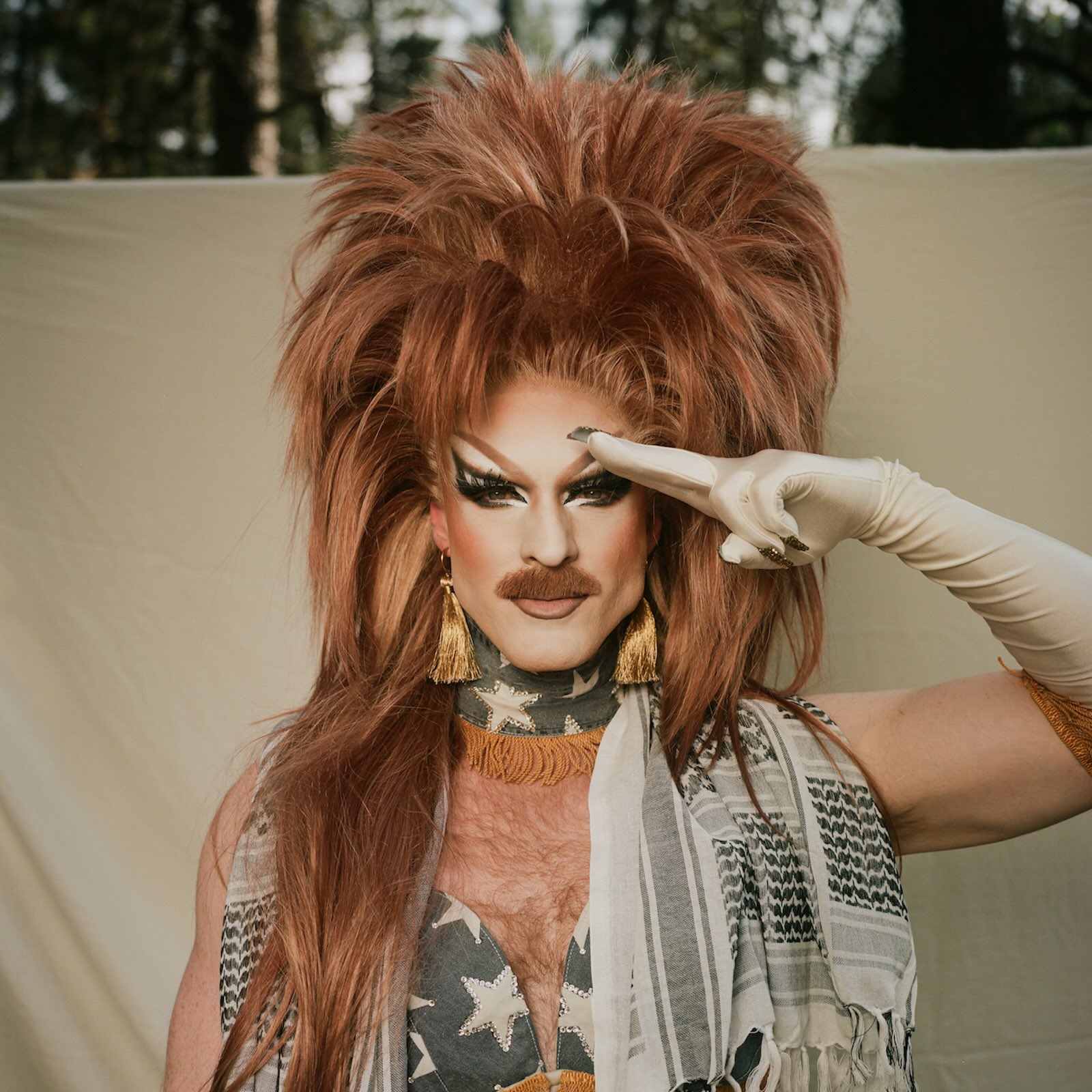 Joy is a winning environmental strategy for drag artist Pattie Gonia | Professional drag artist and environmental activist Pattie Gonia has more than 2 million followers on Instagram and has raised $1.2 million for environmental nonprofits by hiking 100 miles, or 160 kilometers, in full drag into San Francisco. She has gained international recognition for using drag artistry to advocate for the environment, in acknowledgment and celebration of hundreds of researchers and scientists in the field who identify as queer. She joins Mongabay's podcast to explain why joy is a fundamental ingredient missing in the environmental advocacy space, how she prioritizes it in her work as a drag performer and activist, and why she feels the environmental movement must prioritize it to succeed. "If we want people to join this movement, we have to make it freaking fun," she says. The Mongabay Newscast is available on all major podcast platforms, including Apple and Spotify, and previous episodes are also accessible at our website's podcast page. Please take a minute to let us know what you think of our podcast, here. Hear our top 10 most listened to podcasts from 2025, here. Image Credit: Pattie Gonia. Image courtesy of Pattie Gonia. —— Timecodes (00:00) Hiking 100 miles in drag for the climate (04:50) The origins of Pattie Gonia (12:53) Looking at science through a lens of humanity (16:38) On drag artistry and nature (21:10) Bridging the gap between culture and nature (26:19) What can we build instead of burn? (35:22) "We have to make it freaking fun" | — | ||||||
| 1/6/26 | 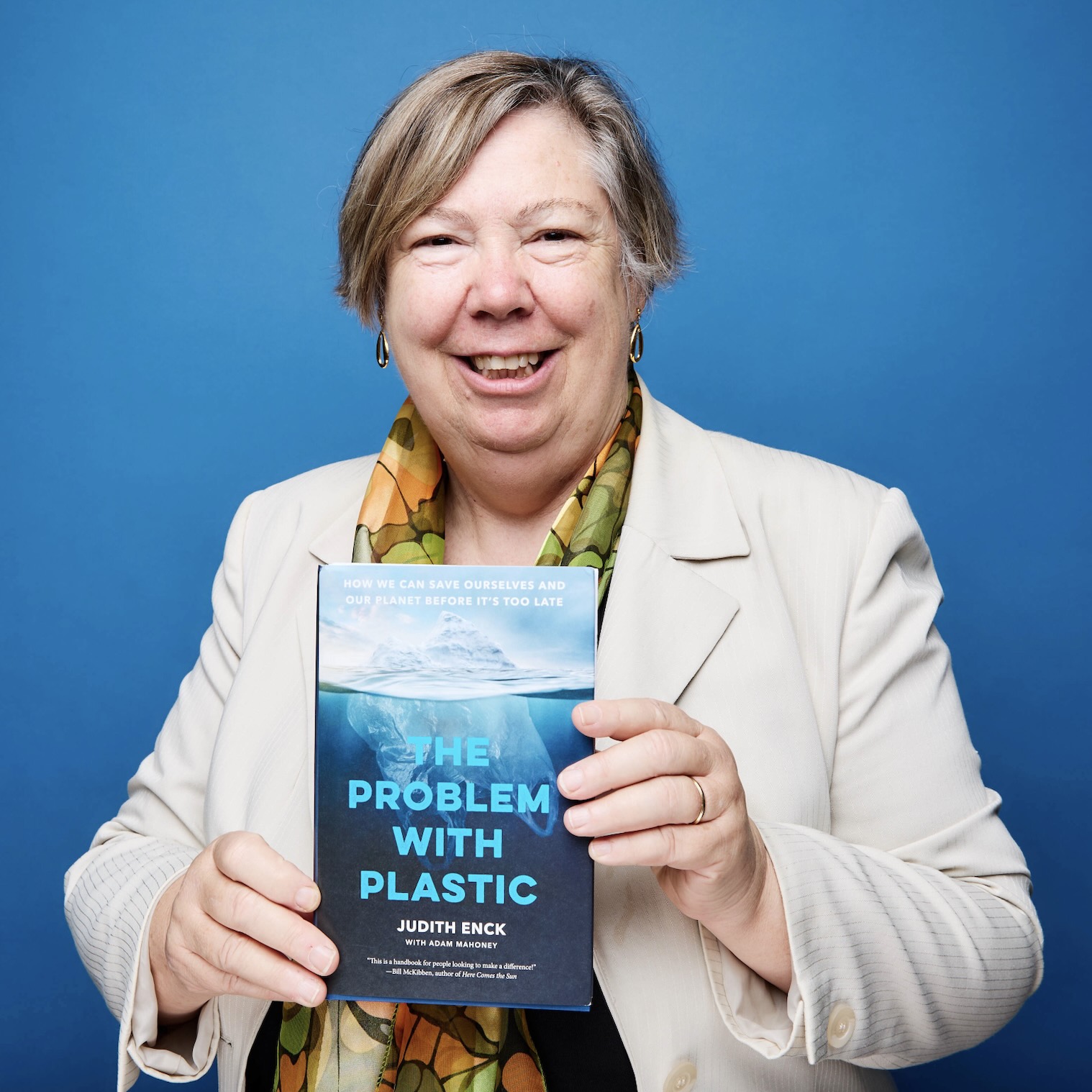 On plastic pollution, we have all the evidence — and solutions — we need | Judith Enck is a former regional administrator of the U.S. Environmental Protection Agency, appointed by President Barack Obama, and the founder of Beyond Plastics, an organization dedicated to eradicating plastic pollution worldwide. She joins Mongabay's podcast to discuss how governments can implement policies to turn off the tap on plastic pollution, which harms human health and devastates our ecological systems — solutions she outlines in her new book with co-author Adam Mahoney, The Problem with Plastic: How We Can Save Ourselves and Our Planet Before It's Too Late. "We now have all of this evidence. We have no choice but to act. Because who's going to stand by and let us turn the ocean into a watery landfill? Who's going to stand by and read health study after health study about microplastics in our brains and breast milk and testicles? Not taking action is not an option," she says. Image credit: Judith Enck holding a copy of The Problem with Plastic. Image by Jerrick Mitra ——- Timecodes (00:00) The Problem with plastic (02:55) Unpacking the plastic recycling myth (08:31) Health impacts of plastic pollution (12:43) Government and policy solutions (31:43) Individual actions (37:22) Plastic pollution and wildlife impacts (45:52) Plastics and climate change | — | ||||||
| 12/23/25 | 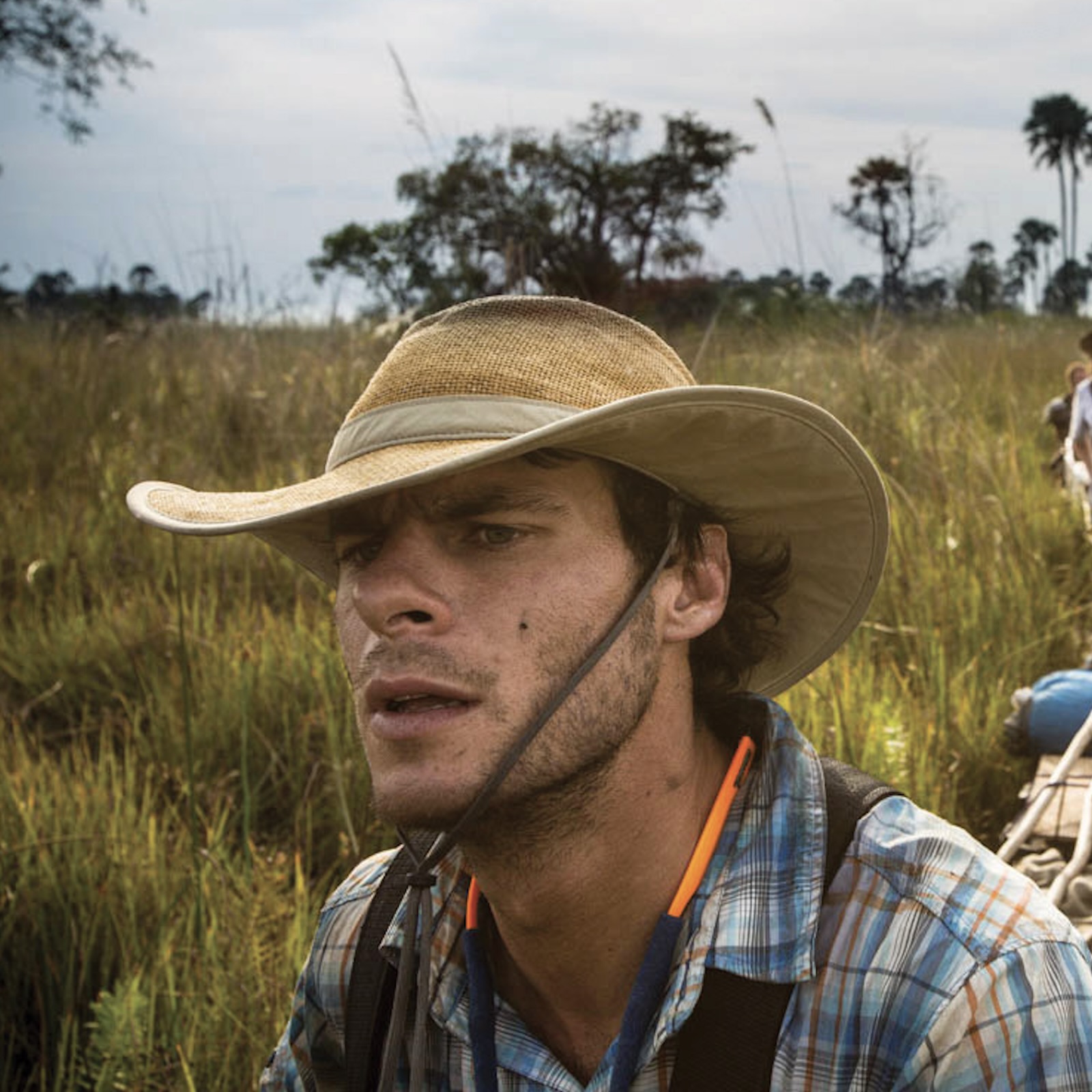 How outdoor adventurers are collecting crucial conservation data | Gregg Treinish didn't start out as an outdoor enthusiast, but found solace and purpose in nature during his youth. After years of enjoying the outdoors, he was left feeling a need to give something back to the world. He found fulfillment by using his passion for outdoor adventures to gather critical data that researchers need for conservation and scientific research. That's how his nonprofit organization, Adventure Scientists, came to be. "We harness the collective power of the tens of thousands of people that are outside every day — who love the outdoors and have a passion for exploring the outdoors — and we give them real scientific missions that they can do while they're out there that benefit conservation," Treinish says. The Mongabay Newscast is available on all major podcast platforms, including Apple and Spotify, and previous episodes are also accessible at our website's podcast page. Please take a minute to let us know what you think of our podcast, here. Image Credit: Gregg Treinish in the Oakavango. Photo courtesy of Adventure Scientists ——— Timecodes (00:00) From "at-risk-youth" to conservation professional (19:03) Current initiatives and future plans (26:25) Studying killer whales (29:15) Tracking white bark pine (32:12) Antibiotic resistance research (35:55) Empowering people to make an impact | — | ||||||
| 12/15/25 |  Shark is on the menu for millions of Brazilians, but few know | Mongabay senior editor Philip Jacobson joins Mongabay's podcast to discuss a two-part investigation about how state governments in Brazil have been procuring shark meat — which is high in mercury and arsenic — and serving it to potentially millions of children and citizens via thousands of schools and public institutions. With Mongabay's Karla Mendes and Pulitzer's Kuang Keng Kuek Ser, Jacobson spent a year digging into public databases of government shark meat orders, called tenders. "It's quite widespread," Jacobson says. "We found shark meat tenders in 10 states and shark meat being served or being procured for more than 500 municipalities." Government nutritionists were also found to be recommending shark meat for school lunches because it has no bones, and even when one school official raised concerns about heavy metal contamination in the meat, her concerns were not heeded. Critics' concerns extend beyond vulnerable populations like schoolkids, too, since shark is also on the menus of public institutions like homeless shelters, maternity wards and elder care centers. But since the investigation was released, one lawmaker has called for a parliamentary hearing to discuss the findings. The Mongabay Newscast is available on all major podcast platforms, including Apple and Spotify, and previous episodes are also accessible at our website's podcast page. Please take a minute to let us know what you think of our podcast, here. Image Credit: A blue shark (Prionace glauca). Image courtesy of Ellen Cuylaerts/Ocean Image Bank. —- Timecodes (00:00) Millions of Brazilians fed shark meat (12:33) Impacts from Mongabay's investigation (24:29) Marine related issues flying under the radar (27:13) Why Phil chose investigative reporting (32:40) The GIJN conference | — | ||||||
Showing 25 of 362
Pitch Fit is a Pro feature
See how bookable this show is for guests, which brands already advertise, the per-episode ad value, and the best-fit guest and sponsor profile. The numbers are blurred on the free plan.
How readily this show books outside guests like you.
How proven this show is for host-read sponsorships.
For Guests
ProFor Advertisers
ProUpgrade to Pro to unlock guest cadence, sponsor categories, fit scores, and per-episode ad value for this show.
Chart Positions
8 placements across 8 markets.
Chart Positions
8 placements across 8 markets.