Mulch Matters
by Nataliya Shcherbatyuk
Is this your podcast?Insights from recent episode analysis
Audience Interest
Podcast Focus
Publishing Consistency
Platform Reach
Insights are generated by CastFox AI using publicly available data, episode content, and proprietary models.
Most discussed topics
Brands & references
Total monthly reach
Estimated from 1 chart position in 1 market.
By chart position
- 🇪🇸ES · How To#1451K to 10K
- Per-Episode Audience
Est. listeners per new episode within ~30 days
500 to 5K🎙 Weekly cadence·29 episodes·Last published 5d ago - Monthly Reach
Unique listeners across all episodes (30 days)
1K to 10K🇪🇸100% - Active Followers
Loyal subscribers who consistently listen
300 to 3K
Market Insights
Platform Distribution
Reach across major podcast platforms, updated hourly
Total Followers
—
Total Plays
—
Total Reviews
—
* Data sourced directly from platform APIs and aggregated hourly across all major podcast directories.
On the show
From 12 epsHost
Recent guests
Recent episodes
Inside the Mulch Film Challenge: A Deep Dive with Waste Expert Gene Jones
Aug 28, 2026
Unknown duration
Turning recovered plastic mulch into opportunities for asphalt
Jul 27, 2026
Unknown duration
Turning Plastic Mulch into Opportunity: Cynthia Sigira on Pyrolysis, Recycling Challenges & Circular Solutions
Jun 29, 2026
32m 31s
From Cradle to Grave: Life Cycle Insights from California's Strawberry Fields
May 29, 2026
27m 17s
Biodegradable Mulch in Florida Strawberries: Research, Challenges, and Opportunities
Apr 30, 2026
25m 57s
Social Links & Contact
Official channels & resources
Official Website
Login
RSS Feed
Login
| Date | Episode | Topics | Guests | Brands | Places | Keywords | Sponsor | Length | |
|---|---|---|---|---|---|---|---|---|---|
| 8/28/26 |  Inside the Mulch Film Challenge: A Deep Dive with Waste Expert Gene Jones | In this episode of Mulch Matters, host Dr. Nataliya Shcherbatyuk sits down with Gene Jones, Executive Director of the Southern Waste Information Exchange, to unpack more than four decades of experience in waste management and agricultural plastics. Gene shares how he became involved in mulch film recycling, the challenges posed by soil‑contaminated polyethylene films, and why mechanization in mulch removal remains slow to adopt across farming systems. Together, they explore the environmental implications of open‑field burning, the surprising levels of soil and moisture contamination found in mulch film, and the engineering innovations—from mechanical extractors to shredding technologies—that could reshape how agricultural plastics are handled. Gene also discusses realistic end‑market opportunities for recycled mulch film, including pyrolysis, cement kiln fuel, and asphalt modification, and offers his perspective on policy changes that could accelerate progress in the United States. This episode provides a candid, technical, and forward‑looking conversation about the future of mulch film recycling—and why solving this challenge matters for growers, industry, and the environment. Note: Intro and outro music credit to Zakhar Valaha from Pixabay | — | ||||||
| 7/27/26 |  Turning recovered plastic mulch into opportunities for asphalt | In this episode of Mulch Matters, host Dr. Nataliya Shcherbatyuk sits down with Dr. Karl Englund (Washington State University) and Dr. Kun Zhang (California State University, Chico) to explore one of the most challenging—and promising—topics in agricultural sustainability: recycling plastic mulch. Karl and Kun share how their backgrounds in recycled plastics, composites, and asphalt engineering led them into this interdisciplinary project. Together, they unpack the realities of contamination, soil adhesion, fumigant residues, and the complex logistics of collecting agricultural plastics. As Karl notes, "the contamination of the soil is probably the biggie" and Kun highlights that "plastic mulch recycling in asphalt is a technically sound solution." Listeners will learn: Why agricultural plastics are harder to recycle than post‑consumer plastics How asphalt pavement can serve as a value‑added recycling pathway How soil type, contamination levels, and rheology affect recyclability What future technologies may reshape plastic mulch end‑of‑life management This episode offers a rare behind‑the‑scenes look at the science, engineering, and collaboration driving new solutions for agricultural plastic waste. This work is supported by Specialty Crops Research Initiative Award 2022-51181-38325 from the USDA National Institute of Food and Agriculture. Any opinions, findings, conclusions, or recommendations expressed on this podcast are those of the author(s) and do not necessarily reflect the view of the U.S. Department of Agriculture. Intro and outro music credit to Zakhar Valaha from Pixabay | — | ||||||
| 6/29/26 | plastic mulchpyrolysis+3 | Cynthia Bosibori Sigira | NC State UniversityUSDA National Institute of Food and Agriculture | — | plastic mulchpyrolysis+5 | — | 32m 31s | ||
| 5/29/26 | sustainable materialsbiodegradable mulch+3 | Oluwatunmise Dada | USDA National Institute of Food and Agriculture | — | mulch filmsbiodegradation+5 | — | 27m 17s | ||
| 4/30/26 | biodegradable mulchstrawberry production+4 | Hadi Ghasemi | biodegradable plastic mulchespolyethylene mulch | Florida | biodegradable mulchstrawberries+7 | — | 25m 57s | ||
| 3/31/26 | biodegradable mulchessoil health+4 | Sean SchaefferJacob Clements | University of Tennessee | WashingtonFlorida+2 | biodegradable mulchessoil microbes+4 | — | 35m 41s | ||
| 2/18/26 | compostable mulchbiodegradation+5 | Dan Martens | Novamont North AmericaWashington State University+3 | — | compostable mulchbiodegradation+8 | — | 1h 04m 08s | ||
| 1/30/26 | biodegradable mulchsoil degradation+4 | Xueyu Zhou | Washington State University | WashingtonNebraska+2 | biodegradable mulchsoil conditions+4 | — | 19m 48s | ||
| 12/18/25 | plastic mulchsustainable agriculture+4 | Dr. Beth Prosnitz | Washington State UniversityUSDA National Institute of Food and Agriculture | — | plastic mulchbiodegradable plastic+5 | — | 23m 33s | ||
| 11/19/25 | soil sciencesustainability+3 | Sam Baker | Wriggle Brew | planet | plastic wastemicrobial digestion+5 | — | 30m 12s | ||
Want analysis for the episodes below?Free for Pro Submit a request, we'll have your selected episodes analyzed within an hour. Free, at no cost to you, for Pro users. | |||||||||
| 10/20/25 | recyclingplasticulture+4 | Theron Smith | Flipping IronWashington State University+1 | California | recyclingplasticulture+6 | — | 56m 50s | ||
| 9/23/25 | lignocellulose filmbiodegradable mulch+4 | Aidan Williams | USDA National Institute of Food and AgricultureSpecialty Crops Research Initiative | — | lignocellulose filmbiodegradable mulch+5 | — | 25m 40s | ||
| 8/20/25 | sustainable agricultureintegrated pest management+3 | Dr. Shuresh Ghimire | University of ConnecticutUSDA National Institute of Food and Agriculture | NepalNortheast | sustainable farmingbiodegradable mulches+3 | — | 38m 24s | ||
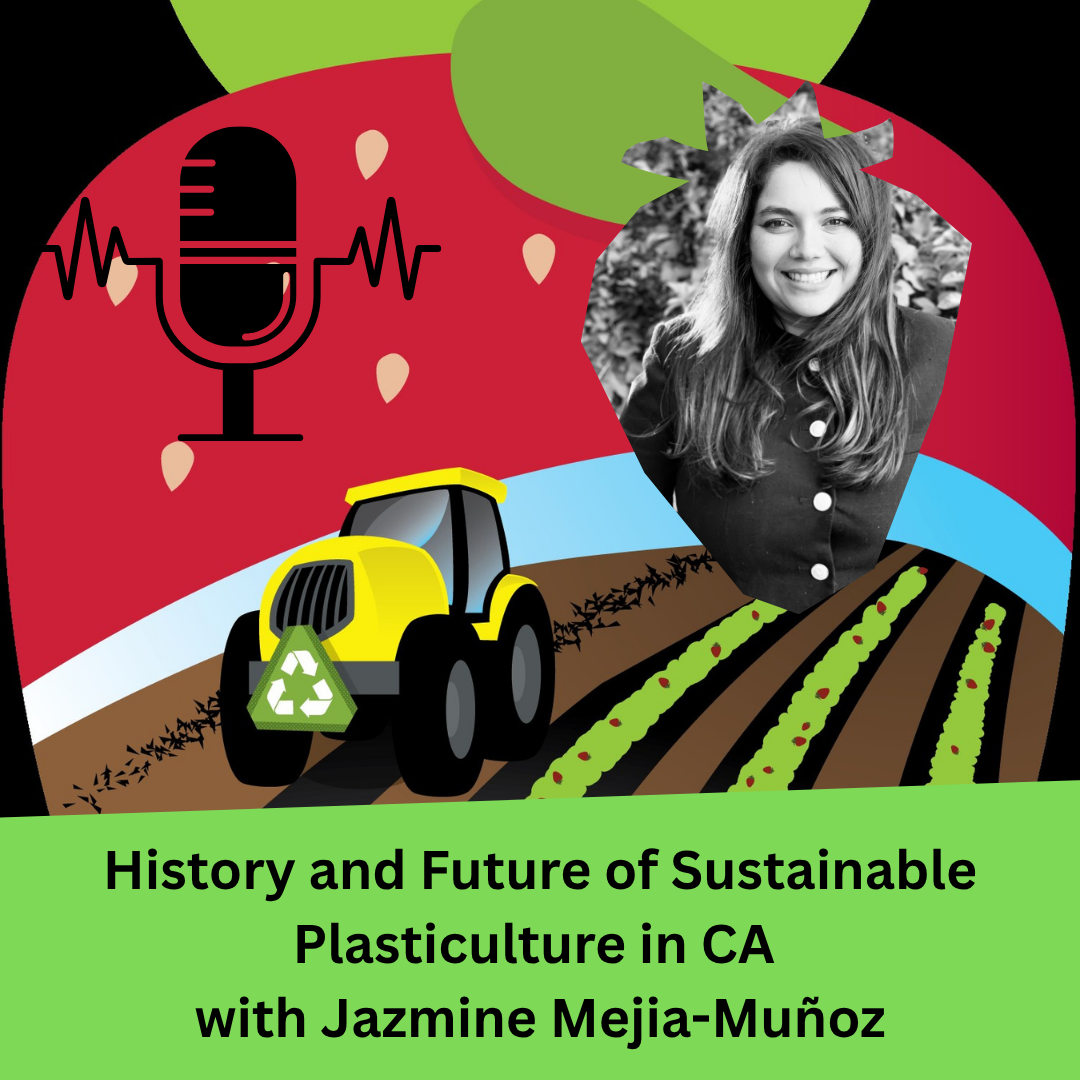
| 7/15/25 | sustainable agricultureplasticulture+4 | Jazmine Mejia-Muñoz | California Marine Sanctuary FoundationUSDA National Institute of Food and Agriculture+1 | CaliforniaMonterey Bay | sustainable practicesmulch+5 | — | 42m 01s | ||
| 6/13/25 | 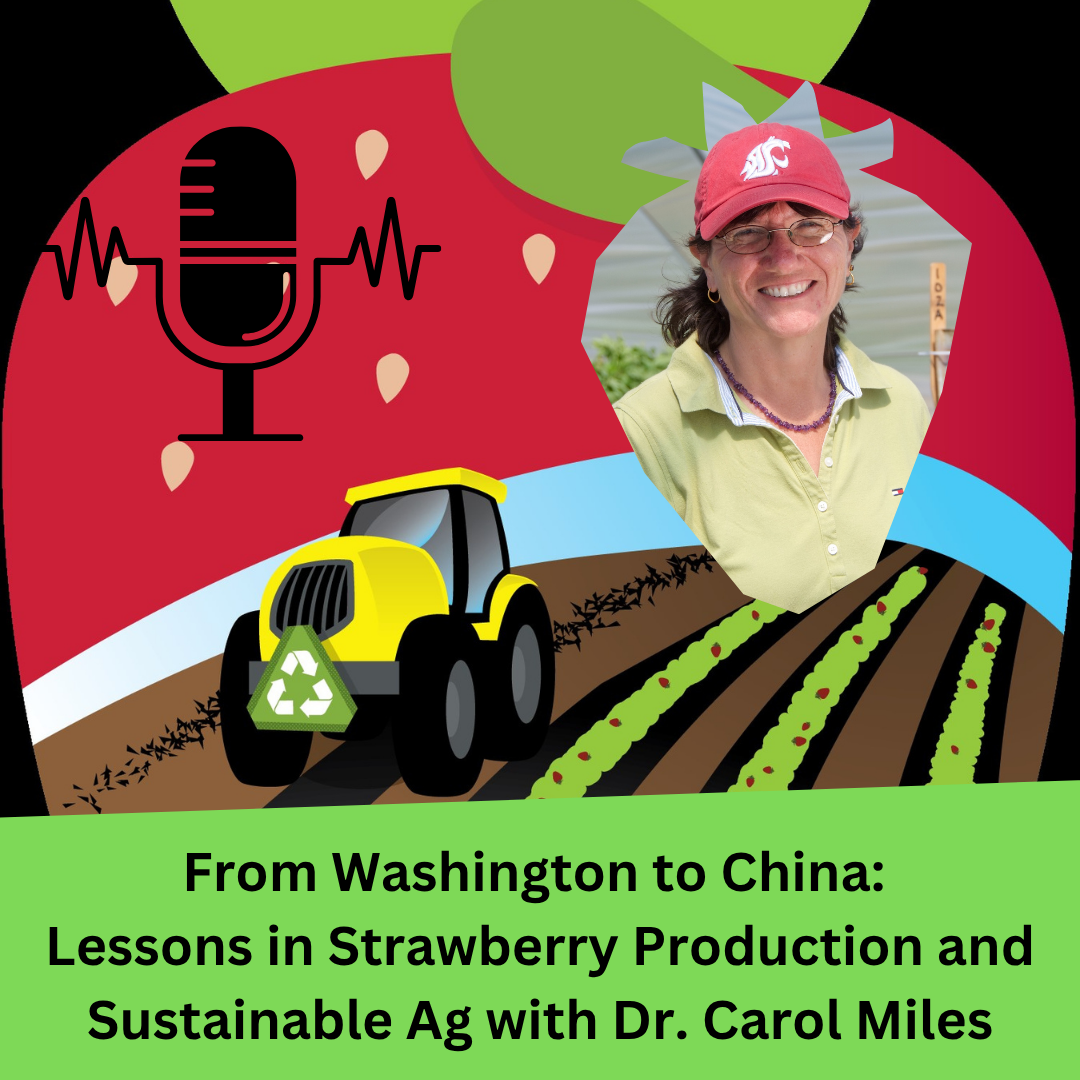 From Washington to China: Lessons in Strawberry Production and Sustainable Ag with Dr. Carol Miles | In this episode of Mulch Matters, we are joined by Dr. Carol Miles from Washington State University, for a compelling conversation about her recent trip to China to attend the International Strawberry Symposium. Our discussion offers a fascinating window into the contrasts and connections between Chinese and U.S. agricultural practices, particularly around strawberry production and plastic mulch use. Carol reflects on the incredible technological leap she observed in Chinese greenhouses, where high-tech, hydroponic tabletop systems are now used in showcase facilities. But she also shares her experience visiting local farms after the symposium, where strawberry production looked much more traditional—though still impressive. One of the most striking takeaways was how small-scale farms in China can remain highly profitable and deeply integrated into the community, offering lessons in sustainability and land stewardship that may be overlooked in the U.S. This conversation is not only an agricultural deep-dive—it's a thoughtful reflection on culture, economy, and the future of food systems. Whether you're a grower, researcher, or simply curious about how other countries are innovating in agriculture, this episode will leave you with fresh perspectives and new questions to consider. This work is supported by Specialty Crops Research Initiative Award 2022-51181-38325 from the USDA National Institute of Food and Agriculture. Any opinions, findings, conclusions, or recommendations expressed on this podcast are those of the author(s) and do not necessarily reflect the view of the U.S. Department of Agriculture. Note: intro and outro music credit to Zakhar Valaha from Pixabay https://pixabay.com/music/introoutro-motivational-ident-main-9923/ | — | ||||||
| 3/18/25 | 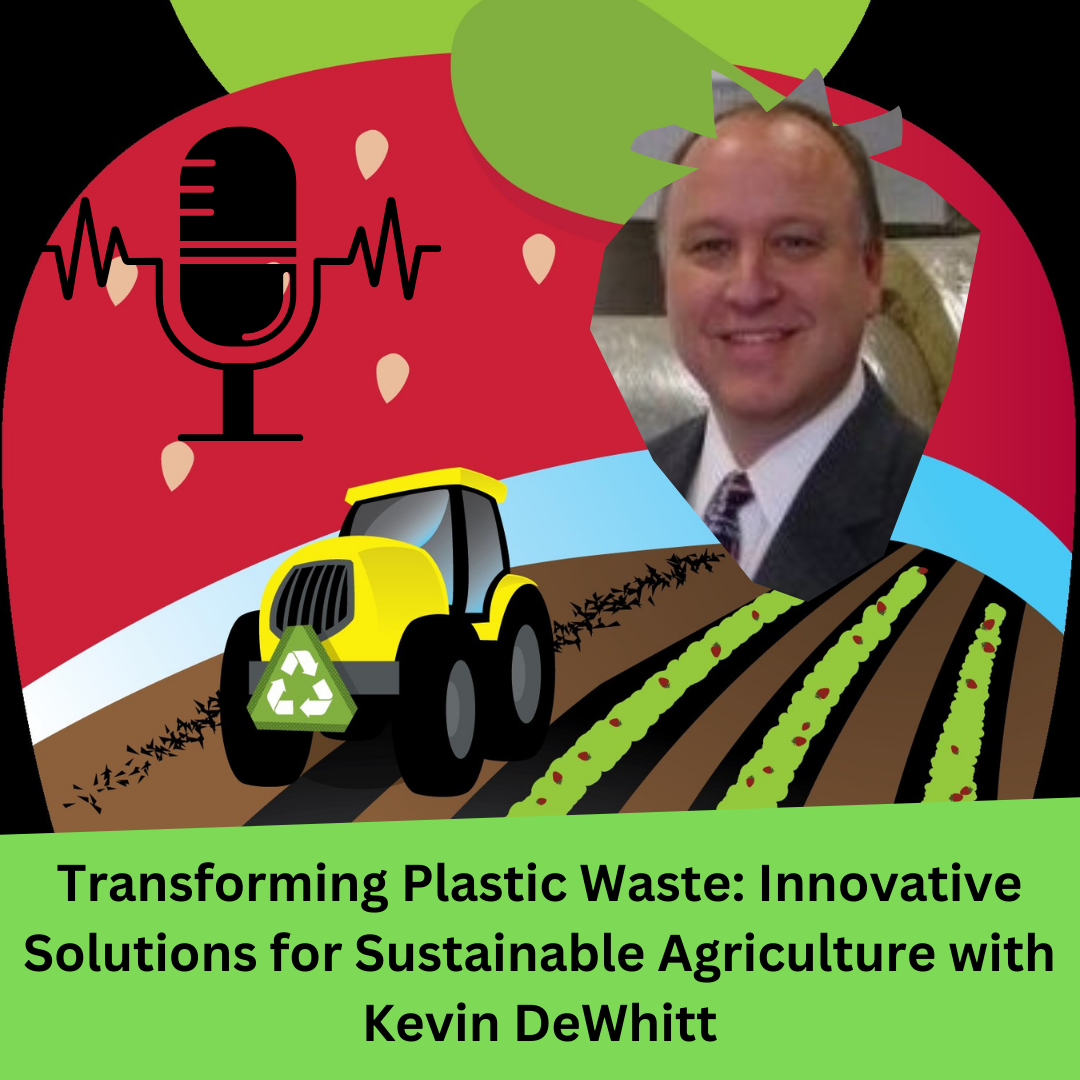 Transforming Plastic Waste: Innovative Solutions for Sustainable Agriculture with Kevin DeWhitt | In this episode we have an engaging conversation with Kevin DeWhitt, the founder of PDO Technology, about the pressing issue of plastic waste management in agriculture. As the world grapples with plastic pollution, innovative solutions are needed to tackle this environmental challenge. Kevin brings his expertise in pyrolysis, a cutting-edge process that breaks down plastic mulch waste and repurposes it into valuable resources. This process not only reduces landfill dependency but also supports a circular economy, promoting sustainability in agricultural practices. During our discussion, Kevin explains the intricate workings of PDO Technology and how it efficiently processes agricultural plastics, even when they are contaminated with soil or organic matter. Unlike conventional recycling methods that struggle with dirty plastics, PDO's technology thrives in handling the toughest waste, ensuring that no plastic is left behind. He also highlights the importance of collaboration with farmers, universities, and industry leaders to create a comprehensive approach to waste management. The conversation delves into the challenges and breakthroughs in plastic recycling, from logistical hurdles in waste collection to technological advancements that make recycling more feasible. Kevin shares insights into the evolving landscape of sustainable agriculture and how innovative solutions are shaping the future. His passion for sustainability is evident as he discusses the potential for widespread adoption of these technologies, paving the way for a more responsible and efficient system for handling plastic waste. As the world shifts towards more sustainable practices, it is crucial to explore viable alternatives for managing agricultural plastics. This episode provides valuable insights into the role of science, technology, and collaboration in driving meaningful change. Listeners who are interested in cutting-edge recycling technologies, sustainable farming, or practical solutions for plastic waste management will find this discussion both informative and inspiring. This work is supported by Specialty Crops Research Initiative Award 2022-51181-38325 from the USDA National Institute of Food and Agriculture. Any opinions, findings, conclusions, or recommendations expressed on this podcast are those of the author(s) and do not necessarily reflect the view of the U.S. Department of Agriculture. Note: intro and outro music credit to Zakhar Valaha from Pixabay https://pixabay.com/music/introoutro-motivational-ident-main-9923/ | — | ||||||
| 2/3/25 | 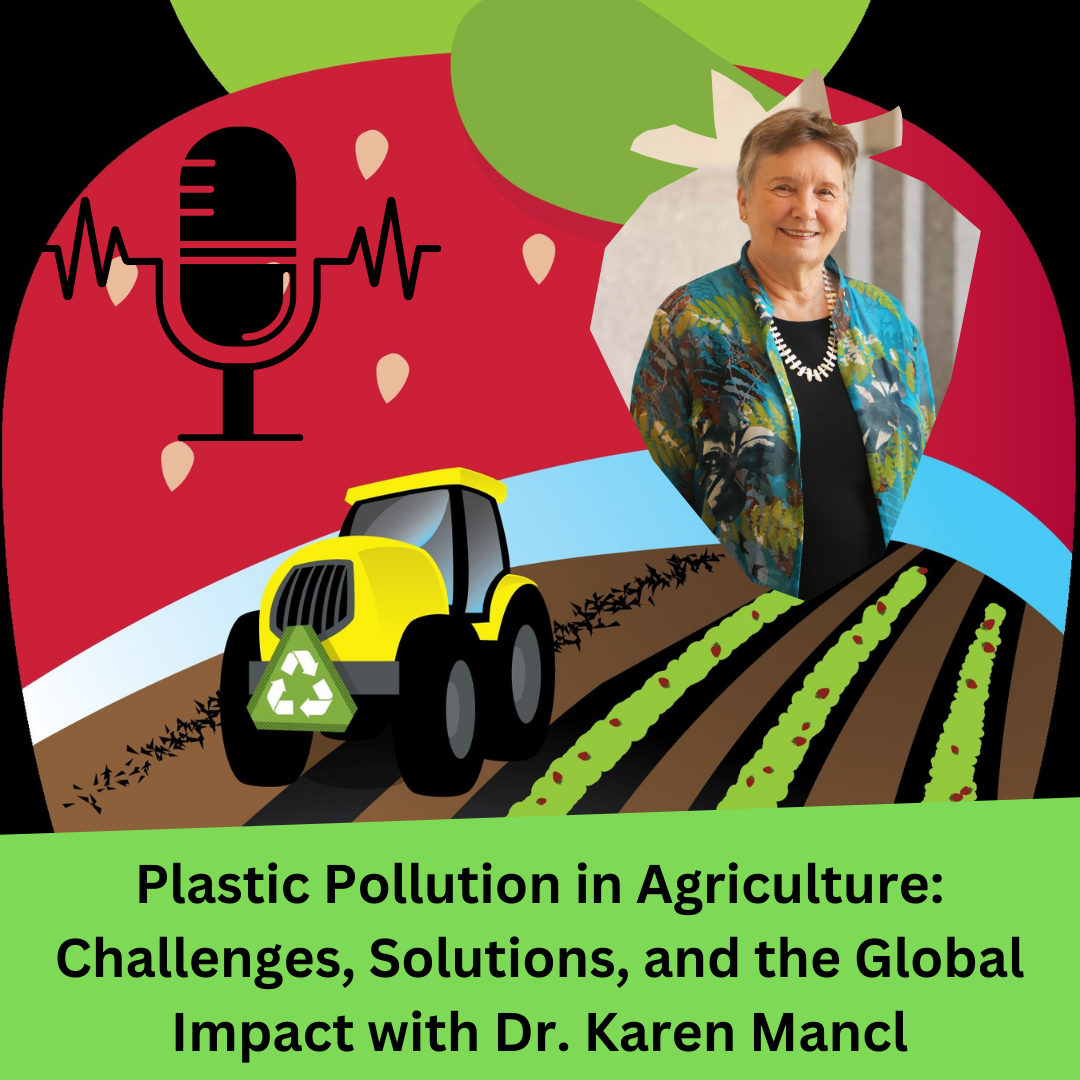 Plastic Pollution in Agriculture: Challenges, Solutions, and the Global Impact with Dr. Karen Mancl | In this episode of Mulch Matters, we welcome Dr. Karen Mancl, a professor at Ohio State University and a fellow at the Woodrow Wilson Center. Dr. Mancl shares her expertise in plastic pollution, sustainability, and international environmental policy, offering a deep dive into how plastic is used in agriculture—particularly in China and the United States—and the environmental consequences that follow. We explore the evolution of plastic mulch use, the growing concern over microplastics in soil, and innovative strategies to mitigate plastic waste in farming. Dr. Mancl also discusses the role of biodegradable plastics, global policies, and the importance of U.S.-China collaboration in addressing agricultural plastic pollution. Tune in for a compelling conversation about the impact of plastic on our food systems and what we can do to create a more sustainable future. Don't miss it! Note: intro and outro music credit to Zakhar Valaha from Pixabay https://pixabay.com/music/introoutro-motivational-ident-main-9923/ | — | ||||||
| 1/9/25 | 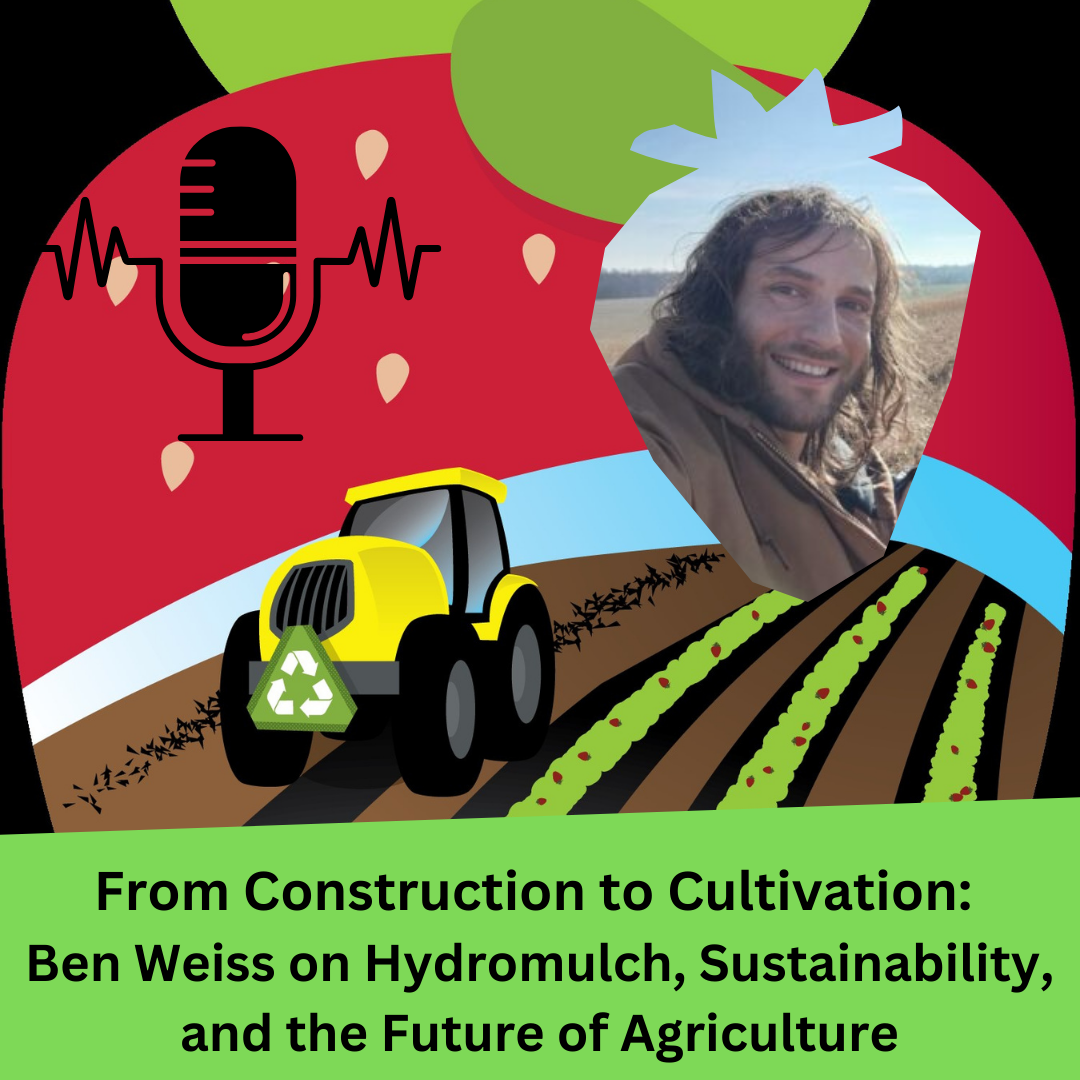 From Construction to Cultivation: Ben Weiss on Hydromulch, Sustainability, and the Future of Agriculture | In this episode of the Mulch Matters Podcast, we welcome Ben Weiss, a graduate student at Washington State University, to share his journey from construction to agriculture and his passion for sustainable practices. Ben dives into his innovative research on hydromulch, a biodegradable, paper-based mulch technology designed for organic growers. We explore how hydromulch works, its potential alternative option to plastic mulch, and the challenges of adopting this emerging technology on a commercial scale. Ben also shares insights into the environmental impact of PFAS ("forever chemicals"), the hurdles of biodegradable mulch adoption in organic farming, and the critical role of consumer preferences in shaping sustainable agricultural practices. Note: intro and outro music credit to Zakhar Valaha from Pixabay https://pixabay.com/music/introoutro-motivational-ident-main-9923/ | — | ||||||
| 12/4/24 | 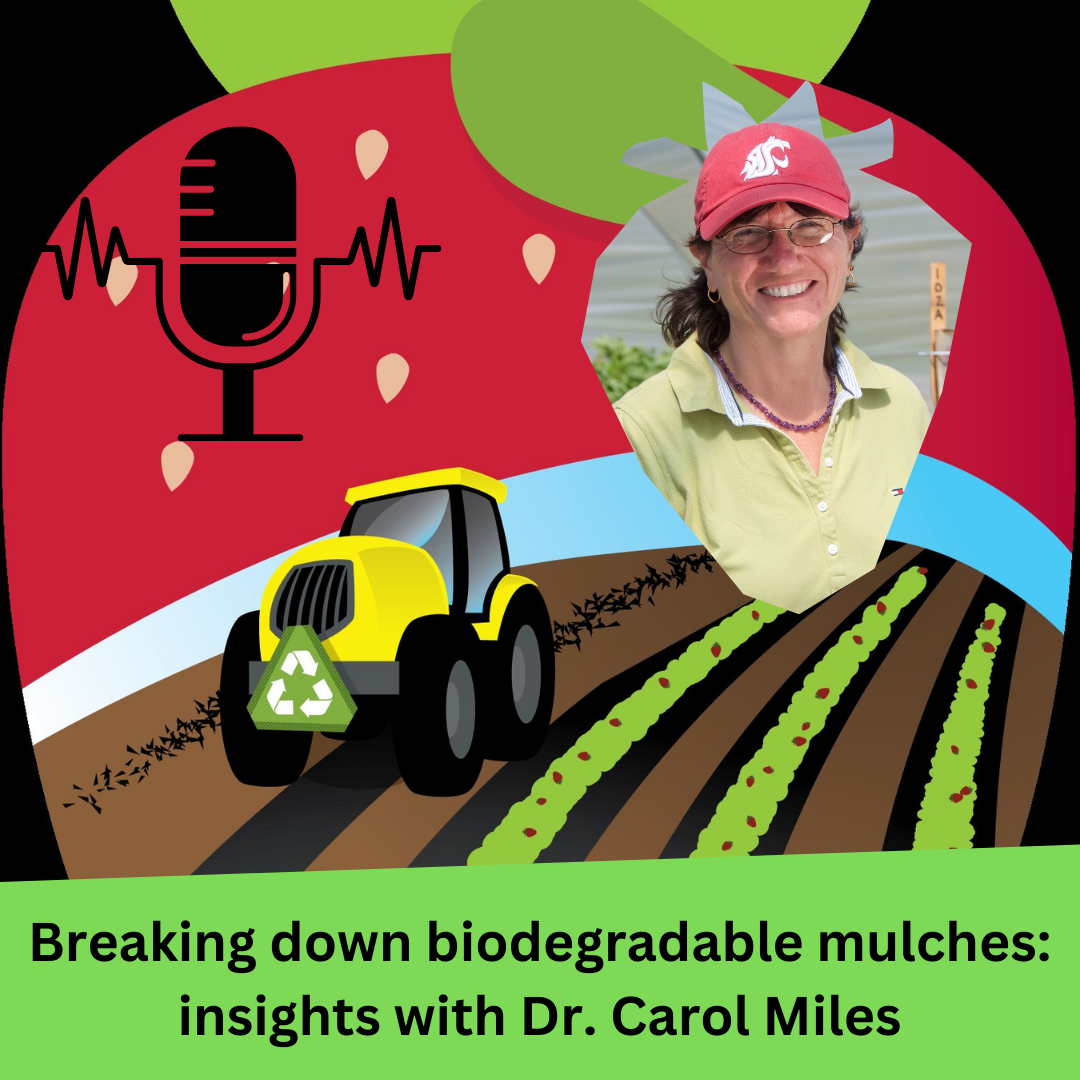 Breaking down biodegradable mulches: insights with Dr. Carol Miles | In this episode of the Mulch Matters podcast, we welcome back Dr. Carol Miles, a professor and vegetable crop specialist at Washington State University. Join us as we delve into her two decades of research on soil biodegradable plastic mulches (BDMs) and their role in modern and organic agriculture. Dr. Miles shares insights into the challenges of plastic waste in agriculture, the science behind biodegradation, and the criteria set by the National Organic Program (NOP). She also discusses the potential benefits of BDMs for weed control, water conservation, and waste reduction, while addressing misconceptions about bio-based and biodegradable plastics. If you're curious about the future of sustainable farming and innovative practices for reducing agricultural waste, this is an episode you won't want to miss! Note: intro and outro music credit to Zakhar Valaha from Pixabay https://pixabay.com/music/introoutro-motivational-ident-main-9923/ | — | ||||||
| 11/1/24 | 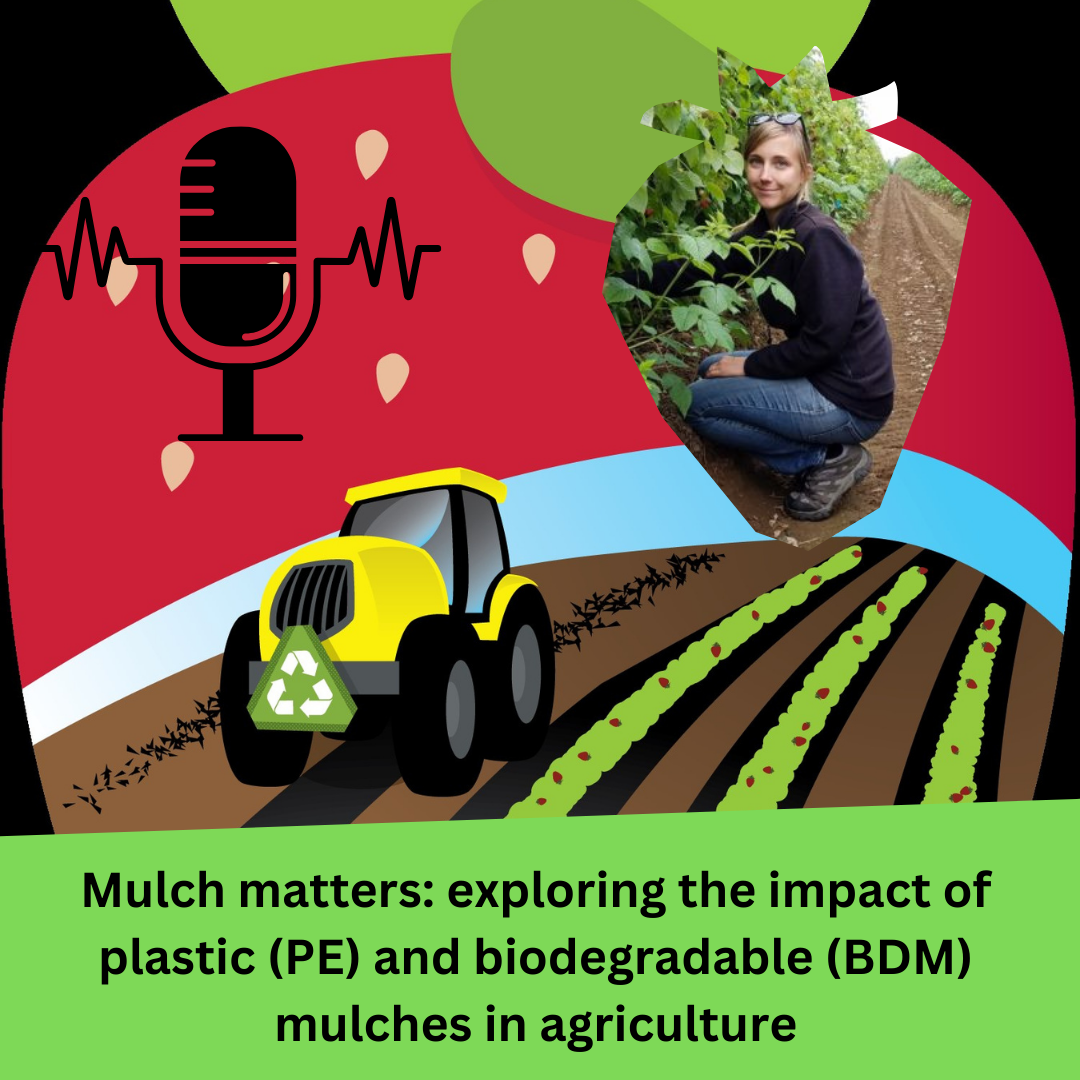 Mulch matters: exploring the impact of plastic (PE) and biodegradable (BDM) mulches in agriculture | In this episode of Mulch Matters, we are joined by Dr. Lisa DeVetter, Associate Professor in the Department of Horticulture at Washington State University and our project director. We dive into the fascinating world of mulch and its significant impact on agriculture and the environment. Dr. DeVetter shares insights into the history, benefits, and global significance of polyethylene (PE) plastic mulch, especially in strawberry production, and addresses the growing concerns surrounding plastic waste. We explore innovative alternatives like biodegradable mulches (BDMs) and discuss their potential as a sustainable solution. Tune in to learn about the latest research, challenges, and future possibilities in mulching technologies, as well as the importance of making informed decisions for agriculture. Don't miss this enlightening conversation packed with expertise, practical tips, and a look into exciting advancements in sustainable mulch management! Note: intro and outro music credit to Zakhar Valaha from Pixabay https://pixabay.com/music/introoutro-motivational-ident-main-9923/ | — | ||||||
| 10/1/24 | 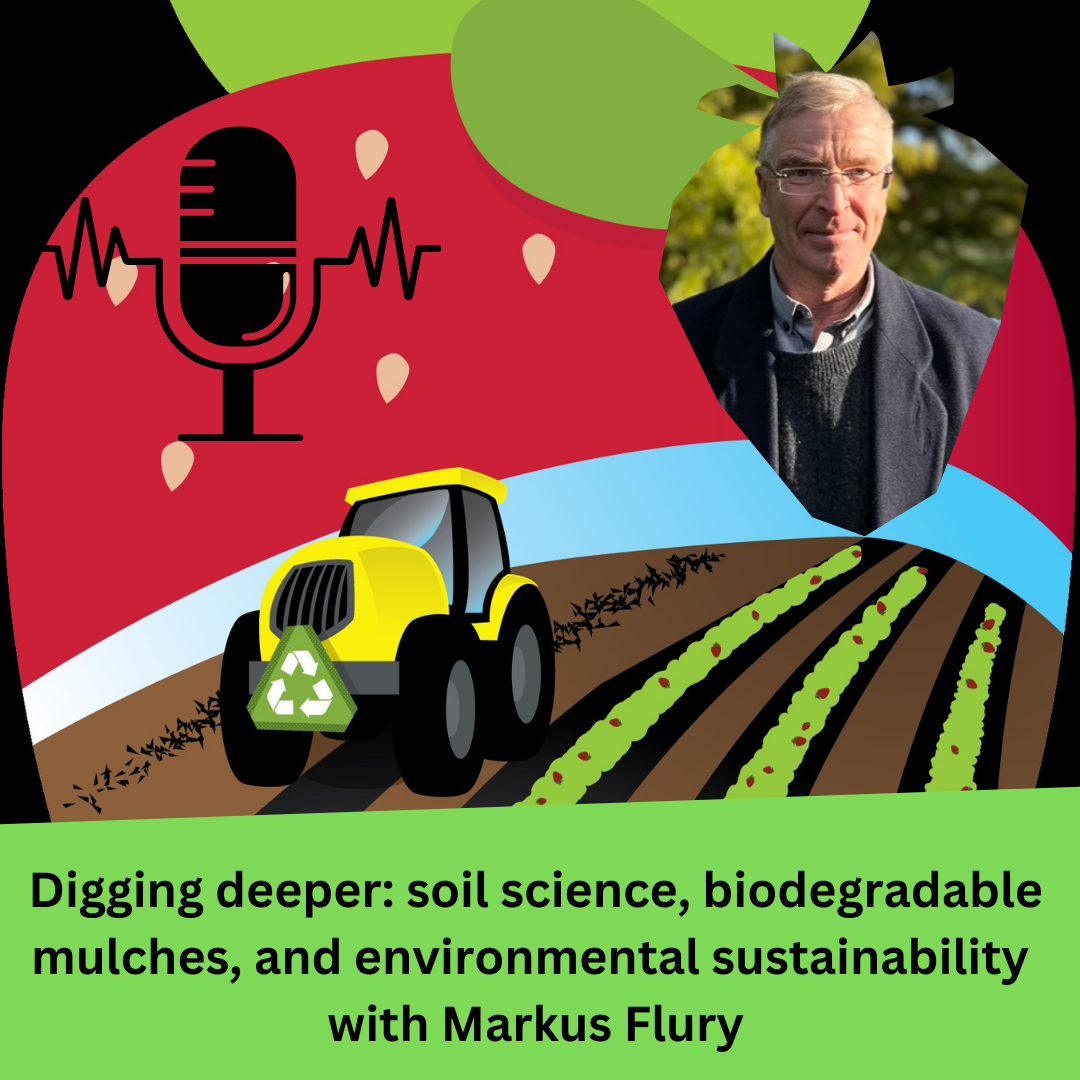 Digging deeper: soil science, biodegradable mulches, and environmental sustainability with Markus Flury | In this enlightening episode, we welcome back Markus Flury, a leading expert in soil science with a deep commitment to environmental sustainability. Markus, co-director of the end-of-life management of plastic mulch project, shares his journey into soil science and discusses the critical role of soil health in agriculture. We explore his research on biodegradable mulches (BDMs) and their impact on soil ecosystems, including how these innovative materials break down and what that means for the future of sustainable farming. From the intricacies of microbial communities to the long-term effects of BDMs on soil structure and nutrient cycling, this conversation delves into the cutting-edge research shaping the future of agriculture. Whether you're a farmer, scientist, or sustainability enthusiast, you won't want to miss this deep dive into the soil that sustains us all. Tune in to learn how soil science integrates physics, biology, and chemistry to tackle real-world environmental challenges! Note: intro and outro music credit to Zakhar Valaha from Pixabay https://pixabay.com/music/introoutro-motivational-ident-main-9923/ | — | ||||||
| 9/1/24 |  Sustainability at the heart of berries: a Driscoll's perspective | In this episode of the Mulch Matters Podcast, we dive into the world of sustainable agriculture with James duBois, Senior Manager of Environmental Sustainability at Driscoll's. With over 15 years of experience in water stewardship and environmental risk management, James shares invaluable insights on reducing field plastics and improving sustainability practices in berry production. Learn about Driscoll's journey as a fifth-generation family-owned company, their commitment to environmental stewardship, and the innovative approaches they're taking to minimize the impact of field plastics. From high tunnels to drip tapes, James discusses the various applications of field plastics in berry production and the strides Driscoll's is making towards their ambitious recycling goals. Please note that since the recording of this podcast in Fall 2023, Driscoll's has made significant progress toward their goal of recycling 100% of field plastics. Starting with zero acres in 2022, Driscoll's nurseries and growers have already recycled nearly 8,000 acres of fumigation and bed mulch plastic, including 3,000 acres of bed mulch in 2024 alone. This progress marks a significant milestone for the industry and brings Driscoll's one step closer to meeting their 2025 recycling goals. Don't miss this fascinating conversation about the challenges and breakthroughs in making berry farming more sustainable and environmentally friendly. Tune in to hear how Driscoll's is leading the way in reducing plastic waste and shaping the future of agriculture. Note: intro and outro music credit to Zakhar Valaha from Pixabay https://pixabay.com/music/introoutro-motivational-ident-main-9923/ | — | ||||||
| 8/1/24 | 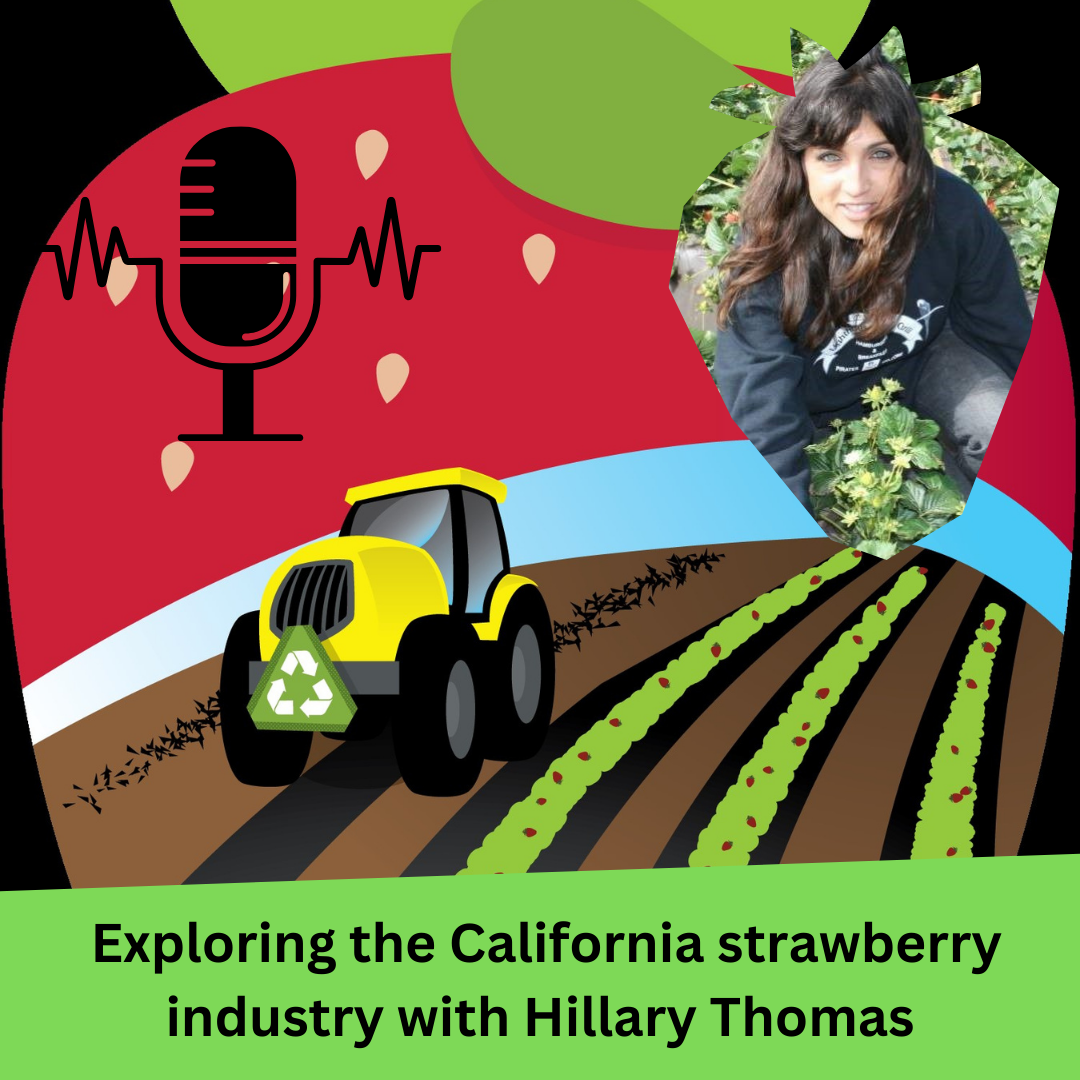 Exploring the California Strawberry Industry with Hillary Thomas | Today, we're thrilled to have Hillary Thomas, the Research and Technical Director at Naturipe Berry Growers, join us. Hillary shares her incredible journey from academia to the heart of the berry industry, providing insights into the challenges and innovations in California's strawberry production. In this episode, Hillary discusses her role at Naturipe, the complexities of strawberry farming, and the evolution of sustainable practices in the industry. She sheds light on the impact of regulatory changes, the importance of plastic mulch, and the promising future of biodegradable alternatives. Tune in to hear about the innovative efforts of the California strawberry industry, the collaborative initiatives to address environmental concerns, and Hillary's personal favorite way to enjoy strawberries. Whether you're interested in agriculture, sustainability, or just love strawberries, this episode is packed with valuable information and inspiration. Join us for an enlightening conversation that highlights the dedication and expertise behind the delicious strawberries we all enjoy. Don't miss it! Note: intro and outro music credit to Zakhar Valaha from Pixabay https://pixabay.com/music/introoutro-motivational-ident-main-9923/ | — | ||||||
| 7/1/24 | 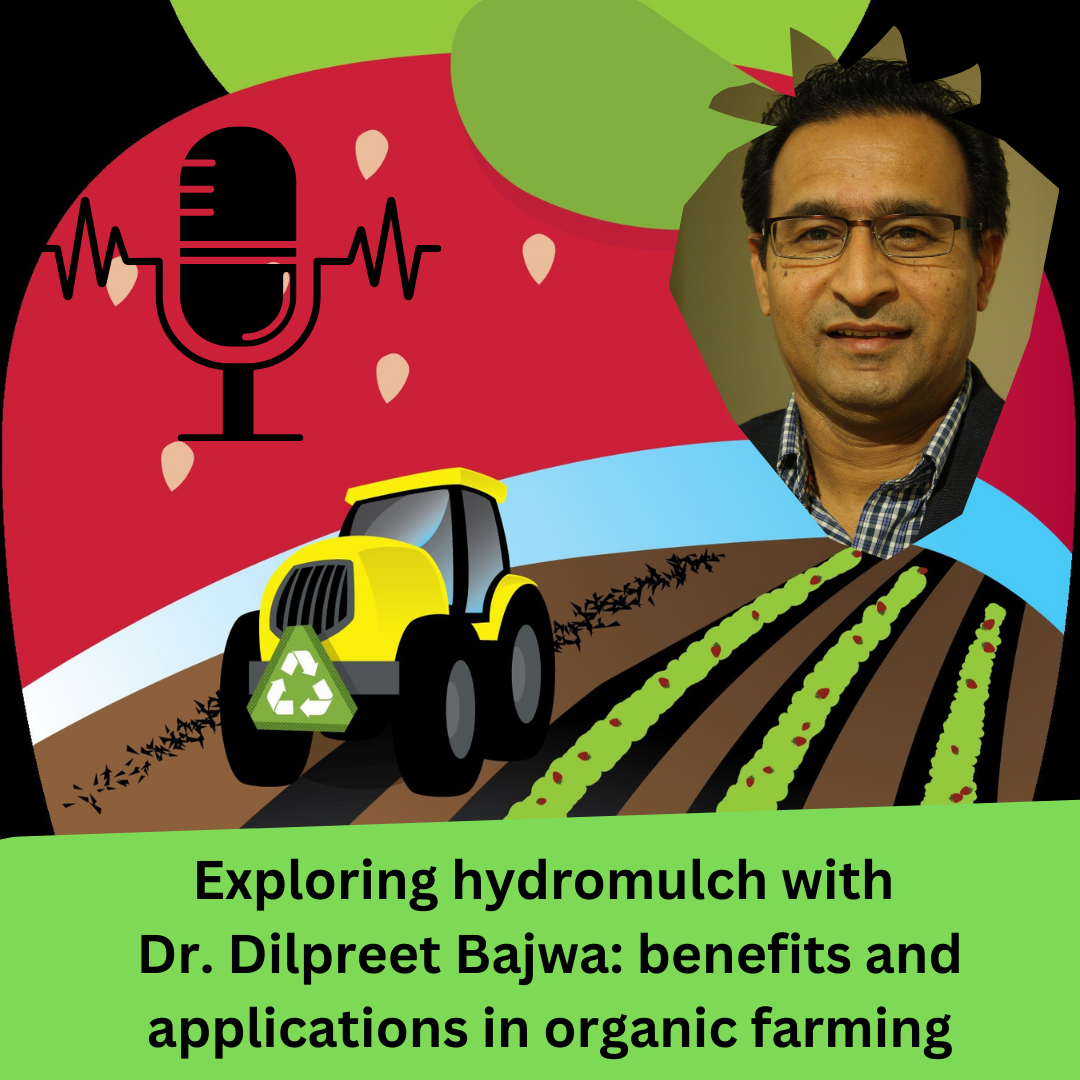 Exploring hydromulch with Dr. Dilpreet Bajwa: benefits and applications in organic farming | In this episode, we sit down with Dr. Dilpreet Bajwa, Professor and Head of the Mechanical and Industrial Engineering Department at Montana State University. Dr. Bajwa shares his fascinating journey from growing up on a farm to leading innovative research in biomaterials and bioproducts, particularly hydromulch. He explains hydromulch, its benefits, and its applications in sustainable and organic agriculture. Learn how hydromulch can help suppress weeds, reduce evaporation, maintain soil temperature, and improve soil fertility—all while being environmentally friendly. Dr. Bajwa also discusses the potential for hydromulch to be used in organic farming and how it compares to traditional plastic mulches. If you're curious about sustainable agricultural practices or looking for ways to improve your gardening techniques, this episode is packed with valuable insights! Listen now to discover more about the innovative world of hydromulch and its impact on agriculture. Note: intro and outro music credit to Zakhar Valaha from Pixabay https://pixabay.com/music/introoutro-motivational-ident-main-9923/ | — | ||||||
| 6/1/24 | 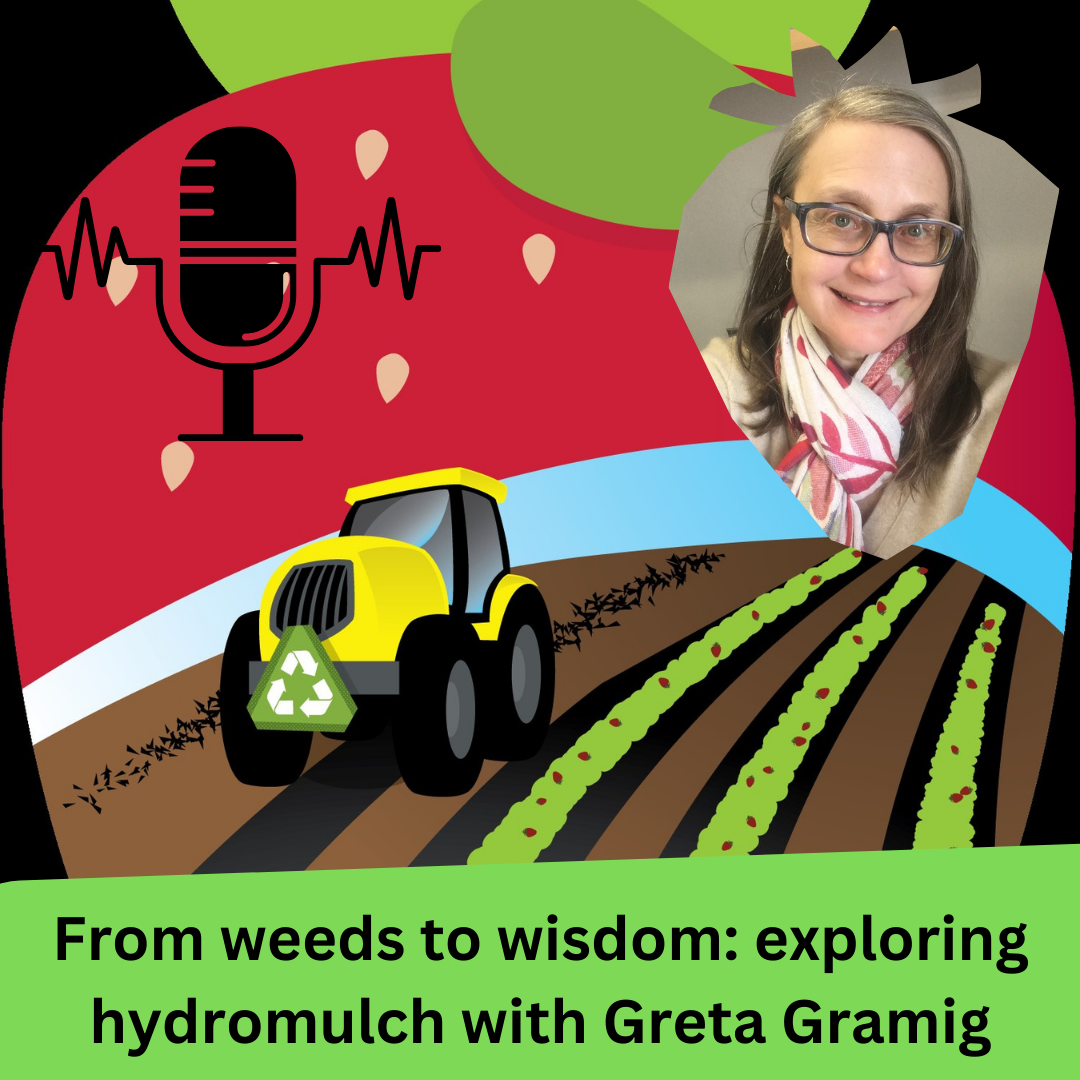 From weeds to wisdom: exploring hydromulch with Greta Gramig | In today's episode, we sit down with Dr. Greta Gramig, an expert in plant science and sustainable agriculture from North Dakota State University. Greta shares her insights on biodegradable mulches and their transformative potential in organic farming. Drawing from her academic background and hands-on gardening experiences, she discusses the challenges and innovations in mulching techniques that aim to revolutionize environmental management in agriculture. Tune in to explore how Greta's work with biodegradable materials, particularly hydromulches, could lead to significant advancements in sustainable farming practices. Note: intro and outro music credit to Zakhar Valaha from Pixabay https://pixabay.com/music/introoutro-motivational-ident-main-9923/ | — | ||||||


Showing 25 of 32
Pitch Fit is a Pro feature
See how bookable this show is for guests, which brands already advertise, the per-episode ad value, and the best-fit guest and sponsor profile. The numbers are blurred on the free plan.
How readily this show books outside guests like you.
How proven this show is for host-read sponsorships.
For Guests
ProFor Advertisers
ProUpgrade to Pro to unlock guest cadence, sponsor categories, fit scores, and per-episode ad value for this show.
Chart history for Mulch Matters
Peaked at #145 in Spain, currently #145 in Spain.
| Market | Genre | Peak | Current | Trend |
|---|---|---|---|---|
| Spain | — | #145 | #145 | — |
Chart Positions
1 placement across 1 market.
Chart Positions
1 placement across 1 market.