
Insights from recent episode analysis
Audience Interest
Podcast Focus
Publishing Consistency
Platform Reach
Insights are generated by CastFox AI using publicly available data, episode content, and proprietary models.
Most discussed topics
Brands & references
Est. Listeners
Insufficient chart data. Estimates will improve as the show charts.
- Per-Episode Audience
Est. listeners per new episode within ~30 days
N/A🎙 Daily cadence·133 episodes·Last published 2mo ago - Monthly Reach
Unique listeners across all episodes (30 days)
N/A - Active Followers
Loyal subscribers who consistently listen
N/A
Market Insights
Platform Distribution
Reach across major podcast platforms, updated hourly
Total Followers
—
Total Plays
—
Total Reviews
—
* Data sourced directly from platform APIs and aggregated hourly across all major podcast directories.
On the show
From 10 epsHost
Recent guests
No guests detected in recent episodes.
Recent episodes
The Magician Archetype
Apr 13, 2026
8m 47s
The Magician
Apr 6, 2026
12m 28s
The Ruler Archetype in African Myth and Folklore
Mar 29, 2026
8m 27s
Who is a person?
Feb 16, 2026
26m 59s
Introducing MA 2026
Feb 9, 2026
15m 04s
Social Links & Contact
Official channels & resources
Official Website
Login
RSS Feed
Login
| Date | Episode | Topics | Guests | Brands | Places | Keywords | Sponsor | Length | |
|---|---|---|---|---|---|---|---|---|---|
| 4/13/26 |  The Magician Archetype✨ | magician archetypeshort story reading+3 | — | Mythological AfricansThe Watkins Book of African Folklore | — | magician archetypeshort story+3 | — | 8m 47s | |
| 4/6/26 |  The Magician✨ | Jungian archetypeMagician+4 | — | The Collected Works of Carl JungThe Fate of Ngungdeng’s Dang+2 | — | Magician archetypeAfrican folklore+4 | — | 12m 28s | |
| 3/29/26 |  The Ruler Archetype in African Myth and Folklore✨ | African mythologypsychology+4 | — | The Watkins Book of African FolkloreMythological Africans+1 | — | African folkloremythology+5 | — | 8m 27s | |
| 2/16/26 |  Who is a person?✨ | Jungian archetypesAfrican mythology+4 | — | The Collected Works of Carl JungAwakening the Heroes Within: Twelve Archetypes to Help Us Find Ourselves and Transform Our World+3 | — | Jungian archetypesAfrican mythology+4 | — | 26m 59s | |
| 2/9/26 |  Introducing MA 2026✨ | stereotypesarchetypes+3 | — | Mythological Africans | — | stereotypesarchetypes+5 | — | 15m 04s | |
| 12/29/25 | 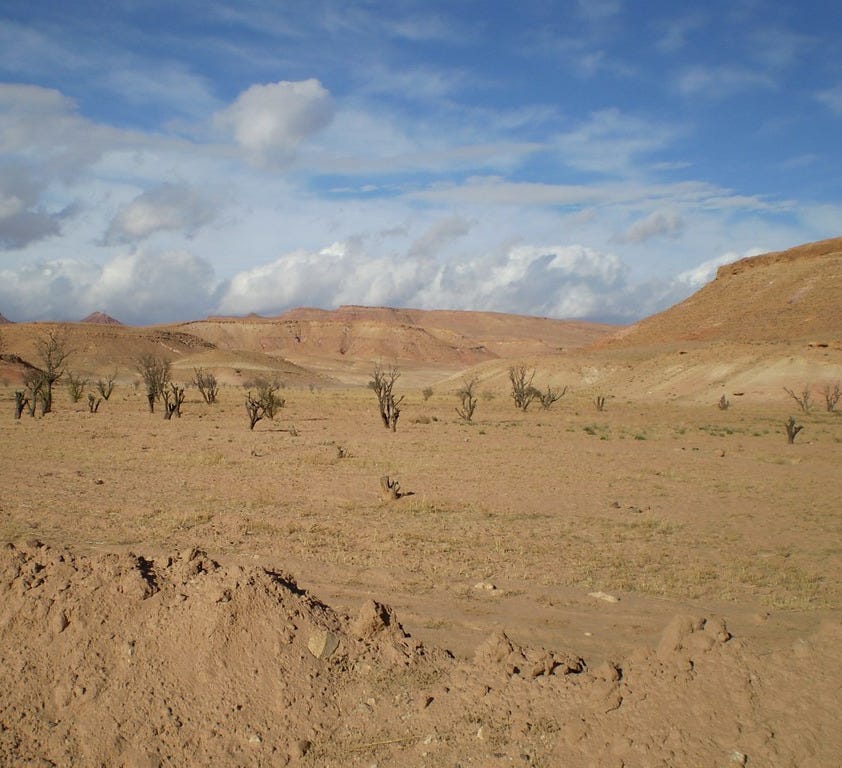 Tishuash | The average human in the modern context is largely cut off from deep and transformative encounters with the natural world. The reasons are manifold. Some people live in places where access is nonexistent or limited. Others have access but no time, buffeted as they are by their obligations and efforts to earn a living and take care of their families. Even when access and time are present, awareness and inclination might be lacking. Many people live within walking distance of great rivers, lakes, seas, oceans, deserts, plains, mountains, hills and forests, and yet, these land forms have faded to the background scenery of their lives.It might be hard for many of us, then, to imagine what it would be like to adopt a lifestyle whose maintenance, talk less of success, requires keen attention to and relationship with a land form. Yet, this is the lifestyle traditionally chosen by the Tuareg and other north African desert dwellers like the Sahrawis of Western Sahara. These people don’t only live in the Sahara desert, they actively claim it as theirs. But what does it mean to claim a land form as one’s own? And what could this mean for us present-day Africans?In the last Mythological Africans podcast episode of 2025, we probe at this question with insight drawn from Tuareg-Libyan Author Ibrahim al Koni’s “The Bleeding of the Stone” and reflections on the experiences of the Sahrawi of Western Sahara.… perhaps one way Africans can repair and reaffirm the bonds that tie us together is by looking again at the land forms that connect us. The mountains ranges that spread from country to country. The rivers that thread their ways from homeland to homeland. The forests in whose depths generation upon generation have lived. The deserts whose winds and waters have chiseled countless lineages. The seas and oceans that surround us. The hills, valleys, lakes, and plains whose siblings across the continent attest to the common stock from which we emerge. Maybe, just maybe, our future lies in our ability to look at them again and see more than land or resources. Maybe our future lies in remembering that they are a shared inheritance to be understood and stewarded.References* “The Bleeding of the Stone” by Ibrahim al-Koni. Interlink Publishing Group Inc.* Ellison, Mahan. “La amada Tiris, tierra de nuestros abuelos: The Affective Space of the Sahara in Hispano-Sahrawi Literature.” Review of the Center for the Studies of the Literature and Arts of North Africa 15.2–3 (2018): 73.* Benjaminsen, Tor A. “Does supply-induced scarcity drive violent conflicts in the African Sahel? The case of the Tuareg rebellion in northern Mali.” Journal of Peace Research 45.6 (2008): 819-836.* Mattingly, David, et al. “Desert Migrations: people, environment and culture in the Libyan Sahara.” Libyan Studies 38 (2007): 115-156.* Deubel, Tara Flynn. “Between homeland and exile: Poetry, memory, and identity in Sahrawi communities.” (2010). Diss. The University of Arizona.* Voices of a lost homeland: The poetry of Western SaharaCan’t Get Enough?* Tishuash by BadiStill Can’t Get Enough?The Watkins Book of African Folklore (…or The Mythological Africans Book) is out!The Watkins Book of African Folklore contains 50 stories, curated from North, South, East, West and Central Africa. The stories are grouped into three sections:* Creation myths and foundation legends (including the foundation legend of the Tuareg!)* Stories about human relationships and the cultural institutions they created* Animal tales (with a twist…the folktales are about some of the most unlikely animals!)I thoroughly enjoyed digging into the historical and cultural context out of which the stories, their themes, and protagonists emerge. There is something for everybody!Mythological Africans is reader-supported. To receive new posts and support my work, consider becoming a free or paid subscriber. Get full access to Mythological Africans at mythologicalafricans.substack.com/subscribe | 16m 05s | ||||||
| 12/22/25 | 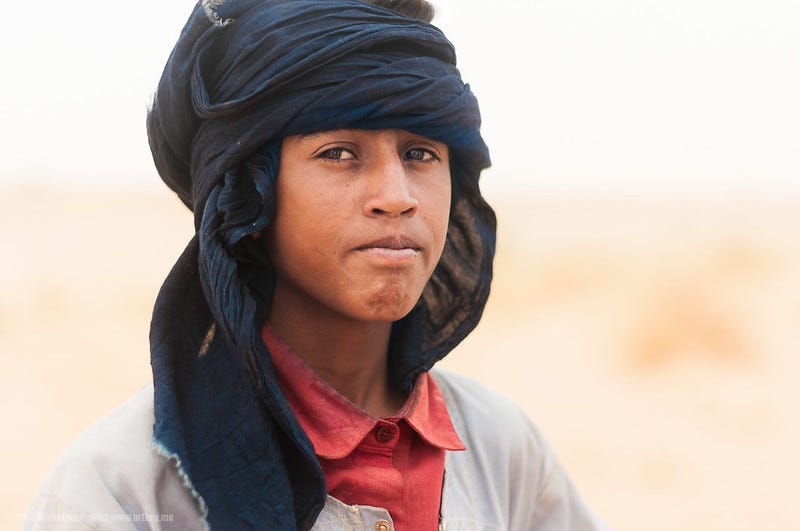 Asouf Sings a Muwwal | Last week, we started our analysis of Libyan writer Ibrahim al Koni’s “The Bleeding of the Stone.” We met Asouf, the young Tuareg man who is the book’s main character. We also encountered one of the major conflicts that drive the book’s plot: the sun’s eternal vendetta against the desert and the unfortunate creatures, humans among them, that call the desert home. That episode includes a reading and discussion of a folktale told by Asouf’s father. In that story, we heard how the people captured and preserved knowledge of the desert’s shifting patterns and the delicate balance of relationships it supports. Finally, we got some foreshadowing of events to unfold in the book. The Sun’s endless fury is not the only (or even the main) conflict in the story. That honor goes to the human conflicts. In this episode of the Mythological Africans podcast, we will explore some of the human relationships in Ibrahim al Koni’s “The Bleeding of the Stone”. We also examine how these relationships are influenced by their encounter with the desert environment and expressed in oral traditions.[Note: Episode contains spoilers!]References* “The Bleeding of the Stone” by Ibrahim al-Koni. Interlink Publishing Group Inc. Can’t Get Enough?* Tuareg Camel Music* Tales from the Plateau of Rivers: Folklore of the Tassili n’Ajjer and Ahaggar Mountain Ranges* Tuareg Tea-time: Sweet tea in a golden cupStill Can’t Get Enough?The Watkins Book of African Folklore (…or The Mythological Africans Book) is out!The Watkins Book of African Folklore contains 50 stories, curated from North, South, East, West and Central Africa. The stories are grouped into three sections:* Creation myths and foundation legends (including the foundation legend of the Tuareg!)* Stories about human relationships and the cultural institutions they created* Animal tales (with a twist…the folktales are about some of the most unlikely animals!)I thoroughly enjoyed digging into the historical and cultural context out of which the stories, their themes, and protagonists emerge. There is something for everybody!Mythological Africans is reader-supported. To receive new posts and support my work, consider becoming a free or paid subscriber. Get full access to Mythological Africans at mythologicalafricans.substack.com/subscribe | 9m 10s | ||||||
| 12/15/25 |  Sun, Sand and Human | You meet three of the main protagonists and hear a central conflict in Libyan writer Ibrahim al Koni’s “The Bleeding of the Stone” in the first sentence of the book.“Evening was coming,” he writes, “the flaming disk of the sun sinking slowly down from the depths of the sky as it bade farewell, with the threat to return next morning and finish burning what it hadn’t burned today, and Asouf plunged his arms into the sands of the wadi to begin his ablutions, in readiness for his afternoon prayers.”Sun, desert sand, and humans. It is an age old conflict. The Sun’s beef with the land which constitutes the Sahara desert is millions of years old, playing out in 20,000 year cycles of harsh intimacy and soothing distance, depending on which way the planet tilts. Humankind entered the picture less than 50,000 years ago and quickly sided with the desert against the Sun. But the desert is a fickle ally and, as al Koni documents in intimate detail in his stories, no one knows this better than the humans, plants and animals who call it home.In this episode of the Mythological Africans podcast, we introduce the Sahara as a geographical land form and reflect on some of the stories that have emerged from its long history.References* The Thetys Sea* Sahara climate cycle reveals desert turns green every 20000 years * The Sahara Is Millions of Years Older Than Thought * The Sahara Desert flooded for the first time in decades. Here’s what it looks like * A Wetter, Greener Sahara Could Reshape Global Weather — Especially Hurricane Season* The Bleeding of the Stone by Ibrahim al-Koni. Interlink Publishing Group Inc.Can’t Get Enough?* Read: The latest edition of the MA Newsletter* Listen: The fascinating world of Tuareg Camel Folk MusicStill Can’t Get Enough?The Watkins Book of African Folklore (…or The Mythological Africans Book) is out!The Watkins Book of African Folklore contains 50 stories, curated from North, South, East, West and Central Africa. The stories are grouped into three sections:* Creation myths and foundation legends (Including the Tuareg Foundation Legend)* Stories about human relationships and the cultural institutions they created* Animal tales (with a twist…the folktales are about some of the most unlikely animals!)I thoroughly enjoyed digging into the historical and cultural context out of which the stories, their themes, and protagonists emerge. There is something for everybody!Mythological Africans is reader-supported. To receive new posts and support my work, consider becoming a free or paid subscriber. Get full access to Mythological Africans at mythologicalafricans.substack.com/subscribe | 12m 02s | ||||||
| 12/8/25 | 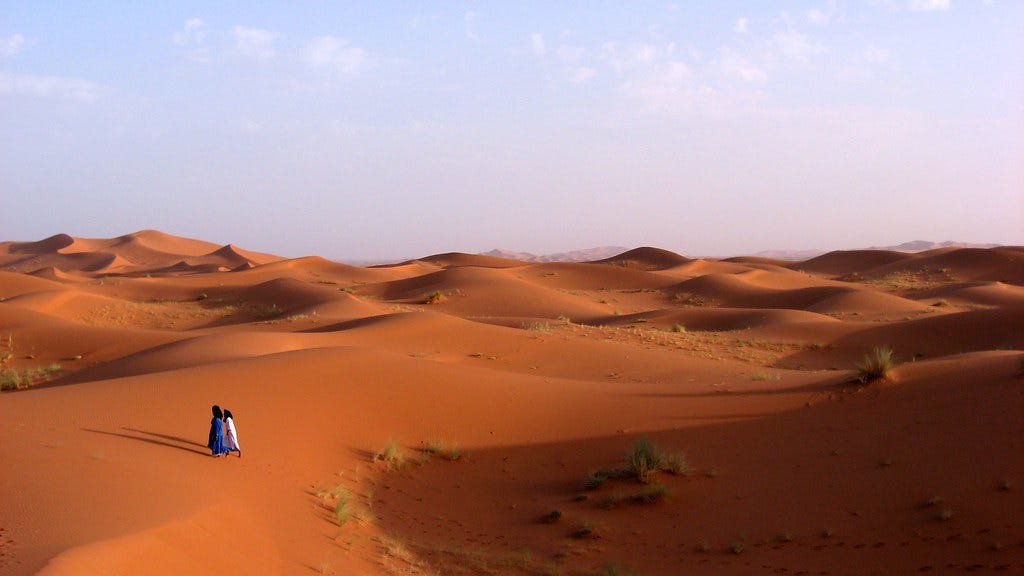 Africa's Sahara | It‘s hard to believe its December already, but here we are! We’ve spent the bulk of the year talking about land form myths from across the continent so I figured we could zoom in and look at things from another perspective: how these myths influence daily life. However, I don’t live on the African continent and the MA annual budget cannot support travel at this time, so my best bet is to do another kind of traveling: through books.Now, if one wants to travel by book across the African continent in a way that allows for close contact with the land, where does one go to, quite literally, book this trip? I don’t know about other parts of the continent but I do know that if you want to travel the Sahara region by book, you will find no better map and travel guide than the work of Libyan writer, Ibrahim al Koni.I was going to do a fresh episode on the Sahara desert before we start talking about Ibrahim al Koni’s “The Bleeding of the Stone.” But as I thought about what to say, I realized we already have several episodes in which we introduce the Sahara. And so, instead of reinventing the wheel this week, we’re going to revisit a snippet from one of those episodes. How about we save the fun for later this month and sprinkle more fun facts about this foremost of all African geographical landforms in upcoming episodes?(I’ve also had a long work week. I need a hot soak in a bath with some Samara Joy playing, and then cuddles with my cats. Thanks for understanding!)PS: I experimented with sound effects when I produced this episode. That was fun, but I don’t think I’ll be doing that again!Don’t forget to tune in next week as we start discussing Ibrahim al-Koni’s “Bleeding of the Stone.”References* al-Majus or through the Labyrnith by Ismail Fayed* Rawafed: Documentary Interview with Ibrahim KuniCan’t Get Enough?Still Can’t Get Enough?The Watkins Book of African Folklore (…or The Mythological Africans Book) is out!The Watkins Book of African Folklore contains 50 stories, curated from North, South, East, West and Central Africa. The stories are grouped into three sections:* Creation myths and foundation legends* Stories about human relationships and the cultural institutions they created* Animal tales (with a twist…the folktales are about some of the most unlikely animals!)I thoroughly enjoyed digging into the historical and cultural context out of which the stories, their themes, and protagonists emerge. There is something for everybody! Get full access to Mythological Africans at mythologicalafricans.substack.com/subscribe | 11m 01s | ||||||
| 12/1/25 | 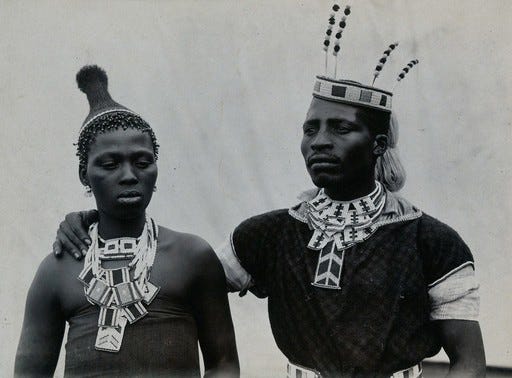 Creation Myths vs Foundation Legends | I ran into a bit of a problem while doing the research for the first section of my book: “The Watkins Book of African Folklore”. That section is titled “Creation Myths and Foundations Legends” but it was originally supposed to be titled just “Creation Myths.” The problem I ran into was that many stories classed as creation myths in the African context are actually foundation legends. They are not stories about the creation of the world per se, with the expected metaphysical connotations. They are accounts of how the couple recognized as the first ancestors of the people in question came to be in the geographical location they claim as home.In this week’s episode of the MA podcast, we round up the conversation about African creation myths with a comment on African foundation legends.If you recall from the first episode of the year, the plan for 2025 is to focus on myths and folklore related to land forms and the natural world, with detours into the realms of psychology and history. Having come so far, I look back at all the episodes and what I find is that the thread running through them is a reminder that what makes us African is our connection to the continent, no matter where we may find ourselves in the world. What makes us African is our remembrance of the land, the waters, the plants, the animals and the lineages, both great and small, known and unknown, whose collective existence is inextricably bound to ours, and whose destruction would be ours as well. What makes us African, is our commitment to honoring this truth in all ways we possibly can.References* Belcher, Stephen. African Myths of Origin (Penguin Classics) Penguin Books Ltd. Kindle Edition. p. 143* Frobenius, Leo, and Douglas C. Fox. “African Genesis (1937).” New York: B. Blom (1966), pp 49 - 57* Mudimbé, Vumbi Yoka. Parables and Fables: exegesis, textuality, and politics in Central Africa. Univ of Wisconsin Press, 1991. p86-87Can’t Get Enough?Refresh your memory on Ibrahim al Koni since we’ll be spending time with his work in December.* The Desert in Ibrahim al Koni's “Al Majus”Still Can’t Get Enough?The Watkins Book of African Folklore (…or The Mythological Africans Book) is out!The Watkins Book of African Folklore contains 50 stories, curated from North, South, East, West and Central Africa. The stories are grouped into three sections:* Creation myths and foundation legends* Stories about human relationships and the cultural institutions they created* Animal tales (with a twist…the folktales are about some of the most unlikely animals!)I thoroughly enjoyed digging into the historical and cultural context out of which the stories, their themes, and protagonists emerge. There is something for everybody!Mythological Africans is reader-supported. To receive new posts and support my work, consider becoming a free or paid subscriber. Get full access to Mythological Africans at mythologicalafricans.substack.com/subscribe | 9m 56s | ||||||
Want analysis for the episodes below?Free for Pro Submit a request, we'll have your selected episodes analyzed within an hour. Free, at no cost to you, for Pro users. | |||||||||
| 11/24/25 | 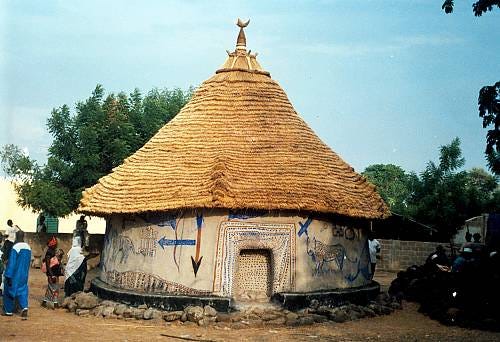 The Placenta of the Earth | We are still looking at African creation myths this month. This week, we examine a version of the creation myth of West Africa’s Mande-speaking people. I’m very excited to spend time on this story because it is one of the best documented and analyzed myths from the African continent. It is also rich in symbolism and communicates so much about how the people who claim it as theirs understand their arrival to and situation on earth.References* Dieterlen, Germaine. “The Mande Creation Myth.” Africa: Journal of the International African Institute, vol. 27, no. 2, 1957, pp. 124–38. JSTOR, https://doi.org/10.2307/1156806. Accessed 23 Nov. 2025.* Dieterlen, Germaine. “Mythe et organisation sociale au Soudan français.” Journal des Africanistes 25.1 (1955): 39-76.* Jansen, Jan. “The Mande Magical Mystery Tour-the Mission Griaule in Kangaba (Mali).” Mande Studies 2.1 (2000): 97-114. (A Criticism of the Griaule Missions)* Djenne-Djenno * Scheub, Harold. A dictionary of African mythology: the mythmaker as storyteller. Oxford University Press, 2000. p51Can’t Get Enough?* Septennial re-roofing ceremony of the Kamablon, sacred house of Kangaba* Niger Valley Civilizations* Jeffreys, M. D. W. “Maize and the Mande Myth.” Current Anthropology, vol. 12, no. 3, 1971, pp. 291–320. JSTOR, http://www.jstor.org/stable/2741046. Accessed 24 Nov. 2025.* Jansen, Jan, and James R. Fairhead. “The Mande Creation Myth, by Germaine Dieterlen, as a Historical Source for the Mali Empire.” Journal of West African History 6.2 (2020): 93-114.* Engeström, Tor. “Some aspects of the Mandé myth problem.” Ethnos 26.4 (1961): 219-226.Still Can’t Get Enough?The Watkins Book of African Folklore (…or The Mythological Africans Book) is out!The Watkins Book of African Folklore contains 50 stories, curated from North, South, East, West and Central Africa. The stories are grouped into three sections:* Creation myths and foundation legends* Stories about human relationships and the cultural institutions they created* Animal tales (with a twist…the folktales are about some of the most unlikely animals!)I thoroughly enjoyed digging into the historical and cultural context out of which the stories, their themes, and protagonists emerge. There is something for everybody!Mythological Africans is reader-supported. To receive new posts and support my work, consider becoming a free or paid subscriber. Get full access to Mythological Africans at mythologicalafricans.substack.com/subscribe | 19m 37s | ||||||
| 11/17/25 |  A comment on variations in mythological and folkloric accounts | If you were raised Christian like me, your head probably threatens to explode at the thought of there being more than one version of a creation myth. In the Christian worldview, the Genesis account is it. However, even the Christian biblical canon as we know it was compiled and legitimized over almost a thousand years and after a great many meetings or councils as they were known. Similarly, in just about all spiritual traditions with documented accounts of cosmological events, there are variations both legitimate and illegitimate. Some are canon. Some are relegated to the arena of folklore. Some are actively erased from the record, especially if they contradict or threaten whatever the orthodoxy of the time has decided is the truth.In this episode of the Mythological Africans podcast, we take a break from stories to put some context around variations in mythological and folkloric accounts.(Listen to Part 1 & Part 2)References* Brown, John Tom. Among the Bantu Nomads: A record of forty years spent among the Bechuana, a numerous & famous branch of the Central South African Bantu, with the first full description of their ancient customs, manners & beliefs. Seeley, Service & Company, 1926, pp. 162-167* Boeyens, Jan CA. “A tale of two Tswana towns: in quest of Tswenyane and the twin capital of the Hurutshe in the Marico.” Southern African Humanities 28.1 (2016):13.* Ellenberger, Vivian. “History and Pre-history in Botswana.” Botswana Notes & Records 4.1 (1972): 135-136.* Finnegan, Ruth. Oral literature in Africa. Open Book Publishers, 2012.* Ouzman, Sven. “Spiritual and political uses of a rock engraving site and its imagery by San and Tswana-speakers.” The South African Archaeological Bulletin (1995):60.* Scheub, Harold. A dictionary of African mythology: the mythmaker as storyteller. Oxford University Press, 2000, p140, 151.* Van Der Ryst, Maria, et al. “Rocks of Potency: Engravings and Cupules from the Dovedale Ward, Southern Tuli Block, Botswana [with Comment].” The South African Archaeological Bulletin (2004): 1-11.* Walker, Nick. “In the footsteps of the ancestors: the Matsieng creation site in Botswana.” The South African Archaeological Bulletin (1997): 95-104.* Wilman, Maria. “The engraved rock of Kopong and Loe, Bechuanaland Protectorate.” South African Journal of Science 16.5 (1919): 443-446.Can’t Get Enough?!The Watkins Book of African Folklore (…or The Mythological Africans Book) is out!The Watkins Book of African Folklore contains 50 stories, curated from North, South, East, West and Central Africa. The stories are grouped into three sections:* Creation myths and foundation legends* Stories about human relationships and the cultural institutions they created* Animal tales (with a twist…the folktales are about some of the most unlikely animals!)I thoroughly enjoyed digging into the historical and cultural context out of which the stories, their themes, and protagonists emerge. There is something for everybody!Mythological Africans is reader-supported. To receive new posts and support my work, consider becoming a free or paid subscriber. Get full access to Mythological Africans at mythologicalafricans.substack.com/subscribe | 12m 59s | ||||||
| 11/10/25 |  African Creation Myths | Hi Friends!We’re looking at African creation myths this month on the Mythological Africans podcast (Listen to part 1 here). In this episode, we examine stories of creation by emergence from underground. In these accounts, all that exists seems to emerge from under the earth or a body of water. Emergence accounts sometimes intersect with Ex nihilo accounts where an all powerful being makes creatures and puts them underground or in a cave. This occurs in two of the stories we discuss in this episode. We start with a version of the Mende (Sierra Leone) origin myth, and then explore similar myths from the Kabyle people of Algeria, the Tswana of southern Africa, the Akan of Ghana and Cote d’Ivoire, as well as the Babungo and Bamougong of Cameroon. We also examine the way European missionaries and scholars distorted or neglected some of these accounts leading to misconstructions which persist till today. Come for the analyses, stay for the drama!References* Brown, John Tom. Among the Bantu Nomads: A record of forty years spent among the Bechuana, a numerous & famous branch of the Central South African Bantu, with the first full description of their ancient customs, manners & beliefs. Seeley, Service & Company, 1926, pp. 162-167* Boeyens, Jan CA. “A tale of two Tswana towns: in quest of Tswenyane and the twin capital of the Hurutshe in the Marico.” Southern African Humanities 28.1 (2016):13.* Divine Che Neba, Julius Angwah, “Entry on: Myth of the Origin of the Babungo People by Eleanor Zofoa”, peer-reviewed by Daniel Nkemleke, Eleanor A. Dasi and Elizabeth Hale. Our Mythical Childhood Survey (Warsaw: University of Warsaw, 2019). Link: http://omc.obta.al.uw.edu.pl/myth-survey/item/613. Accessed 10 Jan. 2021.* Divine Che Neba, “Entry on: Bamougong Creation Myth by Pierre Keubou”, peer-reviewed by Eleanor Anneh Dasi, Susan Deacy and Karolina Anna Kulpa. Our Mythical Childhood Survey (Warsaw: University of Warsaw, 2019). Link: http://omc.obta.al.uw.edu.pl/myth-survey/item/876. Accessed 10 Jan. 2021.* Frobenius, Leo, and Douglas C. Fox. “African Genesis (1937).” New York: B. Blom (1966), pp 49 - 57* Masoga, Mogomme Alpheus. “Gabriel Molehe Setiloane: His intellectual legacy.” Studia Historiae Ecclesiasticae 40 (2014): 33-52.* Parrinder, Edward Geoffrey. African Ideas of God. United Kingdom, Edinburgh House Press, 1950. p287* Setiloane, Gabriel M. “The image of God among the Sotho-Tswana.” Rotterdam: A. A. Balkema, 1976, p 82.Can’t Get Enough?* How Mokran Fetta Restored Indigenous Kabyle Folk NarrativesAlso* Listen to the episode about Cameroon’s exploding lakes.Still Can’t Get Enough?!The Watkins Book of African Folklore (…or The Mythological Africans Book) is out!The Watkins Book of African Folklore contains 50 stories, curated from North, South, East, West and Central Africa. The stories are grouped into three sections:* Creation myths and foundation legends* Stories about human relationships and the cultural institutions they created* Animal tales (with a twist…the folktales are about some of the most unlikely animals!)I thoroughly enjoyed digging into the historical and cultural context out of which the stories, their themes, and protagonists emerge. There is something for everybody!Mythological Africans is reader-supported. To receive new posts and support my work, consider becoming a free or paid subscriber. Get full access to Mythological Africans at mythologicalafricans.substack.com/subscribe | 23m 18s | ||||||
| 10/27/25 | 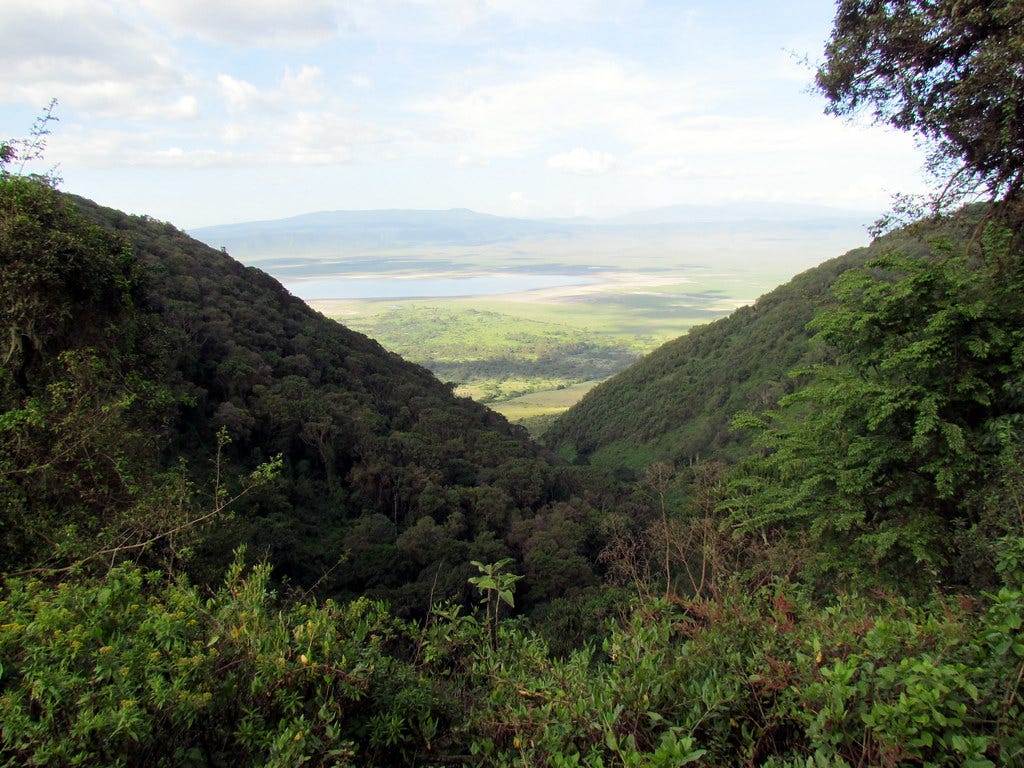 Ngorongoro belongs to the Maasai | Hello Friends!We’re at the end of our month-long examination of how different African peoples have fought back against extractive and exploitative industrial and commercial practices, often at the hands of multinational companies.In the first episode, we discussed Kenya’s Chonyi people’s successful bid to preserve their land and the caves to which they go to commune with their ancestors. In the second episode, we examined how industrial fishing practices like bottom trawling complicates the relationships and practices of artisanal fishing communities on Ghana’s Atlantic coast. For the third and final episode this week, we turn to the Maasai of East Africa and examine what their folklore reveals about their relationships with the land they call home. Tanzania’s Maasai people are currently locked in a fight to retain control of their ancestral land in the Ngorongoro Conservation Area. It is the standard issue story of foreign investors working with national governments to implement initiatives that will benefit indigenous people only marginally, while taking over land and stripping away much of what holds the people and their communities together. What is interesting about this case is that this has led to some Maasai elders seeking to remove the Ngorongoro Conservation Area from the UNESCO list of world heritage sites. This is quite unprecedented. I look at the land through the eyes of the Maasai people themselves to see what they believe they are losing.“We are called to assist the Earth to heal her wounds and in the process heal our own - indeed, to embrace the whole creation in all its diversity, beauty and wonder. This will happen if we see the need to revive our sense of belonging to a larger family of life, with which we have shared our evolutionary process.” - Wangari Mathai, Kenyan Environmental Activist and Nobel LaureateReferences* Maasai Cattle Songs* Inkishu : Myths and Legends of the Maasai by Kioi wa Mbugua* Hey, that’s our stuff: Maasai tribespeople tackle Oxford’s Pitt Rivers Museum* Mount Oldoinyo Lengai* Can UNESCO Accommodate Both Preservation and Human Rights?Meanwhile…The Watkins Book of African Folklore (…or The Mythological Africans Book) is out!The Watkins Book of African Folklore contains 50 stories, curated from North, South, East, West and Central Africa. The stories are grouped into three sections:* Creation myths and foundation legends* Stories about human relationships and the cultural institutions they created* Animal tales (with a twist…the folktales are about some of the most unlikely animals!)I thoroughly enjoyed digging into the historical and cultural context out of which the stories, their themes, and protagonists emerge. There is something for everybody!Mythological Africans is reader-supported. To receive new posts and support my work, consider becoming a free or paid subscriber. Get full access to Mythological Africans at mythologicalafricans.substack.com/subscribe | 13m 28s | ||||||
| 10/20/25 | 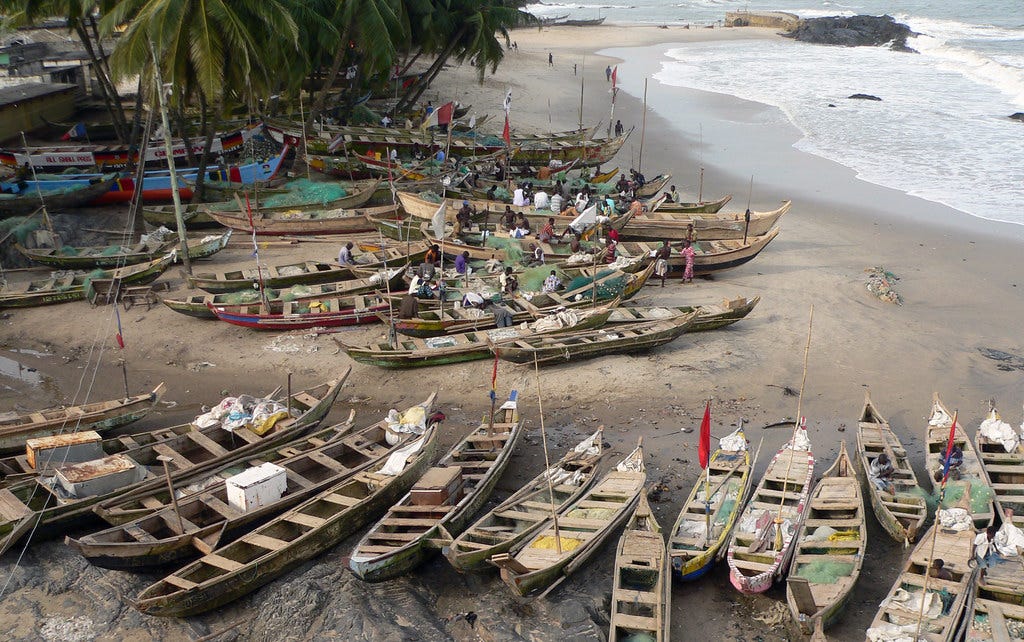 Our Good Mother Who Feeds Us | Hello all!In the last episode, we examined the case of Kenya’s Chonyi people’s fight and ultimate victory in preventing a cement plant from being established on their lands. We ended that episode with a question: How should modern Africans navigate a future which will continue to demand land and other natural resources to support much needed economic development? Here’s another question: What attitudes can modern Africans adopt to ensure that the same exploitative and extractive attitudes we condemn in foreign entities don’t poison our own activities? In this week’s episode, we go to Ghana’s Atlantic coast to examine yet another case of foreign exploitation and explore how traditional beliefs might offer a pathway to more sustainable development.References* Adjei, Joseph Kingsley, and Solomon Sika-Bright. “Traditional beliefs and sea fishing in selected coastal communities in the Western Region of Ghana.” Ghana Journal of Geography 11.1 (2019): 1-19.* Addo, Christian. Singing in fishing: A culturally-centred exploration of the meanings and functions of singing to sailors. MS thesis. Norges teknisk-naturvitenskapelige universitet, Fakultet for samfunnsvitenskap og teknologiledelse, Psykologisk institutt, 2013.* Battle to stop Africa’s waters being ravaged by China’s dark fishing fleets* What is bottom trawling?* Cameroon: Foreign trawlers devastate fisheries in Cameroon, navy deployed to seize illegal vesselsMeanwhile…The Watkins Book of African Folklore (…or The Mythological Africans Book) is out!The Watkins Book of African Folklore contains 50 stories, curated from North, South, East, West and Central Africa. The stories are grouped into three sections:* Creation myths and foundation legends* Stories about human relationships and the cultural institutions they created* Animal tales (with a twist…the folktales are about some of the most unlikely animals!)I thoroughly enjoyed digging into the historical and cultural context out of which the stories, their themes, and protagonists emerge. There is something for everybody!Mythological Africans is reader-supported. To receive new posts and support my work, consider becoming a free or paid subscriber. Get full access to Mythological Africans at mythologicalafricans.substack.com/subscribe | 16m 11s | ||||||
| 10/6/25 | 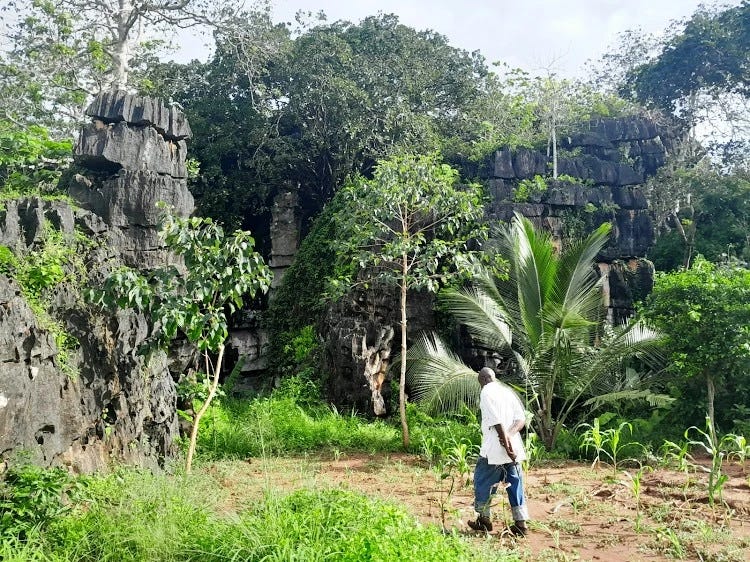 Saving the Kilifi Caves | To those who still look and listen, the majestic beauty of the African continent’s diverse landscapes thrums with life, animated by the spirits who inhabit them. Each forest grove or tree, river, mountain, oasis, cave or shoreline is a portal to connection. It is to these liminal places that people go to forge and maintain relationships with the larger-than-life forces that define their lives.To say the demands of modernity have taken a toll on this landscape would be putting it mildly. Whether it is oil drilling, mineral mining, timber logging, dam building, large-scale fishing, big game hunting or plantation farming, too often (and sadly), many of these projects, while lucrative for the people whose wheeling and dealing brought them to life, do little for the communities on whose land or waters they operate on, extract from, and, ultimately, destroy.Crushed under the weight of poverty and lured by promises of heretofore lacking jobs, amenities, and opportunities, many communities have, historically, been powerless or disincentivized to resist or fight back when things go bad.But that is not always the case.In this week’s episode of the Mythological Africans Podcast, we hear the story of how one community in Kenya fought back and, ultimately, won the right to preserve their land and heritage.Shout out to Katherine May through whose lovely newsletter I found out about this story. References* Ngumbau, Veronicah Mutele, Paul Mutuku Musili, and Guang-Wan Hu. “Premna mwadimei (Lamiaceae), a new species from Cha Simba, a remnant of coastal forests of Kenya, East Africa.” Phytotaxa 510.2 (2021): 155-162.* Tsuma, Lewa Amos. Achonyi Burial Rituals: A Critical Examination Of Their Effects In Light Of Practices On Christian Widows Of Chasimba Ward, Kilifi County, Kenya Diss. Pwani University, 2023.* Kilifi Caves (Panga Ya Saidi, Mawe Meru and Chasimba Caves) * Why Kilifi residents want written deal with cement investor* How Kenyan villagers saved their sacred caves from a mining company* Chasimba Cave - Caves in Kilifi County* Battle to stop Africa’s waters being ravaged by China’s dark fishing fleets* “It’s Like Killing Culture” Human Rights Impacts of Relocating Tanzania’s Maasai * Congo’s coltan miners dig for world’s tech — and struggle regardless of who is in chargeCan’t Get Enough?* For a fictional take on a similar situation, read “How Beautiful We Were” by Cameroonian author Imbolo Mbue.Meanwhile…The Watkins Book of African Folklore (…or The Mythological Africans Book) is out!The Watkins Book of African Folklore contains 50 stories, curated from North, South, East, West and Central Africa. The stories are grouped into three sections:* Creation myths and foundation legends* Stories about human relationships and the cultural institutions they created* Animal tales (with a twist…the folktales are about some of the most unlikely animals!)I thoroughly enjoyed digging into the historical and cultural context out of which the stories, their themes, and protagonists emerge. There is something for everybody!Mythological Africans is reader-supported. To receive new posts and support my work, consider becoming a free or paid subscriber. Get full access to Mythological Africans at mythologicalafricans.substack.com/subscribe | 11m 08s | ||||||
| 9/29/25 | 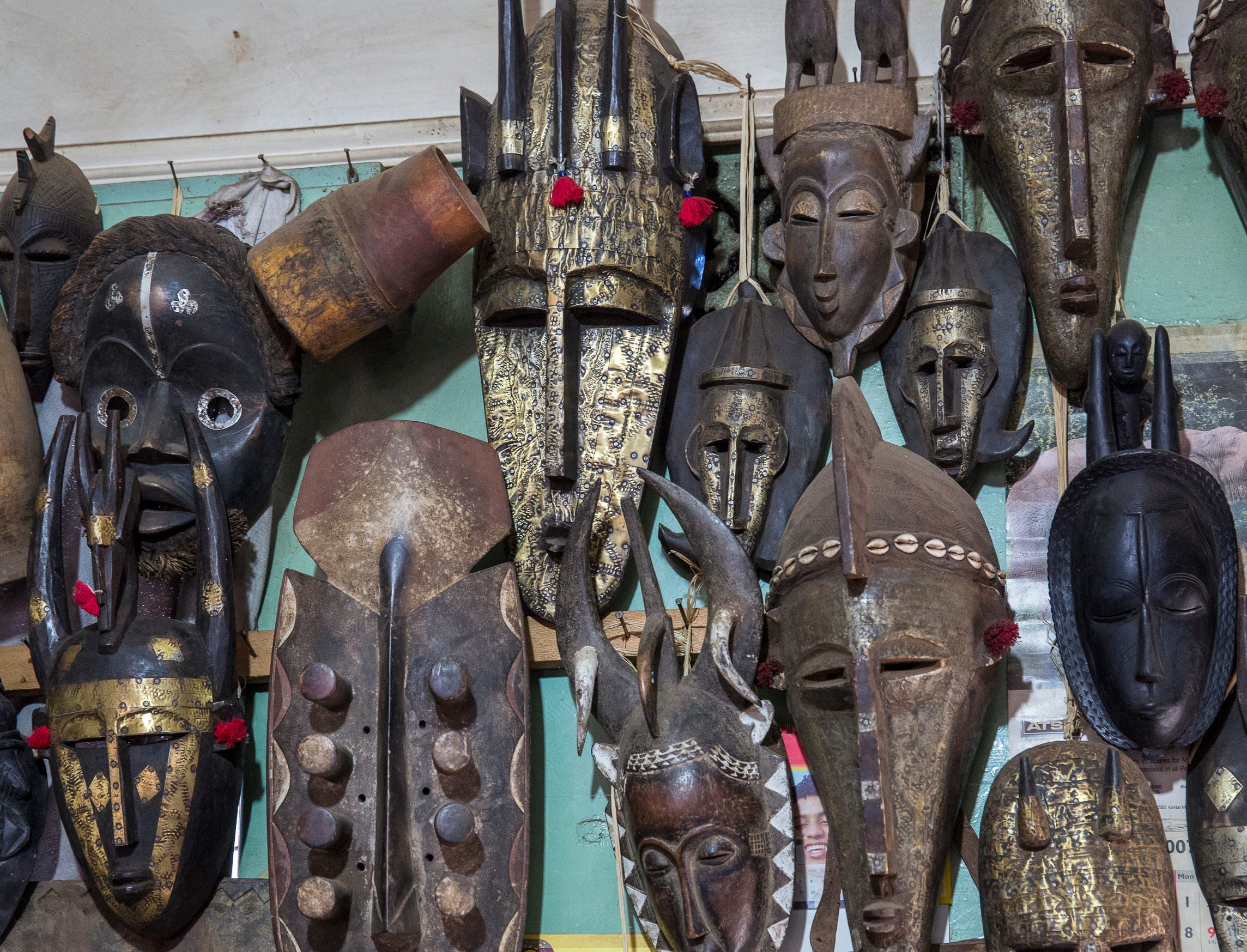 Folk Beliefs and Psychology | We are at the end of our month-long series about the intersection of mythology, folklore and psychology in the African Context. But it wouldn’t be much of a series about mythology, folklore and psychology if we didn’t discuss the denizens of the spirit world as understood and experienced across the African continent and so that is what we will end our exploration on.I decided against including a folktale in this episode, choosing instead to share this MA Twitter thread about what might be thought of as “fairies” in African mythology and folklore.When I first researched and shared this Twitter thread, I remember being blown away by how the effect many of these creatures and entities (especially some of the malevolent ones) have on humans might as well have been lifted out of a psychiatry text book. At the same time, other descriptions reflected the awe and wonder which African people have experienced as we encountered new people, creatures, situations and ideas. The descriptions of how to move through relationships with these different spirits also reveal much about how people perceive themselves and their place in the world.The truth is, no matter what western psychiatric and psychological theories say about mental illness, genetics and chemical imbalances in the brain, no matter what Christian, Muslim and other spiritual philosophies posit about angels, demons, and other such entities, there will always be a distinct and autochthonous African way of perceiving these phenomena.I hope we continue to draw inspiration and insight from the stories that are available about them to step out from under the shadow of fear and aversion that usually hangs over it all so we can better understand and come up with more compassionate and effective ways of dealing with things.References- Bourguignon, Erika. “Introduction: A framework for the comparative study of altered states of consciousness.” Religion, altered states of consciousness, and social change (1973): 3-35.Can’t Get EnoughThe Ultimate List of MA Mythology and Folklore Threads on X/Twitter.Meanwhile…The Watkins Book of African Folklore (…or The Mythological Africans Book) is out!The Watkins Book of African Folklore contains 50 stories, curated from North, South, East, West and Central Africa. The stories are grouped into three sections:* Creation myths and foundation legends* Stories about human relationships and the cultural institutions they created* Animal tales (with a twist…the folktales are about some of the most unlikely animals!)I thoroughly enjoyed digging into the historical and cultural context out of which the stories, their themes, and protagonists emerge. There is something for everybody!Mythological Africans is reader-supported. To receive new posts and support my work, consider becoming a free or paid subscriber. Get full access to Mythological Africans at mythologicalafricans.substack.com/subscribe | 13m 36s | ||||||
Showing 17 of 133
Pitch Fit is a Pro feature
See how bookable this show is for guests, which brands already advertise, the per-episode ad value, and the best-fit guest and sponsor profile. The numbers are blurred on the free plan.
How readily this show books outside guests like you.
How proven this show is for host-read sponsorships.
For Guests
ProFor Advertisers
ProUpgrade to Pro to unlock guest cadence, sponsor categories, fit scores, and per-episode ad value for this show.