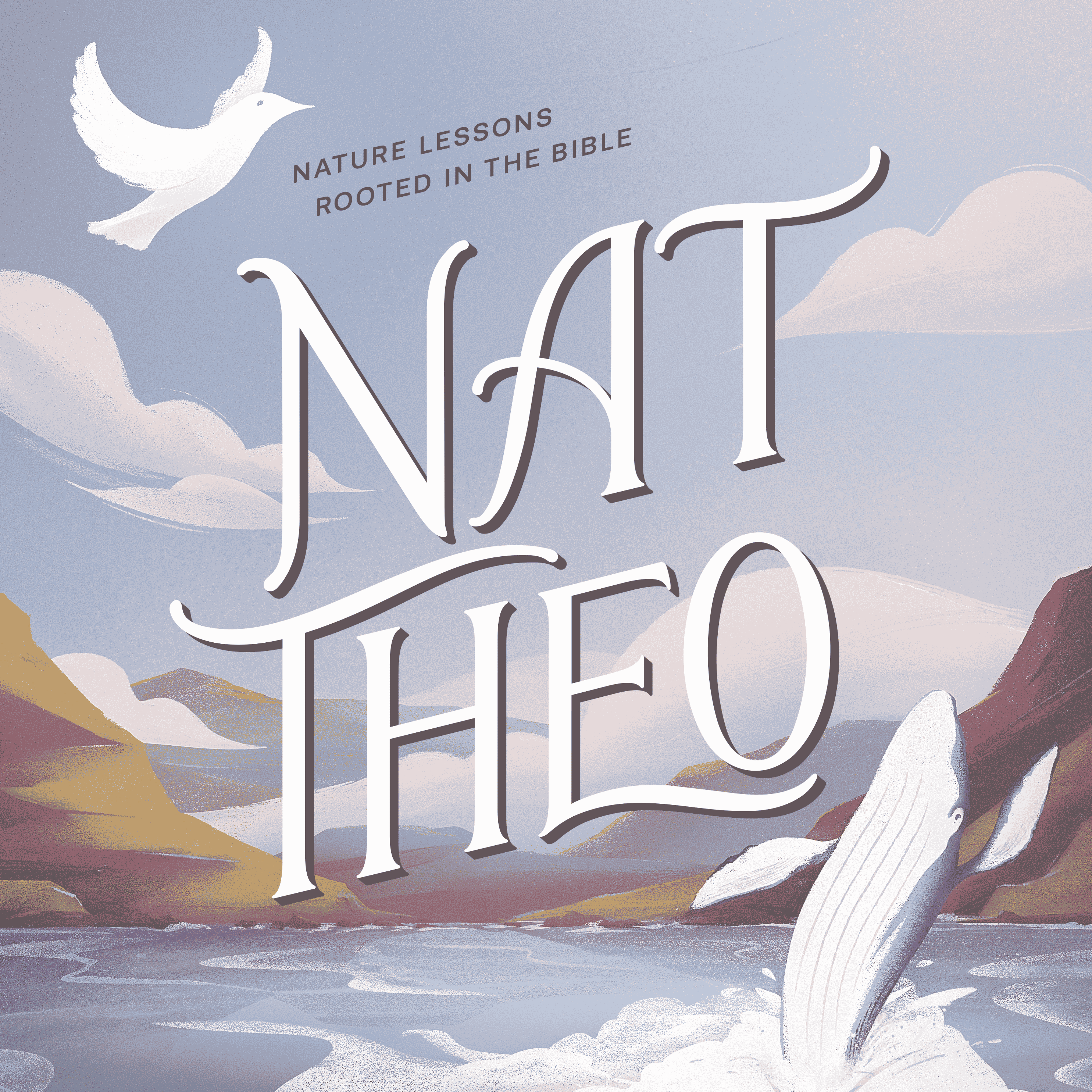
Nat Theo Nature Lessons Rooted in the Bible
by The Natural Theology Project
Is this your podcast?Insights from recent episode analysis
Audience Interest
- nature exploration for children
- Bible teachings for families
Podcast Focus
- nature lessons from a biblical perspective
- life lessons through creation
Publishing Consistency
- 144 episodes produced
- active for 3 years
Platform Reach
- available on major podcast platforms
- potentially on family-oriented networks
Insights are generated by CastFox AI using publicly available data, episode content, and proprietary models.
Most discussed topics
Brands & references
Total monthly reach
Estimated from 38 chart positions in 38 markets.
By chart position
- 🇺🇸US · Education for Kids#8300K to 1M
- 🇨🇦CA · Education for Kids#20300K to 1M
- 🇦🇺AU · Education for Kids#33100K to 300K
- 🇬🇧GB · Education for Kids#6630K to 100K
- 🇩🇪DE · Education for Kids#7330K to 100K
- Per-Episode Audience
Est. listeners per new episode within ~30 days
368K to 1.2M🎙 Daily cadence·172 episodes·Last published 4d ago - Monthly Reach
Unique listeners across all episodes (30 days)
1.2M to 4.0M🇺🇸25%🇨🇦25%🇦🇺8%+35 more - Active Followers
Loyal subscribers who consistently listen
675K to 2.2M
Market Insights
Platform Distribution
Reach across major podcast platforms, updated hourly
Total Followers
—
Total Plays
—
Total Reviews
—
* Data sourced directly from platform APIs and aggregated hourly across all major podcast directories.
On the show
From 27 epsHost
Recent guests
Recent episodes
Are Bald Eagles Really Bald? Lesson 144
Sep 8, 2026
Unknown duration
How Do Cheetahs Run So Fast? Lesson 143
Sep 1, 2026
Unknown duration
What Is the Aurora Borealis? Lesson 142
Aug 25, 2026
Unknown duration
What’s It Like to Be Stuck in Space? Astronaut Wilmore Answers Space Questions From Kids
Aug 19, 2026
Unknown duration
Why Do Stars Twinkle? Lesson 141
Aug 18, 2026
Unknown duration
Social Links & Contact
Official channels & resources
Official Website
Login
RSS Feed
Login
| Date | Episode | Topics | Guests | Brands | Places | Keywords | Sponsor | Length | |
|---|---|---|---|---|---|---|---|---|---|
| 9/8/26 | 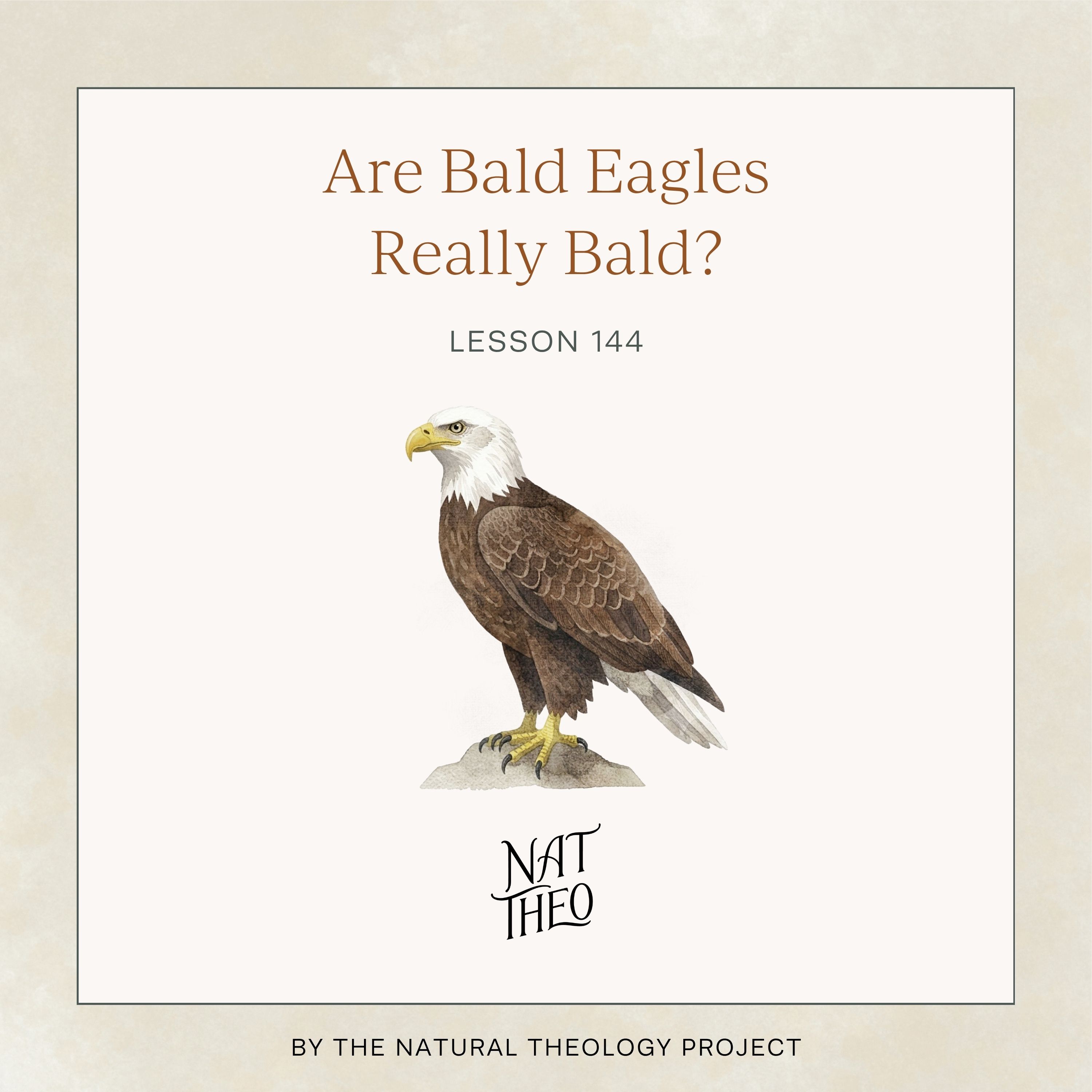 Are Bald Eagles Really Bald? Lesson 144 | What does it mean to have “eagle eyes”? Discover how God designed fuzzy baby eagles to grow five times in size during their first week after hatching, and how God helps us grow in faith.Here’s our trail map:Are Bald Eagles Bald?Are Bald Eagles Born With White Heads?How Far Can a Bald Eagle See?How Does God Help Us Grow Up?Download this lesson’s free coloring sheet: https://thenaturaltheologyproject.com/are-bald-eagles-really-bald/Related Lessons to listen to next:How Fast Is a Peregrine Falcon? Lesson 132: https://player.captivate.fm/episode/17a0dbe5-7f64-44e6-8017-fae682ab0090/Eryn's Books:Where Wonder Leads: An Adventure in God's Wild and Wonderful World: https://thenaturaltheologyproject.com/wonderMade to Marvel: 52 Family Devotions Exploring the Wild Wonders of God's Creation: https://thenaturaltheologyproject.com/marvelThe Nature of Rest: What the Bible and Creation Teach Us About Sabbath Living: https://www.amazon.com/Nature-Rest-Creation-Sabbath-Living/dp/0825448891Rooted in Wonder: Nurturing Your Family's Faith Through God's Creation: https://www.amazon.com/Rooted-Wonder-Nurturing-Familys-Creation/dp/0825447615936 Pennies: Discovering the Joy of Intentional Parenting: https://www.amazon.com/936-Pennies-Discovering-Intentional-Parenting/dp/0764219782Episode Links:America’s Story History Curriculum: https://www.masterbooks.com/americas-story-seriesBooks & Curriculum by Master Books: https://www.masterbooks.com/Nat Theo Club Bonus Video: https://thenaturaltheologyproject.com/memberGet full lesson guides in the Nat Theo Club: https://thenaturaltheologyproject.com/clubFree Bald Eagle Coloring Sheet: https://thenaturaltheologyproject.com/are-bald-eagles-really-bald/Ask your nature question: https://thenaturaltheologyproject.com/askScriptures Referenced in This Episode:“Jesus has the power of God, by which he has given us everything we need to live and to serve God. We have these things because we know him. Jesus called us by his glory and goodness.” 2 Peter 1:3 (NCV)“But grow in the grace and knowledge of our Lord and Savior Jesus Christ. Glory be to him now and forever! Amen.” 2 Peter 3:18 (NCV)Terms Learned in This Episode:Eaglet: Baby eagle.Wingercizing: A playful term for a baby bird’s practice flapping which helps them develop muscles and prepare for flight.Opportunistic Carnivore: An animal that hunts or eats whatever meat is easiest to find, catch, or take at the moment.Cone Cell: A special type of cell in an eye that helps see in color and detail.Tetrachromat: An animal that has four types of color-seeing cells in its eyes.Fovea: A small area in the eye where vision is sharpest because it is packed with cone cells.This podcast episode contains paid advertisements. | — | ||||||
| 9/1/26 | 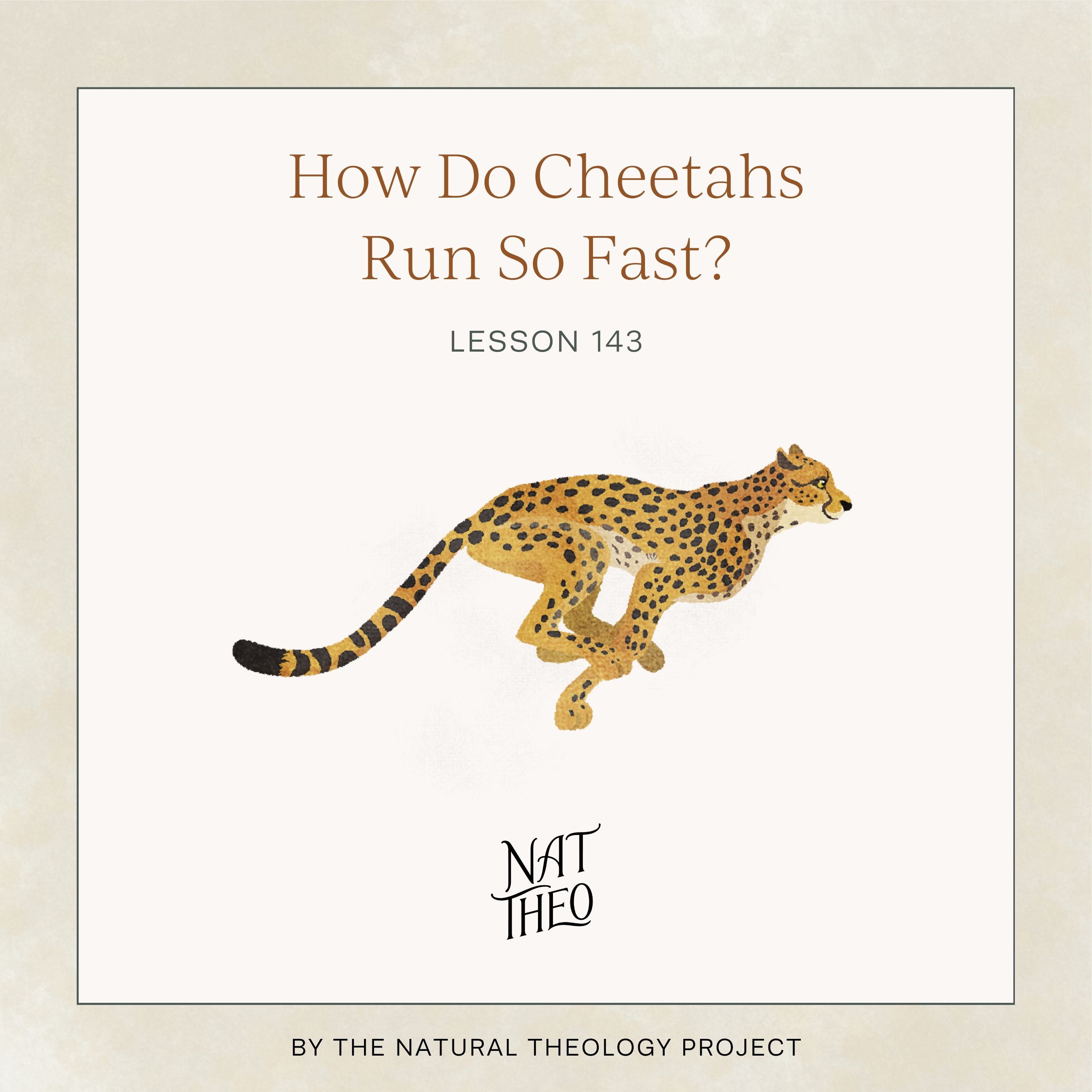 How Do Cheetahs Run So Fast? Lesson 143 | How did God engineer cheetahs for super speed? Discover how a cheetah’s bendy backbone, super boost muscles, balancing tail, and cleat-like feet help it snag its next meal on the savannah. And learn how we are called to run life’s race well—not with super speed, but with enduring faithfulness.Here’s our trail map:Can Cheetahs Roar?Why Do Cheetahs Have Spots?How Do Cheetahs Run So Fast?How Can We Run Life’s Race Well?Download this lesson’s free coloring sheet: https://thenaturaltheologyproject.com/can-cheetahs-roar/Related Lessons to listen to next:How Sharp Are a Lion's Teeth? Lesson 103: https://player.captivate.fm/episode/adaddfb6-0ec4-47f7-a0dc-61ef560784c7/Can Mountain Lions Roar? Episode 22: https://player.captivate.fm/episode/efdc4ae6-27ef-46c9-8e52-df40d580c847/Eryn's Books:Where Wonder Leads: An Adventure in God's Wild and Wonderful World: https://thenaturaltheologyproject.com/wonderMade to Marvel: 52 Family Devotions Exploring the Wild Wonders of God's Creation: https://thenaturaltheologyproject.com/marvelThe Nature of Rest: What the Bible and Creation Teach Us About Sabbath Living: https://www.amazon.com/Nature-Rest-Creation-Sabbath-Living/dp/0825448891Rooted in Wonder: Nurturing Your Family's Faith Through God's Creation: https://www.amazon.com/Rooted-Wonder-Nurturing-Familys-Creation/dp/0825447615936 Pennies: Discovering the Joy of Intentional Parenting: https://www.amazon.com/936-Pennies-Discovering-Intentional-Parenting/dp/0764219782Episode Links:Apologia’s Zoology 3 Land Animals Course: https://www.apologia.com/shop/zoology-3-course-set/Explore all of Apologia’s Zoology courses: https://www.apologia.com/subject/science/zoologyDiscover Apologia’s Christ-centered and award-winning curriculum: https://www.apologia.com/Try CTCMath FREE and get half off: https://payments.ctcmath.com/purchase/homeschool-discount?tr_id=NPTNat Theo Club Bonus Video: https://thenaturaltheologyproject.com/memberGet full lesson guides in the Nat Theo Club: https://thenaturaltheologyproject.com/clubFree Cheetah Coloring Sheet: https://thenaturaltheologyproject.com/can-cheetahs-roar/Ask your nature question: https://thenaturaltheologyproject.com/askScriptures Referenced in This Episode:“Therefore, since we are surrounded by such a huge crowd of witnesses to the life of faith, let us strip off every weight that slows us down, especially the sin that so easily trips us up. And let us run with endurance the race God has set before us.” Hebrews 12:1 (NLT)“All athletes are disciplined in their training. They do it to win a prize that will fade away, but we do it for an eternal prize. So I run with purpose in every step. 1 Corinthians 9:25-26 (NLT)“I have fought the good fight, I have finished the race, I have kept the faith.” 2 Timothy 4:7 (NLT) Terms Learned in This Episode:Panthera: A genus or category of wild cats that roar including tigers, lions, panthers, leopards, and snow leopards. Acinonyx: A genus or category of cats including only cheetahs. Felinae: The cat subfamily that includes many small wild cats, domestic cats, and a few larger cats like cheetahs and cougars.Malar stripes: Dark tear-like markings on a cheetah’s face that run from the eyes to the mouth and may help reduce sun glare while hunting.Fast-twitch Muscle Fibers: Muscle cells designed for rapid, explosive, and powerful bursts of energy.Cheetah vocalization credit: Smirnova D, Volodin I, Demina T, Volodina E, CC BY 4.0 https://creativecommons.org/licenses/by/4.0, via Wikimedia CommonsThis podcast episode contains paid advertisements. | — | ||||||
| 8/25/26 | 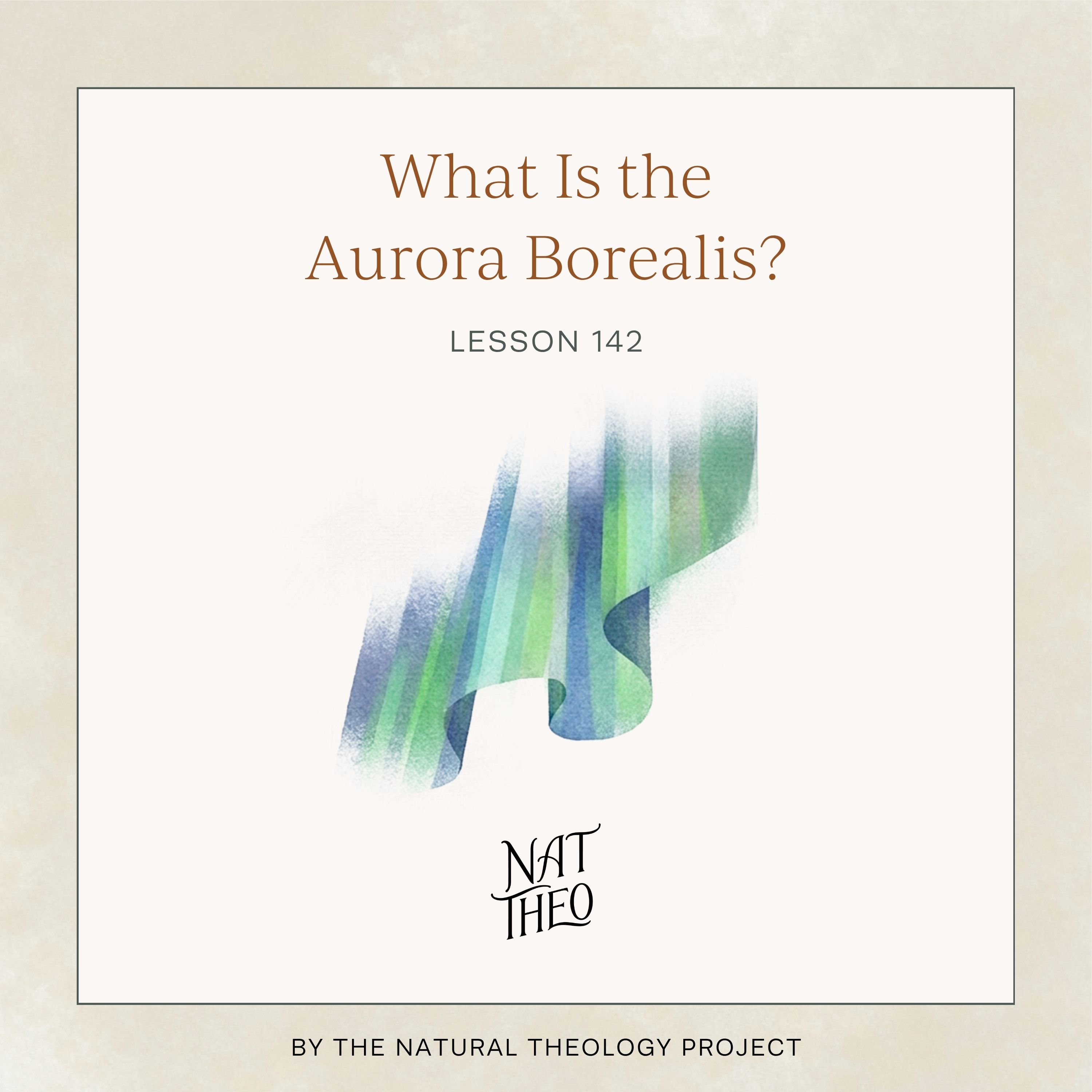 What Is the Aurora Borealis? Lesson 142 | Have you ever seen bright colors dancing across the night sky? What causes auroras, or the “Northern Lights”? Discover how God’s brilliant design of Earth’s atmosphere protects us from solar wind while creating a dazzling light show for us to marvel at.Here’s our trail map:What Is Solar Wind?How Does Solar Wind Make the Auroras?Why Are Auroras Different Colors?How Can God Bring Beauty From Life’s Storms?Download this lesson’s free coloring sheet: https://thenaturaltheologyproject.com/what-is-the-aurora-borealis/Related Lessons to listen to next:How Hot Is the Sun? Lesson 112: https://player.captivate.fm/episode/a8b48d2c-aa2c-46d9-a224-3c34a07fc1ff/What Is Earth's Atmosphere For? https://player.captivate.fm/episode/be61b270-5a47-4fd0-ae15-d140867738aa/What Is Light? Lesson 109: https://player.captivate.fm/episode/4eb19e42-31c5-4143-8e42-a5a0eb63daed/Eryn's Books:Where Wonder Leads: An Adventure in God's Wild and Wonderful World: https://thenaturaltheologyproject.com/wonderMade to Marvel: 52 Family Devotions Exploring the Wild Wonders of God's Creation: https://thenaturaltheologyproject.com/marvelThe Nature of Rest: What the Bible and Creation Teach Us About Sabbath Living: https://www.amazon.com/Nature-Rest-Creation-Sabbath-Living/dp/0825448891Rooted in Wonder: Nurturing Your Family's Faith Through God's Creation: https://www.amazon.com/Rooted-Wonder-Nurturing-Familys-Creation/dp/0825447615936 Pennies: Discovering the Joy of Intentional Parenting: https://www.amazon.com/936-Pennies-Discovering-Intentional-Parenting/dp/0764219782Episode Links:Try CTCMath FREE and get half off: https://payments.ctcmath.com/purchase/homeschool-discount?tr_id=NPTBig Book of Earth & Sky (with chart): https://www.masterbooks.com/big-book-of-earth-sky-panelGod's Design for Heaven & Earth Set: https://www.masterbooks.com/gods-design-for-heaven-earth-set-mb-editionAstronomy books from a Biblical worldview: https://www.masterbooks.com/apologetics/astronomyBooks, curriculum, and resources by Master Books: https://www.masterbooks.com/Nat Theo Club Bonus Video: https://thenaturaltheologyproject.com/memberExplore Bible-based nature study with Nat Theo curriculum: https://thenaturaltheologyproject.com/clubFree Aurora Coloring Sheet: https://thenaturaltheologyproject.com/what-is-the-aurora-borealis/Ask your nature question: https://thenaturaltheologyproject.com/askScriptures Referenced in This Episode:“The heavens declare the glory of God; the skies proclaim the work of his hands.” Psalm 19:1 (NIV)“The Lord is good, giving protection in times of trouble. He knows who trusts in him.” Nahum 1:7 (NCV)“The men were amazed and said, ‘What kind of man is this? Even the wind and the waves obey him!’” Matthew 8:27 (NCV)“For in him all things were created: things in heaven and on earth, visible and invisible, whether thrones or powers or rulers or authorities; all things have been created through him and for him. He is before all things, and in him all things hold together.” Colossians 1:16-17 (NIV)“We have small troubles for a while now, but they are helping us gain an eternal glory that is much greater than the troubles.” 2 Corinthians 4:17 (NCV) Terms Learned in This Episode:Solar Wind: A steady stream of tiny charged particles flowing out from the sun into space.Particle: A tiny piece of matter.Coronal Mass Ejection (CME): A huge burst of gas and charged particles that blasts away from the sun into space.Magnetosphere: The region around Earth where Earth’s magnetic field reaches into space and helps protect our planet.Auroras: Colorful lights that glow in the sky near Earth’s poles.Aurora Borealis: Auroras that happen near the north pole and can be seen from areas in the northern hemisphere.Aurora Australis: Auroras that happen near the south pole and can be seen from areas in the southern hemisphere.Aurora Ribboning: When an aurora forms long, wavy bands of light that look like glowing ribbons or curtains in the sky.This podcast episode contains paid advertisements. | — | ||||||
| 8/19/26 |  What’s It Like to Be Stuck in Space? Astronaut Wilmore Answers Space Questions From Kids | What would you do if you left Earth expecting to be gone for 8 days… and didn’t come home for 9½ months? Today on Nat Theo, astronaut Captain Wilmore tells us what happened when five thrusters failed as his spacecraft approached the International Space Station—and how his faith gave him peace and contentment when the mission changed completely. Captain Wilmore also answers space travel questions from kids on this very special episode!Episode Links:Captain Wilmore’s website: https://www.butchwilmore.com/Stuck in Space book: https://www.butchwilmore.com/stuck-in-space-bookSponsor Link:Enjoy half off CTCMath!: https://payments.ctcmath.com/purchase/homeschool-discount?tr_id=NPTExplore Our Bible & Nature Curriculum and Resources: https://thenaturaltheologyproject.com/clubEryn's Books:Where Wonder Leads: An Adventure in God's Wild and Wonderful World: https://thenaturaltheologyproject.com/wonderMade to Marvel: 52 Family Devotions Exploring the Wild Wonders of God's Creation: https://thenaturaltheologyproject.com/marvelThe Nature of Rest: What the Bible and Creation Teach Us About Sabbath Living: https://www.amazon.com/Nature-Rest-Creation-Sabbath-Living/dp/0825448891Rooted in Wonder: Nurturing Your Family's Faith Through God's Creation: https://www.amazon.com/Rooted-Wonder-Nurturing-Familys-Creation/dp/0825447615936 Pennies: Discovering the Joy of Intentional Parenting: https://www.amazon.com/936-Pennies-Discovering-Intentional-Parenting/dp/0764219782This podcast episode contains paid advertisements. | — | ||||||
| 8/18/26 | 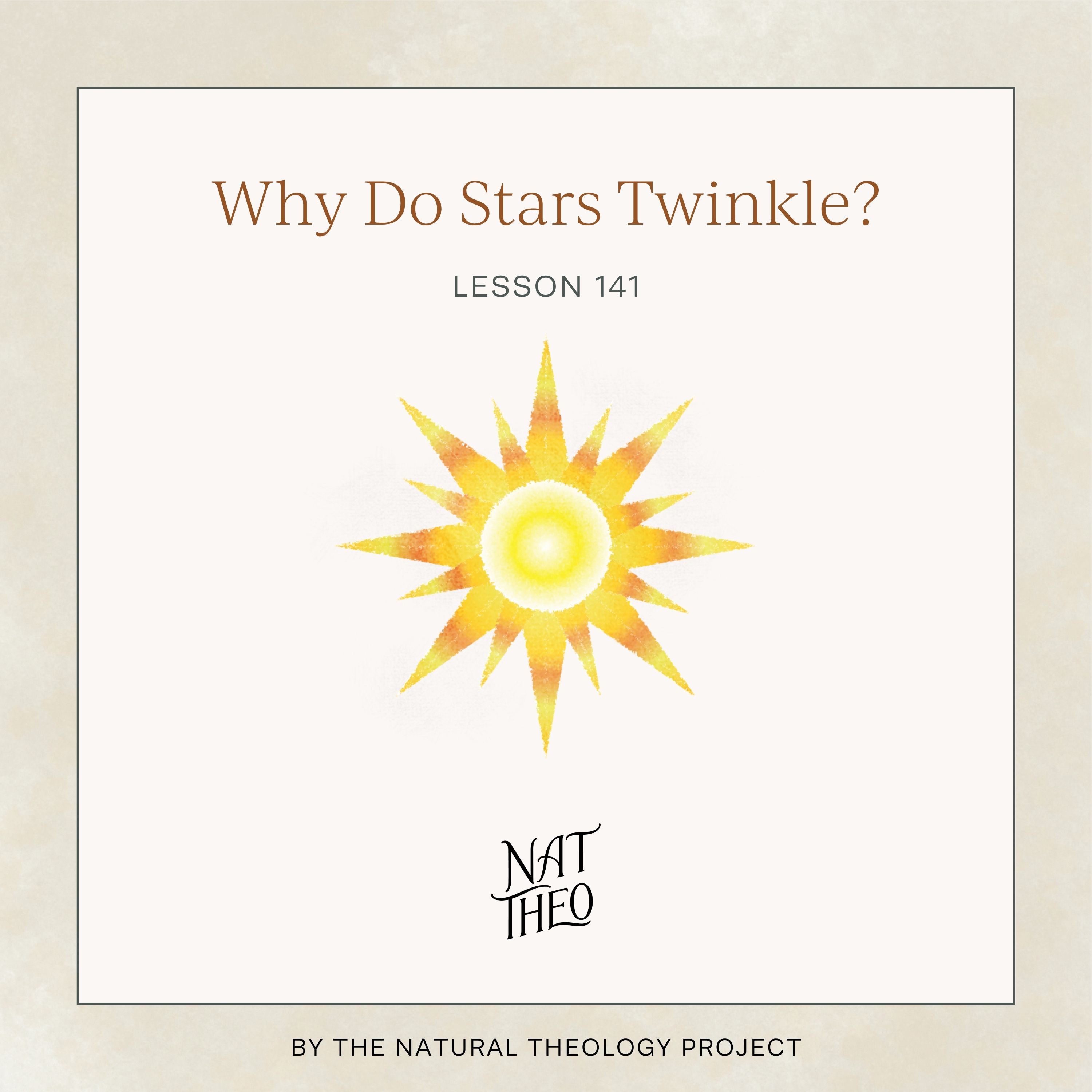 Why Do Stars Twinkle? Lesson 141 | Have you ever looked up at a stunning night sky and wondered, “What is a star?” Discover what stars are made of, how big they are, what happens when a star explodes, and how God created stars to help humans and creatures on Earth.Here’s our trail map:Why Do Stars Twinkle?What Is a Black Hole?What Are Star Constellations? How Can We Find Our Way Through God’s Word?Download this lesson’s free coloring sheet: https://thenaturaltheologyproject.com/why-do-stars-twinkle/Related Lessons to listen to next:How Hot Is the Sun? Lesson 112: https://player.captivate.fm/episode/a8b48d2c-aa2c-46d9-a224-3c34a07fc1ff/Why Does the Moon Change Shape? Lesson 139: https://player.captivate.fm/episode/c94554ef-f476-4802-b897-6bebe66eceeb/Eryn's Books:Where Wonder Leads: An Adventure in God's Wild and Wonderful World: https://thenaturaltheologyproject.com/wonderMade to Marvel: 52 Family Devotions Exploring the Wild Wonders of God's Creation: https://thenaturaltheologyproject.com/marvelThe Nature of Rest: What the Bible and Creation Teach Us About Sabbath Living: https://www.amazon.com/Nature-Rest-Creation-Sabbath-Living/dp/0825448891Rooted in Wonder: Nurturing Your Family's Faith Through God's Creation: https://www.amazon.com/Rooted-Wonder-Nurturing-Familys-Creation/dp/0825447615936 Pennies: Discovering the Joy of Intentional Parenting: https://www.amazon.com/936-Pennies-Discovering-Intentional-Parenting/dp/0764219782Episode Links:Big Book of Earth & Sky (with chart): https://www.masterbooks.com/big-book-of-earth-sky-panelGod's Design for Heaven & Earth Set: https://www.masterbooks.com/gods-design-for-heaven-earth-set-mb-editionAstronomy books from a Biblical worldview: https://www.masterbooks.com/apologetics/astronomyBooks, curriculum, and resources by Master Books: https://www.masterbooks.com/Homeschool simply, inexpensively, and enjoyably with the Homeschool Made Simple podcast: homeschoolmadesimple.net“Nature Study Made Simple” with Eryn Lynum on the Homeschool Made Simple podcast: https://homeschoolmadesimple.net/nature-study-made-simple-episode-252/Nat Theo Club Bonus Video: https://thenaturaltheologyproject.com/memberGet full lesson guides in the Nat Theo Club: https://thenaturaltheologyproject.com/clubFree Star Coloring Sheet: https://thenaturaltheologyproject.com/why-do-stars-twinkle/Ask your nature question: https://thenaturaltheologyproject.com/askScriptures Referenced in This Episode:“The sky was made at the Lord’s command. By the breath from his mouth, he made all the stars.” Psalm 33:6 (NCV)“He counts the stars and names each one.” Psalm 147:4 (NCV)“Lord, your word is everlasting; it continues forever in heaven.” Psalm 119:89 (NCV)“When you look up at the sky, you see the sun, moon, and stars, and everything in the sky. But don’t bow down and worship them, because the Lord your God has made these things for all people everywhere.” Deuteronomy 4:19 (NCV)“Study this Book of Instruction continually. Meditate on it day and night so you will be sure to obey everything written in it. Only then will you prosper and succeed in all you do.” Joshua 1:8 (NLT)“Your word is like a lamp for my feet and a light for my path.” Psalm 119:105 (NCV)“The Lord says, ‘I will make you wise and show you where to go. I will guide you and watch over you.’” Psalm 32:8 (NCV) Terms Learned in This Episode:Star: A huge, glowing ball of hot gas in space that gives off its own light and heat.Light-year: The distance light travels in one year.Black Hole: A place in space where gravity is so strong that nothing can escape—not even light. Black holes can be caused by exploding stars.Constellation: An official area of the night sky. Astronomers have divided the sky into 88 official constellations.Asterism: A familiar star shape or pattern that people notice in the sky, but it is not always an official constellation.This podcast episode contains paid advertisements. | — | ||||||
| 8/11/26 | 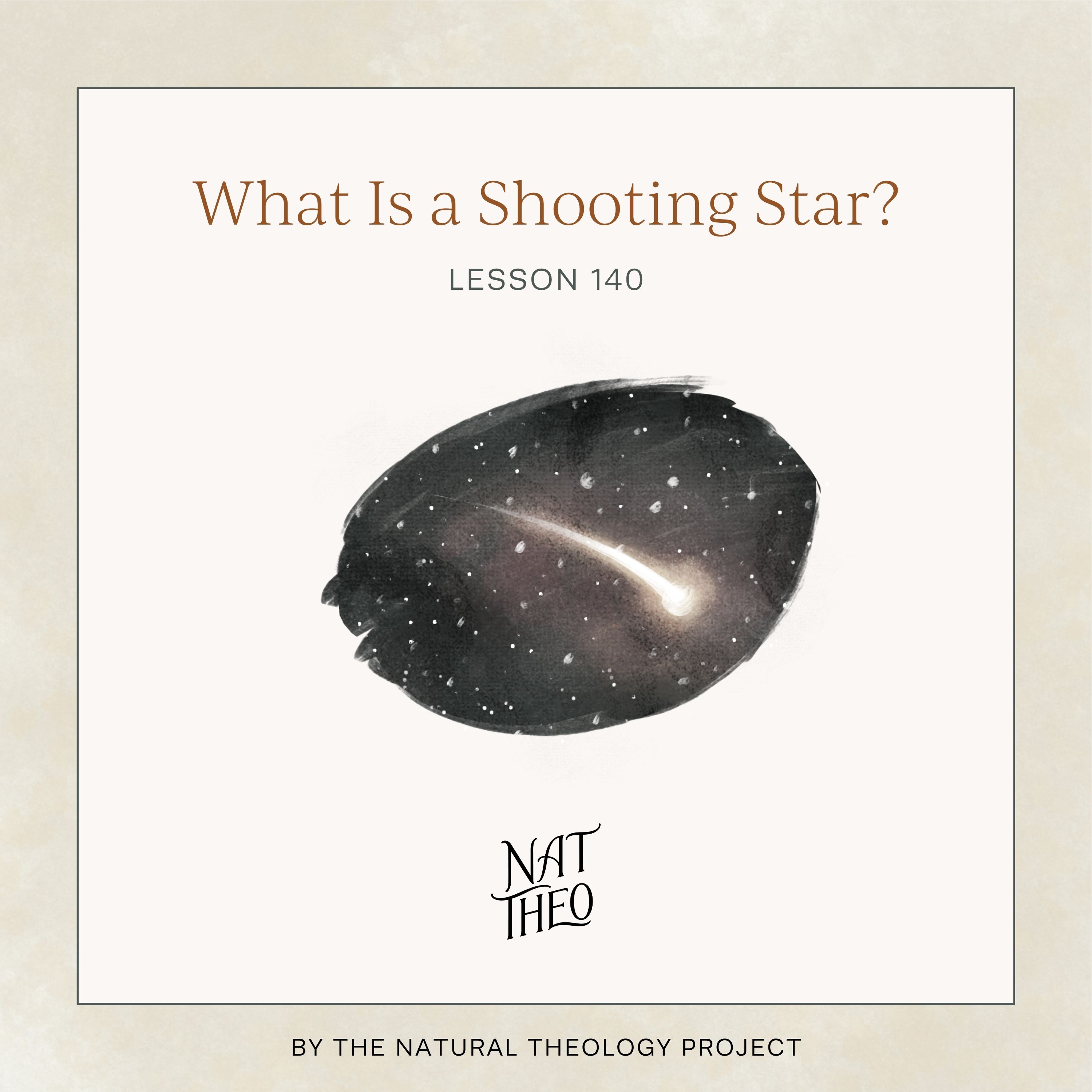 What Is a Shooting Star? Lesson 140 | Have you ever seen a shooting star? These bright flashes of light across the night sky may have “star” in their name, but they are not a star at all! Unlock the mysteries of meteors and discover how God made us with curious minds to discover and marvel at all he’s made—both on Earth and in space!Here’s our trail map:What Is a Comet?What Is a Shooting Star?How Is a Meteor Different From a Meteorite?Why Does God Place Mysteries in Nature?This lesson’s Activity Guide is free for everyone! Download it here: https://thenaturaltheologyproject.com/what-is-a-shooting-star/Related Lessons to listen to next:How Hot Is the Sun? Lesson 112: https://player.captivate.fm/episode/a8b48d2c-aa2c-46d9-a224-3c34a07fc1ff/Why Does the Moon Change Shape? Lesson 139: https://player.captivate.fm/episode/c94554ef-f476-4802-b897-6bebe66eceeb/What Is Earth's Atmosphere For?: https://player.captivate.fm/episode/be61b270-5a47-4fd0-ae15-d140867738aa/Eryn's Books:Where Wonder Leads: An Adventure in God's Wild and Wonderful World: https://thenaturaltheologyproject.com/wonderMade to Marvel: 52 Family Devotions Exploring the Wild Wonders of God's Creation: https://thenaturaltheologyproject.com/marvelThe Nature of Rest: What the Bible and Creation Teach Us About Sabbath Living: https://www.amazon.com/Nature-Rest-Creation-Sabbath-Living/dp/0825448891Rooted in Wonder: Nurturing Your Family's Faith Through God's Creation: https://www.amazon.com/Rooted-Wonder-Nurturing-Familys-Creation/dp/0825447615936 Pennies: Discovering the Joy of Intentional Parenting: https://www.amazon.com/936-Pennies-Discovering-Intentional-Parenting/dp/0764219782Episode Links:Exploring Creation with Astronomy: https://www.apologia.com/shop/astronomy-course-setSave 25% during Apologia’s sitewide summer sale through August 31, 2026: https://www.apologia.com/Homeschool simply, inexpensively, and enjoyably with the Homeschool Made Simple podcast: homeschoolmadesimple.net“Nature Study Made Simple” with Eryn Lynum on the Homeschool Made Simple podcast: https://homeschoolmadesimple.net/nature-study-made-simple-episode-252/Nat Theo Club Bonus Video: https://thenaturaltheologyproject.com/memberGet full lesson guides in the Nat Theo Club: https://thenaturaltheologyproject.com/clubThis lesson’s Activity Guide is free for everyone! Download it here: https://thenaturaltheologyproject.com/what-is-a-shooting-star/Ask your nature question: https://thenaturaltheologyproject.com/askScriptures Referenced in This Episode:“By wisdom the Lord founded the earth;by understanding he created the heavens.” Proverbs 3:19 (NLT)“God is honored for what he keeps secret.Kings are honored for what they can discover.” Proverbs 25:2 (NCV)“Call to me and I will answer you and tell you great and unsearchable things you do not know.” Jeremiah 33:3 (NIV)Terms Learned in This Episode:Comet: A natural object in space made from rock, dust, and ice.Aphelion: The point in an object’s orbit when it is farthest from the Sun.Perihelion: The point in an object’s orbit when it is closest to the Sun.Sublimation: When a solid changes straight into a gas without becoming a liquid first.Coma: A bright cloud of dust and gas surrounding and trailing after a comet’s center.Earth’s Atmosphere: The layer of gasses that protects Earth from the sun’s harsh rays and from debris in space.Sporadic Meteor: A random meteor that does not belong to a known meteor shower.Meteor Shower: When many meteors appear in the sky around the same time as Earth travels through a comet’s dusty path.Meteorite: A piece of space rock or metal that survives the trip through Earth’s atmosphere and lands on the ground.Ablate: To wear away or burn away from the surface.This podcast episode contains paid advertisements. | — | ||||||
| 8/5/26 |  Did You Know There's a Bible on the Moon? With Levi Lusko | What snack would you bring on a mission to the moon? What would you leave on the moon to show you were there? Discover God’s marvelous mysteries of the moon and what they teach us about the Gospel from today's guest, Levi Lusko.Levi Lusko’s Links:Marvel at the Moon (for kids) Scroll down for curriculum downloads: https://levilusko.com/marvel-at-the-moonLast Supper on the Moon (for adults): https://levilusko.com/the-last-supper-on-the-moonLevi Lusko’s website: https://levilusko.com/Episode Links:God’s Design for Heaven & Earth: https://www.masterbooks.com/gods-design-for-heaven-earth-set-mb-editionWonders of creation: Design in a Fallen World: https://www.masterbooks.com/wonders-of-creationExplore Christ-centered books, curriculum, and resources by Master Books: https://www.masterbooks.com/Eryn's Books:Where Wonder Leads: An Adventure in God's Wild and Wonderful World: https://thenaturaltheologyproject.com/wonderMade to Marvel: 52 Family Devotions Exploring the Wild Wonders of God's Creation: https://thenaturaltheologyproject.com/marvelThe Nature of Rest: What the Bible and Creation Teach Us About Sabbath Living: https://www.amazon.com/Nature-Rest-Creation-Sabbath-Living/dp/0825448891Rooted in Wonder: Nurturing Your Family's Faith Through God's Creation: https://www.amazon.com/Rooted-Wonder-Nurturing-Familys-Creation/dp/0825447615936 Pennies: Discovering the Joy of Intentional Parenting: https://www.amazon.com/936-Pennies-Discovering-Intentional-Parenting/dp/0764219782This podcast episode contains paid advertisements. | — | ||||||
| 8/4/26 | 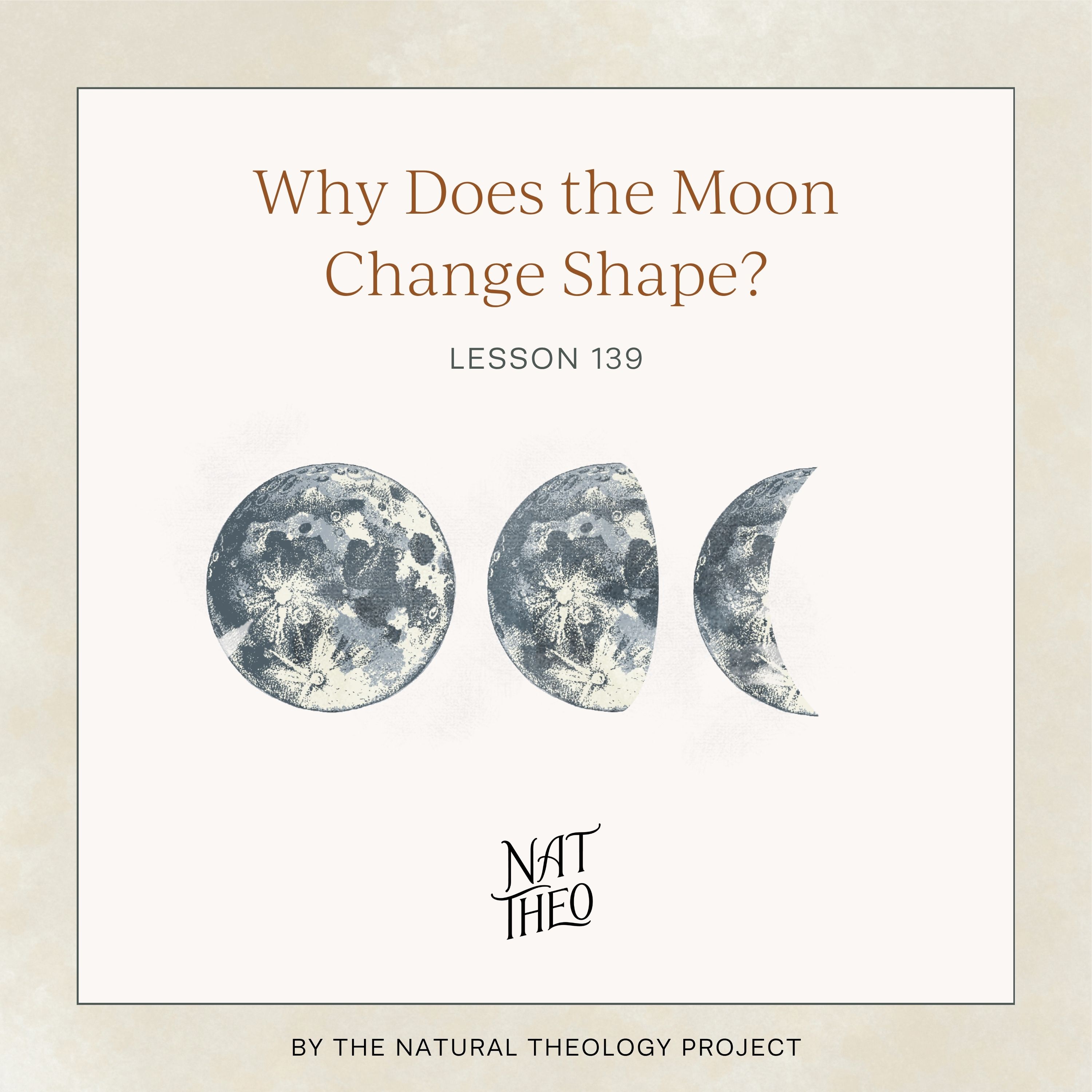 Why Does the Moon Change Shape? Lesson 139 | What would happen if you jumped on the moon’s surface? Why does the moon change shape? How does the moon help Earth’s oceans? Discover the big plans God had in mind when he made the moon!Here’s our trail map:What Is the Moon?Why Does the Moon Change Shape?Does The Moon Have Gravity?Why Did God Make the Moon?Download this lesson’s free coloring sheet: https://thenaturaltheologyproject.com/why-does-the-moon-change-shape/Related Lessons to listen to next:How Hot Is the Sun? Lesson 112: https://player.captivate.fm/episode/a8b48d2c-aa2c-46d9-a224-3c34a07fc1ff/What Is Earth's Atmosphere For?: https://player.captivate.fm/episode/be61b270-5a47-4fd0-ae15-d140867738aa/Eryn's Books:Where Wonder Leads: An Adventure in God's Wild and Wonderful World: https://thenaturaltheologyproject.com/wonderMade to Marvel: 52 Family Devotions Exploring the Wild Wonders of God's Creation: https://thenaturaltheologyproject.com/marvelThe Nature of Rest: What the Bible and Creation Teach Us About Sabbath Living: https://www.amazon.com/Nature-Rest-Creation-Sabbath-Living/dp/0825448891Rooted in Wonder: Nurturing Your Family's Faith Through God's Creation: https://www.amazon.com/Rooted-Wonder-Nurturing-Familys-Creation/dp/0825447615936 Pennies: Discovering the Joy of Intentional Parenting: https://www.amazon.com/936-Pennies-Discovering-Intentional-Parenting/dp/0764219782Episode Links:Exploring Creation with Astronomy: https://www.apologia.com/shop/astronomy-course-setSave 25% during Apologia’s sitewide summer sale through August 31, 2026: https://www.apologia.com/Nat Theo Club Bonus Video: https://thenaturaltheologyproject.com/memberGet full lesson guides in the Nat Theo Club: https://thenaturaltheologyproject.com/clubFree Moon Coloring Sheet: https://thenaturaltheologyproject.com/why-does-the-moon-change-shape/Ask your nature question: https://thenaturaltheologyproject.com/askScriptures Referenced in This Episode:“So God made the two large lights. He made the brighter light to rule the day and made the smaller light to rule the night. He also made the stars.” Genesis 1:16 (NCV)“God is light, and in him there is no darkness at all.” 1 John 1:5 (NCV)“You should be a light for other people. Live so that they will see the good things you do and will praise your Father in heaven.” Matthew 5:16 (NCV)“Then God said, ‘Let there be lights in the sky to separate day from night. These lights will be used for signs, seasons, days, and years.’” Genesis 1:14 (NCV)“So be very careful how you live. Do not live like those who are not wise, but live wisely. Use every chance you have for doing good, because these are evil times.” Ephesians 5:15-16 (NCV)“But I trust in you, Lord;I say, ‘You are my God.’My times are in your hands…” Psalm 31:14-15a (NIV)Terms Learned in This Episode:Satellite: An object that moves in a curved path around a larger object in space.Artificial Satellite: A machine people build and send into space to travel around Earth or another object.Natural Satellite: An object in space that travels around a larger object and was not made by people.Orbit: The path one object takes as it moves around another object in space.Moon Phases: The changing shapes of the moon as seen from Earth.Gravity: An invisible pull between things that have mass.Ocean Tides: The regular rise and fall of ocean water on the shores each day.This podcast episode contains paid advertisements. | — | ||||||
| 7/28/26 | 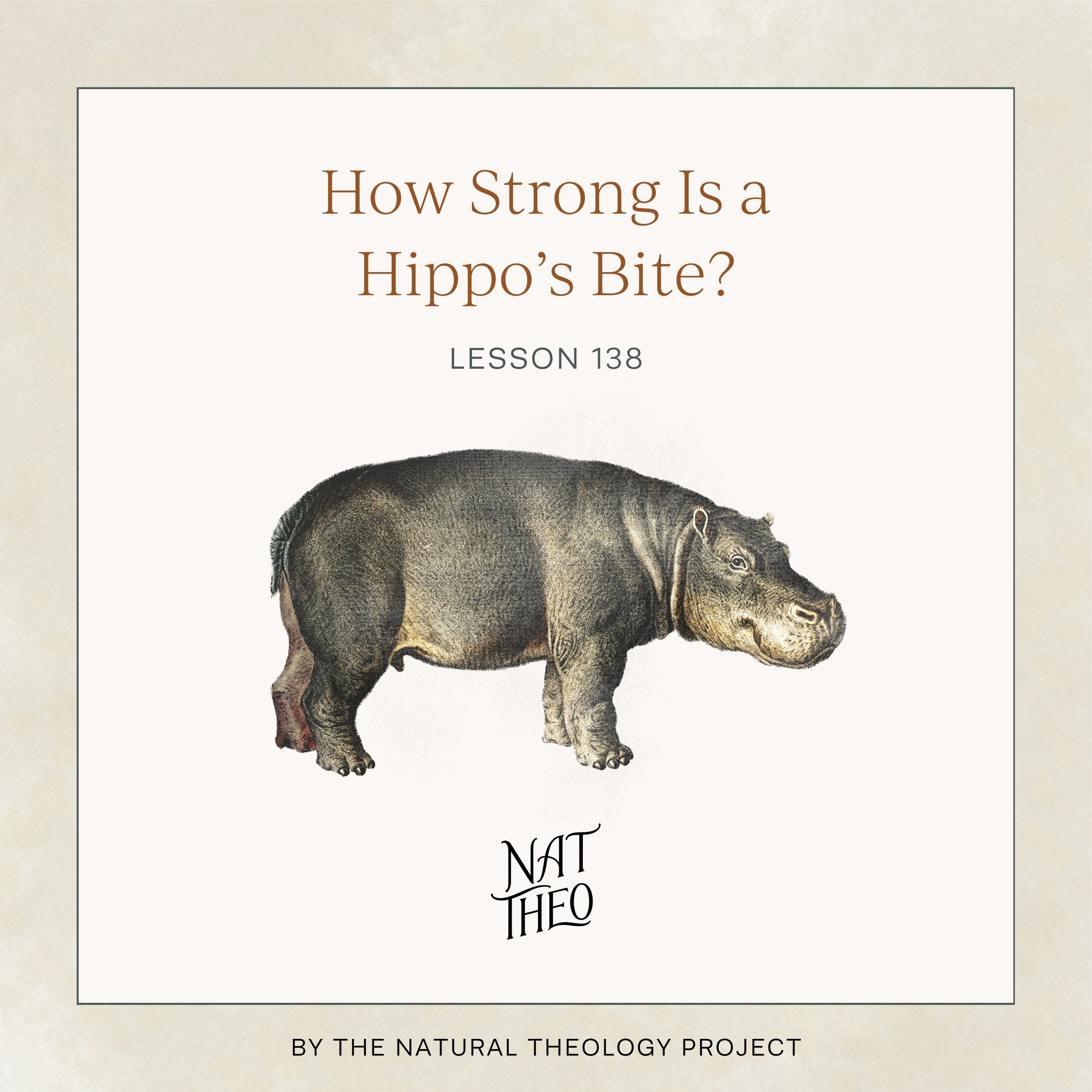 How Strong Is a Hippo’s Bite? Lesson 138 | Hippos may look round, slow, and almost cuddly—but these “river horses” are full of surprises. Discover why hippos sink rather than swim and have epic battles with each other. Learn how God designed hippos to survive using a mysterious built-in skin ointment.Here’s our trail map:Can Hippos Swim?How Strong Is a Hippo’s Bite?Do Hippos Sweat Blood?How Can We Have Thick Skin and a Soft Heart?Download this lesson’s free coloring sheet: https://thenaturaltheologyproject.com/can-hippos-swim/Related Lessons to listen to next:Why Do Elephants Squeak? Lesson 80: https://player.captivate.fm/episode/880f710e-9de5-4d1b-a7fe-87f2d0b493e2/Charging Rhinos and Playful Wombats - Nature Filmmaking With Dr. Gordon Wilson: https://player.captivate.fm/episode/bcce1aa1-3346-451f-845f-ee734e0ad4df/Eryn's Books:Where Wonder Leads: An Adventure in God's Wild and Wonderful World: https://thenaturaltheologyproject.com/wonderMade to Marvel: 52 Family Devotions Exploring the Wild Wonders of God's Creation: https://thenaturaltheologyproject.com/marvelThe Nature of Rest: What the Bible and Creation Teach Us About Sabbath Living: https://www.amazon.com/Nature-Rest-Creation-Sabbath-Living/dp/0825448891Rooted in Wonder: Nurturing Your Family's Faith Through God's Creation: https://www.amazon.com/Rooted-Wonder-Nurturing-Familys-Creation/dp/0825447615936 Pennies: Discovering the Joy of Intentional Parenting: https://www.amazon.com/936-Pennies-Discovering-Intentional-Parenting/dp/0764219782Episode Links:Marvels of Creation Book Set by Master Books: https://www.masterbooks.com/marvels-of-creation-3-book-packDinosaur Books by Master Books: https://www.masterbooks.com/apologetics/dinosaursExplore books, curriculum, and resources by Master Books: https://www.masterbooks.com/Nat Theo Club Bonus Video: https://thenaturaltheologyproject.com/memberExplore Our Bible & Nature Curriculum and Resources: https://thenaturaltheologyproject.com/clubFree Hippo Coloring Sheet: https://thenaturaltheologyproject.com/can-hippos-swim/Ask your nature question: https://thenaturaltheologyproject.com/askScriptures Referenced in This Episode:“The wise are patient;they will be honored if they ignore insults.” Proverbs 19:11 (NCV)“Finally, all of you should be of one mind. Sympathize with each other. Love each other as brothers and sisters. Be tenderhearted, and keep a humble attitude. Don’t repay evil for evil. Don’t retaliate with insults when people insult you. Instead, pay them back with a blessing. That is what God has called you to do, and he will grant you his blessing.” 1 Peter 3:9 (NLT)“Don’t just pretend to love others. Really love them. Hate what is wrong. Hold tightly to what is good. Love each other with genuine affection, and take delight in honoring each other… Bless those who persecute you. Don’t curse them; pray that God will bless them.” Romans 12:9-10, 14 (NLT)Terms Learned in This Episode:Territorial: When an animal protects the place where it lives, rests, eats, or raises its babies.Hippo Gaping: When two male hippos stand face to face with mouths opened wide in preparation to battle.Blood Sweat: Red, oily liquid that comes out of a hippo’s skin to protect it.Pachyderm: An old word for a “thick-skinned” animal.This podcast episode contains paid advertisements. | — | ||||||
| 7/23/26 | 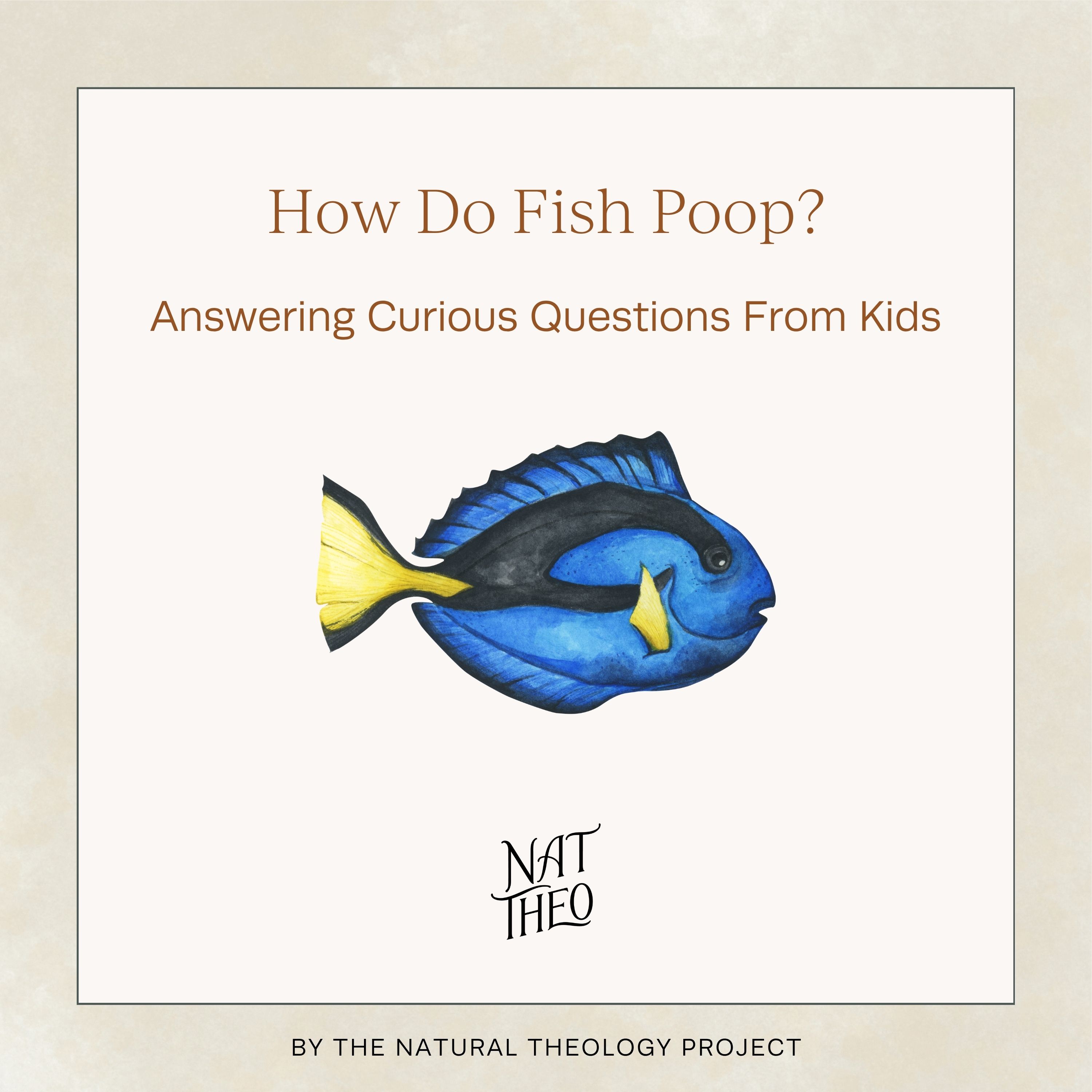 How Do Fish Poop? Answering Nature Questions From Kids | Have you ever wondered how fish poop? Or why do flamingos balance on one leg while sleeping? Speaking of sleep…do bees sleep at night? In this episode we’re answering curious questions sent in by listeners!A special thanks to this episode’s sponsor, Master Books! Grow in faith, wonder, and wisdom with books, curriculum, and resources from a Biblical worldview with Master Books at https://www.masterbooks.com/And CTCMath, an online math program for grades K-12. Catch up, keep up, or get ahead with CTCMath’s effective and flexible curriculum. Enjoy half off CTCMath: https://payments.ctcmath.com/purchase/homeschool-discount?tr_id=NPTJoin the Nat Theo Club: https://thenaturaltheologyproject.com/clubEryn's Books:Where Wonder Leads: An Adventure in God's Wild and Wonderful World: https://thenaturaltheologyproject.com/WonderMade to Marvel: 52 Family Devotions Exploring the Wild Wonders of God's Creation: https://thenaturaltheologyproject.com/marvelThe Nature of Rest: What the Bible and Creation Teach Us About Sabbath Living: https://www.amazon.com/Nature-Rest-Creation-Sabbath-Living/dp/0825448891Rooted in Wonder: Nurturing Your Family's Faith Through God's Creation: https://www.amazon.com/Rooted-Wonder-Nurturing-Familys-Creation/dp/0825447615936 Pennies: Discovering the Joy of Intentional Parenting: https://www.amazon.com/936-Pennies-Discovering-Intentional-Parenting/dp/0764219782Lessons mentioned in this episode:Can Bees Dance? With Beekeeper Jenny - Episode 35: https://player.captivate.fm/episode/98aedf4a-bc84-4346-9278-cb70a9cf238f/What Can We Learn From A Whale’s Earwax?: https://player.captivate.fm/episode/2b66a76f-e37d-4a46-8393-04082dce78d3/This podcast contains paid sponsor ads. | — | ||||||
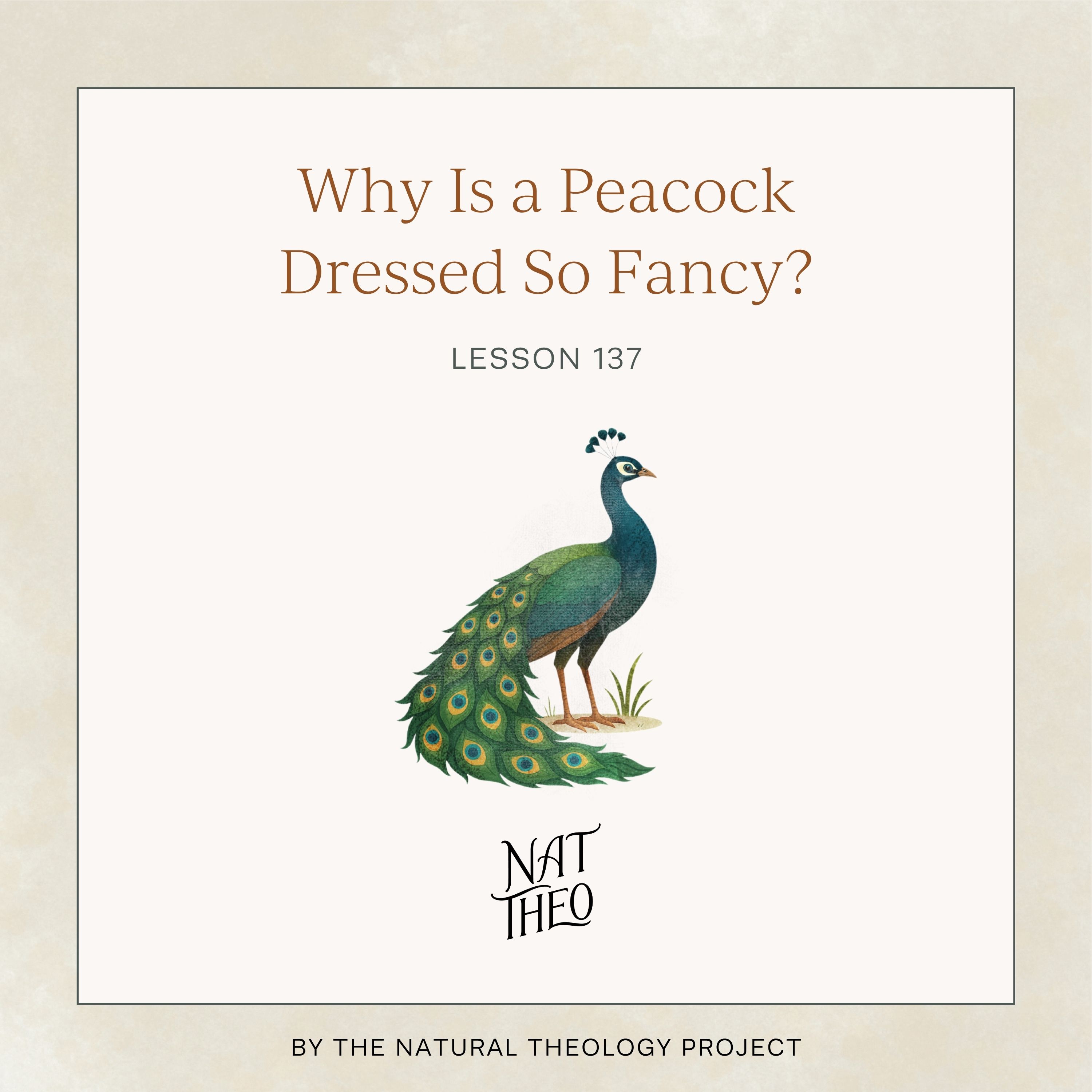
| 7/21/26 | peacockbeauty+4 | — | Where Wonder Leads: An Adventure in God's Wild and Wonderful WorldMade to Marvel: 52 Family Devotions Exploring the Wild Wonders of God's Creation+5 | — | peacockbeauty+5 | — | 25m 43s | ||
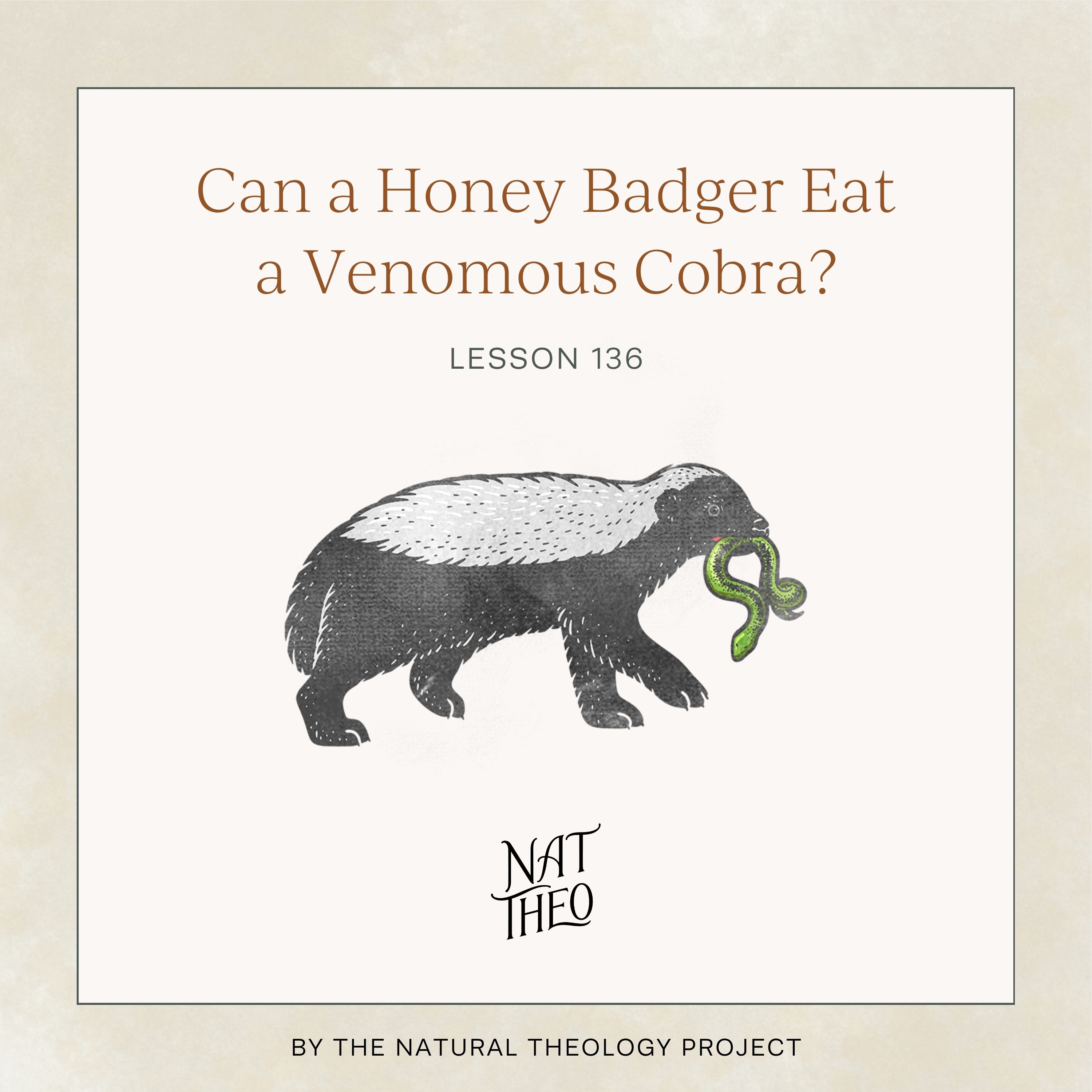
| 7/14/26 | honey badgerfearlessness+4 | — | The Natural Theology ProjectWhere Wonder Leads: An Adventure in God's Wild and Wonderful World+5 | — | honey badgervenomous cobra+5 | — | 29m 19s | ||
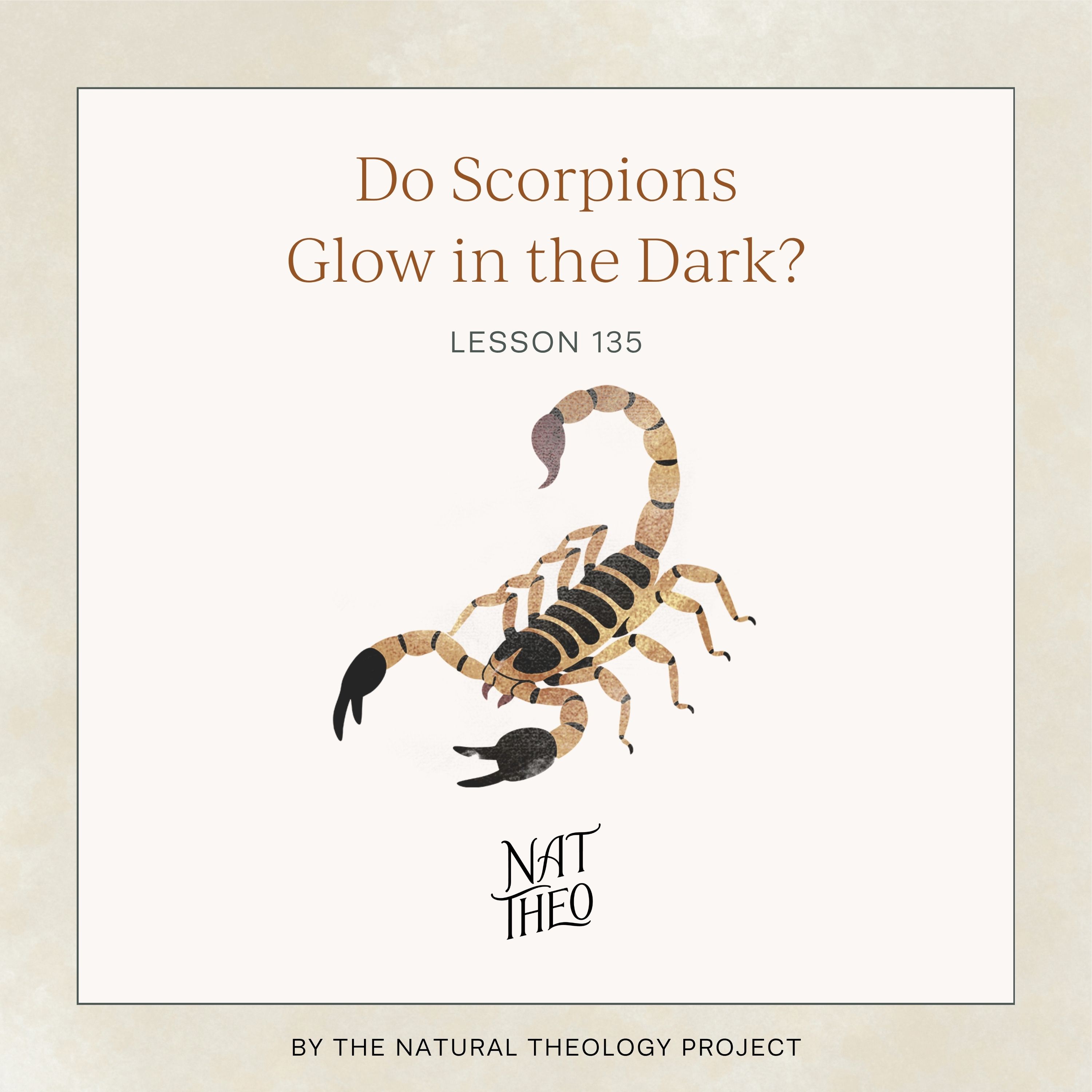
| 7/7/26 | scorpionsGod's design+4 | — | Where Wonder Leads: An Adventure in God's Wild and Wonderful WorldMade to Marvel: 52 Family Devotions Exploring the Wild Wonders of God's Creation+3 | God | scorpionsglow in the dark+5 | CTCMathNPT | 26m 19s | ||
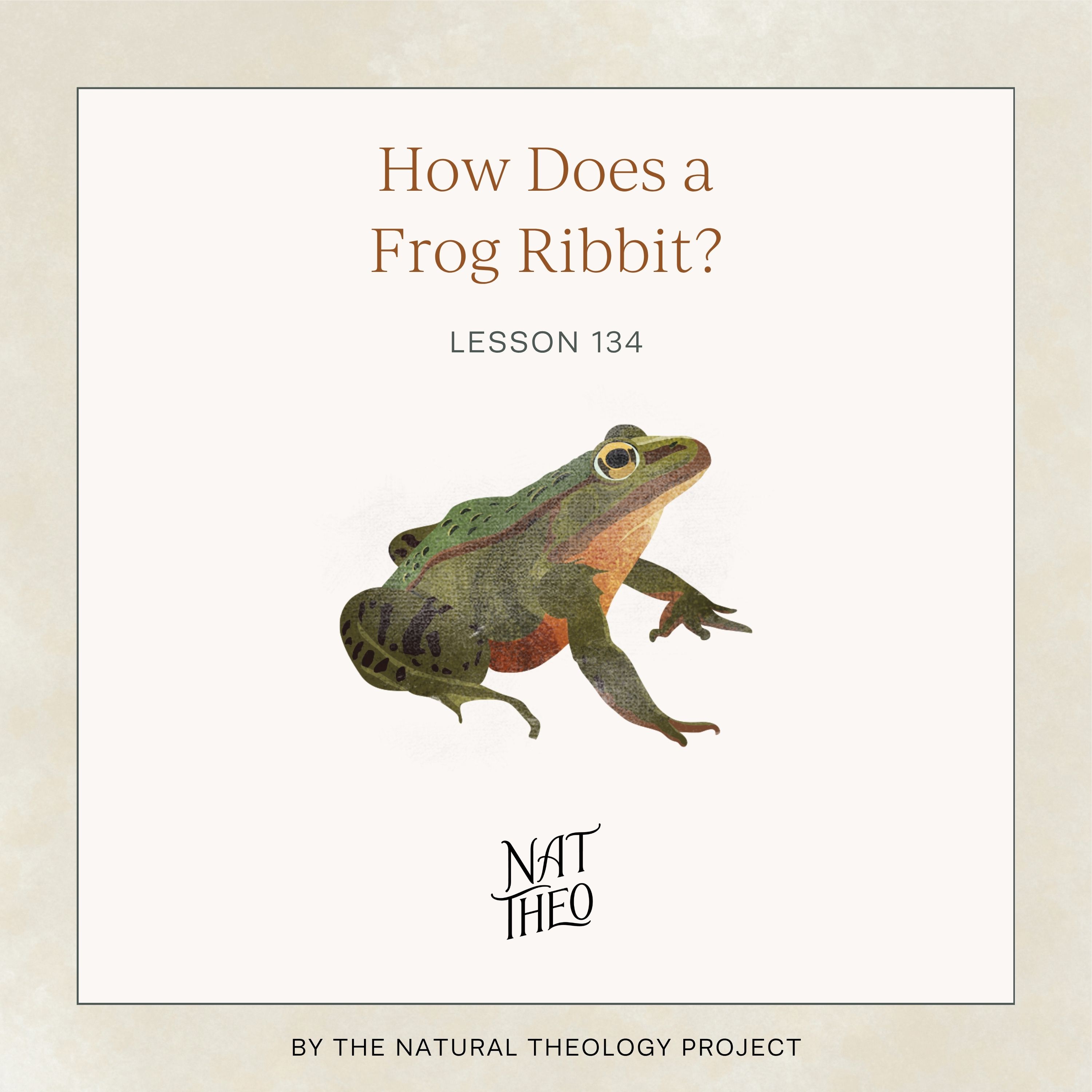
| 6/30/26 | frogsmyths+3 | — | The Natural Theology ProjectWhere Wonder Leads: An Adventure in God's Wild and Wonderful World+4 | — | frogsribbit+3 | — | 27m 44s | ||
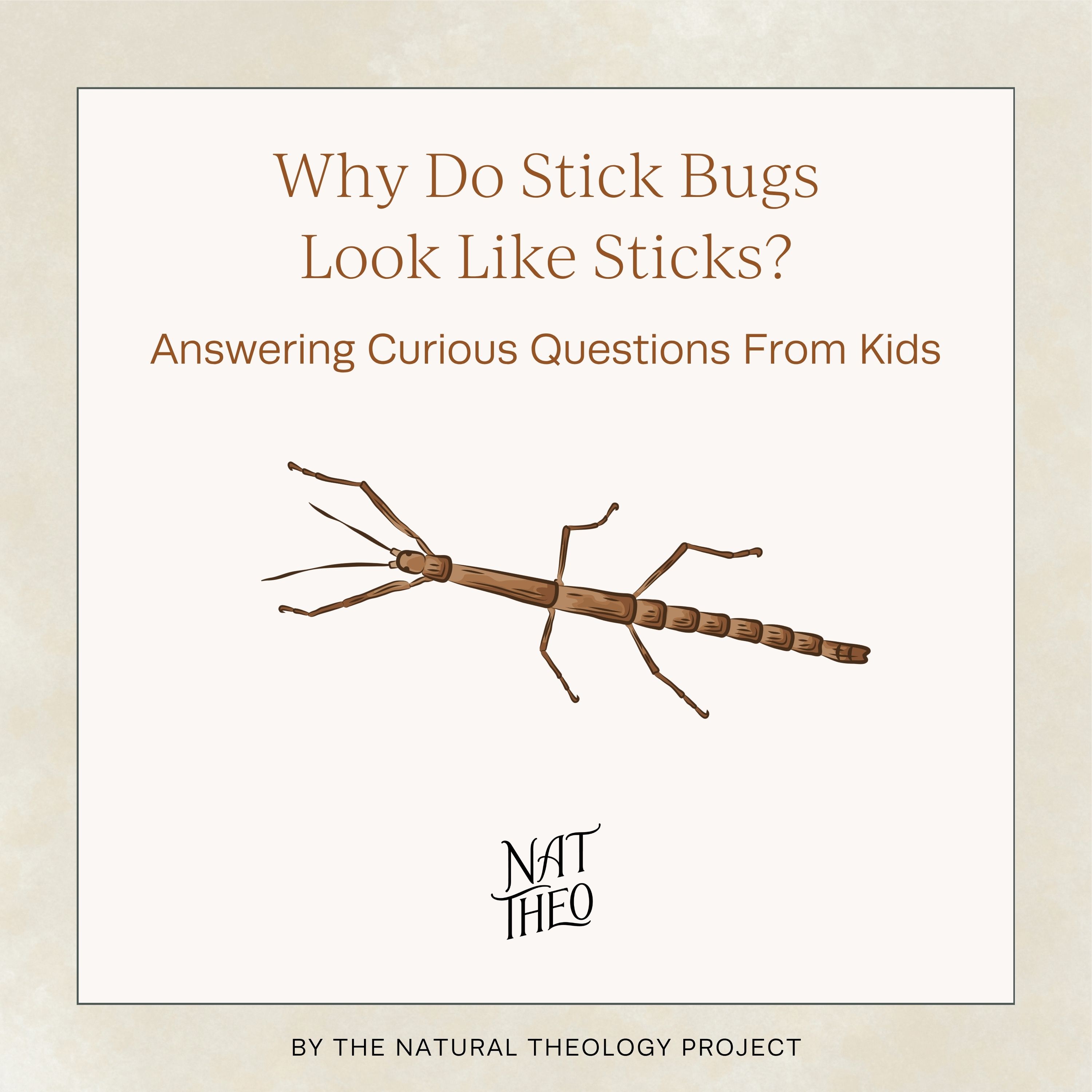
| 6/25/26 | nature questionsinsects+5 | — | Where Wonder Leads: An Adventure in God's Wild and Wonderful WorldMade to Marvel: 52 Family Devotions Exploring the Wild Wonders of God's Creation+6 | — | stick bugsnature questions+5 | Master Books | 17m 01s | ||
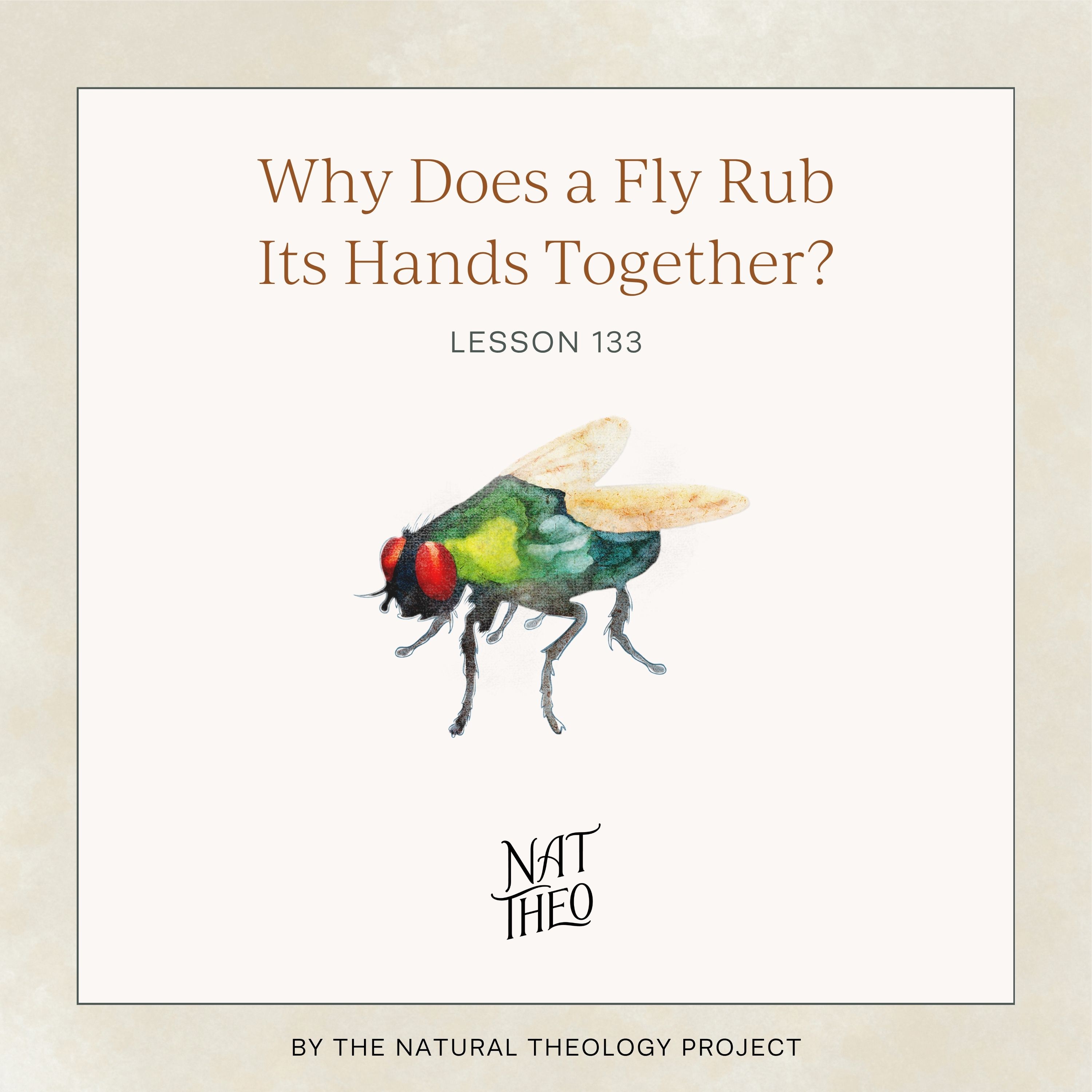
| 6/23/26 | housefliesGod's wisdom+3 | — | Where Wonder Leads: An Adventure in God's Wild and Wonderful WorldMade to Marvel: 52 Family Devotions Exploring the Wild Wonders of God's Creation+3 | — | houseflyGod's creation+3 | CTCMathNPT | 26m 43s | ||
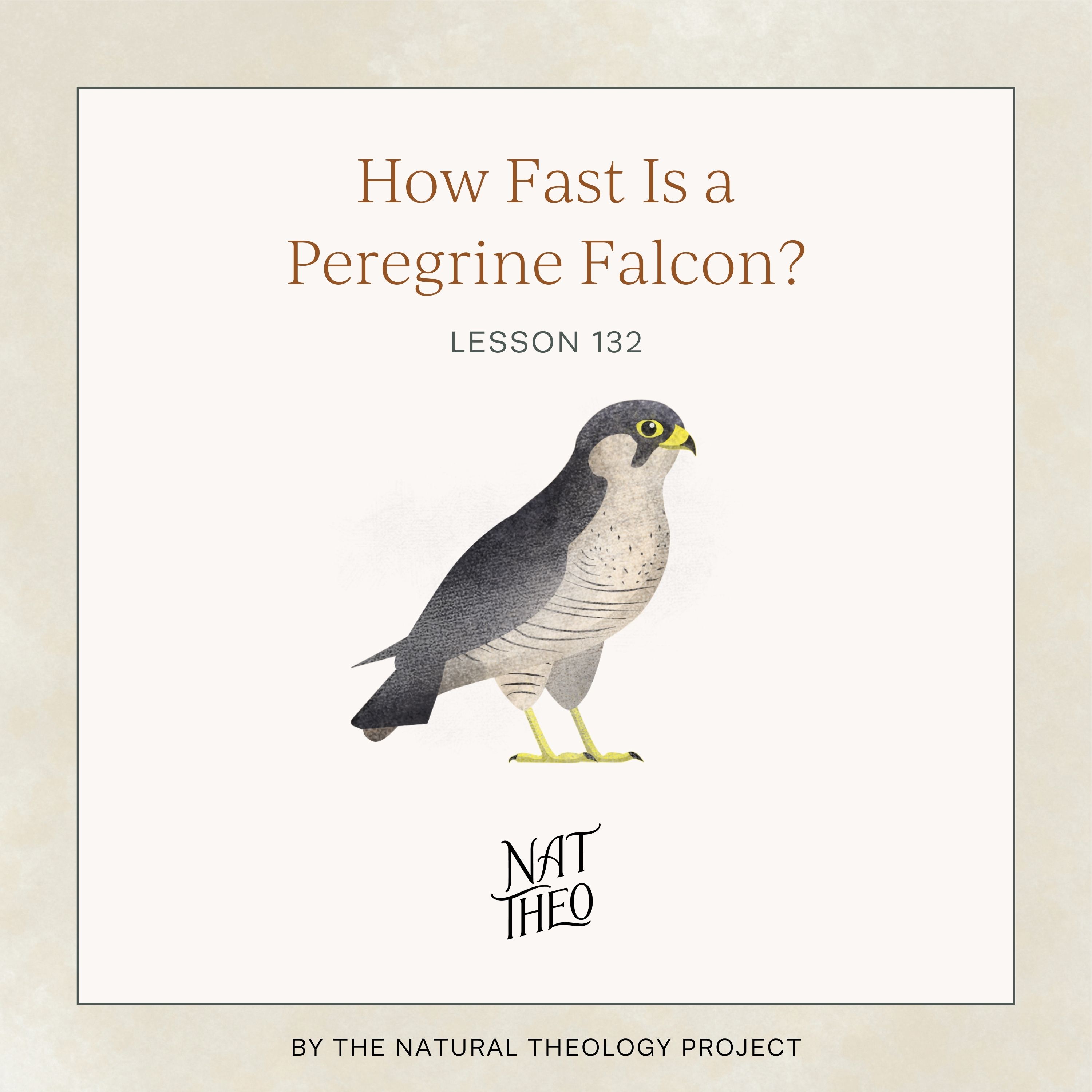
| 6/16/26 | peregrine falconGod's creation+3 | — | Where Wonder Leads: An Adventure in God's Wild and Wonderful WorldMade to Marvel: 52 Family Devotions Exploring the Wild Wonders of God's Creation+4 | Earth | peregrine falconsuper speed+3 | — | 29m 39s | ||
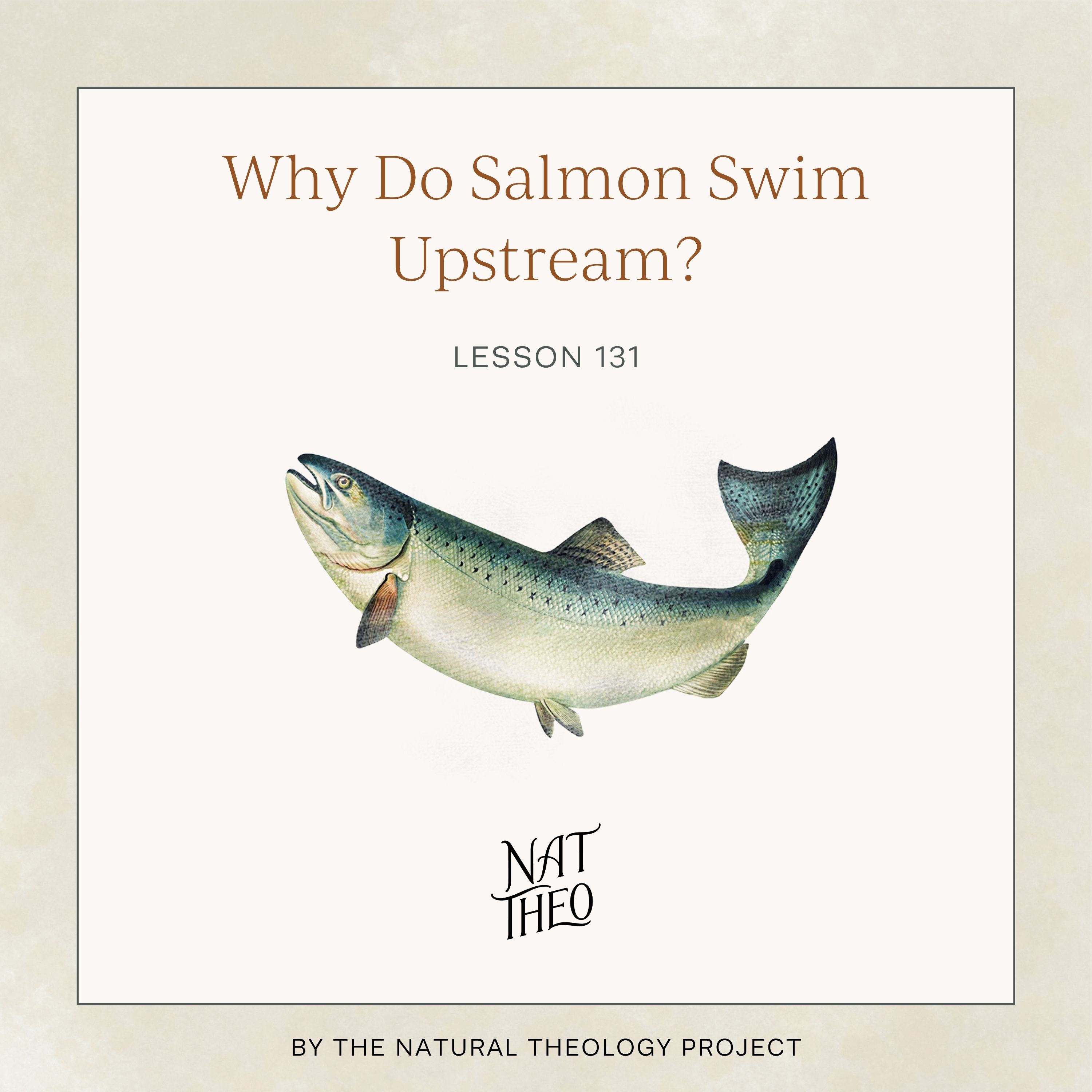
| 6/9/26 | salmonnature+3 | — | Where Wonder Leads: An Adventure in God's Wild and Wonderful WorldMade to Marvel: 52 Family Devotions Exploring the Wild Wonders of God's Creation+4 | — | salmonfreshwater+5 | — | 27m 50s | ||
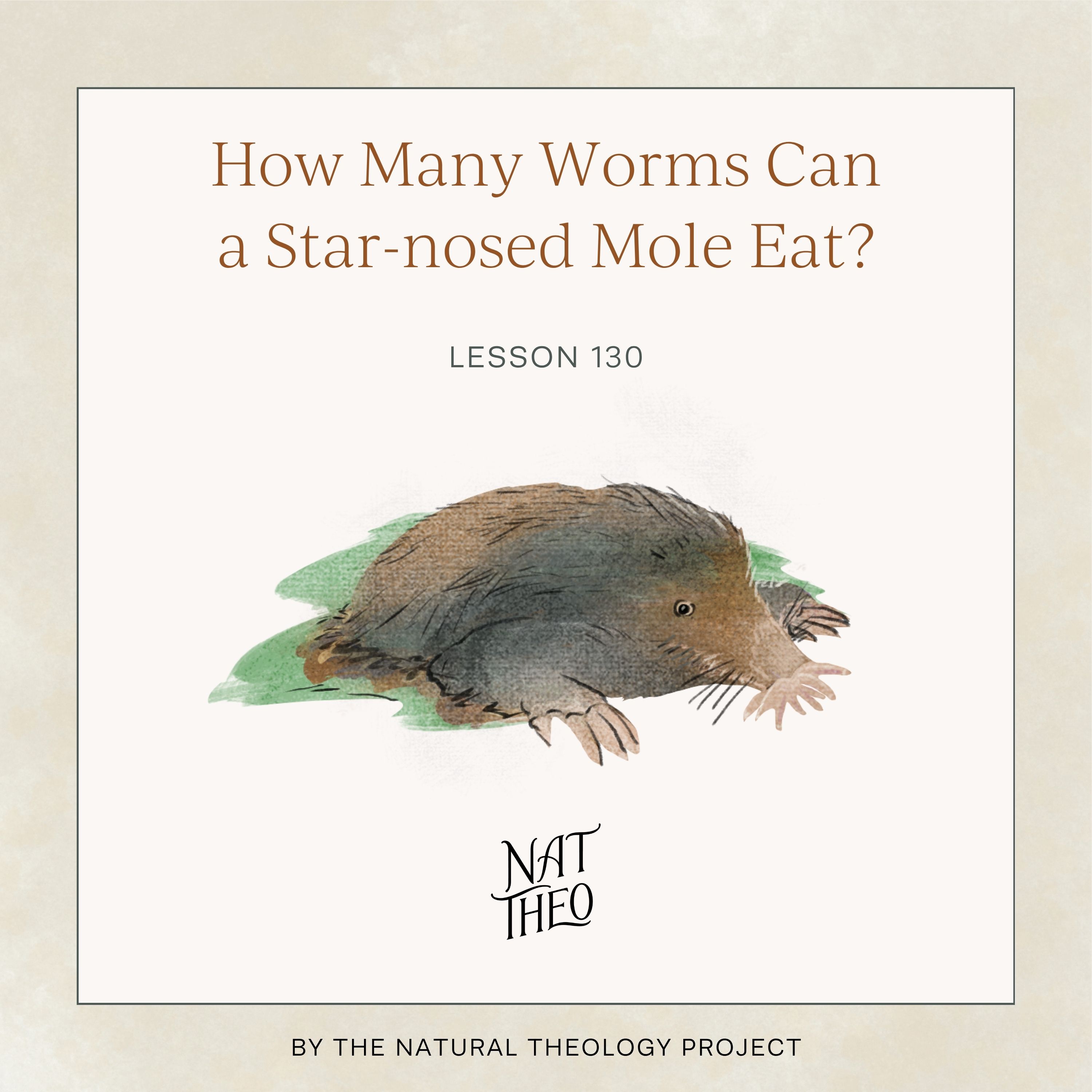
| 6/2/26 | star-nosed moleGod's design+4 | — | CTCMathWhere Wonder Leads: An Adventure in God's Wild and Wonderful World+4 | — | star-nosed molemole diet+3 | — | 28m 25s | ||
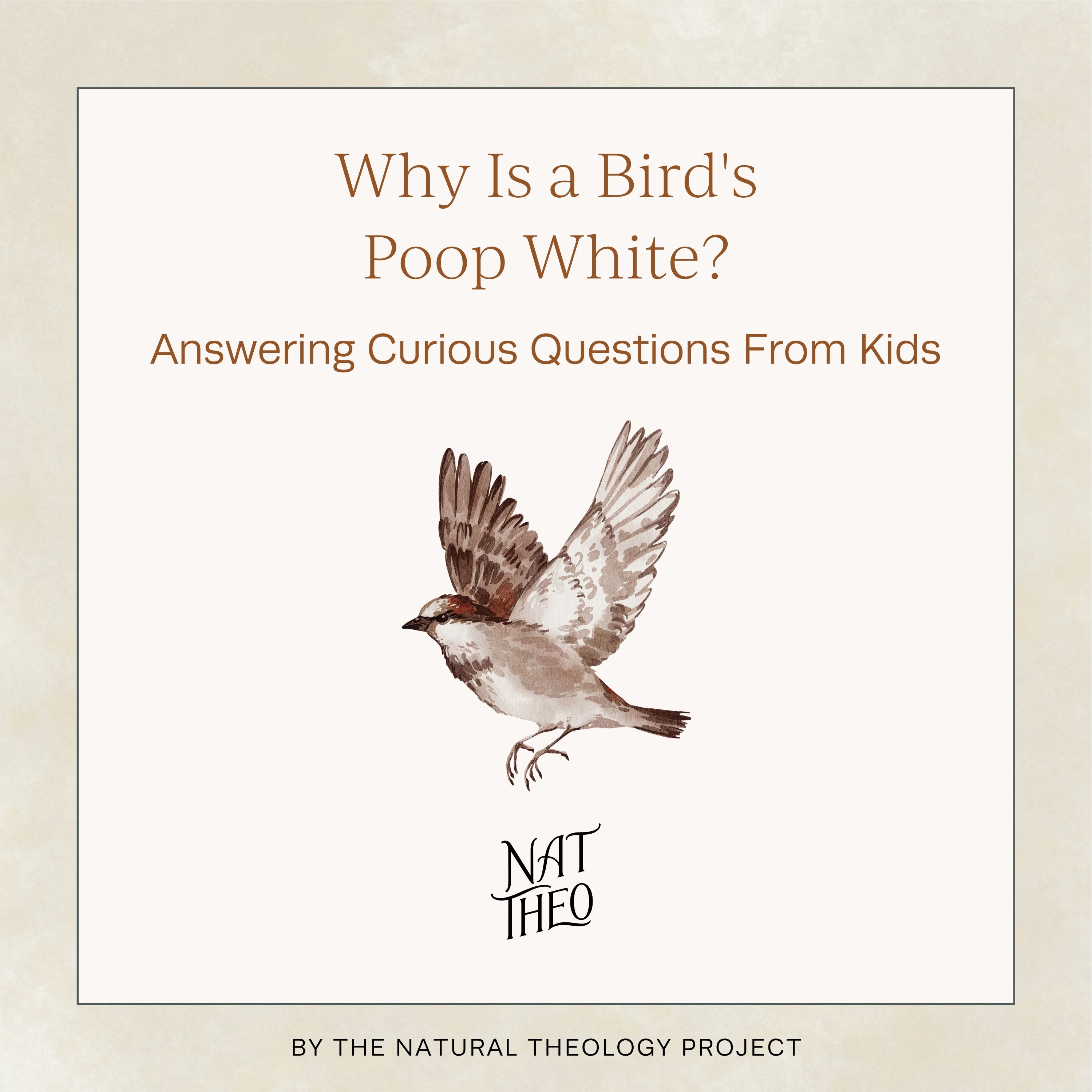
| 5/28/26 | nature questionscuriosity+4 | — | Where Wonder Leads: An Adventure in God's Wild and Wonderful WorldMade to Marvel: 52 Family Devotions Exploring the Wild Wonders of God's Creation+5 | — | bird poopnature questions+3 | Apologia | 17m 33s | ||
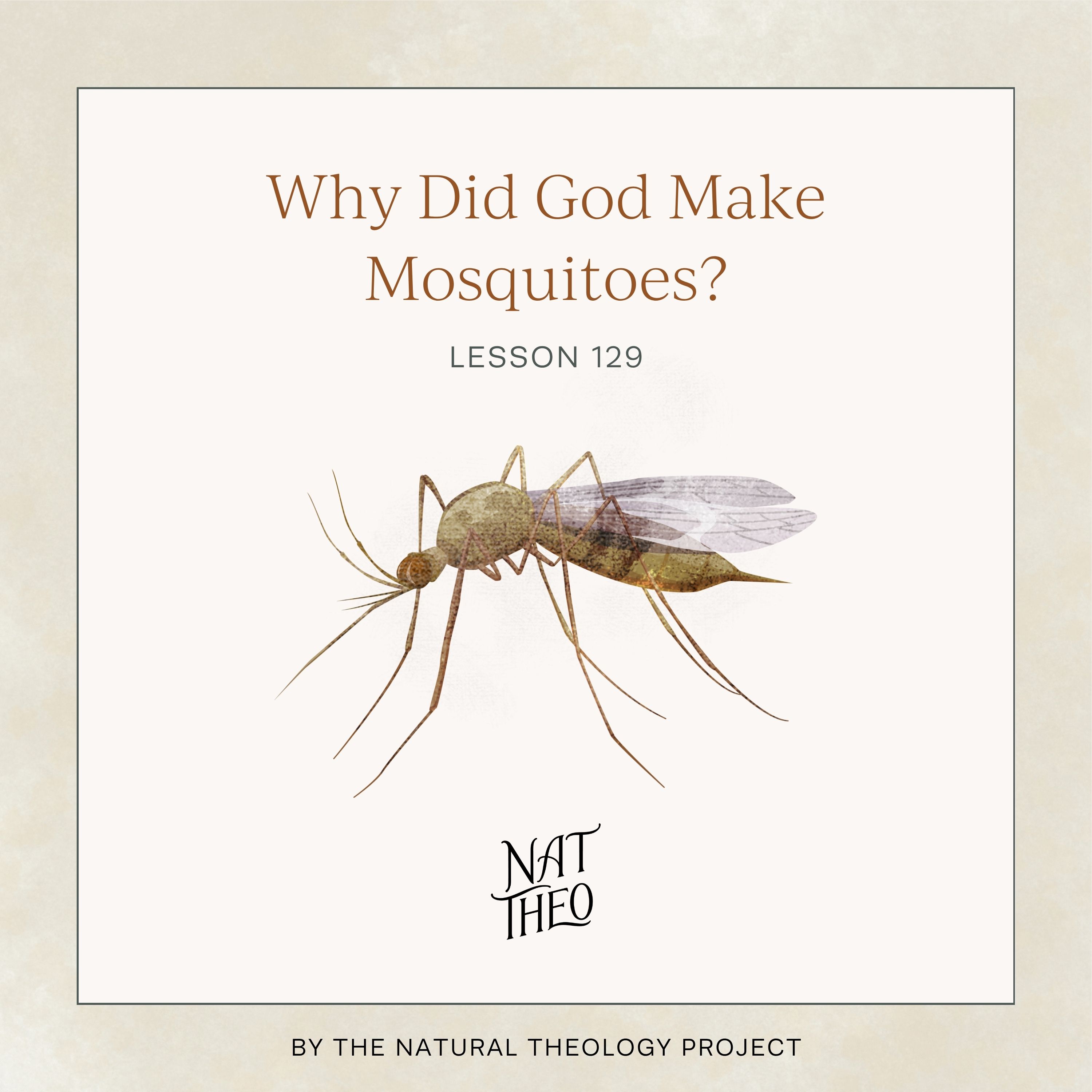
| 5/26/26 | mosquitoesGod's creation+3 | — | Where Wonder Leads: An Adventure in God's Wild and Wonderful WorldMade to Marvel: 52 Family Devotions Exploring the Wild Wonders of God's Creation+4 | — | mosquitoesGod+4 | — | 27m 38s | ||
| 5/19/26 | rainbowsGod's promises+4 | — | Where Wonder Leads: An Adventure in God's Wild and Wonderful WorldMade to Marvel: 52 Family Devotions Exploring the Wild Wonders of God's Creation+3 | — | rainbowsGod+5 | — | 27m 48s | ||
| 5/12/26 | jumping spidersspider behavior+3 | — | ApologiaWhere Wonder Leads: An Adventure in God's Wild and Wonderful World+4 | — | jumping spidersspider bites+3 | — | 26m 20s | ||
| 5/7/26 | prayercreation+3 | Sherilyn Grant | Magnify: A Wild & Wonderful Summer AdventureTruth Seekers Podcast+4 | — | Psalm 8prayer+3 | — | 9m 18s | ||
| 5/5/26 | sea starsregrowth+4 | — | Sensational Sea CreaturesThe Nature of Rest: What the Bible and Creation Teach Us About Sabbath Living+3 | God | sea starstarfish+5 | — | 22m 26s | ||
Showing 25 of 173
Pitch Fit is a Pro feature
See how bookable this show is for guests, which brands already advertise, the per-episode ad value, and the best-fit guest and sponsor profile. The numbers are blurred on the free plan.
How readily this show books outside guests like you.
How proven this show is for host-read sponsorships.
For Guests
ProFor Advertisers
ProUpgrade to Pro to unlock guest cadence, sponsor categories, fit scores, and per-episode ad value for this show.
Similar Audience Demographics
Podcasts that attract a similar listener profile

Real Cool History for Kids
Angela O'Dell
Tiny Theologians
Tiny Theologians

Lamplighter Kids Stories
Lamplighter Kids Stories

The Biggest Story
Crossway

God's Big Story
The Village Church

Parenting with Ginger Hubbard
Ginger Hubbard

Truth Seekers: Bible Stories for Kids - Christian Kids Podcast, Family-Friendly Bible Podcast, Christian Parenting Resource
Sherilyn R. Grant and Christian Parenting
Distribution & Reach
About the show, platforms, and key insights.
Distribution & Reach
About the show, platforms, and key insights.
Key insights
What the show covers
- nature lessons from a biblical perspective
- life lessons through creation
- God's guidance in nature
- understanding life through nature
Audience interests
- nature exploration for children
- Bible teachings for families
- educational content for kids
- spiritual growth through nature
Platform reach
- available on major podcast platforms
- potentially on family-oriented networks
- targeted towards educational audiences
- engaging for faith-based communities
Publishing consistency
- 144 episodes produced
- active for 3 years
- weekly or more episodes
- consistent content delivery
Chart history for Nat Theo Nature Lessons Rooted in the Bible
Peaked at #4 in NG, top 10 in 3 of 50 tracked markets, currently #4 in NG.
| Market | Genre | Peak | Current | Trend |
|---|---|---|---|---|
| NG | — | #4 | #4 | — |
| KE | — | #4 | #4 | — |
| United States | — | #8 | #8 | — |
| MY | — | #17 | #17 | — |
| South Africa | — | #17 | #17 | — |
| Canada | — | #20 | #20 | — |
| Ireland | — | #24 | #24 | — |
| SG | — | #24 | #24 | — |
| CL | — | #24 | #24 | — |
| AE | — | #26 | #26 | — |
| New Zealand | — | #28 | #28 | — |
| ID | — | #31 | #31 | — |
| Brazil | — | #31 | #31 | — |
| Australia | — | #33 | #33 | — |
| United States | — | #37 | #37 | — |
| NG | — | #40 | #40 | — |
| RO | — | #41 | #41 | — |
| PH | — | #41 | #41 | — |
| KE | — | #46 | #46 | — |
| Mexico | — | #50 | #50 | — |
Chart Positions
50 placements across 38 markets.
Chart Positions
50 placements across 38 markets.