
National Rural Education Association Official Podcast
by Dr Allen Pratt, Mr. Jared Bigham
Is this your podcast?Insights from recent episode analysis
Audience Interest
Podcast Focus
Publishing Consistency
Platform Reach
Insights are generated by CastFox AI using publicly available data, episode content, and proprietary models.
Most discussed topics
Brands & references
Est. Listeners
Insufficient chart data. Estimates will improve as the show charts.
- Per-Episode Audience
Est. listeners per new episode within ~30 days
N/A🎙 Weekly cadence·88 episodes·Last published 1w ago - Monthly Reach
Unique listeners across all episodes (30 days)
N/A - Active Followers
Loyal subscribers who consistently listen
N/A
Market Insights
Platform Distribution
Reach across major podcast platforms, updated hourly
Total Followers
—
Total Plays
—
Total Reviews
—
* Data sourced directly from platform APIs and aggregated hourly across all major podcast directories.
On the show
From 14 epsHosts
Recent guests
Recent episodes
S05E14 - Rethinking Health Benefits for Rural Schools: An Interview with Brett Jennrich and Mark Gilmore of Apollo Health Insurance
Aug 28, 2026
Unknown duration
S05E13 Why Context Matters: Global Lessons from Rural and Remote Education, An Interview with Jerry Johnson and Hobart Harmon
Aug 23, 2026
Unknown duration
S05E12 - Building Rural Schools That Last: A Conversation with NFARE Keynote Dr. PJ Caposey
Aug 14, 2026
Unknown duration
S05E11 - Innovation, Leadership, and Hope in Rural Education: An Interview with Thomas C. Murray, NFARE 2026 Keynote
Jul 31, 2026
Unknown duration
S05E10 - Telling the NREA Story: Annual Report, Strategic Vision, and the Future of Rural Education
Jul 24, 2026
Unknown duration
Social Links & Contact
Official channels & resources
Official Website
Login
RSS Feed
Login
| Date | Episode | Topics | Guests | Brands | Places | Keywords | Sponsor | Length | |
|---|---|---|---|---|---|---|---|---|---|
| 8/28/26 |  S05E14 - Rethinking Health Benefits for Rural Schools: An Interview with Brett Jennrich and Mark Gilmore of Apollo Health Insurance | In this episode of The Rural Voice, the official podcast of the National Rural Education Association, hosts Dr. Bill Chapman, Dr. Melissa Sadorf, and Dr. Christopher Silver welcome Brett Jennrich and Mark Gilmore of Apollo Health Insurance. Brett serves as Apollo’s Director of Affinity Partnerships, while Mark is the company’s Chief Operating Officer. The conversation introduces Apollo’s new partnership with NREA and examines what it will offer rural school districts, educators, and their families. Brett and Mark describe Apollo’s development as a family-owned insurance brokerage and explain how the company’s personal connections to education helped shape its work with rural schools. The guests discuss the escalating cost of employee health insurance, limited healthcare networks, rural hospital closures, prescription costs, and the challenges districts face when insurance pools or consortiums become unstable. They also explain how Apollo works with districts through individual consultations, employee education, claims advocacy, year-round support, and customized insurance strategies. The discussion highlights several emerging approaches, including direct primary care, level-funded plans, self-funded plans, Individual Coverage Health Reimbursement Arrangements, and individual coverage options for spouses, children, substitute teachers, and other part-time employees. Brett and Mark share stories illustrating how personalized assistance can reduce family insurance costs, protect families during medical emergencies, and strengthen employee recruitment and retention. The episode concludes with information about Apollo and NREA’s upcoming educational opportunities, including monthly office hours, a September webinar, and Apollo’s participation in the National Forum to Advance Rural Education in San Antonio. | — | ||||||
| 8/23/26 |  S05E13 Why Context Matters: Global Lessons from Rural and Remote Education, An Interview with Jerry Johnson and Hobart Harmon | In this episode of The Rural Voice, Bill Chapman and Christopher Silver speak with Dr. Jerry Johnson and Dr. Hobart Harmon, editors of the Handbook on Rural and Remote Education. The conversation examines the challenges rural schools share worldwide, the importance of understanding local context, and the strengths that rural communities bring to education. Johnson and Harmon discuss place-based education, collaborative leadership, school consolidation, community development, and opportunities for rural educators and researchers to learn from international colleagues. The Handbook on Rural and Remote Education brings together nearly 60 contributors across 32 chapters examining teaching, leadership, innovation, equity, rural development, and future research. Learn more about the book through ElgarOnline. Tourette Association of America sponsored this episode. | — | ||||||
| 8/14/26 |  S05E12 - Building Rural Schools That Last: A Conversation with NFARE Keynote Dr. PJ Caposey | In this episode of The Rural Voice, Dr. Melissa Sadorf, Dr. Bill Chapman, and Dr. Christopher F. Silver speak with Dr. PJ Caposey, superintendent of Oregon Community Unit School District 220, best-selling author, and upcoming keynote speaker at the National Forum to Advance Rural Education. A nationally recognized public education leader and the most published sitting superintendent in the country, Dr. Caposey reflects on the experiences that transformed his understanding of effective school leadership. Dr. Caposey discusses becoming a rural principal at age 28 and the difficult early leadership experience that forced him to reconsider an approach driven primarily by ambition, authority, and work ethic. He explains how he came to understand that leadership is fundamentally human work centered on relationships, accountability, influence, and the development of others. The conversation explores the difference between school culture and climate, the importance of building systems that can operate independently of one charismatic leader, and why rural districts should prioritize retaining and developing the educators they already have. Dr. Caposey also discusses instructional rigor, the need to measure whether programs and processes actually improve student outcomes, and the value of returning to proven educational fundamentals rather than pursuing innovation for its own sake. Drawing from his experiences, Dr. Caposey offers a candid perspective on work, purpose, self-awareness, and personal growth. The episode concludes with a compelling argument that effective rural school leaders can change not only the trajectory of their schools, but also the educational and economic future of their communities. | — | ||||||
| 7/31/26 |  S05E11 - Innovation, Leadership, and Hope in Rural Education: An Interview with Thomas C. Murray, NFARE 2026 Keynote | In this episode of The Rural Voice, hosts Bill Chapman, Melissa Sadorf, and Chris Silver welcome Thomas C. Murray, Director of Innovation for Future Ready Schools, author, national speaker, and opening keynote presenter for the 2026 National Forum to Advance Rural Education in San Antonio, Texas. Drawing on his experience as a teacher, principal, district leader, and national advocate, Murray reflects on what makes rural schools distinct and why their people, relationships, flexibility, and deep commitment to students are among their greatest strengths. The conversation examines how rural educators can approach innovation strategically, expand access to work-based learning, prepare students for a workforce being reshaped by artificial intelligence, and build new opportunities by first examining the expertise and resources already present within their schools and communities. Murray also discusses the human side of organizational change, including the importance of trust, clearly communicating the reason behind new initiatives, providing sustained support, and helping educators see what successful change looks like in practice. The hosts explore innovation fatigue, leadership turnover, and the risks of chasing every new program or technology instead of remaining focused on strong instruction, durable skills, and student needs. The episode also highlights the power of combining data with personal stories when advocating for rural schools and building relationships with policymakers. Murray closes by sharing why educators, school leaders, support staff, and the next generation of students continue to give him hope, while offering listeners a preview of the practical strategies, storytelling, humor, and encouragement they can expect from his keynote at NFARE. | — | ||||||
| 7/24/26 | 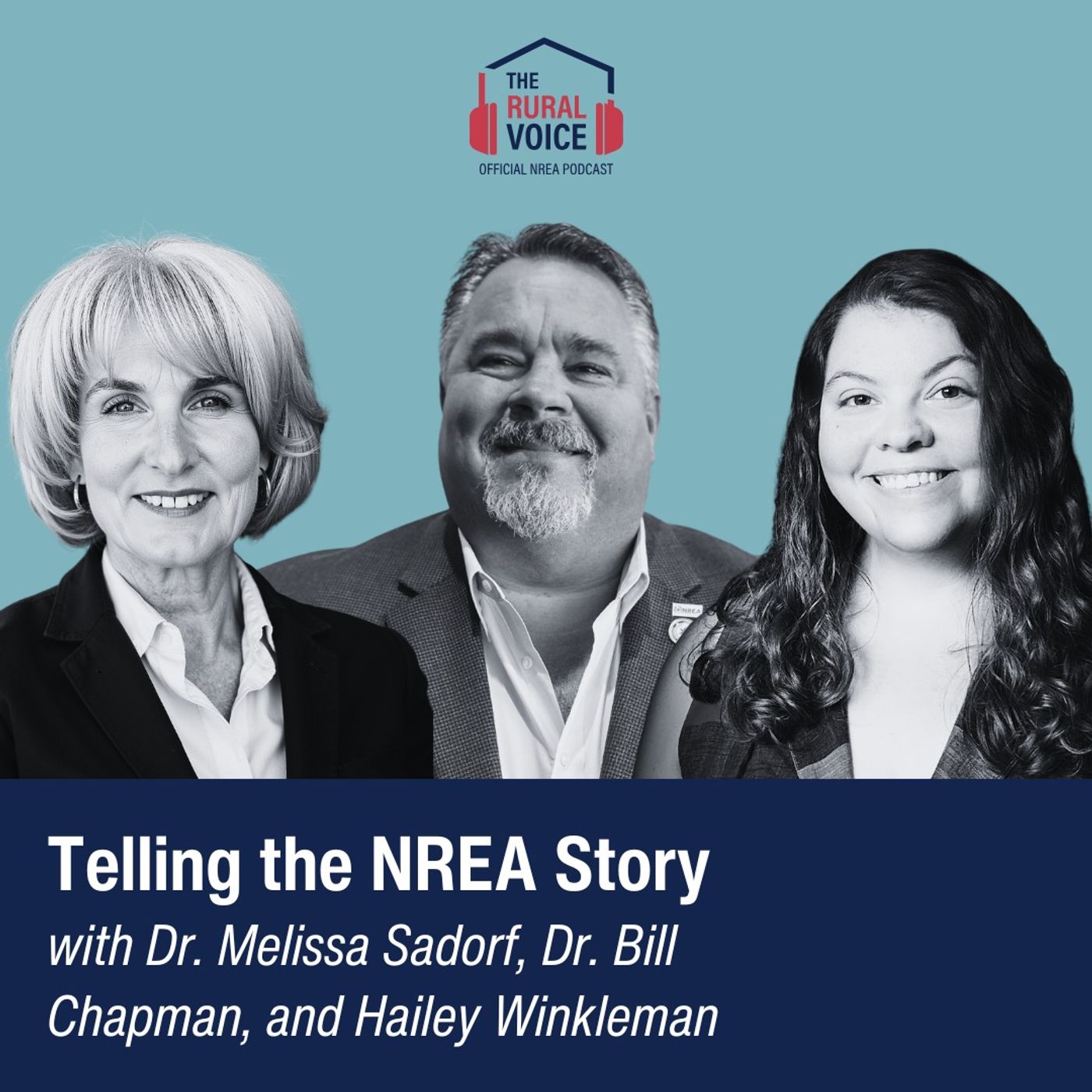 S05E10 - Telling the NREA Story: Annual Report, Strategic Vision, and the Future of Rural Education | In this episode of *The Rural Voice*, Dr. Christopher Silver is joined by Dr. Bill Chapman, Dr. Melissa Sadorf, and Hailey Winkleman for a conversation about the National Rural Education Association’s first-ever annual report and what it reveals about the organization's future. Together, they discuss how the report brings together data, storytelling, design, member engagement, and strategic planning to offer a clear picture of where NREA has been, where it is now, and where it is headed. Hailey shares how the report was developed as a more accessible and visually engaging way to tell NREA’s story, while Dr. Chapman and Dr. Sadorf reflect on the organization’s renewed mission, vision, and five-year strategic priorities. The conversation also highlights expanded membership benefits, state affiliate partnerships, strategic partners, research opportunities, *The Rural Educator*, the *Why Rural Matters* report, the NREA Foundation, and the upcoming National Forum to Advance Rural Education in San Antonio. This episode offers listeners a behind-the-scenes look at NREA’s work to strengthen rural schools and communities through advocacy, research, professional learning, and deeper national collaboration. | — | ||||||
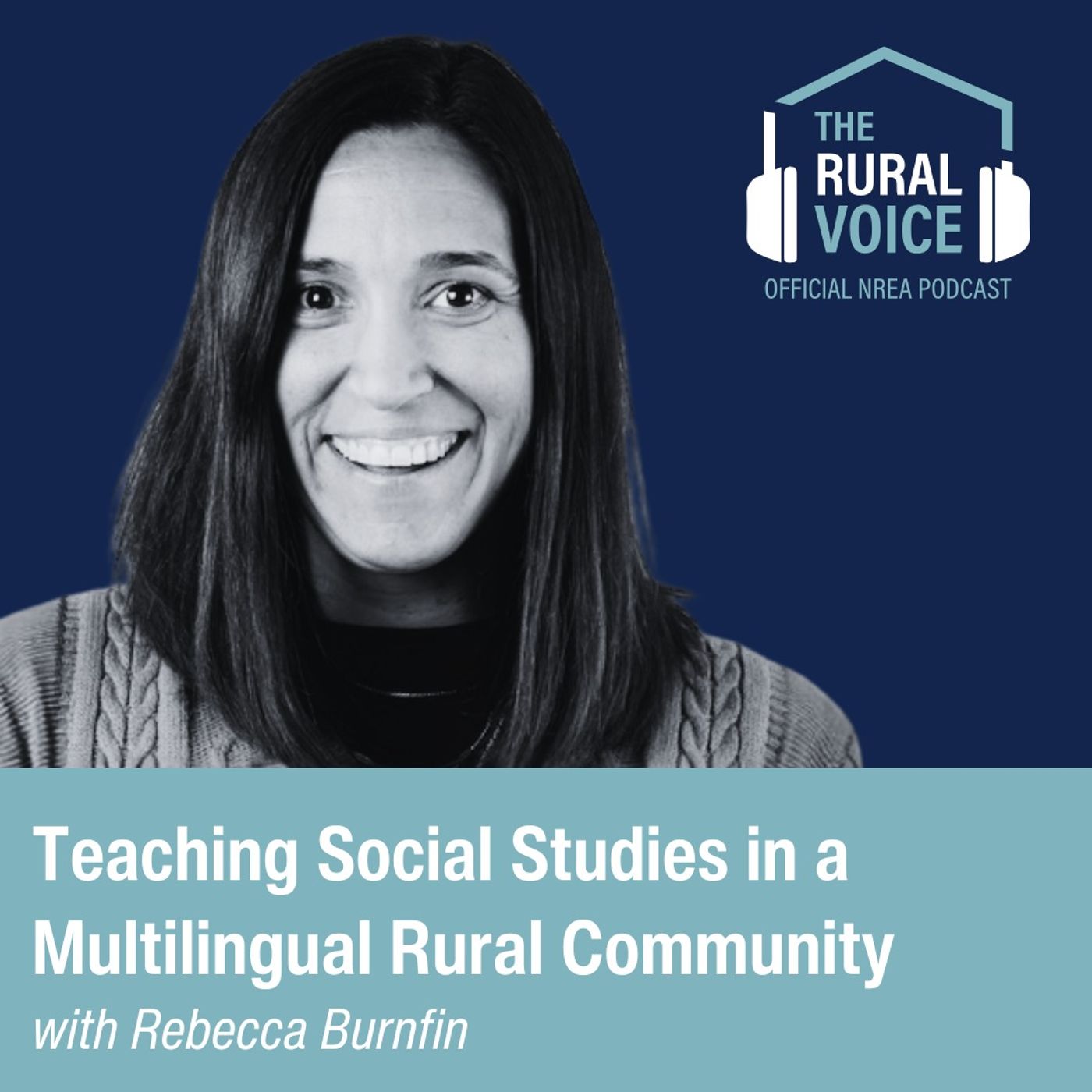
| 7/17/26 | social studiesmultilingual education+3 | Rebecca Burnfin | Garden City High School | Kansas | social studiesmultilingual+5 | — | 29m 24s | ||
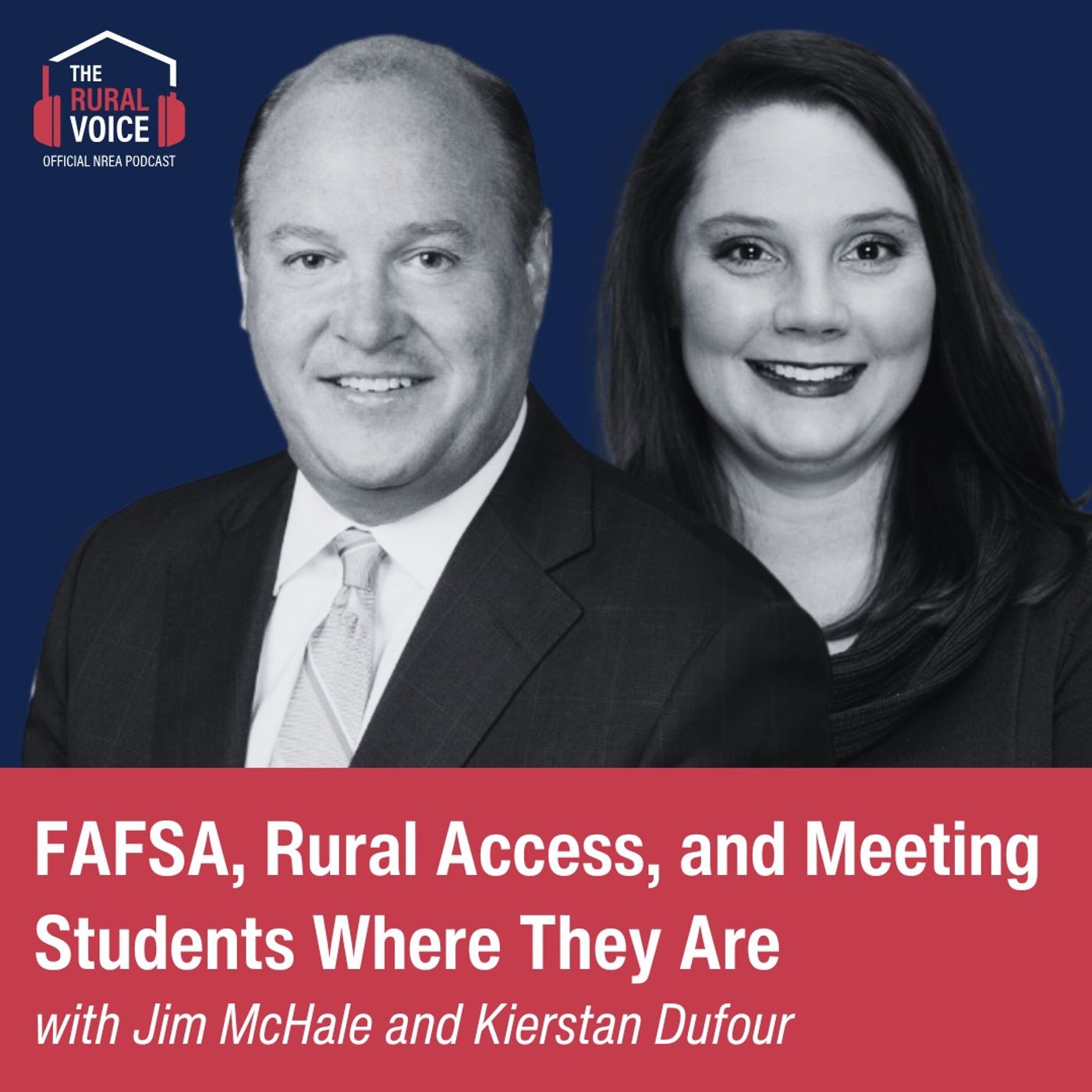
| 7/10/26 | FAFSA completionrural education+4 | Jim McHaleKierstan Dufour | Woodward Hines Education FoundationMississippi Higher Education Assistance Corporation+1 | Mississippi | FAFSAMississippi+5 | — | 34m 05s | ||
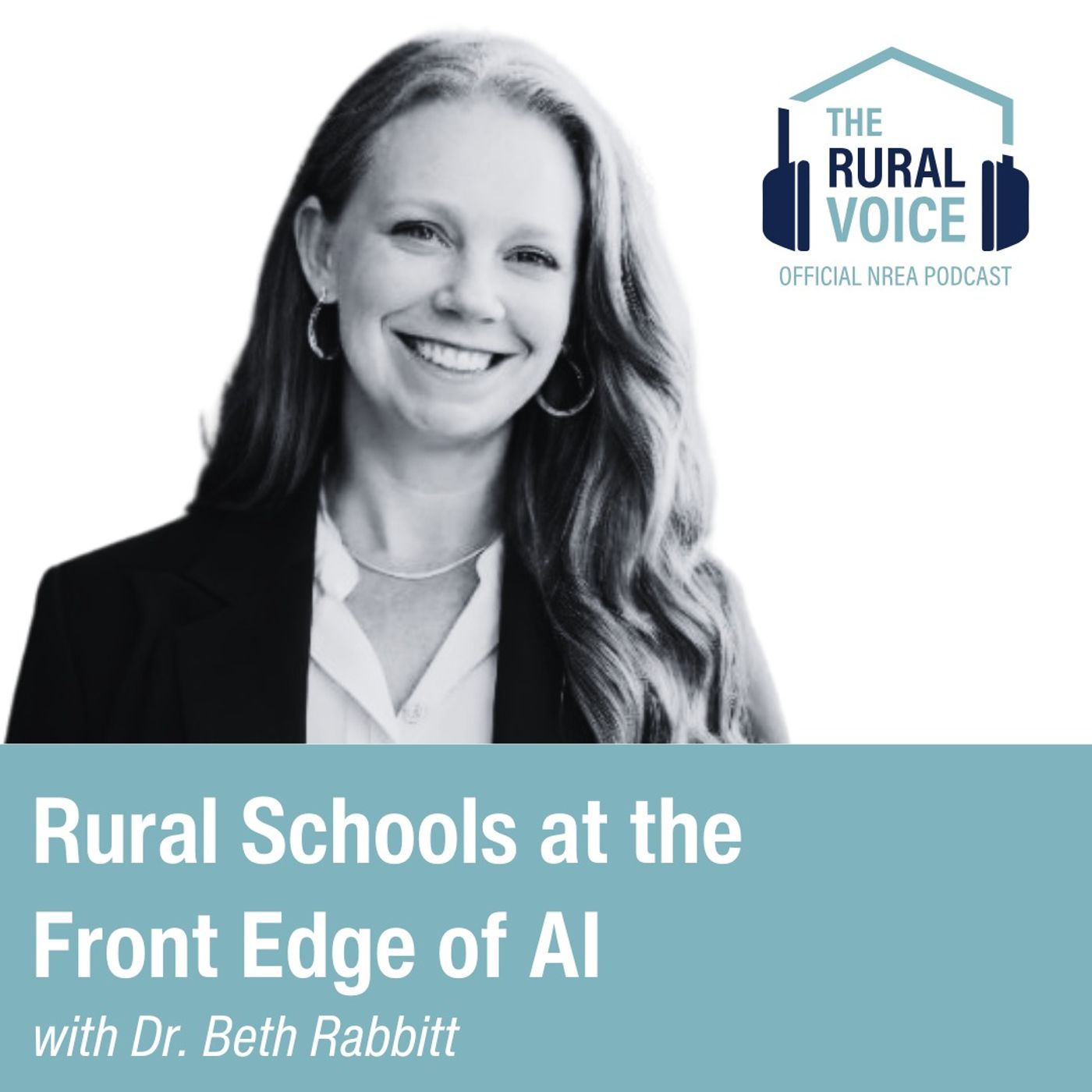
| 6/2/26 | artificial intelligencerural education+3 | Dr. Beth Rabbitt | FullScale | — | AIrural schools+5 | — | 42m 01s | ||
| 4/24/26 | literacy coachingrural education+3 | Tracy KingsleyAshley Wood | Newburgh R2 School DistrictTNTP | — | literacy coachingrural schools+3 | — | 37m 40s | ||
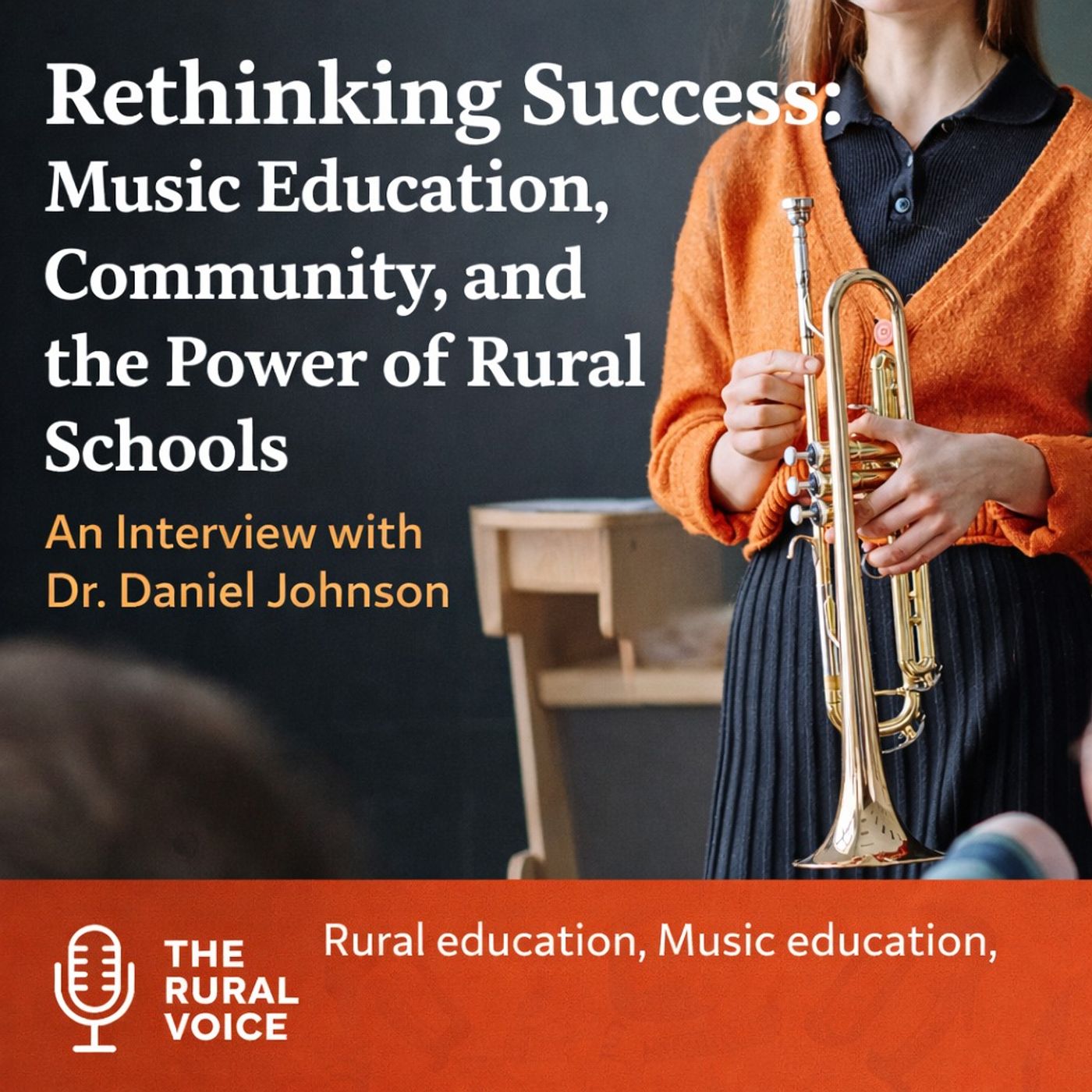
| 3/31/26 | music educationrural education+2 | Dr Daniel Johnson | Music Education in Rural AmericaHolistic Musical Thinking+10 | VermontNew Hampshire+1 | rural schoolsinterdisciplinary arts education+2 | — | 39m 23s | ||
Want analysis for the episodes below?Free for Pro Submit a request, we'll have your selected episodes analyzed within an hour. Free, at no cost to you, for Pro users. | |||||||||
| 12/15/25 | school choicerural education+3 | Dr Preston Green | The Rural Voice Podcastthe University of Connecticut’s+9 | — | education lawfunding shortfalls+2 | — | 34m 35s | ||
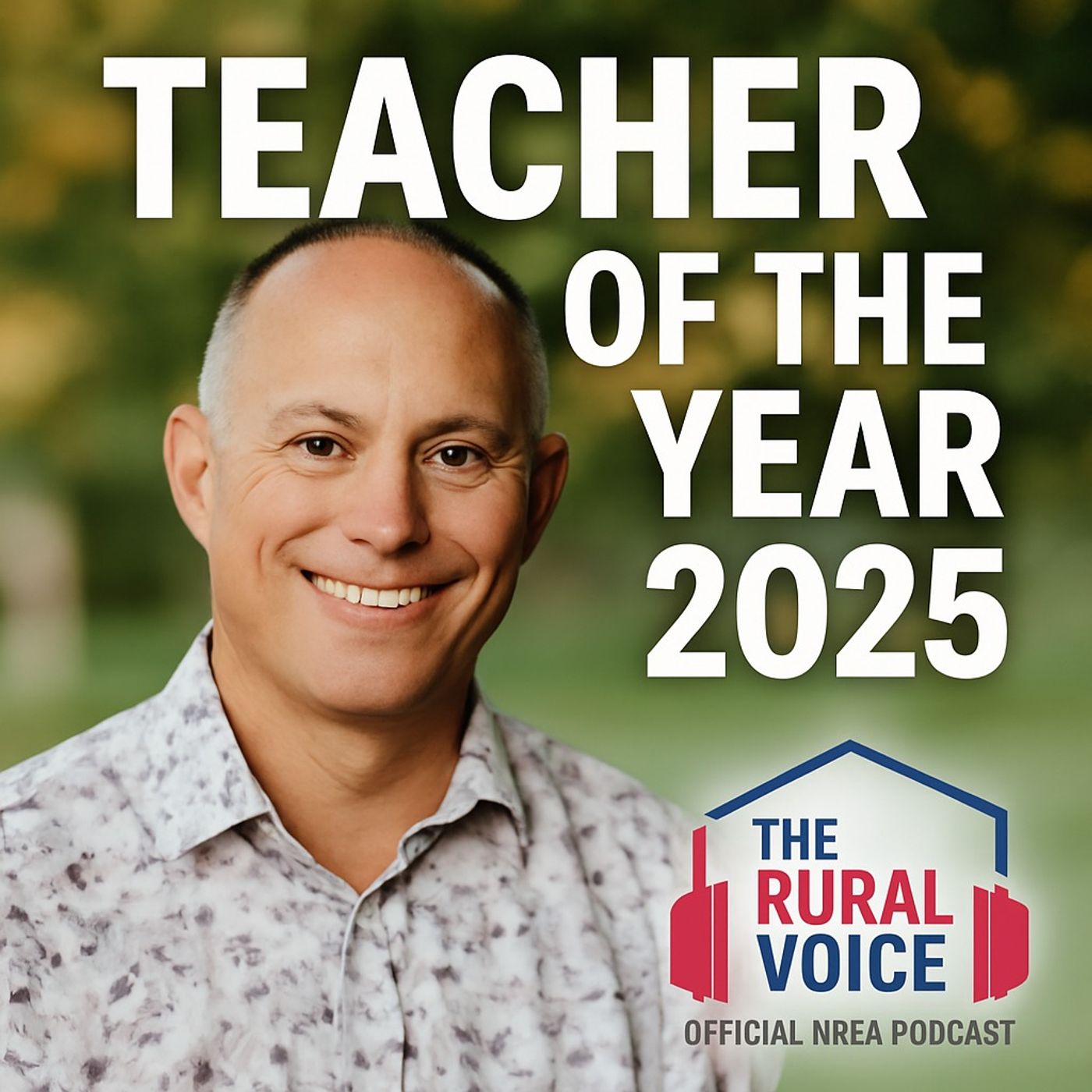
| 10/10/25 | rural educationmath teaching+3 | Jeff Granrud | math toolseducational technology+7 | North Dakota | Teacher of the Yearrural math+3 | — | 23m 39s | ||
| 10/3/25 | NREA conventionprofessional growth+3 | Bill ChapmanChristopher Silver+1 | NREANFARE | — | NFARE 2025educators+2 | — | 30m 48s | ||
| 9/25/25 | rural educationleadership+2 | Dr Melissa SadorfDr Bill Chapman | the National Rural Education AssociationNREA+3 | Salt Lake City | NREANational Forum to Advance Rural Education+3 | — | 21m 32s | ||
| 1/15/25 | rural educationcareer readiness+3 | Lisa Rahn | eDynamic LearningeDynamic Learning's | U.S. | eDynamic LearningCTE pathways+2 | — | 29m 51s | ||
| 10/25/24 | teacher shortagerural education+3 | Annette Logsdon-Rodriguez | Proximity LearningRural Education+11 | Texas | Proximity Learningeducation solutions+3 | — | 32m 07s | ||
| 9/19/24 | meteorologyeducation+3 | Rachael Straughn | M.S. EdBachelors in Meteorology+6 | SealeAlabama+7 | Russell County High SchoolSeale Alabama+3 | — | 36m 54s | ||
| 8/20/24 | economic developmentcommunity revitalization+2 | Jon Chadwell | tech depotthe Newport Arkansas Economic Development Commission+15 | NewportArkansas+5 | small town investmentinfrastructure+3 | — | 33m 03s | ||
| 8/19/24 | student data privacytechnology+3 | Linnette Attai | CoSN resourcesthe Rural Voice+4 | U.S. | CoSNhacking+3 | — | 31m 37s | ||
| 5/17/24 |  S04E04 - Engaging Communities through Higher Education, an Interview with Dr. Brian Noland, President of East Tennessee State University | For this episode, we interview Dr. Brian Noland, the President of East Tennessee State University (ETSU). ETSU is a rural university serving the states of Tennessee, Virginia, North Carolina, and Kentucky. ETSU is located in a mountainous area of the country and has a strong presence in these states. ETSU has a strong education program for developing Rural Southeast United States teachers. We discussed the future of rural communities and how graduates from ETSU support these communities. Dr Noland believes that relationships are an important part of advocacy for raising awareness of the unique challenges within mountain communities. Dr. Noland believes in making a presence in these rural areas to serve this relationship focus. We discussed the importance of humility in making these relationships and meeting students and teachers where they are. We discuss some of the biggest challenges in education in the rural south. We talk about raising attainment levels. We discussed changing the perception of higher education in rural areas. For example, higher education wastes time and money indoctrinating students, and students will be hundreds of thousands of dollars in debt. Dr. Noland discusses the challenges of this narrative in helping students make the right decision for them. With all the available student funding through programs such as Tennessee Promise, students can attend college with little to no debt. One of the biggest challenges is this false narrative about college. Higher education empowers students to have greater earning power in the marketplace. ETSU is an economic driver of innovation and job creation in the rural south. ETSU is a teaching school and a medical science school. Many local residents connect with medical and educational professionals trained at ETSU. In other words, many residents connect with ETSU in many ways. We end the episode by discussing the role of ETSU Elevates, where students build a community partnership with organizations. The goal is to build student/community engagement to solve community challenges and to give back to small towns by working with community partners and meeting needs as identified by those partners. Dr. Noland shared that he and his team want students to dream big and actualize their dreams. Dr. Noland’s Bio Since 2012, Dr. Brian Noland has served as the ninth president of East Tennessee State University. Before that, he led the development and implementation of higher education policy in Tennessee and West Virginia. Dr. Noland’s Socials X (formally Twitter): https://x.com/ETSUPrez Instagram: https://www.instagram.com/etsuprez/ -LinkedIn: https://www.linkedin.com/in/brian-noland-etsu/ ETSU is part of Four the Future, a statewide initiative to showcase the value of a four-year degree for Tennesseans. Learn more at fourthefuturetn.com. Facebook: https://www.facebook.com/FourTheFutureTN/ LinkedIn: https://www.linkedin.com/company/four-the-future-tn/ ETSU’s Socials X (formally Twitter): https://x.com/etsu Instagram: https://www.instagram.com/etsu/ LinkedIn: https://www.linkedin.com/school/east-tennessee-state-university Facebook: https://www.facebook.com/easttennesseestateuniversity/ This episode is sponsored by My Credential at https://www.mycredential.com/ | — | ||||||
| 5/8/24 |  S04E03 – Understanding New Teacher Expectations in Rural America from Retention to Practice. An Interview with Dr. Casey Jakubowski. | We interviewed Dr. Casey Jakubowski about teacher retention, policy, and practice. Dr. Jakubowski shared that Appalachia extends into New York State, and we reflected on how New York has large rural communities. Much of Dr. Jakubowski's work has focused on these communities and beyond (including West Virginia). We discuss the changing trends of job availability to applicants. We discuss burnout of new rural teachers and pay disparities between urban versus suburban teaching. The revolving door of teachers causes students not to have a permeance of personalities and connections with teachers. Interpersonal relationships between teachers and students are important to student success. We discussed some common issues facing rural education, including internet access and lack of amenities such as Starbucks as a cultural expectation of new teachers. One solution noted by Dr. Jakubowski is for rural districts to partner to address the unique challenges in rural education. We shift to discuss the rural funding in New York State. Dr. Jakubowski shares that given this perceived decrease in the number of kids in rural education states, such as New York, are starting to cut budgets for rural education. This has a direct impact on programs and teachers in these schools. We discuss how teachers hold significant responsibility for the welfare of their communities, families, and students to help students succeed. Finally, Dr. Jakubowski discusses place-based teaching as a solution to give resources to rural teaching. This helps facilitate partnerships between the teachers and the community to help students see how their education is connected to their community. These can be connected to science, history, math, and other topics. Further, he suggests we should celebrate other educational programs such as the Scouts of America, 4-H, and other programs that assist in preparing students for leadership and the workforce. Check out Dr. Jakubowski's book Getting to the Hearts of Teaching, as some of the topics discussed come from this book. Casey Jakubowski Phd founder of Dragontamer.us is the author of books on Rural Education and the teacher retention crisis. Thinking about Teaching, A cog in the machine, ang Getting to the Hearts of Teaching(EduMatch Publishing) are rural inspired and rural focused. He is the co author of Crush it from the start: 50 tips for new teachers (SchoolRubric) designed to help the educator retention crisis. A historian,,Casey wrote Rural Education history: state policy meets local implementation (Lexington) that delves into the failed school consolidation policies. His book, Minerva Conflict in the hills (Lexington) examines the history of the Post World War II centralization policy towards education. My Credential sponsors this episode at https://www.mycredential.com/ | — | ||||||
| 4/16/24 |  S04E02 - Computer Science in Rural Education Curriculum, an Interview with Ms. Karen Mix | In this episode, we discuss rural initiatives to train students in computer science. We interviewed Ms. Karen Mix, the co-director of CS4NorCal, a five-year research grant. This program creates K-12 computer science training. CS4NorCal was funded by a grant from the U.S. Department of Education, Education Innovation and Research (EIR) Program and sponsored by SSDA to support Computer Science (CS) professional learning and instruction in rural Northern California. The project is currently building a model for computer science in rural schools. Ms. Mix discusses the role of partnerships within the six counties in Northern California with professional development for teachers and generating access for teachers to attend. We discussed how the various ways this program has supported computer science programs in rural schools. We discuss how schools can find funding for these programs and how partnerships can aid resources and education. We discuss how the curriculum can be implemented at various levels and programs. Links of interest CS4NorCal Main Website - https://www.cs4norcal.org/ CS4NorCal Facebook - https://www.facebook.com/CS4NorCal/ CS4NorCal Linkedin - https://www.linkedin.com/company/cs4norcal/ Code.org - http://code.org CSforCA - https://csforca.org/ CS for All - https://www.csforall.org/ Computer Science Teachers Association (CSTA) - https://csteachers.org/ CS4NorCal Presentation - https://docs.google.com/presentation/d/1zvybwzYf4RiIGsfeu3R8J-T8bvcLgE4ssn_x5PWtMT0/edit#slide=id.g2b9a718b659_0_1733 Implementation Dashboard - https://lookerstudio.google.com/reporting/90b34553-bb57-4969-84fe-7af0d3a9c6e4/page/5iGTD This episode is sponsored by My Credential at https://www.mycredential.com/ | — | ||||||
| 3/28/24 |  S04E01 - Rural Framing and data-informed exploration of the changing landscape of Rural America with Dr Brad Mitchell | In the first episode of the new season of the Rural Voice, we talk about the research of place and process of rural education from a data-informed perspective. We discuss the role of Ground Truthing and connecting data within the domains of politics, culture, and fear of consolidation. Dr. Mitchell talks about somewhere (rural) and anywhere (urban and suburban). The politics of these are what many would expect. Somewhere, lean more conservative, and anywhere is more liberal. However, these trends in the data are not uniform. In some rural areas, some voters lean liberal, particularly for those people of color. More rural suburban locations vote more conservatively. These spaces include many small business owners. More diverse suburbs lean more liberal as well. Similarly, we are seeing a shift toward skills-based education in high schools, such as trade education (e.g., Information Technology). Thus, educational pathways should be more connected to local needs. We discussed the role of emotion and between-group conflict, such as city and rural tension, the reemergence of populism, women's rights, diversity, and others. These trends have a trickle-down influence on education. We discuss psychology's role in explaining the American shift toward being "groupy" and how it insulates us from perceived threats to our values and groups. We talk about access to resources such as money, natural resources, services, etc. This directly connects to educational offerings and how policy influences local schools, particularly concerning policy and law. From the cultural perspective, it relates to migration and the changing rural demographics. At the same time, we see a change in Hispanic populations in rural America, but African Americans also move to rural areas, including the Southeast United States. This can place a financial strain on these small communities as, in some cases, these communities are seeing an increase in migration, particularly for public schools. This will create new challenges for educators in rural education to meet the needs of these populations (e.g., ESL services). The final domain concerns the fear of consolidating small communities to merge services where rural communities may lose their identity. Dr. Mitchell suggests that these issues will play a role in rural education in the future. Much of the curriculum and policy will be related to places, resources, and job markets and how rural education changes to meet these challenges through the somewhere versus anywhere paradigm. | — | ||||||
| 2/2/24 |  S03E27 - Dispatches from NFARE Conference in Chattanooga TN (November 15-17, 2023), an interview with Valerie Rutledge | Dr. Valerie Rutledge, Dean of the College of Health, Education, and Professional Studies at the University of Tennessee at Chattanooga, discussed the large, diverse mix of accredited and licensure programs her college oversees. With an extensive background as an educator and administrator, Rutledge highlighted impressions from the record-setting National Forum to Advance Rural Education conference. She noted the hundreds of attendees from 48 states and abroad, representing the importance of understanding widespread rural needs despite regional differences. If Rutledge had a "magic wand," she would increase rural schools' visibility and confidence while expanding opportunities and resources for rural students to unleash their potential. Dr. Rutledge can be reached at [email protected]. Michael Crosa helps people across the US to create, distribute, and monetize their podcasts. Learn more at Chattanooga Podcast Studios dot com. He is also the head of the PodNooga Network which can be found on Instagram and Facebook at PodNooga. | — | ||||||
| 2/1/24 |  S03E26 - Dispatches from NFARE Conference in Chattanooga TN (November 15-17, 2023), an interview with Mike Hines | Mike Hines, representing business and industry, discussed new federal infrastructure funding for rural schools at the National Forum to Advance Rural Education conference. The Inflation Reduction Act's $369 billion tax credits allow non-taxable entities like schools to access cash to upgrade aging systems for energy efficiency. Hines explained how schools can leverage these funds as a down payment and use future energy savings to pay for complete infrastructure modernization without further straining budgets. The act also emphasizes job training so future workers can operate and maintain new technology. Hines invites listeners to contact the TRAIN organization to connect with him about the 48C ITC federal program supporting rural schools with major facility Michael Crosa helps people across the US to create, distribute, and monetize their podcasts. Learn more at Chattanooga Podcast Studios dot com. He is also the head of the PodNooga Network which can be found on Instagram and Facebook at PodNooga. | — | ||||||







Showing 25 of 97
Pitch Fit is a Pro feature
See how bookable this show is for guests, which brands already advertise, the per-episode ad value, and the best-fit guest and sponsor profile. The numbers are blurred on the free plan.
How readily this show books outside guests like you.
How proven this show is for host-read sponsorships.
For Guests
ProFor Advertisers
ProUpgrade to Pro to unlock guest cadence, sponsor categories, fit scores, and per-episode ad value for this show.