

National Security Science Podcast
by Brenda Fleming, J. Weston Phippen, Whitney Spivey, Los Alamos National Laboratory
Is this your podcast?Insights from recent episode analysis
Audience Interest
Podcast Focus
Publishing Consistency
Platform Reach
Insights are generated by CastFox AI using publicly available data, episode content, and proprietary models.
Most discussed topics
Brands & references
Est. Listeners
Insufficient chart data. Estimates will improve as the show charts.
- Per-Episode Audience
Est. listeners per new episode within ~30 days
N/A🎙 Weekly cadence·26 episodes·Last published 3w ago - Monthly Reach
Unique listeners across all episodes (30 days)
N/A - Active Followers
Loyal subscribers who consistently listen
N/A
Market Insights
Platform Distribution
Reach across major podcast platforms, updated hourly
Total Followers
—
Total Plays
—
Total Reviews
—
* Data sourced directly from platform APIs and aggregated hourly across all major podcast directories.
On the show
From 10 epsHosts
Recent guests
Recent episodes
Los Alamos researcher helps teen achieve fusion record; remembering Harold Agnew
May 30, 2026
Unknown duration
Learn to use a glovebox at Los Alamos National Laboratory
Feb 19, 2026
17m 18s
Rocket launch at Spaceport tests new Los Alamos technology
Feb 18, 2026
15m 50s
Holiday memories from Los Alamos: Los Alamos Historical Society's Yuletide Tales with Mike Katko
Dec 19, 2025
16m 34s
High explosives safety testing; LANL Dynamic Experiments division
Aug 26, 2025
21m 22s
Social Links & Contact
Official channels & resources
Official Website
Login
RSS Feed
Login
| Date | Episode | Topics | Guests | Brands | Places | Keywords | Sponsor | Length | |
|---|---|---|---|---|---|---|---|---|---|
| 5/30/26 |  Los Alamos researcher helps teen achieve fusion record; remembering Harold Agnew | Most eight-year-olds build things out of Legos. Aidan McMillan decided to build a nuclear fusion device—under the supervision of watchful adults. Four years later, his homemade fusor began producing neutrons—the signature of fusion—there was only one problem: proving it. For that, he turned to Los Alamos National Laboratory. To learn more, tune in to this episode of the National Security Science Podcast. Plus, you'll also hear from the Laboratory's legendary former director, Harold Agnew. | — | ||||||
| 2/19/26 | 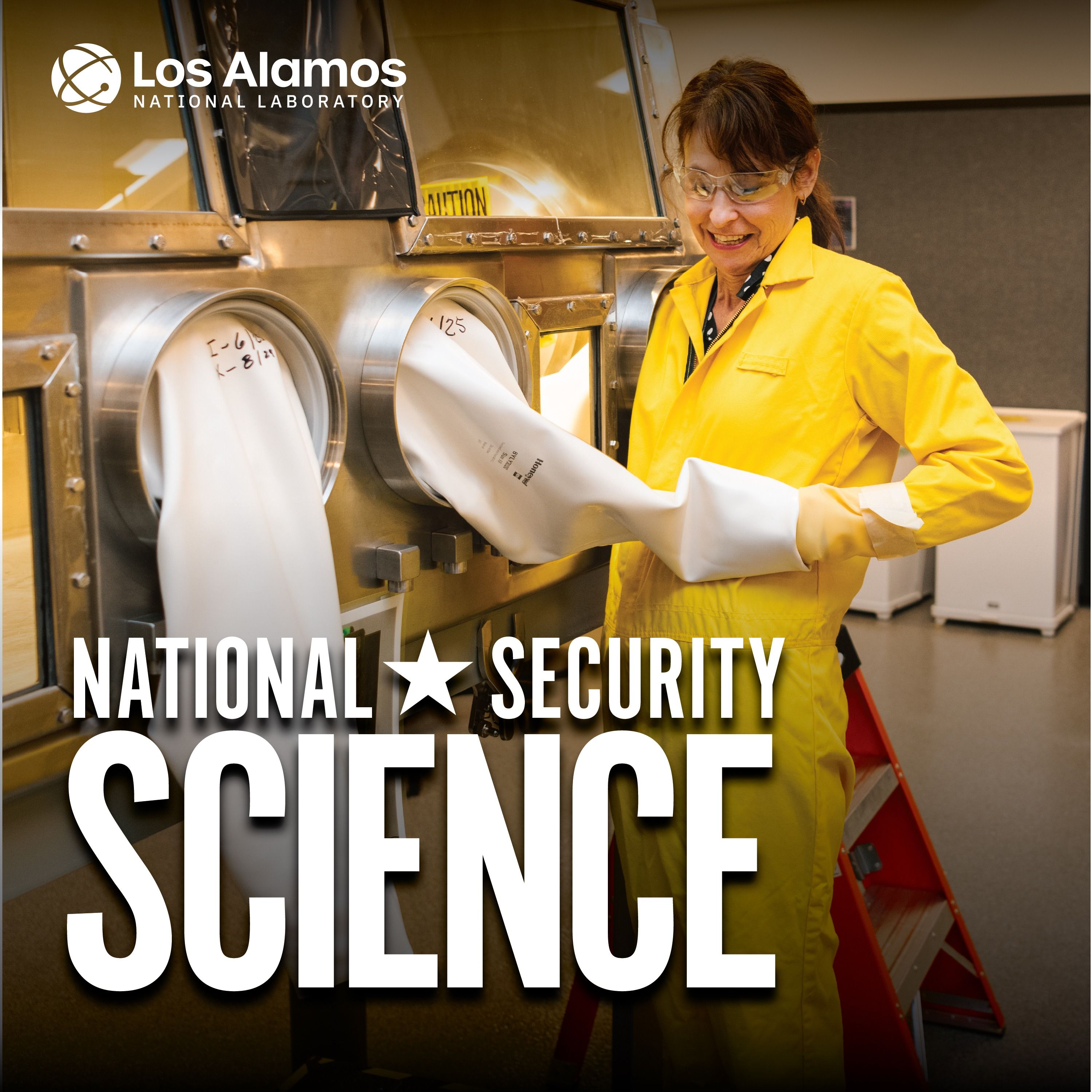 Learn to use a glovebox at Los Alamos National Laboratory✨ | gloveboxLos Alamos National Laboratory+3 | — | gloveboxLos Alamos National Laboratory+3 | — | plutonium pitsKnowledge issue+1 | — | 17m 18s | |
| 2/18/26 | 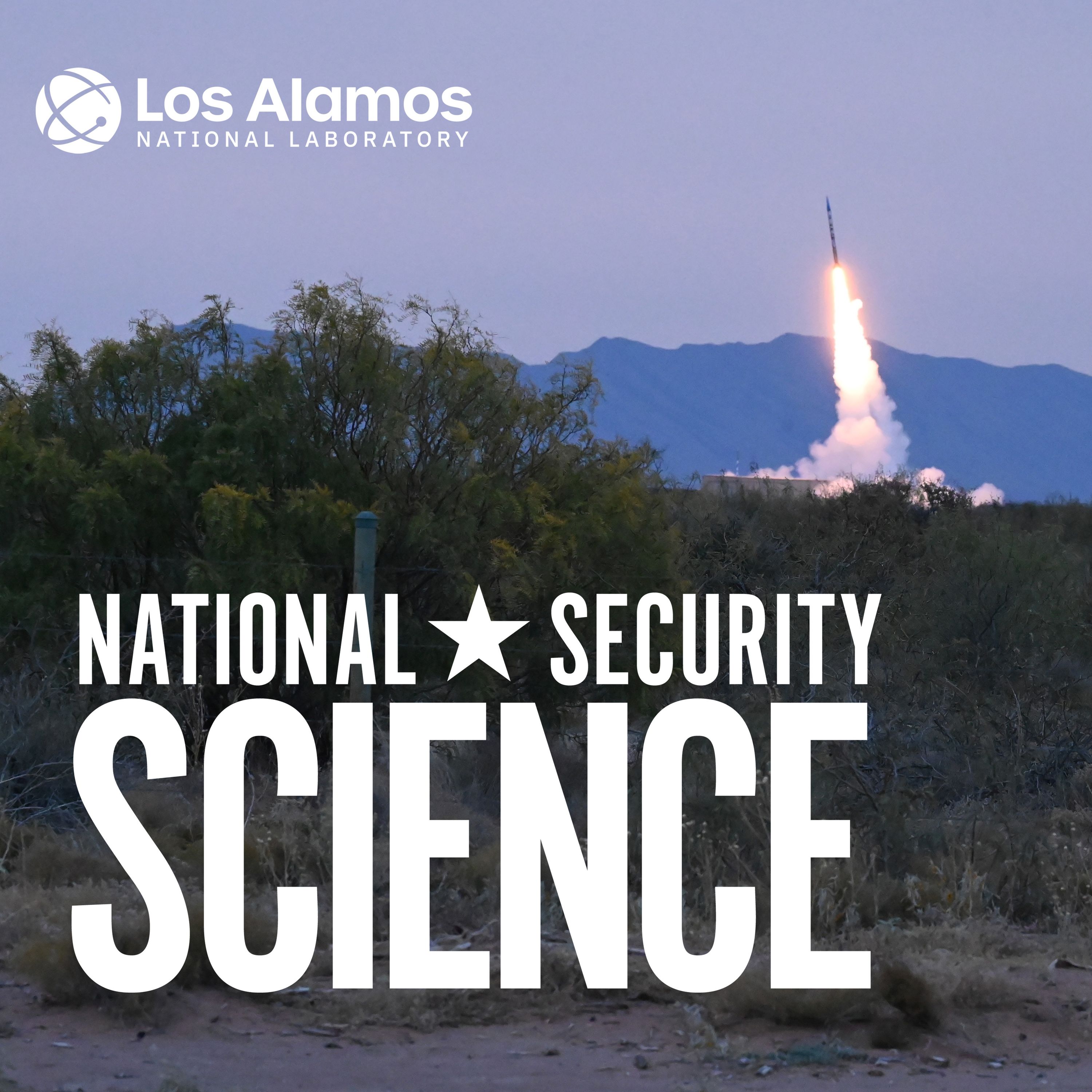 Rocket launch at Spaceport tests new Los Alamos technology✨ | rocket launchLos Alamos technology+3 | — | re-entry vehicledeployable aeroshell+5 | Los Alamos | Spaceport AmericaUP Aerospace+2 | — | 15m 50s | |
| 12/19/25 | 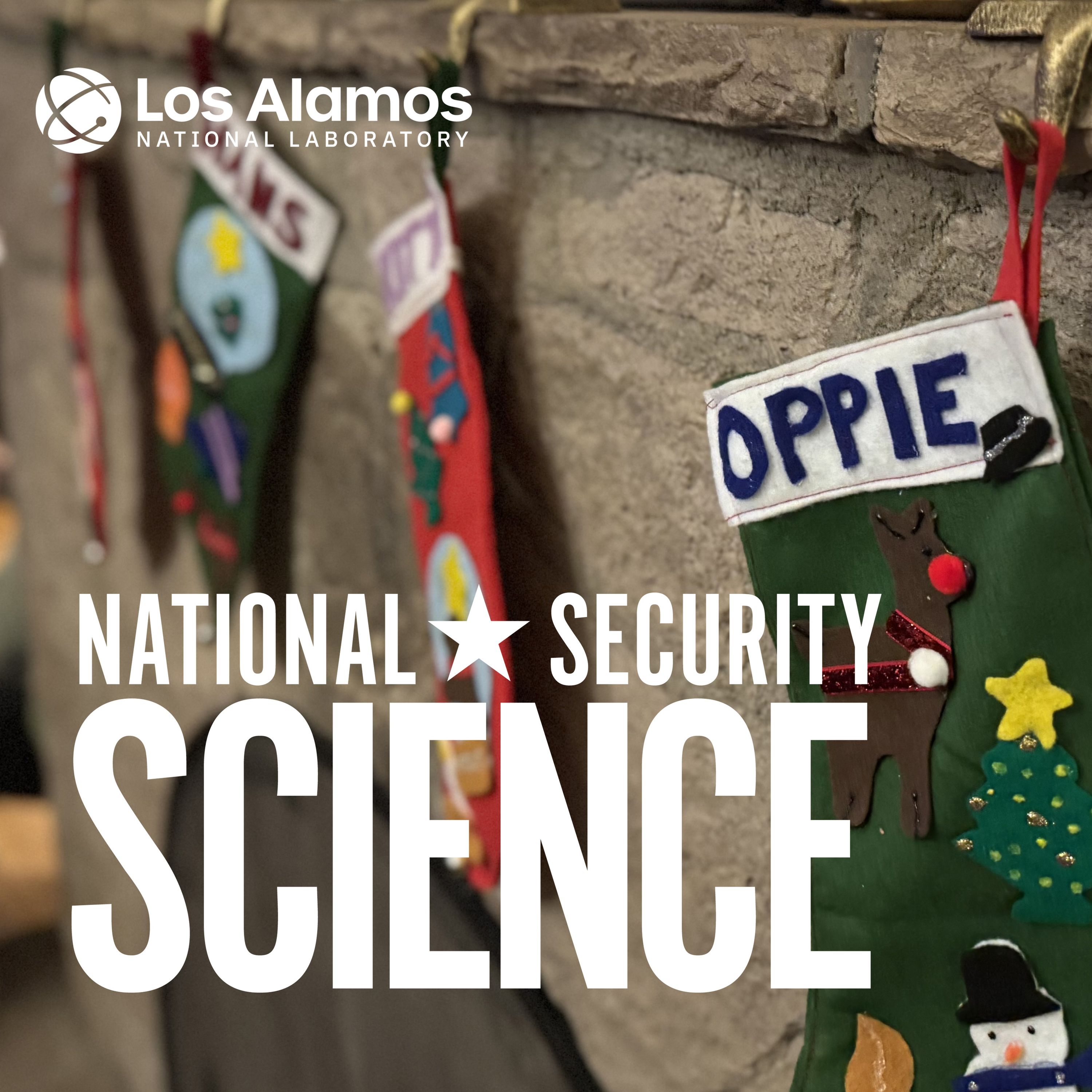 Holiday memories from Los Alamos: Los Alamos Historical Society's Yuletide Tales with Mike Katko✨ | holiday memoriesLos Alamos+2 | Mike Katko | Los Alamos Historical Society'sNational Security Science+4 | Los Alamos | Yuletide TalesLos Alamos Historical Society+1 | — | 16m 34s | |
| 8/26/25 | 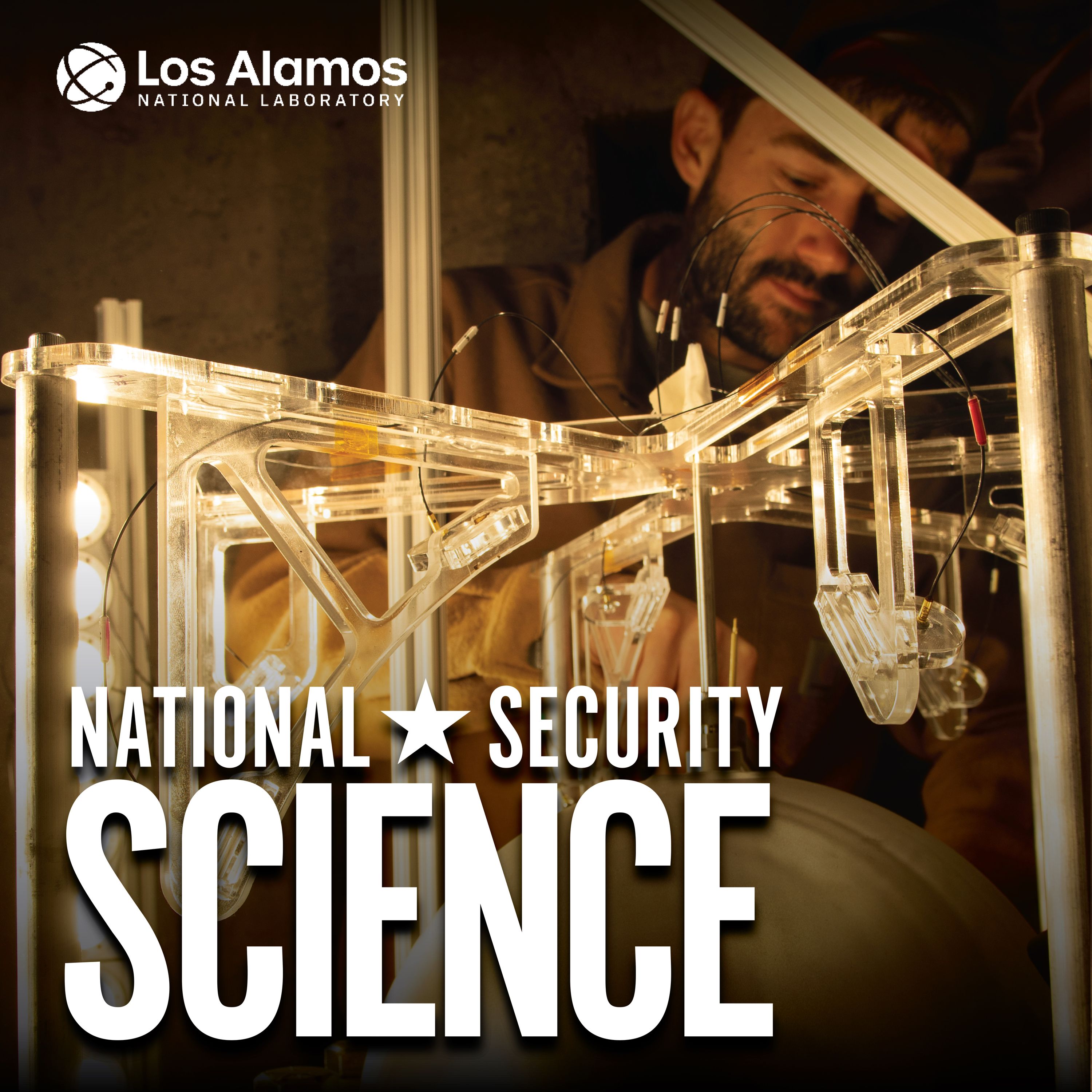 High explosives safety testing; LANL Dynamic Experiments division✨ | explosives safety testingdynamic experiments+2 | Chuck Mielke | explosiveshydrodynamic experiments+6 | Los Alamos | Los Alamos National LaboratoryM Division+2 | — | 21m 22s | |
| 7/7/25 | 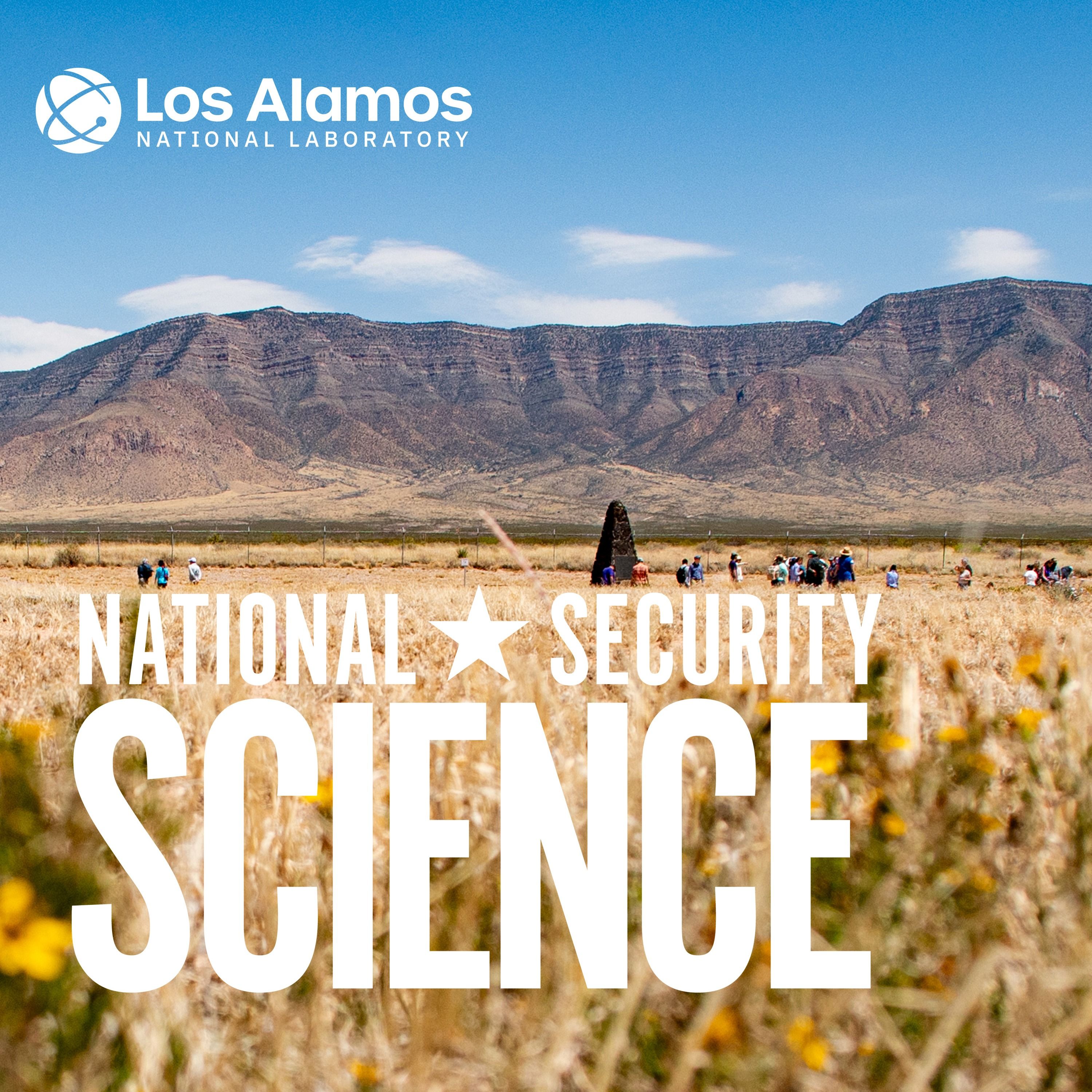 A Visit to the Trinity Site: Remembering the detonation of the first nuclear device✨ | Trinity Sitenuclear device+3 | — | National Security ScienceA Visit to the Trinity Site | Trinity | nuclear historyLos Alamos+1 | — | 24m 59s | |
| 4/8/25 | 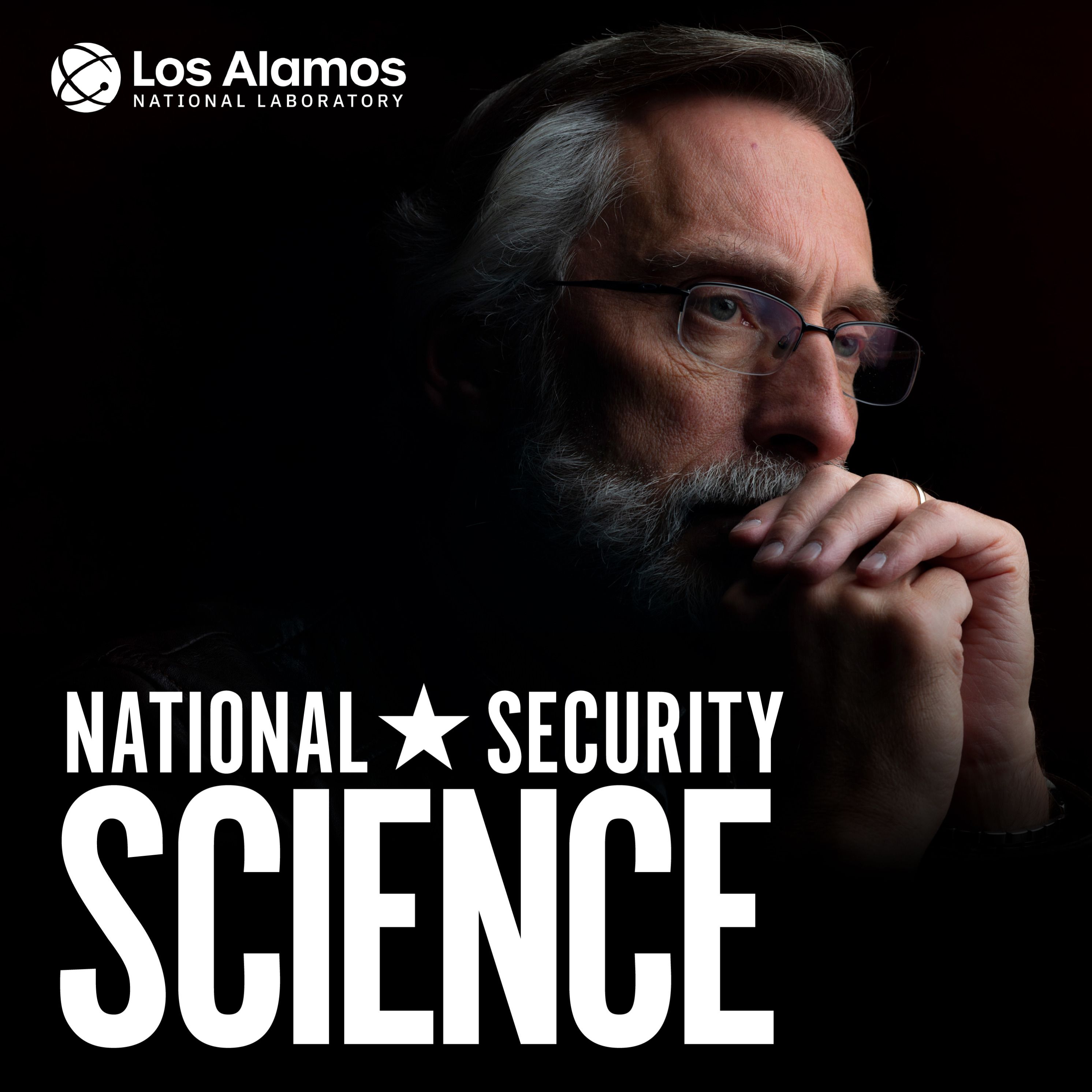 Remembering Charlie McMillan, the 10th director of Los Alamos National Laboratory✨ | Charlie McMillanLos Alamos National Laboratory+2 | Kim BudilJill Hruby | Los Alamos National LaboratoryNational Security Science+2 | — | audio clipscareer+2 | — | 26m 19s | |
| 11/25/24 |  Manufacturing nuclear weapons parts; Lab fellows; supermassive black hole✨ | nuclear weaponsmanufacturing+1 | — | LabNSS+2 | Los Alamos | Los Alamos National LaboratoryMark Quality Manufacturing Center+3 | — | 17m 29s | |
| 9/16/24 |  Norris Bradbury, Los Alamos History, AI✨ | Norris BradburyLos Alamos National Laboratory+2 | Nic Lewis | Open AILos Alamos History+3 | Los AlamosNew Mexico | machine learningbiological threats+1 | — | 15m 48s | |
| 6/26/24 |  Nuclear Weapons Effects, Artificial Intelligence, Subcritical Experiments✨ | nuclear weapons effectsnational security+2 | Tim Goorley | ScorpiusLos Alamos National Laboratory+2 | — | Los Alamos National LaboratoryScorpius+2 | — | 28m 41s | |
Want analysis for the episodes below?Free for Pro Submit a request, we'll have your selected episodes analyzed within an hour. Free, at no cost to you, for Pro users. | |||||||||
| 5/3/24 |  National Nuclear Deterrence Summary with Jill Hruby, Bob Webster, and Will Toby, Exceeding Expectations for Hazardous Waste, Indigenous Physics Students✨ | deterrencenational security+2 | Jill HrubyBob Webster+1 | National Security Science magazineNational Security Science+3 | Los Alamos | Los Alamosdeterrence conference+1 | — | 28m 43s | |
| 12/20/23 |  Manhattan Project Wartime Holiday Stories; Edith Warner Christmas Letters 1943; Eleanor Jette Reflections on Los Alamos Festivities and Oppenheimer | As we welcome the holiday season at Los Alamos National Laboratory, we’re taking a look back to the Manhattan Project. If you love Los Alamos history and the holidays–this podcast is for you! We will listen to holiday wartime stories of living on the Pajarito Plateau and under the leadership of J. Robert Oppenheimer, written by Edith Warner and Eleanor Jette, and read by Bradbury Science Museum director Linda Deck and National Security Science magazine writer Jill Gibson. | — | ||||||
| 10/30/23 |  Robert Wilson and Early days of Physics Division; Los Alamos R&D winners; Linda Deck reads Women Army Corps poem | EPISODE FEATURE National Security Science J. Weston Phippen reads an article published in 1992 titled, “A reluctant division leader,” by the first Manhattan Project Physics division leader, Robert Wilson. Wilson talks about the early days at Los Alamos. LABCAST Ten Los Alamos projects have won innovation awards. The R&D 100 awards are considered the 'Oscars of Invention' and honor the best inventions of the past year. HIGHLIGHTS FROM THE HILL Bradbury Science museum director reads a World War II–era poem by the Women’s Army Corps stationed in Los Alamos. | — | ||||||
| 10/4/23 |  Oppenheimer Talks Bohr 1964, NSRC Documentary, Macaw Eggs at Los Alamos | National Security Science Writer Ian Laird narrates along with a special recording of Oppenheimer from his return to Los Alamos in 1964. He spoke to a packed audience at Los Alamos high school about Niels Bohr. LANL Los Alamos National Laboratory’s National Security Science Research Center releases a 3-part documentary on J Robert Oppenheimer. Scanning electron microscopy explores macaw eggshell remains. | — | ||||||
| 4/14/23 | 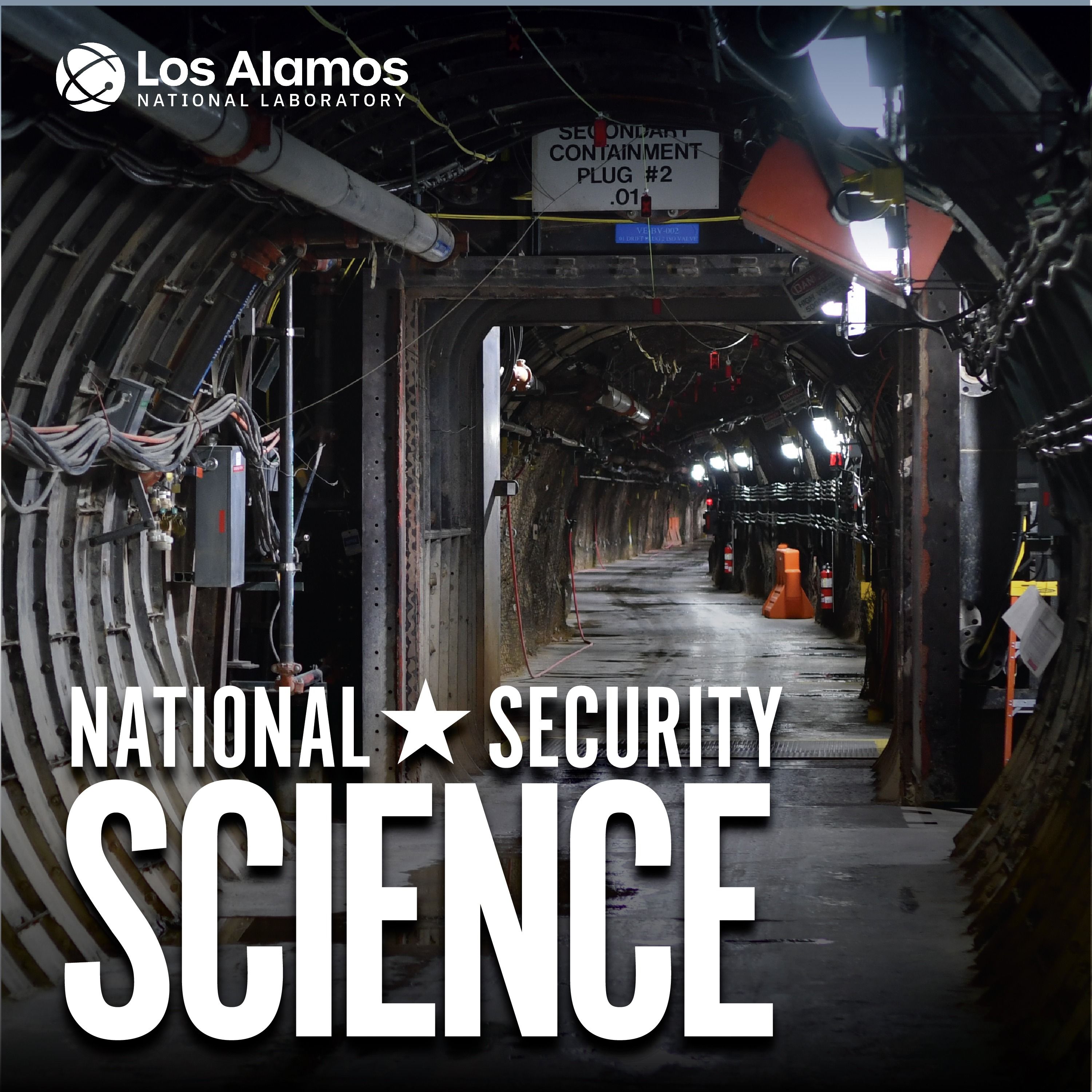 Subcritical Testing; Nevada Episode (3 of 3) | U.S nuclear weapons have played a critical role in preventing conflict among major powers since the end of World War II. Ensuring the safety and reliability of this nuclear deterrent is an essential part of national security. But, how can scientists test and evaluate the U.S. nuclear stockpile in the absence of nuclear testing? In this episode of the National Security Science podcast, we’ll learn all about new experiments to ensure the United States maintains a safe, secure, and reliable nuclear stockpile. It all starts nearly 1,000 feet underground. | — | ||||||
| 4/14/23 | 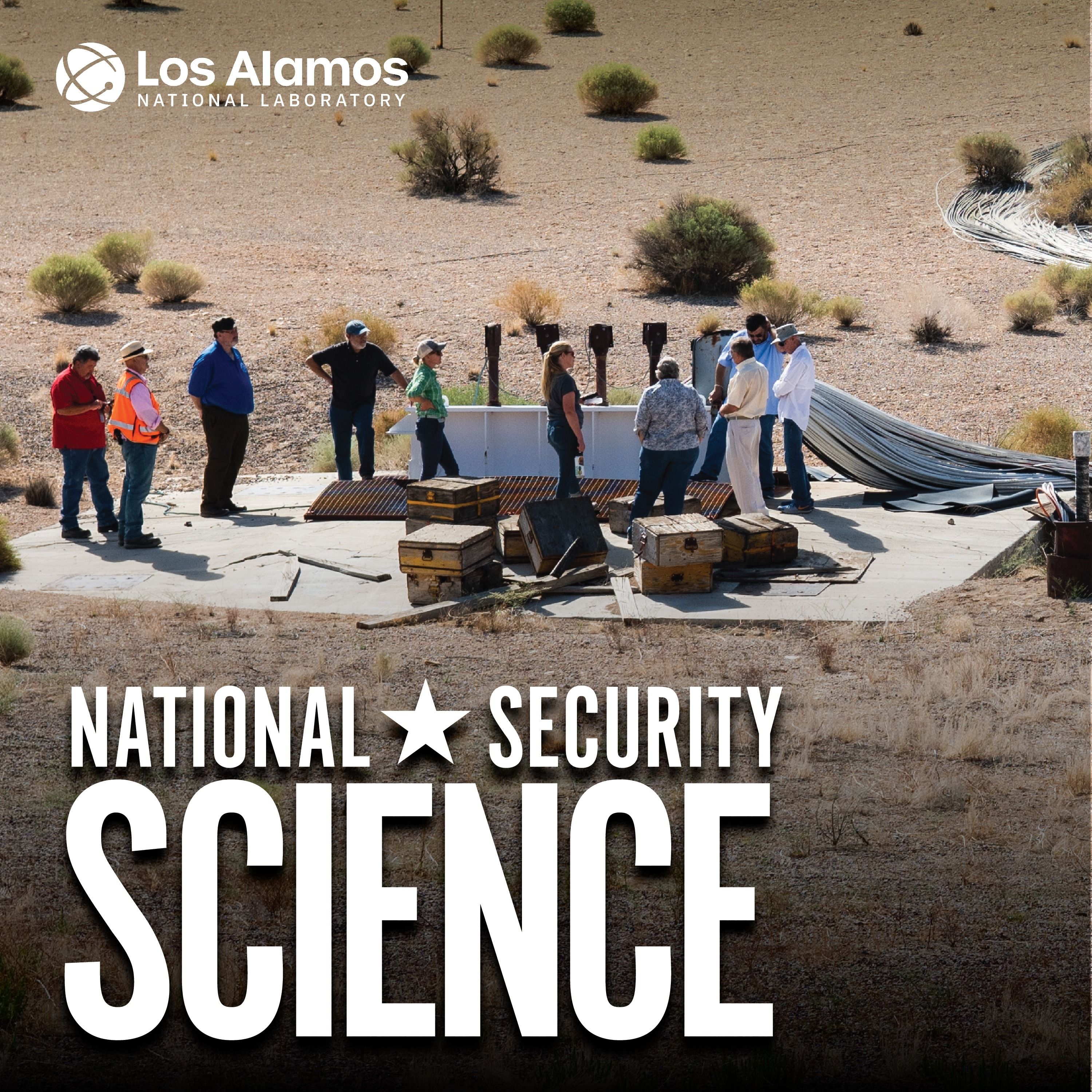 Nuclear Testing Moratorium, Pivot to Stockpile Stewardship; Nevada Episode (2 of 3) | On September 23, 1992, the United States conducted Divider, an underground test at the Nevada Test Site, which is now called the Nevada National Security Site. The test, designed and executed by scientists at Los Alamos National Laboratory, was the nation’s 1,054th and final nuclear weapons test before the current testing moratorium. Divider marked the end of an era that began with the Trinity test. Thirty years later, the National Security Science magazine team paid a visit to the Divider test site. We traveled with group of scientists who had been involved with underground nuclear testing to mark this historic anniversary. | — | ||||||
| 4/14/23 | 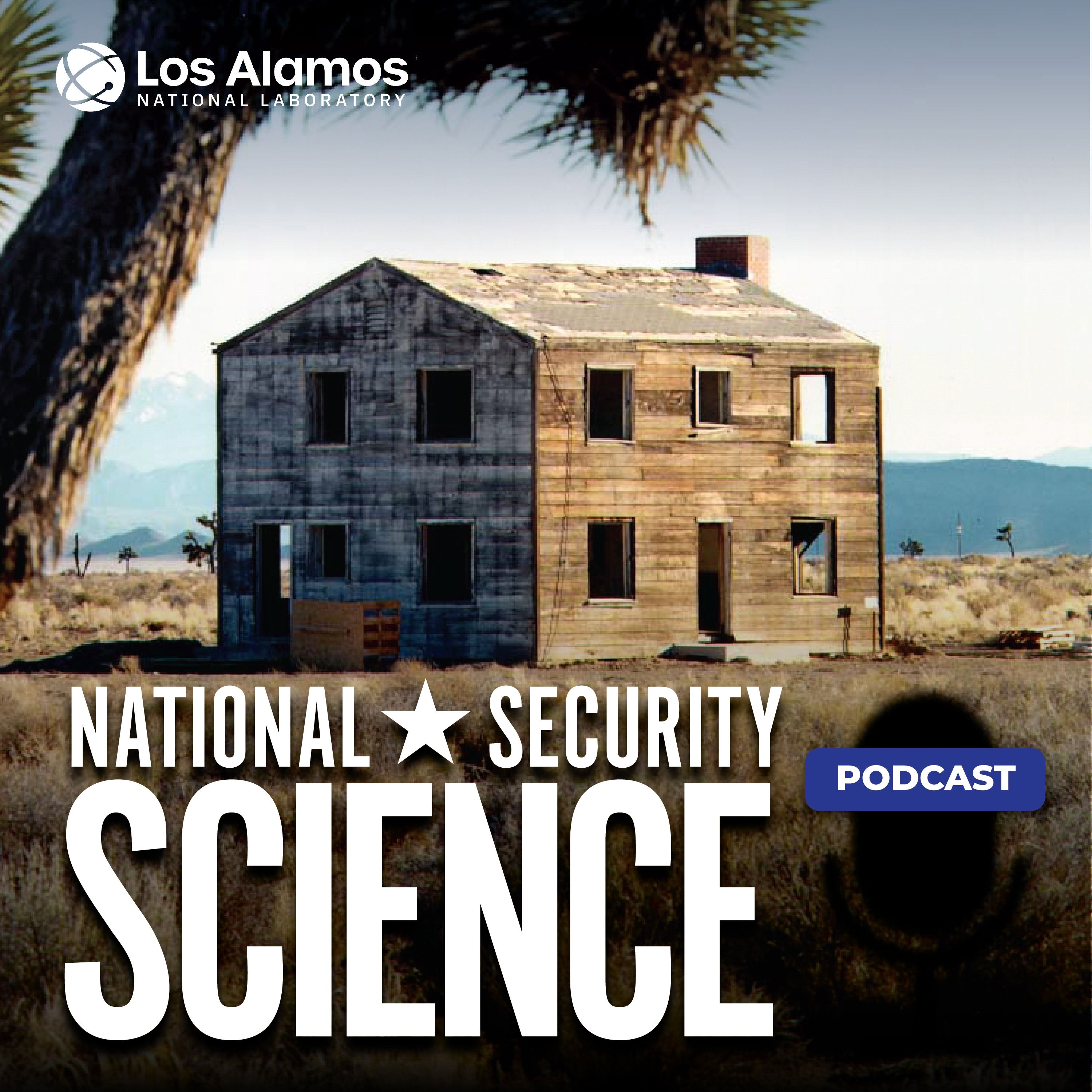 Nuclear Testing at Nevada; Nevada Episode (1 of 3) | This episode marks the first of a three-part series on nuclear testing. Our team traveled to the Nevada National Security Site to explore the history of nuclear testing, how it started, how it ended, and what scientists are doing now. We begin the three-part series by joining the magazine’s Jill Gibson as she embarks on a ‘technical orientation visit’ to the Nevada National Security Site, which was formerly the Nevada Test Site and before that the Nevada Proving Grounds. The site is located about an hour north of Las Vegas in a highly secure area chosen in 1951 for its remote location. It stretches across 1,355-square-miles—making it larger than the state of Rhode Island. Between 1951 and 1992 a total of 928 nuclear tests were conducted at the site, 828 of which were underground. | — | ||||||
| 6/6/22 | 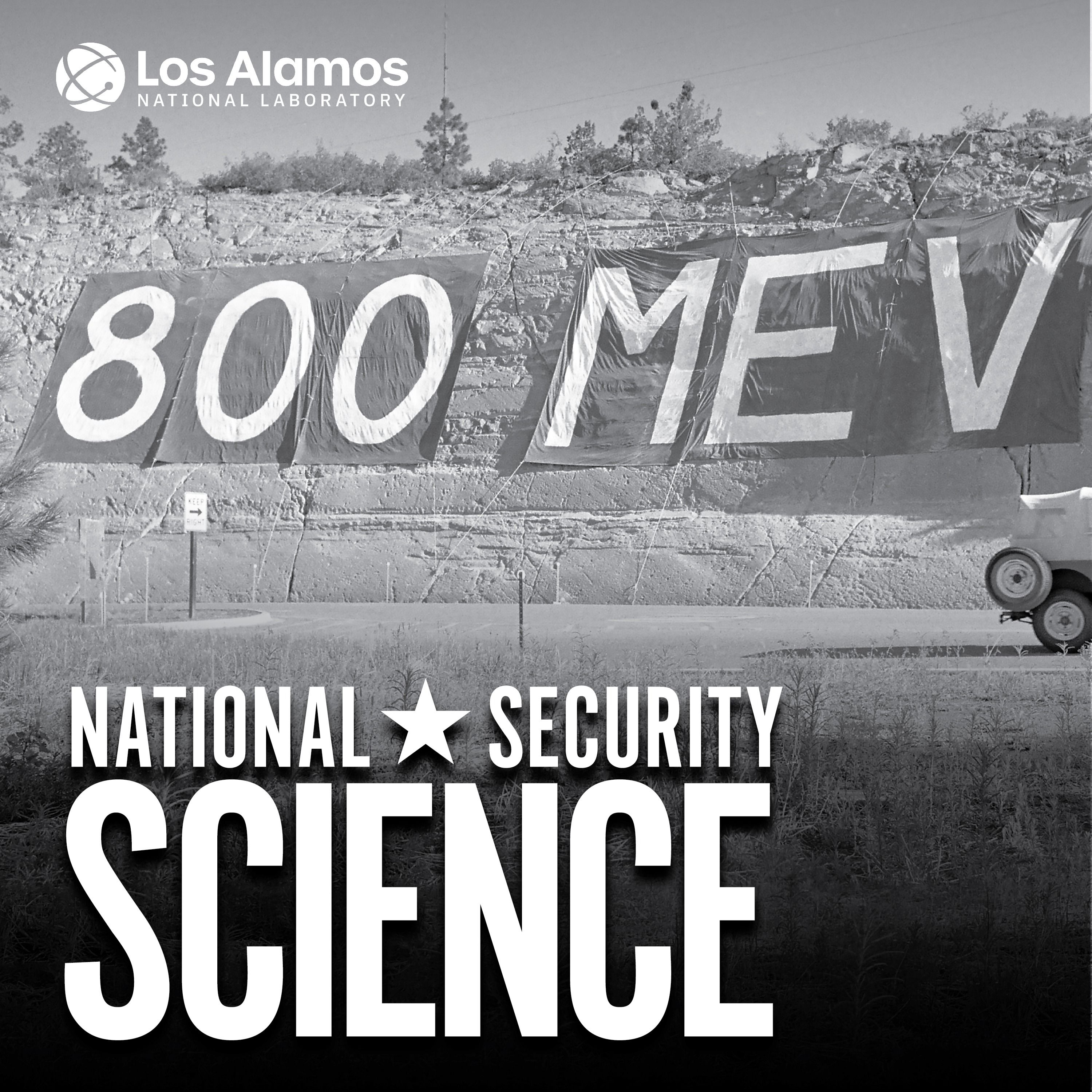 Linear Accelerator, LANSCE, Turns 50; Interview with Scientists | The Los Alamos Neutron Science Center (LANSCE) turns 50 this month! On June 9, 1972, the facility's powerful proton linear accelerator reached an astounding 800 mega electron volts. Celebrate this milestone anniversary with a new episode of the National Security Science podcast, which highlights the various ways this multipurpose facility supports the Lab's important national security work. First up, National Security Science writer Jill Gibson interviews Los Alamos scientist Anna Llobet Megias, who has spent a significant part of her career using LANSCE for cutting-edge science. Next, the NSS team tours some of the LANSCE facilities with LANSCE Director Michael Furlanetto. And lastly, we dive into history with an excerpt from a 1983 article by “the father of LANSCE,” Louis Rosen. | — | ||||||
| 5/3/22 |  Space-Proofing Nuclear Detonation Detection Equipment | Today we interview three scientists at Los Alamos National Laboratory in three different labs to get a glimpse of how instruments used for treaty verification are tested and developed. Instruments must be able to survive a rocket launch and also decades of harsh space weather. Over the years, several international treaties have limited the sizes and locations of nuclear detonations. Most recently, the Comprehensive Nuclear-Test-Ban Treaty—the CTBT—prohibits all nuclear detonations, period. No one is allowed to set off a nuclear device anywhere—not underground, not underwater, not on the Earth’s surface or atmosphere, and not even in outer space. President Bill Clinton signed the CTBT in 1996, and although the United States has not ratified the treaty, it has maintained a unilateral moratorium on nuclear testing since 1992. But what about other countries? How do we know if they’re playing by the rules? The short answer is that the United States has the tools—many of them developed at Los Alamos National Laboratory in conjunction with Sandia National Laboratories and other entities—to detect nuclear explosions anywhere in, on, or above the world, at any time. One way Los Alamos does this is by developing specialized sensing instruments that live on satellites and are able to detect and measure the products of a nuclear explosion. At high altitudes and in outer space, the most easily detected products are x-rays, gamma rays, and neutrons. At lower altitudes, these products interact with the atmosphere and produce detectable optical and radio signatures. If certain levels of products are detected in the right proportions, the ground systems analyzing the sensor data can definitively identify a nuclear blast, estimate where and when it occurred, and gauge how big it was. So now we come to today’s topic; surviving space. | — | ||||||
| 1/4/22 |  Rocket Launch at White Sands Missile Range | In this episode of the podcast, we’re taking you behind the scenes of a rocket launch. This particular flight test is part of the Stockpile Responsiveness Program, which helps develop technology and talent that will modernize the nation’s nuclear stockpile. | — | ||||||
| 12/22/21 |  Holiday Special! 1964 Holiday Poem from "The Atom" | Long before National Security Science magazine existed, Los Alamos published a monthly magazine called "The Atom". In this episode of the podcast, the National Security Science magazine team wishes subscribers happy holidays and reads a poem out of The Atom’s December 1964 issue called, “Merry Christmas and all that stuff.” | — | ||||||
| 9/9/21 | 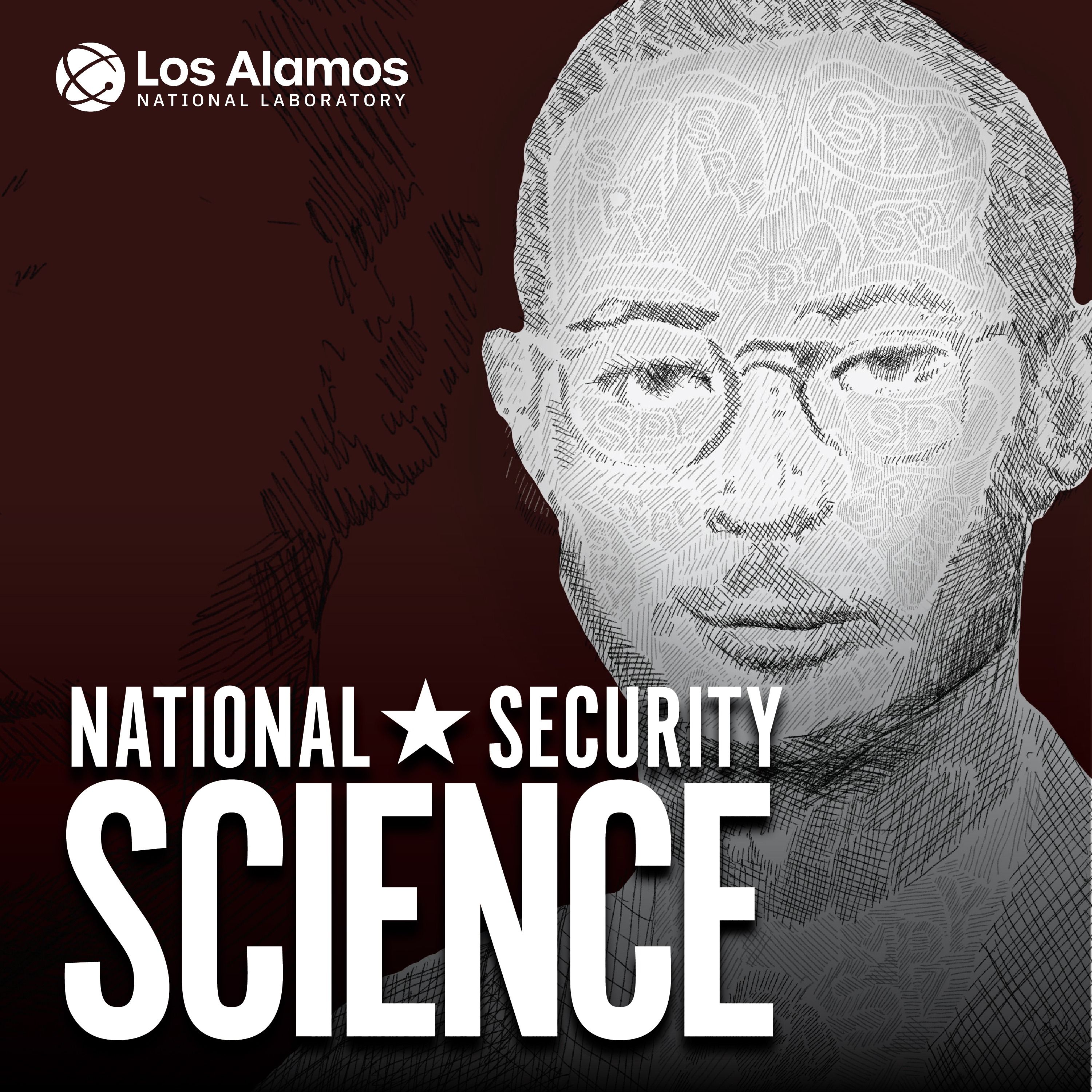 Oscar Seborer, Manhattan Project Spy, Confirmed in 2019 | It’s been long known that Klaus Fuchs, Theodore Hall, and David Greenglass committed espionage at Project Y—the Los Alamos branch of the Manhattan Project—during World War II. Each worked at the secret laboratory charged with creating the world’s first atomic bombs, each stole classified weapons information, and each shared it with the Soviet Union. Just recently though, in September 2019, historians confirmed a fourth wartime spy: Oscar Seborer. In this episode of the National Security Science podcast, National Security Science writer Weston Phippen talks to Los Alamos National Laboratory senior historian Alan Carr about Seborer’s time at Los Alamos and the spy’s possible contributions to the Soviet nuclear weapons program. For more on Seborer at Los Alamos, make sure to read this article in the summer 2021 issue of National Security Science magazine. | — | ||||||
| 7/16/21 | 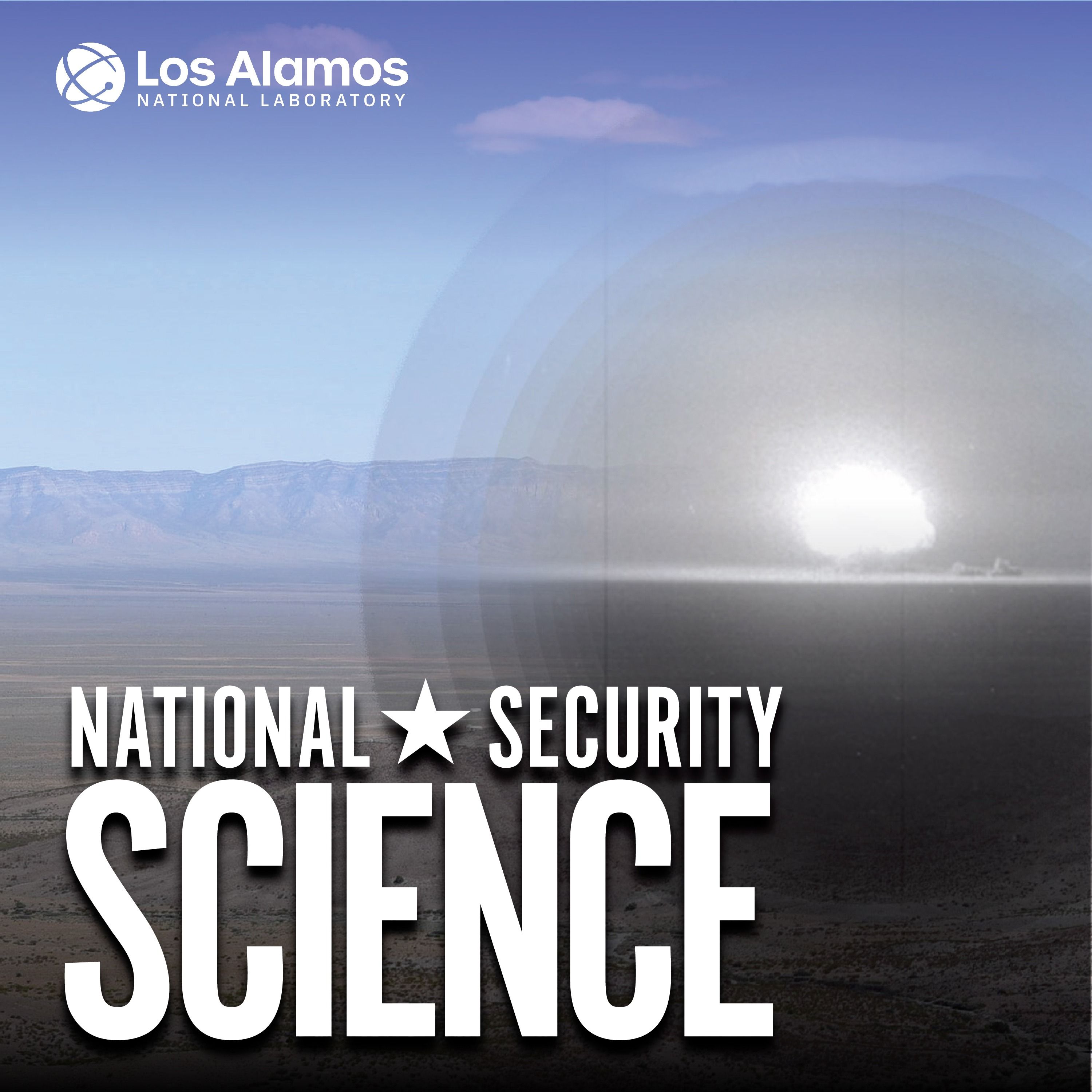 First Atomic Bomb; Trinity Test 1945 & Today | On July 16, 1945, a predawn thunderstorm moved through the desert near Alamogordo, New Mexico, about 120 miles south of Albuquerque. After it passed, at 5:29:45 a.m., detonators ignited explosives around a large, steel, globe-shaped device on a 100-foot tower. The explosion prompted a fission chain reaction in the plutonium inside the globe. The resulting nuclear blast from the Gadget, as the device was called, released an explosive force of 21 kilotons (equivalent to 21 thousand tons of TNT). It created a blinding flash of light, a thunderous sound, and a mushroom cloud 38,000 feet tall. “Some people claim to have wondered at the time about the future of mankind,” remembered physicist Norris Bradbury of witnessing the event. “I didn’t. We were at war, and the damned thing worked.” This was the Trinity test, the culmination of 27 months of work at Project Y—a secret laboratory in Los Alamos—to create the world’s first atomic bomb. In this episode of the National Security Science podcast, on the 76th anniversary of the Trinity test, we examine the test from two angles: from 1945, when the test occurred, and from 2021, when a group of Los Alamos employees traveled to the Trinity site to tour ground zero and the surrounding area. | — | ||||||
| 12/24/20 |  Mary Tsingou, 1950s Coding Expert; Holiday Special | In this special holiday mini-podcast, siblings and Lab employees Joel and Candace Vargas sing Christmas-themed intro to a conversation between writer Virginia Grant and Mary Tsingou Menzel. In the 1950s, Tsingou learned to program one of Los Alamos’ earliest computers, the MANIAC. She went on to become a coding expert and worked for Los Alamos for more than 30 years. | — | ||||||
| 8/14/20 | 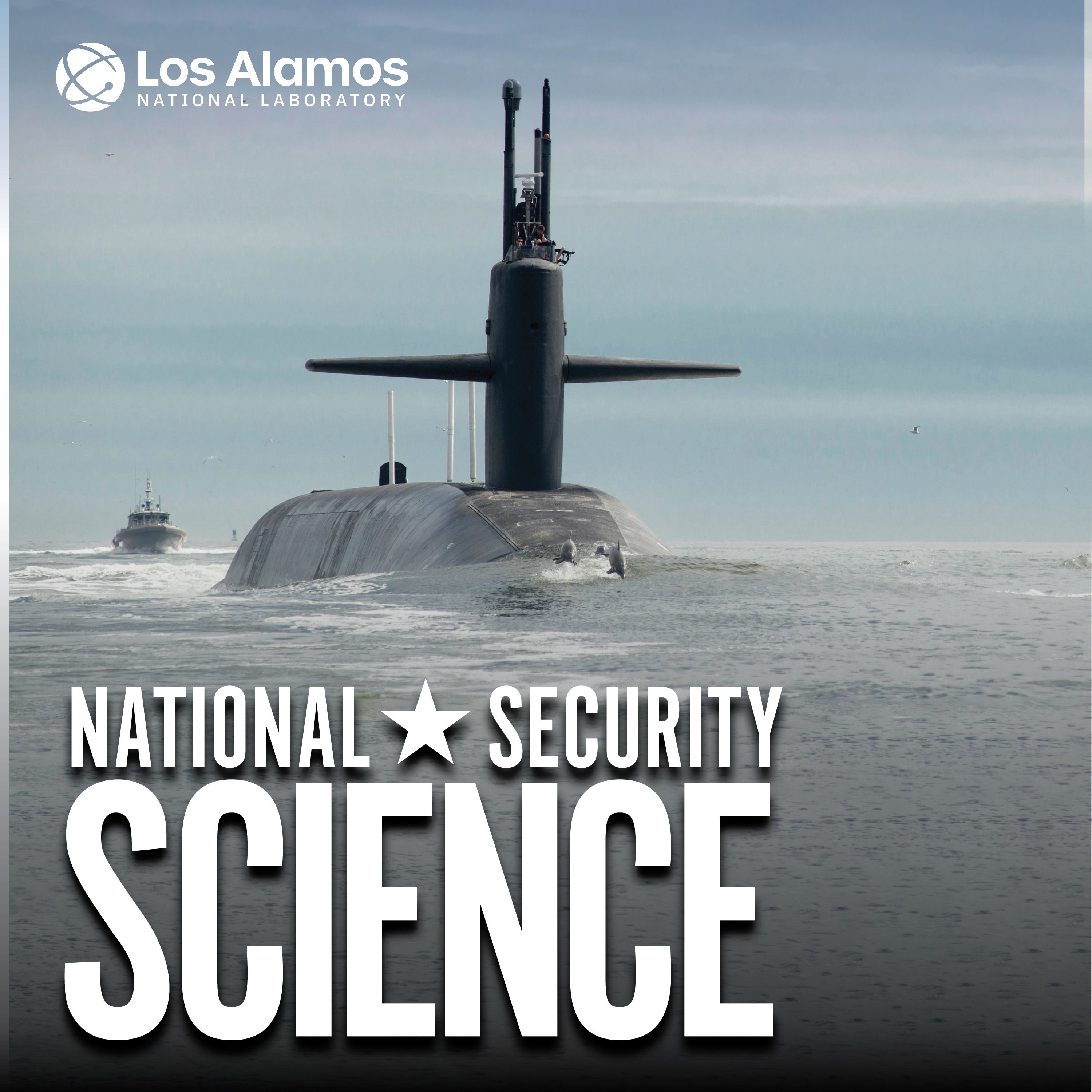 Nuclear Warhead Ohio-Class Submarine Patrol | Ohio-class submarines disappear into the ocean for 70 days at a time, carrying 155 sailors, 24 nuclear-armed missiles, and more hot sauce than your local taqueria. Retired Naval officer Mark Levin gives a firsthand account. | — | ||||||
Showing 25 of 27
Pitch Fit is a Pro feature
See how bookable this show is for guests, which brands already advertise, the per-episode ad value, and the best-fit guest and sponsor profile. The numbers are blurred on the free plan.
How readily this show books outside guests like you.
How proven this show is for host-read sponsorships.
For Guests
ProFor Advertisers
ProUpgrade to Pro to unlock guest cadence, sponsor categories, fit scores, and per-episode ad value for this show.