

Nature Answers: Rural Stories from a Changing Planet
by Farm Radio International
Is this your podcast?Insights from recent episode analysis
Audience Interest
Podcast Focus
Publishing Consistency
Platform Reach
Insights are generated by CastFox AI using publicly available data, episode content, and proprietary models.
Total monthly reach
Estimated from 1 chart position in 1 market.
By chart position
- 🇨🇦CA · Nature#1445K to 30K
- Per-Episode Audience
Est. listeners per new episode within ~30 days
2.5K to 15K🎙 Weekly cadence·9 episodes·Last published 2w ago - Monthly Reach
Unique listeners across all episodes (30 days)
5K to 30K🇨🇦100% - Active Followers
Loyal subscribers who consistently listen
1.5K to 9K
Market Insights
Platform Distribution
Reach across major podcast platforms, updated hourly
Total Followers
—
Total Plays
—
Total Reviews
—
* Data sourced directly from platform APIs and aggregated hourly across all major podcast directories.
On the show
Recent episodes
Banking on the herd: How ancient manure techniques outlast modern droughts in Zambia
May 21, 2026
Unknown duration
From insurgency to opportunity: how reforestation is building a better life in Alebelebe
May 14, 2026
Unknown duration
Faith in the fields
May 7, 2026
Unknown duration
Part 2 -The Hidden Impact of Deforestation: Domestic Violence in Rural Uganda
Apr 30, 2026
Unknown duration
The Hidden Impact of Deforestation: Domestic Violence in Rural Uganda: Part 1
Apr 23, 2026
Unknown duration
Social Links & Contact
Official channels & resources
Official Website
Login
RSS Feed
Login
| Date | Episode | Description | Length | ||||||
|---|---|---|---|---|---|---|---|---|---|
| 5/21/26 |  Banking on the herd: How ancient manure techniques outlast modern droughts in Zambia | Farmers in Zambia’s Kadiani Village are combating climate change and soil degradation by reverting to "kraal shifting," a traditional practice using manure to fertilize sandy soil, which improves moisture retention during droughts. By communal sharing of livestock for this process, the village increases resilience against the high costs and diminishing returns of chemical fertilizers. | — | ||||||
| 5/14/26 | 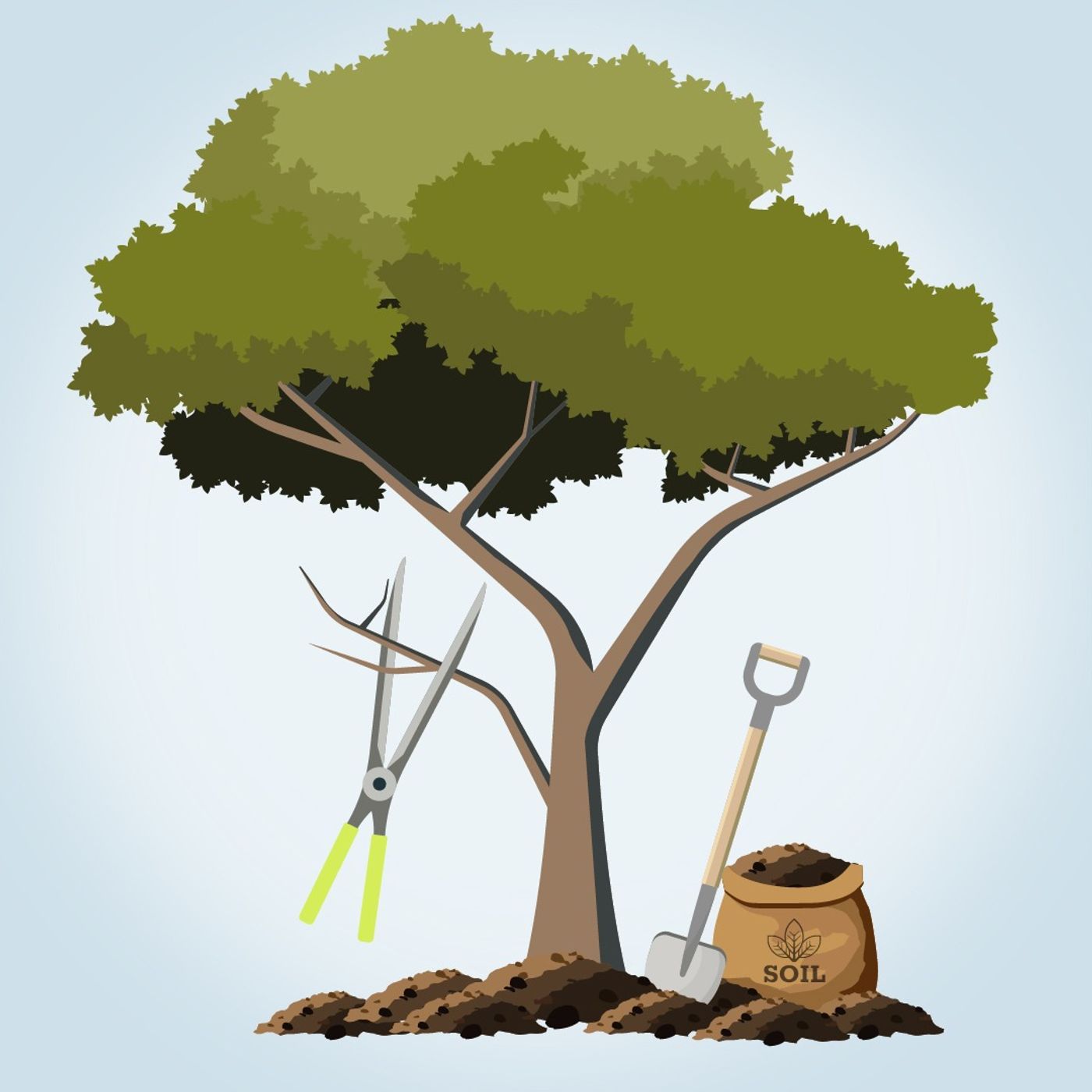 From insurgency to opportunity: how reforestation is building a better life in Alebelebe | Before the guns came, Alebelebe Village was alive with trees, rain, and abundance. What happened next, and how this community found its way back, is a story you won't soon forget. In this episode, we take you to Alebelebe Village in the Lira District of Uganda, where the Lord's Resistance Army insurgency forced families from their homes and shattered the rhythms of life they had always known. When residents finally returned, they found their land damaged and their livelihoods gone. Desperate to survive, many turned to cutting down trees to produce charcoal, which was a decision that deepened the crisis, stripped the land bare, and drove away the rain. | — | ||||||
| 5/7/26 |  Faith in the fields | In this episode, host Ivy Prosper takes us to Overland Missions Base Camp in Choma, Zambia, where pastor and base camp director Caristo Chipwaya is combining gospel teachings with organic farming to help rural families grow more with less.Through a program called Farming God's Way, Caristo and his team are showing local residents how to use what nature has already provided, from mulch to compost, to produce consistent harvests without spending on hybrid seeds or chemical fertilizer. | — | ||||||
| 4/30/26 | Part 2 -The Hidden Impact of Deforestation: Domestic Violence in Rural Uganda | Content warning: This episode contains descriptions of domestic violence and pregnancy loss, and may be distressing to some listeners. This is Part 2 of a two-part series. In the previous episode, we heard how deforestation reshaped the lives and safety of women in Katagi Village, Uganda. What does it truly take to rebuild both ecosystems and lives, and is restoring the forest enough? In this powerful conclusion to a two-part series, host Ivy Prosper returns to Katagi Village in Uganda, where the ripple effects of deforestation and climate change reach far beyond the land. As poverty deepens and access to education remains out of reach, many women find themselves trapped in cycles of dependence and abuse. Through deeply personal stories, we hear from Annet Nassanga, Zigama Elivania, and Kyalinkunda Esiter, who share how environmental destruction has shaped their lives, as well as how community, education, and financial independence are helping them rebuild their futures. | — | ||||||
| 4/23/26 | The Hidden Impact of Deforestation: Domestic Violence in Rural Uganda: Part 1 | Content warning: This episode contains descriptions of domestic violence and may be distressing to some listeners. This is Part 1 of a two-part series. In the next episode, we continue the journey in Katagi Village, exploring what it truly takes to rebuild both ecosystems and lives. | — | ||||||
| 4/16/26 |  Ponds of Promise: How One Village Is Farming Its Future | In this episode, host Ivy Prosper takes us to Biasso, where fish farming is helping a community adapt to climate change through practical, Nature-based Solutions. As Marina and other residents share, what began as a necessity has grown into a model of resilience, supporting both livelihoods and long-term sustainability. | — | ||||||
| 4/9/26 |  From bare land to bounty | In this episode, host Ivy Prosper takes us to Gweri, Uganda, where nature-based innovation is transforming livelihoods. Emmanuel and Teresa’s journey now inspires local farmers, as they provide training and planting materials to help others succeed. | — | ||||||
| 3/26/26 |  From skepticism to sustainability: rebuilding a climate-ready community | Climate change skeptics in their community doubted them. Still, Bebane Mahadi’s joined forces with other young farmers, dug up two wells, and manually installed an innovative irrigation system that saved them during the 2016 drought. | — | ||||||
| 3/25/26 | Season 3 coming soon! | The new season of Nature Answers will be in your feed this Thursday! | — | ||||||
| 6/26/25 |  How people recovering from addiction are healing nature—and themselves | In this season finale of Nature Answers, we meet a cooperative of people recovering from addiction who are turning agricultural waste into sustainable charcoal and soil-enhancing biochar. | — | ||||||
Want analysis for the episodes below?Free for Pro Submit a request, we'll have your selected episodes analyzed within an hour. Free, at no cost to you, for Pro users. | |||||||||
| 6/12/25 |  How these Zambians are future-proofing their farms | In this episode of Nature Answers, you’ll hear about the challenges involved in sustainable farming when your country is in the middle of a drought and electricity is scarce. | — | ||||||
| 5/29/25 |  How a climate-smart farmer helped an entire community grow | When Cornwell Hademu, of Choma, Zambia, started mentoring the women of nearby Mbole, he was sure it would help them on their fields and their farms. What wasn’t clear was just how far that mentorship would take the women. | — | ||||||
| 5/15/25 |  Can planting trees save Côte d’Ivoire’s cocoa farms | Lifelong cocoa farmer Gbagnon Jean-Pierre Lodugnon faces a difficult choice: keep relying on traditional crops that no longer thrive—or make space for trees and embrace agroforestry. | — | ||||||
| 5/1/25 | 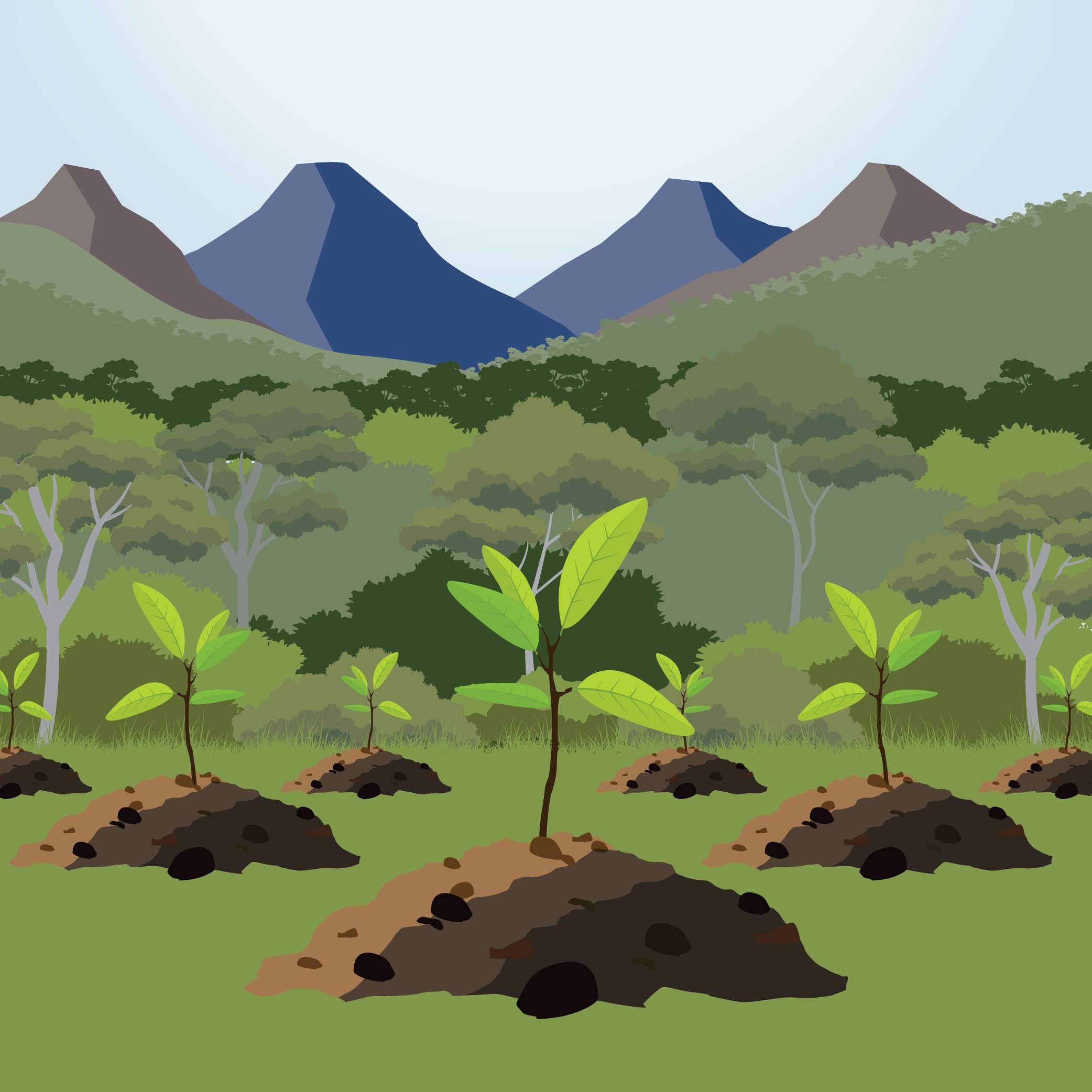 Can planting trees heal a land devastated by civil war | In Northern Uganda, a community once torn apart by war is regrowing its future—one tree at a time. | — | ||||||
| 4/17/25 |  Climate change took this community’s land. How they took it back. | Setsinu’s proximity to water has left it at a high risk of flooding, and in recent years those floods have wiped out crops and displaced families. Through the voices of farmers like Selorm Akli, Olivia Abogado, Simon Avor, and Sylvanus Nyidewu, you’ll hear how the community is responding—not just with resilience, but by turning to ancestral knowledge. | — | ||||||
| 4/3/25 |  How composting cured a Ghanaian community | In Kugzua, Ghana, farmers were falling sick. They soon determined the cause: chemical fertilizer. But faced with a choice between poor crops and poor health, farmers stuck with what they were told would keep them fed—until they encountered another option. | — | ||||||
| 3/20/25 |  How a Ghanaian village banned charcoal production — and stands firm against the pressure | Despite pressure from surrounding communities, Yaara has decided against cutting their trees to make a profit by producing charcoal. Why? They’re holding out hope they can bring their water access back. | — | ||||||
| 3/6/25 |  How one woman is changing the landscape of Uganda’s Teso region | When Jessica Sheillah Aanyu survived a life threatening illness, she asked herself what she could leave behind that the world would be proud of. The answer became Trees for Life, an environmental organization bringing trees and education to people in her Ugandan home. | — | ||||||
| 2/20/25 |  What an Ivorian community gave up to protect their mangroves | Mangroves are money-makers in coastal Côte d’Ivoire. And the fish you can cook with the smoke from their branches are delicious. But the very practice of cutting down the trees to burn put the fish in danger. So people like Jean-Claude Kaké have had to make a choice: Do you keep cutting the trees to make money in order to feed your family? Or do you forgo the cash for a future that might take years to appear? | — | ||||||
| 2/6/25 |  How these Zambian women beat a drought and made their community pay attention | When the Malili Women’s Cooperative first tried new farming techniques in reaction to climate change, their community laughed at them. But what started as a simple listening group for a farming radio program has grown into a powerful, women-led farming cooperative, leading the way with nature-based solutions. | — | ||||||
| 1/23/25 |  How the once-polluted Mabamba swamp became a haven for rare birds | The Mabamba swamp is now a haven for rare birds. But in order to save it Joseph Kimbagaya had to convince his friends, his elders, and ultimately the Catholic Church. | — | ||||||
| 1/16/25 |  Regrowing relationships… and trees! Plus meet our new host | When Gingo first found encroachers digging up their community forest, they called the police. But they soon found that chasing people from the forest wasn’t a long term solution – so they changed tactics. | — | ||||||
| 12/3/24 | Bonus: The Future is Informed (Live Recording) | This live podcast recording features a discussion on the impact that local media can have on communities within and outside Canada. | — | ||||||
| 5/16/24 | How banning wildfires sparked (and ended) a conflict in Ghana | When Shelanyili boldly banned bushfires outright it sparked conflicts and forced both the community and their neighbors to reckon with both protecting tradition while adapting to climate change. | — | ||||||
| 5/2/24 |  Five trees for every child: Why this community is planting trees for the next generation | Trees are the looming lifelines of our planet, and their roots run deep in rural Uganda. But in Morungatuny burning them for charcoal was the main economic driver of the economy. And trees were needed for firewood for cooking and building. The rates of consumption soon outpaced the availability of trees. This resulted in extra difficulties faced by women, from the long distances they had to travel for firewood, to higher rates of domestic violence caused by economic stress. So the community was faced with a question: what could they change to make life better for everyone – and for future generations especially. Community members like Jethro and Aliba Mary came to the community with answers — answers pulled from nature itself. | — | ||||||
Showing 25 of 32
Sponsor Intelligence
Sign in to see which brands sponsor this podcast, their ad offers, and promo codes.
Chart Positions
1 placement across 1 market.
Chart Positions
1 placement across 1 market.