

Insights from recent episode analysis
Audience Interest
Podcast Focus
Publishing Consistency
Platform Reach
Insights are generated by CastFox AI using publicly available data, episode content, and proprietary models.
Total monthly reach
Estimated from 2 chart positions in 2 markets.
By chart position
- 🇨🇦CA · Business News#1885K to 30K
- 🇨🇭CH · Business News#147500 to 3K
- Per-Episode Audience
Est. listeners per new episode within ~30 days
1.6K to 9.9K🎙 Daily cadence·35 episodes·Last published 5d ago - Monthly Reach
Unique listeners across all episodes (30 days)
5.5K to 33K🇨🇦91%🇨🇭9% - Active Followers
Loyal subscribers who consistently listen
3.0K to 18K
Market Insights
Platform Distribution
Reach across major podcast platforms, updated hourly
Total Followers
—
Total Plays
—
Total Reviews
—
* Data sourced directly from platform APIs and aggregated hourly across all major podcast directories.
On the show
Recent episodes
Chiara Fusar Bassini on Understanding Data, Market Design, and Modeling Limits in Europe’s Energy Transition
May 7, 2026
Unknown duration
Arshia Jahangiri on From Solar Incentives to Real Adoption: Why Clean Energy Still Needs a Better User Experience
Apr 30, 2026
Unknown duration
Josh Dorfman on Why Climate Solutions Succeed or Fail: Lessons from Josh Dorfman on Business Models, Materials, and Market Adoption
Apr 24, 2026
Unknown duration
Bronwyn Reid on Why ESG Strategies Break Down in Practice and What Companies Can Do About It
Apr 16, 2026
Unknown duration
Richard Halsall on Why Air Distribution, Not Just Cooling Technology, Drives Energy Efficiency in Buildings
Apr 9, 2026
Unknown duration
Social Links & Contact
Official channels & resources
Official Website
Login
RSS Feed
Login
| Date | Episode | Description | Length | ||||||
|---|---|---|---|---|---|---|---|---|---|
| 5/7/26 | 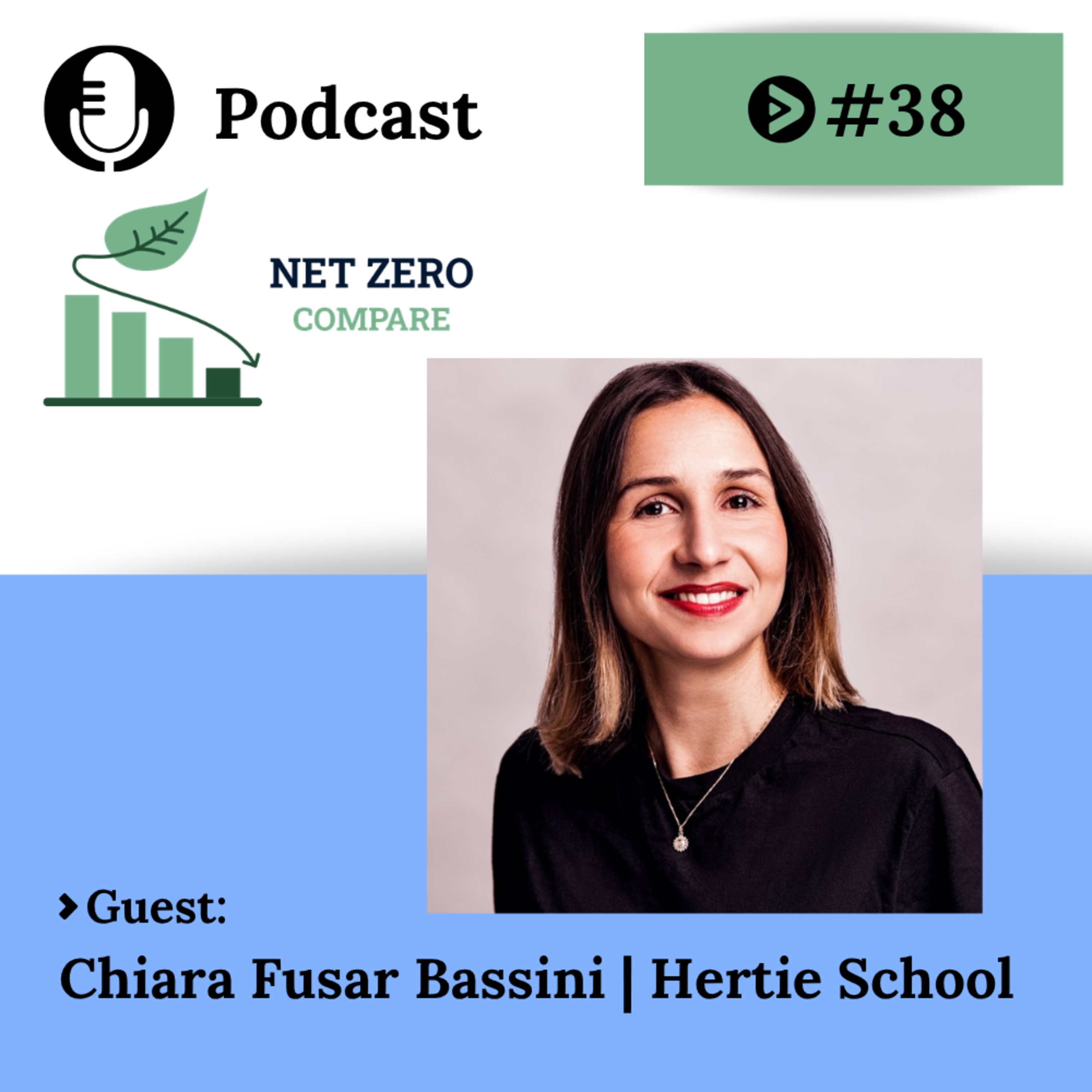 Chiara Fusar Bassini on Understanding Data, Market Design, and Modeling Limits in Europe’s Energy Transition | 🎯 In this episode: Chiara Fusar Bassini, PhD candidate at the Hertie School and former renewable energy consultant at enervis energy advisors GmbH, joins Net Zero Compare to discuss how data, market design, and modeling limits shape Europe’s energy transition.The conversation explores a central challenge for energy-market analysis: the gap between how models assume electricity systems behave and how assets operate in reality. Drawing on her research using five years of hourly data from German gas power plants, Chiara explains that many conventional plants do not operate as flexibly as expected, even in systems with high renewable penetration. A key theme is the importance of operational data. While models often focus on technical parameters such as ramp rates, efficiency, or generation costs, real-world behavior can also be shaped by maintenance contracts, local agreements, asset longevity concerns, and commercial strategies. These hidden constraints can lead models to overestimate flexibility and underestimate the persistence of conventional generation. The episode also looks at market power in electricity markets and how regulatory design can influence pricing behavior. Chiara discusses how empirical data and simulation methods, including reinforcement learning, can help detect and study market power, while also highlighting differences between U.S. and European regulatory approaches. Data quality is another major focus. Chiara emphasizes that the energy sector does not lack data. Instead, the challenge lies in standardization, inconsistent identifiers, incomplete metadata, and the difficulty of merging datasets across markets and technologies. The discussion also clarifies where machine learning adds value in energy systems. It can support forecasting, pattern recognition, simulation, and control applications, but it does not replace established optimization methods used in dispatch, market clearing, grid-constrained planning, and long-term capacity modeling. Ultimately, the episode makes clear that better energy decisions require more than advanced models. They require clean data, realistic assumptions, domain knowledge, and a careful understanding of system-wide effects. As Europe’s energy transition becomes more complex, evidence-based market design and interdisciplinary skills will be essential.🔗 Read the full article:https://netzerocompare.com/podcasts/net-zero-compare-podcast/chiara-fusar-bassini-hertie-school📍 Guest: Chiara Fusar Bassini, PhD candidate at the Hertie Schoolhttps://www.linkedin.com/in/chiara-fusar-bassini-b112bb156/🎙 Interview by: Karol Kaczmarek, Co-Founder of Net Zero Comparehttps://www.linkedin.com/in/karol-kaczmarek-39a29651/#ChiaraFusarBassini #EnergyTransition #ElectricityMarkets #EnergyData #MachineLearning #MarketDesign #PowerMarkets #RenewableEnergy #EnergyModeling #NetZero #Sustainability #ClimateTech #Decarbonization #CleanEnergy***At Net Zero Compare, we deliver clear, data-backed insights for decision-makers navigating ESG reporting, net-zero compliance, and clean energy adoption.🌐 https://netzerocompare.com📩 Contact us: info@netzerocompare.com📚 Explore the Academy: https://netzerocompare.com/academy📰 Read more insights: https://netzerocompare.com/articles | — | ||||||
| 4/30/26 | 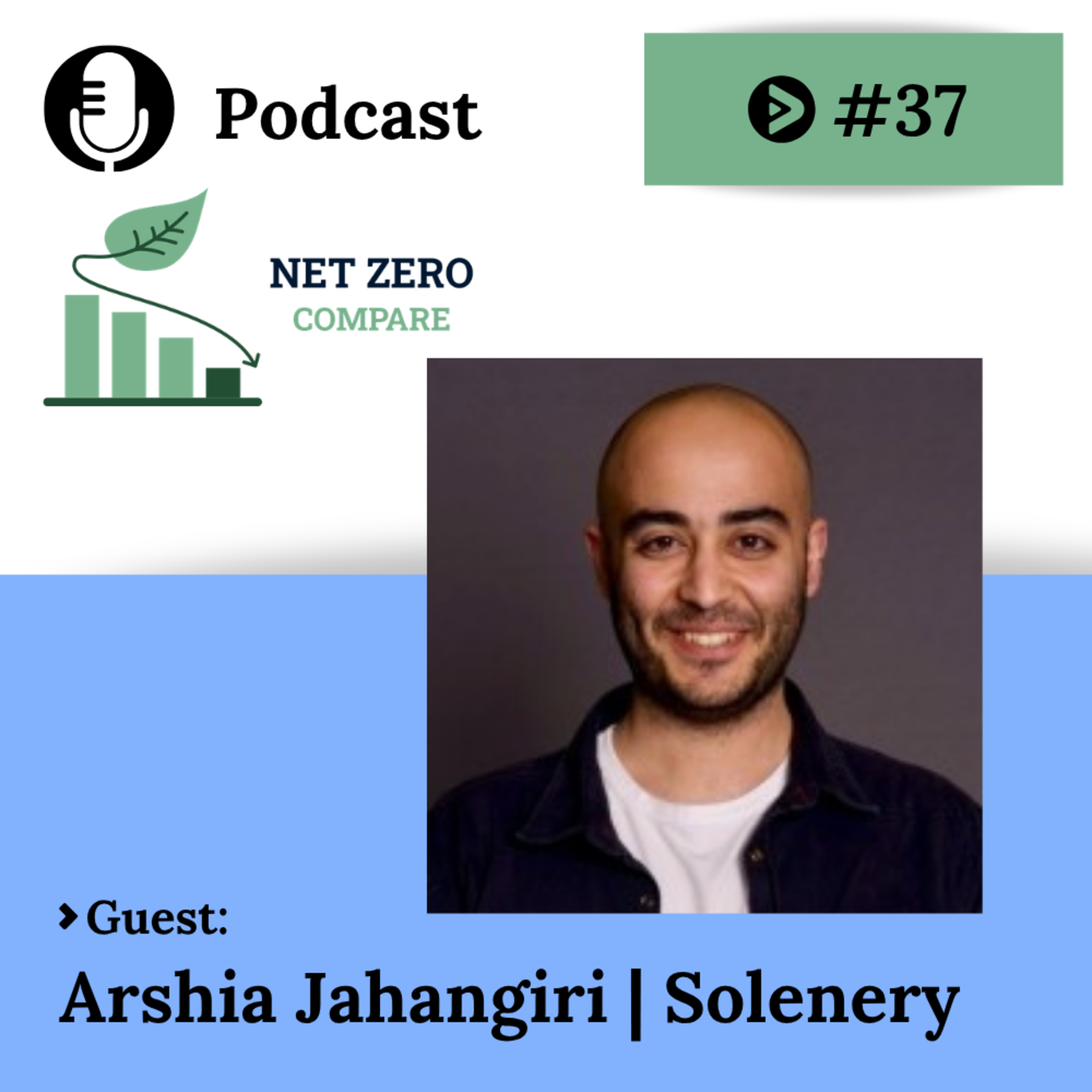 Arshia Jahangiri on From Solar Incentives to Real Adoption: Why Clean Energy Still Needs a Better User Experience | 🎯 In this episode: Arshia Jahangiri, CEO of Solenery, joins Net Zero Compare to explore why clean energy adoption remains complex despite improving technology and stronger financial cases.The conversation focuses on a key challenge in the energy transition: bridging the gap between available solutions and actual implementation. While technologies such as solar, heat pumps, EV chargers, and energy efficiency upgrades are widely accessible, Jahangiri explains that adoption is often slowed by fragmented decision-making processes, unclear financial assessments, and difficulty navigating incentives and regulations. A central theme is the importance of simplifying user experience. Rather than treating clean energy as a purely environmental decision, the discussion highlights the need to approach it as a financial and operational one. Property owners and businesses must evaluate return on investment, technical feasibility, and long-term cost implications, often across multiple competing upgrade options. The episode also emphasizes the role of platforms in reducing friction. Solenery’s model focuses on providing property-specific assessments, including incentives, financing options, and tailored upgrade pathways. This helps users move from general interest to actionable decisions, while also improving efficiency for contractors and solution providers. Commercial buildings are highlighted as a key opportunity area. With rising energy costs, ESG pressures, and regulatory expectations, businesses are increasingly motivated to explore clean energy solutions. However, adoption depends on clear roadmaps, realistic projections, and the ability to integrate upgrades into broader operational strategies. Ultimately, the discussion makes clear that clean energy adoption is not limited by technology, but by complexity. Progress will depend on better tools, clearer financial visibility, and more structured pathways that make implementation easier and more predictable.🔗 Read the full article: https://netzerocompare.com/podcasts/net-zero-compare-podcast/arshia-jahangiri-solenery📍 Guest: Arshia Jahangiri, CEO of Soleneryhttps://www.linkedin.com/in/arshyya/🎙 Interview by: Karol Kaczmarek, Co-Founder of Net Zero Compare https://www.linkedin.com/in/karol-kaczmarek-39a29651/#ArshiaJahangiri #CleanEnergy #EnergyTransition #NetZero #Sustainability #SolarEnergy #EnergyEfficiency #ESG #Decarbonization #ClimateTech #BuiltEnvironment ***At Net Zero Compare, we deliver clear, data-backed insights for decision-makers navigating ESG reporting, net-zero compliance, and clean energy adoption.🌐 https://netzerocompare.com📩 Contact us: info@netzerocompare.com📚 Explore the Academy: https://netzerocompare.com/academy📰 Read more insights: https://netzerocompare.com/articles | — | ||||||
| 4/24/26 | 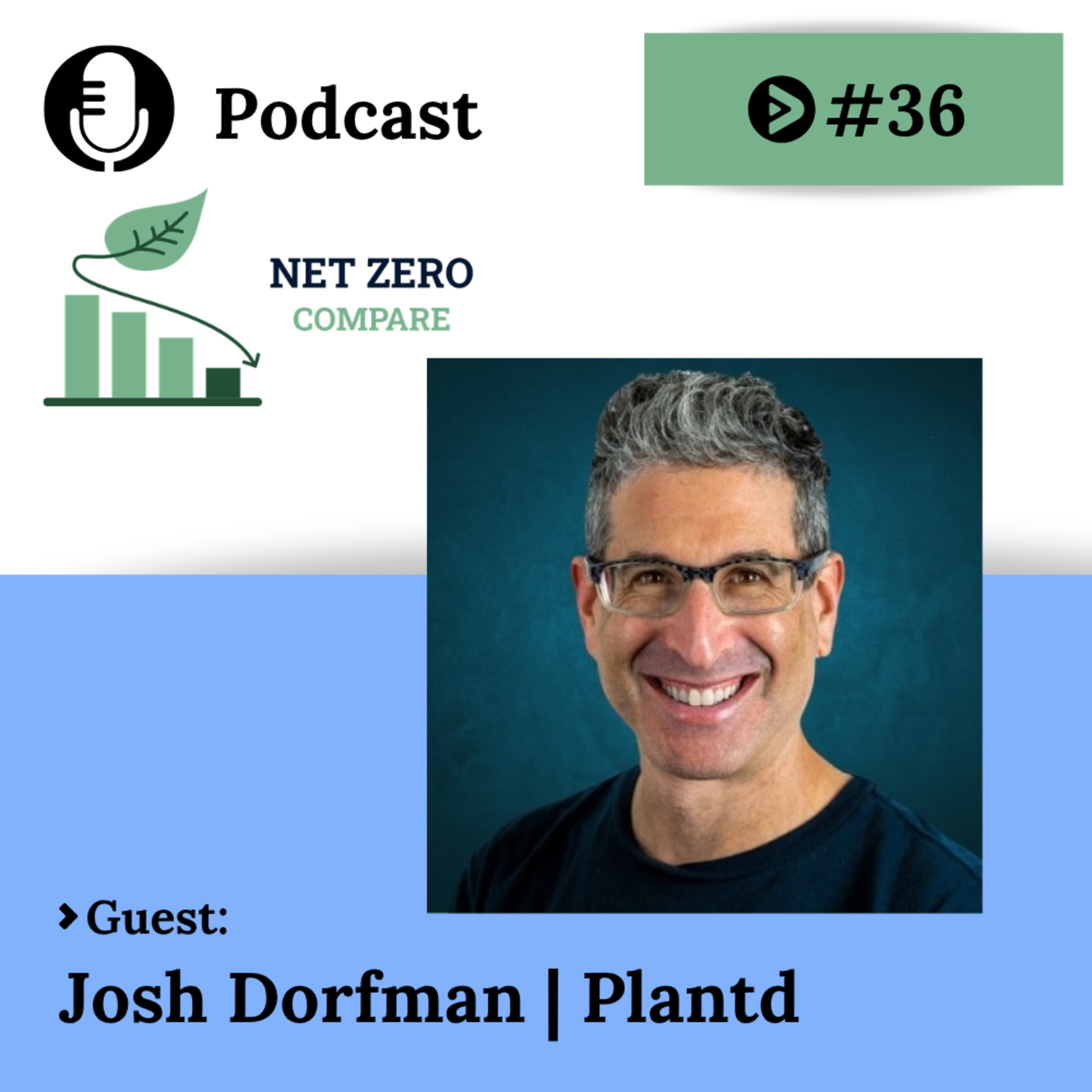 Josh Dorfman on Why Climate Solutions Succeed or Fail: Lessons from Josh Dorfman on Business Models, Materials, and Market Adoption | 🎯 In this episode: Josh Dorfman, co-founder of Plantd, joins Net Zero Compare to explore what separates climate solutions that scale from those that struggle to reach real-world adoption.The conversation focuses on a central challenge in climate innovation: turning technically viable solutions into commercially successful businesses. While many technologies deliver clear environmental benefits, Dorfman explains that adoption depends primarily on their ability to solve immediate business problems such as cost, performance, and risk. A key theme is the importance of business model innovation. Rather than relying solely on new technologies, many successful companies accelerate adoption through financing structures and delivery models that reduce upfront costs and simplify decision-making for customers. This approach helps overcome one of the main barriers in corporate environments: risk aversion. The discussion also highlights the role of materials in decarbonization, using Plantd as an example of how fast-growing biomass can be transformed into low-carbon construction panels. These materials not only store carbon but also address practical industry challenges such as durability and performance in demanding environments. However, scaling remains difficult. The construction sector is highly conservative, with strict standards, long product lifecycles, and complex procurement processes. Even with strong pilot results, companies often face challenges related to manufacturing scale, capital requirements, and integration into existing supply chains. The episode also explores how corporate demand for climate solutions is increasing, driven by emissions targets and supply chain pressure. Yet, implementation is frequently constrained by cost sensitivity, internal complexity, and competing priorities. Ultimately, the discussion makes clear that climate solutions succeed when they align with core business incentives. Progress depends less on theoretical impact and more on delivering practical, scalable value that fits within existing systems and decision frameworks.🔗 Read the full article: https://netzerocompare.com/podcasts/net-zero-compare-podcast/josh-dorfman-plantd-supercool📍 Guest: Josh Dorfman, co-founder of Plantdhttps://www.linkedin.com/in/dorfmanjosh/🎙 Interview by: Karol Kaczmarek, Co-Founder of Net Zero Compare https://www.linkedin.com/in/karol-kaczmarek-39a29651/#JoshDorfman #ClimateTech #NetZero #Sustainability #EnergyTransition #GreenBuilding #ConstructionInnovation #LowCarbonMaterials #Decarbonization #CleanEnergy #CircularEconomy #ClimateSolutions #ESG ***At Net Zero Compare, we deliver clear, data-backed insights for decision-makers navigating ESG reporting, net-zero compliance, and clean energy adoption.🌐 https://netzerocompare.com📩 Contact us: info@netzerocompare.com📚 Explore the Academy: https://netzerocompare.com/academy📰 Read more insights: https://netzerocompare.com/articles | — | ||||||
| 4/16/26 | 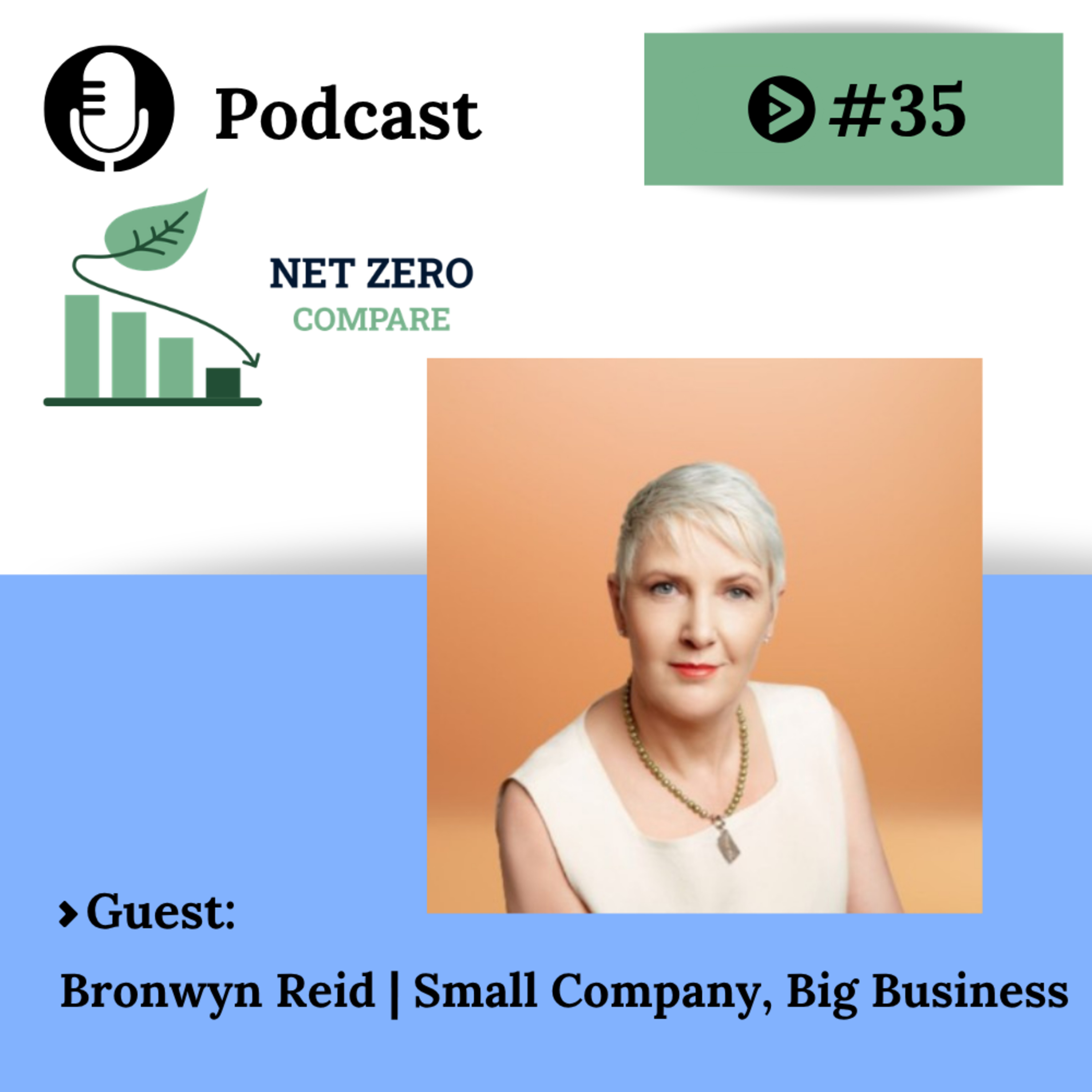 Bronwyn Reid on Why ESG Strategies Break Down in Practice and What Companies Can Do About It | 🎯 In this episode: Bronwyn Reid joins Net Zero Compare to explore why sustainability strategies often fail at the point of implementation, particularly across complex supply chains.The conversation focuses on the growing gap between ESG commitments and real-world execution. While large organizations increasingly define ambitious sustainability goals, responsibility for delivering them frequently shifts to operational teams and smaller suppliers with limited resources and guidance. Reid explains how this dynamic leads to fragmented, reactive approaches rather than structured, scalable solutions. A key theme is the rising complexity of ESG regulations. Companies face multiple overlapping frameworks, yet often lack clarity on what compliance requires in practice. This creates confusion and slows progress, especially for businesses without dedicated sustainability teams. The discussion also highlights how ESG is still too often treated as a separate function, competing with core business priorities instead of being fully integrated into decision-making. The episode identifies recurring gaps in communication, expectations, and capability between large companies and their supply chains. It argues that progress depends less on new strategies and more on practical execution, starting with small, manageable actions and building internal alignment over time. Ultimately, the discussion presents ESG implementation as a long-term operational challenge, where success depends on consistency, clarity, and embedding sustainability into the core of how organizations function.🔗 Read the full article: https://netzerocompare.com/podcasts/net-zero-compare-podcast/bronwyn-reid-small-company-big-business📍 Guest: Bronwyn Reid, Founder of Small Company, Big Businesshttps://www.linkedin.com/in/bronwynreid/🎙 Interview by: Karol Kaczmarek, Co-Founder of Net Zero Compare https://www.linkedin.com/in/karol-kaczmarek-39a29651/#Bronwyn Reid #ESG #Sustainability #SupplyChain #ESGReporting #Regulations #NetZero #CorporateStrategy #SustainableBusiness #RiskManagement #ClimateAction***At Net Zero Compare, we deliver clear, data-backed insights for decision-makers navigating ESG reporting, net-zero compliance, and clean energy adoption.🌐 https://netzerocompare.com📩 Contact us: info@netzerocompare.com📚 Explore the Academy: https://netzerocompare.com/academy📰 Read more insights: https://netzerocompare.com/articles | — | ||||||
| 4/9/26 |  Richard Halsall on Why Air Distribution, Not Just Cooling Technology, Drives Energy Efficiency in Buildings | 🎯 In this episode: Richard Halsall joins Net Zero Compare to discuss how air distribution, not just cooling technology, shapes energy efficiency and indoor performance in buildings.The conversation explores how rising cooling demand is exposing a key gap in HVAC design: while systems have become more efficient at generating heating and cooling, airflow within buildings is often poorly managed. Halsall explains how traditional approaches treat air distribution too simply, leading to thermal stratification, uneven temperatures, and higher energy use. A central theme is that improving airflow can reduce the workload on HVAC systems. By distributing air more evenly, buildings can maintain comfort at more flexible thermostat settings, lowering energy consumption, operational costs, and equipment wear. The discussion also highlights the link between airflow and indoor air quality, showing how better circulation can reduce humidity, airborne particles, and localized contamination. The episode emphasizes that even advanced cooling technologies can underperform without proper air distribution. Instead of focusing only on new equipment, building operators can achieve meaningful efficiency gains through simpler, retrofit-friendly solutions that optimize existing systems. Ultimately, the discussion presents air distribution as a practical and often overlooked lever for improving energy efficiency, reducing emissions, and enhancing occupant comfort across a wide range of building types.🔗 Read the full article: https://netzerocompare.com/podcasts/net-zero-compare-podcast/richard-halsall-exhale-fans📍 Guest: Richard Halsall, CEO of Exhale Fanshttps://www.linkedin.com/in/richard-halsall-a0bb551a🎙 Interview by: Karol Kaczmarek, Co-Founder of Net Zero Compare https://www.linkedin.com/in/karol-kaczmarek-39a29651/#RichardHalsall #EnergyEfficiency #Buildings #HVAC #AirDistribution #Cooling #IndoorAirQuality #BuildingPerformance #NetZero #Decarbonization #SustainableBuildings #EnergySavings #ClimateAction #SmartBuildings #Retrofit #EnergyManagement***At Net Zero Compare, we deliver clear, data-backed insights for decision-makers navigating ESG reporting, net-zero compliance, and clean energy adoption.🌐 https://netzerocompare.com📩 Contact us: info@netzerocompare.com📚 Explore the Academy: https://netzerocompare.com/academy📰 Read more insights: https://netzerocompare.com/articles | — | ||||||
| 4/2/26 |  Tim Geller on Sustainability Without a Team: How SMEs Can Approach Emissions, Data, and ROI | 🎯 In this episode: Tim Geller, Co-Founder of Alectro, joins Net Zero Compare to discuss how companies, especially those without dedicated sustainability teams, approach emissions tracking and reporting in practice.The conversation explores the challenges organizations face when starting their sustainability journey, from fragmented data and reliance on spreadsheets to inconsistent methodologies that make progress difficult to track. Geller highlights the importance of establishing a clear baseline, defining boundaries early, and maintaining consistency over time rather than aiming for perfect data from the start. A key theme is the evolution of challenges: initial hurdles around internal alignment and data collection give way to more strategic questions about prioritizing actions based on cost and emissions impact. The episode also examines the complexity of Scope 3 emissions, driven by unclear boundaries, limited supplier data, and methodological flexibility, emphasizing the need for iterative improvement and supplier engagement. The discussion underscores that imperfect data should not delay action. Instead, companies should focus on identifying emission hotspots and refining data quality over time. Geller also connects sustainability efforts to tangible business outcomes, including revenue opportunities, operational efficiency, and procurement advantages. The episode highlights common early mistakes, such as overanalyzing tools and lacking management buy-in, and stresses the value of starting small and demonstrating results. Ultimately, sustainability is presented not just as a compliance exercise, but as a practical, evolving process that becomes more effective when integrated into decision-making across the organization.🔗 Read the full article: https://netzerocompare.com/podcasts/net-zero-compare-podcast/tim-geller-alectro📍 Guest: Tim Geller, Co-founder of Alectro https://www.linkedin.com/in/timgeller/🎙 Interview by: Karol Kaczmarek, Co-Founder of Net Zero Compare https://www.linkedin.com/in/karol-kaczmarek-39a29651/🔗 Alectro: https://alectro.io/#TimGeller #CarbonAccounting #ESGReporting #Scope3 #SupplyChainSustainability #SustainabilityStrategy #EmissionsTracking #ClimateData #Sustainability #NetZero#Regulations #BusinessSustainability #ClimateAction***At Net Zero Compare, we deliver clear, data-backed insights for decision-makers navigating ESG reporting, net-zero compliance, and clean energy adoption.🌐 https://netzerocompare.com📩 Contact us: info@netzerocompare.com📚 Explore the Academy: https://netzerocompare.com/academy📰 Read more insights: https://netzerocompare.com/articles | — | ||||||
| 3/27/26 |  Luís Cruz on Sustainable Software and AI: Why Measurement and Developer Behavior Matter More Than Reporting Alone | 🎯 In this episode: Luís Cruz, Co-founder of GreenSeal.dev and Assistant Professor at TU Delft, joins Net Zero Compare to discuss why software sustainability must move beyond reporting and into day-to-day engineering practices.The conversation explores how software, often hidden within Scope 2 and 3 emissions, remains a blind spot in most climate strategies despite the rapid growth of AI and cloud computing. Cruz explains how environmental impact is shaped across multiple layers, from code efficiency and system architecture to product design choices such as data usage and default features. The episode highlights the complexity of measuring software emissions and argues that practical, directional metrics are more useful than perfect but impractical calculations. A key theme is the role of developers, with a shift needed from top-level ESG reporting to embedding sustainability directly into development workflows. Cruz also discusses the rebound effect, where efficiency gains can increase overall resource use, and examines the real impact of AI systems, particularly the dominance of inference over training in long-term energy consumption. The discussion also addresses limitations in current certification models and the growing importance of regulation and procurement in driving change. Real-world examples show how small improvements in software design can scale into significant energy savings. Overall, the episode underscores that sustainable software is not just a reporting challenge, but an engineering and operational priority for companies aiming to reduce their digital footprint.🔗 Read the full article: https://netzerocompare.com/podcasts/net-zero-compare-podcast/luis-cruz-greenseal-dev📍 Guest: Luís Cruz, Co-founder of GreenSeal.dev https://www.linkedin.com/in/luismirandacruz/🎙 Interview by: Karol Kaczmarek, Co-Founder of Net Zero Compare https://www.linkedin.com/in/karol-kaczmarek-39a29651/🔗 GreenSeal.dev: https://www.greenseal.dev/#LuisCruz #SoftwareSustainability #GreenSoftware #SustainableAI #AI #CloudComputing #GreenTech #SoftwareEngineering #ClimateTech #DigitalSustainability#NetZero***At Net Zero Compare, we deliver clear, data-backed insights for decision-makers navigating ESG reporting, net-zero compliance, and clean energy adoption.🌐 https://netzerocompare.com📩 Contact us: info@netzerocompare.com📚 Explore the Academy: https://netzerocompare.com/academy📰 Read more insights: https://netzerocompare.com/articles | — | ||||||
| 3/19/26 |  Loveen Vuppala on Scope 3 as Procurement Intelligence: Moving Carbon Data from Reporting to Decision-Making | 🎯 In this episode: Loveen Vuppala, Founder of Emit Earth, joins Karol Kaczmarek to discuss why Scope 3 emissions should be treated as operational intelligence rather than a compliance exercise.The conversation explores how the majority of corporate emissions, often 70 to 90%, sit within the supply chain, making procurement a central lever for decarbonization. Vuppala explains that carbon data can reveal critical insights into supplier risk, energy cost exposure, and regulatory vulnerability, yet it is often siloed within sustainability teams and disconnected from sourcing decisions. The episode examines the limitations of current Scope 3 practices, particularly the reliance on industry averages instead of supplier-specific data, which can obscure meaningful differences in production methods and regional energy systems. Rather than waiting for perfect data, Vuppala emphasizes the importance of using directionally accurate information to inform decision-making and improve data quality over time. Supplier engagement is another key theme, with a shift needed from compliance-driven questionnaires to collaborative value creation, where emissions transparency can support cost reduction, stronger contracts, and long-term competitiveness. The discussion also highlights growing regulatory pressure, including disclosure requirements and carbon pricing mechanisms, which are making emissions data financially material. Real-world examples illustrate how companies can use carbon insights to evaluate total cost of ownership, optimize sourcing strategies, and anticipate future risks. Overall, the episode underscores that integrating carbon data into procurement is not just about meeting reporting obligations, but about strengthening supply chain resilience and enabling better business decisions in a low-carbon economy.🔗 Read the full article: https://netzerocompare.com/podcasts/net-zero-compare-podcast/loveen-vuppala-emit-earth📍 Guest: Loveen Vuppala, founder of Emit Earthhttps://www.linkedin.com/in/loveenv/🎙 Interview by: Karol Kaczmarek, Co-Founder of Net Zero Compare https://www.linkedin.com/in/karol-kaczmarek-39a29651/🔗 Emit Earth: https://emitearth.com/#LoveenVuppala #Scope3 #Decarbonization #SupplyChain #Procurement #NetZero #Sustainability #CarbonData #ESG #ClimateStrategy #EnergyTransition***At Net Zero Compare, we deliver clear, data-backed insights for decision-makers navigating ESG reporting, net-zero compliance, and clean energy adoption.🌐 https://netzerocompare.com📩 Contact us: info@netzerocompare.com📚 Explore the Academy: https://netzerocompare.com/academy📰 Read more insights: https://netzerocompare.com/articles | — | ||||||
| 3/12/26 | 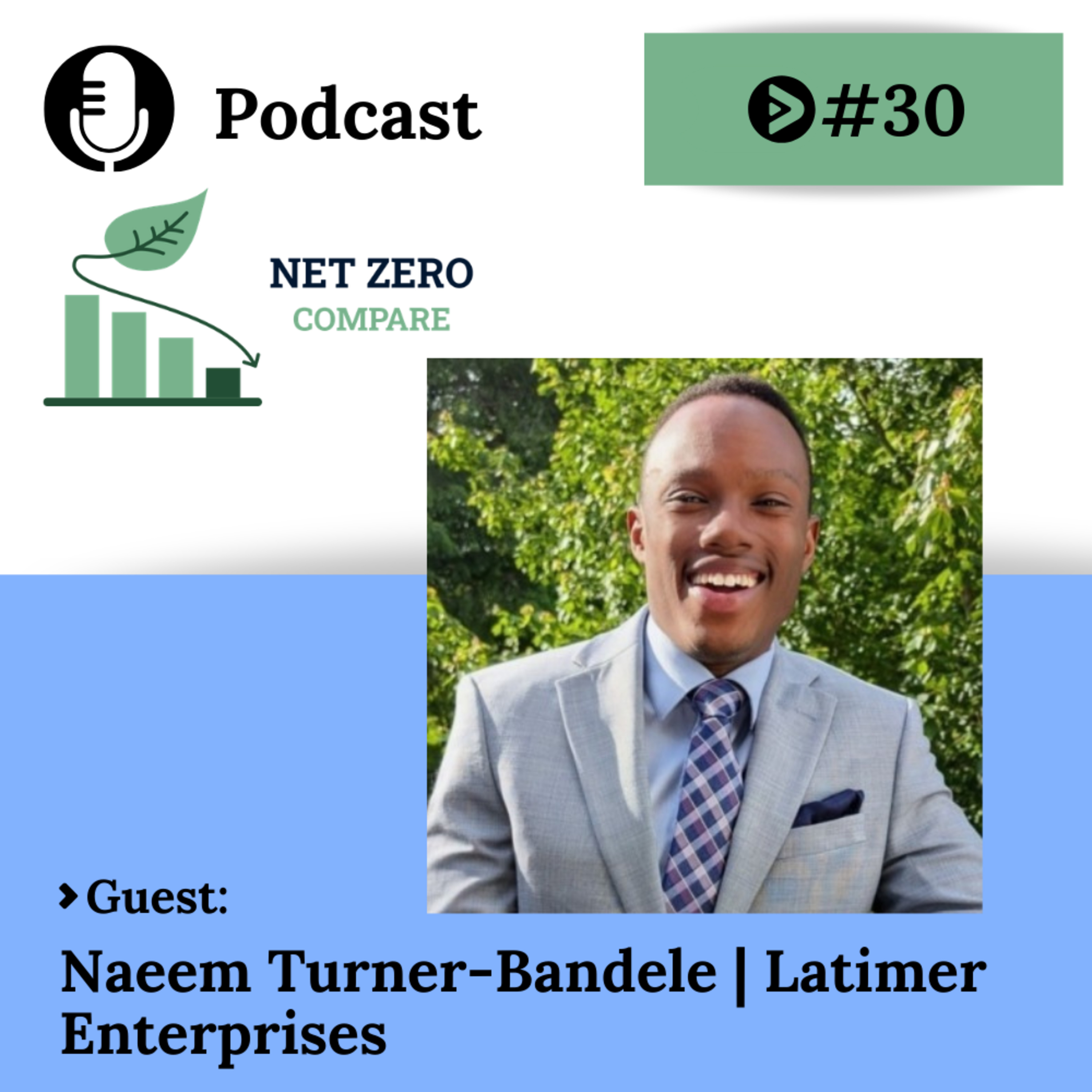 Naeem Turner-Bandele on What Power System Planning Often Misses: Reliability, Workforce, and Real Grid Constraints | 🎯 In this episode: Dr. Naeem Turner-Bandele, Founder and CEO of Latimer Enterprises, joins Karol Kaczmarek to discuss the realities of power system planning and the technical constraints that shape modern electricity grids.The conversation explores how electricity systems operate through interconnected layers of generation, transmission, and distribution, all of which must remain balanced in real time to maintain reliability. Dr. Turner-Bandele explains why integrating variable renewable energy sources such as wind and solar introduces operational challenges for grid operators, including managing generation fluctuations and maintaining stable voltage and frequency across the network. The episode also examines the role and limitations of energy storage. While battery systems can help manage short-term variability and support grid stability, current technologies typically provide only several hours of storage and cannot fully address longer periods of low renewable generation. Transmission infrastructure emerges as another critical constraint, with aging networks, regulatory approval processes, and financing challenges slowing the expansion needed to support new renewable capacity. Beyond infrastructure and technology, the discussion highlights a frequently overlooked issue in energy policy: workforce availability. Building and operating future electricity systems requires highly specialized engineers and technicians, and shortages in these roles could become a major bottleneck for grid expansion. The episode also looks ahead to emerging solutions such as microgrids and digital twin technologies that may improve resilience, monitoring, and operational planning. Overall, the discussion emphasizes that successful energy transitions depend not only on climate targets and new technologies, but also on understanding the physical, operational, and human constraints that define how electricity systems actually function.🔗 Read the full article: https://netzerocompare.com/podcasts/net-zero-compare-podcast/naeem-turner-bandele-latimer-enterprises📍 Guest: Naeem Turner-Bandele, Ph.D., MBA, Founder and CEO of Latimer Enterpriseshttps://www.linkedin.com/in/naeem-turner-bandele/🎙 Interview by: Karol Kaczmarek, Co-Founder of Net Zero Compare https://www.linkedin.com/in/karol-kaczmarek-39a29651/🔗 Latimer Enterprises: https://www.latimerent.com/#NaeemTurnerBandele #EnergyTransition #PowerGrid #GridReliability #EnergyPolicy #RenewableEnergy #EnergyStorage #ElectricitySystems #GridInfrastructure #CleanEnergy #TransmissionInfrastructure #EnergyInnovation #PowerSystemPlanning #EnergyInnovation #ClimateStrategy #netzerocompare***At Net Zero Compare, we deliver clear, data-backed insights for decision-makers navigating ESG reporting, net-zero compliance, and clean energy adoption.🌐 https://netzerocompare.com📩 Contact us: info@netzerocompare.com📚 Explore the Academy: https://netzerocompare.com/academy📰 Read more insights: https://netzerocompare.com/articles | — | ||||||
| 3/5/26 | 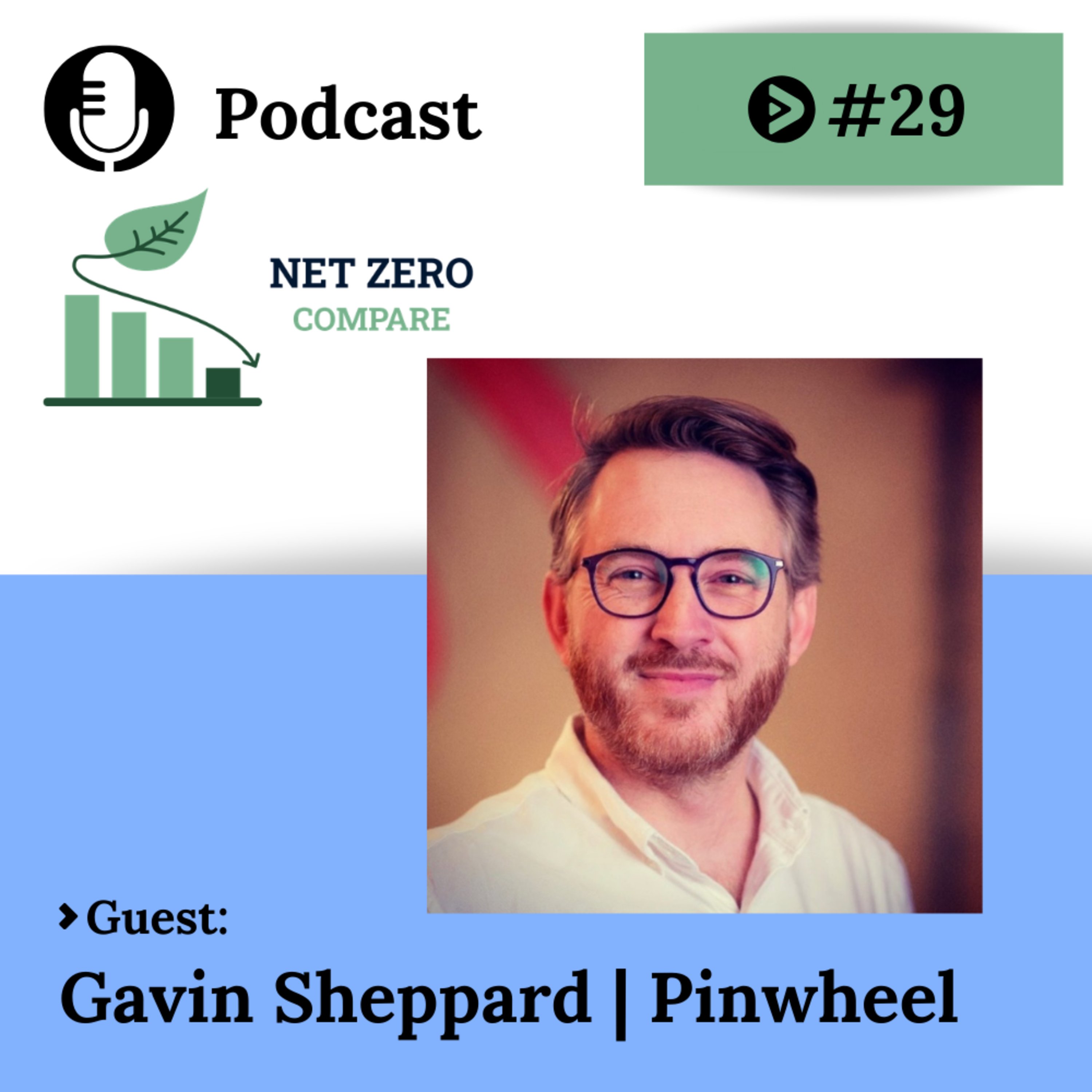 Gavin Sheppard on Beyond Counting Carbon: How Enterprises Should Think About Emissions, Risk, and Value | 🎯 In this episode: Gavin Sheppard, CEO of Pinwheel, discusses how companies should move beyond carbon accounting and focus on using emissions data to guide meaningful climate action and investment decisions.The conversation explores the limits of data precision in sustainability reporting, highlighting how organizations can become trapped in “analysis paralysis” when pursuing perfectly accurate emissions inventories. Sheppard explains that while emissions data is important, its value ultimately depends on how it informs strategy, risk management, and capital allocation. The episode examines the complexities of Scope 3 emissions, where supply chain coordination, governance, and data consistency often prove more challenging than the technical calculation itself. Sheppard also addresses the role of models and estimates in climate projects, noting that many environmental interventions rely on projections rather than exact measurements, which makes absolute claims such as carbon neutrality difficult to justify. Beyond measurement, the discussion focuses on beyond value chain mitigation, including how companies can invest responsibly in high-quality climate and nature projects while avoiding the pitfalls of low-impact offset markets. The episode also considers the growing influence of regulations such as the Corporate Sustainability Reporting Directive and science-based target frameworks, which are expanding sustainability reporting expectations across global supply chains. Ultimately, Sheppard argues that sustainability should not be treated solely as a compliance exercise but as a strategic business function that connects climate action with brand value, stakeholder expectations, and long-term corporate resilience.🔗 Read the full article: https://netzerocompare.com/podcasts/net-zero-compare-podcast/gavin-sheppard-pinwheel📍 Guest: Gavin Sheppard , CEO of Pinwheelhttps://www.linkedin.com/in/gavin-j-sheppard/🎙 Interview by: Karol Kaczmarek, Co-Founder of Net Zero Compare https://www.linkedin.com/in/karol-kaczmarek-39a29651/🔗 Pinwheel: https://www.pinwheel.earth/ #GavinSheppard #ClimateStrategy #CarbonAccounting #Scope3 #CorporateSustainability #NetZero #ClimateLeadership #SustainabilityStrategy #ClimateInvestment #CarbonMarkets #BeyondValueChain #ESG #CSRD #SustainableBusiness #netzerocompare***At Net Zero Compare, we deliver clear, data-backed insights for decision-makers navigating ESG reporting, net-zero compliance, and clean energy adoption.🌐 https://netzerocompare.com📩 Contact us: info@netzerocompare.com📚 Explore the Academy: https://netzerocompare.com/academy📰 Read more insights: https://netzerocompare.com/articles | — | ||||||
Want analysis for the episodes below?Free for Pro Submit a request, we'll have your selected episodes analyzed within an hour. Free, at no cost to you, for Pro users. | |||||||||
| 2/26/26 | 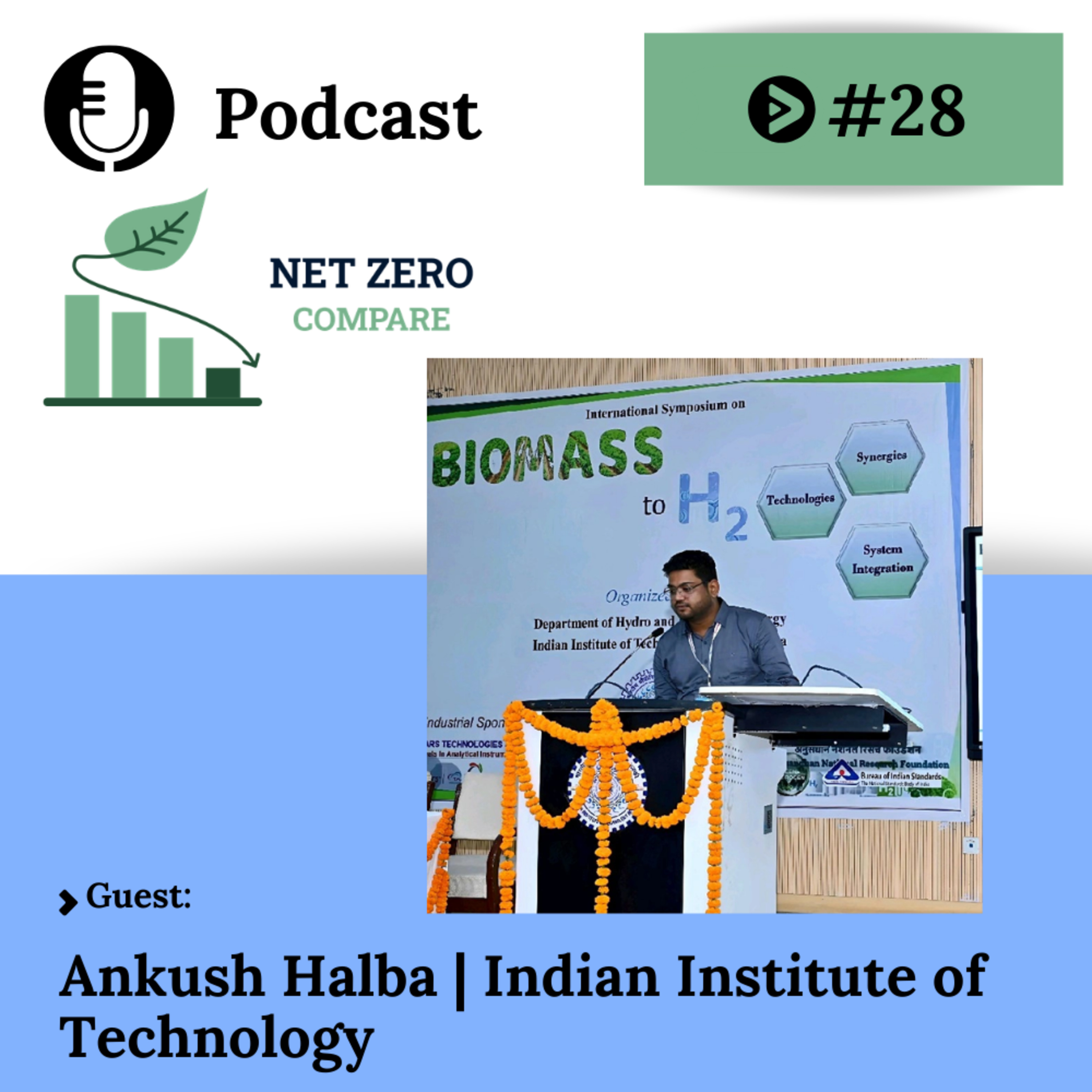 Ankush Halba on When Bioenergy Makes Sense and When It Does Not: Practical Insights from Biomass and Waste-to-Energy Research | 🎯 In this episode: Ankush Halba, Doctoral Fellow at IIT Roorkee, explains why bioenergy and waste-to-energy projects succeed or fail depending on supply chain design, system boundaries, and financial realism.The conversation explores the critical distinction between biomass-to-energy and waste-to-energy, highlighting how feedstock variability, preprocessing requirements, and emissions accounting fundamentally change project outcomes. Halba emphasizes that life cycle assessment and clearly defined system boundaries are essential, particularly as Scope 3 emissions from feedstock transport and logistics can account for 70 to 90 percent of total project emissions. He discusses why many bioenergy projects appear viable in theoretical models but collapse under real-world conditions due to unreliable feedstock supply, storage losses, long transport distances, and overestimated plant utilization rates. The episode also examines how GIS-based supply chain optimization directly influences plant siting, emissions performance, and financial returns. Beyond technical modeling, the discussion covers techno-economic assessment, the role of carbon credits and green financing, and the importance of conservative assumptions when evaluating Net Present Value, Internal Rate of Return, and Levelized Cost of Electricity. Halba also addresses transitional energy realities in emerging economies, including the continued role of internal combustion engines, where grid decarbonization remains incomplete. Ultimately, the episode underscores that bioenergy is neither inherently green nor inherently flawed. Its sustainability depends on rigorous life cycle thinking, realistic financial modeling, stakeholder engagement, and disciplined execution grounded in regional realities.🔗 Read the full article: https://netzerocompare.com/podcasts/net-zero-compare-podcast/ankush-halba-itt-roorkee📍 Guest: Ankush Halba, Doctoral Fellow at IIT Roorkeehttps://www.linkedin.com/in/ankush-halba-867558167/🎙 Interview by: Karol Kaczmarek, Co-Founder of Net Zero Compare https://www.linkedin.com/in/karol-kaczmarek-39a29651/🔗 Doctoral Fellow at IIT Roorkee: https://www.iitr.ac.in/#Ankush Halba #Bioenergy #WasteToEnergy #Biomass #LifeCycleAssessment #CarbonAccounting #Scope3 #SupplyChain #SupplyChainSustainability #NetZero #TechnoEconomicAnalysis #CarbonCredits #ESG #ESGReporting #ClimateFinance #EnergyTransition ***At Net Zero Compare, we deliver clear, data-backed insights for decision-makers navigating ESG reporting, net-zero compliance, and clean energy adoption.🌐 https://netzerocompare.com📩 Contact us: info@netzerocompare.com📚 Explore the Academy: https://netzerocompare.com/academy📰 Read more insights: https://netzerocompare.com/articles | — | ||||||
| 2/20/26 | 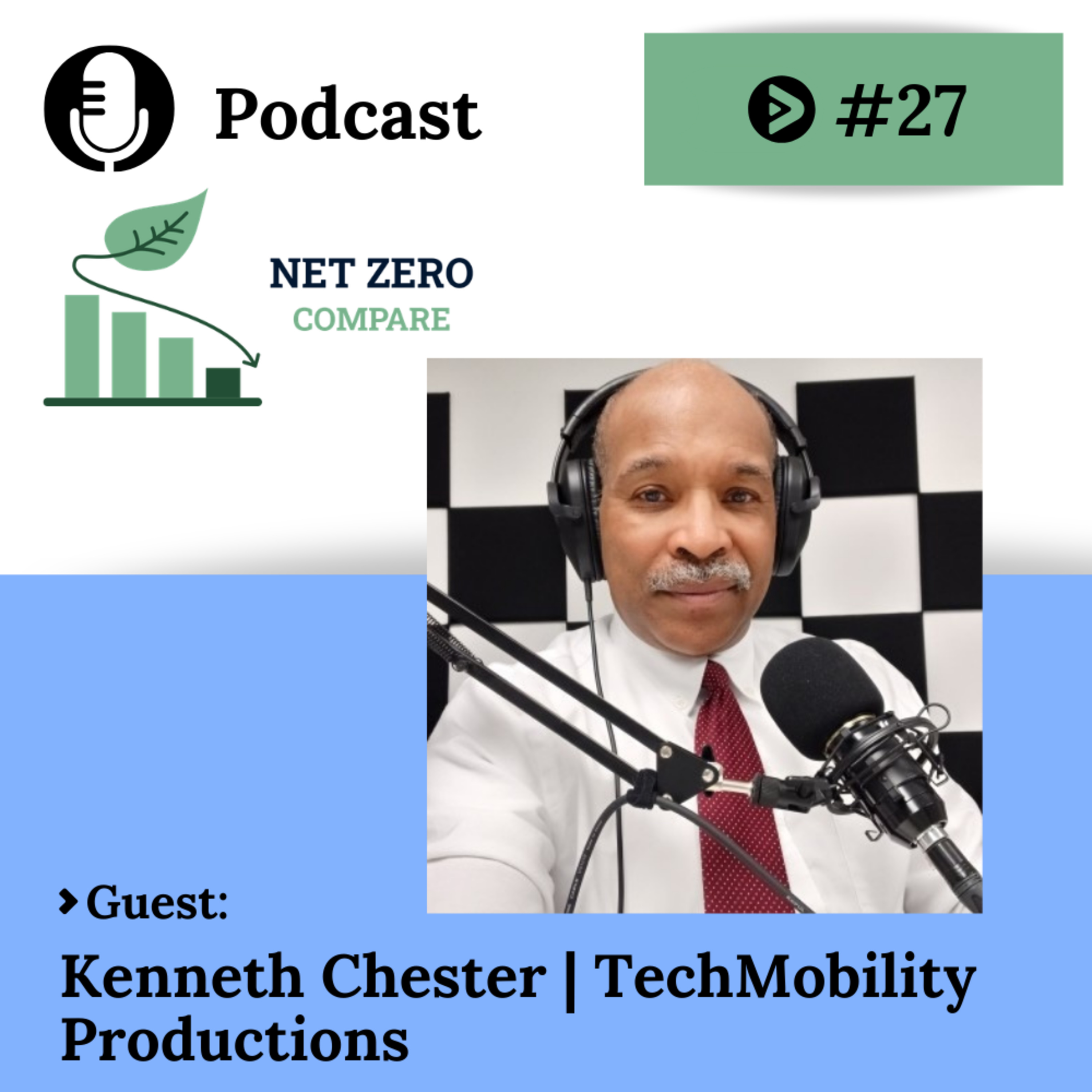 Kenneth Chester on Why Mobility Strategy Fails Without Infrastructure, Regulation, and Realism | 🎯 In this episode: Kenneth Chester, CEO and host at TechMobility Productions, explains why mobility decarbonization strategies fail when infrastructure, regulation, and execution realities are ignored. The conversation explores how mobility sits at the center of emissions, capital allocation, supply chains, and regulatory exposure, making it far more than a side issue in corporate climate planning. Chester discusses where electrification delivers real value, particularly in predictable fleet applications, and where limitations remain for heavy-duty and long-haul transport, pointing to the need for a diversified technology mix. He examines how infrastructure bottlenecks, grid capacity constraints, and policy reversals disrupt long-term investment decisions. The episode also covers the role of stable regulation in driving innovation, the risks of misallocated capital, and the importance of aligning mobility decisions with Scope 1 and Scope 3 reporting. Ultimately, the discussion highlights why realistic assumptions, disciplined execution, and system-level thinking determine whether mobility transitions succeed.🔗 Read the full article: https://netzerocompare.com/podcasts/net-zero-compare-podcast/kenneth-chester-techmobility📍 Guest: Kenneth Chester, CEO of TechMobility Productions Inchttps://www.linkedin.com/in/kennethjameschesterjr/🎙 Interview by: Karol Kaczmarek, Co-Founder of Net Zero Compare https://www.linkedin.com/in/karol-kaczmarek-39a29651/🔗 TechMobility Productions Inc.: https://www.techmobility.show/#Kenneth Chester #Mobility #Decarbonization #Electrification #EnergyTransition #Infrastructure #ClimateStrategy #Sustainability #NetZero #FleetElectrification #Regulation #Scope1 #Scope3 #CleanTransport #PolicyRisk #CorporateStrategy***At Net Zero Compare, we deliver clear, data-backed insights for decision-makers navigating ESG reporting, net-zero compliance, and clean energy adoption.🌐 https://netzerocompare.com📩 Contact us: info@netzerocompare.com📚 Explore the Academy: https://netzerocompare.com/academy📰 Read more insights: https://netzerocompare.com/articles | — | ||||||
| 2/12/26 | 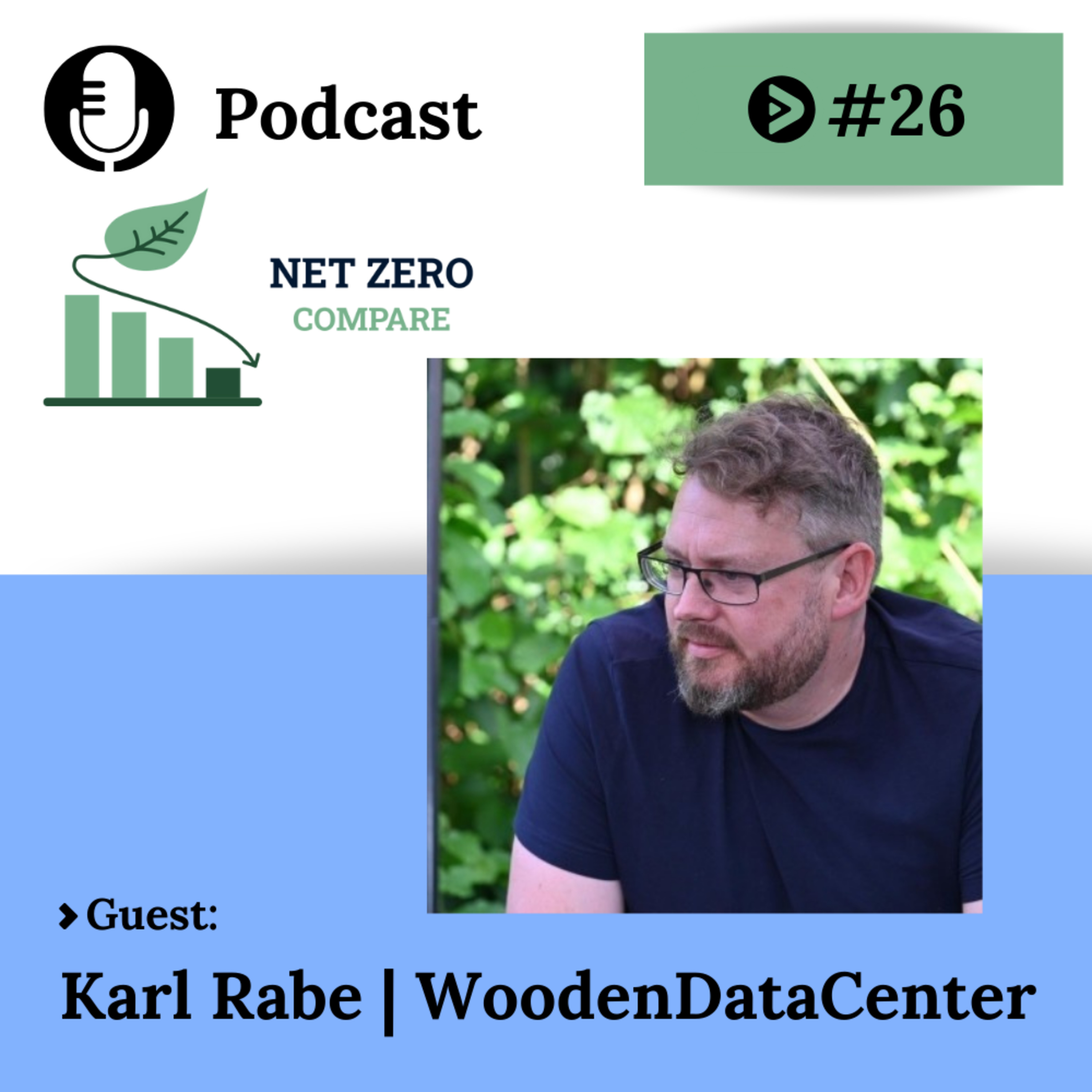 Karl Rabe on Rethinking Data Centers Starts Before the Power Is Switched On | 🎯 In this episode: Karl Rabe, Founder and Managing Director of WoodenDataCenter and Co-Lead of the Modular Data Center Group at the Open Compute Project Foundation, explains why data center sustainability must begin long before the servers are switched on.The conversation explores how, as renewable electricity reduces operational emissions, the majority of a data center’s footprint shifts to embedded emissions in construction materials, equipment, and supply chains. Rabe discusses why materials like cross-laminated timber (CLT) can significantly cut upfront carbon while improving speed and cost competitiveness through modular construction. He shares insights from hyperscale projects, noting that construction materials can account for 40-60% of total emissions, and up to 99% once power is fully decarbonized. The episode also covers modular infrastructure, open standards through the Open Compute Project, regional energy considerations, and how energy-integrated data centers can support grid stability with storage, flexible loads, and heat recovery. Ultimately, the discussion highlights why early design decisions, material choices, and system integration are becoming central to both climate performance and commercial success in digital infrastructure.🔗 Read the full article: https://netzerocompare.com/podcasts/net-zero-compare-podcast/karl-rabe-woodendatacenter📍 Guest: Karl Rabe, Founder and Managing Director of WoodenDataCenter and Co-Lead of the Modular Data Center Group at the Open Compute Project Foundationhttps://www.linkedin.com/in/karl-rabe-osg/🎙 Interview by: Karol Kaczmarek, Co-Founder of Net Zero Compare https://www.linkedin.com/in/karol-kaczmarek-39a29651/🔗 WoodenDataCenter: https://woodendatacenter.com/#KarlRabe #DataCenters #SustainableDataCenters #EmbeddedEmissions #DigitalInfrastructure #NetZero #ClimateTech #Decarbonization #GreenBuilding #LowCarbonConstruction #MassTimber***At Net Zero Compare, we deliver clear, data-backed insights for decision-makers navigating ESG reporting, net-zero compliance, and clean energy adoption.🌐 https://netzerocompare.com📩 Contact us: info@netzerocompare.com📚 Explore the Academy: https://netzerocompare.com/academy📰 Read more insights: https://netzerocompare.com/articles | — | ||||||
| 2/6/26 | 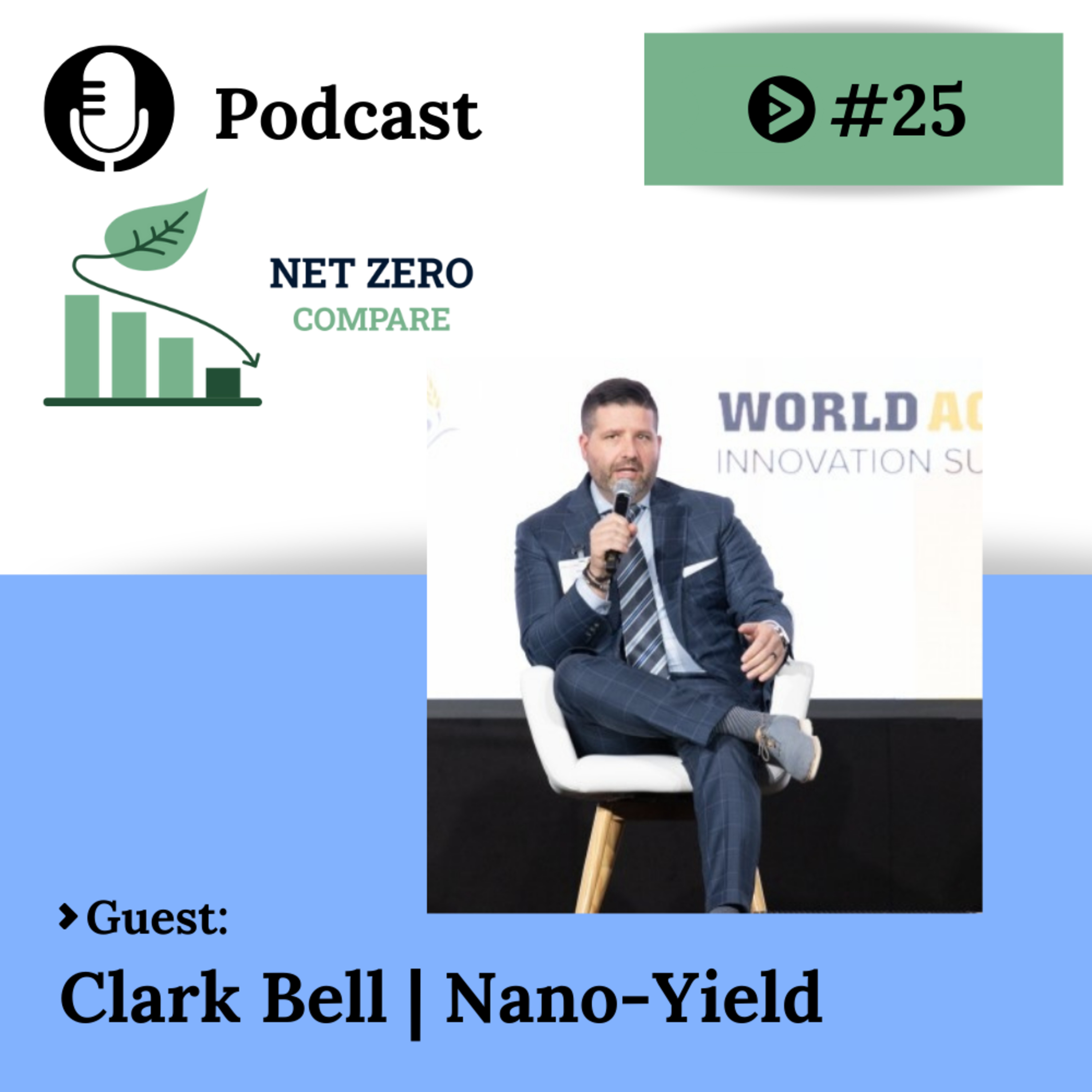 Clark T. Bell on Improving Agricultural Efficiency Without Increasing Inputs: Lessons From Nano-Yield | 🎯 In this episode: Clark T. Bell, CEO and Founder of Nano-Yield, explains how nanotechnology is being applied to improve efficiency in modern agriculture.The conversation explores why a significant share of fertilizers, such as nitrogen, never reaches crops, and how Nano-Yield enhances the delivery and absorption of existing inputs rather than replacing them. Bell discusses real-world field data showing that farmers can reduce fertilizer use by around 20% while maintaining or increasing yields, improving margins amid rising input costs. He addresses adoption barriers, the importance of independent trials, regulatory complexities across different regions, and the long-term impacts on soil health. The episode also connects input efficiency to Scope 3 emissions reduction, highlighting why solutions that align economic and environmental incentives are more likely to scale in today’s agricultural landscape.🔗 Read the full article: https://netzerocompare.com/podcasts/net-zero-compare-podcast/clark-t-bell-nano-yield📍 Guest: Clark T. Bell, CEO and Founder of Nano-Yield https://www.linkedin.com/in/clarktbell/🎙 Interview by: Karol Kaczmarek, Co-Founder of Net Zero Compare https://www.linkedin.com/in/karol-kaczmarek-39a29651/🔗 Nano-Yield: https://www.nano-yield.com/#Clark T. Bell #Agriculture #AgTech #Sustainability #Nanotechnology #ClimateAction #Scope3 #SoilHealth #FertilizerEfficiency #NetZero #FoodSystems #CarbonEmissions #Innovation***At Net Zero Compare, we deliver clear, data-backed insights for decision-makers navigating ESG reporting, net-zero compliance, and clean energy adoption.🌐 https://netzerocompare.com📩 Contact us: info@netzerocompare.com📚 Explore the Academy: https://netzerocompare.com/academy📰 Read more insights: https://netzerocompare.com/articles | — | ||||||
| 1/29/26 | 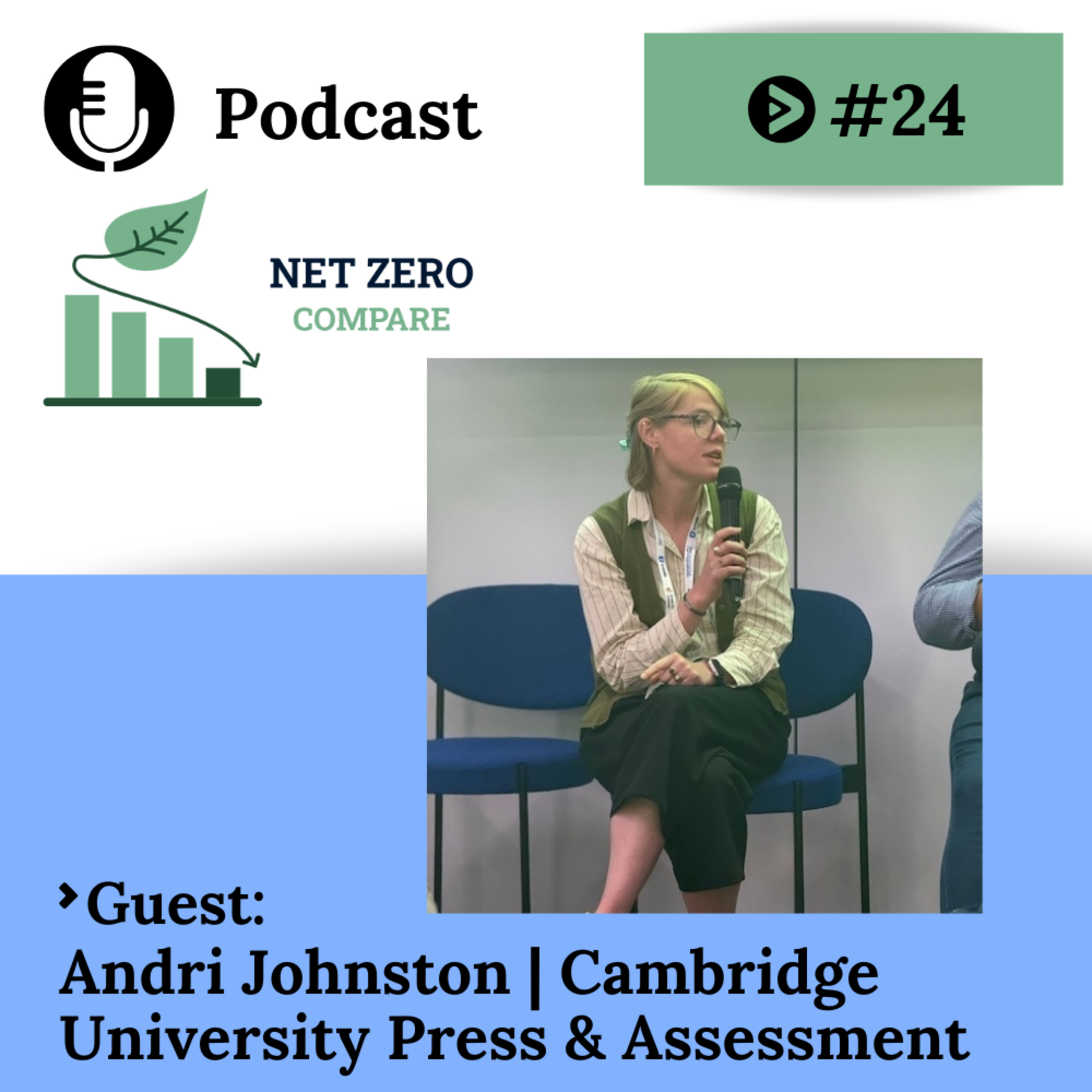 Andri Johnston on Digital Sustainability in Publishing: Practical Lessons from Cambridge University Press & Assessment | 🎯 In this episode: Andri Johnston, Digital Sustainability Lead axplains how digital sustainability works in practice inside a global publishing and education organization.The conversation explores where digital emissions actually come from in publishing, why waiting for perfect data slows progress, and how transparent assumptions can unlock action. Johnston discusses improving digital products through efficiency rather than feature reduction, the overlap between sustainability and accessibility, and the challenges of supplier transparency in Scope 3 reporting. She also reflects on governance, cultural change, hardware lifecycle management, and the emerging sustainability risks of AI. The episode highlights why continuous improvement, not theoretical perfection, is key to making digital sustainability measurable and operational at scale.🔗 Read the full article: https://netzerocompare.com/podcasts/net-zero-compare-podcast/andri-johnston-cambridge-university📍 Guest: Andri Johnston, Digital Sustainability Lead at Cambridge University Press & Assessmenthttps://www.linkedin.com/in/andri-johnston-208b0283/🎙 Interview by: Karol Kaczmarek, Co-Founder of Net Zero Compare https://www.linkedin.com/in/karol-kaczmarek-39a29651/🔗 Cambridge University: https://www.cambridge.org/🔗 Cambridge Press & Assessment: https://www.linkedin.com/company/cambridge-university-press-and-assessment/#Andri Johnston #DigitalSustainability #ESG #NetZero #Scope3 #SustainableTech #GreenIT #ClimateTech #Publishing #EdTech #Accessibility #SustainableDesign #DataQuality #CloudSustainability #ResponsibleAI #SystemsThinking***At Net Zero Compare, we deliver clear, data-backed insights for decision-makers navigating ESG reporting, net-zero compliance, and clean energy adoption.🌐 https://netzerocompare.com📩 Contact us: info@netzerocompare.com📚 Explore the Academy: https://netzerocompare.com/academy📰 Read more insights: https://netzerocompare.com/articles | — | ||||||
| 1/22/26 | 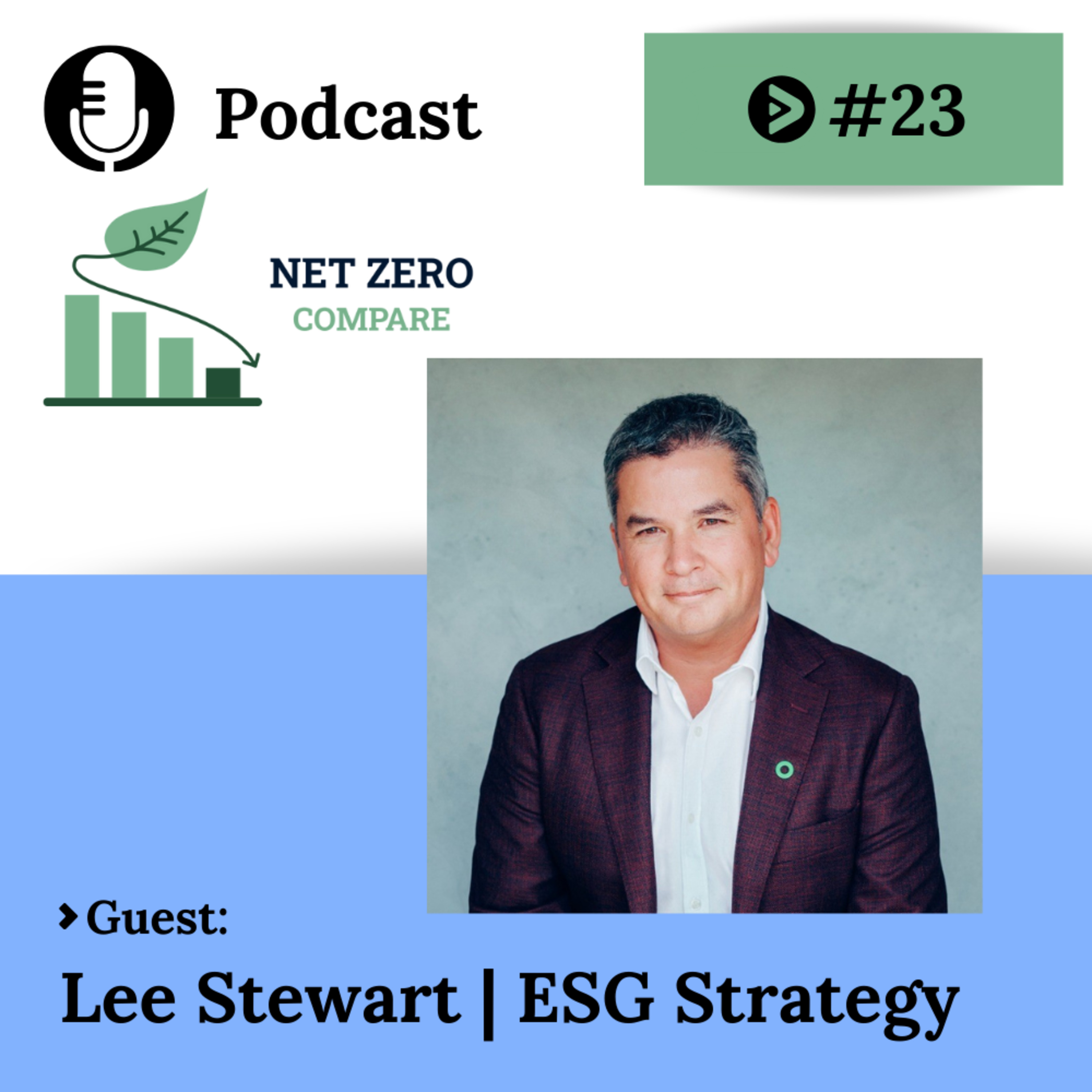 Lee Stewart on How Companies Can Turn ESG Commitments Into Real Progress: Insights from Lee Stewart | 🎯 In this episode: Lee Stewart, CEO of ESG Strategy, explains why turning ESG commitments into real progress is less about ambition and more about governance, structure, and execution. The conversation explores why sustainability efforts often stall when responsibility is concentrated in small teams, how existing governance and financial processes can be leveraged instead of creating parallel structures, and why customer-inclusive materiality assessments are critical for strategic focus. Stewart also discusses the growing importance of data quality, early preparation for reporting and assurance, and the impact of linking executive incentives to ESG outcomes. The episode highlights why meaningful sustainability progress depends on consistent, incremental action embedded across the organization, rather than standalone targets or compliance-driven reporting.🔗 Read the full article: https://netzerocompare.com/podcasts/net-zero-compare-podcast/lee-stewart-esg-strategy📍 Guest: Lee Stewart, CEO of ESG Strategyhttps://www.linkedin.com/in/leestewart/?originalSubdomain=au🎙 Interview by: Karol Kaczmarek, Co-Founder of Net Zero Compare https://www.linkedin.com/in/karol-kaczmarek-39a29651/🔗 ESG Strategy: https://www.esgstrategy.com.au/# Lee Stewart #ESGLeadership #SustainabilityStrategy #ESGGovernance #SustainabilityExecution #Materiality #ESGData #SustainabilityReporting #ClimateStrategy #CorporateSustainability #NetZero #BusinessTransformation #SustainableBusiness***At Net Zero Compare, we deliver clear, data-backed insights for decision-makers navigating ESG reporting, net-zero compliance, and clean energy adoption.🌐 https://netzerocompare.com📩 Contact us: info@netzerocompare.com📚 Explore the Academy: https://netzerocompare.com/academy📰 Read more insights: https://netzerocompare.com/articles | — | ||||||
| 1/17/26 | 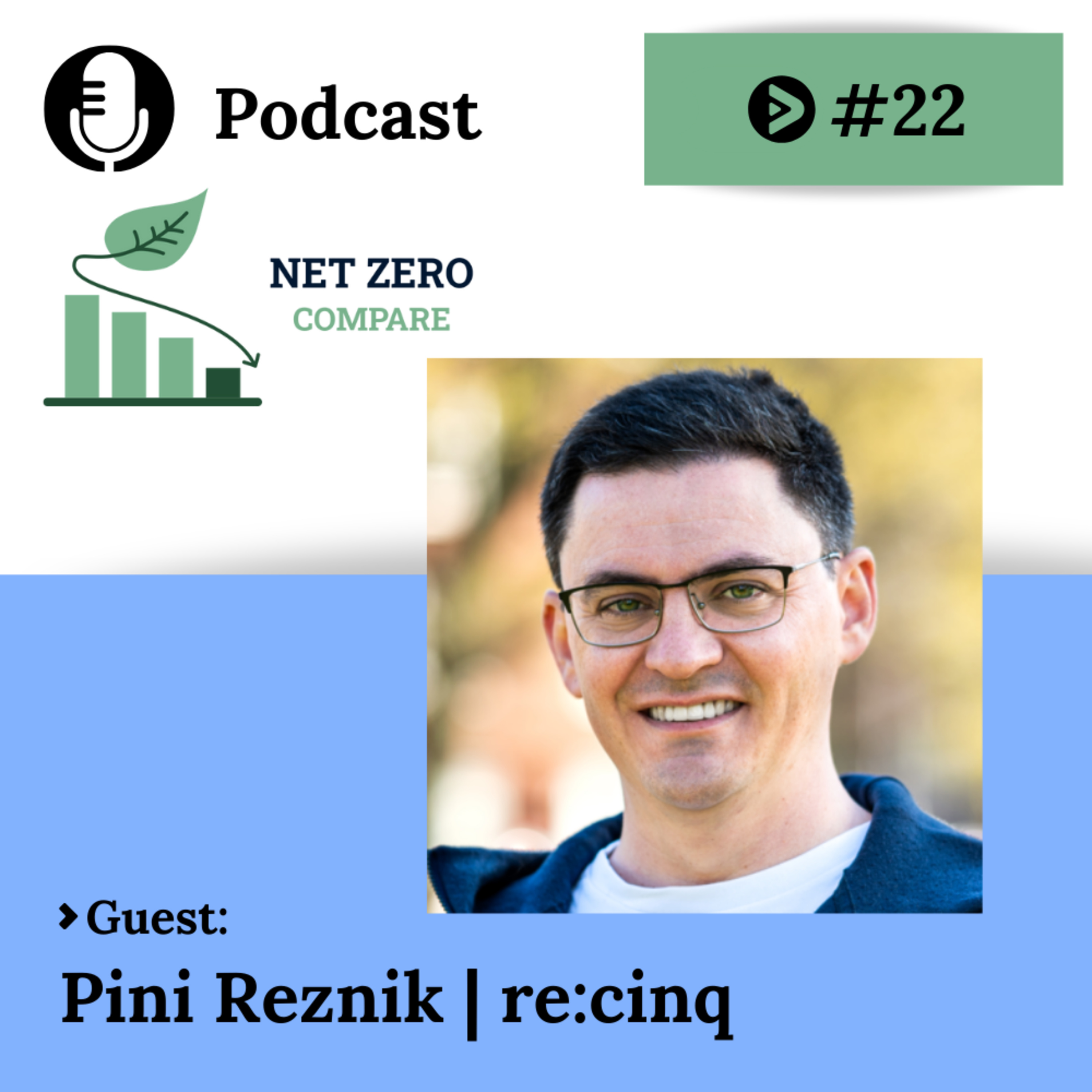 Pini Reznik on Why AI Native Transformation Is About Structure, Not Tools | 🎯 In this episode: Pini Reznik, CEO and co-founder of re:cinq, explains why becoming AI Native is not about adopting new tools, but about redesigning organizational structures, data foundations, and operating models.The conversation explores how underutilized cloud infrastructure drives both financial waste and unnecessary emissions, why treating AI as a productivity add-on often fails, and how AI shifts human work from execution to interpretation, governance, and decision-making. Reznik discusses the central role of data quality, the limitations created by organizational silos, the leadership requirements for successful transformation, and the strong link between efficiency, cost reduction, and sustainability. The episode highlights why AI Native transformation must be incremental, structural, and continuous, rather than a one-time technological upgrade.🔗 Read the full article: https://netzerocompare.com/podcasts/net-zero-compare-podcast/pini-reznik-recinq📍 Guest: Pini Reznik, CEO and co-founder of re:cinq https://www.linkedin.com/in/pinireznik/🎙 Interview by: Karol Kaczmarek, Co-Founder of Net Zero Compare https://www.linkedin.com/in/karol-kaczmarek-39a29651/🔗 re:cinq: https://re-cinq.com/#Pini Reznik #AINative #AITransformation #NetZero #GreenIT #DigitalTransformation #DataGovernance #CloudComputing #EnterpriseAI #SustainableTech #GreenIT #EnergyEfficiency #Leadership #FutureOfWork #TechAndSustainability***At Net Zero Compare, we deliver clear, data-backed insights for decision-makers navigating ESG reporting, net-zero compliance, and clean energy adoption.🌐 https://netzerocompare.com📩 Contact us: info@netzerocompare.com📚 Explore the Academy: https://netzerocompare.com/academy📰 Read more insights: https://netzerocompare.com/articles | — | ||||||
| 1/9/26 |  Tom Schueneman on From Doom to Dialogue: How Climate Communication Can Reconnect People With Reality | 🎯 In this episode: Environmental journalist Tom Schueneman, founder of GlobalWarmingIsReal.com and PlanetWatch Group, discusses why climate communication is often the missing link between awareness and action.The conversation examines how alarmist framing, data-heavy messaging, and communication silos contribute to fatigue and disengagement, and why storytelling grounded in shared human values can help rebuild trust. Schueneman explains why transparency matters more than slogans in sustainability claims, how responsibility is often misplaced onto consumers, and why credible climate narratives must focus on solutions, lived experience, and systemic change. The episode also examines overlooked challenges such as the environmental footprint of AI, plastic dependence, and the urgency of deploying scalable renewables while maintaining long-term resilience.🔗 Read the full article: https://netzerocompare.com/podcasts/net-zero-compare-podcast/tom-schueneman-environmental-journalist📍 Guest: Tom Schueneman, environmental journalist and founder of GlobalWarmingIsReal.com and PlanetWatch Grouphttps://www.linkedin.com/in/tomschueneman/🎙 Interview by: Karol Kaczmarek, Co-Founder of Net Zero Compare https://www.linkedin.com/in/karol-kaczmarek-39a29651/🔗 GlobalWarmingIsReal.com: https://globalwarmingisreal.com#Tom Schueneman #ClimateCommunication #ESG #SustainabilityNarratives #ClimateAction #NetZero #EnvironmentalJournalism #ClimateStorytelling #SystemicChange #SustainabilityLeadership #ClimateSolutions ***At Net Zero Compare, we deliver clear, data-backed insights for decision-makers navigating ESG reporting, net-zero compliance, and clean energy adoption.🌐 https://netzerocompare.com📩 Contact us: info@netzerocompare.com📚 Explore the Academy: https://netzerocompare.com/academy📰 Read more insights: https://netzerocompare.com/articles | — | ||||||
| 1/2/26 | 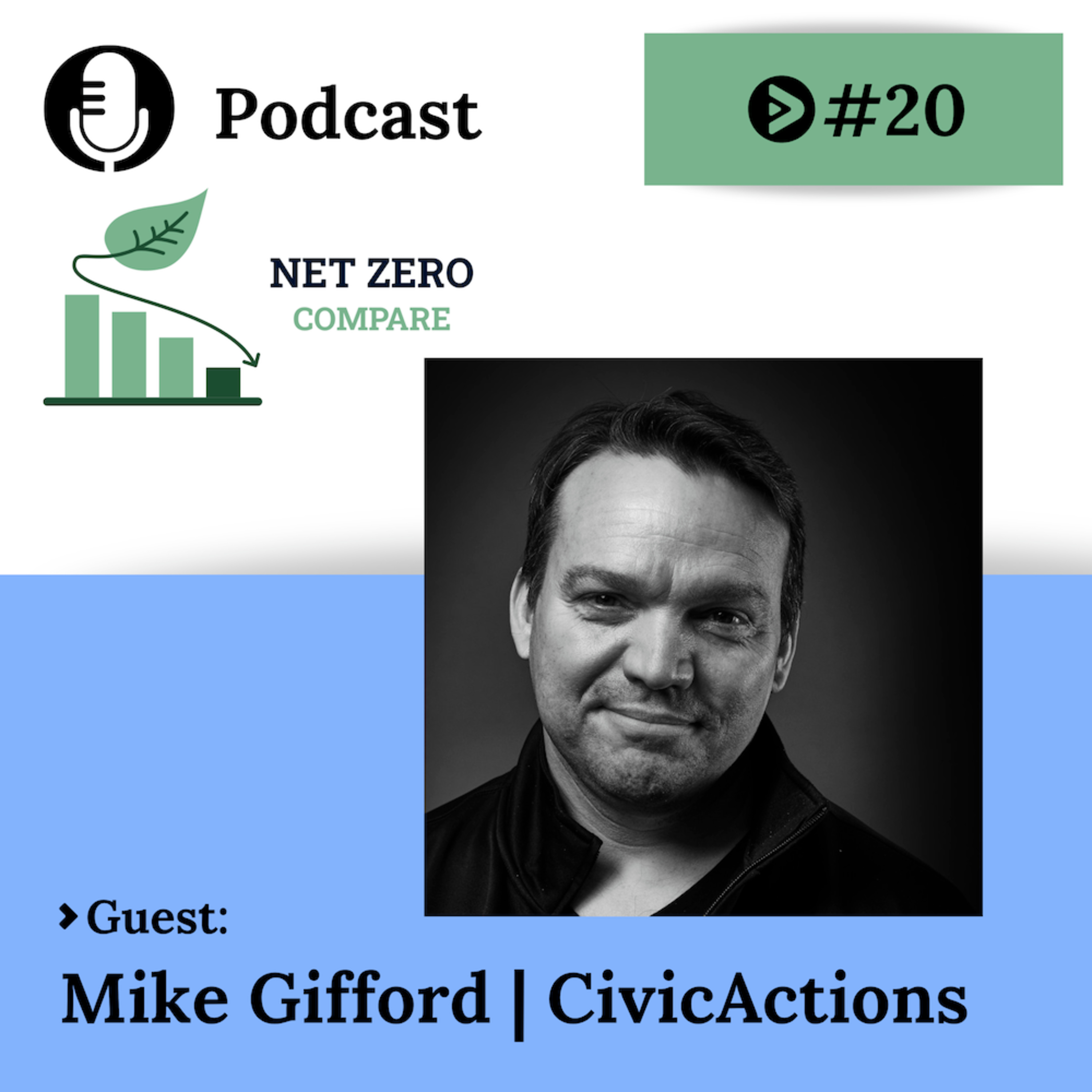 Mike Gifford on Digital Sustainability Starts with How We Build the Web | 🎯 In this episode: Mike Gifford, Open Standards and Practices Lead at CivicActions, discusses why digital sustainability is becoming a critical pillar of credible ESG reporting. The conversation explores how accessibility, open standards, and ethical technology choices shape trust, transparency, and long-term compliance. Mike explains why sustainable digital design goes beyond infrastructure, how inefficient digital systems increase environmental impact, and why organizations must treat accessibility as a core requirement rather than an afterthought. The episode also examines the role of interoperability, responsible procurement, and incremental improvement in building digital systems that truly support climate and sustainability goals.🔗 Read the full article: https://netzerocompare.com/podcasts/net-zero-compare-podcast/mike-gifford-civicactions📍 Guest: Mike Gifford, Open Standards and Practices Lead at CivicActionshttps://www.linkedin.com/in/mgifford/🎙 Interview by: Karol Kaczmarek, Co-Founder of Net Zero Compare https://www.linkedin.com/in/karol-kaczmarek-39a29651/🔗 CivicActions: https://civicactions.com/#MikeGifford #DigitalSustainability #ESGReporting #OpenStandards #Accessibility #SustainableTech #ClimateTech #ESG #DigitalInclusion #ResponsibleTech #SustainableDesign #GreenIT #TechForGood***At Net Zero Compare, we deliver clear, data-backed insights for decision-makers navigating ESG reporting, net-zero compliance, and clean energy adoption.🌐 https://netzerocompare.com📩 Contact us: info@netzerocompare.com📚 Explore the Academy: https://netzerocompare.com/academy📰 Read more insights: https://netzerocompare.com/articles | — | ||||||
| 12/27/25 |  Nina Benoit (Brightest) on How AI Is Transforming Sustainability Work | 🎯 In this episode: Nina Benoit, Director of Sustainability at Brightest, speaks about how artificial intelligence is transforming sustainability teams’ day-to-day work, from ESG reporting to Scope 3 data collection.The conversation explores where AI delivers real value and where caution is essential. Nina explains how AI can improve reporting efficiency and data accuracy when grounded in high-quality inputs and human oversight, while also warning against overuse that increases environmental impact without meaningful gains. We discuss AI agents for automating supplier outreach, the persistent challenges of Scope 3 emissions, internal reactions to automation, and why industries like technology and energy are moving fastest. The episode also addresses the often-overlooked environmental footprint of AI and offers practical guidance for sustainability leaders adopting these tools responsibly.🔗 Read the full article:https://netzerocompare.com/podcasts/net-zero-compare-podcast/nina-benoit-brightest📍 Guest: Nina Benoit, Director of Sustainability at Brightest https://www.linkedin.com/in/ninabenoit/🎙 Interview by: Karol Kaczmarek, Co-Founder of Net Zero Compare https://www.linkedin.com/in/karol-kaczmarek-39a29651/🔗 Brightest:https://www.brightest.io/#NinaBenoit #Brightest #ArtificialIntelligence #SustainabilityReporting #Scope3 #ESGData #ClimateTech #NetZero #ESG #NetZeroCompare***At Net Zero Compare, we deliver clear, data-backed insights for decision-makers navigating ESG reporting, net-zero compliance, and clean energy adoption.🌐 https://netzerocompare.com📩 Contact us: info@netzerocompare.com📚 Explore the Academy: https://netzerocompare.com/academy📰 Read more insights: https://netzerocompare.com/articles | — | ||||||
| 12/18/25 | 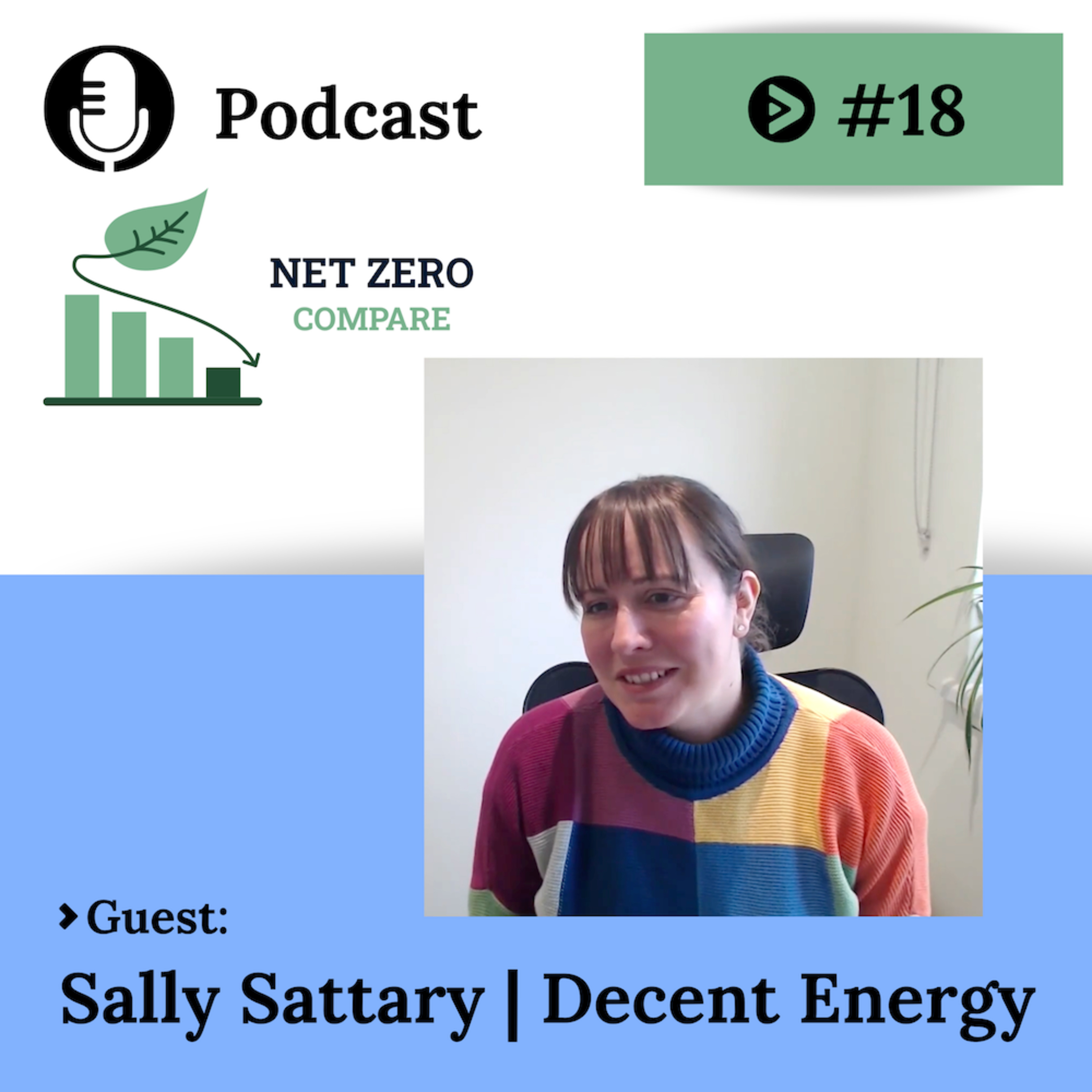 Sally Sattary (Decent Energy) on Weather Intelligence, Forecasting Uncertainty, and Decarbonizing Energy Demand | Net Zero Compare | 🎯 In this episode: Sally Sattary, Co-Founder and Director of Energy and Operations at Decent Energy, speaks with our Co-Founder, Karol Kaczmarek, about how weather intelligence and forecasting shape renewable-heavy power systems.The conversation focuses on practical challenges and opportunities created by rising solar and storage penetration, including forecasting uncertainty, microclimates, and why deterministic forecasts fall short in modern grids. We discuss how probabilistic and ensemble forecasting help manage risk, where AI adds value (and where it does not), and why translating weather data into usable power forecasts remains a critical bottleneck.Sally also introduces Decent Energy’s Shifter product, which automates battery charging and discharging to reduce carbon intensity while lowering electricity costs, demonstrating how demand-side flexibility can support decarbonization without changing user behavior.🔗 Read the full article:https://netzerocompare.com/podcasts/net-zero-compare-podcast/sally-sattary-decent-energy📍 Guest: Sally Sattary, Co-Founder and Director of Energy and Operations at Decent Energyhttps://www.linkedin.com/in/sallysattary/🎙 Interview by: Karol Kaczmarek, Co-Founder of Net Zero Comparehttps://www.linkedin.com/in/karol-kaczmarek-39a29651/🔗 Decent Energy:https://decentenergy.io/#SallySattary #DecentEnergy #EnergyStorage #SolarPower #WeatherForecasting #GridFlexibility #EnergyTransition #ClimateTech #ESG #NetZeroCompare #KarolKaczmarek***At Net Zero Compare, we deliver clear, data-backed insights for decision-makers navigating ESG reporting, net-zero compliance, and clean energy adoption.🌐 https://netzerocompare.com📩 Contact us: info@netzerocompare.com📚 Explore the Academy: https://netzerocompare.com/academy📰 Read more insights: https://netzerocompare.com/articles | — | ||||||
| 12/16/25 | 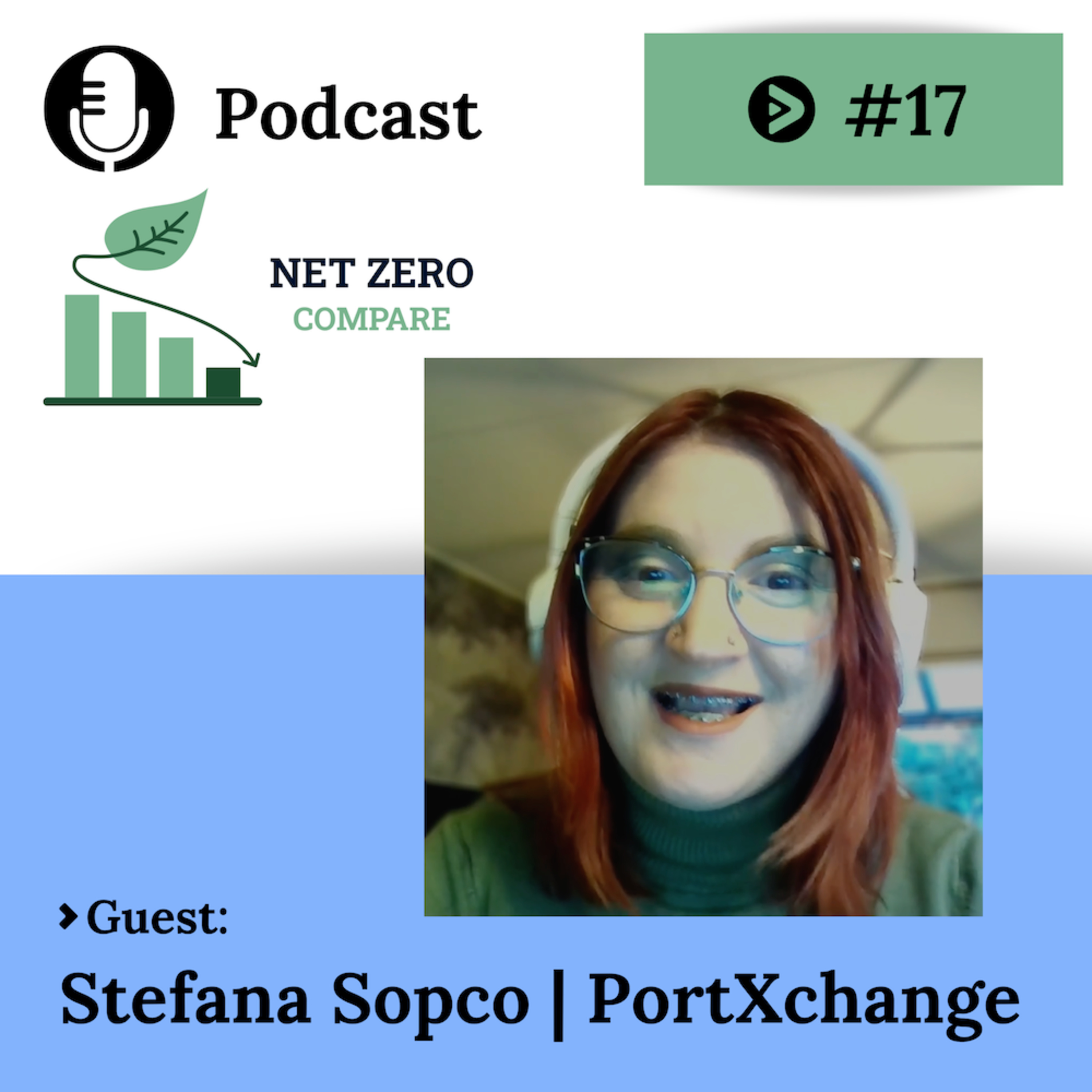 Stefana Sopco (PortXchange) on Data, Digital Coordination, and Port Decarbonization | Net Zero Compare | 🎯 In this episode: Stefana Sopco, Marketing Manager at PortXchange, speaks with our Co-Founder, Karol Kaczmarek about how ports can become active drivers of decarbonization. The conversation focuses on practical levers ports can use today, including data sharing, just-in-time arrival coordination, and transparent Scope 3 emissions reporting.We discuss why most ports already have enough data to act, where progress breaks down, and how digital platforms can help turn operational data into decision-making tools. Stefana also shares her perspective on accountability, community pressure, and why inclusive leadership matters for delivering real emissions reductions in maritime and logistics ecosystems.🔗 Read the full article: https://netzerocompare.com/podcasts/net-zero-compare-podcast/stefana-sopco-portxchange📍 Guest: Stefana Sopco, Marketing Manager at PortXchange (https://www.linkedin.com/in/stefana-sopco-marketing-manager/)🎙 Interview by Karol Kaczmarek, Co-Founder of Net Zero Compare (https://www.linkedin.com/in/karol-kaczmarek-39a29651/)🔗 PortXchange: https://port-xchange.com/#StefanaSopco #PortXchange #PortDecarbonization #Maritime #Shipping #Scope3 #SupplyChainSustainability #Transportation #ESGReporting #Digitalization #ClimateTech #NetZeroCompare #KarolKaczmarek #Ports #Logistics #EnergyTransition***At Net Zero Compare, we deliver clear, data-backed insights for decision-makers navigating ESG reporting, net-zero compliance, and clean energy adoption.🌐 https://netzerocompare.com📩 Contact us: info@netzerocompare.com📚 Explore the Academy: https://netzerocompare.com/academy📰 Read more insights: https://netzerocompare.com/articles | — | ||||||
| 12/2/25 | 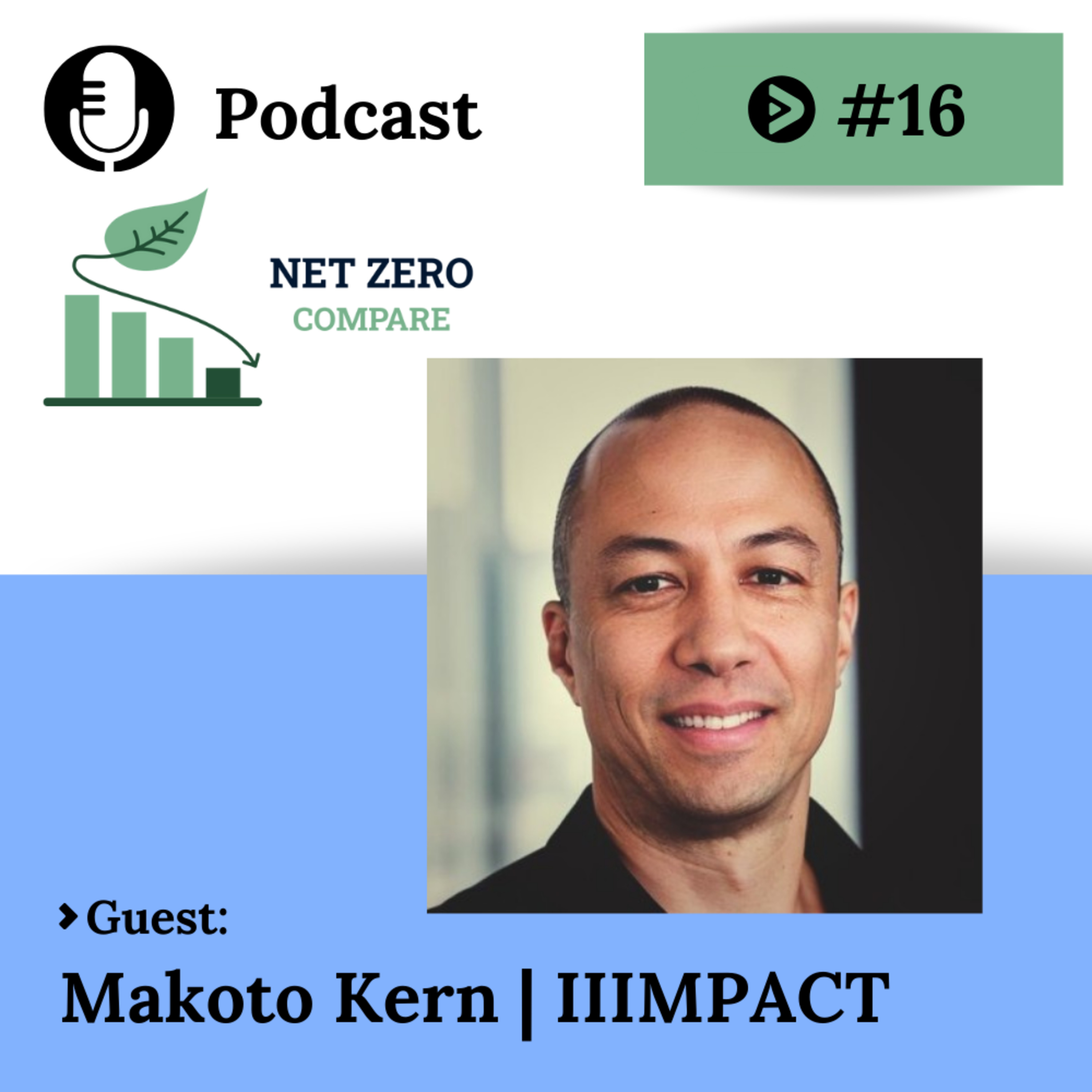 Makoto Kern (IIIMPACT) on Product Strategy for Climate Tech and Energy Innovation | Net Zero Compare | 🎯 In this episode: Makoto Kern, UX Product Strategy Leader at IIIMPACT, speaks with our Co-Founder Karol Kaczmarek about how climate-tech and energy organizations can reduce product risk, improve adoption, and turn complex ideas into digital tools that people actually use. The conversation covers user-centered product strategy, enterprise UX vs. consumer UX, aligning leadership and engineering, validating high-risk features early, and building software that supports real workflows in the transition economy.🔗 Read the full article: https://netzerocompare.com/podcasts/net-zero-compare-podcast/makoto-kern-iiimpact📍 Guest: Makoto Kern, UX Product Strategy Leader at IIIMPACT (/ productuxdesigner)🎙 Interview by: Karol Kaczmarek, Co-Founder of Net Zero Compare (/ karol-kaczmarek-39a29651)🔗 Learn more about IIIMPACT: https://www.iiimpact.io/#MakotoKern #IIIMPACT #ProductStrategy #EnterpriseUX #UXDesign #ClimateTech #EnergyInnovation #SoftwareDevelopment #DesignThinking #RiskManagement #UserResearch #DigitalProductDesign #Sustainability #TransitionEconomy #NetZeroCompare #KarolKaczmarek #CleanTech #EnergyTech #ProductManagement***At Net Zero Compare, we deliver clear, data-backed insights for decision-makers navigating ESG reporting, net-zero compliance, and clean energy adoption.🌐 Learn more: https://netzerocompare.com 📩 Contact us: info@netzerocompare.com 📚 Explore the Academy: https://netzerocompare.com/academy 📰 Read more insights: https://netzerocompare.com/articles | — | ||||||
| 11/6/25 | 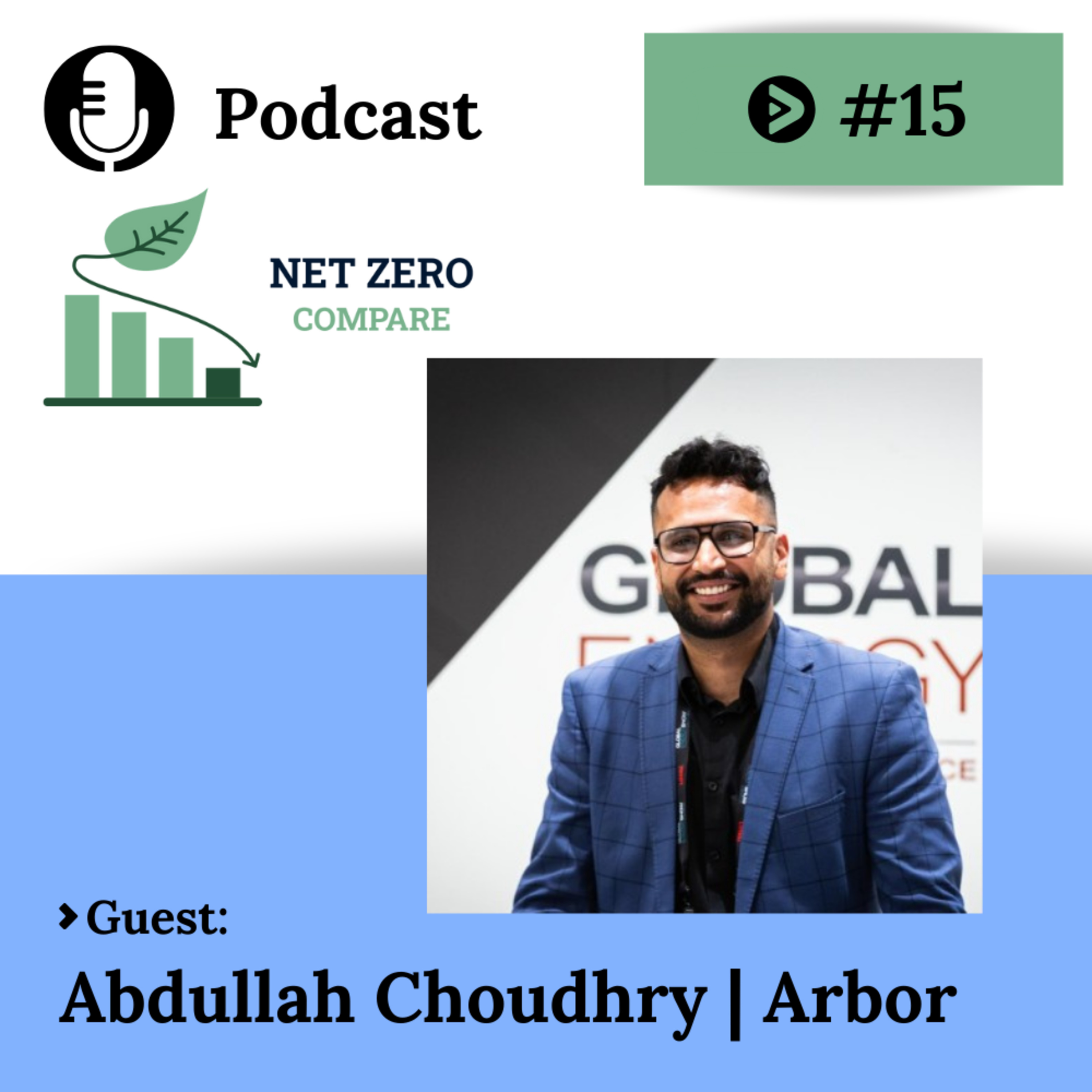 Abdullah Choudhry (Arbor) on Product-Level Carbon Data & Real Emissions Cuts | 🎯 In this video: Arbor Co-Founder Abdullah Choudhry explains how bottom-up, product-level carbon data, AI-assisted supplier workflows, and audit-ready systems help companies move from measuring to actually reducing their Scope 3 emissions.- Read the full article: https://netzerocompare.com/articles/from-numbers-to-decisions-arbor- Connect with: Abdullah Choudhry – https://www.linkedin.com/in/abdullah-choudhry-85b34ba7/- Karol Kaczmarek – https://www.linkedin.com/in/karol-kaczmarek-39a29651/***At Net Zero Compare, we deliver clear, data-backed insights for decision-makers navigating ESG reporting, net-zero compliance, and clean energy adoption.🌐 Learn more: https://netzerocompare.com 📩 Contact us: info@netzerocompare.com 📚 Explore the Academy: https://netzerocompare.com/academy 📰 Read more insights: https://netzerocompare.com/articles #NetZeroCompare #Arbor #Scope3 #CarbonAccounting #Sustainability #ClimateTech #Decarbonization #ESG #SupplyChainSustainability #ProductCarbonFootprint #emissionsreduction | — | ||||||
| 10/24/25 | 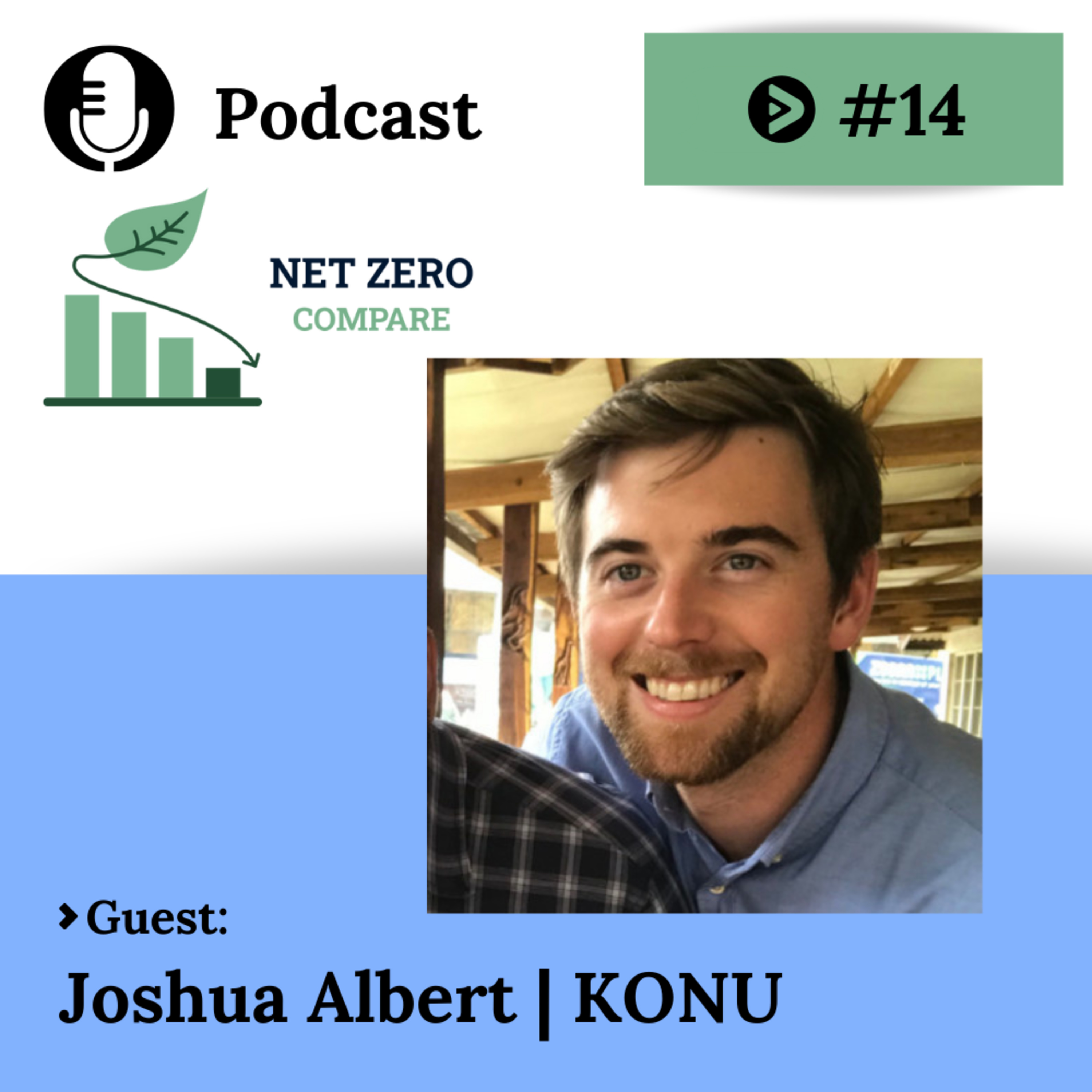 Joshua Albert (KONU) on Adaptive Leadership in Climate and Sustainability | 🎯 In this video: Joshua Albert, Associate Partner at KONU, speaks with our Co-Founder Karol Kaczmarek about how adaptive leadership and systems thinking can help climate and sustainability organizations navigate complexity and drive meaningful change.The conversation explores what it means to lead in complex systems, how to distinguish adaptive from technical challenges, and how inner development and perspective-taking enable real progress toward net-zero transitions.⚠️ Note: Due to a technical issue during recording, Karol’s voice has a slight echo and may be difficult to hear clearly at times. Joshua’s audio, however, is recorded perfectly and fully understandable.🔗 Read the full article: https://netzerocompare.com/articles/building-adaptive-capacity-in-complex-systems-konu📍 Guest: Joshua Albert, Associate Partner at KONU (https://www.linkedin.com/in/joshua-m-albert/)🎙 Interview by: Karol Kaczmarek, Co-Founder of Net Zero Compare (https://www.linkedin.com/in/karol-kaczmarek-39a29651/)🔗 KONU: https://konu.org/#JoshuaAlbert #KONU #AdaptiveLeadership #SystemsChange #OrganizationalDevelopment #ClimateLeadership #Sustainability #ComplexSystems #ClimateAction #LeadershipDevelopment #InnerDevelopment #SystemsThinking #NetZeroCompare #KarolKaczmarek #ChangeManagement #TransitionEconomy #ClimateInnovation #cleantech ***At Net Zero Compare, we deliver clear, data-backed insights for decision-makers navigating ESG reporting, net-zero compliance, and clean energy adoption.🌐 Learn more: https://netzerocompare.com 📩 Contact us: info@netzerocompare.com 📚 Explore the Academy: https://netzerocompare.com/academy 📰 Read more insights: https://netzerocompare.com/articles | — | ||||||
Showing 25 of 38
Sponsor Intelligence
Sign in to see which brands sponsor this podcast, their ad offers, and promo codes.
Chart Positions
2 placements across 2 markets.
Chart Positions
2 placements across 2 markets.