

Insights from recent episode analysis
Audience Interest
Podcast Focus
Publishing Consistency
Platform Reach
Insights are generated by CastFox AI using publicly available data, episode content, and proprietary models.
Total monthly reach
Estimated from 8 chart positions in 8 markets.
By chart position
- 🇲🇽MX · Natural Sciences#1391K to 10K
- 🇨🇿CZ · Natural Sciences#573K to 10K
- 🇮🇱IL · Natural Sciences#923K to 10K
- 🇨🇴CO · Natural Sciences#963K to 10K
- 🇹🇼TW · Natural Sciences#114500 to 3K
- Per-Episode Audience
Est. listeners per new episode within ~30 days
6K to 26K🎙 ~2x weekly·116 episodes·Last published 2w ago - Monthly Reach
Unique listeners across all episodes (30 days)
12K to 52K🇲🇽19%🇨🇿19%🇮🇱19%+5 more - Active Followers
Loyal subscribers who consistently listen
4.8K to 21K
Market Insights
Platform Distribution
Reach across major podcast platforms, updated hourly
Total Followers
—
Total Plays
—
Total Reviews
—
* Data sourced directly from platform APIs and aggregated hourly across all major podcast directories.
On the show
Recent episodes
All About Crayfish with Zack Graham
Jun 11, 2026
Unknown duration
A New Cordyceps Spider with Alex Bently
May 14, 2026
Unknown duration
Rediscovered Freshwater Shrimps with Prakash Sanjeevi and Maclean Santos
May 6, 2026
Unknown duration
Who Describes the Spiders? With Katherine Montana and Cláudia Xavier
Apr 15, 2026
Unknown duration
Coming Soon - New Species en Español!
Apr 2, 2026
Unknown duration
Social Links & Contact
Official channels & resources
Official Website
Login
RSS Feed
Login
| Date | Episode | Description | Length | ||||||
|---|---|---|---|---|---|---|---|---|---|
| 6/11/26 | 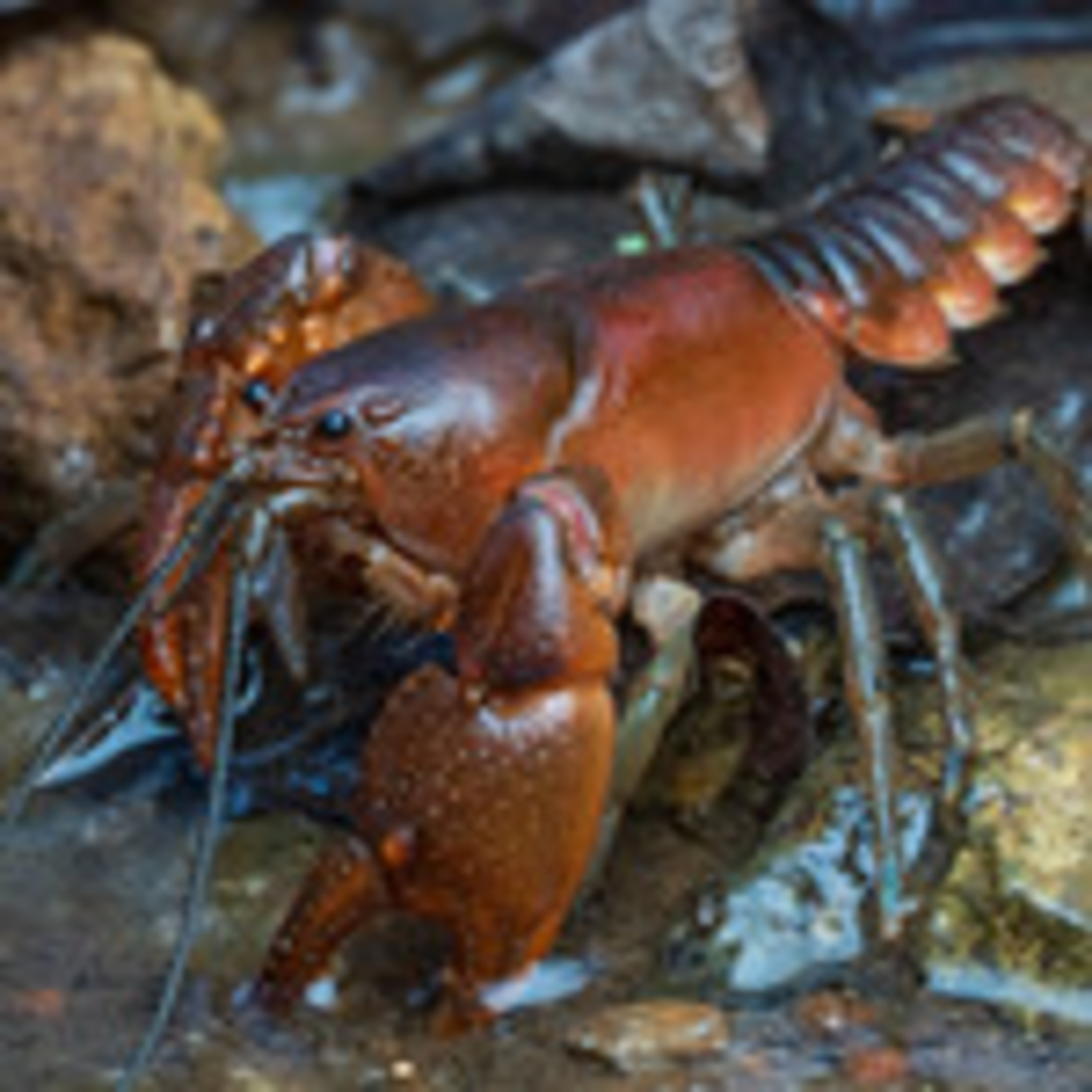 All About Crayfish with Zack Graham | Crayfish, Crawfish, Crawdad; no matter what you call them, If you live in the southeastern United States, their biodiversity hotspot is in your backyard! Astacologist (crayfish biologist) Dr. Zack Graham joins us on this episode to tell us just how wild these freshwater crustaceans are. He shares just a bit of his knowledge on their biodiversity, interesting behaviors, their impact on American culture, and some of the unique threats they continue to face. At the end of the day, why do crayfish matter? Zack says, “I think at a basic level, humans are just generally curious about what's going on out in nature. And that's what really fuels a lot of my work, just trying to understand what has happened in the past, what's going to happen in the future to these animals that have been living on earth for over 300 million years. They've been here for a very long time. So I think, you know, they kind of have a right to be here and to be protected and to be studied and understood.”A transcript of this episode can be found here: Zack Graham - TranscriptEpisode image credit: Zack GrahamLearn more about Zack’s lab: https://crayfish.westliberty.edu/You can also follow them on facebook: www.facebook.com/wlucrayfishAnd on Instagram: @wlucrayfishlabYou can order Zack’s book here: https://uncpress.org/9781469685731/crayfish-crawfish-crawdad/Learn more about the International Association of Astacology: https://www.astacology.org/default.asp?uid=GuestPeruse the American Crayfish Atlas: https://americancrayfishatlas.web.illinois.edu/And check out some beautiful crayfish photos from Zack’s adventures: https://www.flickr.com/photos/196391561@N03/Be sure to follow New Species on Bluesky (@newspeciespodcast.bsky.social) and Instagram (@NewSpeciesPodcast) and “like” the podcast page on Facebook (www.facebook.com/NewSpeciesPodcast).Music in this podcast is "No More (Instrumental)," by HaTom (https://fanlink.to/HaTom)If you have questions or feedback about this podcast, please e-mail us at NewSpeciesPodcast@gmail.comIf you would like to support this podcast and enjoy bonus episodes, please consider doing so at https://www.patreon.com/NewSpeciesPod | — | ||||||
| 5/14/26 | 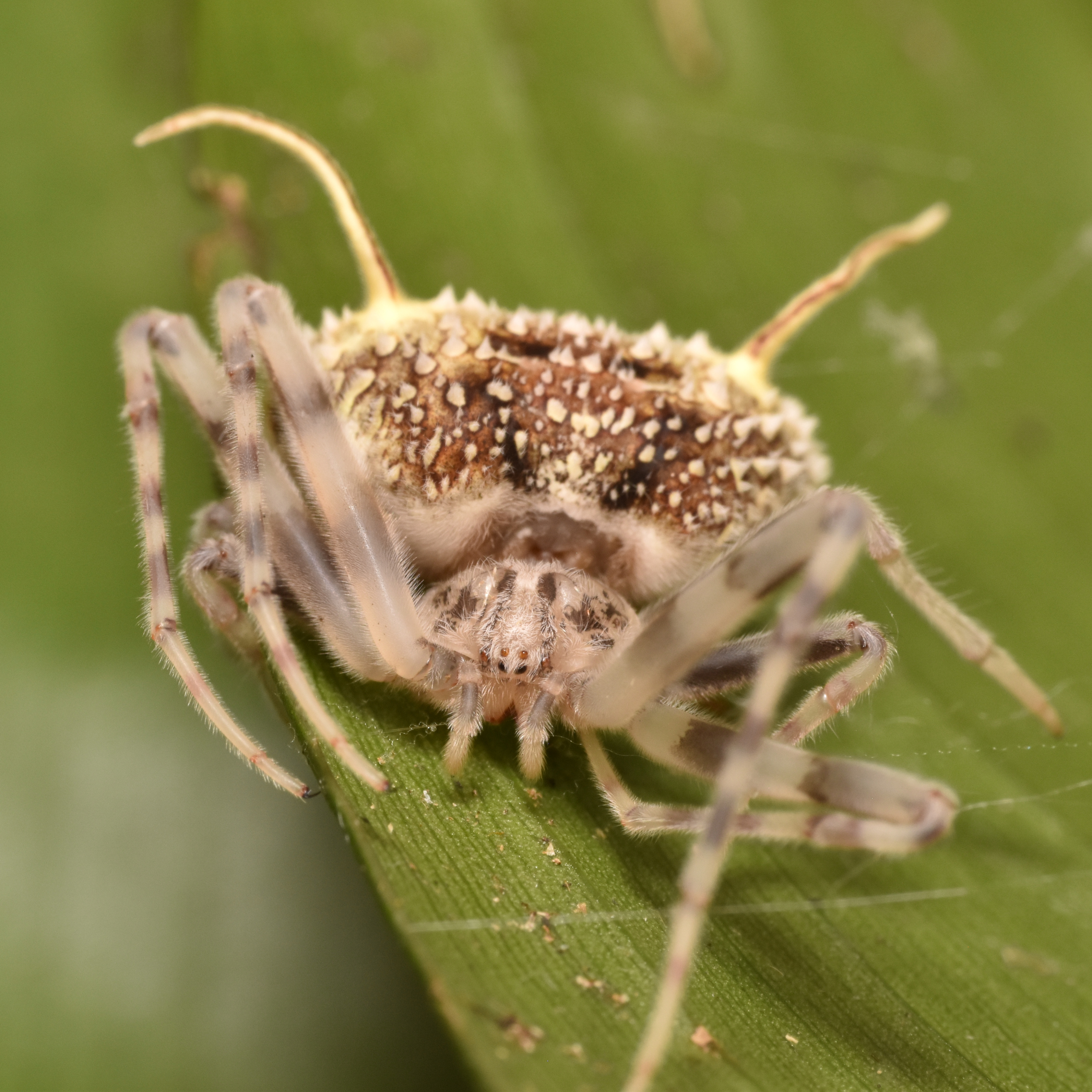 A New Cordyceps Spider with Alex Bently | While giving a tour in the Ecuadorian Amazon, Alex Bently identified a clump on a leaf as a dead spider parasitized by a Cordyceps fungus. When it moved under his touch, he realized that it was actually a unique case of mimicry, and worked with David Ricardo Díaz Guevara and Nadine Dupérré to describe it as a new species. In this episode, Alex shares the unique nature of this spider, as well as what we can learn from it about the complex relationships that can occur between fungi and other organisms. Alex Bently’s paper “The Cordyceps spider”: Taczanowskia waska sp. nov. (Araneae: Araneidae), a new spider species and a novel case of mimicry of an araneopathogenic fungus (Cordycipitaceae: Gibellula)” is in volume 5760 of Zootaxa.It can be found here: www.doi.org/10.11646/zootaxa.5760.5.4Photo Credit: David Ricardo Díaz GuevaraListen to an interview with Alex’s coauthor David in spanish on New Species Español - https://open.spotify.com/episode/1YZuyGcLva6hK752ueXOtZ?si=6qj-Ru2hTwSpMnVLsTpGwAA transcript of this episode can be found here: Alex Bently - TranscriptNew Species: Taczanowskia waskaFollow Waska Amazonia on instagram: @ waska.amazoniaAnd on facebook: https://www.facebook.com/WaskaAmazoniaSome neat press coverage of this new species:https://www.cbc.ca/radio/asithappens/spider-mimicing-cordyceps-9.7141687https://www.nytimes.com/2026/03/20/science/spider-cordyceps-fungus-zombies.htmlBe sure to follow New Species on Bluesky (@newspeciespodcast.bsky.social) and Instagram (@NewSpeciesPodcast) and “like” the podcast page on Facebook (www.facebook.com/NewSpeciesPodcast).Music in this podcast is "No More (Instrumental)," by HaTom (https://fanlink.to/HaTom)If you have questions or feedback about this podcast, please e-mail us at NewSpeciesPodcast@gmail.comIf you would like to support this podcast and enjoy bonus episodes, please consider doing so at https://www.patreon.com/NewSpeciesPodIf you would like to make a one-time contribution to this podcast, you can do so at https://buymeacoffee.com/newspeciespod | — | ||||||
| 5/6/26 | 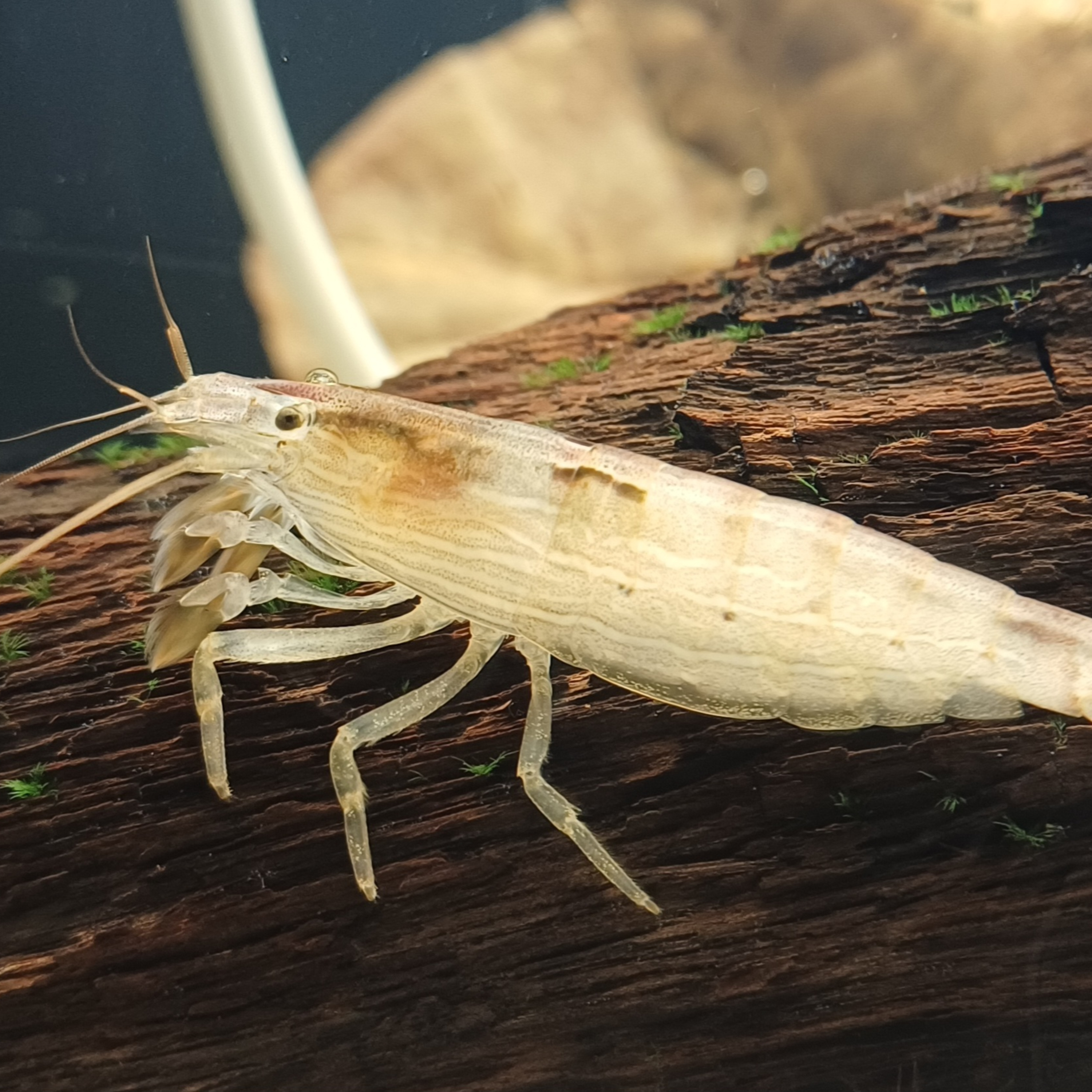 Rediscovered Freshwater Shrimps with Prakash Sanjeevi and Maclean Santos | Freshwater shrimps are difficult to study. They’re nocturnal, they live in leaf litter, and yet they are involved in both commercial fishing and the pet trade, making research on their diversity critical. Dr. Prakash Sanjeevi and Maclean Santos have a new strategy for adapting to these challenges: harnessing the power of community. Through educational videos, social media, workshops, and more they provide training to already-interested hobbyists, who in turn help them find rare specimens for papers like this one, in which they redescribe a species that hadn’t been seen in Indian waters for 72 years. “I truly feel that it is not the talent which survives the long term in this research game, It is more of the hard work and it is more about how much you like the species because if you love a species, you will work really hard for the species” says Maclean. Listen in as we discuss the fascinating morphology, biology, and joy provided by these freshwater shrimps.Maclean Santos and Prakash Sanjeevi’s paper “Rediscovery of the genus Atyopsis Chace, 1983 (Decapoda: Atyidae) in mainland India following a 72-year gap” is in volume 5722 of Zootaxa. It can be found here: www.doi.org/10.11646/zootaxa.5722.4.7A transcript of this episode can be found here: Maclean Santos and Prakash Sanjeevi - TranscriptEpisode image credit: Maclean SantosRead their recent paper describing a new species from the same region: https://doi.org/10.11646/zootaxa.5194.3.5Follow Maclean and Prakash on Instagram:Prakash: @sanjeeviprakash Maclean: @homeaquatMore pictures and information on GBIF: https://www.gbif.org/species/7839136Be sure to follow New Species on Bluesky (@newspeciespodcast.bsky.social) and Instagram (@NewSpeciesPodcast) and “like” the podcast page on Facebook (www.facebook.com/NewSpeciesPodcast).Music in this podcast is "No More (Instrumental)," by HaTom (https://fanlink.to/HaTom)If you have questions or feedback about this podcast, please e-mail us at NewSpeciesPodcast@gmail.comIf you would like to support this podcast and enjoy bonus episodes, please consider doing so at https://www.patreon.com/NewSpeciesPodIf you would like to make a one-time contribution to this podcast, you can do so at https://buymeacoffee.com/newspeciespod | — | ||||||
| 4/15/26 | Who Describes the Spiders? With Katherine Montana and Cláudia Xavier | “I hope that individual taxonomists take a step back and really think about the choices they make when it comes to collaboration…I want taxonomists to consider equity in their work, and not just consider that but actively support actions that are making a difference in the way we do science.” Cláudia Xavier’s words here address the issue that is the focus of her new paper; who actually gets the opportunity to be a taxonomist? In this episode, I talk to Katherine and Cláudia about their experiences writing this paper, but also being taxonomists in a field that wasn’t built with everyone in mind. They tell me the stories of two marginalized taxonomists who made outsized impacts on their field, and how they hope their research lays the foundation for a more equitable and just arachnology in the future.Katherine Montana and Cláudia Xavier’s paper “If history is written by the victors, who describes the spiders? Species author trends reflect gender and geopolitical disparities in biodiversity science” is in volume 146, issue 1 of the Biological Journal of the Linnean Society. It can be found here: https://doi.org/10.1093/biolinnean/blaf067A transcript of this episode can be found here: Cláudia and KatherineA spanish transcript of this episode can be found here: Cláudia and Katherine en españolFollow Cláudia on Bluesky: @claudiaxavier.bsky.social And learn from her on Instagram: @geaaoficialCheck out more from the Esposito lab:https://www.arachnerds.info/And follow them on Instagram: @arachnerdsDr. Esposito is also the founder of the 500 Queer Scientists project:https://500queerscientists.com/World Spider Catalog: https://wsc.nmbe.ch/Untold Stories from the Academy:https://www.calacademy.org/scientists/library/untold-storiesWhy Fish Don’t Exist by Lulu Millerhttps://pushkinpress.com/book/why-fish-dont-exist/Additional reading:Developing scientific equity for biodiversity research: a thematic analysis of ecological change impacts on ranchers in Baja California Sur, Mexico: https://doi.org/10.1017/S1742170525100100Science in Indigenous homelands: addressing power and justice in sustainability science from/with/in the Penobscot Riverhttps://doi.org/10.1007/s11625-021-00904-3Promoting equity between the Global North and Global South in entomological researchhttps://doi.org/10.1016/j.cois.2025.101357Anti-racist interventions to transform ecology, evolution and conservation biology departmentshttps://doi.org/10.1038/s41559-021-01522-zBe sure to follow New Species on Bluesky (@newspeciespodcast.bsky.social) and Instagram (@NewSpeciesPodcast) and “like” the podcast page on Facebook (www.facebook.com/NewSpeciesPodcast).Music in this podcast is "No More (Instrumental)," by HaTom (https://fanlink.to/HaTom)If you have questions or feedback about this podcast, please e-mail us at NewSpeciesPodcast@gmail.comIf you would like to support this podcast and enjoy bonus episodes, please consider doing so at https://www.patreon.com/NewSpeciesPod | — | ||||||
| 4/2/26 | Coming Soon - New Species en Español! | New Species en Español will be a Spanish-language version of the New Species Podcast, hosted by Ivonne Garzón. Subscribe to it here: https://open.spotify.com/user/31jdpbfn26x3w7sa2b76db3z2vxa?si=160a1a8eac644f00Or wherever you get your podcasts. | — | ||||||
| 4/1/26 | 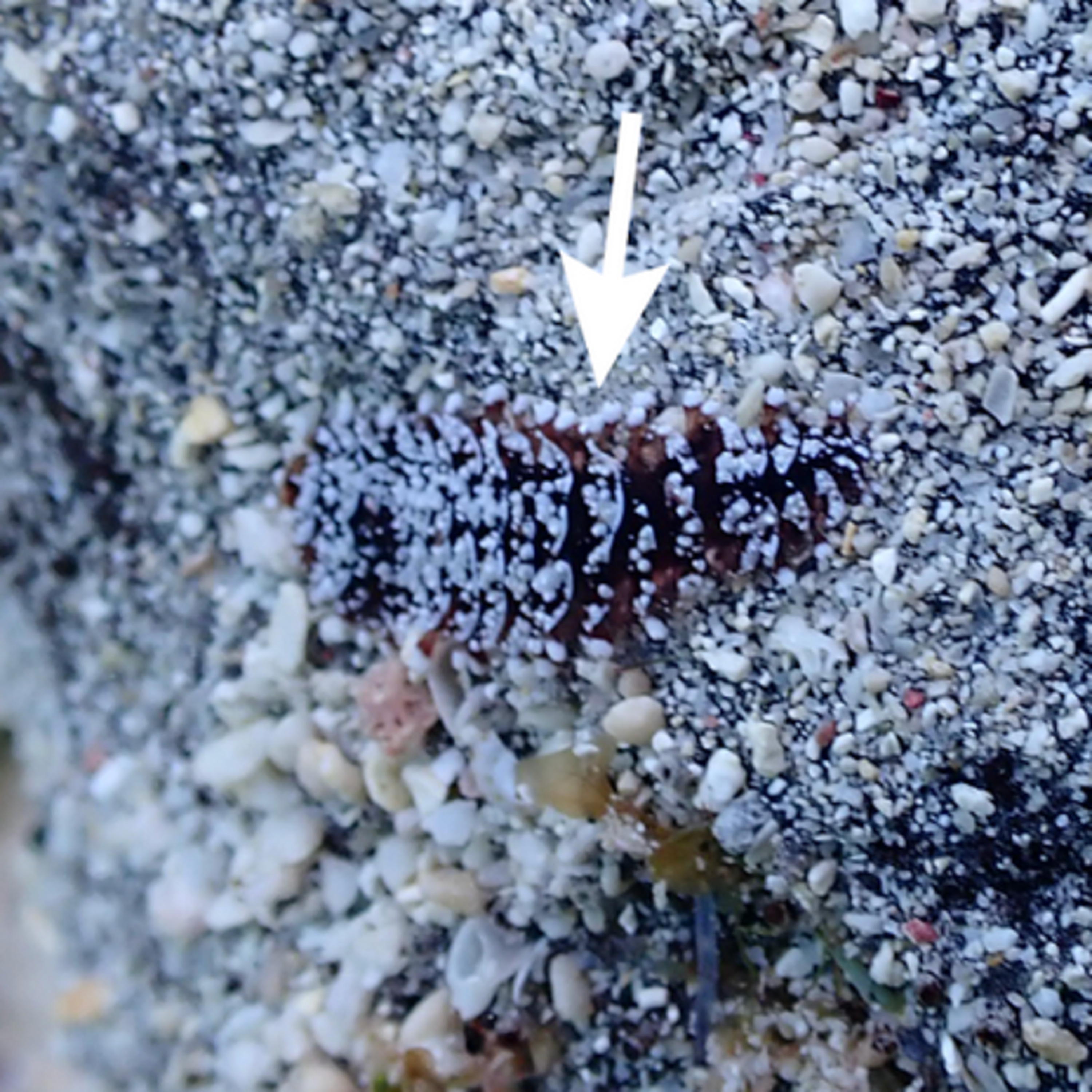 No New Species! With Takahiro Sugiyama, Ryutaro Goto, & Chloé Fourreau | Sometimes, a collection of new species turns out to be… no new species!Takahiro Sugiyama, Ryutaro Goto, and Chloé Fourreau began studying the unique ectoparasitic scale worm Gastrolepidia clavigera in part because of its fascinating diversity of color, likely contributing to its ability to camouflage on sea cucumbers. After some genetic work, they found that this entire rainbow of scale worms all actually seem to belong to the same species! Takahiro Sugiyama, Ryutaro Goto, and Chloé Fourreau’s paper “Host specific camouflage in a holothurian-ectoparasitic scale worm: testing the host-race hypothesis using COI and genome-wide SNP data” is in volume 173 of Marine Biology It can be found here: https://doi.org/10.1007/s00227-025-04744-yEpisode image credit: Takahiro Sugiyama and Ryutaro GotoA New Species episode with Chloé on Polychaete worms: https://open.spotify.com/episode/0aH2bPNb4u3wOrONIYfZkp?si=7i0lzzSlSjWfsXce436-3gFollow Chloé on instagram and Bluesky: @chaoticchloeiaFollow the MISE lab on instagram: @mise_labRead Takahiro’s recent paper about the scale worms that live on sea stars: doi.org/10.3800/pbr.15.289Original description of G. clavigera: https://www.biodiversitylibrary.org/item/50342#page/8/mode/1upBe sure to follow New Species on Bluesky (@newspeciespodcast.bsky.social) and Instagram (@NewSpeciesPodcast) and “like” the podcast page on Facebook (www.facebook.com/NewSpeciesPodcast).Music in this podcast is "No More (Instrumental)," by HaTom (https://fanlink.to/HaTom)If you have questions or feedback about this podcast, please e-mail us at NewSpeciesPodcast@gmail.comIf you would like to support this podcast and enjoy bonus episodes, please consider doing so at https://www.patreon.com/NewSpeciesPodIf you would like to make a one-time contribution to this podcast, you can do so at https://buymeacoffee.com/newspeciespod | — | ||||||
| 3/31/26 | 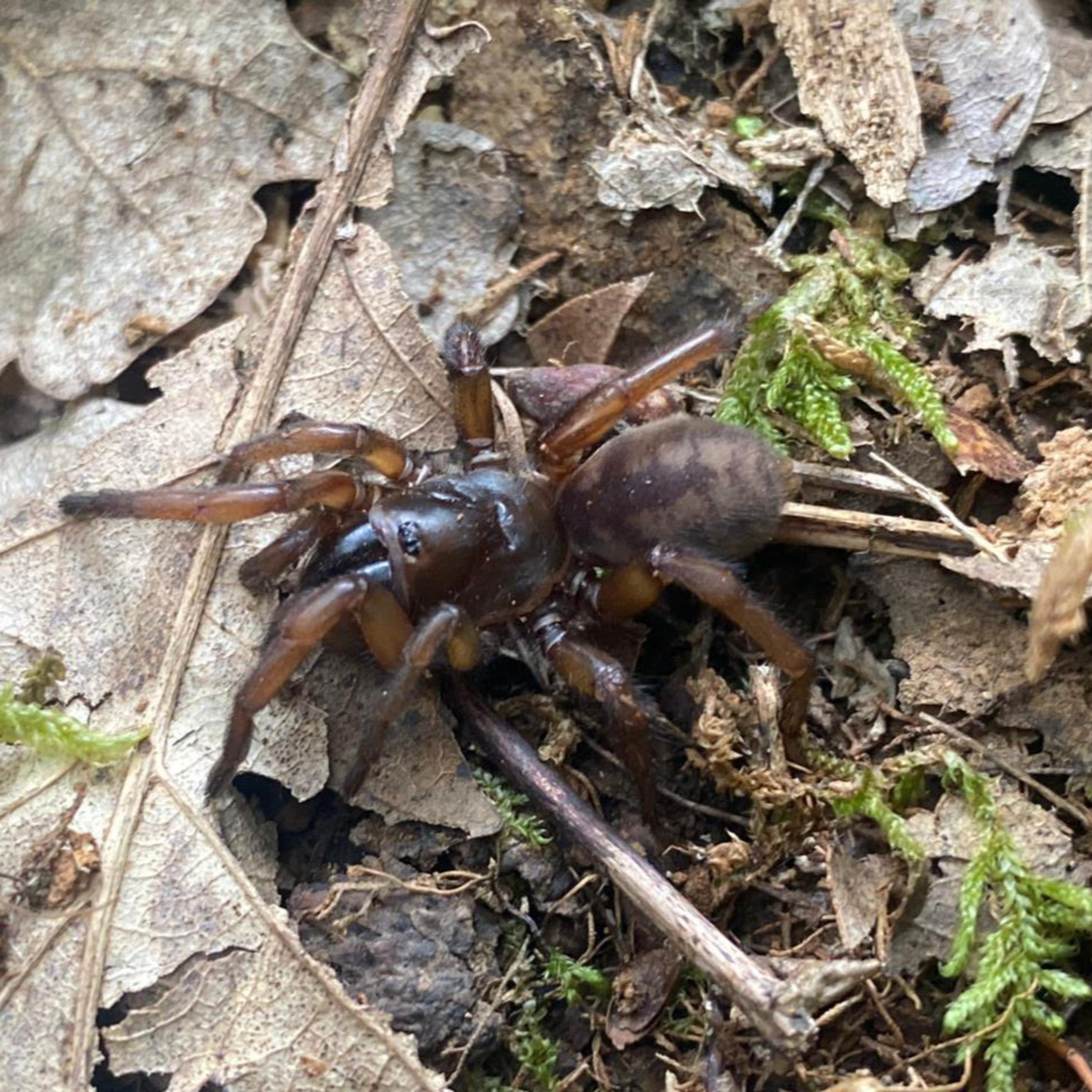 Two New Trapdoor Spiders with Donard Geci | Donard Geci fell into studying spiders by accident, but now he can’t imagine his life without them. He’s one of the only arachnologists in the Balkans, a hotspot for spiders as well as plenty of other flora and fauna. It’s difficult, he says, “but you have many things to do here because many groups are unexplored.”Trapdoor spiders are masterful architects, and there is so much work to do in order to better understand their relationships to one another. Fortunately, Donard isn’t deterred at all and wants to encourage even more scientists to study the amazing quantity of life found in the Balkans. Donard Geci’s paper “Trapdoor spiders of the family Nemesiidae Simon, 1889 (Araneae: Mygalomorphae) from Kosovo” is in volume 20, issue 2 of Arachnology. It can be found here: www.doi.org/10.13156/arac.2025.20.2.281A transcript of this episode can be found here: Donard Geci - Transcript New Species: Brachythele kosovarica, Nemesia dukagjinicaEpisode image credit: Donard GeciA New Trapdoor Spider with Christian Pertegal: available in english and in spanishAn episode with Alireza Zamani: https://www.newspeciespodcast.net/all-episodes/e28-a-new-species-named-because-of-this-podcast-and-another-after-the-father-of-modern-medicineFirst DNA Barcoding of Dysderidae: https://doi.org/10.11646/zootaxa.5653.4.2New Eratigena from the Balkans based on an integrative approach: https://doi.org/10.11646/zootaxa.5636.1.6Find Donard on Facebook: https://www.facebook.com/donardgeciiAnd on X: https://x.com/donard_geciBe sure to follow New Species on Bluesky (@newspeciespodcast.bsky.social) and Instagram (@NewSpeciesPodcast) and “like” the podcast page on Facebook (www.facebook.com/NewSpeciesPodcast).Music in this podcast is "No More (Instrumental)," by HaTom (https://fanlink.to/HaTom)If you have questions or feedback about this podcast, please e-mail us at NewSpeciesPodcast@gmail.comIf you would like to support this podcast and enjoy bonus episodes, please consider doing so at https://www.patreon.com/NewSpeciesPodIf you would like to make a one-time contribution to this podcast, you can do so at https://buymeacoffee.com/newspeciespod | — | ||||||
| 3/24/26 | 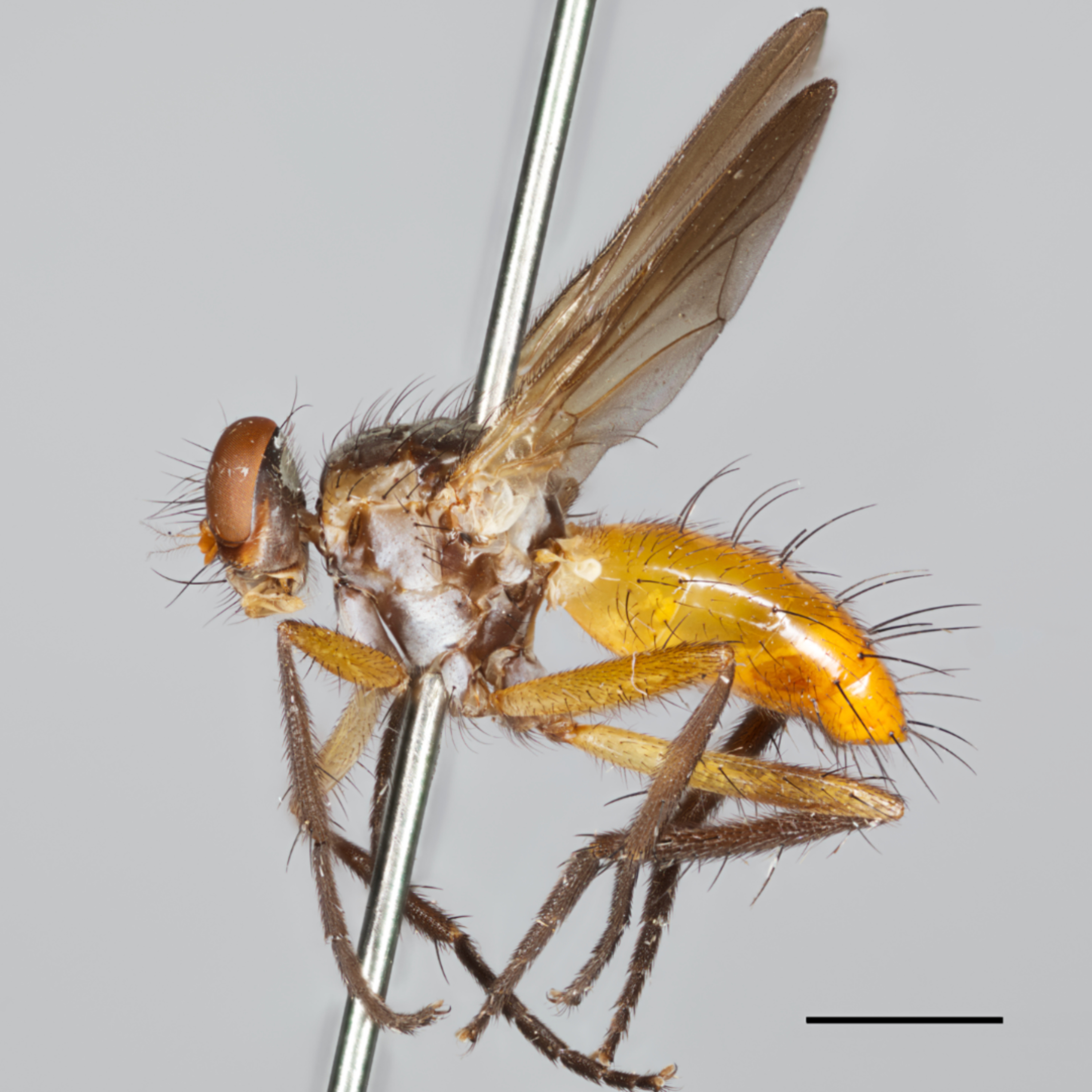 Two New Tachinid Flies with Rodrigo Dios | There are plenty of taxonomists who use museum collections as a resource, but not everyone makes collections the basis of their work. Rodrigo Dios studies Tachinid flies, a group that displays some of the most diverse parasitism behavior of all animals. By reorganizing and rediscribing museum specimens, he finds that we have a lot to learn from both flies and museum collections. “It's crazy,” says Rodrigo, about working in collections. “You can actually assess all this knowledge, all this variation between time and between space as well. It's like infinite knowledge.”Rodrigo Dios’ paper “Taxonomic update on Cordyligasterini, new generic synonyms and new species of Neosophia Guimarães” is in volume 29 of Entomological Science. It can be found here: www.doi.org/10.1111/ens.70003A transcript of this episode can be found here: Rodrigo Dios - English TranscriptThis transcript translated into portuguese: Rodrigo Dios - Portuguese Transcript New Species: Neosophia argentifasciata, Neosophia pakitzaEpisode image credit: Rodrigo DiosFollow Rodrigo on Instagram: @rodrigodiosRodrigo’s paper about the fly that lays eggs on plants: www.doi.org/10.6620/ZS.2024.63-54Connect with Rodrigo on iNaturalist: https://www.inaturalist.org/people/rodrigodiosDon’t be shy! Contact Rodrigo about flies: rodrigodios@gmail.comBe sure to follow New Species on Bluesky (@newspeciespodcast.bsky.social) and Instagram (@NewSpeciesPodcast) and “like” the podcast page on Facebook (www.facebook.com/NewSpeciesPodcast).Music in this podcast is "No More (Instrumental)," by HaTom (https://fanlink.to/HaTom)If you have questions or feedback about this podcast, please e-mail us at NewSpeciesPodcast@gmail.comIf you would like to support this podcast and enjoy bonus episodes, please consider doing so at https://www.patreon.com/NewSpeciesPodIf you would like to make a one-time contribution to this podcast, you can do so at https://buymeacoffee.com/newspeciespod | — | ||||||
| 2/23/26 |  A Bug's Life (1998) with Jesse and Charleigh Hurlburt | “The queen especially was not like, like totally not like mad mad, but like mad at him…”That analysis is from Charleigh (age 6 ), who I talked to along with her dad Jesse (older than 6) about the 1998 classic A Bug’s Life! We discussed serious matters such as the number of legs ants have, if insects have blood, and if the movie missed an opportunity by not including a dung beetle (I think they did). Charleigh and Jesse co-host the amazing podcast arthropod adventures, which teaches listeners about arthropods they might see in their backyard. Stay inquisitive and never stop learning with me as I talk to them in this very silly bonus episode!Our ratings:Scientific accuracy 🐜 🐜 🐜Enjoyability 🐜 🐜 🐜 🐜Bonus episodes are typically reviews of creature-feature horror movies by me and a scientist with expertise relevant to the film. If you enjoyed this episode, you can listen to more of them for free on Patreon.com/newspeciespodCheck out arthropod adventures wherever you get your podcastsFollow them on facebook: https://www.facebook.com/profile.php?id=61563432847704And instagram: https://www.instagram.com/arthropod_adventures_podcast/Check out their merch: https://www.redbubble.com/people/jhurlburt33/shop?asc=uLearn more about the Trevor Project: https://www.thetrevorproject.org/One-time podcast support: buymeacoffee.com/newspeciespodBe sure to follow New Species on Bluesky (@newspeciespodcast.bsky.social) and Instagram (@NewSpeciesPodcast) and “like” the podcast page on Facebook (www.facebook.com/NewSpeciesPodcast).If you have questions or feedback about this podcast, please e-mail us at NewSpeciesPodcast@gmail.com | — | ||||||
| 1/16/26 | New Species Census 2026 | Hi everyone, incredibly it's time for the third biennial New Species Census! Every two years I ask listeners to answer a few questions about who they are, how they listen, and what they would like from the podcast in the future. Take the survey: https://forms.gle/V8G9VSKxfvaxhxdx5The survey will be open until February 13th 2026, after which time I'll post a summary of the feedback on instagram.* Please take a few minutes to share your thoughts! I'm so grateful to everyone who listens to this little hobby podcast, and your feedback really helps it to grow. If you have general feedback or have missed the window, you can always email me at newspeciespodcast@gmail.com. Thank you as always for listening! *Please note there are a few people confused - the New Species Podcast instagram is @newspeciespodcast! There is another account called New Species which is not me. | — | ||||||
Want analysis for the episodes below?Free for Pro Submit a request, we'll have your selected episodes analyzed within an hour. Free, at no cost to you, for Pro users. | |||||||||
| 1/15/26 | 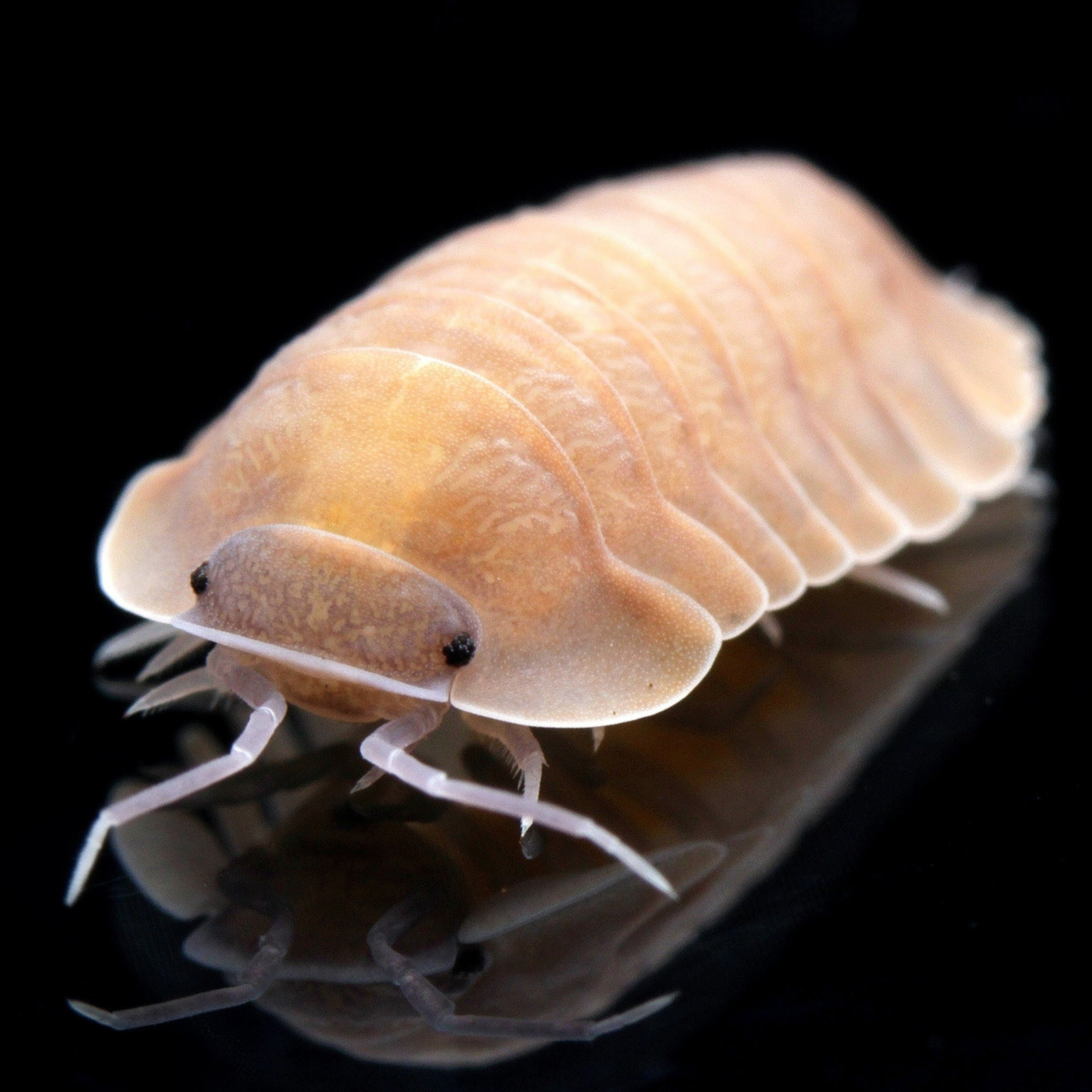 A New Isopod with Benedikt Kästle | Do you ever wonder if your pet could be a new species? Paleontologist Benedikt Kästle took a closer look at his, and it led to a brand new genus and species! Also known as woodlice, these popular pets are easy to keep and easier to enjoy for the way they skitter and roll up. Benedikt explains that his scientific background can help members of the isopod community connect the valuable experience they have from rearing isopods to the broader research community, where much about isopods is still unknown.Benedikt does this both through his instagram account and in his conversations with hobbyists from around the world, and it makes an impact. This new species is one of many that went undescribed for many years. Now its name is known from Martinique to Germany and beyond. Listen to this episode for a story that celebrates the humble roly poly in all its diversity and mystery.Benedikt Kästle’s paper “Description of a new genus and species of terrestrial isopod (Oniscidea, Armadillidae) endemic to Martinique” is in volume 47 issue 29 of Zoosystema. It can be found here: https://doi.org/10.5252/zoosystema-2025v47a29A transcript of this episode can be found here: Benedikt Kästle - TranscriptNew Species: Caribodillo martinicensisFollow Benedikt on instagram: @sumerian.demonEpisode image credit: Benedikt KästleBe sure to follow New Species on Bluesky (@newspeciespodcast.bsky.social) and Instagram (@NewSpeciesPodcast) and “like” the podcast page on Facebook (www.facebook.com/NewSpeciesPodcast).Music in this podcast is "No More (Instrumental)," by HaTom (https://fanlink.to/HaTom)If you have questions or feedback about this podcast, please e-mail us at NewSpeciesPodcast@gmail.comIf you would like to support this podcast and enjoy bonus episodes, please consider doing so at https://www.patreon.com/NewSpeciesPod | — | ||||||
| 12/31/25 | 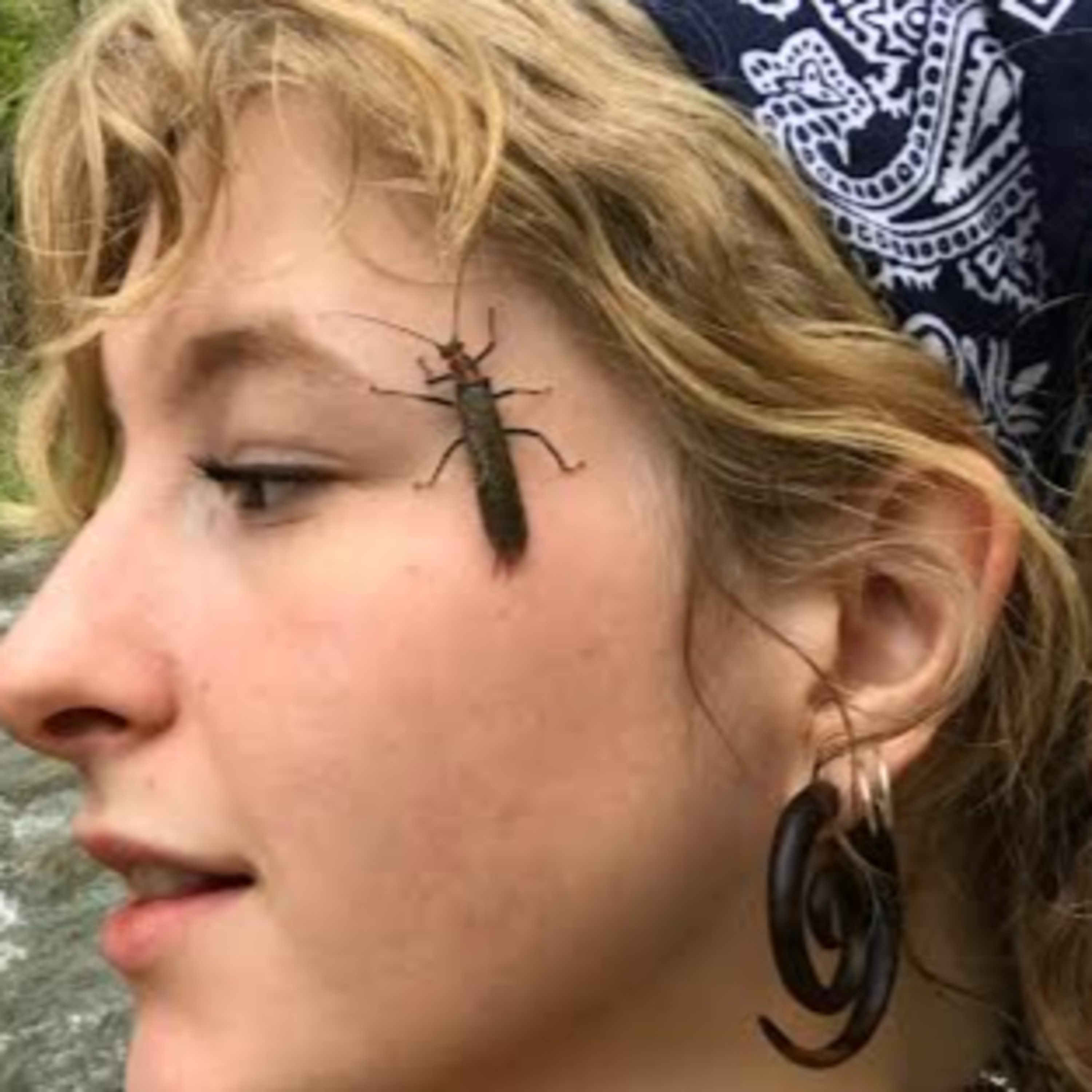 All About Stoneflies with Anna Eichert | Stoneflies, or Plecoptera, are an order of insects with around 4,000 species. But that’s about to change. In her paper “Stonefly systematics: past, present, and future,” Anna Eichert and her colleagues from around the world map out the way stoneflies have changed as a group over time, some of the factors that shape our current understanding of the stoneflies, and what can change in the future to make sure our knowledge of stonefly diversity continues to grow. Learn from Anna’s account of her experiences and her passion for stoneflies in this episode, and next time you encounter a stream, flip over a rock or two.Anna Eichert’s paper “Stonefly systematics: past, present, and future” is in volume 9, issue 4 of Insect Systematics and Diversity. It can be found here: https://doi.org/10.1093/isd/ixaf026A transcript of this episode can be found here: Anna Eichert - TranscriptEpisode image credit: Anna EichertEmail Anna: aeichert@amnh.orgFollow Anna on Instagram: @annaeichert, @bugtimezAnd Bluesky: @annaeichert.bsky.socialBe sure to follow New Species on Bluesky (@newspeciespodcast.bsky.social) and Instagram (@NewSpeciesPodcast) and like the podcast page on Facebook (www.facebook.com/NewSpeciesPodcast).Music in this podcast is "No More (Instrumental)," by HaTom (https://fanlink.to/HaTom)If you have questions or feedback about this podcast, please e-mail us at NewSpeciesPodcast@gmail.comIf you would like to support this podcast and enjoy bonus episodes, please consider doing so at https://www.patreon.com/NewSpeciesPod | — | ||||||
| 11/25/25 | 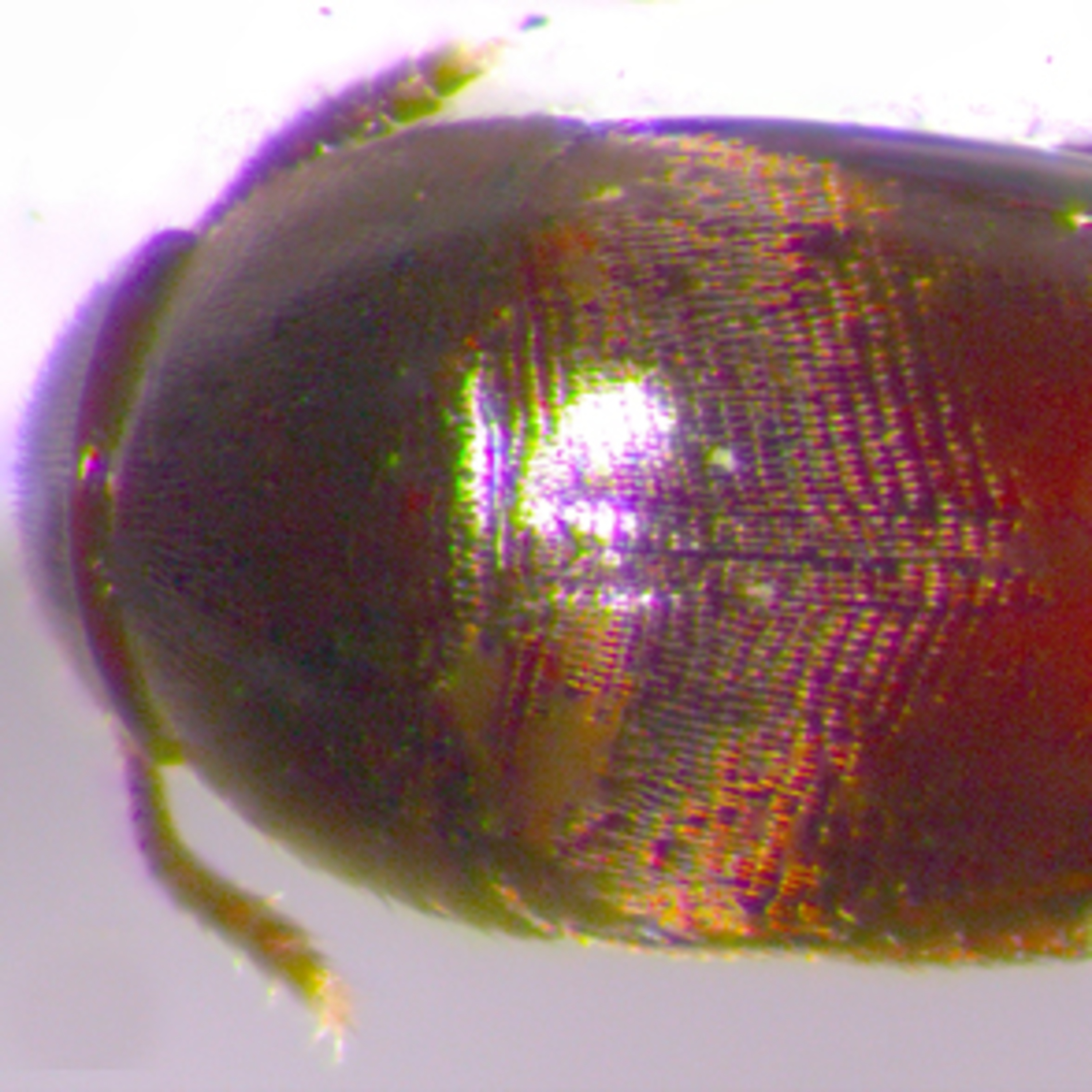 New Adelopsis Beetles with Eduardo Gomyde | The genus Adelopsis is one of the many groups of LBB’s, ‘little brown beetles’ that often get left behind or unidentified by researchers. Eduardo Gomyde is a scientist giving them a closer look. “We're not just identifying species,” he explains, “but we are also analyzing and understanding the finer scale of the [features] that help us to differentiate them.”Using Scanning Electron Microscopy, Eduardo and his coauthor carefully examined the tiniest of details. To find these specimens they had to sort through countless vials of “bycatch”, material leftover from other research that gets deposited in museum collections. Listen in as Eduardo describes his work, and learn about the great joy he takes in giving the LBB’s the attention and care they deserve.Eduardo Gomyde’s paper “Revisiting the concept of ‘ultra evolved’ aedeagi of Adelopsis Portevin, 1907 (Coleoptera: Leiodidae: Cholevinae: Ptomaphagini) using scanning electronmicroscopy, with description and redescription of species” is in volume 17 issue 1 of Megataxa.It can be found here: https://doi.org/10.11646/megataxa.17.1.3A transcript of this episode can be found here: Eduardo Gomyde - TranscriptNew Species: Adelopsis boraceia, Adelopsis monticola, Adelopsis vanini, Adelopsis gibber, Adelopsis ilhabela, Adelopsis caeteh, Adelopsis gandarela, Adelopsis sacerdotisEpisode image credit: Eduardo GomydeListen to Eduardo and I discuss the movie Mosquito Man on a free bonus episode: https://www.patreon.com/posts/mosquito-man-144374393Be sure to follow New Species on Bluesky (@newspeciespodcast.bsky.social) and Instagram (@NewSpeciesPodcast) and like the podcast page on Facebook (www.facebook.com/NewSpeciesPodcast).Music in this podcast is "No More (Instrumental)," by HaTom (https://fanlink.to/HaTom)If you have questions or feedback about this podcast, please e-mail us at NewSpeciesPodcast@gmail.comIf you would like to support this podcast and enjoy bonus episodes, please consider doing so at https://www.patreon.com/NewSpeciesPod | — | ||||||
| 11/4/25 | 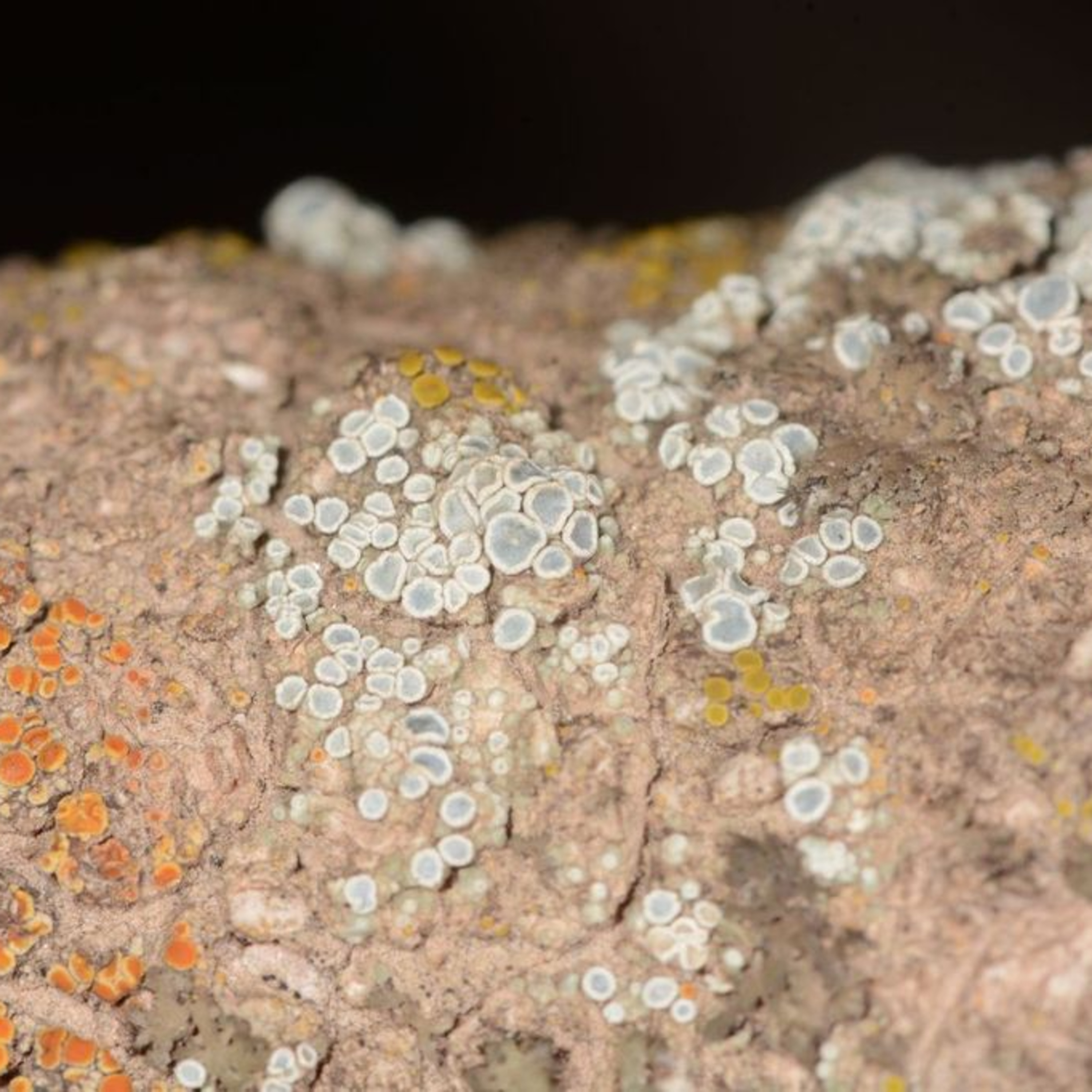 Three New Lichens with Erin Manzitto-Tripp | How much do you know about lichens? These incredible taxa are understudied, but today’s guest is making sure they’re not undervalued. “You can’t look at lichens under a microscope and not become immediately obsessed,” says Dr. Erin Manzitto-Tripp. “It’s an endless world of magnificent, beautiful biodiversity.”Erin works in the mountains of Colorado to describe new species of lichens along with the rest of her fantastic lab. For this paper they called not just on the power of nature, but also on the power of music. These three new species are named after the Indigo Girls, the individual members of the band and the band itself, in thanks for the many gifts Erin and others have received through their music.Erin Manzitto-Tripp’s paper “The Thin Horizon of a Plan is Almost Clear: Towards a Lichen Biodiversity Inventory of the Southern Rocky Mountains, USA” is in volume 712 issue 3 of Phytotaxa. It can be found here: https://doi.org/10.11646/phytotaxa.712.3.1A transcript of this episode can be found here: Erin Manzitto-Tripp - TranscriptNew Species: Lecanora indigoana, Lepraria saliersiae, Pertusaria rayanaEpisode image credit: Erin Manzitto-TrippListen to “The Wood Song,” whose lyrics gave this paper its title: https://www.youtube.com/watch?v=x0tUkepNqiALearn about the Lichens of Great Smoky Mountains National Park: https://www.jstor.org/stable/43188704Check out Erin’s Lab and their work: https://tripp-report.com/An article about these new species, with some beautiful photos: https://www.cpr.org/2025/07/24/cu-new-lichen-species-named-after-indigo-girls/And the blog post from the Indigo Girls after hearing about their new species:https://www.indigogirls.com/blog/bnjasxuusxhyfhyynob5oiko8om81aBe sure to follow New Species on Bluesky (@newspeciespodcast.bsky.social) and Instagram (@NewSpeciesPodcast) and “like” the podcast page on Facebook (www.facebook.com/NewSpeciesPodcast).Music in this podcast is "No More (Instrumental)," by HaTom (https://fanlink.to/HaTom)If you have questions or feedback about this podcast, please e-mail us at NewSpeciesPodcast@gmail.comIf you would like to support this podcast and enjoy bonus episodes, please consider doing so at https://www.patreon.com/NewSpeciesPod | — | ||||||
| 10/21/25 | Three New Fossil Dictyopterans with Soo Bin Lee | The Cretaceous insects in the family Umenocoleidae have been difficult to classify, but for Soo Bin Lee they are a window into one of the most interesting periods of our prehistoric world. While closely related to the modern cockroaches in order Blattodea, fossil Umenocoleids have been found and researched across the world and found to be present across a larger portion of geologic time than expected. They’re linked to the Cretaceous Terrestrial Revolution, an important period of change when angiosperms, or flowering plants, exploded in diversity and prevalence and changed the development of insects as a result. By examining the tiny and delicate wing venation of fossils, Lee and his coauthors were able to uncover and untangle a new chapter in our knowledge of prehistory. Listen in as Lee draws us into the world of prehistoric creatures, environmental change, and the beauty and complexity of wings.Soo Bin Lee’s paper “A new Albian genus and species and two other new species of Umenocoleidae (Dictyoptera) from South Korea” is in volume 166 of Cretaceous ResearchIt can be found here: https://doi.org/10.1016/j.cretres.2024.106013A transcript of this episode can be found here: Soo Bin Lee - TranscriptNew Species: Umenocoleus minimus, Pseudoblattapterix weoni, Petropterix koreaensisBe sure to follow New Species on Bluesky (@newspeciespodcast.bsky.social) and Instagram (@NewSpeciesPodcast) and like the podcast page on Facebook (www.facebook.com/NewSpeciesPodcast).Music in this podcast is "No More (Instrumental)," by HaTom (https://fanlink.to/HaTom)If you have questions or feedback about this podcast, please e-mail us at NewSpeciesPodcast@gmail.comIf you would like to support this podcast and enjoy bonus episodes, please consider doing so at https://www.patreon.com/NewSpeciesPod | — | ||||||
| 10/10/25 | 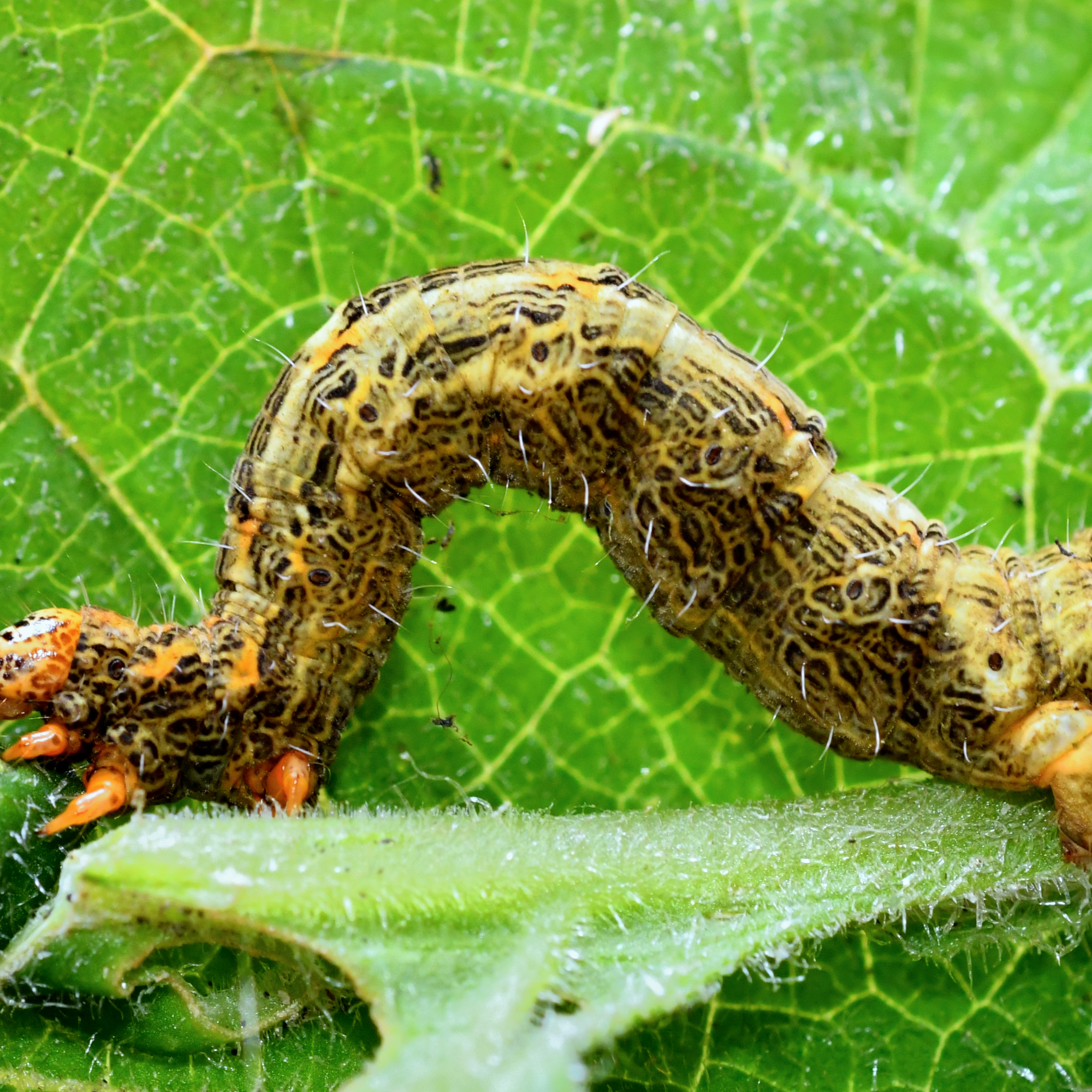 A New Geometrid Moth with Ivonne Garzón | Do you have a love of holometabolic insects? Ivonne Garzón is the president of their fan club! She studies a subset of geometrid moths that may look drab, but their colorful caterpillars and relationships with toxic plants make them endlessly interesting. “There is no way to get bored,” Ivonne says, “There is no way! You are amazed all the time.” The story of these moths also includes community; a visit to a caterpillar lab, a collaboration with the local herbarium, and a poll where over 5,000 people chose the name for one of her new species. For Ivonne, taxonomy makes her life joyful and interesting. Make your life more joyful and interesting by listening to Ivonne’s interview as she shares her wealth of knowledge and curiosity with all of us.Ivonne Garzón’s paper “A new cryptic Phyllodonta Warren (Lepidoptera: Geometridae) from Mexico City with documentation of its life history” is in volume 5666 of Zootaxa. It can be found here: www.doi.org/10.11646/zootaxa.5666.1.8A transcript of this episode can be found here: Ivonne Garzón - Transcript New Species: Phyllodonta coztomatlivoraEpisode image credit: Ivonne GarzónCheck out Ivonne’s lab instagram page: https://www.instagram.com/leps.de.mx/Listen to Rosemary Gillespie’s episode on New Species: https://www.newspeciespodcast.net/release-happy-face-spiders-with-rosemary-gillespieBe sure to follow New Species on Bluesky (@newspeciespodcast.bsky.social) and Instagram (@NewSpeciesPodcast) and like the podcast page on Facebook (www.facebook.com/NewSpeciesPodcast).Music in this podcast is "No More (Instrumental)," by HaTom (https://fanlink.to/HaTom)If you have questions or feedback about this podcast, please e-mail us at NewSpeciesPodcast@gmail.comIf you would like to support this podcast and enjoy bonus episodes, please consider doing so at https://www.patreon.com/NewSpeciesPod | — | ||||||
| 10/10/25 | 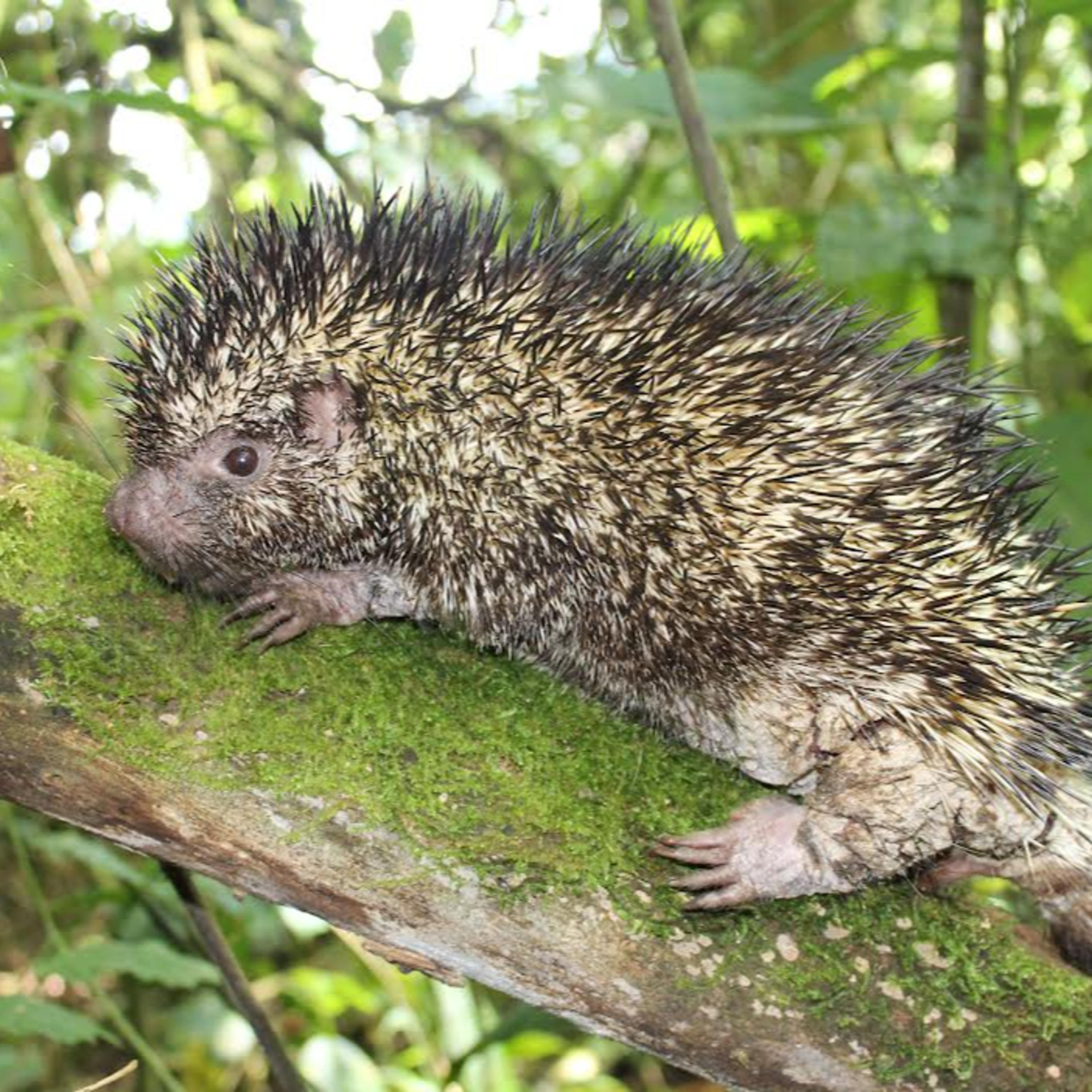 Un Nuevo Puercoespín con Héctor Ramírez-Chaves | Los puercoespines, una de las criaturas más adorables y dolorosas a la vez, captan la atención en toda su área de distribución mundial. En este artículo, Héctor Ramírez-Chaves y sus coautores describen una nueva especie de puercoespín de los Andes colombianos. El trabajo los ha llevado a recorrer diferentes ecosistemas y a numerosos museos internacionales. Mientras Héctor describe la increíble biodiversidad de Colombia, también aborda la importancia crucial de su trabajo. "Aún necesitamos estudiar a los roedores aquí en Colombia", afirma. "Hay muchos grupos de especies nuevos que no se han estudiado en absoluto porque no son muy carismáticos, por lo que se los descuida. No se los estudia y son muy importantes para el ecosistema. Por eso, necesitamos más atención en estos pequeños mamíferos".Si no quieres enamorarte de los puercoespines, ¡no escuches este episodio! La alegría de Héctor es contagiosa y la curiosidad de estos misteriosos roedores es irresistible.El artículo de Héctor Ramírez-Chaves, “Una revisión del complejo Puercoespín Quichua Coendou quichua (Rodentia: Erethizontidae) con la descripción de una nueva especie de Colombia”, se encuentra en el volumen 106, número 3, de la revista Journal of Mammalogy.Puede consultarse aquí: https://doi.org/10.1093/jmammal/gyae140Puede consultar la transcripción de este episodio aquí: Héctor Ramírez-Chaves - Transcripción en españolNueva especie: Coendou vossiCrédito de la imagen del episodio: Omar Daniel León AlvaradoVisite el laboratorio de Héctor en Instagram: @izbd_labY consulte su enlace para ver investigaciones recientes: https://linktr.ee/izbd_labSiga a Nuevas Especies en Bluesky (@newspeciespodcast.bsky.social) e Instagram (@NewSpeciesPodcast) y dale a "Me gusta" en la página del podcast en Facebook (www.facebook.com/NewSpeciesPodcast).La música de este podcast es "No More (Instrumental)", de HaTom (https://fanlink.to/HaTom).Si tienes preguntas o comentarios sobre este podcast, escríbenos a NewSpeciesPodcast@gmail.com.Si quieres apoyar este podcast y disfrutar de episodios extra, puedes hacerlo en https://www.patreon.com/NewSpeciesPod | — | ||||||
| 9/9/25 | 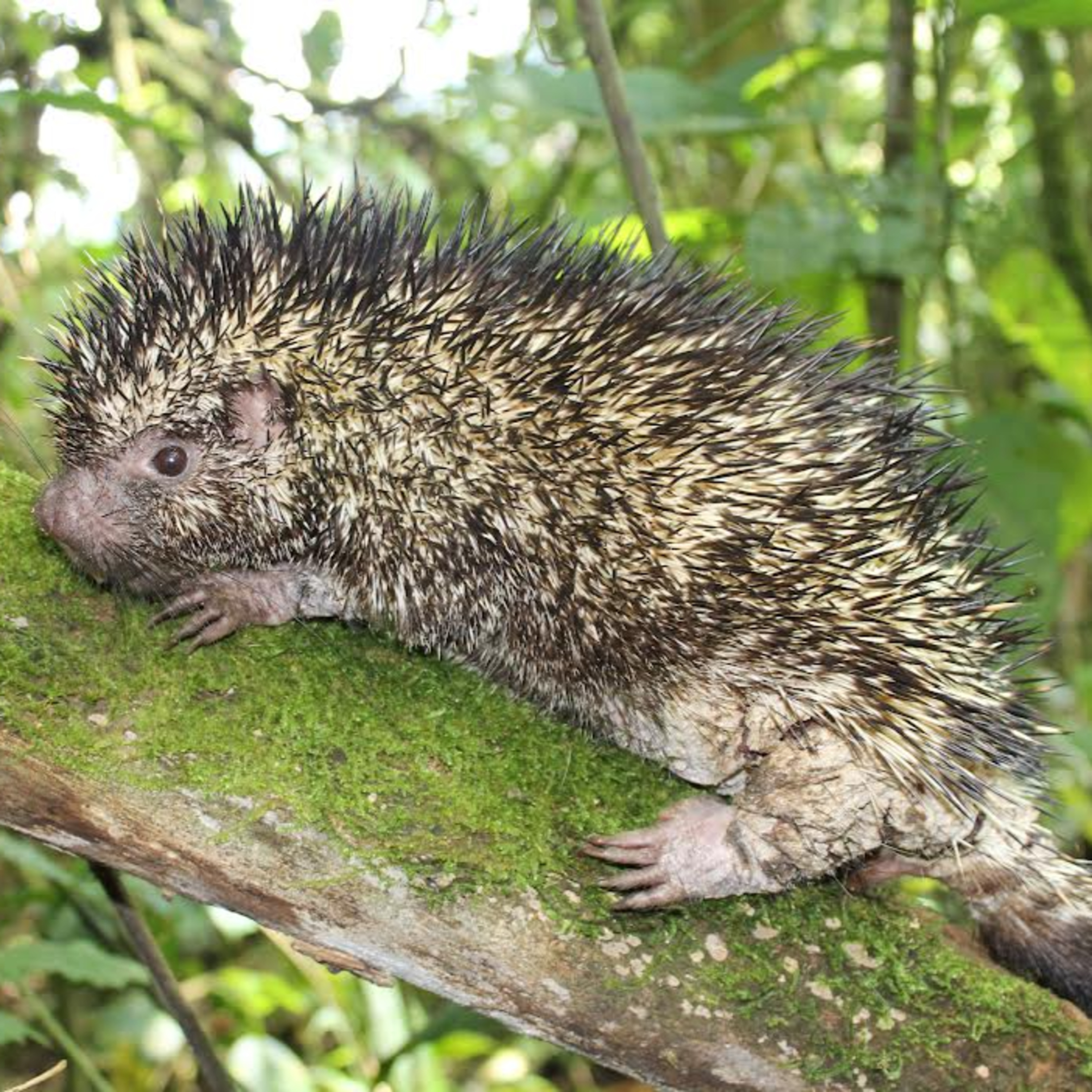 A New Porcupine with Héctor Ramirez-Chaves | Simultaneously one of the cutest and most pain-inducing creatures, porcupines capture attention all over their worldwide range. In this paper, Héctor Ramirez-Chaves and his coauthors describe a new species of porcupine from the Andes of Colombia. The work has taken them across different ecosystems and to a good handful of international museums. As Héctor describes Colombia’s incredible biodiversity, he also addresses the critical nature of his work. “We still need to study rodents here in Colombia,” he says. “There are plenty of new species groups that have not been studied at all because they are not very charismatic, so they are neglected. People don't study them and they are very important to the ecosystem. So we need more attention in these small mammals.”If you don’t want to fall in love with porcupines, don’t listen to this episode! Héctor’s joy is infectious and the curious nature of these cryptic rodents is irresistible.Héctor Ramirez-Chaves’ paper “A review of the Quichua Porcupine Coendou quichua complex (Rodentia: Erethizontidae) with the description of a new species from Colombia” is in volume 106 issue 3 of the Journal of MammalogyIt can be found here: https://doi.org/10.1093/jmammal/gyae140A transcript of this episode can be found here: Héctor Ramirez-Chaves - TranscriptA transcript of this episode in spanish can be found here: Héctor Ramirez-Chaves - Spanish TranscriptNew Species: Coendou vossiEpisode image credit: Omar Daniel Leon AlvaradoCheck out Héctor’s lab on instagram: @izbd_lab And take a look at their linktree for recent research: https://linktr.ee/izbd_labBe sure to follow New Species on Bluesky (@newspeciespodcast.bsky.social) and Instagram (@NewSpeciesPodcast) and “like” the podcast page on Facebook (www.facebook.com/NewSpeciesPodcast).Music in this podcast is "No More (Instrumental)," by HaTom (https://fanlink.to/HaTom)If you have questions or feedback about this podcast, please e-mail us at NewSpeciesPodcast@gmail.comIf you would like to support this podcast and enjoy bonus episodes, please consider doing so at https://www.patreon.com/NewSpeciesPod | — | ||||||
| 8/12/25 | A New (Old) Apple with Todd, Cameron, and John | The moment John Bunker saw the 200+ year old tree, he knew it might be special. He had no idea however, that it was one of America’s oldest surviving apple trees, a French ancestor to many of the apple varieties we know and love today. Combining Todd Little-Siebold’s historical research and Cameron Peace’s genetic work, in this special interview the three of them are able to tell a story of this apple tree that is not unlike the story of many new species discoveries. A transcript of this episode can be found here: Drap d'Or BretagneNew (Old) Species and cultivar: Drap d'Or Bretagne Maine Public Radio feature: https://www.mainepublic.org/maine/2025-06-02/on-verona-island-historians-discover-one-of-the-oldest-living-apple-trees-in-north-americaMOFGA press release:https://www.mofga.org/news/apple-discovery-announcement/Local news article (paywalled): https://www.bangordailynews.com/2025/05/04/homestead/gardening/one-of-north-americas-oldest-apple-trees-on-maine-island-joam40zk0w/Learn more about MOFGA: mofga.org (See you at the Common Ground Country Fair!)John’s website: outonalimbapples.com My Fruit Tree Project: myfruittree.orgBe sure to follow New Species on Bluesky (@newspeciespodcast.bsky.social) and Instagram (@NewSpeciesPodcast) and like the podcast page on Facebook (www.facebook.com/NewSpeciesPodcast).Music in this podcast is "No More (Instrumental)," by HaTom (https://fanlink.to/HaTom)If you have questions or feedback about this podcast, please e-mail us at NewSpeciesPodcast@gmail.comIf you would like to support this podcast and enjoy bonus episodes, please consider doing so at https://www.patreon.com/NewSpeciesPod | — | ||||||
| 7/29/25 | 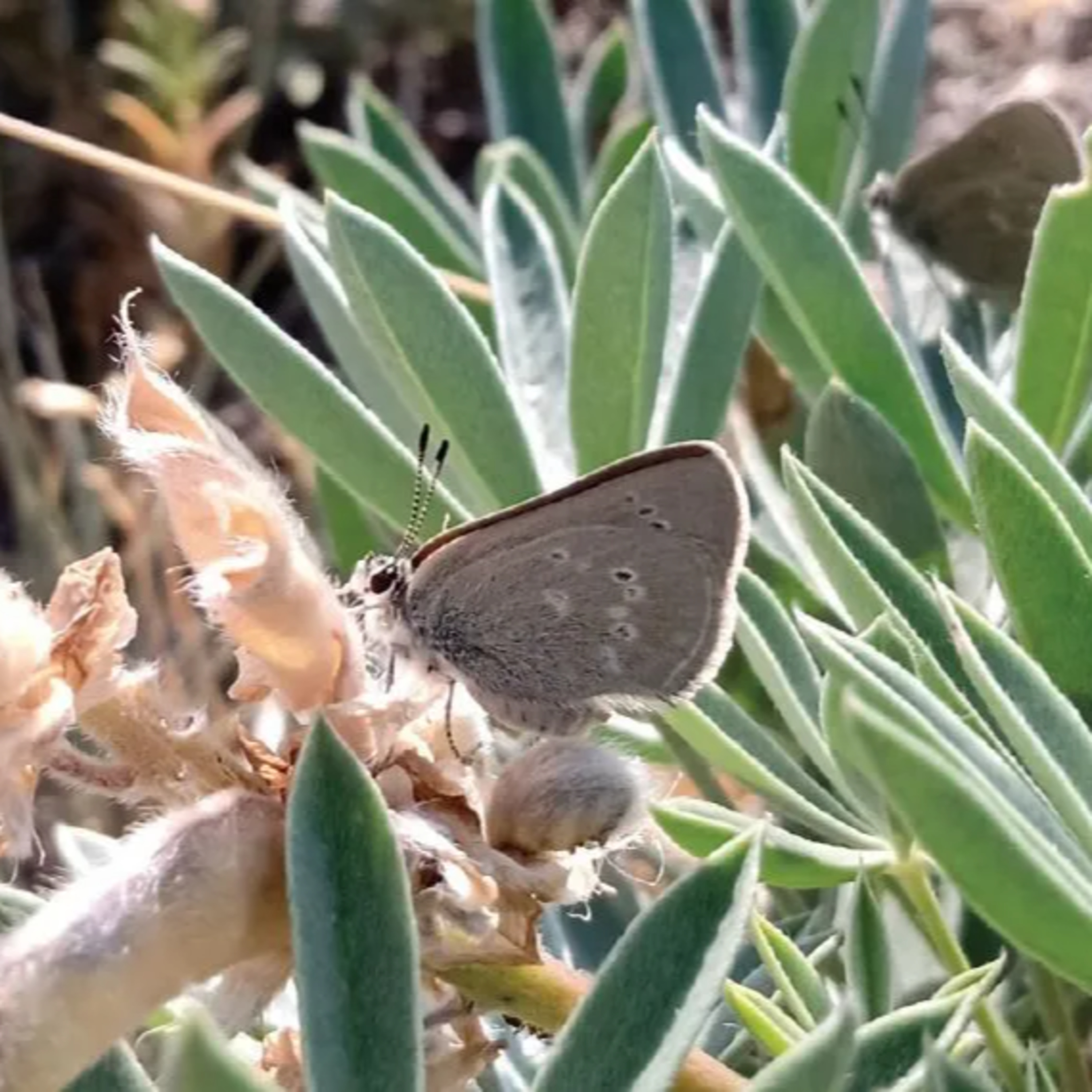 A New Butterfly with Zac MacDonald and Julian Dupuis | Think butterfly genomics is a simple topic? Think again, but this time think alongside Zac MacDonald and Julian Dupuis. Not only are they answering some of the most interesting contemporary conservation questions, but they’re doing so using a very curious butterfly as their model organism. “One of the difficult things with studying these kinds of butterflies….is we don't really understand fitness or adaptive value as well as we do in cougars or in foxes or in dogs or in other vertebrates that we've studied a lot more.” Julian says. “We don't really have these characteristic signals of, what does inbreeding depression look like? We just don't have that kind of information in butterflies.”Listen in to learn about cutting edge genomics from certified self-described “crazy butterfly people” and expand your idea of what is possible in conservation.Zac and Julian’s paper “Genomic and ecological divergence support recognition of a new species of endangered Satyrium butterfly (Lepidoptera, Lycaenidae)” is in volume 1234 of Zookeys. It can be found here: https://doi.org/10.3897/zookeys.1234.143893A transcript of this episode can be found here: Zac Macdonald and Julian Dupuis - TranscriptNew Species: Satyrium curiosolusEpisode image credit: MacDonald et. al (2025)Follow Zac on instagram: @wild_about_the_wild_thingsAnother paper by Zac and Julian on the future of butterfly conservation: https://onlinelibrary.wiley.com/doi/10.1111/mec.17657Be sure to follow New Species on Bluesky (@newspeciespodcast.bsky.social) and Instagram (@NewSpeciesPodcast) and like the podcast page on Facebook (www.facebook.com/NewSpeciesPodcast).Music in this podcast is "No More (Instrumental)," by HaTom (https://fanlink.to/HaTom)If you have questions or feedback about this podcast, please e-mail us at NewSpeciesPodcast@gmail.comIf you would like to support this podcast and enjoy bonus episodes, please consider doing so at https://www.patreon.com/NewSpeciesPod | — | ||||||
| 7/15/25 | 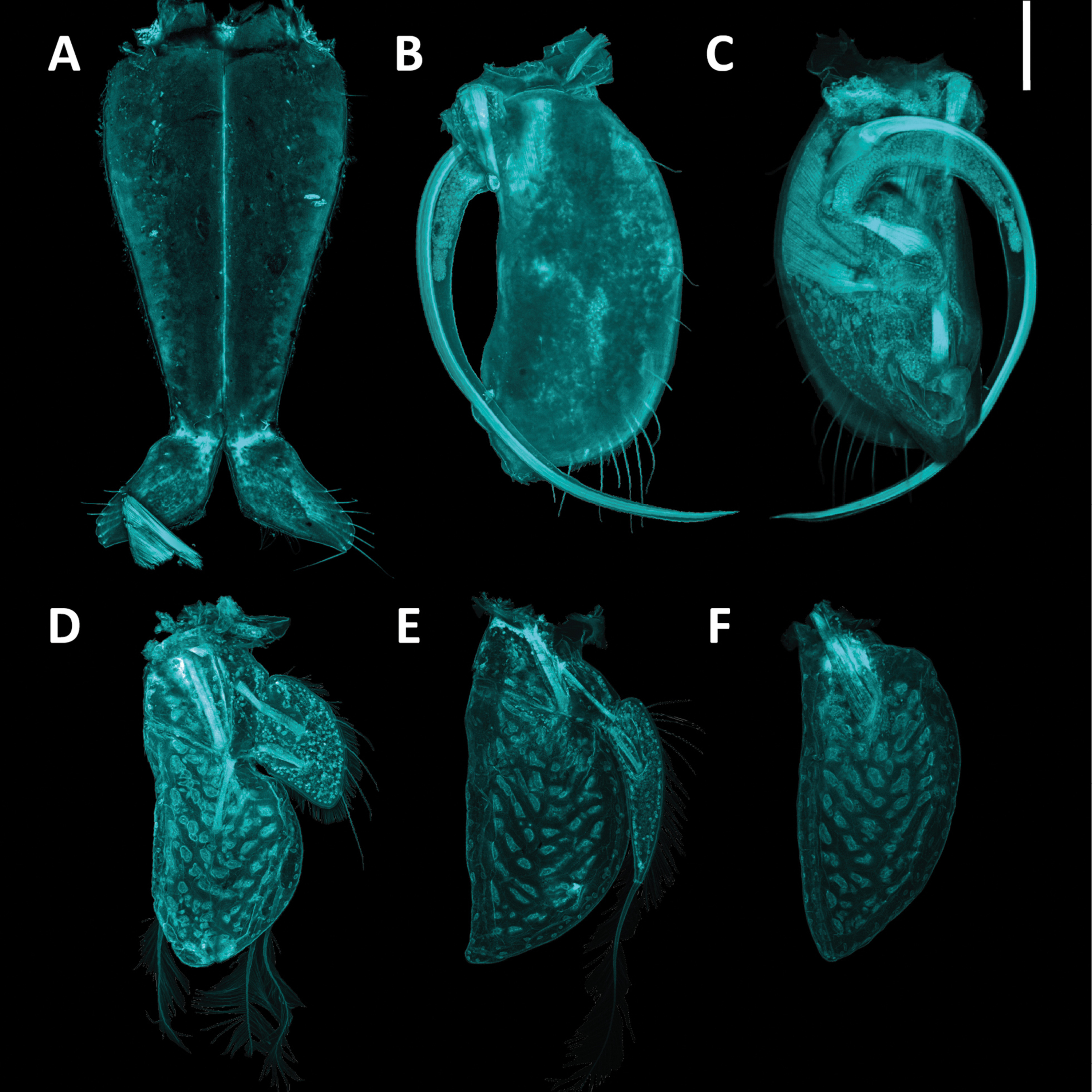 Five Deep-sea Isopods with Henry Knauber | Deep-sea isopods come in all shapes and sizes, and Henry Knauber is excited to see all of them. In this paper, he and his coauthors describe five new species and redescribe another as part of a large expedition to examine the biodiversity of the Kuril-Kamchatka Trench region of the northwest Pacific Ocean. These new species are part of what he calls his “god complex,” a cluster of closely-related cryptic species he has spent much of his scientific career distinguishing and naming after Greek gods and mythical characters. Listen along as Henry describes a paper that is a culmination of years of work, and brings you deep into the sea to examine these amazing creatures in a new way.Henry Knauber’s paper “Across trench and ridge: description of five new species of the Haploniscus belyaevi Birstein, 1963 species complex (Isopoda, Haploniscidae) from the Kuril-Kamchatka Trench region” is in volume 101 issue 2 of Zoosystematics and Evolution. It can be found here: https://doi.org/10.3897/zse.101.137663A transcript of this episode can be found here: Henry Knauber - TranscriptNew Species: Haploniscus apaticus, Haploniscus erebus, Haploniscus hades, Haploniscus kerberos, and Haploniscus nyx.Episode image credit: Henry KnauberCheck out Henry’s German Science Communication Platform called "Abyssarium" on Instagram: @abyss.ariumAlso take a look at @oceanspecies on instagram for more work like Henry’sRead part of Henry’s master’s thesis on the delineation of the Haploniscus belyaevi species complex: https://doi.org/10.1080/14772000.2022.2099477A joyful deep-sea specimen encounter: coverage of the first footage of a Colossal Squid and an interview by Science Friday: https://www.sciencefriday.com/segments/colossal-squid-video/Be sure to follow New Species on Bluesky (@newspeciespodcast.bsky.social) and Instagram (@NewSpeciesPodcast) and like the podcast page on Facebook (www.facebook.com/NewSpeciesPodcast).Music in this podcast is "No More (Instrumental)," by HaTom (https://fanlink.to/HaTom)If you have questions or feedback about this podcast, please e-mail us at NewSpeciesPodcast@gmail.comIf you would like to support this podcast and enjoy bonus episodes, please consider doing so at https://www.patreon.com/NewSpeciesPod | — | ||||||
| 5/27/25 |  A New Toxungenous Scorpion with Léo Laborieux | “Serendipity is a real grabbing force of science,” says Léo Laborieux as he shares his experience describing his new species of scorpion. While at a remote research station in the Colombian rainforest, Léo found a handful of scorpions that exhibited a unique venom ‘flicking’ behavior. Armed only with his phone and a few basic supplies, Léo documented the behavior, diagnosed the scorpions as being a new species, and came to fascinating conclusions about venom biomechanics. In this episode he brings us deep into the world of scorpion venoms and shares his love of these creatures and their startling diversity.Léo Laborieux’ paper “Biomechanics of venom delivery in South America’s first toxungen-spraying scorpion” is in the December 2024 edition of the Zoological Journal of the Linnean Society. It can be found here: https://doi.org/10.1093/zoolinnean/zlae161A transcript of this episode can be found here: Léo Laborieux - TranscriptNew Species: Tityus achillesEpisode image credit: Léo LaborieuxLéo’s first new species from a mountain near his hometown: https://doi.org/10.57800/faunitaxys-10(47)Follow Léo on Instagram @lhommedesboasOr connect on Bluesky @6legsandup.blsky.socialRead his papers on Researchgate: https://www.researchgate.net/profile/Leo_Laborieux?ev=hdr_xprfScrappy Science: https://www.scrappyscience.orgGlobal Alliance of Community Science Workshops: https://www.communityscienceworkshops.orgOther scorpion episodes from this podcast: Prakrit JainJavier Blasco-ArósteguiBe sure to follow New Species on Bluesky (@newspeciespodcast.bsky.social) and Instagram (@NewSpeciesPodcast) and like the podcast page on Facebook (www.facebook.com/NewSpeciesPodcast).Music in this podcast is "No More (Instrumental)," by HaTom (https://fanlink.to/HaTom)If you have questions or feedback about this podcast, please e-mail us at NewSpeciesPodcast@gmail.comIf you would like to support this podcast and enjoy bonus episodes, please consider doing so at https://www.patreon.com/NewSpeciesPod | — | ||||||
| 5/13/25 |  A New Begonia with Dipankar Borah | Begonias are known around the world as a plant of beauty and diversity. What can they teach us about the world around us? Through his work on Begonias and other flowering plants found in Northeast India, Professor Dipankar Borah sees the world differently. It’s not just for his own benefit though.“Much of my time is spent making students aware of their surroundings,” He says. “We trek to forests, cook food from the wilderness, and then find joy in the simple yet profound experiences. Through these moments of exploration and laughter, I hope to rekindle their sense of wonder and then help them build the lasting bond with nature.”In this episode, let Dr. Borah invite you with joy and wonder into the world of Begonias. Dipankar Borah’s paper “A new species Begonia ziroensis and a new record of Begonia siamensis from Arunachal Pradesh, Northeast India” is in volume 63 issue 1 of the New Zealand Journal of Botany.It can be found here: https://doi.org/10.1080/0028825X.2023.2295439A transcript of this episode can be found here: Dipankar Borah - TranscriptNew Species: Begonia ziroensisEpisode image credit: Dipankar Borah Read more on Dipankar’s Researchgate: https://www.researchgate.net/profile/Dipankar-BorahAnd Follow him on Facebook: https://www.facebook.com/dipu.borah2/Be sure to follow New Species on Bluesky (@newspeciespodcast.bsky.social) and Instagram (@NewSpeciesPodcast) and like the podcast page on Facebook (www.facebook.com/NewSpeciesPodcast).Music in this podcast is "No More (Instrumental)," by HaTom (https://fanlink.to/HaTom)If you have questions or feedback about this podcast, please e-mail us at NewSpeciesPodcast@gmail.comIf you would like to support this podcast and enjoy bonus episodes, please consider doing so at https://www.patreon.com/NewSpeciesPod | — | ||||||
| 4/30/25 |  A New Bee Fly with Lisa Rollinson and Allan Cabrero | For some people, a box of 100-year-old bee flies might seem daunting, but for Lisa Rollinson and Allan Cabrero, It was an exciting challenge. As part of a Smithsonian-based internship, Lisa worked with Allan to identify the flies, creating a new key for several genera and discovering a new species along the way. Flies aren’t the most charismatic group, but Lisa sees them as an unexpected opportunity to introduce people to taxonomy. “I think science can be really good for getting people curious and getting them invested in things they don’t think about very often, like flies,” she says. “I think that people are often more scientific than they actually think.” Listen in for a great conversation about bee flies and making accessible taxonomic resources that will hopefully stand the test of time. Plus, learn the sweet naming decision that makes this new species the “Sister Bug.”Lisa Rollinson and Allan Cabrero’s paper “Species discovery in Southern African bee flies (Diptera, Bombyliidae): A new species in the revised genus Enica (Macquart, 1834)” is in volume 66 Issue 1 of African Invertebrates.It can be found here: https://doi.org/10.3897/afrinvertebr.66.129611A transcript of this episode can be found here: Lisa and Allan - TranscriptNew Species: Enica adelpheEpisode image credit: Lisa RollinsonLucid Builder keys: https://keys.lucidcentral.org/keys/v4/enicaFollow Lisa on Twitter/X: @LisaRollinson5Follow Allan on Instagram: @allan_the_entomologistBe sure to follow New Species on Bluesky (@newspeciespodcast.bsky.social) and Instagram (@NewSpeciesPodcast) and like the podcast page on Facebook (www.facebook.com/NewSpeciesPodcast).Music in this podcast is "No More (Instrumental)," by HaTom (https://fanlink.to/HaTom)If you have questions or feedback about this podcast, please e-mail us at NewSpeciesPodcast@gmail.comIf you would like to support this podcast and enjoy bonus episodes, please consider doing so at https://www.patreon.com/NewSpeciesPod | — | ||||||
| 4/29/25 |  Two New Damselflies with Shantanu Joshi | Shantanu Joshi is fascinated with creatures of all kinds, but especially damselflies, the small quick fliers of the order Odonata. In this episode he takes us deep into the forests of Northeast India, a place of immense beauty and interfering colonial history. Undersampling and poor specimen quality are a few reasons the diversity of this area is not well known, and Shantanu and his coauthors are determined to fill in the gaps. As with his project The Odonata of India, Shantanu shares in incredible detail the morphology, ecology, and even behaviors of these two new species, and discusses what their presence means for two unique and isolated habitats.Shantanu’s paper “Description of Protosticta khasia sp. nov. and Yunnanosticta siangi sp. nov., with new records of P. samtsensis from Northeast India” is in volume 5448 of Zootaxa. It can be found here: https://doi.org/10.11646/zootaxa.5448.3.2A transcript of this episode can be found here: Shantanu Joshi - TranscriptCheck out Shantanu’s amazing website, Odonata of India: https://www.indianodonata.org/And follow him on Instagram: @odonataofindiaNew Species: Protosticta khasia and Yunnanosticta siangiEpisode image credit: Shantanu JoshiBe sure to follow New Species on Twitter (@PodcastSpecies) and Instagram (@NewSpeciesPodcast) and like the podcast page on Facebook (www.facebook.com/NewSpeciesPodcast)Music in this podcast is "No More (Instrumental)," by HaTom (https://fanlink.to/HaTom)If you have questions or feedback about this podcast, please e-mail us at NewSpeciesPodcast@gmail.comIf you would like to support this podcast and enjoy bonus episodes, please consider doing so at https://www.patreon.com/NewSpeciesPod | — | ||||||
Showing 25 of 116
Pitch Fit is a Pro feature
See how bookable this show is for guests, which brands already advertise, the per-episode ad value, and the best-fit guest and sponsor profile. The numbers are blurred on the free plan.
How readily this show books outside guests like you.
How proven this show is for host-read sponsorships.
For Guests
ProFor Advertisers
ProUpgrade to Pro to unlock guest cadence, sponsor categories, fit scores, and per-episode ad value for this show.
Chart Positions
8 placements across 8 markets.
Chart Positions
8 placements across 8 markets.