Insights from recent episode analysis
Audience Interest
Podcast Focus
Publishing Consistency
Platform Reach
Insights are generated by CastFox AI using publicly available data, episode content, and proprietary models.
Most discussed topics
Brands & references
Total monthly reach
Estimated from 1 chart position in 1 market.
By chart position
- 🇧🇪BE · Business#533K to 10K
- Per-Episode Audience
Est. listeners per new episode within ~30 days
900 to 3K🎙 Daily cadence·86 episodes·Last published 2d ago - Monthly Reach
Unique listeners across all episodes (30 days)
3K to 10K🇧🇪100% - Active Followers
Loyal subscribers who consistently listen
1.2K to 4K
Market Insights
Platform Distribution
Reach across major podcast platforms, updated hourly
Total Followers
—
Total Plays
—
Total Reviews
—
* Data sourced directly from platform APIs and aggregated hourly across all major podcast directories.
On the show
From 15 epsHost
Recent guests
Recent episodes
#98 - Andreas Saari - Paebbl - The cement that stores carbon - (live recording)
Jun 23, 2026
24m 34s
#97 - Beau-Anne Chilla - FORWARD.one - "Technology without commercialization is just expensive science"
Jun 16, 2026
41m 37s
#96 - Assia Kasdi - Milvus Advanced - "Can we create metals like we create shampoos?"
Jun 9, 2026
42m 02s
#95 - Maximilian Schwarz - Nucleus - "It needs to feel uncomfortable sitting with them"
Jun 2, 2026
52m 13s
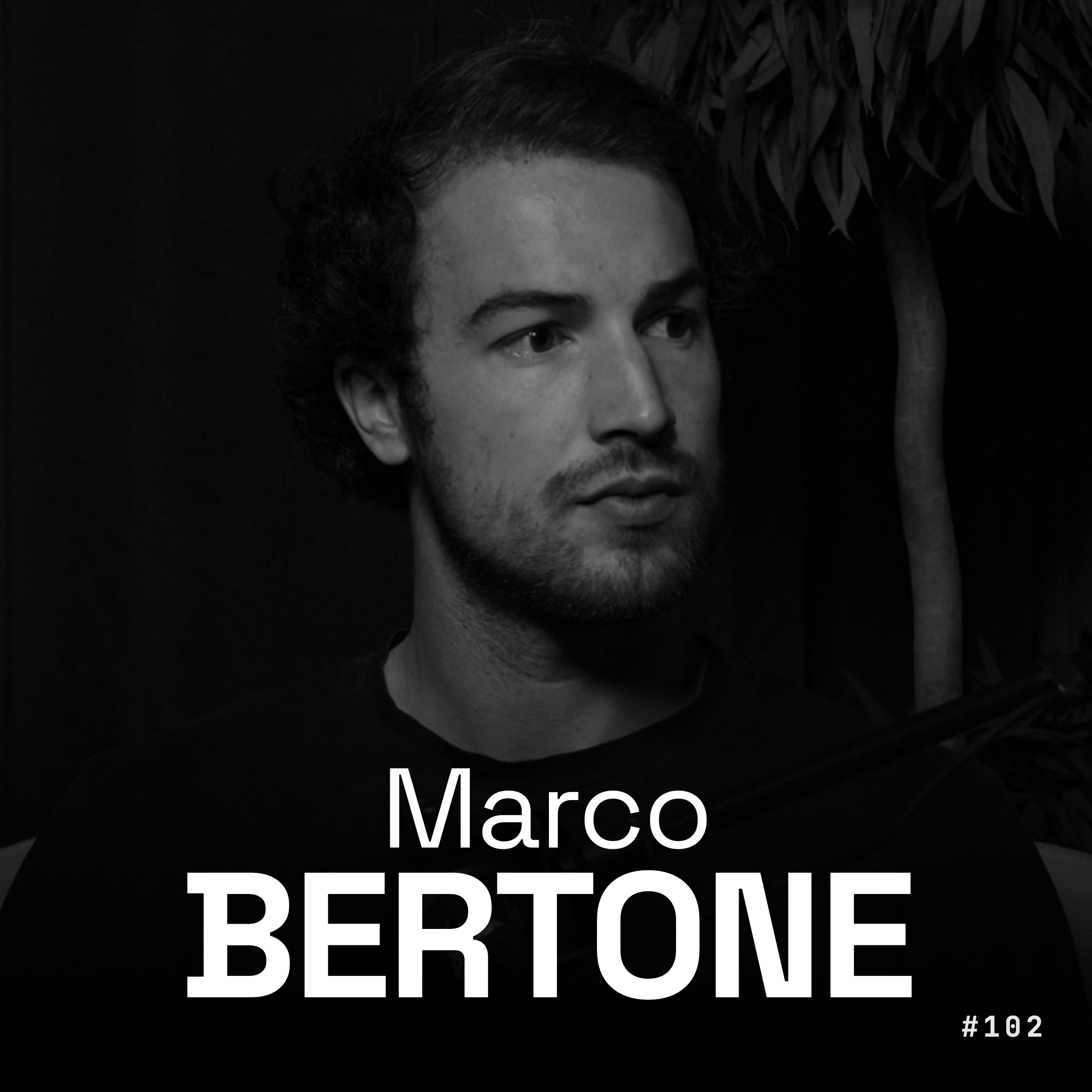
#94 - Renaud Visage - SlateVC - The CTO behind Eventbrite is now chasing Europe's climate unicorns
May 26, 2026
53m 41s
Social Links & Contact
Official channels & resources
Official Website
Login
RSS Feed
Login
| Date | Episode | Topics | Guests | Brands | Places | Keywords | Sponsor | Length | |
|---|---|---|---|---|---|---|---|---|---|
| 6/23/26 | ![]() #98 - Andreas Saari - Paebbl - The cement that stores carbon - (live recording) | Brought to you by:Heights: a design agency founded by Gabri Grassi, helping impact-driven tech companies sharpen their brand, attract investors, and scale their reach. Grab your free brand checklist here or reach out to Gabri to elevate your brand.****Subscribe to the newsletter:New Wave | Hugo Rauch | Substack****🌊 Building Concrete That Stores CarbonCan the world’s most essential building material become a climate solution?We’re joined by Andreas Saari, Co-Founder & Co-CEO of Paebbl, a company developing carbon-storing materials that can be blended directly into concrete.Cement is responsible for roughly 8% of global CO₂ emissions. The challenge isn’t just the energy required to produce it, half of the emissions come from the chemistry itself. In this conversation, Andreas explains why decarbonizing cement is one of climate tech’s hardest problems and why entirely new materials may offer a path forward.We also explore what it takes to bring a novel industrial material to market, how risk is shared across the construction value chain, and why Europe could play a defining role in the next industrial era.In our conversation, we covered:→ Why cement remains one of the toughest sectors to decarbonize→ How Paebbl turns captured CO₂ and abundant minerals into a carbon-storing construction material→ Why customers increasingly demand low-carbon concrete—and who’s willing to pay for it→ The challenge of proving performance when buildings and infrastructure are on the line→ How Paebbl brought companies like Holcim and Amazon’s Climate Pledge Fund onto its cap table to align incentives→ Why scaling industrial climate technologies requires a completely different financing model→ Europe’s opportunity to lead a new wave of industrial innovation→ The emerging software, AI, and materials technologies transforming the construction industry✨ Leave a review and share the episode if this conversation challenged the way you think about growth, innovation, and sustainability. This is a public episode. If you would like to discuss this with other subscribers or get access to bonus episodes, visit newwavenewsletter.substack.com | 24m 34s | ||||||
| 6/16/26 | ![]() #97 - Beau-Anne Chilla - FORWARD.one - "Technology without commercialization is just expensive science" | Brought to you by:Heights: a design agency founded by Gabri Grassi, helping impact-driven tech companies sharpen their brand, attract investors, and scale their reach. Grab your free brand checklist here or reach out to Gabri to elevate your brand.****Subscribe to the newsletter:New Wave | Hugo Rauch | Substack****🌊 Turning Deep Tech Into Industrial ChampionsWhy commercialization is the real bottleneck for climate and industrial innovation.We’re joined by Beau-Anne Chilla, Partner at ForwardONE, an early-stage deep tech investor focused on industrial and energy technologies.In this episode, we explore what it really takes to turn breakthrough technologies into category-defining companies, and why Europe may be entering a once-in-a-generation moment for industrial innovation.Beau shares lessons from investing in hardware, quantum computing, energy infrastructure, and industrial software, as well as his perspective on where climate investing is headed next.In our conversation, we covered:→ Why “technology without commercialization is just expensive science”→ The biggest mistakes technical founders make when scaling sales→ How to evaluate deep tech before the market fully exists→ What VCs get wrong about hardware investing→ The reality of commercializing industrial technologies→ Why customer validation matters more than investor excitement→ Investing in quantum computing before the market arrives→ Europe’s opportunity to lead in energy and industrial innovation→ Why efficiency may be one of the most overlooked climate solutions→ How ForwardONE identifies winners and doubles down on convictionOne theme stood out throughout the conversation: innovation alone isn’t enough. The companies that create lasting impact are the ones that bridge the gap between technical excellence and commercial execution.As Beau puts it, founders need to build products customers are willing to adopt, not just technologies that are impressive in the lab.We also discuss why climate and industrial investing should no longer be viewed as separate categories. Improving efficiency, reducing energy consumption, and modernizing industrial systems may not always be the most radical solutions, but they can create enormous impact at scale.And as Europe pushes for greater energy independence and industrial resilience, Bo believes the timing has never been better.✨ Leave a review and share the episode if this conversation challenged the way you think about growth, innovation, and sustainability. This is a public episode. If you would like to discuss this with other subscribers or get access to bonus episodes, visit newwavenewsletter.substack.com | 41m 37s | ||||||
| 6/9/26 | ![]() #96 - Assia Kasdi - Milvus Advanced - "Can we create metals like we create shampoos?"✨ | clean energymaterials science+4 | Assia Kasdi | Milvus Advanced | OxfordGermany | clean energynanoalloys+5 | Heights | 42m 02s | |
| 6/2/26 | ![]() #95 - Maximilian Schwarz - Nucleus - "It needs to feel uncomfortable sitting with them"✨ | venture capitalscientific founders+4 | Maximilian Schwarz | Nucleus | — | venture fundscientific risk+4 | Heights | 52m 13s | |
| 5/26/26 | ![]() #94 - Renaud Visage - SlateVC - The CTO behind Eventbrite is now chasing Europe's climate unicorns✨ | climate techventure capital+5 | Renaud Visage | SlateVCEventbrite+2 | — | climate unicornsgrowth-stage capital+6 | Heights | 53m 41s | |
| 5/19/26 | ![]() #93 - Patrik Möller - CorPower Ocean - "Wave energy could surpass global nuclear capacity."✨ | wave energyclean power+4 | Patrik Möller | CorPower OceanNew Wave+3 | — | wave energyclean electricity+6 | Heights | 38m 36s | |
| 5/12/26 | ![]() #92 - Timothée Parrique - "You can’t save the climate with capitalism"✨ | capitalismclimate change+5 | Timothée Parrique | University of Lausanne | — | capitalismclimate innovation+5 | — | 1h 01m 44s | |
| 5/5/26 | ![]() #91 - Ahmed Ismail - Dunia - Where AI meets material discovery✨ | AI in materials discoveryindustrial innovation+3 | Ahmed Ismail | DuniaNew Wave | Berlin | AImaterials discovery+5 | — | 1h 20m 39s | |
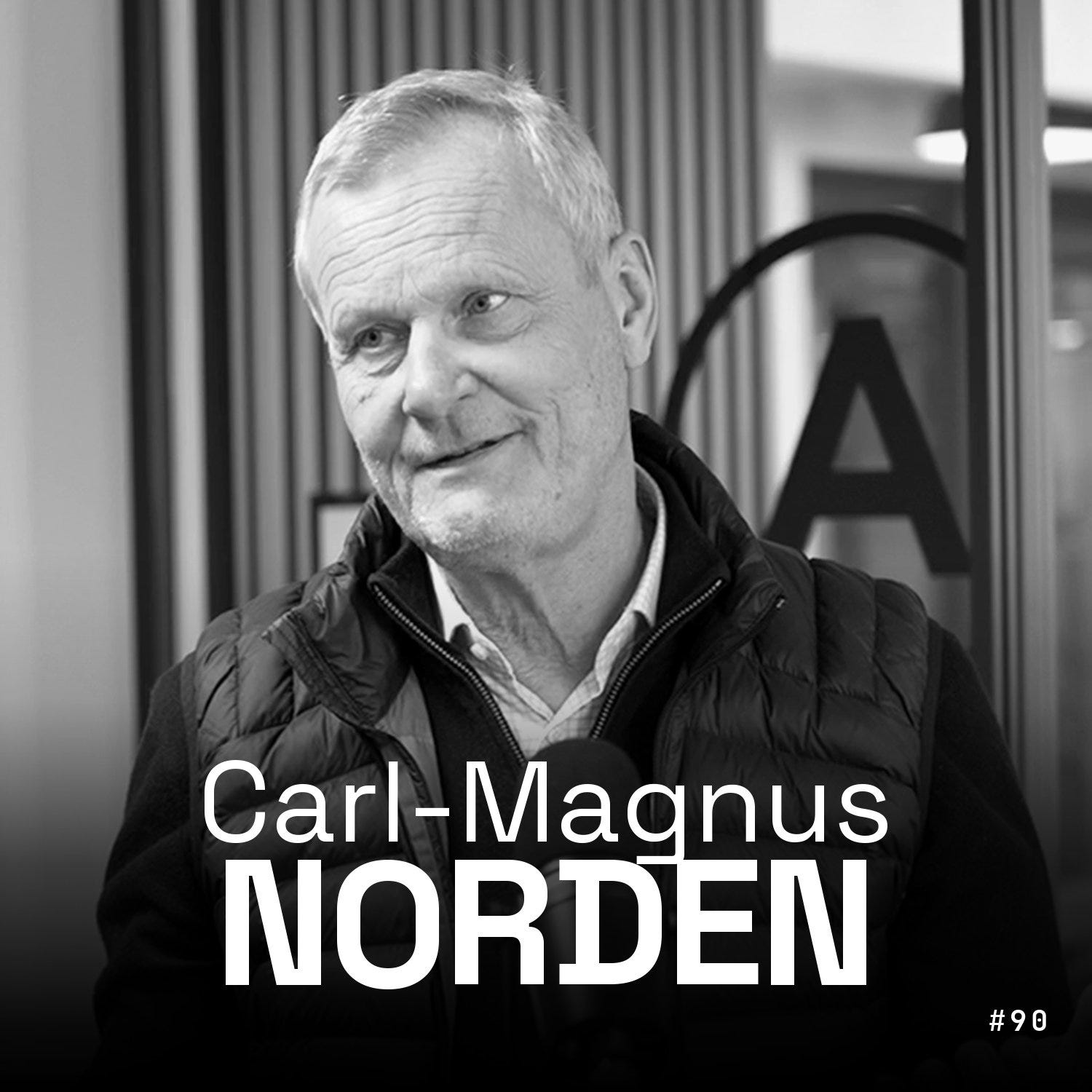
| 4/28/26 | ![]() #90 - Carl-Magnus Norden - Decade Energy - Powering the next generation of trucks✨ | electric trucksenergy infrastructure+4 | Carl-Magnus Norden | Decade EnergyVolta Trucks+1 | EuropeChina | electric trucksenergy system+7 | — | 53m 52s | |
| 4/21/26 | ![]() #89 - Lea Strumberger - KfW Capital - The LP Perspective on Raising a Climate Fund✨ | climate techimpact investing+5 | Lea Strumberger | KfW Capital | GermanyParis | climate-techfundraising+7 | MorningHugo | 48m 14s | |
Want analysis for the episodes below?Free for Pro Submit a request, we'll have your selected episodes analyzed within an hour. Free, at no cost to you, for Pro users. | |||||||||
| 4/19/26 | ![]() #88 - Andy Lubershane - Energy Impact Partners - Energy Carriers and the Future of Fuel [5/5]✨ | energy carriersfossil fuels+4 | Andy Lubershane | Energy Impact PartnersSteel For Fuel | — | energyfossil fuels+5 | — | 41m 55s | |
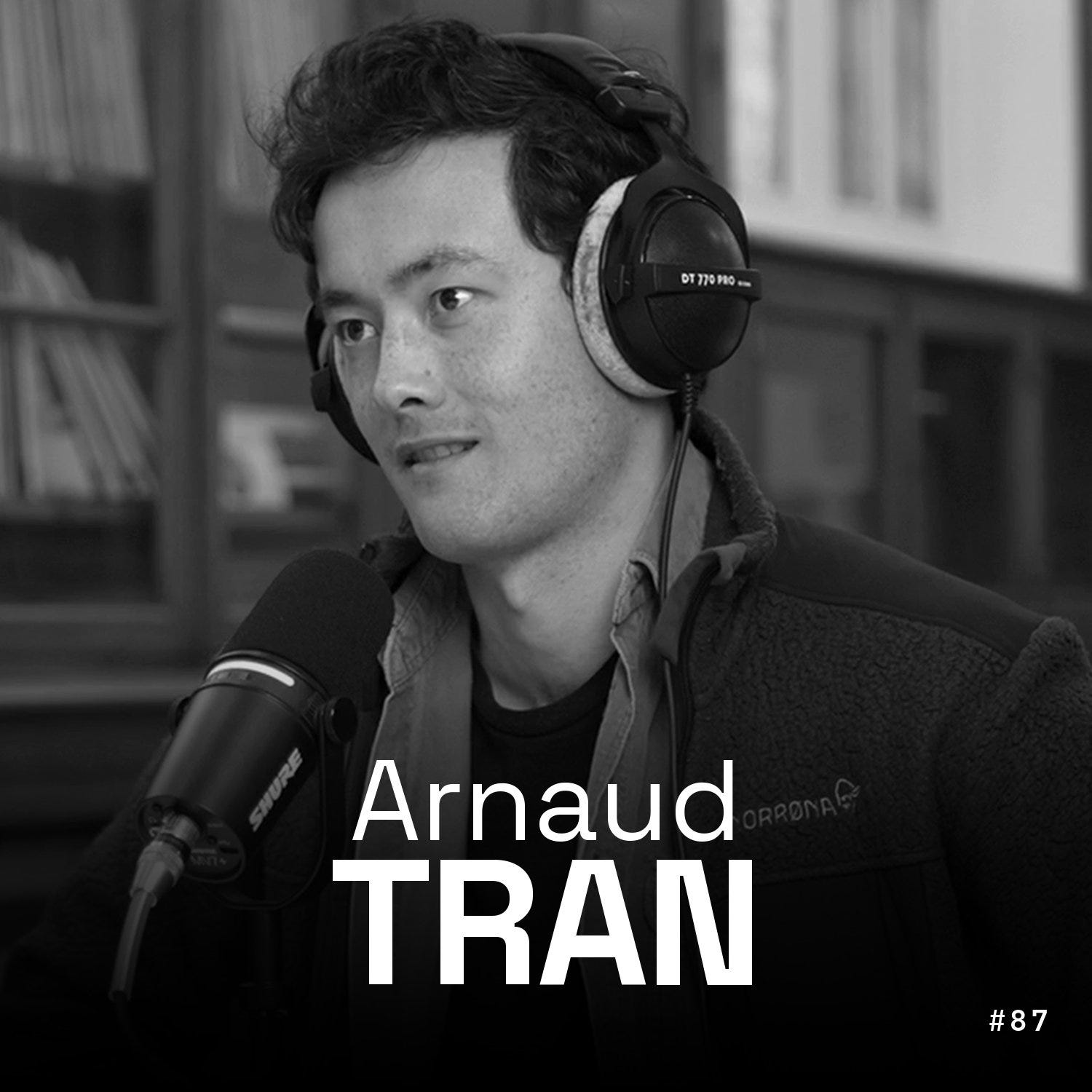
| 4/14/26 | ![]() #87 - Arnaud Tran - Voltaback - Charging Is the Real Bottleneck to Electrification✨ | EV chargingcorporate fleets+5 | Arnaud Tran | Voltaback | — | electric vehiclescharging infrastructure+7 | — | 44m 00s | |
| 4/10/26 | ![]() #86 - Andy Lubershane - Energy Impact Partners - Drilling for Hydrogen and Heat [4/5]✨ | geologic hydrogengeothermal energy+3 | Andy Lubershane | Energy Impact PartnersSteel For Fuel | — | geologic hydrogengeothermal+3 | — | 37m 26s | |
| 4/7/26 | ![]() Torsten Kolind (UGV): Can Geothermal Scale Beyond Iceland?✨ | geothermal energynext-generation technology+4 | Torsten Kolind | FervoUnderground Ventures | IcelandEurope+2 | geothermalenergy+6 | MorningHugo | 51m 44s | |
| 4/7/26 | ![]() #85 - Torsten Kolind - Underground Ventures - What It Takes to Make Geothermal Global | Thanks you, Morning for hosting the podcast this week. Get 20% off your next meeting room (in Paris), just say you’re coming from Hugo at New Wave.****Subscribe to the newsletter:New Wave | Hugo Rauch | Substack****🌊 Drilling the Future, Can Geothermal Power Everything?From 0.01% to 8%, what it takes to unlock next-gen geothermal at scale.We’re joined by Torsten Kolind, Co-founder of Underground Ventures, a specialist VC fund backing next-generation geothermal technologies.In this episode, we dive into why geothermal, one of the most reliable and abundant energy sources, remains almost invisible today, and unpack what it really takes to turn a niche resource into a global energy backbone.In our conversation, we covered:→ Why geothermal is still ~0.014% of global energy, and what’s holding it back→ The breakthrough behind “next-gen geothermal”→ How oil & gas infrastructure could be repurposed to scale geothermal globally→ Why geothermal might not compete with solar and wind, but complement them→ The rise of companies like Fervo, and what their success unlocks→ Europe vs US: heat vs power, and diverging market dynamics→ Why drilling, flow control, and steam conversion are the real bottlenecks→ The “super hot rock” opportunity, and how 400°C could 10x efficiency→ Why Underground Ventures is betting on picks & shovels, not power plants→ What’s still missing in the geothermal stack, and where founders should buildLet’s go underground! This is a public episode. If you would like to discuss this with other subscribers or get access to bonus episodes, visit newwavenewsletter.substack.com | 51m 44s | ||||||
| 4/3/26 | ![]() [3/5] How cheap can solar really get? Andy Lubershane (Energy Impact Partners)✨ | solar energyrenewable energy+4 | Andy Lubershane | Energy Impact PartnersSteel For Fuel | — | solar costsenergy transition+5 | — | 33m 58s | |
| 4/3/26 | ![]() #84 - Andy Lubershane - Energy Impact Partners - The Economics of Ultra-Cheap Solar [3/5] | Subscribe to the newsletter:New Wave | Hugo Rauch | Substack****🌊 Crazy Cheap RenewablesWhat if solar becomes the cheapest energy source on Earth?We’re joined by Andy Lubershane, Partner at Energy Impact Partners and author of Steel For Fuel. In this episode, we dive into the future of ultra-cheap solar, and unpack what it really takes to push renewables into a new cost paradigm that reshapes global energy systems.In our conversation, we covered:→ Why solar’s cost curve has been one of the biggest success stories of the energy transition→ What “crazy cheap” actually means (hint: ~50% cheaper than today)→ Why cost of capital is now solar’s biggest bottleneck→ The real constraints: land, transmission, and grid infrastructure→ Why efficiency gains (not cheaper panels) are the next big unlock→ The rise of tandem cells and perovskites as a potential step change→ Why installation and labor are now major cost drivers→ The surprising reality: solar costs have recently increased in some markets→ Why wind likely won’t reach the same scalability as solarThis is episode three of a five part series. Subscribe to receive every episode. This is a public episode. If you would like to discuss this with other subscribers or get access to bonus episodes, visit newwavenewsletter.substack.com | 33m 58s | ||||||
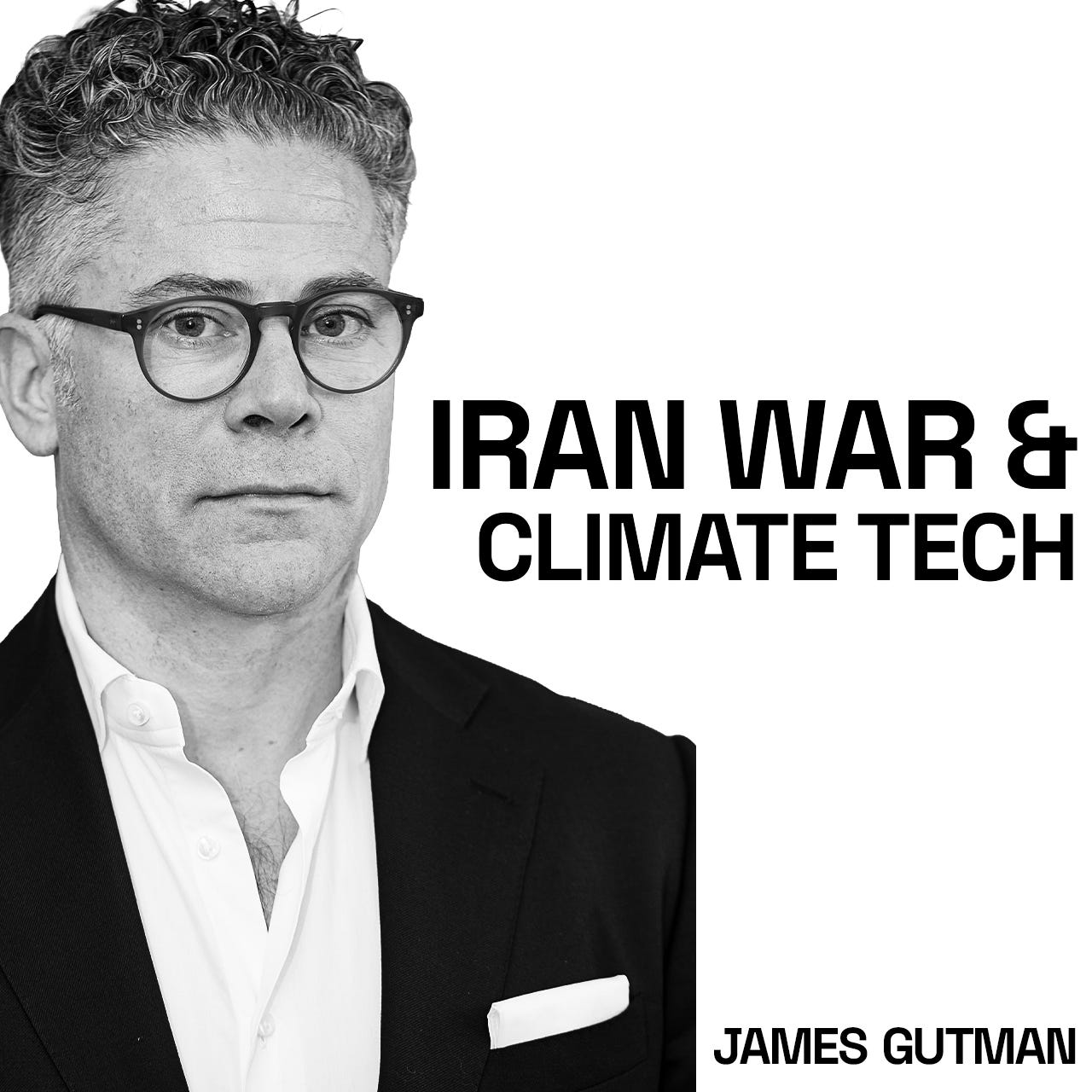
| 3/31/26 | ![]() James Gutman: The Iran War Is Accelerating Europe’s Energy Transition✨ | energy transitiongeopolitics+5 | James Gutman | The Carlyle GroupFord+1 | EuropeChina | energy securityclimate strategy+5 | — | 36m 26s | |
| 3/31/26 | ![]() #83 - James Gutman - Why Geopolitics Is Europe's Strongest Climate Accelerator | Subscribe to the newsletter:New Wave | Hugo Rauch | Substack****🌊 Energy Security Is Climate StrategyWhy geopolitics may become the strongest accelerator of Europe’s energy transition.We’re joined by James Gutman, strategist at The Carlyle Group and a longtime commodities and energy expert with experience spanning Ford, Goldman Sachs, and hedge funds.In this episode, we dive into the collision between geopolitics, energy markets, and climate innovation, and unpack what it really takes for Europe to build an energy system that is not just cleaner, but more resilient.This conversation starts with the current geopolitical moment, but quickly moves into Europe’s dependence on imported energy, the limits of the transition so far, and why security may now matter as much as sustainability in shaping the next wave of climate investment.In our conversation, we covered:→ Why disruption in global oil and gas trade changes the logic of the energy transition→ Why Europe remains vulnerable even as renewables scale→ The hard-to-replace fossil fuel use cases still shaping industry, aviation, and grid stability→ Why China’s clean energy buildout is as much about security as climate→ Why Europe may need to think less about first-best ideas, and more about scaling what works now→ How energy resilience could become the biggest driver of climate tech deploymentMy key takeaway: Energy security is no longer separate from climate strategy. Read more from James: You can’t print molecules.A crude awakening. This is a public episode. If you would like to discuss this with other subscribers or get access to bonus episodes, visit newwavenewsletter.substack.com | 36m 26s | ||||||
| 3/26/26 | ![]() [2/5] Is it worth betting on fusion? Andy Lubershane (Energy Impact Partners)✨ | nuclear fusionclean energy+3 | Andy Lubershane | Energy Impact PartnersSteel For Fuel | — | fusionclean energy+3 | — | 24m 50s | |
| 3/26/26 | ![]() #82 - Andy Lubershane - Energy Impact Partners - Can Fusion Ever Be Cheap Enough? [2/5] | Subscribe to the newsletter:New Wave | Hugo Rauch | Substack****🌊 Fusion, and Other Fusion-Level BetsWhy the dream of limitless clean energy is still alive, and why the real question is cost, not physics.We’re joined by Andy Lubershane, Partner at Energy Impact Partners and author of Steel For Fuel. In this episode, we dive into nuclear fusion, the most ambitious energy technology on the table, and unpack what it really takes to turn a scientific breakthrough into a commercially viable power source.In our conversation, we covered:→ Why fusion has been “20 years away” for the last 60 to 80 years→ The physics behind the challenge: hot enough, dense enough, for long enough→ What Q = 1 really means — and why the headlines often get ahead of reality→ Why Andy still believes some companies may hit real net energy gain soon→ The difference between a scientific milestone and an investable commercial one→ Why fusion could be the ultimate energy prize, if it ever becomes affordableAndy breaks down the famous triple product at the heart of fusion: you need to create conditions that are extraordinarily hot, incredibly dense, and stable for long enough to generate more energy than you put in. That is easy to describe. It is brutally hard to do.We also unpack the gap between lab success and market success. A fusion reaction can be scientifically impressive and still be economically irrelevant. That distinction matters. A lot.And then there is the upside. If fusion works at scale, especially in a form that uses abundant fuel and avoids the safety, waste, and proliferation issues of fission, it starts to look like one of the biggest energy breakthroughs humanity could hope for.This is episode two of a five part series. Subscribe to receive every episode. This is a public episode. If you would like to discuss this with other subscribers or get access to bonus episodes, visit newwavenewsletter.substack.com | 24m 50s | ||||||
| 3/19/26 | ![]() #81 - Andy Lubershane - Energy Impact Partners - Nuclear's Second Act [1/5] | Subscribe to the newsletter:New Wave | Hugo Rauch | Substack****🌊 The Case for a Nuclear RenaissanceWhy fission might be the most under appreciated climate bet of our time.We’re joined by Andy Lubershane, Partner at Energy Impact Partners and author of Steel For Fuel. In this first of five episode, we dive into nuclear fission as a “fusion-level bet”, and unpack what it really takes to build a scalable, secure, and low-emissions energy system beyond hydrocarbons.In our conversation, we covered:→ Why hydrocarbons are still so hard to replace (and what they do exceptionally well)→ The reality of nuclear safety, and why perception diverges from data→ Cost, timelines, and why nuclear failed to scale in the West→ China’s nuclear buildout, and what it teaches us→ The rise of SMRs and Gen IV reactors, hype vs. reality→ Why investing in nuclear is a “winner-takes-most” game→ A different way to invest: betting on project development, not reactor design→ Andy’s scorecard: cost, safety, emissions, speed, scalabilityThis is episode one of a five part series. Subscribe to receive every episode. This is a public episode. If you would like to discuss this with other subscribers or get access to bonus episodes, visit newwavenewsletter.substack.com | 33m 55s | ||||||
| 3/17/26 | ![]() #80 - Abhi Desai - Desai Ventures - The Missing Link in Fixing Methane | Subscribe to the newsletter:New Wave | Hugo Rauch | Substack****🌊 The Methane Blind SpotWhy one of the most powerful climate levers stayed invisible, and what it takes to build around it.We’re joined by Abhi Desai, Solo GP at Desai Ventures (an Indian family office), an early-stage investor focused on deep tech solutions across methane detection, satellites, and climate infrastructure.In this episode, we dive into methane, the overlooked climate lever, and unpack what it really takes to build and invest in technologies that measure the invisible.In our conversation, we covered:→ Why methane is 80x more potent than CO₂ (short term), yet historically ignored→ The real challenge: you can’t fix what you can’t measure→ Satellites vs drones vs sensors, the stack of methane detection technologies→ Why “naming and shaming” isn’t enough, and what actionable data actually looks like→ The business case: lost gas = lost revenue (sometimes)→ Where carbon credits fit, and why they’re still evolving→ The core rule of climate VC: impact scales with revenue, not philanthropy→ How to diligence deep tech when you don’t fully understand the science→ Why collaborative due diligence might unlock more climate capital This is a public episode. If you would like to discuss this with other subscribers or get access to bonus episodes, visit newwavenewsletter.substack.com | 34m 33s | ||||||
| 3/10/26 | ![]() #79 - Jared O'Leary - SirenOpt - Real-Time Sensing for the Factory of the Future | Subscribe to the newsletter:New Wave | Hugo Rauch | Substack****🌊 The Invisible Problem Inside Every FactoryWhy advanced manufacturing is still wildly inefficient — and how real-time sensing could unlock the next wave of climate tech.We’re joined by Jared O’Leary, Co-founder of SirenOpt, a deep-tech company building real-time sensing systems for advanced manufacturing.In this episode, we dive into why even the world’s most advanced factories operate with massive hidden inefficiencies, and what it really takes to move toward autonomous, self-optimizing manufacturing for climate technologies like batteries and beyond.In our conversation, we covered:→ Why manufacturing is inherently probabilistic, and why every product exists on a distribution of quality→ The hidden cost of variability in battery factories, including massive scrap rates and conservative processes→ Why “98% yield” doesn’t actually mean what people think→ How missing data inside the manufacturing line creates huge blind spots→ Why real-time sensing is the missing layer for Industry 4.0 factories→ How cold plasma sensing works, and why it enables non-destructive measurement at millisecond speed→ Why better manufacturing could unlock next-generation batteries like solid-stateWithout the ability to manufacture advanced materials reliably, even the best lab breakthroughs never scale.📬 Reach out to Jared O’Leary: jared.oleary@sirenopt.com This is a public episode. If you would like to discuss this with other subscribers or get access to bonus episodes, visit newwavenewsletter.substack.com | 32m 56s | ||||||
| 3/4/26 | ![]() #78 - Otto Birnbaum - Revent - Conviction, Follow-Ons and 100x Outcomes | Subscribe to the newsletter:New Wave | Hugo Rauch | Substack****🌊 Obsession, Timing & the 50x DecisionWhat it really takes to back, and double down on, a climate breakout.We’re joined by Otto Birnbaum, Founding Partner at Revent, an early-stage fund backing companies at the intersection of climate, demographic, and technological change. Revent was an early investor in tem, which recently raised a $75M round. In this conversation, we unpack what happens inside a fund when a breakout company emerges, and how to think about follow-on strategy, ownership, timing, and conviction.This episode is a masterclass in early-stage venture mechanics.In our conversation, we covered:→ How to spot exceptional founders (obsession, clarity of vision, and relentless execution)→ Why Revent avoids the word “impact” (and what they focus on instead)→ The original investment thesis behind tem→ What a $200M+ valuation means for a $60M fund→ How much ownership early-stage funds really need→ When to double down, and when to de-risk at 50x→ Why timing might matter more than anything else→ Why 2026 belongs to AI, but climate infrastructure is far from dead→ “Looking left” when everyone looks rightOtto breaks down fund math transparently:10% ownership at a $300M valuation = ~$30M positionFor a $60M fund, that’s half the fund returned, at least on paperTrue breakout? When it returns the whole fund.We also explore:Why SPVs matter when you hit concentration limitsHow to construct angel-heavy cap tables with “superpowers”Why growth rate alone isn’t enough, margin and revenue stickiness matterAnd the brutal truth: timing can kill or make a company. This is a public episode. If you would like to discuss this with other subscribers or get access to bonus episodes, visit newwavenewsletter.substack.com | 42m 21s | ||||||
Showing 25 of 98
Pitch Fit is a Pro feature
See how bookable this show is for guests, which brands already advertise, the per-episode ad value, and the best-fit guest and sponsor profile. The numbers are blurred on the free plan.
How readily this show books outside guests like you.
How proven this show is for host-read sponsorships.
For Guests
ProFor Advertisers
ProUpgrade to Pro to unlock guest cadence, sponsor categories, fit scores, and per-episode ad value for this show.
Chart Positions
1 placement across 1 market.
Chart Positions
1 placement across 1 market.


![#88 - Andy Lubershane - Energy Impact Partners - Energy Carriers and the Future of Fuel [5/5] episode artwork](https://substackcdn.com/feed/podcast/2292261/post/194697047/9da225cb4c3c00b5e16c92e299ff95b3.jpg)

![#86 - Andy Lubershane - Energy Impact Partners - Drilling for Hydrogen and Heat [4/5] episode artwork](https://substackcdn.com/feed/podcast/2292261/post/193167478/30a2cbc7632c9f47f97bb1a21b12347f.jpg)


![[3/5] How cheap can solar really get? Andy Lubershane (Energy Impact Partners) episode artwork](https://substackcdn.com/feed/podcast/2292261/post/192887137/d1e1b9d19154d04a02224beb789a0980.jpg)
![#84 - Andy Lubershane - Energy Impact Partners - The Economics of Ultra-Cheap Solar [3/5] episode artwork](https://substackcdn.com/feed/podcast/2292261/post/192887137/76533c766669208652355fa2be316897.jpg)


![[2/5] Is it worth betting on fusion? Andy Lubershane (Energy Impact Partners) episode artwork](https://substackcdn.com/feed/podcast/2292261/post/192143481/3f7272c9b72e9eed2d662ef952fa5950.jpg)
![#82 - Andy Lubershane - Energy Impact Partners - Can Fusion Ever Be Cheap Enough? [2/5] episode artwork](https://substackcdn.com/feed/podcast/2292261/post/192143481/85cf38320bfc1980db650f77634e15a9.jpg)
![#81 - Andy Lubershane - Energy Impact Partners - Nuclear's Second Act [1/5] episode artwork](https://substackcdn.com/feed/podcast/2292261/post/191372744/d0298832f2cd07c94a8523819f27e14b.jpg)