

Insights from recent episode analysis
Audience Interest
Podcast Focus
Publishing Consistency
Platform Reach
Insights are generated by CastFox AI using publicly available data, episode content, and proprietary models.
Total monthly reach
Estimated from 1 chart position in 1 market.
By chart position
- 🇦🇺AU · News Commentary#1115K to 30K
- Per-Episode Audience
Est. listeners per new episode within ~30 days
3.5K to 21K🎙 Biweekly cadence·96 episodes·Long inactive - Monthly Reach
Unique listeners across all episodes (30 days)
5K to 30K🇦🇺100% - Active Followers
Loyal subscribers who consistently listen
1.5K to 9K
Market Insights
Platform Distribution
Reach across major podcast platforms, updated hourly
Total Followers
—
Total Plays
—
Total Reviews
—
* Data sourced directly from platform APIs and aggregated hourly across all major podcast directories.
On the show
Recent episodes
The Importance of Context to Conscious, Inclusive Language
Aug 21, 2024
43m 34s
The WNBA and the History of Women’s Professional Basketball with Sarah Fields
Jun 11, 2024
29m 30s
Monica Guzman on the importance of curiosity to build relationships that bridge divides
Feb 26, 2024
29m 30s
NY Times Columnist David Brooks on How to Know and See a Person
Feb 9, 2024
29m 30s
International Relations Expert Seth Kaplan: Fragile Neighborhoods Repairing American Society One Zip Code at a Time
Nov 10, 2023
29m 30s
Social Links & Contact
Official channels & resources
Official Website
Login
RSS Feed
Login
| Date | Episode | Description | Length | ||||||
|---|---|---|---|---|---|---|---|---|---|
| 8/21/24 | 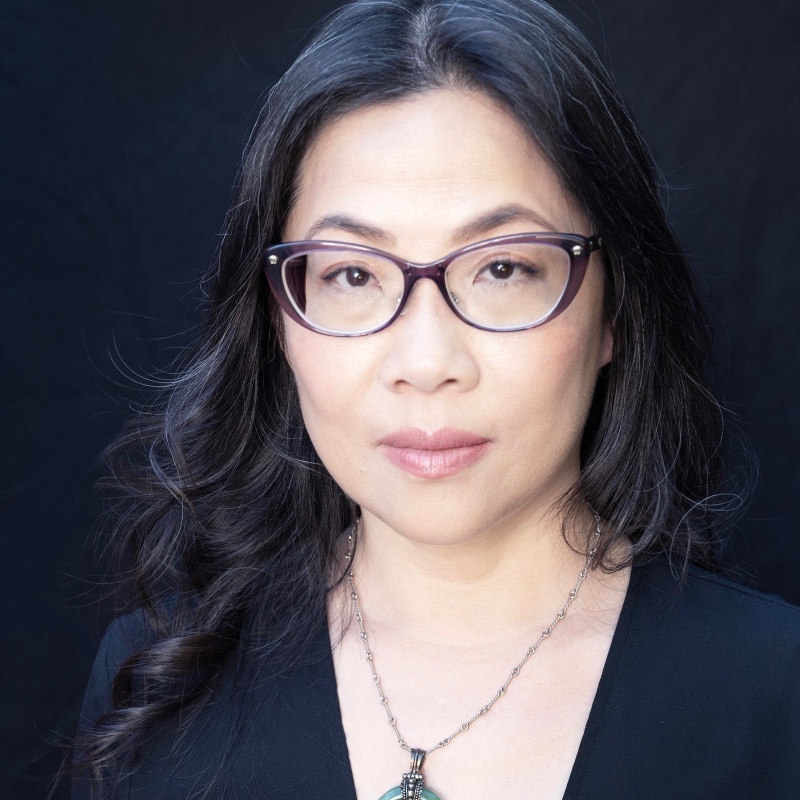 The Importance of Context to Conscious, Inclusive Language | In this episode, we explore the power of language – both the words we use and the larger context of narratives and stories we tell. My guest is Karen Yin – author of The Conscious Style Guide, and founder and curator of ConsciousStyleGuide.com — which has been called “A timeless, indispensable guide for anyone who wants to communicate with sensitivity and compassion.” (Photo Credit:Paul Beauchemin) | 43m 34s | ||||||
| 6/11/24 |  The WNBA and the History of Women’s Professional Basketball with Sarah Fields | In this episode, we explore the recent history of women’s sports, particularly basketball, in college and professionally -including in the 90’s, when the first women’s professional league was established - the American Basketball League or ABL, followed closely by the WNBA. With increased attention and interest on women’s college basketball, and an acknowledgement of the high level of play and skill, the hope is that women’s basketball, soccer, and other sports, will get the attention and fan base they have deserved for years. But women’s sports have been in the spotlight before. How is this moment similar, and different, to what we have seen in the past. My guest is Sarah Fields, Professor of Communication at the University of Colorado, Denver; and President of the North American Society for Sport History. (photo courtesy Tulane Public Relations) | 29m 30s | ||||||
| 2/26/24 | 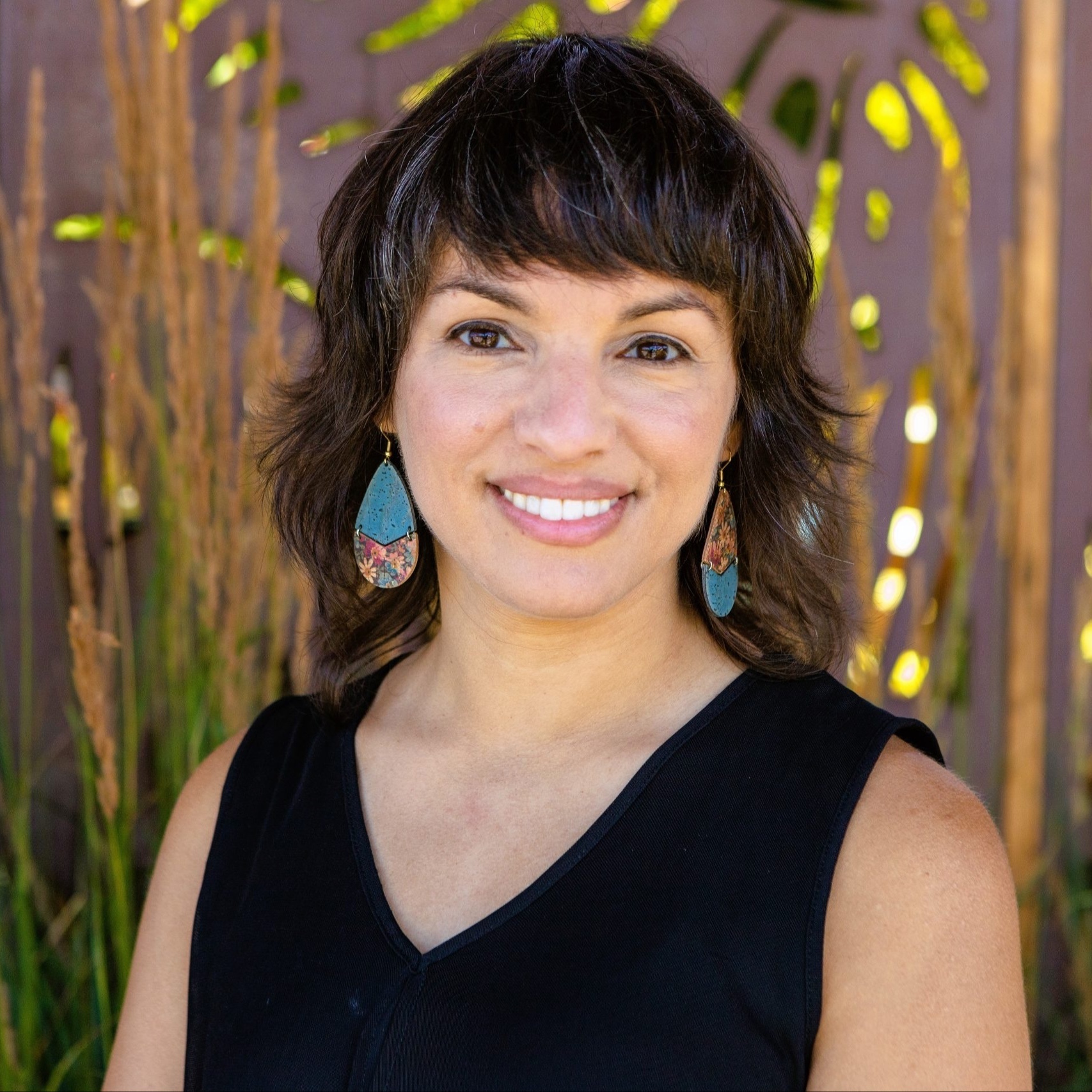 Monica Guzman on the importance of curiosity to build relationships that bridge divides | Welcome to News in Context. I’m Gina Baleria. In this episode, we explore how bridging by building relationships and being curious can connect people across differences - as well as provide lessons for news organizations that seek to inform. My guest is Monica Guzman, Senior Fellow for Public Practice at Braver Angels; and author of I never thought of it that way: How to have fearlessly curious conversations in dangerously divided times. | 29m 30s | ||||||
| 2/9/24 | 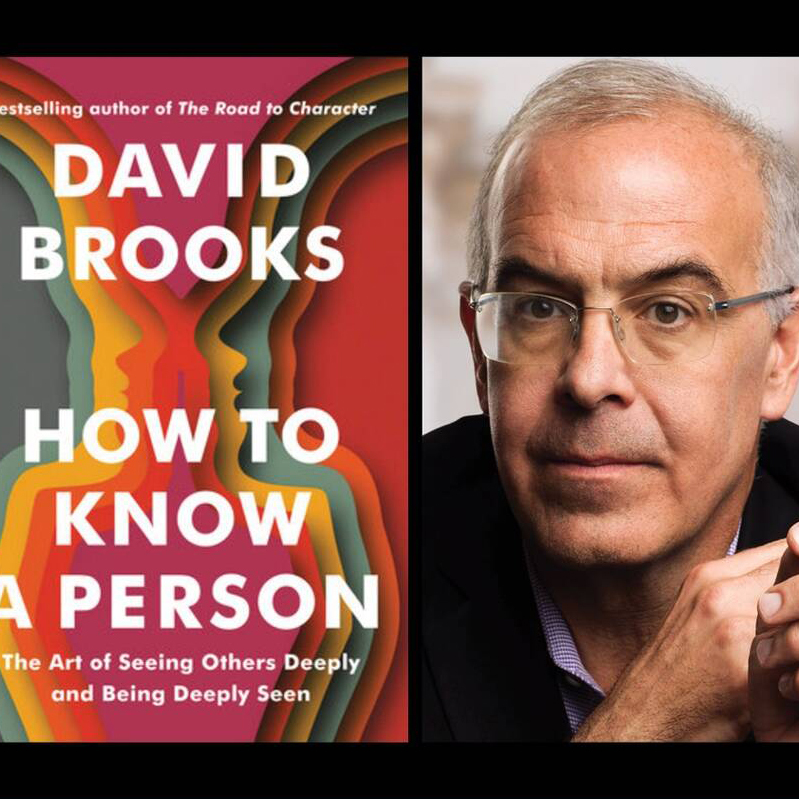 NY Times Columnist David Brooks on How to Know and See a Person | Welcome to News in Context, I’m Gina Baleria. In this episode, we talk with New York Times columnist David Brooks, about his new book - How to Know a Person: The Art of Seeing Others Deeply and Being Deeply Seen. Brooks has been discussing politics and policy in the Times and on NPR for years. But as the social fabric of the U-S began to fray in recent years, he became more and more interested in how to weave community across differences and points of privilege as a way to strengthen that fabric. His latest book offers stories, tips, and examples to help all of us practice seeing the humanity in others and contribute toward strengthening our communities. | 29m 30s | ||||||
| 11/10/23 |  International Relations Expert Seth Kaplan: Fragile Neighborhoods Repairing American Society One Zip Code at a Time | In this episode, we explore the importance of strong neighborhood and community relationships to the health of nations… and discuss how many neighborhoods in the U.S. don’t have strong local ties and need structural and systemic help. My guest is Seth Kaplan - Author of Fragile Neighborhoods Repairing American Society One Zip Code at a Time. Seth is also an international relations expert whose job is to help fragile states around the world. He consults with organizations such as the World Bank and U.S. State Department, and he teaches international relations at Johns Hopkins University. This is Civity Week on News in Context. Civity is a culture of deliberately engaging in relationships of respect and empathy with others who are different moving from Us vs. Them to We All Belong. | 29m 30s | ||||||
| 10/27/23 |  The Systemic Challenges of Addressing Homelessness, with Tony Sparks | In this episode, we explore the persistent challenge of how to ensure that everyone has adequate housing. We discuss why the U.S. faces these issues, and what can – and can’t – be done at various levels of government. We also explore how we might re-frame the way we discuss housing and homelessness, to help us re-think solutions. My guest is Tony Sparks, Associate Professor of Urban Studies & Planning Program in the Public Affairs & Civic Engagement (PACE) program at San Francisco State University. | 29m 30s | ||||||
| 9/29/23 | 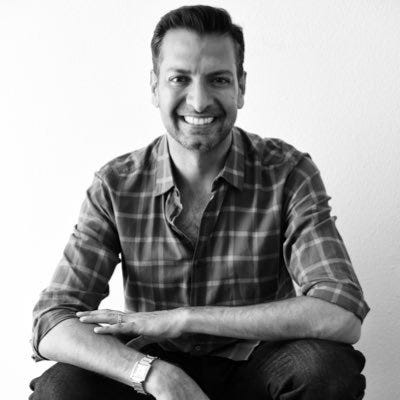 Connecting Outside of the Algorithm: Circumventing the Mediated World of Digital Media Via In-Person Connection, with Riaz Patel | In this episode, we explore how much of the information we get is mediated - edited - and we all get different edits based on what the algorithm thinks we want. This means we see and understand things differently, and that has contributed to polarization and othering. My Guest is Riaz Patel, executive producer and director focusing on reality shows with positive transformations. His show The Connect Effect seeks to counter the edits we all see by bringing people face-to-face, so they can build relationships without labels that define us in the media. This can help reduce polarization and increase connection. | 29m 30s | ||||||
| 8/18/23 | 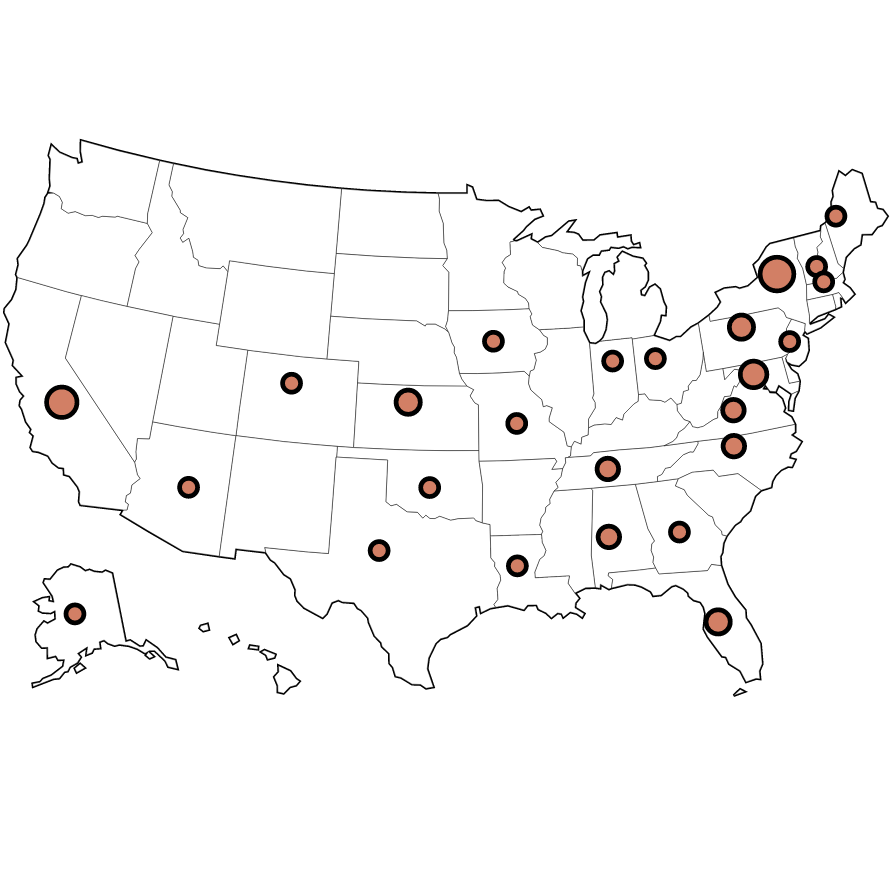 Tracking & Defending Press Freedom in the U.S. | In this episode, we discuss press freedom in the U.S. in the wake of a police raid of the local paper in Marion, Kansas. In that raid, officers confiscated most of the paper’s computers and other equipment, leaving its journalists scrambling to be able to publish. Press freedom advocates have criticized Marion’s police chief for using tactics generally seen in authoritarian countries. But there are concerns over other incidents across the country designed to intimidate and silence journalists. My guests are: Kirstin McCudden, Vice President of Editorial at the Freedom of the Press Foundation, and managing editor of the U.S. Press Freedom Tracker -AND- Seth Stern, Director of Advocacy at the Freedom of the Press Foundation. Find resources and guides to protect your privacy and security at Freedom.Press - and see the U.S. Press Freedom Tracker at PressFreedomTracker.US Image Courtesy U.S. Press Freedom Tracker, led by the Freedom of the Press Foundation and the Committee to Protect Journalists, in collaboration with leading press freedom groups. | 29m 30s | ||||||
| 6/29/23 | 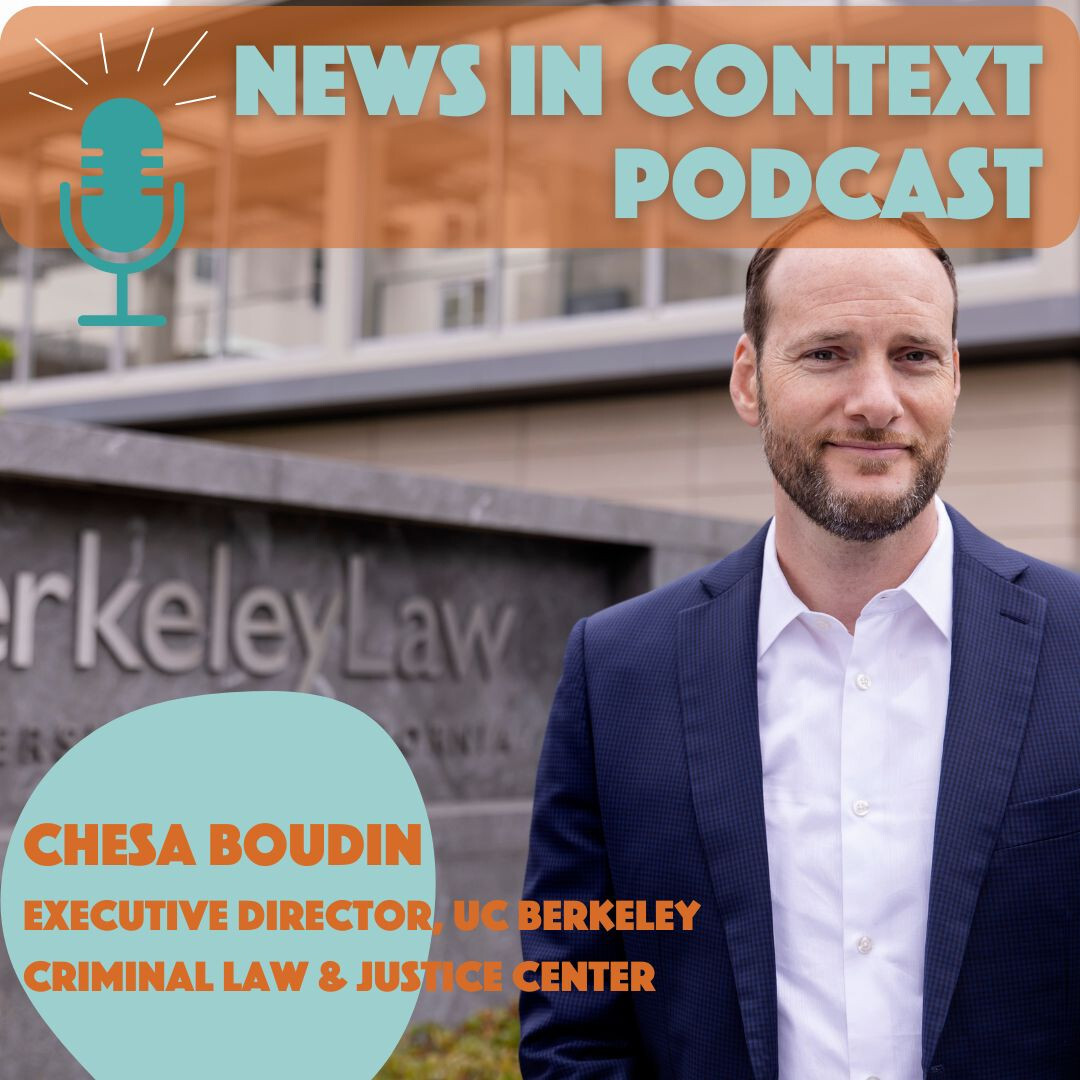 Former San Francisco DA Chesa Boudin on Meaningful Reform of Our Criminal Justice System | In Part Two of my conversation with Chesa Boudin, we explore how his experiences as a child have informed his approach to criminal justice, and his efforts to seek reforms to how we engage with both the accused and the victims of crime. We also discuss the importance of communicating – both providing data and sharing stories – to help people understand context and demand policies that keep us all safer. And we touch on the challenges of actually implementing change in the face of the status quo. Chesa Boudin is former San Francisco DA and now founding executive director of the newly created Criminal Law & Justice Center at UC Berkeley School of Law. | 29m 30s | ||||||
| 6/22/23 | 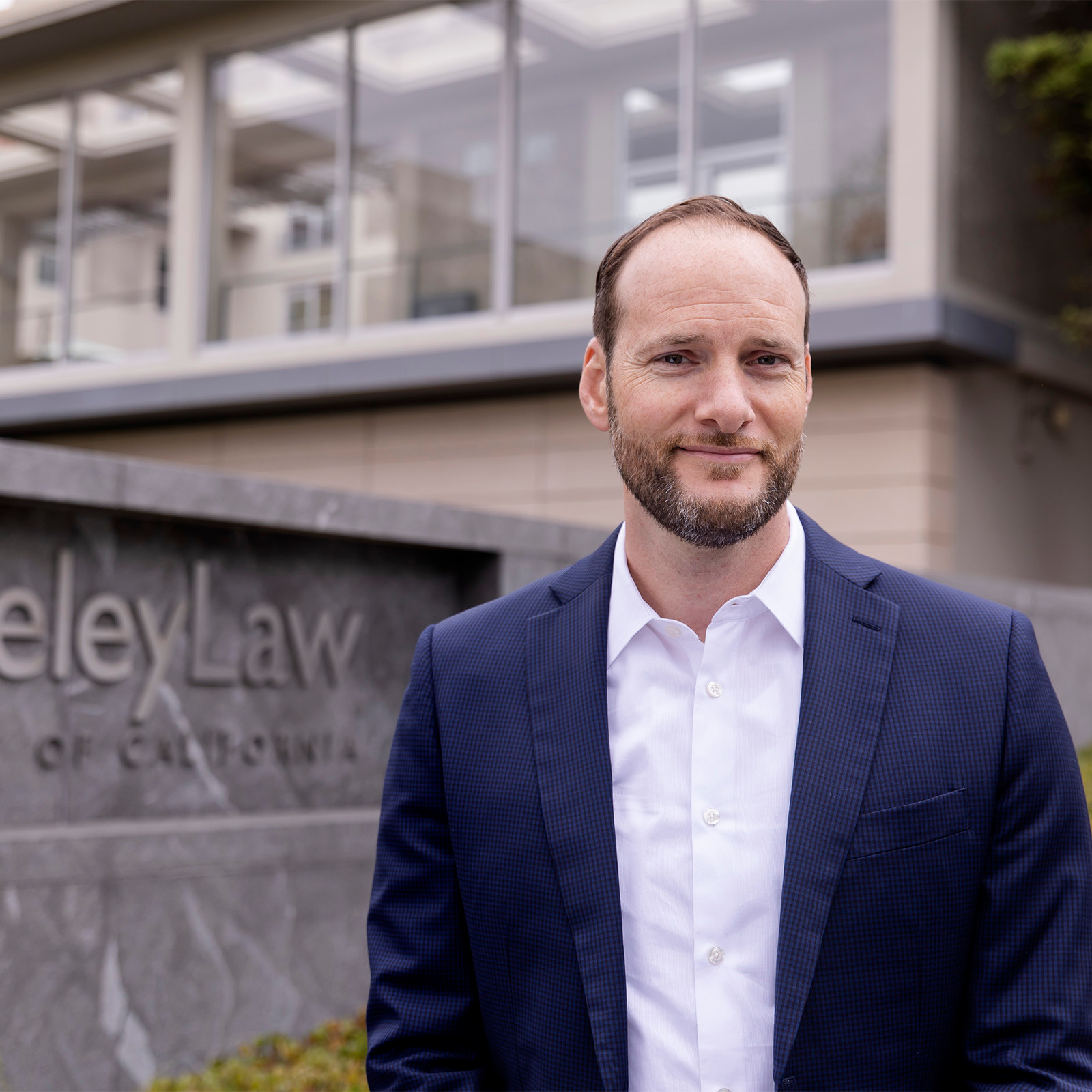 Chesa Boudin on how criminal justice reform can improve public safety, and the importance of basing decisions on evidence and data | Welcome to News in Context – I’m Gina Baleria. In this episode, we talk with former San Francisco DA Chesa Boudin, founding executive director of the newly created Criminal Law & Justice Center at UC Berkeley School of Law. We discuss Boudin’s new role at UC Berkeley, and his plans for advancing victim's rights, true justice for all, and criminal justice reform by seeking evidence-based solutions and researching what can work. We also explore how we could truly reform the U.S. criminal justice system to make it work for everyone - and how to navigate resistance to reform efforts. This is Part 1 of my interview with Chesa Boudin. You can hear Part 2 next week. | 29m 30s | ||||||
Want analysis for the episodes below?Free for Pro Submit a request, we'll have your selected episodes analyzed within an hour. Free, at no cost to you, for Pro users. | |||||||||
| 4/28/23 |  Lynn Parramore on Reframing Economics for the People & Solving Systemic Economic Issues | In this episode, we explore how economic issues are often talked about in ways that minimize the needs of those who may not have the means to withstand recessions, contractions, or other economic downturns. This issue takes on greater urgency in an era of trying to control inflation… and deal with recent regional bank failures. My guest is Lynn Parramore, writer and researcher with the Institute for New Economic Thinking. | 29m 30s | ||||||
| 4/14/23 |  Eric Tars on How Seeing Humanity Helps Us Address Homelessness More Effectively | In this episode, we explore how othering has led to increased marginalization and vilification of people who are un-housed, and how civity can help counter this trend by helping people who are housed see the humanity of those without housing. My guest is Eric Tars, Legal Director of National Homelessness Law Center, who reminds us that housing is a human right. Tars hopes that helping people see each other’s humanity can bring this back into focus. | 29m 30s | ||||||
| 3/3/23 |  Countering The Politics of Division by Coming Together in Solidarity, with Ian Haney López | In this episode, we explore how engaging across our racial and class divides can help bring us together to care for and nurture our democracy. My guest is Ian Haney López, professor at UC Berkeley School of Law, and author of several books, including Dog Whistle Politics: How Coded Racial Appeals Have Reinvented Racism & Wrecked the Middle Class, and Merge Left: Fusing Race & Class, Winning Elections, and Saving America. López says strategic racism is a deeply corrosive force, and he’s is exploring how to counter its effects by encouraging people to come together across racial divides, so we can focus on our commonalities… develop shared understandings of what we want from democracy and our elected officials, and work together to improve society. López developed the Race-Class Narrative Project and the Race-Class Academy to counter dog-whistle politics and build cross-racial and cross-class solidarity. This is Part Two of our interview. Hear Part One at NewsInContext.net. | 29m 31s | ||||||
| 2/24/23 |  The Effects of Strategic Racism on Democracy, with Ian Haney López | In this episode, we explore the strategic use of racism in electoral politics to divide citizens across racial and other differences in an effort to retain power and wealth. My guest is Ian Haney López, professor at UC Berkeley School of Law, and author of several books, including Dog Whistle Politics: How Coded Racial Appeals Have Reinvented Racism & Wrecked the Middle Class, and Merge Left: Fusing Race & Class, Winning Elections, and Saving America. López says strategic racism is a deeply corrosive force, and he’s is exploring how to counter its effects by encouraging people to come together across racial divides, so we can focus on our commonalities… develop shared understandings of what we want from democracy and our elected officials… and work together to improve society. López developed the Race-Class Narrative Project and the Race-Class Academy to counter dog-whistle politics and build cross-racial and cross-class solidarity. This is Part ONE of my interview with Ian Haney López. You can hear Part TWO next week. | 29m 31s | ||||||
| 2/17/23 |  Strengthening Democracy by Increasing Social Trust & Cultivating Connections Across Difference, with Robb Willer | In this episode, we explore a massive new study on improving the health of democracy. The Strengthening Democracy Challenge invited more than 30-thousand people to engage with 25 interventions. The goal was to find ways to reduce things like partisan animosity, partisan violence, and anti-democratic attitudes, and increase social trust and a willingness to engage with people across socially salient differences. An intervention from the nonprofit, Civity, was one of 25 chosen from a pool of 250-plus… and it was number 1 at increasing social trust, number 2 in decreasing social distance and opposition to bipartisanshi, and number 4 in reducing partisan animosity. Civity’s relational, story-based intervention also reduced support for un-democratic practices and helped people accept others from across the political divide. We talk with researcher Robb Willer, professor of sociology, psychology, and organizational behavior at Stanford University; as well as Director of the Polarization and Social Change Lab… and Co-Director of the Center on Philanthropy and Civil Society. | 29m 30s | ||||||
| 10/28/22 |  The Impacts of Mass Corporate Real Estate Ownership on Communities and Affordability | In this episode, we explore the Bay Area housing market, and how mass corporate ownership of homes and apartments throughout the region affects communities and people trying to afford to rent or buy here. My Guest is Susie Neilson, Data Reporter for the San Francisco Chronicle - covering housing, domestic migration, and crime & criminal justice. Susie and a team at the SF Chronicle recently released a series of reports on corporate and LLC real estate - and created an interactive map of who owns property in the Bay Area, an amazing feat of data reporting. The SF Chronicle series also includes maps of the real estate owned or controlled by a handful of corporate LLCs that can be traced back to a specific power player. | 29m 30s | ||||||
| 9/14/22 | 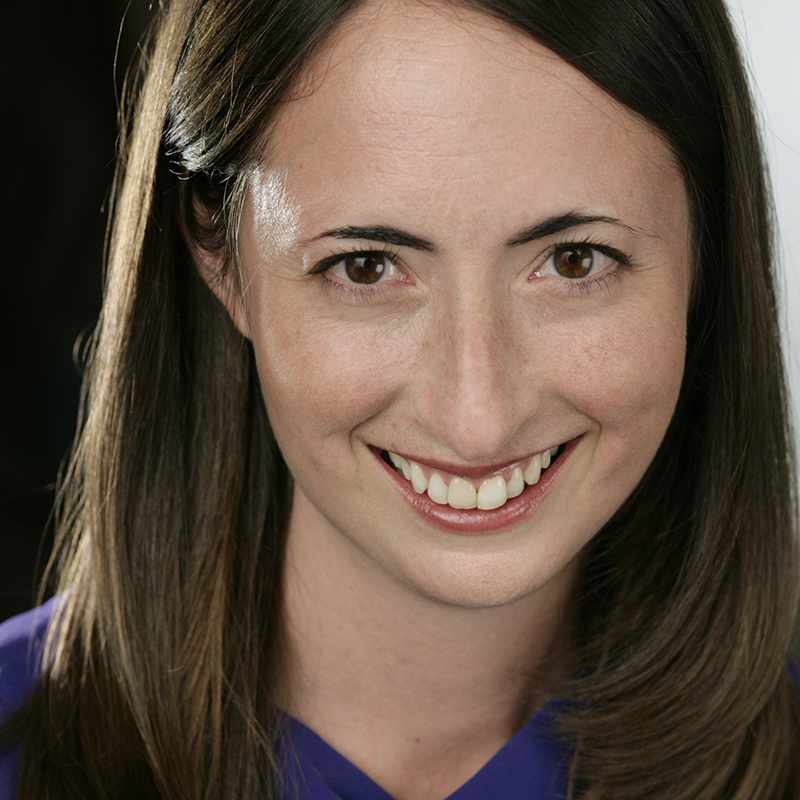 Melissa Weintraub, Resetting the Table to Heal Divides and Prevent Political Violence | In this episode, we talk with Melissa Weintraub, founder & co-executive director of Resetting the Table. Resetting the table focuses on building dialogue and deliberation across political divides, focusing on seemingly intractable differences that are breeding distrust, a lack of empathy, and marginalization. To learn more about Resetting the Table, and to view the film Purple – which uncovers humanity beneath our national conflicts - go to resettingthetable.org/purple. | 29m 30s | ||||||
| 7/29/22 | 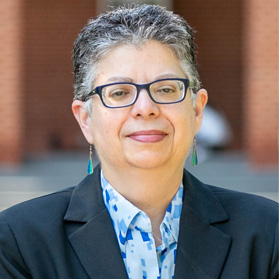 Making DEI Work Transformative & Relational, with Jacqueline Font-Guzman | In this episode, we explore concepts of privilege - and how they color our systems and perpetuate inequities. We also discuss how building relationships across groups in a community can help us begin to address these systemic issues, while at the same time forging connections and building trust. My guest is Jacqueline Font-Guzman, vice president for diversity, equity, & inclusion at Eastern Mennonite University; and strategic vision director for the Center of Justice & Peace Building at EMU. | 29m 30s | ||||||
| 7/22/22 |  Learning to Listen in Different Ways, with Graham Bodie of the Listen First Project | It’s no secret that polarization is deepening divides across the US. Over the past few years, many people have started or joined what are called bridging organizations to try and bring people together across those divides and help people bridge their differences by cultivating relationships -helping us see each other’s humanity and connecting on commonalities. The hope is that this helps us work together to solve the problems in our communities and society. In this episode, we welcome Graham Bodie, professor of integrated marketing communication at the University of Mississippi, and chief listening officer with the Listen First Project. This is Civity Week on News in Context. Civity is a culture of deliberately engaging in relationships of respect and empathy with others who are different - moving people from us-versus-them to we-all-belong. Listen First also bridges, focusing its efforts on elevating the impact, visibility, and voice of organizations doing bridging work We explore how Listen First brings bridging organizations together, and works to bring more people to the experience of connecting across differences, and scale the work of bridging divides in communities across the U.S. We also discuss the act of listening itself, the importance of learning how to listen, and what listening looks like in different contexts. | 29m 30s | ||||||
| 7/6/22 |  The impact of fentanyl on communities, with SF Substance Use Expert Dr.Phillip Coffin | In this episode, we explore the sharp increase in fentanyl deaths across the country, including in San Francisco and the Bay Area, which had thus far had great success in combating the opioid epidemic. My guest is Dr. Philip Coffin, director of substance use research at the San Francisco Department of Public Health - who discusses how fentanyl is different than other opioids, and what we can do to mitigate its impact. | 29m 30s | ||||||
| 4/1/22 |  Putin’s Invasion of Ukraine: Why Now, with Stanford Political Scientist Kathryn Stoner | In this episode, we continue our conversation with Stanford political scientist Dr. Kathryn Stoner… on the context of Putin’s invasion of Ukraine. Stoner is the Mosbacher Director of the Center on Democracy, Development, and the Rule of Law; Senior Fellow at the Freeman Spogli Institute for International Studies; Political Scientist at Stanford; and Senior Fellow (by courtesy) at the Hoover Institution. Stoner is also the author of Russia Resurrected. Its Power and Purpose in a New Global Order. This is Part Two of my interview with Dr. Stoner… You can hear Part One at Newsincontext.net. | 29m 30s | ||||||
| 3/25/22 | 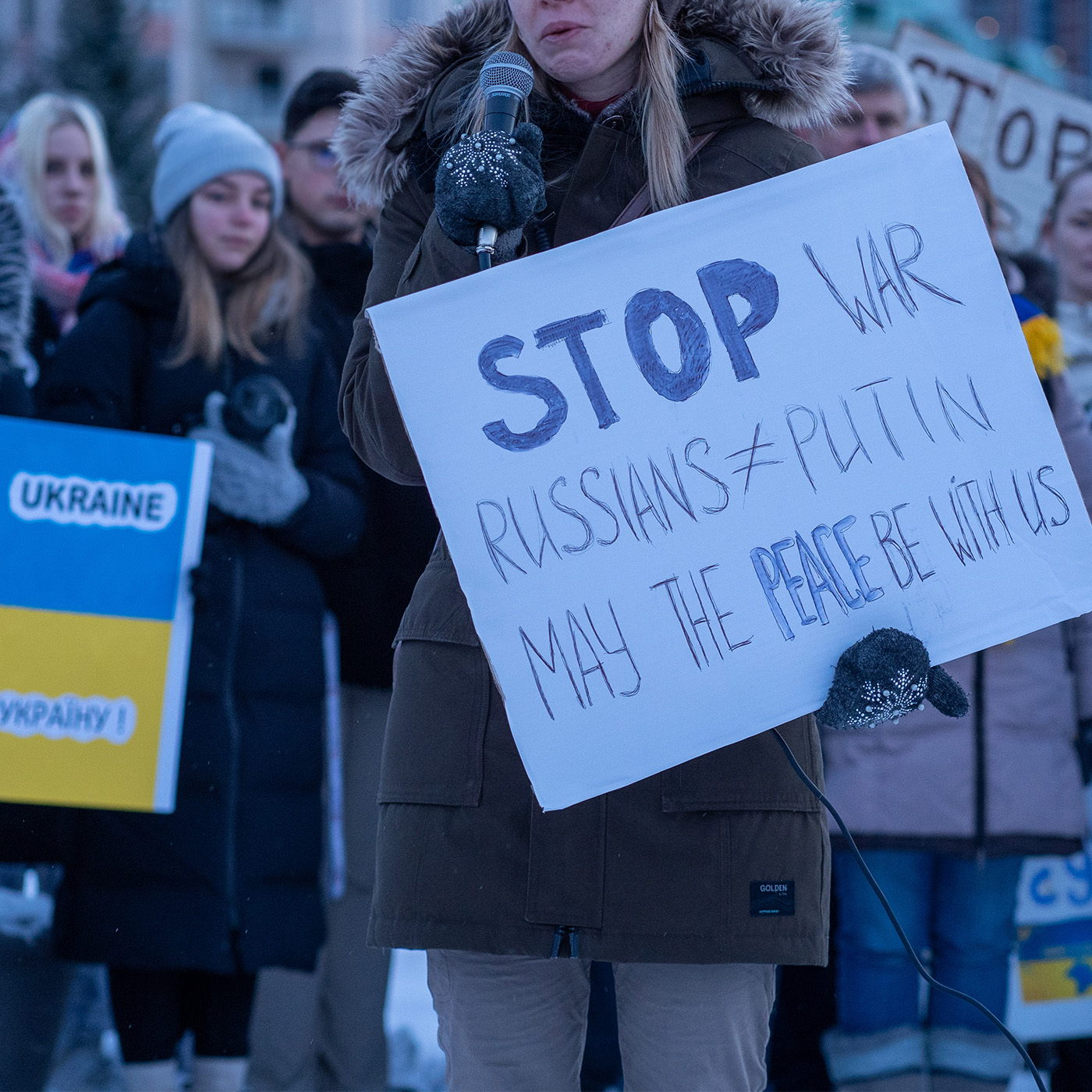 Putin’s Invasion of Ukraine in Context, with Stanford Political Scientist Dr. Kathryn Stoner | In this episode, we continue exploring the context of Russia’s invasion of Ukraine - or as our guest, political scientist Dr. Kathryn Stoner, clarifies – Putin’s invasion. Stoner is the Mosbacher Director of the Center on Democracy, Development, and the Rule of Law; Senior Fellow at the Freeman Spogli Institute for International Studies; Political Scientist at Stanford; and Senior Fellow (by courtesy) at the Hoover Institution. Stoner is also the author of Russia Resurrected. Its Power and Purpose in a New Global Order. My interview with Dr. Stoner will be presented in two parts. This is part one… which focuses on Putin’s version of a global order… and his goals with regard to Ukraine… as well as an exploration of the balancing acts both Putin and NATO are engaging in… as this conflict proceeds. Part 2 will air next week. | 29m 30s | ||||||
| 3/18/22 | 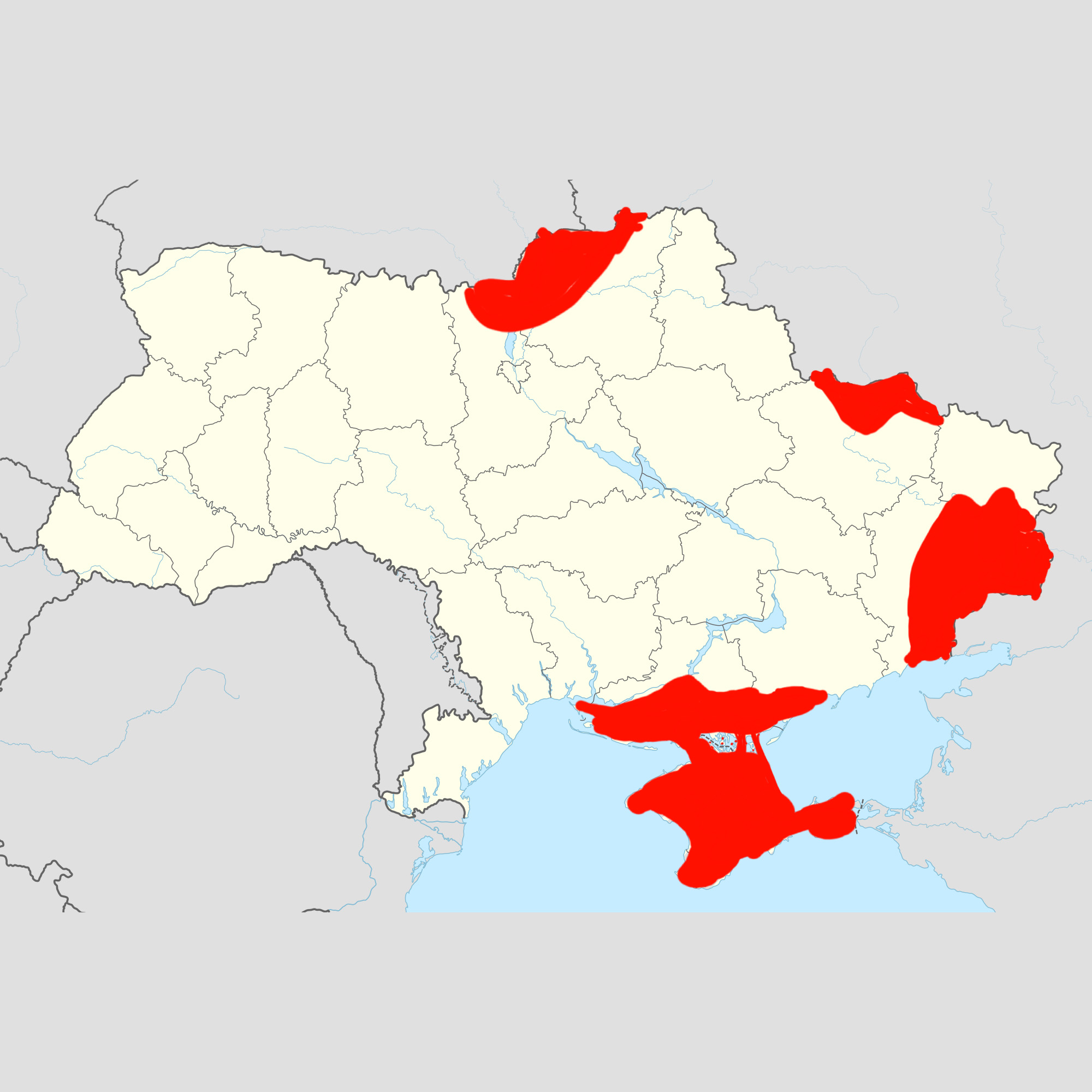 Exploring the historical and geopolitical context of the Russian Invasion of Ukraine w/Amir Weiner | In this episode, we explore the historical and geo-political context of the Russian invasion of Ukraine, as well as the role and actions of NATO. As we watch and read about Putin’s brutal actions in Ukraine and how they are affecting the people who live there, many of us find ourselves wondering why this is happening at all. Discussing this with me today is Dr. Amir Weiner, Director of the Center for Russian, East European, & Eurasian Studies at Stanford University. | 29m 30s | ||||||
| 2/25/22 | 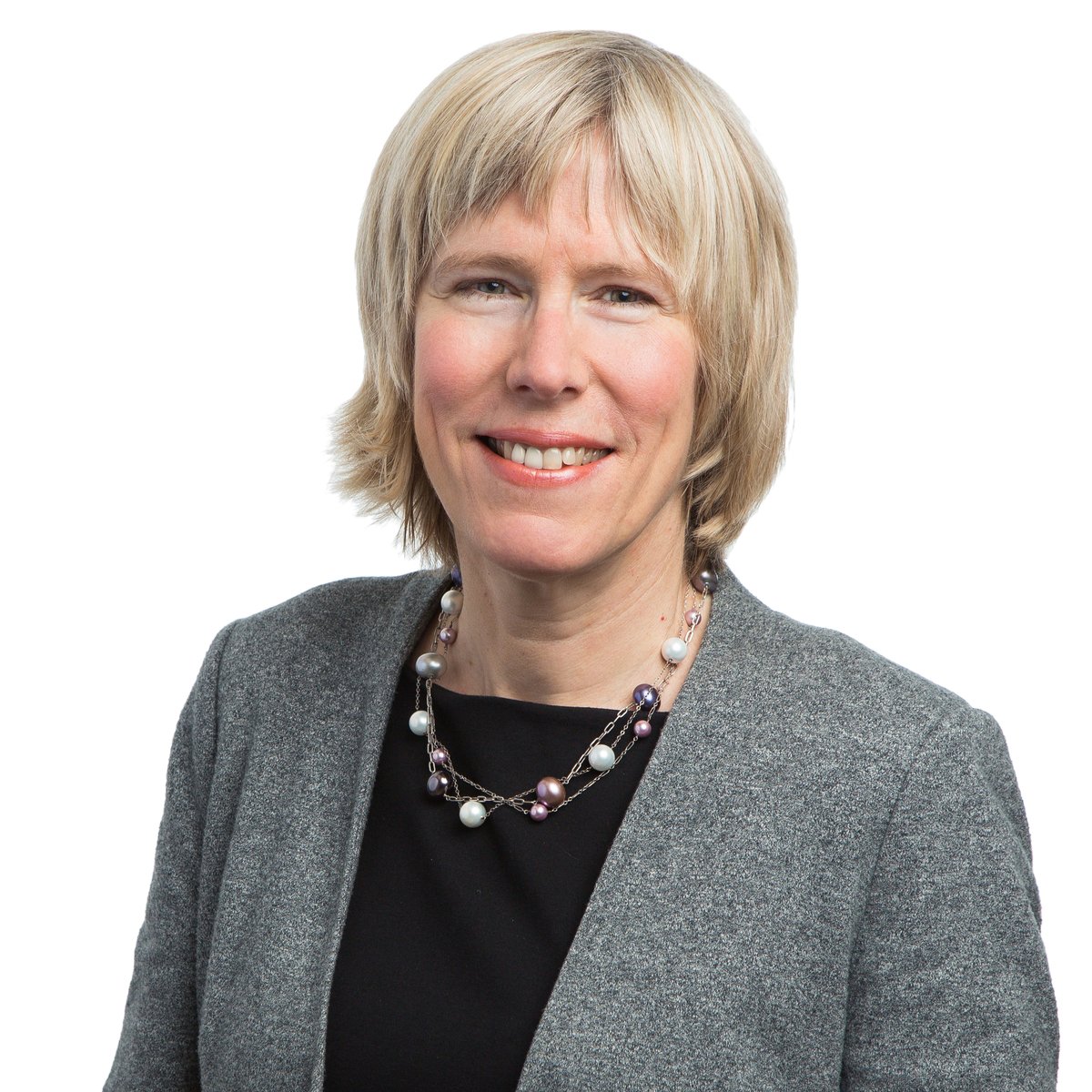 Vaccines - the science and our perceptions, with Science Magazine Senior Reporter Meredith Wadman | In this episode, we discuss the realities of COVID-19 and other diseases on our health and well being - and how vaccines have both saved us from the grim realities, and led us to forget just how bad diseases can get without vaccines to keep them at bay. My guest is Meredith Wadman, senior reporter with Science Magazine in Washington, D.C., and author of The Vaccine Race: Science, Politics, and the Human Costs of Defeating Disease. | 29m 30s | ||||||
| 2/18/22 |  Communicating Science: Vaccine Efficacy, Public Health, & Combatting Misinformation, with Greta Keenan | In this episode, we discuss vaccines – the science that has brought us such an incredible solution to public health crises; the human response to vaccines, mandates, and scientific information; and how misinformation has derailed clear communication. My guest is Greta Keenan, program specialist for science & society at the World Economic Forum. Photo Credit: Wellcome Images | 29m 30s | ||||||
Showing 25 of 96
Sponsor Intelligence
Sign in to see which brands sponsor this podcast, their ad offers, and promo codes.
Chart Positions
1 placement across 1 market.
Chart Positions
1 placement across 1 market.