No Small Endeavor with Lee C. Camp
by Tokens Media
Is this your podcast?On the show
From 45 epsHosts
Recent guests
Recent episodes
283: Unabridged Interview: Belle Tindall-Riley
Oct 16, 2026
1h 22m 56s
The Subtext: The Separation of Church & Business
Oct 14, 2026
35m 49s
283: Belle Tindall-Riley: Spiritual but Not Religious (The Ache, Pt. 1)
Oct 12, 2026
51m 06s
282: Unabridged Interview: Kristin Kobes Du Mez
Oct 9, 2026
1h 20m 10s
The Subtext: Macklemore, Ed Sheeran, and Vanity Politics
Oct 7, 2026
55m 56s
Insights from recent episode analysis
Audience Interest
Podcast Focus
Publishing Consistency
Platform Reach
Insights are generated by CastFox AI using publicly available data, episode content, and proprietary models.
Most discussed topics
Brands & references
Total monthly reach
Blended from 1 signal.
Built from
By chart position
- 🇺🇸United States · Religion & SpiritualityHOME#1435.2K to 33K
- Per-Episode Audience
Est. listeners per new episode within ~30 days
5.2K to 33K🎙 Daily cadence·520 episodes·Last published 2d ago - Monthly Reach
Unique listeners across all episodes (30 days)
17K to 109K🇺🇸100% - Active Followers
Loyal subscribers who consistently listen
7.0K to 44K
Market Insights
Platform Distribution
Reach across major podcast platforms, updated hourly
Total Followers
—
Total Plays
—
Total Reviews
—
* Data sourced directly from platform APIs and aggregated hourly across all major podcast directories.
Social Links & Contact
Official channels & resources
Official Website
Login
RSS Feed
Login
| Date | Episode | Topics | Guests | Brands | Places | Keywords | Sponsor | Length | |
|---|---|---|---|---|---|---|---|---|---|
| 10/16/26 |  283: Unabridged Interview: Belle Tindall-Riley | This is our unabridged interview with Belle Tindall-Riley. Institutional religion is off the menu for many these days. But walk to the edge of the Glastonbury music festival, and you'll find a packed field people waiting an hour in line to buy crystals, get tarot readings, and have a sound bath from a healer with singing bowls. Our religious impulses didn’t go away. They just got transferred. It seems, consumerism and individualism are so deeply ingrained that we now pay for membership in whatever community we subscribe to. We buy their trinkets, their supplements, and their merch as symbols of our belonging. Dr. Belle Tindall-Riley takes the ache underneath all of that seriously. A biblical scholar who spent four years of her doctorate on a single passage, and who grew up in rural Wales lying to her classmates about going to church, she reads each practice like manifesting, tarot, crystals, WitchTok for the true longing beneath it. She examines the limits of a spirituality that always tells you you're doing just fine. You'll come away asking questions of your own spirituality: does it ever tell me no? This is part one of The Ache: The Longing Modernity Couldn't Cure, a three-part No Small Endeavor series, recorded around the world from Oxford to the Isle of Skye, about the human ache that secularism can't explain and the new spiritualities that may not be able to fill it. Join No Small Endeavor on Patreon and get: Ad-free listening for both No Small Endeavor and The Subtext Monthly bonus content including our ongoing Cardinal Virtue Series and more Weekly reflections on a good life Access to live show videos Early access to live show tickets. Your membership helps make No Small Endeavor sustainable This project was made possible through the support of a grant from Templeton World Charity Foundation, Inc funder DOI 501100011730) through grant https://doi.org/10.54224/35684. The opinions expressed in this publication are those of the author(s) and do not necessarily reflect the views of Templeton World Charity Foundation, Inc. Show Notes, Resources, and Transcript for abridged episode with Belle Tindall-Riley Thank you to our sponsors: The Wonder Project: Subscriber support makes more great content like I Gotta Ask with Annie F. Downs possible. The Wonder Project subscription on Prime Video is available in the U.S. for $8.99/month or $89.99/year after a 7-day free trial. Visit IGottaAsk.com to learn more! SEEDS: Download the free SEEDS app and take one small step today: plant your first seed and see what God can grow. Tickets to Nov 22nd NSE Live in Nashville:https://www.nashvillesymphony.org/nosmallendeavor No Small Endeavor: An award-winning podcast that asks what it means to live a good life. Through conversations with leading thinkers across theology, philosophy, psychology, politics, and the social sciences, we explore human flourishing, meaning and purpose, faith and culture, science and religion, virtue and character, religion and spirituality, community, and the practices that help shape a good life grounded in truth, beauty, and goodness. Follow @nosmallendeavor Host Lee C. Camp: Lee has worked as a professor of theology & ethics for more than 25 years, teaching and writing on topics of faith & politics, inter-religious dialog, and human flourishing at the intersection of theology, moral philosophy, and social sciences. Follow @leeccamp Learn more about your ad choices. Visit megaphone.fm/adchoices | 1h 22m 56s | ||||||
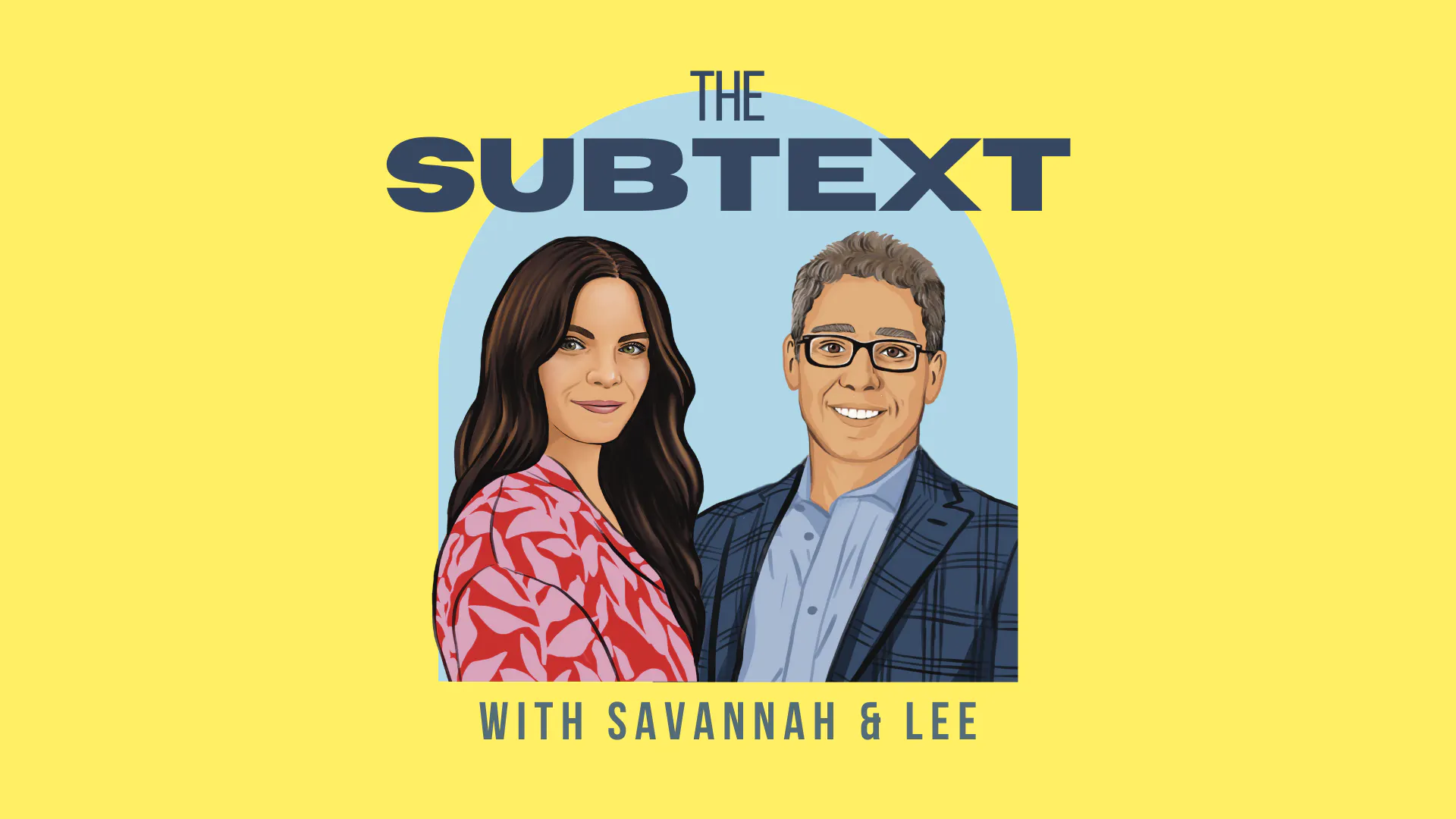
| 10/14/26 |  The Subtext: The Separation of Church & Business | Is a $4,500 networking trip to Mar-a-Lago okay if it's for the kingdom? This week on The Subtext, Lee and Savannah unpack problematic Christian wealth seminars promising financial success for “kingdom impact." They explore the power of proximity, the dangers of “kingdom washing,” and what the early church might have to say about business, debt, and the pursuit of influence. Is Christian language transforming business, or simply baptizing capitalism? Things we mentioned in this episode: Come see Ira Glass on No Small Endeavor Live at the Symphony! Friendly Atheist “Christian evangelist defends $4,500 networking trip—and his “need” for luxury hotels” Jesus and the Disinherited by Howard Thurman The Cross and the Lynching Tree by James H. Cone The Gospel of High Yields: Inside Tim Tebow’s Favorite Wealth Seminar Poverty by America by Matthew Desmond Follow The Subtext: Instagram | Threads | X | YouTube | TikTok Follow Lee: Instagram | Twitter | Lee's Newsletter Follow Savannah: Instagram | Substack Join our Email List: nosmallendeavor.com Learn more about your ad choices. Visit megaphone.fm/adchoices | 35m 49s | ||||||
| 10/12/26 |  283: Belle Tindall-Riley: Spiritual but Not Religious (The Ache, Pt. 1) | Institutional religion is off the menu for many these days. But walk to the edge of the Glastonbury music festival, and you'll find a packed field people waiting an hour in line to buy crystals, get tarot readings, and have a sound bath from a healer with singing bowls. Our religious impulses didn’t go away. They just got transferred. It seems, consumerism and individualism are so deeply ingrained that we now pay for membership in whatever community we subscribe to. We buy their trinkets, their supplements, and their merch as symbols of our belonging. Dr. Belle Tindall-Riley takes the ache underneath all of that seriously. A biblical scholar who spent four years of her doctorate on a single passage, and who grew up in rural Wales lying to her classmates about going to church, she reads each practice like manifesting, tarot, crystals, WitchTok for the true longing beneath it. She examines the limits of a spirituality that always tells you you're doing just fine. You'll come away asking questions of your own spirituality: does it ever tell me no? This is part one of The Ache: The Longing Modernity Couldn't Cure, a three-part No Small Endeavor series, recorded around the world from Oxford to the Isle of Skye, about the human ache that secularism can't explain and the new spiritualities that may not be able to fill it. Show Notes, Resources, and Transcript for abridged episode with Belle Tindall-Riley Join No Small Endeavor on Patreon and get: Ad-free listening for both No Small Endeavor and The Subtext Monthly bonus content including our ongoing Cardinal Virtue Series and more Weekly reflections on a good life Access to live show videos Early access to live show tickets. Your membership helps make No Small Endeavor sustainable. This project was made possible through the support of a grant from Templeton World Charity Foundation, Inc funder DOI 501100011730) through grant https://doi.org/10.54224/35684. The opinions expressed in this publication are those of the author(s) and do not necessarily reflect the views of Templeton World Charity Foundation, Inc. Thank you to our sponsors: The Wonder Project: Subscriber support makes more great content like I Gotta Ask with Annie F. Downs possible. The Wonder Project subscription on Prime Video is available in the U.S. for $8.99/month or $89.99/year after a 7-day free trial. Visit IGottaAsk.com to learn more! SEEDS: Download the free SEEDS app and take one small step today: plant your first seed and see what God can grow. Tickets to Nov 22nd NSE Live in Nashville:https://www.nashvillesymphony.org/nosmallendeavor No Small Endeavor: An award-winning podcast that asks what it means to live a good life. Through conversations with leading thinkers across theology, philosophy, psychology, politics, and the social sciences, we explore human flourishing, meaning and purpose, faith and culture, science and religion, virtue and character, religion and spirituality, community, and the practices that help shape a good life grounded in truth, beauty, and goodness. Follow @nosmallendeavor Host Lee C. Camp: Lee has worked as a professor of theology & ethics for more than 25 years, teaching and writing on topics of faith & politics, inter-religious dialog, and human flourishing at the intersection of theology, moral philosophy, and social sciences. Follow @leeccamp Learn more about your ad choices. Visit megaphone.fm/adchoices | 51m 06s | ||||||
| 10/9/26 |  282: Unabridged Interview: Kristin Kobes Du Mez | This is our unabridged interview with Kristin Kobes Du Mez. That "Live, Laugh, Love" sign at Target isn't just decor. It's a theological statement, and it has a 150-year history most of us have never heard. Historian Kristin Kobes Du Mez, author of the New York Times bestseller Jesus and John Wayne, argues that American Christian women have been formed more by the gift aisle than by the seminary. In her new book, Live, Laugh, Love: The Secret History of White Christian Women and the World They Made, she traces a 19th-century promise, that submission and a positive attitude will be rewarded with blessing, as it merges with the secular philosophy of positive thinking and spreads through Christian romance novels, radio, home decor, and multi-level marketing. Lee and Kristin explore why doubt came to be treated as sin, and how a theology championed by a suffragist ended up demanding women's submission to men. Show Notes, Resources, and Transcript for abridged episode with Kristin Kobes Du Mez Thank you to our sponsors: The Wonder Project: Subscriber support makes more great content like I Gotta Ask with Annie F. Downs possible. The Wonder Project subscription on Prime Video is available in the U.S. for $8.99/month or $89.99/year after a 7-day free trial. Visit IGottaAsk.com to learn more! SEEDS: Download the free SEEDS app and take one small step today: plant your first seed and see what God can grow. Tickets to Nov 22nd NSE Live in Nashville:https://www.nashvillesymphony.org/nosmallendeavor Join No Small Endeavor on Patreon and get: Ad-free listening for both No Small Endeavor and The Subtext Monthly bonus content including our ongoing Cardinal Virtue Series and more Weekly reflections on a good life Access to live show videos Early access to live show tickets. Your membership helps make No Small Endeavor sustainable. No Small Endeavor: An award-winning podcast that asks what it means to live a good life. Through conversations with leading thinkers across theology, philosophy, psychology, politics, and the social sciences, we explore human flourishing, meaning and purpose, faith and culture, science and religion, virtue and character, religion and spirituality, community, and the practices that help shape a good life grounded in truth, beauty, and goodness. Follow @nosmallendeavor Host Lee C. Camp: Lee has worked as a professor of theology & ethics for more than 25 years, teaching and writing on topics of faith & politics, inter-religious dialog, and human flourishing at the intersection of theology, moral philosophy, and social sciences. Follow @leeccamp Learn more about your ad choices. Visit megaphone.fm/adchoices | 1h 20m 10s | ||||||
| 10/7/26 |  The Subtext: Macklemore, Ed Sheeran, and Vanity Politics | This week on The Subtext: Macklemore, Ed Sheeran, free speech, and the billionaire power behind the music business. Lee and Savannah unpack the controversy, looking to Dolly Parton as a guide. What happens when public outrage becomes a purity test? Is it all just “vanity politics,” or what are we actually doing about the things we say we care about? Things we mentioned in this episode: M*A*S*H* All in the Family Olivia Fox Cabane (on the science of charisma) on Armchair Expert The Charisma Myth by Olivia Fox Cabane Christ in the Rubble by Munther Isaac Munther Isaac on No Small Endeavor Dr. Queenie Johnson’s Analysis on what she calls “Vanity Politics” Learn more about your ad choices. Visit megaphone.fm/adchoices | 55m 56s | ||||||
| 10/5/26 |  282: Kristin Kobes Du Mez: The Secret History of White Christian Women | That "Live, Laugh, Love" sign at Target isn't just decor. It's a theological statement, and it has a 150-year history most of us have never heard. Historian Kristin Kobes Du Mez, author of the New York Times bestseller Jesus and John Wayne, argues that American Christian women have been formed more by the gift aisle than by the seminary. In her new book, Live, Laugh, Love: The Secret History of White Christian Women and the World They Made, she traces a 19th-century promise, that submission and a positive attitude will be rewarded with blessing, as it merges with the secular philosophy of positive thinking and spreads through Christian romance novels, radio, home decor, and multi-level marketing. Lee and Kristin explore why doubt came to be treated as sin, and how a theology championed by a suffragist ended up demanding women's submission to men. Show Notes, Resources, and Transcript for abridged episode with Kristin Kobes Du Mez Thank you to our sponsors: The Wonder Project: Subscriber support makes more great content like I Gotta Ask with Annie F. Downs possible. The Wonder Project subscription on Prime Video is available in the U.S. for $8.99/month or $89.99/year after a 7-day free trial. Visit IGottaAsk.com to learn more! SEEDS: Download the free SEEDS app and take one small step today: plant your first seed and see what God can grow. Tickets to Nov 22nd NSE Live in Nashville:https://www.nashvillesymphony.org/nosmallendeavor Join NSE+ — our subscriber-only community — for ad-free listening, member-only bonus content, and early access to live show tickets. Your membership helps make No Small Endeavor sustainable. No Small Endeavor: An award-winning podcast that asks what it means to live a good life. Through conversations with leading thinkers across theology, philosophy, psychology, politics, and the social sciences, we explore human flourishing, meaning and purpose, faith and culture, science and religion, virtue and character, religion and spirituality, community, and the practices that help shape a good life grounded in truth, beauty, and goodness. Follow @nosmallendeavor Host Lee C. Camp: Lee has worked as a professor of theology & ethics for more than 25 years, teaching and writing on topics of faith & politics, inter-religious dialog, and human flourishing at the intersection of theology, moral philosophy, and social sciences. Follow @leeccamp Learn more about your ad choices. Visit megaphone.fm/adchoices | 50m 28s | ||||||
| 10/2/26 |  281: Unabridged Interview: Annie F. Downs | This is our unabridged interview with Annie F. Downs. What's holding you back from your dreams? Annie F. Downs wants to help you diagnose and respond to that question. She says often what’s holding you back is rooted in something that was either stolen, killed, or destroyed. In this conversation, the New York Times bestselling author and Lee talk about her new book, Don't Let That Hold You Back. Show Notes, Resources, and Transcript for abridged episode with Annie F. Downs Thank you to our sponsors: The Wonder Project: Subscriber support makes more great content like I Gotta Ask with Annie F. Downs possible. The Wonder Project subscription on Prime Video is available in the U.S. for $8.99/month or $89.99/year after a 7-day free trial. Visit IGottaAsk.com to learn more! SEEDS: Download the free SEEDS app and take one small step today: plant your first seed and see what God can grow. Tickets to Nov 22nd NSE Live in Nashville:https://www.nashvillesymphony.org/nosmallendeavor Join NSE+ — our subscriber-only community — for ad-free listening, member-only bonus content, and early access to live show tickets. Your membership helps make No Small Endeavor sustainable. No Small Endeavor: An award-winning podcast that asks what it means to live a good life. Through conversations with leading thinkers across theology, philosophy, psychology, politics, and the social sciences, we explore human flourishing, meaning and purpose, faith and culture, science and religion, virtue and character, religion and spirituality, community, and the practices that help shape a good life grounded in truth, beauty, and goodness. Follow @nosmallendeavor Host Lee C. Camp: Lee has worked as a professor of theology & ethics for more than 25 years, teaching and writing on topics of faith & politics, inter-religious dialog, and human flourishing at the intersection of theology, moral philosophy, and social sciences. Follow @leeccamp Learn more about your ad choices. Visit megaphone.fm/adchoices | 1h 06m 39s | ||||||
| 9/30/26 |  The Subtext: How to Leave Your Church - Ask Us Anything 2 | It’s the first birthday of The Subtext! Savannah and Lee celebrate with an “Ask Us Everything” episode, answering listener questions about Bible translations, music, patriotism, how to leave your church community, and more. Thank you to everyone who made year one of The Subtext special. We love you! Send your AMA questions anytime to us @thesubtextshow on Instagram or to [email protected] Things we mentioned in this episode: Join us for No Small Endeavor Live November 22 - The Schermerhorn Symphony Center Méditation from the opera Thaïs by Jules Massenet Adagio for Strings by Samuel Barber Down There by the Train by Tom Waits Christmas Lights by Coldplay A Change is Going to Come by Sam Cooke Pilgrim by Steve Earle Little Girl Blue by Nina Simone Kim Stanley Robinson on No Small Endeavor Consumerist corner: Stanley cup, Apple AirTag, Exfoliating Lip Balm Follow The Subtext: Instagram | Threads | X | YouTube | TikTok Follow Lee: Instagram | Twitter | Lee's Newsletter Follow Savannah: Instagram | Substack Join our Email List: nosmallendeavor.com Learn more about your ad choices. Visit megaphone.fm/adchoices | 45m 14s | ||||||
| 9/28/26 |  281: Annie F. Downs: What’s Holding You Back? | What's holding you back from your dreams? Annie F. Downs wants to help you diagnose and respond to that question. She says often what’s holding you back is rooted in something that was either stolen, killed, or destroyed. In this conversation, the New York Times bestselling author and Lee talk about her new book, Don't Let That Hold You Back. Show Notes, Resources, and Transcript for abridged episode with Annie F. Downs Thank you to our sponsors: The Wonder Project: Subscriber support makes more great content like I Gotta Ask with Annie F. Downs possible. The Wonder Project subscription on Prime Video is available in the U.S. for $8.99/month or $89.99/year after a 7-day free trial. Visit IGottaAsk.com to learn more! SEEDS: Download the free SEEDS app and take one small step today: plant your first seed and see what God can grow. Tickets to Nov 22nd NSE Live in Nashville:https://www.nashvillesymphony.org/nosmallendeavor Join NSE+ — our subscriber-only community — for ad-free listening, member-only bonus content, and early access to live show tickets. Your membership helps make No Small Endeavor sustainable. No Small Endeavor: An award-winning podcast that asks what it means to live a good life. Through conversations with leading thinkers across theology, philosophy, psychology, politics, and the social sciences, we explore human flourishing, meaning and purpose, faith and culture, science and religion, virtue and character, religion and spirituality, community, and the practices that help shape a good life grounded in truth, beauty, and goodness. Follow @nosmallendeavor Host Lee C. Camp: Lee has worked as a professor of theology & ethics for more than 25 years, teaching and writing on topics of faith & politics, inter-religious dialog, and human flourishing at the intersection of theology, moral philosophy, and social sciences. Follow @leeccamp Learn more about your ad choices. Visit megaphone.fm/adchoices | 51m 16s | ||||||
| 9/25/26 |  280: Unabridged Interview: Marisa Franco | This is our unabridged interview with Marisa Franco. Attachment theory is trendy right now, and the goal is often the coveted title of "securely attached." If you’re that, then you're always calm, never spiraling, never needing anyone to hold your feelings for you. Psychologist Marisa Franco built her career studying attachment, but when she started to look at the parts of her that weren’t so secure, she began to “approach these parts of myself that I struggle with as these parts are perfect, too.” Franco is a psychologist and assistant clinical professor at the University of Maryland and the author of the New York Times bestseller Platonic: How the Science of Attachment Can Help You Make and Keep Friends. Her new book, Worth: The New Science of Self-Esteem and Secure Attachment, argues that real security starts on the inside, in how you treat your own feelings, not in how well you manage everyone else's. Key Ideas Reassurance Can Backfire — Telling someone they're wonderful can leave them feeling more alone, not less, because it collides with what they already believe about themselves. Confront Your Own Feelings Before You Hand Them to Someone Else — The healthiest response to hurt starts with naming it privately, not making another person immediately responsible for it. Worth and Behavior Aren't the Same Measurement — You can do something genuinely unhealthy and still hold full value as a person; collapsing the two makes change harder, not easier. Shame Rarely Produces Lasting Change — People who change out of shame usually just trade one form of self-punishment for another, since the underlying pain never got addressed. Memories Are Predictions, Not Fixed Records — Revisiting a painful memory and offering yourself the care you needed at the time can change how that memory is stored and how much power it still holds. Show Notes, Resources, and Transcript for abridged episode with Marisa Franco Thank you to our sponsors: The Wonder Project: Subscriber support makes more great content like I Gotta Ask with Annie F. Downs possible. The Wonder Project subscription on Prime Video is available in the U.S. for $8.99/month or $89.99/year after a 7-day free trial. Visit IGottaAsk.com to learn more! SEEDS: Download the free SEEDS app and take one small step today: plant your first seed and see what God can grow. Tickets to Nov 22nd NSE Live in Nashville: https://www.nashvillesymphony.org/nosmallendeavor Join NSE+ — our subscriber-only community — for ad-free listening, member-only bonus content, and early access to live show tickets. Your membership helps make No Small Endeavor sustainable. No Small Endeavor: An award-winning podcast that asks what it means to live a good life. Through conversations with leading thinkers across theology, philosophy, psychology, politics, and the social sciences, we explore human flourishing, meaning and purpose, faith and culture, science and religion, virtue and character, religion and spirituality, community, and the practices that help shape a good life grounded in truth, beauty, and goodness. Follow @nosmallendeavor Host Lee C. Camp: Lee has worked as a professor of theology & ethics for more than 25 years, teaching and writing on topics of faith & politics, inter-religious dialog, and human flourishing at the intersection of theology, moral philosophy, and social sciences. Follow @leeccamp Learn more about your ad choices. Visit megaphone.fm/adchoices | 57m 48s | ||||||
Want analysis for the episodes below?Free for Pro Submit a request, we'll have your selected episodes analyzed within an hour. Free, at no cost to you, for Pro users. | |||||||||
| 9/23/26 |  The Subtext: Gen Z’s Speaking Problem, Revisiting Nate Bargatze, Meta’s Child Safety Settlement | Turns out, Gen Z is talking less, scrolling more, and forgetting how to be human. This week, Savannah and Lee unpack the surprising decline in everyday conversation and why talking to strangers actually matters. Then a listener’s question prompts them to revisit Nate Bargatze drama. Does calling in vs. calling out work with public figures? And things get spicy when they dive into Meta’s $17 billion child-safety settlement, social media addiction, kids and algorithms, free speech, government regulation, and the complicated question of who gets to shape us online. Tell us what you think! DM us on Instagram @thesubtextshow Things we mentioned in this episode: Gen Zs like me are speaking 451 words fewer every day – and I know why by Esme Gordon Craig Heather Holleman on No Small Endeavor Jemar Tisby on No Small Endeavor James Lawson on No Small Endeavor Free Speech Part 1 - The Subtext Free Speech Part 2 - The Subtext The Social Reckoning Trailer The Social Network Follow The Subtext: Instagram | Threads | X | YouTube | TikTok Follow Lee: Instagram | Twitter | Lee's Newsletter Follow Savannah: Instagram | Substack Join our Email List: nosmallendeavor.com Learn more about your ad choices. Visit megaphone.fm/adchoices | 47m 47s | ||||||
| 9/21/26 |  280: Marisa Franco: Why Secure-ish Beats Perfectly Secure | Attachment theory is trendy right now, and the goal is often the coveted title of "securely attached." If you’re that, then you're always calm, never spiraling, never needing anyone to hold your feelings for you. Psychologist Marisa Franco built her career studying attachment, but when she started to look at the parts of her that weren’t so secure, she began to “approach these parts of myself that I struggle with as these parts are perfect, too.” Franco is a psychologist and assistant clinical professor at the University of Maryland and the author of the New York Times bestseller Platonic: How the Science of Attachment Can Help You Make and Keep Friends. Her new book, Worth: The New Science of Self-Esteem and Secure Attachment, argues that real security starts on the inside, in how you treat your own feelings, not in how well you manage everyone else's. Key Ideas Reassurance Can Backfire — Telling someone they're wonderful can leave them feeling more alone, not less, because it collides with what they already believe about themselves. Confront Your Own Feelings Before You Hand Them to Someone Else — The healthiest response to hurt starts with naming it privately, not making another person immediately responsible for it. Worth and Behavior Aren't the Same Measurement — You can do something genuinely unhealthy and still hold full value as a person; collapsing the two makes change harder, not easier. Shame Rarely Produces Lasting Change — People who change out of shame usually just trade one form of self-punishment for another, since the underlying pain never got addressed. Memories Are Predictions, Not Fixed Records — Revisiting a painful memory and offering yourself the care you needed at the time can change how that memory is stored and how much power it still holds. Show Notes, Resources, and Transcript for abridged episode with Marisa Franco Thank you to our sponsors: The Wonder Project: Subscriber support makes more great content like I Gotta Ask with Annie F. Downs possible. The Wonder Project subscription on Prime Video is available in the U.S. for $8.99/month or $89.99/year after a 7-day free trial. Visit IGottaAsk.com to learn more! SEEDS: Download the free SEEDS app and take one small step today: plant your first seed and see what God can grow. Tickets to Nov 22nd NSE Live in Nashville: https://www.nashvillesymphony.org/nosmallendeavor Join NSE+ — our subscriber-only community — for ad-free listening, member-only bonus content, and early access to live show tickets. Your membership helps make No Small Endeavor sustainable. No Small Endeavor: An award-winning podcast that asks what it means to live a good life. Through conversations with leading thinkers across theology, philosophy, psychology, politics, and the social sciences, we explore human flourishing, meaning and purpose, faith and culture, science and religion, virtue and character, religion and spirituality, community, and the practices that help shape a good life grounded in truth, beauty, and goodness. Follow @nosmallendeavor Host Lee C. Camp: Lee has worked as a professor of theology & ethics for more than 25 years, teaching and writing on topics of faith & politics, inter-religious dialog, and human flourishing at the intersection of theology, moral philosophy, and social sciences. Follow @leeccamp Learn more about your ad choices. Visit megaphone.fm/adchoices | 50m 50s | ||||||
| 9/18/26 |  279: Unabridged Interview: Steve Cuss | This is our unabridged interview with Steve Cuss. Anxiety is contagious, and most of us catch it without noticing: from a tense meeting, a hard conversation, a parent, a group chat. After an emergency, an ER doctor pulled a young hospital chaplain aside and gave him some life-changing advice: anytime somebody's heart stops, first take your own pulse. He learned that, in order to help, he needs to first notice what’s going on inside of him. Steve Cuss is a pastor, leadership coach, and author of Managing Leadership Anxiety and The Expectation Gap. He spent a crucible year as a chaplain in a level one trauma center, attending more than 250 deaths, and has spent the decades since teaching leaders and families how anxiety is contagious and can be passed between people. In this conversation, rooted in systems theory, he gives you the practical version: how to tell when reactivity has hold of you, the five false needs that drive all humans, how to see anxiety in a room instead of catching it, and how to sort what is actually yours to carry from what is not. If you want to be the steady person for the people you love without going numb or over-functioning, this is the toolkit. KEY IDEAS Anxiety Is Contagious, and You Can See It Instead of Catching It Reactivity moves between people through proximity and repetition, and simply walking into the room intending to notice the pattern is often enough to keep you from picking it up. The Urge to Comfort Is Usually About Your Own Discomfort When someone says the foolish thing to a grieving friend, it is rarely callousness. It is a caregiver trying to make their own anxiety stop. The Five False Needs of Every Human Control, perfection, knowing the answer, being their for others when they’re hurting, approval Calm Is Not the Goal, and Sometimes It Is an Insult When the harm is systemic, outrage is the accurate response, and serenity in front of it signals that you have not understood what is happening. The Most Anxious Person in the Room Sets the Terms Whether they dominate the conversation or go silent, their reactivity quietly decides what everyone else is willing to say. Most of What Exhausts You Was Never Yours to Carry Sorting what is mine, what is theirs, and what belongs to God is less about detachment than about being free to love someone without needing to fix them. Self-Care Is a Means, Not an End Rest, retreat, and therapy exist to send you back into difficult work better able to do it, not to insulate you from it. Show Notes, Resources, and Transcript for abridged episode with Steve Cuss Thank you to our sponsors: The Wonder Project: Subscriber support makes more great content like I Gotta Ask with Annie F. Downs possible. The Wonder Project subscription on Prime Video is available in the U.S. for $8.99/month or $89.99/year after a 7-day free trial. Visit IGottaAsk.com to learn more! SEEDS: Download the free SEEDS app and take one small step today: plant your first seed and see what God can grow. Join NSE+ — our subscriber-only community — for ad-free listening, member-only bonus content, and early access to live show tickets. Your membership helps make No Small Endeavor sustainable. No Small Endeavor: An award-winning podcast that asks what it means to live a good life. Through conversations with leading thinkers across theology, philosophy, psychology, politics, and the social sciences, we explore human flourishing, meaning and purpose, faith and culture, science and religion, virtue and character, religion and spirituality, community, and the practices that help shape a good life grounded in truth, beauty, and goodness. Follow @nosmallendeavor Host Lee C. Camp: Lee has worked as a professor of theology & ethics for more than 25 years, teaching and writing on topics of faith & politics, inter-religious dialog, and human flourishing at the intersection of theology, moral philosophy, and social sciences. Follow @leeccamp Learn more about your ad choices. Visit megaphone.fm/adchoices | 1h 09m 57s | ||||||
| 9/16/26 |  The Subtext: Who Gets to Judge You? Suddenly Amish and the Myth of the Unjudged Self | Six 'English' strangers try to go Amish for a month, surfacing big questions about autonomy, conformity, vanity, and discernment. This week we're talking about TLC's Suddenly Amish, a (very scripted) reality show where six outsiders spend a month living in an Amish community to see if they could actually join the church. Lee and Savannah use Suddenly Amish as a foundation for conversations around appearance and vanity, the "if it doesn't affect you, why does it matter" ethic of modern individualism, what Christian teaching has to say about all this, and whether any real community can exist without asking you to give up a little bit of yourself. Things we mentioned in this episode: A Beginner's Guide to Dying by Simon Boas Suddenly Amish on HBO Max Follow The Subtext: Instagram | Threads | X | YouTube | TikTok Follow Lee: Instagram | Twitter | Lee's Newsletter Follow Savannah: Instagram | Substack Join our Email List: nosmallendeavor.com Learn more about your ad choices. Visit megaphone.fm/adchoices | 42m 08s | ||||||
| 9/14/26 |  279: Steve Cuss: Five False Needs That Are Quietly Running Your Life | Anxiety is contagious, and most of us catch it without noticing: from a tense meeting, a hard conversation, a parent, a group chat. After an emergency, an ER doctor pulled a young hospital chaplain aside and gave him some life-changing advice: anytime somebody's heart stops, first take your own pulse. He learned that, in order to help, he needs to first notice what’s going on inside of him. Steve Cuss is a pastor, leadership coach, and author of Managing Leadership Anxiety and The Expectation Gap. He spent a crucible year as a chaplain in a level one trauma center, attending more than 250 deaths, and has spent the decades since teaching leaders and families how anxiety is contagious and can be passed between people. In this conversation, rooted in systems theory, he gives you the practical version: how to tell when reactivity has hold of you, the five false needs that drive all humans, how to see anxiety in a room instead of catching it, and how to sort what is actually yours to carry from what is not. If you want to be the steady person for the people you love without going numb or over-functioning, this is the toolkit. KEY IDEAS Anxiety Is Contagious, and You Can See It Instead of Catching It Reactivity moves between people through proximity and repetition, and simply walking into the room intending to notice the pattern is often enough to keep you from picking it up. The Urge to Comfort Is Usually About Your Own Discomfort When someone says the foolish thing to a grieving friend, it is rarely callousness. It is a caregiver trying to make their own anxiety stop. The Five False Needs of Every Human Control, perfection, knowing the answer, being their for others when they’re hurting, approval Calm Is Not the Goal, and Sometimes It Is an Insult When the harm is systemic, outrage is the accurate response, and serenity in front of it signals that you have not understood what is happening. The Most Anxious Person in the Room Sets the Terms Whether they dominate the conversation or go silent, their reactivity quietly decides what everyone else is willing to say. Most of What Exhausts You Was Never Yours to Carry Sorting what is mine, what is theirs, and what belongs to God is less about detachment than about being free to love someone without needing to fix them. Self-Care Is a Means, Not an End Rest, retreat, and therapy exist to send you back into difficult work better able to do it, not to insulate you from it. Show Notes, Resources, and Transcript for abridged episode with Steve Cuss Thank you to our sponsors: The Wonder Project: Subscriber support makes more great content like I Gotta Ask with Annie F. Downs possible. The Wonder Project subscription on Prime Video is available in the U.S. for $8.99/month or $89.99/year after a 7-day free trial. Visit IGottaAsk.com to learn more! SEEDS: Download the free SEEDS app and take one small step today: plant your first seed and see what God can grow. Join NSE+ — our subscriber-only community — for ad-free listening, member-only bonus content, and early access to live show tickets. Your membership helps make No Small Endeavor sustainable. No Small Endeavor: An award-winning podcast that asks what it means to live a good life. Through conversations with leading thinkers across theology, philosophy, psychology, politics, and the social sciences, we explore human flourishing, meaning and purpose, faith and culture, science and religion, virtue and character, religion and spirituality, community, and the practices that help shape a good life grounded in truth, beauty, and goodness. Follow @nosmallendeavor Host Lee C. Camp: Lee has worked as a professor of theology & ethics for more than 25 years, teaching and writing on topics of faith & politics, inter-religious dialog, and human flourishing at the intersection of theology, moral philosophy, and social sciences. Follow @leeccamp Learn more about your ad choices. Visit megaphone.fm/adchoices | 50m 28s | ||||||
| 9/11/26 |  278: Unabridged Interview: Michele Norris | This is our unabridged interview with Michele Norris. As we practice the good life with a bit of rest, we asked four of our team members to choose one of their favorite episodes and explain why. Cariad’s summer staff pick — Michele Norris: Race, Your Story, 6 Words, Please Send “I wanted to create a vehicle that allowed people to talk about this allegedly toxic topic on their own terms.” - Michele Norris. Could you describe your experience of race in America in just 6 words? That’s the very thing Journalist Michele Norris asked 200 strangers to do back in 2015, when she printed a stack of postcards with these simple directions: Race, your story, 6 words, please send. What began as an exercise to spark conversation became The Race Card Project, a growing online archive comprising over 750,000 answers from Americans of every ethnicity and corner of the country. The responses are at once tender and confronting, and they hold a mirror up to a part of American life that is often felt, but rarely openly discussed. This week on No Small Endeavor, Michele tells the story of the Race Card Project and her latest book Our Hidden Conversations: What Americans Really Think About Race and Identity. We’ll also cover her memoir The Grace of Silence, and the inspiration behind her podcast Your Mamma’s Kitchen. Show Notes, Resources, and Transcript for abridged episode with Michele Norris Thank you to our sponsors: The Wonder Project: Subscriber support makes more great content like I Gotta Ask with Annie F. Downs possible. The Wonder Project subscription on Prime Video is available in the U.S. for $8.99/month or $89.99/year after a 7-day free trial. Visit IGottaAsk.com to learn more! SEEDS: Download the free SEEDS app and take one small step today: plant your first seed and see what God can grow. Join NSE+ — our subscriber-only community — for ad-free listening, member-only bonus content, and early access to live show tickets. Your membership helps make No Small Endeavor sustainable. No Small Endeavor: An award-winning podcast that asks what it means to live a good life. Through conversations with leading thinkers across theology, philosophy, psychology, politics, and the social sciences, we explore human flourishing, meaning and purpose, faith and culture, science and religion, virtue and character, religion and spirituality, community, and the practices that help shape a good life grounded in truth, beauty, and goodness. Follow @nosmallendeavor Host Lee C. Camp: Lee has worked as a professor of theology & ethics for more than 25 years, teaching and writing on topics of faith & politics, inter-religious dialog, and human flourishing at the intersection of theology, moral philosophy, and social sciences. Follow @leeccamp Learn more about your ad choices. Visit megaphone.fm/adchoices | 1h 05m 19s | ||||||
| 9/9/26 | mental healthjustice+4 | Savannah | Royal College of PsychiatristsMissing Me+2 | Belmont UniversitySchermerhorn Symphony Center | Lindsay Clancymental health+5 | — | 46m 08s | ||
| 9/7/26 | raceidentity+3 | Michele Norris | The Race Card ProjectOur Hidden Conversations: What Americans Really Think About Race and Identity+2 | — | raceMichele Norris+5 | — | 51m 50s | ||
| 9/4/26 | self-compassionself-esteem+3 | Kristin Neff | University of Texas at AustinTokens Media | — | self-compassionself-esteem+5 | — | 47m 42s | ||
| 9/2/26 | AI purity testsmass surveillance+4 | Savannah | The Bombing of Pan Am 103Theo of Golden+5 | — | AImass surveillance+5 | — | 47m 58s | ||
| 8/31/26 | self-compassionself-esteem+3 | Kristin Neff | University of Texas at Austin | — | self-compassionself-esteem+5 | The Wonder Project | 52m 16s | ||
| 8/28/26 | productivityself-help+3 | Oliver Burkeman | Four Thousand Weeks: Time Management for Mortals | — | productivityself-help+4 | The Wonder ProjectN/A | 1h 07m 36s | ||
| 8/26/26 | film reviewcultural commentary+3 | Savannah | The IliadThe Odyssey | — | OdysseyChristopher Nolan+6 | — | 53m 24s | ||
| 8/24/26 | productivityself-help+3 | Oliver Burkeman | Tokens MediaFour Thousand Weeks: Time Management for Mortals | — | productivityself-help+5 | The Wonder ProjectN/A | 50m 59s | ||
| 8/21/26 | theologyvocation+4 | Hillbilly Thomists | Hillbilly Thomists | — | Hillbilly Thomistsbluegrass+5 | The Wonder ProjectN/A | 59m 35s | ||
| 8/19/26 | true crimecolonialism+5 | Savannah | No Small EndeavorThe Calamity Club+7 | — | true crimecolonialism+6 | — | 41m 03s | ||
| 7/20/26 | brain changegrief+4 | Dr. W. Lee Warren | The Life-Changing Art of Self-Brain Surgery | — | brain surgeryPTSD+4 | — | 50m 51s | ||
| 7/17/26 | American politicsfear+4 | Curtis Chang | Good FaithTokens Media | — | American politicsfear+5 | HiyaNSE | 1h 04m 41s | ||
| 7/15/26 | moneyChristianity+5 | Savannah | Apple TVNo Small Endeavor+3 | — | moneyElon Musk+5 | EerdmansWITNESS40 | 48m 02s | ||
| 7/13/26 | American politicsfear in politics+3 | Curtis Chang | Good FaithTokens Media+1 | Taiwan | American politicsfear+4 | HiyaNSE | 50m 44s | ||
| 7/10/26 | revengeforgiveness+4 | James Kimmel, Jr. | Yale's medical schoolThe Science of Revenge: Understanding the World's Deadliest Addiction - and How to Overcome It | — | revengeforgiveness+5 | — | 1h 12m 27s | ||
| 7/9/26 | creativityinheritance+4 | Thomm Jutz | — | — | creativitydark inheritance+5 | — | 18m 17s | ||
| 7/8/26 | moralitypublic witness+5 | Savannah | Scandalous WitnessWho Is My Enemy?+5 | — | Nate Bargatzemorality+6 | EerdmansWITNESS40 | 41m 34s | ||
| 7/6/26 | revengeforgiveness+4 | James Kimmel, Jr. | Yale's medical schoolThe Science of Revenge: Understanding the World's Deadliest Addiction - and How to Overcome It | — | revengeforgiveness+6 | — | 51m 02s | ||
| 7/3/26 | Christian witnesspolitical manifesto+3 | Russell Moore | Tokens MediaScandalous Witness: A Little Political Manifesto for Christians | — | Christianitypolitics+3 | HiyaNSE | 1h 10m 47s | ||
| 7/1/26 | Christianity as a politicliberalism+3 | Savannah | AmazonBarnes & Noble+3 | — | Scandalous WitnessChristianity+6 | EerdmansWITNESS40 | 44m 52s | ||
| 6/12/26 | emotional healthCOVID-19+3 | Hunter Prosper | Tokens Media | — | emotional numbnessICU+3 | — | 1h 00m 59s | ||
| 6/10/26 | UFCnational identity+4 | — | Nuclear War: A ScenarioYesteryear+2 | AmericaWhite House | UFCWhite House+5 | — | 41m 13s | ||
| 6/8/26 | traumahealing+4 | Hunter Prosper | Stories From A StrangerTokens Media | — | ICU nursetrauma+5 | — | 51m 32s | ||
| 6/5/26 | independencegood life+5 | Norman Wirzba | Duke University | Southern Alberta | independencegood life+6 | — | 1h 17m 11s | ||
| 6/3/26 | trad wife movementhistorical analysis+3 | Beth Allison Barr | All the Buried WomenFor All Mankind+4 | — | trad wifewomen's rights+3 | — | 43m 19s | ||
| 6/1/26 | self-sufficiencygood life+5 | Norman Wirzba | Duke University | Southern Alberta | independencemeshwork world+5 | — | 51m 54s | ||
| 5/29/26 | artificial intelligencehuman dignity+4 | Joe Vukov | Tokens Media | — | AIhuman dignity+5 | — | 1h 13m 16s | ||
| 5/27/26 | faithdoubt+4 | Savannah | Mere ChristianityNew Seeds of Contemplation+17 | — | faithdoubt+5 | — | 49m 45s | ||
| 5/25/26 | hinge virtuesshame+4 | Dr. Pam King | Thrive Center for Human DevelopmentFuller Seminary+1 | — | hinge virtuesshame+5 | — | 50m 12s | ||
| 5/22/26 | organic farminghuman flourishing+4 | Linley Dixon | Real Organic Project | — | organic farmingsoil microorganisms+5 | — | 1h 03m 58s | ||
| 5/20/26 | artificial intelligenceintimacy+5 | — | CBCArtificial Intimacy+2 | — | chatbotAI+5 | — | 39m 57s | ||
| 5/20/26 | addictionhigh-functioning addiction+4 | Erin Calipari | HBOApple TV+7 | — | addictionErin Calipari+7 | — | 47m 07s | ||
| 5/18/26 | organic farmingsoil health+3 | Linley Dixon | Real Organic ProjectNo Small Endeavor+1 | — | organic farminghealthy soil+5 | — | 52m 00s | ||
| 5/15/26 | burnoutfaith+5 | Tish Harrison Warren | New York TimesWhat Grows in Weary Lands | — | burnoutfaith+6 | — | 1h 05m 50s | ||
| 5/13/26 | Biblenational identity+4 | Savannah | Running PointSlow Horses+6 | — | Biblenational identity+5 | — | 43m 35s | ||
| 5/8/26 | disagreementkindness+4 | Nicholas Ma | Won’t You Be My NeighborLeap of Faith | — | disagreementkindness+6 | — | 1h 06m 27s | ||
| 5/6/26 | musicpersonal growth+4 | — | Tokens MediaThe Great Divide | — | Noah KahanThe Great Divide+4 | — | 46m 00s | ||
| 5/4/26 | disagreementkindness+4 | Nicholas Ma | Leap of FaithWon’t You Be My Neighbor | — | disagreementkindness+5 | — | 51m 27s | ||
| 5/1/26 | faithidentity+4 | Kristin T. Lee | American ChristianityWe Mend with Gold: An Immigrant Daughter’s Reckoning with American Christianity | ChinaAmerica | immigrant churchcultural identity+3 | — | 1h 04m 42s | ||
| 4/29/26 | storytellingattention spans+4 | — | NetflixDiary of a CEO+1 | — | storytellingNetflix+5 | — | 32m 52s | ||
| 4/27/26 | faithidentity+5 | Kristin T. Lee | We Mend with Gold: An Immigrant Daughter’s Reckoning with American Christianity | — | immigrant daughterfaith+8 | — | 51m 52s | ||
| 4/24/26 | decision-makingconsciousness+3 | Shankar Vedantam | Hidden Brain Media | — | rationalityconscious awareness+3 | — | 55m 24s | ||
| 4/22/26 | pop cultureGod-talk+5 | — | EnduranceThe Wright Brothers+5 | — | pop cultureGod+7 | — | 50m 42s | ||
| 4/20/26 | decision-makingconsciousness+4 | Shankar Vedantam | Hidden Brain MediaTokens Media | — | Hidden Brainconscious awareness+5 | — | 52m 12s | ||
| 4/17/26 | artificial intelligenceaffective computing+5 | Rosalind Picard | Baylor Symposium on Faith & CultureNo Small Endeavor+1 | — | artificial intelligenceaffective computing+5 | — | 1h 12m 19s | ||








Showing 61 of 520
Pitch Fit is a Pro feature
See how bookable this show is for guests, which brands already advertise, the per-episode ad value, and the best-fit guest and sponsor profile. The numbers are blurred on the free plan.
How readily this show books outside guests like you.
How proven this show is for host-read sponsorships.
For Guests
ProFor Advertisers
ProUpgrade to Pro to unlock guest cadence, sponsor categories, fit scores, and per-episode ad value for this show.
Similar Audience Demographics
Podcasts that attract a similar listener profile

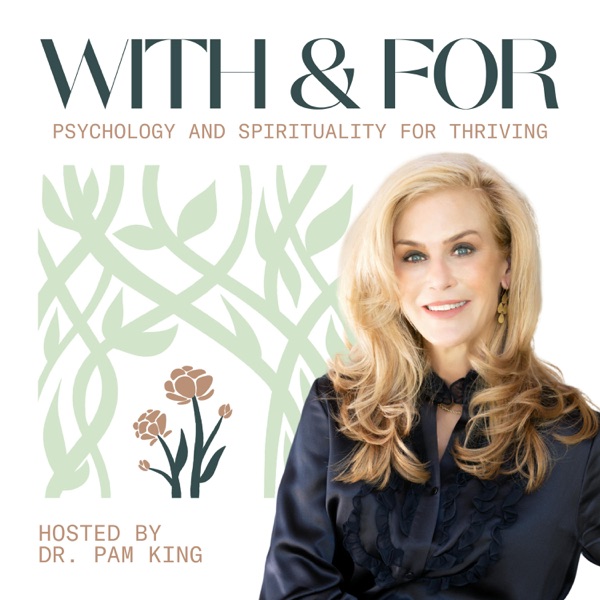


Chart history for No Small Endeavor with Lee C. Camp
Peaked at #143 in United States, currently #143 in United States.
| Market | Genre | Peak | Current | Trend |
|---|---|---|---|---|
| United States | — | #143 | #143 | — |
Chart Positions
1 placement across 1 market.
Chart Positions
1 placement across 1 market.