
Insights from recent episode analysis
Audience Interest
Podcast Focus
Publishing Consistency
Platform Reach
Insights are generated by CastFox AI using publicly available data, episode content, and proprietary models.
Most discussed topics
Brands & references
Total monthly reach
Estimated from 1 chart position in 1 market.
By chart position
- 🇳🇴NO · Nature#152500 to 3K
- Per-Episode Audience
Est. listeners per new episode within ~30 days
250 to 1.5K🎙 Weekly cadence·48 episodes·Last published 1mo ago - Monthly Reach
Unique listeners across all episodes (30 days)
500 to 3K🇳🇴100% - Active Followers
Loyal subscribers who consistently listen
150 to 900
Market Insights
Platform Distribution
Reach across major podcast platforms, updated hourly
Total Followers
—
Total Plays
—
Total Reviews
—
* Data sourced directly from platform APIs and aggregated hourly across all major podcast directories.
On the show
From 1 epsHost
Recent guests
Recent episodes
Northern Latitudes: Dr. Samantha Lawler - Crash Clock
May 4, 2026
33m 48s
Northern Latitudes - Small Wings, Old Bones
Apr 22, 2026
32m 57s
Northern Latitudes - Alison Criscitiello: What the Ice Remembers
Feb 10, 2026
42m 09s
Northern Latitudes - Florence Williams: The Healing Power of Nature
Jan 26, 2026
21m 35s
Northern Latitudes - Dr. Sylvia Pineda-Munoz
Jan 13, 2026
41m 42s
Social Links & Contact
Official channels & resources
Official Website
Login
RSS Feed
Login
| Date | Episode | Topics | Guests | Brands | Places | Keywords | Sponsor | Length | |
|---|---|---|---|---|---|---|---|---|---|
| 5/4/26 | 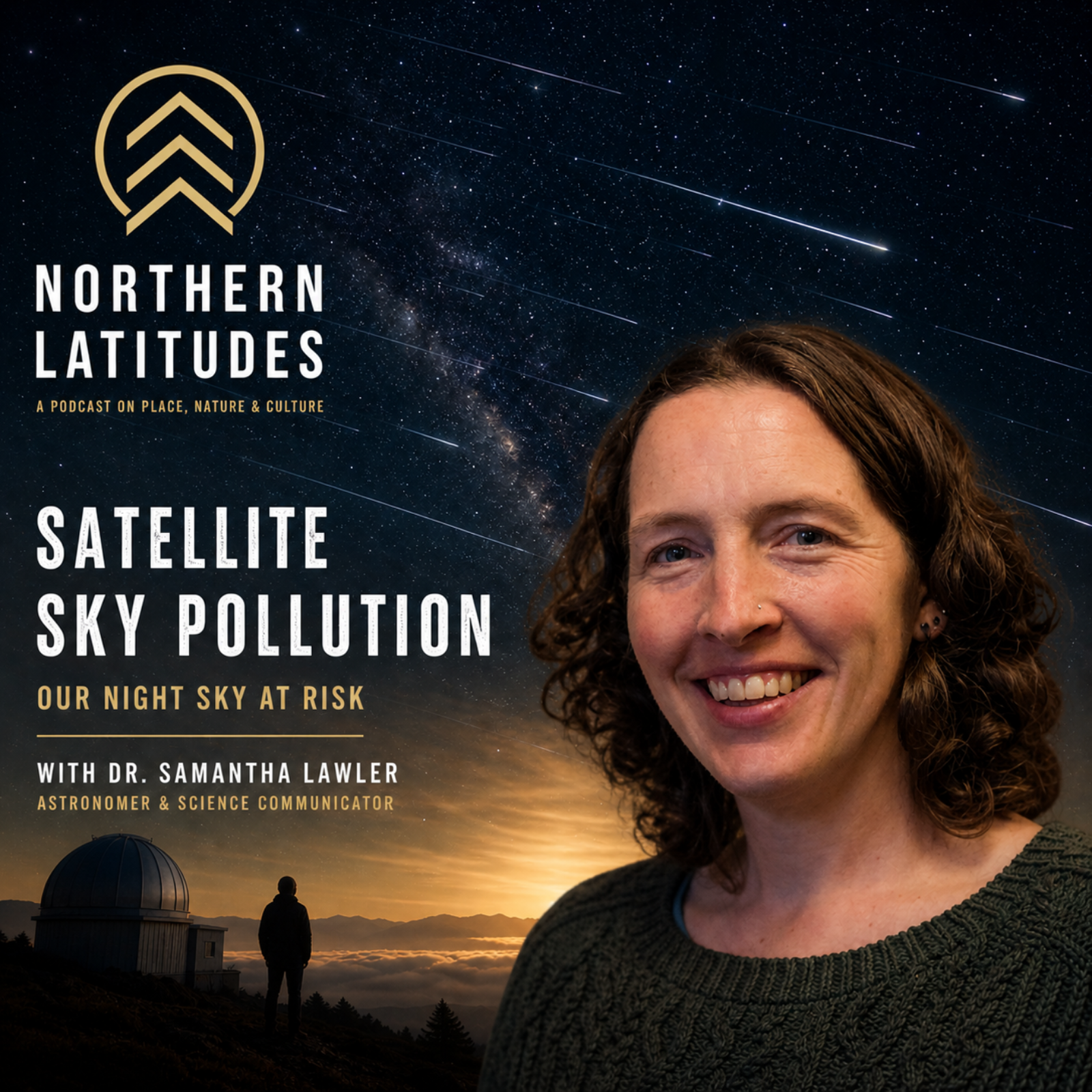 Northern Latitudes: Dr. Samantha Lawler - Crash Clock✨ | satellite light pollutionStarlink satellites+4 | Prof. Samantha Lawler | Starlink satellitesUniversity of Regina+1 | ReginaSaskatchewan | satelliteslight pollution+5 | — | 33m 48s | |
| 4/22/26 | 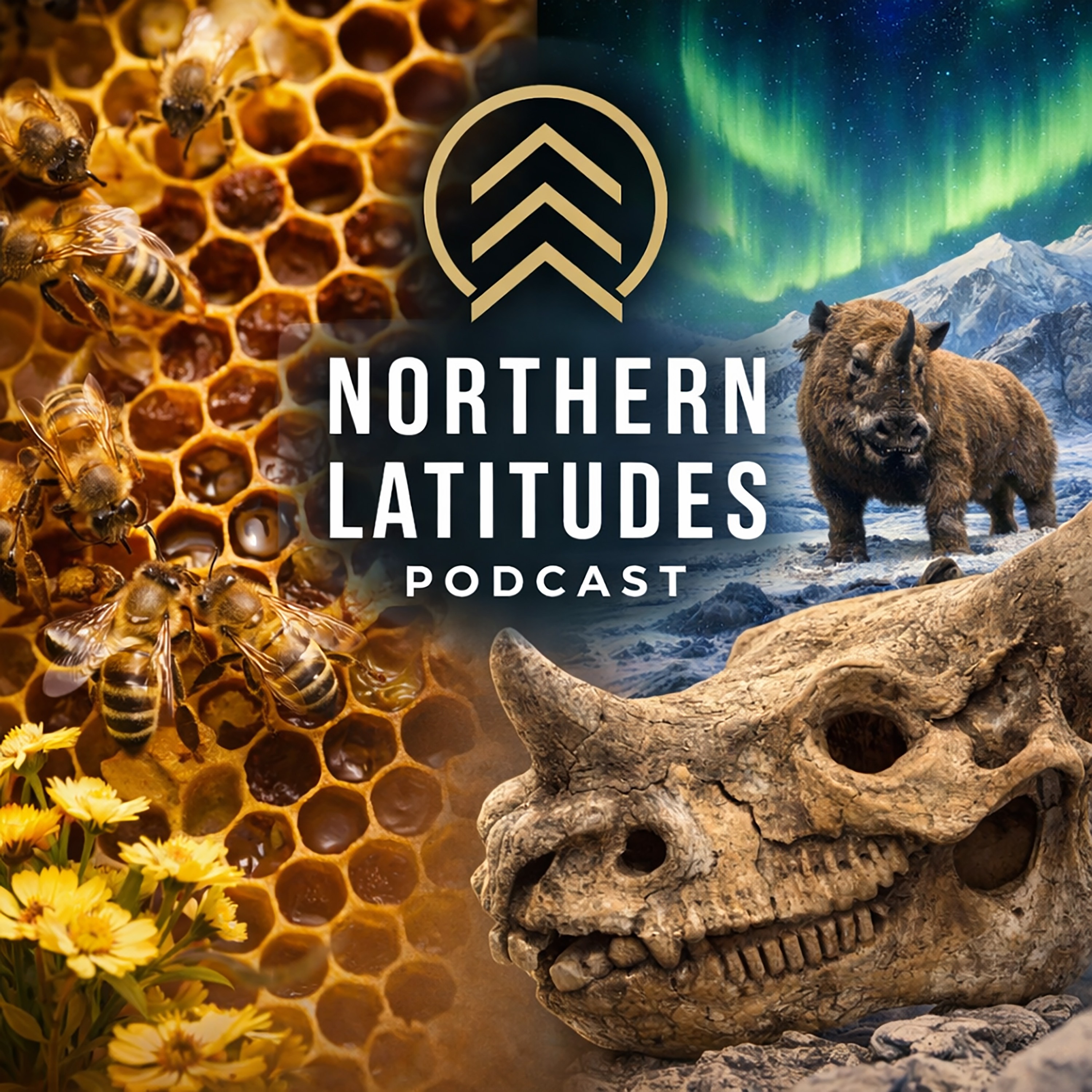 Northern Latitudes - Small Wings, Old Bones | SMALL WINGS, OLD BONES Northern Latitudes — Episode Show NotesThere's a thread connecting this episode that isn't obvious at first. One conversation is about something very much alive — small, social, and in trouble. The other is about something long gone, found frozen in rock on a high Arctic island. But both stories ask the same kind of question: what does an animal's fate tell us about the world it inhabited, and the one we're building now?Part One: The Science of Bees with Noria Morfin, Assistant Professor, Department of Entomology, University of ManitobaThe University of Manitoba's Honey Bee Lab has been running for over a hundred years — longer than most people have been thinking about colony collapse. Noria Morfin arrived there a year ago, and she came in the way a lot of bee researchers do: through a side door. She was a veterinary student in Mexico when a single course on bee biology changed her direction entirely. She bought her first apiary before she graduated — twenty-five colonies of highly defensive Africanized bees. It was, she says, an education.In this conversation, we talk about what the lab actually studies (health, behaviour, disease dynamics, and the immune responses bees use to protect themselves), the varroa mite — still the dominant threat to managed colonies in North America — and what it looks like when you lose thirty to fifty percent of your livestock every year and have to rebuild every spring. We also get into the difference between managed honeybees and wild native pollinators, what integrated pest management actually means in practice, and whether there's reason for optimism.Noria thinks there is. She points to the research effort, the awareness, and a simple human reaction she notices whenever she mentions bees in conversation: people smile.Part Two: The Arctic Rhino with Dr. Danielle Fraser, Head of Paleobiology, Canadian Museum of Nature, OttawaIn 1986, a palaeontologist named Mary Dawson collected bones on Devon Island, deep in the Canadian Arctic. It took decades to understand what she'd found: a rhinoceros. Small-bodied, hornless, and 23 million years old — the farthest north any rhino fossil has ever been recovered.Dr. Danielle Fraser helped name it. The species name comes from Inuktitut — iuk, meaning frosty. Epihippus iuk. The frost rhino.What makes the find remarkable isn't just the location. It's what the anatomy suggests about origin. This animal looks like rhinos from Europe and Asia that are millions of years older — which means it crossed an ocean to get there. Not the Bering Land Bridge, the one we all learn about in school, but the other ones: two now-submerged connections running from northern Europe over Svalbard and Iceland to Greenland and into the high Canadian Arctic. It was long assumed these were under water by 50 million years ago. This fossil is 23 million years old.We talk about seasonal ice as a crossing mechanism, what a 75-80% complete skeleton allows a scientist to say that teeth alone never could, how many rhino species once roamed North America (many), and why they were all gone by about 5 million years ago. We also talk about what comes next — a planned field season on Banks Island, the logistics of getting a team of ten into the western Arctic, and what it means to name a new species and make it a type specimen that science will rely on for generations.Guests Noria Morfin — University of Manitoba, Department of Entomology Dr. Danielle Fraser — Canadian Museum of Nature, Ottawa | 32m 57s | ||||||
| 2/10/26 | 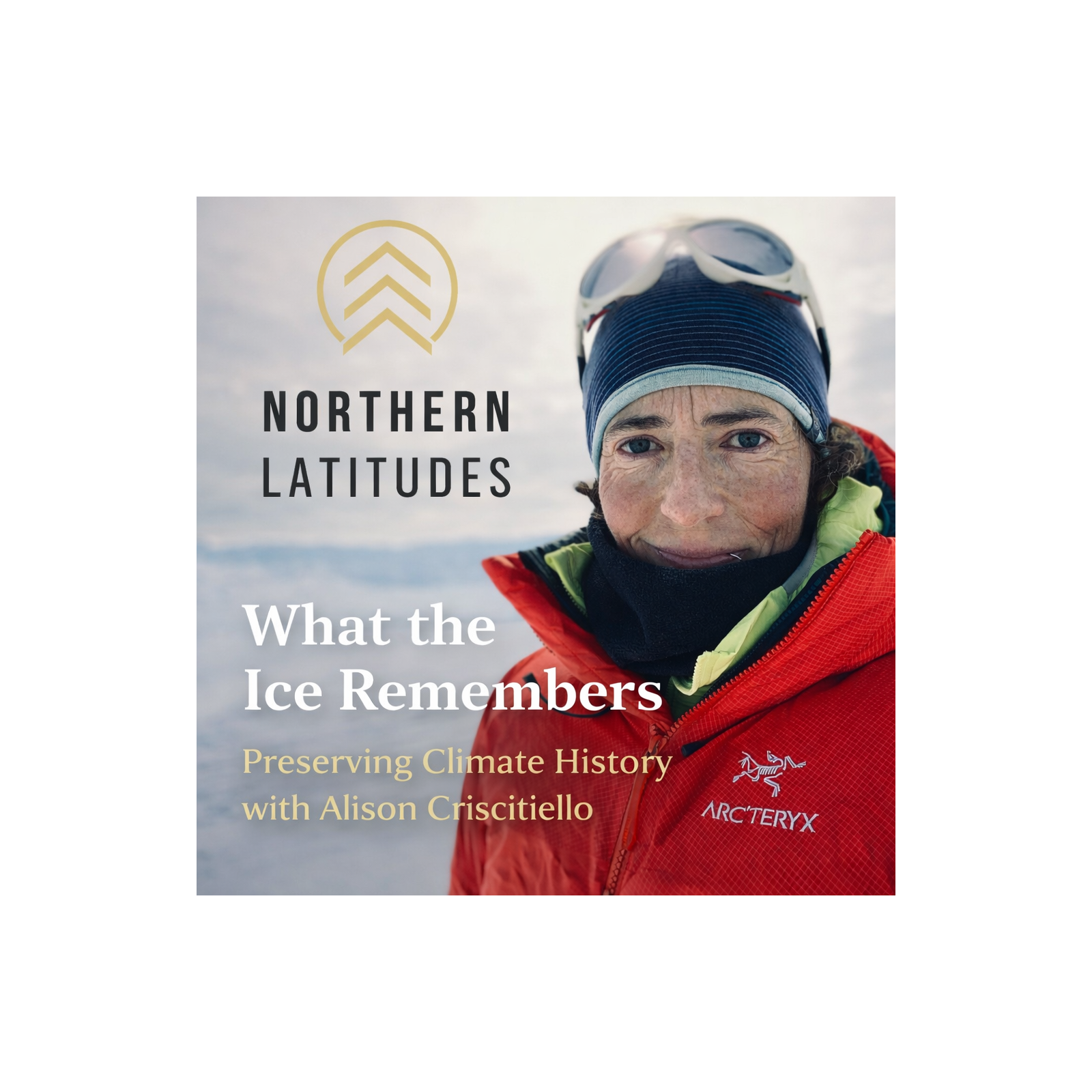 Northern Latitudes - Alison Criscitiello: What the Ice Remembers | What the Ice RemembersPreserving Climate History with Alison CriscitielloIce is one of the planet’s most faithful historians. Layer by layer, it records volcanic eruptions, atmospheric chemistry, temperature shifts, and traces of human activity stretching back tens of thousands of years.In this episode of Northern Latitudes, Bill Ault speaks with Alison Criscitiello, Director of the Canadian Ice Core Lab at the University of Alberta, about what ice cores reveal.Beyond the science, this conversation explores the human side of polar research. Alison reflects on building a career in remote, high-latitude field science as a queer woman in a discipline that has not always been welcoming, and why visibility and inclusion matter for the future of climate science.In This EpisodeWhat ice cores are and how scientists extract themHow ice preserves a detailed record of Earth’s atmosphereWhy the Arctic and high latitudes are warming faster than the rest of the planet Key TakeawaysIce cores are not projections; they are direct physical recordsClimate change is already visible in the planet’s deepest archivesWho does science—and who is supported to lead—shapes what we learnAbout the GuestAlison Criscitiello is the Director of the Canadian Ice Core Lab at the University of Alberta. Her work focuses on ice core science, climate reconstruction, and the preservation of irreplaceable polar climate records. Further Reading & LinksCanadian Ice Core Lab – University of Albertahttps://www.ualberta.ca/en/science/research-and-teaching/research/ice-core-archive/index.html | 42m 09s | ||||||
| 1/26/26 | 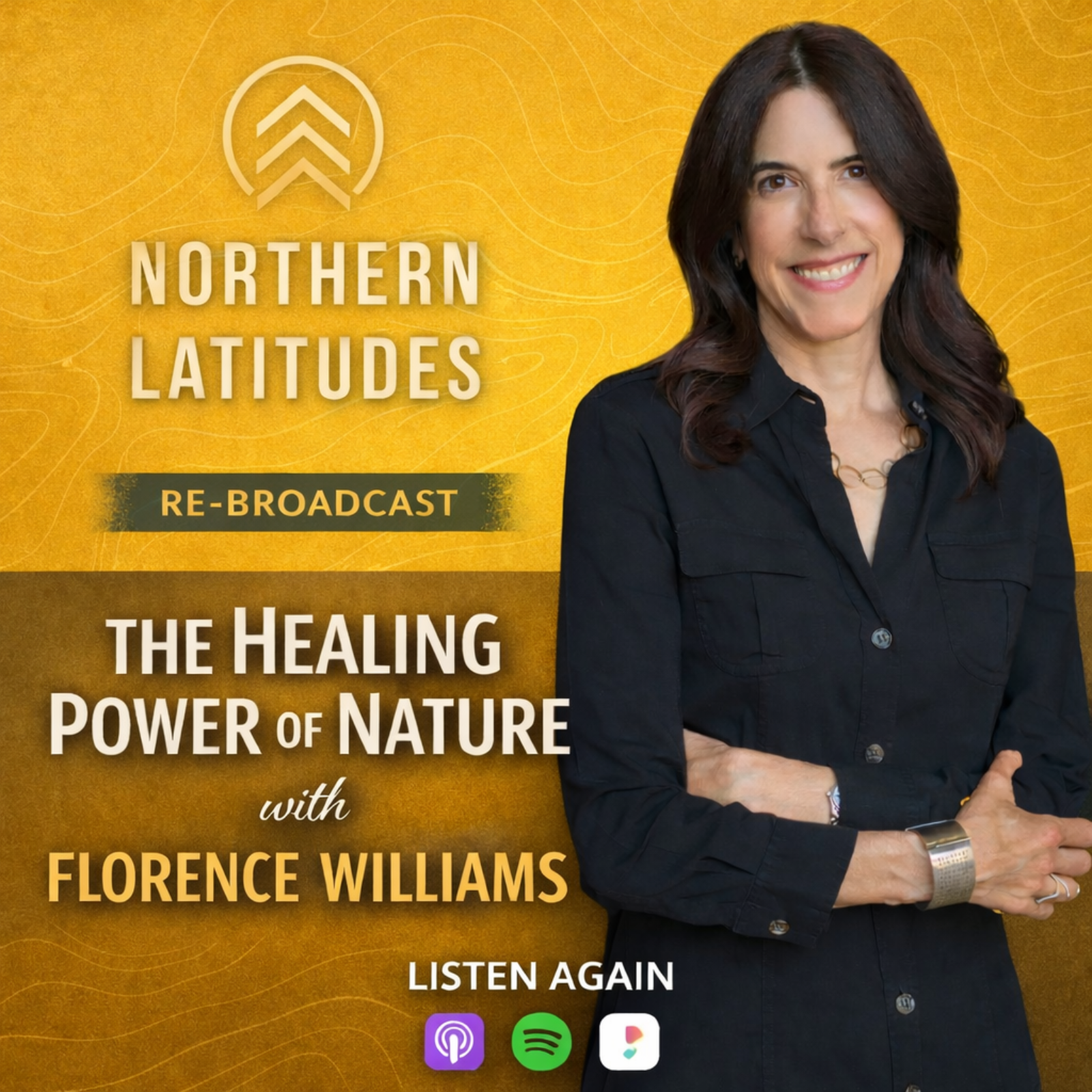 Northern Latitudes - Florence Williams: The Healing Power of Nature | Episode Re-Broadcast: Florence WilliamsThe Healing Power of NatureIn this re-broadcast episode of Northern Latitudes, we revisit a thoughtful and timely conversation with Florence Williams, journalist and author known for exploring the deep connections between human health and the natural world.Florence’s work sits at the intersection of science, psychology, and lived experience. In this conversation, we talk about how time spent outdoors influences our mental health, creativity, and resilience — and what the growing body of research tells us about why nature matters so much, especially in an increasingly indoor and screen-driven world.This episode is both grounding and practical, offering insight into how even small, everyday encounters with nature can have meaningful impacts on our well-being.Whether you’re hearing it for the first time or coming back to it with fresh ears, this is a conversation that rewards a second listen.In this episode, we discuss:How nature affects stress, attention, and mental healthThe science behind “nature therapy” and time outdoorsWhy modern life pulls us away from natural spaces — and what that costs usSimple ways to reconnect with nature in daily lifeWhy these ideas feel even more relevant todayAbout the guestFlorence Williams is an award-winning journalist and author whose work explores health, science, and the environment. She is widely known for her writing on how natural spaces shape human well-being, blending research with storytelling to make complex science accessible and relatable.Listen againThis episode originally aired as part of the Northern Latitudes podcast and remains one of our most resonant conversations about health, landscape, and the human need for connection to the natural world. | 21m 35s | ||||||
| 1/13/26 | 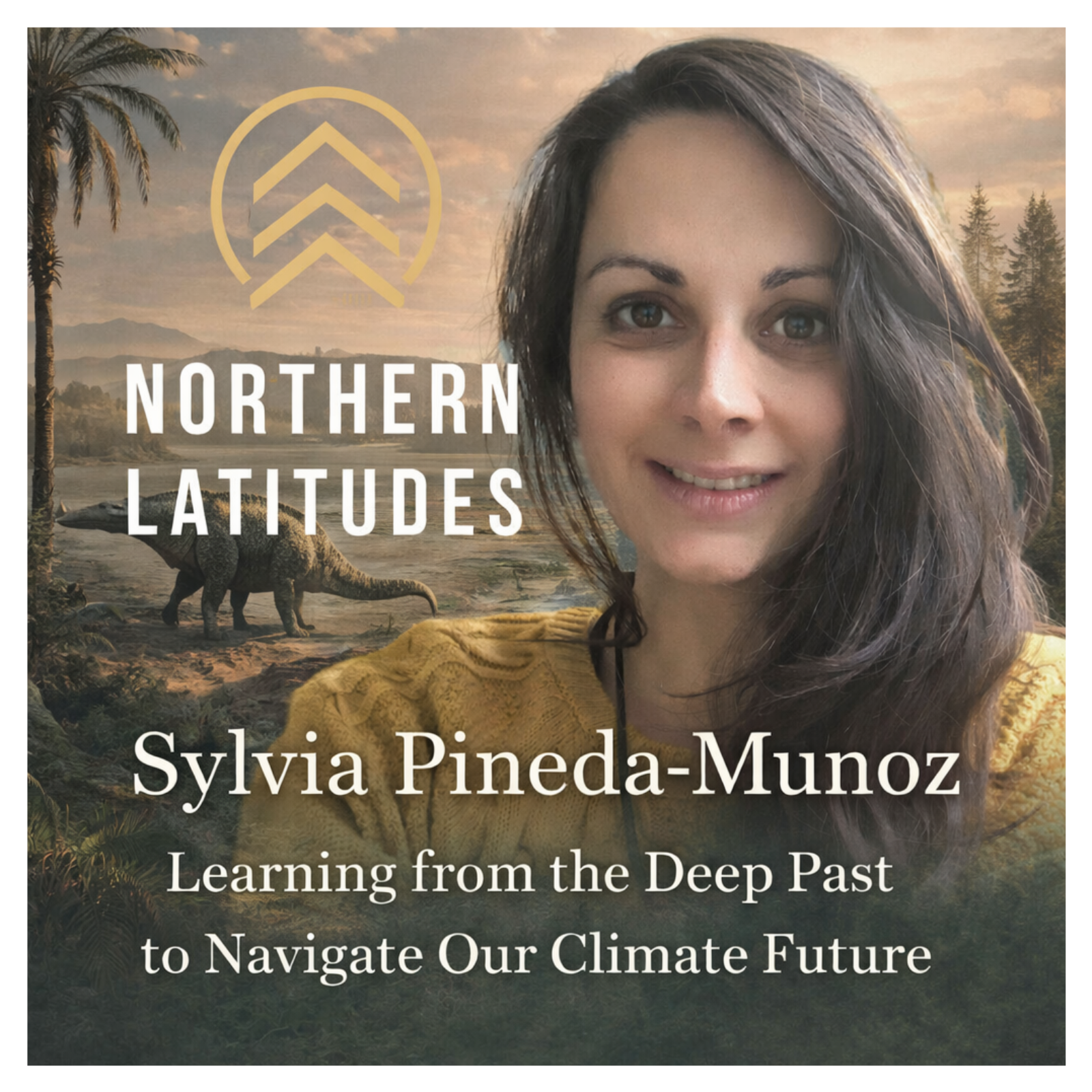 Northern Latitudes - Dr. Sylvia Pineda-Munoz | Northern Latitudes PodcastDr. Sylvia Pineda-Munoz | What Earth’s Deep Past Teaches Us About Our Climate FutureWhat can the deep past tell us about the moment we’re living in now?In this episode of Northern Latitudes, host Bill Ault sits down with Dr. Sylvia Pineda-Munoz — a paleontologist, ecologist, and founder of Climate Ages — to explore how ancient climates, fossil records, and long-term ecological patterns can help us better understand today’s climate and biodiversity challenges.Sylvia’s work bridges science and storytelling. By looking millions of years into Earth’s history, she helps translate complex research into insights that feel both grounded and relevant. Rather than focusing on prediction or panic, her approach emphasizes perspective — what past moments of rapid change reveal about resilience, limits, and adaptation.Together, Bill and Sylvia discuss how species have responded to environmental upheaval, what the fossil record can tell us about the future, and why storytelling plays such an important role in helping people connect with climate science. It’s a conversation about slowing down, zooming out, and learning to read the long patterns written into the landscape around us.This episode isn’t about easy answers. It’s about context — and what becomes possible when we take the long view.In This EpisodeWhy Earth’s deep history still matters todayWhat fossil records reveal about resilience and collapseHow past climate shifts compare to modern changeTranslating complex science through storytelling🌍 About the GuestDr. Sylvia Pineda-Munoz is a paleontologist and ecologist whose research focuses on how species respond to environmental change over long timescales. She is the founder of Climate Ages, a platform dedicated to connecting Earth’s deep past with today’s climate and biodiversity conversations through accessible storytelling and science communication.🔗 Learn MoreClimate Ages: https://climateages.comSylvia Pineda-Munoz on Google ScholarSylvia’s writing on Medium🎧 Listen & SubscribeYou can find this episode — and all episodes of Northern Latitudes — at northernlatitudes.ca, or wherever you get your podcasts.If this conversation resonated with you, consider sharing it with someone who enjoys thoughtful discussions about place, time, and the natural world. | 41m 42s | ||||||
| 12/15/25 |  Northern Latitudes - Nature as Nuture Just in Time for the Holidays | Northern Latitudes (Archive)Nature as Nurture — Dr. Melissa LemThe holiday season can be a time of connection and celebration—but it can also bring stress, exhaustion, and a sense of overload.In this archival episode of Northern Latitudes, host Bill Ault revisits a thoughtful conversation with Dr. Melissa Lem, family physician and a leading Canadian advocate for nature-based health. Drawing on the concept of Nature as Nurture, Dr. Lem explains how spending time outdoors—especially during the darker, colder months—can support mental well-being, reduce stress, and help regulate our nervous systems.This episode explores why nature isn’t just a backdrop to our lives, but an essential form of care—particularly during the holiday season, when expectations run high and personal time feels scarce. From short walks to mindful moments outside, Dr. Lem offers practical, accessible ways to reconnect with the natural world, even when schedules are full.Whether you’re feeling overwhelmed, disconnected, or simply in need of a pause, this conversation offers perspective, reassurance, and permission to slow down.Guest: Dr. Melissa Lem Theme: Nature, mental health, holiday stress, well-being Series: Northern Latitudes — Archival Episode | 31m 56s | ||||||
| 12/1/25 | 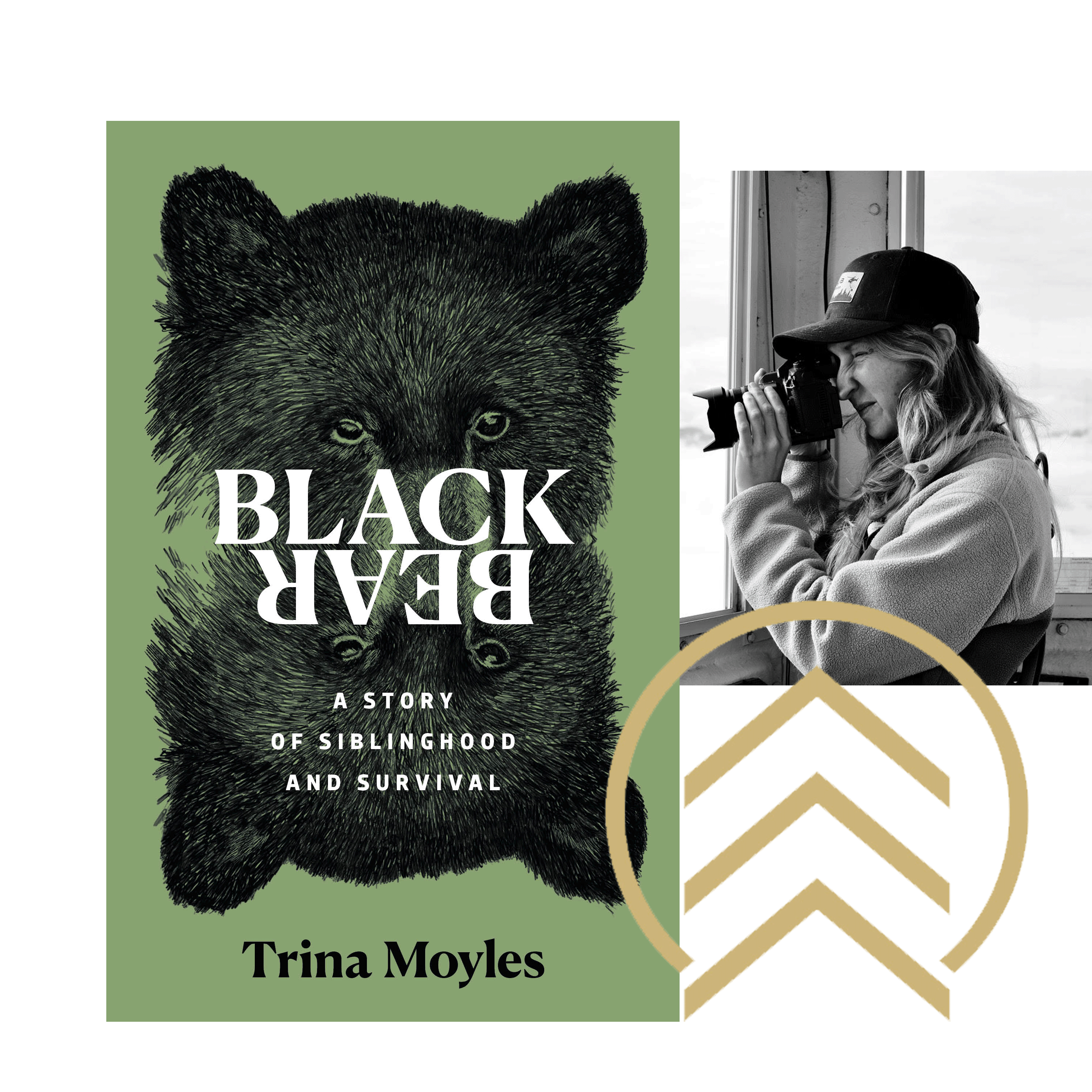 Northern Latitudes - Trina Moyles: Black Bear | Trina Moyles: Black BearIn Episode 45 of Northern Latitudes, host Bill Ault sits down with award-winning author and journalist Trina Moyles to explore her deeply moving new book Black Bear — a powerful blend of memoir, ecology, and family history rooted in the rugged landscapes of northern Alberta.Moyles, known for her wildfire memoir Lookout, turns her lens inward in this new work, tracing the story of her brother’s struggle with mental health and addiction, her family’s resilience, and the quiet, watchful presence of black bears that shaped her life. In this intimate conversation, she reflects on grief, survival, and the complicated ways people and landscapes carry one another through crisis.In This EpisodeThe origins of Black Bear and why this was the hardest book Trina has ever writtenHow the rhythms and behaviours of black bears became metaphors for family, healing, and enduranceA sister’s perspective on love, loss, and the long shadows of addictionWhat writing about deeply personal subjects can teach us about empathy, courage, and connectionHow Trina’s journalism, fieldwork, and years as a fire tower lookout continue to influence her storytellingAbout Trina MoylesTrina Moyles is a writer, journalist, photographer, and environmental advocate from Peace River, Alberta. Her previous book, Lookout, was a national bestseller and won acclaim for its clear-eyed portrayal of wildfire seasons and life alone in a remote fire tower. Her essays and reporting have appeared in The Walrus, The Globe and Mail, Passage, Hakai Magazine, and more.Learn more: https://www.trinamoyles.comSelected recent articles:“How We Remember the North” — The Walrus“The Last Lookouts” — Hakai Magazine“On Grief, Wildfire, and Bearing Witness” — Passage MagazineEpisode LinkListen to all Northern Latitudes episodes: https://rss.com/podcasts/northernlatitudes/Support the ShowIf you enjoy Northern Latitudes, please consider:Leaving a rating or review on your podcast platformSharing the episode with a friendFollowing us on social media | 37m 50s | ||||||
| 11/17/25 | 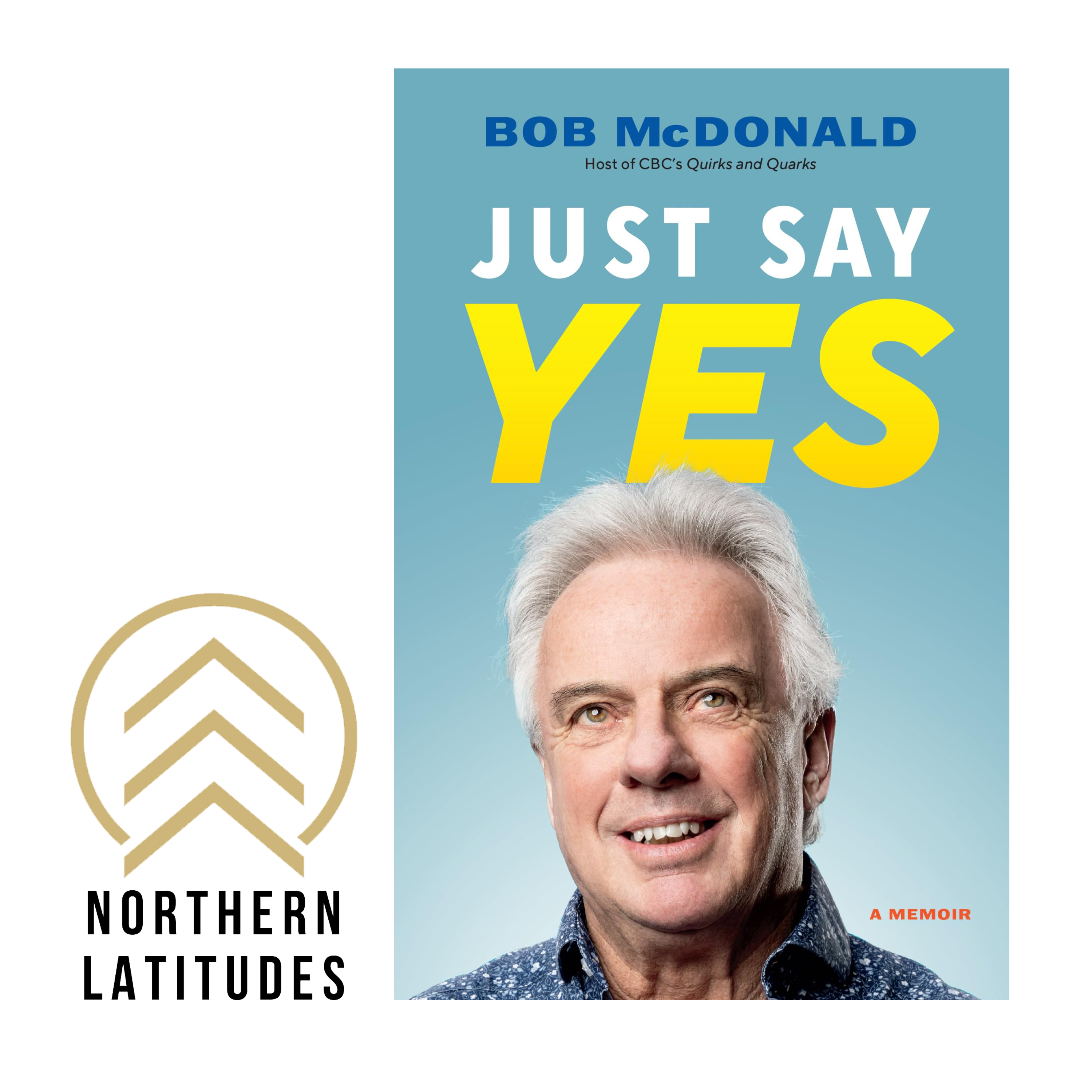 Northern Latitudes - Bob McDonald: Just Say Yes | Episode DescriptionWhat happens when a life is defined by curiosity — and the willingness to just say yes?In this episode of Northern Latitudes, host Bill Ault sits down with one of Canada’s most beloved science voices to talk about his new memoir, Just Say Yes. It’s a story of wonder, risk, and transformation — from humble beginnings to becoming a household name in science communication.Our guest’s journey reminds us that saying yes — even when the outcome is uncertain — can change everything.Guest BioBob McDonald is the longtime host of CBC Radio’s award-winning science program Quirks & Quarks and a leading science journalist whose enthusiasm for discovery has inspired generations of Canadians.Across his five-decade career, Bob has interviewed thousands of scientists, astronauts, and innovators, always driven by curiosity and a deep belief in the power of understanding our world.His memoir, Just Say Yes: A Memoir, offers an intimate look at the personal journey behind the public voice — filled with stories of risk, humility, and the adventures that shaped a remarkable career.Key Discussion PointsThe meaning behind the phrase Just Say Yes and how it shaped Bob’s lifeGrowing up in a blue-collar family and finding a path to science and broadcastingOvercoming self-doubt and the “imposter moments” behind the microphoneThe role of curiosity and courage in science communicationLessons learned from decades of helping Canadians fall in love with scienceHow to embrace opportunity — and what it means to say “yes” todayLinks & ResourcesJust Say Yes: A Memoir — Douglas & McIntyreListen to Quirks & Quarks — CBC Radio / Podcast linkFollow Bob McDonald — Official CBC profileNorthern Latitudes — northernlatitudes.caProduced and hosted by Bill AultRecorded in partnership with Northern Latitudes MediaTheme music by John Sanfilippo - Soundwise | 25m 57s | ||||||
| 11/3/25 |  Northern Latitudes - Trixie Pacis / Sasha Galitzki | In this powerful episode of Northern Latitudes, host Bill Ault speaks with filmmaker Trixie Pacis and aerial artist Sasha Galitzki about their remarkable new documentary Embers, which makes its global premiere at the 50th Banff Centre Mountain Film and Book Festival on November 4, 2025.Embers follows Sasha through the emotional and physical aftermath of the 2024 Jasper National Park wildfire, one of the most devastating fires in recent Canadian history. The blaze destroyed her home and community, leaving behind a landscape of loss—but also the seeds of renewal. In the year that followed, Sasha turned to her art, using aerial performance as both therapy and protest. Her work became a living expression of resilience and a call to action in a world where climate change is no longer distant—it’s personal.The conversation dives deep into the making of the film and the meaning behind it. Trixie and Sasha discuss how Embers evolved as a sequel to their acclaimed 2024 documentary Wild Aerial, which captured Sasha performing breathtaking aerial routines in the frozen Canadian Rockies. Where Wild Aerial celebrated strength and endurance in the face of nature’s extremes, Embers reveals what happens when that same landscape turns hostile, and the artist must rise again—this time from the ashes.Throughout the episode, listeners will hear the story behind the story:The moment Sasha realized she had lost everything in the Jasper fire.How she channeled grief and fear into art that would inspire others.The creative partnership between Sasha and Trixie and how it deepened under pressure.The emotional and technical challenges of filming in wildfire-ravaged terrain.Why Embers is ultimately a film about hope, renewal, and the enduring connection between people and place.Both Trixie and Sasha reflect on how the project changed their perspectives as artists and citizens. They discuss the importance of storytelling in the climate crisis, not just to raise awareness, but to humanize the experience—to show that behind every wildfire, flood, or storm are people rebuilding their lives in extraordinary ways.As Sasha puts it in the film, “I lost my home and all my things, but I still have my art—and my love for Jasper.” That sentiment captures the essence of Embers: even when everything burns, the creative spark endures.With Embers, Pacis and Galitzki deliver a deeply human portrait of loss and recovery, reminding us that even in a warming world, there is still light to be found among the ashes.🎬 Embers — Global Premiere: Banff Centre Mountain Film and Book Festival, November 4, 2025 🎥 Director/Producer: Trixie Pacis 🎭 Featuring: Sasha Galitzki 🌍 Themes: Wildfire recovery, art as activism, resilience, climate storytelling🔗 Related Links:Embers Official TrailerWild Aerial (2024)Banff Centre Mountain Film & Book FestivalNorthern Latitudes PodcastFollow Northern Latitudes for more conversations exploring the intersection of adventure, art, and the environment | 23m 31s | ||||||
| 10/20/25 | 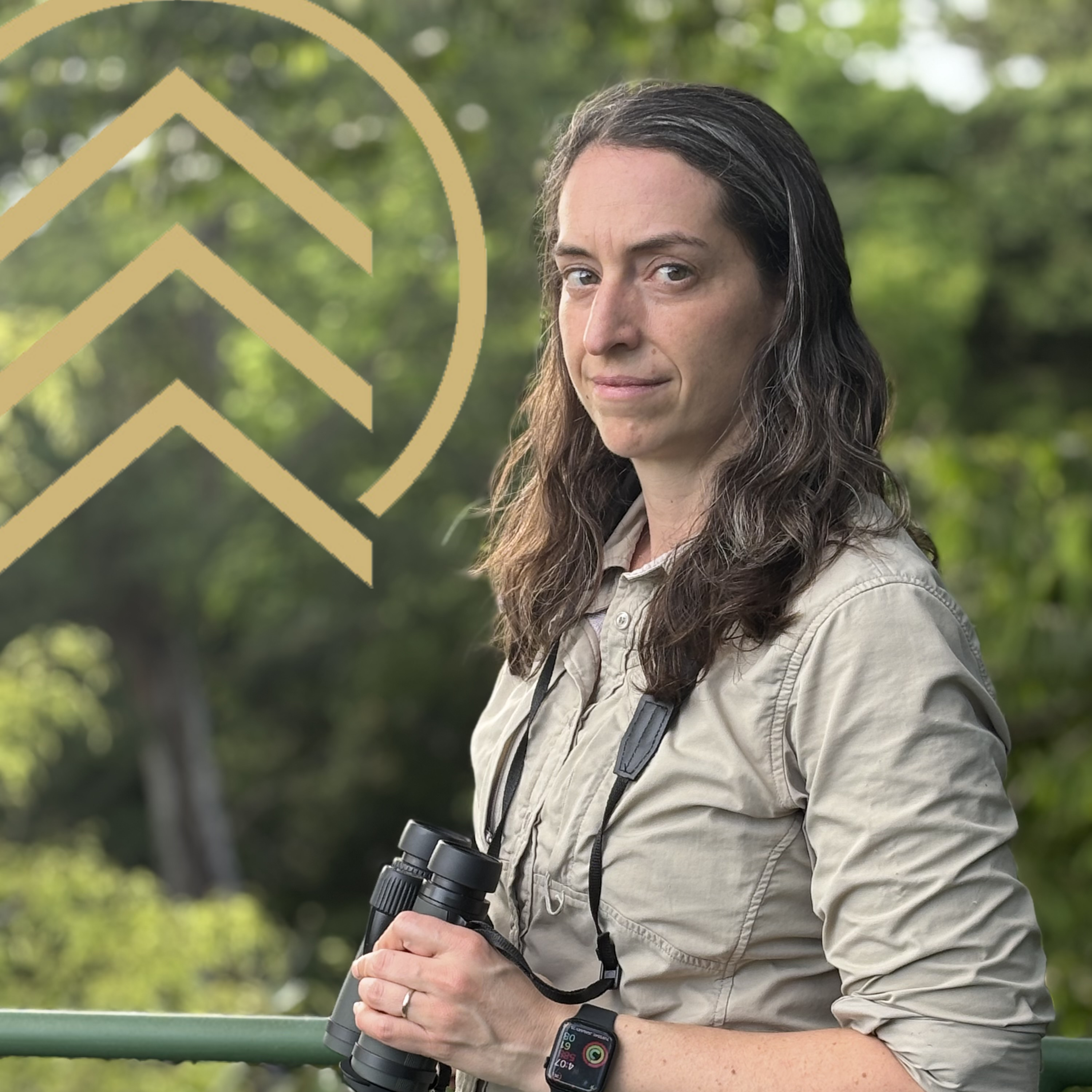 Northern Latitudes - Keriann McGoogan: Sisters of the Jungle | “Sisters of the Jungle - The Trailblazing Women Who Shaped the Study of Wild Primates"Keriann McGoogan holds a PhD in Biological Anthropology from the University of Toronto and a Master’s from the University of Calgary. Keriann McGoogan+1 Her field work has taken her deep into the tropical forests of Belize, where she studied howler monkeys, and to the remote dry forests of Madagascar, where she lived for more than a year studying endangered lemurs. Keriann McGoogan+2Orion Magazine+2 Her latest book, Sisters of the Jungle (2025), explores the history of primatology — especially how women have come to dominate this field — by interweaving memoir, biography of pioneer female scientists (including Jane Goodall, Dian Fossey, Birutė Galdikas, and Alison Jolly), and her own adventures in the field. Douglas & McIntyre+2theseaboardreview.ca+2 Her earlier memoir Chasing Lemurs: My Journey Into the Heart of Madagascar recounts her personal story from Belize to Madagascar. Keriann McGoogan+1Key Resources & LinksGuest’s WebsiteKeriann McGoogan – https://keriannmcgoogan.com/ Keriann McGoogan On the site you’ll find her bio, books, media appearances, and event info. | 28m 46s | ||||||
Want analysis for the episodes below?Free for Pro Submit a request, we'll have your selected episodes analyzed within an hour. Free, at no cost to you, for Pro users. | |||||||||
| 2/3/25 | 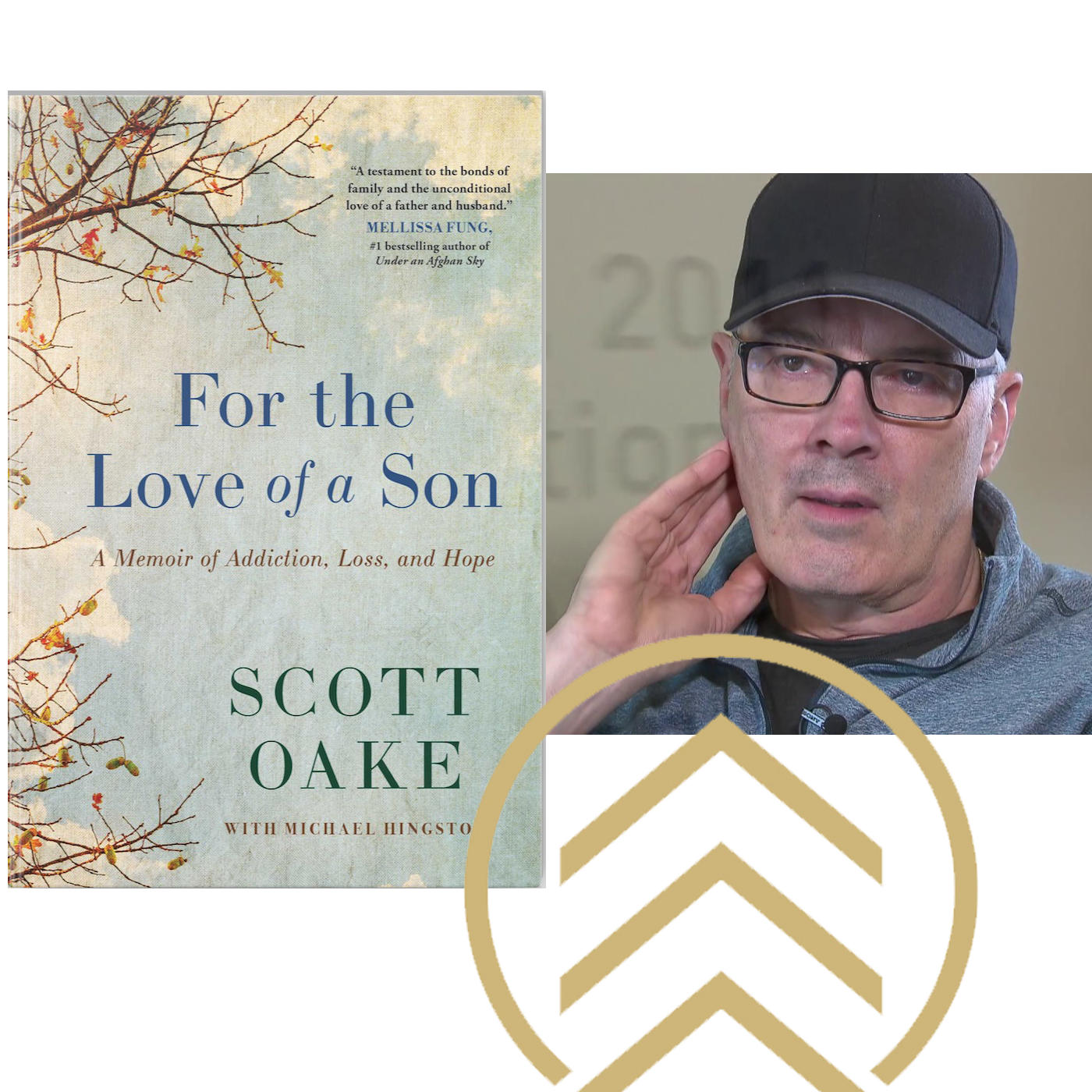 Northern Latitudes: Scott Oake - For the Love of a Son | In this episode of Northern Latitudes, host Bill Ault sits down with Canadian broadcaster Scott Oake to discuss his deeply personal and moving new book, For the Love of a Son. Best known for his work in sports journalism, Oake talks about a different journey—his family's experience with addiction and loss.For the Love of a Son is a raw and heartfelt memoir about Scott and Anne Oake’s son, Bruce, who tragically lost his life to addiction. Through this conversation, Scott reflects on Bruce’s struggles, the impact on their family, and how they turned their grief into a lasting legacy—the Bruce Oake Recovery Centre, a facility dedicated to helping those battling substance use disorder.Topics Discussed:✔️ The story behind For the Love of a Son and why Scott Oake chose to share it now. ✔️ Bruce Oake’s life, struggles, and the heartbreaking reality of addiction. ✔️ The emotional toll of losing a loved one to substance abuse. ✔️ The journey of founding the Bruce Oake Recovery Centre and its impact.Key Quotes from Scott Oake:“Addiction is not a moral failing; it’s an illness, and it deserves treatment like any other.”“We lost our son, but we gained a mission—to help others get the chance Bruce never had.”Resources & Links:📖 Buy the Book: For the Love of a Son – Available at major bookstores and online retailers. 🏥 Bruce Oake Recovery Centre: Learn more about their mission and how you can support their work at bruceoakerecoverycentre.ca. 📺 Scott Oake’s Work: Follow Scott on social media and check out his continued work in Canadian broadcasting.Trigger Warning:This episode discusses themes of addiction, loss, and mental health struggles. Listener discretion is advised. If you or someone you know is struggling with addiction, please seek support from a trusted resource or helpline.Connect with Us:🔹 Follow Northern Latitudes: Stay updated on new episodes and guest interviews. 🔹 Subscribe & Review: If you enjoyed this episode, please consider leaving a review—it helps us reach more listeners! 🔹 Share Your Thoughts: Have a story or experience related to this episode? Join the conversation on social media. | 17m 59s | ||||||
| 12/23/24 |  Northern Latitudes: The Christmas Special | Welcome to a very special holiday edition of Northern Latitudes! I’m your host, Bill Ault, and as the snow settles outside and the year ends, we’re reflecting on the incredible conversations we’ve shared this year.From global insights with Gwynne Dyer… to environmental challenges and innovative ideas from Alex Gottlieb and Andrew Durocher… it’s been a year of thought-provoking and inspiring discussions. And what better way to celebrate the season than with a mix of reflection, a sprinkle of nostalgia, and some very special Christmas memories from our guests"And in the spirit of the season, we’re bringing you a little extra cheer with heartfelt Christmas memories from some of our favourite voices including Trixis Pacis, Jane Marshall and Meghan Ward. | 22m 16s | ||||||
| 12/9/24 | 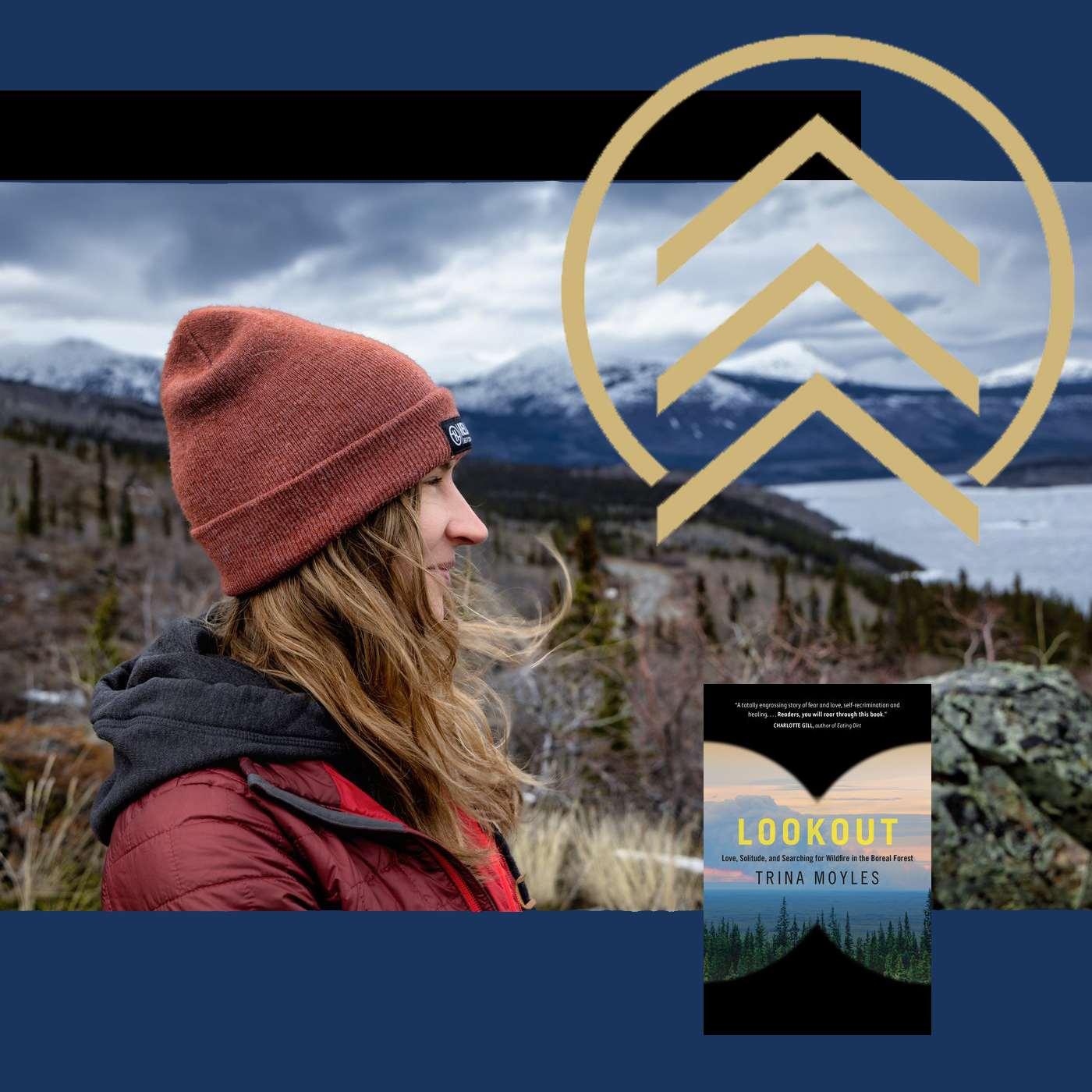 Northern Latitudes: Trina Moyles - Lookout | In this episode of Northern Latitudes, host Bill Ault engages in a compelling conversation with Trina Moyles, an award-winning author, journalist, and creative producer whose work delves into rural communities and their connections to land, wildlife, food security, and climate change. Trina shares insights from her experiences as a wildfire lookout in Canada’s boreal forests and discusses her acclaimed book, “Lookout: Love, Solitude, and Searching for Wildfire in the Boreal Forest”.About Trina Moyles: Trina Moyles is a Yukon-based author and journalist whose work explores the intricate relationships between rural communities and their environments. Her writing has been featured in publications such as The Globe and Mail, Alberta Views, and Canadian Geographic. In 2022, she was honoured with the Lieutenant Governor of Alberta Arts Awards’ Emerging Artist Award. Her forthcoming memoir, “Black Bear,” is slated for publication by Knopf Canada in 2025.Trina MoylesFeatured Articles by Trina Moyles:“Grey Ghosts in the Smoke: How does a wildfire crisis threaten an already fragile species?” This article examines the impact of wildfires on woodland caribou populations and the challenges of conservation amidst increasing wildfire activity. The Narwhal“The King of Wapusk: Unpacking the Mystery of Grizzly Bears in the Hudson Bay Lowlands” Trina explores the presence of grizzly bears in the Hudson Bay Lowlands, shedding light on their behaviours and the ecological significance of their habitat. Trina Moyles“Bats of the Midnight Sun: Solving the Mystery of Myotis Lucifugus in Alaska” This piece delves into the study of little brown bats in Alaska, highlighting research efforts to understand their ecology and the challenges they face. Trina MoylesConnect with Trina Moyles: To learn more about Trina’s work, visit her official website:Trina MoylesJoin us for an enlightening discussion as Trina Moyles shares her perspectives on her life as a fire lookout, the politics of wildfires and how her life has changed since leaving the lookout world. | 31m 16s | ||||||
| 11/25/24 |  Wildflowers: Revisiting Mary Schäffer Warren’s Legacy | Show Notes: Northern Latitudes with Bill Ault – Wildflowers: Revisiting Mary Schäffer Warren’s LegacyEpisode Title: Wildflowers: A Creative Journey into the Past with Trixie Pacis and Meghan J. WardDescription: In this episode of Northern Latitudes, Bill Ault sits down with filmmakers Trixie Pacis and Meghan J. Ward to explore their new film, Wildflowers. The documentary follows a team of talented creative women as they embark on an adventure retracing Mary Schäffer Warren’s 1908 expedition to Maligne Lake, deep within Jasper National Park, Alberta. Mary Schäffer was a trailblazer, and her expedition has inspired generations of adventurers to push boundaries and explore the natural world.Trixie and Meghan share their experience of leading a group of contemporary explorers, artists, and storytellers to the majestic Maligne Lake. They delve into the challenges of revisiting this historical journey more than a century later, bringing a frMeaghanesh and diverse perspective to the narrative. This episode discusses not only the logistics and emotional highs of the expedition but also highlights the importance of female voices in adventure storytelling and historical reclamation.Topics Discussed:The fascinating story of Mary Schäffer Warren and her groundbreaking 1908 expedition to Maligne Lake.The vision behind Wildflowers and the journey of assembling a team of talented female creatives.Reflections on the loss of one of the team members, photographer Natalie Gillis, as the film was in final production.How Mary Schäffer’s legacy resonates today, inspiring both seasoned explorers and young dreamers alike.Links & Resources:Watch the trailer for Wildflowers: [Link]Learn more about Mary Schäffer Warren’s life and explorations: [Link]Meaghan J, Ward: Wildflowers: The Story Behind the Mary Schaffer DocumentaryFollow Trixie Pacis: Her WebsiteFollow Meghan J. Ward: Her WebsiteVisit Jasper National Park: [Link]Takeaway Message: Wildflowers is more than just a film about retracing the steps of a historical figure—it’s a story about connection, creativity, and the enduring legacy of female explorers. Tune in to discover how Trixie Pacis and Meghan J. Ward brought this extraordinary journey to life, and why revisiting our past through new eyes matters now more than ever.Subscribe & Follow: If you enjoyed this episode, be sure to subscribe to Northern Latitudes and leave a review! Follow us for more stories of adventure, history, and creativity. | 30m 11s | ||||||
| 11/10/24 | 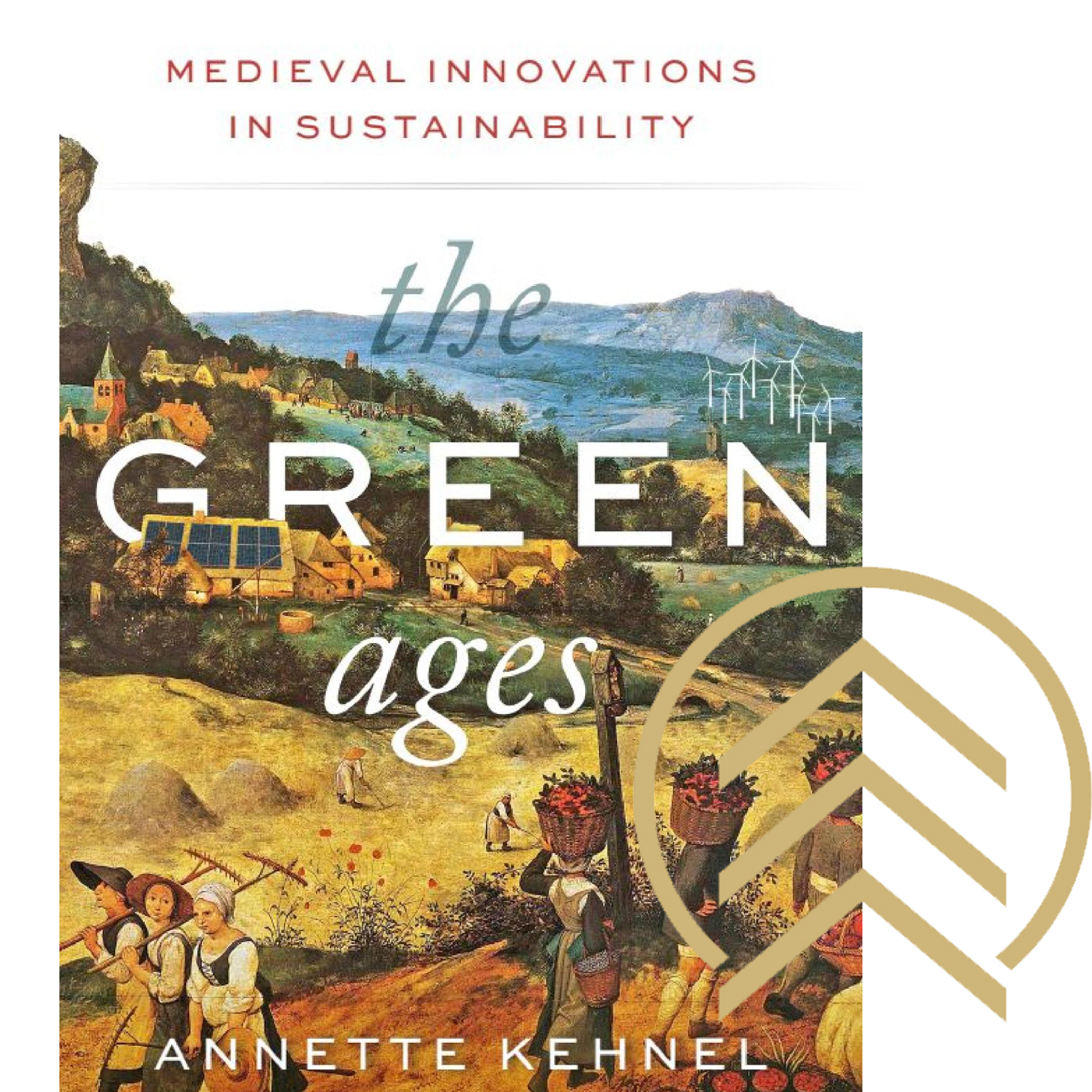 Northern Latitudes: Annette Kehnel - The Green Ages | Episode Title: Rethinking Sustainability in History with The Green Ages Podcast: Northern Latitudes Host: Bill Ault Guest: Dr. Annette Kehnel Release Date: November 11th, 2024Description: In this episode of Northern Latitudes, host Bill Ault sits down with Dr. Annette Kehnel to explore her thought-provoking book, The Green Ages. Dr. Kehnel shares insights into how historical communities embraced sustainable practices long before the modern green movement. From medieval recycling to community-led environmental efforts, The Green Ages reveals a wealth of historical lessons for today’s challenges. Tune in as we discuss the past’s forgotten green initiatives, how they parallel today’s sustainability goals, and what they teach us about future possibilities.Topics Discussed:Sustainable Practices in the Medieval Era: Examples of how communities from the Middle Ages recycled, repurposed, and practiced eco-friendly methods.Lessons from the Past for Today: How historical examples of environmental care can inspire contemporary efforts.Surprising Historical Findings: Fascinating insights and lesser-known facts uncovered in The Green Ages.Dr. Kehnel’s Inspiration: The journey behind writing The Green Ages and her motivations as a historian.Links of Interest:The Green Ages by Dr. Annette Kehnel: Brandeis University PressDr. Annette Kehnel’s academic profile:Here’s a list of sources and resources to dive into historical sustainability practices across various periods and cultures:Waste and Want: A Social History of Trash by Susan Strasser Strasser examines waste and recycling in the United States, covering changes in consumption, reusing practices, and attitudes toward waste.The Environmental Imagination: Thoreau, Nature Writing, and the Formation of American Culture by Lawrence Buell Though focused on American culture, this book connects past ecological thought with today’s environmentalism and provides historical context for attitudes toward nature and conservation.The Human Impact on the Natural Environment by Andrew Goudie Goudie covers environmental practices from ancient to modern times, discussing early methods of resource management and environmental impacts of historical civilizations.Ecology and Empire: Environmental History of Settler Societies by Tom Griffiths and Libby Robin This work explores the environmental impacts of settler societies, focusing on how settlers adapted historical ecological knowledge and practices in new landscapes.Medieval Europe and the World: From Late Antiquity to Modernity, 400-1500 by Robin W. Winks and Teofilo F. Ruiz This book offers a broad perspective on medieval Europe, including the role of resource management, agrarian practices, and community-based sustainability efforts.Key Takeaway: History holds more eco-conscious insights than we might imagine. Dr. Kehnel’s The Green Ages shows that sustainable practices are not just a modern ideal—they’re a tradition that reaches deep into our past, offering wisdom for a sustainable future. | 35m 52s | ||||||
| 5/13/24 |  Northern Latitudes: Gwynne Dyer - Intervention Earth | Episode Title: Intervention Earth: Geoengineering and Our Climate Future Podcast: Northern Latitudes Host: Bill Ault Guest: Gwynne Dyer Release Date: May 13th, 2024Introduction:In this episode of Northern Latitudes, host Bill Ault is joined by renowned author and historian Gwynne Dyer to discuss his latest book, “Intervention Earth.” The conversation delves into the controversial yet critical topic of geoengineering and its potential role in tackling the global climate crisis.Here are some useful links for more information about Gwynne Dyer, his career, and his writings:Gwynne Dyer’s Official Website: This site provides comprehensive information about Gwynne Dyer, including a biography, excerpts from his books, and details on his speaking engagements. It also offers access to his articles and updates on his latest work. Gwynne Dyer’s Official WebsiteWikipedia Page on Gwynne Dyer: This page offers detailed information about his personal life, educational background, and extensive works, including his books and documentaries. Gwynne Dyer – WikipediaPenguin Random House Author Page: This page provides details about his publications available through Penguin Random House, highlighting his significant contributions to discussions on military history and current global affairs. Gwynne Dyer at Penguin Random HouseThese resources should give you a well-rounded view of Gwynne Dyer’s professional accomplishments and literary contributions.Solar Geo-Engineering: Reports from science academies“Reflecting Sunlight: Recommendations for Solar Geo-engineering Research and Research Governance” National Academy of Sciences, 2021.The U.S. National Academy of Sciences (NAS) first pointed to geoengineering in their 1977 Energy and Climate report, and with more detail in the 1983 Changing Climate report. The NAS recommended research in 1992 and 2015. “Climate Intervention: Reflecting Sunlight to Cool Earth,” National Research Council, 2015.“Geoengineering the climate: science, governance and uncertainty,” The Royal Society, 2009.The U.K. Royal Society report was the first by a scientific academy focused exclusively on geoengineering.Don’t forget to rate and review us on your favorite podcast app!Thank you for tuning into Northern Latitudes. | 33m 13s | ||||||
| 4/29/24 | 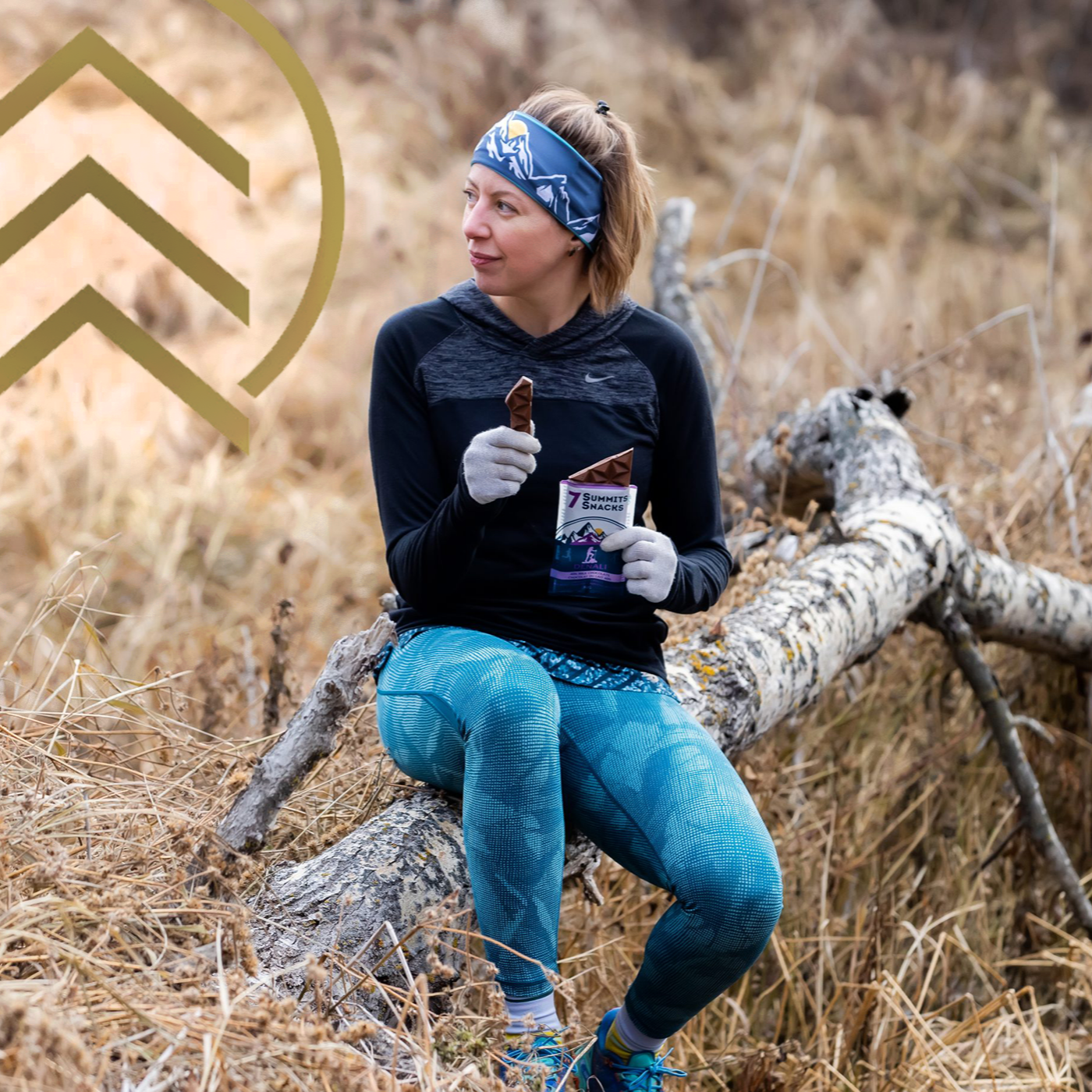 Northern Latitudes: Kristyn Carriere - Chocolate Crafted to Conquer | Host: Bill AultGuest: Kristyn Carriere, Founder of Seven Summits SnacksToday, we’re thrilled to have Kristyn Carriere, one of the trailblazing founders of Seven Summits Snacks, join us. Seven Summits Snacks is revolutionizing the way we think about nutrition and energy on the go, with a focus on supporting those who aim to conquer their own summits.Kristyn has a BSc. in Nutrition and Food Science from the U of A ('09). It was her stint as a figure skating Princess with Disney on Ice that brought her to Europe. But the chance to create and launch some of the world's best known chocolate brands kept her there for a decade. Back in Canada to start this venture with her sister, she's using her chocolate industry chops to consult for well known brands in Western Canada. Oh, and fuelling her everyday marathoning efforts with chocolate!Episode Highlights:The Journey Begins: Kristeyn shares the inspiration behind Seven Summits Snacks.Formulating Success: Discover the unique process behind creating nutrition-packed snacks that cater to adventurers and health-conscious individuals alike.Scaling New Heights: Kristeyn discusses the growth of Seven Summits Snacks, from a local startup to a brand looking to expand across borders.Sustainability on the Summit: Learn about the company’s commitment to sustainability and how they’re ensuring their products not only fuel adventures but also protect the planet.Challenges & Triumphs: Kristeyn opens up about the hurdles faced along the journey and how overcoming them has shaped both her personal and professional growth.Advice from the Summit: For aspiring entrepreneurs, Kristeyn shares invaluable advice on resilience, innovation, and the importance of community support in the business world.What’s Next for Seven Summits Snacks: A sneak peek into the future, including new product lines and initiatives aimed at empowering individuals to reach their peak performance.Kristeyn’s journey with Seven Summits Snacks is a testament to the power of vision, perseverance, and innovation. Her story is not just about creating a successful business but about inspiring others to chase their dreams, no matter how high they may seem.About Seven Summit Snacks:Seven Summit Snacks is a leading innovator in the health food industry, offering a range of snacks designed for the adventurous spirit. With a focus on sustainability, quality, and fueling outdoor endeavours, Seven Summit Snacks is committed to supporting those who seek to explore and preserve the natural world.OnlineInternet: www.sevensummitsnacks.comIngstagram: https://www.instagram.com/7summitssnacks/ @7summitssnacksFacebook: https://www.facebook.com/7SummitsSnacks/ @7SummitsSnacksyoutube: https://www.youtube.com/@7summitssnacks @7summitssnacks | 21m 17s | ||||||
| 4/15/24 |  Northern Latitudes: Bill Archer - More Than An Eclipse | Episode Overview:Join us this week on Northern Latitudes as we welcome special guest Bill Archer, a mission scientist from the Canadian Space Agency, for a captivating conversation about the sun, solar physics, and of course solar eclipses.Host: Bill AultGuest: Bill Archer, Mission Scientist, Canadian Space AgencyRelease Date: April 15th, 2024Recommended Resources:Books"Sun: One Thousand Years of Scientific Imagery" by Katie Barrett and Harry Cliff - This book provides a visual and historical journey through the ways scientists have studied the sun, complete with fascinating imagery."Totality: The Great American Eclipses of 2017 and 2024" by Mark Littmann and Fred Espenak - A guide to understanding and observing solar eclipses, with a focus on those visible in North America.WebsitesNASA's Sun Science - NASA Sun Science - Provides up-to-date information on solar missions, research, and educational resources about the sun.Spaceweather.com - Spaceweather - Offers daily updates on solar flares, sunspots, and other solar phenomena affecting Earth.The European Space Agency's Solar Orbiter - ESA Solar Orbiter - Follows the mission exploring the sun's poles and outer corona.Mobile AppsEclipse Calculator 2 - Provides times and visibility for solar and lunar eclipses worldwide, along with interactive maps showing the paths of upcoming eclipses.Online Courses and Videos"The Science of the Solar System" by Caltech on Coursera - A comprehensive course that delves into the physics of the solar system, including detailed modules on the sun.TED-Ed Lessons on Solar Phenomena - TED-Ed Solar Lessons - Engaging educational videos covering various topics about the sun and its effects on Earth. | 27m 28s | ||||||
| 4/1/24 |  Northern Latitudes: Marcy Mahr - Kootenay Connect Project | Today’s guest is Marcy Mahr, currently the Kootenay Conservation Program’s Kootenay Connect Manager.Marcy is a conservation ecologist with a lifelong passion to preserving and understanding the natural world. Her work spans several critical projects, but one that stands out is her involvement with the KCP.This innovative initiative is making waves in the realm of environmental conservation by fostering connectivity and protecting biodiversity in the Kootenay region.The Kootenay Connect Program is a comprehensive conservation initiative focused on preserving biodiversity and enhancing habitat connectivity across the Kootenay region. By identifying critical areas for wildlife and implementing targeted conservation strategies, the program aims to ensure the mobility and health of species within diverse ecosystems.It emphasizes collaborative efforts with local communities, indigenous groups, and stakeholders, integrating scientific research, education, and sustainable development practices.The ultimate goal to foster resilient ecosystems and promote a harmonious coexistence between humans and nature, and serve as a model for conservation efforts worldwide.Kootenay Connect webpage https://kootenayconservation.ca/kootenay-connect/A comprehensive report that features a tour of all 12 Kootenay Connect Corridors that comprise a regional network of connected landscapes -- available on our webpage and also here https://kootenayconservation.ca/wp-content/uploads/2023/10/KC-Year-4-Summary-Report_30Sep2023-FINAL.pdfAn 8-part webinar series Wildlife Corridors and Ecological Connectivity designed by Marcy.Access the recordings on KCP's 2024 Winter Webinar Series webpage. | 32m 48s | ||||||
| 3/18/24 |  Northern Latitudes - Wings of Survival | Northern Latitudes Podcast: Episode Title - "Wings of Survival "Host: Bill AultGuests: Leanna Carriere and Timm DobertEpisode Summary:In this episode of Northern Latitudes, host Bill Ault takes listeners on an extraordinary journey with guests Leanna Carriere and Timm Dobert. The duo shares their plans for a remarkable self-propelled trip from Alaska to the tip of South America, a journey which will become the foundation of their upcoming documentary, "Wings of Survival." This episode delves into the challenges expected, the planning involved, and the lessons looking to be learned about human endurance, nature's power, and the essence of adventure.Resources:"Wings of Survival" Documentary WebsiteBehind-the-scenes footage and exclusive interviewsConservation efforts and how to get involved.Connect with Us:Follow us on Twitter: @NorthrnLati2des - just resuscitating that one so be patient...Like us on Facebook: https://www.facebook.com/northernlatitudescanada/Support the Show:If you enjoyed this episode, please leave us a review on Apple Podcasts or Spotify.Special Thanks:A huge thank you to Leanna Carriere and Timm Dobert for sharing their journey with us. And to our listeners, thank you for embarking on this adventure with us. Your support makes stories like these possible.Tune in next time for another episode of Northern Latitudes. Safe travels, everyone! | 37m 09s | ||||||
| 3/4/24 | 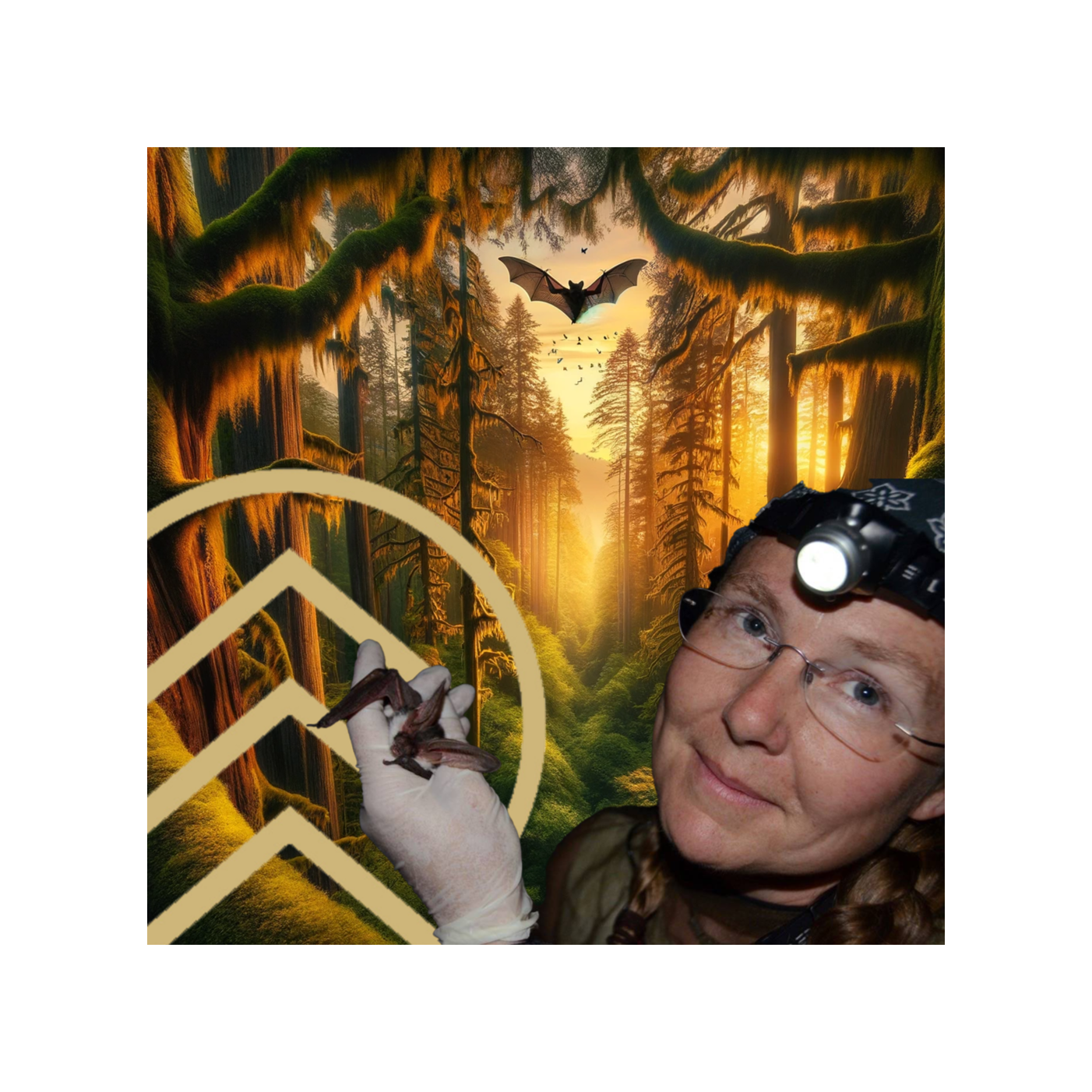 Northern Latitudes: Cori Lausen - Echoes in the Dark (Bats) | Episode Title: Echoes in the Dark: Unveiling the Mysteries of Bats with Cori LausenHost: Bill AultGuest: Cori Lausen, Director of Bat Conservation, WCS CanadaRelease Date: March 4th, 2024Introduction:Welcome to episode 30 of Northern Latitudes, where our host, Bill Ault, dives into the mysterious and often misunderstood world of bats. In this eye-opening conversation, we're joined by Cori Lausen, the Director of Bat Conservation for the Wildlife Conservation Society of Canada. Together, they unravel the secrets of these nocturnal creatures and the critical efforts underway to protect them.Episode Highlights:The Role of Bats in Ecosystems: Cori explains the crucial roles bats play in our ecosystems, such as pest control, pollination, and seed dispersal. She highlights how bats contribute to the health of our environment and the economy, emphasizing their importance in maintaining balanced ecosystems.Threats Facing Bats: The significant threats bats face, include habitat loss, climate change, and the devastating White-nose Syndrome. Cori shares insights into how these challenges have impacted bat populations.Conservation Efforts and Success Stories: Cori shares inspiring stories of conservation success and the innovative strategies being employed to protect bats.Resource Links:Wildlife Conservation Society of Canada: Dive deeper into WCS Canada's mission and projects focused on bat conservation at their official website.Bat Conservation International: A wealth of resources and information on how to protect bats worldwide can be found at Bat Conservation International.Canadian Wildlife Federation: Learn about the work being done to safeguard wildlife in Canada, including bats, at the Canadian Wildlife Federation.White-Nose Syndrome Response Team: Stay updated on the fight against white-nose syndrome, a disease decimating bat populations, at White-Nose Syndrome.Bat Week: Participate in or learn more about Bat Week, an annual celebration of bats and their importance to nature, at Bat Week.Thank You:A big thank you to Cori Lausen for joining us and sharing her expertise on bat conservation. And, as always, thank you to our listeners for tuning in and supporting our journey through the natural wonders of the Northern Latitudes.Contact Us:Have questions, comments, or want to suggest a guest for our next episode? Reach out to us at podcast@northernlatitudes.ca.Follow Us:Don't forget to subscribe to Northern Latitudes on your favorite podcast platform and follow us on social media for the latest episodes and behind-the-scenes content. | 39m 01s | ||||||
| 2/19/24 | 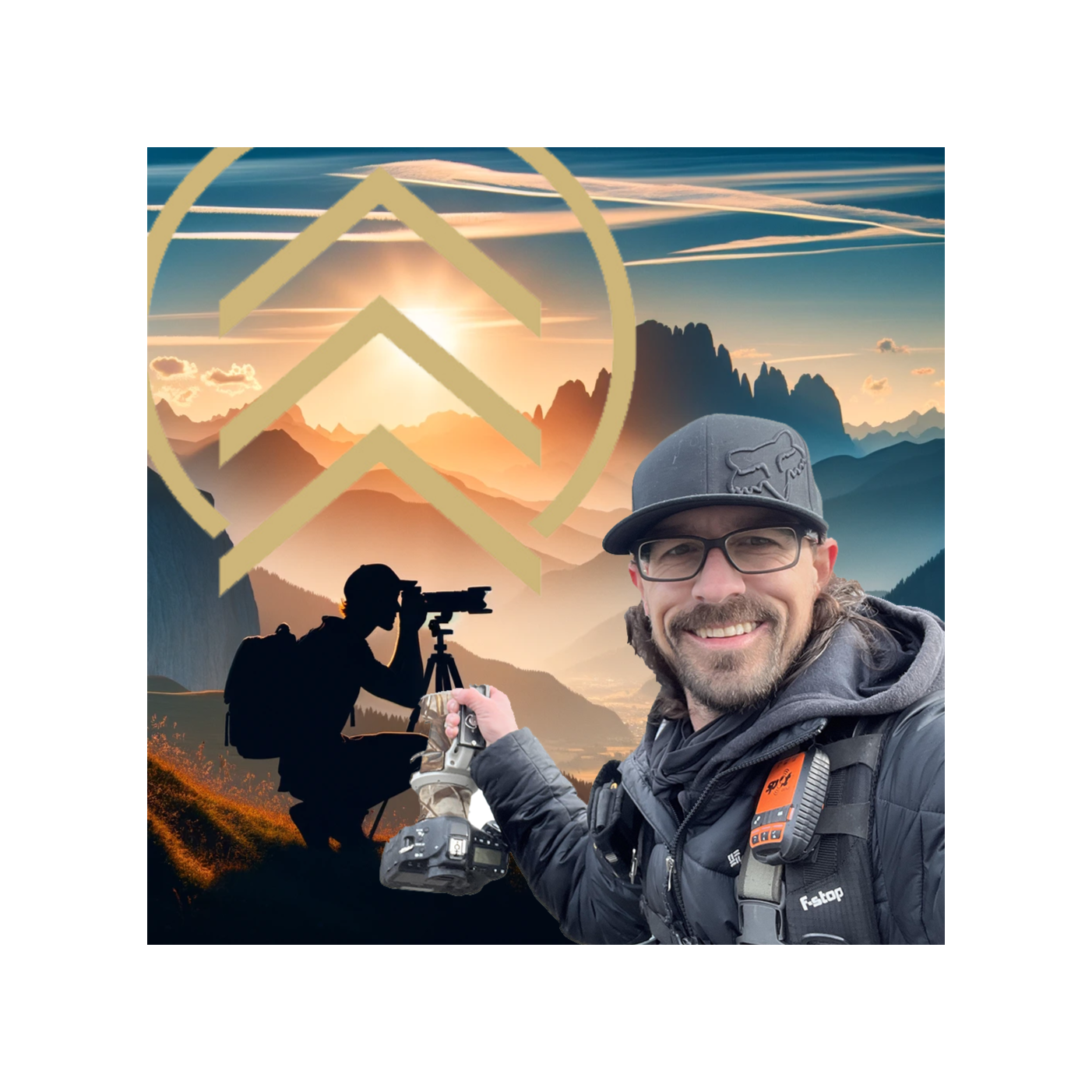 Northern Latitudes: Brandon Broderick - Eye to Eye | Journey Through the Lens with Brandon BroderickEpisode Summary: In this episode of "Northern Latitudes," we sit down with the Canadian Geographic Photographer of the Year, Brandon Broderick. Join us as we discover the stories, challenges, and triumphs behind his award-winning photography and how he captured the stunning photograph of a Lynx that wom him the awad.Host: Bill Ault Guest: Brandon Broderick, Canadian Geographic Photographer of the YearIn This Episode, You'll Learn:The inspiration behind Brandon Broderick's passion for photography and his journey to becoming the Canadian Geographic Photographer of the Year.A look at his photography expeditions.The technical aspects of outdoor and wildlife photography, including gear recommendations and tips for beginners.Insights into Brandon's creative process and how he captures the essence of Canada's diverse landscapes.Brandon's thoughts on conservation and the role of photography in promoting environmental awareness.Featured Photographs:Direct link to Lynx ImageResources and Links Mentioned:Brandon Broderick's Official Website: [www.brandonbrocerick.com]Canadian Geographic: 2023 Award Winners AnnouncementPhotography Gear Mentioned: [Links to photography gear]Connect with Brandon Broderick:Instagram: [@brandonbroderick]Facebook: [Brandon Broderick Photography]Subscribe and Follow "Northern Latitudes": Don't miss an episode of "Northern Latitudes." Subscribe on [Apple Podcasts, Spotify, Google Podcasts, etc.] and follow us on Facebook for behind-the-scenes content and updates.Contact Us:Feedback, questions, and show suggestions can be sent to [podcast at northernlatitudes.ca].Interested in sponsoring "Northern Latitudes"? Contact us at [podcast at northernlatitudes.ca].Special Thanks: A heartfelt thank you to Brandon Broderick for sharing his journey and insights with us. And as always, thank you to our listeners for tuning in and supporting "Northern Latitudes." | 30m 28s | ||||||
| 2/5/24 | 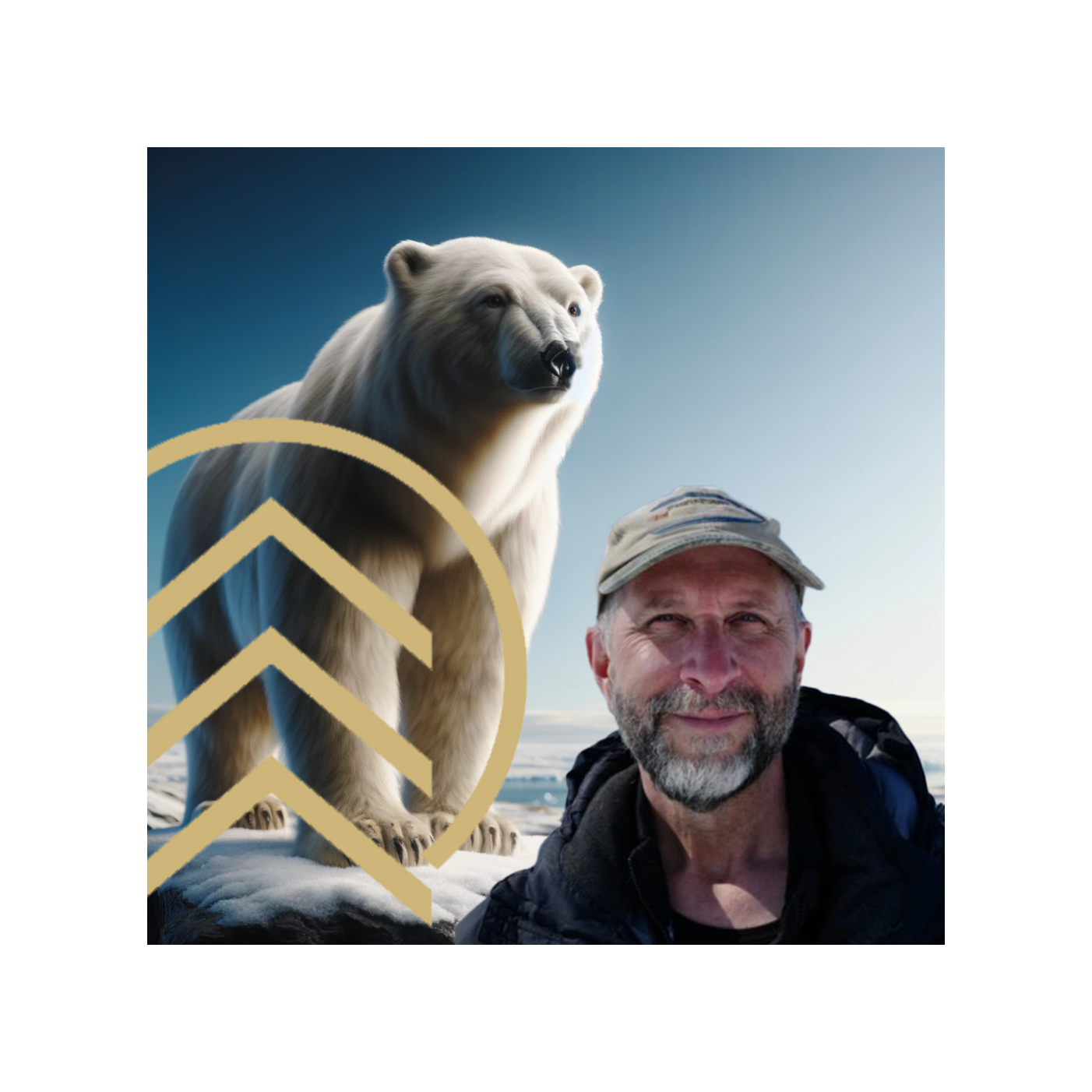 Northern Latitudes: Andrew Derocher - Polar Bears | Episode Title: “The Arctic Sentinels: Polar Bears and Climate Change” with Andrew DerocherShow Notes:In this eye-opening episode of Northern Latitudes, we delve into the icy realms of the Arctic with distinguished guest Professor Andrew Derocher, a leading authority on polar bear ecology from the University of Alberta. With decades of research under his belt, Prof. Derocher brings a wealth of knowledge about these majestic creatures, the challenges they face, and what their future might hold in a rapidly changing world.In This Episode, You’ll Learn About:Polar Bear Ecology: Discover the fascinating world of polar bears, their biology, behavior, and the critical role they play in Arctic ecosystems.Impact of Climate Change: Prof. Derocher discusses the profound effects of climate change on polar bear habitats, particularly the loss of sea ice and its implications for bear survival.Research Insights: Gain unique insights from Prof. Derocher’s extensive field research.Future Prospects: What does the future hold for polar bears? Explore the challenges and opportunities in safeguarding these iconic animals for generations to come.About Our Guest: Professor Andrew Derocher has been studying polar bears for over 40 years, focusing on their ecology, conservation, and management. He is a professor at the University of Alberta and has contributed to numerous scientific studies, policy discussions, and conservation initiatives aimed at understanding and preserving polar bears and their Arctic habitat.Episode Resources:Prof. Derochers U of Alberta profile page and X (Twitter)From Google Books – Prof. Derocher's Book Polar Bears: A Complete Guide to Their Biology and BehaviorPolar Bears International – A non-profit dedicated to the conservation of polar bears.Connect with Us: We love hearing from our listeners! Share your thoughts, questions, or feedback with us on Facebook, or email us at podcast@northernlatitudes.ca . Don’t forget to subscribe for more episodes of Northern Latitudes. | 36m 47s | ||||||
| 1/22/24 |  Northern Latitudes: Alex Gottlieb - Where Has All the Snow Gone? | Snow is one of the most contradictory cues we have for understanding climate change.As in many recent winters, the lack of snowfall in December seemed to preview our global warming future, with peaks from Oregon to New Hampshire more brown than white and the American Southwest facing a severe snow drought.On the other hand, January has brought some heavy snow to New England, and record blizzards in early 2023 buried California mountain communities, replenished parched reservoirs, and dropped 11 feet of snow on northern Arizona, defying our conceptions of life on a warming planet.Now, a new Dartmouth study authored in part by PHD student Alex Gottlieb cuts through the uncertainty in these observations and provides evidence that seasonal snowpacks throughout most of the Northern Hemisphere have indeed shrunk significantly over the past 40 years due to human-driven climate change.Alex and I talk about what those changes mean to all of us. | 21m 08s | ||||||
| 12/11/23 |  Meghan Ward - Wildflowers | Mary Schäffer Warren (1861 - 1939) was 43 years old and recently widowed when she bucked Victorian-era conventions and reinvented herself as a mountain explorer, writer, and photographer. Over a century later, outdoor writer and historian Meghan J. Ward is entering her forties with new questions about her identity and her relationship with adventure and the natural world.The result is a documentary called "Wildflowers".Meghan and I discuss the upcoming film and the challenges, including fundraising, involved in producing it. We also talk about the recreation of a part Mary Schäffer Warren's trip to Maligne Lake.The production group is looking for sponsors and has launched a fund-raising campaign on indiegogo. | 36m 40s | ||||||
Showing 25 of 50
Pitch Fit is a Pro feature
See how bookable this show is for guests, which brands already advertise, the per-episode ad value, and the best-fit guest and sponsor profile. The numbers are blurred on the free plan.
How readily this show books outside guests like you.
How proven this show is for host-read sponsorships.
For Guests
ProFor Advertisers
ProUpgrade to Pro to unlock guest cadence, sponsor categories, fit scores, and per-episode ad value for this show.
Chart Positions
1 placement across 1 market.
Chart Positions
1 placement across 1 market.