
Insights from recent episode analysis
Audience Interest
Podcast Focus
Publishing Consistency
Platform Reach
Insights are generated by CastFox AI using publicly available data, episode content, and proprietary models.
Total monthly reach
Estimated from 1 chart position in 1 market.
By chart position
- 🇮🇱IL · Entrepreneurship#163500 to 3K
- Per-Episode Audience
Est. listeners per new episode within ~30 days
150 to 900🎙 Daily cadence·96 episodes·Last published yesterday - Monthly Reach
Unique listeners across all episodes (30 days)
500 to 3K🇮🇱100% - Active Followers
Loyal subscribers who consistently listen
275 to 1.6K
Market Insights
Platform Distribution
Reach across major podcast platforms, updated hourly
Total Followers
—
Total Plays
—
Total Reviews
—
* Data sourced directly from platform APIs and aggregated hourly across all major podcast directories.
On the show
Recent episodes
How it was game over for Guidewire until it wasn’t - Marcus Ryu - Guidewire - Episode #99
May 12, 2026
Unknown duration
From Sticky Notes on My Door to $1.5B Logistics Disruptor - Itamar Zur - Veho - Episode #98
May 5, 2026
Unknown duration
The 10 Step Hiring Framework - April Pulse - Episode #97
Apr 28, 2026
Unknown duration
He Lost Everything Twice…But Didn’t Stop Building - Rob LoCacsio - LivePerson - Episode #96
Apr 21, 2026
Unknown duration
Not Taking Money Off the Table Can Cost You Everything - Ra’anan Cohen - Bringg & MobileMax (#95)
Apr 14, 2026
Unknown duration
Social Links & Contact
Official channels & resources
Official Website
Login
RSS Feed
Login
| Date | Episode | Description | Length | ||||||
|---|---|---|---|---|---|---|---|---|---|
| 5/12/26 | 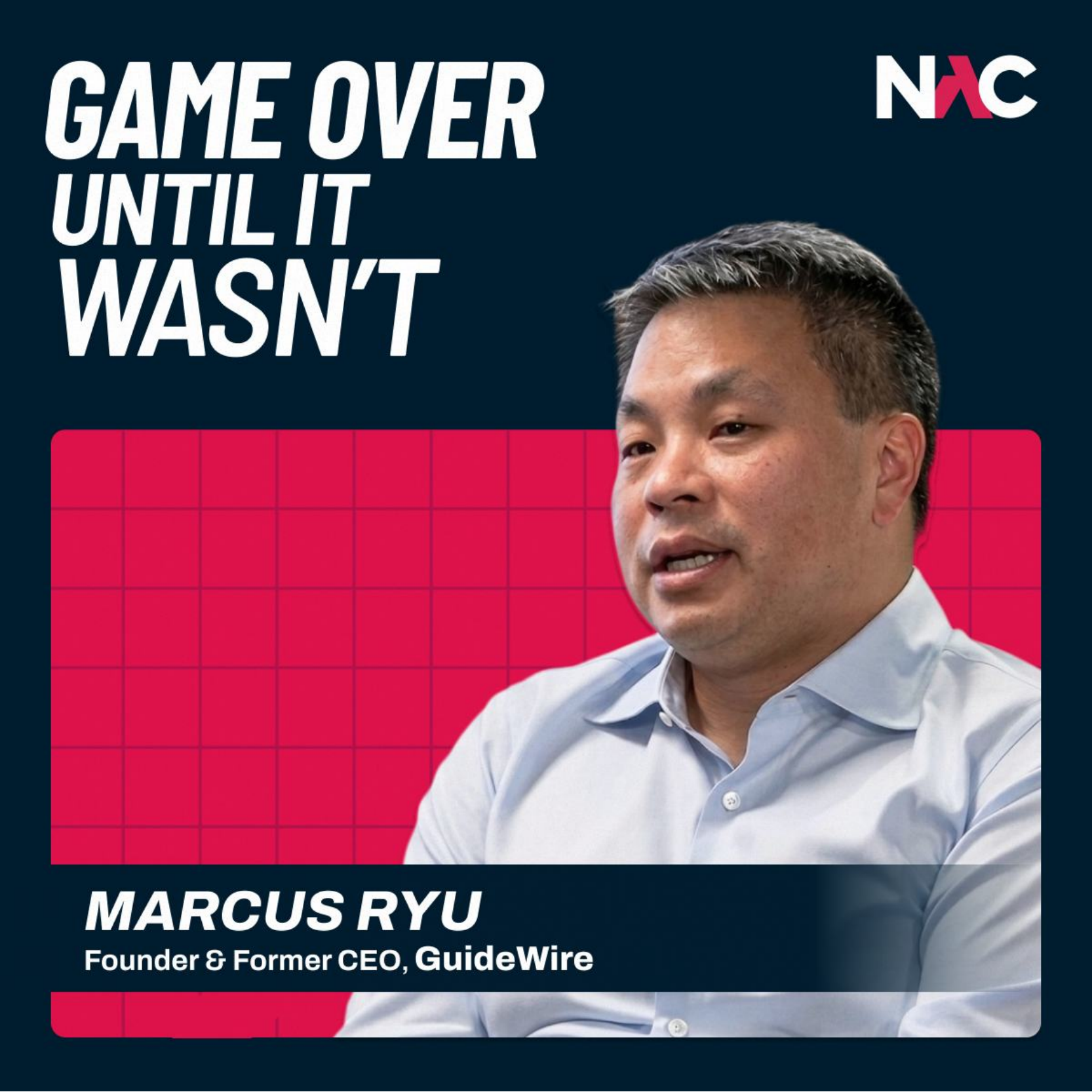 How it was game over for Guidewire until it wasn’t - Marcus Ryu - Guidewire - Episode #99 | Building software is hard but building a category-defining enterprise company for 20 years is a different game entirely.In this episode of Not Another CEO Podcast, David sits down with Marcus Ryu, Co-Founder and former CEO of Guidewire, the software platform that transformed the insurance industry and grew into a public company generating over $1.5 billion in revenue.Marcus shares the hard-earned lessons from building Guidewire from zero: developing strategic clarity, surviving years-long sales cycles, learning how to sell as a founder, navigating investor pressure, handling lawsuits from incumbents, and sustaining the emotional intensity of being a founder CEO for nearly 20 years.This conversation is a masterclass on company building, resilience, leadership, and the psychological realities behind building enduring businesses.Takeaways:1. Strategic coherence matters more than speed:Marcus explains how Guidewire constantly revisited its assumptions whenever new information appeared maintaining ruthless intellectual honesty around strategy instead of blindly executing.2. Every founder must learn how to sell:Despite not coming from sales, Marcus says learning sales became one of the most valuable skills of his entire career. Great CEOs are constantly persuading customers, employees, investors, and markets.3. Enduring companies require patience:Guidewire’s early sales cycles lasted 1–2 years, and implementations could take another 1–2 years. Marcus shares why building meaningful companies often demands long-term thinking and delayed gratification.4. Capital efficiency creates resilience:Guidewire raised only $29 million throughout its journey to IPO. Marcus discusses how treating every dollar like it could be the last shaped the company’s discipline and culture.5. Intensity without serenity can become dangerous:Looking back, Marcus says he spent years carrying catastrophic pressure and anxiety as a founder. His biggest reflection is learning that great CEOs can be both intensely driven and internally calm at the same time.Quote of the Show:“If you can be intense and serene at the same time, then you really have a superpower.” - Marcus Ryu, Founder & Former CEO, GuidewireChapters:00:00 - Trailer02:10 - The importance of strategic coherence in company building08:45 - Why startups need an enemy and a clear sense of differentiation15:20 - Discovering the broken insurance software market27:20 - Learning sales as a founder CEO31:00 - Getting the first customers & surviving long enterprise sales cycles36:20 - Building Guidewire with extreme capital efficiency43:10 - The pressure modern founders feel to grow at impossible speeds49:40 - Surviving lawsuits and competitive attacks from incumbents58:00 - Transitioning from founder CEO to investor at Battery Ventures01:06:30 - Marcus’s biggest personal reflection after two decades as CEO | — | ||||||
| 5/5/26 | 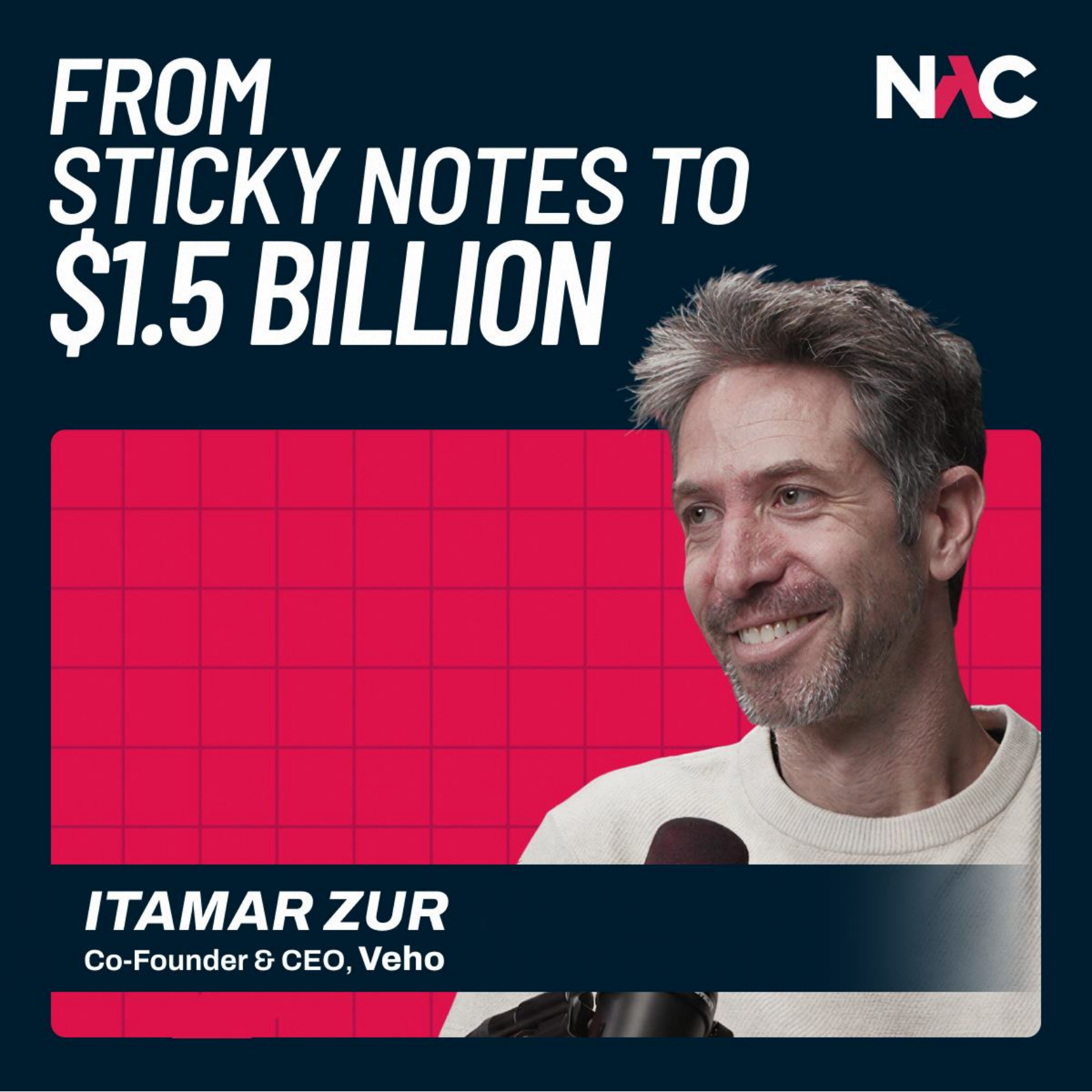 From Sticky Notes on My Door to $1.5B Logistics Disruptor - Itamar Zur - Veho - Episode #98 | He walked back to his apartment and found 50 sticky notes on the door. "Sorry we missed your package." That problem became a $1.5 billion company competing directly with UPS and FedEx.Itamar Zur, Co-Founder and CEO of Veho, shares the full story of building one of the most disruptive logistics companies in America from a business school dorm room to 65 markets, nearly 1,000 employees, tens of thousands of drivers, and over $300 million raised from General Catalyst, SoftBank, and Tiger Global.In this conversation, Itamar opens up about what it really took: obsessing over the Day One customer experience in a way most founders never do, rebuilding the company's values from scratch after 2022 nearly broke everything, and creating a deliberate program to identify and invest in top performers before someone else does.If you're building a company and want to understand what championship-level execution actually looks like from the inside, this episode is worth your time.Takeaways:Obsess Over the Day One Experience: Itamar would send detailed end-of-day reports not just to his buyer but to the CEO, CMO, and CFO of every new customer anyone whose email he could find. By the next call, those buyers weren't asking how things were going. They were asking what other markets Veho could go to. First impressions compound.Values Must Evolve as the Company Evolves: Veho launched with human-first, idealistic values. When the market turned in 2022 and performance management became non-negotiable, those values created internal friction. Itamar rebuilt them from scratch around a championship team mentality. The wrong people left. The right people finally had language for what they had been doing all along.Your 10X People Know They Are 10X Invest in Them Before Someone Else Does: High performers don't complain, don't ask silly questions at all-hands, and quietly deliver results every single day.The Co-Founder Decision Is the Most Important One You Will Make: Two original co-founders left over a fundamental strategic disagreement. Itamar refused to compromise on the vision, finding Fred one person he had met once at a conference changed the entire trajectory of the company.This Is a Marathon Protect the Runner: When the market shifted, the mental and physical toll hit all at once. He now meditates, exercises, sleeps 7–8 hours, and treats it the same way a professional athlete treats training. Everything else depends on it.Quote of the Show: "The way you do anything is the way you do everything." - Itamar Zur, Co-Founder & CEO, VehoLinks: LinkedIn: https://www.linkedin.com/in/itamarzur/ Veho Website: https://www.shipveho.com/Chapters: 00:00 – Intro: From a sticky note to a $1.5B logistics company 01:19 – The one thing: obsessing over the Day One customer experience 05:30 – Sending reports to the CEO, CMO, and CFO why it worked 09:45 – The moment of truth: lessons from Procter & Gamble 14:20 – Veho's original values and why they had to change 18:05 – Championship team mentality: rebuilding culture mid-flight 22:40 – How top performers act and why they never speak up 27:15 – The Force Multipliers program: investing in your all-stars 31:50 – Finding Fred: the co-founder story 38:30 – 2022: the year that almost broke everything 46:00 – The coach conversation that changed how he leads 52:00 – Taking care of your body and mind as a founder 58:10 – Advice to his younger self: give yourself time to learn | — | ||||||
| 4/28/26 | 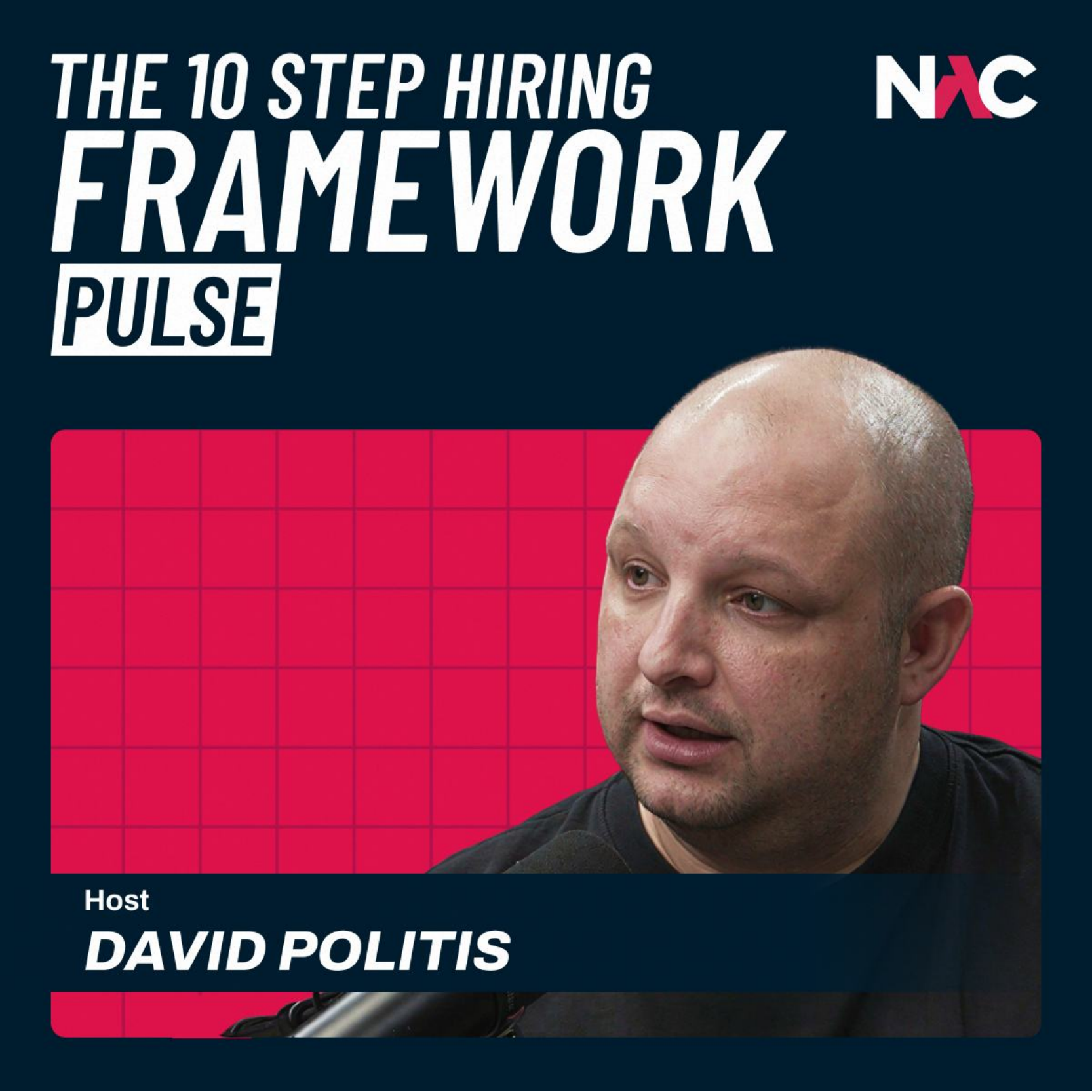 The 10 Step Hiring Framework - April Pulse - Episode #97 | Description:Most companies don’t fail because of bad strategy they fail because of bad hires.In this solo episode, David Politis breaks down a battle-tested 10-step interview framework built from 20+ years of experience, hundreds of CEO conversations, and real-world hiring mistakes. From uncovering the real motivations behind a candidate’s story to spotting red flags most interviewers miss, this episode is a masterclass in hiring with intention.David challenges the common belief that “people are your greatest asset” and reframes it: the right people are everything. Because the cost of getting it wrong isn’t just time it can be millions in lost value, broken teams, and missed opportunities.Takeaways :1. “The right people” > just “people”: Hiring isn’t a volume game. One wrong hire especially at leadership level can cost millions in enterprise value and derail entire teams.2. Most companies are “winging” interviews: Very few leaders are formally trained in hiring. Lack of structure leads to poor candidate experience, wasted leadership time, and bad hires.3. Depth beats polish in interviews: Great candidates can go into the details. If someone can’t get into the weeds metrics, decisions, outcomes that’s a major red flag.4. The power of “why” questions: Asking layered “why” questions helps you move past rehearsed answers and uncover true motivations, decision-making, and character.5. Hiring is about alignment, not just capability: Understanding what energizes a candidate and where they want to go is critical. Even great talent fails when there’s misalignment with the role.Quote of the Show : "The reality is that we're winging it. And the cost of winging it is very, very high. The cost of hiring the wrong person there could be literally millions, if not tens of millions of dollars of enterprise value lost." - David Politis, Host of Not Another CEOChapters00:00 – Why hiring is the highest-leverage decision you make06:14 – “The right people” vs. just people08:30 – The hidden cost of bad hiring decisions11:00 – Why most companies are winging interviews13:30 – The importance of preparation and alignment16:00 – The power of taking decision-grade notes18:30 – Step 1–3: Setting the tone, story, and “why” questions21:00 – Going deep: testing real experience and competence25:00 – Finding what energizes candidates29:00 – Anti-selling the role + spotting red flags in questions | — | ||||||
| 4/21/26 | 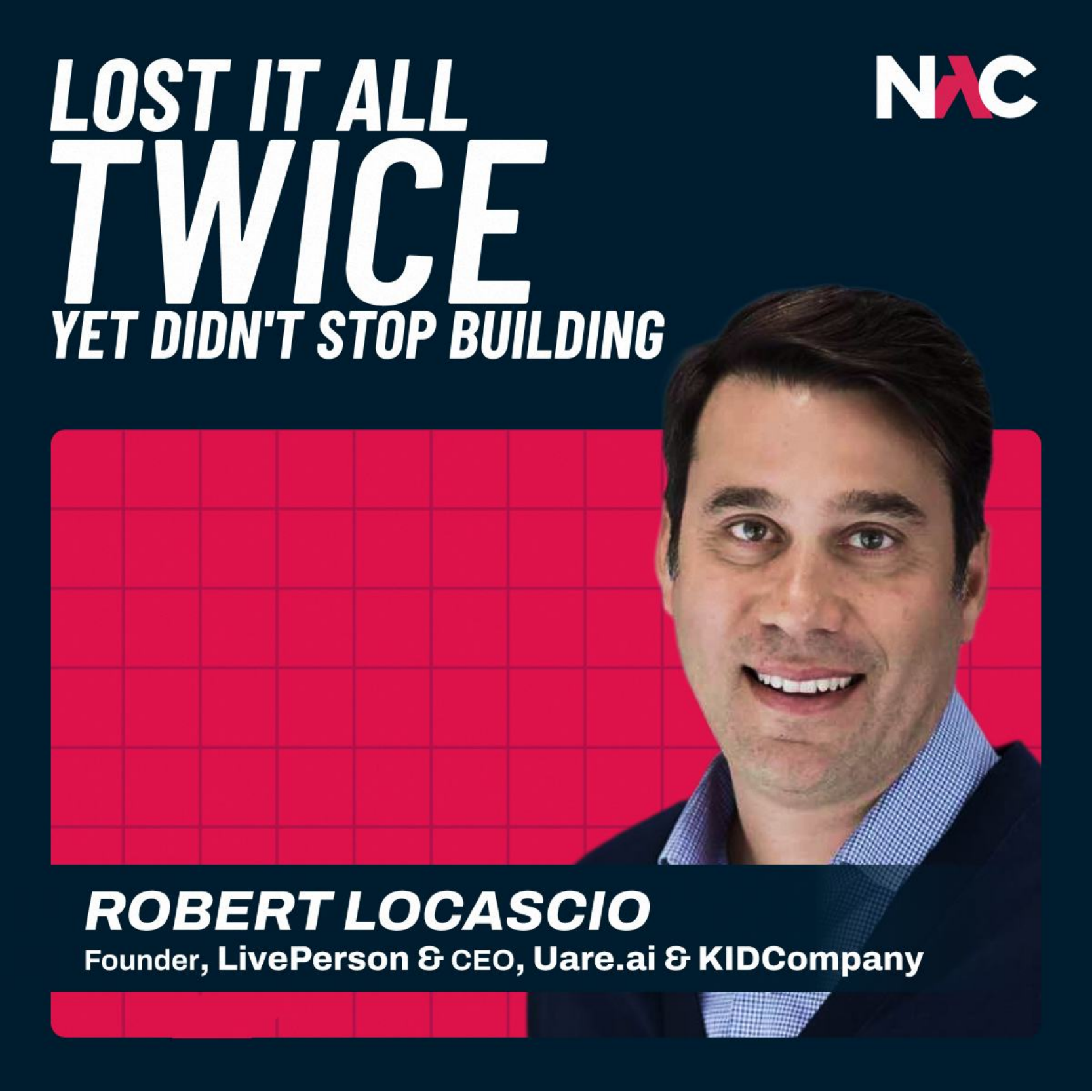 He Lost Everything Twice…But Didn’t Stop Building - Rob LoCacsio - LivePerson - Episode #96 | What happens when the company you built… is no longer yours?Rob LoCascio, Founder of LivePerson, shares the full, unfiltered reality of building, scaling, losing, and rebuilding as a founder. From starting with almost nothing to taking his company public, scaling it from $900M to $4B in just 12 months during COVID and then facing the brutal reality of losing control of what he built.In this conversation, Rob opens up about the hardest chapter of his career: fighting to hold onto his company, the emotional toll of watching it decline after his departure, and the moment he realized that everything he created was at risk.He also dives into what separates founders who come back from those who don’t, why creativity is the one asset no one can ever take from you, and how to rebuild your identity when the company you built is no longer yours.This isn’t just a story about success or failure it’s about ownership, resilience, and what it really means to be a builder.If you’re building something or afraid of losing it this episode will hit hard.Takeaways:They Can Take the Company, Not the Builder: Rob’s biggest realization came after losing control everything external can be stripped away, but your ability to create, build, and execute is untouchable. That’s the real edge founders have.Scaling Fast Comes With Hidden Risk: Going from $900M to $4B in 12 months sounds like a dream but hypergrowth brings pressure, expectations, and fragility that most people don’t see until it’s too late.Founder Identity Is the Real Battle: Losing a company isn’t just financial it’s deeply personal. Rob breaks down what it feels like to lose something you poured your life into, and how to rebuild from that.Fighting for What You Built Isn’t Optional: When things started slipping, Rob didn’t walk away he fought. And he explains why that fight was the hardest thing he’s ever faced as a leader.Your Gift Is the Only Constant: Markets change, companies rise and fall but your creativity, vision, and ability to build are the only things that stay with you for life.Quote of the Show:"They can take your company. They can take your money. But they can’t take your creativity, the ability to build again." - Rob LoCascioLinks:- LinkedIn: https://www.linkedin.com/in/rlocascio/- LivePerson: https://www.liveperson.com- KID Company: https://www.kidco.ai/- Uare.ai: https://www.uare.ai/Chapters:00:00 – Intro01:19 – From nothing: $5K, a couch, and starting over02:10 – Building LivePerson and going public05:30 – The COVID surge: $900M to $4B in 12 months09:45 – When things started to break14:20 – Losing control of the company he built18:05 – The hardest fight of his career22:40 – Watching the company decline after leaving27:15 – The emotional toll of losing everything31:50 – Identity beyond the company36:10 – Why founders can always build again41:25 – Creativity as the ultimate unfair advantage46:00 – What Rob is building next50:30 – The real meaning of success and failure | — | ||||||
| 4/14/26 | 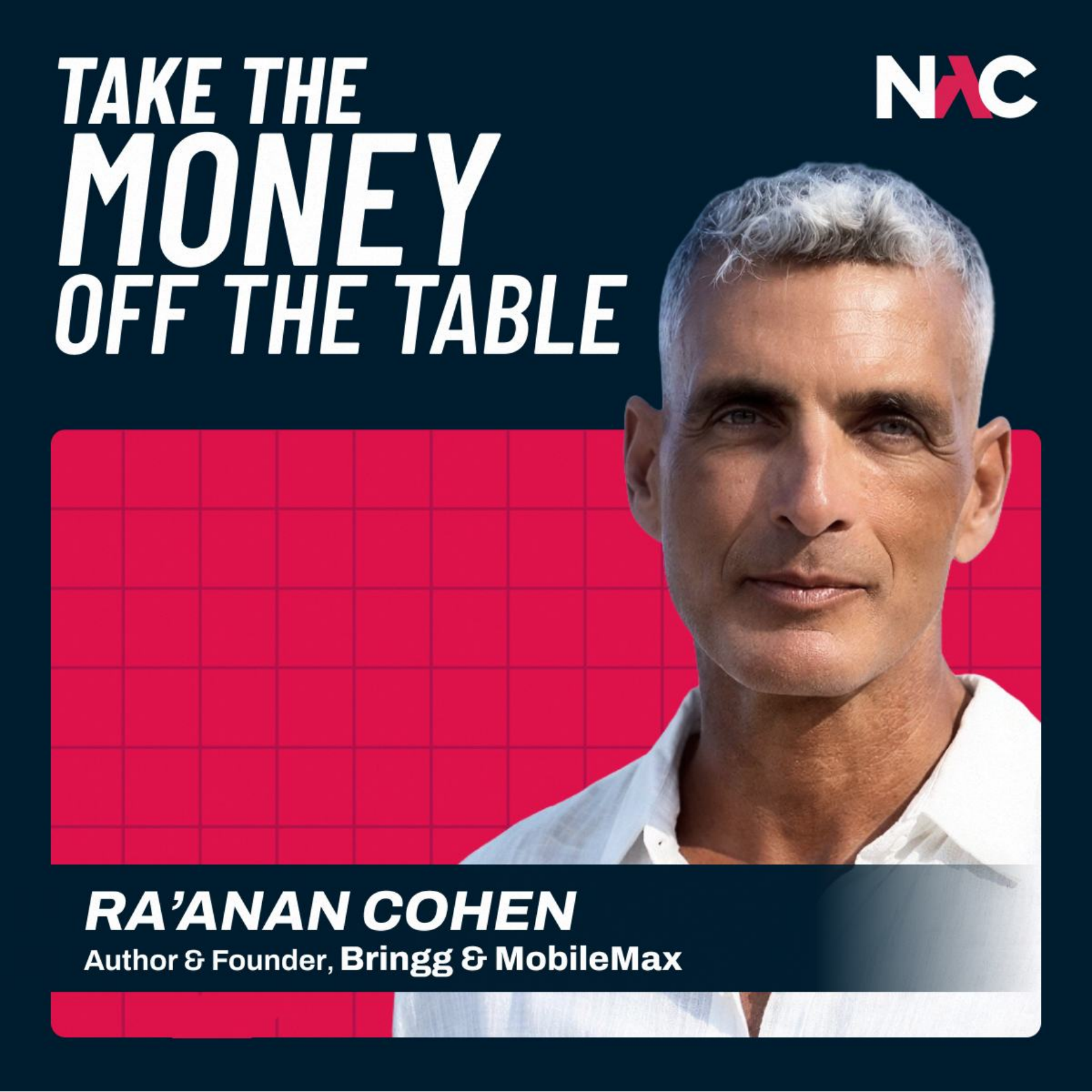 Not Taking Money Off the Table Can Cost You Everything - Ra’anan Cohen - Bringg & MobileMax (#95) | What really happens when you bet it all on your company & end up with nothing?Ra'anan Cohen, Author & Founder of MobileMax and Bringg, pulls back the curtain on what most founders never talk about going from IPO to broke, rebuilding from zero, and finally selling at a $1 billion unicorn valuation with the scars to prove it.In this conversation, he shares why he turned down $10M in stock at a public company and lived to regret it, how he secretly rebuilt himself while the whole industry thought he was already rich, and what changed at Bringg that made him finally know when to pull the plug.If you're building something and trying to figure out when to hold and when to fold, this episode is for you.Takeaways:Build the Team First, Everything Else Second: The single biggest factor in both MobileMax and Bringg was team. Ra'anan implemented a strict no-asshole policy at Bringg not just hiring for talent, but for personality, attitude, and the ability to endure a long, grinding journey.Know When to Take the Money: Turning down $10M in stock from institutional investors during MobileMax's IPO when the company was worth $100M cost Ra'anan everything. He walked away from Bringg at $1B because the 8-year scar from MobileMax kicked in.Fake It Till You Make It Has a Dark Side: After MobileMax collapsed, Ra'anan went to startup meetups while secretly broke and struggling watching everyone else perform success. He later learned everyone was doing the same thing. His book, Confessions of a Unicorn Founder, exists specifically to break this culture open.Secondary Is a Founder's Right, Not a Weakness: Old-school investors want founders "hungry." Ra'anan disagrees. Taking secondary closes the open loops in your brain the daily stress about going to zero and actually frees founders to dream bigger and swing harder, not less.Quote of the Show:"People like to say startup is like a roller coaster. I think this is very misleading. In the startup life as a founder, 90, 95% of the time I'm in crisis mode. It's not a roller coaster it's a marathon." - Ra'anan Cohen, Author & Founder of MobileMax & BringgLinks:Book: Confessions of a Unicorn Founder - available on AmazonLinkedIn: https://www.linkedin.com/in/raananc/Website: www.raanancohen.comChapters:00:00 – Intro: From IPO to zero to unicorn Ra'anan's full arc01:22 – The one thing that had the biggest impact: team building06:00 – The no-asshole policy and how to hire for attitude08:50 – Framing hard weeks as progress the "great week" mantra13:48 – MobileMax: the IPO, the $10M phone call, and saying no16:32 – Why Ra'anan didn't sell a single stock and what it cost him18:54 – When the iPhone reshaped mobile and MobileMax spiraled25:05 – Broke and "the guy who made it" faking it at startup meetups32:14 – The personal cost: family, presence, and the founder's obsession34:13 – How a late pizza sparked the idea for Bringg36:39 – Bringg's rise: customers, unicorn valuation, and pulling the plug38:35 – Secondary, investor philosophies, and closing the open loop45:26 – Fairness for founders: why secondary isn't just smart, it's right50:15 – Writing Confessions of a Unicorn Founder and what comes next52:02 – The one piece of advice Ra'anan would give his younger self | — | ||||||
| 4/7/26 | 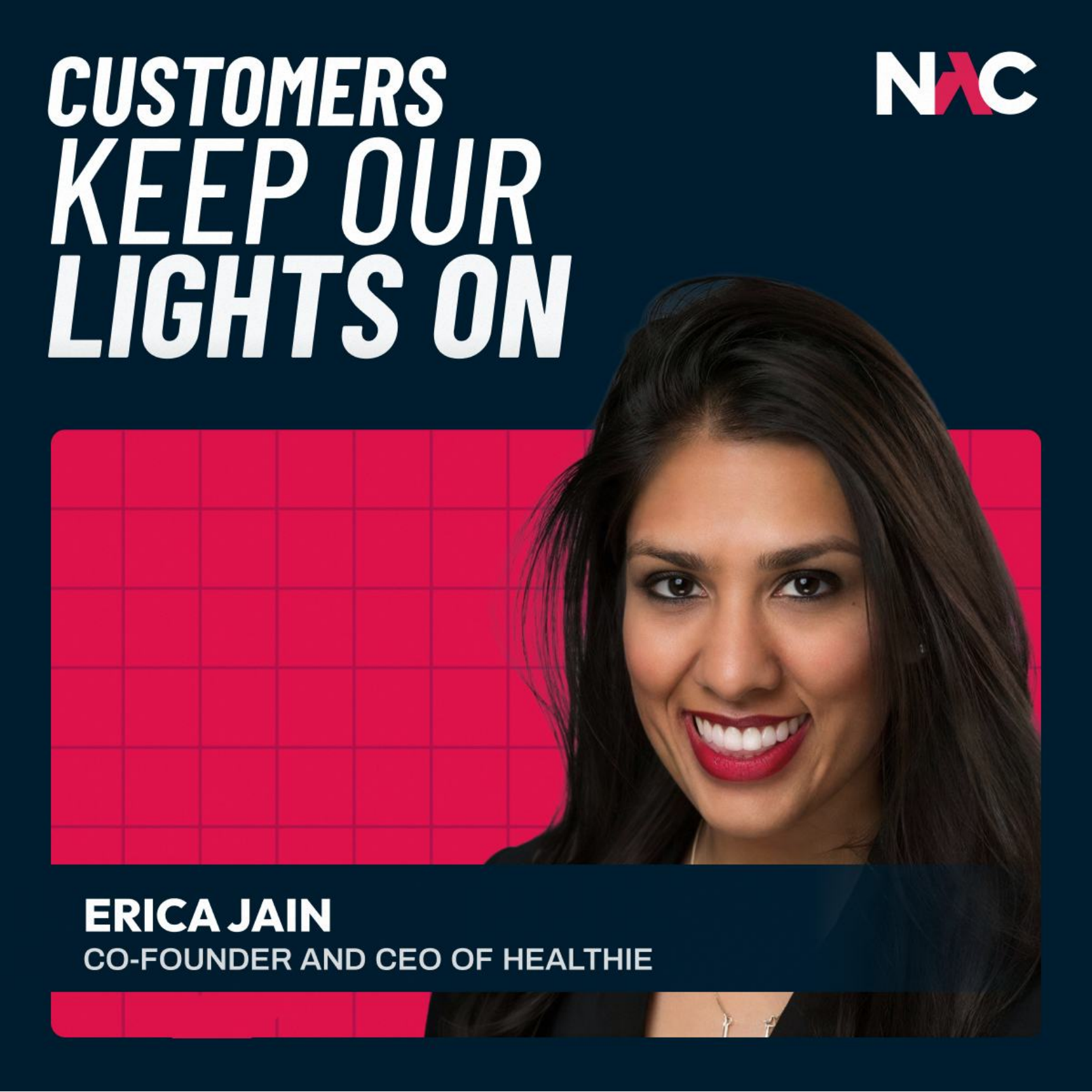 Knew each other for 2 hours before We Co-Founded - Erica Jain - Healthie - Episode #94 | What if the reason your company isn’t growing… is because you’re spending too much time inside the company instead of with your customers?Erica Jain, Co-Founder & CEO of Healthie, breaks down how a relentless customer-first mindset shaped every part of the business from product decisions to hiring to long-term strategy.In this conversation, she shares how they got their first customers with no sales experience, why internal inefficiency is a bigger risk than doing too much, and what it really takes to maintain speed as a company scales. She also dives into rebuilding the product after early success, hiring for values, and staying in control while growing a profitable company.If you want to build faster, stay close to your customers, and avoid the trap of internal complexity slowing you down this episode is for you.Takeaways:Obsess Over Customers as Your True North Star: The single most important thing is to instill a true customer-first mindset across the entire company. Customers literally “keep our lights on” every decision, roadmap, and internal process should revolve around delivering an incredible experience for them.Simplify Your Values Ruthlessly: Erica and her team reduced their values from eight which nobody could remember to just the Three R’s: Respect, Resilience, and Reliability. Hire for values far more than skills, especially as technology changes rapidly.Profitability Equals Control: They chose to remain profitable for most of the company’s life to always stay in control of their destiny. Build a generational business and raise capital only when it serves clear long-term goals, never out of desperation.Mediocrity Is the Real Killer: Companies don’t usually die from doing too many things they die from descending into mediocrity caused by slow internal processes, too many meetings, and inefficient decision-making. Speed and execution velocity matter enormously.Hiring, Team Building, and Scaling Challenges: Hiring for values, the difficulty of identifying customer-first people in interviews, retaining talent (many team members 5–7+ years), going through a major codebase rewrite, and the constant battle against internal inefficiency as the company grows.Quote of the Show:The one thing I would do is instill… a true customer first mindset. There is something incredibly, incredibly powerful about waking up every single minute of every single day and wholeheartedly focusing on making sure our customers are taken care of.”- Erica Jane, CEO & Co-Founder of Healthie.Links:LinkedIn: https://www.linkedin.com/in/ericajain/Website: https://www.gethealthie.com/Chapters00:00 – Intro: Healthie’s growth, impact & profitability00:56 – The power of a true customer-first mindset03:11 – How to build with customers from day one06:00 – Hiring for values: the “3 R’s” framework08:53 – Evolving culture as the company scales12:54 – Operating systems & using OKRs effectively16:50 – Why inefficiency kills companies (not ambition)19:35 – Profitability, fundraising & staying in control24:08 – Starting Healthie & getting first customers30:30 – Biggest challenges: tech debt & rebuilding the product | — | ||||||
| 3/31/26 |  March Pulse - The 5 Cs to Align Your Team - Episode #93 | How can one simple strategy drive your company’s success? In this solo episode of Not Another CEO Podcast, host David Politis dives deep into the significance of alignment and prioritization within a company. Reflecting on a personal article shared via Substack, David emphasizes the importance of refocusing and reprioritizing company goals as new challenges and opportunities arise.Takeaways: Concentration of Efforts: Narrowing down the focus to one primary goal can unify and effectively drive a company's momentum. By concentrating efforts, every team member can contribute to company growth.Effective Communication: Regular and focused communication is key to keeping everyone aligned with the company's goals. David suggests updating the team weekly to maintain a cadence that ensures urgency and focus.Culture of Outcome-Based Work: Create a work culture that rewards achievements based on outcomes rather than just effort. It’s crucial for employees to understand their work's impact on the company's success.Celebration of Successes: Recognizing and celebrating achievements fosters a positive work environment and encourages further productivity. Celebrations can be as simple as an email recognition or a shoutout during all-hands meetings.Strategic Compensation: Implementing flexible compensation structures isn't limited to sales teams. Properly aligning compensation with company goals can motivate teams across the board to go above and beyond.Removing Distractions: Encourage leadership to stay concentrated on key goals by avoiding changes in priorities throughout the quarter. Written notes can capture evolving ideas, which can then be revisited during the next planning phase.Leadership Involvement: Leaders should actively remove barriers for their teams rather than changing priorities. This approach helps maintain focus and supports execution on high-priority initiatives.Quote of the Show:“The less you communicate about the other things, and the more you just make all the communication about that thing, people are gonna understand this is what we're focusing on." - David PolitisWays to Tune In:Substack: https://notanotherceo.substack.com/Spotify: https://open.spotify.com/show/1NQ9oAB2XKlgWeL8iEQXg0 Apple Podcasts: https://podcasts.apple.com/us/podcast/not-another-ceo-podcast/id1751581707 YouTube: https://www.youtube.com/@NotAnotherCEOPodcast Transistor: https://podcast.notanotherceo.com/ #NotAnotherCEO #BusinessSuccess #MarchPulseChapters:00:00 Intro00:48 Q2 Reprioritization Problem02:36 Five Cs Framework02:47 Concentrate Efforts04:32 Communicate With Cadence05:55 Outcome Driven Culture06:44 Celebrate The Wins08:13 Compensation Drives Behavior11:26 Stay Focused For A Quarter12:49 Outro | — | ||||||
| 3/24/26 | 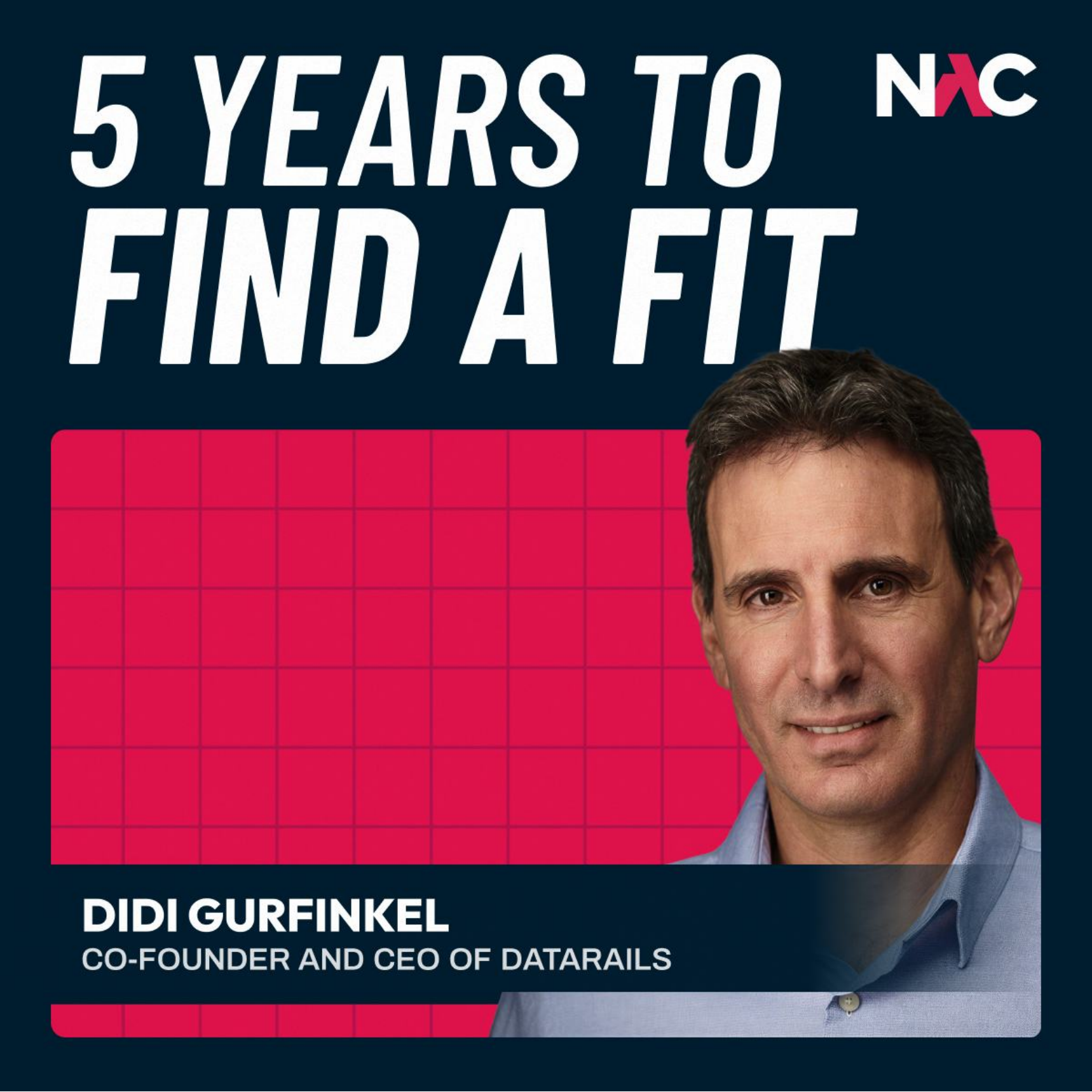 Pivoting to Financial Clarity - Didi Gurfinkel - Datarails - Episode #92 | What does it take to transform a struggling startup into a booming enterprise? In this episode of Not Another CEO Podcast, host David Politis sits down with Didi Gurfinkel, Co-Founder and CEO of Datarails. Together, they delve into Didi's decade-long journey of building a successful financial platform from scratch, discussing both the struggles and triumphs of his entrepreneurial path.From his early days at Cisco to co-founding Datarails, Didi shares invaluable lessons on startup pivoting, embracing new technologies, and harnessing AI to revolutionize financial operations.Takeaways: The Power of the Right Team: Didi highlights the importance of having the right co-founders. He credits the success of Datarails largely to the strong foundational team that shared common goals and complementary skills.Embracing the Brutal Truth: Didi emphasizes the need for leaders to be honest about their failures and to learn from them while maintaining a visionary outlook for the future.Importance of Having a Name: Drawing from past experiences, Didi advises startups to choose a product that has a recognisable name and existing budget line.Finding Your Ideal Market Fit: Datarails achieved success by narrowing their focus to finance professionals who love Excel, aligning product benefits with users’ existing skills and preferences.Strategic Use of AI: Datarails seeks to prepare organizations for AI integration, ensuring readiness for technological advancements.Balancing Work and Family: Didi points out that while entrepreneurship is all-consuming, showcasing the possibility of building something significant can offer invaluable lessons for family.Quote of the Show:“If someone ask me, I'm not sure if I have the product market fit, I'm saying, no, you don't have it. If you had it, you know." - Didi GurfinkelLinks:LinkedIn:https://www.linkedin.com/in/didigurfinkel/ Website: https://www.datarails.com/ Ways to Tune In:Substack: https://notanotherceo.substack.com/Spotify:https://open.spotify.com/show/1NQ9oAB2XKlgWeL8iEQXg0 Apple Podcasts: https://podcasts.apple.com/us/podcast/not-another-ceo-podcast/id1751581707 YouTube: https://www.youtube.com/@NotAnotherCEOPodcast Chapters:00:00 Intro01:21 Co-Founders Matter Most02:28 Finding the Right Partners05:47 Evolving Founder Roles07:28 Five Tough Early Years09:28 Building Tech Without Sales13:08 Staying Motivated to Pivot18:05 The Breakthrough Pivot20:52 Why FP&A and Mid-Market24:40 Scrappy Early Go-To-Market26:38 LinkedIn Phone Number Hack28:17 Knowing Product Market Fit30:43 Removing Buying Friction32:47 Zero to One Million ARR35:26 AI and Finance OS Vision41:38 Three Year Company Outlook43:06 Founder Origin Story46:25 Israel Startup Mindset47:50 No Work Life Balance51:02 Outro | — | ||||||
| 2/17/26 | 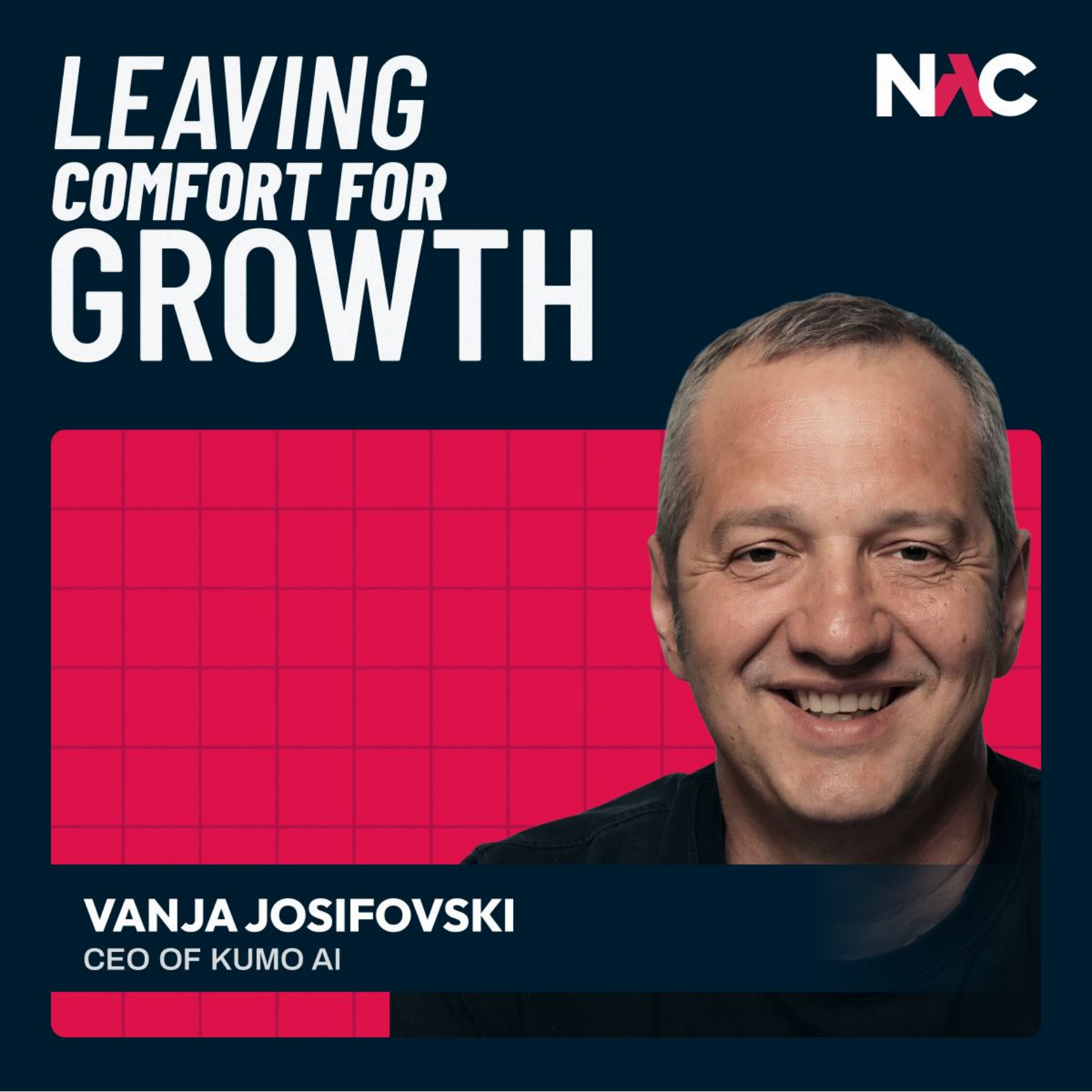 Data-Driven Predictions - Vanja Josifovski - Kumo - Episode #87 | Can experience truly make a difference in the startup world? In this episode of Not Another CEO Podcast, David Politis speaks with Vanja Josifovski, Co-Founder and CEO of Kumo, to explore the journey of leading a cutting-edge AI enterprise. From his prestigious roles at Pinterest and Airbnb to founding Kumo, Vanja shares the lessons learned, the dilemmas faced, and the excitement of turning vast amounts of relational business data into actionable predictions.Takeaways: The Importance of Co-founders: Vanja emphasizes the critical role of choosing the right co-founders. He stresses the importance of complementary skills and experiences that create a sustainable and successful leadership team.Understanding Market Adaptability: A major challenge for technical founders can be the transition to understanding the go-to-market strategies. Vanja shares the struggles of innovating while aligning with market needs and effectively communicating product value.The Journey From Idea to Reality: Vanja sheds light on how Kumo's idea sprouted from a simple yet groundbreaking aspiration to simplify the process of turning enterprise data into predictions without the complex machine learning cycle.Raising Capital in the Current Climate: Although initially easy due to Vanja's background, he warns about the “honeymoon phase” in fundraising and the necessity of making money quickly, even when resources are abundant.The Art of Unlearning: As Vanja continues his journey, he highlights unlearning as key to adapting to new challenges. The ability to let go of old practices and adopt new methodologies is vital for growth and evolution.Quote of the Show:“It’s always easier to watch somebody do things and criticize… if somebody’s watching you from the side, they’ll always find something wrong." - Vanja JosifovskiLinks:LinkedIn: https://www.linkedin.com/in/vjosifovski/ Website: https://kumo.ai/ Ways to Tune In:Substack: https://notanotherceo.substack.com/Spotify: https://open.spotify.com/show/1NQ9oAB2XKlgWeL8iEQXg0 Apple Podcasts: https://podcasts.apple.com/us/podcast/not-another-ceo-podcast/id1751581707 YouTube: https://www.youtube.com/@NotAnotherCEOPodcast Chapters:00:00 Intro01:24 The Importance of Choosing the Right Co-Founders04:44 Defining Roles Among Co-Founders06:49 Challenges of Being a CEO10:22 Hiring and Building a Team12:54 Raising Capital and Investor Relations15:21 Kumo's Product and Market Fit18:57 Pricing Models and Strategies24:28 Acquiring the First Customers28:28 The Intensity of Starting a Company at 5032:33 The Importance of Unlearning as a CEO37:13 Challenges in Go-to-Market and Fundraising39:14 Kumo's Vision for the Future42:28 From Macedonia to Silicon Valley52:54 Advice to My Younger Self53:39 Outro | — | ||||||
| 10/7/25 | 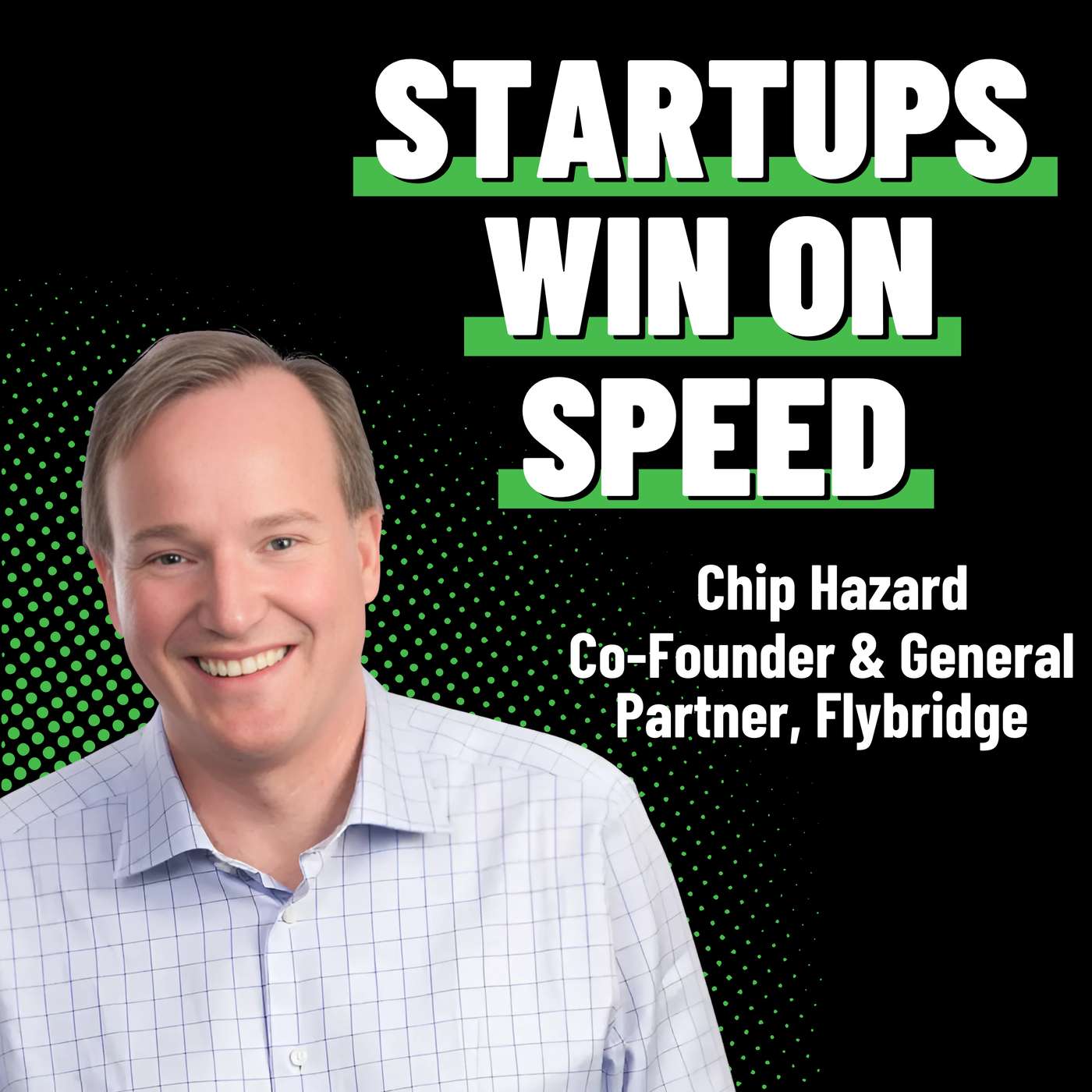 Demystifying Venture Capital - Chip Hazard - Flybridge - Episode #67 | THE FIRST EPISODE OF INVESTORS UNFILTERED!What do venture capitalists really look for in founders, and how can CEOs build strong, lasting relationships with their investors? In this episode, Chip Hazard, Co-Founder and General Partner at Flybridge, offers an inside look at how VCs think about evaluating founders, funding opportunities, and long-term partnerships. He shares the traits that consistently stand out and explains how these factors matter as much as business metrics, especially in the early stages.Chip also unpacks the evolution of fundraising, from vision-driven early rounds to later stages where metrics and revenue quality become critical. He reflects on the dynamics of board relationships, the importance of clear alignment on strategy, and why constructive feedback and ongoing communication are vital to scaling effectively. Takeaways:Ambition is Key: Chip emphasizes the importance of passion and ambition in founders. He's looking for those with domain expertise and unconventional thinking.Alignment on Strategy: For founders, aligning on strategy with investors is crucial. Chip notes that understanding an investor’s vision for the company can prevent conflicts and foster a positive partnership.Ongoing Communication: Chip discusses the importance of consistent communication between founders and investors, particularly in the early stages. Regular check-ins on strategy, challenges, and progress help maintain alignment and support.Insightful Board Interactions: The role of a board is to offer perspective and support strategic decision-making. Chip highlights that effective board meetings should align on strategy and not create unnecessary work for the company.Balancing Metrics and Vision: As companies evolve from pre-seed to later stages, the focus shifts from purely vision and team to include metrics and financial performance.The Value of Constructive Feedback: Constructive, honest feedback is essential. Chip stresses that a good VC relationship involves recognizing challenges, offering guidance, and maintaining trust without dictating to the founder.Quote of the Show:“ Startups win on speed. They don’t have anything else other than the ability to execute fast." - Chip HazardLinks:LinkedIn: https://www.linkedin.com/in/chiphazard/ Website: https://www.flybridge.com/ Ways to Tune In:Substack: https://notanotherceo.substack.com/Spotify: https://open.spotify.com/show/1NQ9oAB2XKlgWeL8iEQXg0 Apple Podcasts: https://podcasts.apple.com/us/podcast/not-another-ceo-podcast/id1751581707 YouTube: https://www.youtube.com/@NotAnotherCEOPodcast Transistor: https://podcast.notanotherceo.com/ #NotAnotherCEO #BusinessSuccess #FlybridgeChapters:00:00 Intro02:11 The Key Traits of Successful Founders04:09 Assessing Founders Beyond the Pitch06:04 Stages of Investment and What VCs Look For15:36 Working with Founders Post-Investment22:08 The Importance of External Perspectives25:52 Challenges in Board Dynamics30:37 Aligning with Venture Capitalists37:55 Geographical Differences in Startups40:13 Reflections and Regrets in Venture Capital43:18 The Passion for Investing45:47 Outro | — | ||||||
Want analysis for the episodes below?Free for Pro Submit a request, we'll have your selected episodes analyzed within an hour. Free, at no cost to you, for Pro users. | |||||||||
| 9/16/25 | 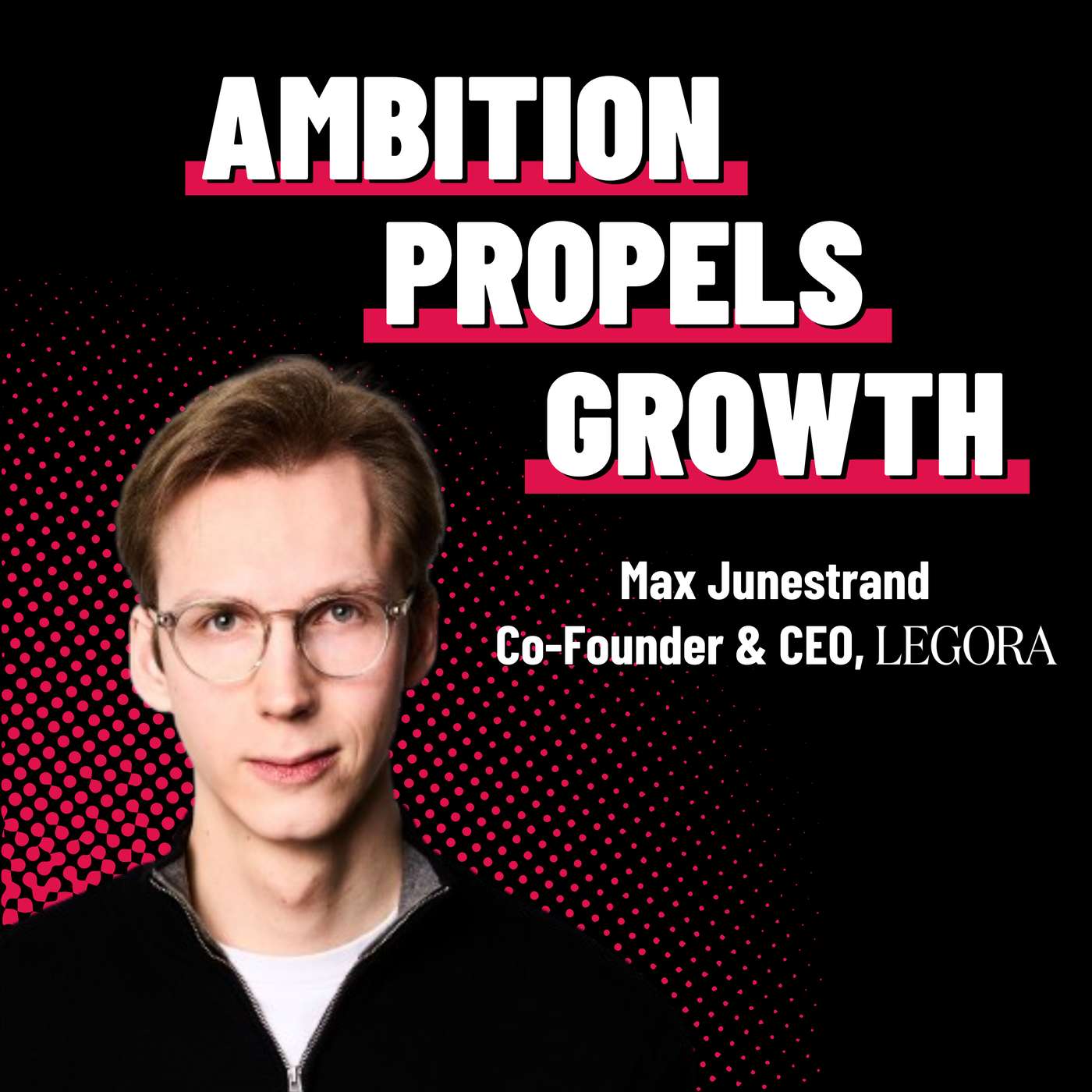 AI Driven Legal Evolution - Max Junestrand - Legora - Episode #64 | How do you scale a global company while transforming an industry as traditional as law?In this episode, Max Junestrand, Co-Founder and CEO of Legora, shares how he’s building the world’s first truly collaborative AI platform for legal services.Max reflects on his unconventional path from engineer to entrepreneur, what it took to win over law firms as an outsider, and why ambition and adaptability matter more than experience in fast-scaling environments. He also opens up about navigating hypergrowth, hiring with intention, and the cultural values that drive Legora’s mission to reshape how legal work gets done. Takeaways:Pioneering Global Expansion: Max's approach to expansion defies conventional paths. Instead of focusing solely on local markets like many Swedish companies, Max boldly decided to expand globally. The Power of Collaboration: Max stresses the importance of a shared mission between stakeholders and service providers, focusing on delivering unparalleled value and continuous improvement in legal services. Hiring and Culture Building: Max places a strong emphasis on ambition and cultural fit when hiring, believing these attributes are crucial for scaling a company. He maintains personal involvement in the interview process to ensure new hires align with the company’s high standards and growth trajectory.Learning and Growing from the YC Experience: Max’s experience with Y Combinator (YC) was transformative. Despite the complexities of maintaining operations during this period, the experience underscored the importance of mentorship and networking.Pushing the Envelope: Max underscores the importance of maintaining a proactive stance in innovation. By consistently exploring new pathways and pushing boundaries, he ensures the company remains at the forefront of technological advancements.Quote of the Show:“ There's a real value in actually being the second mover, and the value comes from two things... You get to see what is the right path and what is the wrong path." - Max JunestrandLinks:LinkedIn: https://www.linkedin.com/in/maxjunestrand/ Website: https://legora.com/ Ways to Tune In:Substack: https://notanotherceo.substack.com/Spotify: https://open.spotify.com/show/1NQ9oAB2XKlgWeL8iEQXg0 Apple Podcasts: https://podcasts.apple.com/us/podcast/not-another-ceo-podcast/id1751581707 YouTube: https://www.youtube.com/@NotAnotherCEOPodcast Transistor: https://podcast.notanotherceo.com/ #NotAnotherCEO #BusinessSuccess #LegoraChapters:00:00 Intro01:41 Founding and Early Challenges02:42 Sales Strategy and Growth06:40 Building a Strong Team13:55 Global Expansion29:43 Expanding Beyond Local Markets31:13 Challenges of Going Global33:40 Product Development and Iteration37:08 Competing with Industry Giants42:43 YC Experience and Early Challenges49:52 Personal Background and Motivation1:00:48 Outro | — | ||||||
| 6/24/25 |  Navigating Early Pivots - Adam Dell - Domain Money - Episode #50 | What does it take to walk away from a big idea and start over inside the same company? In this episode of Not Another CEO Podcast, Adam Dell opens up about the journey behind Domain Money. A serial Founder with multiple exits, Adam reflects on making hard pivots, recruiting top talent personally, navigating investor psychology, and why execution, not ego, is what earns the right to exist. He also shares how AI is transforming financial services and why the emotional highs and lows of startup life never really go away. Takeaways:Recruiting Personally, Relentlessly: Adam still personally recruits on LinkedIn, often spending hours each day identifying talent, crafting outreach, and filtering for startup fit. He believes CEO-led recruiting cuts through noise and shows prospects the role's importance.A Pivot Before the Crash: Originally conceived as a crypto banking platform, Domain Money pivoted early. Adam made the call based on market fundamentals and moved decisively, even when his team was still optimistic about the original vision.Transparent, Yet Optimistic Leadership: During the pivot, Adam prioritized honesty with his team while maintaining belief in the mission. He communicated openly about uncertainty and made clear that success was entirely on them.Investor Support Built on Track Record and Clarity: Adam credits his investor relationships and clear, data-backed thinking for enabling a smooth pivot. Though they challenged him, his investors supported the shift and recognized the market opportunity in personal finance.AI as a Backbone, Not a Gimmick: AI plays a major role in Domain Money’s operations, especially in improving planning efficiency. Adam is enthusiastic about AI’s pace and scope of change, calling it central to his product vision.The Mental Game of Being a Founder: The pivot at Domain Money required layoffs and letting go of certainty. Adam talks candidly about staying objective under pressure, fighting through doubt, and surrounding himself with trusted mentors while still waking up every day to earn it.Quote of the Show:"That uncertainty, that thing inside of you that forces you to figure it out, is very motivating to me and I quite enjoy it." - Adam DellLinks:LinkedIn: https://www.linkedin.com/in/adamdell/Website: https://www.domainmoney.com/Ways to Tune In:Substack: https://notanotherceo.substack.com/Spotify: https://open.spotify.com/show/1NQ9oAB2XKlgWeL8iEQXg0 Apple Podcasts: https://podcasts.apple.com/us/podcast/not-another-ceo-podcast/id1751581707 YouTube: https://www.youtube.com/@NotAnotherCEOPodcast Transistor: https://podcast.notanotherceo.com/ #NotAnotherCEO #BusinessSuccess #DomainMoneyChapters:00:00 Intro01:25 Recruiting Strategies for Startups07:15 Fundraising Insights and Market Sentiment11:46 The Evolution of Domain Money16:25 Navigating Pivots and Team Buy-In23:07 Growth Strategies and Partnerships26:20 Acquisitions and Exits29:23 Strategic Partnerships and Revenue Growth30:37 The Impact of AI on Technology and Business35:12 AI in Financial Planning and Wealth Management39:51 Challenges and Pivots in Business49:09 Personal Background and Entrepreneurial Journey57:37 Advice for Aspiring Entrepreneurs01:00:30 Outro | — | ||||||
| 6/3/25 |  Balancing Experience and Innovation - John Swigart - Pie Insurance - Episode #47 | How do you grow a startup into a transformative force in a highly regulated, slow-moving industry? John Swigart, Co-Founder and CEO of Pie Insurance, joins David Politis to discuss the importance of decisive leadership, the balance between founder intuition and executive delegation, and how execution at scale can be a long-term competitive advantage. From assembling a thoughtful board to reorienting a business for profitability, John shares lessons from building a modern insurance company from scratch. Takeaways:Decisiveness Around Leadership Transitions: John emphasizes making tough calls on leadership team members who may no longer be the right fit as a company evolves. Waiting too long creates compounding challenges and stalls progress.Balancing Founder Involvement with Delegation: He reflects on the “founder mode” concept, describing the need for leaders—founder or not—to stay close to the details while avoiding micromanagement. Clarity and context are key.The Decision-Making Matrix at Pie: John explains Pie’s internal framework for decision-making, which clearly defines who owns decisions, who contributes input, and how final calls are made—helping empower teams without chaos.Why Pie Competes in a Difficult Industry: Despite the dominance of legacy players in insurance, John saw a real opportunity: a fragmented market with outdated tech and poor customer experience. Pie’s modern, data-driven model aims to change that.Process Power as a Competitive Moat: Pie focuses on doing hundreds of small things better than the competition. John describes how consistent operational execution and better technology form a durable advantage over time.Adapting to a Profitability-Focused Environment: John details the major internal shift required when venture markets changed in 2022—from “grow at all costs” to sustainable, efficient operations. Layoffs and restructuring followed, but the business emerged stronger.Advice to His Younger Self: John would tell his younger self—and others early in their careers—to say yes to opportunities that offer growth. Don’t over-optimize for money or title; focus on learning and exposure instead.Quote of the Show:"Early in your career, optimize on learning growth, exposure, opportunity, not on money or title or, or anything of that nature." - John SwigartLinks:LinkedIn: https://www.linkedin.com/in/johnswigart/Website: https://www.pieinsurance.com/Ways to Tune In:Substack: https://notanotherceo.substack.com/Spotify: https://open.spotify.com/show/1NQ9oAB2XKlgWeL8iEQXg0 Apple Podcasts: https://podcasts.apple.com/us/podcast/not-another-ceo-podcast/id1751581707 YouTube: https://www.youtube.com/@NotAnotherCEOPodcast Transistor: https://podcast.notanotherceo.com/ #NotAnotherCEO #BusinessSuccess #PieInsuranceChapters:00:00 Intro01:42 Key Decisions and Leadership Challenges07:24 Building and Evolving Leadership Teams11:03 The Concept of Founder Mode20:58 Competing in a Highly Regulated Market31:13 Early Days and Customer Acquisition31:53 Early Days of Multi-Channel Distribution34:35 Fundraising Challenges and Successes36:59 Building an Impressive Board42:33 Navigating Business Challenges48:39 Founding a Company Later in Life53:46 Personal Growth and Mentorship57:06 Pivotal Career Moments01:00:48 Advice for Aspiring Entrepreneurs01:02:17 Outro | — | ||||||
| 5/20/25 |  Global Talent & Community - Nicolas & Alina Vandenberghe - Chili Piper - Episode #45 | How do you build a global tech company from scratch—and stay married while doing it? Nicolas and Alina Vandenberghe, Co-Founders and Co-CEOs of Chili Piper, join David Politis for an in-depth conversation on bootstrapping, hiring globally, handling layoffs, and building community with intention.From convincing early customers to prepay for a non-existent product to implementing a decision-making framework that replaces most meetings, they reveal what it really takes to grow a successful, remote-first company together. Takeaways:Buy-In Without a Product: By focusing on real, unsolved pain points and validating ideas through milestone-based contracts, they built confidence and traction before writing a single line of code.Hiring Across Borders for Talent, Not Cost: Nicolas explains how they built Chili Piper by hiring globally from day one, prioritizing talent regardless of geography. They developed a compensation framework by region and job level to ensure fairness while scaling a fully remote team.Building Culture Through Annual Global Gatherings: The company brings its global team together once a year for a shared in-person experience—despite the cost. The cultural exchange deepens trust and unity across a fully distributed team, making it one of the most valuable investments they make each year.Scaling with Asynchronous Decision Memos: To cut down on meetings, Chili Piper developed a company-wide decision memo process. Each decision includes context, options, and a designated “consensus caller.” This system supports clarity, inclusion, and transparency without constant live discussions.Overcoming Financial Stress in a Bootstrapped Journey: Nicolas recounts moments when they had no cash in the bank—offering equity in lieu of salaries to early employees. Those shares later became life-changing, and the experience shaped their resilient, scrappy mindset.Community as a Founder Superpower: Alina reflects on how building community—without tracking pipeline or ROI—has been vital to learning and joy. By showing up with genuine curiosity, she’s gained clarity on what customers really care about and how to serve them authentically.Leading with Empathy, Curiosity, and Drive: In describing each other’s superpowers, Alina credits Nicolas for his deep empathy and organizational clarity, while Nicolas points to Alina’s intense curiosity and willingness to experiment. Together, they’ve created a leadership model rooted in trust and transparencyQuote of the Show:" If you go with selfish reasons… people read that. Even if you don’t say it, they can feel it." - Alina VandenbergheLinks:Alina’ LinkedIn: https://www.linkedin.com/in/alinav/Nicolas’ LinkedIn: https://www.linkedin.com/in/nvandenberghe/Website: https://www.chilipiper.com/Ways to Tune In:Substack: https://notanotherceo.substack.com/Spotify: https://open.spotify.com/show/1NQ9oAB2XKlgWeL8iEQXg0 Apple Podcasts: https://podcasts.apple.com/us/podcast/not-another-ceo-podcast/id1751581707 YouTube: https://www.youtube.com/@NotAnotherCEOPodcast Transistor: https://podcast.notanotherceo.com/ #NotAnotherCEO #BusinessSuccess #ChiliPiperChapters:00:00 Intro01:59 Early Challenges and First Customers07:28 Building and Scaling the Team12:59 Remote Work and Company Culture17:55 Decision Making and Documentation34:23 Alina's Superpower: Curiosity and Community Building35:59 The Value of Community in Business40:03 Nicholas's Superpower: Empathy and Human Insight44:34 Challenges and Triumphs in Entrepreneurship51:25 The Future of Chili Piper54:25 Personal Backgrounds and Entrepreneurial Journeys01:02:28 Balancing Family and Business01:06:18 Advice for Aspiring Entrepreneurs01:08:49 Outro | — | ||||||
| 5/13/25 |  Communication and Culture - Alan Masarek - Avaya - Episode #44 | What does it take to lead lasting change in an organization? Alan Masarek, a multi-time CEO with a track record of company turnarounds, shares the lessons he’s learned from transforming brands like Vonage and Avaya. In this in-depth conversation, Alan talks about building high-performing teams, the power of clear communication, succession planning, and how to lead authentically across companies of every size. Takeaways:There’s No “One Thing” — But Culture Comes Close: Alan explains that success doesn’t come from a single action but a combination of choices: pursuing winnable markets, building strong teams, and creating cultures rooted in openness, honesty, and transparency.Clear, Simple, & Repetitive Communication: He emphasizes the necessity of repetitive messaging to reinforce confidence and direction within an organization. Regardless of the company size, developing the habit of effective communication early is crucial for long-term success.Transforming Vonage Meant Facing Reality: At Vonage, Alan led a shift from residential telephony to business communications. He dismantled internal divisions, repositioned the company, and made hard but necessary cultural changes by being direct about who was driving growth and who wasn’t.People Follow Leaders, Not Titles: Alan emphasizes hiring smart, high-integrity people and focusing on the top two layers of the organization. He looks for utility players with CEO potential, not just narrow specialists.Avoiding the Trap of Over-Reporting: When he arrived at Avaya, a 77-slide weekly report deck had become the norm. Alan reduced this dramatically, advocating for consistent, actionable metrics that focus on real business health rather than satisfying a process.Private Equity Dynamics Can Clash with Strategy: Alan reflects on the challenges of navigating fund timelines and liquidity needs, especially in private equity-backed companies. He notes that these dynamics can often push leaders toward short-term decisions at odds with long-term business goals.Leadership Isn’t About Work-Life Balance — It’s About Fulfillment: Alan shares his view that if you love what you do, work-life balance becomes irrelevant. He encourages young professionals to build wide foundations early in their careers by learning as much as they can, as fast as they can.Quote of the Show:" Our job as leaders is to lay that picture out clearly... 'cause all too often we ask people to achieve what they can't imagine." - Alan MasarekLinks:LinkedIn: https://www.linkedin.com/in/alan-masarek-1aa1a8a8/Twitter (X): https://twitter.com/amasarekWebsite: https://www.avaya.com/en/Ways to Tune In:Substack: https://notanotherceo.substack.com/Spotify: https://open.spotify.com/show/1NQ9oAB2XKlgWeL8iEQXg0 Apple Podcasts: https://podcasts.apple.com/us/podcast/not-another-ceo-podcast/id1751581707 YouTube: https://www.youtube.com/@NotAnotherCEOPodcast Transistor: https://podcast.notanotherceo.com/ #NotAnotherCEO #BusinessSuccess #AvayaChapters:00:00 Intro01:43 Alan Massek's Leadership Philosophy05:45 The Importance of Communication in Leadership07:20 Transforming Avaya: A Case Study10:23 Challenges and Strategies in Business Transformation17:03 Vonage Transformation: From Residential to Business Communications28:50 Hiring and Building High-Performing Teams40:22 The Importance of CEO Succession Planning41:46 Navigating Acquisitions: Strategies and Insights48:49 The Role of Private Equity in Modern Business54:09 Life After Stepping Down as CEO56:20 Leadership and Mentorship: Keys to Success01:06:02 Work-Life Balance and Return to Office01:14:28 Advice for Young Professionals01:17:26 Outro | — | ||||||
| 5/6/25 | 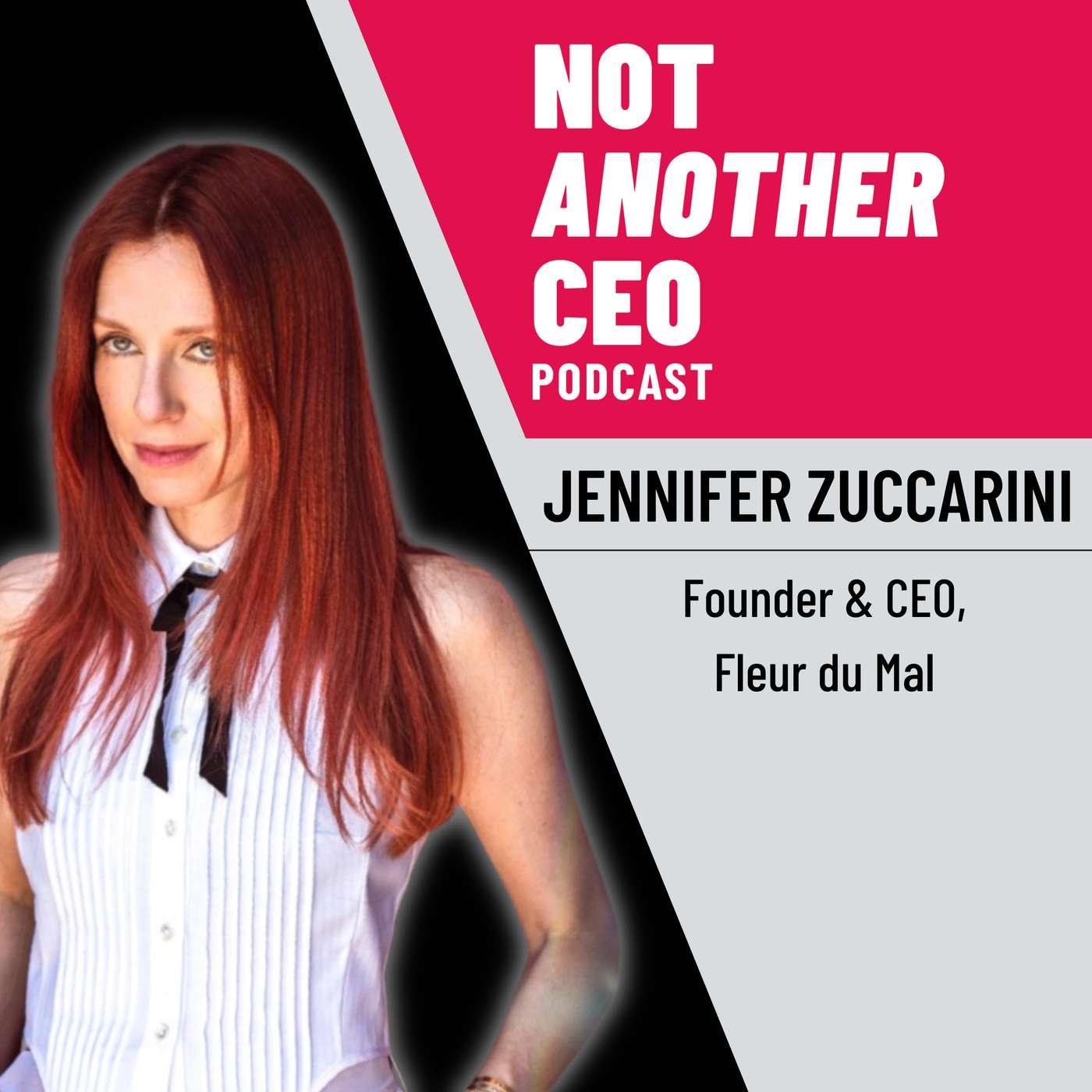 The Art of Brand Building - Jennifer Zuccarini - Fleur du Mal - Episode #43 | What does it take to build a pioneering luxury lingerie brand? In this episode, Jennifer Zuccarini, Founder and CEO of Fleur du Mal, shares her journey from launching her second company in the lingerie space to creating a brand celebrated by celebrities and top fashion publications. Jennifer opens up about key moments in her entrepreneurial path, including nurturing team culture, expanding product lines, and overcoming financial hurdles. She also discusses the importance of community-building, the challenges of retail expansion, and the creative satisfaction that drives her forward. Takeaways:Staying True to the Vision: Jennifer explains that her original idea for Fleur du Mal remains core to what the brand is today. She emphasizes the importance of holding onto that original creative inspiration while evolving with new trends and consumer expectations.Focusing on Team Culture: Jennifer underscores the importance of investing in team culture. She admits that early on, she was more focused on building the brand, but now she emphasizes team recognition. Initiatives like 'employee of the season' and regular team outings, such as Spring Equinox parties and personalized birthday celebrations, have helped create a strong, appreciative team environment.Overcoming Financial Challenges: Jennifer reveals a critical moment two years into Fleur du Mal when the company almost ran out of money. She borrowed funds from investors and had to delay payroll, which resulted in losing much of her team. Despite the setback, she managed to rebuild the company, describing it as the most challenging period in her professional life.Passion for Product and Brand: Jennifer highlights her deep passion for product design and brand building, taking personal involvement in every aspect from approving email marketing to attending every product fitting.Innovative Products and Methods: She details the challenges and strategies involved in creating and marketing new products, especially within the constraints of advertising restrictions on platforms like Google and Meta.Retail Expansion and Community Building: Jennifer discusses the strategic expansion of Fleur du Mal’s retail footprint. By leveraging data from their strong online business, they identify ideal locations for new stores to build community and enhance customer experience. Personal and Professional Growth: Reflecting on her career, Jennifer values the importance of appreciating the journey. She advises founders to find satisfaction in their daily work and to recognize that building something meaningful takes time and effort.Quote of the Show:" I think the best brands really have a very strong point of view that they stick to all the time." - Jennifer ZuccariniLinks:LinkedIn: https://www.linkedin.com/in/jenniferzuccarini/Twitter (X): https://x.com/jzuccariniWebsite: https://fleurdumal.com/Ways to Tune In:Substack: https://notanotherceo.substack.com/Spotify: https://open.spotify.com/show/1NQ9oAB2XKlgWeL8iEQXg0 Apple Podcasts: https://podcasts.apple.com/us/podcast/not-another-ceo-podcast/id1751581707 YouTube: https://www.youtube.com/@NotAnotherCEOPodcast Transistor: https://podcast.notanotherceo.com/ #NotAnotherCEO #BusinessSuccess #FleurduMalChapters:00:00 Intro01:33 Building a Strong Team Culture05:21 Passion for Product and Brand06:27 Challenges in Brand Building14:54 Expanding Product Lines18:27 Navigating Marketing Restrictions26:22 Engaging with the Community28:48 The Power of Authenticity in Business29:24 Expanding Retail Strategy29:41 Balancing Retail and Online Presence30:41 Challenges of Retail Expansion31:37 Future Plans and Team Building34:20 Overcoming Financial Challenges37:53 Lessons from Transparency and Team Loss42:08 Entrepreneurial Spirit and Family Influence44:48 Mentorship and Role Models46:58 Drive and Motivation51:17 Advice for Aspiring Entrepreneurs54:53 Outro | — | ||||||
| 4/29/25 | 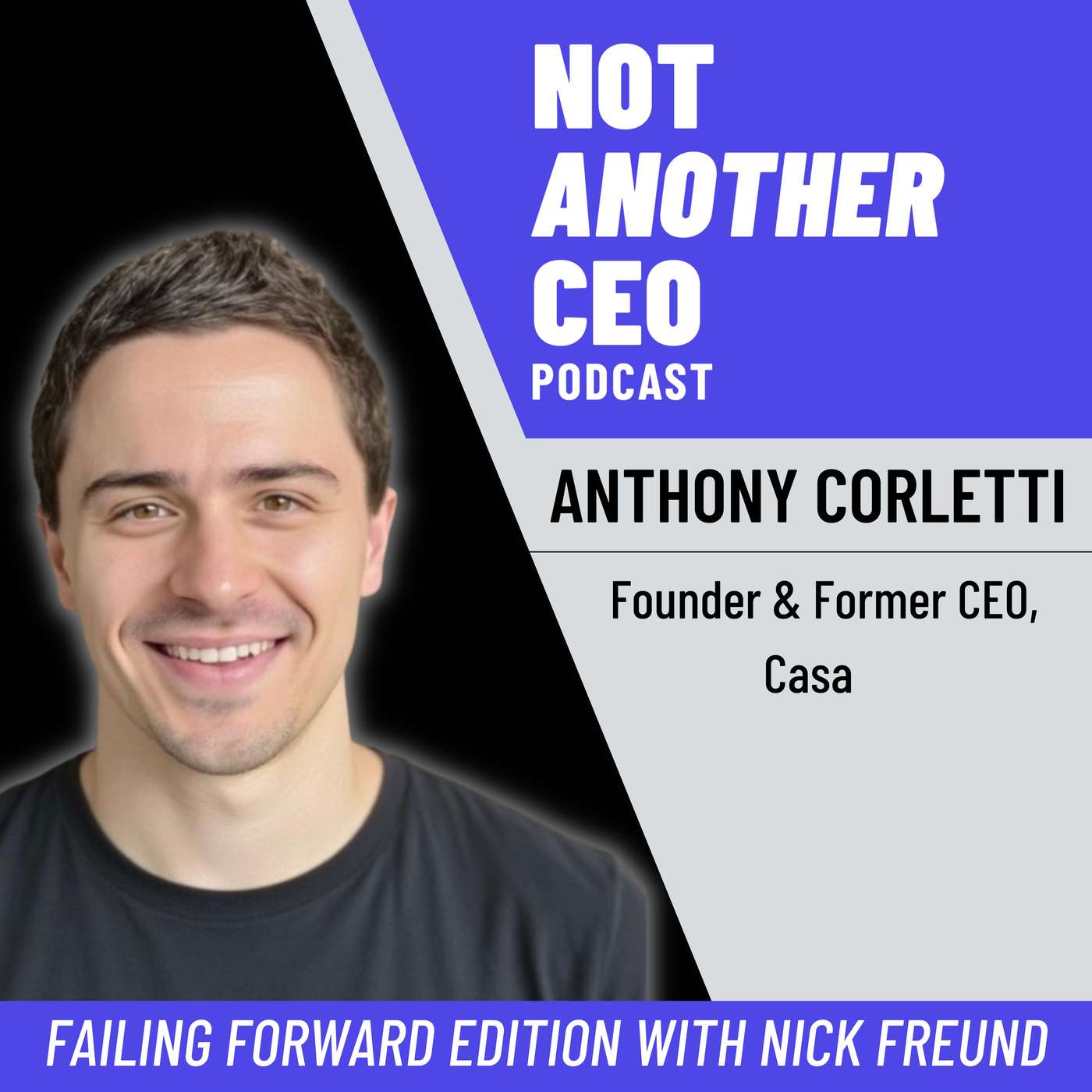 Learning from Setbacks - Anthony Corletti - Casa - Episode #41 | What happens when passion, persistence, and curiosity meet the brutal realities of startup life? In this Failing Forward edition of Not Another CEO Podcast, Nick Freund sits down with Anthony Corletti, a seasoned technical founder and former CEO of Casa, to unpack his entrepreneurial journey. Anthony shares hard-won lessons from building, and ultimately shutting down, his company, discusses frameworks like the "Founder’s Care-o-Meter" and the "Personal Board of Advisors," and reflects on how founding has shaped his broader life perspective. Takeaways:The Spark for Entrepreneurship: Anthony shares how working closely with rideshare drivers during his early startup days ignited his passion for solving real-world problems through tech, and how the immediacy of feedback fueled his love for early-stage building.What Drives a Technical Founder: For Anthony, the excitement lies in scaling impact, solving one user's problem in a way that could eventually benefit thousands. His love of learning and "always day one" mindset continues to push him forward.The Lightbulb Moment for Casa: A podcast analogy about how context transforms perception inspired Anthony to rethink how engineering workspaces could better integrate product and design teams, leading to the idea behind Casa.Introducing the Founder’s Care-o-Meter: Anthony explains the framework he created to check his conviction at different stages of building Casa. He tracked whether he still felt a "hell yes" about the mission and scored his emotional connection to the problem versus the solution every six weeks.Building a Personal Board of Advisors: Anthony stresses the importance of surrounding yourself with trusted confidants, from family to expert mentors, who can offer honest feedback, accountability, and different perspectives throughout the founder journey.Knowing When to Shut Down: Anthony candidly describes how feedback from pilot customers, competitive insights, and introspection via the Care-o-Meter helped him make the difficult but clear-eyed decision to wind down Casa.Founding and Life Philosophy: Anthony reflects on how founding has shaped his view of service, resilience, and embracing life's unexpected opportunities. His future focus is simple: prioritize the people you work with and the problems you solve.Quote of the Show:" Experience is what you get when maybe you didn't get what you wanted… being able to share that with [future founders] is such a critical point, and it's super important." - Anthony CorlettiLinks:LinkedIn: https://www.linkedin.com/in/anthonycorletti/Twitter (X): https://x.com/anthonycorlettiWebsite: https://www.anthonycorletti.com/Ways to Tune In:Spotify: https://open.spotify.com/show/1NQ9oAB2XKlgWeL8iEQXg0 Apple Podcasts: https://podcasts.apple.com/us/podcast/not-another-ceo-podcast/id1751581707 Amazon Music: https://music.amazon.com/podcasts/7c6328f0-9b42-41db-8fe2-d263b4fbb261 Transistor: https://podcast.notanotherceo.com/ YouTube: https://www.youtube.com/@NotAnotherCEOPodcast #NotAnotherCEO #BusinessSuccess #CasaChapters:00:00 Intro04:14 Anthony's Journey and Early Career09:10 The Inspiration Behind Casa14:51 The Founder's Care-o-Meter19:49 Building a Personal Board of Advisors25:57 Facing Initial Challenges26:57 Pivoting and Feedback27:31 Connecting with Industry Leaders29:28 Emotional Journey of a Founder31:01 Reflecting on Key Decisions33:06 The Importance of Co-Founders33:46 Customer-Centric Product Development36:16 The Role of Luck in Success38:46 Balancing Life and Founding39:42 Founder's Philosophy and Future Plans45:55 Where To Next?48:24 Outro | — | ||||||
| 4/15/25 | 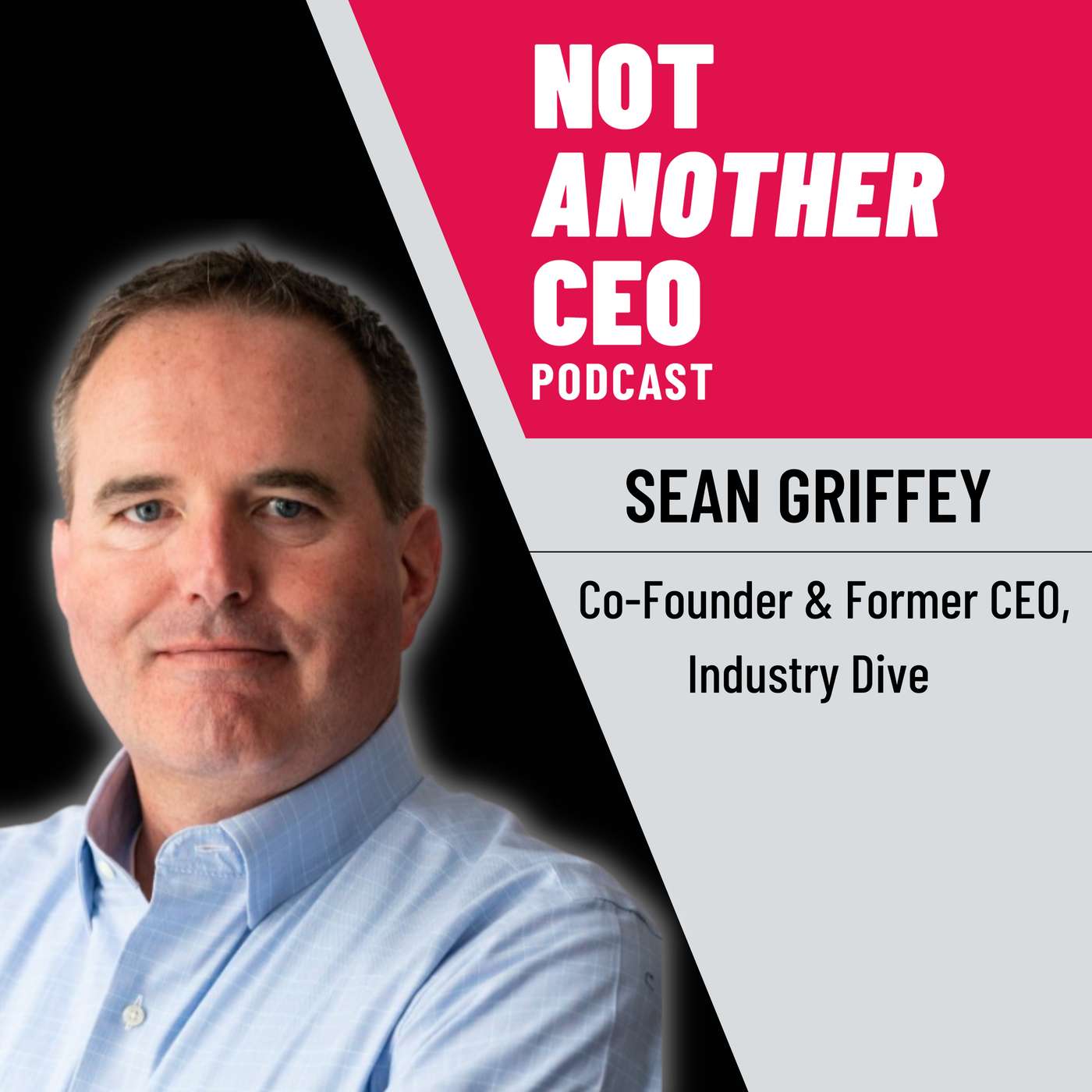 Bootstrapping to Success - Sean Griffey - Industry Dive - Episode #39 | What happens when you combine relentless focus with long-term trust and bootstrapped grit? In this episode of Not Another CEO Podcast, David Politis chats with Sean Griffey, the co-founder and former CEO of Industry Dive, a digital media company that went from humble beginnings to a $500M+ acquisition.Sean dives into how simplicity became his core operating principle, the creative strategies behind building a strong team, and why bootstrapping gave him the ultimate freedom. He also opens up about co-founder dynamics, the emotional challenges of scaling leadership, and finding clarity after stepping down. Takeaways:Start with Simplicity, Scale with Clarity: Sean shares how simplicity became a guiding principle across operations, sales, and product. By constantly asking “How can we make this easier?”, Industry Dive streamlined execution and scaled effectively across 30 different markets.The Coffee Challenge That Built Culture: To foster cross-team collaboration, new hires were given a $50 coffee stipend and a list of quirky and strategic questions to ask people outside their department. This initiative not only built early camaraderie but also helped break down silos before they could form.Bootstrapping with Intent (and $400K): While Industry Dive raised a small angel round, Sean considered the business bootstrapped and didn’t pay himself for 18 months. He talks about resisting early VC offers in favor of building profitably and why media businesses need time, not acceleration.Strategic Exit Through Private Equity: Sean shares how the PE partnership offered strategic guidance, operating support, and true alignment on growth goals.The Leadership Challenges No One Talks About: Sean reflects on the difficulty of maintaining culture and connection at scale, especially through the pandemic. He emphasizes the importance of transparency, weekly all-hands, and honest company-wide Q&As—even when the questions were tough.Letting Go and What Comes Next: After stepping down as CEO, Sean is still adjusting. He shares how he's staying engaged and how he’s giving himself space to figure out what’s next with no pressure.Quote of the Show:“There’s an incredible amount of time to be successful… you can enjoy it along the way too.” - Sean GriffeyLinks:LinkedIn: https://www.linkedin.com/in/seangriffey/Twitter (X): http://twitter.com/seangriffeyCompany Website: https://www.industrydive.com/Ways to Tune In:Spotify: https://open.spotify.com/show/1NQ9oAB2XKlgWeL8iEQXg0 Apple Podcasts: https://podcasts.apple.com/us/podcast/not-another-ceo-podcast/id1751581707 Amazon Music: https://music.amazon.com/podcasts/7c6328f0-9b42-41db-8fe2-d263b4fbb261 Transistor: https://podcast.notanotherceo.com/ YouTube: https://www.youtube.com/@NotAnotherCEOPodcast #NotAnotherCEO #BusinessSuccess #IndustryDiveChapters:00:00 Intro01:27 Key Strategies for Success at Industry Dive02:31 The Coffee Challenge: Building Cross-Departmental Relationships07:15 Maintaining Simplicity in Business Operations10:19 Co-Founder Dynamics and Roles16:34 Bootstrapping and Fundraising Journey26:09 Private Equity Partnership Experience29:00 Private Equity's Role in Scaling30:57 Navigating the Pandemic with Private Equity33:03 Alignment and Exit Strategy with Private Equity37:51 Challenges and Team Alignment47:42 CEO's Reflections and Future Plans51:03 Advice for Aspiring Entrepreneurs58:29 Outro | — | ||||||
| 4/8/25 | 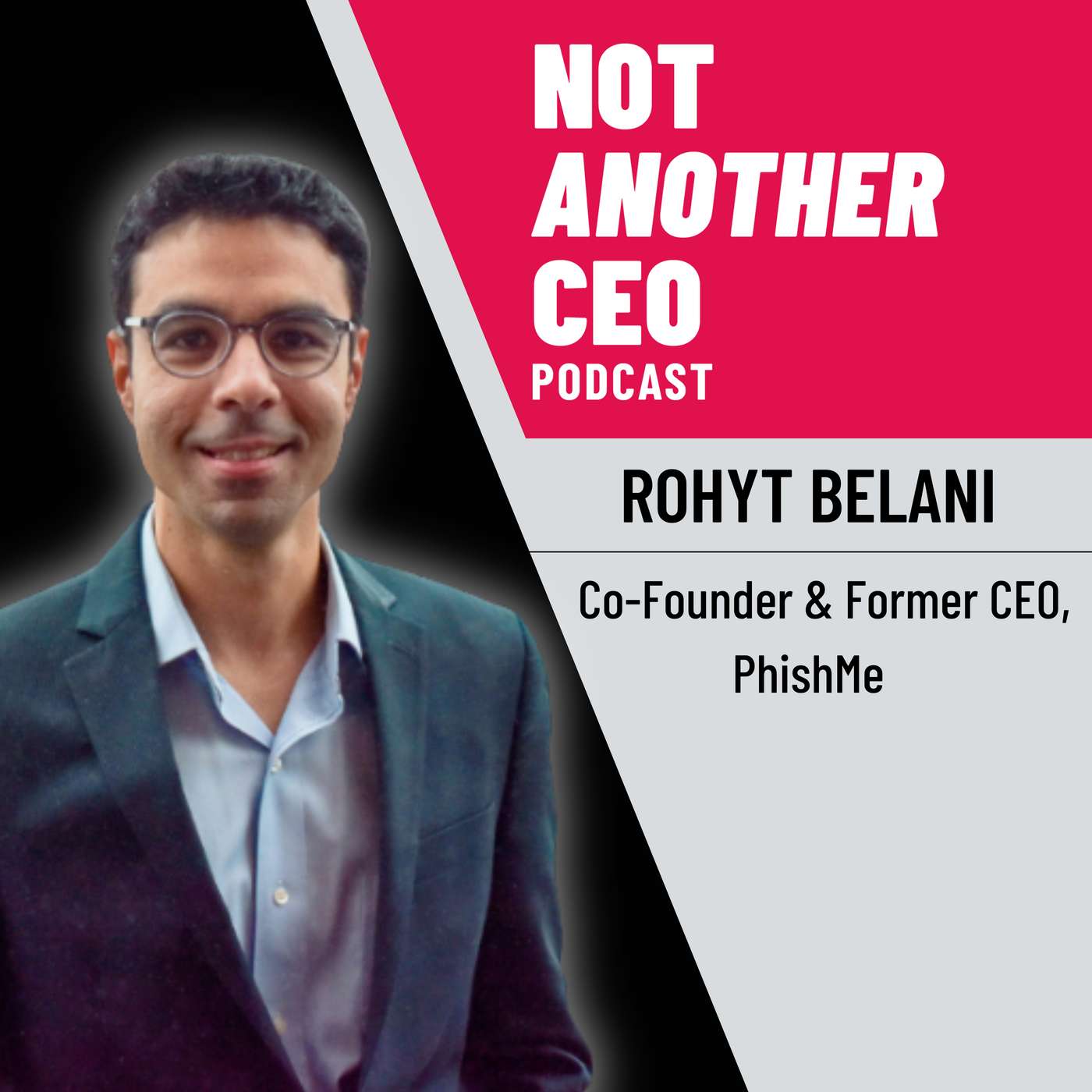 Leading Through Change - Rohyt Belani - PhishMe - Episode #38 | What happens when a cybersecurity expert pioneers a new approach to phishing defense? Join us as we delve into the journey of Rohyt Belani, Co-Founder and Former CEO of PhishMe, who turned a simple idea into a $400 million exit to BlackRock. Rohyt discusses his unique business strategies, the importance of an employee-first culture, navigating massive challenges, and raising capital efficiently. Watch now to gain invaluable entrepreneurial insights from one of the leading minds in cybersecurity. Takeaways:Bootstrapping to Success: Rohyt discusses how he and his co-founder bootstrapped the company to $2.5 million in ARR before accepting any external funding. They leveraged their prior industry experience and personal networks to secure their first enterprise customers.Implementing Employee-Friendly Policies: The adoption of policies such as half-day Fridays significantly boosted morale and productivity among staff. Rohyt emphasizes the importance of putting employees first and how this principle was pivotal in creating a positive company culture. Transitioning From Services to Product: Rohyt talks about the challenges and learning curve associated with moving from a consulting company to a scalable product business. He highlights the necessity of balancing growth with capital efficiency and the mindset shift required to achieve this.Acquiring Enterprise Customers: The PhishMe team focused on a hands-on approach to customer acquisition, including attending numerous industry events and leveraging their expertise in cybersecurity to build trust. Expansion into new markets was approached cautiously and strategically, ensuring that initial customer wins provided a foundation for further growth.Investigated by the U.S. government: Rohyt recounts the hardships faced during a CFIUS investigation into a Russian investor associated with their private equity backer. Despite an onslaught of negative publicity and customer attrition, the PhishMe team managed to steer the company through this crisis while maintaining their integrity and focus on growth.Fundraising and Investor Relations: Initially, raising capital was a grueling process involving over 100 investor meetings to secure their first funding. However, as PhishMe demonstrated significant growth, subsequent funding rounds saw increased interest, culminating in multiple competing term sheets and better negotiation leverage.Balancing Innovation and Customer Needs: The importance of listening to customer feedback and anticipating future needs led to the development of complementary products, which significantly boosted the company's market standing and revenue. This approach ensured that PhishMe stayed relevant and valuable to its customers.Quote of the Show:“ There's probably a hundred good ideas for any given product, and you have to be able to whittle it down to say, what are the three things we're doing over the next three to six months?” - Rohyt BelaniLinks:LinkedIn: https://www.linkedin.com/in/rohytbelani/Twitter (X): https://x.com/rohytbelaniCompany Website: https://cofense.com/Ways to Tune In:Spotify: https://open.spotify.com/show/1NQ9oAB2XKlgWeL8iEQXg0 Apple Podcasts: https://podcasts.apple.com/us/podcast/not-another-ceo-podcast/id1751581707 Amazon Music: https://music.amazon.com/podcasts/7c6328f0-9b42-41db-8fe2-d263b4fbb261 Transistor: https://podcast.notanotherceo.com/ YouTube: https://www.youtube.com/@NotAnotherCEOPodcast #NotAnotherCEO #BusinessSuccess #PhishMeChapters:00:00 Intro01:17 What You'd Do Again as CEO04:20 Challenges and Insights on Work Culture07:16 Early Customer Acquisition16:06 Fundraising Journey23:26 Product Evolution and Expansion30:15 Navigating Customer Feedback and Innovation32:40 Defining and Evolving the Ideal Customer Profile (ICP)33:45 Transitioning from Consulting to Product Company36:09 Challenges and Strategies in Scaling a Product Company41:40 Overcoming a Major Crisis: The CFIUS Investigation47:01 Life After Stepping Down: Advising and Mentoring48:55 Reflections on Entrepreneurship and Mentorship57:31 Outro | — | ||||||
| 4/1/25 |  Leveraging Technical Knowledge - Itamar Friedman - Qodo - Episode #37 | How can AI revolutionize the way we build and test software? In this episode of Not Another CEO Podcast, David Politis sits down with Itamar Friedman, Co-Founder and CEO of Qodo, to explore the impact of AI-driven software development. Itamar shares insights on how AI can enhance code integrity, optimize developer workflows, and shape the future of software engineering. From his entrepreneurial journey to the latest advancements in AI, Itamar dives deep into the challenges and opportunities of bringing AI into software development. Takeaways:From Research to Entrepreneurship: Itamar shares his journey from studying AI to co-founding Qodo, discussing how his background in machine learning and software engineering led to his mission of improving code quality.AI-Powered Code Integrity: AI isn’t just about generating code—it’s about ensuring its accuracy and efficiency. Itamar explains how Qodo is redefining software testing by automating code validation and catching potential issues early in development.Challenges of Building AI for Developers: Unlike other AI applications, coding tools must be highly reliable. Itamar breaks down the unique hurdles of building AI that developers can trust and seamlessly integrate into their workflows.The Role of AI in Software Testing: Traditional software testing methods are time-consuming and often inefficient. Itamar discusses how AI-driven test generation is changing the landscape, making development faster and more reliable.Scaling an AI Startup: Bringing an AI-powered tool to market requires balancing innovation with practicality. Itamar shares his experience of scaling Qodo, attracting early adopters, and iterating based on developer feedback.Ethical Considerations in AI Development: With AI playing a bigger role in critical processes, ethical concerns are inevitable. Itamar reflects on responsible AI development, the risks of automation, and how companies can build AI that benefits users.The Future of AI in Development Workflows: Looking ahead, Itamar shares his predictions for how AI will continue to transform software engineering, from fully automated debugging to more intelligent coding assistants.Quote of the Show:“I'm not saying that technical people should give up on that. Actually that's our superpower.” - Itamar FriedmanLinks:LinkedIn: https://www.linkedin.com/in/itamarf Twitter (X): https://x.com/itamar_marCompany Website: https://www.qodo.ai Ways to Tune In:Spotify: https://open.spotify.com/show/1NQ9oAB2XKlgWeL8iEQXg0 Apple Podcasts: https://podcasts.apple.com/us/podcast/not-another-ceo-podcast/id1751581707 Amazon Music: https://music.amazon.com/podcasts/7c6328f0-9b42-41db-8fe2-d263b4fbb261 Transistor: https://podcast.notanotherceo.com/ YouTube: https://www.youtube.com/@NotAnotherCEOPodcast #NotAnotherCEO #BusinessSuccess #QodoChapters:00:00 Intro01:36 What You’d Do Again As CEO06:02 Transitioning to CEO14:27 The Role of AI in Software Development21:28 Challenges and Insights as a First-Time CEO32:21 Finding the First Customers36:57 Strong Content and Alpha Code38:22 Product-Led Growth and Sales Strategy42:08 Fundraising Journey and Investor Alignment51:57 Challenges and Vision for AI in Coding54:59 Balancing Entrepreneurship and Personal Life01:04:31 Advice to Younger Self01:07:49 Outro | — | ||||||
| 3/25/25 |  Empowering Plus-Size Fashion - Nadia Boujarwah - Dia&Co - Episode #36 | How do you build a brand that resonates deeply with millions of customers? In this episode of Not Another CEO Podcast, David Politis sits down with Nadia Boujarwah, Co-Founder and Former CEO of Dia&Co, to discuss her journey in revolutionizing plus-size fashion. Nadia shares the challenges of building an inclusive brand, navigating venture funding, and leading a mission-driven company through rapid growth and industry shifts. She also reflects on the power of community, hiring the right team, and the lessons she learned stepping down as CEO after a decade at the helm. Takeaways:The Power of a Co-Founder Relationship: Nadia emphasizes that choosing the right Co-Founder is one of the most critical decisions in a startup journey. She shares how this played a pivotal role in shaping Dia&Co and why equal economics from day one helped maintain a strong partnership.Building a Business from the Ground Up: Before developing a scalable platform, Nadia and her Co-Founder personally shopped for thousands of customers to deeply understand their needs. She explains why doing things manually in the early days was key to creating a product-market fit.Fundraising Challenges & Breakthroughs: Raising Dia&Co’s first million dollars took nearly a year, yet within 18 months, they secured over $100 million in funding. Nadia shares insights on what changed, how she navigated investor skepticism, and why the right investors can make all the difference.Scaling from Startup to Major Brand: At its peak, Dia&Co hired 600 people in a single year. Nadia discusses the challenges of leading a fast-growing organization, maintaining company culture, and evolving her leadership style to keep up with the business’s rapid expansion.The Role of Community in Brand Building: The Dia&Co customer base formed organic Facebook groups that grew into a passionate and engaged community. Nadia shares how customers turned into brand ambassadors, planned meetups, and even got tattoos to represent the brand’s impact.Navigating Major Business Shifts & the Pandemic: From industry-wide changes to the unpredictability of COVID-19, Nadia reflects on leading through uncertainty, making tough calls, and staying resilient in the face of evolving challenges.Stepping Down as CEO & What’s Next: After a decade of building Dia&Co, Nadia made the difficult decision to transition out of the CEO role. She opens up about that process, how she adjusted to life post-CEO, and what she’s exploring next.Quote of the Show:“ There's a fundamental attribute of being an immigrant that you think that the locus of control in your life is inside of you” - Nadia BoujarwahLinks:LinkedIn: https://www.linkedin.com/in/nadiaboujarwah/Company Website: https://www.dia.com/Ways to Tune In:Spotify: https://open.spotify.com/show/1NQ9oAB2XKlgWeL8iEQXg0 Apple Podcasts: https://podcasts.apple.com/us/podcast/not-another-ceo-podcast/id1751581707 Amazon Music: https://music.amazon.com/podcasts/7c6328f0-9b42-41db-8fe2-d263b4fbb261 Transistor: https://podcast.notanotherceo.com/ YouTube: https://www.youtube.com/@NotAnotherCEOPodcast #NotAnotherCEO #BusinessSuccess #Dia&CoChapters:00:00 Intro01:40 What You’d Do Again As CEO08:06 Starting Dia&Co: From Idea to Execution14:38 Building a Community and Raising Funds22:52 Navigating Investor Relationships27:45 Transitioning Leadership at Dia&Co33:29 Biggest Challenge Faced at Dia&Co36:53 Growing Up in an Immigrant Family41:02 The Value of an MBA49:33 Future of AI in Apparel52:07 Advice to Younger Self55:47 Outro | — | ||||||
| 3/4/25 |  Balancing Vision and Action - Zac Smith - Not Another CEO Podcast - Episode #33 | What does it take to build and scale a successful company? In this episode of Not Another CEO Podcast, David Politis sits down with Zac Smith, Co-Founder and Former CEO of Packet. Zac discusses the importance of structured execution, hiring for passion, and balancing long-term vision with short-term execution. Whether you're a founder, leader, or aspiring entrepreneur, this conversation is packed with valuable insights on leadership, company building, and decision-making. Takeaways:The Power of a 10-Year Vision: Zac believes that thinking long-term is critical for building meaningful businesses. He explains how setting a bold 10-year goal helps guide decision-making and prioritization in the short term.Entrepreneurial Operating System (EOS) for Success: One of Zac’s most impactful lessons was implementing EOS to create structure and accountability within his companies. He shares how this system helped him move from gut-driven decisions to a scalable business framework.Execution is the Differentiator: Most companies operate at a 3 or 4 out of 10 in execution. Zac explains how simply executing at a 7 or 8 puts businesses ahead of the competition and increases the likelihood of success.Hiring for Passion & Curiosity: Beyond skills, Zac prioritizes candidates who show genuine interest and curiosity. He shares how small actions, like trying a product before an interview, can reveal whether someone is truly invested in a company’s mission.Lessons from Leading Through Crisis: From navigating financial challenges to making tough leadership decisions, Zac reflects on some of the hardest moments of his career, including when he and his co-founder decided to replace themselves as leaders to save the company.Building a Personal Brand in B2B Sales: In enterprise sales, people buy from people, not just companies. Zac shares how investing in personal brand-building—through speaking, blogging, and community engagement—was key to winning customers at Packet.Quote of the Show:“ I don’t need to run a 10 out of 10 for a company. Most companies are operating at a 3 or a 4. I just want to be a 7 or an 8.” - Zac SmithLinks:LinkedIn: https://www.linkedin.com/in/zsmithWays to Tune In:Spotify: https://open.spotify.com/show/1NQ9oAB2XKlgWeL8iEQXg0 Apple Podcasts: https://podcasts.apple.com/us/podcast/not-another-ceo-podcast/id1751581707 Amazon Music: https://music.amazon.com/podcasts/7c6328f0-9b42-41db-8fe2-d263b4fbb261 Transistor: https://podcast.notanotherceo.com/ YouTube: https://www.youtube.com/@NotAnotherCEOPodcast #NotAnotherCEO #BusinessSuccess #PacketChapters:0:00 Intro1:25 What You’d Do Again As CEO3:18 Deep Dive into EOS and Its Benefits7:41 Building a Passionate and Accountable Team9:50 The Importance of Vision and Long-Term Goals13:20 Effective Interview Techniques and Identifying Passion19:57 Communicating Vision and Values29:33 Go-to-Market Strategies and Early Customer Acquisition34:38 Early Users and Initial Challenges39:22 New York Tech Scene Evolution45:25 Biggest Challenge Faced51:41 Rich’s Background1:05:49 Advice to Younger Self1:02:21 Outro | — | ||||||
| 1/21/25 |  A Tale of Two Exits - Tom Buiocchi - Not Another CEO Podcast - Episode #27 | What can two wildly different exits teach us about leadership? In this episode, David Politis talks with Tom Buiocchi, a tech industry veteran with a 40-year career that spans iconic companies like IBM and HP, as well as leadership roles at high-growth startups.Tom reflects on his unique journey as a CEO, including selling ServiceChannel for $1.2 billion and handing another company back to its founder for $1. He shares lessons on building resilient teams, over-communicating during crises, and making transformative hiring decisions. This conversation is packed with insights for leaders at any stage. Takeaways:Executive Coaching as a Catalyst: Tom shares how hiring an executive coach early in his ServiceChannel tenure helped him navigate challenges, think more clearly, and ultimately become a better leader.Uncomfortable Hiring Decisions: At ServiceChannel, Tom prioritized hiring experts who challenged his thinking, leading to innovative strategies and significant growth, even though it was uncomfortable at times.Segment Until It Hurts: Tom emphasizes the importance of narrowing target markets to identify ideal customers. By meticulously defining criteria, ServiceChannel created a focused pipeline of less than 700 target companies, improving conversion rates and customer engagement.The Growth Roadmap: Beyond the product roadmap, Tom implemented a "growth roadmap" focused on pricing strategies, new revenue streams, and bundling options that directly drove business growth.Over-Communication During COVID-19: Navigating the challenges of the pandemic, Tom adopted a strategy of daily updates and regular all-hands meetings to keep his distributed team aligned and motivated.Resilience, Grit, and Luck: Reflecting on his career, Tom credits his success to a combination of skill, resilience, and timing, sharing his belief that luck often comes to those who stay in the game long enough.Chapters00:00 Intro01:33 What You’d Do Again As CEO05:15 Tom’s First CEO Experience09:05 Lessons Learned & Hiring Strategies15:08 Dealing With Competition20:13 The Importance of Target Market Segmentation26:20 Metrics and KPIs31:40 Navigating Investor Relationships34:08 The Growth Roadmap42:16 Tom’s Biggest Challenge48:20 Tom’s Background50:56 Biggest Career Impact?52:13 What Motivates You?54:28 One Piece Of Advice57:53 OutroQuote of the Show:“Fish in a pond where you know the names of all the fish.” - Tom BuiocchiLinks:LinkedIn: https://www.linkedin.com/in/tombuiocchi/Website: https://servicechannel.com/Ways to Tune In:Spotify: https://open.spotify.com/show/1NQ9oAB2XKlgWeL8iEQXg0 Apple Podcasts: https://podcasts.apple.com/us/podcast/not-another-ceo-podcast/id1751581707 Amazon Music: https://music.amazon.com/podcasts/7c6328f0-9b42-41db-8fe2-d263b4fbb261 Transistor: https://podcast.notanotherceo.com/ YouTube: https://www.youtube.com/@NotAnotherCEOPodcast #NotAnotherCEO #BusinessSuccess #ServiceChannel | — | ||||||
| 1/14/25 |  Harnessing Community and Brand - Phil Fernandez - Not Another CEO Podcast - Episode #26 | In this episode of Not Another CEO Podcast, David sits down with Phil Fernandez, a SaaS legend with over 40 years of experience. Fernandez is the Co-Founder and Former CEO of Marketo, which has become part of the Adobe product lineup. Fernandez reflects on his journey leading Marketo to become one of the most successful marketing automation platforms in history. From pioneering brand-building strategies to navigating fierce competition and near-death challenges, Phil shares valuable lessons for entrepreneurs and leaders striving to make an impact in today’s fast-evolving business landscape. Takeaways:Start with the Brand: Fernandez emphasizes the importance of building a strong brand presence and engaging customers early, even before launching a product. Marketo’s success was rooted in creating a community of advocates who believed in the company’s vision from day one.Customer-Centric Leadership: Fernandez shares his philosophy of focusing entirely on solving customer problems rather than fixating on competitors. This approach allowed Marketo to foster trust and loyalty, even during challenging times.Overcoming Challenges: Fernandez recounts a critical moment when Salesforce acquired a competitor and temporarily disrupted Marketo’s integration. By focusing on customer impact, the company was able to regain their Salesforce integration.Navigating Funding Hurdles: Despite a stellar track record, Fernandez faced resistance raising Marketo’s initial funding in 2006. He recalls the perseverance needed to secure their first $1.5 million and how he and his co-founders built momentum from there.Hiring for Culture: Fernandez reflects on the importance of assembling a team that shares the company’s values. He shares the story of recruiting Bill Binch over a year-long process, ultimately creating a sales organization aligned with Marketo’s mission.Quote of the Show:“ All of our communications with the market was about customers, was about what we were seeing, how to be better, how to do better, how to think better.” - Phil FernandezLinks:LinkedIn: https://www.linkedin.com/in/phil-fernandez-6902881/Twitter: https://x.com/philf1217Website: https://business.adobe.com/products/marketo.htmlWays to Tune In:Spotify: https://open.spotify.com/show/1NQ9oAB2XKlgWeL8iEQXg0 Apple Podcasts: https://podcasts.apple.com/us/podcast/not-another-ceo-podcast/id1751581707 Amazon Music: https://music.amazon.com/podcasts/7c6328f0-9b42-41db-8fe2-d263b4fbb261 Transistor: https://podcast.notanotherceo.com/ YouTube: https://www.youtube.com/@NotAnotherCEOPodcast #NotAnotherCEO #BusinessSuccess #Marketo | — | ||||||
| 7/23/24 |  Leading with Authenticity - Nick Mehta - Not Another CEO Podcast - Episode #1 | Joining the show on its debut week is a SaaS veteran and leader in the Customer Success industry. A person who believes in developing strong company values and the importance of building a community around your business. This leader is none other than the CEO of Gainsight, Nick Mehta.Nick joins host David Politis to discuss the importance of company values. Nick reflects on how vital it was to establish values early, as well as the most important executive roles a company should hire. Discover his insights on the importance of building community, qualities that make an effective leader, and the benefits of investing in a good Executive Assistant. Takeaways:Building a community can be vital to establishing a strong and reciprocal relationship with customers. Communities and community events allow for direct customer interaction and a space to get honest feedback on the business.The ability to manage up, down, across, and out are vital for strong management, as it ensures a manager is able to work with and be a positive influence on coworkers, stakeholders, customers, and direct reports.Executive Assistants are not something to be thrifty or cheap about. An effective EA can make a world of difference for CEOs and should be well-supported to ensure retention. Sometimes they are more on top of things than the CEOs themselves.Being CEO means you have to be yourself. Candor and authenticity are essential qualities for successful leadership, even if it means making tough decisions or telling employees that something is wrong.Backchannel references are a great tool for ensuring you have a holistic view of a potential candidate. Asking a reference “what did others think of this person” instead of “what did you think of this person” is a strong strategy for getting an honest answer from them.Actively reinforcing company values is an important step in getting your staff to truly live up to them in their day to day. Have your values be the focus of employee onboarding, discuss them in all-hands meetings, send out consistent emails reaffirming them, etc.As a CEO, it’s impossible to be aware of everything as you scale. Anonymous surveys can provide valuable insights on leadership and day to day operations that a top down perspective might miss out on.Quote of the Show:“What I tell CEOs is the only way to have a good culture is make it something you truly care about.” - Nick MehtaLinks:Twitter: https://x.com/nrmehtaLinkedIn: https://www.linkedin.com/in/nickmehta/Website: https://www.gainsight.comWays to Tune In:Spotify: https://open.spotify.com/show/1NQ9oAB2XKlgWeL8iEQXg0 Apple Podcasts: https://podcasts.apple.com/us/podcast/not-another-ceo-podcast/id1751581707 Amazon Music: https://music.amazon.com/podcasts/7c6328f0-9b42-41db-8fe2-d263b4fbb261 Transistor: https://podcast.notanotherceo.com/ YouTube: https://www.youtube.com/@NotAnotherCEOPodcast | — | ||||||
Showing 25 of 100
Sponsor Intelligence
Sign in to see which brands sponsor this podcast, their ad offers, and promo codes.
Chart Positions
1 placement across 1 market.
Chart Positions
1 placement across 1 market.