NOVA Presents
Ever wonder what's really going on in the world of science? We've got you covered. Join us for conversations with the researchers making tomorrow's breakthroughs, deep dives into the universe's biggest mysteries, and cle...
Insights from recent episode analysis
On the show
- Wendy Suzuki4 eps
- Steve Brusatte4 eps
- Brent Minchew4 eps
Also: Jordan Ellenberg, David Kaiser, Ella Al-Shamahi, Kirk Johnson, Peter Girguis, Sean B. Carroll, Janna Levin, Robert Hazen, Michael Wong, Daniela Rus
Audience Interest
Podcast Focus
Publishing Consistency
Insights are generated by CastFox AI using publicly available data, episode content, and proprietary models.
Most discussed topics
Brands & references
Total monthly reach
Based on 1 signal.
Built from
By chart position
- 🇺🇸United States · ScienceHOME#1754.5K to 24K
- 🇮🇳India · Science#162279 to 1.5K
- Per-Episode Audience
Est. listeners per new episode within ~30 days
4.7K to 25K🎙 Daily cadence·108 episodes·Last published 1w ago - Monthly Reach
Unique listeners across all episodes (30 days)
16K to 84K🇺🇸94%🇮🇳6% - Active Followers
Loyal subscribers who consistently listen
8.7K to 46K
Market Insights
Platform Distribution
Reach across major podcast platforms, updated hourly
Total Followers
—
Total Plays
—
Total Reviews
—
* Data sourced directly from platform APIs and aggregated hourly across all major podcast directories.
| Date | Episode | Topics | Guests | Brands | Places | Keywords | Sponsor | Length | |
|---|---|---|---|---|---|---|---|---|---|
| 10/15/26 | 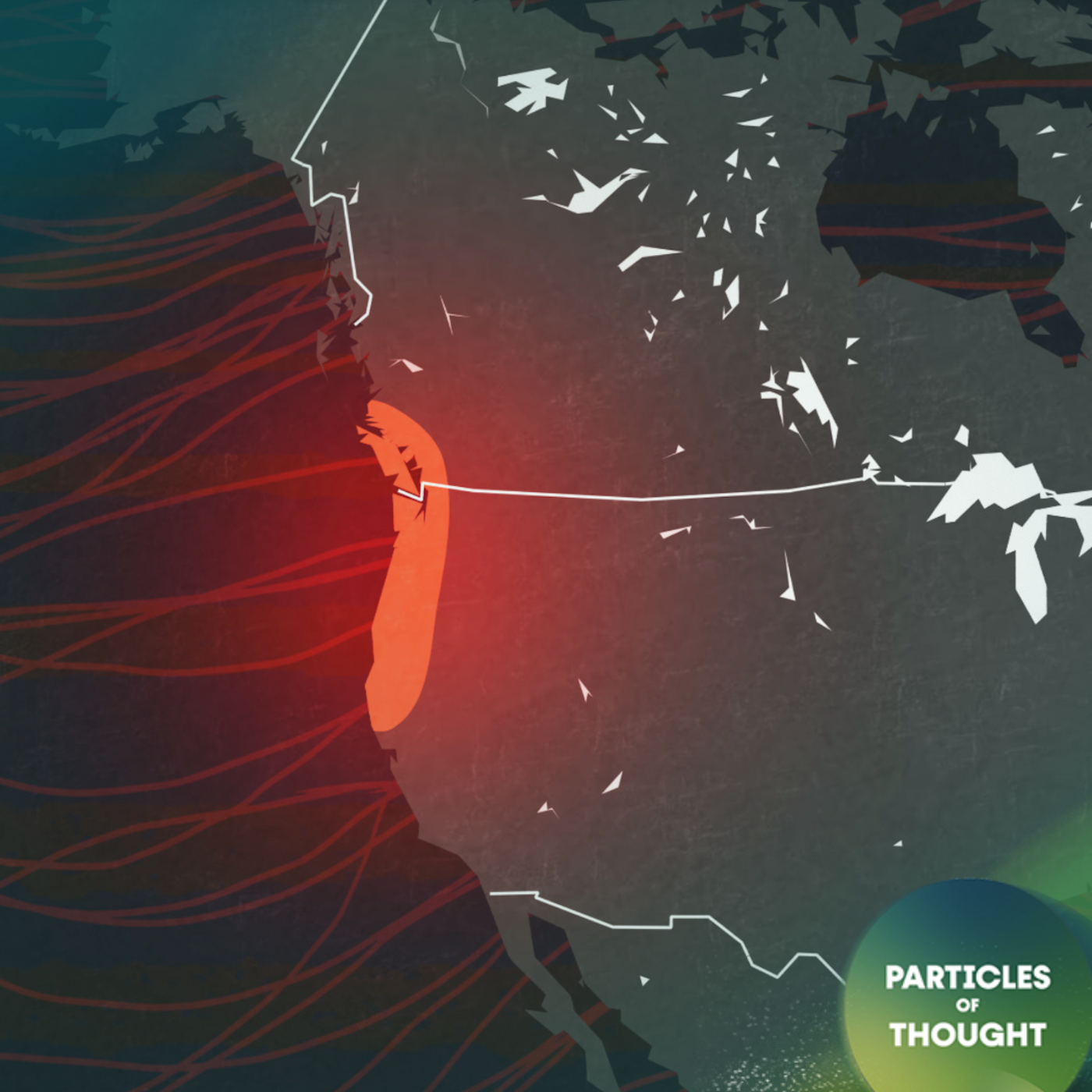 How to Survive the Big One | We can’t predict earthquakes, but we can beat them.Geophysicist breaks down what actually keeps people alive when the ground starts shaking. From flexible buildings to early warning systems, John walks Hakeem through what separates cities that survive major earthquakes from cities devastated by them, and why the difference often comes down to policy not physics.Learn more about NOVA and visit our YouTube channel.--------------------------Guest Bio:John Shaw is the Harry C. Dudley Professor of Structural and Economic Geology at Harvard University, where he also serves as Vice Provost for Research. A structural geologist and applied geophysicist, he studies the faults deep beneath our feet, with research spanning earthquake hazards, energy systems, and carbon storage. | 25m 24s | ||||||
| 10/13/26 | 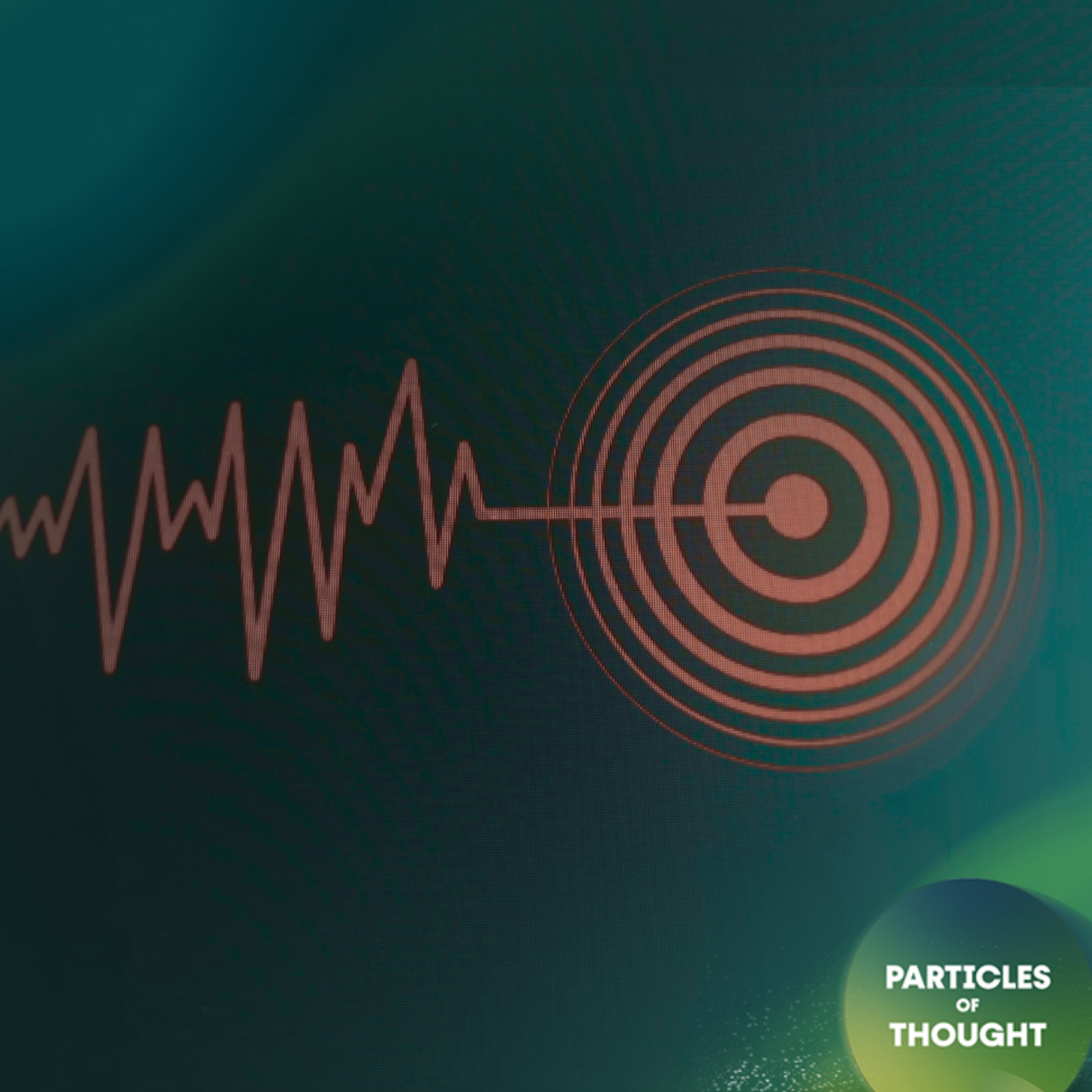 The Quake Equation | Big earthquakes can change the Earth’s rotation.And Harvard geophysicist John Shaw says these giant events can teach us a lot. He traces our understanding from ancient myths to modern studies and unpacks what;s really going on beneath the surface. John reveals why a magnitude 7 earthquake releases 30 times the energy of a WWII-era atomic bomb, how the largest quakes make the Earth ring like a bell for days, and why the deadliest earthquake in history wasn't even the biggest one.Learn more about NOVA and visit our YouTube channel.--------------------------Guest Bio:John Shaw is the Harry C. Dudley Professor of Structural and Economic Geology at Harvard University, where he also serves as Vice Provost for Research. A structural geologist and applied geophysicist, he studies the faults deep beneath our feet, with research spanning earthquake hazards, energy systems, and carbon storage. | 31m 51s | ||||||
| 10/8/26 | 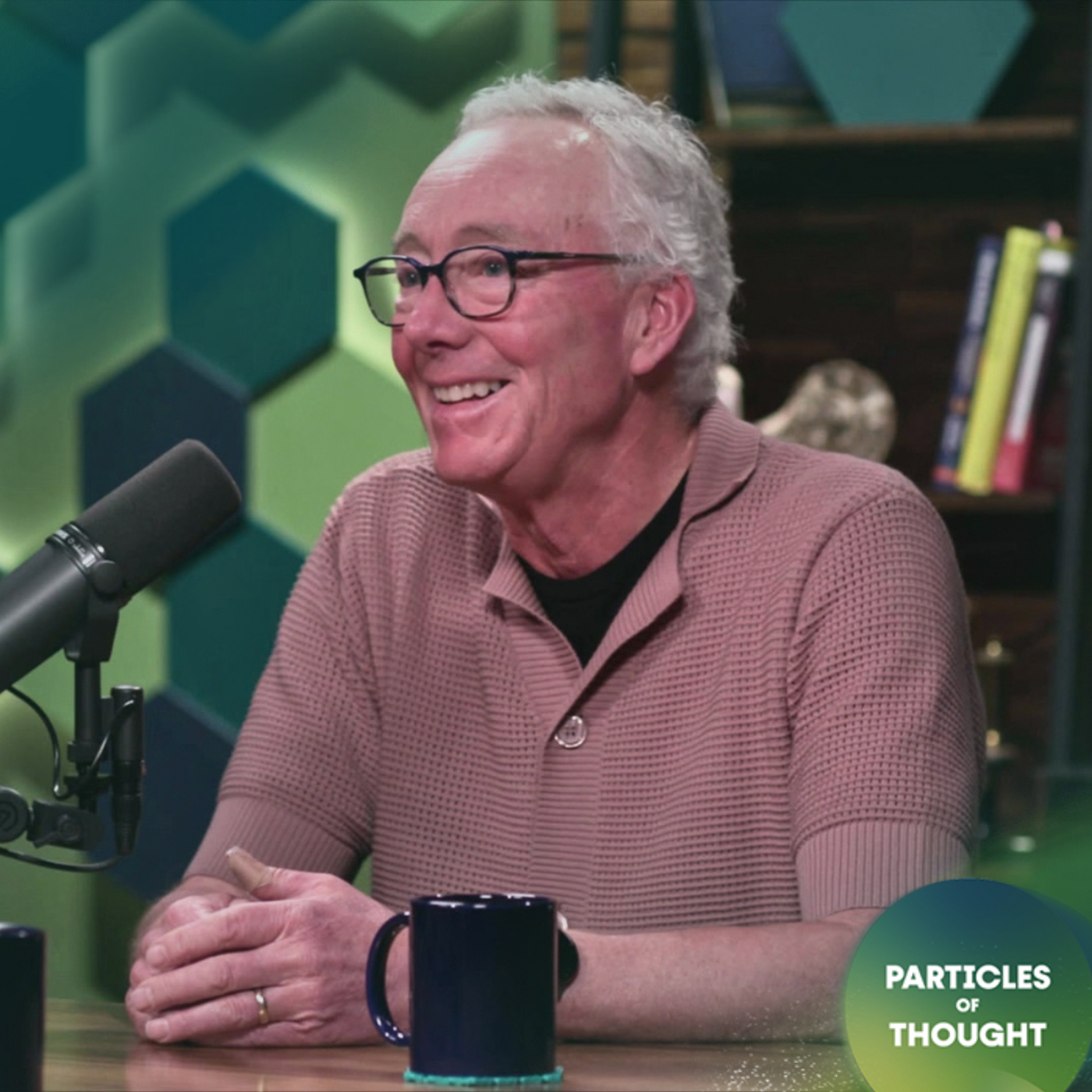 Full Interview: The Fusion Future | There is a near-limitless energy source to power our world, and it may be almost here. Dennis Whyte shares with Hakeem that we're closer than ever to bottling the power of the sun. He would know. He’s now the CEO of the United Kingdom’s Atomic Energy Authority and a nuclear scientist at MIT. What happens when we finally unlock nuclear fusion, the same energy source that powers the sun? What even is fusion? How does it work, and why are scientists now so close to building commercially viable fusion systems that could put power on the grid? From fusion fundamentals, to the future of energy, to interstellar space travel, Dennis and Hakeem deliver a big conversation on an innovation that could change everything. Learn more about NOVA and visit our YouTube channel.--------------------------Guest Bio:Dennis Whyte is the Hitachi America Professor of Engineering at MIT and former director of the Plasma Science and Fusion Center. He co-founded Commonwealth Fusion Systems, the MIT spinout building a compact fusion reactor using record-breaking superconducting magnets, and is now the CEO of the United Kingdom's Atomic Energy Authority. | 1h 30m 14s | ||||||
| 10/6/26 | 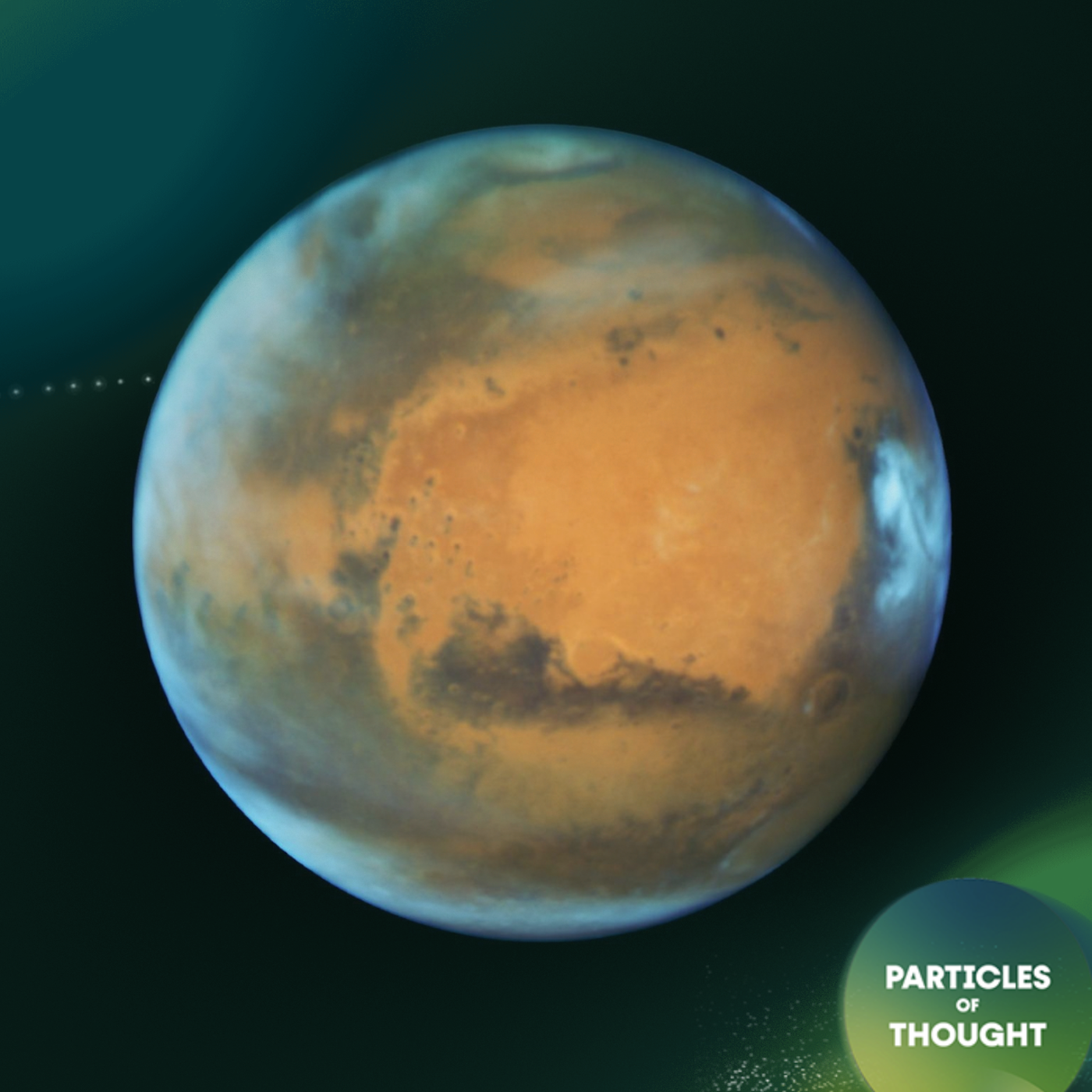 Fusion and the Future of Space | Dennis Whyte has designed a fusion reactor for Mars, and it turns out the red planet has plenty of fusion fuel. The MIT nuclear scientist joins Hakeem to explore fusion's wildest applications: spacecraft propulsion, space stations, and even a shield that stops radiation. While they’re at it, Dennis and Hakeem discuss the roadblocks and risks still left to solve in nuclear fusion. Learn more about NOVA and visit our YouTube channel.--------------------------Guest Bio:Dennis Whyte is the Hitachi America Professor of Engineering at MIT and former director of the Plasma Science and Fusion Center. He co-founded Commonwealth Fusion Systems, the MIT spinout building a compact fusion reactor using record-breaking superconducting magnets, and is now the CEO of the United Kingdom's Atomic Energy Authority. | 28m 01s | ||||||
| 10/1/26 |  How to Build a Star | Dennis Whyte helped spark a multi-billion-dollar industry from a spool of tape. The nuclear scientist and entrepreneur explains the nitty gritty of nuclear fusion through the multitude of businesses that are chasing nuclear fusion. Dennis walks Hakeem through the origin story of Commonwealth Fusion Systems, the company he co-founded from a class assignment, and reveals how a new superconducting material discovered in the 1980s finally made compact fusion possible.Learn more about NOVA and visit our YouTube channel.--------------------------Guest Bio:Dennis Whyte is the Hitachi America Professor of Engineering at MIT and former director of the Plasma Science and Fusion Center. He co-founded Commonwealth Fusion Systems, the MIT spinout building a compact fusion reactor using record-breaking superconducting magnets, and is now the CEO of the United Kingdom's Atomic Energy Authority. | 30m 45s | ||||||
| 9/29/26 |  Fusion Energy is Coming | Dennis Whyte studies the physics that powers every star in the universe, and he says it can power your house, too. Now the CEO of the UK’s Atomic Energy Authority and nuclear scientist at MIT, Dennis joins Hakeem to break down what fusion actually is, why it packs 10 million times the energy density of gasoline, and who is making the biggest investment in this massive energy field. Dennis unpacks the surprisingly direct link between a society's energy use and its economic prosperity, and reveals why fusion might change everything.Learn more about NOVA and visit our YouTube channel.--------------------------Guest Bio:Dennis Whyte is the Hitachi America Professor of Engineering at MIT and former director of the Plasma Science and Fusion Center. He co-founded Commonwealth Fusion Systems, the MIT spinout building a compact fusion reactor using record-breaking superconducting magnets, and is now the CEO of the United Kingdom's Atomic Energy Authority. | 35m 58s | ||||||
| 9/24/26 | 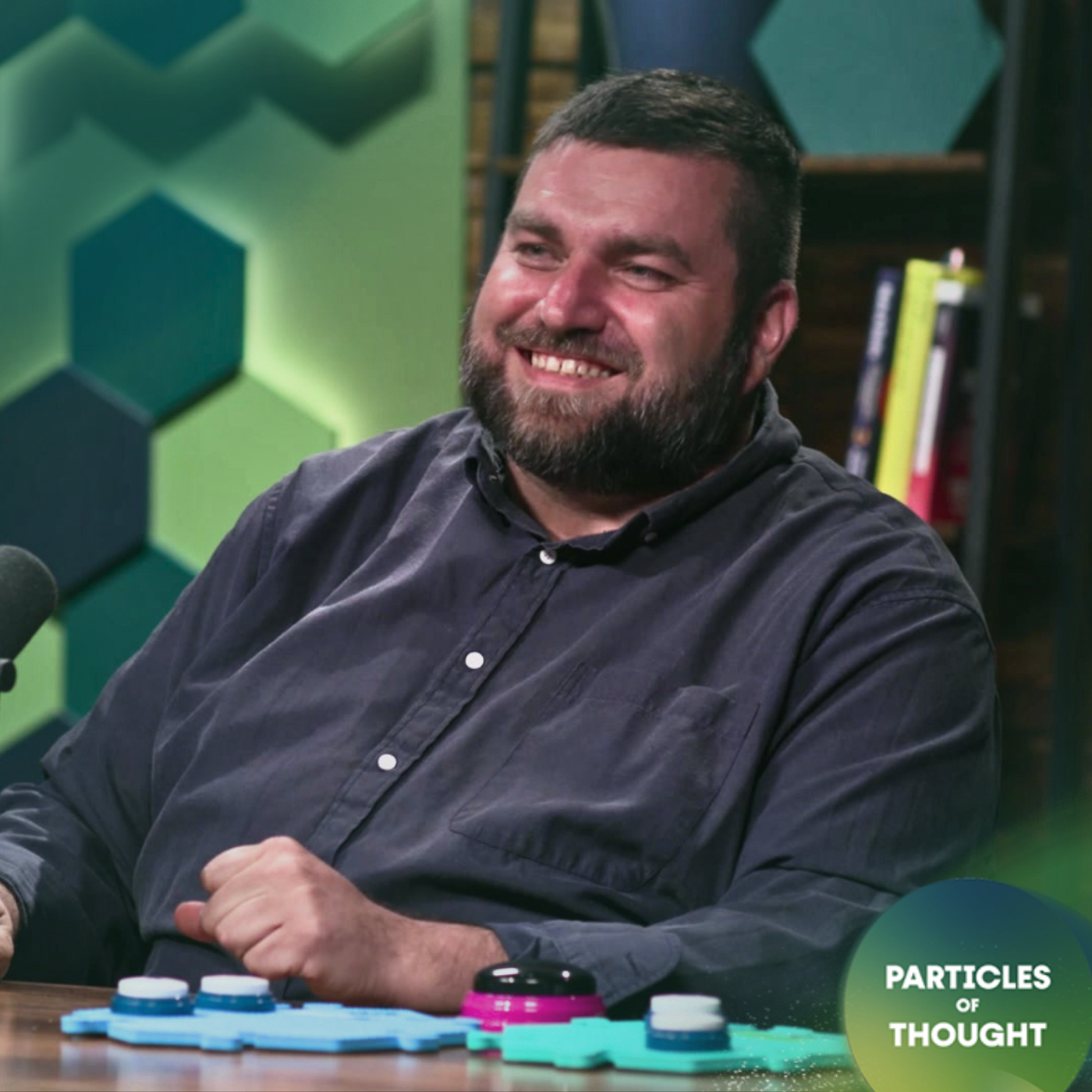 Full Interview: Cracking Animal Language | Federico Rossano convinces Hakeem that animals have a lot more to say than we've given them credit for. The cognitive scientist shares the origin story behind his record-breaking study of talking dogs, the evidence that some pets may understand more than a human toddler, and what primates reveal about the roots of communication itself.Learn more about NOVA and visit our YouTube channel.Federico Rossano is an Associate Professor of Cognitive Science at UC San Diego and director of the Comparative Cognition Lab, where he studies communication and social cognition across humans, primates, dogs, and cats. He leads the world's largest study of button-trained pets, and his research is featured in the NOVA documentary Can Dogs Talk? | 1h 19m 45s | ||||||
| 9/22/26 | 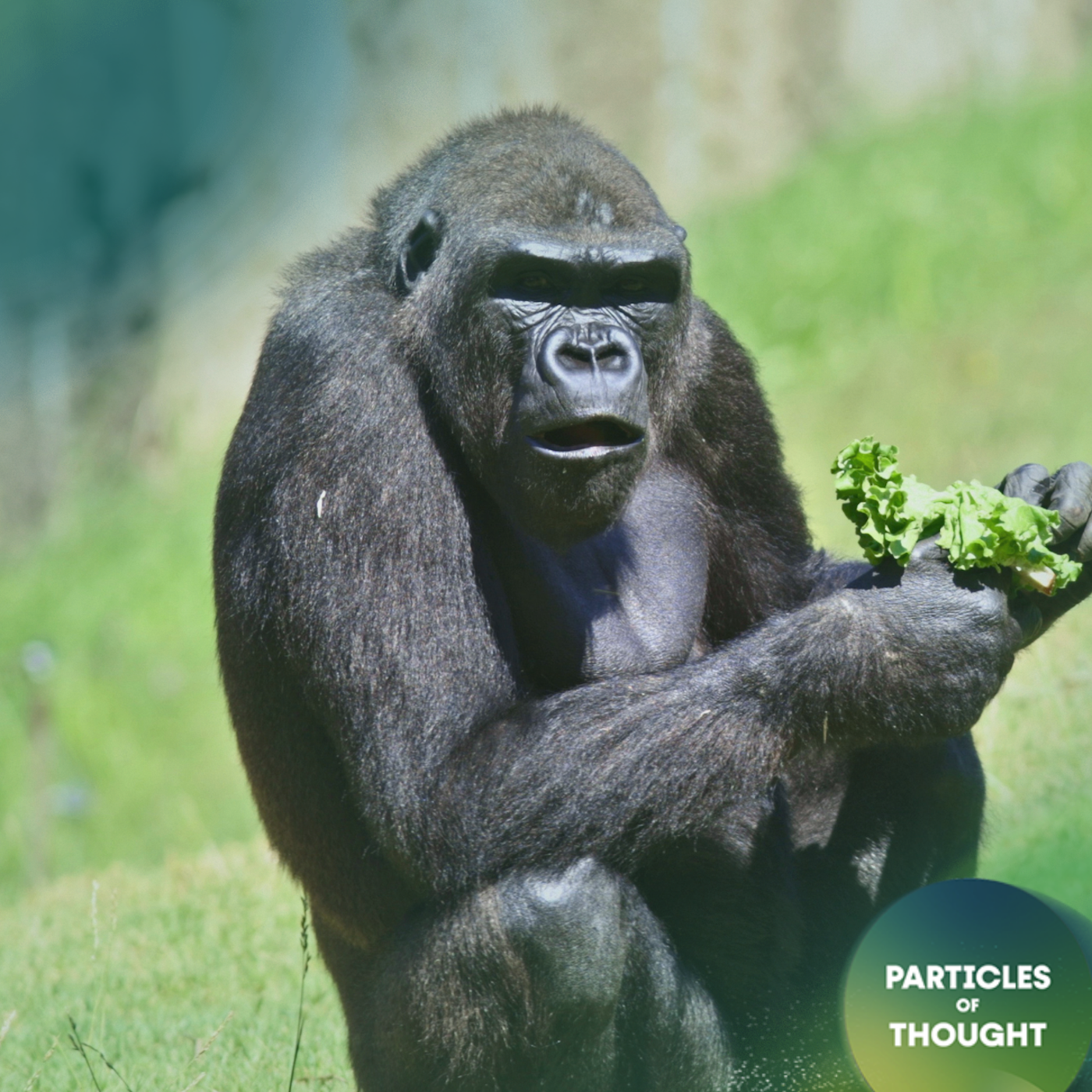 Secret Language of Apes | Federico Rossano says the secret to speaking with apes is trust. For primates, the world is full of high-stakes friends and foes, and of course, there are always predators to worry about. Our closest relatives see the world a little differently than we do, and that can teach us a lot about our own communication. Federico is a cognitive scientist who questions the assumptions beneath human conversations, and in this episode, he shares lessons from the animal kingdom with Hakeem. From apes besting children in “the peanut puzzle” to baboons that seemingly sense how to travel together, there’s lots to learn.Learn more about NOVA and visit our YouTube channel.--------------------------Guest Bio:Federico Rossano is an Associate Professor of Cognitive Science at UC San Diego and director of the Comparative Cognition Lab, where he studies communication and social cognition across humans, primates, dogs, and cats. He leads the world's largest study of button-trained pets, and his research is featured in the NOVA documentary Can Dogs Talk? | 21m 51s | ||||||
| 9/17/26 | 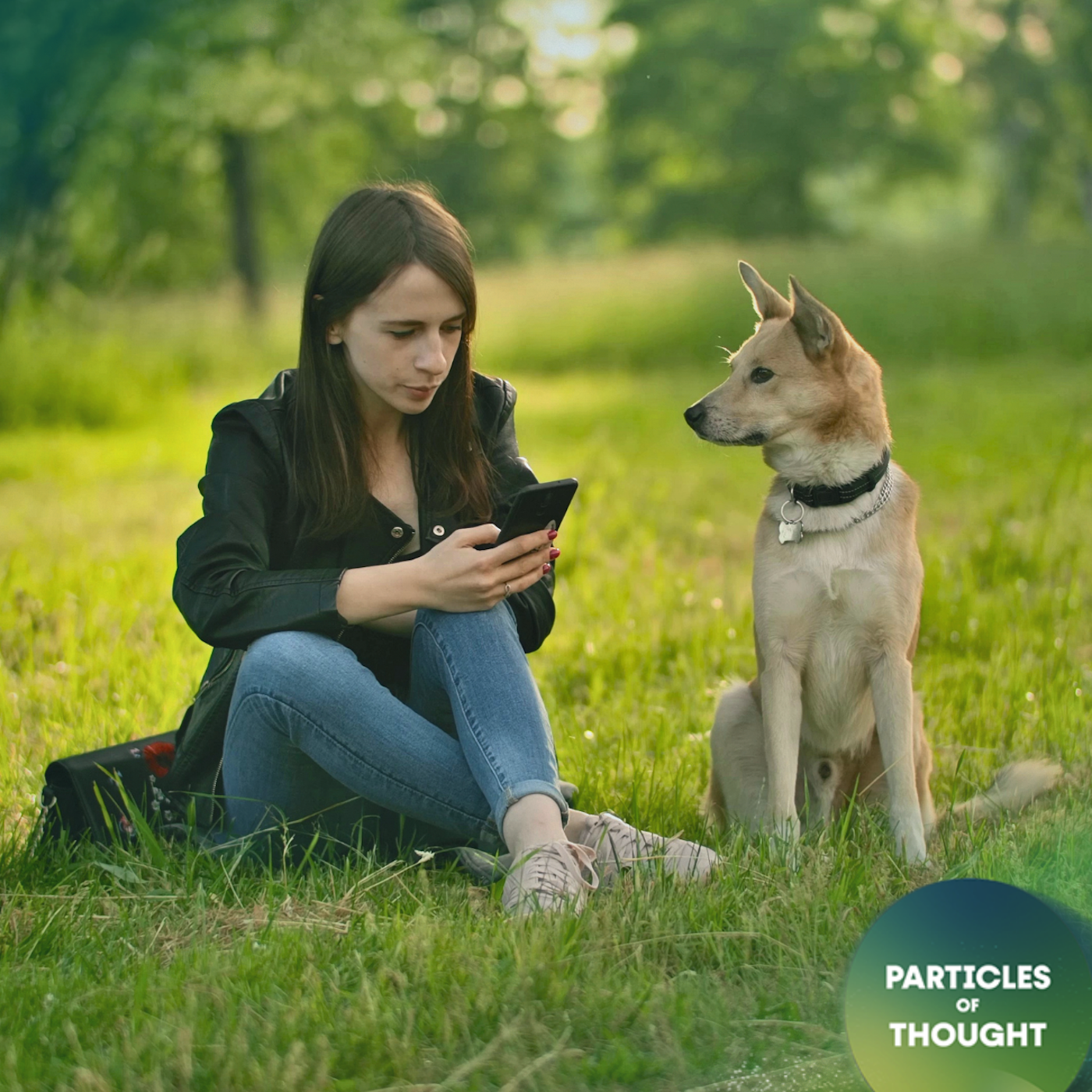 What Are Dogs Saying? | Federico Rossano caught dogs doing something that looks a lot like telling jokes. The cognitive scientist shares what he learned from speaking with dogs. Dogs can smell, hear, and in some ways see better than humans. So why wouldn’t they have something interesting to say if they could speak? Federico has found a dog's mind may be closer to a human toddler's than anyone previously believed and believes we are close to learning important lessons from our canine companions.Learn more about NOVA and visit our YouTube channel.--------------------------Guest Bio:Federico Rossano is an Associate Professor of Cognitive Science at UC San Diego and director of the Comparative Cognition Lab, where he studies communication and social cognition across humans, primates, dogs, and cats. He leads the world's largest study of button-trained pets, and his research is featured in the NOVA documentary Can Dogs Talk? | 29m 48s | ||||||
| 9/15/26 |  How Dogs Talk | Federico Rossano didn't care about talking dogs until science made it impossible to ignore. The cognitive scientist joins Hakeem to reveal how a viral social media trend turned into the largest citizen-science study of animal communication ever conducted, tracking over 10,000 dogs and 700 cats across 47 countries. But how can you trust a study done by volunteers from around the world? Federico shares how he secured quantity and quality data and the messages dogs want to share. Learn more about NOVA and visit our YouTube channel.--------------------------Guest Bio:Federico Rossano is an Associate Professor of Cognitive Science at UC San Diego and director of the Comparative Cognition Lab, where he studies communication and social cognition across humans, primates, dogs, and cats. He leads the world's largest study of button-trained pets, and his research is featured in the NOVA documentary Can Dogs Talk? | 32m 51s | ||||||
Want analysis for the episodes below?Free for Pro Submit a request, we'll have your selected episodes analyzed within an hour. Free, at no cost to you, for Pro users. | |||||||||
| 9/10/26 | glaciologyclimate change+3 | Brent Minchew | CaltechArête Glacier Initiative | U.S.Thwaites Glacier+1 | Doomsday GlacierThwaites Glacier+3 | — | 1h 28m 20s | ||
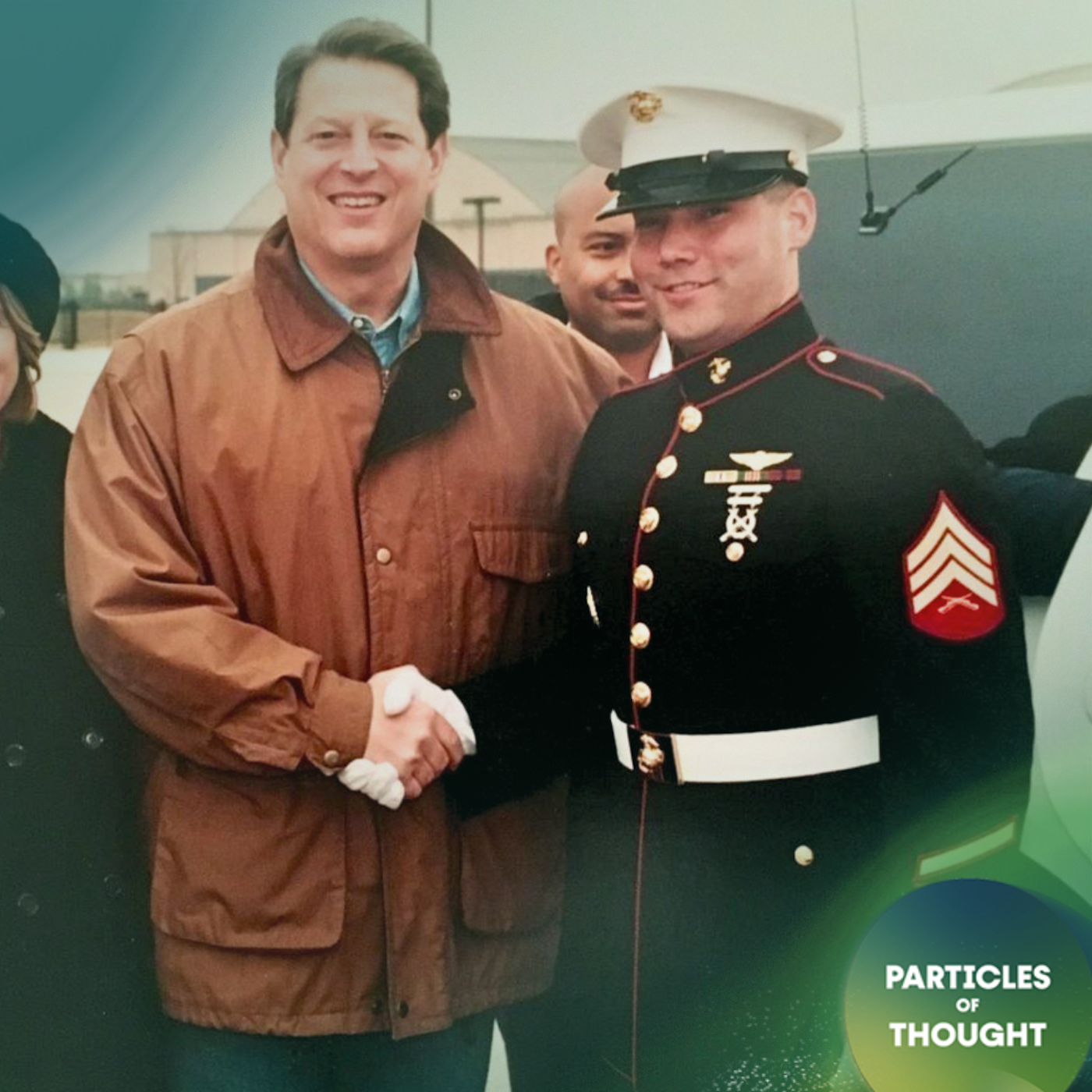
| 9/8/26 | glaciologymilitary experience+3 | Brent Minchew | CaltechArête Glacier Initiative | Texas | glaciologistMarine One+3 | — | 30m 40s | ||
| 9/3/26 | glaciologyclimate change+4 | Brent Minchew | CaltechArête Glacier Initiative | Thwaites Glaciercoasts+2 | Doomsday GlacierThwaites Glacier+5 | — | 38m 08s | ||
| 9/1/26 | glaciologyclimate change+3 | Brent Minchew | CaltechArête Glacier Initiative | Floridaworld+4 | Thwaites Glacierglaciologist+3 | — | 25m 20s | ||
| 8/27/26 | mathematicsAI models+5 | Jordan Ellenberg | University of Wisconsin–MadisonDon't Be Too Sure+2 | — | mathematicsAI+6 | — | 1h 16m 23s | ||
| 8/25/26 | mathematicsprobability+3 | Jordan Ellenberg | University of Wisconsin–MadisonHow Not to Be Wrong+2 | — | mathematical certaintyprobability+3 | — | 25m 15s | ||
| 8/20/26 | geometrymathematics+4 | Jordan Ellenberg | University of Wisconsin–MadisonHow Not to Be Wrong+3 | — | geometrydistance+5 | — | 27m 05s | ||
| 8/18/26 | artificial intelligencemathematics+3 | Jordan Ellenberg | University of Wisconsin–MadisonHow Not to Be Wrong+2 | — | AIlarge language models+3 | — | 28m 32s | ||
| 8/13/26 | human evolutionpaleoanthropology+4 | Ella Al-Shamahi | NOVAGBH+2 | London | HobbitsNeanderthals+6 | — | 57m 56s | ||
| 8/11/26 | evolutioncreationism+4 | Ella Al-Shamahi | NOVAGBH+3 | — | evolutioncreationism+8 | — | 16m 20s | ||
| 8/6/26 | 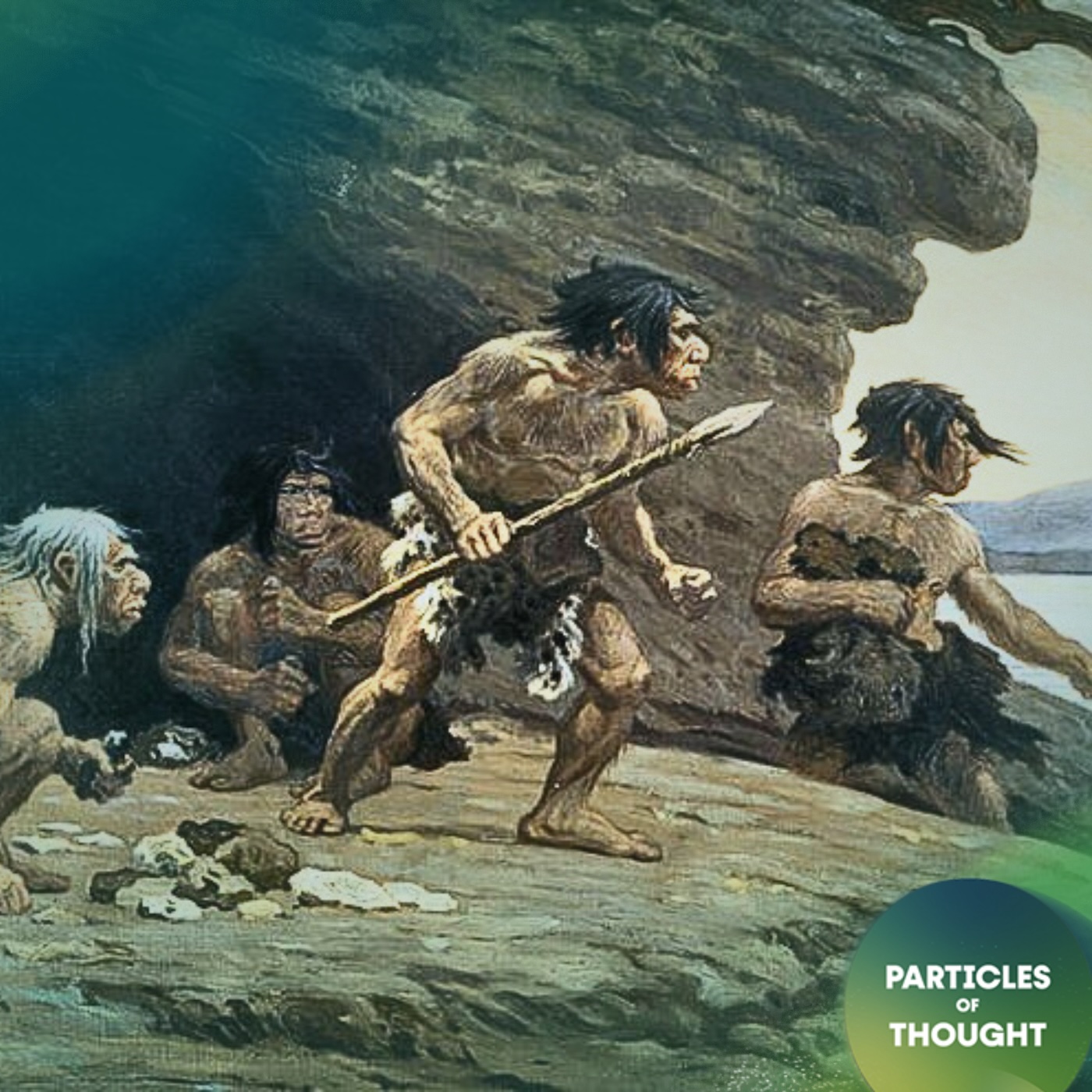 Rethinking Neanderthals | Ella Al-Shamahi thinks Neanderthals have a reputation problem, and the science backs her up. For decades, the word "Neanderthal" has been shorthand for something primitive and brutish. But the archaeological record tells a more nuanced story. Ella joins Hakeem to explore what we actually know about our closest ancient relatives: how they looked, how they lived, what their culture reveals about their inner lives, and if we would even recognize one walking around today. They also dig into the remarkable story of the Denisovans, a species shrouded in mystery and identified first not from a skull or skeleton, but from a single finger bone. Learn more about NOVA and visit our YouTube channel.--------------------------Guest Bio:Ella Al-Shamahi is a paleoanthropologist, explorer, and presenter based in London. She specializes in human evolution and has conducted fieldwork in some of the world's most dangerous and remote regions in search of fossil evidence of our earliest ancestors. She is a TED speaker and has appeared in numerous science documentaries, including hosting NOVA and BBC’s five-part series HUMAN, available on the PBS App and NOVA’s website. | 21m 50s | ||||||
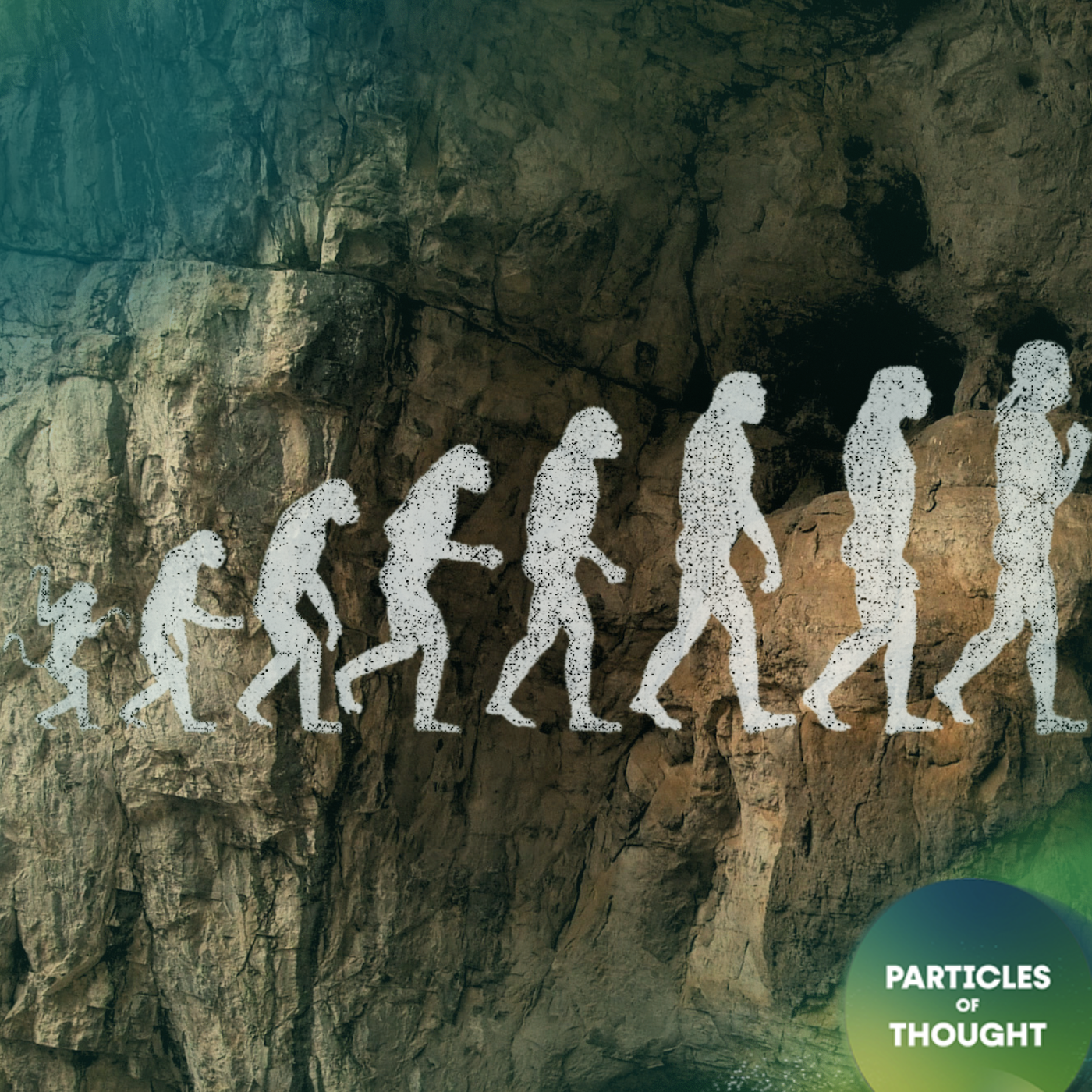
| 8/4/26 | 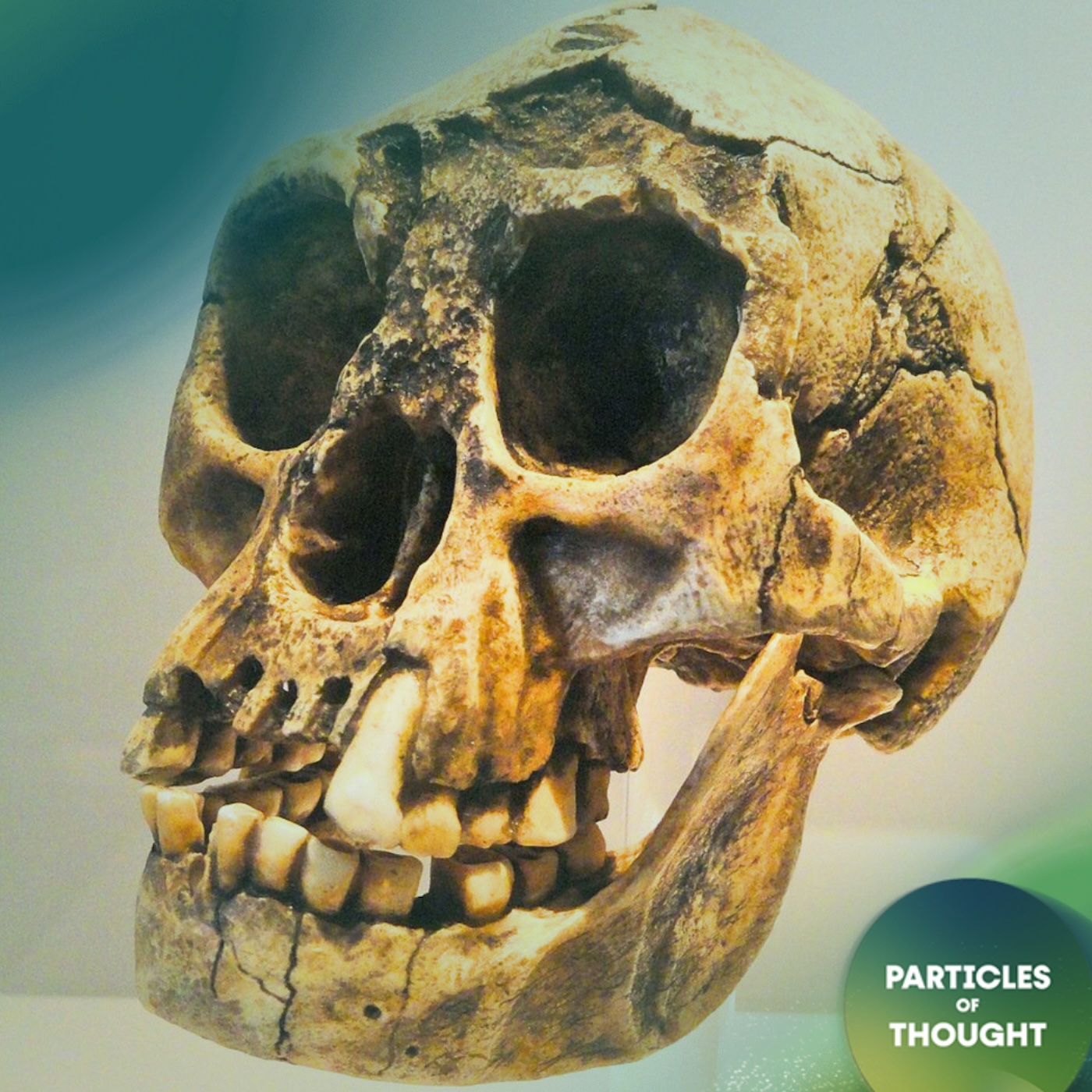 Real Hobbits? | Ella Al-Shamahi says the iconic picture of human evolution is all wrong. She joins Hakeem to take apart the conventional image of the straight-line march of evolution from ape to modern human. The fossil and DNA record tells a far more complex story. As recently as 50,000 years ago, our ancestors shared the planet with at least seven other human species. From the small-statured Hobbits of Indonesia to the mysterious Denisovans of East Asia, the world was very different, and new research suggests that roughly 20% of our genome may trace back to an unknown “ghost lineage” of human species. Human evolution wasn't a straight line, it was a sprawling, interconnected web. Learn more about NOVA and visit our YouTube channel.--------------------------Guest Bio:Ella Al-Shamahi is a paleoanthropologist, explorer, and presenter based in London. She specializes in human evolution and has conducted fieldwork in some of the world's most dangerous and remote regions in search of fossil evidence of our earliest ancestors. She is a TED speaker and has appeared in numerous science documentaries, including hosting NOVA and BBC’s five-part series HUMAN, available on the PBS App and NOVA’s website. | 23m 24s | ||||||
| 7/30/26 | 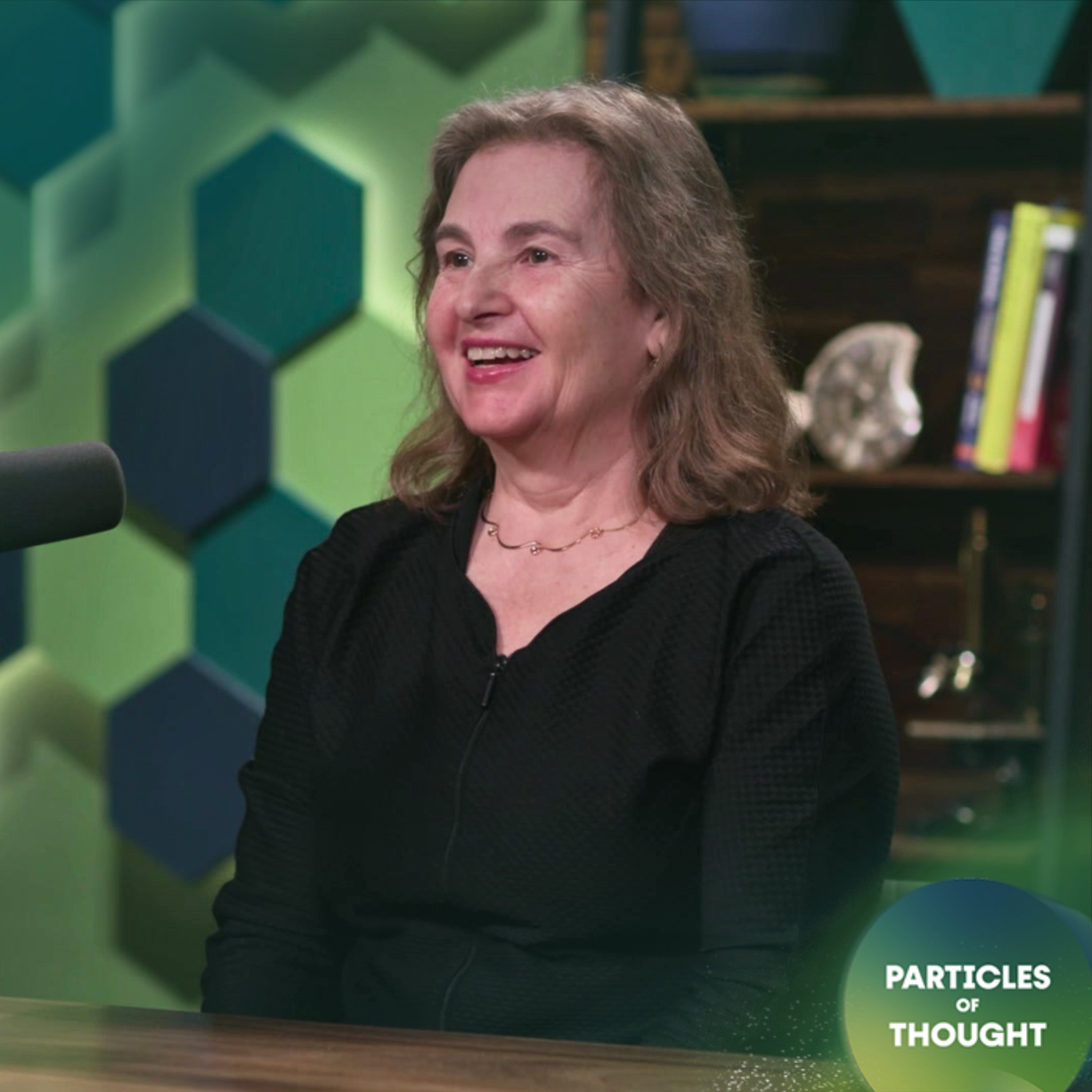 Full Interview: The Future of AI and Us | Daniela Rus brings robots and AI together, and as a computer scientist and roboticist at MIT, she's here to set the record straight. She's not just studying AI from the outside. She's building it, and finding ways to make everyday life better. Daniela joins Hakeem to pull back the curtain on what AI actually is, how it really works, and where it is genuinely headed. What happens when AI leaves the cloud and moves into your phone, your car, and even your body? And what does a tiny worm with 302 neurons have to do with the future of machine intelligence? From the history of AI to so-called “liquid networks,” self-driving cars, humanoid robots, and an origami surgeon you can swallow, this conversation covers the full scope of what MIT's most ambitious minds are building right now.Learn more about NOVA and visit our YouTube channel.Daniela Rus is a computer scientist and roboticist at MIT, where she serves as Director of the Computer Science and Artificial Intelligence Laboratory (CSAIL). Her research focuses on the science and engineering of autonomy, including the development of new AI models, and physically intelligent systems. She is the co-founder of Liquid AI, a startup bringing energy-efficient on-device AI models to real-world applications. | 1h 08m 41s | ||||||
| 7/28/26 |  AI Origins | Daniela Rus is cutting through the AI hype and headlines to give us a real understanding of its future. As Director of MIT's Computer Science and Artificial Intelligence Laboratory, she has a front-row seat to what AI actually is, how it actually works, and what it can and cannot do. Daniela joins Hakeem to map out the full landscape of a field that is far richer than chatbots and large language models. What are the different types of AI we have today, and how does each one work? Why did methods invented 40 years ago suddenly start working? And how does Daniela envision the impact of AI on the job landscape of the future?Learn more about NOVA and visit our YouTube channel.--------------------------Guest Bio:Daniela Rus is a computer scientist and roboticist at MIT, where she serves as Director of the Computer Science and Artificial Intelligence Laboratory (CSAIL). Her research focuses on the science and engineering of autonomy, including the development of new AI models,, and physically intelligent systems. She is the co-founder of Liquid AI, a startup bringing energy-efficient on-device AI models to real-world applications. | 18m 33s | ||||||
| 7/23/26 | 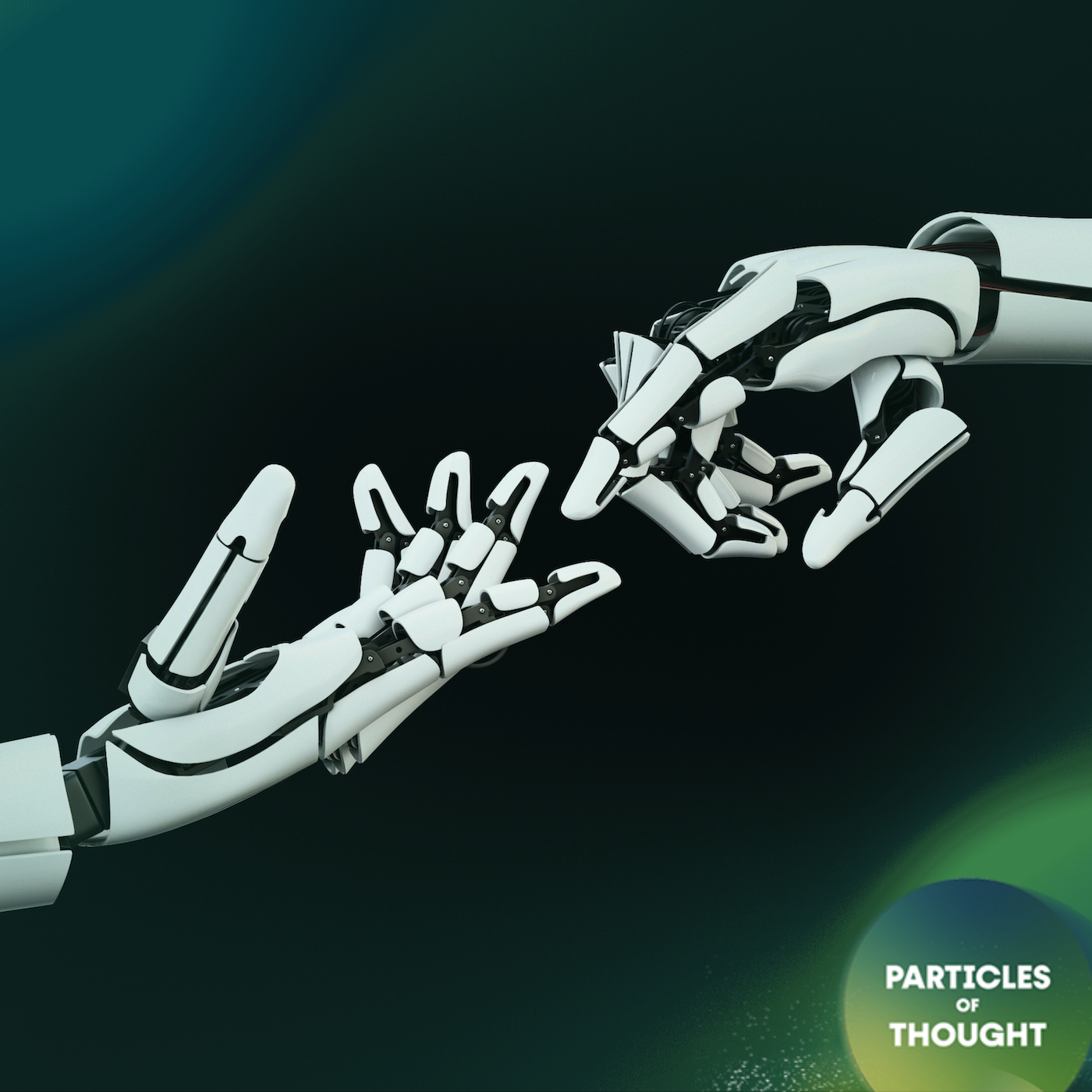 AI Robots | Daniela Rus has built a robot you can swallow, and that is one of the less surprising things her lab is working on. At MIT's CSAIL, she is leading research at the frontier where artificial intelligence meets the physical world, and the results are unlike anything people have imagined. Daniela joins Hakeem to explore what it will really take for machines to move, reason, and interact the way humans do. Why are today's humanoid robots mechanically impressive but intellectually limited? What is the difference between physical AI and embodied intelligence, and why does it matter? From origami surgeons, to robots inspired by the octopus, this is a conversation about the machines of the futureLearn more about NOVA and visit our YouTube channel.--------------------------Guest Bio:Daniela Rus is a computer scientist and roboticist at MIT, where she serves as Director of the Computer Science and Artificial Intelligence Laboratory (CSAIL). Her research focuses on the science and engineering of autonomy, including the development of new AI models, and physically intelligent systems. She is the co-founder of Liquid AI, a startup bringing energy-efficient on-device AI models to real-world applications. | 23m 28s | ||||||
| 7/21/26 | artificial intelligencerobotics+4 | Daniela Rus | MITLiquid AI | — | AIliquid networks+5 | — | 31m 30s | ||
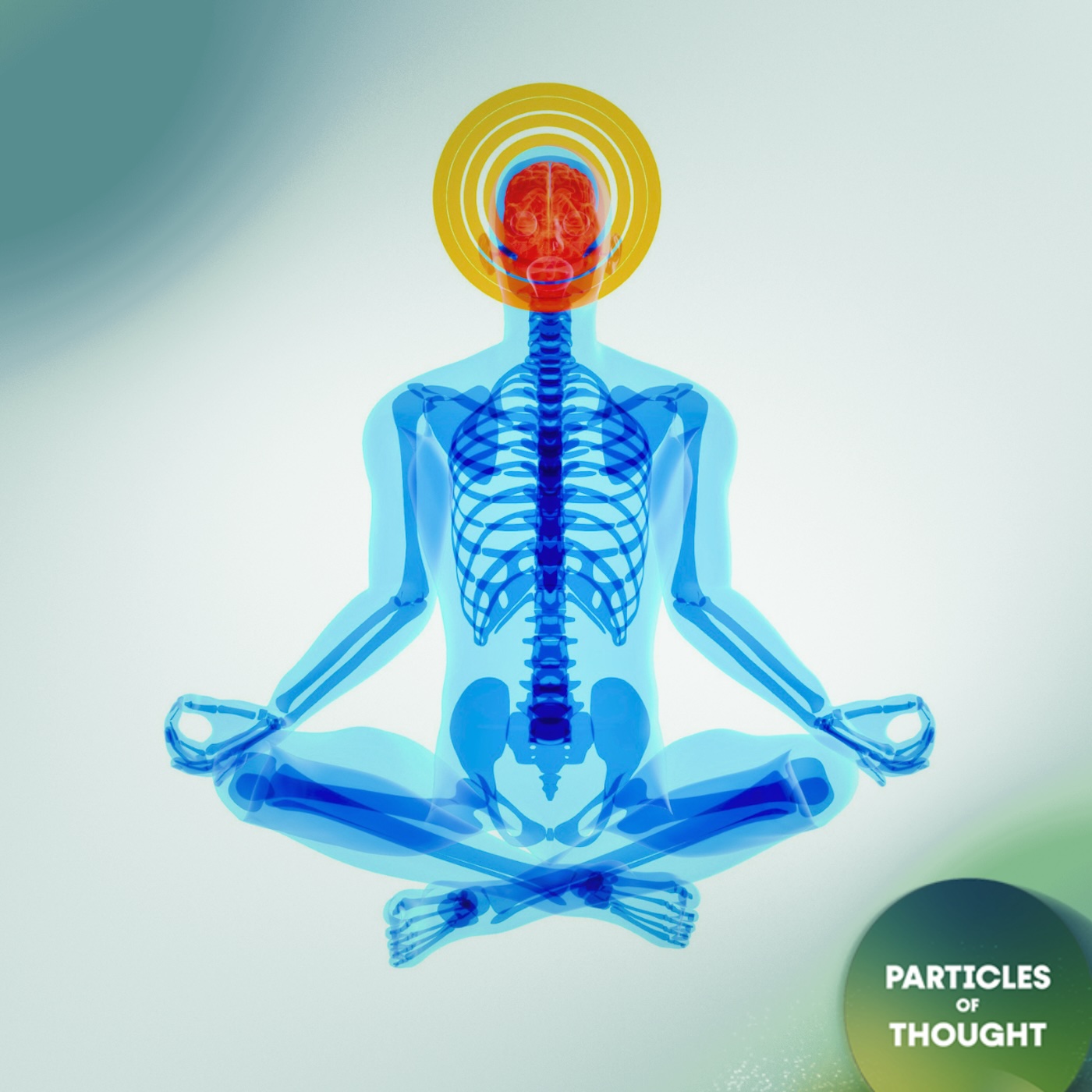
| 7/16/26 | anxietyneuroscience+4 | Wendy Suzuki | New York UniversityGood Anxiety: Harnessing the Power of the Most Misunderstood Emotion | — | anxietyneuroscience+5 | — | 1h 15m 11s | ||
| 7/14/26 | friendshipbrain health+3 | Wendy Suzuki | New York University | — | friendshipbrain function+5 | — | 28m 32s | ||
| 7/9/26 | neuroscienceexercise+4 | Wendy Suzuki | New York University | — | exercisebrain+5 | — | 20m 47s | ||
| 7/7/26 | anxietyneuroscience+3 | Wendy Suzuki | New York UniversityGood Anxiety: Harnessing the Power of the Most Misunderstood Emotion | — | anxietyneuroscience+6 | — | 20m 38s | ||
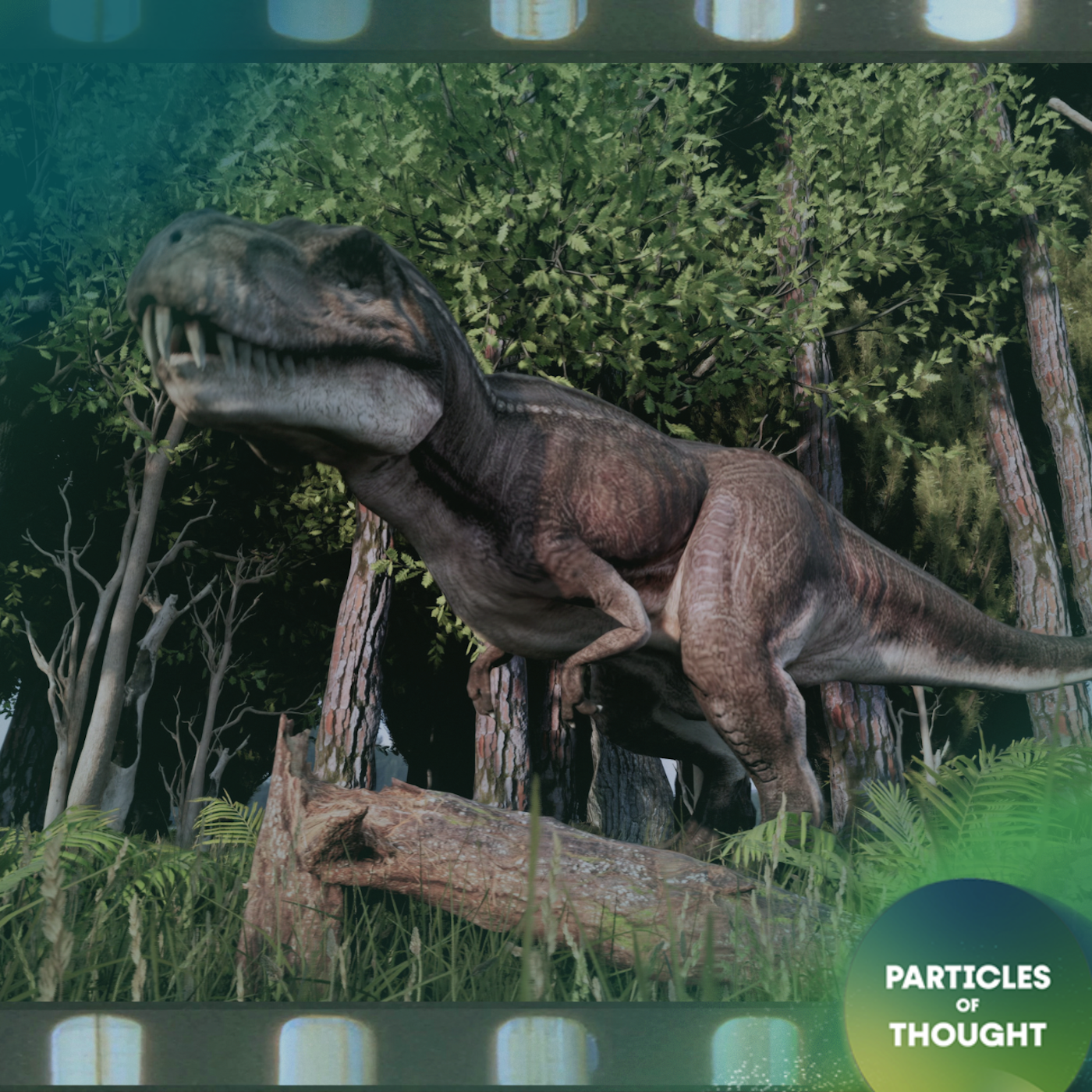
| 7/2/26 | dinosaurspaleontology+4 | Steve Brusatte | University of EdinburghJurassic World+3 | — | T. rexdinosaurs+4 | — | 1h 24m 31s | ||
| 6/30/26 | paleontologyJurassic World+4 | Steve Brusatte | University of EdinburghJurassic World+3 | — | paleontologyJurassic World+5 | — | 27m 19s | ||
| 6/25/26 | bird evolutiondinosaurs+3 | Steve Brusatte | University of EdinburghNOVA+3 | — | birdsdinosaurs+5 | — | 30m 37s | ||
| 6/23/26 | T. rexpaleontology+5 | Steve Brusatte | University of EdinburghJurassic World+1 | — | T. rexpaleontologist+7 | — | 31m 07s | ||
| 6/18/26 | dark matterblack holes+4 | David Kaiser | MITHow the Hippies Saved Physics | — | dark matterblack holes+4 | — | 1h 23m 33s | ||
| 6/11/26 | black holesdark matter+3 | David Kaiser | MIT | — | black holesdark matter+5 | — | 32m 08s | ||
| 6/9/26 | dark matterastrophysics+4 | David Kaiser | MITHow the Hippies Saved Physics | — | dark matteruniverse+4 | — | 27m 46s | ||
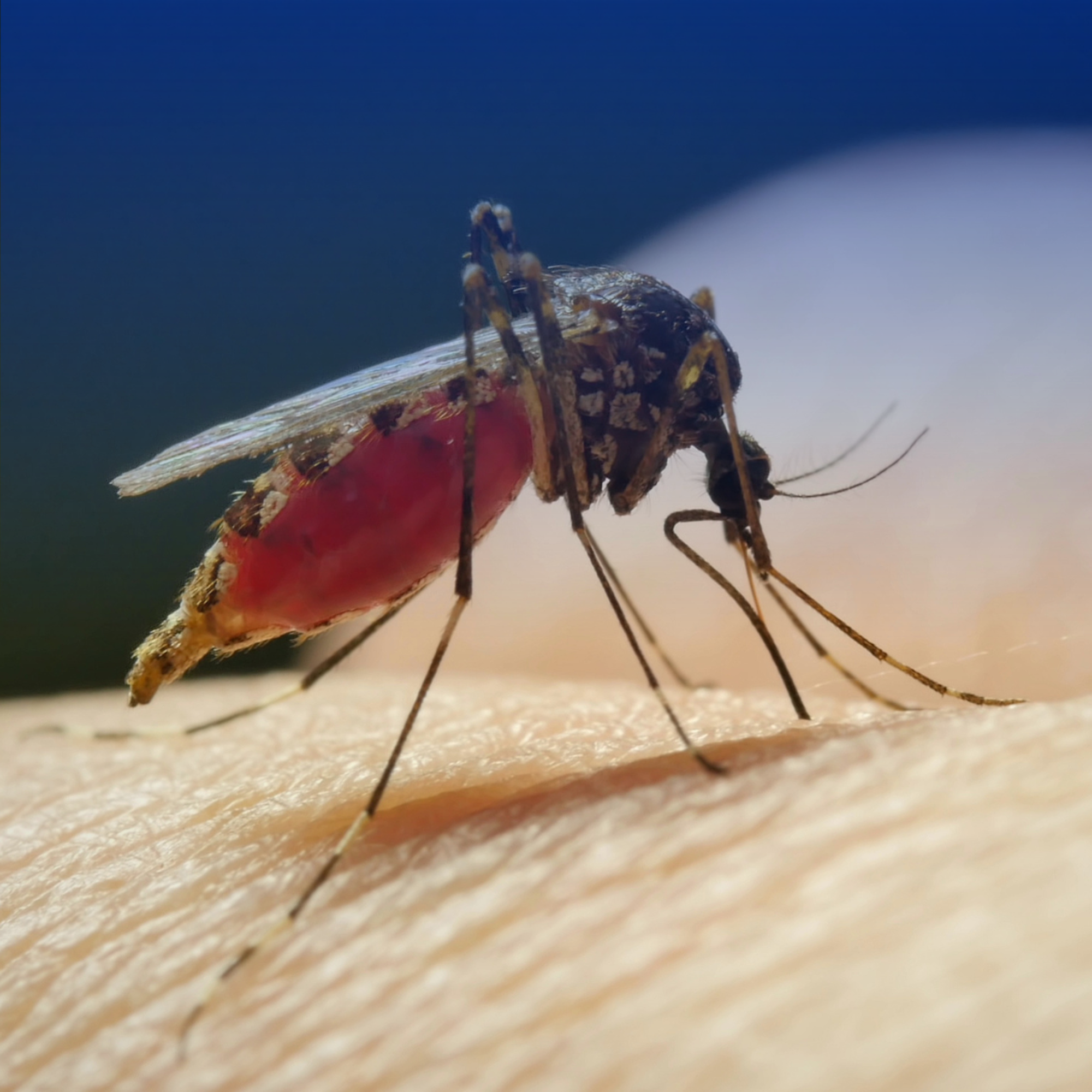
| 5/12/26 | malariavaccine development+3 | — | vaccineWorld Health Organization+1 | — | malariavaccine+5 | — | 22m 09s | ||
| 4/29/26 | paleobotanyleaf counting+3 | Kirk Johnson | NOVAGBH | — | leavestree+3 | — | 1m 34s | ||
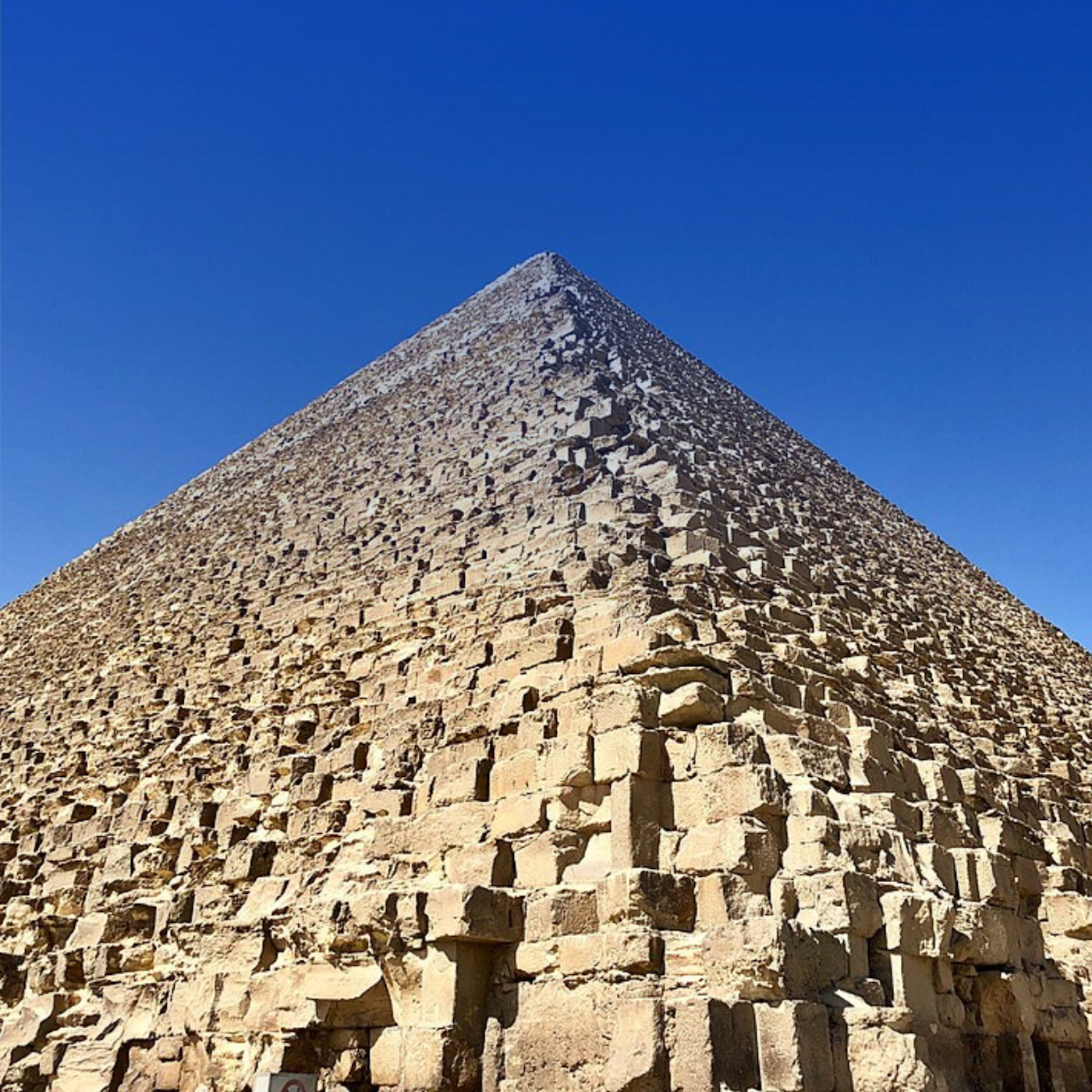
| 4/28/26 | Great Pyramidengineering secrets+3 | — | GBHDecoding the Great Pyramid | Giza | Great Pyramidengineering+5 | — | 21m 48s | ||
| 4/22/26 | microbesatmosphere+4 | Peter Girguis | NOVAGBH | — | bacteriamicrobes+5 | — | 1m 23s | ||
| 4/15/26 | evolutionfossils+3 | Sean B. Carroll | Tiktaalik | — | evolutionary biologyfossil discovery+3 | — | 1m 34s | ||
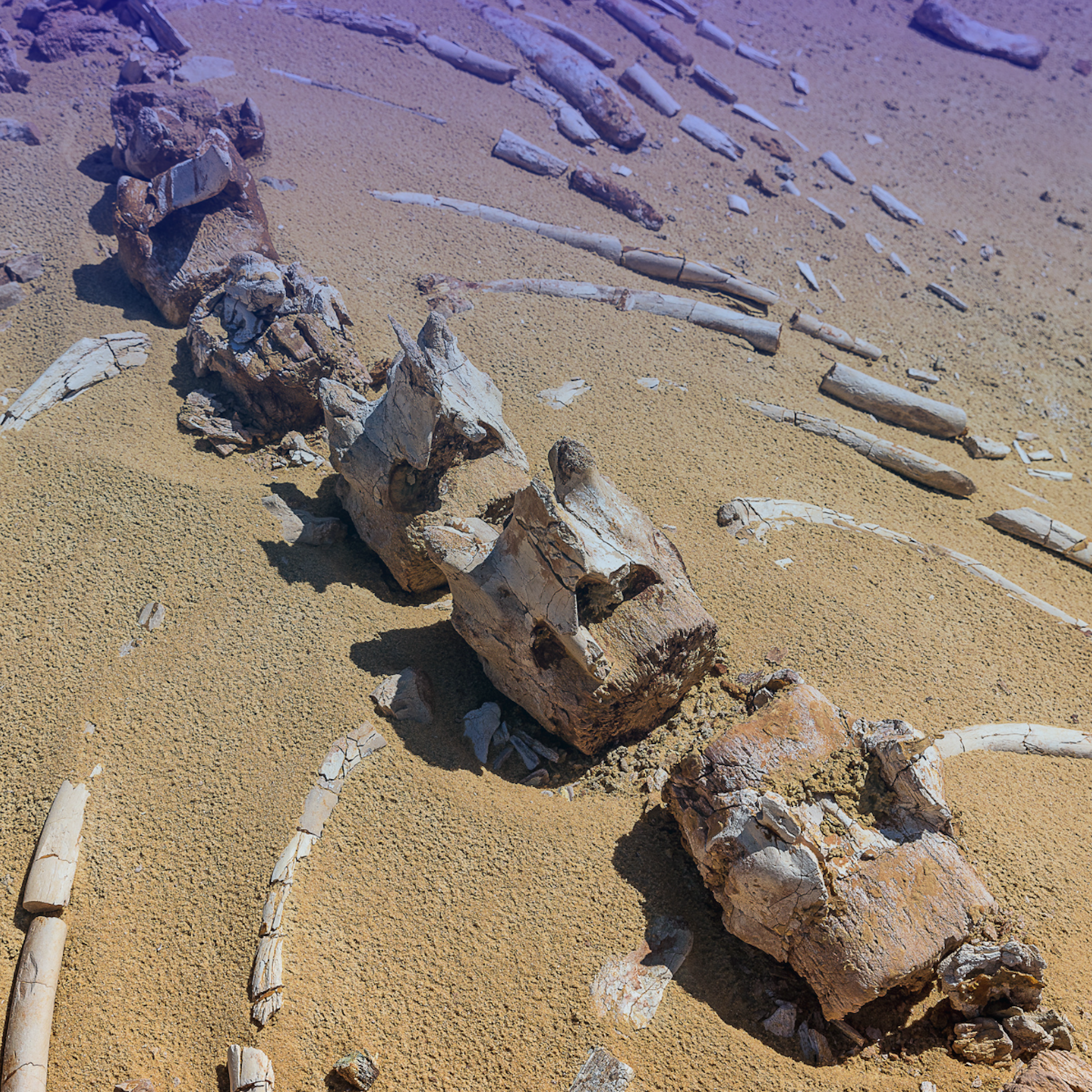
| 4/14/26 | whale evolutionfossils+4 | — | GBHWhen Whales Could Walk | PBS | whalesevolution+5 | — | 18m 28s | ||
| 4/8/26 | black holesastrophysics+3 | Janna Levin | NOVAGBH | — | black holesJanna Levin+3 | — | 1m 49s | ||
| 4/1/26 | laws of naturecomplex systems+4 | Robert HazenMichael Wong | NOVAGBH | — | law of increasing functional informationcomplexity+4 | — | 2m 33s | ||

Showing 45 of 108
Pitch Fit is a Pro feature
See how bookable this show is for guests, which brands already advertise, the per-episode ad value, and the best-fit guest and sponsor profile. The numbers are blurred on the free plan.
How readily this show books outside guests like you.
How proven this show is for host-read sponsorships.
For Guests
ProFor Advertisers
ProUpgrade to Pro to unlock guest cadence, sponsor categories, fit scores, and per-episode ad value for this show.
Similar Audience Demographics
Podcasts that attract a similar listener profile


Chart history for NOVA Presents
Peaked at #162 in India, currently #162 in India.
| Market | Genre | Peak | Current | Trend |
|---|---|---|---|---|
| India | — | #162 | #162 | — |
| United States | — | #175 | #175 | — |
Chart Positions
2 placements across 2 markets.
Chart Positions
2 placements across 2 markets.