
Insights from recent episode analysis
Audience Interest
Podcast Focus
Publishing Consistency
Platform Reach
Insights are generated by CastFox AI using publicly available data, episode content, and proprietary models.
Most discussed topics
Brands & references
Est. Listeners
Insufficient chart data. Estimates will improve as the show charts.
- Per-Episode Audience
Est. listeners per new episode within ~30 days
N/A🎙 Weekly cadence·36 episodes·Last published 4w ago - Monthly Reach
Unique listeners across all episodes (30 days)
N/A - Active Followers
Loyal subscribers who consistently listen
N/A
Market Insights
Platform Distribution
Reach across major podcast platforms, updated hourly
Total Followers
—
Total Plays
—
Total Reviews
—
* Data sourced directly from platform APIs and aggregated hourly across all major podcast directories.
On the show
From 12 epsHost
Recent guests
Recent episodes
Bien manger durant la grossesse; un choix personnel? Quand la nutrition sociale périnatale s’invite à la table avec Bénédicte Fontaine-Bisson / Eating Well During Pregnancy: A Personal Choice? When Perinatal Social Nutrition Comes to the Table
May 29, 2026
43m 03s
Personalized nutrition - are we ready to deliver DNA-based diets? with Dr. Ahmed El-Sohemy
Apr 30, 2026
40m 18s
Seed Oils: Science vs Social Media with Dr. Jessie Burns
Mar 31, 2026
26m 43s
Dinner Doesn’t Just Appear: Foodwork, Households, and Health with Dr. Leah Cahill
Feb 27, 2026
37m 03s
What Nutrition Epidemiology Can (and Can’t) Tell Us with Dr. Russell de Souza
Jan 31, 2026
42m 54s
Social Links & Contact
Official channels & resources
Official Website
Login
RSS Feed
Login
| Date | Episode | Topics | Guests | Brands | Places | Keywords | Sponsor | Length | |
|---|---|---|---|---|---|---|---|---|---|
| 5/29/26 |  Bien manger durant la grossesse; un choix personnel? Quand la nutrition sociale périnatale s’invite à la table avec Bénédicte Fontaine-Bisson / Eating Well During Pregnancy: A Personal Choice? When Perinatal Social Nutrition Comes to the Table✨ | nutrition socialesanté maternelle+4 | Bénédicte Fontaine-Bisson | Université d'OttawaUniversité de Toronto+1 | Canada | nutrition socialesanté maternelle+5 | — | 43m 03s | |
| 4/30/26 |  Personalized nutrition - are we ready to deliver DNA-based diets? with Dr. Ahmed El-Sohemy✨ | personalized nutritiongenetics+3 | Dr. Ahmed El-Sohemy | University of TorontoNutrigenomix Inc.+4 | — | DNA-based dietsgenetic information+3 | — | 40m 18s | |
| 3/31/26 |  Seed Oils: Science vs Social Media with Dr. Jessie Burns✨ | seed oilsnutrition+5 | Dr. Jessie Burns | The Canadian Nutrition SocietyUniversity of Guelph+1 | — | seed oilsnutrition+5 | — | 26m 43s | |
| 2/27/26 |  Dinner Doesn’t Just Appear: Foodwork, Households, and Health with Dr. Leah Cahill✨ | foodworkhealth+4 | Dr. Leah Cahill | Dalhousie UniversityUniversity of Manitoba+4 | — | foodworknutrition+4 | — | 37m 03s | |
| 1/31/26 |  What Nutrition Epidemiology Can (and Can’t) Tell Us with Dr. Russell de Souza✨ | nutritional epidemiologydiet and health+3 | Dr. Russell de Souza | Mary Heersink School of Global Health and Social MedicineDepartment of Health Research Methods, Evidence, and Impact+2 | — | nutritionepidemiology+5 | — | 42m 54s | |
| 12/19/25 |  Sipping Smarter: How Sugary Drinks Shape Health and Habits with Dr. Scott Harding✨ | sugar-sweetened beveragesnutrition research+4 | Dr. Scott Harding | Memorial UniversityMcGill University+4 | Newfoundland and Labrador | sugary drinkshealth impact+6 | — | 42m 34s | |
| 11/28/25 |  Milk Molecules That Matter: Human Milk Oligosaccharides in Infant Development with Dr. Lisa Renzi-Hammond✨ | infant developmentbreastfeeding+3 | Dr. Lisa Renzi-Hammond | University of GeorgiaHuman Biofactors Laboratory+2 | — | human milkoligosaccharides+3 | — | 42m 13s | |
| 10/31/25 | 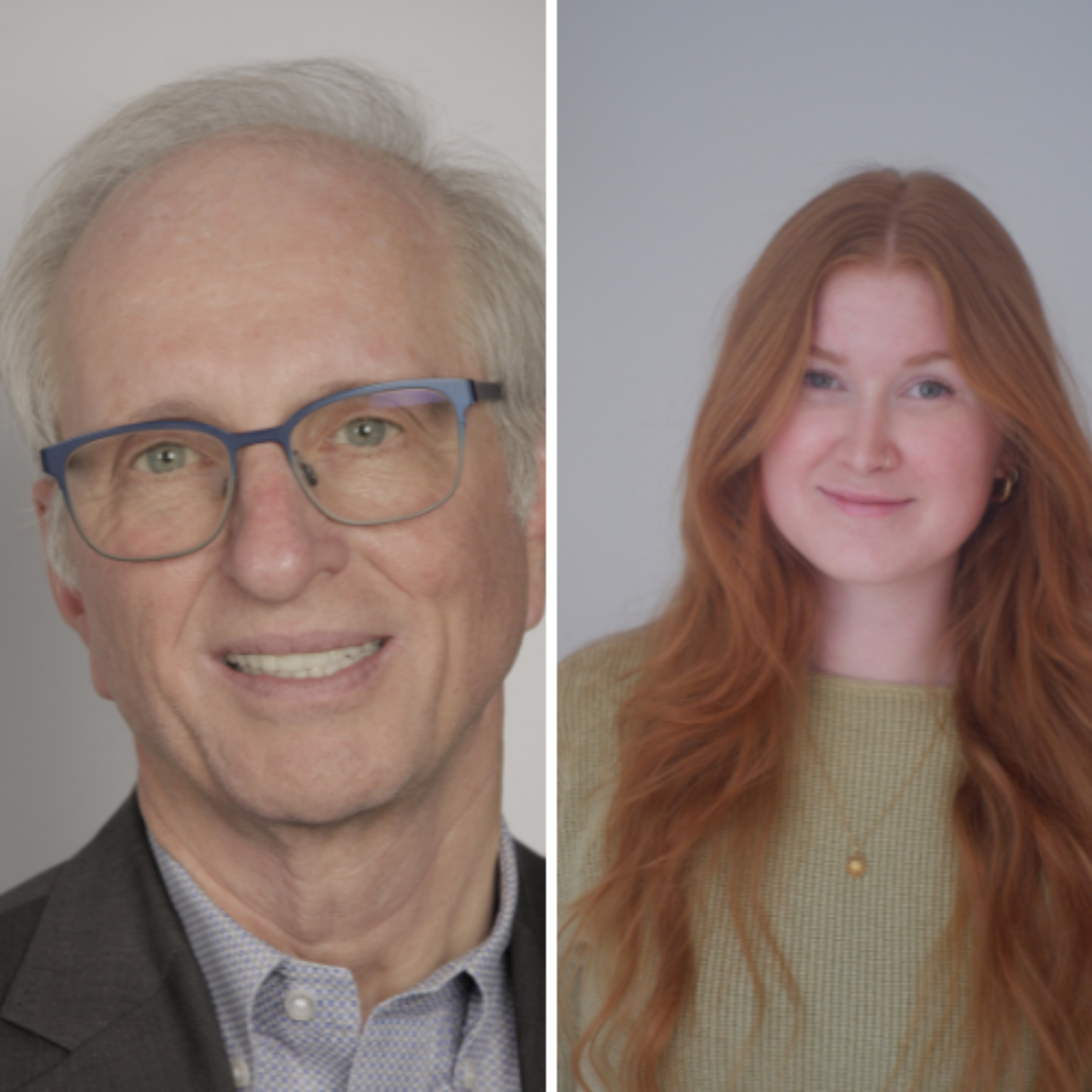 From Science to the Supper Table: Nutrition at the Heart of Diabetes Care with Dr. Hertzel Gerstein and Ms. Keri Howell✨ | diabetes carenutrition+4 | Dr. Hertzel GersteinMs. Keri Howell | McMaster UniversityHamilton Health Sciences+4 | — | diabetesnutrition+5 | — | 46m 02s | |
| 10/7/25 | 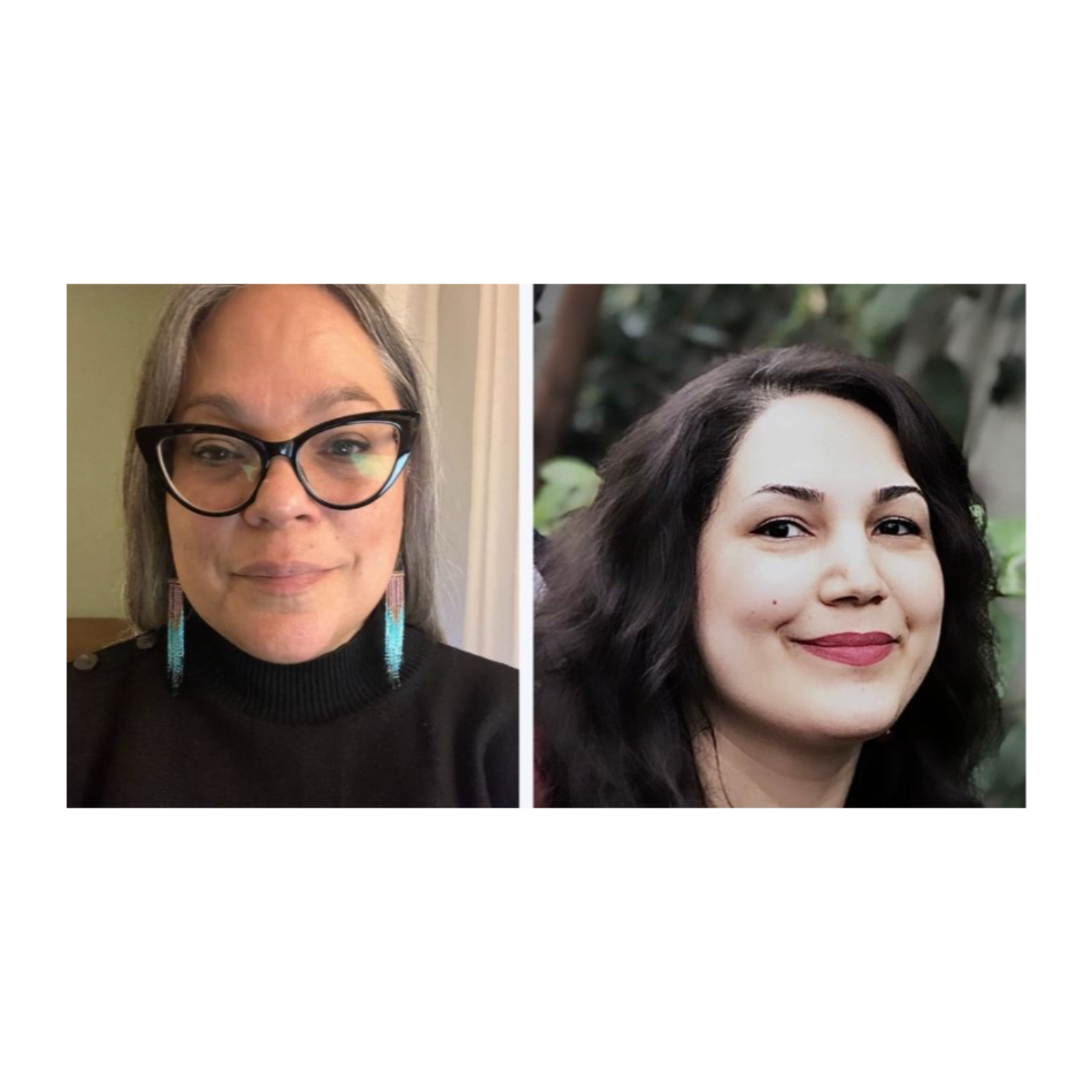 Feeding the Future - Inuit Food Sovereignty in Action with Lynn Blackwood and Dr. Farzaneh Barak✨ | food securityIndigenous Peoples+4 | Lynn BlackwoodDr. Farzaneh Barak | Nunatsiavut GovernmentInuit Tapiriit Kanatami | CanadaHappy Valley-Goose Bay+3 | food sovereigntyIndigenous dietitian+4 | — | 43m 35s | |
| 7/31/25 |  Hidden Hunger in the First 1000 Days with Dr. Kyly Whitfield✨ | micronutrient deficienciesfirst 1000 days+4 | Dr. Kyly Whitfield | Mount Saint Vincent UniversityThe Canadian Nutrition Society+1 | rural Cambodia | nutritionfirst 1000 days+7 | — | 34m 27s | |
Want analysis for the episodes below?Free for Pro Submit a request, we'll have your selected episodes analyzed within an hour. Free, at no cost to you, for Pro users. | |||||||||
| 6/27/25 |  Vieillir en force: nutrition et santé musculaire avec Dre Stéphanie Chevalier / Aging Strong: Nutrition and Muscle Health with Dr. Stéphanie Chevalier✨ | nutritionmuscle health+4 | Dre Stéphanie Chevalier | Université McGillInstitut de recherche du CUSM+5 | Canada | agingnutrition+6 | — | 44m 04s | |
| 5/30/25 |  Digest This: The Truth About Your Gut with Kelsey Moore✨ | digestive healthgut microbiome+4 | Kelsey Moore | Canadian Digestive Health FoundationThe University of British Columbia+1 | — | digestive healthgut microbiome+5 | — | 29m 30s | |
| 4/30/25 |  Canadian Food Regulations: Are they barriers or facilitators to food innovations in Canada? with Dr. William Yan, Dr. Samuel Godefroy and guest host, Teresa Mastrodicasa | Over the past decade, food and food systems have emerged as key to tackling non-communicable diseases, sustainability, and food security. This has spurred major investments in technologies that transform how we produce and consume food. Yet, regulation and policy remain major barriers to innovation, access, and identifying foods that support healthy diets. Dr. William Yan earned his Ph.D. in Medical Microbiology and Infectious Diseases from the University of Alberta and joined Health Canada in 1995. As Director of the Bureau of Nutritional Sciences (2010–2022), he led key Healthy Eating Strategy initiatives, including sodium reduction, trans fat elimination, and front-of-package labelling. Now retired, he is a CNS-SCN Fellow, and teaches at the University of Ottawa. Dr. Samuel Godefroy, former Director General of Health Canada’s Food Directorate and Vice Chair of the Codex Alimentarius Commission, has over 25 years of experience in food regulatory science and policy. He is President of both the International Union of Food Science and Technology and the Global Food Regulatory Science Society. Currently, he is a Full Professor at Laval University, where he leads the Food Risk Analysis and Regulatory Excellence Platform. In this episode, Dr. Yan and Dr. Godefroy discuss regulation and policy as a barrier and facilitator to addressing food system challenges, with a primary focus on food manufacturing and consumers as targets for food system modernization. This podcast is sponsored by Protein Industries Canada. | 57m 48s | ||||||
| 3/31/25 |  Why We Store Fat Differently: The Science Behind Metabolism and Obesity with Dr. Kafi Ealey | Research shows that adipose (fat) tissue isn’t just stored energy—it plays a critical role in metabolism, inflammation, and disease risk. Biological, environmental and nutritional factors contribute to differences in how people store fat and develop conditions such as obesity and type 2 diabetes. Dr. Kafi Ealey is an assistant professor in the School of Nutrition at Toronto Metropolitan University. Dr. Ealey obtained her MSc and PhD from the Department of Nutritional Sciences at the University of Toronto and completed postdoctoral training at the RIKEN Center for Integrative Medical Sciences in Yokohama, Japan, as well as in the Department of Translational Medicine at the Toronto Hospital for Sick Children Research Centre. Dr. Ealey’s research is focused on understanding the biological and cellular processes that govern the diverse functions of metabolic tissues to promote overall health. Her work employs a range of experimental models to determine how nutrition can affect fat storage, the immune system, and how the body uses energy, and helps us better understand how to prevent or manage chronic metabolic diseases. Dr. Ealey is particularly passionate about examining the biological variations in metabolic systems that contribute to racial and ethnic disparities in the prevalence of obesity-related conditions, including type 2 diabetes. In this episode, Dr. Ealey discusses how fat storage and metabolism vary across individuals and populations, and why these differences matter for health. | 30m 41s | ||||||
| 2/28/25 |  Stronger for Longer: The Power of Exercise in Healthy Aging with Dr. Lora Giangregorio | Older adults are the fastest-growing demographic in Canada, yet gaps in care persist, including limited healthcare access, social isolation, and rising cognitive decline. Addressing these challenges through diet and physical activity is key to promoting healthy aging and quality of life. Dr. Lora Giangregorio is a Professor in the Department of Kinesiology and Health Sciences at the University of Waterloo and Tier 1 Canada Research Chair in Bone Health and Exercise Science. She leads the Bone Health and Exercise Science Lab, also known as the BonES lab. The BonES lab team leads research on physical activity for older adults and people with osteoporosis. Dr. Giangregorio is a member of the Scientific Advisory Council for Osteoporosis Canada and was on the leadership team that developed the 2020 Canadian 24-hour Movement Guidelines. She also led the Exercise Working Group for the 2023 Clinical Practice Guidelines for Management of Osteoporosis and Fracture Prevention in Canada. In this episode, Dr. Giangregorio discusses the vital role of exercise in supporting mobility, bone health, and muscle strength in older adults. | 33m 00s | ||||||
| 12/27/24 |  Understanding Sodium: From Tackling Public Health Concerns to Practical Ways to Cut Back with Dr. JoAnne Arcand | Sodium is essential for our bodies, but too much can have serious consequences for our health, including raising blood pressure and increasing the risk of heart disease. Dr. JoAnne Arcand is an Associate Professor and Registered Dietitian in the Faculty of Health Sciences at Ontario Tech University. She leads a research program that explores evidence-based approaches to the implementation of nutrition policies and interventions to enhance population-wide strategies aimed at supporting healthy eating, including dietary sodium. Her research addresses behavioural nutritional risk factors across the lifecycle, from children to older adults, for both the general public and people affected by chronic diseases. Her work is recognized by awards such as a Heart and Stroke Foundation National New Investigator Award, Hypertension Canada Young Investigator Award, and a CIHR-INMD New Investigator Award. In this episode, Dr. Arcand discusses the role of sodium on our health and strategies to reduce its intake. | 54m 34s | ||||||
| 11/29/24 |  Building a SHIELD: The Power of Nutrition in Healthy Aging with Dr. Agnes Siew Ling Tey | The world's over-65 population is expanding rapidly, and the risk of malnutrition is prevalent in this population. Meeting nutritional needs is a recognized strategy to reduce and address multiple debilitating adverse health outcomes associated with malnutrition. Dr. Agnes Siew Ling Tey, Senior Lead of Clinical Science & Nutrition at Abbott in Singapore. Her research centers on pioneering dietary strategies to prevent and manage malnutrition, cardiometabolic diseases, and obesity. With over 50 contributions to international peer-reviewed journals, and an evidence-based position statement for the National Heart Foundation of New Zealand, Dr. Tey is also an esteemededitor and reviewer for various scientific journals. Prior to joining Abbott in 2016, Dr. Tey was a Research Fellow at the Clinical Nutrition Research Centre of Singapore's Agency for Science, Technology and Research (A*STAR). At Abbott, she has provided scientific leadership as the Study Chair and Lead Scientist for the Strengthening Health In ELDerly through nutrition (SHIELD) study on elderly nutrition and has led several randomized controlled trials in diabetes. Her broad expertise includes clinical research on malnutrition in older adults and cardiometabolic diseases in populations who are overweight or living with obesity. In this episode, Dr. Tey discusses the role of nutrition in healthy aging with a focus on the Strengthening Health in Elderly through Nutrition Study. This podcast episode is sponsored by Abbott. | 26m 17s | ||||||
| 10/31/24 |  Beyond the Buzz: Understanding the Impact of Alcohol on Health from a Public Health Perspective with Dr. Erin Hobin | Alcohol is regularly used to relax after a long day at work, at dinner, and on the weekend as well as in connection with social events or to mark special occasions; however, we have learned that even low levels of regular use increases health risks. Dr. Erin Hobin is a Senior Scientist at Public Health Ontario, an Associate Professor in the Dalla Lana School of Public Health at the University of Toronto, and a Collaborating Scientist at the Canadian Institute for Substance Use Research at the University of Victoria. Her research program focuses on developing and evaluating population level interventions for chronic disease prevention, specifically in the areas of alcohol control policy and consumer product labels. Dr. Hobin has served on several scientific advisory committees focused on alcohol policy, including for the World Health Organization, Eurocare, Canada’s Guidance on Alcohol and Health, and the 2023 Ontario Chief Medical Officer of Health Report focused on substance use health. In this episode, she will be discussing the role of alcohol on our health and how policy can promote healthier decisions. | 29m 44s | ||||||
| 9/27/24 |  Transforming Pediatric Malnutrition Care with Dr. Jessie Hulst and Daina Kalnins | Malnutrition in Canada is an overlooked health issue that can have a huge impact on individuals and the health care system. When it comes to pediatric malnutrition, the stakes are even higher, calling for urgent transformation in how we address and prevent it. . The Canadian Malnutrition Task Force, a group of clinicians, researchers and decision makers, has been advancing nutrition care research and education to address the prevention, detection, and treatment of malnutrition across many health sectors. Dr. Jessie Hulst is a staff physician in the division of Gastroenterology, Hepatology and Nutrition at the Hospital for Sick Children, and Associate Professor in the Department of Pediatrics and Nutritional Sciences of the University of Toronto. She previously served as a Staff Gastroenterologist at Sophia Children's Hospital in Rotterdam, Netherlands (2011-2018). Her PhD focused on nutritional assessment in critically ill children, development of a nutritional risk screening tool (STRONGkids), and she has authored > 100 peer-reviewed publications. She has been involved in the implementation of the Dutch Malnutrition Taskforce pediatric malnutrition pathway and mandatory National Hospital Quality Indicators and is the co-chair of the pediatric working group of the Canadian Malnutrition Taskforce. Daina Kalnins is a registered dietitian and Director of Clinical Dietetics at the Hospital for Sick Children in Toronto, which includes the Breastfeeding Program. Daina is a strong advocate for supporting evidence-based practice and has engaged her Clinical Dietetics team in caring safely practices, as well as quality improvement initiatives. She also works in the CF clinic and the lung transplant program, and has authored/co-authored over 16 publications and chapters related to CF, as well as several books on infant and children’s nutrition. In this episode, Dr. Hulst and Daina discuss transforming pediatric malnutrition care. | 37m 37s | ||||||
| 8/30/24 |  Défiler, cliquer, digérer: La désinformation nutritionnelle sur les médias sociaux avec Dre Sophie Desroches / Scroll, click, digest: Nutritional misinformation on social media with Dr. Sophie Desroches | L'alimentation et la nutrition sont des sujets populaires dans les médias et sur les réseaux sociaux. L'omniprésence des médias sociaux a créé de nouvelles opportunités pour les experts qualifiés ou accrédités de la communauté scientifique de communiquer avec leurs clients et le public. Elle a également créé des défis. Dre Sophie Desroches est professeure titulaire et diététiste à l'École de nutrition à l’Université Laval et chercheuse au Centre NUTRISS de l’INAF. Ses travaux de recherche visent à identifier des stratégies de transfert de connaissances en nutrition et à favoriser leur implantation dans les pratiques cliniques des diététistes afin d’améliorer l’adhésion aux recommandations nutritionnelles. Les plus récents travaux de recherche effectués dans son équipe portent sur l’utilisation des médias sociaux comme stratégie de transfert de connaissances dans les domaines reliés aux habitudes de vie incluant la nutrition. Dans cet épisode, Dre Desroches discute de la désinformation en nutrition sur les réseaux sociaux. / Food and nutrition are popular topics in the media and on social networks. The ubiquity of social media has created new opportunities for qualified or accredited experts in the scientific community to communicate with their clients and the public. It has also created challenges. Dr. Sophie Desroches is a professor and dietitian at Université Laval's School of Nutrition, and researcher at INAF's Centre NUTRISS. Her research is aimed at identifying strategies for transferring nutrition knowledge and implementing them in dietitians' clinical practices, in order to improve adherence to dietary recommendations. Her team's most recent research focuses on the use of social media as a knowledge translation strategy in lifestyle-related fields, including nutrition. In this episode, Dr. Desroches discusses nutrition misinformation on social media . Please note that this podcast has been recorded in French; however, you may view the script in English. | 45m 22s | ||||||
| 7/31/24 |  Making Informed Choices: Unveiling Health Canada’s Supplemented Foods Awareness Labeling Initiative with Elaine De Grandpré | Most of us are familiar with vitamin and mineral supplements, but did you know that there are foods and drinks on the market called “supplemented foods”? These products have added ingredients such as vitamins, minerals, and caffeine. While they can offer additional nutrients, some can pose a risk to your health if consumed excessively or by vulnerable groups (e.g. pregnant individuals). Elaine De Grandpré is the Manager of Knowledge Translation and Exchange in the Bureau of Data, Science and Knowledge Integration of the Food and Nutrition Directorate at Health Canada. She is an innovative and energetic leader with over 30 years of experience in the public and private sectors and has extensive knowledge of public health nutrition, behavioural science, food and nutrition policy and regulatory development and evaluation, stakeholders’ consultation & engagement as well as education. Elaine is also a professor at the University of Ottawa in the Food Policy and Regulatory Affairs program. In this episode, Elaine discusses Health Canada’s new Supplemented Foods Awareness Labelling Initiative. You can learn more about supplemented foods at www.canada.ca/supplementedfoods. | 30m 53s | ||||||
| 6/28/24 |  Connecting nutritional strategies with chronic disease prevention with Dr. Dylan MacKay | Chronic conditions such as diabetes and chronic kidney disease are major public health concerns and on the rise worldwide. Dietary interventions that include foods such as fruit and vegetables may help improve health outcomes, but what about adherence? Could providing foods directly to people as part of health services be a solution? Dr. Dylan MacKay is an Assistant Professor of Nutrition and Chronic Disease in the Department of Food and Human Nutritional Sciences and the Department of Internal Medicine Section Endocrinology at the University of Manitoba. He has a background in Human Nutritional Sciences, with training and experience in clinical trials and patient-oriented research. He is also a person who lives with type 1 diabetes and his work focuses primarily on glucose metabolism, type 2 diabetes, and chronic kidney disease. Dr. MacKay also has a strong personal connection with type 1 diabetes research in which he is both a researcher and a person with lived experience. In this episode, Dr. MacKay discusses the nutritional strategies such as home delivery of foods for chronic diseases such as diabetes and chronic kidney disease. | 29m 04s | ||||||
| 5/31/24 |  The Art and Science of Mentorship with Dr. Sharon Straus | Mentorship, often described as the art of guiding and nurturing, holds a special place in the fabric of human development. From ancient traditions of apprenticeship to modern-day corporate mentorship programs, the practice has evolved, yet its essence remains unchanged: the passing down of wisdom, experience, and support from one generation to the next. Dr. Sharon E. Straus is a geriatrician and clinical epidemiologist who trained at the University of Toronto and the University of Oxford. She is the Director of the Knowledge Translation Program and Physician-in-Chief at St. Michael’s Hospital and Professor in the Department of Medicine at the University of Toronto. She holds a Tier 1 Canada Research Chair in Knowledge Translation and Quality of Care and has authored more than 600 peer-reviewed publications and 3 textbooks in evidence-based medicine, knowledge translation and mentorship. She has received national awards for mentorship, research and education and was named to the Order of Canada in 2021. In this episode, Dr. Straus discusses the art and science behind effective mentorship, exploring strategies, challenges, and enduring rewards that define this practice. | 38m 48s | ||||||
| 4/30/24 |  Food literacy: Considerations depending on the life context with Dr. Maude Perreault | Food and nutrition literacy are concepts that may be important factors in supporting healthful dietary habits. Building these skills and knowledge at a young age is important for skill retention, confidence in food practices and supporting lifelong healthy eating habits. Dr. Maude Perreault is a Registered Dietitian and Assistant Professor at Université de Montréal. Her clinical and research interests are centered around family nutrition, and how we can support children and parents to have healthy eating behaviors. Dr. Perreault has also supported parents through her online private practice, with a focus on helping parents team up and tackle “picky eating” with their toddlers. More recently, she has developed an interest for food literacy as a way to explore the skills required to feed ourselves in the complex food system, and where inequalities might lie. Through her research and clinical work, Dr. Perreault’s mission is that everyone can enjoy eating, with autonomy, for their own well-being and that of their community. In this episode, Dr. Perreault discusses the emerging results around food literacy and considerations when it comes to teaching kids about it as well as in the context of chronic health diseases requiring dietary changes, namely celiac disease. | 27m 09s | ||||||
| 3/28/24 |  Breaking Barriers: Gender Equity in Clinical Nutrition with Dr. Leah Gramlich and Dr. Carla Prado | On March 8, 2024 we celebrated International Women’s Day where the theme was to “Inspire Inclusion”. Over the past 20 years, studies have shown persistent gaps in gender representation at the top levels of parenteral and enteral nutrition societies. Why does this matter? It's not just about numbers; it's about equality, opportunity, and the ability for all voices to be heard.Dr. Carla Prado is a Professor and Registered Dietitian at the University of Alberta, and a Campus Alberta Innovates Chair in Nutrition, Food and Health. She is the Director of the Human Nutrition Research Unit and expert in assessing nutritional status through the precise measurement of body composition and energy metabolism. Dr. Prado is a member of the Royal Society of Canada, the Canadian Academy of Health Sciences, and has received the title of Canada’s Most Powerful Women: Top 100. She is also a Clarivate™ Highly Cited researcher. Dr. Leah Gramlich is a gastroenterologist and physician nutrition specialist who works at patient, provider and systems levels to understand and enhance the impact of diet and activity strategies to improve health and reduce disease at the University of Alberta. She is the Founding President of the Canadian Nutrition Society and a CNS Fellow, an honour bestowed upon a CNS member by their peers in recognition for outstanding contributions to nutrition science and/or practice. In this episode, Dr. Gramlich and Dr. Prado will discuss sex disparities in parenteral and enteral nutrition societies and gender equity in clinical nutrition. | 39m 59s | ||||||
Showing 25 of 38
Pitch Fit is a Pro feature
See how bookable this show is for guests, which brands already advertise, the per-episode ad value, and the best-fit guest and sponsor profile. The numbers are blurred on the free plan.
How readily this show books outside guests like you.
How proven this show is for host-read sponsorships.
For Guests
ProFor Advertisers
ProUpgrade to Pro to unlock guest cadence, sponsor categories, fit scores, and per-episode ad value for this show.