
Insights from recent episode analysis
Audience Interest
Podcast Focus
Publishing Consistency
Platform Reach
Insights are generated by CastFox AI using publicly available data, episode content, and proprietary models.
Total monthly reach
Estimated from 1 chart position in 1 market.
By chart position
- 🇳🇿NZ · Visual Arts#173500 to 3K
- Per-Episode Audience
Est. listeners per new episode within ~30 days
350 to 2.1K🎙 Weekly cadence·51 episodes·Long inactive - Monthly Reach
Unique listeners across all episodes (30 days)
500 to 3K🇳🇿100% - Active Followers
Loyal subscribers who consistently listen
150 to 900
Market Insights
Platform Distribution
Reach across major podcast platforms, updated hourly
Total Followers
—
Total Plays
—
Total Reviews
—
* Data sourced directly from platform APIs and aggregated hourly across all major podcast directories.
On the show
Recent episodes
52: The statue of William Charles Wentworth and Adelaide Ironside
Dec 23, 2023
58m 17s
51: Fragment of terracotta cult statue from Cyprus
Nov 27, 2023
49m 28s
50: Heba Abd el-Gawad on Rethinking Egyptian Antiquities in Museums
Nov 1, 2023
34m 50s
49: Transport amphora with shell encrustations
Oct 20, 2023
35m 23s
48: Researching the Dru Drury butterfly collection
Oct 10, 2023
45m 42s
Social Links & Contact
Official channels & resources
Official Website
Login
RSS Feed
Login
| Date | Episode | Description | Length | ||||||
|---|---|---|---|---|---|---|---|---|---|
| 12/23/23 |  52: The statue of William Charles Wentworth and Adelaide Ironside | In this episode of Object Matters host Dr Craig Barker is joined by historian and author Dr Kiera Lindsey. Together they discuss her new book on colonial Sydney artist Adelaide Ironside titled Wild Love. Together they examine speculative history, writing biographies and art in colonial New South Wales, and explore Adelaide's complex relationship with University of Sydney founders William Charles Wentworth and Sir Charles Nicholson.Guest: Dr Kiera Lindsey is a creative historian who works across the public and academic sectors. She works at the History Trust of SA (HTSA) as South Australia’s History Advocate. She has over twenty years of research and writing experience in the area of nineteenth-century, Indigenous and women's histories and have also published nationally and internationally on the topics of speculative biography and life writing. She had served as Vice President of the History Council of New South Wales as well as a member of the Sydney Living Museum's Curatorial and Public Engagement Advisory Committee. She features regularly on radio and podcasts, and was a consultant and on-camera historian for a 4-part series entitled LAWLESS: The Real Bushrangers which first aired on Foxtel's History Channel in 2017. Kiera has also designed two online public history courses on the GLAM sector. Wild Love was published through Allen & Unwin in November 2023, joining her first book The Convict's Daughter, and a volume coedited with Donna Brien on the topic of speculative biography. Wild Love was the produce of an Australian Research Council (ARC) Discovery Early Career Research Award (DECRA) while she was at University of Technology Sydney (UTS). Follow Kiera on X: @LindseyKieraHost: Dr Craig Barker, Head of Public Engagement, Chau Chak Wing Museum and Director, Paphos Theatre Archaeological Excavations. Follow @DrCraig_B on X and Instagram.Object details:Pietro Tenerani, life-size statue of William Charles Wentworth, marble, 1861. Purchased with funds from public subscription 1861 [UA1861.1] | 58m 17s | ||||||
| 11/27/23 | 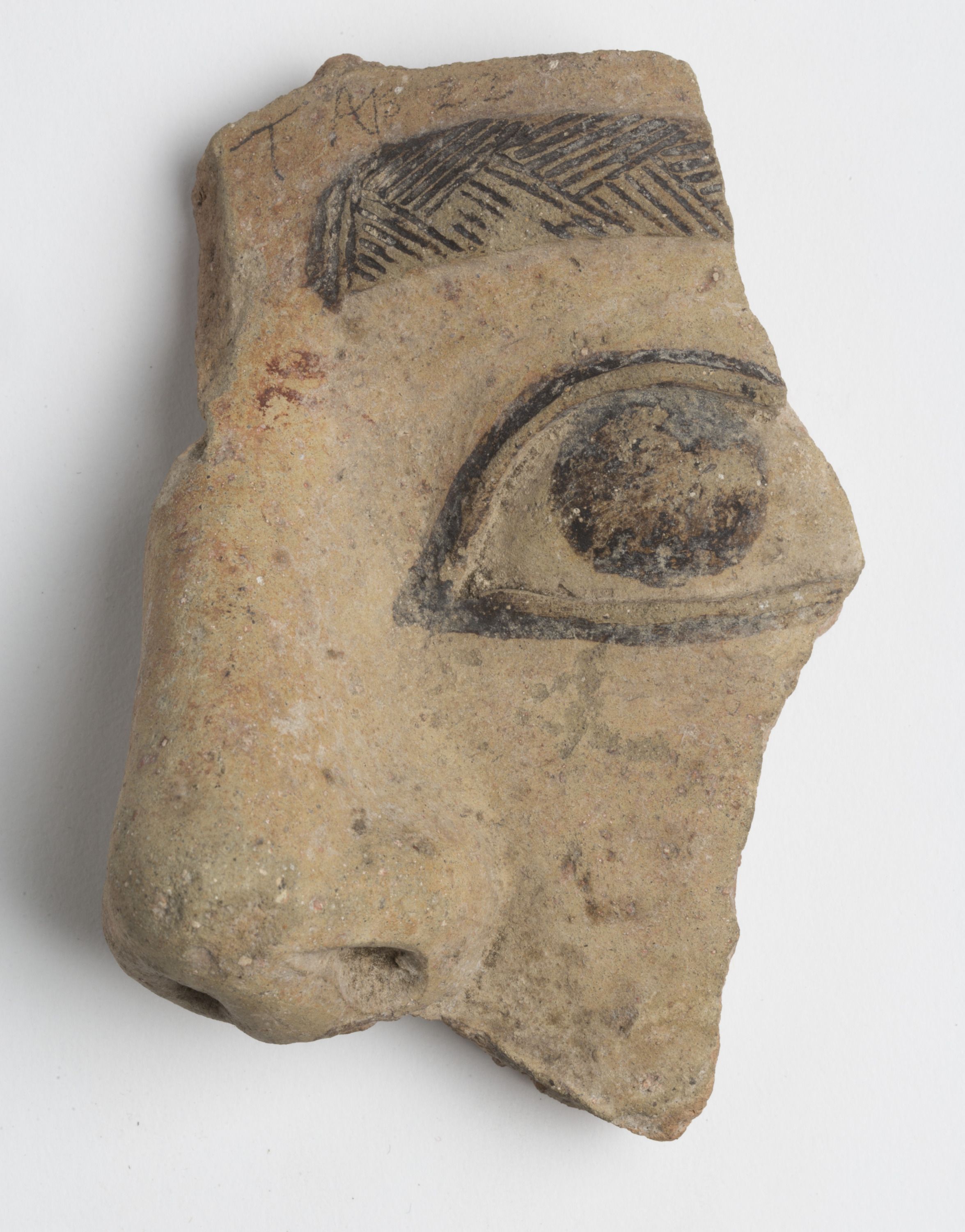 51: Fragment of terracotta cult statue from Cyprus | In this episode of Object Matters host Dr Craig Barker is joined by Dr Anastasia Christophilopoulou, an archaeologist and curator at the Fitzwilliam Museum in Cambridge and the 2023 Sir Charles Nicholson Lecturer. Together they discuss the Being An Islander project and associated Islanders: The Making of the Mediterranean exhibition at the Fitzwilliam Museum, as well as Anastasia's archaeological interests in material culture in island environments, including Crete, Sardinia and Cyprus, where they discuss an Archaic period cult sanctuary site called Salamis Toumba. Guest: Dr Anastasia Christophilopoulou is Curator of Greece, Rome and Cyprus at the Department of Antiquities of the Fitzwilliam Museum. She is responsible for research and exhibition projects and permanent displays in the fields of Greek, Cypriot and Roman collections of the museum. Anastasia gained her PhD in Classical Archaeology at the Faculty of Classics, University of Cambridge (2008) and was a postdoctoral researcher at the Topoi Excellence Cluster, Freie Universität Berlin (2009-2010), prior to joining the Fitzwilliam Museum. She served as leader of the 4-year research project ‘Being an Islander’: Art and Identity of the large Mediterranean Islands, (2019-2023) which aimed to critically re-examine the concept of island life through material culture. In 2023 she visited the University of Sydney as the Chau Chak Wing Museum's Sir Charles Nicholson Lecturer. Follow Anastasia on X: @AChristophilop1Host: Dr Craig Barker, Head of Public Engagement, Chau Chak Wing Museum and Director, Paphos Theatre Archaeological Excavations. Follow @DrCraig_B on X and Instagram.Objects details:Fragmentary human head, terracotta, Salamis Toumba, Cyprus, Cypro-Archaic, 750-475 BC. Donated by the Museum of Classical Archaeology, University of Cambridge 1947 [NM47.388] | 49m 28s | ||||||
| 11/1/23 | 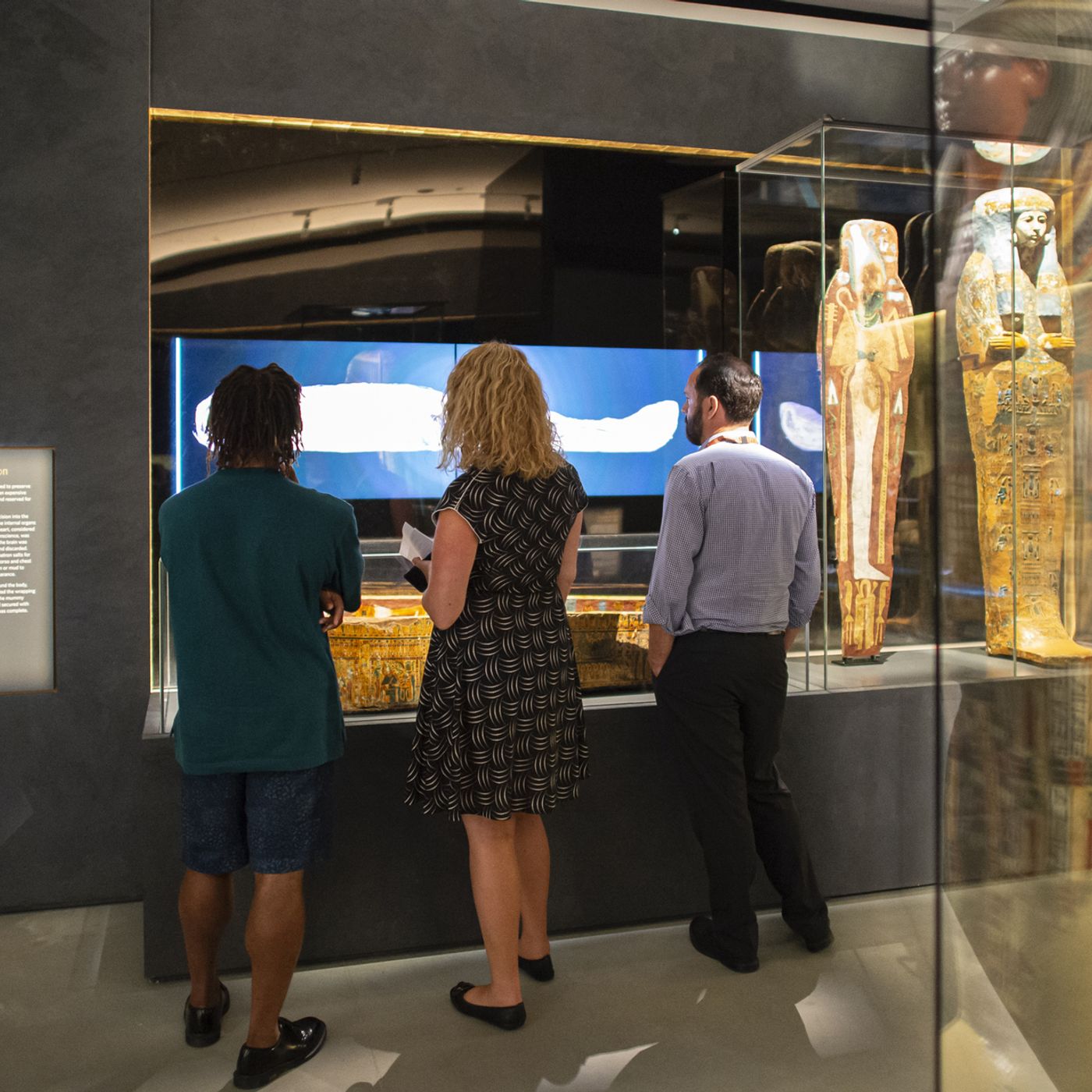 50: Heba Abd el-Gawad on Rethinking Egyptian Antiquities in Museums | In this special episode of Object Matters host Dr Craig Barker is joined by Egyptian archaeologist Dr Heba Abd el-Gawad. Together they discuss the unique role ancient Egypt plays in museums globally, the missing modern Egyptian voice in ancient Egyptian exhibitions, decolonising collections and her work as part of the AHRC-funded project ‘Egypt’s Dispersed Heritage: views from Egypt’, partnering with UK museums and archives to communicate the history of cultural dispersal and examining opportunities to create dialogue with modern Egyptian communities.Guest: Dr Heba Abd el-Gawad is an Egyptian archaeologist. She is the project researcher for the AHRC funded project: ‘Egypt’s Dispersed Heritage: Views from Egypt’ at the Institute of Archaeology, University College of London aimed at amplifying the voice, visibility, and validity of modern Egyptian communities in UK museums. She has previously led various curatorial roles in the UK. Heba specializes in the history of Egyptian archaeology focusing on the past and present Egyptian perceptions and representations of the collection and distribution of archaeological finds from Egypt to the world. Follow @GawadHeba on X.Host: Dr Craig Barker, Head of Public Engagement, Chau Chak Wing Museum and Director, Paphos Theatre Archaeological Excavations. Follow @DrCraig_B on X and Instagram. | 34m 50s | ||||||
| 10/20/23 |  49: Transport amphora with shell encrustations | For this episode of Object Matters host Dr Craig Barker is joined by Dr Natali Pearson of the University of Sydney's Sydney Southeast Asia Centre (SSEAC). Natali is a critical heritage scholar, so together they discuss her work on the maritime heritage of Southeast Asia, including her own work and her recent publication on the Belitung shipwreck in Indonesian waters, and the importance of Australians knowing our nearest neighbours better. Moving from Southeastern Asia to the Mediterranean, together they discuss the second century BC transport amphora (Greco-Italic style) covered with shell encrustations, and muse upon the sea's influence on human cultural history, trade and transportation of commodities and the importance of the encrustation as part of the object's history.Guest: Dr Natali Pearson is a critical heritage studies scholar at the Sydney Southeast Asia Centre, specialising in maritime heritage in Southeast Asia, and an Honorary Associate in the Discipline of Archaeology. She hosts the SSEAC Stories podcast. Her research interests and experience include the ethics, provenance and laundering of underwater cultural heritage; heritage diplomacy; and the management of shared wrecks. Her book Belitung: The Afterlives of a Shipwreck was published in 2023 by University of Hawaii Press. She is the President of the Indonesia Council and an Expert Member, International Council on Monuments and Sites-International Committee on Archaeological Heritage Management. Follow Natali on X: @sea_greenyHost: Dr Craig Barker, Head of Public Engagement, Chau Chak Wing Museum and Director, Paphos Theatre Archaeological Excavations. Follow @DrCraig_B on X and Instagram.Objects details:'Greco-Italic' Transport Amphora with shell encrustations, Gulf of Naples near Baiae, Italy, c. 200-130 BC. Donated by Sir Charles Nicholson 1860 [NMR.1031.1-7] | 35m 23s | ||||||
| 10/10/23 | 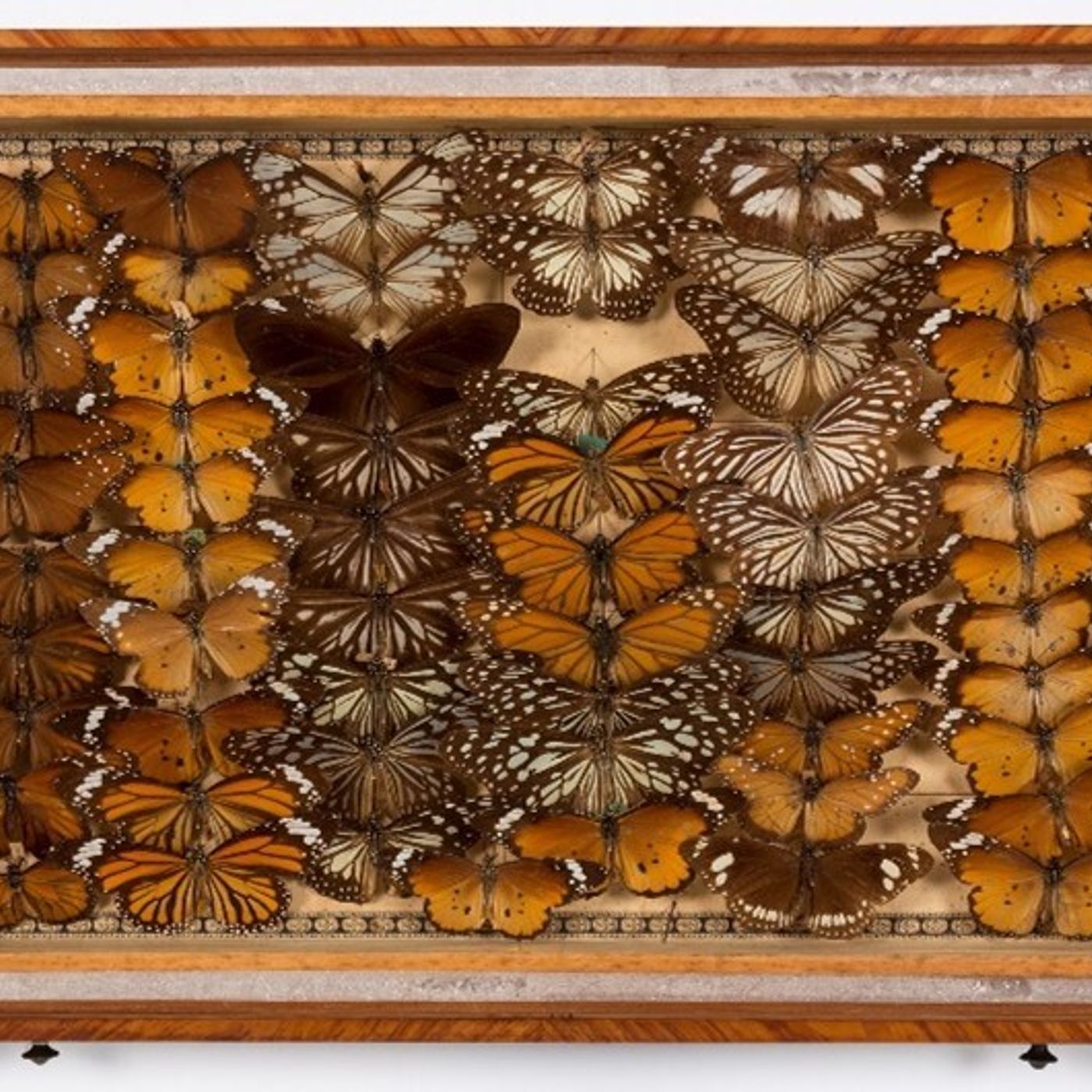 48: Researching the Dru Drury butterfly collection | For this episode of Object Matters host Dr Craig Barker is joined by zoologist and 2023 Macleay Miklouho-Maclay Fellow Dr Angel Luis Viloria Petit, who has recently completed his research in Sydney, examining historic collections of butterflies. The Chau Chak Wing Museum houses the natural history collection of Alexander Macleay (1767-1848) largely amassed prior to his arrival in the colony of NSW in 1826. Many of the insects were acquired by Macleay from other naturalists, including Dru Drury (1725-1804) who published three volumes on butterflies. In his three months in Sydney, Venezuelan-based Dr Viloria has examined thousands of specimens in the collection and has successfully identified more than 260 primary type specimens, many from Drury's collections dating back to the 1770-1790s, identifiable from hand-painted illustrations from within those publications. Together they discuss Angel's career and research, the history of insect collecting, and early European collectors and the process of identifying primary type specimens in two hundred year old collections of butterflies using historical hand-painted illustrations. Read more on Dr Viloria's research while in Sydney.Guest: Dr Angel Viloria is a zoologist and entomologist at the Ecological Centre in Caracas, Venezuela and Senior Researcher at the Centre of Ecology of the Venezuelan Institute for Scientific Investigations (IVIC), specialising in South American lepidoptera. He received a first degree in Biology from the Universidad del Zulia, Maracaibo, Venezuela, and his Doctorate of Philosophy (zoology) from a joint program of the University of London (King’s College) and the Natural History Museum, UK. He has pursued investigations on a variety of subjects related to zoology, theoretical biogeography, history and philosophy of the biological sciences. However, his main interest is on the systematics of butterflies of Tropical America, especially the Andean browns, members of the subfamily Satyrinae. In 2019-2020 he held the Simón Bolívar Visiting Chair at the University of Cambridge. He is is author and co-author of 110+ scientific papers, 210+ popular science articles and 8 books, including the standard reference, Catalogue of the hostplants of the Neotropical butterflies. Host: Dr Craig Barker, Head of Public Engagement, Chau Chak Wing Museum and Director, Paphos Theatre Archaeological Excavations. Follow @DrCraig_B on Twitter and Instagram.Objects details:The Dru Drury collection of butterflies and moths within the Macleay natural history collections. | 45m 42s | ||||||
| 9/22/23 | 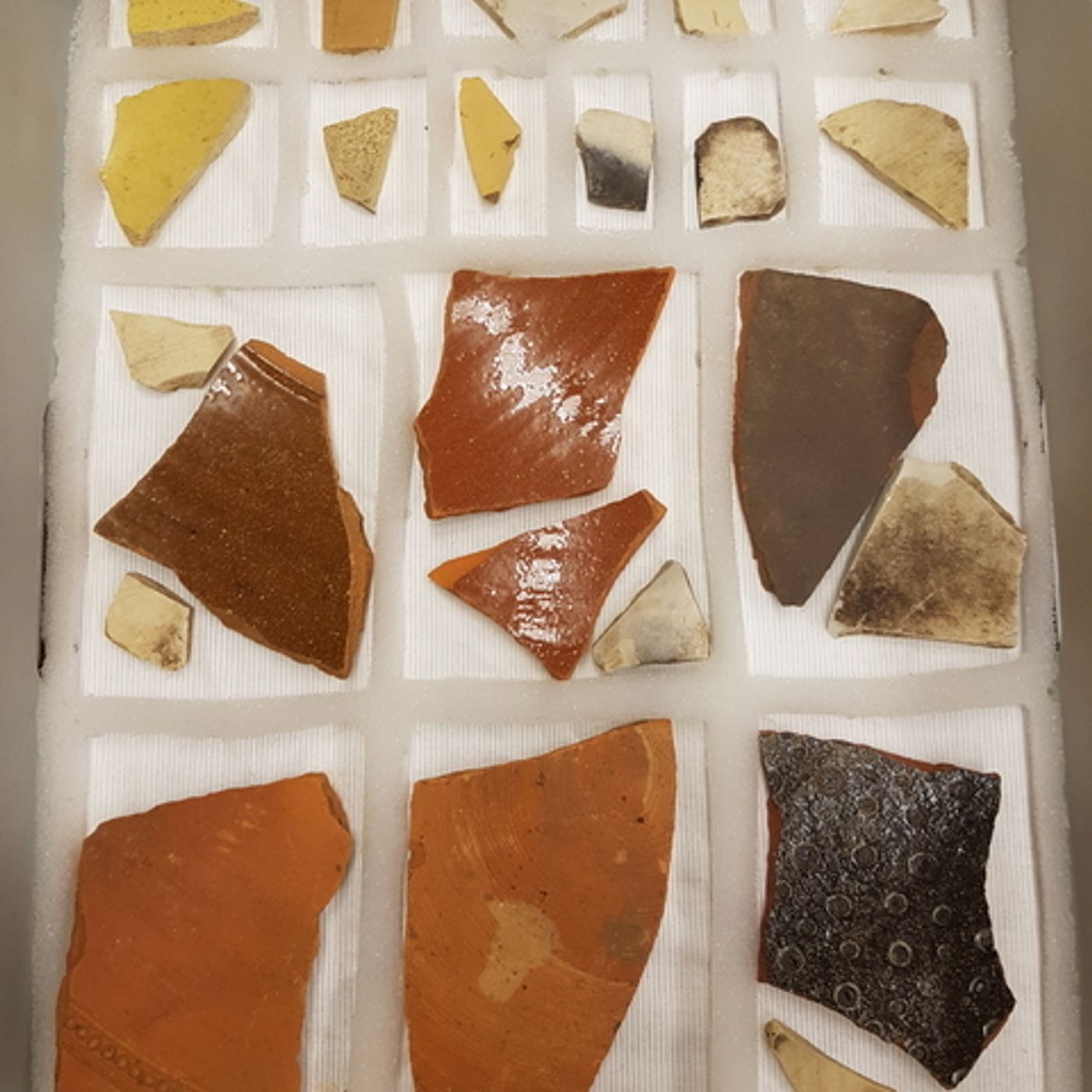 47: Judy Birmingham and the Archaeological Excavations at Irrawang | In this episode of Object Matters host Dr Craig Barker is joined by Chau Chak Wing Museum intern Isabella Trope. Isabella is a student at Macquarie University and has been researching a collection of ceramic sherds in the museum's education collection donated by Judy Birmingham in preparation of them being used in school education Object-Based Learning programs.In this conversation they discuss the influence of pioneering Australian archaeologist Judy Birmingham and her work at Irrawang pottery workshop near Raymond Terrace, where between 1833–56 James King produced commercial ceramics. In 1967 Birmingham lead an archaeological excavation conducted by the student Archaeological Society of the University of Sydney; the first ever historical archaeological excavation in Australia. They talk about museum internships and about developing educational activities with school curricula links, as well as the important role Judy played in the development of archaeology in Australia. Guest: Isabella Trope is a history and archaeology student at Macquarie University who has recently completed an internship at the Chau Chak Wing Museum. She works as a Volunteer Content Producer for Historic Houses Association of Australia. Host: Dr Craig Barker, Head of Public Engagement, Chau Chak Wing Museum and Director, Paphos Theatre Archaeological Excavations. Follow @DrCraig_B on X and Instagram.Object details:Collection of 23 sherds from the 1967 archaeological excavations at Irrawang, New South Wales, donated by Associate Professor Judy Birmingham, 2009 [IRN268679]. Also discussed is a bronze axe, Iron Age, 1000-600 BC, from Luristan, Iran [NM48.244]. | 28m 04s | ||||||
| 8/25/23 | 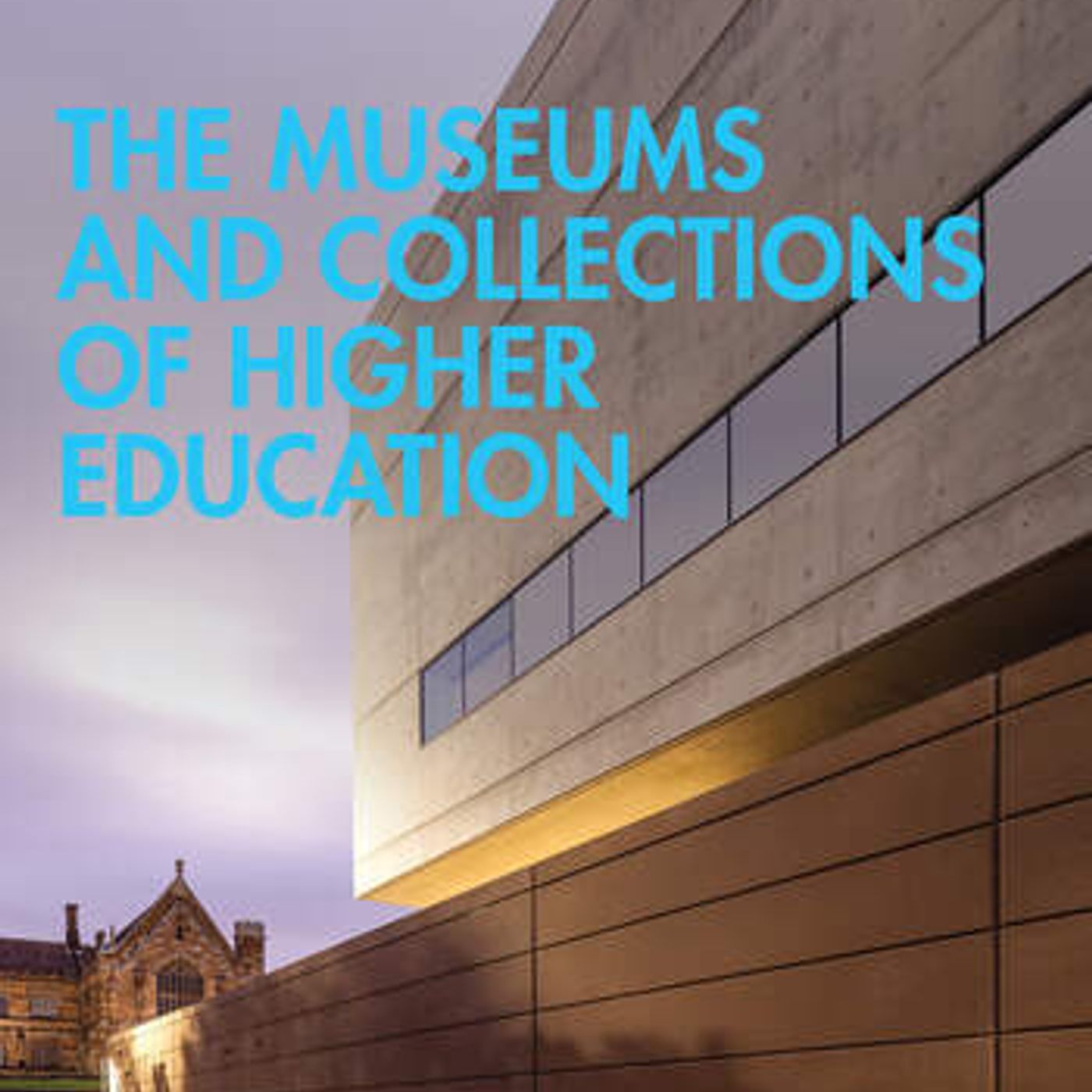 46: UMAC and University Museums in the 21st Century | As the Chau Chak Wing Museum gets set to host the UMAC2023 conference, for this episode of Object Matters host Dr Craig Barker is joined by UMAC President and Chau Chak Wing Museum Research Fellow Dr Andrew Simpson.UMAC University Museums and Collections, an International Committee of ICOM (International Council of Museums) was founded in 2001 to advocate for university museums and teaching and research collections for museums around the globe. In this discussion, Craig and Andrew talk about the role of museums on a campus from a global perspective, UMAC as an organisation and the aims and ambitions of the 2023 iteration of the annual conference. They also speak at length about Andrew's new book, The Museums and Collections of Higher Education (Routledge 2023).Guest: Dr Andrew Simpson is President of UMAC University Museums and Collections and has extensive experience in higher education, heritage, museums and galleries . Andrew has a science back and he began his museum career as a curator at the University of Queensland. At Macquarie University he introduced and developed Australia's first undergraduate degree program in Museum Studies followed by named postgraduate degree programs. These programs were delivered by the Science Faculty and designed as an alternative to the usual art history / cultural heritage study to career path. It produced graduates for the sector with an enhanced understanding of science in museum practice. His research interests are the history, role and functions of museums in society, in particular, university museums, museum education, natural history and the public understanding of science, as well as his own scientific interests. Host: Dr Craig Barker, Head of Public Engagement, Chau Chak Wing Museum and Director, Paphos Theatre Archaeological Excavations. Follow @DrCraig_B on Twitter and Instagram. | 37m 39s | ||||||
| 8/18/23 | 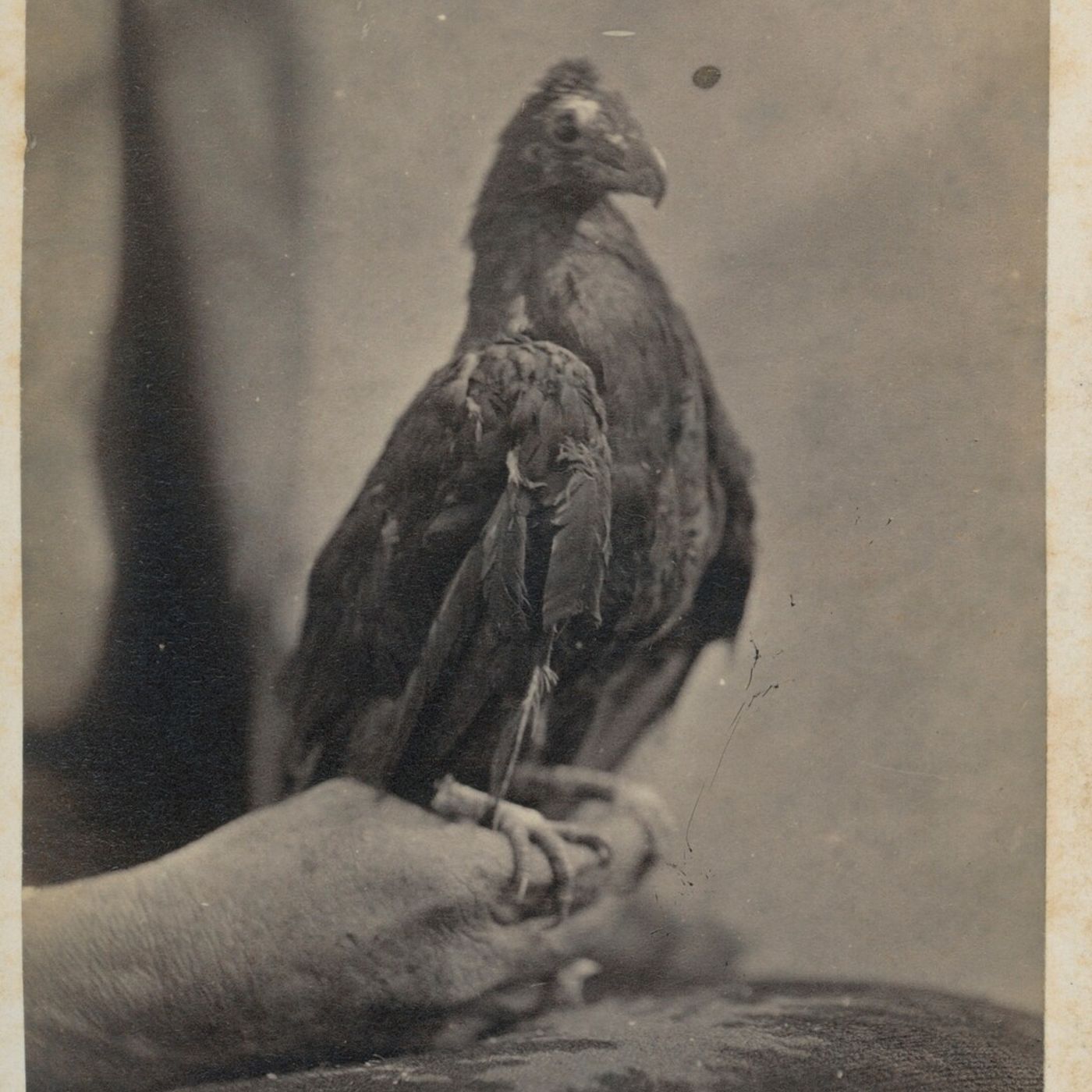 45: Carte-de-visite; photograph of the bird 'Didunculus strigirostris' | For this episode of Object Matters host Dr Craig Barker is joined by Chau Chak Wing Museum colleague Jan Brazier, the Curator of History Collections. Together they discuss a carte-de-visite featuring a photograph of a bird taken by Sydney studio photographer Thomas Skelton Glaister in 1863. Not any bird, this is the first ever photograph of the endangered Didunculus strigirostris or tooth-billed pigeon. Jan leads us on a journey into the research she has undertaken about this image, tracking from Samoa to Sydney to London an meeting influential figures in 19th century natural history, and providing the story as to this remarkable bird's significance. Read more on the research into the three copies of the carte-de-visite.Brazier, Jan (2019). A rare bird - The tooth-billed pigeon Didunculus strigirostris. Muse: Art, Culture, Antiquities, Natural History. (23), pp. 4-5Guest: Jan Brazier is curator of the History Collections, which comprise of the Historic Photographs Collection and the Science Collection. Previously, she was the archivist at the Australian Museum. Jan's earlier career was as a research assistant in the area of Australian history for the Department of History, Australian National University, and then for Professor Ken Inglis on his major histories of the ABC and war memorials in the Australian landscape.Host: Dr Craig Barker, Head of Public Engagement, Chau Chak Wing Museum and Director, Paphos Theatre Archaeological Excavations. Follow @DrCraig_B on Twitter and Instagram.Objects details:Carte-de-visite; photograph of the bird 'Didunculus strigirostris', the tooth-billed pigeon from Samoa where it is known as manu mea; photographer T Glaister,1863.Donated by John Pearson Ramsay 1996 [HP96.79] See also HP83.74.27 and HP83.74.28 both donated as part of the Ramsey Collection in 1974. | 35m 04s | ||||||
| 7/31/23 | 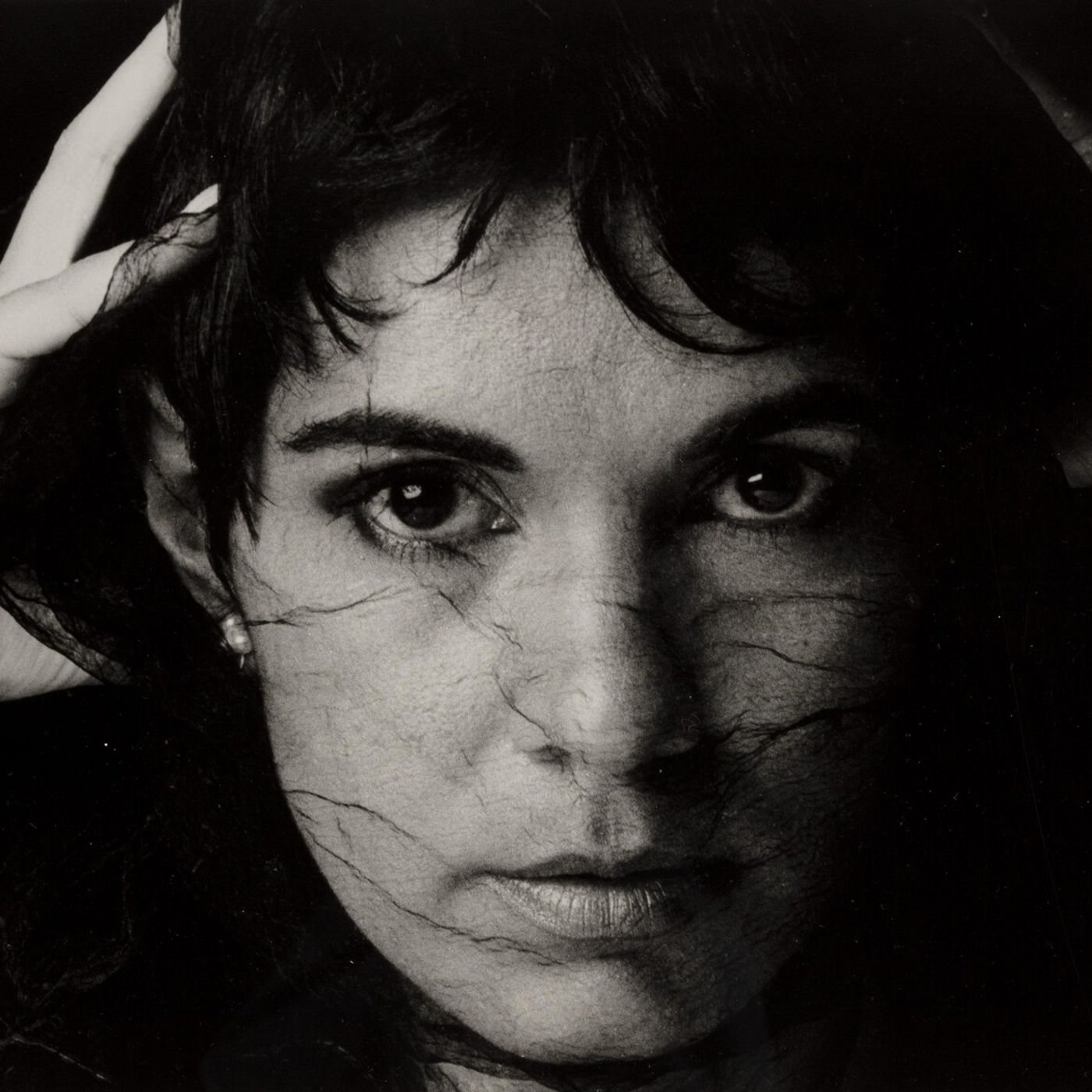 44: Tracey Hands Up, by Michael Riley (1986) | In this episode of Object Matters host Dr Craig Barker is joined by Chau Chak Wing Museum colleague Julian Woods, the museum's Public Engagement Co-ordinator.Julian discusses a photograph in the collection, acquired from the University of Sydney Union art collection in 2019, which Julian had previously featured in an exhibition he co-curated. The photography by Michael Riley (1960-2004) is a portrait of artist Tracey Moffatt taken in the mid-1980s. They discuss the work of both Riley and Moffatt, photography in Australia and the significance of the photograph within the context of the Boomalli Aboriginal Artist Co-operative.Guest: Julian Woods is Public Engagement Co-ordinator for the Chau Chak Wing Museum. In this role he assists with the development of public programs, education, and other outreach activities. Before joining the Museum, he worked at Bathurst Regional Art Gallery in audience engagement and curatorial. He has over 10 years experience working and volunteering in the arts and cultural sector and completed a BA at the University of Sydney with Honours in Art History and a Major in History, focusing on Australian art and Australian history. Follow him on @julianwoods92Host: Dr Craig Barker, Head of Public Engagement, Chau Chak Wing Museum and Director, Paphos Theatre Archaeological Excavations. Follow @DrCraig_B on Twitter and Instagram.Objects details:Tracey (Moffatt) hands up, Michael Riley, 1986, positive print – gelatin silver.Donated by University of Sydney Union 2019, University Art Collection [UA2019.144] | 38m 51s | ||||||
| 6/25/23 | 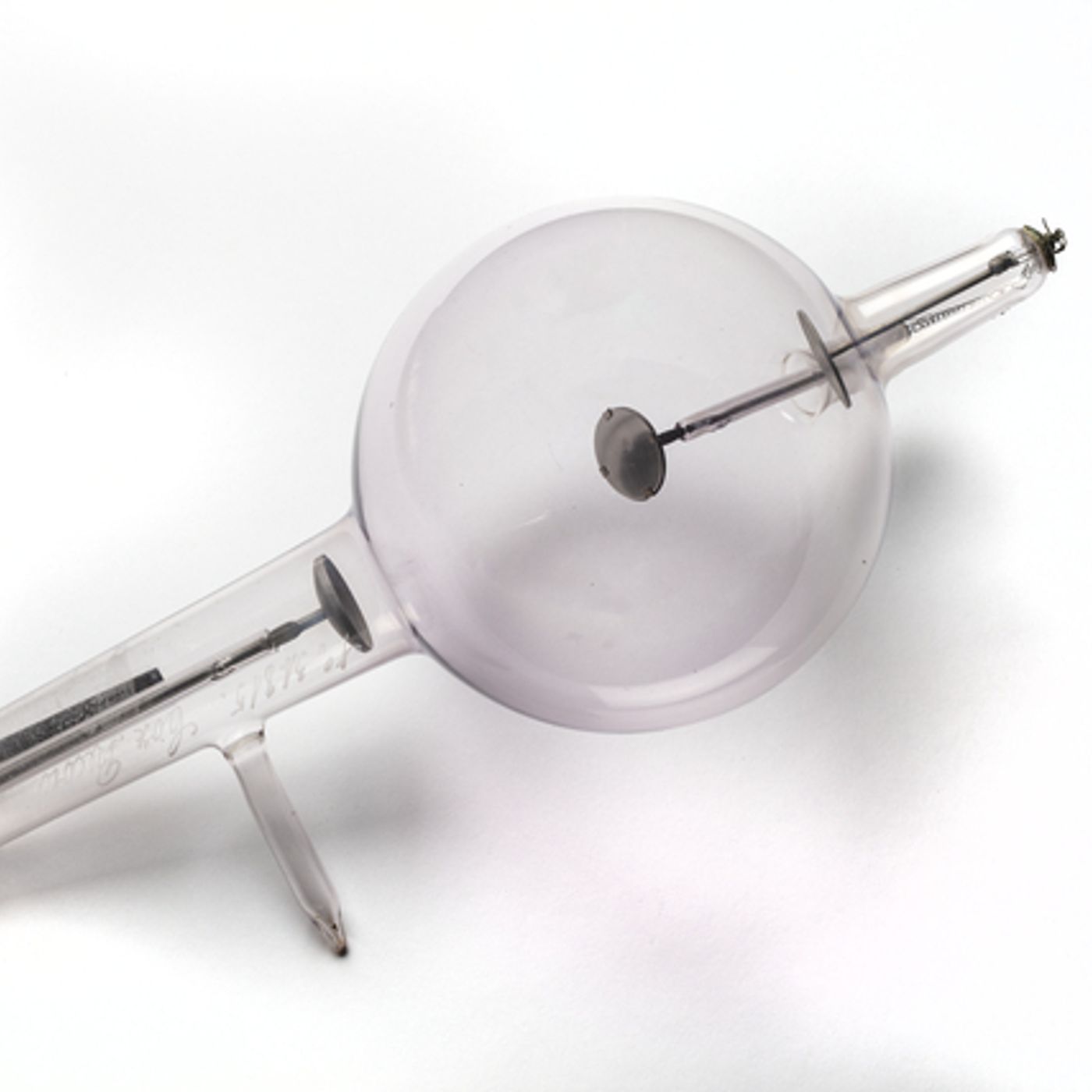 43: Two early x-ray tubes made by Harry W Cox | In this episode of Object Matters host Dr Craig Barker is joined by Chau Chak Wing Museum colleague Kelsey McMorrow, who is curatorial assistant, science collections.Kelsey discusses two x-ray tubes made in the early twentieth century. Together they discuss the importance of science collections and presenting science history in museums. The cover the discovery and the development of x-rays in the late 19th century, the early use of x-rays and the gradual realisation of the health implications of unsafe x-ray usage. They also cover the fascinating story of x-ray pioneer Harry W. Cox, who's firm manufactured the two x-ray tubes in the collection discussed. Guest: Kelsey McMorrow is Curatorial Assistant, Science Collections, Chau Chak Wing Museum. In this role Kelsey assists in the curation, research and management of the Museum’s science collections, working most closely with the Macleay Collection of scientific instruments and apparatus. Kelsey is also passionate about museum accessibility and is a member of the Museum’s Accessibility and Inclusion Working Group. Kelsey completed her BA/BSc at UNSW, studying history and psychology. She also completed her Master of Museum and Heritage Studies at the University of Sydney. Hear Kelsey interviewed for the UMAC Futures series on global early career university museum employees. Host: Dr Craig Barker, Head of Public Engagement, Chau Chak Wing Museum and Director, Paphos Theatre Archaeological Excavations. Follow @DrCraig_B on Twitter and Instagram.Objects details:Electromagnetic instrument; Cox's x-ray tube, 1909-10917, Harry W Cox Ltd, London. Transferred to the collection in 1972 [SC1972.2] Electromagnetic instrument; gas x-ray tube, 1896-1910, Harry W Cox Ltd, London. Donated by Mr John Robinson 2021 [SC2021.10] (pictured) | 31m 49s | ||||||
Want analysis for the episodes below?Free for Pro Submit a request, we'll have your selected episodes analyzed within an hour. Free, at no cost to you, for Pro users. | |||||||||
| 5/22/23 | 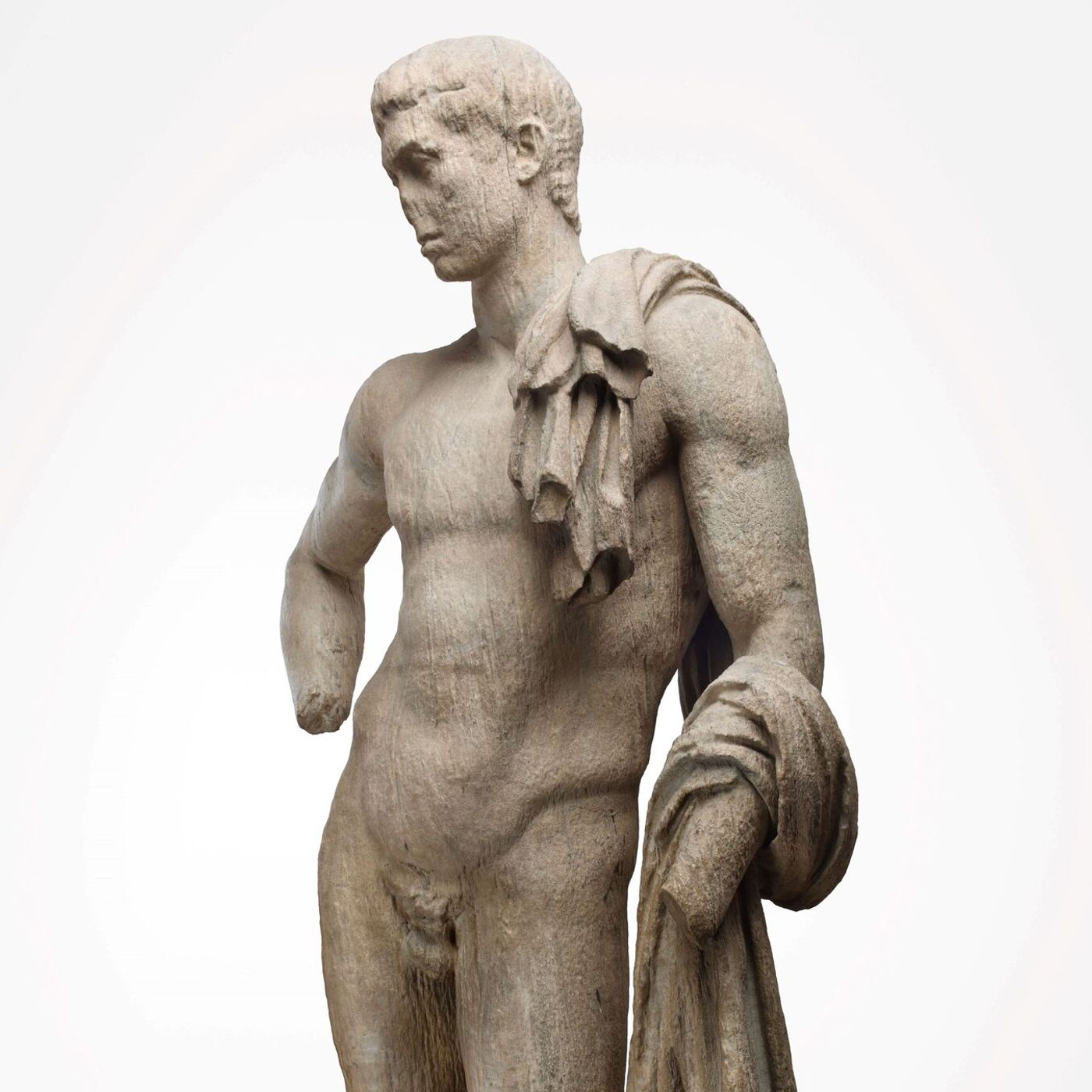 42: The Nicholson Hermes | Marking National Archaeology Week 2023, in this episode of Object Matters host Dr Craig Barker is joined by Associate Professor Lesley Beaumont, a classical archaeologist in the School of Humanities, in the Faculty of Arts and Social Sciences at the University of Sydney. Together they discuss one of the most iconic objects in the Chau Chak Wing Museum, the Nicholson Hermes. This Roman marble statue of the 1st century BC or 1st century AD is carved from white marble, the surface of which is deeply weathered through contact with running water. Lesley and Craig discuss archaeology in the 21st century, the Zagora Archaeological Project, Greek and Roman art, the famed sculptor Praxiteles and teaching students in the museum. Guest: Associate Professor Lesley Beaumont is Associate Professor in the Discipline of Archaeology at the University of Sydney. Prior to taking up her position at the University, she was Assistant Director of the British School at Athens. Her publications include Childhood in Ancient Athens. Iconography and Social History (Routledge: 2012, 2015), and a Routledge Handbook on Children in Antiquity, co-edited with Matthew Dillon and Nicola Harrington. Her current archaeological fieldwork focuses on the Early Iron Age settlement site of Zagora on the Greek island of Andros. She serves as a Council Member of the Australian Archaeological Institute at Athens, and as an Expert Examiner for the Australian Government’s Office for the Arts under the Protection of Movable Cultural Heritage Act 1986. Host: Dr Craig Barker, Head of Public Engagement, Chau Chak Wing Museum and Director, Paphos Theatre Archaeological Excavations. Follow @DrCraig_B on Twitter and Instagram.Object details:The Nicholson Hermes, statue of an unknown man sculpted after Hermes by Praxiteles, white marble, Roman, 1st century BC - 1st century AD, Smyrna, Anatolia. Donated by the sons of Sir Charles Nicholson 1935 [NM35.120].View the statue in 3D. | 48m 08s | ||||||
| 4/16/23 | 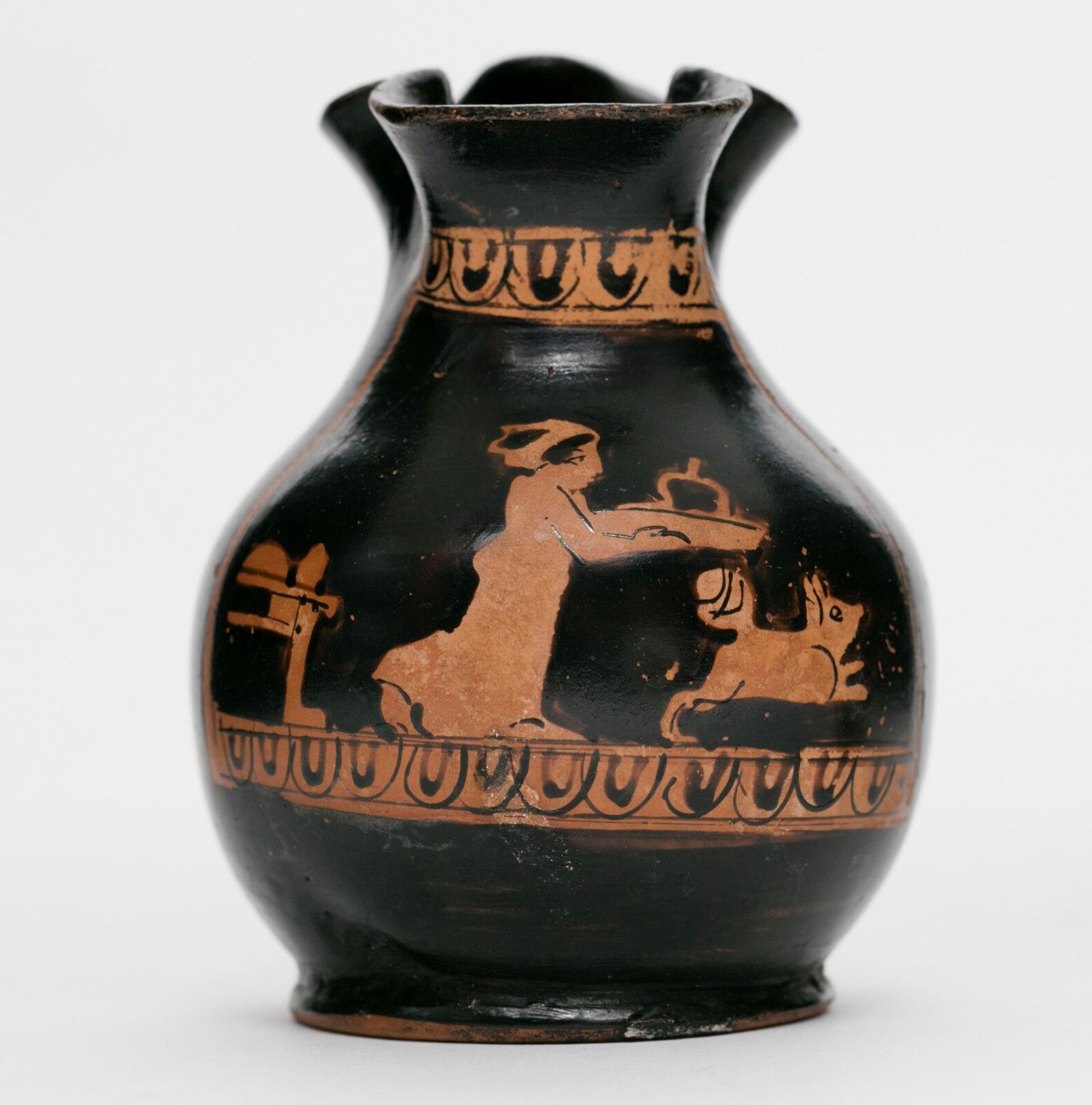 41: Two ancient Athenian vases depicting dogs | In this episode of Object Matters host Dr Craig Barker is joined by Classics PhD candidate and 2023 Fellow of the Australian Archaeological Institute at Athens Alyce Cannon. They discuss two ancient vases from Athens relevant to Alyce's current doctoral research on dogs in ancient Greece. Using two choes (ancient small, squat wine vessels) in the University of Sydney's collection they discuss how dogs were depicted in Classical Athens, what role dogs had in society and the correlation between a new sense of childhood and relationships with pets in the traumatic era of the end of Classical experiment in Athens following plague and the decades long Peloponnesian War and examine the reasons why dogs may have been depicted on these vessels that symbolise childhood.Guest: Alyce Cannon is undertaking a PhD in the Discipline of Classics and Ancient History under the supervision of Professor Julia Kindt, as a part of the ARC Future Fellowship Project on “The Humanity of Man and the Animal in Ancient Greece”. Alyce’s thesis is entitled: “KYNIKA: Thinking With the Dog in Ancient Greece”. She is currently in Athens as the 2023 Australian Archaeological Institute at Athens Fellow. Host: Dr Craig Barker, Head of Public Engagement, Chau Chak Wing Museum and Director, Paphos Theatre Archaeological Excavations. Follow @DrCraig_B on Twitter and Instagram.Objects details:Attic red figure chous, c. 425-400BC, ceramic, Athens, Greece. Donated by the Classical Association 1946 [NM46.49].Illustrated.Attic red figure chous, attributed to Crawling Boy Work-shop, Class of the Sydney Chous, c. 430-420BC, , Group of Karlsruhe 66/140, c. 350-300 BC, ceramic, Athens, Greece. Donated by Sir Charles Nicholson 1860 [NM98.37] | 34m 52s | ||||||
| 3/22/23 | 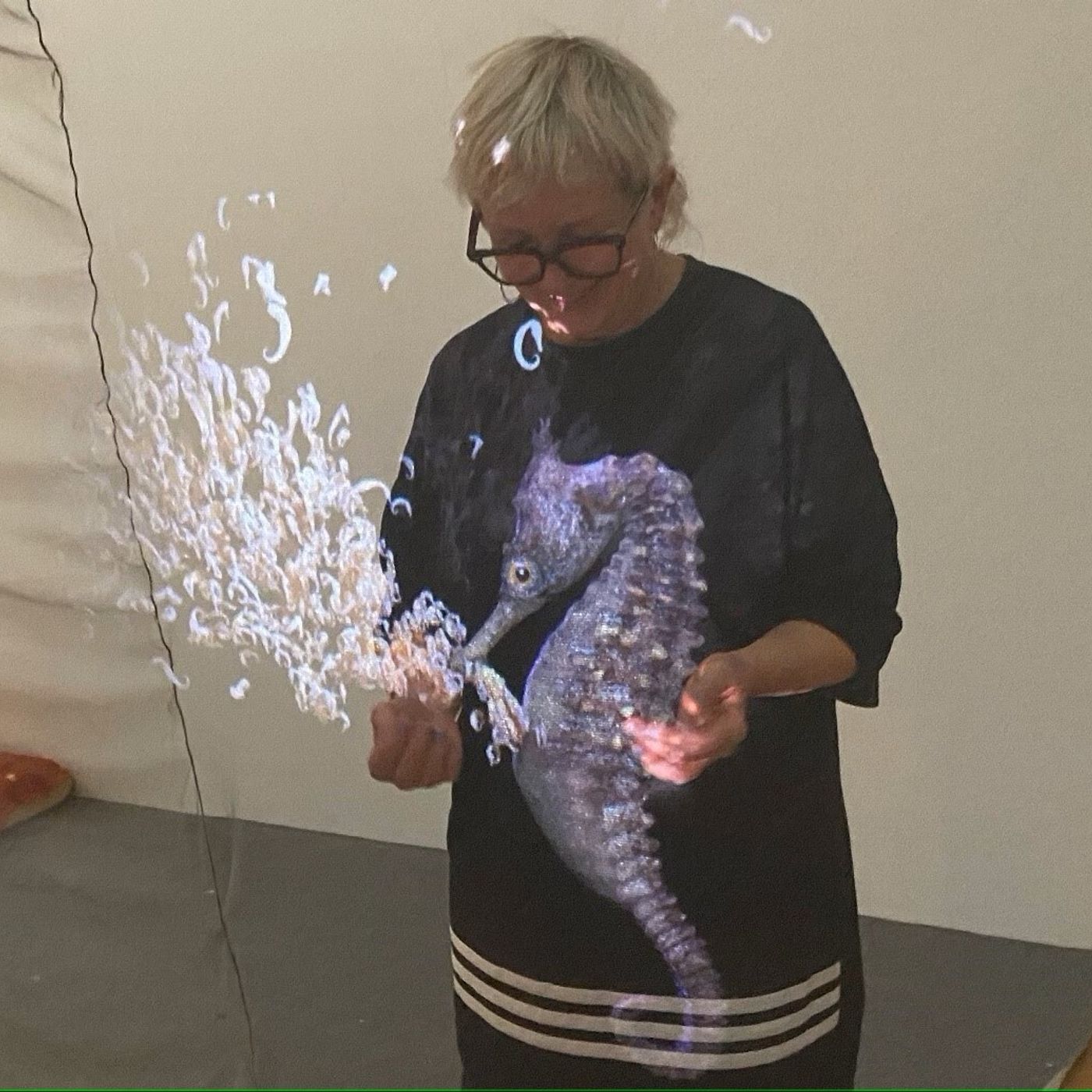 40: Penelope & the Seahorse: Artist Mikala Dwyer | In this special episode of Object Matters, hear a live recording of a public event held in March 2023, when visual artist Mikala Dwyer is interviewed by Toni Ross about the Chau Chak Wing Museum's fourth contemporary art project titled Mikala Dwyer: Penelope and the Seahorse. The exhibition at the Chau Chak Wing Museum is an aquatic-themed installation bristling with allusions to hippocampus, the genus name of the seahorse, derived from the Ancient Greek meaning ‘horse’ and ‘sea monster’. In a wide ranging discussion they cover Mikala's practices, memory associations, the endangered status of seahorses, how she engaged with museum collection items including seahorse specimens (for example MHF.266) and ancient Greek vases depicting maritime mythology (for example NM98.41 and NMR.1021.1 both of which are in the exhibition), and how the name hippocampi was used for a structure within the brain that is shaped like a seahorse. Humans and other mammals have two hippocampi, one in each of the temporal lobes. We are always with seahorses. Guest:Mikala Dwyer was born in Sydney in 1959 and now lectures at RMIT in Melbourne. Mikala Dwyer has exhibited widely in Australia and internationally since the 1980s and is known for her distinctive experiments in sculpture, installation, and performance art. Her practice is predominantly installation-based, in which she constructs idiosyncratic, personal spaces within the conventional architecture of the gallery, using materials that have a strong association with the body.Mikala is interviewed by curator Dr Toni Ross, Honorary Senior Lecturer (Art Theory), Faculty of Arts, Design and Architecture, UNSW. Host: Dr Craig Barker, Head of Public Engagement, Chau Chak Wing Museum and Director, Paphos Theatre Archaeological Excavations. Follow @DrCraig_B on Twitter and Instagram.Exhibition details: Mikala Dwyer: Penelope and the Seahorse (until October 2023) | 38m 18s | ||||||
| 3/14/23 | 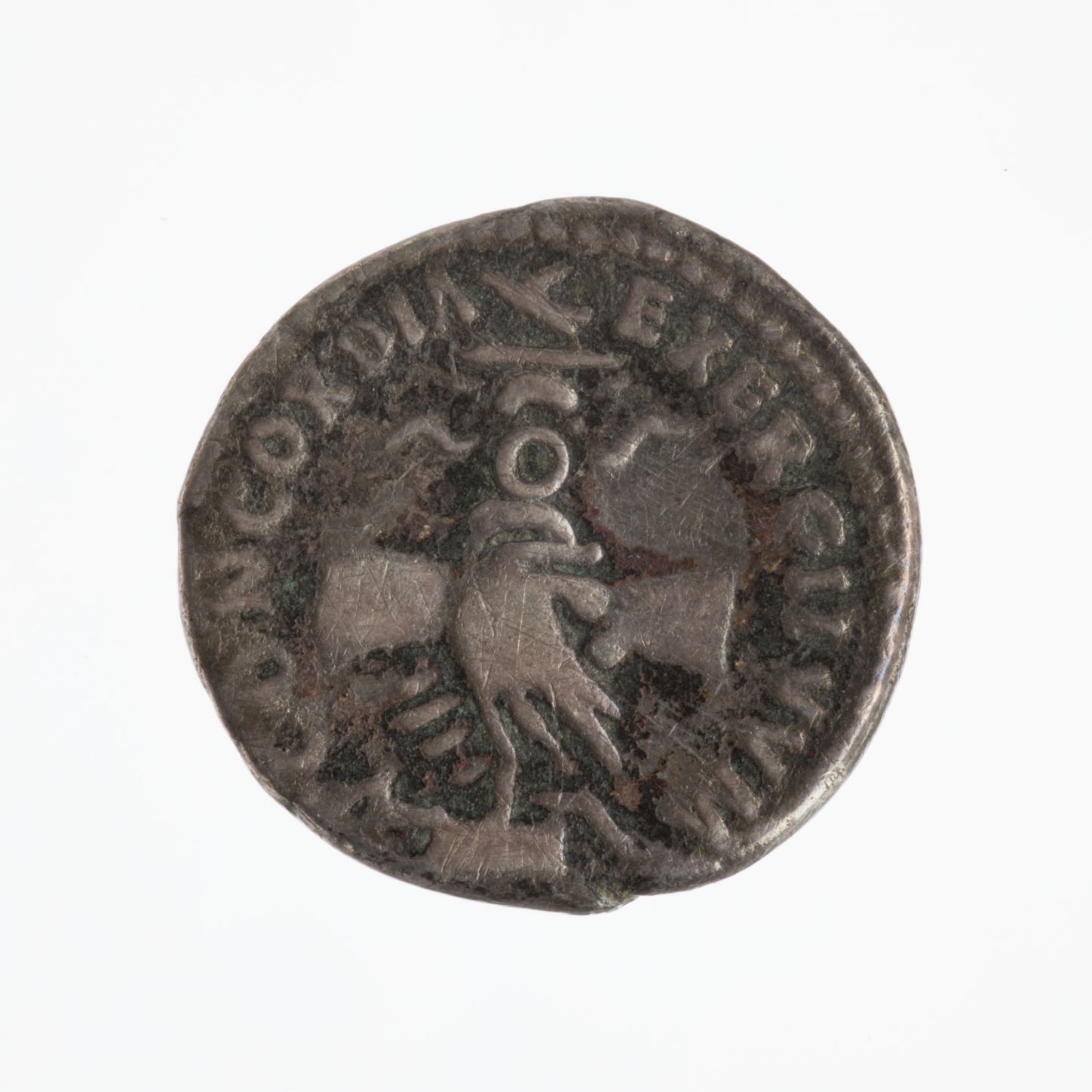 39: Coin of Roman Emperor Nerva and solar eclipses | For this episode of Object Matters host Dr Craig Barker is joined by university administrator, historian and former museum administrator Dr Toner Stevenson. Toner is the co-author with Dr Nick Lomb, of the new book Eclipse Chasers (2023).Using a coin of the Roman emperor Nerva, minted in 96 AD when he came to power, they discuss how his funeral two years later coincided with a solar eclipse and how humans have interacted with eclipses for millennia. From Australian First Nation astronomy to the successful 1922 Australian scientific expeditions to capture data to prove Einstein's theory that gravity could bend the fabric of time and space - a project commemorated in its centenary year last year in postage stamps and in minted coins - bringing us back to Nerva's coin. Guest: Dr Toner Stevenson is Head of the School of Humanities in the Faculty of Arts and Social Sciences at the University of Sydney. She is also a Honorary Associate in the Discipline of History at the school. She gained her doctorate in Social Sciences in 2016, after a long career in museums with leadership roles at the the Museum of Applied Arts and Sciences, including the Sydney Observatory where she was able to combine her museology interests with her passion for astronomy. She witness a total solar eclipse in 2012. Host: Dr Craig Barker, Head of Public Engagement, Chau Chak Wing Museum and Director, Paphos Theatre Archaeological Excavations. Follow @DrCraig_B on Twitter and Instagram.Objects details: Silver Denarius of Nerva, 96 AD, minted in Rome, Italy. Acquired before 2004 [NM2004.1667] | 45m 40s | ||||||
| 2/14/23 | 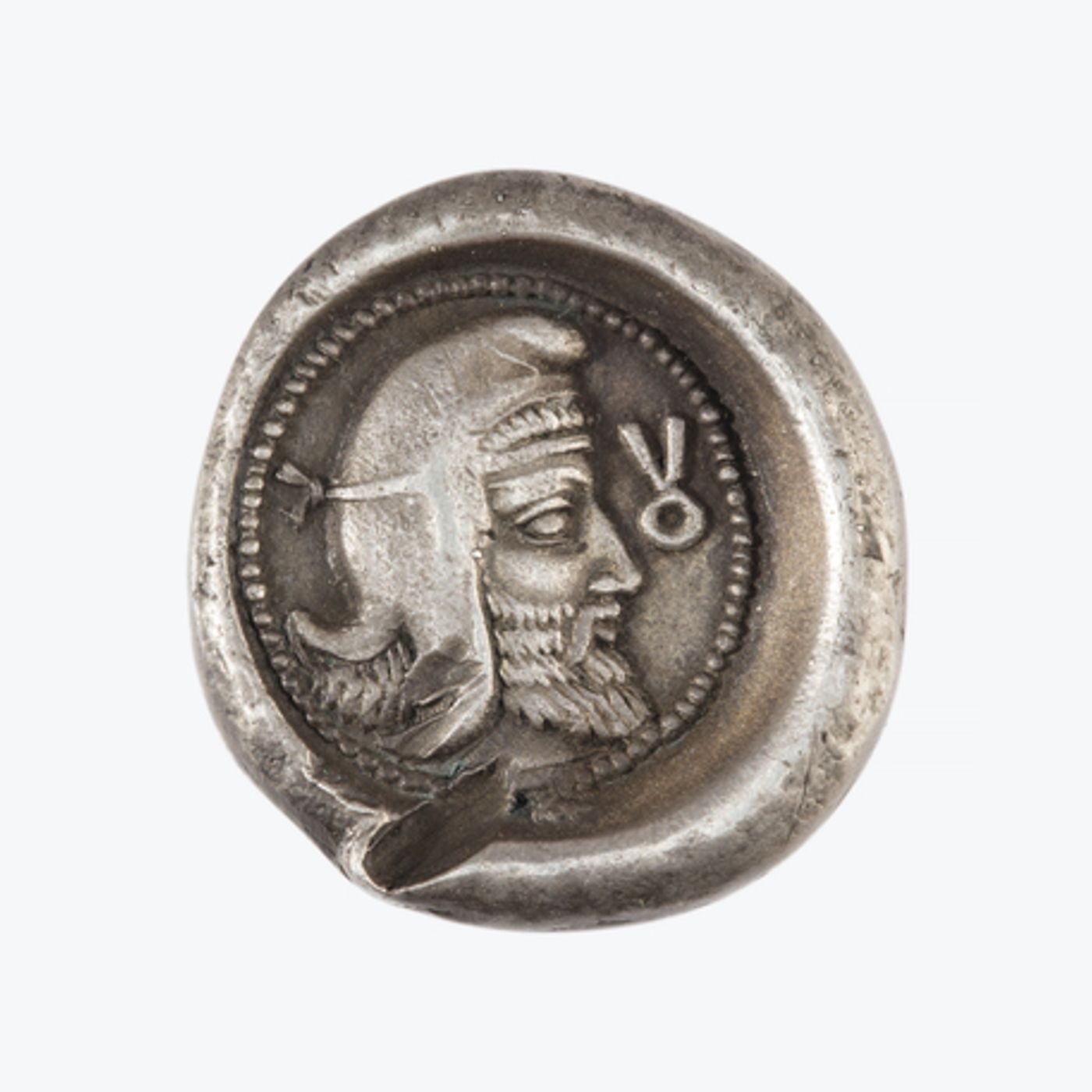 38: An Electrotype of an ancient Lydian coin | On this episode of Object Matters host Dr Craig Barker is joined by art historian and current University of Sydney Museum and Heritage Studies Program postgraduate student Dr Ksenia Radchenko. Ksenia is also a museum educator. Ksenia gained her PhD in Russian art history from the University of Southern California. However on Object Matters we are not discussing 20th century Soviet art. Instead we discuss her internship with the Chau Chak Wing Museum on more than 800 electrotype coins purchased from the British Museum in 1945 but remain uncatalogued. Ksenia takes us through what electrotypes are, why they were made for research and teaching and an overview of the collection of electrotype coins in Sydney and their history. She discusses the importance of internships in museum research and then Ksenia takes us on a deep dive of a copy of a coin from Lydia in modern Turkey which features the earliest known portrait of a ruler in the history of coinage. Can we use copies to learn about the past? Ksenia thinks we can. Guest: Dr Ksenia Radchenko is an art historian and museum educator. In 2023 she completed an internship with the Chau Chak Wing Museum. Host: Dr Craig Barker, Head of Public Engagement, Chau Chak Wing Museum and Director, Paphos Theatre Archaeological Excavations. Follow @DrCraig_B on Twitter and Instagram.Objects details:Electrotype of a coin, c. 480-400 BC, Lydia Turkey. IRN 344404. | 27m 55s | ||||||
| 1/8/23 | 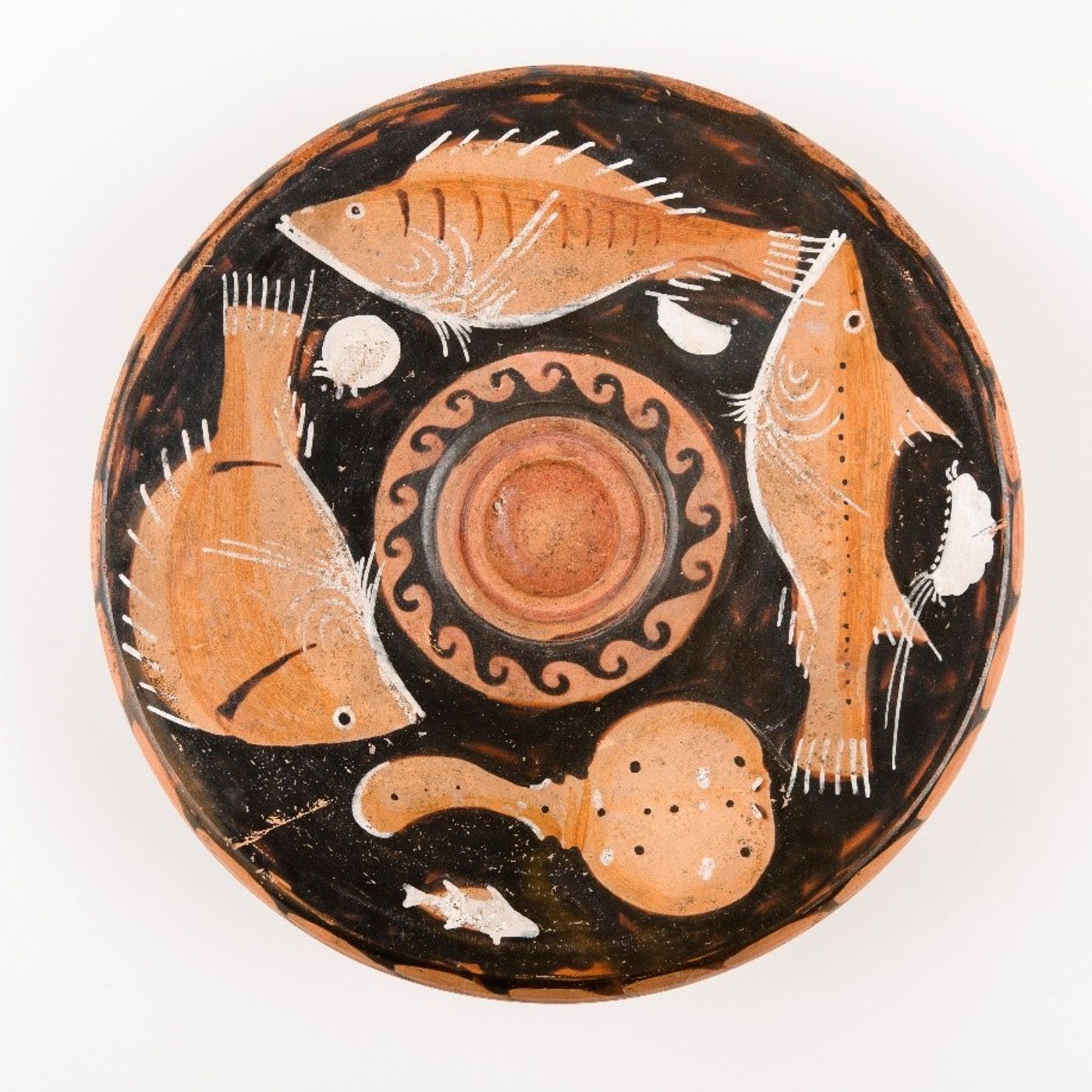 37: Two Ancient South Italian Red-figure Fish Plates | For this episode of Object Matters host Dr Craig Barker is joined by Classicist and Greek cultural historian Professor Alastair Blanshard, from the University of Queensland. They discuss two of Alastair's favourite vases in the Chau Chak Wing Museum collection: two fish plates from ancient Magna Grecia (South Italy), NM46.55 and NM80.48. Together they cover the symbolism of the depiction of seafood in a social context in the ancient Greek world, the function of these vases, and the role of food in ancient societies as well as the joys of taking up fishing as a hobby later in life. Guest: Professor Alastair Blanshard is Paul Eliadis Chair of Classics and Ancient History at the University of Queensland. As a Greek cultural historian, Alastair's research interests include the social and cultural history of ancient Athens, Greek gender and sexuality, epigraphy, the classical tradition and the reception of the past in the modern world. He has authored books including Classical World: All That Matters (2016), Classics on Screen: Ancient Greece and Rome on Film (2012) and Hercules: Scenes from an Heroic Life (2005). Follow Alastair on Twitter at @AlastairBlanHost: Dr Craig Barker, Head of Public Engagement, Chau Chak Wing Museum and Director, Paphos Theatre Archaeological Excavations. Follow @DrCraig_B on Twitter and Instagram.Objects details: Campanian fish plate, The Torpedo Painter, c. 325-300 BC, ceramic, Campania, Italy. Purchased with funds from the Friends of the Nicholson Museum 1946 [NM46.55].Illustrated. Apulian fish plate, Group of Karlsruhe 66/140, c. 350-300 BC, ceramic, Apulia, Italy. Donated 1980 [NM80.48] | 35m 15s | ||||||
| 12/13/22 | 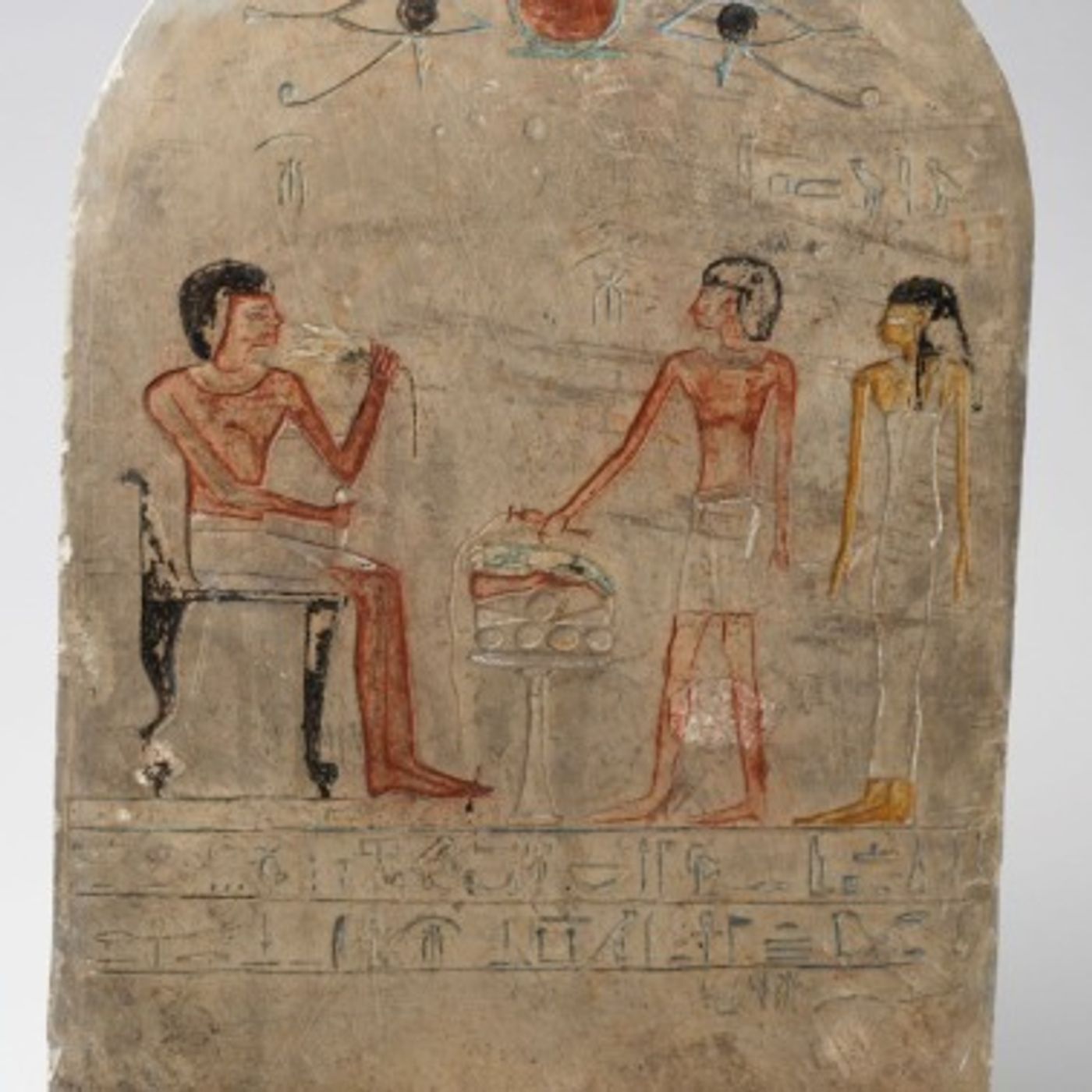 36: Ancient Egyptian stele | In this episode of Object Matters host Dr Craig Barker is joined by Egyptologists and archaeologists Dr Melanie Pitkin and Pauline Stanton to discuss stelae and what they can tell us about ancient Egyptian society. Focusing on a stele (NMR.53) donated by collection founder Sir Charles Nicholson, they discuss the function, manufacture and meaning of stelae for ancient Egyptians. This stele features an image of the deceased Ahmose is sitting on a chair with offerings presented to him by his "brother" Ahmose. Behind the latter stands a woman called Ipdjuju who could either be the his wife or the daughter of the deceased. It is an insight into how Egyptians wanted to be remembered.Together they also discuss the current interdisciplinary Egyptian Stelae Project run out of the Chau Chak Wing Museum which has been generously supported by the Centre for Ancient Cultures, Heritage and the Environment (CACHE) at Macquarie University, and explain how important these objects are. Guests: Dr Melanie Pitkin is the Senior Curator of the Nicholson Collection at the Chau Chak Wing Museum. She holds a PhD in Egyptology from Macquarie University and a Masters in Museum Studies from the University of Sydney. Prior to joining the Chau Chak Wing Museum, she worked at the Fitzwilliam Museum and the Powerhouse Museum. Pauline Stanton is a doctoral researcher at Macquarie University. She teaches ancient Egyptian languages at Macquarie and Monash Universities. Follow Melanie on Twitter at @melanie_misrFollow Pauline on Twitter at @pauline03373392Host: Dr Craig Barker, Head of Public Engagement, Chau Chak Wing Museum and Director, Paphos Theatre Archaeological Excavations. Follow @DrCraig_B on Twitter and Instagram.Object details: limestone stele, Thebes, Egypt, 18th Dynasty (1550 BC - 1295 BC). Donated by Sir Charles Nicholson, 1860 [NMR.53] | 45m 35s | ||||||
| 11/25/22 | 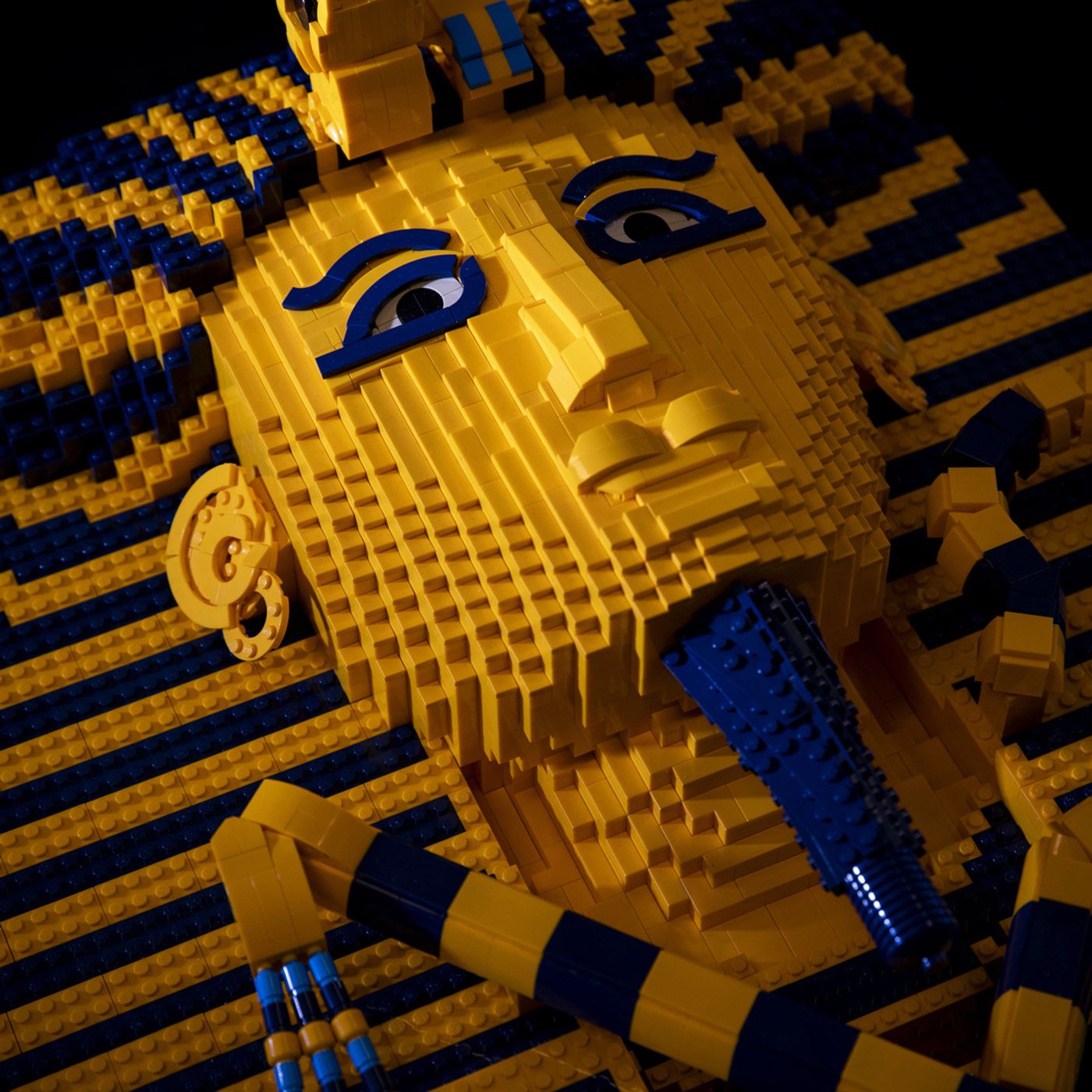 35: Lego Tutankhamun and Lego in a museum context with The Brickman | In this episode of Object Matters, the Brickman, Ryan McNaught joins host Dr Craig Barker to discuss his recent build currently displayed in the Chau Chak Wing Museum, Lego Tutankhamun.Together they discuss his career as a professional Lego builder, why he has worked with museums, how Lego is enjoyable for fans of all ages, and whether fun models like this have a role within a museum context. They also discuss past builds including Lego Colosseum, The Lego Acropolis and Lego Pompeii which is currently displayed at the Chau Chak Wing Museum as part of the Roman Spectres exhibition. All models have much media attention over the years and have served well as educational resources, but now is a chance to speak to their creator about how he has worked with museums over the years.Guest: Ryan McNaught, aka The Brickman, is the only professionally certified Lego Builder in Australia. Since 2019 Ryan has been the judge on Channel 9's TV series, Lego Masters Australia. Follow Ryan on Instagram and @_TheBrickman on Twitter or visit The Brickman website. Host: Dr Craig Barker, Head of Public Engagement, Chau Chak Wing Museum and Director, Paphos Theatre Archaeological Excavations. Follow @DrCraig_B on Twitter and Instagram.Object details: Lego Tutankhamun. A model of the lid of middle coffin found in Tutankhamun's tomb (KV62) by Howard Carter in 1923. Created by The Brickman in 2022 from 14,534 Lego bricks. | 36m 56s | ||||||
| 10/5/22 | 34: Rethinking Ancient Egyptian Collections | In this episode of Object Matters host Dr Craig Barker is joined by museum archaeologist Associate Professor Alice Stevenson to discuss museum archaeology and a number of projects Alice is directing which is examining Egypt's dispersed heritage and how museums narrate collections of Egyptology.In a wide ranging conversation they talk about decolonising Egyptian collections, contemporary art in museum installations and finding ways to engage community voices in museum exhibitions. Guest: Associate Professor Alice Stevenson teaches and researches museum studies at the Institute of Archaeology at UCL in London. Her research interests include museum archaeology, the history of collections, human remains in museums and museum and source communities. She recently edited The Oxford Handbook of Museum Archaeology (2022), which brings together some 50 international scholars and professionals to present an original transnational reference point for critical engagements with the legacies of, and futures for, global archaeological collections. Follow Dr Stevenson on Twitter @aliceestevensonHost: Dr Craig Barker, Head of Public Engagement, Chau Chak Wing Museum and Director, Paphos Theatre Archaeological Excavations. Follow @DrCraig_B on Twitter and Instagram. | 37m 05s | ||||||
| 8/15/22 | 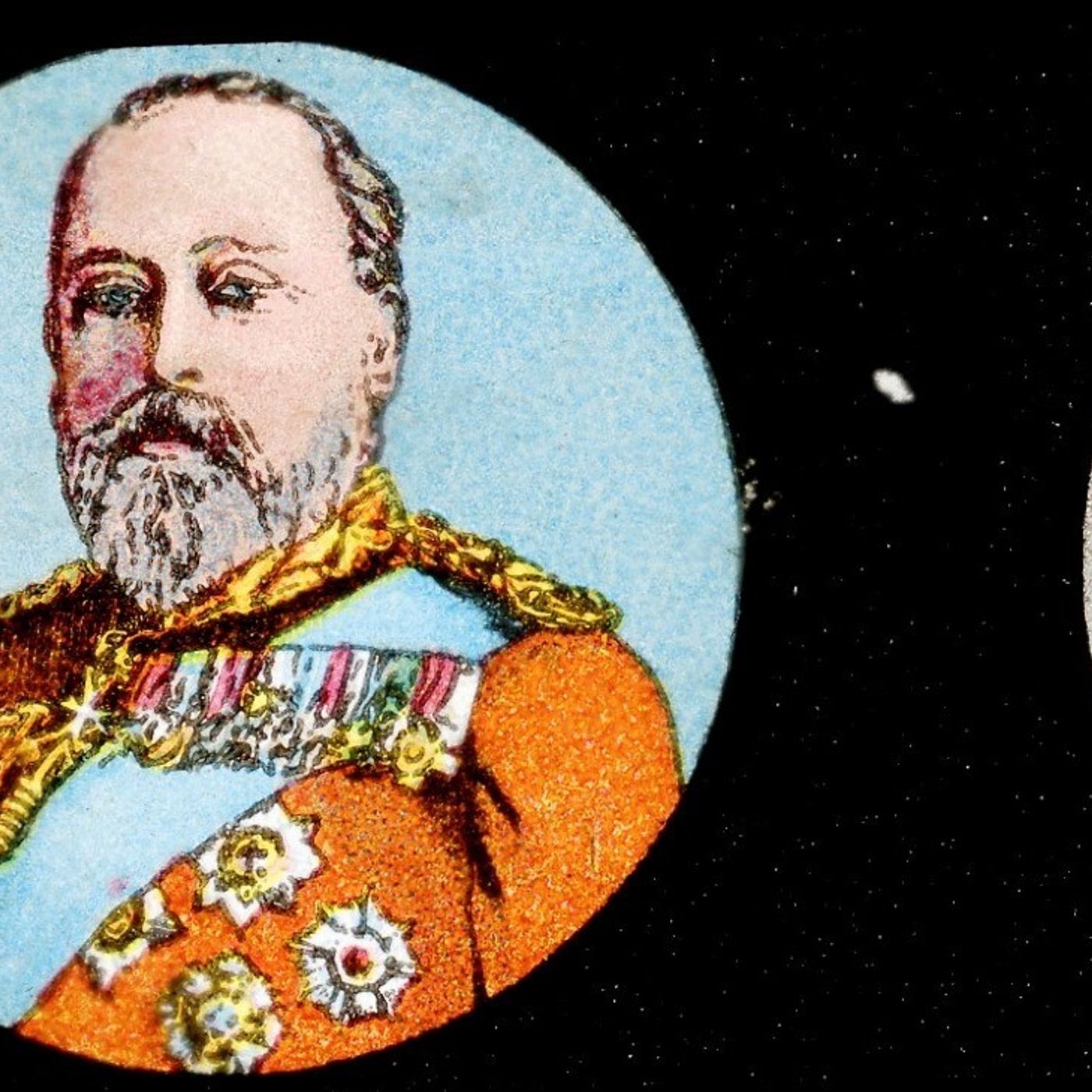 33: Lantern Slide Portraits of King, Queen, Prince and Princess of Wales | In this episode of Object Matters host Dr Craig Barker is joined by cultural historian Dr Cindy McCreery. 2022 is a particularly important year for the British royal family with the Platinum Jubilee. It is also a period of transition for the institution.Together for this episode Cindy and Craig discuss a commercially produced children's lantern slide of the first decade of the twentieth century featuring King Edward VII, Queen Alexandria and the Prince of Wales, later to be George V, and his wife Mary. Produced by W. Butcher and Sons, c. 1901-1907, the slide provides a remarkable insight into another time of transition for the monarchy, following the death of Victoria and the royal family's use of modern technologies to present themselves to the public in a reassuring manner.The conversation covers colonialism and royalty, mass consumption in the early twentieth century, Australia's complex relationship with the monarchy and the way historians can use materiality to better understand the past.Guest: Dr Cindy McCreery is a Senior Lecturer in the Discipline of History in the Faculty of Arts and Social Sciences at the University of Sydney. She is a cultural historian with an interest in visual and material culture of both the maritime British Empire and British royalty. She is author and editor of several books including The Satirical Gaze: Prints of Women in Late Eighteenth-Century England (2004) and 2020's Monarchies and Decolonisation in Asia and convened this year's 'Going Platinum: Australian responses to the reign of Queen Elizabeth II, 1952-2022' conference. Follow @DrCindyMcCreery on Twitter.Host: Dr Craig Barker, Head of Public Engagement, Chau Chak Wing Museum and Director, Paphos Theatre Archaeological Excavations. Follow @DrCraig_B on Twitter and Instagram.Object details: Magic lantern slide strip, coloured; rectangular glass slide with 4 images; royal family; portraits of King, Queen, Prince and Princess of Wales; from "Primus' Magic Lantern Slides set series VI Nursery Tales, produced by Butcher & Sons, c. 1901-1907 [SC1987.12.6.6]Read more about children lantern slides in the Chau Chak Wing Museum collection. | 31m 51s | ||||||
| 7/25/22 |  32: Professor Dakin's photograph of snapping shrimps | For this episode of Object Matters host Dr Craig Barker is joined by Curator of Natural History Collections at the Chau Chak Wing Museum Dr Anthony Gill. In the lead up to National Science Week and the new exhibition Australian Seashores opening at the Chau Chak Wing Museum in August 2022, they discuss a photograph in the collection taken in the late 1940s in preparation for the book Australian Seashores.Professor William John Dakin (1883-1950), professor of zoology at the University of Sydney from 1929 until 1950, along with Elizabeth Pope and Isobel Bennett compiled the book Australian Seashores which was first published posthumously in 1952. Among the many photographs donated to the Macleay Museum collection in the 1980s by Dakin's family was an image of snapping shrimps taken in the 1940s.Tony and Craig discuss the snapping shrimp and the discovery of how the shrimp is able to create a noise by closing its claw so rapidly it creates shock waves, the importance of natural history collections, curating natural history exhibitions, Dakin's work and legacy and the role of citizen scientists. Guest: Dr Anthony Gill is a fish taxonomist, with decades of museum experience in Australia, the United States and the United Kingdom. He is Curator, Natural History Collections at the Chau Chak Wing Museum. Host: Dr Craig Barker, Head of Public Engagement, Chau Chak Wing Museum and Director, Paphos Theatre Archaeological Excavations. Follow @DrCraig_B on Twitter and Instagram. Object details: Photograph of two snapping shrimps with a third claw next used in the book Australian Seashores in 1952 [HP84.7.38.1] | 37m 56s | ||||||
| 6/7/22 |  31: Bronze Cast of Il Spinario | This episode of Object Matters host Dr Craig Barker is joined by Italian renaissance historian Dr Kathleen Olive to discuss Il Spinario, or the ‘Boy with Thorn’. Il Spinario is one of the most famous works of bronze to survive from the Hellenistic-Roman world, a depiction of a young boy contemplating a thorn as he removes it from the sole of his foot. The ‘original’ ancient bronze is now in the Palazzo del Conservatori in Rome. The Chau Chak Wing Museum is home to a bronze copy of the Roman statue produced by the Fondere Artistiche Riunite in the early 20th century. Between ancient Rome and 20th century Australia, the statue, and its many copies both ancient and modern, has inspired artists and storytellers. Kathleen and Craig discuss the long history of the bronze statue of the boy and its influence on the Renaissance and modern worlds and why the statue has become so popular. Guest: Dr Kathleen Olive is a popular educator on Italian art, history and culture, and presents on these subjects at the Italian Institute of Culture, Sydney, the Art Gallery of NSW and across Australia as a national lecturer for the Australian Decorative and Fine Arts Society. For many years, she has led cultural tours to Italy, France, Spain and Japan, and she is an honorary research fellow in the Department of Italian Studies at the University of Sydney. Host: Dr Craig Barker, Head of Public Engagement, Chau Chak Wing Museum and Director, Paphos Theatre Archaeological Excavations. Follow @DrCraig_B on Twitter and Instagram. Object details: Bronze cast of Il Spinario (The Thorn-Puller), produced by the Fondere Artistiche Riunite, Naples, Italy in the early 20th century [NM2008.27]The discussion also covers a photograph in the collection of a copy of Il Spinario in marble in the Royal Botanic Gardens, Sydney photographed by Kerry & Co. between 1890-1915 [HP83.60.119]The image is of its 3D recorded form accessible via Sketchfab. | 39m 53s | ||||||
| 5/15/22 | 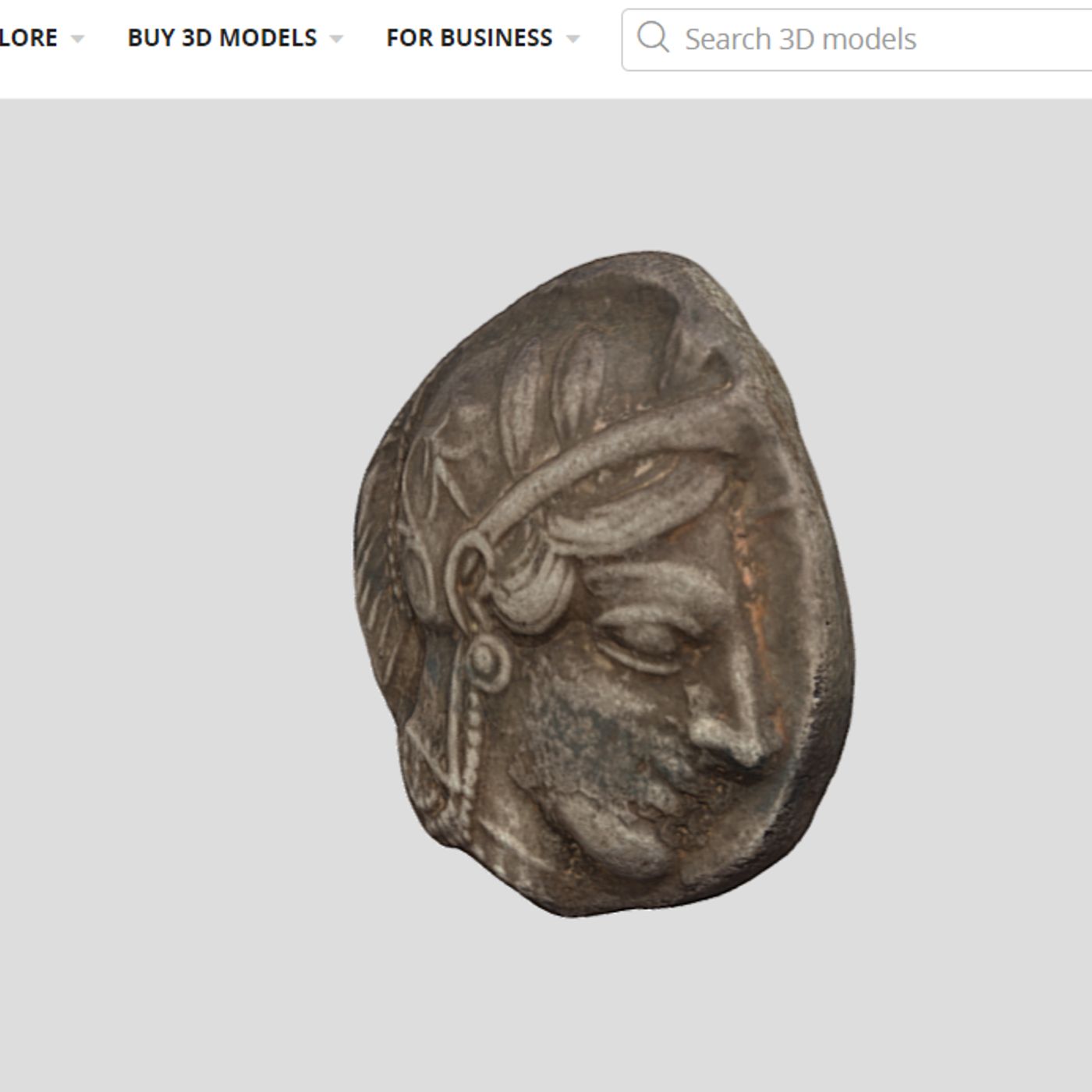 30: Photogrammetry recording of an Athenian tetradrachm | This episode of Object Matters marks National Archaeology week. Host Dr Craig Barker is joined by Madeline Robinson, Support Officer for the Department of Archaeology at the University of Sydney. In recent years Madeline has overseen a project of recording a number of Chau Chak Wing Museum objects in 3D to be used in digital teaching of undergraduate courses. Photogrammetry is a technique that creates accurate and fully textured 3D models from photographs. It can be used to record both landscapes and objects of all sizes; allowing 3D prints and orthoimages (scaled images without distortion or perspective). Madeline discusses the role of photogrammetry in archaeology and museum contexts, and the role of digital archaeology more generally. Together in depth they discuss how she has recorded one of the museum’s numismatic items, a silver coin from Classical Athens and the complexities of recording a small object n 3D through marrying together hundreds of individual photographs and then how that digital recording may be used to allow greater access to the collection. In the discussion they prove that a digital recording of object matters as much as the object itself when it comes to engagement, teaching and research.Together they discuss new ways of seeing old objects, in celebration of National Archaeology Week.Guest: Madeline Robinson is Support Officer for the Department of Archaeology at the University of Sydney. She has considerable archaeological field experience in Australia and abroad and manages the archaeology lab at the university. She also manages the @sydneyarchaeology social media account on Instagram and can be followed on her personal Twitter account @MGP_Robinson. Host: Host: Dr Craig Barker, Head of Public Engagement, Chau Chak Wing Museum and Director, Paphos Theatre Archaeological Excavations. Follow @DrCraig_B on Twitter and Instagram. Object details: Athenian silver tetradrachm, Athens, Greece, 449-404 BC. Obverse: Head of Athena facing right; reverse: owl standing facing right, olive sprig top left and moon to right. Acquired before 2004 [NM2004.655] The image is of its 3D recorded form accessible via Sketchfab. | 32m 54s | ||||||
| 5/4/22 |  29: Alan Sonfist's Crystalline enclosure, 1970 | In this episode of Object Matters host Dr Craig Barker is joined by art historian and author Nicholas Croggon. They speak on the Power Institute, the Power Collection and the Light and Darkness exhibition. Nick discusses a work in the Power Collection by American artist Alan Sonfist. Sonfist is a US based artist most often associated with the birth of the Land or Earth Art movement. Crystalline enclosure was created in 1970, early in Sonfist’s career. The work features a glass globe with a mineral compound inside. As the air around it heats up, the compound sublimes into a gas eventually crystallising on the curved walls of the globe. When the crystal lattice increases its density, parts of the compound drop back down to pile again in the neck, whereupon the cycle begins again. We are invited by Sonfist to observe a process.Nick explains how the work in Sydney was part of Sonfist’s broader project of making visible our entanglement in the processes of the natural world. Nick also explores his interest in the language of visual culture and its relationship with human psychology through the work in the Chau Chak Wing Museum. Guest: Nick Croggon is Events and Programs Officer at The Power Institute. He is an art historian, editor and doctoral researcher. He is co-founder of Discipline journal and a Sydney edition of Memo Review. Host: Dr Craig Barker, Head of Public Engagement, Chau Chak Wing Museum and Director, Paphos Theatre Archaeological Excavations. Follow @DrCraig_B on Twitter and Instagram. Object details: Alan Sonfist, Crystaline enclosure, mixed media - iodine crystals, para-dichloro benzene crystals, gases, silicone, glass, 1970. Purchased with funds from the J W Power Bequest 1970. J W Power collection, The University of Sydney, managed by Museum of Contemporary Art. [PW1970.39] Read Nick’s catalogue entry on Crystalline enclosure. | 33m 52s | ||||||
| 4/5/22 |  28: Parts from prototypes of the Cotton Aerodynamic Anti-G (CAAG) suit | In this episode of Object Matters Lauren Poole, a writer and disabled postgraduate student of museum studies at the University of Sydney joins host Dr Craig Barker. Together they speak about the more than 100 rubber fragments of the "Cotton aerodynamic anti-G (CAAG) flying suit" in the collection. Designed during World War Two at the University of Sydney by the Professor of Physiology between 1942 and 1955, named Frank Cotton, , the suit was produced in conjunction with the Royal Australian Air Force to minimise the effects of high-speed flying on pilots and to prevent blackouts. Representing a remarkable career Cotton (1890-1955) has also been inducted in the Australian Sports Hall of Fame for his contribution to sports science. Although the Cotton Suit was designed for aviation use, Lauren sees it conceptually as a precursor to sequential compression devices (SCDs) used in treatment of blood pooling and to improve blood circulation in the legs.Lauren asks us to challenge ableism within a museum context. Why do we not see the Cotton suit as a disability object? And what other disability objects may we see in museum and gallery collections? Can we rethink the conversation in museums about disability representation within material culture?Guest: Lauren Poole is a writer and postgraduate student of the University of Sydney’s Museum and Heritage Studies programs. Lauren is a trained archaeologist and a disability advocate, who has published recently in ‘Growing Up Disabled in Australia’ And ‘Earth Cries: A Climate Change Anthology’. Follow Lauren @laurenlpoole on Twitter. Host: Dr Craig Barker, Head of Public Engagement, Chau Chak Wing Museum and Director, Paphos Theatre Archaeological Excavations. Follow @DrCraig_B on Twitter and Instagram. Object details: Parts from prototypes of the Cotton Aerodynamic Anti-G (CAAG) suit [SC1995.60.1-117]Read more on the Cotton suit in this paper by Dr Peter Hobbins, on the challenges of preserving the suit in this blog and for an image of Cotton and the suit being worn by pilots during the war from the Faculty of Medicine’s collection visit here. | 41m 34s | ||||||
Showing 25 of 51
Pitch Fit is a Pro feature
See how bookable this show is for guests, which brands already advertise, the per-episode ad value, and the best-fit guest and sponsor profile. The numbers are blurred on the free plan.
How readily this show books outside guests like you.
How proven this show is for host-read sponsorships.
For Guests
ProFor Advertisers
ProUpgrade to Pro to unlock guest cadence, sponsor categories, fit scores, and per-episode ad value for this show.
Chart Positions
1 placement across 1 market.
Chart Positions
1 placement across 1 market.