Insights from recent episode analysis
Audience Interest
Podcast Focus
Publishing Consistency
Platform Reach
Insights are generated by CastFox AI using publicly available data, episode content, and proprietary models.
Most discussed topics
Brands & references
Total monthly reach
Estimated from 7 chart positions in 7 markets.
By chart position
- 🇺🇸US · Earth Sciences#1445K to 30K
- 🇩🇪DE · Earth Sciences#1655K to 30K
- 🇫🇷FR · Earth Sciences#1541K to 10K
- 🇨🇭CH · Earth Sciences#3410K to 30K
- 🇧🇪BE · Earth Sciences#523K to 10K
- Per-Episode Audience
Est. listeners per new episode within ~30 days
9K to 39K🎙 Daily cadence·29 episodes·Last published 3w ago - Monthly Reach
Unique listeners across all episodes (30 days)
30K to 130K🇺🇸23%🇩🇪23%🇨🇭23%+4 more - Active Followers
Loyal subscribers who consistently listen
12K to 52K
Market Insights
Platform Distribution
Reach across major podcast platforms, updated hourly
Total Followers
—
Total Plays
—
Total Reviews
—
* Data sourced directly from platform APIs and aggregated hourly across all major podcast directories.
On the show
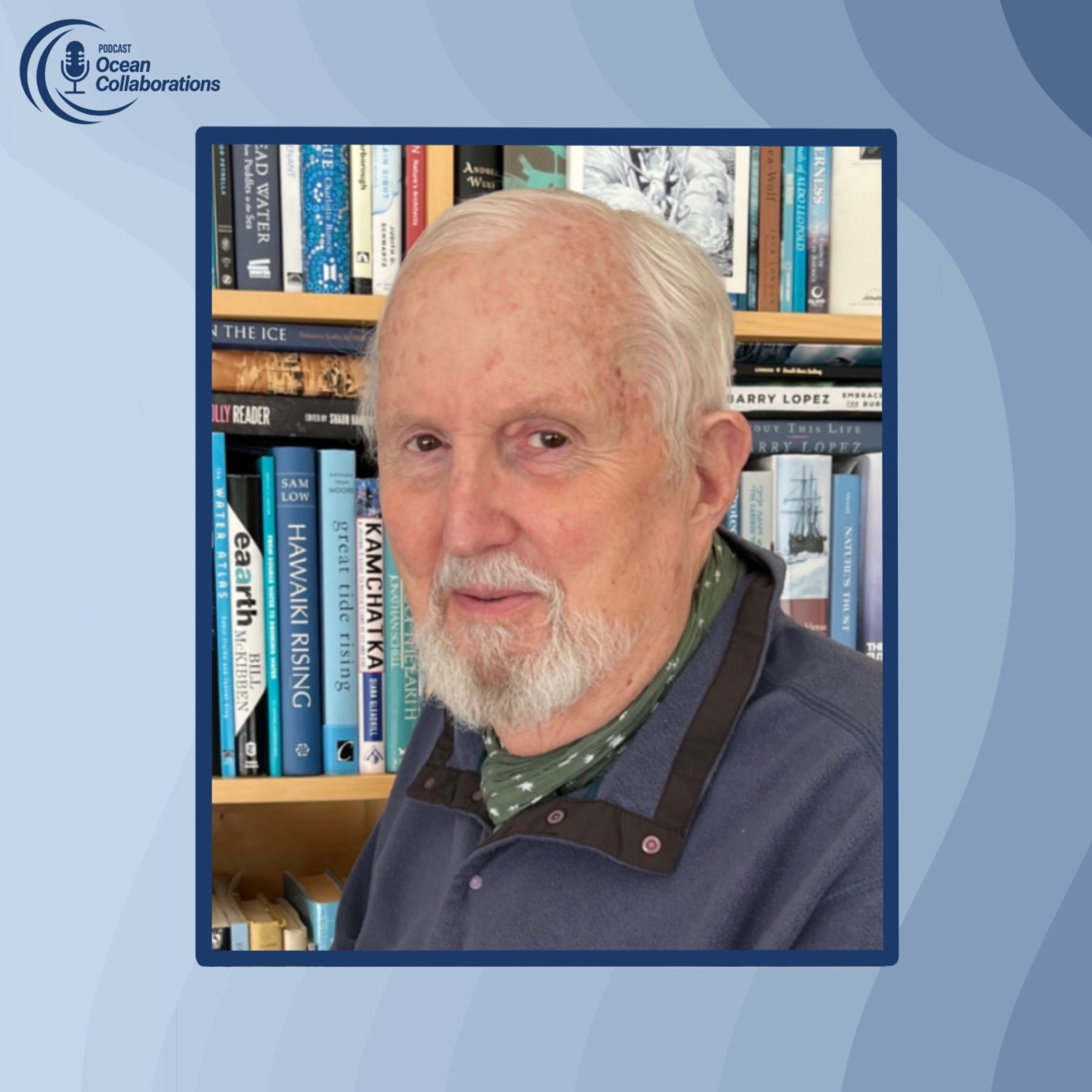
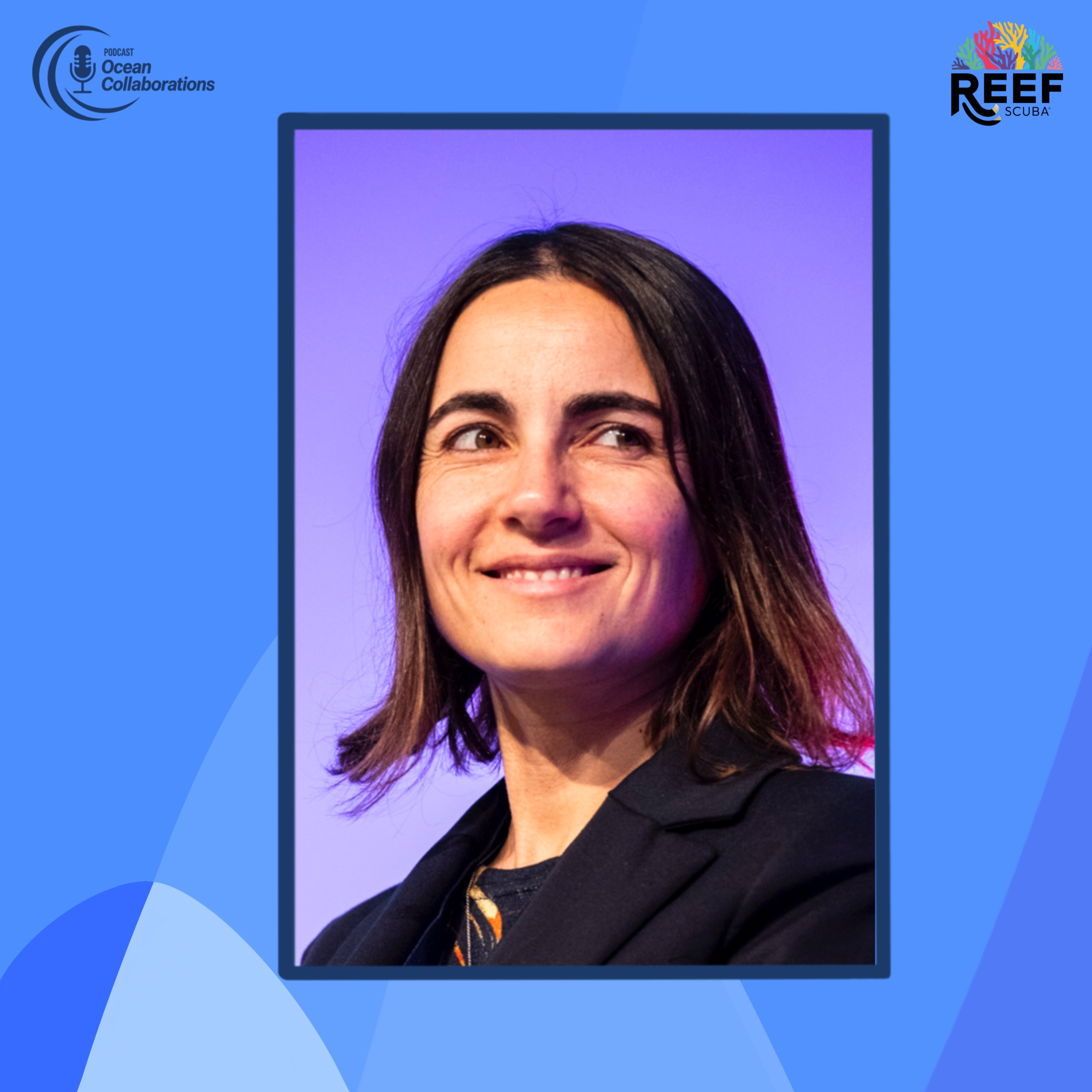
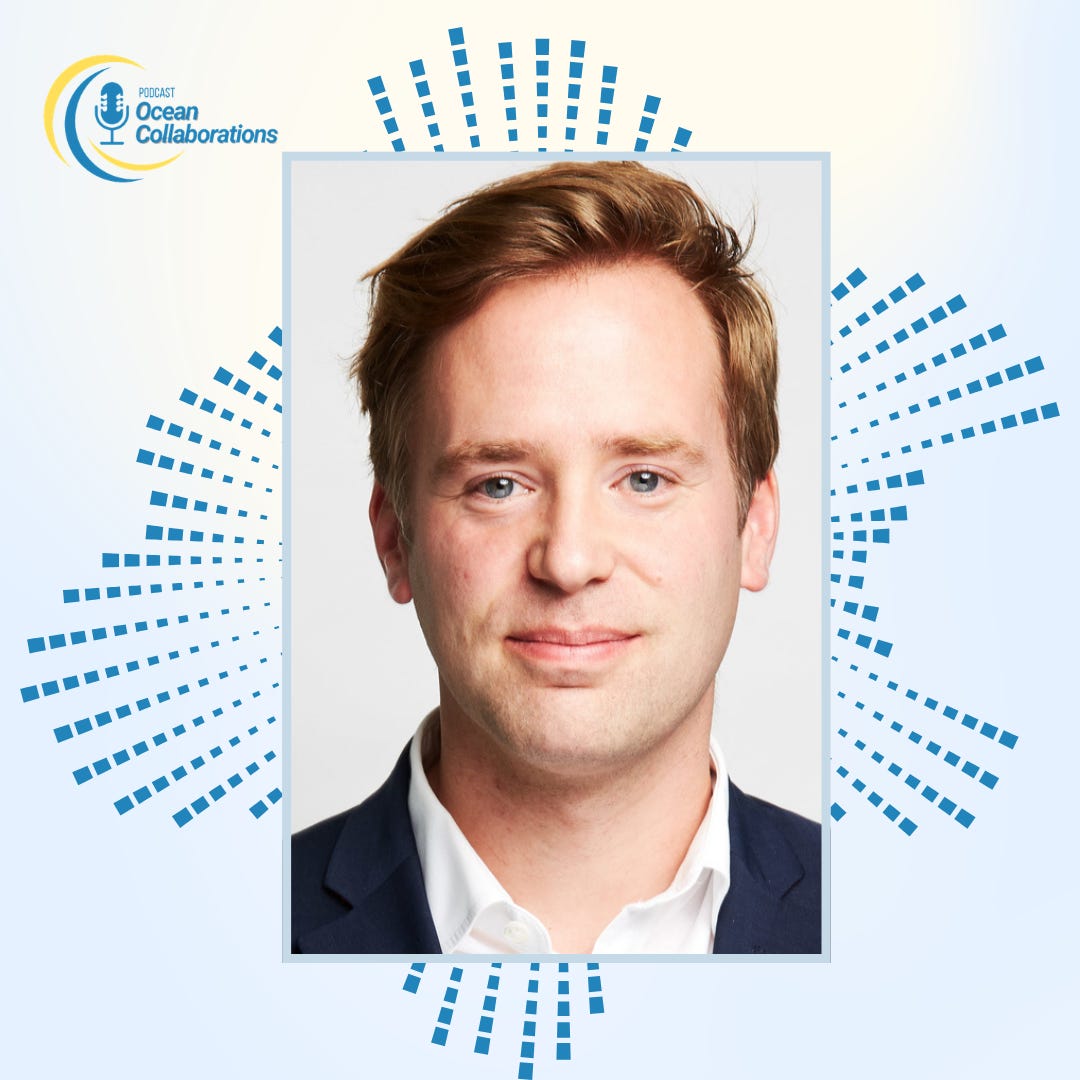
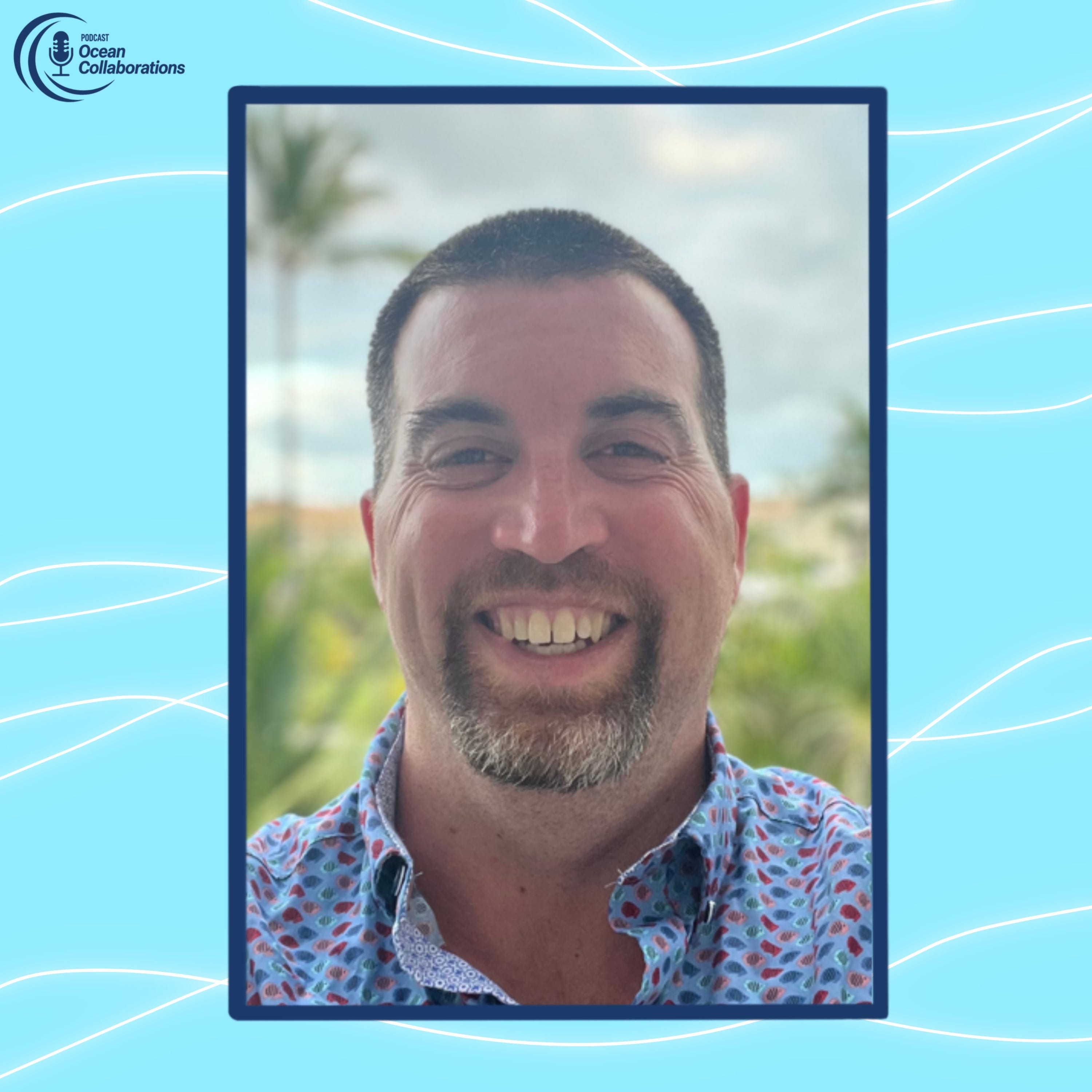
From 11 epsHost
Recent guests
Recent episodes
#32 Arthur Tuda: Blue collaborative leadership in Western Indian Ocean Governance
Jun 4, 2026
49m 05s
#31 Dennis Fritsch: Re+Valuing Blue Natural Capital Initiative
May 20, 2026
39m 29s
#30 王松林 Songlin Wang: 🇨🇳 Ocean Collaborations
Apr 30, 2026
49m 33s
#29 Birgit Liodden: The Ocean Opportunity Lab (TOOL)
Apr 16, 2026
38m 37s
#28 Peter Neill: #1 Ocean Collaborations Reflections
Apr 9, 2026
38m 39s
Social Links & Contact
Official channels & resources
Official Website
Login
RSS Feed
Login
| Date | Episode | Topics | Guests | Brands | Places | Keywords | Sponsor | Length | |
|---|---|---|---|---|---|---|---|---|---|
| 6/4/26 | ![]() #32 Arthur Tuda: Blue collaborative leadership in Western Indian Ocean Governance✨ | marine conservationmarine protected areas+3 | Arthur Tuda | Western Indian Ocean Marine Science AssociationOcean Collaborations | Western Indian Ocean | marine conservationocean governance+3 | — | 49m 05s | |
| 5/20/26 | ![]() #31 Dennis Fritsch: Re+Valuing Blue Natural Capital Initiative✨ | Blue Natural CapitalOcean Health+3 | Dennis Fritsch | Oceano Azul FoundationLondon School of Economics | Monaco | Blue Natural CapitalOceano Azul Foundation+5 | — | 39m 29s | |
| 4/30/26 | ![]() #30 王松林 Songlin Wang: 🇨🇳 Ocean Collaborations✨ | ocean conservationcollaboration+4 | Songlin Wang | Qingdao Marine Conservation Society | ChinaQingdao+1 | oceanconservation+6 | — | 49m 33s | |
| 4/16/26 | ![]() #29 Birgit Liodden: The Ocean Opportunity Lab (TOOL)✨ | deep sea miningregenerative blue economy+3 | Birgit Liodden | Ocean Opportunity LabGuardians of the Arctic+2 | — | oceancollaboration+3 | — | 38m 37s | |
| 4/9/26 | ![]() #28 Peter Neill: #1 Ocean Collaborations Reflections✨ | ocean collaborationmarine protected areas+4 | Peter Neill | World Ocean Observatory | SwitzerlandUS | oceancollaboration+5 | — | 38m 39s | |
| 3/26/26 | ![]() #27 Alice Guittard: Advancing a Sustainable Blue Economy in the Black Sea✨ | sustainable blue economycollaboration+4 | Alice Guittard | BRIDGE Black Sea projectOcean Collaborations+1 | Black Sea | sustainable blue economyBlack Sea+6 | — | 51m 51s | |
| 3/20/26 | ![]() #26 Wietse Van Der Werf: Sea Ranger Service✨ | marine conservationsocial entrepreneurship+5 | Wietse van der Werf | Sea Ranger Service | — | ocean protectionimpact business model+5 | — | 47m 55s | |
| 3/13/26 | ![]() #25 Andrew Lewin: Host of 'How to protect the ocean' podcast✨ | ocean conservationinternational collaboration+3 | Andrew Lewin | How to Protect the Ocean | Montréal | oceanconservation+5 | — | 37m 56s | |
| 3/5/26 | ![]() #24 Jorge Ramírez: Participatory Ocean Science on Galapagos✨ | ocean sciencesustainable fisheries+4 | Jorge Ramírez | Charles Darwin FoundationIfremer+1 | Galapagos IslandsPacific Ocean | ocean collaborationsustainable fisheries+5 | — | 43m 19s | |
| 2/26/26 | ![]() #23 Nathan Bennett: Ocean scientist @ WWF & IUCN✨ | blue economymarine protected areas+5 | Nathan Bennett | WWFIUCN+1 | — | regenerative blue economyocean governance+5 | — | 48m 01s | |
Want analysis for the episodes below?Free for Pro Submit a request, we'll have your selected episodes analyzed within an hour. Free, at no cost to you, for Pro users. | |||||||||
| 2/16/26 | ![]() #22 One Year Ocean Collaborations: 11 top ocean podcasts✨ | ocean podcastscollaboration+4 | Russell Reichelt | Ocean CollaborationsOutlaw Ocean | — | oceanpodcasts+5 | — | 34m 29s | |
| 2/9/26 | ![]() #21 Janne Van Erten: The Ocean Cleanup | In this episode of Ocean Collaborations, Jan Maisenbacher speaks with Janne van Erten from Ocean Cleanup about the organization’s efforts to combat plastic pollution in the oceans. They discuss the significant impact of the Ocean Cleanup’s initiatives, including the 30 Cities Program aimed at reducing plastic flow from rivers into the ocean. This isn’t just about cleaning one river; it’s a strategic move to tackle the world’s most polluting waterways across Asia and the Americas. By focusing on entire urban ecosystems, the goal is to eliminate up to one-third of plastic flowing into our oceans by 2030. It was inspiring to hear how local partnerships and community education are making this massive scale-up possible.Janne emphasizes the importance of collaboration and the need for a circular economy as well as the implications of the upcoming plastic treaty. The conversation highlights the challenges faced in ocean collaboration and the innovative approaches being taken to address plastic pollution.Turning the Tide: The energy in this conversation was truly optimistic because, for the first time, we are seeing a real shift from single projects to systemic, city-wide solutions.🚀 Why the 30 Cities Programme is a Game Changer:* It shifts the focus from isolated river cleanups to integrated, city-wide waste management solutions.* It relies on deep collaboration with local NGOs and universities to ensure long-term, sustainable impact.* It creates measurable social and environmental benefits, like restoring mangroves and creating local jobs.We also explored the vital link between circular economy collaboration and global policy. Janne highlighted that while technology is key, we need the “social technology” of collaboration to close the loop. ♻️ Building a Circular Future Together:* We need governments to set the rules so that sustainable business models can finally compete with “business as usual.”* Collaboration with industry leaders, like the partnership with Kia, shows how ocean plastic can become a valuable resource.* Success depends on building the right infrastructure today so that we aren’t just cleaning up, but preventing waste entirely.One of my favorite parts of the episode was discussing why we need new collaborative spaces. The ocean doesn’t have one “owner,” which often leads to fragmented efforts. We need safe, radical spaces where NGOs, governments, and businesses can drop their guards and work as one team. It is time to stop working in silos and start building a diverse ecosystem of change-makers who share the same urgent mission.Takeaways* Ocean Cleanup prevented almost 28 million tons of trash from reaching the ocean last year.* The 30 Cities Program aims to eliminate one third of plastics flowing into the ocean by 2030.* Collaboration with local communities is essential for effective cleanup efforts.* The plastic treaty is vital for establishing regulations and responsibilities for plastic management.* Innovative circular business models are necessary for sustainable plastic use.* Measuring impact includes environmental, social, and economic outcomes.* Collaboration with various stakeholders enhances the effectiveness of cleanup projects.Connect with Janne van Eerten on Linkedin: https://www.linkedin.com/in/janne-van-eerten-3b843b119/Press Release of 30 cities program (June 2025): https://theoceancleanup.com/updates/the-ocean-cleanup-launches-30-cities-program/ This is a public episode. If you would like to discuss this with other subscribers or get access to bonus episodes, visit janmaisenbacher.substack.com | 31m 56s | ||||||
| 1/23/26 | ![]() #20 Marie-Céline Piednoir: Positive Ripple Consulting | In this episode of Ocean Collaborations, host Jan Maisenbacher speaks with Marie-Céline Piednoir, founder of Positive Ripple Consulting, about her journey from the corporate world to ocean conservation. They discuss the importance of personal responsibility in ocean awareness, the challenges of navigating a career in ocean conservation, and the role of women in this field. The conversation also explores the emerging blue regenerative economy and the significance of multilateralism in ocean conservation efforts. Marie-Céline and Jan share valuable do’s and don’ts for those considering a career switch into this impactful space. This conversation is “straight to the heart”—no fluff.Takeaways* A career switch doesn’t have to be radical; small steps can lead to significant change.* Ocean conservation receives only 1% of climate finance, highlighting the need for more support.* Networking and collaboration are crucial for finding opportunities in ocean conservation.* Women play a vital role in ocean conservation, and solidarity among women is strong in this field.* The blue regenerative economy offers new opportunities for professionals from various sectors.* Multilateralism remains important for shaping ocean conservation policies, even in challenging times.* Individuals can support ocean conservation without fully quitting their jobs.* Volunteering and mentoring can provide valuable experience and connections in the field.* It’s essential to be gentle with oneself and recognize that change takes time.Chapters00:00 Introduction to Ocean Collaborations and Career Switches05:34 Marie-Céline’s Journey into Ocean Conservation12:28 The Importance of Ocean Awareness and Personal Responsibility20:42 Navigating the Challenges of Ocean Conservation Careers30:32 The Role of Women in Ocean Conservation35:57 Exploring the Blue Regenerative Economy44:31 The Importance of Multilateralism in Ocean Conservation47:20 Do’s and Don’ts for Career Switchers in Ocean ConservationConnect with Marie-Céline on LinkedIn: https://www.linkedin.com/in/mcpiednoir/Positive Ripple Consulting: https://www.positiverippleconsulting.org/Mentioned projects in the podcast:Climate-Resilient Coral Reefs Commitment: https://coralcommitment.com/protect-the-reefWomen Ocean Guardians: https://womenoceanguardians.org/ This is a public episode. If you would like to discuss this with other subscribers or get access to bonus episodes, visit janmaisenbacher.substack.com | 52m 35s | ||||||
| 1/9/26 | ![]() #19 Autone Mululuma: EarthEcho Youth High Seas Ambassador (Zambia) | On 17 January, the BBNJ Agreement (High Seas Treaty) officially enters into force – a historic step for global ocean protection. To mark this milestone, Episode #19 of Ocean Collaborations looks at what this agreement means far beyond coastlines, with youth collaboration and equity at the center.Jan Maisenbacher speaks with Autone Mululuma (20), a passionate climate justice advocate and one of the High Seas Youth Ambassadors based in Zambia. They discuss the significance of the High Seas Treaty, youth empowerment in climate advocacy, and the challenges faced by landlocked countries in engaging with ocean issues. More about Autone (on Earthecho): https://www.earthecho.org/team/autone-mululumaAutone shares insights on the role of media, creative outreach strategies, and the importance of intergenerational collaboration in promoting ocean conservation. The conversation highlights the need for capacity building, equitable sharing of marine resources, and the aspirations of youth in shaping future ocean governance.Why this conversation matters now* 🌐 The BBNJ Agreement enables shared stewardship of the high seas* 🌊 Ocean health underpins climate stability and livelihoods everywhere* 🤝 Youth play a key role in translating policy into actionWhat you’ll take away* 👩🏽🎓 How African youth are shaping future ocean governance* 🗺️ Why landlocked countries matter in high seas protection* 🚀 How collaboration unlocks capacity, equity, and long-term impact📩 Get in touch with us by email at info@janmaisenbacher.com if you want to help bridge-building on Ocean Youth Collaboration in Africa (and/or connect with Autone on Linkedin: https://www.linkedin.com/in/autone-mululuma-556337288) This post is public so feel free to share it.Takeaways* Time to celebrate: the High Seas Treaty is crucial for marine biodiversity.* Youth empowerment is essential for climate advocacy.* Youth can act as bridges between science, policy, and communities.* Intergenerational collaboration is vital for effective advocacy.* Media plays a key role in disseminating ocean information.* Creative outreach can connect communities to ocean issues.* Capacity building is necessary for effective ocean governance.Chapters01:00 Introduction of Autone Mululuma02:15 What Autone is inspired by Ocean Collaborations Podcast05:20 Check-in ocean replies from Autone08:15 Autones collaboration learnings as a youth campaigner13:00 Creative youth outreaches that worked in? 18:15 Learnings with the Earth Echo cohort of the High Seas Youth Ambassador20:40 Challenges in the cohort for youth ocean advocacy22:40 High Seas Treaty (BBNJ) collaboration challenges for landlocked youth27:00 BBNJ effects on landlocked Zambia (and African youth)29:00 Autones view on BBNJ North-South & South-South co-creations33:22 Personal Reflections and Future Goals34:00 Brainstorming & Call for further ocean collaboration for Youth in Zambia 📩 Get in touch with us by email at info@janmaisenbacher.com if you want to support our collaborate on Ocean Youth Collaboration in Africa (and/or connect with Autone on Linkedin: https://www.linkedin.com/in/autone-mululuma-556337288) Further article: Deep conn8/ection: Why even landlocked Africans are defending the seas #OceanCollaborations #BBNJ #HighSeasTreaty #YouthLeadership #OceanGovernance #Africa #ClimateJusticeThanks for reading! Subscribe for free to stay up-to-date about future ocean collaborations episode (also available on Spotify and Apple Podcast). This is a public episode. If you would like to discuss this with other subscribers or get access to bonus episodes, visit janmaisenbacher.substack.com | 40m 07s | ||||||
| 12/19/25 | ![]() #18 Koen Vriesacker: Navigating the Waters of Collaboration | In the #18 episode the Founder and Executive Director of Noventus Foundation, Koen Vriesacker, sails close to the winds of ocean collaboration with Jan Maisenbacher 🌊. Koen is an belgian-based expert inter-organizational in networks who's spent 16 years mastering the art of wicked collaboration.It is a discussion on the relevance of interorganisational collaboration, and why this is needed to move forward in our current world. The dialogue emphasizes the need for structured approaches to foster trust and engagement among stakeholders, as well as the role of innovative solutions in addressing complex issues like deep sea mining. First real ocean collaboration possiblity: You are professionally involved in Deep Sea Mining? Get in touch! We need you for a follow-up collaboration discussion on that wicked ocean challenge: info@janmaisenbacherThanks for reading! Subscribe for free to receive new posts and support ocean collaborations.Why this episode matters for ocean regeneration:⛵ No mess, no magic – True collaboration requires friction, diversity, and courage to engage unlikely allies (yes, including the “evil other side” 🏢)⛵ Trust the structure, not just the people – Trustworthy frameworks outlast individual relationships and create long-term collaborative success⛵ The Mediterranean merchant approach – Selective connections between diverse knowledge bubbles drive innovation faster than full connectivityWhat ocean changemakers need to unlearn:⛵ Collaboration ≠ working only with people like us⛵ We can’t skip steps on the collaboration staircase (from competition → coexistence → communication → coordination)⛵ Measuring collaboration health is as crucial as measuring environmental impactThe path forward for 2030:⛵Bottom-up, on-site multi-stakeholder collaborations (fishermen + NGOs + tourism + business)⛵Small teams of 10 trusted bridge-builders tackling challenges like deep sea mining⛵Relational structures over transactional ones—because wicked problems need adaptive frameworks, not fixed answersChapters00:00 Introduction and Personal Background05:34 Collaboration in Ocean Conservation08:30 The Role of the Ocean and Human Responsibility11:25 Transitioning from For-Profit to Non-Profit14:42 Theories of Collaboration17:27 Challenges in Ocean Collaboration20:40 Philanthropy and Ocean Conservation23:33 The Dilemma of Economic Growth vs. Ocean Health26:33 Future of Collaboration in Ocean Conservation30:47 The Role of Regulation in Ocean Conservation31:25 Collaboration at the Ocean’s Edge32:47 Breaking Down Barriers to Collaboration34:15 Navigating Wicked Problems in Collaboration36:00 The Importance of Human Capacity in Collaboration36:36 The Power of Unlikely Alliances38:35 Building Trustworthy Frameworks for Collaboration40:13 Steps to Effective Collaboration45:27 Deep Sea Mining: A Collaborative RoadmapConnect with Koen on LinkedIn:https://www.linkedin.com/in/koenvriesackerMore information about Noventus (www.noventus.org):* The Noventus Foundation advances collaboration for impact. It offers the expertise and effort that is needed to create and develop interorganisational collaboration and networks. Through initiatives in science, education, philanthropy, art and culture, the Noventus Foundation offers support to NGOs, non-profits and impact organisations.* Noventus has a solid track record in a broad range of sectors, all across the world, involving many organisational settings (SME’s, corporates, foundations, non-profit, governmental institutions, research, education, ...)Follow Noventus on LinkedIn: https://www.linkedin.com/company/noventusfoundation/ This is a public episode. If you would like to discuss this with other subscribers or get access to bonus episodes, visit janmaisenbacher.substack.com | 55m 10s | ||||||
| 12/4/25 | ![]() #17 Karen Sack: Ocean Risk and Resilience Action Alliance (ORRAA) | In this Ocean Collaborations podcast episode Jan Maisenbachers surfes and dives with Karen Sack, Co‑Founder and Executive Director of the Ocean Risk and Resilience Action Alliance. This alliance is celebrating five years and keeps innovating to deliver 50 finance products by 2030 to drive $500M into nature-based solutions. Their Mission: Build the resilience of 250 million climate vulnerable costal people in the Global South.🌍Listening to Karen’s story is a masterclass in building coalitions across worldviews – and in staying resilient when the political and funding landscape feels like “whiplash”. She shares powerful, very concrete stories in radical collaboration, including:💠 How ORRAA helps design finance and insurance products:👉 Get inspired how to bring insurers, banks, governments, NGOs, scientists and coastal communities to one table – and keep them there💠ORRAA’s work with Deutsche Bank and other financial instituations on integrating ocean and nature into investment decision-making:👉 Understand how to translate “ocean & nature” into the language of risk, return, balance sheets and long‑term resilience💠 What she learned from fighting apartheid and working at Greenpeace👉 Understand how a former Greenpeace campaigner can co‑create solutions with Deutsche Bank, UBS, Swiss Re & othersKaren Sack on LinkedIn: https://www.linkedin.com/in/karen-sack-82aa2113/Mentioned projects from Karen in the podcast:* Abalobi - Sustainable Fishing: https://oceanriskalliance.org/project/powering-sustainable-fishing-through-community-led-technology/* Save The Waves: https://oceanriskalliance.org/project/developing-insurance-products-for-surf-ecosystems-and-surf-breaks-save-the-waves-2/* Inversa Leathers: https://oceanriskalliance.org/project/invasive-lionfish-management-quintana-roo-mexico-inversa-leathers/Karen Sack’s reflections from pre-COP30 events in São Paulo and Rio de Janeiro: https://www.linkedin.com/posts/karen-sack-82aa2113_backblue-oceanresilience-naturefinance-activity-7393642450780803072-Vhut?utm_source=share&utm_medium=member_desktop&rcm=ACoAAAyfdasBo4hlyI6BhbXO7eWac7Eh34oe1l0Link list from ORRAA:* ORRAA website: https://oceanriskalliance.org/* ORRAA What We Do: https://oceanriskalliance.org/what-we-do/* ORRAA’s Product Pipeline: https://oceanriskalliance.org/pipeline/* The #BackBlue Ocean Finance Commitment: https://oceanriskalliance.org/project/back-blue-ocean-finance-commitment/* Deutsche Bank’s New Sustainable & Finance Transition Target: https://www.db.com/news/detail/20251117-deutsche-bank-sets-new-2030-sustainable-and-transition-finance-target-and-publishes-its-initial-transition-finance-framework?language_id=1* ORRAA’s Reflections on the COP30 Outcomes: https://oceanriskalliance.org/events/orraa-at-cop30/Thanks for reading and listening Ocean Collaborations on Subsack! Subscribe for free to receive new posts and support my work.💬 Note on our own behalf - message from Ocean Collaborations podcast: Ocean Collaborations is looking for new episode guests! * Are you a leader of an ocean regeneration organisation (non-for-profit, NGO)?* Are you struggling with your regeneration projects? * Are you not finding the right manpower and/or skilled labor?Then please don’t hesitate get in touch! You may be our man or woman:Or write an email to info@janmaisenbacher.com This is a public episode. If you would like to discuss this with other subscribers or get access to bonus episodes, visit janmaisenbacher.substack.com | 48m 09s | ||||||
| 11/20/25 | ![]() #16 Karine Toumazeau: Moshun's Founder & CEO | In this episode of Ocean Collaborations, Jan Maisenbacher speaks with Karine Toumazeau, founder and CEO of Moshun.Earth They exchange around her innovative work where she is flipping corporate foodprints into ocean wins.This episode starts with an honest conversation around Karine’s Mompreneurship journey.It also explores the opportunities of silo-breaking collaboration across sectors to address ocean health. Learn why the importance of storytelling and the integration of indigenous people is a core driver to regenerate the ocean as well as finding new investment pathways. You can contact Karine for business opportunities, mentorship or media inquiries (see her LinkedIn link at the bottom).Take-AwaysCollaboration across sectors is crucial for effective ocean conservation.The ocean space is niche and often siloed, hindering collaboration.A common agenda is needed to unite various stakeholders in ocean health.Companies often overlook their dependence on healthy ocean ecosystems.A shift from extractive to regenerative mindsets is neededChapters00:00 Introducing Karine02:55 Karine as the “Voice of the Ocean”06:00 Karine’s personal view of her solo mompreneurship journey17:20 Deep Dive how Karine started (and is now building) Moshun28:00 Building Collaborative Bridges between for-profit and non-for-profit sector 35:00 Status of the Moshun proof-of-concept platform closing the ocean regeneration project circles (and was ocean genetics may have to do with it)37:50 The ocean and its ecosystems as a new nature asset class - and why indigenous people will finally profit from it. Karine on LinkedIn: https://www.linkedin.com/in/karinetoumazeau/Links from Karine:Her ocean impact venture Moshun: https://www.moshun.earthThe SEA People (locally named ‘Orang Laut Papua’), is a field based non-profit foundation working to contribute to the conservation of one of the last locations on Earth where coral reef systems still thrive: https://theseapeople.org This is a public episode. If you would like to discuss this with other subscribers or get access to bonus episodes, visit janmaisenbacher.substack.com | 48m 56s | ||||||
| 11/6/25 | ![]() #15 Kendra MacDonald: Canada's Ocean Supercluster | In this conversation, Kendra MacDonald, CEO of Canada’s Ocean Supercluster, discusses the challenges and opportunities in the blue economy moving to a blue regenerative economy. She emphasizes the importance of collaboration and innovation and relates it to her career transition from consulting seven years ago to network and promote technology and investment in the ocean sector. The dialogue also highlights the role of women in global ocean leadership. Takeaways* Awareness of ocean issues is crucial for driving change.* Kendra’s career transition highlights the importance of passion in leadership.* Technology and innovation play a key role in ocean sustainability in her work.* Global collaboration is essential for addressing ocean challenges.Chapters00:00 Introduction of Kendra and her relation to the Ocean 04:05 Kendra as the Voice of the Ocean05:46 Her Career Transition from Corporate to Ocean08:31 Connecting and Collaborating11:50 Women in Ocean Leadership16:09 Highlights of Collaboration18:37 Global Supercluster Collaboration21:36 Barriers to Collaboration25:43 Towards a Regenerative Blue Economy29:11 Collaboration with the Global South31:19 The Need for Time and Resources33:37 Engagement with UN InitiativesKendra on LinkedIn: https://www.linkedin.com/in/kendra-macdonald-40b574Canada Ocean Supercluster Webpage: https://oceansupercluster.caLinklist from Kendra:* BTCA | BlueTech Cluster Alliance: a global network of industry-led BlueTech clusters that are committed to collaboration, developing joint-projects, promoting each other’s member companies, and sharing information.* Horizon Europe the EU’s funding programme for research and innovation* AltaSea Home - AltaSea: AltaSea at the Port of Los Angeles is dedicated to accelerating scientific collaboration, advancing an emerging Blue Economy through business innovation, and job creation, and inspiring the next generation, all for a more sustainable, just, and equitable world* SeaAhead: SeaAhead brings together entrepreneurs, investors, industry leaders, and stakeholders. In just a few years, SeaAhead has grown into an open-innovation ecosystem that produces scalable commercial solutions to modern-day challenges* Global Ecosystem for Ocean Solutions (GEOS) | Ocean Visions: a transformative initiative, proudly endorsed by the United Nations Decade of Ocean Science for Sustainable Development. GEOS aims to accelerate collaboration across diverse sectors and geographies, fostering a globally distributed community dedicated to delivering innovative, effective, and durable solutions to the ocean-climate crisis. The GEOS program advances Ocean Visions’ mission by building and strengthening inclusive partnerships to further the development of ocean-based climate solutions internationally (webpage includes Columbia and the Patagonia cluster) * Blue Week Los Lagos | Welcu: Con la misión de posicionar la Patagonia chilena como un hub global para la Economía Azul, Blue Week Los Lagos 2025 impulsa la colaboración entre líderes de la industria, startups, inversionistas, actores públicos y privados tanto de Chile como del mundo.. This is a public episode. If you would like to discuss this with other subscribers or get access to bonus episodes, visit janmaisenbacher.substack.com | 34m 16s | ||||||
| 10/22/25 | ![]() #14 Alexis Grosskopf: Ocean Hub, Innovation (& Collaboration) in Africa | In this episode of Ocean Collaborations, Jan Maisenbacher speaks with Alexis Grosskopf, an innovator and impact investor based in Cape Town.Alexis openly shares personal reflections as a new dad and how he balances currently his ocean collaboration work with the caring work for his daughter (and wife). Professionally, Jan and Alexis dive deep on the 1000 Ocean Startups initiative and Ocean Hub Africa, which supports local startups in the ocean impact space. The conversation also touches on the cultural and economic challenges of collaboration in Africa and the need for sustainable solutions that benefit both the ocean and coastal communities.Takeaways* The future of the ocean depends on collaborative efforts.* Overfishing and pollution are critical issues affecting coastal communities.* The love for family grows, but time and energy are limited.* Science and policy must align to drive ocean health.* Local organizations are key to successful collaboration in Africa.* Cultural differences pose challenges to collaboration.* Innovative solutions are needed to support ocean health and livelihoods.Sound Bites* “The space of love in your heart grows exponentially with family members”* “We want to support local organizations.”* “We are not trying to change any culture.”Internetlinks:* Ocean Hub Africa: https://www.oceanhub.africa* Ocean Innovation Africa: https://ocean-innovation.africaLinks to LinkedIn:* Alexis Grosskopf: https://www.linkedin.com/in/alexis-grosskopf-7312112b/* Ocean Hub Africa: https://www.linkedin.com/company/oceanhub-africa* Ocean Innovation Africa: https://www.linkedin.com/company/ocean-innovation-africa Links to Facebook:* Ocean Hub Africa: https://www.facebook.com/OceanHubAfrica/* Ocean Innovation Africa: https://www.facebook.com/oceaninnov/ This is a public episode. If you would like to discuss this with other subscribers or get access to bonus episodes, visit janmaisenbacher.substack.com | 42m 57s | ||||||
| 10/6/25 | ![]() #13 Martin Moen: Ocean Matcher | In episode of Ocean Collaborations, Jan Maisenbacher speaks with Martin Mohn about the critical role of collaboration and finance in ocean conservation. They discuss Martin’s journey from finance to ocean advocacy, the importance of philanthropy in funding ocean projects, and the innovative Ocean Matcher platform designed to connect ocean science projects with funders. The conversation highlights the challenges faced in ocean collaboration, the need for better tools and education for investors, and a call to action for individuals to engage in ocean impact initiatives.Takeaways* Philanthropy plays a crucial role in funding early-stage ocean projects.* Ocean Matcher connects ocean projects with the right funders using AI.* Collaboration is essential for scaling ocean conservation efforts.* Only 1% of global philanthropy is directed towards ocean initiatives.* Education on ocean literacy is needed for investors (and the public).* Success stories can inspire more funding and collaboration.* Cultural differences impact global collaboration in ocean projects.* The importance of human connection in technology-driven solutions.* Impact measurement in philanthropy is complex and varies by project.Sound bites* “We need to turn up the volume button.”* “We have to scale collaborations.”* “One person kicking off something is enough.”Chapters00:00 Introduction to Ocean Collaborations03:36 Extended check-in questions: Martin’s Journey and Motivation10:30 The Importance of Ocean Advocacy & Philanthropy’s Role in Ocean Finance18:14 Introducing Ocean Matcher 23:24 Challenges in Ocean Collaboration30:25 The Collaboration Process Explained36:25 Call to Action for Ocean ImpactConnect with Martin Styrmoe Moen on LinkedInLinklist:* www.oceanmatcher.com* www.revocean.org* www.hubocean.earth This is a public episode. If you would like to discuss this with other subscribers or get access to bonus episodes, visit janmaisenbacher.substack.com | 38m 35s | ||||||
| 9/22/25 | ![]() #12 Russell Reichelt: Australia's Ocean collaborator | In this episode of the Ocean Collaborations podcast, Jan Maisenbacher speaks with Russell Reichelt who is the sherpa of Australias Prime Minister to the High Level Panel for a Sustainable Ocean Economy. Russell was at the 3rd United Nations Ocean Conference in Nice (June 2025) and spoke at several events, including re the 100% Alliance (which Australia now co-chairs with Chile). Russell shares key collaborative takeaways and future opportunities.This conversation goes beyond policy statements:* Collaboration for transformation – why partnerships across nations, investors, and NGOs are essential to move beyond incremental change.* Indigenous knowledge and Pacific realities – how traditional wisdom and frontline island experiences shape better solutions.* Financing regeneration – new mechanisms that bridge conservation goals with sustainable business and impact investment.* Pragmatic idealism in action – lessons from Russell’s work with the High Level Panel for a Sustainable Ocean Economy on balancing vision with implementable steps.* Regenerative tourism – what works in practice, and how to scale without greenwashing.For professionals striving to accelerate change—whether in NGOs, science, business, or policy—this episode offers both strategic insights and practical inspiration for building coalitions and challenging the status quo. It reminds listeners that transformative impact is possible when courage, innovation, and collaboration meet.Takeaways* Underwater heat waves are a significant threat to marine life.* Collaboration among nations is essential for sustainable ocean management.* Indigenous knowledge plays a crucial role in effective ocean conservation.* Australia and Pacific nations share a strong relationship in ocean management.* Building trust with Indigenous communities is key to successful partnerships.* Innovation and creativity are necessary for solving ocean challenges.* Regenerative tourism can benefit both the environment and local communities.* Financial mechanisms are needed to support ocean conservation initiatives.Sound bites* "Look after the ocean, your lives depend on it."* "We need to build trust with Indigenous communities."* "Every individual can contribute to ocean health."Connect with Russell Reichelt on LinkedIn: https://www.linkedin.com/in/russellreicheltThanks for listening, reading and watching (below) this episode! This post is public so feel free to share it:SUBSTACK BONUSAs announced in the podcast here are the two video messages from the UNOC Blue zone event from the gouvernment of Australia (a special thank you to coordinate this material goes to Megan Rive from the Australian Sustainable Ocean Plan Taskforce): Collaboration is key: lessons learned from sustainable ocean management in Australia and the PacificInput from Ricky Archers (Head of Australian National Parks):Input from Murray Watt (Australia’s Minister for the Environment): These two videos have been part of Australia’s official blue zone side event. It is a high level panel discussion about the importance of collaboration and sharing lessons learned from sustainable ocean management in Australia and the Pacific. Part of this blue zone session also were Dr Filimon Manoni – Pacific Ocean Commissioner, The Hon Surangel Whipps, Jr. – President of Palau, The Hon Alitia Bainivalu, Minister for Fisheries and Forestry - the session was chaired by H.E. Ilana Seid - Palauan ambassador to the United Nations. If you can share links to additional video material of this important ocean collaboration session please feel free to share in the comments! Please share also your thoughts and reflections on this episode and its bonus material. Thanks for reading, listening, watching! Subscribe for free to receive new posts and support the ocean collaborations podcast work. This is a public episode. If you would like to discuss this with other subscribers or get access to bonus episodes, visit janmaisenbacher.substack.com | 58m 48s | ||||||
| 9/3/25 | ![]() #11 Nicole Loeser: Transdisciplinary collaboration for the blue transformation | In this episode of Ocean Collaborations, Jan Maisenbacher speaks with Nicole Loeser about transdisciplinary collaboration and discover how it fuels blue transformation. Nicole Loeser is co-founder of the Institute for Art and Innovation in Berlin and director of the Futuring Alliance. With more than 20 years of experience leading 350+ transdisciplinary projects, Nicole brings a rare synthesis of art, circular economy, and systemic foresight into the ocean space.💡 If you have ever wondered how to integrate creativity, foresight, and systemic strategy into your own practice for ocean regeneration, this a bit longer than usual episode is a lighthouse!How do we reimagine our relationship with the ocean so that it is not only protected but regenerated — and how do we design the systems and collaborations that make this possible? Tune in to be inspired by the power of working together across disciplines as our conversation weaves through:* Why trust is the ultimate enabler of circular and regenerative economies.* The role of youth as co-leaders in shaping futures that are both hopeful and actionable.* How art-based foresight methods like the Art for Futures Lab and Ocean Future Lab help us imagine – and prototype – systemic solutions.* The call for a “Ministry for the Future for the Ocean”: a polycentric, collaborative hub where science, indigenous knowledge, and innovation meet.Nicole reminds us that transformation is not only technical, but cultural and civic. That it begins with creating spaces of agency where diverse voices come together — often as “unlikely allies” — to co-design futures within planetary boundaries.Nicole’s work is a living example of how bold visions can be translated into collaborative infrastructures that build resilience for people and planet alike.Connect with Nicole Loeser on LinkedIn: https://www.linkedin.com/in/nicole-loeser-128366a/Organisations we talked about:* The Futuring Alliance (TFA) – www.futuring-alliance.com* Institute for Art and Innovation (IFAI) - www.art-innovation.orgNicoles linklist:* Nicoles PhD project: Co-Producing Social Art for Transformation - https://www.filmuniversitaet.de/en/article/detail/blue-circular-scenes-social-art-for-transformation* Ocean Future Lab - www.universal-sea.org/ocean-future-lab-eng* Sustainable Coastal Futures – www.universal-sea.org/prep-4-blue* Social Art Award 2025 „Blue Tribes for Ocean Health“(www.social-art-award.org) * The Universal Sea – www.universal-sea.org* Valencia Water Council – www.tribunaldelasaguas.org/es/* Worldforming, a system innovative framework by TFA - https://futuring-alliance.com/worldforming/* Green Education in Media – www.gem-project.eu* Global Youth Call on Peace (open from September 21) by Alliance for Youth-Led Futures - www.catalystnow.net/what-does-peace-mean-to-you* Art For Futures Lab – www.artforfutureslab.com* Token4Change - www.token4change.li This is a public episode. If you would like to discuss this with other subscribers or get access to bonus episodes, visit janmaisenbacher.substack.com | 50m 34s | ||||||
| 8/21/25 | ![]() #10 Eliesh SD: Ocean Lab summerschool at University of Côte d'Azur (IMREDD) | In this episode of Ocean Collaborations, Jan Maisenbacher speaks with Eliesh about the first future experimental lab “5 oceans- 5 colonies” at Mediterranean Institute of Risk, Environment and Sustainable Development (IMREDD) of University of Côte d’Azur. Jan met Eliesh twice at events in Nice in June. They also reflect upon “OcéanoFuturismos - a Science Fiction prototyping future Ocean imaginaries Workshop” from TBA21. And upon “One health: Well-Being and Sustainability in the Blue Economy” (which was a side-event during UNOC at IMREDD).The conversation emphasizes the need to listen to the ocean and learn from its ecosystems, while courageously exploring future potentials as well as the importance of collective action in an era of not-knowing whats next. Takeaways* Innovative thinking is necessary for future ocean living.* Understanding the interconnectedness of systems is essential.* The future allows for disruptive thinking and new possibilities.* Embracing technology can enhance our understanding of sustainability.About ElieshEliesh is a lifelong learner and transdisciplinary practitioner working at the intersection of architecture, sustainable urban transitions, education, the arts, and research across both the Global South and North. He also serves as a UNESCO ESD (Education for Sustainable Development) expert for the SDGs, with a particular focus on youth empowerment.Throughout his career, Eliesh has bridged science, formal, non formal and informal education, and hands-on practice to continually reinvent himself. This fusion allows him to adopt multiple perspectives, embrace innovative approaches to design and experimentation, draw inspiration from biomimicry and nature observation, and implement forward-thinking sustainability & regenerative strategies.In his university teaching and through the ODDD community, he uses interactive and participatory methods to inspire, engage, and co-create ideas. As a human being and professional, he is committed to participatory transformation, advocating for global citizenship and working to dissolve all forms of borders—conceptual, disciplinary, and geographical.He is currently based at IMREDD (Mediterranean Institute of Risk, Environment and Sustainable Development) in Nice, France, where he leads the Future Human Habitat project. This initiative explores probable, possible, and plausible futures for 2065 through a unique methodology that blends scientific research, horizon scanning, collective intelligence, and disruptive foresight. By leveraging natural, collective, and artificial intelligences—and using backcasting and creativity as core drivers—he works to reduce cognitive bias, accelerate systemic transitions, and scale transformative innovationEliesh LinkedIn: https://www.linkedin.com/in/eliesh-sd-a1720b16eliesh000@gmail.comDetails about mentioned events:* Future Experimental Lab 5 oceans - 5 colonies: https://imredd.fr/summer-school/5-oceans-5-colonies-sculpting-future-living-on-and-below-water/ Video outcomes on youtube: https://youtube.com/@futureexperimentallab?si=hYM5VUOBBOB3b7Nb* One Health: Well-Being and Sustainability in the Blue Economy (official UNOC side event, June 5–6, 2025): Co-organized with the Research Center on Advanced Technologies for Health and Well-Being at the San Raffaele University Hospital in Milan, the event brought together French, Monegasque and Italian institutions, researchers and businesses to explore concrete cross-border collaborations in support of a sustainable blue economy, closely connected to well-being and quality of life issues. Two days of high-level exchanges at the intersection of science, innovation and public policy.https://imredd.fr/en/2025/07/07/looking-back-on-the-one-health-well-being-and-sustainability-in-the-blue-economy-event-a-success-for-franco-monegasque-italian-cooperation-around-the-blue-economy/For more info about One Health reach out to Roberta Pennucci - roberta.pennucci@univ-cotedazur.fr* TBA 21 Workshop (4 June 2025): OcéanoFuturismos - Science Fiction prototyping future Ocean imaginaries Workshop: https://tba21.org/oceanimaginariesAddional links from Eliesh:* Future Human Habitat (FHH) User experiences for smart life: home & mobility chair - link: https://chaire-ux.imredd.fr/habitat-du-futur This is a public episode. If you would like to discuss this with other subscribers or get access to bonus episodes, visit janmaisenbacher.substack.com | 30m 08s | ||||||
| 7/16/25 | ![]() #9 Thomas Egli - Participatory Ocean Sciences (& Finances) | In this episode of Ocean Collaborations, Jan Maisenbacher speaks with Thomas Egli about the importance of participatory science and Thomas dedicaded and decade-long impact work. Thomas and Jan share reflections from the One Ocean Science Congress, the Blue Economy and Finance Forum and 3rd UN Ocean Conference with a focus on the impact of the 10 days Ocean Hackathon. They discuss the challenges of the role of finance and the new A.G.I.L.E Framework for finance collaboration from Geneva Foundation for the Future. The conversation emphasizes the potential for positive change through innovative funding models and citizen involvement in science. Sound Bites* "Everybody wants to act together"* "We need to reinvent our models"Takeaways* Participatory science can empower citizens to take action leading to impactful solutions.* Innovative funding models are essential for sustainable projects.* The new A.G.I.L.E framework can facilitate project evaluation and selection* A whitebook about the framework is published after the summer break* There will be an event 8 to 12 December 2025 in Geneva reflecting on the 10 first use-cases of the framework* The United Nations remains a crucial platform for global cooperation.Chapters00:00 Introduction to Thomas Egli02:49 Reflections on Recent Ocean Conferences05:07 Thomas as the voice of the Ocean07:57 State of the Ocean seen by Thomas10:49 Insights from the Blue Economy and Finance Forum Monaco13:49 The Role of Participatory Science in Ocean Conservation16:45 The Impact of the Ocean Hackathon19:49 Collaboration and Citizen Involvement in Science22:56 The Future of Ocean Projects and Funding25:44 Geopolitical Perspectives on Ocean Collaboration28:33 The Role of the United Nations in Ocean Governance31:37 Innovative Funding Models for Ocean Projects34:47 The Agile Framework and Future Collaborations37:41 Conclusion and Future Directions for Ocean InitiativesAdditional links from and about Thomas Egli: * Découvrir l'impact Diplomacy: https://www.thomas-egli.org/Impact-Diplomacy-in-the-continuation-of-Scientific-Diplomacy-and-Cultural.html?lang=en* Hackathon Participatory Science for Ocean (Nice June 2025) with all projects: https://www.training-for-development.com/In-June-2025-in-Nice-Special-Participatory-Science-for-Ocean?lang=en* Geneva Forum: https://geneva-forum.com* The A.G.I.L.E tool from Geneva Foundation for the Future: https://www.geneva-for-future.foundation* Video on YouTube - Participatory Research explained by Thomas EGLI at Swiss television (French with automatic subtitles)* The book "Les idées du vivant" written in 2001 by Thomas EGLI, on the bioinspired organisations: https://thomas-egli.org/M-Thomas-EGLI.htmlThomas Egli on Linkedin: https://www.linkedin.com/in/thomas-egli-genevaOcean Collaborations Podcast is now open for partnerships for organisations.Gain valuable exposure to new clients, business partners and stakeholders while showcasing your groundbreaking projects to the global ocean impact community. This is your chance to inspire action, highlight your role as a key player in ocean regeneration, and position your organization as a leader driving meaningful change. Interested? Don’t hesitate to get in touch: info@janmaisenbacher.com This is a public episode. If you would like to discuss this with other subscribers or get access to bonus episodes, visit janmaisenbacher.substack.com | 48m 49s | ||||||
| 5/28/25 | ![]() #8 Loreley Picourt: UN Ocean Conference - a call to bold collaborative actions | In this episode of Ocean Collaborations, Jan Maisenbacher speaks with Loreley Picourt about the importance of collaboration around the upcoming '3rd UN Ocean Conference' (UNOC3) and the launch of the 'Ocean Rise and Coastal Resilience Coalition'. 🎧 Tune in to get inspired, informed and energized for a bold collaborative journey ahead.Loreley Picourt is the Executive Director of the 'Ocean and Climate Platform' and a bold explorer of transformative approaches to ocean regeneration and collective action.Whether you seek actionable solutions or value bold silo breaking innovation to scale regenerative blue economy solutions as part of a growing ocean impact community: This episode is a must-listen for ocean change agents preparing for UNOC3. Jan & Loreley discuss the importance of box-skipping paradigms towards a regenerative blue economy around UNOC3. They explore the need for collaboration across sectors, the impact of nature on decision-making, and the significance of initiatives like the 'Great Blue Wall' or 'Let’s be Nice to the ocean'. The dialogue emphasizes the role of civil society in advocating for ocean protection and the necessity of integrating science into policy. They also highlight the importance of collective action and transformative values in achieving sustainable ocean governance.Loreley shares inspiring insights on:* The UNOC3 as a pivotal moment for global ocean governance and collaboration.* The importance of connecting diverse stakeholders—from grassroots to investors—to build a united voice for ocean protection.* The power of community and female leaders in accelerating ocean impact.Sound Bites* "We need to break out of that bubble."* "We need science to drive decision making."* "We need to learn from our mistakes."Takeaways* The 'Ocean Rise and Coastal Resilience Coalition' aims to represent a billion people.* Transformative values like equity and justice are key to ocean governance.* Community support is essential for tackling ocean challenges.* Inclusivity in ocean governance is crucial for success.Chapters02:35 If Loreley would be the 'Voice of the Ocean' today?03:55 What aspects of the Ocean break Loreleys heart? 05:20 Loreleys personal regeneration habits09:50 Collaborative opportunities of UNOC3 15:50 Place to go for changemakers at UNOC319:00 Details on the 'Ocean Rise and Coastal Resilience Coalition' (Launch 7 June/Nice) 22:00 Loreleys biggest challenge for the ocean community 23:30 What Loreley loves about a blue regenerative economy26:15 Outcomes of Loreleys bubble-breaking ecosystem work29:12 Science-Policy interface as a pre-requisite for collaboration31:30 Visioning to sense into the future: The power of transformative values 35:50 About the role of civil society, new leadership models and first-movers at UNOC3Thanks for reading! Subscribe for free to receive new posts and support my work.LinksOcean and Climate Platform: https://ocean-climate.orgConnect with Loreley Picourt on LinkedIn: https://www.linkedin.com/in/loreley-picourt-ab914b84United Nations Ocean Conference: https://sdgs.un.org/conferences/ocean2025Ocean Rise and Coastal Resilience Coalition: https://oceanrise-coalition.org/Great Blue Wall: https://iucn.org/resources/brochure/great-blue-wall-initiativeLet’s be Nice to the ocean: https://letsbenicetotheocean.org/Connect with Jan Maisenbacher on LinkedIn: https://www.linkedin.com/in/janmaisenbacher/Wanna connect with Jan Maisenbacher and Ocean Collaborations in Nice? or an email to info@janmaisenbacher.com This is a public episode. If you would like to discuss this with other subscribers or get access to bonus episodes, visit janmaisenbacher.substack.com | 41m 25s | ||||||
Showing 25 of 32
Pitch Fit is a Pro feature
See how bookable this show is for guests, which brands already advertise, the per-episode ad value, and the best-fit guest and sponsor profile. The numbers are blurred on the free plan.
How readily this show books outside guests like you.
How proven this show is for host-read sponsorships.
For Guests
ProFor Advertisers
ProUpgrade to Pro to unlock guest cadence, sponsor categories, fit scores, and per-episode ad value for this show.
Chart Positions
7 placements across 7 markets.
Chart Positions
7 placements across 7 markets.