
Insights from recent episode analysis
Audience Interest
Podcast Focus
Publishing Consistency
Platform Reach
Insights are generated by CastFox AI using publicly available data, episode content, and proprietary models.
Total monthly reach
Estimated from 3 chart positions in 3 markets.
By chart position
- 🇦🇺AU · Nature#1755K to 30K
- 🇮🇱IL · Nature#3610K to 30K
- 🇨🇿CZ · Nature#933K to 10K
- Per-Episode Audience
Est. listeners per new episode within ~30 days
13K to 49K🎙 Biweekly cadence·29 episodes·Long inactive - Monthly Reach
Unique listeners across all episodes (30 days)
18K to 70K🇦🇺43%🇮🇱43%🇨🇿14% - Active Followers
Loyal subscribers who consistently listen
5.4K to 21K
Market Insights
Platform Distribution
Reach across major podcast platforms, updated hourly
Total Followers
—
Total Plays
—
Total Reviews
—
* Data sourced directly from platform APIs and aggregated hourly across all major podcast directories.
On the show
Recent episodes
Finance – Protecting The Ocean
Dec 21, 2022
24m 42s
Learning from Indigenous Fisheries
Nov 1, 2022
25m 38s
Ecosystems – Land, Marine, and The “In Between”
Aug 31, 2022
28m 04s
Eels – Are you in the fan club?
Jul 6, 2022
32m 19s
BONUS – People Power
Dec 15, 2021
12m 34s
Social Links & Contact
Official channels & resources
Official Website
Login
RSS Feed
Login
| Date | Episode | Description | Length | ||||||
|---|---|---|---|---|---|---|---|---|---|
| 12/21/22 | Finance – Protecting The Ocean | Ocean Matters is getting down to business. That’s the business of investing in the ocean, its future as well as the communities that rely on it. There are lots of existing financial tools that make the world go round, so how can we use them to protect the ocean without reducing it to a number on the balance sheet? Plus, it's coming up to the end of the year so what were the big ocean successes of 2022? In this episode, Dr Helen Czerski speaks with Karen Sack, Executive Director of the Ocean Risk and Resilience Action Alliance (ORRAA). ORRAA is a global multi-stakeholder alliance working around the world to drive investments into coastal and ocean resilience and nature. Ocean Matters is a Fresh Air production for the Bertarelli Foundation. The producer is Izzie Clarke.See omnystudio.com/listener for privacy information. | 24m 42s | ||||||
| 11/1/22 | 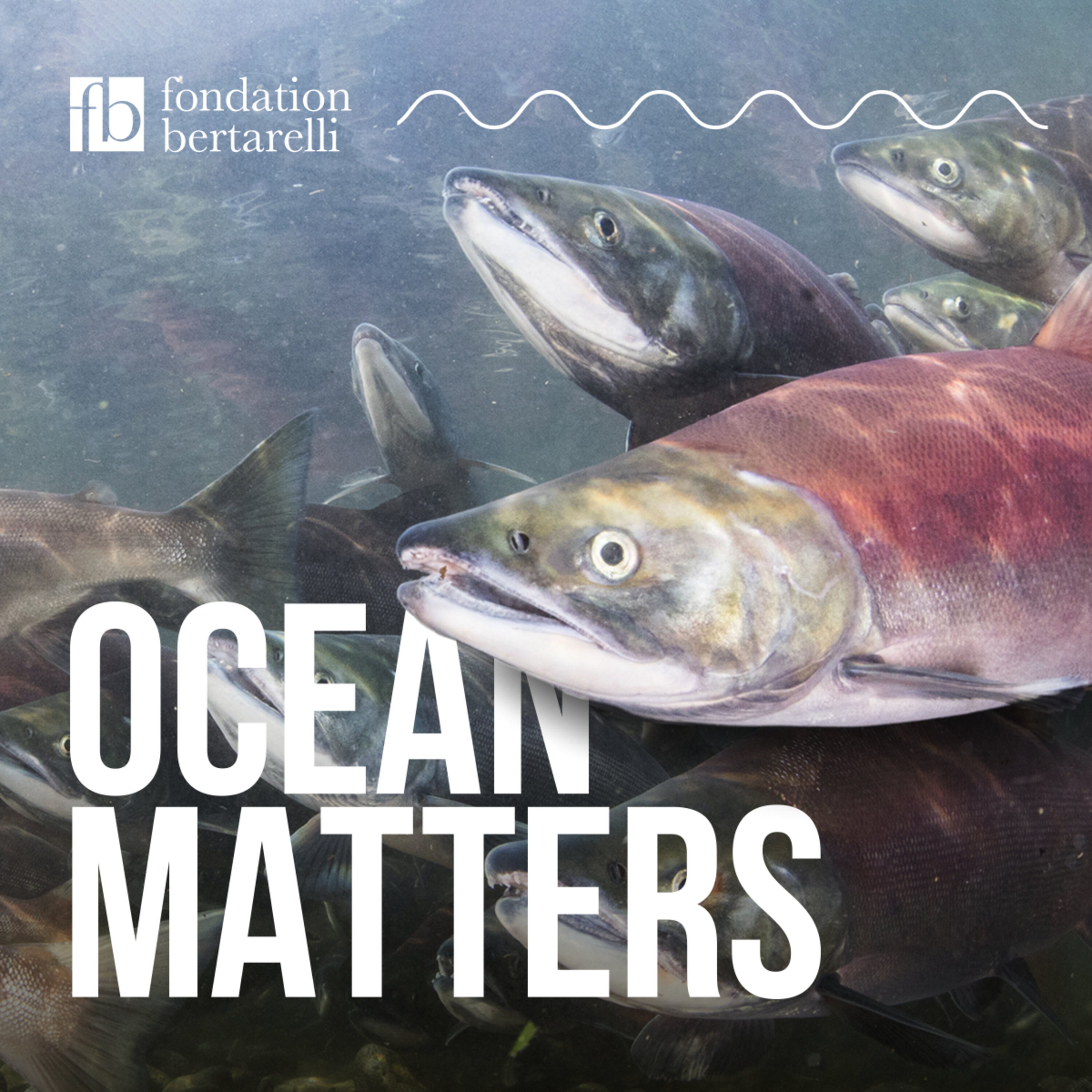 Learning from Indigenous Fisheries | There are several stories in this series which explore the connectivity between species, but how often do we consider the connectivity between a species, people, land and culture? Take the Pacific Salmon, for example. This is just one example of a “culturally significant fish” and are at the heart of indigenous communities in British Columbia. By understanding the biology of salmon we can better understand the complex interrelationships between fish, people and place. But what is the current state of wild salmon? Join oceanographer and host Dr Helen Czerski with scientist and citizen and member of the Nisga’a First Nation Dr Andrea Reid, as they explore the importance of the Pacific Salmon to indigenous communities. Andrea is the Principal Investigator at the Centre for Indigenous Fisheries in the Institute for the Oceans and Fisheries at the University of British Columbia. Ocean Matters is a Fresh Air production for the Bertarelli Foundation. The producer is Izzie Clarke.See omnystudio.com/listener for privacy information. | 25m 38s | ||||||
| 8/31/22 | 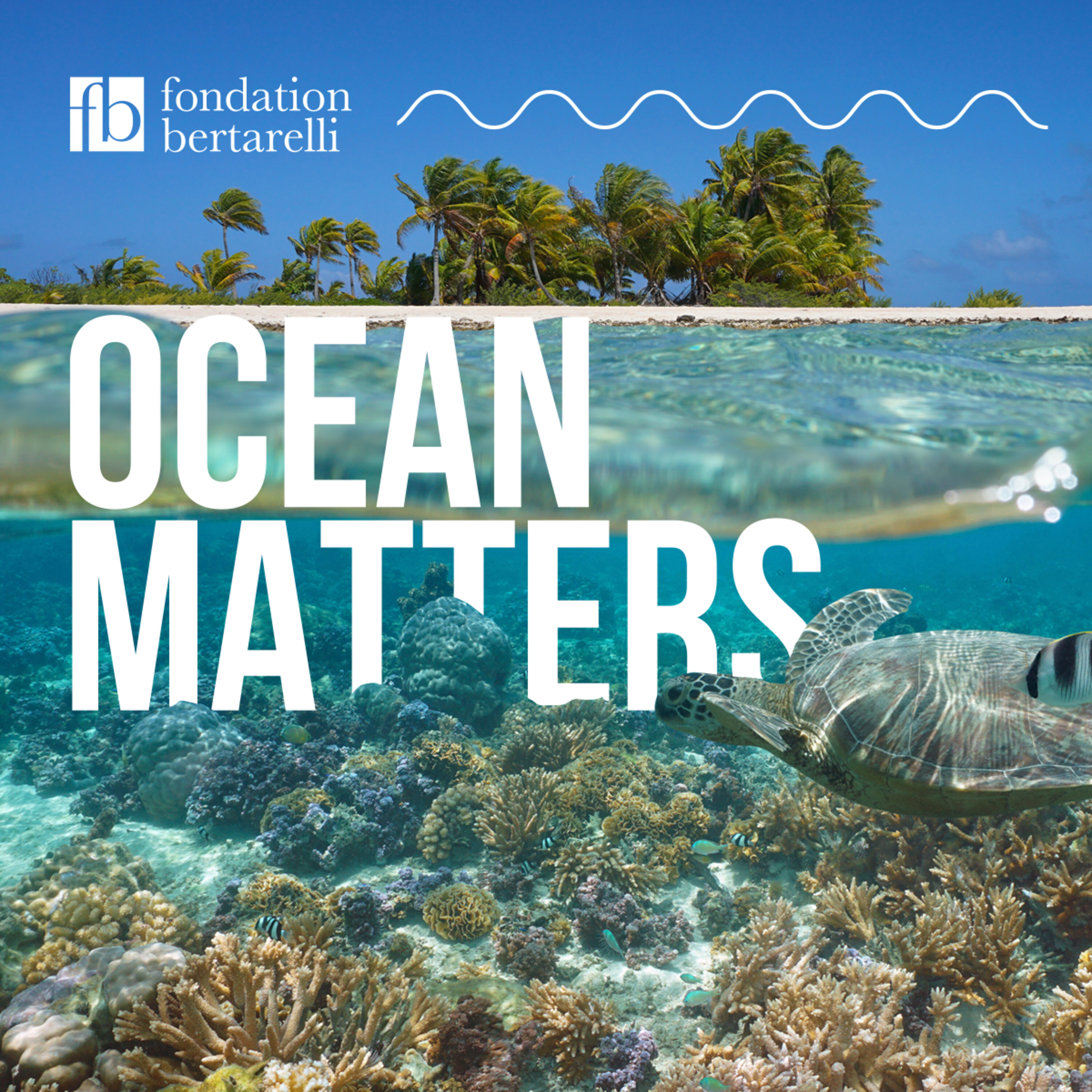 Ecosystems – Land, Marine, and The “In Between” | Bizarrely, when it comes to ecology – marine systems and land systems are studied separately. But we need to better understand the “in between”. Travelling from vast rainforests, all the way to the sandy shores of remote atolls, join oceanographer Helen Czerski as she explores the power of a healthy ecosystem with Yadvinder Mahli, Professor of Ecosystem Science at Oxford University and Director of Oxford’s Leverhulme Centre for Nature Recovery. What are the processes that keep these important ecosystems in check? And can a healthy island ecosystem improve the state of our ocean?See omnystudio.com/listener for privacy information. | 28m 04s | ||||||
| 7/6/22 | 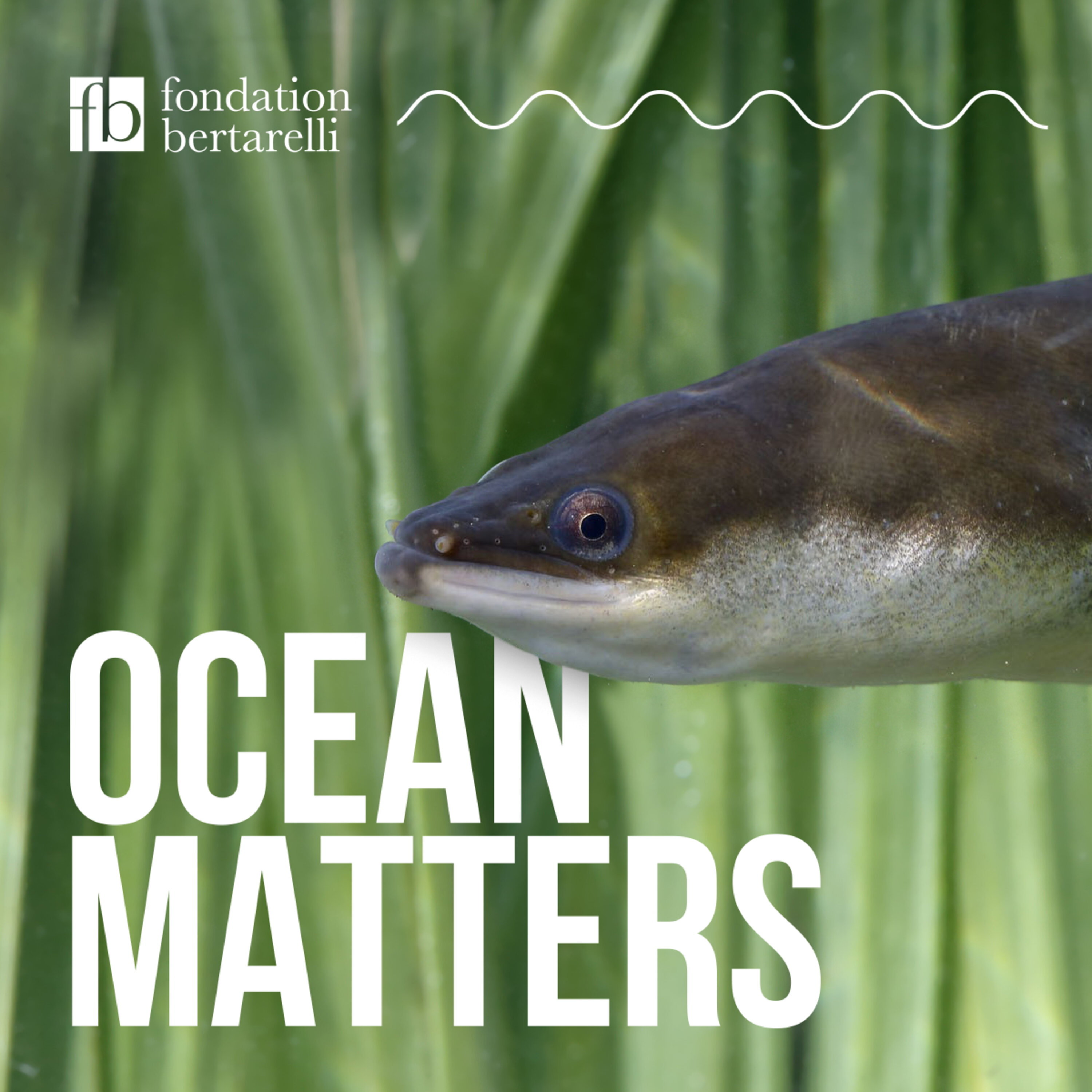 Eels – Are you in the fan club? | The more you find out about eels, the more fascinating they become... Even on the scale of the surprises that nature can throw at us. The European eel starts its life way out in the open ocean, far, far away from land, out in saltwater. It then migrates back thousands of miles towards estuaries, up the estuaries, into the freshwater system. It’s an extraordinary achievement but, as it travels, this is a species that encounters all the water based problems that we humans create. Join oceanographer and host Helen Czerski as she discovers the eel’s impressive journey, the threats they face, and whether she can find an elusive eel at the banks of Hampton Court in London. With special thanks to Marine and Freshwater Conservation Programme Manager, Dr Matt Gollock at Zoological Society London and Phoebe Shaw Stewart from their monitoring programme. Follow or subscribe now, for free, wherever you get your podcasts so that you never miss an episode. See omnystudio.com/listener for privacy information. | 32m 19s | ||||||
| 12/15/21 |  BONUS – People Power | In episode 12, we heard about the changes our ocean has faced in recent years and why it’s important to remain ‘ocean optimists’ in the fight against climate change. One ocean optimist is Sebastian Yancovic Pakarati, who is from an indigenous community – the Rapa Nui - on Easter Island. In 2014 the Rapa Nui lobbied the Chilean government to create a marine protected area in the waters around Easter Island. Four years later their campaign was successful and the MPA is now one of the world’s largest. Sebastian speaks with producer Izzie Clarke about creating positive change, the important role indigenous communities play in ocean conservation, and shares his advice for listeners wanting to make a difference. Ocean Matters will be taking a short break to bring you season two. In the meantime, do listen and share the series so far. You can also visit the Bertarelli Foundation’s website marine.science, as well as @Marine_Science on Twitter to share your ocean enthusiasm. Ocean Matters is a Fresh Air Production for the Bertarelli Foundation. Follow or subscribe now for free, wherever you get your podcasts, and we’ll be back in spring 2022.See omnystudio.com/listener for privacy information. | 12m 34s | ||||||
| 12/1/21 |  Witness for a Changing Ocean | Everyone who studies the ocean recognizes that many parts of it are in a state of flux – always changing. That is the natural state of things. But sometimes changes become extreme or too frequent, and that is when problems arise. In 2015 and 2016 a massive El Nino event impacted coral reefs around the world. This week, presenter and oceanographer Helen Czerski is joined by four scientists who experienced this event and its consequences, but who still see reasons for ocean optimism. With special thanks to our panel: Dr. Catherine Head, a postdoctoral researcher at the Zoological Society of London and the University of Oxford; Dr. Mark Meekan, Principal Research Scientist at the Australian Institute of Marine Science; Prof. Jessica Meeuwig, from the Marine Futures Lab at the University of Western Australia; and Prof. Heather Koldewey, Head of the Bertarelli Marine Science Programme. Ocean Matters is a Fresh Air Production for the Bertarelli Foundation. Follow or subscribe now for free, wherever you get your podcasts, so you never miss an episode.See omnystudio.com/listener for privacy information. | 43m 56s | ||||||
| 11/17/21 |  BONUS – The Future of Coral Reefs | With COP26 having been and gone, one thing is clear - we need positive climate action. But while climate change has been edging its way into the public consciousness, scientists, innovators, communities and campaigners have been building an strong foundation for change. We are not starting from square one. In this bonus episode of Ocean Matters, Helen Czerski meets one of those scientists. Dr Gareth Williams, from the University of Bangor, models climate change to better understand its impact on coral reefs and what may happen to them in the future. Follow and subscribe to Ocean Matters now for free, so you never miss an episode. See omnystudio.com/listener for privacy information. | 18m 08s | ||||||
| 11/3/21 |  COP26 – Fighting for our Ocean | COP26 is taking place in Glasgow, with the eyes of the world on the decisions being made, and climate change is finally getting the serious attention that scientists and campaigners have been demanding for a long time. But it’s only relatively recently that the public debate has really started to include the ocean, and a much deeper appreciation of the connection between our global ocean and Earth’s climate. This month, Helen Czerski explores a changing climate is affecting our ocean, and how a changing ocean is affecting our climate. And what policies would really make a difference for Earth’s vast blue heart? With thanks to Professor Margaret Leinen, Director of Scripps Institution of Oceanography, Professor Steve Simpson, from the University of Bristol, and Lord Deben, a former Environment Secretary described as the “Environment Secretary against which all others are judged”. Ocean Matters is a Fresh Air Production for the Bertarelli Foundation. Follow or Subscribe now for free so you never miss an episode.See omnystudio.com/listener for privacy information. | 33m 16s | ||||||
| 10/20/21 | 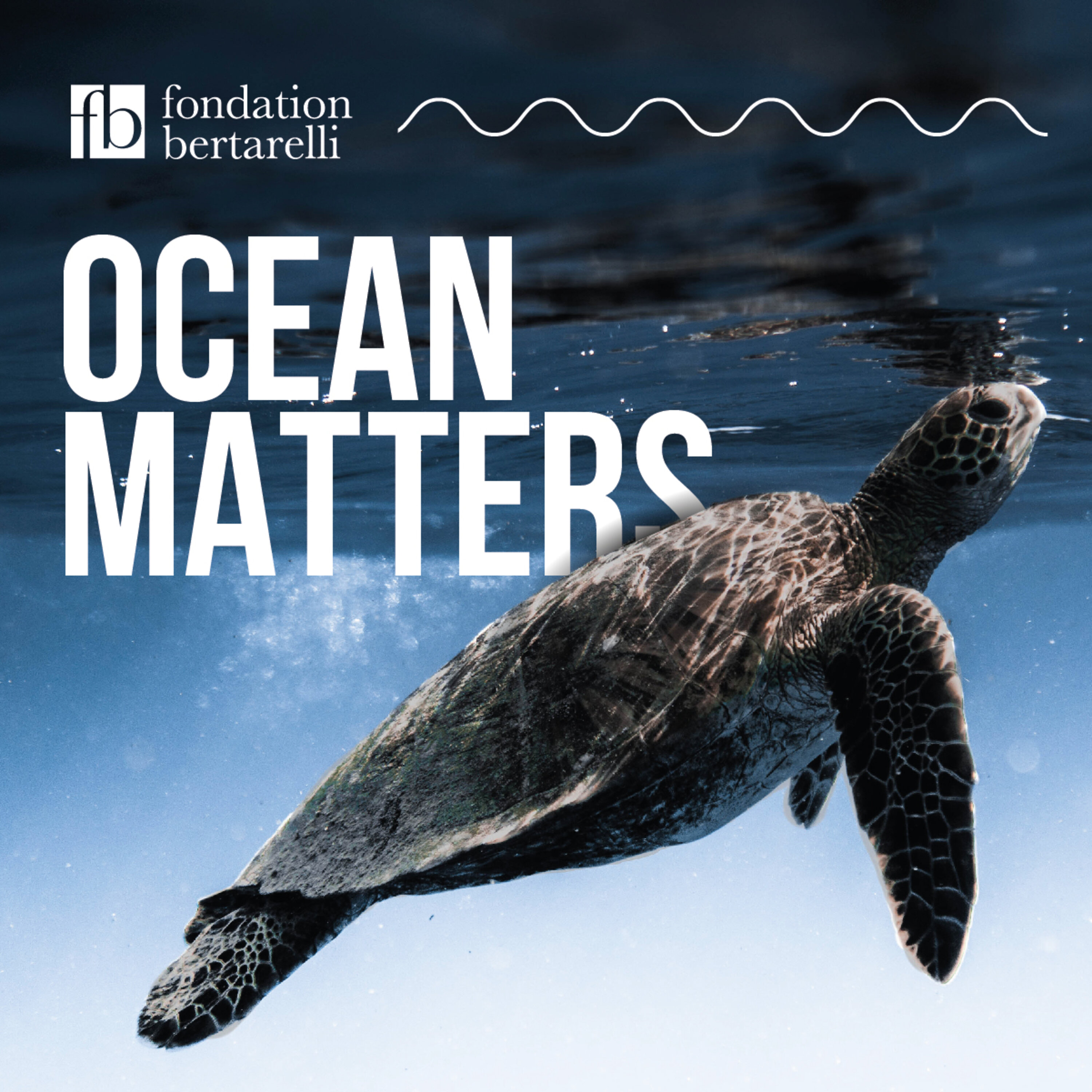 BONUS - Turtles in Culture, Past and Present | There’s no doubt that turtles are well-loved animals that have had a huge impact on cultures around the world and throughout history. But there’s a fine line between celebrating a species and taking it for yourself. Series Producer Izzie Clarke spoke with JC Niala, acting keeper of anthropology at the Horniman Museum and Gardens in London, about some of the museum’s turtle artefacts. See them for yourself here… 19th Century Comb: https://www.horniman.ac.uk/collections/object/56261/ Tortoiseshell Spectacles: https://www.horniman.ac.uk/object/2.117/ Ocean Matters is a Fresh Air Production for the Bertarelli Foundation. Follow or subscribe now for free, wherever you get your podcasts, so you never miss an episode.See omnystudio.com/listener for privacy information. | 12m 04s | ||||||
| 10/6/21 | 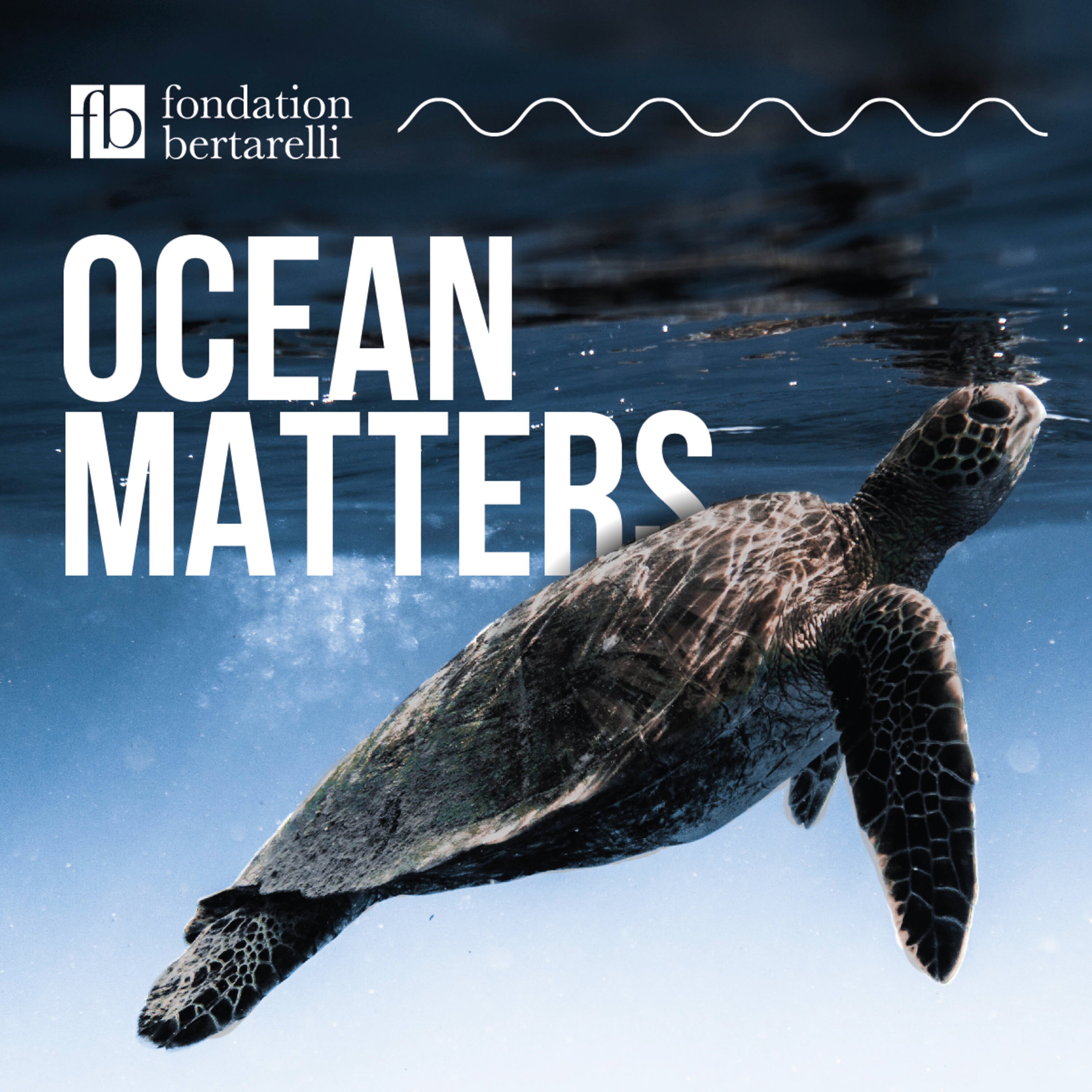 Turtles – Survivors, Navigators, Voyagers | Turtles are survivors, navigators, voyagers: criss-crossing Earth’s seas while continents moved and oceans grew and shrunk. But the modern ocean is presenting them with more challenges than ever. This month, oceanographer Helen Czerski will be swimming with Earth’s turtles, meeting the different species, spying on their lifestyles and seeing the ocean through their eyes. How do they manage their incredible feats of navigation? And what do we need to do to make sure that these fabulous animals sail with us into the ocean’s future? With special thanks to Dr Graeme Hays from Deakin University, Holly Stokes, Dr Nicole Esteban from the University of Swansea, and Dr Liliana Colman from the University of Exeter. Ocean Matters is a Fresh Air Production for the Bertarelli Foundation. Follow or subscribe now for free, wherever you get your podcasts, so you never miss an episode.See omnystudio.com/listener for privacy information. | 29m 01s | ||||||
Want analysis for the episodes below?Free for Pro Submit a request, we'll have your selected episodes analyzed within an hour. Free, at no cost to you, for Pro users. | |||||||||
| 9/22/21 | 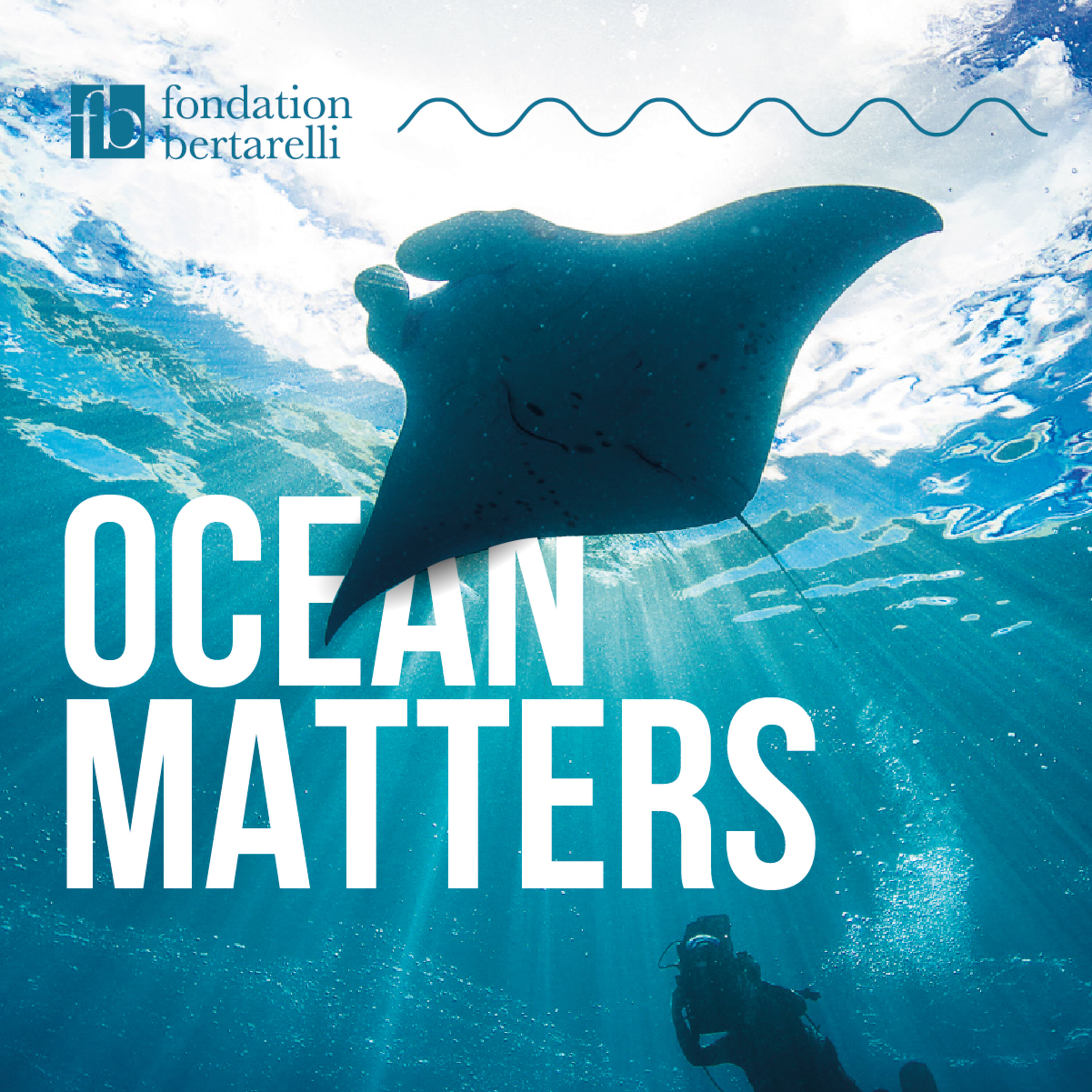 BONUS - Magnificent Manta Rays | In episode 9, we discovered that plankton is a vital food source for manta rays so producer Izzie Clarke finds out more about these magnificent animals. What are the different species of manta ray? What’s their life history? And how do we protect them from current threats? Who better to speak to than Guy Stevens, CEO and co-founder of the Manta Trust. Visit mantatrust.org for more information on their work. Ocean Matters is a Fresh Air Production for the Bertarelli Foundation. Follow or subscribe now for free, wherever you get your podcasts, so you never miss an episode.See omnystudio.com/listener for privacy information. | 14m 50s | ||||||
| 9/8/21 | 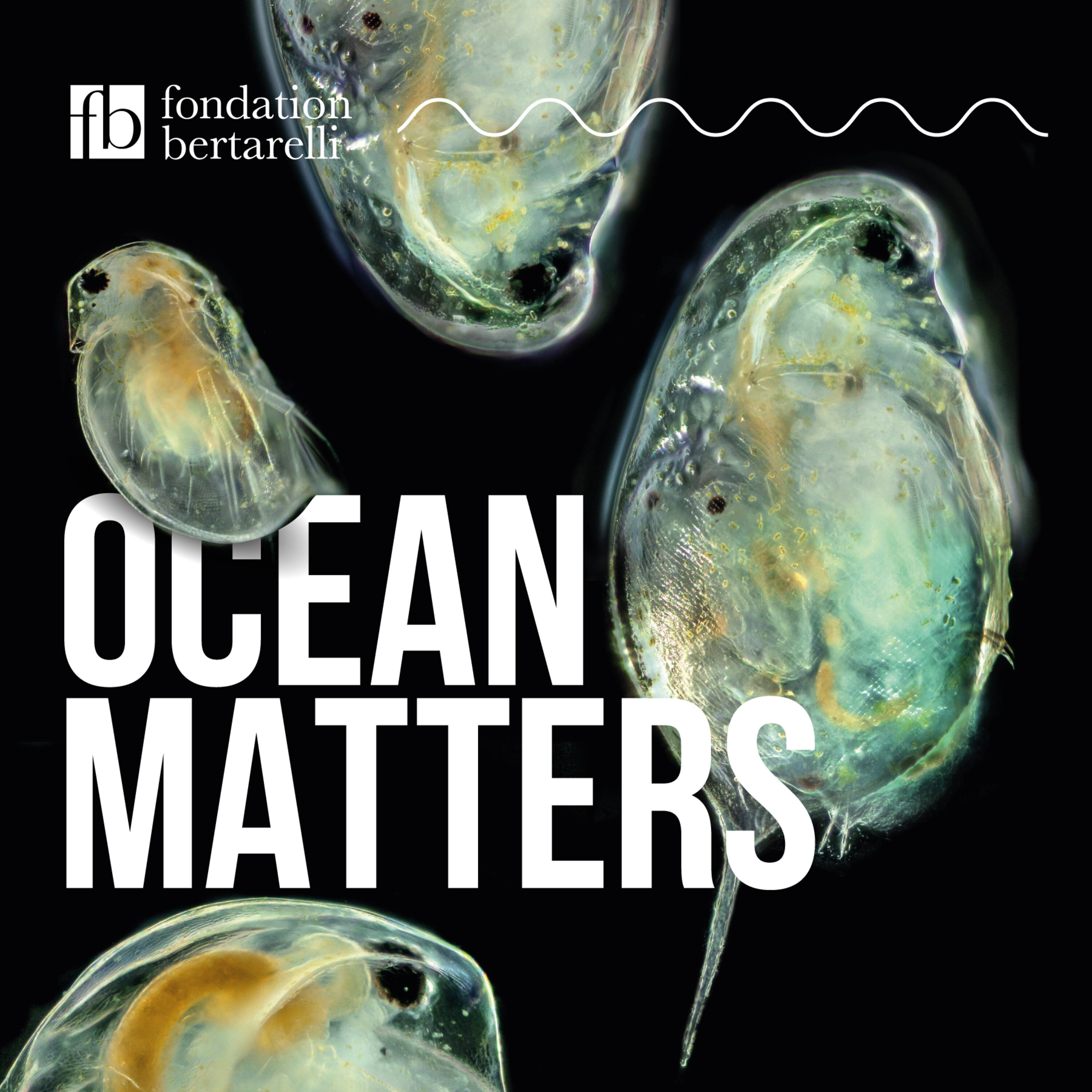 Plankton - A Miniature Kaleidoscope of Life | It’s often said that small is beautiful, and that’s true in the ocean too. But in the huge blue expanses of our planet, the small aren’t just beautiful – they’re essential. The 'small' here are the plankton - the tiny and varied specks of drifting life that go wherever the ocean takes them. They’re the foundation for the entire ocean ecosystem, and the starting point for almost every story the ocean has to tell. In this episode of Ocean Matters, oceanographer and physicist Helen Czerski meets the magical world of plankton, learns why they’re important for larger organisms such as manta rays, and hears how the climate crisis is impacting this crucial part of the marine environment. With special thanks to Dr Jill Schwarz from the University of Plymouth, Dr Ines Lange from the University of Exeter, Joanna Harris from the Manta Trust, and David Johns from the Continuous Plankton Recorder. Come with us on this scientific adventure. Follow and subscribe now, wherever you get your podcasts, so that you never miss an episode. See omnystudio.com/listener for privacy information.See omnystudio.com/listener for privacy information. | 28m 14s | ||||||
| 8/25/21 |  BONUS – Human Rights Abuse at Sea, with Ian Urbina | "These crews are typically working 20 hours straight before they have maybe a two hour break" Fishing is having a huge impact on the lives of humans. Slavery, abduction and even murders are taking place on fishing fleets around the world and with these crimes are being committed far from land, they are unknown or perhaps even unthinkable to most of us. In this bonus episode, producer Izzie Clarke speaks with Ian Urbina, a journalist for the New York Times and the Director of the Outlaw Ocean project . In what began as an award-winning series in 2015 in The New York Times and a resulting book, the Outlaw Ocean is a non-profit journalism organization that produces high-impact investigative stories about lawlessness at sea and the diversity of environmental, human rights, and labour abuses occurring offshore around the world.See omnystudio.com/listener for privacy information. | 21m 10s | ||||||
| 8/11/21 | 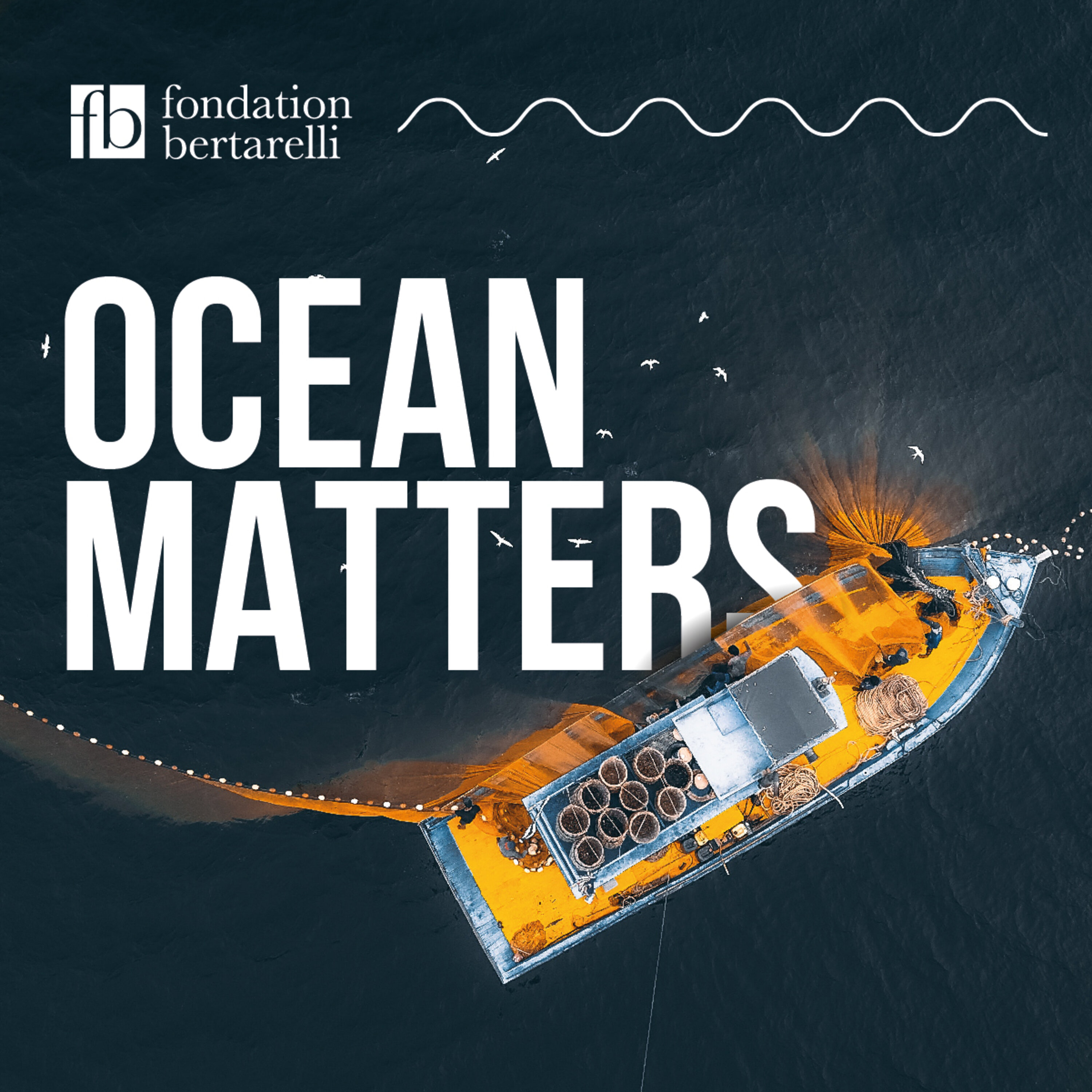 Fisheries – What needs to change? | For most of us, fish come from a shop. They’re either laid out on ice in their full glory, neatly packaged in cans or hidden away inside fish fingers. An estimated 179 million tonnes of fish was removed from the ocean in 2018, and 87% of that ended up on our plates. But those fish have a backstory that’s far harder to see, but it all comes down to the fact that we’re taking too much. Join Oceanographer and Physicist Helen Czerski, as she explore the extent of the problem, why people turn to illegal fishing, and how technology can help us better manage fisheries around the world. With special thanks to Professor Callum Roberts from the University of Exeter, Dr Asha de Vos from Oceanswell, and Anna Sanders from Global Fishing Watch. Follow or subscribe to Ocean Matters for free so that you never miss an episode.See omnystudio.com/listener for privacy information. | 30m 39s | ||||||
| 7/28/21 | 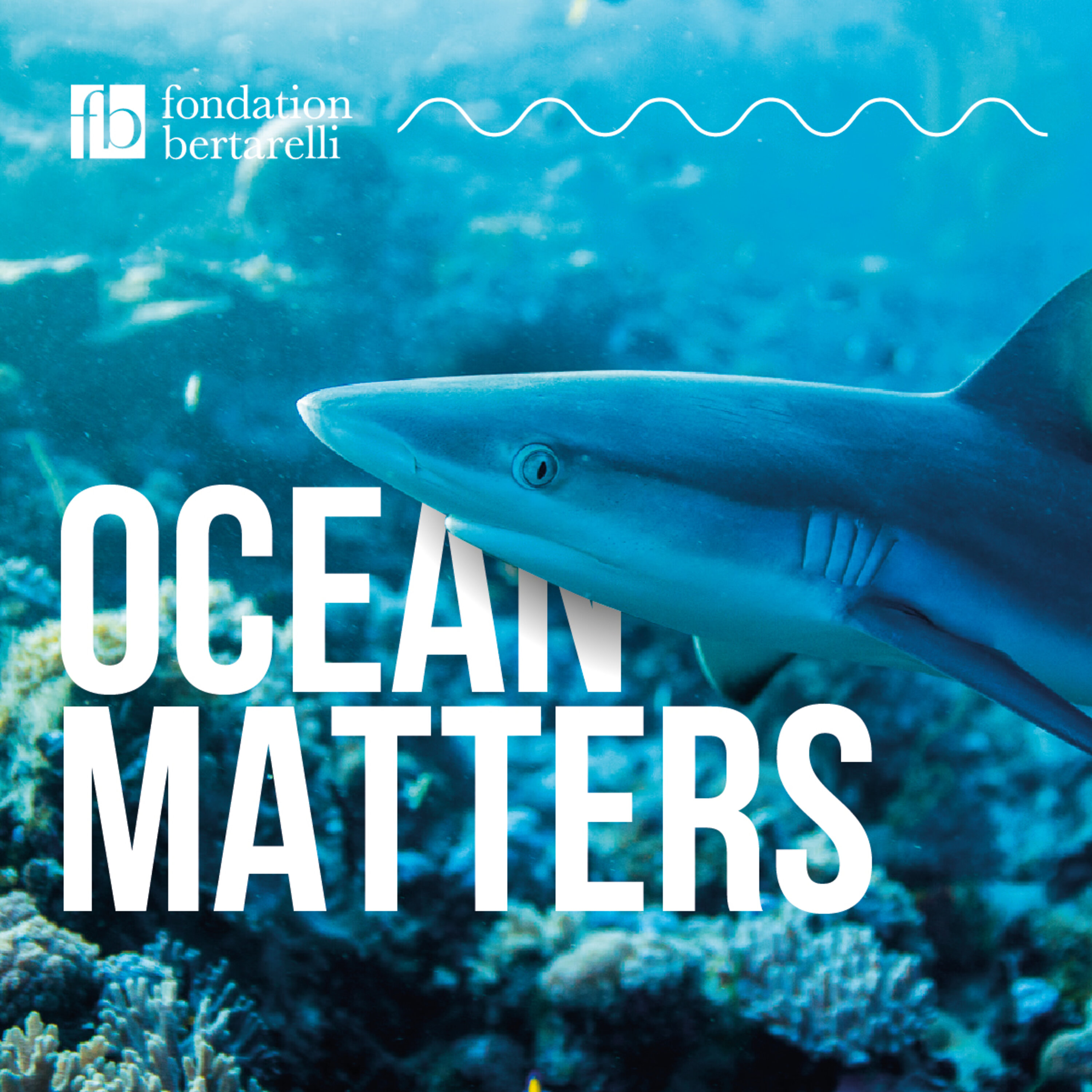 BONUS - Dr Mark Meekan: My Time with Sharks | “Some of the most exciting discoveries are still out there.” - Dr Mark Meekan Sharks are incredibly adapted to life in the ocean, but scientists still have so much more to learn about these enigmatic animals. The more we understand about them and their behaviour, the more we can do to protect them and prevent their numbers from falling even further. But, what does life as a shark scientist involve? In this bonus episode of Ocean Matters, Izzie Clarke spoke to Dr Mark Meekan, Principal Research Scientist at the Australian Insititute Of Marine Science, to find out. Ocean Matters is a Fresh Air production for the Bertarelli Foundation. See omnystudio.com/listener for privacy information. | 18m 28s | ||||||
| 7/14/21 | 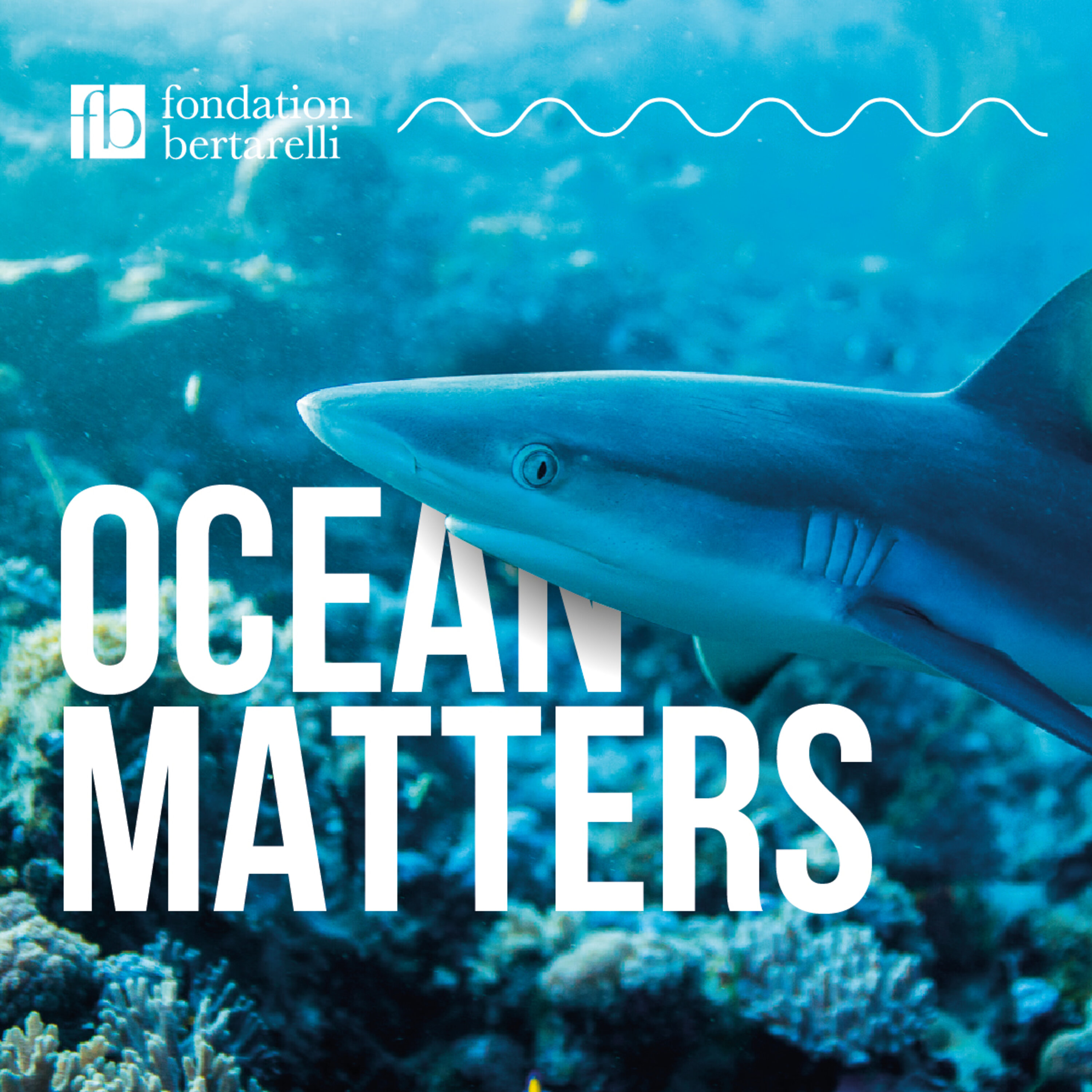 Sharks – Masters of the Ocean | Today we know of at least 1,200 species of shark, and we’re still finding more. Sharks are a critical part of life in the ocean. But the numbers don’t lie, these magnificent animals are seriously threatened. Since 1970, the global abundance of oceanic sharks and rays has declined by 71%. In this episode of Ocean Matters, Helen Czerski explores how these masters of the ocean sense their world, why they’re not the “lone hunters” depicted by Hollywood, and why we need to protect them. With special thanks Sarah Fowler from Save Our Seas Foundation, Dr David Jacoby from the Zoological Society of London, and Dr Al Dove from Georgia Aquarium. Come with us on this scientific adventure. Follow and subscribe now, wherever you get your podcasts, so that you never miss an episode.See omnystudio.com/listener for privacy information. | 29m 38s | ||||||
| 6/30/21 |  BONUS – Charles Darwin’s Island Discovery | In this bonus episode of Ocean Matters, producer Izzie Clarke explores the very first theories of how islands are formed from Charles Darwin and his time on HMS Beagle. Joining her is Alistair Sponsel, Historian of the Life Sciences at Cold Spring Harbor Laboratory and Senior Research Fellow in Science, Technology & Society at Harvard University, who explained where the crew’s research began and how this has shaped our understanding of remote islands. If you want to find out more about Darwin, Alistair has written a book on his life called “Darwin's Evolving Identity: Adventure, Ambition, and the Sin of Speculation” Ocean Matters is a Fresh Air production for the Bertarelli Foundation. See omnystudio.com/listener for privacy information. | 17m 40s | ||||||
| 6/16/21 |  Isolated Islands - Adventures in Evolution | The tourist brochures are clear about what we should expect from a remote tropical island: bright blue water, white sand, some exotic shells and the odd coconut tree. But the reality is usually a little bit more complicated. In Ocean Matters, Helen Czerski explores these small, remote islands - distant specks of land that are dwarfed by the vast ocean around them. How do they form? What makes both the islands and their inhabitants so distinctive? And why are they disappearing? With special thanks to Dr Ines Lange and Professor Chris Perry from the University of Exeter, Professor Carl Jones from the Durrell Wildlife Conservation Trust, and James Michel, Former President of the Seychelles. Come on this adventure. Subscribe now, wherever you get your podcasts, so that you never miss an episode.See omnystudio.com/listener for privacy information. | 29m 25s | ||||||
| 6/2/21 | 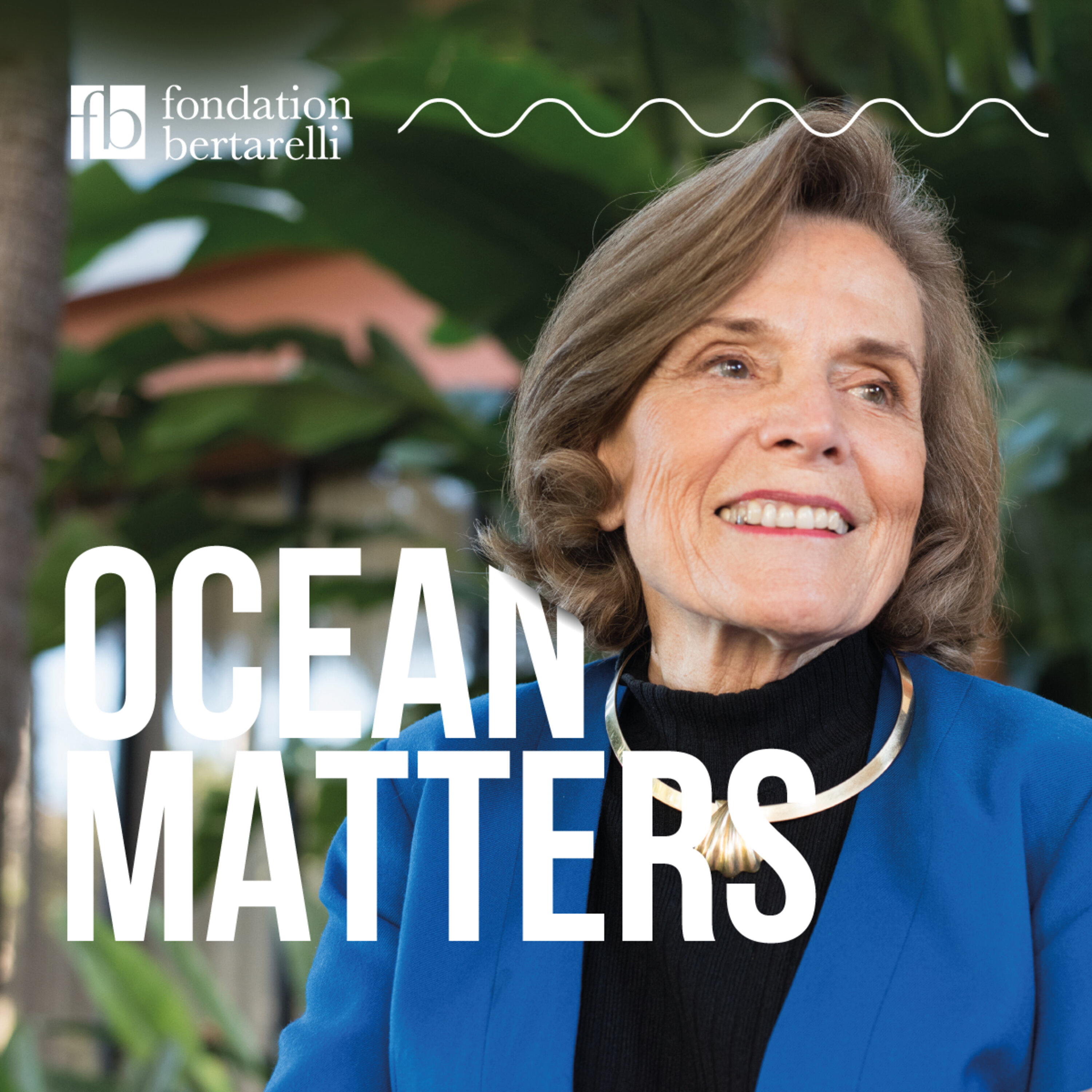 BONUS - Dr Sylvia Earle | “The ocean found me, in a way…” – Dr Sylvia Earle In this bonus episode of Ocean Matters, host Helen Czerski speaks to explorer, oceanographer, and former Chief Scientist at NOAA, Dr Sylvia Earle. They discuss her fascinating career, her ongoing work to protect the ocean, and what makes her optimistic for its future. Ocean Matters is a Fresh Air Production for the Bertarelli Foundation, subscribe now so you never miss an episode. See omnystudio.com/listener for privacy information. | 14m 47s | ||||||
| 5/19/21 | 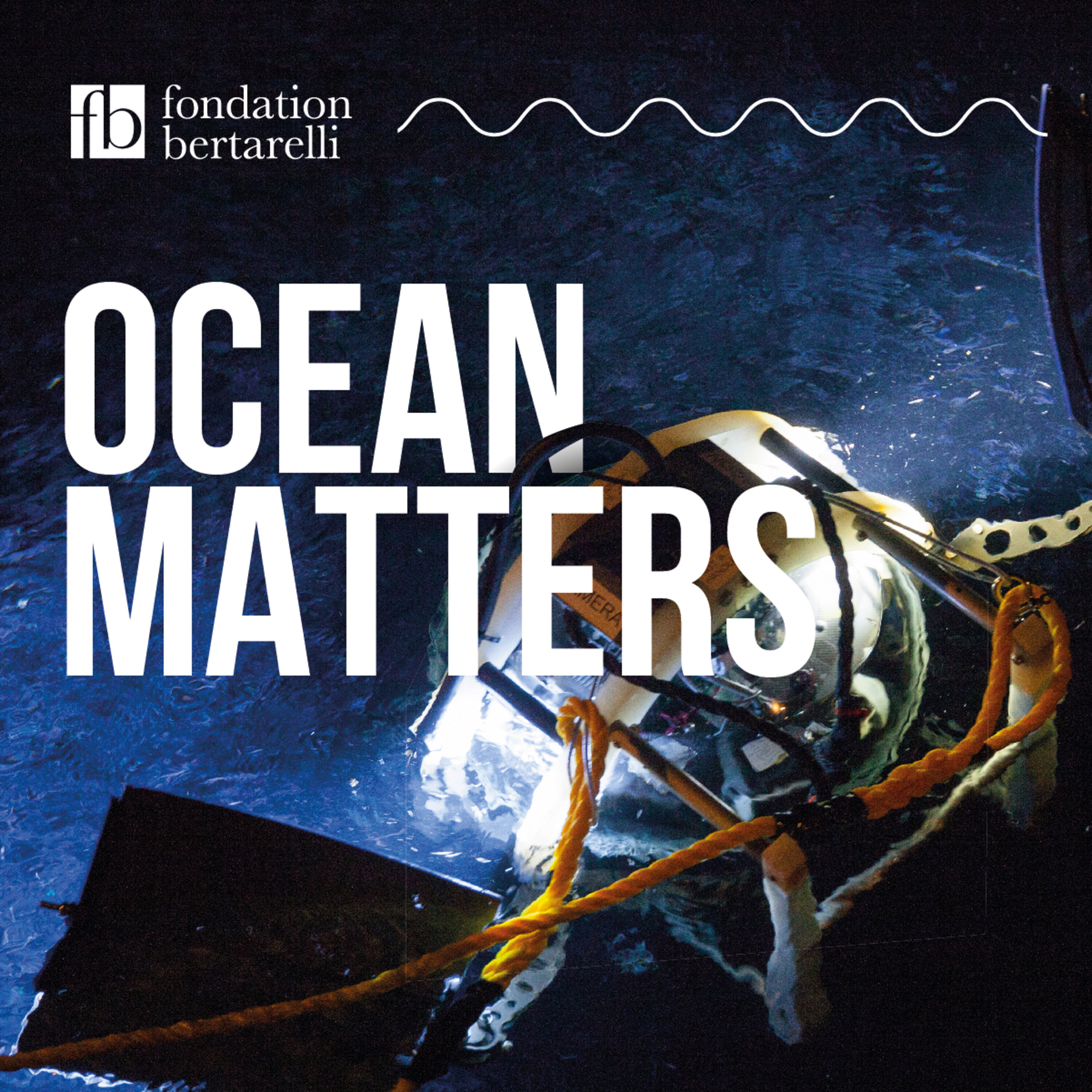 The Deep Sea – Exploring the Unknown | When we look up at the night sky, we can see the cosmos in all its glory; the constellations are familiar friends that we learn as children. But even though the deep ocean is far closer, it is far more mysterious. Whilst it is hard to get to, it certainly isn’t empty or featureless. In Ocean Matters, join oceanographer and physicist Helen Czerski as she explores the deep sea: what’s in it, why it matters, and how the top of the ocean is inextricably connected to the bottom. With special thanks to Professor Kerry Howell from the University of Plymouth, Dr Sylvia Earle, and Professor Alex Rogers from REV Ocean. Come on this adventure. Subscribe now, wherever you get your podcasts, so that you never miss an episode.See omnystudio.com/listener for privacy information. | 29m 24s | ||||||
| 5/5/21 |  BONUS – Microplastic Mayhem | “I continue to be surprised at where microplastics are and where they come from” – Dr Imogen Napper In this bonus episode of Ocean Matters, producer Izzie Clarke speaks to Dr Imogen Napper from the University of Plymouth about microplastics and how they end up in our water sources. From small personal choices, to influencing international laws, Imogen also explains the responsibility we can all take to tackle the microplastic problem. Ocean Matters is a Fresh Air Production for the Bertarelli Foundation, subscribe now so you never miss an episode.See omnystudio.com/listener for privacy information. | 12m 22s | ||||||
| 4/21/21 |  Plastic – Our single use problem | So often, the ocean’s problems are invisible, but plastic pollution in the ocean has rocketed up public consciousness in the past few years precisely because it, and the damage it does, is so visible. Once you start looking, it’s everywhere. Over 40% of plastic manufactured every year will only be used once. In Ocean Matters, join oceanographer and physicist Helen Czerski as she explores the impact plastic is having on ocean wildlife, the scale of single-use plastic bottles in London, and an exciting solution found in nature - enzymes that eat plastic. Want to be a Citizen Scientist? Track plastic pollution in your area and help expand a shared global database with the Debris Tracker App available at your app store or at https://debristracker.org/. Come on this adventure. Subscribe now, wherever you get your podcasts, so that you never miss an episode.See omnystudio.com/listener for privacy information. | 29m 24s | ||||||
| 4/7/21 |  BONUS – Restoring Seabird Islands | “An important part of looking after the ocean is that you’ve got to look after the seabirds” If we were able to wave a magic wand and remove introduced rats from oceanic islands, is that enough to protect our seabirds? Pete Carr is an expert on birds in the Indian Ocean and, in this bonus episode of Ocean Matters, he explains to host Helen Czerski the importance to restoring native vegetation on our important seabird islands. Ocean Matters is a Fresh Air Production for the Bertarelli Foundation, subscribe now so you never miss an episode.See omnystudio.com/listener for privacy information. | 12m 46s | ||||||
| 3/24/21 |  Seabirds – Our important ocean voyagers | Seabirds are an incredibly versatile group of animals - they roam freely on land, soar majestically through the air and are equally at home underwater. They’re critically important if we are to maintain a healthy ocean, but half of all seabird populations are declining, and one in three is threatened with global extinction. In this episode of Ocean Matters, physicist and oceanographer Helen Czerski explores the vital link between seabirds and the sea, discovers how can seabirds help the ocean recover, and crucially, how can we help the seabirds. Come with us on this scientific adventure. Subscribe now, wherever you get your podcasts, so that you never miss an episode of Ocean Matters. Ocean Matters is a Fresh Air Production for the Bertarelli FoundationSee omnystudio.com/listener for privacy information. | 27m 16s | ||||||
| 3/10/21 |  BONUS – London’s Hidden Coral Reef | “When they spawn, it looks like it's snowing but upside down. It’s very tranquil” – Dr Jamie Craggs In this bonus episode of Ocean Matters, producer Izzie Clarke speaks to Dr Jamie Craggs from the Horniman Museum and Gardens, who has been able to mimic reef conditions all over the world in their London aquarium. This exciting technique is helping scientists to better understand coral breeding and how to protect our reefs. Watch the Coral Spawning on the Horniman Museum and Garden website: https://www.horniman.ac.uk/project/project-coral/ Ocean Matters is a Fresh Air Production for the Bertarelli Foundation, subscribe now so you never miss an episode.See omnystudio.com/listener for privacy information. | 11m 05s | ||||||
Showing 25 of 29
Pitch Fit is a Pro feature
See how bookable this show is for guests, which brands already advertise, the per-episode ad value, and the best-fit guest and sponsor profile. The numbers are blurred on the free plan.
How readily this show books outside guests like you.
How proven this show is for host-read sponsorships.
For Guests
ProFor Advertisers
ProUpgrade to Pro to unlock guest cadence, sponsor categories, fit scores, and per-episode ad value for this show.
Chart Positions
3 placements across 3 markets.
Chart Positions
3 placements across 3 markets.